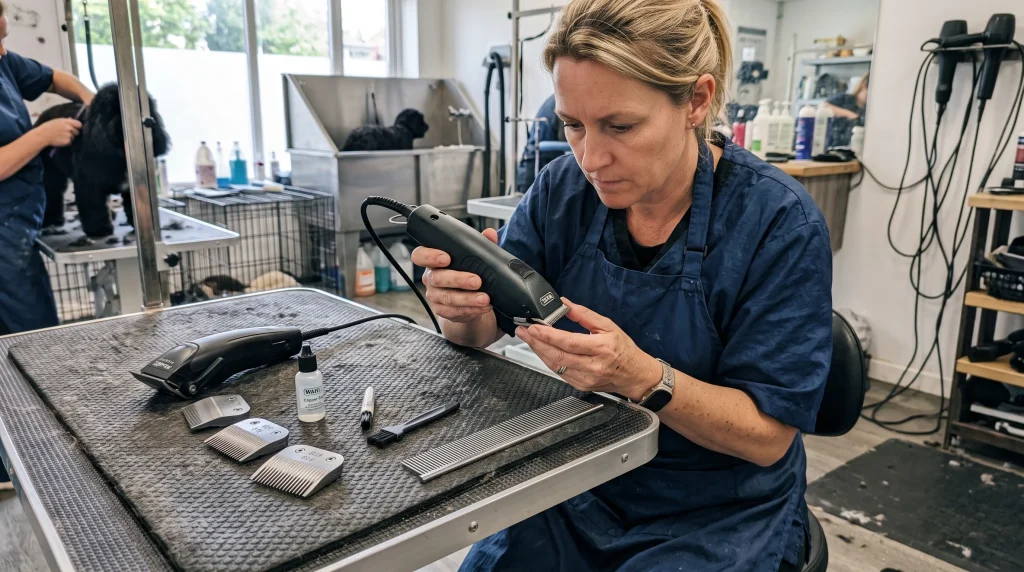
Do Groomers Do Cats: Feline Grooming Services Explained
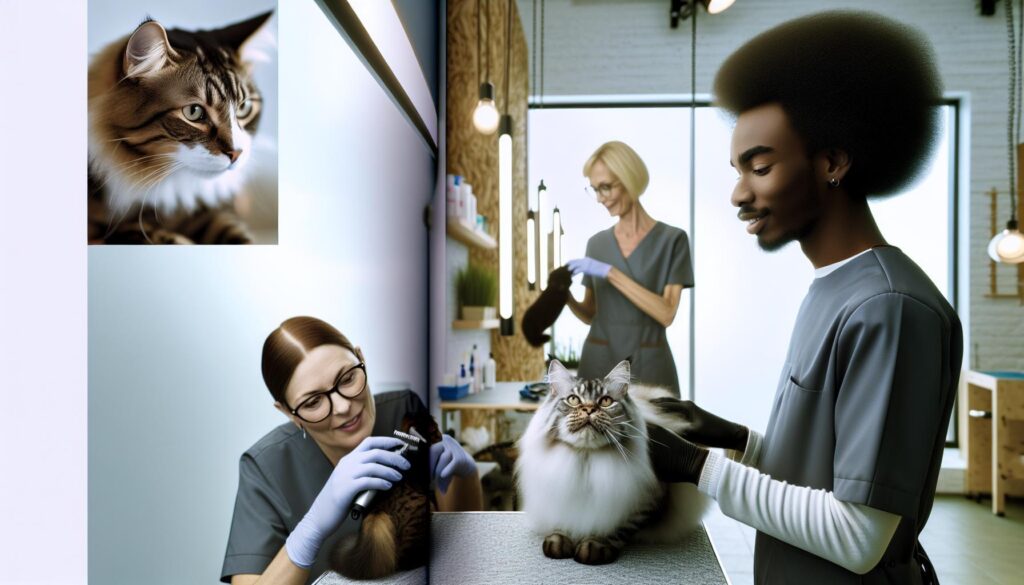
Did you know that regular grooming is just as important for cats as it is for dogs, yet manny cat owners hesitate to seek professional help? Whether your feline friend sports a sleek short coat or a lush, long mane prone to tangles, understanding what groomers can do for cats helps ease anxiety and keeps your pet healthy and comfortable.From gentle baths to nail trims and ear cleaning, professional groomers use specialized tools and techniques tailored to different breeds and personalities, always prioritizing safety and calmness. Many cats resist grooming at home, making expert care a wise choice to prevent matting, skin issues, or stress. In this guide, we’ll walk you through what feline grooming services involve, when to consider a groomer versus at-home care, and how compassionate, experienced groomers ensure your cat’s well-being at every step. Let’s explore how the right grooming routine can improve your cat’s health and happiness while empowering you with confidence and practical tips.
Understanding Feline Grooming: What Cat Groomers Really Do
Table of Contents
- 1 Understanding Feline Grooming: What Cat Groomers Really Do
- 2 Essential Grooming Tasks for Cats: Bathing, Brushing, and Beyond
- 3 Tools and Products Cat Groomers Use Safely at Home and in Salons
- 4 How to Choose the Right Grooming Service for Your Cat’s Needs
- 5 Managing Special Coat Types and Common Cat Grooming Challenges
- 6 Nail Trimming and Paw Care: Expert Tips to Keep Cats Comfortable
- 7 Ear Cleaning and Eye Care: Gentle Grooming for Sensitive Areas
- 8 Recognizing When to See a Vet vs. When to Visit a Groomer
- 9 DIY Cat Grooming Tips for Anxious Pets: Staying Calm and Safe
- 10 Benefits of Professional Grooming for Your Cat’s Health and Happiness
- 11 What to Expect During a Cat Grooming Appointment: Step-by-step Guide
- 12 Troubleshooting Common Grooming Issues: Hairballs, Mats, and Stress
- 13 FAQ
- 13.1 Q: Can groomers handle cats with anxiety or fear during grooming?
- 13.2 Q: How often should I schedule professional grooming for my indoor cat?
- 13.3 Q: Do groomers offer specialized services for different cat breeds?
- 13.4 Q: Are there grooming services that include flea or parasite treatments for cats?
- 13.5 Q: Can professional grooming help reduce shedding and hairballs in cats?
- 13.6 Q: What precautions do cat groomers take to ensure safety during nail trimming?
- 13.7 Q: Can groomers help with removing mats without hurting my cat?
- 13.8 Q: Do groomers provide ear cleaning for cats prone to infections?
- 14 the way Forward
Cats are natural self-groomers, but there are many reasons they benefit from the gentle care of a skilled professional. A cat groomer’s role goes far beyond just making your feline friend look tidy-it’s about enhancing comfort, health, and overall wellbeing through thoughtful, patient care. Unlike dogs, cats can be more sensitive and wary during grooming, so an experienced groomer knows exactly how to create a calm, safe environment tailored to each cat’s personality and coat type.
What Groomers Focus on During a Cat’s Session
Every cat is different. For example, a long-haired Maine Coon with a dense double coat will need regular, thorough brushing to prevent mats that can quickly become uncomfortable or even painful. On the othre hand, a short-haired breed like a Siamese might need less frequent brushing but still benefits from nail trimming and ear cleaning. Groomers customize their care plans based on the cat’s coat length, skin condition, age, and temperament.
This is what a typical grooming session includes:
- Brushing: removing loose fur helps reduce shedding and hairballs,and prevents painful mats-especially important for cats prone to thick or curly coats.
- Bathing: When needed, using cat-safe shampoos helps keep the skin healthy without stripping natural oils.
- Nail trimming: Safely clipping nails to prevent overgrowth,wich can cause discomfort or damage to furniture and people.
- Ear and eye care: Gentle cleaning to prevent infections and identify early signs of issues requiring veterinary attention.
Patience and Compassion: The Heart of cat Grooming
One of the most important, often overlooked aspects is how groomers handle the emotional side of grooming. Many cats arrive anxious, especially if they’ve had negative past experiences. A trained groomer doesn’t rush or force the process. Instead, they work in short, calm stages, often incorporating soothing talk, gentle handling, and rewards. This careful approach not only reduces stress but builds a positive grooming experience that benefits your cat’s behavior over time.
Groomer vs. Veterinarian vs.DIY grooming
While groomers address routine maintenance and comfort, it’s essential to recognize when a problem is medical. Groomers are trained to spot concerns like skin infections, parasites, or unusual lumps and will advise you to seek veterinary care promptly.Meanwhile,some owners want to handle grooming at home,especially nail trims or brushing. Professionals can offer guidance to empower you while emphasizing safety-never forcing a stressed cat,and knowing when it’s better to leave it to the experts.
By understanding the thoughtful work groomers do, you can feel confident that your cat’s grooming sessions are nurturing moments focused on health, relaxation, and trust-building rather than just appearance. This perspective helps owners approach feline grooming with patience, awareness, and an gratitude of the unique needs every cat brings to the table.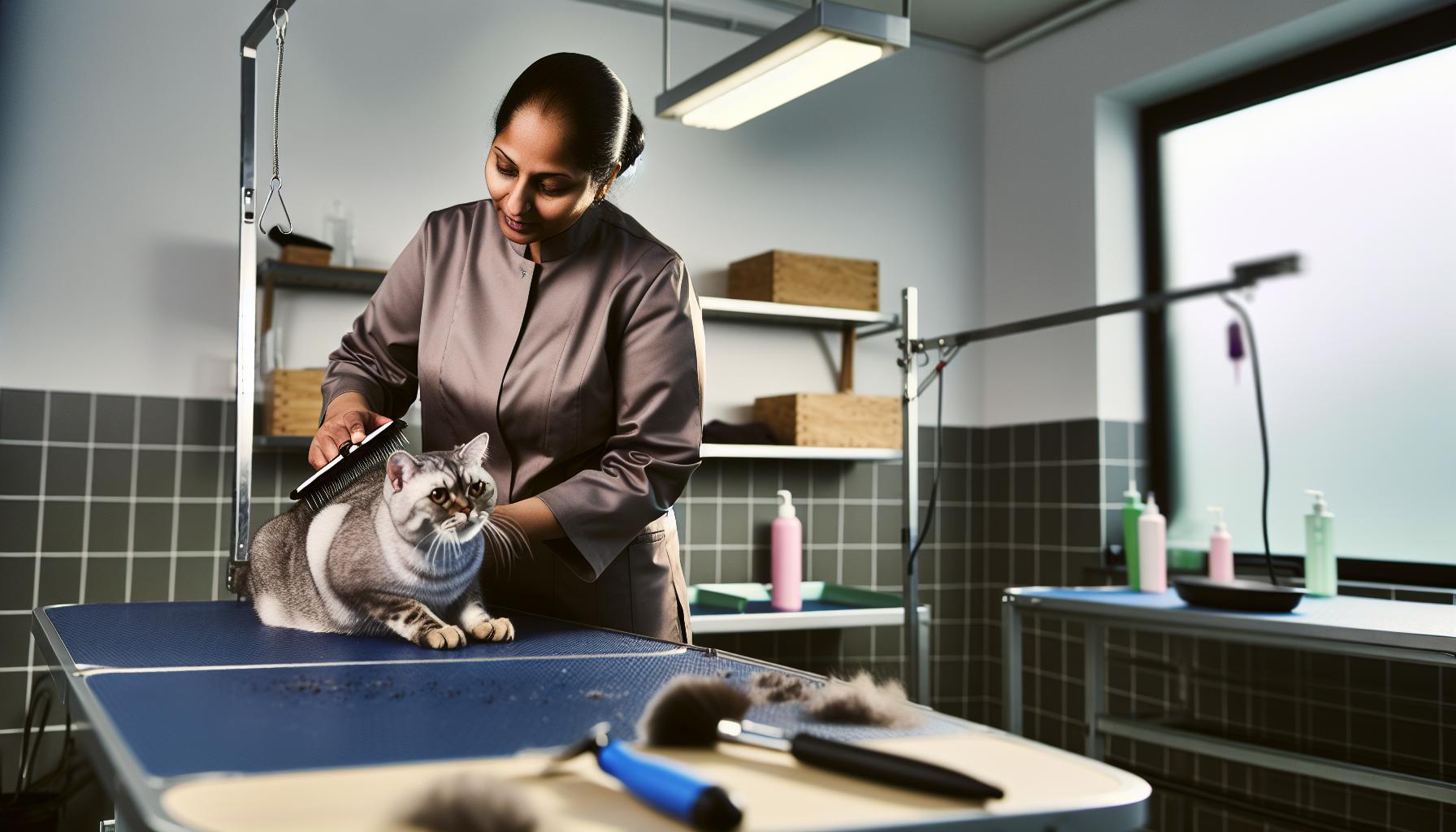
Essential Grooming Tasks for Cats: Bathing, Brushing, and Beyond
Cats spend a surprising amount of time grooming themselves, but even the most meticulous feline sometimes needs a little extra help to stay comfortable and healthy. Grooming sessions with a professional can make a world of difference, especially for breeds with tricky coats or temperaments. Understanding the key aspects of grooming-bathing, brushing, and more-helps you recognize what your cat truly benefits from and how groomers tailor their care.
Brushing: The Foundation of Healthy Fur
Brushing is frequently enough the most frequent and essential grooming task. For long-haired cats like Persians or Maine Coons, daily brushing prevents mats that can pull painfully on the skin and trap dirt or moisture, leading to infections. Short-haired breeds, such as the sleek Siamese or Burmese, also benefit from weekly brushing to remove loose fur and reduce shedding. Groomers typically use a mix of slicker brushes, combs, and de-matting tools, selecting according to coat thickness and texture. Regular brushing also helps minimize hairballs by catching loose fur before your cat swallows it.
If your cat dislikes brushing, starting slow with short sessions and lots of gentle praise can help build trust. Avoid harsh tugging on tangles; rather,work carefully with detangling sprays or seek professional help for stubborn mats.
Bathing: When and How
Though many cats groom well on their own, baths can be necessary for skin health, sticky mess removal, or shedding control. groomers use specially formulated cat shampoos that respect the delicate balance of feline skin and coat oils-never dog or human products, which can cause irritation. Bathing is usually recommended only when truly needed, since too frequent washing can dry out the skin.
For anxious cats,professionals ensure a calm environment with slow movements and soothing tones.A bath might be followed by gentle towel drying or low-heat blow-drying, always prioritizing comfort. At home, if bathing is necessary, use lukewarm water and keep sessions brief to reduce stress.
Nail Trimming and Ear Care: Small Steps, Big Comfort
Nail trims are crucial to avoid overgrowth that can snag furniture or even cause painless yet harmful ingrown nails. Groomers expertly trim only the sharp tips, carefully avoiding quicks (the sensitive pink part inside the nail). Regularly scheduled trims prevent discomfort or injury for your cat and your household.
Ear cleaning is another delicate task. Groomers inspect ears for wax buildup, redness, or odors that may signal infections or mites. They use gentle, feline-safe solutions and soft cotton to clean without causing pain. Owners should avoid inserting cotton swabs deep into the ear canal, as this can cause damage.
Knowing the Limits: When to DIY or Call the Experts
While owners can assist with daily brushing or light nail trims, there are times when a professional’s touch ensures safety and effectiveness-especially when dealing with tough mats or sensitive cats. Groomers also have the training to spot skin abnormalities, parasites, or behavioral signs that warrant veterinary care, stepping in to recommend medical advice when appropriate.
Always prioritize your cat’s emotional wellbeing during grooming. if your pet shows signs of extreme stress or pain, consult with your groomer or vet rather than attempting to push through the session alone. Compassion and patience make all the difference, creating a grooming experience your cat can learn to except, and even enjoy.
- Key tools for brushing: Slicker brush, wide-tooth comb, detangling spray
- Bathing essentials: Cat-safe shampoo, lukewarm water, soft towels
- Nail trimming items: Sharp clippers or scissors, styptic powder (for accidental nicks)
- Ear cleaning supplies: Cat-safe ear cleaner, soft cotton balls
By focusing on these essential grooming elements with kindness and expertise, groomers enhance your cat’s comfort and health, transforming routine care into a calm, positive ritual.
Tools and Products Cat Groomers Use Safely at Home and in Salons
Many cat owners are surprised to learn that the toolkit of a professional feline groomer is thoughtfully curated not just for effectiveness, but most importantly for safety and comfort. Unlike dog grooming, cat grooming demands gentler, more specialized tools and products, carefully chosen to respect the unique qualities of feline skin and coats. Whether at home or in a salon, these trusted items form the foundation of a calm, compassionate grooming experience.
Brushing Tools Tailored to Coat Type
The right brush can transform grooming from a stressful chore into a soothing ritual. For cats with long,dense fur-like Maine Coons or Persians-groomers rely on slicker brushes and wide-tooth combs to gently work through tangles and prevent painful mats. A de-matting tool might be needed for stubborn snarls,but it’s always used with great care to avoid pulling. short-haired breeds benefit from softer bristle brushes or rubber grooming gloves that capture loose fur while providing a gentle massage. For example, a gentle brushing with a rubber glove can soothe an anxious tabby who dislikes stiff bristles.
- Slicker brushes: Great for detangling and removing loose fur from long or thick coats.
- Wide-tooth combs: Ideal for working through knots and minimizing discomfort.
- Rubber grooming gloves: Perfect for sensitive or short-haired cats, enhancing bonding.
- De-matting tools: Used sparingly and with patience on tough mats-best left to professionals when mats are severe.
Bathing Products Designed for Feline Skin
Cat groomers never use human or dog shampoos, which can disrupt a cat’s delicate skin barrier. Instead, they select pH-balanced, hypoallergenic shampoos specifically formulated for cats. Ingredients are gentle, often free from harsh chemicals and fragrances. This respectful approach helps avoid dryness, itching, or allergic reactions. For at-home bathing, lukewarm water and soft microfiber towels complete the process, minimizing chill and stress. Professionals may also use low-heat dryers, but at home, towel drying is safest.
Nail and Ear Care Supplies That Prioritize Safety
Trimming a cat’s nails can be daunting without the right tools and mindset. Sharp, feline-specific nail clippers ensure clean cuts without crushing the nails, while styptic powder is always on hand to quickly stop any minor bleeding from accidental nicks. When it comes to ear care, groomers use specially-formulated ear cleaners free from alcohol or irritants, paired with soft cotton balls or pads-never cotton swabs, which can harm the sensitive ear canal. Regular inspection in this safe manner prevents discomfort and helps identify early signs of infection.
| grooming Task | Recommended Tools & Products | Safety Tips |
|---|---|---|
| Brushing | Slicker brush, wide-tooth comb, rubber gloves, de-matting tool | work gently; avoid tugging; use detangling spray if needed |
| Bathing | Cat-safe shampoo, lukewarm water, soft towels | Keep sessions brief; avoid human/dog shampoos; dry thoroughly |
| Nail Trimming | Sharp cat nail clippers, styptic powder | Trim small amounts; avoid quick; calm your cat with praise |
| Ear Cleaning | Feline-safe ear cleaner, soft cotton balls | Never insert deep; clean outer ear gently; watch for infection |
Remember, every cat is an individual-what works smoothly with one may be stressful for another. That’s why a professional groomer’s tools are matched not only to your cat’s coat and health needs but also to their temperament and anxiety levels. Groomers often bring calming aids like pheromone sprays or thick towels to gently restrain nervous cats without causing panic.
When tackling grooming at home, start with the simplest tool your pet tolerates and gradually introduce more as trust builds. If mats or anxiety become barriers, lean on your groomer’s expertise rather than forcing a stressful session. Compassion and patience-not perfection-create the safest and happiest outcomes.
How to Choose the Right Grooming Service for Your Cat’s Needs
Choosing the right grooming service for your cat is more than just booking an appointment-it’s about finding a partner who truly understands your feline’s unique needs and temperament. Cats differ widely in breed, coat type, and personality, so a one-size-fits-all approach rarely works. Whether you have a shy Siamese with a delicate short coat or a fluffy Maine Coon prone to mats, selecting a groomer who respects these differences can relieve anxiety for both you and your cat, leading to a gentler, safer grooming experience.Start by researching groomers who specialize in cats-not just dogs. Many salons claim to offer feline grooming but lack the tools or patience required for sensitive cats. Ask specific questions about their experience with your cat’s breed and coat type. For example, if your cat has a thick double coat, inquire whether they use de-matting tools designed to minimize discomfort and how they handle stubborn mats without causing stress. Wood handles versus plastic in brushes might seem minor, but these details reveal how groomers prioritize comfort and effectiveness.
What to Consider for Each Grooming task
- Bathing: Confirm the groomer uses cat-safe, pH-balanced shampoos and lukewarm water. Many cats dislike water, so professionals trained in gentle restraint and quick drying methods can make this less traumatic.
- Brushing: See if groomers tailor tools to your cat’s coat. Such as, slicker brushes and wide-tooth combs are best for thick fur, while rubber grooming gloves are kinder to short-haired or anxious cats.
- Nail Trimming: A skilled groomer will use sharp feline-specific clippers and calm techniques to avoid cracking nails or frightening your cat.
- Ear and Eye Care: Ask about gentle cleaning protocols. Properly trained groomers use soft cotton balls and feline-safe cleaners, never cotton swabs, to prevent injury.
Vet, Groomer, or DIY?
Understanding when to see a vet versus a groomer is also crucial. Groomers handle routine care but will refer to your veterinarian if your cat shows signs of infection, injury, or pain. Such as, persistent ear redness or unusual discharge warrants medical attention, not just a thorough ear cleaning. Similarly, if mats are too tight or painful, a groomer might recommend sedation or vet intervention rather than risking harm with DIY attempts.
Building Trust and Comfort
A great groomer values patience and compassion over a speedy “perfect” finish. They’ll frequently enough introduce grooming tools slowly, use calming aids like pheromone sprays, and know when to pause or stop if your cat becomes overly stressed. If your cat is anxious, look for groomers who offer consultation visits to familiarize your pet with the environment, helping to build trust over time.
| Key Factors | What to Ask or Look For | Why It Matters |
|---|---|---|
| Experience with Your Cat’s Breed and Coat | Do you have experience with long-haired or short-haired cats like mine? | Ensures proper tool use and technique to avoid injury and stress. |
| Use of Cat-Specific products | What shampoos and cleaners do you use? Are they feline-safe? | Protects delicate skin and prevents allergic reactions. |
| Handling techniques for Anxious Cats | How do you keep nervous cats calm during grooming? | Reduces stress and builds trust for smoother sessions. |
| Referral Policies to Vets | When do you recommend seeing a vet rather of grooming? | Keeps your cat’s health prioritized beyond aesthetics. |
Ultimately, the right grooming service feels like a partnership built on understanding, kindness, and flexibility. Don’t hesitate to ask for a trial session or to observe part of the grooming process. This transparency can definitely help you feel confident your cat is in capable, caring hands and set the foundation for a lifetime of comfortable, positive grooming experiences.
Managing Special Coat Types and Common Cat Grooming Challenges
Cats come with an incredible variety of coat types, each bringing unique grooming needs and challenges that require gentle, informed care. Long-haired breeds like Persians,Maine Coons,or Ragdolls,for example,need regular attention to prevent painful mats and tangles. Short-haired cats such as Siamese or Burmese might seem easier to maintain but can still develop coat oiliness or shedding issues that require thoughtful management. Understanding your cat’s specific coat nature is the first step toward comfortable, stress-free grooming.
Tailoring Brushing and Dematting Techniques
For thick, double-coated cats or those prone to dense undercoats, routine brushing with wide-tooth combs and slicker brushes helps remove loose hair without pulling painfully. When mats form, it’s essential to approach removal slowly and patiently. Professionals often use special dematting tools designed to cut through stubborn clumps gently without harming the skin. If your cat shows resistance or the mats are too tight, it’s healthier to seek a groomer’s help rather than attempting forceful DIY removal, which can cause pain or skin damage.
Bathing Practices for Different Coats
Bathing long-haired cats is often necessary but can be intimidating. Using lukewarm water and cat-safe, pH-balanced shampoos helps maintain the coat’s natural oils. for sensitive or short-haired cats,a simple wipe-down with a damp cloth or waterless shampoo might be sufficient to keep skin clean without the stress of full baths. After washing, thorough drying with low-heat dryers prevents skin irritation and reduces chill-somthing groomers skillfully manage to keep cats calm.
Nail, Ear, and Eye Care adaptations
Certain coat types might influence how often nails need trimming-such as, indoor cats with thick fur sometimes hide their claws, making regular checks crucial. Groomers use sharp, feline-specific clippers to prevent splitting and apply gentle restraint techniques to minimize anxiety.For ears and eyes, cats with dense facial fur may accumulate more debris, so careful cleaning with cotton balls and vet-approved solutions is recommended. Avoid cotton swabs, which risk injury in these delicate areas.
| Coat Type | Recommended Tools | Common Challenges | Grooming Tips |
|---|---|---|---|
| Long-Haired (e.g., Persian, Maine Coon) | slicker brush, wide-tooth comb, dematting tool | Mats, tangles, debris buildup | Brush daily; do not pull mats; seek professional help for severe tangles |
| short-Haired (e.g., Siamese, Domestic Shorthair) | Rubber grooming gloves, soft bristle brush | Shedding, oiliness, dander | Weekly brushing; spot clean with damp cloth; monitor skin health |
| Double-Coated (e.g., Norwegian Forest, Siberian) | De-shedding rake, slicker brush | Heavy shedding, seasonal blowouts | Increase brushing during seasonal molts; use de-shedding tools carefully |
While many owners want to manage grooming at home, it’s vital to recognize when a cat’s coat challenges or behavior require a professional.Persistent mats, skin irritations under dense fur, or extreme fearfulness during grooming are all signs a trained groomer or veterinarian should step in. Groomers not only have specialized tools but also the experience to ease these situations with minimal stress and maximum safety.
Remember, patience and kindness are the best tools when managing grooming challenges. Taking a slow, compassionate approach builds your cat’s trust and makes routine maintenance smoother for both of you. When in doubt,reach out to professionals who understand that comfort and welfare always come first-as a calm,happy cat is the true measure of successful grooming.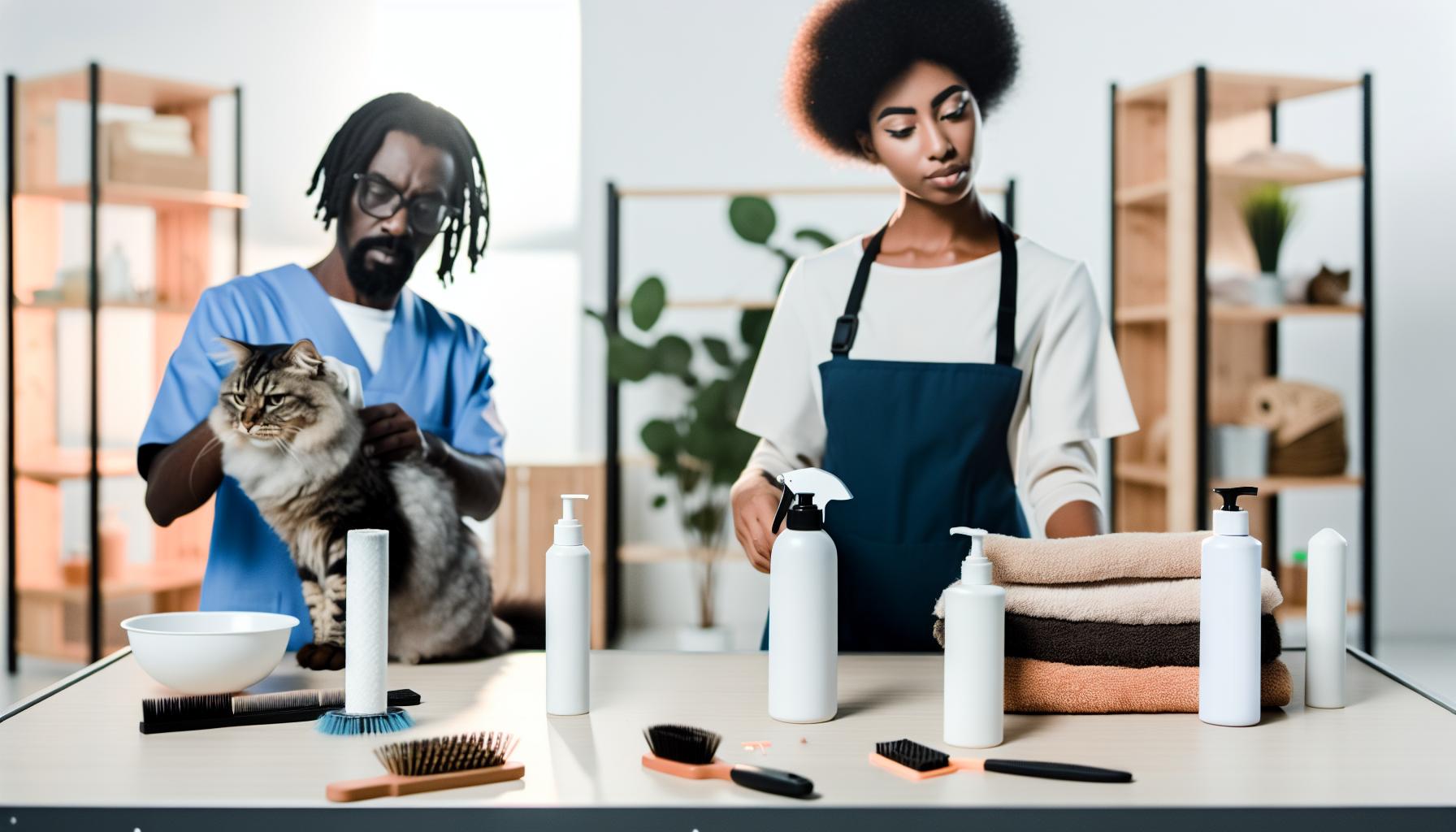
Nail Trimming and Paw Care: Expert Tips to Keep Cats Comfortable
Cats rely on their claws for balance, hunting instincts, and communication, but if left unchecked, nails can grow too long and cause discomfort or injury-not to mention damage to your furniture and belongings. Keeping your cat’s nails trimmed is a crucial part of their overall comfort and paw health. Many cats, especially indoor ones or those with thick fur around their paws, can benefit greatly from routine nail care, which also helps prevent accidental scratches to you and others.
Choosing the Right Tools and Setting Up
to trim nails safely and effectively, it’s essential to use sharp, high-quality clippers made specifically for cats. Guillotine-style or scissor-style clippers work well, and some groomers prefer electric rotary files to gently smooth edges if your kitty tolerates them. Before you begin, gather your supplies:
- Cat-specific nail clippers
- Styptic powder or pencil (in case you accidentally trim too close and there’s bleeding)
- Treats and toys to reward cooperation and keep your cat calm
- Towel or soft restraint if your cat is shy or nervous
Set a calm environment with minimal distractions. Many cats respond well to gentle petting and quiet words before and during trimming.Starting slowly-maybe just one paw at a time-builds trust.
Step-by-Step Guide to Comfortable Nail Trimming
Begin by holding your cat’s paw gently but firmly, pressing just above the pads to extend the claws. trim only the sharp, curved tip, avoiding the pink quick inside the nail, which is sensitive and bleeds if cut. If your cat has dark nails where the quick isn’t visible, trim small bits gradually to avoid injury.
If your cat resists at first, pause and soothe them, offering treats or brushing to distract. Some cats do better with two people-one to hold gently, the other to clip.For kittens or cats new to nail trimming,positive reinforcement with play or food can make the process easier over time.
Paw Care Beyond Nails
Paw health isn’t just about nails. Regularly check between the toes and pads for dirt, debris, or signs of irritation or infection like redness or swelling.For cats with long fur around their paws, trimming excess hair carefully can prevent matting and reduce slip hazards.
If your cat is notably anxious or if their nails are severely overgrown or ingrown,professional groomers or veterinarians are your best allies. These experts know how to handle nervous cats safely and can provide relief from painful nail problems without causing stress or injury.
| Cat Type | recommended Nail Care Tools | Common Challenges | Tips for Comfort |
|---|---|---|---|
| Indoor cats with thick fur (e.g., persian, maine Coon) | Sharp cat nail clippers, styptic powder, trimming scissors | Hidden claws, matting around paws | Trim regularly every 2-3 weeks; keep fur around paws tidy |
| Short-haired cats (e.g., Siamese, Domestic shorthair) | Scissor-style clippers, gentle restraint | Nail splitting, sensitivity to touch | Use calm, slow approach; clip little by little |
| Senior or anxious cats | Electric rotary files, soft towel wrap | Stress during handling, fragile nails | Short sessions; consider professional groomer or vet |
Remember, nail trimming is as much about relationship-building as it is indeed technique. The goal isn’t perfect-looking nails, but rather preventing discomfort and maintaining paw health with as little stress as possible.With patience and kindness, you and your cat can turn what might seem like a daunting task into a routine moment of care and connection. If you ever feel unsure or your cat shows signs of pain or severe anxiety, don’t hesitate to seek professional support tailored to your pet’s unique needs.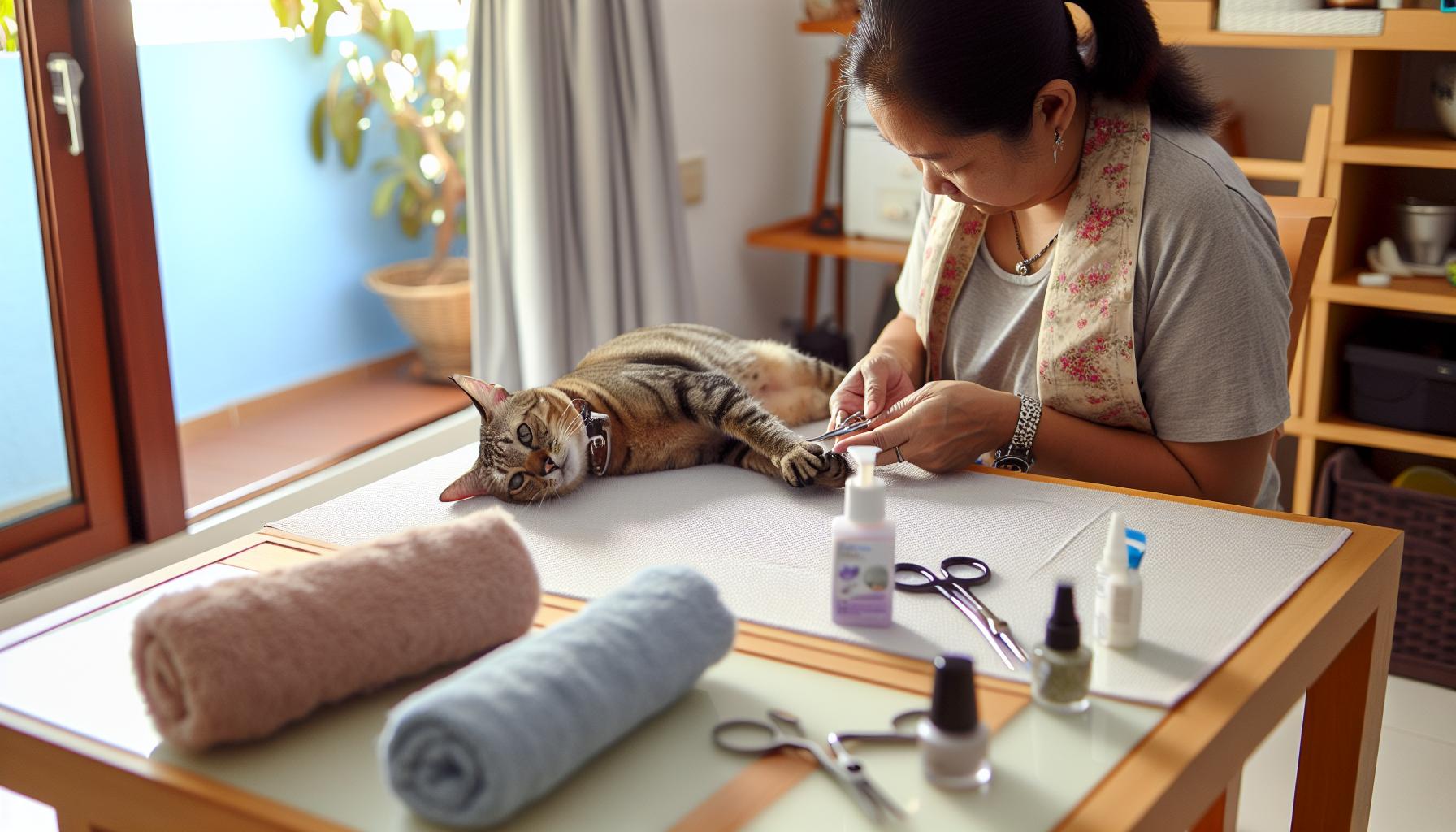
Ear Cleaning and Eye Care: Gentle Grooming for Sensitive Areas
Cats’ ears and eyes are delicate gateways to their wellbeing-keeping these areas clean is crucial not only for their comfort but also for catching early signs of potential health issues. Because these spots are sensitive, grooming them requires a gentle touch, patience, and the right approach tailored to your cat’s unique nature and coat type. Whether you’re a seasoned cat owner or new to grooming, understanding how to care for these sensitive areas can make the process less stressful and more effective.
Ear Care: Soft and Steady
cats’ ears naturally produce wax and can accumulate dirt or debris, especially in breeds with folded or furry ears like Scottish Folds or Persians. Gentle cleaning helps reduce the risk of infections or irritation. To clean safely at home or understand what groomers do, here’s what you need:
- Tools: Use a soft cotton ball or gauze, and a vet-approved ear cleaner designed for cats (never use alcohol or hydrogen peroxide, as these can sting).
- Technique: Hold your cat calmly, lift the ear flap gently, and moisten the cotton with cleaner. Wipe the visible parts only-never insert anything deep inside the ear canal, which can cause injury.
- Frequency: usually, ears need cleaning only if there is visible dirt, odor, or discharge-often monthly or less for most cats.over-cleaning can dry out the skin inside the ear.
Many cats dislike ear cleaning initially. Try performing the task in short, calm sessions and reward your kitty with gentle praise and treats afterwards. If your cat has chronic ear problems-like frequent redness, excessive scratching, or dark debris-consult a vet before attempting home care, as this could indicate infections or ear mites requiring medical treatment.
Eye Care: Gentle Wipes for Clear Vision
Tear staining and mild eye discharge are common in some cats, especially flat-faced breeds like Persians or Himalayans, due to their facial anatomy.Regular, gentle wiping prevents crust buildup and discomfort without irritating the sensitive skin.
- Tools: Use a soft, damp cotton pad or microfiber cloth moistened with warm water. Avoid using any harsh chemicals or routine eye drops unless prescribed.
- Technique: Wipe from the inner corner of the eye outward, using a fresh cloth or cotton ball for each eye to avoid cross-contamination.
- Frequency: Lightly clean as needed-sometimes daily for tear-stain-prone cats or less often for others.
If you notice persistent redness, swelling, excessive tearing, or your cat frequently paws at their eyes, it’s time to visit your veterinarian. Groomers typically do not treat medical eye issues but can assist with routine cleaning and alert you to concerns.
When to let Pros Handle It
professional cat groomers are trained in gentle handling and have experience spotting subtle signs of ear and eye problems early. They can safely and effectively clean these sensitive areas and advise you on proper home care. Though, for any suspected infection, chronic discomfort, or injury, seeing your veterinarian is essential-groomers provide complementary care but not medical treatment.
With kindness and patience, ear and eye grooming become less daunting parts of your cat’s routine wellness, helping keep them comfortable and happy while supporting their health in the long term.
Recognizing When to See a Vet vs. When to Visit a Groomer
Cats can’t tell us when something feels off, so knowing when to call a vet instead of scheduling a grooming session is essential for their health and comfort. While professional groomers are skilled at handling a range of coat and hygiene needs, they are not medical experts. Understanding the difference between issues a groomer can safely manage and symptoms indicating veterinary care separates routine grooming from necessary medical assistance.
Frequently enough,grooming involves routine tasks like bathing,brushing,nail trimming,ear cleaning,and dealing with mild mats. These are areas where groomers’ expertise in gentle handling and cat behavior makes a huge difference. For example, a groomer may identify unusual skin irritations or persistent mats during brushing and recommend a vet check-up-but they won’t diagnose or treat infections or injuries themselves. If your cat has visible wounds, open sores, bleeding, or extreme discomfort during grooming, this always requires prompt veterinary evaluation rather than a grooming appointment.
- When to Visit a Groomer: Basic coat care (brushing, detangling), gentle bathing with cat-safe shampoo, nail trimming, light ear and eye cleaning, and professional dematting for minor tangles.
- When to See the Vet: excessive scratching or licking leading to sores, redness or swelling on skin or ears, foul odors from ears or mouth, sudden hair loss, persistent eye discharge or redness, changes in appetite or behavior, or signs of pain.
Some breeds and coat types, like Persians and Maine Coons, require regular trimming and specialized grooming that pros handle best. Groomers also recognize when stress or physical signs indicate something more serious.For instance, a groomer might notice signs of ear mites-dark crumbly debris inside the ear-or a blockage causing excessive tearing. In such cases, they will advise immediate veterinary intervention rather than trying to treat these conditions during grooming.
Setting Boundaries: Groomer vs. Vet
Professional groomers provide an invaluable service helping keep cats clean and comfortable, especially those with long or thick coats prone to matting. Their training focuses on safe handling, reducing anxiety, and using the right tools. However,groomers are not licensed to perform medical diagnoses or prescribe treatments. When grooming reveals health concerns-like infections, parasites, or unusual lumps-prompt vet visits are crucial.
Supporting Your Cat Together
Think of groomers and vets as partners in your cat’s wellbeing. Groomers maintain daily comfort and coat health, catching early warning signs.Veterinarians handle illnesses,injuries,and chronic conditions. If your cat has chronic skin allergies or ear infections,your vet might also recommend a grooming schedule tailored to ease these issues safely.
Being aware of these distinctions means you can approach your cat’s grooming routine with calm confidence. Regular appointments with a skilled groomer help prevent many common problems and keep your feline friend feeling their best. Simultaneously occurring, watching for red flags and consulting your veterinarian promptly ensures serious issues won’t be overlooked. Together, this team approach supports not only appearance but your cat’s long-term health and happiness.
DIY Cat Grooming Tips for Anxious Pets: Staying Calm and Safe
Cats often sense our stress and can mirror that energy, making grooming time more challenging if they’re anxious.Creating a calm, reassuring environment is key to helping your feline friend feel safe and cooperative during DIY grooming.Remember, the goal isn’t flawless results but comfort, trust, and gentle care-small, positive experiences build lifelong grooming confidence.
Setting the Stage for Calm Grooming
Start by choosing a quiet, familiar spot with good lighting where your cat feels secure. Many cats prefer sitting on a non-slip surface like a towel-covered table or your lap. Keep sessions short-just a few minutes at first-and build up gradually. Speak softly, use slow movements, and avoid forcing your cat into uncomfortable positions. Incorporate frequent breaks and reward your pet with gentle pets or a favorite treat to create positive associations.
Tools and Techniques Tailored to Sensitive Cats
For coats prone to mats or with thick underfur, a slicker brush or comb with rounded tips works well, but switch to softer brushes if your cat’s skin is sensitive. When bathing, use only cat-specific shampoos in lukewarm water, and consider a handheld sprayer or damp washcloth if a full bath is too stressful. nail trimming is frequently enough the trickiest-try trimming just one or two nails at a time, pausing frequently.If your cat resists, gently wrap them in a towel (“burrito method”) to limit movement safely.
- Brush: Soft-bristle or rubber brushes are best for anxious cats.
- Bath: Use a damp cloth or quick rinse to avoid full baths initially.
- Nails: Trim gradually, use proper trimmers, and watch for the quick.
- Ears: Clean only if necessary with vet-approved wipes or solutions.
Managing Behavior and When to Pause
Respect your cat’s signals-if you notice twitching ears,tail flicks,or attempts to escape,it’s time to stop and try again later. Consistency over time is more effective than rushing. Consider pheromone diffusers or calming sprays in the area to reduce anxiety naturally. If grooming consistently triggers distress or aggression, consult a professional groomer experienced with anxious cats or your veterinarian for behavioral advice.
Understanding When to Seek Professional or Veterinary Help
DIY grooming is fantastic for routine care but has limits. Never force handling beyond what your cat can tolerate-this risks injury or trauma. For elaborate mats, skin issues, or signs of pain during grooming, professional groomers provide experienced, stress-minimized care. Medical issues like infections or parasites must be referred to your vet promptly. Remember, grooming care is a team effort between you, groomers, and vets, with your cat’s well-being as the top priority.
With patience, kindness, and the right approach, even the most nervous cats can learn to accept gentle grooming. Over time,these calm experiences empower you to keep your feline friend comfortable,healthy,and happy at home.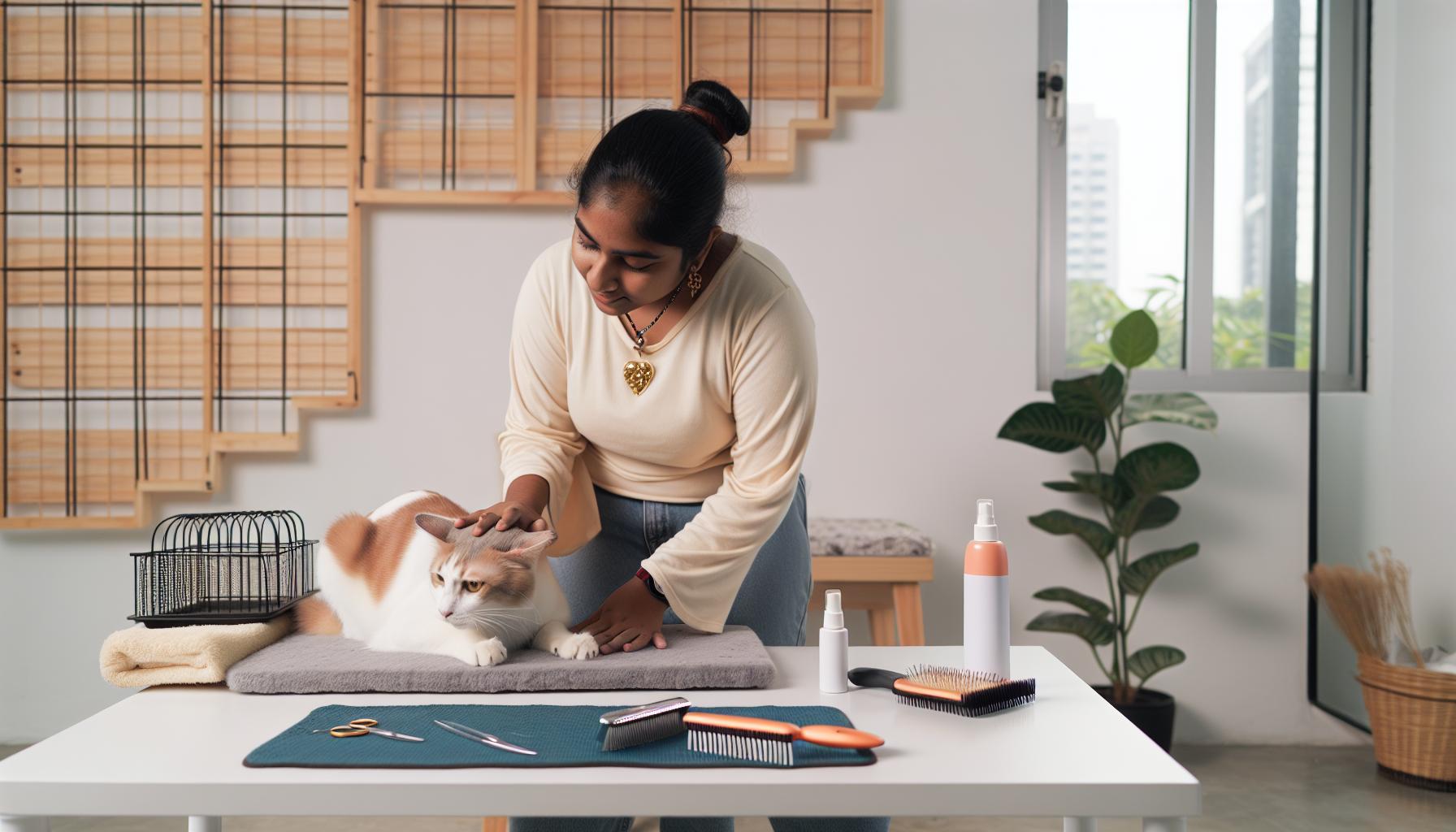
Benefits of Professional Grooming for Your Cat’s Health and Happiness
Cats are masters at hiding discomfort,making it all the more important to trust professionals who know exactly what to look for during grooming. Beyond just a shiny coat, professional grooming supports your cat’s overall health by catching early signs of skin conditions, parasites, or abnormal lumps.Groomers use specialized tools and techniques tailored to your cat’s breed, coat type, and temperament-something that can make a huge difference for cats with thick undercoats or sensitive skin, where improper handling at home might lead to mats or irritation.
Regular professional grooming sessions can also make a critically important impact on your cat’s happiness. Many cats thrive on the gentle, consistent care a groomer provides, which can greatly reduce stress associated with grooming at home. A skilled groomer understands pacing and body language, creating a calm and safe environment that helps even anxious cats relax. Consider, such as, a Maine Coon with dense fur prone to tangles. A groomer will focus on deshedding and dematting with patience that isn’t easily matched at home, preventing painful knots that might or else lead to skin infections or injury.
Health Benefits That Go Beyond Appearance
Professional groomers don’t just clean and trim-they examine your cat’s ears, eyes, and paws for signs of trouble. They can spot early ear infections or painful nail overgrowth long before these become serious issues. For cats who dislike nail trims, groomers frequently enough use techniques like trimming a few nails per visit and wrapping cats gently to keep them safe and comfortable. This detailed care routine supports your cat’s comfort and mobility, which is especially important for older or arthritic cats.
What Makes Professional Grooming a Smart Choice
- Expert assessment: Early detection of skin diseases, parasites, or abnormal growths.
- Tailored care: Use of breed-specific and coat-appropriate tools and products.
- Stress reduction: Calm handling techniques suited for nervous or sensitive cats.
- Thorough maintenance: Including difficult tasks like dematting and nail care.
- Collaboration with vets: Groomers can recommend when you should seek veterinary advice.
Many nervous cat owners worry about whether their pet can handle professional grooming. It’s reassuring to know that experienced groomers prioritize your cat’s emotional well-being as much as their physical care. instead of aiming for a perfect “show look,” the focus is on gentle, compassionate grooming that fosters trust and keeps your feline friend comfortable and healthy over the long term. Whether your cat has a sleek short coat or a lush long one, taking advantage of expert grooming services is a proactive step toward preserving their happiness and quality of life.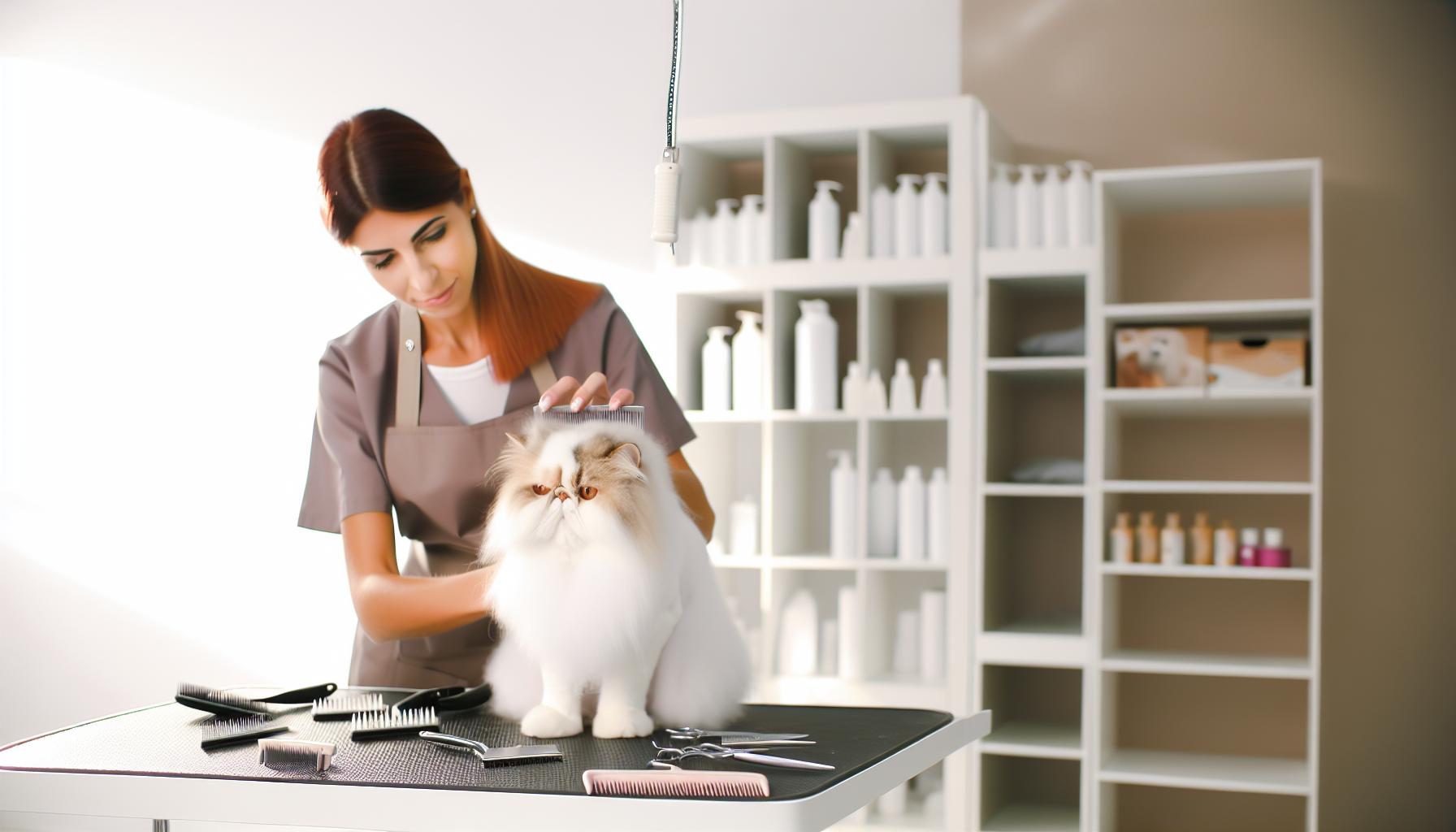
What to Expect During a Cat Grooming Appointment: Step-by-step Guide
Cats arrive at the salon frequently enough tense or curious, and one of the secret ingredients to a successful grooming session is creating an atmosphere of calm and trust from the very first moment. A skilled groomer promptly assesses your cat’s breed, coat texture, and temperament to tailor the experience-as a fluffy Persian with dense fur needs very different care from a sleek Siamese with fine hair. Expect gentle, steady handling designed to make your furry friend feel safe, as the groomer starts with a calming introduction rather than rushing into any task.
Initial health and Coat Assessment
Before any brushing or bathing begins, your cat’s overall condition is carefully checked. This includes inspecting the skin for dryness, redness, or lumps, and looking closely at ears and eyes for signs of irritation or infection. Groomers frequently enough run their hands lightly over the coat, feeling for mats or tangles, especially around sensitive areas like behind the ears or under the legs. Early detection here is key because any unexpected health issues might mean a advice to see the vet before proceeding further.
Brushing and Dematting
Once safety and comfort are confirmed, the brushing stage begins.How long this takes depends entirely on the coat type and condition. Such as, long-haired cats prone to mats, such as Maine Coons or Persians, require slow, careful dematting using specially designed combs and dematting tools to avoid pulling or hurting the skin. Short-haired cats benefit from gentler brushing that removes loose hair and stimulates the skin.Groomers know to use patience here-if a cat becomes stressed, breaks are taken with reassuring petting or gentle vocal tones to soothe anxiety.
Bathing and Drying
Bath time is frequently enough the most daunting part for cats and owners alike. When used, baths are performed with lukewarm water and cat-safe, hypoallergenic shampoos suited to your cat’s skin sensitivity and coat needs.Some cats with thick or oily coats benefit greatly from professional baths, especially if they dislike water, as groomers have techniques for minimizing stress and keeping cats secure. After rinsing,towels and low-heat dryers help gently speed drying without frightening your pet-this step is often skipped if your cat is anxious and coat type doesn’t require it.
Nail trimming, Ear Cleaning, and Eye Care
Trimming nails is approached with sensitivity and skill. Rather than forcing all nails at once, groomers often trim a few claws each visit, watching your cat’s reactions closely. Wrapping in soft towels or gentle restraint tools keeps your cat from slipping and reduces fussing. Ears are cleaned with soft cotton pads and gentle solutions to clear wax without irritation, while eyes are wiped carefully to remove discharge or stains, always prioritizing comfort over thoroughness if your cat resists.
Final Touches and Owner Guidance
Before your cat leaves, the groomer will share insights on coat condition, changes noticed, and recommended home care strategies. They will advise when a vet visit might be necessary, such as if unusual lumps or persistent irritations appear. They might also suggest specific products or tools to maintain your cat’s coat between appointments. This open communication empowers you to continue nurturing your cat’s comfort and health beyond the salon.
- Patience and Calm: Grooming sessions are paced flexibly to match your cat’s tolerance.
- Tailored Techniques: Breed and coat-specific tools and methods are always used.
- Health Focus: Grooming appointments double as informal health check-ups.
- Gentle Handling: Safety and emotional well-being take precedence over aesthetics.
Understanding these stages can ease worries about what happens behind the salon door and help you feel confident your cat is in kind, capable hands. Remember, the goal isn’t perfection on the outside-it’s preserving your cat’s happiness, health, and dignity, one gentle step at a time.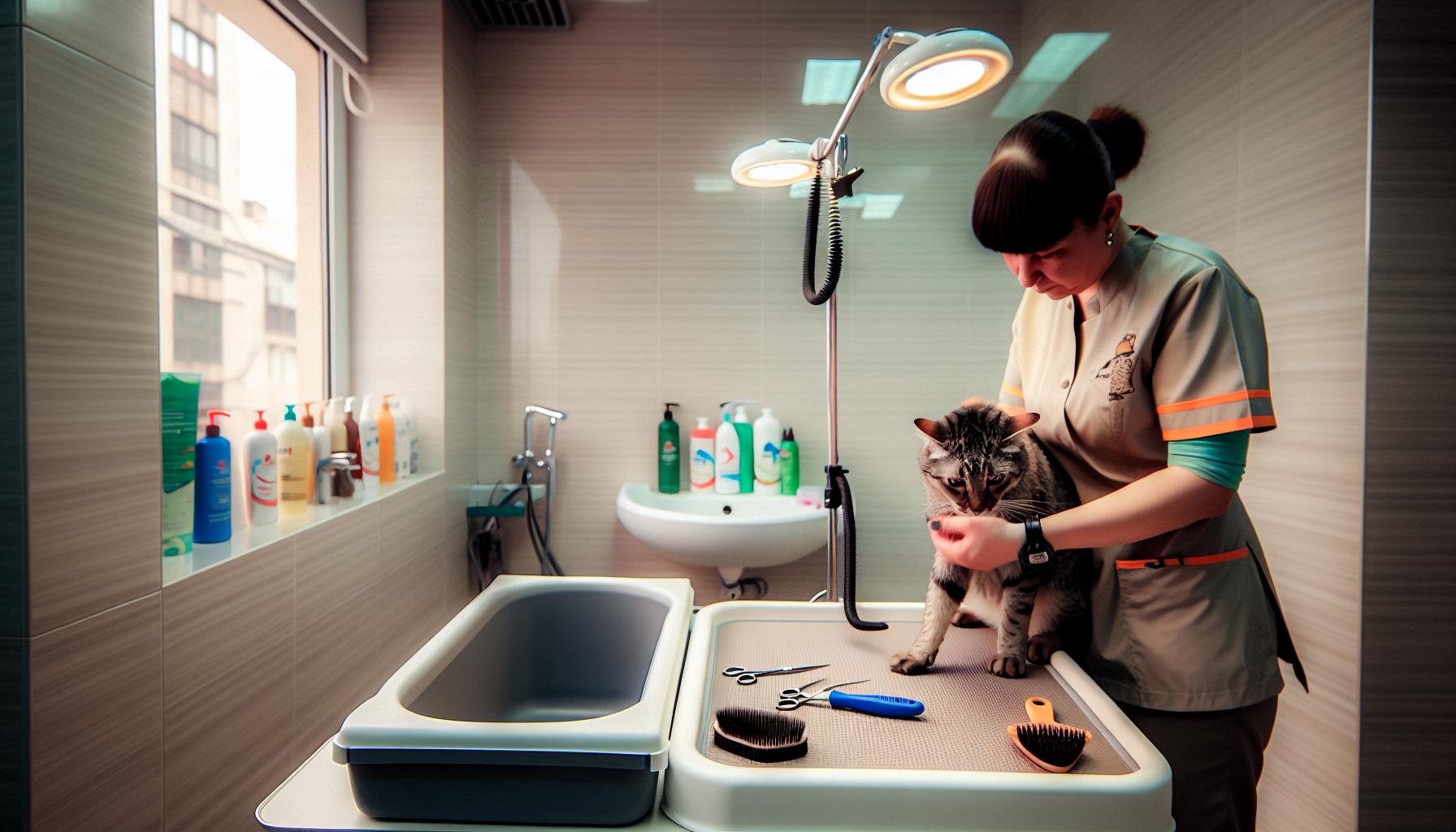
Troubleshooting Common Grooming Issues: Hairballs, Mats, and Stress
Cats’ grooming challenges can sometimes feel overwhelming, especially when encountering persistent hairballs, tough mats, or signs of stress during care. These are common issues but don’t have to derail your cat’s comfort or your confidence. Understanding why these problems appear-and how groomers tackle them gently and effectively-can transform your approach at home and during professional visits.
Managing hairballs with Routine and Grooming Tools
Hairballs are more than just an inconvenience; they’re a natural byproduct of cats’ self-grooming habits, especially in long-haired breeds like Persians and maine Coons. When loose fur isn’t removed regularly, it accumulates in the digestive tract, causing discomfort or even blockages in severe cases. Groomers help reduce this risk by routinely brushing with fine-toothed combs or slicker brushes designed to capture loose undercoat hair before your cat swallows it. At home, daily brushing sessions-not rushed or forced-encourage shedding to happen outside your cat’s tummy. Additionally,some groomers recommend specialized diets or supplements to support digestive health,which can complement grooming efforts.
Delicate Dematting: Taking the Pull Out of Mats
Mats don’t just look messy; they can trap moisture, cause skin irritation, and even restrict movement. Attempting to cut or yank mats yourself risks causing pain or injury. Groomers approach mats with extreme patience, using dematting tools like rake combs and mat splitters to gently tease apart knots. For example, siamese cats rarely mat, but long-haired or thick-coated cats demand slow, intentional work-sometimes requiring multiple short sessions to avoid stress. If mats are extensive or painful, groomers might suggest a professional shave, which can instantly relieve discomfort while allowing fresh, healthy regrowth.
Stress: Recognizing Signs and Keeping Calm
Cats communicate stress in subtle ways-ear flicks, tail flicks, or sudden attempts to escape must be honored immediately. Groomers prioritize a quiet, calm environment and break grooming into small, manageable steps with frequent pauses. For anxious cats, wrap techniques with soft towels or using pheromone sprays can create reassuring familiarity. It’s crucial for owners and groomers alike to observe these signals and never push a cat beyond their limits. When stress escalates,it’s frequently enough better to pause the session and try again another day. remember, grooming is about well-being, not just appearance.
When to Seek Help: Groomer, Vet, or You?
Certain issues cross the line from grooming to medical. As a notable example, if hairballs come with vomiting, loss of appetite, or lethargy, a vet’s assessment is essential. Mats accompanied by skin wounds or infections also require medical attention. Groomers can alert you to these concerns during assessments but don’t replace the vet’s expertise. Meanwhile, routine brushing, gentle nail trims, and ear cleaning are safe DIY tasks if done patiently and with the right tools. When in doubt, always ask your groomer for guidance-they’re happy to support you in creating a stress-free, healthy grooming routine between salon visits.
- tip: Use brushes suited to your cat’s coat type-slicker brushes for long, dense fur; rubber grooming gloves for short-haired cats.
- Tip: Try short grooming sessions of 5-10 minutes to keep anxious cats comfortable and focused.
- Tip: Celebrate small wins, like quietly tolerating a nail trim or sitting calmly, rather than perfect tidiness.
Embracing patience and compassion turns even troublesome grooming moments into chances to strengthen your bond and improve your cat’s quality of life-as care is always about more than just looks.
FAQ
Q: Can groomers handle cats with anxiety or fear during grooming?
A: yes, professional cat groomers are trained to work gently with anxious cats, using calm techniques and gradual desensitization to reduce stress. They create a safe environment by speaking softly, using slow movements, and taking breaks.For especially nervous cats, grooming sessions may be shorter or split. For more tips, see DIY cat Grooming Tips for Anxious Pets in our main article.
Q: How often should I schedule professional grooming for my indoor cat?
A: Indoor cats typically benefit from grooming every 4 to 8 weeks, depending on coat length and shedding. Regular professional grooming helps manage hairballs and mats, keeping your cat comfortable. Consult our How to Choose the Right Grooming Service section to tailor grooming frequency based on your cat’s needs.
Q: Do groomers offer specialized services for different cat breeds?
A: Yes,experienced groomers customize care to specific breeds,considering coat type,skin sensitivities,and grooming difficulty. For example,Persians require frequent dematting and bathing,while short-haired cats may need minimal trimming. Learn more about breed-specific care in Managing Special Coat Types and Common Cat Grooming Challenges.
Q: Are there grooming services that include flea or parasite treatments for cats?
A: Some groomers provide safe flea baths or parasite control treatments using vet-approved products. Though, it’s essential to confirm the groomer’s expertise with cats and check if treatments complement veterinary care. always prioritize your vet’s advice and review Recognizing When to See a Vet vs. When to Visit a Groomer in our article.
Q: Can professional grooming help reduce shedding and hairballs in cats?
A: absolutely, regular professional grooming decreases shedding by removing loose fur, which considerably reduces hairball formation. Techniques include brushing with de-shedding tools and grooming baths to loosen old hair. For detailed strategies,see Troubleshooting Common Grooming Issues: Hairballs,Mats,and Stress.
Q: What precautions do cat groomers take to ensure safety during nail trimming?
A: Skilled cat groomers use specialized clippers and proper restraint to prevent injury, trimming just the nail tips to avoid the quick. They monitor your cat’s comfort and may use nail caps if requested. For at-home tips and when to seek professional help, visit Nail Trimming and Paw Care: Expert tips to Keep Cats Comfortable.
Q: Can groomers help with removing mats without hurting my cat?
A: Yes, professional groomers gently detangle mats using specialized tools and techniques to minimize discomfort. They assess the severity to decide whether trimming or careful brushing is best. Avoid cutting mats yourself to prevent injury. For more guidance, consult Managing Special Coat Types and Common Cat Grooming Challenges.
Q: Do groomers provide ear cleaning for cats prone to infections?
A: Professional groomers routinely offer gentle ear cleaning using safe, vet-approved solutions to prevent wax buildup and infections. They inspect for signs needing vet attention, ensuring healthy ears without causing irritation. Learn safe techniques in our Ear Cleaning and Eye Care: Gentle Grooming for Sensitive Areas section.
For more detailed advice and personalized grooming suggestions, be sure to explore the related sections of our article. Always prioritize your cat’s comfort and health with trustworthy grooming professionals!
the way Forward
Understanding feline grooming can transform your cat’s comfort and health-and professional groomers truly play a vital role, especially for breeds with thick or delicate coats. Whether it’s managing mats, trimming nails, or soothing sensitive ears, trusting skilled groomers ensures your cat stays safe and stress-free. If you’re wondering how to balance DIY grooming with when to seek expert help, exploring our Cat Grooming Basics and Signs Your Cat Needs a Professional Groomer guides will equip you with confidence and clear next steps.
Ready to give your feline friend the care they deserve? Don’t hesitate to schedule a consultation or browse our recommended grooming tools to create a calm, effective routine at home. Share your experiences or questions below-your story might help another cat owner! For more on feline wellness, explore our latest on Healthy Cat Habits and stay connected by signing up for our newsletter filled with expert tips. Remember, compassionate grooming prioritizes your cat’s comfort-not perfection-and you’re never alone on this journey.
Get our latest guides, news, and insights highlighted in your Google Search & AI Overviews.
Keep reading about the same coat and cut.

Popular grooming guides
Bath vs clip, first grooms, and salon how-tos.