10 Hidden Reasons Your Cat Is Drooling (And When To Panic)
✨ This article was AI edited. Editorial responsibility: Perfect Pooches Grooming.
Produced with AI. This article was artificially generated. Editorial responsibility: Perfect Pooches Grooming.
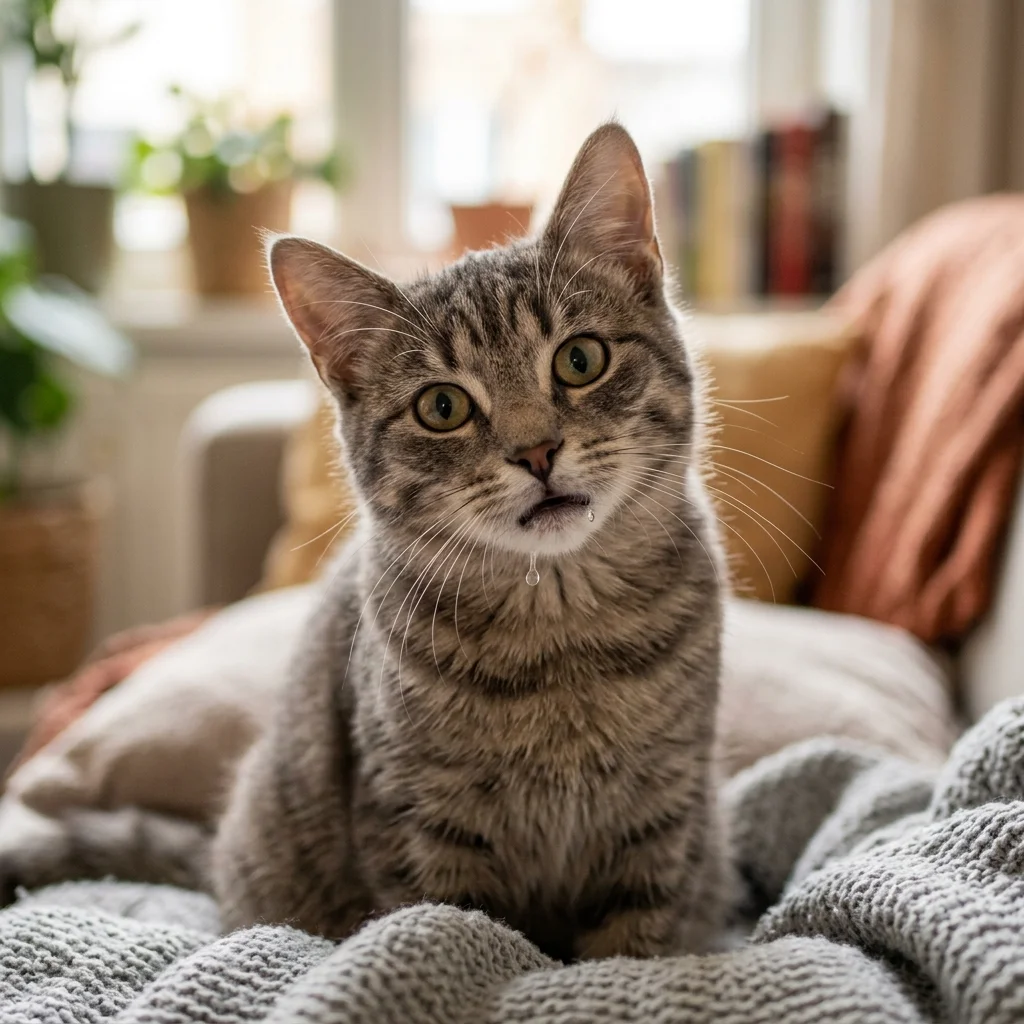
Is your cat drooling suddenly and you are not sure if it is a happy quirk or a serious health scare? Whether it’s a comforting “happy purr” response during cuddle time or a hidden dental emergency, we evaluated 10 critical signs to help you figure out when it’s safe to relax and when you need to rush your feline friend to the vet.
| Rank | Symptom & Cause | ⚠️ Urgency Level | 🎯 Primary Cause | 💡 Key Action |
|---|---|---|---|---|
| #1 | Relaxation & Contentment | Low (Normal Behavior) | Kneading, Purring & Deep Relaxation | Observe body language; provide gentle petting |
| #2 | Periodontal Disease & Tartar | Moderate to High | Plaque Accumulation & Inflamed Gums | Schedule veterinary dental scaling and daily brushing |
| #3 | Ingestion of Toxic Plants | Critical Emergency | Oxalate Crystals or Chemical Toxin Ingestion | Cross-reference plant guide and seek immediate ER care |
| #4 | Foreign Objects Lodged | High (Painful Distracter) | Bone Fragments, String, or Toy Pieces | Use focused lighting for a safe mouth inspection |
| #5 | Nausea & Motion Sickness | Moderate | Vestibular Disturbance or Gastric Distress | Follow motion sickness protocol and stabilize environment |
| #6 | Acute Dental Trauma | High | Exposed Nerve Roots or Oral Lesions | Avoid home brushing; seek immediate veterinary diagnosis |
| #7 | Feline Stomatitis | High (Severe Pain) | Immune-Mediated Mucosal Reaction | Combine prescribed water additive with soft oral gel |
Relaxation & Contentment (The ‘Happy Purr’ Drool)
Table of Contents
- 1 Relaxation & Contentment (The ‘Happy Purr’ Drool)
- 2 Periodontal Disease & Dental Tartar Buildup
- 3 Ingestion of Toxic Houseplants & Household Irritants
- 4 Foreign Objects Lodged in the Teeth or Palate
- 5 Nausea, Car Motion Sickness & Gastrointestinal Upset
- 6 Acute Dental Trauma, Fractured Teeth & Mouth Ulcers
- 7 Feline Stomatitis & Chronic Oral Inflammation
- 8 Stress, Anxiety & Environmental Trigger Response
- 9 Bitter Taste Reaction to Medications or Pest Products
- 10 Organ Disease & Systemic Health Issues (Kidney or Liver)
- 11 Frequently Asked Questions
- 11.1 Why is my cat drooling and purring at the same time?
- 11.2 How can I tell if my cat’s hypersalivation is an emergency?
- 11.3 Does bad breath alongside excessive moisture mean my cat has dental disease?
- 11.4 Can stress or a car ride make a cat salivate heavily?
- 11.5 What should I do if I suspect a foreign object is causing the issue?
⚠️ Urgency Level: Low (Normal Behavior) | 🎯 Primary Cause: Kneading, Purring & Deep Relaxation | 💡 Key Action: Observe body language; provide gentle petting
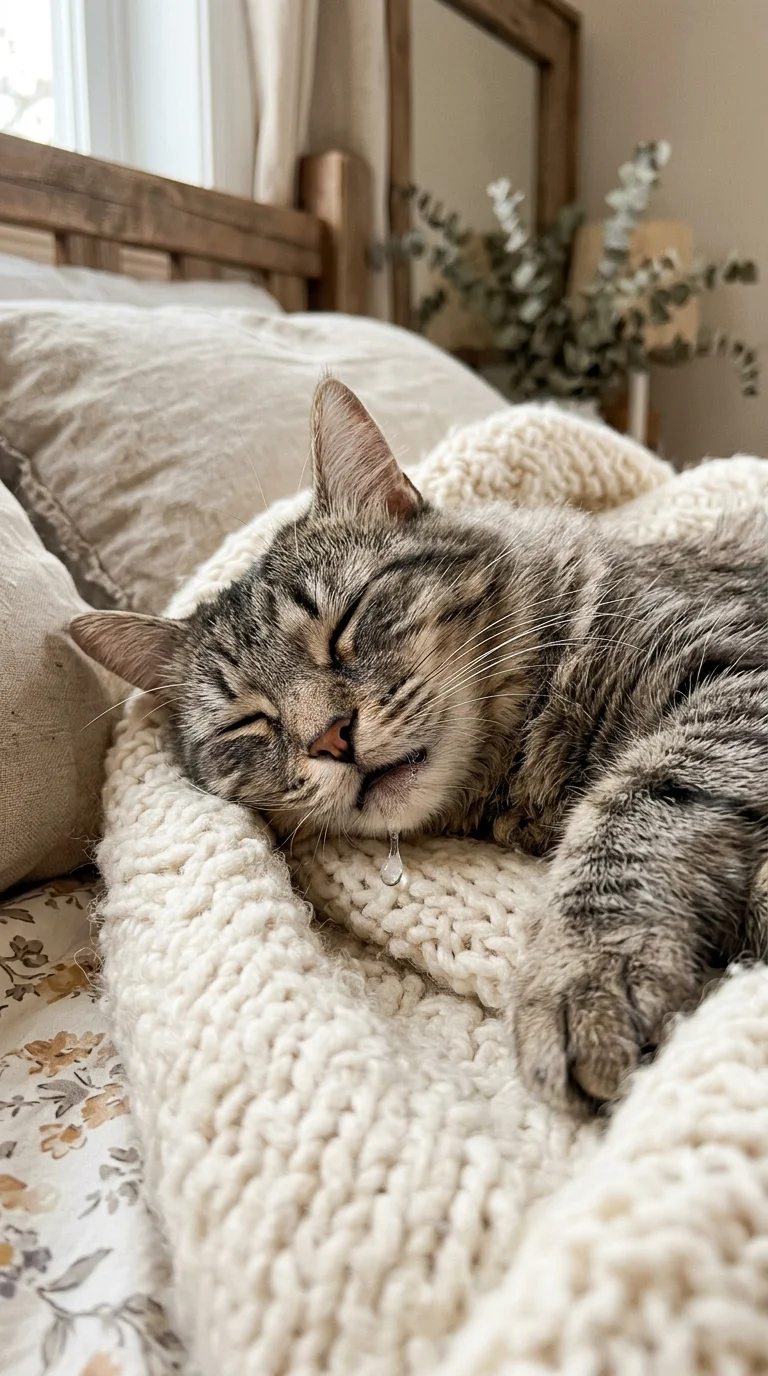
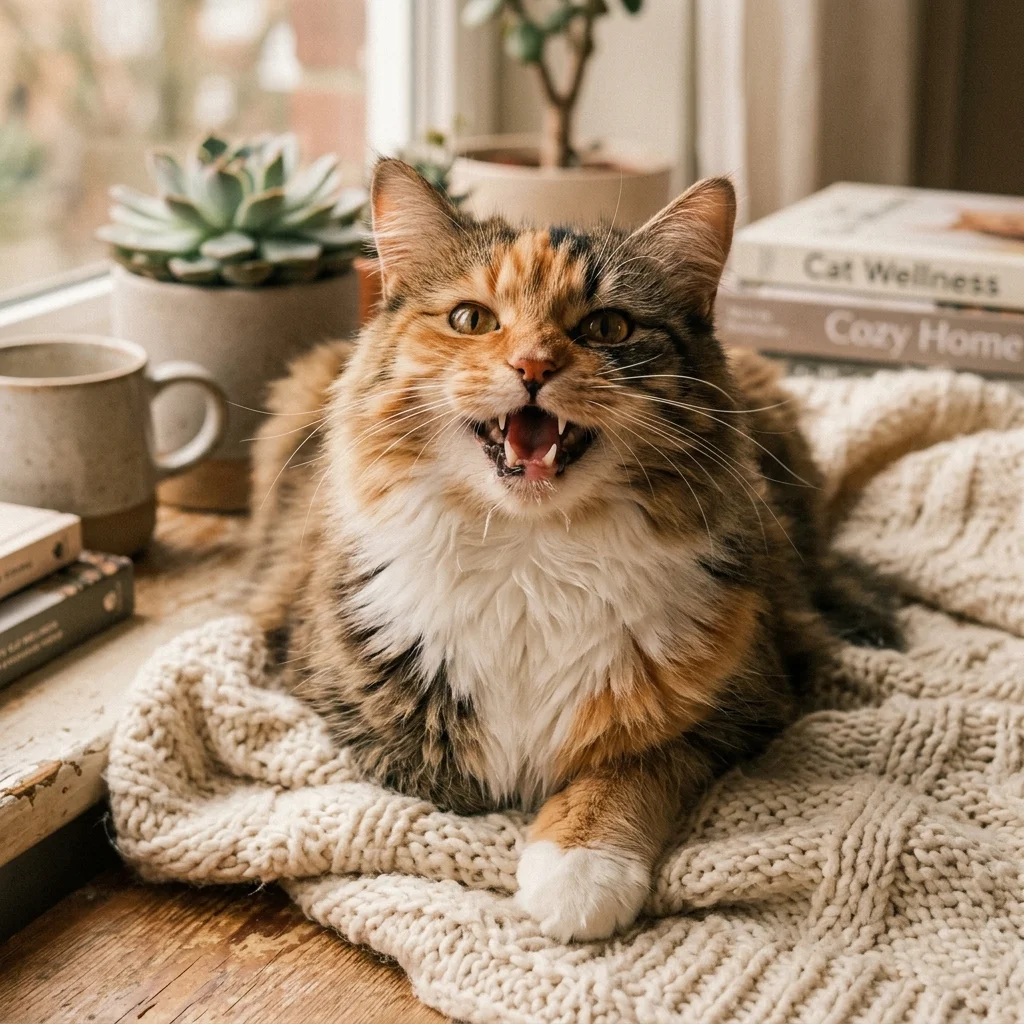
Many cat parents panic at the first sign of slobber, but a common myth is that all feline hypersalivation points to a severe medical emergency. In reality, some cats naturally drool when they are extraordinarily relaxed, kneading blankets, or purring loudly during a cuddle session. This physiological response is entirely harmless and simply indicates a state of profound contentment.
If you notice this happening, try performing a Gentle Lip-Lift Mouth Check Technique just to rule out any immediate physical issues. By softly lifting your cat’s upper lip while they are resting, you can ensure their gums are pink and healthy without causing them undue stress. Providing gentle petting and reassuring words helps reinforce this positive bonding moment.
From a behavioral perspective, this type of drooling usually stops as soon as the cat shifts out of their ultra-relaxed state. To keep your feline friend comfortable, just keep a soft towel handy to wipe away any excess moisture.
Periodontal Disease & Dental Tartar Buildup
⚠️ Urgency Level: Moderate to High | 🎯 Primary Cause: Plaque Accumulation & Inflamed Gums | 💡 Key Action: Schedule veterinary dental scaling and daily brushing
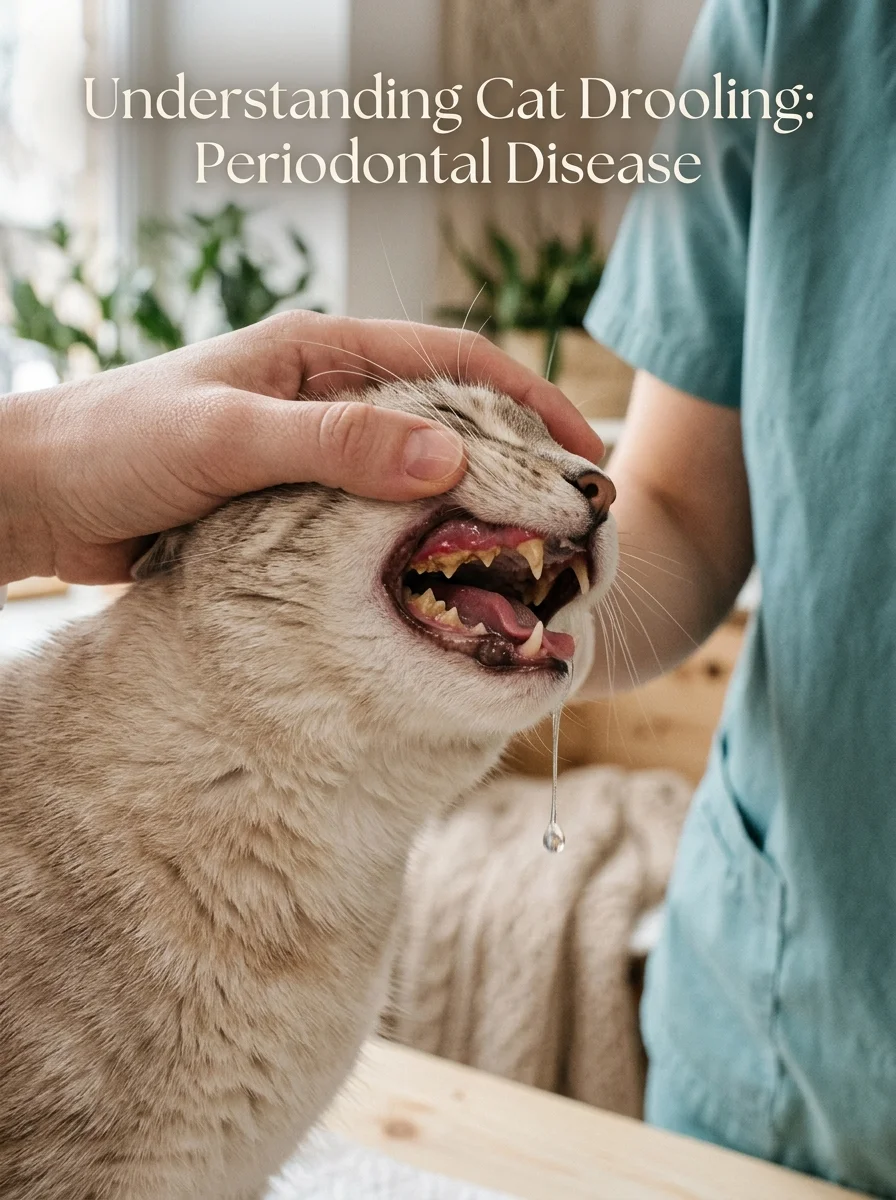
When it comes to oral health, an expert pick for the most frequent culprit behind chronic cat drooling is progressive periodontal disease. Thick plaque accumulation and inflamed gums can make swallowing incredibly painful, leading to excessive saliva pooling in the mouth. Ignoring Unilateral Drooling & Bad Breath is a significant mistake, as it often masks severe dental decay that requires professional intervention.
To combat tartar buildup effectively, many veterinarians recommend initiating daily oral hygiene routines with a product like Virbac C.E.T. Enzymatic Toothpaste. However, always remember that Using Human Fluoride Toothpaste on Cats is highly toxic and should be strictly avoided at all costs. For advanced cases, scheduling a comprehensive Veterinary Periodontal Staging & Scaling procedure is essential to restore your cat’s gum health.
In a veterinary context, addressing these dental issues promptly prevents bacteria from entering the bloodstream and affecting major organs. If you’ve ever wondered how wild felines manage to keep their teeth clean naturally, the reality is that our domestic pets require much more proactive care to thrive.
Ingestion of Toxic Houseplants & Household Irritants
⚠️ Urgency Level: Critical Emergency | 🎯 Primary Cause: Oxalate Crystals or Chemical Toxin Ingestion | 💡 Key Action: Cross-reference plant guide and seek immediate ER care
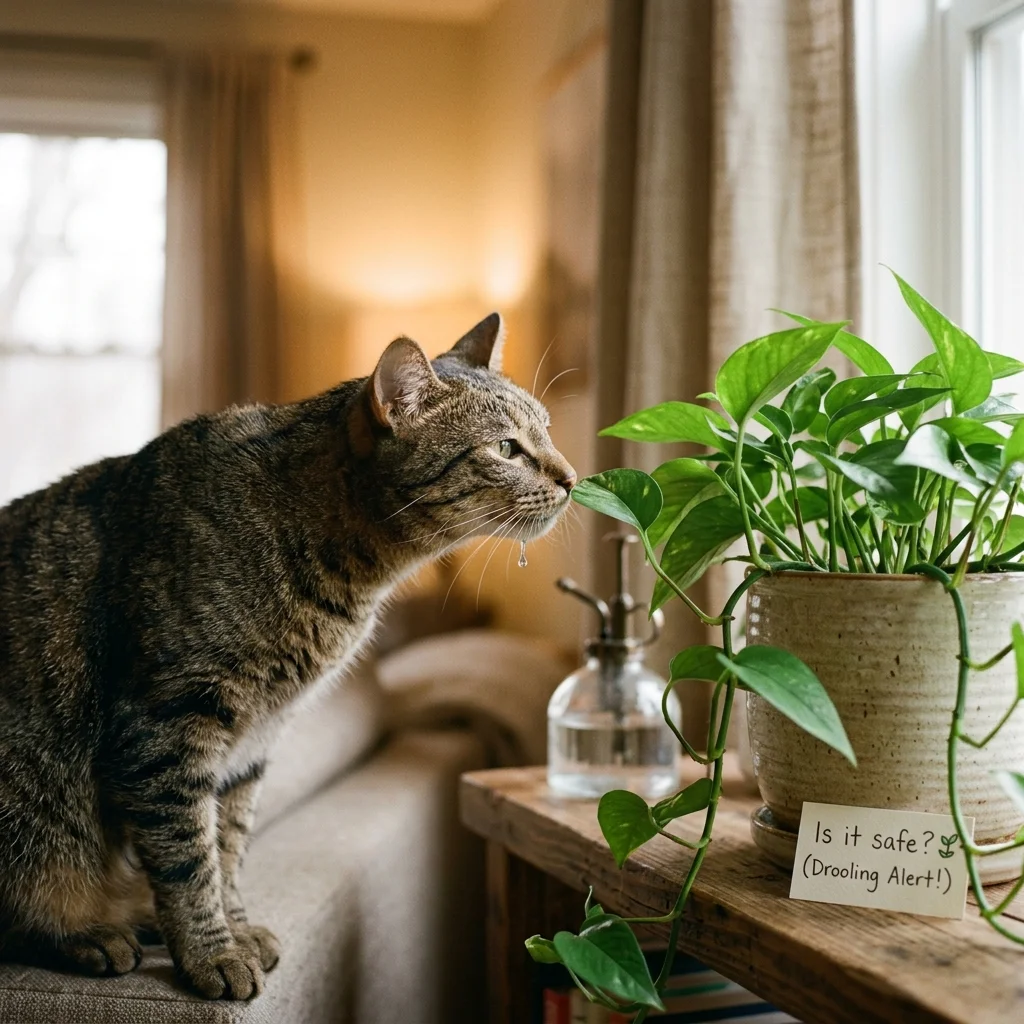
While many owners focus on food hazards, a hidden gem of veterinary toxicology is the danger posed by seemingly harmless indoor foliage. Plants containing insoluble oxalate crystals, such as lilies or pothos, cause intense burning in the mouth and throat that triggers immediate, heavy drooling. This is an acute reaction indicating your cat has chewed on something highly irritating or outright poisonous.
If you suspect plant ingestion, quickly grab a photo of the chewed leaves and consult the ASPCA Toxic Plant Identification Chart while en route to the emergency clinic. Time is of the essence, as chemical toxins from household cleaners can also cause similar hypersalivation and rapidly escalate to systemic failure. Never wait to see if the symptoms will pass on their own.
In an emergency situation, swift action and accurate identification of the irritant are your best tools for a positive outcome. Make sure to thoroughly pet-proof your home by elevating toxic plants and securing all chemical cabinets.
Foreign Objects Lodged in the Teeth or Palate
⚠️ Urgency Level: High (Painful Distracter) | 🎯 Primary Cause: Bone Fragments, String, or Toy Pieces | 💡 Key Action: Use focused lighting for a safe mouth inspection
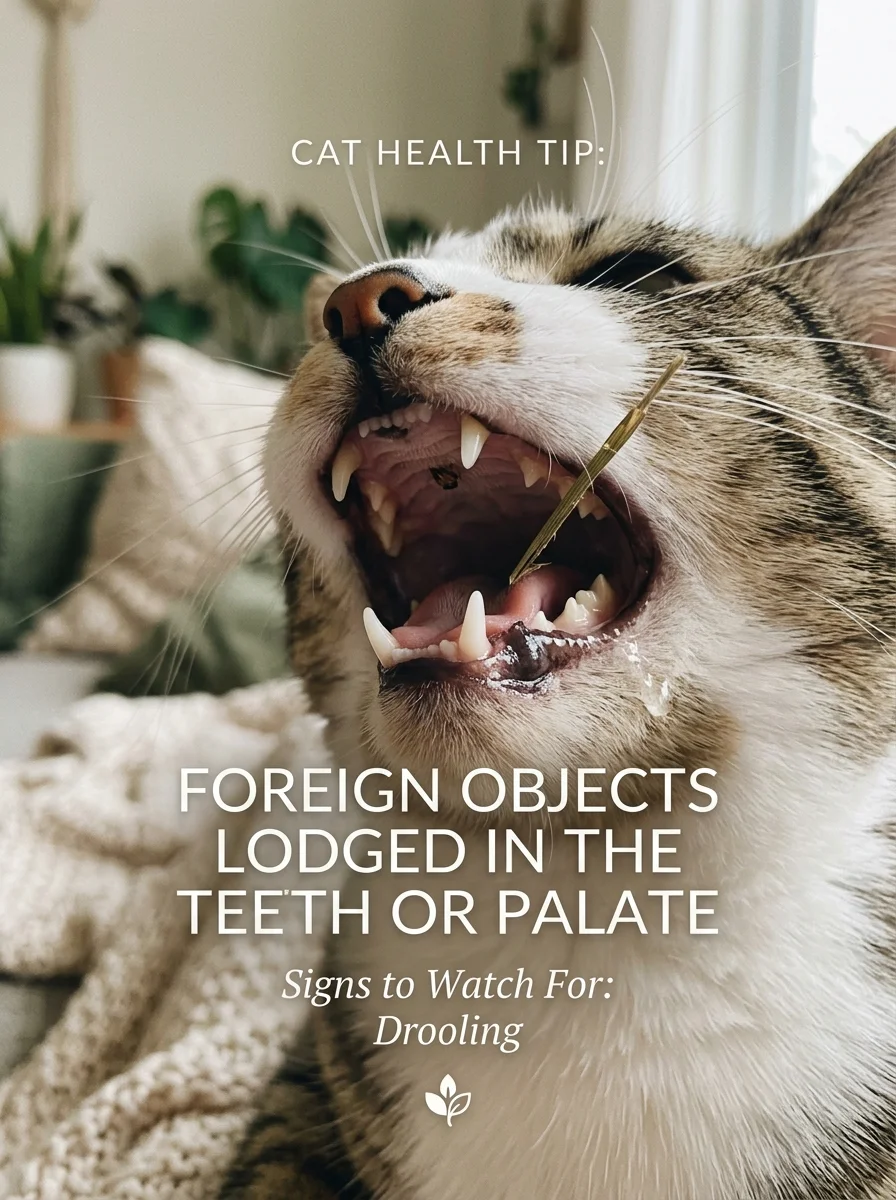
A brilliant time-saver for diagnosing sudden, frantic drooling is to look for a physical obstruction lodged across the roof of the mouth. Cats frequently get tiny bone fragments, pieces of string, or splinters from toys wedged between their upper premolars. This creates intense discomfort and a continuous flow of saliva as the cat tries unsuccessfully to dislodge the painful distracter.
To safely investigate the oral cavity at home, grab a Pet LED Penlight Oral Inspection Light to illuminate the hard-to-see areas at the back of the throat. If you spot a small piece of debris near the gumline, you might be able to gently sweep it away using a Soft Ultra-Fine Cat Dental Swab. However, if the object is deeply embedded or linear like a sewing thread, do not pull it, as this can severely damage the delicate esophageal tissues.
Providing careful home care and regular oral inspections can help you catch these painful obstructions early. Always supervise your cat during playtime with easily shredded toys to minimize the risk of foreign body ingestion.
Nausea, Car Motion Sickness & Gastrointestinal Upset
⚠️ Urgency Level: Moderate | 🎯 Primary Cause: Vestibular Disturbance or Gastric Distress | 💡 Key Action: Follow motion sickness protocol and stabilize environment
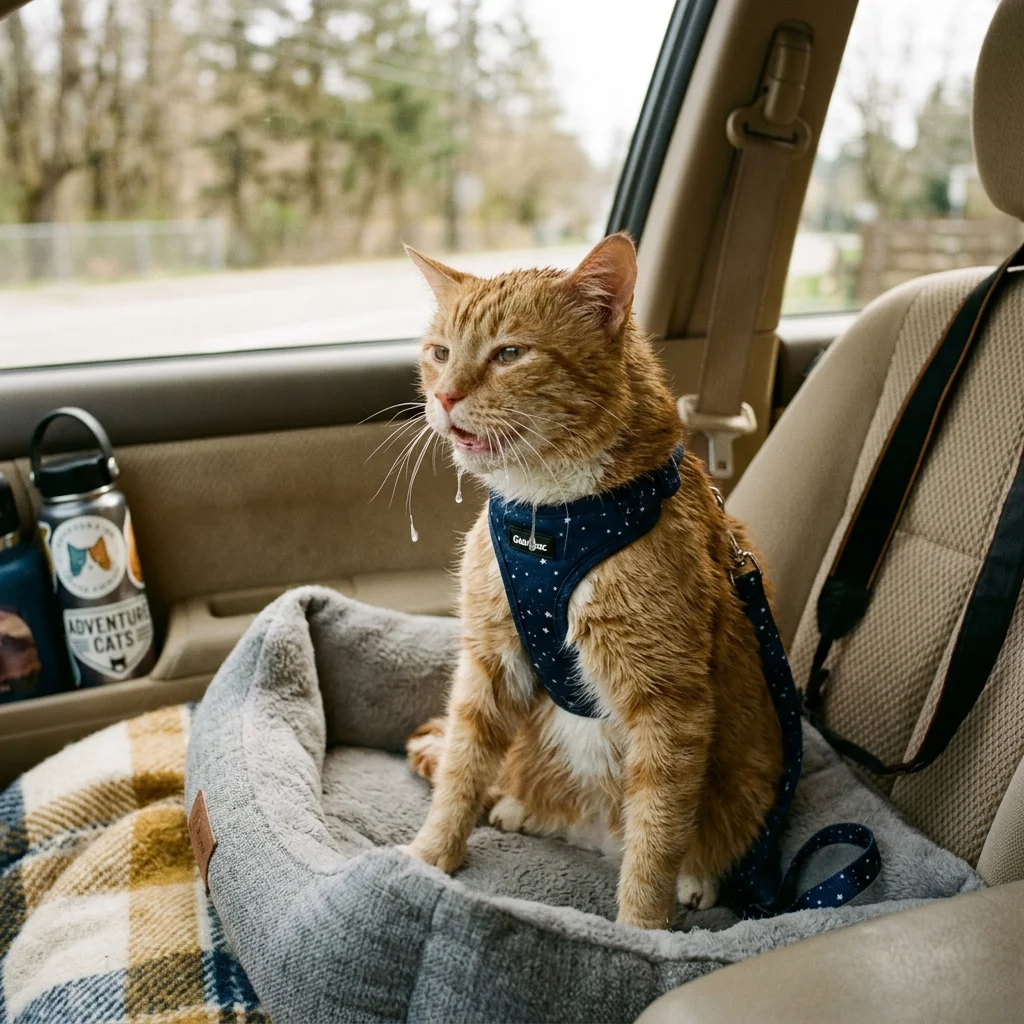
It can be a true paradigm shift for pet owners to realize that drooling isn’t always an oral problem; it’s frequently a primary symptom of severe nausea. Just like humans, cats can experience acute gastric distress or inner ear vestibular disturbances during long car rides. The excessive salivation acts as a natural physiological precursor to vomiting, warning you that your feline is feeling incredibly unwell.
If you’re planning a trip to the vet or a cross-country move, implementing a Feline Motion Sickness & Nausea Triage Protocol can save both of you a lot of grief. This involves withholding food for a few hours before travel, keeping the carrier well-ventilated, and asking your vet about safe anti-nausea medications. Addressing the vestibular disturbance early prevents the situation from escalating into a messy and stressful ordeal.
Understanding these subtle behavioral cues allows you to intervene before your cat becomes fully distressed. By stabilizing their environment and minimizing stressors, you can make future travel experiences significantly more comfortable.
Acute Dental Trauma, Fractured Teeth & Mouth Ulcers
⚠️ Urgency Level: High | 🎯 Primary Cause: Exposed Nerve Roots or Oral Lesions | 💡 Key Action: Avoid home brushing; seek immediate veterinary diagnosis
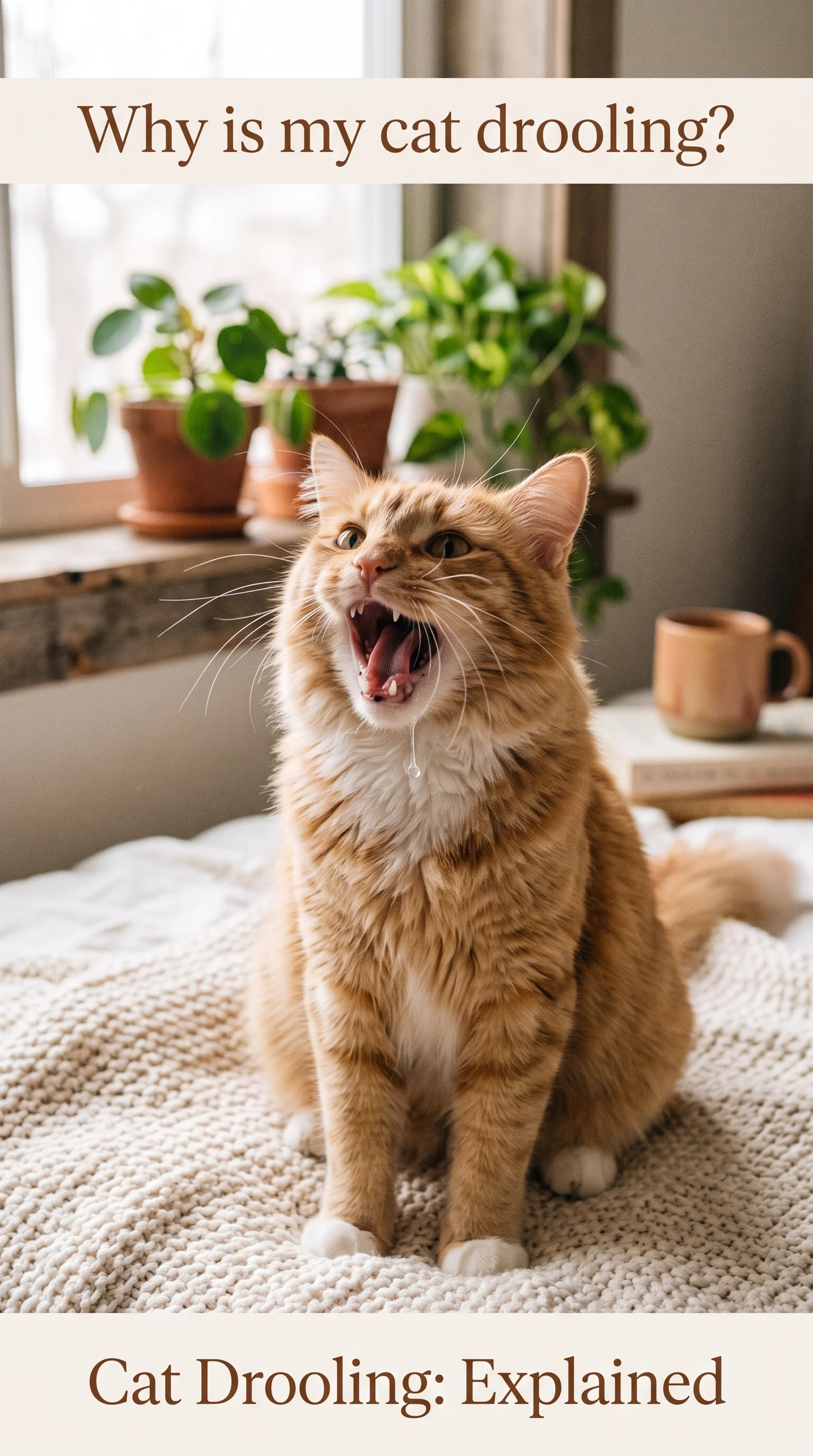
A classic real-world example of unexpected drooling is when a cat fractures a tooth while playing or chewing on a hard object. You might notice sudden hypersalivation, often accompanied by pawing at the mouth or reluctance to eat hard kibble. Exposed nerve roots and painful oral lesions can quickly turn your normally playful feline into a withdrawn, uncomfortable pet.
When trauma like this occurs, the diagnostic process needs to be swift and professional to prevent secondary infections. Acute dental trauma requires a thorough veterinary examination, often involving sedation to accurately assess the extent of the damage. While waiting for your vet appointment, ensure your cat has access to soft food and fresh water.
Avoid any attempts at home brushing or probing, as this will only exacerbate the severe pain and stress. Seeking an immediate veterinary diagnosis is the safest route to properly managing the injury and restoring your cat’s comfort.
Feline Stomatitis & Chronic Oral Inflammation
⚠️ Urgency Level: High (Severe Pain) | 🎯 Primary Cause: Immune-Mediated Mucosal Reaction | 💡 Key Action: Combine prescribed water additive with soft oral gel
Addressing feline stomatitis requires a comprehensive expert framework, as this painful condition involves widespread chronic oral inflammation throughout the mouth. This severe, immune-mediated mucosal reaction causes excessive drooling, difficulty swallowing, and profound discomfort. An effective management strategy often hinges on working closely with your veterinarian to reduce the severe immune response.
Many veterinary professionals recommend a multimodal approach to alleviate the localized pain and inflammation in your cat’s mouth. Incorporating a specialized Pet-Safe Enzymatic Water Additive into their daily routine can help control plaque bacteria that exacerbate the condition. Some pet owners also see improvements by carefully applying products like TropiClean Fresh Breath Oral Care Gel directly to the gums.
Consistency is key when dealing with chronic dental and gingival issues in susceptible felines. By combining prescribed veterinary treatments with gentle, supportive home care, you can significantly improve your cat’s quality of life and minimize drooling flare-ups.
Stress, Anxiety & Environmental Trigger Response
⚠️ Urgency Level: Low to Moderate | 🎯 Primary Cause: Adrenaline Spikes & Acute Fear | 💡 Key Action: Remove stressor and establish a calming sanctuary
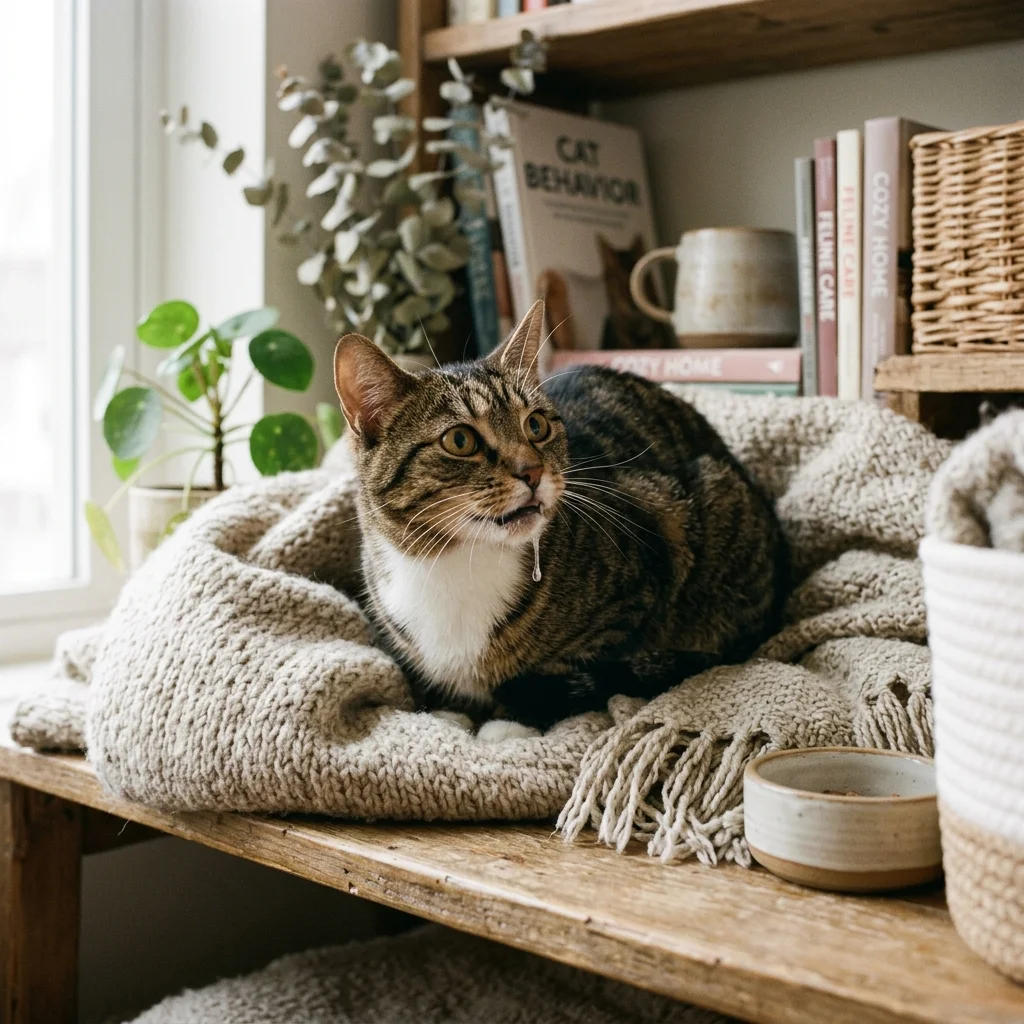
It might seem counterintuitive, but excessive drooling isn’t always tied to physical ailments; profound stress and anxiety can also trigger this strange response. When a cat experiences acute fear, sudden adrenaline spikes can lead to heavy panting and noticeable hypersalivation. This type of environmental trigger response often happens during car rides, loud thunderstorms, or when unfamiliar visitors arrive at the house.
Taking a minimalist approach to resolving this issue often yields the best and quickest results for an anxious feline. Instead of overwhelming your pet with excessive handling or attempting to use a Silicone Finger Toothbrush for Cats right away, focus entirely on removing the immediate stressor. Provide a quiet, dimly lit room where they can decompress without feeling cornered or threatened by external stimuli.
Establishing a predictable, calming sanctuary is essential for cats prone to nervous drooling episodes. If you are introducing a new pet to lower household stress, you might wonder is it better to have two cats of the same gender to reduce territorial conflict. Once they feel safe and their physiological response normalizes, the unusual drooling will typically subside on its own.
Bitter Taste Reaction to Medications or Pest Products
⚠️ Urgency Level: Low (Self-Limiting) | 🎯 Primary Cause: Gustatory Hypersalivation (Bad Taste) | 💡 Key Action: Flush mouth area with fresh water and offer dental treats
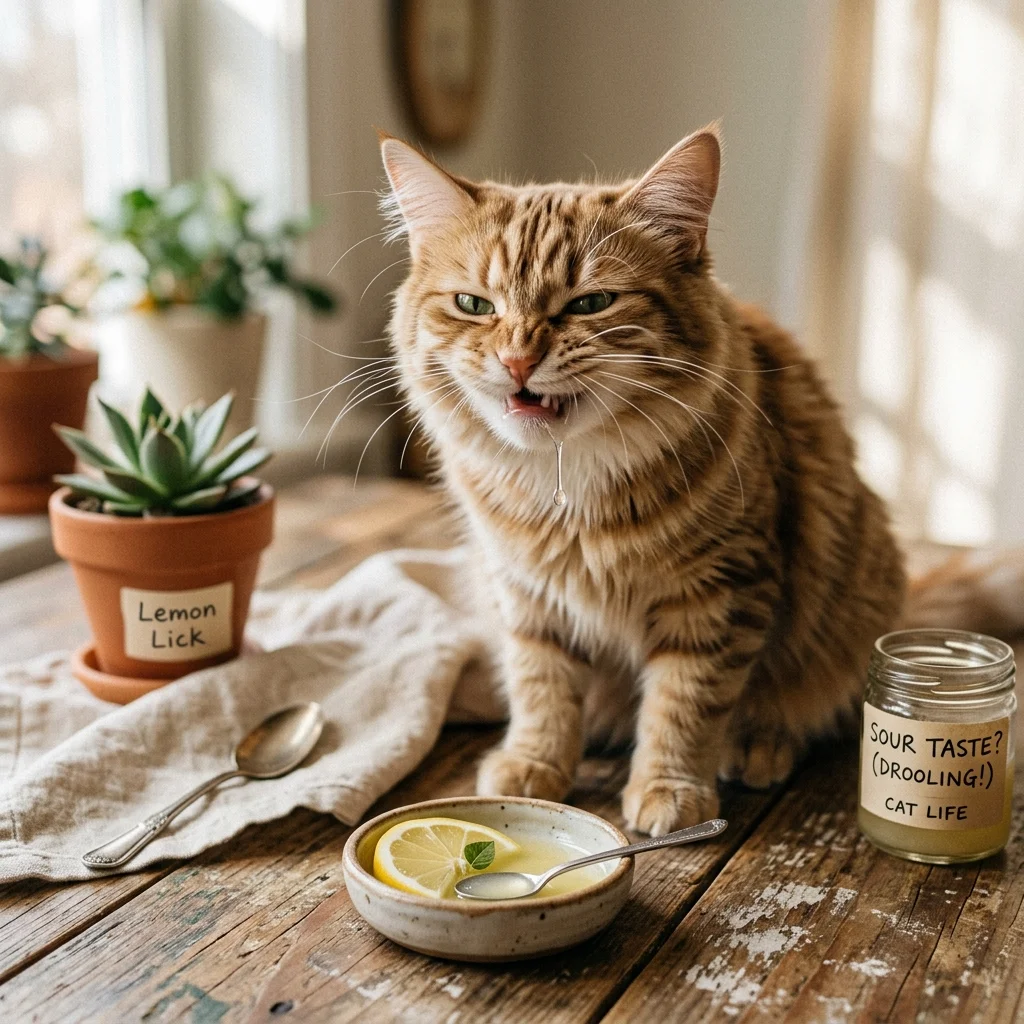
A sudden bout of foaming or drooling is often a beginner-friendly lesson in how sensitive a cat’s palate truly is. Gustatory hypersalivation frequently occurs when they lick topical flea medications or accidentally taste a bitter pill hidden in their food. This dramatic reaction is essentially their body’s way of rapidly washing a deeply unpleasant flavor out of their mouth.
If you suspect a bitter taste reaction, a simple DIY remedy is to gently flush the outer mouth area with fresh water if they tolerate it. You can also offer a few Greenies Feline Dental Treats to quickly replace the awful taste with a highly rewarding flavor. While it is fascinating to consider how cats clean their teeth in the wild using natural friction, domestic cats often need a tasty intervention after a medicinal mishap.
Because this type of drooling is usually self-limiting, it should resolve completely within a few minutes once the offending taste is gone. Just be sure to monitor them closely to ensure they haven’t ingested a genuinely toxic substance.
Organ Disease & Systemic Health Issues (Kidney or Liver)
⚠️ Urgency Level: High (Systemic Illness) | 🎯 Primary Cause: Toxin Accumulation & Uremic Ulcers | 💡 Key Action: Request blood chemistry panel and daily oral care powder
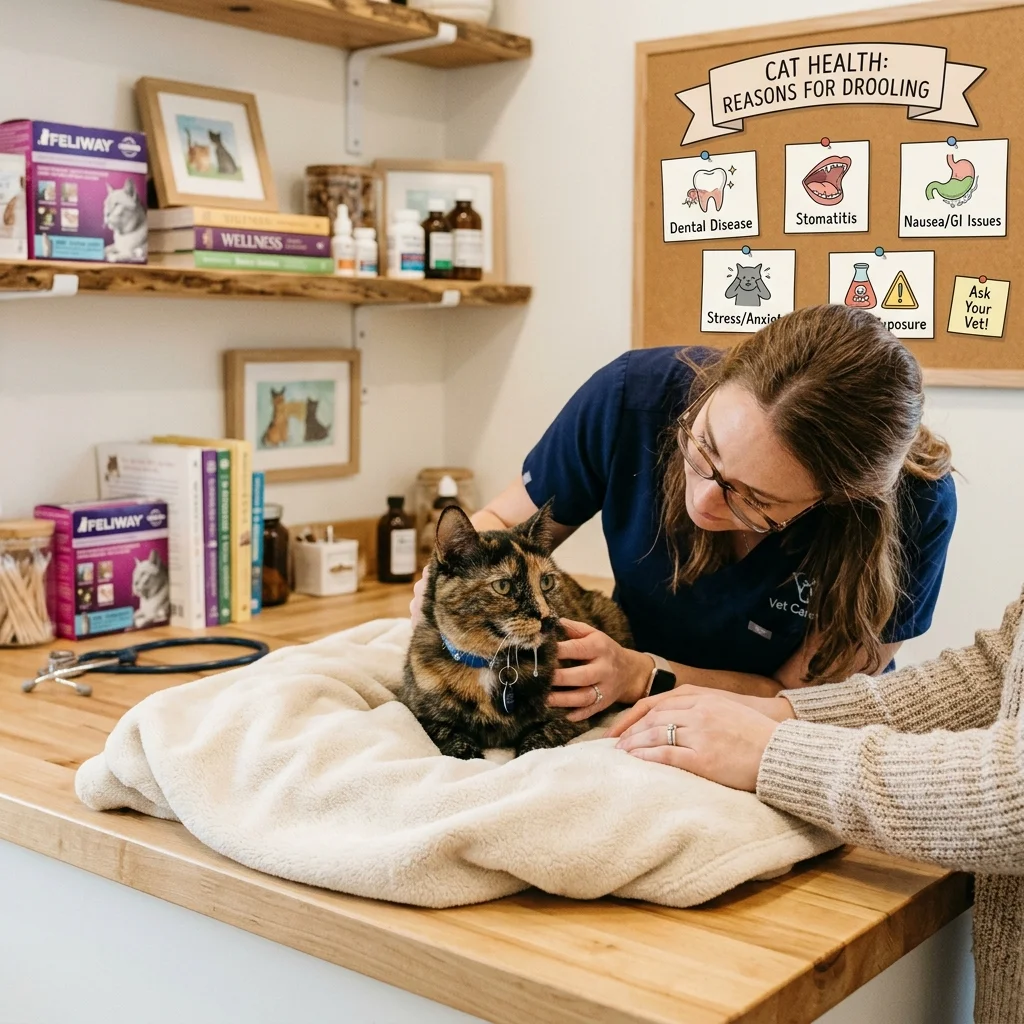
A data-backed approach to feline health reveals that chronic, unexplained drooling can sometimes indicate serious organ disease. When organs fail to filter waste properly, dangerous toxin accumulation can lead to painful uremic ulcers in the mouth and throat. These systemic health issues, particularly advanced kidney or liver disease, require immediate and comprehensive intervention.
Seeking professional veterinary care is absolutely critical, starting with a full blood chemistry panel to assess the internal damage. While addressing the underlying organ failure is the priority, maintaining oral comfort is also essential to encourage them to keep eating. Incorporating gentle products like VetriScience Perio Support Powder or an Oxyfresh Pet Oral Hygiene Solution can help manage the secondary oral complications.
Managing systemic illness is a long-term commitment that requires careful monitoring and regular veterinary checkups. Providing proper nutrition is vital during recovery, just like selecting what kind of food is best for cats with specific dietary needs. Prompt diagnosis and a tailored treatment plan will give your feline companion the best possible chance at a comfortable life.
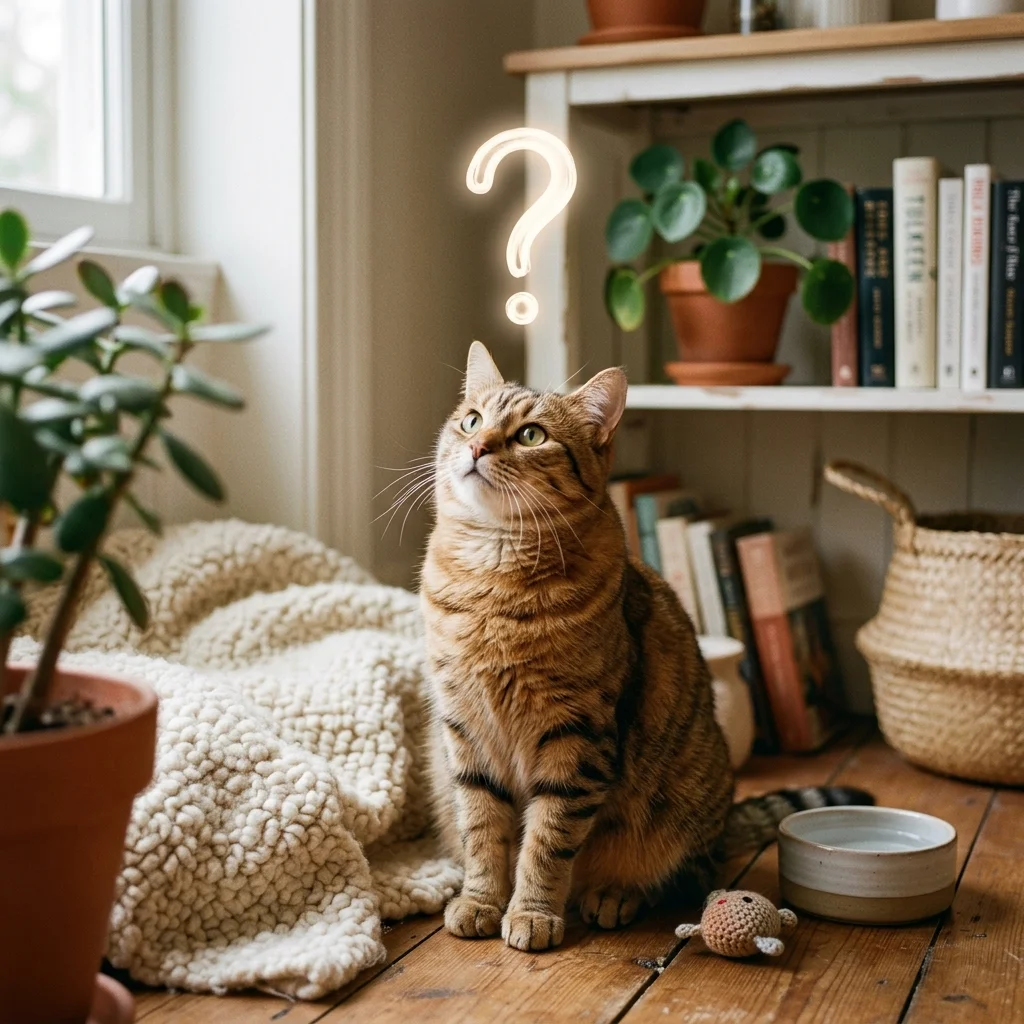
Frequently Asked Questions
Why is my cat drooling and purring at the same time?
This is often known as the “happy purr” response, which is a completely normal behavior. It usually happens when your feline feels deeply relaxed and content, often accompanied by kneading.
How can I tell if my cat’s hypersalivation is an emergency?
If the salivation is sudden and paired with lethargy, frantic pawing at the mouth, or tremors, it could be a critical emergency. You should immediately check the ASPCA Toxic Plant Identification Chart and seek urgent veterinary care.
Does bad breath alongside excessive moisture mean my cat has dental disease?
Yes, chronic oral inflammation, tartar buildup, or feline stomatitis often present with both excessive saliva and severe halitosis. Regular veterinary periodontal staging and scaling, along with home care using Virbac C.E.T. Enzymatic Toothpaste, can help prevent this.
Can stress or a car ride make a cat salivate heavily?
Absolutely. Cats can experience nausea and gustatory hypersalivation due to vestibular disturbances during travel or acute fear. Following a proper feline motion sickness & nausea triage protocol can help stabilize their environment.
What should I do if I suspect a foreign object is causing the issue?
Using a Pet LED Penlight Oral Inspection Light, perform a gentle lip-lift mouth check technique to safely examine the teeth and palate. If you see a string, bone fragments, or anything lodged, do not pull it—visit a vet immediately.
{ “@context”: “https://schema.org”, “@type”: “FAQPage”, “mainEntity”: [ { “@type”: “Question”, “name”: “Why is my cat drooling and purring at the same time?”, “acceptedAnswer”: { “@type”: “Answer”, “text”: “This is often known as the “happy purr” response, which is a completely normal behavior. It usually happens when your feline feels deeply relaxed and content, often accompanied by kneading.” } }, { “@type”: “Question”, “name”: “How can I tell if my cat’s hypersalivation is an emergency?”, “acceptedAnswer”: { “@type”: “Answer”, “text”: “If the salivation is sudden and paired with lethargy, frantic pawing at the mouth, or tremors, it could be a critical emergency. You should immediately check the ASPCA Toxic Plant Identification Chart and seek urgent veterinary care.” } }, { “@type”: “Question”, “name”: “Does bad breath alongside excessive moisture mean my cat has dental disease?”, “acceptedAnswer”: { “@type”: “Answer”, “text”: “Yes, chronic oral inflammation, tartar buildup, or feline stomatitis often present with both excessive saliva and severe halitosis. Regular veterinary periodontal staging and scaling, along with home care using Virbac C.E.T. Enzymatic Toothpaste, can help prevent this.” } }, { “@type”: “Question”, “name”: “Can stress or a car ride make a cat salivate heavily?”, “acceptedAnswer”: { “@type”: “Answer”, “text”: “Absolutely. Cats can experience nausea and gustatory hypersalivation due to vestibular disturbances during travel or acute fear. Following a proper feline motion sickness & nausea triage protocol can help stabilize their environment.” } }, { “@type”: “Question”, “name”: “What should I do if I suspect a foreign object is causing the issue?”, “acceptedAnswer”: { “@type”: “Answer”, “text”: “Using a Pet LED Penlight Oral Inspection Light, perform a gentle lip-lift mouth check technique to safely examine the teeth and palate. If you see a string, bone fragments, or anything lodged, do not pull it—visit a vet immediately.” } } ] }Get our latest guides, news, and insights highlighted in your Google Search & AI Overviews.
Keep reading about the same coat and cut.
Popular grooming guides
Bath vs clip, first grooms, and salon how-tos.