How Often to Take Dog to Groomers: Maintenance Schedule by Breed

Did you know that the ideal grooming schedule for your dog varies widely depending on their breed and coat type? Keeping your furry friend comfortably clean and healthy means more then just occasional baths-it requires understanding how ofen to visit a professional groomer to maintain skin, coat, nails, and ears properly. Whether you have a silky Afghan Hound or a low-maintenance Beagle, knowing the right frequency helps prevent matting, irritation, and discomfort, while also supporting your dog’s overall well-being.
This guide will take you step-by-step through typical grooming needs for different breeds, highlighting simple routines you can do at home, when to seek professional help, and how to keep grooming a positive experience for both you and your pet. You’ll learn about key tasks like brushing, bathing, and nail trimming, along with tips for nervous dogs or owners new to grooming. Compassion, safety, and patience are at the heart of every good grooming routine-and this article will empower you with clear, practical advice to keep your dog happy, healthy, and looking their best without stress. Keep reading to discover how to tailor your grooming schedule to your dog’s unique needs.
How Often to Groom Dogs by Coat Type and Breed
Table of Contents
- 1 How Often to Groom Dogs by Coat Type and Breed
- 2 Essential Grooming tasks: What You Can Do at Home
- 3 Recognizing When to Visit a Professional groomer
- 4 Seasonal Grooming Needs and Adjustments
- 5 Managing Sensitive or Anxious Dogs During grooming
- 6 Tools and Products Tailored for Different Breeds
- 7 Nail trimming: How Often and How to Safely Do It
- 8 Ear Cleaning Frequency and Best Practices
- 9 Bathing Guidelines: Timing,Techniques,and Tips
- 10 Dealing with Common Grooming Challenges by Breed
- 11 Understanding Vet vs. Groomer vs. DIY Boundaries
- 12 Building a Calm, Stress-Free Grooming Routine
- 13 Q&A
- 13.1 Q: How can I tell if my dog needs more frequent professional grooming between scheduled visits?
- 13.2 Q: What breeds benefit from customized grooming schedules based on activity level?
- 13.3 Q: How does coat texture affect recommended grooming frequency per breed?
- 13.4 Q: Why should older dogs have adjusted grooming schedules compared to younger dogs?
- 13.5 Q: What are the benefits of coordinating vet check-ups with grooming appointments?
- 13.6 Q: How do seasonal changes influence grooming schedules across different breeds?
- 13.7 Q: Can regular at-home grooming reduce the number of professional grooming visits needed?
- 13.8 Q: How should grooming frequency be adjusted for dogs with skin allergies or sensitivities?
- 14 The Conclusion
Dogs’ grooming needs vary widely depending on their coat type and breed – understanding these differences is key to keeping your furry friend comfortable, healthy, and looking their best. Whether your dog sports a sleek, short coat or luxuriates in long, flowing locks, the right grooming schedule helps prevent mats, skin issues, and discomfort while supporting their overall well-being. Let’s walk through some practical guidelines that match how often you should take different dogs to the groomer.
Short-Coated Breeds
Breeds like Beagles, Boxers, and Dalmatians have smooth, short coats that shed moderately but are pretty low-maintenance on the grooming front. These dogs typically benefit from occasional professional grooming every 8 to 12 weeks, mainly for nail trims, ear cleaning, and a bath. Between appointments, weekly brushing with a rubber curry brush or grooming mitt helps reduce shedding and spread natural oils, keeping their coat shiny and healthy. Pro tip: don’t skip regular nail trims – short-coated dogs’ nails tend to grow quickly and can cause discomfort or joint issues if ignored.
Double-Coated Breeds
Dogs like Golden Retrievers, Siberian Huskies, and German Shepherds boast a dense undercoat beneath a coarser topcoat, which means seasonal shedding “blowouts” (spring and fall) can create heavy mats and tangles. These breeds require more frequent grooming – ideally every 6 to 8 weeks – with a groomer skilled at undercoat de-shedding and trimming around problem areas like behind the ears and armpits. Home maintenance is crucial: daily or every-other-day brushing with an undercoat rake or slicker brush can prevent painful tangles and reduce hairballs. If anxiety is an issue,try breaking grooming into short sessions and offering treats to build a calm association.
Long, Silky, or Curly-Coated Breeds
Breeds such as Shih Tzus, Maltese, Poodles, and Bichon Frises need consistent, professional grooming every 4 to 6 weeks to prevent mats and keep their hair manageable. Their hair grows continuously without much shedding,which means at-home brushing is non-negotiable-typically daily-to avoid painful tangles and skin irritations. Invest in high-quality slicker brushes,combs,and detangling sprays designed for fine or curly coats. Around ears, paws, and sanitary areas, trimming helps prevent infections. If your pup is nervous about grooming, gradual desensitization combined with calm handling fosters trust and cooperation.
| Coat type | Example Breeds | Recommended Groomer Visit Frequency | Home Grooming Tips |
|---|---|---|---|
| Short Coat (smooth, tight) | Beagle, Dalmatian, Boxer | Every 8-12 weeks | Weekly brushing, nail trimming, occasional baths |
| Double Coat (dense undercoat + topcoat) | Golden Retriever, Siberian husky, German Shepherd | Every 6-8 weeks, more in shedding season | Frequent brushing with undercoat rake, deshedding tools |
| Long / Curly coat (silky, fine, or curly) | Shih Tzu, Poodle, Bichon Frise | Every 4-6 weeks | Daily brushing, detangling sprays, regular trims |
Knowing your dog’s coat type helps tailor grooming appointments so they’re efficient and stress-free.For example, taking a poodle for a groom every 8 weeks rather of 4 can lead to matting and discomfort, while a short-coated dog won’t need as frequent trims. Rather than chasing “perfect” looks, focus on comfort and ongoing care.Compassion and patience go a long way, especially for dogs nervous about grooming.
Ultimately, the best schedule is one that fits your dog’s individual needs and your lifestyle. Regular check-ins with your groomer or vet offer valuable insights and ensure no skin or coat problems go unnoticed. When you understand your dog’s unique grooming rhythm,you build a healthier,happier routine that keeps tails wagging.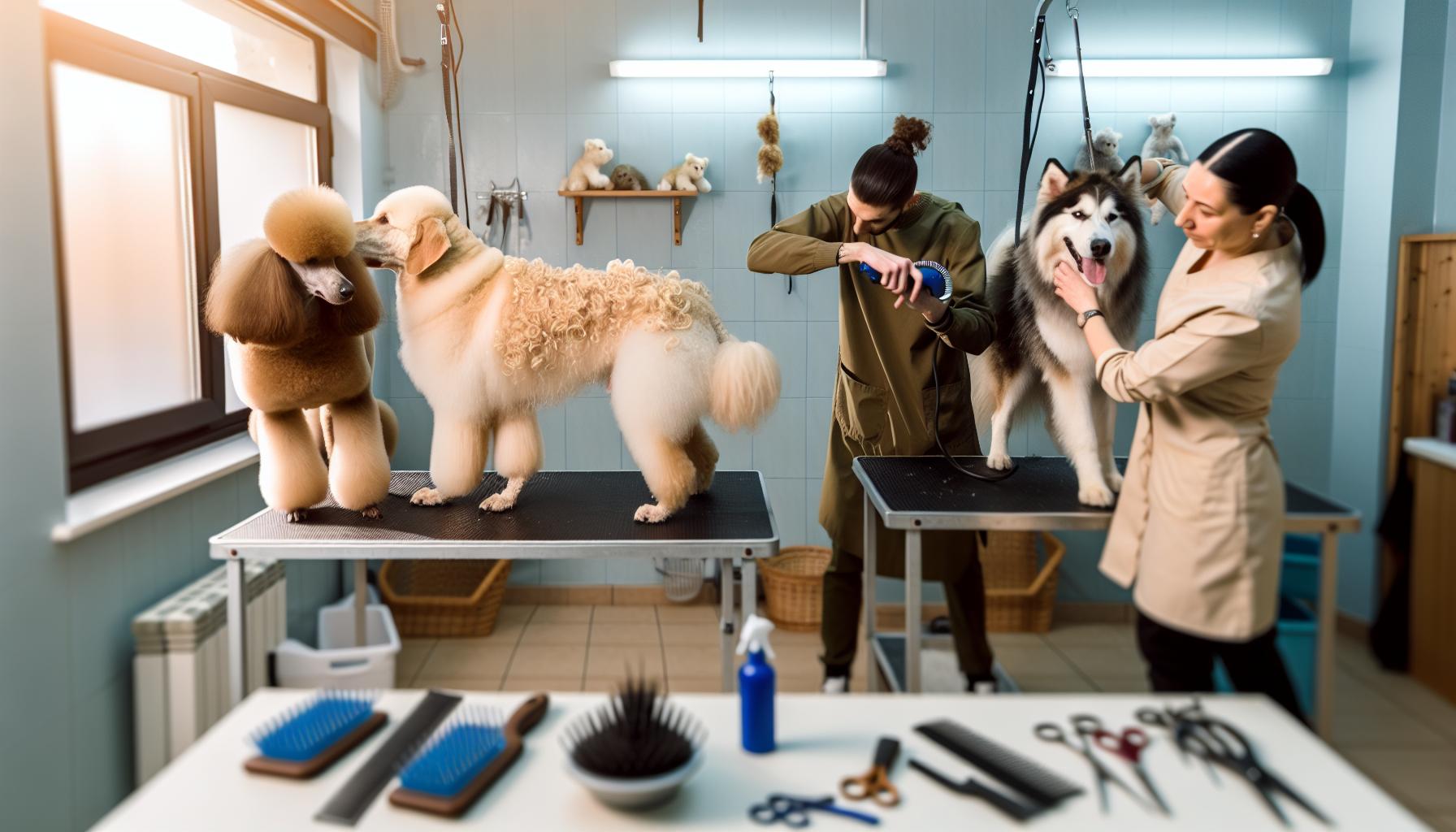
Essential Grooming tasks: What You Can Do at Home
Grooming your dog at home is one of the most rewarding ways to deepen your bond while helping your pup stay comfortable and healthy between professional visits. The good news? With some simple tools and a little patience, many essential tasks can be done easily right in your living room. Whether your dog has a short coat or long, curly locks, the key is to tailor your routine to their breed and personality, always prioritizing their comfort and trust.
Brushing: the cornerstone of Coat Care
Regular brushing is the single most vital habit you can establish at home. For short-coated breeds like Beagles or Boxers, a gentle weekly sweep with a rubber curry brush or grooming mitt removes loose hairs and spreads natural oils, leaving the coat shiny and skin healthy. Double-coated dogs such as Golden Retrievers or Huskies benefit from more frequent brushing-every other day or daily during shedding seasons-with an undercoat rake or slicker brush to prevent mats and reduce dander. Long-haired or curly-coated breeds demand daily brushing with a slicker brush and comb to detangle and avoid painful mats. Remember, slow, calm strokes paired with gentle praise or treats turn grooming from a chore into quality bonding time.
Nail trimming: Safe and Simple
Keeping your dog’s nails at a healthy length is crucial to avoid discomfort and joint strain. Most dogs need nail trims every 3 to 4 weeks, but this can vary with activity level and breed. Use a pair of sharp,dog-specific nail clippers and take your time. Trim small amounts at a time to avoid hitting the quick-especially in darker nails where it’s harder to see. If your dog is anxious, try wrapping them gently in a towel or enlisting a helper to soothe and distract while you work. If you’re unsure, your groomer or vet can demonstrate proper technique. Safety and calm come first.
Ear Cleaning: Gentle and Regular
Ear infections can be uncomfortable and dangerous, but cleaning at home is often straightforward with the right approach. Use a vet-approved ear cleaner and cotton balls or pads-not cotton swabs-to gently wipe visible debris inside the outer ear. Frequency depends on your dog’s breed and ear type; floppy ears (like Cocker Spaniels) tend to trap moisture and may need weekly attention, while upright ears often require less frequent cleaning.Always watch for signs of irritation-redness, odor, or excessive scratching-and contact your vet if you suspect an infection rather than attempting deep cleanings yourself.
Bathing Basics: Timing and Technique
Bathing too often can strip your dog’s coat of natural oils, leading to dry skin; too infrequently and dirt and allergens pile up.As a rule, most dogs do well with baths every 4 to 6 weeks, but short-coated breeds often need fewer, and dogs with skin conditions may require special schedules set by your vet.Choose mild, dog-specific shampoos and rinse thoroughly to avoid residue. For anxious dogs, keep baths short and positive-use lukewarm water, speak softly, and offer treats during and after. Toweling off gently and keeping coats dry helps prevent chills, especially in smaller or short-haired dogs.
- Helpful at-home grooming tool essentials include:
- Rubber curry brush or grooming mitt (short coats)
- Undercoat rake and slicker brush (double coats)
- Slicker brush, metal comb, detangling spray (long/curly coats)
- Sharp dog nail clippers and styptic powder (nail trims)
- Vet-approved ear cleaner and soft cotton pads
- Gentle, dog-formulated shampoos
By embracing a calm, step-by-step routine and respecting your dog’s unique needs, you empower yourself to maintain their health and comfort with kindness and confidence. When challenges arise-such as stubborn mats or anxieties-it’s always okay to reach out to your professional groomer or vet for guidance or hands-on help. Remember, you’re not aiming for salon perfection at home but for a happy, comfortable dog whose grooming needs are lovingly met every day.
Recognizing When to Visit a Professional groomer
Dogs can communicate their grooming needs in subtle ways, and as a caring owner, knowing when to bring them to a professional groomer can make a world of difference in their comfort and well-being. While many grooming tasks are manageable at home, a trained groomer has the experience, tools, and calm approach to tackle more complex issues-especially for certain breeds or coat types that demand specialized care.Some breeds with thick double coats, like Siberian Huskies or Golden Retrievers, tend to develop dense undercoats that shed seasonally and may mat if not properly maintained. You might notice stubborn tangles or mats forming despite your regular brushing efforts-this is a common sign that professional dematting is needed. Similarly, long-haired breeds such as Shih Tzus or Poodles benefit from scheduled groomer visits every 4 to 6 weeks to maintain sanitary trims, coat shaping, and prevent painful matting. These sessions also allow for expert nail trims and ear cleanings, which can be tricky to do safely at home, especially for dogs who are sensitive or anxious.
When Home Grooming Just Isn’t Enough
signs that it’s time to consult a professional include persistent mats near delicate areas like the ears, underarms, or groin, thick, overgrown nails that cause limping, or coats feeling greasy or smelly despite baths. If your dog resists grooming or becomes stressed, a groomer’s gentle handling and experience can make the process more comfortable for both of you. Some health issues manifest during grooming-a foul odor from the ears or unusual lumps under the fur-which professionals can spot early and advise you to check with your vet.
Understanding the Roles: Vet, Groomer, and You
Knowing the boundaries between what a groomer does and when a vet is essential for your dog’s safety. Groomers focus on appearance, coat health, and comfort-brushing, trimming, bathing, nail trimming, and ear cleaning.If skin infections, allergies, or painful growths arise, your vet should be the next stop. For example, if ear cleaning triggers pain or swelling, it’s best to seek veterinary care rather than risk further irritation at home or in grooming.
Tips for choosing the Right Groomer
Always look for groomers who demonstrate kindness and patience,especially with nervous dogs. ask if they have experience with your breed and coat type. An initial consultation or trial grooming can help your dog acclimate to their touch and surroundings.Bringing your dog’s grooming kit, including any preferred detangling sprays or shampoos, can help maintain consistency. Remember, grooming isn’t just about looks-it’s about your dog’s happiness and health.
- Key indicators you might need professional grooming help:
- Mats and tangles that you can’t safely remove without hurting your dog
- Excessively long nails causing discomfort or walking issues
- Strong odor or visible dirt after baths
- Persistent ear debris or scratching
- Coat thinning or skin irritation requiring vet consultation
- Increased anxiety or stress during home grooming sessions
By tuning into your dog’s physical signs and behaviors-and understanding the unique grooming demands of their breed-you build a loving partnership that respects their needs. Regular, professional care complements your home grooming routine beautifully, ensuring your furry friend stays healthy, comfortable, and as happy as they look.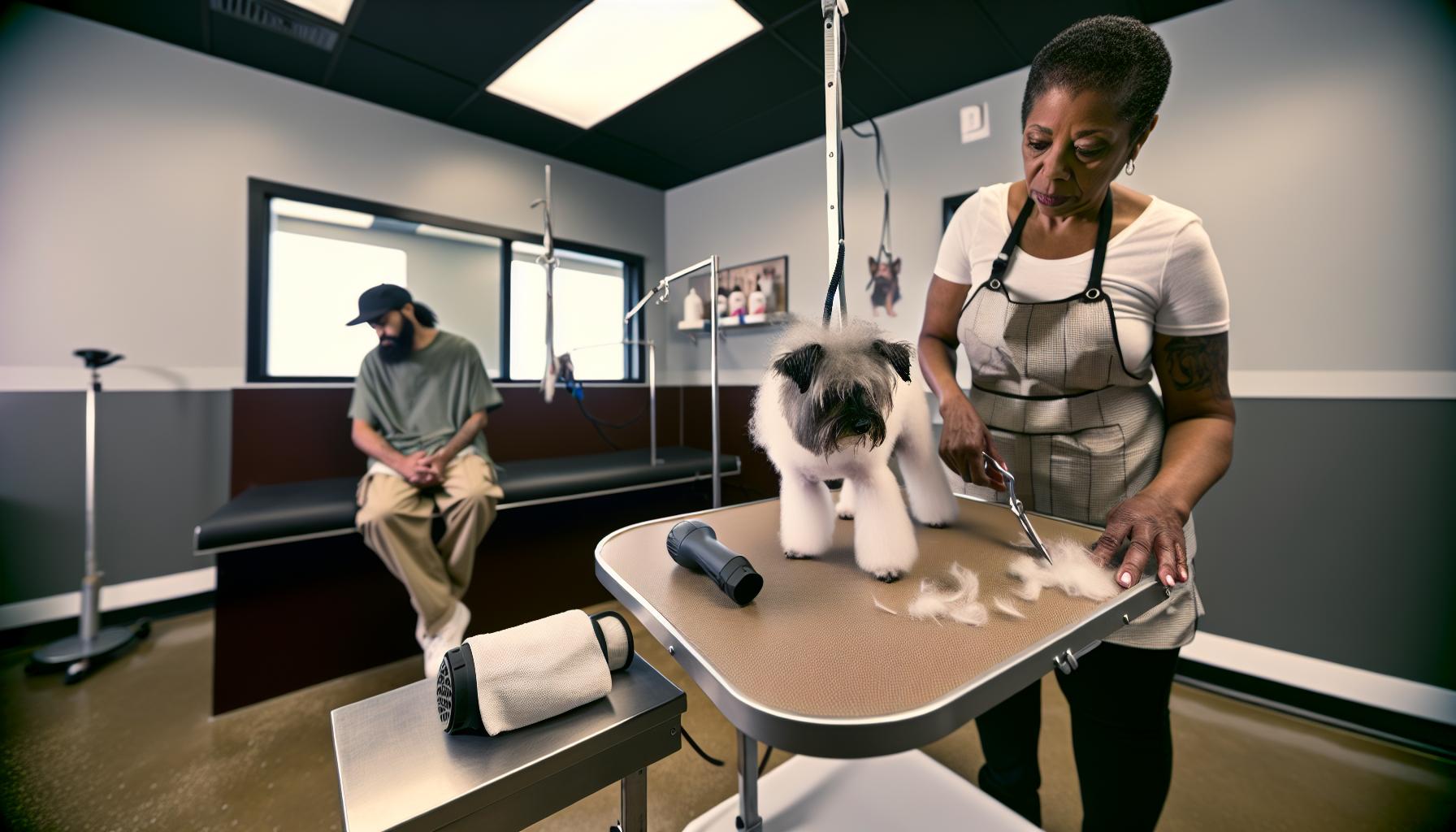
Seasonal Grooming Needs and Adjustments
every season brings its own unique demands to your dog’s grooming routine, especially when it comes to coat care, skin health, and comfort. As temperatures rise or fall, your dog’s fur, skin moisture, and even behavior can shift-making seasonal adjustments not just a luxury, but a vital part of keeping your furry friend happy and healthy. For example, thick-coated breeds like Alaskan Malamutes need extra attention in spring when shedding their dense undercoat, while short-haired dogs may require more moisturizing baths in the drier winter months.
Adjusting Bathing and Brushing Habits
During heavy shedding seasons-frequently enough spring and fall-more frequent brushing becomes crucial to remove loose fur and prevent mats, especially in double-coated breeds like Golden Retrievers or Siberian Huskies. Using a quality undercoat rake or deshedding tool can dramatically reduce the amount of hair left around your home and keep your dog cooler as the whether warms. However, avoid over-bathing during these times since stripping natural oils can dry out the skin.Opt for mild, moisturizing shampoos and keep bath frequency to about once a month unless your dog gets particularly dirty.
In colder months, short-haired breeds like Boxers or Dobermans may show dry, flaky skin due to low humidity.Adding an oatmeal-based or hypoallergenic shampoo to your routine during baths can soothe irritation, but don’t overdo it. After bathing, thorough drying and occasional use of a light, dog-safe conditioner can definitely help maintain coat vitality.
Seasonal Nail and Ear Care Considerations
Nails also deserve special attention throughout the year.Summer’s outdoor activities may naturally file down nails, while winter’s indoor confinement often means nails grow faster and need more frequent clipping-often every 3 to 4 weeks. Remember that cold weather can cause paws to crack or paws pads to become rough, so integrating gentle paw balms or moisturizers after walks can prevent discomfort.
Ear health can fluctuate seasonally too. Increased humidity in summer can lead to more ear infections,especially for floppy-eared breeds like Cocker Spaniels. Regular ear checks and gentle cleanings with vet-approved solutions become essential. In dryer seasons,ears might potentially be drier and more prone to irritation,so avoiding over-cleaning is critically important.
Handling Seasonal Coat Changes Safely
Some breeds require professional help to manage seasonal coat changes. For example, when Golden Retrievers “blow” their coat in spring, professional groomers can assist in safely removing undercoat mats without sacrificing essential insulation for changing weather. If you notice stubborn mats, skin redness, or your dog scratching excessively, these are signs to seek expert grooming rather than attempting aggressive dematting at home.
Remember that trimming coats too short during winter isn’t always the best option-even for long-haired breeds-since their fur provides crucial warmth. Likewise, summer haircuts should still retain enough length to protect from sunburn and skin injuries. Collaborating with a groomer knowledgeable about your dog’s breed and seasonal needs will ensure these delicate adjustments are made thoughtfully.
-
Seasonal grooming checklist:
- Spring/Fall: Increase brushing frequency; check for mats and shedding; minimal bathing with gentle shampoo
- Summer: Protect ears from moisture; trim nails regularly; avoid shaving coat too short
- Winter: Moisturize skin; bathe less frequently enough with hydrating shampoo; protect paws with balms; monitor nail growth
By following these seasonal strategies, you’ll help your dog transition smoothly through nature’s cycles, reducing stress, skin issues, and discomfort. Never hesitate to ask your groomer for tailored suggestions based on your dog’s age, coat type, and lifestyle-their expert guidance will keep your companion comfortable all year round. If skin problems or anxiety arise, consulting your vet or a grooming professional ensures a compassionate and safe approach that always puts your dog’s wellbeing first.
Managing Sensitive or Anxious Dogs During grooming
Many dogs find grooming stressful, especially those with sensitive skin, past negative experiences, or naturally anxious temperaments. yet, a calm and compassionate approach can transform grooming from a dreaded chore into a positive experience that supports your dog’s well-being. Understanding your dog’s unique needs-whether they have a thick double coat prone to matting like a Bernese Mountain Dog or a fine, delicate coat like a Maltese-is the first step toward gentle grooming success.
Creating a Calm Environment
Start each session in a quiet, comfortable space where your dog feels safe. Use soft lighting and minimize loud noises or sudden movements. Speak in soothing tones and offer gentle petting to reassure your dog. For highly anxious breeds like Border Collies or small terriers, short sessions interspersed with play breaks work better than prolonged grooming marathons. Setting a predictable routine also helps-brushing simultaneously occurring daily or every other day builds familiarity and trust.
Step-by-Step,Breed-Specific Approach
- Bathing: Use lukewarm water and a mild,hypoallergenic shampoo suited to your dog’s coat type. For sensitive-skinned pups like Boxers, oatmeal-based formulas soothe irritation. Keep baths short, and consider a calm filler activity afterward, such as a treat or favorite toy.
- Brushing: Choose tools tailored to your dog’s coat-slicker brushes for curly or wiry coats, undercoat rakes for thick double coats, and soft bristle brushes for short-haired dogs. Brush gently to avoid tugging or pain; start with less sensitive areas like the back before moving to legs and tail.
- Nail trimming: Some dogs fear the clipping sound or sensation on their paws. Use quiet,sharp nail trimmers and trim only a small amount per session to prevent bleeding. Reward calm behavior liberally with praise or treats to reinforce positive associations.
- Ear cleaning: Floppy-eared breeds like Cocker Spaniels may experience discomfort with ear care. Use vet-approved solutions and cotton balls, never cotton swabs, to clean gently without invading the ear canal.
Recognizing When to Seek Professional Help
If your dog’s anxiety leads to resistance or aggression, or if mats and tangles are too tough to manage, a professional groomer with experience in anxious or sensitive dogs can make a huge difference. Groomers often use calming pheromones, gentle restraint techniques, and a slower pace to ease stress. Additionally, vets can advise if anxiety medications or behavioral therapies might support grooming sessions.
Empowering You and Your Dog
Remember, grooming is about care, not perfection. Progress at your dog’s pace and prioritize their comfort above all. Celebrating small successes-like brushing through a stubborn knot or clipping a nail without fuss-builds confidence in both you and your furry friend.With patience, positive reinforcement, and the right tools, even the most sensitive dogs can enjoy grooming as a bonding experience that supports health and happiness.
By approaching grooming with kindness and knowledge about breed-specific needs and sensitivities, you create a safer, more pleasant routine that sets your dog-and you-up for lasting success.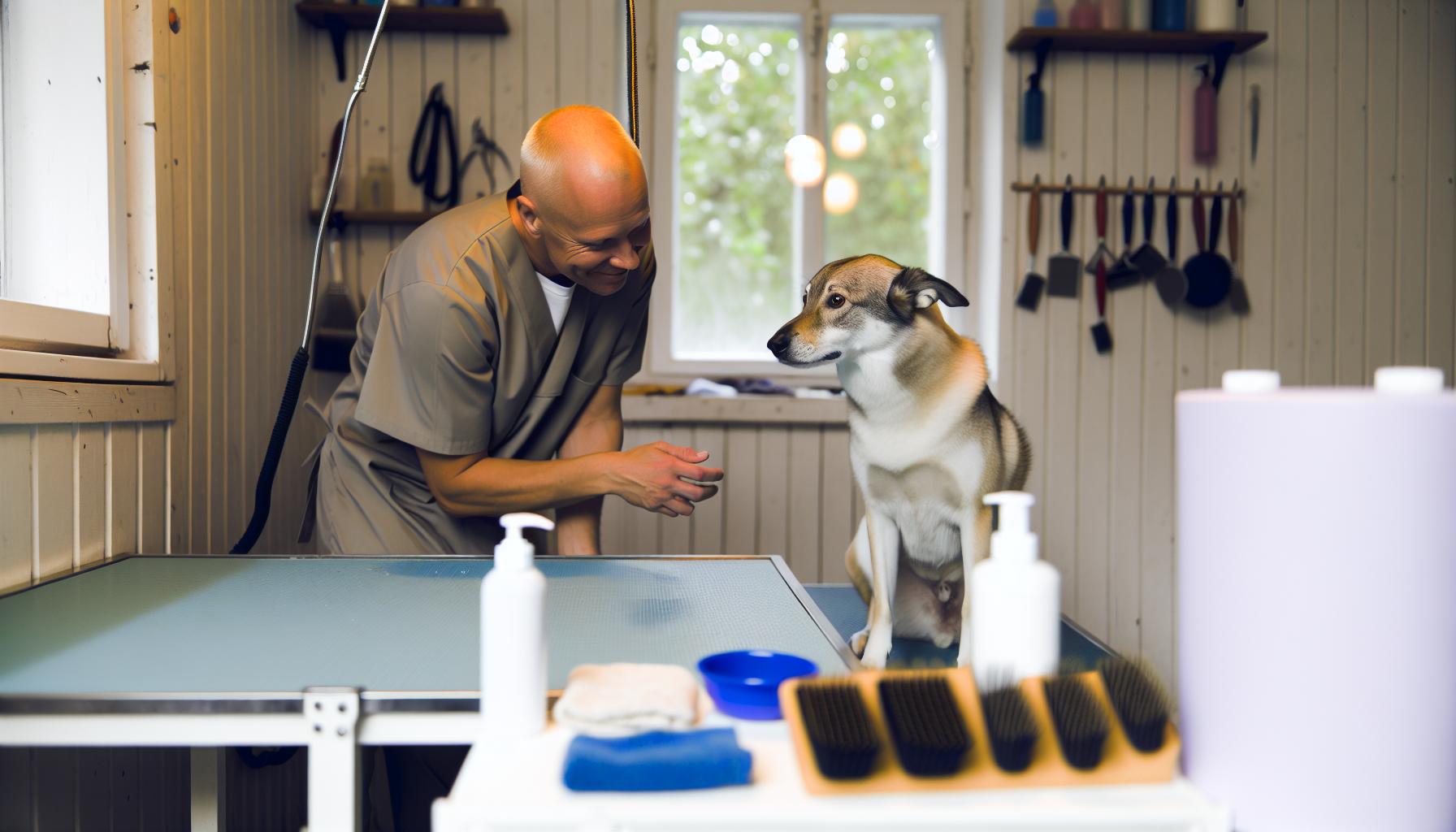
Tools and Products Tailored for Different Breeds
Grooming your dog at home becomes significantly easier and more enjoyable when you use tools and products that match your dog’s breed and coat type.A one-size-fits-all approach often leads to frustration-for both you and your pup-especially because coats vary so widely, from fine and silky to thick and wiry. Understanding which grooming aids suit your dog’s specific coat sets the stage for comfortable sessions and healthier skin and fur.
Selecting brushes and Combs
Different coats demand different brushes. As an example, dogs with thick double coats, like Siberian Huskies or Golden Retrievers, benefit from an undercoat rake that reaches deep to gently remove loose, dead hairs without damaging the topcoat. These rakes help prevent mats and reduce heavy shedding. In contrast, a fine-toothed comb works wonders for breeds like the Maltese or Shih Tzu, whose silky coats can easily tangle-this tool helps detect small tangles early before they become mats.
Curly or wiry coats, such as those of Poodles and Schnauzers, respond best to slicker brushes. Their thin metal bristles reach through dense curls to loosen debris and openings for trimming. Short-haired breeds like Boxers or Beagles thrive with a soft-bristle grooming glove or brush that stimulates the skin, distributes natural oils, and gently removes loose hair without causing discomfort.
Bath Products Custom-Tailored to Coat and Skin
Using the wrong shampoo can dry out or irritate your dog’s skin. Sensitive breeds like Greyhounds or Boxers need gentle, hypoallergenic formulas often containing soothing agents like oatmeal or aloe. Dogs with oily coats, such as Labradors, might need a purifying shampoo that balances their skin’s natural oils without stripping them completely.
If your dog has white or light-colored fur-think West Highland Terriers or Samoyeds-consider a brightening shampoo specially formulated to keep their coats gleaming and prevent dullness or discoloration over time. Always avoid human shampoos,as they can disrupt your dog’s pH balance and worsen skin issues.
Tools for Nail and Ear Care Based on Breed Tendencies
Nail trimming can be tricky if your dog dislikes the noise or sensation. Quiet, sharp guillotine-style trimmers or electric grinders with adjustable speeds suit dogs with sensitive paws, like small toy breeds or anxious terriers. For stronger breeds like German Shepherds or Labs, heavy-duty scissors or clippers provide the control needed to manage thicker nails safely.
Ear cleaning supplies also vary: floppy-eared breeds like Cocker Spaniels or Basset Hounds tend to trap moisture and debris, necessitating gentle, vet-approved solutions and soft cotton balls. dogs with upright ears, such as Dalmatians or Border Collies, usually require less frequent cleaning, but still benefit from routine checks and a quick wipe with a damp cloth.
Balancing DIY Grooming vs.Professional Help
While these tools empower you to maintain your dog’s grooming several times between professional visits, know your limits. If mats are severe or your dog is especially anxious or sensitive, a groomer’s skill and professional-grade equipment prevent injury and excessive stress. Regular home grooming with breed-appropriate tools can reduce costly appointments and improve your dog’s comfort-and when combined with occasional professional trims, it’s a winning formula for happy, healthy coats.
By tailoring tools and products to breed-specific coat traits and grooming needs, you create a routine that is rewarding, effective, and most importantly-gentle.Remember, a calm, patient approach paired with the right equipment builds trust and cooperation, making grooming a bonding experience your dog actually looks forward to.
Nail trimming: How Often and How to Safely Do It
Did you know that keeping your dog’s nails trimmed isn’t just about appearances? Long nails can cause discomfort, alter your dog’s gait, and even lead to joint pain over time. The good news is nail care can be a smooth and rewarding experience for both you and your furry friend, especially when you understand how often to trim and how to approach it safely.
How Frequently enough Should You Trim Your Dog’s Nails?
The frequency varies quite a bit depending on the dog’s breed, activity level, and the surface they regularly walk on. Active dogs, especially those that spend a lot of time on concrete or asphalt, often wear their nails down naturally and may need trims only every 6 to 8 weeks. Less active or indoor-only dogs, and breeds with slower nail wear like small toy breeds or some retrievers, usually benefit from nail trims every 3 to 4 weeks to prevent overgrowth.
- Thick,slow-growing nails: Breeds like Great Danes or St. Bernards may require fewer trims but need more careful attention to avoid cracking.
- thin, fast-growing nails: Small breeds such as Yorkshire Terriers or Chihuahuas often need trimming every 2 to 3 weeks for comfort.
Safe and Compassionate Trimming Tips
Trimming nails can be intimidating, especially if your dog is sensitive or anxious about the process. Start by gathering the right tools: a quiet, sharp guillotine-style trimmer works well for small to medium nails, while heavy-duty scissors or clippers are better for larger, tougher nails. Electric grinders can be a gentle alternative, allowing gradual nail shortening with less risk of cutting too deep.
here’s a calm, step-by-step guide to make nails a stress-free part of your routine:
- Get comfortable: Find a quiet space where your dog feels safe. Use treats to reward calm behavior and build positive associations.
- Identify the quick: This is the sensitive part inside the nail that contains nerves and blood vessels. In dogs with clear or light-colored nails, the quick is visible as a pink line. For dark nails, trim little by little to avoid cutting into the quick.
- Trim gradually: Cut small amounts at a time. If your dog has black nails, trim the tip off and check the cross-section for a darker or whitish ring which signals you’re close to the quick.
- Stop bleeding if needed: Keep styptic powder or cornstarch on hand to quickly stop any bleeding and soothe your pup.
When to Seek Professional Help
If your dog is extremely nervous,wriggly,or if nails are severely overgrown and causing pain,don’t hesitate to enlist a professional groomer or veterinarian. Professionals have specialized tools and handling skills that can make a big difference in safety and comfort. Long-term, regular home maintenance between professional visits helps reduce stress and keep nails manageable.
Remember, the goal isn’t perfection but keeping your dog comfortable and healthy. By trimming nails regularly, you’re helping your pup move freely and happily-something both you and your furry friend will appreciate every day.
Ear Cleaning Frequency and Best Practices
Cleaning your dog’s ears is one of those essential yet often overlooked parts of grooming that can make a huge difference in your dog’s comfort and health. Did you know that regular ear cleaning can prevent painful infections before they start? Dogs with floppy ears, like Cocker Spaniels or Basset Hounds, and those with furry ear canals, such as Poodles or Shih Tzus, tend to accumulate more wax and debris, making it especially critically important to keep those ears tidy. In contrast, breeds with upright ears like German Shepherds usually need less frequent attention but still benefit from regular checks.
How Often Should You Clean Your Dog’s Ears?
Generally, checking your pup’s ears once a week is a great habit, but actual cleaning depends on the breed, activity level, and environmental exposure – dogs that swim, play outside often, or have allergies may need more frequent care, sometimes weekly or biweekly. For dogs with dry, clean ears, monthly cleaning is usually sufficient. Over-cleaning can irritate the delicate ear canal and upset natural protective oils, so it’s about balance.
What You’ll Need and How to Clean Safely
Gather a dog-specific ear cleaner (never use alcohol or hydrogen peroxide), cotton balls or gauze (avoid cotton swabs deep inside the ear), and lots of treats to keep your dog relaxed and positive. Here’s a calm, step-by-step approach:
- Comfort first: Sit with your dog in a quiet spot. Speak in soothing tones and offer small treats.
- apply cleaner: Gently lift the ear flap and apply the recommended amount of cleaner,avoiding overfilling.
- Massage gently: massage the base of the ear for 20-30 seconds to loosen debris and wax inside.
- Wipe excess: Let your dog shake their head to bring debris out, then wipe off the outer ear canal and flap with a cotton ball or gauze.
- Reward generously: End on a positive note to build trust for next time.
When to Call the pros or the Vet
If you notice redness, swelling, foul odor, persistent scratching, or discharge, it’s time for a professional evaluation.Chronic ear infections may require vet-prescribed treatments or specialized grooming tools and expertise. Similarly, if your dog is too anxious or wriggly for safe cleaning at home, a groomer experienced with ear care can definitely help. Remember, routine home maintenance complemented by periodic professional checks is the best way to keep ears happy and healthy.Regular ear care doesn’t have to be stressful or elaborate. By tuning into your dog’s specific needs and responding patiently, you’re protecting their hearing and giving them relief from irritation – a small act that goes a long way in their overall well-being.
Bathing Guidelines: Timing,Techniques,and Tips
Bathing is more than just a chance to freshen up your furry friend-it’s a vital part of their health and comfort. But knowing when and how frequently enough to bathe your dog depends largely on their breed, coat type, lifestyle, and skin condition. For example, dogs with oily coats like Basset Hounds may need weekly baths, while breeds with dry or double coats such as Siberian Huskies require less frequent washing to avoid stripping natural oils. Balancing cleanliness with skin health is the key to a happy, healthy pup.
Timing Baths: Finding What Works for your Dog
A general rule of thumb is every 4 to 6 weeks for most dogs, but this isn’t set in stone. Active dogs who roll in dirt or swim frequently may need more frequent baths,while less active or indoor dogs can go longer between washes. Pay attention to signs like a doggy odor,greasy fur,or visible dirt. Though, bathing too frequently enough risks drying out skin or causing irritation, especially in sensitive breeds like Bulldogs or those prone to allergies. Adjust your schedule based on your dog’s coat texture, skin condition, and activity level.
Gathering the Right Tools and Setting the Scene
Preparation makes all the difference-use a mild, dog-specific shampoo designed for your dog’s skin type. Avoid human shampoos as they can disrupt your dog’s natural pH balance. Have a towel,a gentle brush,and a non-slip mat handy. For long-haired or thick-coated breeds like Golden Retrievers or Poodles, brushing before the bath helps remove mats and loose hair, improving shampoo penetration and avoiding painful tangles. A calm, quiet environment with plenty of praise and treats transforms bath time into a bonding moment, easing anxiety for sensitive or nervous dogs.
Step-by-Step Bathing Techniques
- Start lukewarm: Water that’s too hot or cold adds stress.Aim for a warm, comfortable temperature.
- Wet thoroughly: Use a sprayer or cup to soak from neck down, avoiding the eyes and inside ears.
- Apply shampoo: work from neck to tail, massaging gently into the coat and skin.For thick coats, take time to reach the undercoat.
- Rinse completely: Residue can cause irritation or itchiness. Multiple rinses may be needed, especially for thick or long hair.
- Towel dry and fluff: Pat your dog dry,avoid rubbing vigorously. Blow dryers on low heat can be used for longer coats but assure your dog is comfortable with the noise and sensation.
Troubleshooting and When to seek Help
If your dog resists bathing or shows signs of extreme stress, consider splitting the process across multiple days-brushing one day, bath another-or seek a professional groomer’s assistance. Groomers have experience managing anxious dogs and access to specialized tools that can make bathing safer and less stressful. Also, if your dog suffers from skin issues like dermatitis or persistent odors, a vet-prescribed medicated shampoo might be necessary rather of over-the-counter options. Remember, the goal is comfort and health, never a “perfect” coat at the expense of your dog’s well-being.
Bathing done thoughtfully can keep your dog fresh, comfortable, and smiling for their next adventure together. with patience, the right techniques, and a gentle touch, you’ll create a stress-free routine that benefits both you and your companion.
Dealing with Common Grooming Challenges by Breed
Grooming challenges vary widely across breeds, shaped mostly by coat type, skin sensitivity, and grooming history. for many dog owners, knowing what to expect and preparing accordingly is the key to turning grooming sessions from a battle into a bonding experience. Each breed carries its own quirks-some that frustrate even seasoned groomers-but with patience,proper tools,and realistic expectations,you can confidently care for your pup’s coat while safeguarding their comfort and well-being.
Take breeds with thick double coats like Siberian Huskies or Malamutes, for example.Their dense undercoats shed heavily, especially during seasonal changes, and brushing at home can quickly become overwhelming without the right approach. These dogs need regular de-shedding tools like undercoat rakes and slicker brushes to prevent painful mats and skin irritation. Neglecting this can lead to patchy shedding,itchy skin,or hot spots that require professional intervention. plan on more frequent visits to groomers during heavy shed seasons, but daily at-home brushing can dramatically reduce stress for both you and your dog.
In contrast, breeds with long, fine coats-such as Maltese or Poodles-present a different challenge: tangles and mats form rapidly if not cared for continuously. These breeds benefit immensely from daily combing sessions focusing on problem areas like behind the ears, under the legs, and around collars. Using detangling sprays and wide-toothed combs can save your dog from painful mat removal appointments. Bathing schedules generally lean toward every 3 to 4 weeks, depending on how active they are and how quickly their coats pick up dirt. For sensitive dogs prone to skin allergies, gentle, hypoallergenic shampoos and conditioners specifically formulated for their coat type help maintain skin health and shine.
Handling Nail Trimming and Ear Cleaning Challenges
Nonetheless of coat type, nail trimming frequently enough causes anxiety in both dogs and owners. Small breeds like Chihuahuas or Pomeranians tend to have tiny, delicate nails that are easy to overclip, resulting in bleeding and discomfort, which can make future trims even more difficult. Use sharp, breed-appropriate nail clippers or grinders and trim in short intervals, rewarding your dog generously with treats and praise. If your pup resists, start by desensitizing them to touch on their paws before progressing to clipping. professional groomers or vets can handle difficult trims safely if the process becomes too stressful.
Ear cleaning frequency and technique also vary. Breeds with floppy ears like Cocker Spaniels or Basset Hounds are prone to wax buildup and infections from trapped moisture. Weekly gentle cleaning with vet-recommended ear solutions helps prevent trouble,while regularly inspecting for redness,odor,or discharge signals when it’s time to visit the vet. Dogs with upright ears or minimal hair in the ear canal often require less frequent care but benefit from periodic checks to avoid discomfort.
Avoiding Common Pitfalls and Knowing When to Seek Help
Sometimes,the most compassionate choice is to bring in a professional groomer or vet,especially if DIY grooming causes stress or if skin issues and coat problems persist despite your best efforts. Such as, certain terrier breeds develop wiry coats that need stripping-a technique best left to experienced hands-or breeds prone to skin conditions need medicated treatments vets can prescribe.Never push your dog beyond their comfort level to force a grooming “perfect,” as this can damage trust and cause anxiety that makes future care harder.
By learning your breed’s unique grooming needs, staying consistent with at-home maintenance, and respecting your dog’s pace, you’ll build a calm, enjoyable routine that supports their health and happiness. Every pup deserves grooming that’s as much about care and connection as it is about looks.
| Breed Type | Key Grooming Challenge | Recommended Tools | Frequency of Professional Grooming |
|---|---|---|---|
| Double-coated (e.g.,Siberian Husky) | Heavy shedding,mats undercoat | Undercoat rake,slicker brush | Every 8-12 weeks; more during shedding seasons |
| Long,fine coat (e.g., Maltese, Poodle) | Tangles, mats | Wide-toothed comb, detangling spray | Every 4-6 weeks |
| Small breeds (e.g., Chihuahua) | Delicate nails, sensitive skin | small nail clippers, gentle shampoo | Every 6-8 weeks |
| Floppy-eared breeds (e.g., Basset Hound) | Ear infections, wax buildup | Vet-approved ear cleaner | Professional ear checks as needed; grooming every 6-8 weeks |

Understanding Vet vs. Groomer vs. DIY Boundaries
Dogs rely on us not just for love but for expert care-especially when it comes to grooming,where knowing *who* to turn to makes all the difference. While many grooming tasks can be accomplished safely at home, there are moments when calling in a professional groomer or a veterinarian is the kindest, safest choice you can make. Understanding these boundaries ensures your dog’s comfort, avoids stress, and keeps their health front and center.
At-Home Grooming: Your Daily and Weekly Role
For many breeds, regular brushing, bathing, and basic nail trimming are tasks you can confidently manage with the right tools and techniques. Long-coated breeds like Maltese or Poodles thrive with daily gentle combing to prevent mats, while double-coated dogs like Huskies benefit from frequent undercoat raking during shedding seasons. Using breed-appropriate brushes,hypoallergenic shampoos,and safe nail clippers allows you to maintain your dog’s coat and skin health right in your living room. Simple ear cleaning with vet-approved solutions can frequently enough be done weekly for floppy-eared breeds prone to wax buildup.
- Tip: Start slow if your dog is anxious-touch paws, ears, and coat without doing any grooming initially to build trust.
- Safety first: Never rush nail trimming; clip small amounts steadily to avoid hitting the quick, especially in small breeds like Chihuahuas.
When to Bring in the Groomer
some grooming jobs require a professional’s deft hands and specialized equipment. Groomers are well-trained to handle breed-specific cuts, stubborn mats, and delicate procedures like hand-stripping wiry terrier coats. They can navigate difficult dogs with calm confidence, using gentle restraint techniques that lessen anxiety. If your dog’s coat is tangled beyond your skill level, or they resist nail trims persistently despite your best efforts, it’s a good sign to schedule a grooming appointment. Groomers also provide full-service care including anal gland expression, professional drying, and breed-standard trims that keep your dog looking neat and feeling good.
Knowing When the Vet Needs to Step In
Some grooming-related issues cross into health territory. Persistent skin infections, severe ear inflammation, bleeding during nail trims, or unexplained coat loss require veterinary attention. Vets offer medical treatments, prescribe medicated shampoos, and can sedate anxious pets safely for procedures that are too stressful or complex at home or in the salon. If you notice redness, swelling, foul odor, or behavioral changes during grooming, consult your vet promptly. Remember, grooming discomfort might be a symptom of an underlying health problem like allergies or infections that only a professional diagnosis can resolve.
| Task | DIY at Home | Professional Groomer | Veterinarian |
|---|---|---|---|
| Brushing & Dematting | Daily/weekly with breed-appropriate tools | Complex mats,breed-specific styling | severe skin issues causing matting |
| Nail Trimming | Regular clipping with care and rewards | Stubborn or anxious dogs,quick trimming | Bleeding,nail infections,painful nails |
| Ear Cleaning | Weekly gentle cleaning with vet-approved solutions | Handling fearful dogs or stubborn buildup | Infections,discharge,severe irritation |
| Bathing | Routine hygiene and coat care | Special shampoos and thorough drying | Skin diseases requiring medical treatment |
By respecting these boundaries,you create a nurturing rhythm that keeps grooming stress low and enjoyment high. Whether it’s brushing out that thick undercoat at home or booking a professional groomer for a summer trim, your dog will benefit most when safety, comfort, and patience guide every choice. Always prioritize your dog’s emotional well-being-sometimes that means saying, “Let’s call the experts today,” and offering calm reassurance until your furry friend feels back to themselves. With this gentle, informed approach, grooming becomes less of a chore and more of a loving ritual you both share.
Building a Calm, Stress-Free Grooming Routine
few things impact a dog’s grooming experience more than the energy and patience brought by their owner. Turning grooming time into a calm, stress-free ritual is possible for virtually all dogs-even those who start out nervous or unsure-by approaching each session with compassion, small steps, and clear consistency. Whether your dog sports a dense double coat like a Siberian husky or a silky single coat like a Maltese, crafting a routine that respects their pace can transform grooming from a source of anxiety into bonding time.
Start Slow and Build Positive associations
Begin by simply touching your dog’s paws, ears, and coat without any grooming action. This lets them get used to being handled and creates trust. Gradually introduce grooming tools-like a soft brush or nail clippers-without immediately using them.Reward calm behavior generously with treats and praise.For example, owners of poodles often find that brief daily brushing sessions starting with just a few strokes build tolerance and prevent mats. This slow introduction reduces stress and helps anxious dogs feel safe.
Set Up a Comfortable Space with Breed-Appropriate Tools
Choose a quiet, well-lit spot where your dog feels at ease. Depending on coat type, different tools will make grooming easier and reduce pulls or discomfort:
- Long-coated breeds (e.g., maltese, Poodles): Use slicker brushes and combs designed to detangle gently.
- Double-coated breeds (e.g., Huskies, Akitas): Utilize undercoat rakes especially during shedding seasons to prevent mats.
- Short-coated breeds (e.g., Boxers): A rubber curry brush or grooming glove can quickly remove loose hair and dirt.
Keeping tools clean and sharp is just as important as the routine itself because dull blades or dirty brushes can aggravate your dog’s skin and escalate unease.
Divide Grooming Into Manageable Tasks
Rather than an overwhelming marathon, split grooming into small, manageable segments focusing on one area at a time. Such as:
| Task | Suggested Timing | Key Tips |
|---|---|---|
| Brushing | Daily for long coats,2-3 times per week for short coats | Use gentle strokes; watch for mats forming around ears and behind legs |
| bathing | Every 4-6 weeks,adjust by breed and activity level | Use mild,breed-appropriate shampoos; always rinse thoroughly and dry gently |
| Nail Trimming | Every 3-4 weeks or as needed | Trim small amounts; avoid quick to prevent pain and bleeding |
| Ear Cleaning | Weekly or biweekly for floppy ears,less often for upright ears | Use vet-approved cleaners; never insert cotton swabs deep into the ear canal |
Breaking down sessions like this encourages cooperation and helps dogs avoid feeling overwhelmed.
Know When to Ask for Help and When to Visit the Vet
If your dog grows stressed despite your best efforts-exhibiting trembling, whining, or aggressive resistance-it may be time to pause or enlist professional groomers experienced at handling sensitive pets. Groomers use calming techniques and special tools to keep grooming safe and comfortable. Likewise, if you notice any signs of infection-such as redness, discharge, or foul smells during ear cleaning-or if your dog bleeds during nail trimming, a vet visit is essential for proper treatment.Always remember that your care and concern are the foundation of a positive grooming relationship; asking for help is a sign of responsible, loving ownership.
By focusing on patience, respect, and consistency, you can foster a grooming routine that benefits both you and your dog. This care helps maintain coat health and hygiene while nurturing your pet’s trust and comfort-turning the grooming chair into a place of calm and connection rather than stress and struggle.
Q&A
Q: How can I tell if my dog needs more frequent professional grooming between scheduled visits?
A: Signs your dog needs more frequent grooming include noticeable matting, excessive shedding, skin irritation, or a strong odor. If your dog’s coat feels greasy or unmanageable,or if nails grow too long quickly,consider increasing grooming visits. Regular checks at home help identify when professional care is due-see our section on recognizing when to visit a groomer for guidance.
Q: What breeds benefit from customized grooming schedules based on activity level?
A: Active breeds like Labrador Retrievers and Border Collies often need more frequent grooming due to dirt and debris build-up from outdoor activities. Tailoring groomer visits to activity and seasonal changes keeps them comfortable and healthy. For breed-specific tips, refer to maintenance schedules by breed and coat type.
Q: How does coat texture affect recommended grooming frequency per breed?
A: Coat texture directly impacts grooming needs: curly or dense double coats frequently enough require more frequent trims and detangling than smooth coats. for example,Poodles need professional grooming every 4-6 weeks due to their curly coat,helping prevent matting and skin issues.Detailed coat-type grooming advice is available in our full guide.
Q: Why should older dogs have adjusted grooming schedules compared to younger dogs?
A: Older dogs may need gentler, more frequent grooming sessions to manage thinning coats, dry skin, or arthritis-related mobility limits. Adjusting visits helps maintain comfort without stressing sensitive areas. Our section on managing anxious or sensitive dogs explains how to best support aging pets during grooming.
Q: What are the benefits of coordinating vet check-ups with grooming appointments?
A: Coordinating grooming visits with vet check-ups allows early detection of skin conditions, parasites, or infections during grooming checks. Professional groomers can flag concerns for your vet, ensuring complete pet health care. See our guide on vet vs. groomer vs. DIY boundaries for detailed advice.
Q: How do seasonal changes influence grooming schedules across different breeds?
A: Seasonal shifts affect shedding, coat thickness, and skin condition, making regular grooming crucial during spring and fall. Breeds like Huskies shed heavily seasonally and benefit from extra brushing and grooming sessions during these times to avoid matting and discomfort. Explore our seasonal grooming needs for breed-specific adjustments.
Q: Can regular at-home grooming reduce the number of professional grooming visits needed?
A: Consistent home grooming, including brushing, nail trimming, and ear cleaning, can extend time between professional sessions by preventing matting and buildup. For most breeds, this approach balances maintenance and professional care effectively. Check our essential at-home grooming tasks section for practical tips.
Q: How should grooming frequency be adjusted for dogs with skin allergies or sensitivities?
A: Dogs with skin sensitivities often need more gentle, frequent grooming sessions using hypoallergenic products to soothe irritation and remove allergens. Regular professional care tailored to these needs prevents flare-ups and promotes healthy skin. Refer to managing sensitive dogs during grooming for tailored strategies.
For detailed step-by-step tips on building a calming grooming routine and specific breed care, explore our full article sections on grooming frequency, tools, and seasonal adjustments.
your dog’s comfort and health always come first-embrace patience and kindness in every grooming session.
The Conclusion
Knowing the ideal grooming schedule tailored to your dog’s breed and coat type helps keep them comfortable, healthy, and happy. Whether your furry friend needs frequent baths, regular nail trims, or ear cleanings, prioritizing their wellbeing with the right tools and techniques makes all the difference. If you’re unsure about when to visit a professional groomer versus maintaining care at home, remember: safety and your pet’s comfort always come first.
For more guidance, check out our detailed medium dog breeds grooming tips and expert advice on largest dog breeds maintenance. Ready to elevate your pet care routine? Explore our groomer consultation resources or sign up for our newsletter to receive personalized tips and updates. Don’t wait – consistent grooming not only enhances your dog’s appearance but also strengthens your bond. Share your experiences or questions below; we’d love to hear how you keep your best friend looking and feeling their best!
Get our latest guides, news, and insights highlighted in your Google Search & AI Overviews.
Keep reading about the same coat and cut.




Popular grooming guides
Bath vs clip, first grooms, and salon how-tos.