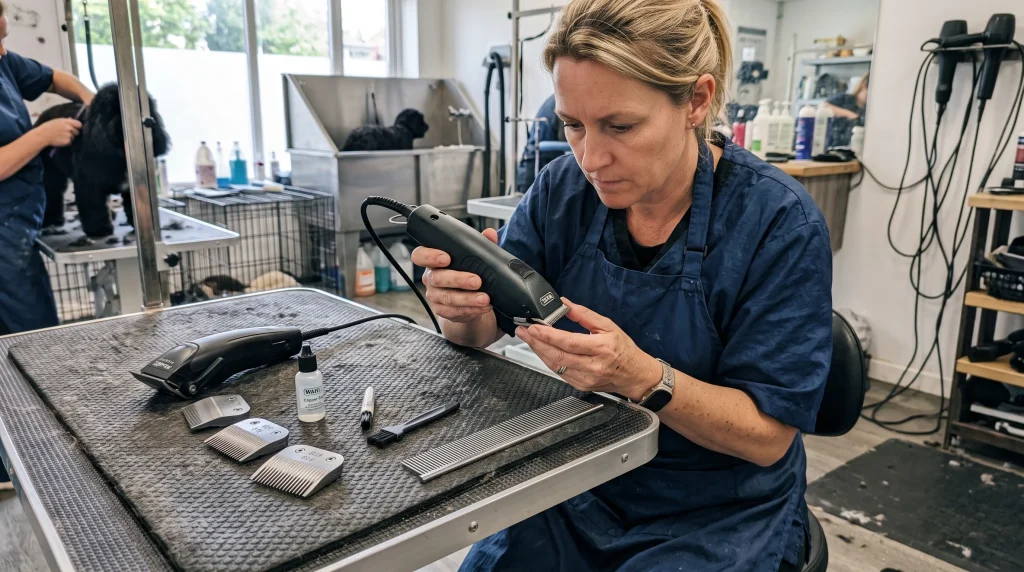
How Do Groomers Wash Dogs: Professional Bathing Techniques
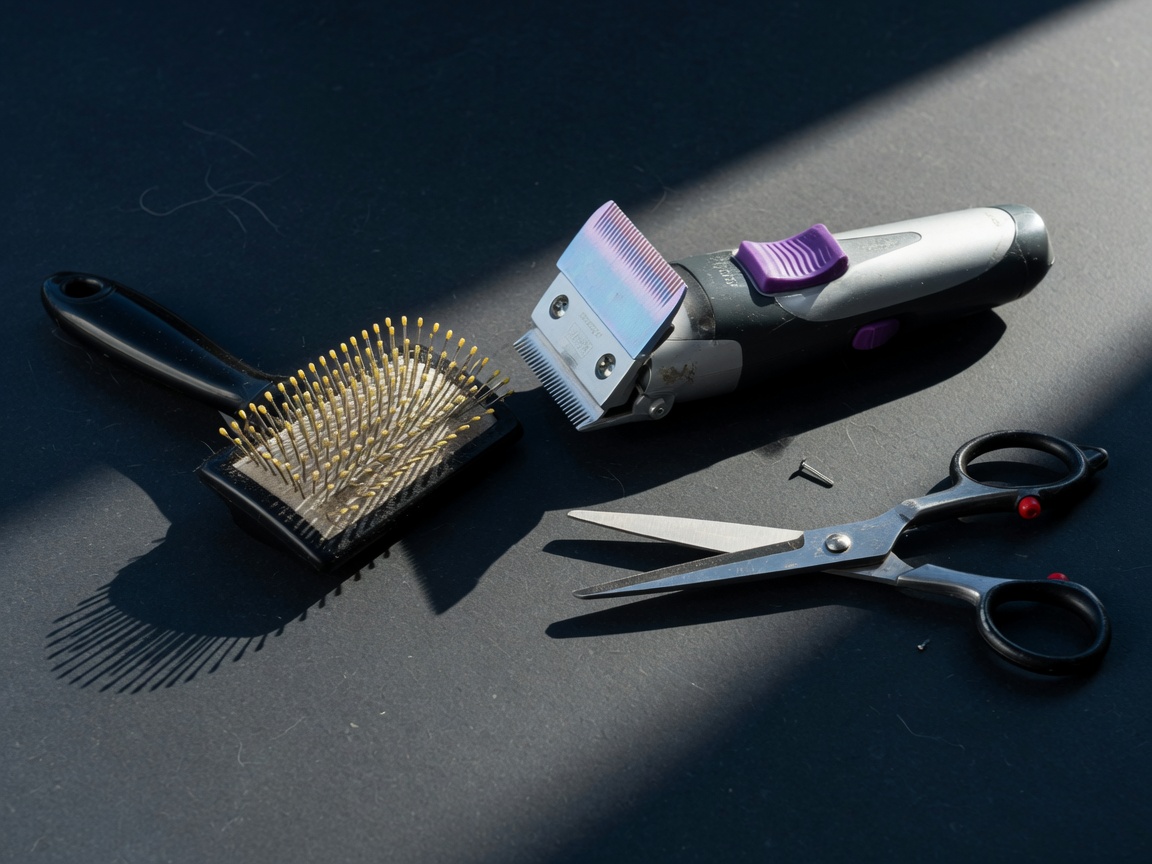
Did you know that professional groomers employ careful techniques tailored not just to a dog’s breed and coat type, but also to their comfort and safety? Washing a dog isn’t simply about getting them clean-it’s about creating a calm, positive experience that maintains skin health and minimizes stress for both pets and their owners. Whether your furry friend has a thick double coat or delicate skin, understanding how groomers approach bathing can empower you to keep your dog comfortable and cared for between grooming sessions. In this guide, we’ll walk through the essential steps groomers use-from selecting the right shampoo to gentle rinsing and thorough drying-offering practical tips to help you recognize when professional care is needed and how to support your dog’s well-being at home. Let’s take the mystery out of dog bathing and build your confidence for a happier, healthier pup.
Understanding Professional Dog Bathing Basics for Every Coat Type
Table of Contents
- 1 Understanding Professional Dog Bathing Basics for Every Coat Type
- 2 Essential Tools and Products Groomers Use to Wash Dogs
- 3 Step-by-Step Guide to a Calm, Comfortable Dog Bath
- 4 Expert Brushing and Detangling Tips Before and After Bathing
- 5 How Groomers Safely Clean Sensitive Areas: Ears,Eyes,and Paws
- 6 Professional Techniques for Drying Dogs Without Stress
- 7 Handling Common Bathing Challenges with Nervous or Anxious Dogs
- 8 When to Choose a Groomer Over DIY Bathing: Safety and Health Boundaries
- 9 how Groomers Protect Your Dog’s Skin and Coat Health During Baths
- 10 Post-Bath Finishing Touches: Nails, Anal glands, and Coat Treatments
- 11 Faq
- 11.1 Q: Why do professional groomers use specific water temperatures when washing dogs?
- 11.2 Q: How do groomers choose shampoos tailored to different dog skin conditions?
- 11.3 Q: What techniques do groomers use to effectively remove dirt and debris from dense or double coats?
- 11.4 Q: How do groomers manage dogs that resist water during baths to reduce stress?
- 11.5 Q: Why is it important for groomers to rinse shampoo thoroughly, and how is it done professionally?
- 11.6 Q: What role do conditioners or coat treatments play in professional dog bathing?
- 11.7 Q: How do groomers adapt bathing techniques for elderly or arthritic dogs?
- 11.8 Q: when should pet owners consider professional grooming baths instead of at-home washing?
- 12 Final Thoughts
Every dog’s coat tells a unique story, and understanding its needs is the first step toward a bath that’s as comfortable as it is effective.Whether your furry friend sports a silky double coat, wiry hair, or a dense woolly texture, professional groomers tailor each wash to support the natural health of the coat and skin. This personalized approach not only keeps dogs looking great but also prevents irritation and stress during bath time.
Coat Types and their Specific Needs
- Double Coats (e.g., Golden Retrievers, Huskies): These dense coats require thorough wetting and careful shampooing to penetrate the undercoat without damaging the protective top layer.Groomers use specialized detangling shampoos and often incorporate a pre-bath conditioning spray to ease mats and tangles.
- Curly or Woolly Coats (e.g., Poodles, Bichon Frises): Moisture retention can be tricky here. Groomers select moisturizing shampoos that cleanse yet maintain natural oils. Gentle massaging during the wash helps to lift debris from the coat without causing tight curls to clump.
- Short or Smooth Coats (e.g.,Beagles,Boxers): These coats are easier to manage but still require balanced cleansing to protect skin health. Groomers often recommend lighter, gentle shampoos to preserve natural oils that keep the skin healthy and coat shiny.
- Wiry or Harsh Coats (e.g.,Terriers): The texture demands shampoos that can deep-clean while preserving the natural stiffness. A light pre-wash brushing is essential to remove loose debris and prepare the coat for washing.
Tools That Help Tailor the Bath
A skilled groomer relies on more than just shampoo and water. Brushes suited to coat type, adjustable water pressure, and temperature-controlled showers all work together to optimize comfort and effectiveness. For example, a slicker brush helps remove tangles before shampooing curly coats, while a rubber curry brush stimulates circulation in dense double coats.
Real-World Example
Consider Max,a nervous Border Collie with a thick double coat prone to mats. His groomer begins by gently brushing him to untangle and loosen dirt. Next, lukewarm water is applied carefully to avoid startling him, followed by an oatmeal-based shampoo soothing to sensitive skin. The process is slow and calm,prioritizing Max’s comfort over speed-resulting in a clean,happy dog and a positive bath experience.
Understanding these basics equips you to recognize why professional groomers handle each dog uniquely. it also empowers you to choose products and techniques at home that respect your pup’s natural coat and skin needs, setting the stage for bathing as a bonding, stress-free ritual rather than a chore.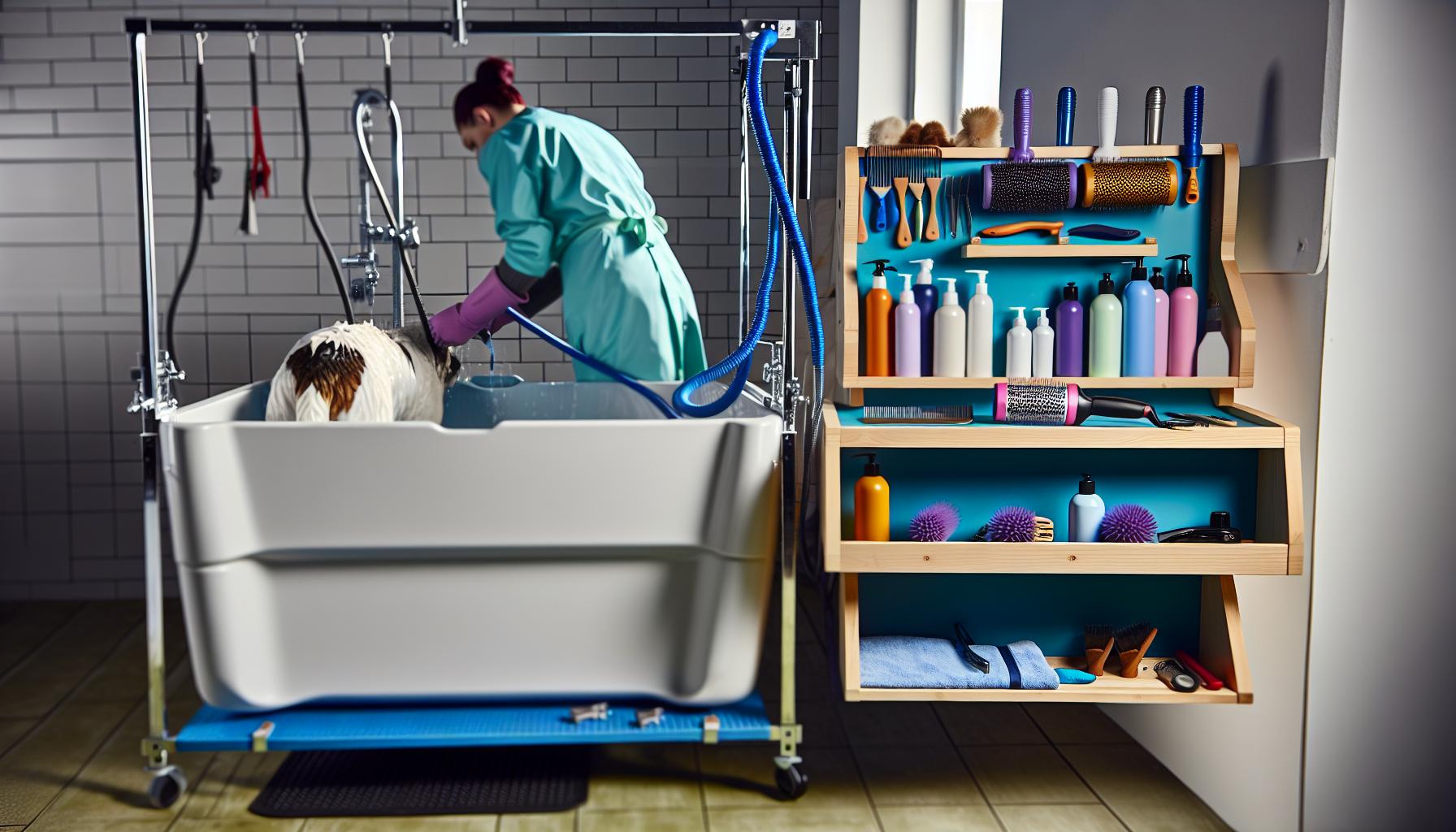
Essential Tools and Products Groomers Use to Wash Dogs
Bathing a dog professionally is much more than just applying shampoo and rinsing. Groomers rely on a curated toolkit designed not only to clean but to protect each dog’s unique coat and skin.These tools and products work together in harmony to create a calm, effective washing experience that prioritizes the dog’s comfort and well-being at every step.
First and foremost, the choice of shampoo is critical. Groomers select shampoos formulated for specific coat types and skin conditions-for example, moisturizing shampoos for curly coats like Poodles or gentle, hypoallergenic blends for dogs with sensitive skin and allergies. A well-chosen shampoo supports the coat’s natural oils and pH balance, preventing dryness or irritation. Conditioner sprays or rinse-out conditioners often follow, especially on breeds prone to mats and tangles, like Golden retrievers or Bichons. These products soften the hair and make brushing far easier and more comfortable.
Essential Grooming Tools for Every Bath
- Coat-Specific Brushes: Slicker brushes remove tangles and loosen dirt from curly or woolly coats, while rubber curry brushes massage the skin and lift dead hair in dense double coats. Pin brushes work well on long-haired breeds where gentle detangling is key.
- Temperature-Controlled Sprayers: Adjustable water temperature prevents shocking the dog with too-hot or cold water. Many grooming stations have flexible sprayers with variable pressure for gentle rinsing on sensitive areas like the face and paws.
- Bathing Tubs with Non-Slip Surfaces: Stability is crucial for nervous dogs.Tub designs that reduce slipping help dogs feel secure, making the bath less stressful and reducing risk for both dog and groomer.
- Absorbent Towels and High-Velocity Dryers: Speedy drying cuts down time in the damp coat,which can cause skin irritation. Groomers use microfiber towels that soak up water without rough rubbing. Dryers have multiple heat settings and noise adjustments, so anxious dogs aren’t overwhelmed.
- Specialty Accessories: Detangling sprays,ear-cleaning solutions,and odor-neutralizing products are part of the grooming arsenal. These gentle accompaniments keep your dog comfortable while supporting overall hygiene.
Consider Daisy, a nervous Maltese with a silky white coat that mats easily. Her groomer begins with a detangling spray to soften snarls before a bath with a gentle whitening shampoo. Using a warm, low-pressure sprayer, the coat is thoroughly rinsed without startling her. After bathing, a slicker brush glides through her hair comfortably, followed by a soft towel and a low-noise dryer. These carefully chosen tools and products turn a usually stressful bath into a calm, manageable experience.
When shopping for bathing products or tools at home, think beyond just “shiny coat” promises. Choose formulations designed for your dog’s skin sensitivity and coat texture. Likewise, invest in a sturdy brush suitable for your pup’s specific hair type and a sprayer that controls temperature and pressure to keep bath time safe and soothing.
By using these specially chosen tools and products, professional groomers can gently and effectively clean your dog, preserve coat health, and create a positive experience that builds trust between you and your furry friend at every bath.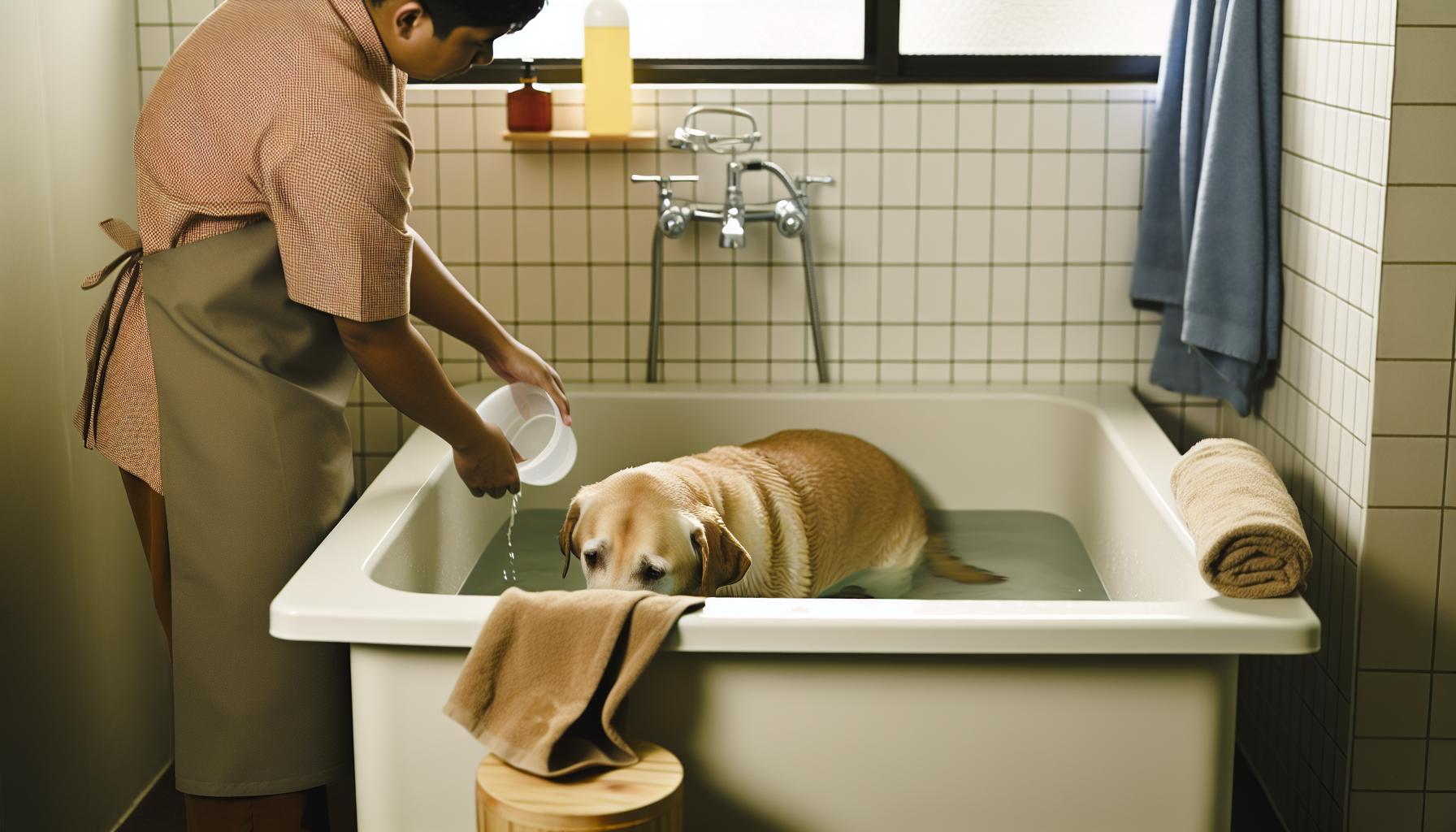
Step-by-Step Guide to a Calm, Comfortable Dog Bath
Few routines can transform a dog’s mood and coat health as effectively as a thoughtful, gentle bath. Yet, many pups find the experience stressful unless approached with kindness and care. Professional groomers understand that a calm bath isn’t just about cleanliness-it’s about creating trust and comfort that ease anxiety and build confidence. Whether your dog has a thick double coat or a delicate, silky finish, the secret lies in patience, staging the process clearly, and using the right tools.
Start by preparing the space: a warm, non-slip tub with familiar scents and minimal noise sets the stage. Before getting wet, gently brush your dog’s coat to remove tangles-this helps prevent painful mats from tightening during washing. Use lukewarm water with an adjustable sprayer, ensuring the pressure is soft, especially around sensitive spots like the face, paws, and tail. Shampoos are chosen based on coat type and skin sensitivity; such as, a hypoallergenic formula calms sensitive skin, while moisturizing blends protect curly or wiry coats. Applying shampoo in gentle, slow strokes keeps pets feeling safe, turning a potentially frightening shower into a loving massage.
Step-by-Step bath Method
- Pre-Bath Comfort: Speak calmly and offer gentle pats. Let your dog explore the tub area dry first, so it feels like a safe zone.
- Wetting the Coat: Use the sprayer on low pressure and warm water to dampen the coat thoroughly but not overwhelm your dog. Avoid pouring water directly on the head; rather,use a damp cloth for the face.
- Shampoo application: Apply a small, measured amount. Lather softly, covering all areas except the eyes and ears. For thick or double coats, apply shampoo twice if very dirty, rinsing gently each time.
- Rinsing: The most critical part. Rinse until water runs clear to avoid residue irritation. Continue with low pressure, again protecting sensitive areas.
- Conditioning (if needed): For prone-to-tangling coats,apply conditioner or detangling spray per product guidelines. Rinse thoroughly to prevent buildup.
After the bath, wrap your pup in a cozy microfiber towel and gently pat them dry. High-velocity dryers with noise control are groomers’ preferred choice, speeding drying without startling anxious dogs. Always keep dryer airflow low near the face and ears. groomers frequently enough multitask here, brushing lightly during drying to separate fur strands and prevent mats from reforming. For nervous dogs, offering breaks or treats throughout the process reinforces positive associations.Troubleshooting common challenges includes recognizing signs of discomfort early: shivering, panting, or trying to escape signals it’s time to pause or slow down. If your dog is particularly anxious or reactive, warm, quiet spaces and an extra pair of gentle hands help manage stress safely. Groomers are trained to know when to stop and suggest veterinary advice if skin conditions or behavioral concerns arise, emphasizing safety over speed or aesthetics.
By embracing these steps and attitudes, bathing becomes a nurturing ritual, not a chore-one that protects your dog’s coat and bonds you closer at every splash and scrub.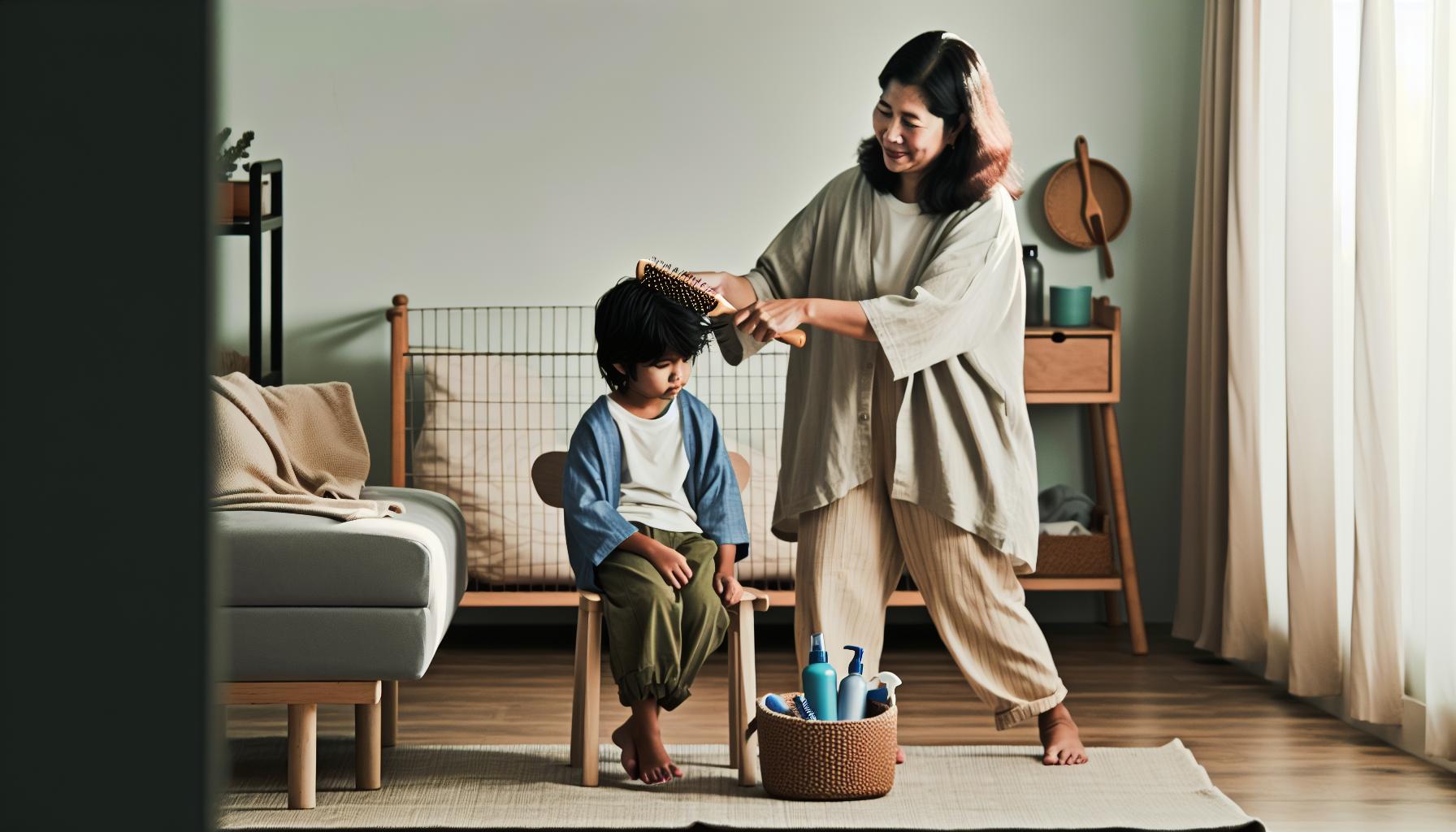
Expert Brushing and Detangling Tips Before and After Bathing
Many pet parents don’t realize that the secret to a truly clean and comfortable bath begins long before water touches the fur. Brushing your dog’s coat before bathing not only removes dirt and loose hair but also gently teases out tangles and mats that could tighten painfully during the wash. This is especially crucial for breeds with thick double coats, long flowing hair, or curly textures-think Golden Retrievers, Shih Tzus, or Poodles-where mats can trap moisture, causing irritation or even skin infections if left untreated.
Choosing the right tools is key: a slicker brush works wonders on medium to long coats, while a wide-tooth comb can delicately work through tougher tangles without pulling. For sensitive areas like around the ears or belly, a soft bristle brush ensures comfort. start by softly running your fingers through your dog’s coat to locate tight mats, then patiently work from the tips inward to avoid causing pain. If you encounter stubborn mats, applying a detangling spray or conditioner before brushing can ease the process substantially.
After the Bath: Keeping Coats Tangle-Free and Healthy
Post-bath brushing is just as critical as the pre-bath preparation. Once your pup is towel-dried and the coat is damp, gently comb through the fur to separate strands and prevent new mats from forming as the coat dries. For curly or wiry coats, leave-in conditioners or detangling sprays can help maintain softness and manageability. This step also provides the perfect moment to check skin condition for any redness, bumps, or dryness that might need attention.
- Brush Type by Coat: Use slicker brushes for dense or curly coats, pin brushes for long-haired breeds, and bristle brushes for short coats.
- Technique Tips: Always brush in the direction of hair growth, working in small sections, and use gentle, steady strokes.
- Dealing with Matted Fur: Never cut mats yourself-leave those to professionals to avoid accidental cuts or skin damage.
Patience and praise Make All the Difference
Some dogs may resist brushing, especially if they’ve had painful experiences before. Approach every session with kindness and calm assurance, using treats and soft voice cues to build positive associations. Remember, you’re not just caring for your dog’s appearance-you’re nurturing their comfort and trust.
For highly matted coats or sensitive skinned dogs, professional groomers offer expertise that goes beyond typical home care. They understand when it’s safer and healthier to intervene with professional tools and products, or to recommend veterinary care for underlying skin issues. By following these gentle brushing routines before and after bath time, owners can significantly reduce coat problems and make grooming a bonding, stress-free experience for every dog.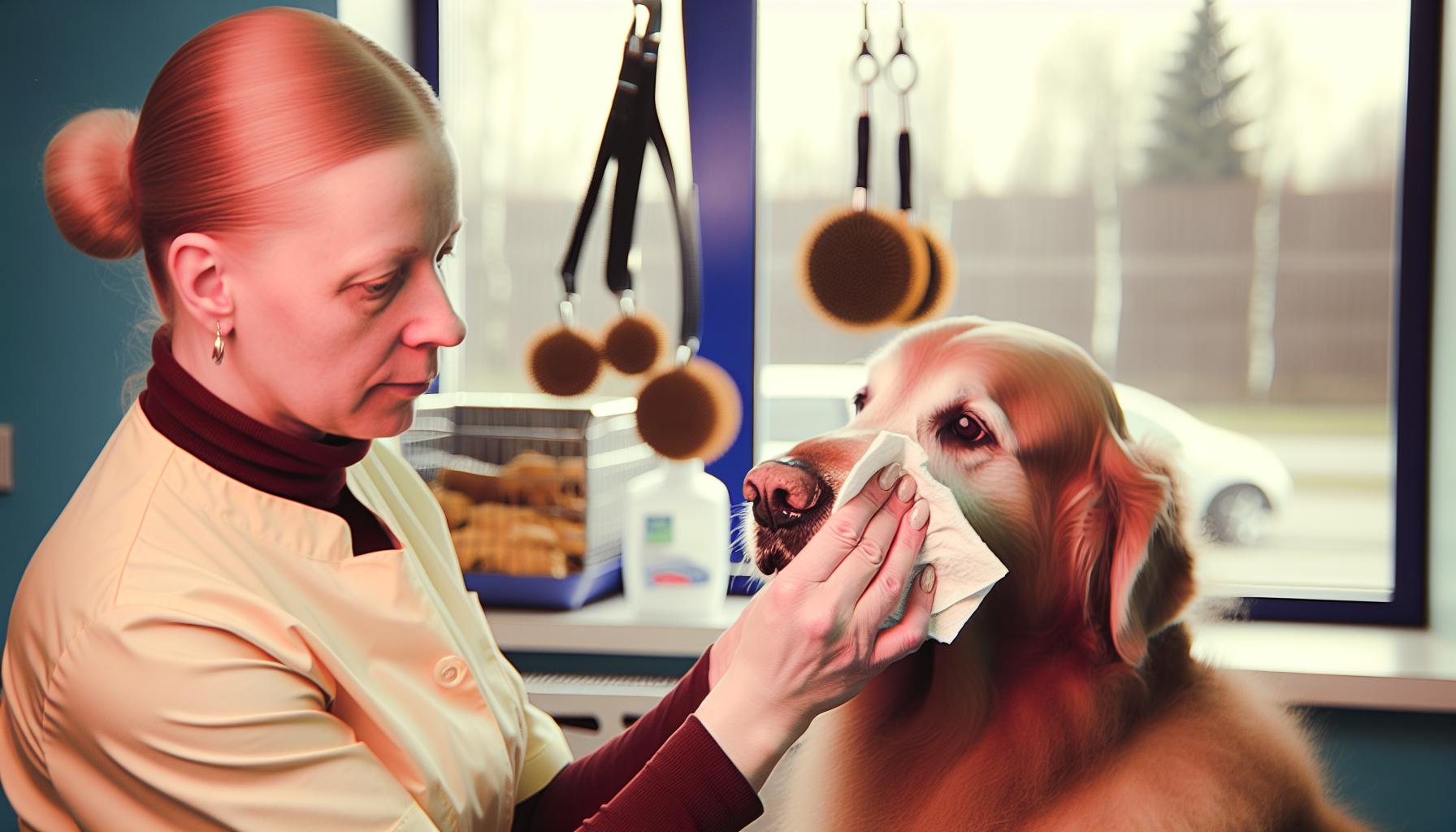
How Groomers Safely Clean Sensitive Areas: Ears,Eyes,and Paws
Many pet owners are surprised to learn just how delicate and significant cleaning sensitive areas like the ears,eyes,and paws can be during a dog’s bath. These spots require gentle handling and precise methods, as they are prone to irritation, infections, and discomfort if treated improperly.Groomers approach these areas with a careful blend of patience, experience, and tools designed specifically for safety and comfort, especially in breeds with floppy ears like Cocker Spaniels or skin-folded faces like Bulldogs.
Cleaning around the Ears
Ears are a common source of infection if moisture or dirt is trapped during bathing.Groomers start by using a damp, soft cloth or cotton ball-never cotton swabs-to gently wipe the outer ear flap and immediate canal entrance. For dogs prone to ear infections or with floppy ears, drying the ear thoroughly afterward is critical. A vet-approved ear cleansing solution, frequently enough free from harsh chemicals, is sometimes applied post-bath to maintain ear health. Experienced groomers also look for redness, odor, or discharge as signs a veterinary checkup might be needed rather than just a home bath.
Gentle Eye Care
Cleaning near the eyes requires extra caution to avoid causing stress or accidental injury.Groomers use a moist, soft cloth or pet-safe wipes to gently wipe away tear stains, debris, and dirt from the eye area. they carefully avoid direct contact with the eyeball itself and never use shampoo near the eyes to prevent irritation. For breeds prone to excessive tear production like Maltese or Shih Tzus, regular wiping prevents staining and buildup, improving both comfort and appearance.
Protecting and Cleaning the Paws
Paws often accumulate dirt, allergens, and debris that can cause discomfort or infections if left unattended. During a bath, groomers carefully rinse between the toes and pads with lukewarm water, avoiding forceful scrubbing that can hurt sensitive skin. After rinsing, they gently dry each paw with a soft towel or absorbent cloth, watching for signs of irritation, cracked pads, or lodged foreign objects like grass seeds. For dogs with longer nails or hairy paw pads, trims and hair removal are often part of the grooming session to reduce dirt buildup and promote healthy walking.
- Key Tools Used: Soft cotton balls, microfiber cloths, pet-safe wipes, gentle ear cleansing solutions, and blunt-ended scissors for trimming fur around paws.
- Techniques for Anxious Dogs: Speak calmly, use treats, and pause if your dog becomes stressed. Smaller, frequent sessions help build tolerance.
- When to Seek Veterinary Care: Excessive redness, discharge, persistent odor, swelling, or signs of pain during cleaning indicate potential infection or injury beyond typical grooming care.
By prioritizing comfort, using specialized tools, and adapting to each dog’s unique needs, groomers ensure sensitive areas are cleaned thoroughly yet safely.This not only prevents common health issues but also strengthens the trust between dog and handler,transforming bath time from a stressful task into a nurturing experience. Remember, if you ever feel unsure about these delicate spots, a professional groomer’s expertise can make all the difference.
Professional Techniques for Drying Dogs Without Stress
Few things can make a freshly bathed dog more comfortable than the right drying process done with care and calm attention. Drying is frequently enough the make-or-break moment in grooming-it can transform a wet, shivery pup into a relaxed companion or escalate anxiety if rushed or rough. Professional groomers know that drying isn’t just about speed; it’s about tailoring the experience to each dog’s coat type, temperament, and stress level while prioritizing their physical comfort and emotional wellbeing.
Matching Tools and Techniques to Coat Types
Different coats demand different drying methods. For example, a thick double coat like that of a Siberian Husky holds a lot of moisture and requires powerful yet gentle forced-air dryers with variable speeds and heat controls. Conversely, delicate coats such as those on maltese or Shih Tzus benefit more from low-heat, low-velocity dryers or even plush towels to avoid tangling or damaging fine hair. Groomers frequently enough combine towel drying first-using absorbent, microfiber towels for maximum water removal-with blow drying to reduce drying time while maintaining comfort.
Creating a Calm Environment
To prevent stress, groomers introduce the dryer gradually, often starting on a low setting away from the dog’s face and ears to allow them to acclimate. Using treats and soft reassurance,groomers encourage positive associations with the drying process. A common technique is to dry in small sections rather than rushing over the entire body, giving the dog short breaks. For anxious or noise-sensitive dogs, quieter dryers or even air drying can be the best choice, sometimes supplemented with gentle towel rubbing.
Practical Tips for Stress-Free Drying
- Start with thorough towel drying: This step removes the bulk of moisture,reducing the time needed under a dryer and minimizing exposure to heat and noise.
- Control heat and airflow: Always use low to medium heat settings to protect sensitive skin. Powerful dryers on high heat can cause discomfort or burns.
- keep the dryer moving: Continuous motion prevents hot spots and discourages dogs from feeling trapped by the airflow. Never direct air straight into the face-aim for the body and legs instead.
- Use gentle restraint and positioning: Secure but gentle hold helps the dog feel safe without feeling pinned down or confined. Frequent breaks allow the dog to relax and reset.
- Brush during drying for curly or long coats: this prevents mats and accelerates drying by exposing inner layers to airflow.
An example from real grooming rooms: A timid Cocker Spaniel named Bella initially shyly flinched at the dryer noise. Her groomer started by draping a towel over her eyes to soften the sensory input and used a quieter dryer model from a distance. In a few sessions, Bella became more comfortable and eventually approached drying with curiosity rather than fear.
Remember, always observe your dog for signs of stress such as heavy panting, trembling, lip licking, and trying to escape. If stress increases, pause and try a slower pace or switch tactics. When in doubt,prioritizing the dog’s emotional and physical comfort by opting for slower towel drying or breaks can mean a happier and healthier grooming outcome. This kind, patient approach builds trust and makes bath time a positive experience for dogs and their owners alike.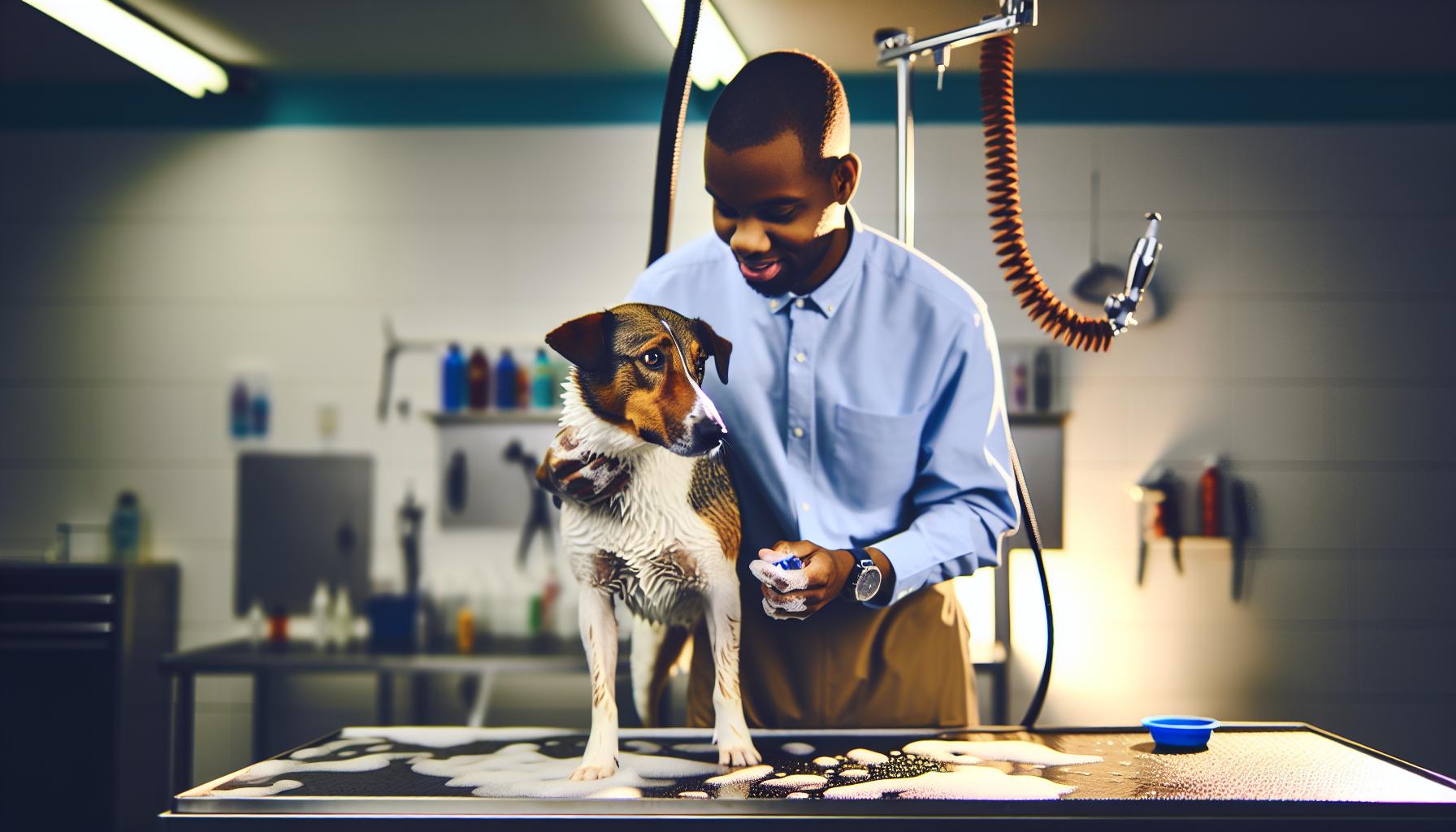
Handling Common Bathing Challenges with Nervous or Anxious Dogs
Bath time can be a stressful experience for many dogs, especially those who are naturally nervous or have had unpleasant grooming experiences before. Understanding that anxiety during bathing is more common than you might think helps set a compassionate, patient tone for the process. Groomers skilled in handling anxious dogs focus just as much on emotional comfort as on cleanliness, knowing that a calm dog ultimately allows for a safer and more effective bath.
One of the first key strategies is creating a predictable,low-stress environment. This can be as simple as using non-slip mats to prevent slipping, a warm water temperature suited to the dog’s coat and sensitivity, and having all grooming tools within easy reach to avoid sudden movements. Many anxious dogs respond well to slow, gentle introductions to new sensations. As an example, rather of immersing a timid dog abruptly, a groomer might use a handheld sprayer on a low setting, slowly wetting the dog a small section at a time while speaking softly and offering treats to build positive associations.
Tools That Help Calm and Control
- gentle grooming restraints: Devices like no-pull harnesses or soft grooming loops keep the dog secure without feeling trapped,reducing panic while allowing freedom of slight movement.
- Desensitization aids: Sound-dampening dryers, low-pressure water sprays, and soothing coat conditioners with calming scents (like lavender) help reduce sensory overload.
- Distraction techniques: Offering chew toys or lick mats during the bath can refocus anxious energy away from the grooming process.
Handling the coat demands special attention as well. Dogs with thick or curly coats often need extra brushing both before and after the bath to prevent painful mats that increase stress. Taking breaks to brush between wetting or shampooing steps avoids sudden tugging, which can escalate anxiety. When washing, using tearless shampoos and keeping water away from the eyes, ears, and nose is critical for sensitive pups prone to fear or discomfort.
Case Example: Turning Fear Into Trust
Take Rosie, a 5-year-old Border Collie with a dense double coat who once trembled at the sight of the grooming tub. Her groomer started by introducing Rosie to the tub space without water, letting her explore at her own pace. Treat rewards and gentle praise accompanied every step – including the first splash of warm water sprayed with a low-pressure nozzle.Sessions gradually extended until Rosie became more relaxed, even leaning in to the water rather than backing away. Patience and positive reinforcement were the cornerstones that transformed bathing from a fearful ordeal into a manageable routine.
When to Seek Professional Help or Veterinary Advice
While many anxious dogs improve with gentle grooming techniques, some may have underlying medical or behavioral issues requiring professional support beyond the groomer’s scope. Severe aggression, extreme phobia, or physical pain call for veterinary evaluation or collaboration with a certified animal behaviorist. Remember, groomers provide skilled care within their scope, but safety-for the dog and handler-is paramount. In some cases, sedation might be recommended by a vet for particularly challenging baths, but this is never a first option.Ultimately, the goal is to nurture trust and provide consistent, compassionate care. By emphasizing small steps, gentle handling, and play or treats as rewards, grooming becomes a less daunting experience. Nervous dogs can learn to associate bath time with comfort rather than fear – a gift that benefits their health and your peace of mind.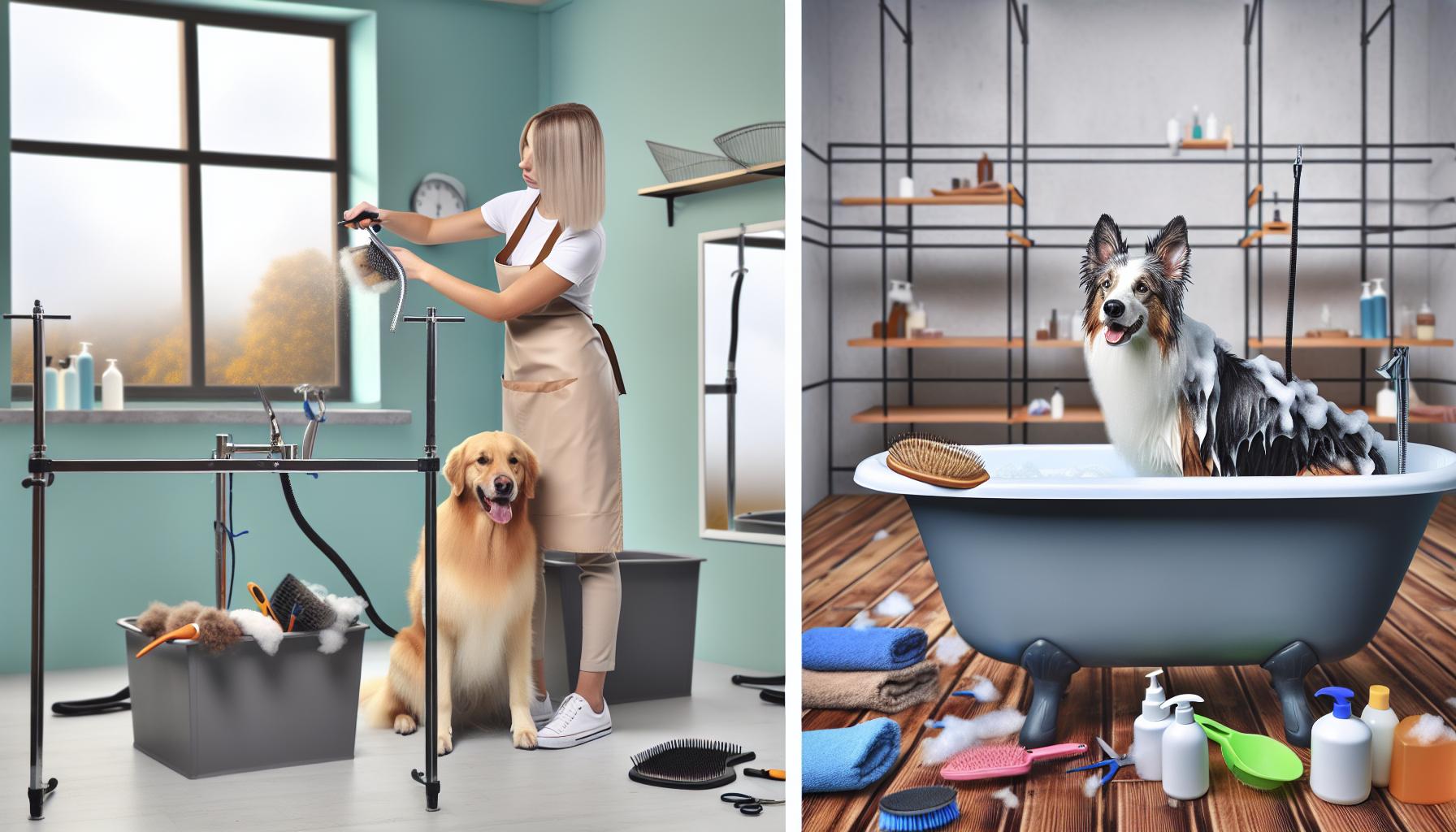
When to Choose a Groomer Over DIY Bathing: Safety and Health Boundaries
Bathing your dog at home can be a marvelous bonding experience, but it’s critically important to recognize when professional help is the safer and healthier choice. some coats, breeds, and temperaments simply demand skills and tools beyond what most pet owners have on hand.Groomers bring specialized knowledge not only about different coat types but also about handling challenging behaviors and maintaining your dog’s overall wellbeing during bath time.Dogs with thick double coats, long tangly fur, or skin conditions often require tailored shampoos, conditioners, and drying techniques that minimize stress and protect coat health. such as, a Husky’s dense undercoat needs careful rinsing and drying to prevent moisture from lingering, which might cause irritation or hotspots. Groomers have commercial-grade dryers, detangling tools, and de-shedding products designed to manage these coats safely and efficiently. If you notice your dog’s fur matting quickly or if their skin seems irritated after a bath, it’s a strong signal that professional care could make a big difference.
Behavioral challenges are another major reason to entrust grooming to an expert. Dogs that panic or become aggressive during baths can inadvertently injure themselves or their humans. Groomers use calming techniques and gentle restraints to keep anxious dogs comfortable while cleaning thoroughly and safely.As a notable example, a Shih Tzu fearful of water might be gradually desensitized by a groomer through short, positive exposure sessions that a busy pet parent might not replicate easily.Tools like no-pull harnesses, handheld sprayers with adjustable pressure, and quiet dryers help transform what could be chaos into calm.
Knowing Your Limits: When to Opt for Groomers
- Coat complexity: Thick double coats, heavy mats, or breeds prone to tangles such as Poodles, Golden Retrievers, or malteses.
- Skin or health issues: Dogs with allergies,hot spots,or sensitive skin that need hypoallergenic or medicated shampoos you might not have.
- Behavioral concerns: dogs that show aggression, anxiety, or fear during baths beyond your ability to manage safely at home.
- Specialized care needs: Nail trims, anal gland expression, or ear cleaning that requires precision and knowledge to avoid complications.
At-home bathing is fantastic for routine upkeep, but professional grooming is an act of care that preserves your dog’s skin integrity, coat condition, and emotional comfort.By understanding these boundaries and recognizing when your dog’s needs surpass DIY options, you’re making a choice rooted in kindness and safety. Remember, a groomer’s expertise is an extension of the love you have for your dog-ensuring every bath leaves them cleaner, calmer, and healthier without added worry.
how Groomers Protect Your Dog’s Skin and Coat Health During Baths
Bath time is more than just a quick scrub-it’s a vital prospect to care for your dog’s skin and coat health. Professional groomers understand this deeply and approach every bath with a focus on maintaining the natural balance and integrity of your dog’s skin, while enhancing their coat’s shine and softness. This compassionate care starts with selecting the right products and continues through gentle, mindful techniques that honor each dog’s unique needs.Different coat types and skin conditions demand personalized attention.For example, dogs with sensitive skin or allergies benefit from hypoallergenic or medicated shampoos that soothe irritation instead of aggravating it. Thick double-coated breeds,like Huskies or Malamutes,require thorough rinsing to avoid trapped moisture,which can lead to hotspots or fungal infections. Groomers use commercial-grade rinse systems that ensure no residue remains in the dense undercoat, preventing discomfort and promoting healthy skin beneath the fur.
Choosing Products Wisely
Every bath begins with products tailored to the dog’s coat type and skin health. Groomers typically avoid generic soaps that strip natural oils, opting for shampoos with gentle surfactants and conditioners that restore moisture. Breeds prone to dry skin might get an oatmeal- or aloe-enriched formula, while dogs with oily coats benefit from deep-cleansing but non-drying shampoos. This careful selection prevents over-drying or disrupting your dog’s skin barrier.
Gentle Techniques That Protect Skin
The way your dog is washed matters just as much as what they are washed with. Groomers use lukewarm water to avoid shocking or drying out skin and apply shampoo in a controlled, circular motion to clean deeply without irritation. They take extra care around sensitive areas, avoiding harsh scrubbing that could cause microabrasions or discomfort. Rinsing is meticulous-not a drop of shampoo is left behind, as residue can provoke itching or allergic reactions.
Maintaining Natural Oils and Coat Texture
After washing, a professional groomer often applies customized conditioners or leave-in treatments to lock in moisture and smooth the coat. These products help maintain the unique texture of breeds, from the silky curls of a Poodle to the fluffy layers of a Golden retriever, preventing tangles and matting before drying even begins.For dogs prone to shedding,deshedding treatments can reduce loose fur and help rebalance the coat’s natural oils.
- tip: A groomer’s brush selection is key-tools matched to coat length and density prevent breakage and protect skin from unnecessary trauma.
- Example: A Maltese with fine hair gets a soft-bristle brush rather than a metal comb, ensuring a gentle detangle.
Knowing when a skin issue needs a vet’s attention is part of the groomer’s expertise. If a rash, hotspot, or unusual dryness is noticed during bathing, they will advise pet parents to seek veterinary care rather than attempting to treat the problem with over-the-counter products at home. This collaboration ensures your dog’s health is always in safe hands.
Ultimately, professional grooming during baths is an act of wellness-not just aesthetics. It preserves your dog’s skin health, supports coat vitality, and honors their comfort every step of the way.This thoughtful approach empowers you with confidence, knowing your best friend is cared for by gentle hands and expert eyes.
Post-Bath Finishing Touches: Nails, Anal glands, and Coat Treatments
Few things complete a professional grooming session like the thoughtful finishing touches that go beyond the bath itself. These extra care steps address your dog’s overall well-being, ensuring they feel comfortable and healthy long after their fur is clean and soft. This phase frequently enough includes a careful nail trim, gentle expression of anal glands if needed, and application of specialized coat treatments that nourish the skin and enhance shine.
Nail Care with Compassion and Precision
Nail trims are essential for preventing discomfort, injury, and even joint strain in dogs. Groomers use sharp, quality clippers or rotary tools designed for pet nails, paired with good lighting and sometimes distraction techniques to keep anxious dogs calm. For breeds with dark nails, where the quick is harder to see, groomers proceed slowly and carefully to avoid bleeding. If you’ve ever seen a dog flinch or resist nail trims at home, know that professionals understand how to work gently yet securely, using soothing tones and breaks when necessary. Regular trims every 3-4 weeks keep nails at a healthy length and reduce the chance of cracking.
Understanding Anal Gland Expression
Not all dogs need their anal glands expressed frequently,but for some,it’s a vital comfort measure. Trapped fluid in these glands can cause irritation or even infection. Skilled groomers recognize signs your dog might be prone to issues (like scooting or a sour smell) and perform this task quietly and hygienically, always prioritizing the dog’s comfort.If there’s swelling, redness, or discharge, the groomer will advise a vet visit-this signals infection beyond grooming care. This procedure isn’t recommended as a DIY step for most owners due to the risk of injury or improper technique, so trusting a professional is the safest choice.
Coat Treatments That Heal and Protect
After thorough bathing, a tailored coat treatment frequently enough seals the deal on skin and fur vitality. Depending on your dog’s coat type and condition, groomers might apply moisturizing sprays, leave-in conditioners, or medicated topical products to soothe irritation and reduce shedding. For example, dogs with dry, brittle coats benefit from omega-3 enriched serums that restore softness and luster, while dogs with fine or curly coats receive conditioners that prevent tangling without weighing the hair down. These treatments also create a protective barrier against environmental allergens and dirt, extending the results of a professional bath.
- Tip: Ask your groomer about any post-bath products they use and whether similar options are safe for you to apply between appointments.
- Example: A Golden Retriever’s fluffy layers are often finished with a detangling spray that keeps the coat manageable and radiant even during shedding season.
Ending a grooming session with these critical care steps demonstrates an understanding that true pet care is holistic.It’s not just about appearance but health, comfort, and trust-giving your dog every reason to look forward to their next pampering day. Always feel empowered to ask your groomer questions and learn how to replicate gentle maintenance at home without risking safety.
Faq
Q: Why do professional groomers use specific water temperatures when washing dogs?
A: Professional groomers use lukewarm water because it is *comfortable and safe* for dogs, preventing chills or skin irritation. Water that’s too hot or cold can cause stress or damage sensitive coats.Maintaining the right temperature helps keep the bath *calm and soothing* for every breed and coat type, as detailed in our calm bath guide.
Q: How do groomers choose shampoos tailored to different dog skin conditions?
A: Groomers select shampoos based on coat type,skin sensitivity,and health issues like allergies or dryness. They often use medicated, hypoallergenic, or moisturizing shampoos to *protect the skin barrier* and enhance coat health. This targeted approach ensures safe cleaning without stripping natural oils, supporting the skin and coat health during baths.
Q: What techniques do groomers use to effectively remove dirt and debris from dense or double coats?
A: Groomers use pre-bathing thorough brushing to detangle and remove loose hair, followed by applying ample shampoo with deep massage to reach the undercoat. Using a rinse nozzle with adjustable pressure helps flush out debris without irritating the skin, ensuring a *thorough yet gentle cleanse* for dense coats.
Q: How do groomers manage dogs that resist water during baths to reduce stress?
A: Groomers use *gradual water introduction* and calming verbal cues,sometimes employing hand-held sprayers for better control. They work at the dog’s pace, rewarding calm behavior with praise or treats. These stress-reduction techniques create a positive experience, especially for anxious dogs, aligning with best practices for nervous pets.
Q: Why is it important for groomers to rinse shampoo thoroughly, and how is it done professionally?
A: thorough rinsing removes all shampoo residues that can cause itching or dryness. Groomers use consistent warm water flow and frequently check coat sections to ensure no suds remain, especially around thick or long fur. This process protects the dog’s skin and keeps the coat healthy after the bath.
Q: What role do conditioners or coat treatments play in professional dog bathing?
A: Conditioners help *detangle fur, restore moisture,* and add shine while protecting the coat from future damage.Groomers select formulas suited to coat type, applying them after shampooing and rinsing fully. This step improves manageability and comfort, supporting post-bath grooming and coat health.
Q: How do groomers adapt bathing techniques for elderly or arthritic dogs?
A: For older or arthritic dogs, groomers use *gentle handling,* lower water pressure, and soft mats to prevent slipping.Baths are kept brief and comfortable,avoiding unnecessary stress.They may use specially formulated shampoos for sensitive or aging skin to ensure safe, compassionate care tailored to health needs.
Q: when should pet owners consider professional grooming baths instead of at-home washing?
A: Owners should choose professional baths when dogs have *skin conditions, thick or matted coats,* or behavioral challenges like anxiety during baths. Professionals ensure safe handling, expert product selection, and thorough cleaning while minimizing stress, as explained in our article on when to choose a groomer over DIY bathing for your dog’s health.
—
Feel free to explore our detailed guides on bath calming techniques and skin protection during grooming for further helpful tips to keep your dog happy and healthy!
Final Thoughts
Mastering professional dog bathing techniques means understanding your dog’s breed, coat type, and comfort needs while using the right tools to ensure a safe, calming experience. Whether it’s the bath, brushing, nail care, or ear cleaning, prioritizing your pet’s welfare over perfection creates trust and better results. Remember, knowing when to seek a groomer or vet’s help can save you from common challenges and keep your furry friend happy and healthy.
Ready to take the next step? Explore our detailed dog grooming tips and discover how proper coat care varies by breed. For those curious about DIY grooming or choosing the right products, check out our complete dog breeds chart for tailored advice. Don’t forget to sign up for our newsletter for ongoing pet care insights, exclusive grooming guides, and expert support – as your dog deserves the best care every day. share your grooming stories below or reach out with questions; we’re here to help you build confidence one bath at a time!
Get our latest guides, news, and insights highlighted in your Google Search & AI Overviews.
Keep reading about the same coat and cut.


Popular grooming guides
Bath vs clip, first grooms, and salon how-tos.