What Do Dog Groomers Use to Cut Hair? Tools Breakdown
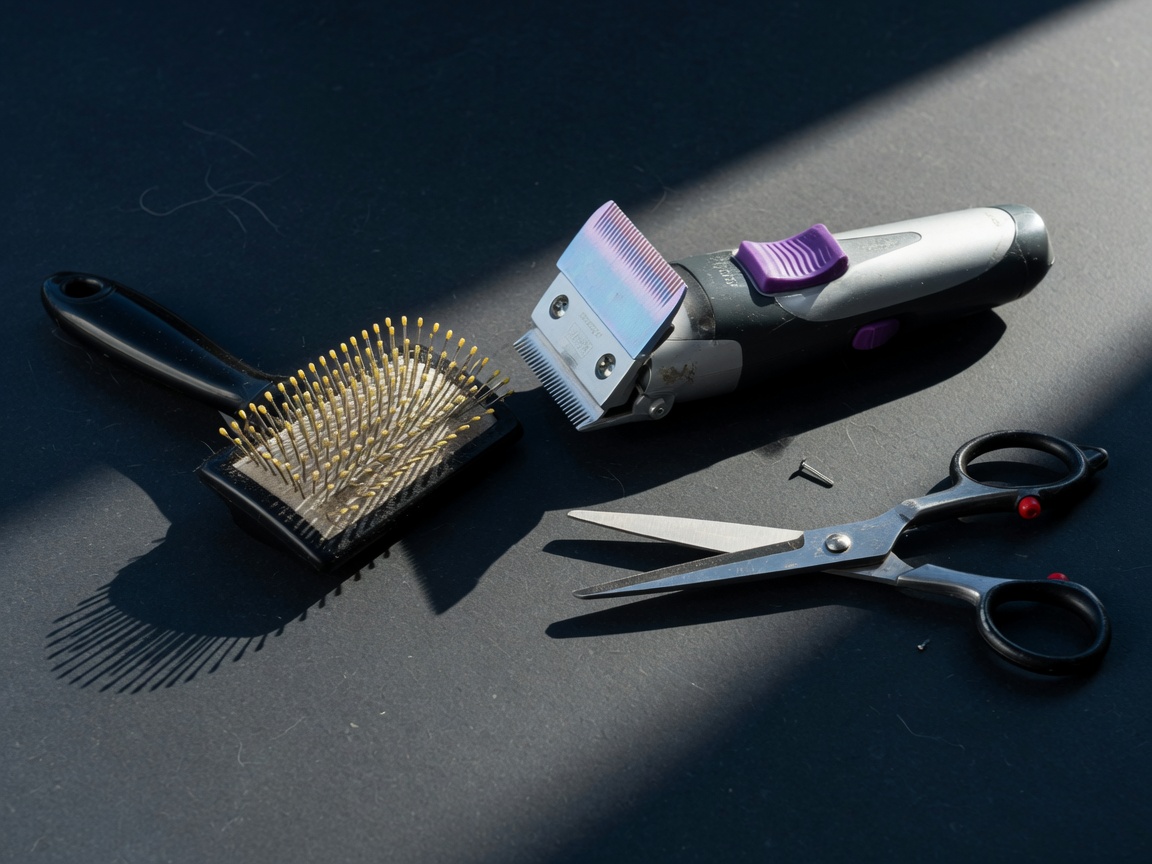
Did you know that the right grooming tools can make all the difference in keeping your dog comfortable and happy during a haircut? Whether your pup has a thick double coat or delicate fine hair, professional groomers carefully select specific clippers, scissors, and brushes tailored to each breed and coat type. Understanding what tools groomers use not only helps you appreciate their skill but also guides you in maintaining your dog’s coat safely at home. If you’ve ever felt nervous about handling grooming yourself or wondered why certain tools are essential, this breakdown will clear up the mystery with practical insights and expert tips.We’ll walk you through each tool’s purpose, how it effectively works for different tasks, and how to keep your furry friend calm and safe throughout the process. By knowing the right gear and techniques, you’ll gain confidence in supporting your pet’s comfort and well-being, whether you trust a groomer or want to try a gentle trim yourself.Let’s dive in and discover what makes dog grooming both an art and a caring science.
Dog Grooming Shears: Types and Uses Explained
Table of Contents
- 1 Dog Grooming Shears: Types and Uses Explained
- 2 Electric Clippers: Choosing the Best Models for Pets
- 3 Specialty Scissors for Delicate Trimming
- 4 Combs and Brushes: Essential tools for Coat prep
- 5 Nail Trimming Tools and Safe Handling Tips
- 6 Ear Cleaning instruments and Best Practices
- 7 Bathing Supplies that Prepare the Coat for Cutting
- 8 How coat Type Influences Tool Selection
- 9 Maintaining and Sanitizing Grooming Tools
- 10 Common Grooming Mistakes and How to Avoid Them
- 11 Professional Groomers vs. DIY: Tool Use Boundaries
- 12 Troubleshooting Tool Problems for Stress-Free Grooming
- 13 Frequently asked questions
- 13.1 Q: Why do professional dog groomers prefer certain clipper blades for different coat types?
- 13.2 Q: how do dog groomers safely cut hair around sensitive areas like paws and faces?
- 13.3 Q: What are common challenges when using electric clippers for dog haircuts and how are they resolved?
- 13.4 Q: How does coat preparation affect the effectiveness of hair cutting tools in dog grooming?
- 13.5 Q: When should dog owners consider professional grooming instead of DIY hair trimming?
- 13.6 Q: What role do grooming tool maintenance routines play in effective dog haircuts?
- 13.7 Q: How do dog groomers choose between scissors and clippers for different grooming tasks?
- 13.8 Q: Why is it important to understand breed-specific coat types when selecting hair-cutting tools?
- 14 To conclude
Dogs come with a dazzling range of coat types-whether silky,curly,wiry,or dense-and the right grooming shears can make all the difference in keeping your furry friend comfortable and looking their best.Shears aren’t just scissors; they’re precision tools designed to gently sculpt and shape your dog’s coat while respecting the unique texture and length of each breed’s fur. Using the right type of shears is essential for safety and comfort, especially for anxious pets who may get uneasy during grooming.
Key Types of Grooming Shears and Their Uses
- Straight Shears: The most versatile and commonly used shears, perfect for general trimming and creating clean lines on most coat types. These are great for smoothing and evening out the coat on breeds like Golden Retrievers or Labrador Retrievers.
- Thinning Shears: Equipped with teeth on one or both blades, thinning shears are ideal for blending and texturizing. They help avoid that “choppy” look by removing bulk,especially useful for thick or curly coats like Poodles or Bichon Frises.
- Curved Shears: With a slight curve on the blade,these shears follow the natural contours of your dog’s body,making them excellent for shaping areas like around the face,paws,and tail,where a softer,rounded finish is preferred.
- Chunker Shears: Chunkers have wider teeth for removing large amounts of hair quickly without harsh lines. Good for heavy-duty thinning in breeds with dense coats, like Newfoundlands or Huskies.
Choosing the Right Shears for Your Dog
Soft-coated breeds such as Maltese or Shih Tzus benefit from lighter, sharp straight or curved shears to protect their delicate hair from splitting. For wiry or double-coated breeds like Schnauzers or German Shepherds, stronger, chunkier shears paired with clipper work can help maintain a neat, healthy coat without damaging the undercoat.
When grooming your dog,always keep comfort front and center. Use slow, confident strokes to ease your pet’s anxiety.If your dog is particularly nervous, start with gentle brushing before introducing shears. Patience is key-allow breaks and offer treats to create positive associations.
Practical Tips for safe and Effective Use
- Sharpness matters: Dull shears tug on hair, causing discomfort.Keep shears sharpened regularly or replace them as needed.
- Control and hand position: Hold shears with a relaxed grip to maintain steady control-this reduces slips and accidental nicks.
- Environment: Groom in a calm, quiet space where your dog feels safe. Soft lighting and minimal distractions can make the experiance more pleasant.
- Regular maintenance: Clean shears after each use, removing hair and oils to keep blades functioning smoothly and hygienic.
By understanding the variety of grooming shears and matching them to your dog’s coat and temperament, you can create a grooming routine that feels like a loving spa day rather than a stressful chore. This empathy-driven approach not only improves your pet’s appearance but also strengthens the bond between you and your furry companion.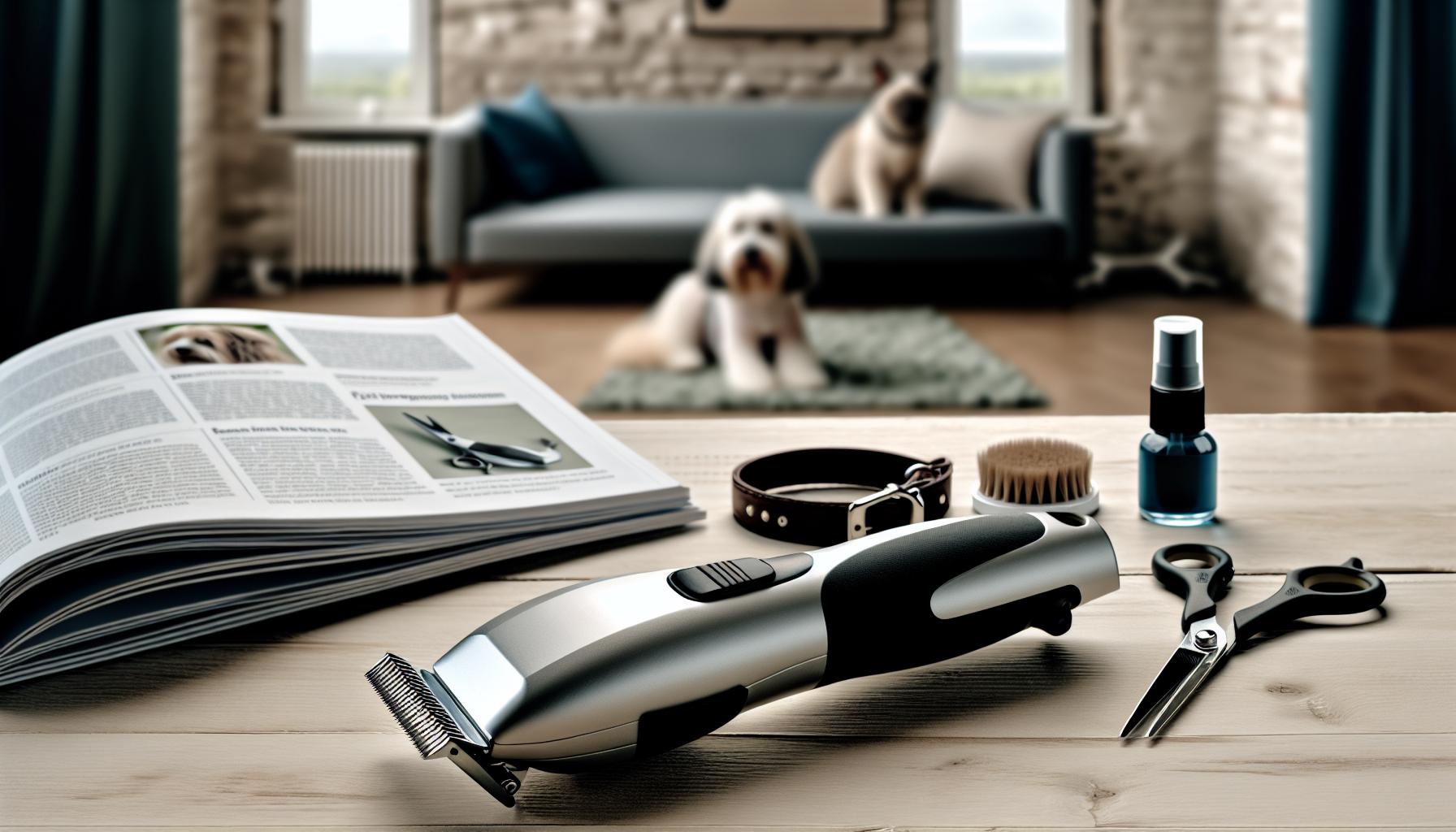
Electric Clippers: Choosing the Best Models for Pets
Electric clippers have revolutionized pet grooming,making it easier and faster to manage a dog’s coat with precision and care. Whether you’re tending to a thick, double coat on a German Shepherd or a fine, curly Poodle fur, choosing the right electric clipper can transform grooming from a stressful ordeal into a calming routine. The right clipper balances power, quiet operation, and versatility, ensuring your dog’s comfort while delivering smooth, even cuts.
What to Look for When Selecting Clippers
- motor strength and speed: high-powered motors with adjustable speed settings work best on dense or matted coats. for example, heavy-coated breeds like Newfoundlands need clippers that won’t bog down, while lighter coats benefit from gentler, quieter motors to minimize stress.
- Corded vs. cordless: Cordless models offer freedom and less risk of entanglement,perfect for squirmy or reactive pets. However, corded clippers usually provide consistent power for longer grooming sessions without recharging worries.
- Blade quality and compatibility: stainless steel or ceramic blades tend to stay sharp longer and run cooler, reducing discomfort or skin irritation. Look for models compatible with multiple blade sizes or blade types for versatile grooming across different coat textures.
- Noise level and vibration: Dogs with noise sensitivity will appreciate quieter clippers with minimal vibration, helping them stay calm.Soft-start motors ease pets into grooming and reduce the initial startle effect.
Tailoring the Tool to Your Dog’s Needs
Different breeds and coat types demand different clipper features. For instance:
- Fine-coated dogs like maltese or Yorkshire Terriers do well with lightweight, low-speed clippers that prevent snagging.
- Double-coated breeds such as Siberian Huskies or Australian Shepherds often require powerful, heavy-duty clippers paired with longer blade guards to avoid cutting into the insulating undercoat.
- Curly or woolly coats like Poodles respond best to clippers that can smoothly sift through dense curls without pulling, often necessitating more specialized blades.
Remember, clipping a dog’s coat is more than just look; it’s about their comfort and skin health. Always test clipper blades on a small patch first and keep the blades clean and cooled throughout the process to avoid burns or irritation.
Practical Tips for a Positive Clipping Experience
From my experience working with nervous or first-time groomers, a few thoughtful steps can do wonders:
- Introduce your dog gently: Allow them to hear and see the clippers before turning them on. Let them sniff the device so it feels familiar.
- Use slow, steady strokes: Avoid rushing; this helps your dog stay relaxed and prevents accidental nicks.
- Regular breaks and praise: Offer treats and pause often, especially if your dog is anxious or fidgety.
- Keep blades clean and oiled: This prevents overheating which can cause discomfort or skin burns.
If you’re new to using clippers or working with a arduous dog, starting with quieter, cordless models designed for beginners can boost your confidence and your dog’s cooperation. Models from trusted brands like Wahl and Andis frequently enough top grooming professionals’ recommendations for their reliability and pet-amiable design [[1]](https://www.thesprucepets.com/best-dog-clippers-5081297) [[3]](https://iheartdogs.com/best-dog-clippers/).
By choosing the right electric clippers tailored to your dog’s coat type and temperament, you create a grooming experience that prioritizes safety and comfort, turning what might seem like a chore into a shared moment of care and bonding.
Specialty Scissors for Delicate Trimming
Few tools in grooming require such finesse and precision as specialty scissors designed for delicate trimming. When you’re working around a dog’s sensitive facial features, paws, or those delicate feathered areas, the right scissors turn what could be a stressful chore into a calm, confident experience for both of you. These scissors aren’t just about shaping fur nicely-they protect your dog’s comfort and safety, making your loving touch all the more effective.
Types of Specialty Scissors and Their Unique Roles
- Curved scissors: Their gentle arc follows the natural contours of the dog’s face and body, perfect for trimming around eyes, ears, and paws without poking or pinching delicate skin. They help create soft, blended lines and prevent harsh edges that might irritate your pet.
- Thinning Shears: Also known as blending shears, these scissors have a comb-like blade that selectively trims some hairs while leaving others longer. This is a lifesaver when you want to reduce bulk, soften hard lines, or blend uneven layers-especially in breeds with thick or curly coats like Bichons or Poodles.
- straight Precision Scissors: Small, lightweight, and razor-sharp, these are ideal for detailed work, such as tidying whiskers, trimming sanitary areas, or carefully shaping fine coat edges. Their control helps prevent accidental nicks in sensitive zones.
How to Use Specialty Scissors with Compassion and Care
It’s normal to feel nervous tackling delicate trims at home, especially if your dog is wary or fidgety. Start by choosing a calm moment-after a walk or playtime-when your dog feels more relaxed. Always keep the scissors angled away from the skin and use gentle, deliberate snips.If working near the eyes or mouth, place a finger gently between the scissors and the dog’s skin for extra protection.
Breaking up grooming into short, positive sessions helps immensely. Praise and treat frequently enough to create a happy association with the scissors.Remember, it’s perfectly okay to stop and try again another time rather than rushing and risking discomfort or injury.
Real-World Tips from Grooming Pros
- Keep your scissors sharp and clean: Dull scissors tug on hair and stress your dog. After each use,wipe blades clean and oil the pivot joint to maintain smooth action.
- Match scissors size to the job: Larger scissors handle big areas but aren’t ideal for precise spots. Switch to smaller blades when moving to areas like the eyebrows or toes.
- Use thinning shears sparingly: Over-thinning can leave patches or expose sensitive skin. Use just a few gentle passes for natural blending.
Mastering these delicate trims not only improves your dog’s appearance but strengthens your bond through trust and comfort. If you ever feel unsure,don’t hesitate to ask a professional groomer for a hands-on demo-your dog’s welfare is always the top priority. Remember,your caring approach is the key to stunning,stress-free grooming.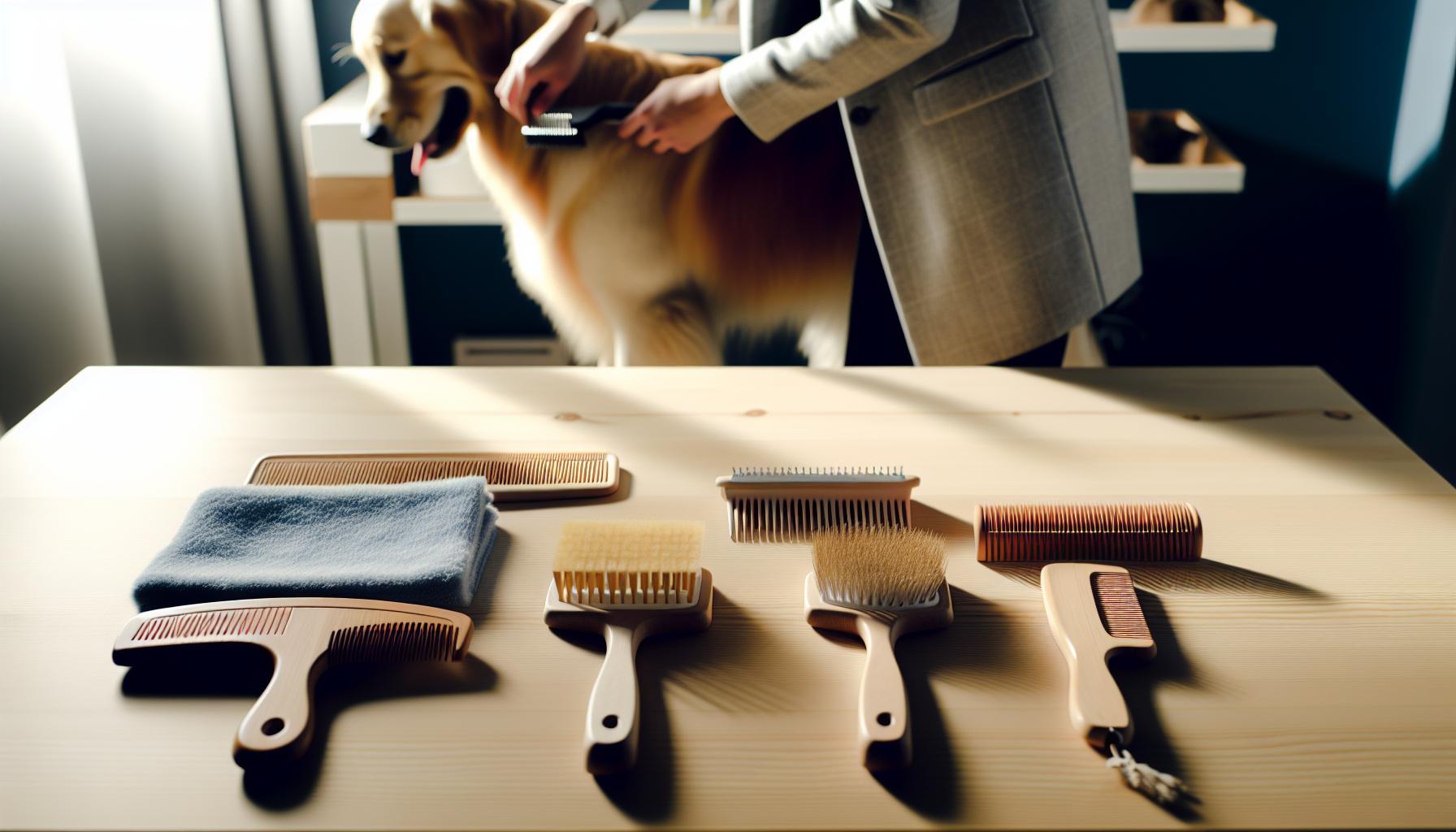
Combs and Brushes: Essential tools for Coat prep
Dogs’ coats come in a wonderful variety of textures and lengths, and preparing them properly before any cutting or styling is one of the most crucial-and sometimes overlooked-steps in grooming.Using the right combs and brushes not only makes the haircut smoother but also helps your dog feel comfortable and calm throughout the process. Many nervous dogs find brushing a soothing prelude, especially when done gently and with patience.
Different coat types require different tools, so matching your comb or brush to your dog’s specific fur is key. For example, dogs with thick, double coats like Golden Retrievers or Huskies benefit from a slicker brush combined with an undercoat rake to gently remove loose fur and prevent mats. In contrast, fine-haired breeds such as Maltese or Yorkshire Terriers respond better to a pin brush and a fine-toothed comb to detangle without damaging the delicate strands.
Choosing the Right Tools for Your Dog’s Coat
- Slicker Brushes: great for medium to long-haired dogs, these brushes have fine, closely spaced wires that break up mats and knots without pulling harshly. Ideal for breeds like Shih Tzus and Poodles.
- Pin Brushes: With flexible pins, these are perfect for gently detangling longer, fluffier coats and distributing natural oils to encourage shine.
- Comb Essentials: A sturdy metal comb with wide and fine teeth is a must-have for checking under the topcoat, smoothing out damp hair post-bath, and finding hidden tangles near tricky spots like behind the ears or under legs.
- De-matting Tools and Undercoat Rakes: These are lifesavers when it comes to thick undercoats or stubborn mats – but remember, always gently work through tangles rather than ripping, to keep your dog comfortable and relaxed.
Practical Tips to Prep Your Dog’s Coat Before Cutting
Start brushing before bath time to loosen dirt and debris, making shampooing more effective. After a thorough bath and towel drying, comb through again to prevent wet mats from forming as the coat dries. For example,when grooming a curly-coated Poodle,brushing while the coat is damp (never soaking wet) helps shape the curls and reveals areas that need trimming or thinning.If your dog is new to brushing or sensitive around certain areas,break sessions into short,positive experiences. Use calm tones, soft strokes, and reward your pup frequently with treats or gentle praise. This not only reduces anxiety but builds a trusting grooming routine over time.
Troubleshooting Common Brush and Comb Challenges
- Mats That Won’t Budge? Apply a detangling spray or conditioner to soften the fur before carefully working through knots.Never yank, as that causes pain and can damage the coat.
- Extremely Sensitive Spots? Switch to a softer brush or try using your fingers first to loosen tangles gently, especially around the belly or tail where skin is delicate.
- Tool Resistance? Some dogs dislike certain tools-try letting your dog sniff and explore the brush beforehand, or use an extra-smoothed comb designed for sensitive coats.
Your role as a groomer or loving owner is to make coat prep as stress-free as possible.Taking the time to carefully detangle and prep the hair means easier, cleaner cuts with shear and clipper tools downstream, reducing fussiness and making grooming a bonding, enjoyable ritual that your dog looks forward to. when in doubt, consult with a professional groomer who can share breed-specific tool recommendations and demonstrate gentle handling techniques suited to your furry friend’s unique coat.
Nail Trimming Tools and Safe Handling Tips
Nail care is a vital yet often underestimated part of your dog’s grooming routine. keeping nails trimmed isn’t just about appearance-it helps prevent discomfort, joint strain, and even painful infections. Many dogs, especially smaller breeds or those that are less active outdoors, need regular trims as their nails don’t naturally wear down. Approaching nail trimming with calm confidence and the right tools can transform what might feel like a stressful chore into a gentle bonding moment.
Choosing the Right Nail Trimming Tools
There are a few types of tools commonly used by groomers, and selecting the best fit depends on your dog’s size, temperament, and nail thickness:
- guillotine Clippers: Popular for small to medium dogs, these scissors have a hole where you insert the nail, and a blade slides across like a guillotine.They’re easy to handle but require steady hands to avoid cutting too close.
- Scissor-style Clippers: These look like small pruning shears and provide good control and leverage. Best for larger or tough nails but can be bulky for tiny breeds.
- Electric Nail Grinders: Also called dremels, these tools gently file the nail down and are excellent for gradually shaping nails or smoothing edges after clipping. They can be less intimidating for dogs sensitive to the quick but may need some desensitization time.
For example, a Chihuahua’s tiny nails are best handled with a small guillotine clipper or a gentle grinder, while a Labrador’s thicker nails might require sturdy scissor clippers paired with a grinder for finishing. Always choose sharp, high-quality blades to ensure clean cuts that prevent crushing or splintering the nail.
Safe Handling Tips to Keep Your Dog Comfortable
Many dogs feel nervous during nail trimming because quick cuts cause pain and bleeding. To avoid this, proceed patiently:
- Identify the Quick: The quick is the sensitive vein inside the nail. For light-colored nails, it’s easier to see as a pink area; on black nails, trim little by little, stopping frequently to check the nail’s cross-section.
- Use Proper Restraint: Gently hold your dog’s paw firmly but without squeezing.You can rest their paw on your lap or a non-slip surface to give them stability.
- Trim Small Amounts: Take off tiny clips at a time rather than one big snip. It feels less scary for your dog and lowers the chance of hitting the quick.
- calm, Reward, repeat: Talk softly, offer treats after each paw, and pause if your dog becomes tense. Sometimes spreading the trimming across several short sessions is kinder and more effective.
If you accidentally nick the quick, immediately apply styptic powder or cornstarch to stop bleeding. Always keep these first aid supplies close to your grooming area-having a calm helper on hand can also soothe both you and your dog.
When to consult Professionals
Some dogs have nails that grow excessively thick or curved due to health conditions or lack of regular care. In these cases, groomers or veterinarians with specialized equipment and experience should handle the trimming to ensure safety and comfort. Regular nail trims by professionals can prevent painful nail issues and support your dog’s mobility.
Remember,nail trimming is about your dog’s wellbeing as much as their looks. With patience,quality tools,and gentle handling,you’re helping your dog stay happy,healthy,and comfortable-one paw at a time.
Ear Cleaning instruments and Best Practices
Cleaning a dog’s ears is often overlooked but is an essential part of grooming that considerably impacts your pup’s comfort and health. The right ear care tools and techniques can prevent troublesome infections and ensure your furry friend feels at ease throughout the process. Since ear canals vary widely by breed-from floppy ears like those of Cocker Spaniels to tight, upright ears like German Shepherds-the approach and instruments used must be tailored accordingly.
- Ear Cleaning Solutions: Begin with vet-approved,gentle ear cleaning liquids specifically designed for dogs. These solutions safely loosen wax and debris without irritating sensitive skin. Avoid using alcohol or harsh chemicals as they can cause pain or dryness.
- Soft Cotton Balls or Gauze Pads: These help wipe visible grime from the outer ear folds. They’re gentle yet effective without risking injury deep inside the canal.Never use cotton swabs or Q-tips, as these can push debris further or damage the delicate ear canal lining.
- Ear Powder (Optional): For dogs with heavy hair growth inside the ear like Poodles or bichons, a light dusting of ear powder helps dry excess moisture and allows easier removal of hair when combined with grooming scissors or electric trimmers.
Step-by-Step Best Practices for Gentle Ear Care
Start by creating a calm environment-soft voices,treats,and slow handling reduce stress,especially for dogs new to ear cleaning. Hold your dog comfortably,lifting the ear flap carefully to avoid pulling and discomfort.
Apply a few drops of the cleaning solution into the ear canal and gently massage the base of the ear for about 20-30 seconds. This action breaks up wax buildup and stimulates natural drainage. Let your dog shake their head; it helps expel loosened debris.
Next, use a cotton ball or gauze to wipe away the loosened wax from the inner ear flap and entrance. Inspect for any redness, foul odor, or swelling, which may indicate infection-these signs suggest it’s time to consult your vet rather than continue at home.
Troubleshooting and When Professionals Should Take Over
Sometimes, ear cleaning can trigger discomfort if the dog already has underlying infections or allergies. If your pup shows signs of pain, excessive scratching, or repeated ear shaking, stop and seek veterinary advice. For breeds prone to chronic ear issues or heavy furring inside the ear canal,professional groomers have specialized thinning scissors and electric trimmers designed to safely remove excess hair without hurting the sensitive skin. This also improves airflow and helps keep ears drier.
Remember, regular but gentle ear maintenance-tailored to your dog’s breed, coat, and ear type-will keep your companion comfortable and prevent complications. With patience, the right tools, and a loving approach, ear cleaning can be a relaxed, even bonding, part of your grooming routine.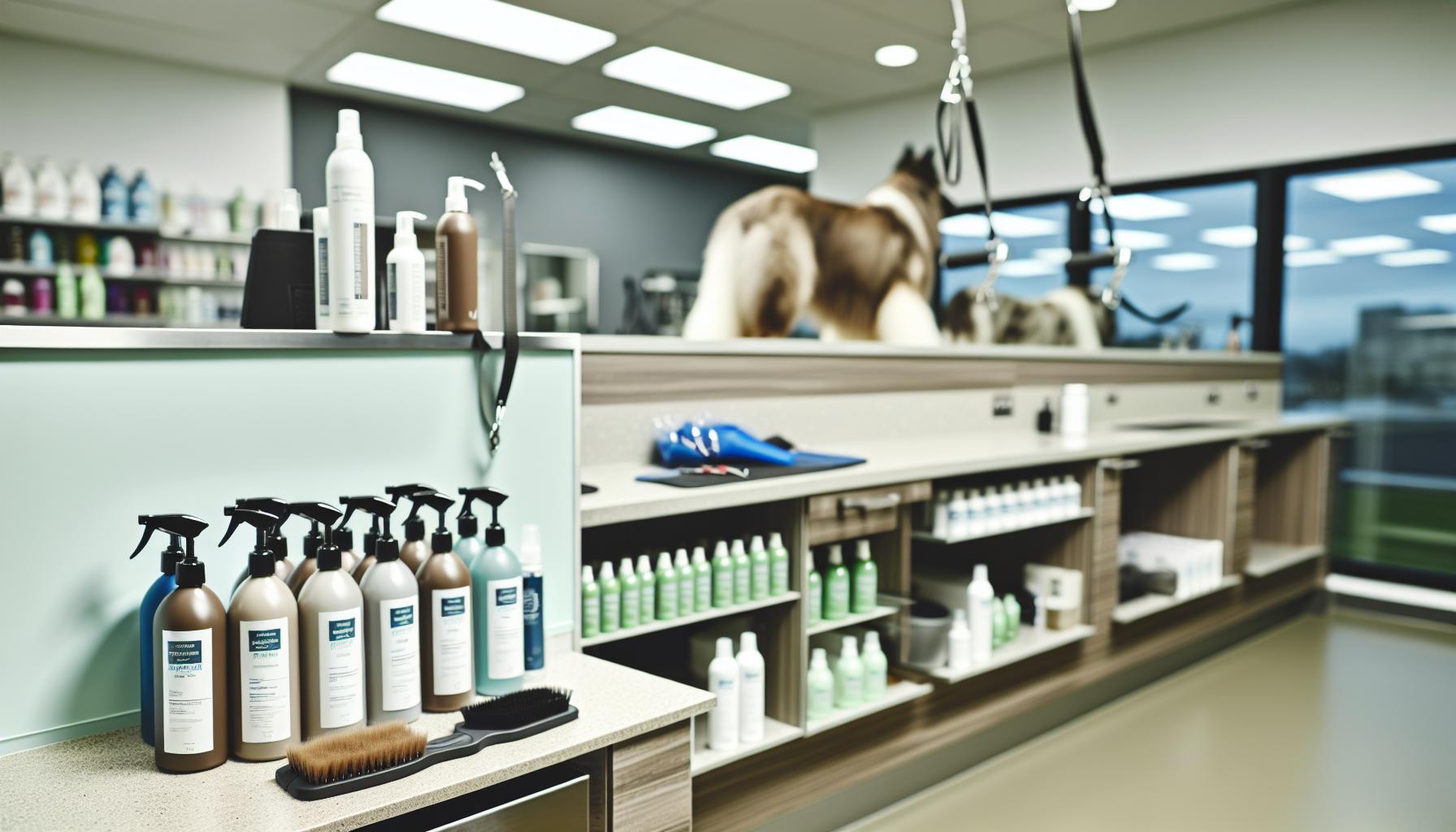
Bathing Supplies that Prepare the Coat for Cutting
Bathing is the crucial first step in any grooming session, setting the stage for a smooth, comfortable haircut.Clean, well-prepped fur not only looks better but also makes cutting easier and safer for your dog. Imagine trying to trim tangled or dirty hair-it’s frustrating for you and uncomfortable for your pup. Using the right bathing supplies tailored to your dog’s coat type helps minimize mats and uneven cuts while promoting a healthier skin and coat.
Before you start, gather gentle, pet-safe shampoos formulated specifically for dogs. Avoid human shampoos, as they can cause irritation or dryness. For dogs with sensitive skin or allergies, choose hypoallergenic or oatmeal-based shampoos to soothe and protect. If your dog has an oily or greasy coat-like some terriers-opt for a degreasing shampoo, which helps strip excess oils without stripping natural moisture. For thick double coats, a conditioner or detangler may be necessary to soften the fur and prevent knots during cutting.
- Dog Shampoo: Select based on coat type and skin sensitivities. for example, a moisturizing shampoo enhances curly or wiry coats, while a clarifying shampoo is best for heavily soiled coats.
- Conditioner or Detangler: Helps loosen mats and smooth hair, reducing tugging when brushing or clipping.
- Rubber Massage Brush or Bath Mitt: Useful during bathing to gently work shampoo into the coat and stimulate blood flow.
- Non-slip Bath Mat: Keeps your pet steady and calm during the bath, reducing anxiety and the risk of slips.
Step-by-Step Bathing Tips for Readiness
Start by thoroughly wetting your dog’s coat with warm-not hot-water. Too much heat can dry out the skin, while cold water may cause stress or discomfort. Apply shampoo in sections, massaging gently from the skin outward to reach dirt trapped near the roots. Rinse meticulously to avoid residue, which can cause itching or matting post-bath. If you use conditioner, apply evenly and leave it on for the recommended time before rinsing to ensure the best coat softness.
Towel dry with gentle pats before using a blow dryer on a low, cool setting if your dog tolerates it. Be patient, especially with long or thick fur, as damp hair can tangle quickly. A clean, dry coat is essential for precise trimming and clipping-wet or matted hair can lead to uneven cuts and discomfort.
Common Challenges and Friendly Solutions
Some dogs dislike baths and may get anxious or resist. Use treats and calm praise throughout to encourage cooperation. A gentle bath brush can double as a comfort tool, helping your dog relax while promoting coat cleanliness. For stubborn mats, never attempt to cut them while wet-always dry and detangle first, as cutting wet mats risks skin injury.If your dog has a coat that’s prone to heavy matting such as Poodles or Shih Tzus, professional grooming before a DIY session is often wise, especially if the mats cover the skin.This prevents painful tugging and ensures safe tool use during haircutting later.
Taking time to properly bathe and prepare your dog’s coat makes the entire grooming experience more comfortable for both of you. With the right supplies and approach,you’re setting up your pet for a stress-free trim that leaves them feeling fresh,happy,and loved.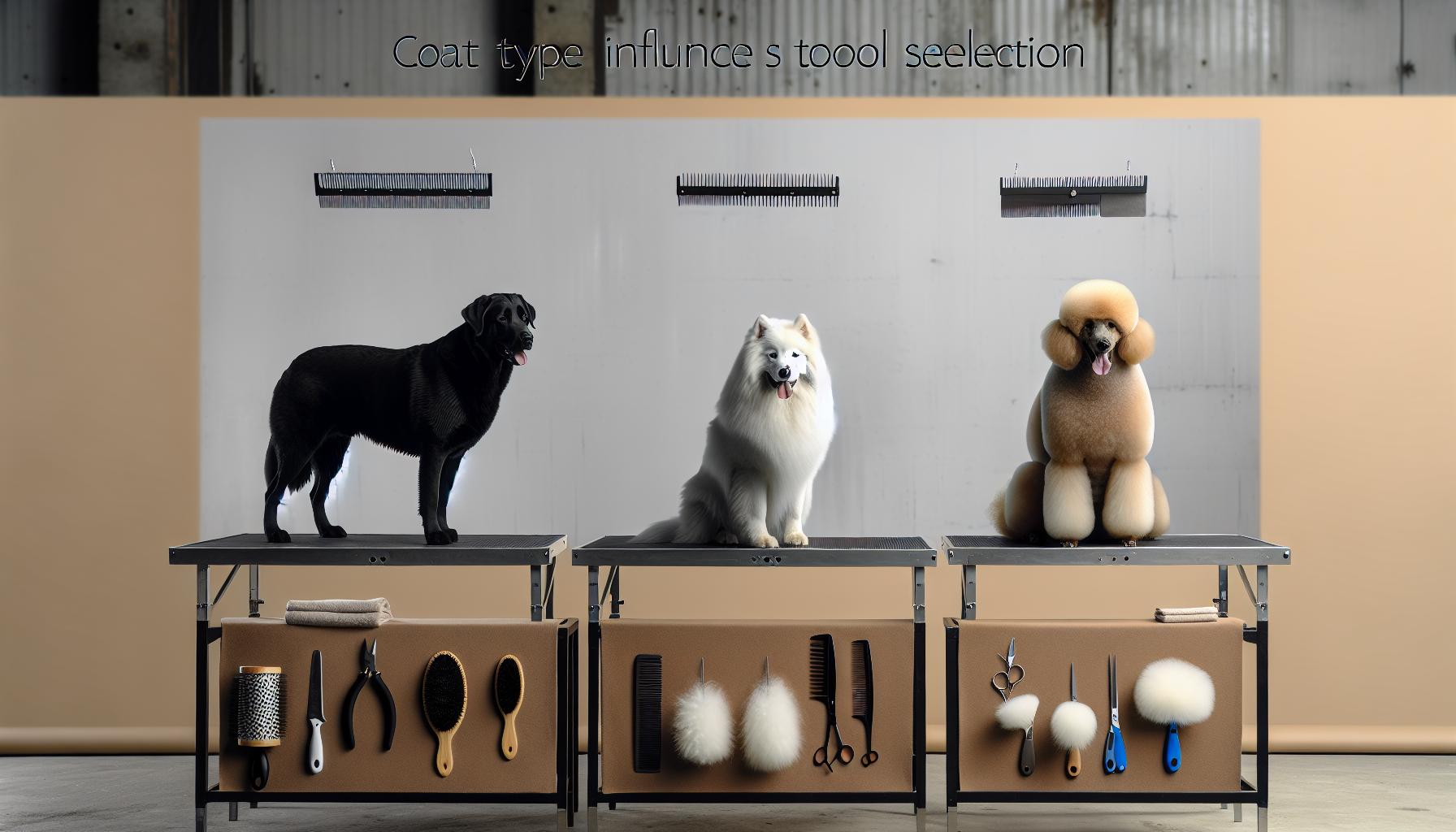
How coat Type Influences Tool Selection
Choosing the right grooming tools depends heavily on your dog’s coat type, as this influences both the ease and quality of grooming, not to mention your pet’s comfort. As a notable example, a silky-coated breed like an Afghan Hound requires gentler shears and softer brushes, while a dense double-coated dog like a Siberian Husky benefits from sturdier clippers and deshedding tools designed to reach the undercoat without irritating the skin. Matching tools thoughtfully to fur texture and length can transform grooming from a stressful chore into a bonding experience filled with calm and care.
Different fur types demand different approaches. Curly or wiry coats, common in breeds like Poodles or scottish Terriers, often need specialized scissors or thinning shears that can smooth and shape without leaving jagged edges.On the other hand, dogs with straight, fine hair often respond well to smooth, sharp shears and light grooming brushes to maintain shine and prevent breakage.For thick, matted coats, starting with a wide-toothed comb or a dematting tool is vital before clippers or scissors come into play-this prevents tugging that can cause discomfort or even skin injury.
- Double Coats: use deshedding clippers and rakes to remove loose undercoat layers; avoid shaving as it may harm natural insulation.
- curly/Wiry Coats: Opt for specialty curly-shear scissors and dematting combs to work gently through tight curls and knots.
- Short, Smooth Coats: A slicker brush and fine-tooth comb usually suffice, paired with sharp shears for precision trimming around sensitive areas.
- Long, Straight Coats: Pin brushes and wide-toothed combs help detangle, with thinner scissors used for delicate trimming.
Why Proper Tool Match Matters
Using the wrong tool on the wrong coat can frustrate both you and your dog.For example, trying to clip a thick, double-coated breed with standard scissors wastes time and can cause uneven cuts or even skin irritation. Conversely, rough brushing on a fine, short coat might cause hair breakage or redness. A practical tip is to always test a small section first. Observe your dog’s comfort and how the tool performs,adjusting your choice if you notice resistance,snapping fur,or irritation.
Case in Point: Handling a Mat-Prone Coat
Take a Shih Tzu owner hesitant to groom at home due to its thick,fine fur that mats easily. Starting with a high-quality detangling spray and a dematting comb before scissors or clippers makes the process gentler and safer. If mats are severe, professional grooming is recommended to prevent painful cutting that can harm your dog’s skin. With patience and the right tools, even mat-prone coats benefit greatly from regular, calm maintenance that builds trust and keeps your pup comfortable.
By embracing a coat-conscious approach to selecting grooming tools, you empower yourself to care for your dog’s unique needs. This mindset helps maintain a happy,healthy coat and keeps grooming sessions peaceful,rewarding moments for both you and your beloved companion.
For more practical gear suggestions and grooming tips tailored to various coat types, check out detailed guides and product reviews on trusted sites that focus on dog grooming essentials [[1](https://www.k9sky.com/blogs/15-dog-grooming-tools-every-pet-owner-should-have-at-home/)].
Maintaining and Sanitizing Grooming Tools
Cleaning and caring for your dog grooming tools isn’t just about keeping them looking nice - it’s a vital part of protecting both your pet’s health and ensuring smooth, efficient grooming every time. Dirty or dull shears, clippers, and brushes can tug on fur, cause uneven cuts, or worse, spread bacteria and skin infections between grooming sessions. Regular maintenance transforms your tools from potential sources of frustration into trusted allies for calm, comfortable grooming.
Everyday Care: Cleaning and Drying
After each grooming, take a few minutes to remove hair and debris from blades, scissors, and combs. A soft brush helps clear fur trapped in clipper teeth, preventing buildup that can slow motors or dull blades. Wipe metal parts with a cloth dampened with warm,soapy water or a gentle disinfectant-avoid soaking electric components. Finish by thoroughly drying tools to prevent rust and corrosion. For example, a well-loved pair of scissors used on a curly-coated dog benefits from a light coating of clipper oil to keep pivot points moving smoothly and prevent rust.
Deep Sanitizing for Safety
Weekly or after grooming multiple pets, sanitize all tools to kill germs and mites that can cause discomfort or infection.Use an EPA-approved pet-safe disinfectant or isopropyl alcohol on blades, scissors, combs, and nail clippers. Soak removable parts when possible but never immerse electric clippers. Some groomers use ultrasonic cleaners for a gentle, thorough clean-especially handy for professional setups but great for dedicated pet parents too. Always rinse and dry after disinfecting to avoid chemical residues irritating your dog’s sensitive skin.
Sharpening and Lubrication: Keeping Blades Crisp
Dull blades are a common culprit behind pulling fur or uneven trimming. Depending on how often you groom and your dog’s coat type (think thick double coats needing more frequent clipping), blades may need sharpening every few months. Many groomers rely on professional sharpening services, but some tools come with user-friendly sharpening kits. Also, keep clipper blades lubricated with appropriate oils before and after each use to reduce heat buildup and extend blade life.
- Tip: Store scissors and shears in a dry case or pouch to protect their edges.
- Tip: Label your cleaning tools so you remember which brushes and clippers are sanitized and ready for use, helping reduce cross-contamination.
By embracing a calm, routine approach to tool maintenance, you reduce grooming stress for your dog and yourself. Nothing interrupts a peaceful session like a snag or unexpected skin irritation from dirty blades.Plus, well-maintained tools last longer, saving you money and effort while keeping your furry friend comfortable and safe. If you’re ever unsure about deep-cleaning or sharpening, don’t hesitate to consult professional groomers or veterinarians-they’re your partners in ensuring your pup’s grooming routine is as gentle and healthy as possible.
Common Grooming Mistakes and How to Avoid Them
It’s surprising how many well-meaning pet parents encounter simple pitfalls that can turn a grooming session stressful for both dog and human. One common stumbling block is using the wrong tool for your dog’s coat type. For example, attempting to clip a thick double coat with a single-pass clipper or dull blades often leads to pulling and uneven cuts, causing discomfort and making your dog wary of future grooming. Always match your tools to the breed’s hair texture, and when unsure, opt for shears or specialty scissors designed for delicate trimming in sensitive areas.
Rushing Through Coat Preparation
Skipping the vital step of thoroughly brushing and combing before clipping is a frequent mistake. Matted or tangled fur can clog clipper blades and result in snagging or hot spots on your dog’s skin. For longer or curly coats, invest time in detangling gently with appropriate brushes-slicker brushes and wide-tooth combs are lifesavers. This spares your pet pain and helps your electric clippers glide smoothly, ensuring an even, safe cut and reducing grooming time overall.
Neglecting Nail and Ear Care During Grooming
Focusing only on hair length without trimming nails or cleaning ears can cause discomfort that outlasts the grooming session. Overgrown nails affect walking and joint health, while ear build-up invites infections. Use dedicated nail trimming tools with calm, steady handling, taking care not to cut into quicks, especially on dark nails. similarly, apply recommended ear cleaners with gentle swabs only on the outer ear to avoid damage. Treat these steps as part of a holistic grooming routine, so your dog stays healthy and happy inside and out.
Not Managing Your Dog’s Stress and Environment
Even the best tools can’t guarantee a calm session if your dog feels anxious or overwhelmed. Creating a tranquil atmosphere with soft voices, breaks, treats, and patience is essential. Tools like grooming hammocks or tables help with positioning,and understanding your dog’s limits-knowing when to pause or stop-is part of good grooming practice. Remember, safety and comfort always come before perfect styling. Most professional groomers balance these elements expertly, which is why knowing when to seek their help prevents many owner frustrations and keeps your dog’s well-being front and center.
- Tip: Before clipping,always check blades for sharpness and cleanliness to avoid pulling fur.
- Tip: Break complex groomings into small, manageable steps to keep your dog relaxed.
- Tip: When in doubt about tool selection, consult breed-specific grooming guides or professionals.
By recognizing these typical errors, you empower yourself to turn grooming from a chore into a bonding experience. It’s all about gentle technique, the right tools, and putting your dog’s comfort first-so every trim brings calm confidence for both of you.
Professional Groomers vs. DIY: Tool Use Boundaries
Grooming your dog at home is a wonderful way to bond and care for your furry friend, but knowing when to handle tasks yourself and when to bring in a professional can make all the difference in your pet’s comfort and safety. While many grooming tasks can be done at home with the right tools and patience, some situations require specialized skills and equipment that professionals offer. Understanding these boundaries helps you maintain your dog’s well-being without risking mishaps or stress.
Most pet owners can confidently manage routine grooming like brushing, basic trimming with good-quality shears, nail clipping, and bathing using user-friendly tools designed for home use. As an example, combs and slicker brushes work well for daily coat maintenance, and electric clippers geared toward beginners can handle simple trims on short-haired breeds. However, thicker coats, heavy matting, or breed-specific styles often push beyond the comfort zone of DIY. Professionals have access to a range of precision shears, multi-speed clippers, and dematting tools tailored for these challenges and have developed gentle techniques honed from experience to keep dogs calm and safe during longer sessions.
Key Considerations for Safe and Effective DIY Grooming
- Assess your dog’s coat and temperament: Breeds like Poodles or Bichons require more intricate scissoring and shaping; these are best left to groomers. Dogs with anxiety may also benefit from shorter, calmer sessions at home and professional help for full makeovers.
- Stick to basic trims in sensitive areas: Ears, paws, and sanitary trims demand steady hands and knowledge of anatomy to avoid cuts or infections.Professionals navigate these zones safely daily.
- Use well-maintained, breed-appropriate tools: sharp blades and smooth shears prevent pulling and discomfort.if you notice your clippers snagging or causing redness, it’s time to pause and reassess or call a pro to avoid pain.
Even veteran DIY groomers will acknowledge the importance of knowing when to pause and seek professional intervention.For example, a matted double coat on a large dog can cause your clipper to overheat, risking burns on delicate skin. At this point, a groomer’s specialized tools and techniques, frequently enough combined with experience calming nervous pets, prevent harm and stress.
Vet, Groomer, or Owner? Dividing the Tasks
While owners can manage regular brushing, nail care, and bathing, certain health-related grooming tasks fall under veterinary or professional groomer care. If you encounter:
- Skin irritations, wounds, or unusual lumps during grooming
- Severe ear infections or excessive discharge
- Problems trimming nails due to thick quicks or injury risks
It’s prudent to consult your vet or a professional groomer trained to handle these sensitive issues, ensuring your dog’s safety and comfort.
By respecting these boundaries, you turn grooming into a positive experience that strengthens your relationship and keeps your dog healthy. Remember: patience, the right tools, and knowing when to ask for help are your best allies in showing your dog love through every brush stroke and trim. If you’re ever unsure, start small, keep sessions short, and always put your dog’s emotional and physical comfort first.
For access to professional-grade tools suitable for various skill levels-whether beginner sets or advanced equipment-check trusted suppliers specializing in pet grooming essentials[[1](https://www.lovegroomers.com/)][[2](https://ryanspet.com/grooming-supplies/grooming-tools)][[3](https://www.chewy.com/b/dog-grooming-tools-359)].
Troubleshooting Tool Problems for Stress-Free Grooming
Few things disrupt a calm grooming session like tools that suddenly don’t perform as expected. Whether your electric clippers start pulling, shears feel dull, or brushes tangle instead of glide, these hiccups can stress both you and your dog. The good news is that many common tool troubles have simple fixes, and with a little patience and know-how, you can keep grooming relaxed, safe, and even enjoyable for your furry friend.
Clipper Snagging or Pulling
this issue often arises when clippers get dull, clogged, or overheated. For medium to thick coats, clippers without sharp, well-oiled blades can tug painfully on the hair, making your dog nervous or fidgety. To troubleshoot:
- Clean and oil blades regularly: Hair, dirt, and skin oils build up quickly.Use a small brush to remove debris and apply clipper oil before each grooming session to maintain smooth cutting action.
- Sharpen or replace blades: If your blades consistently snag despite cleaning, it’s time for professional sharpening or a new set. Dull blades cause pulling and skin irritation.
- Keep clippers cool: Overheating not only damages blades but can burn your dog’s skin. Take breaks every 10-15 minutes during long sessions, or switch to a quieter, cooler model if necessary.
- Adjust blade speed/settings: If your clippers have multiple speeds, slowing down can help with dense coats or sensitive areas to reduce pulling.
Shears Feel Stiff or Uneven
Sharp, smooth scissors are essential for stress-free trimming, especially around delicate spots like the face or ears. If your shears resist movement or don’t cut cleanly, this can prolong grooming and disturb your dog’s comfort.
- Clean blades after every use: Wipe away hair and oils that cause stiffness.
- Use scissor oil: A few drops on the pivot point keeps the blades moving fluidly and protects against rust.
- Check blade alignment: Misaligned blades pinch rather than cut – if you feel unevenness or the shears seem to “catch,” have them professionally adjusted or replaced.
Brushes and Combs Tangle or Miss Mats
Brushing is the foundation of grooming but hitting mats or tangles with the wrong tool can cause discomfort and frustration.
- Choose breed-appropriate brushes: Slicker brushes and pin brushes work well for curly or long coats; bristle brushes suit short-haired dogs.
- Work gently, section by section: Spray a detangling conditioner or water mist for stubborn mats to ease the process.
- Use dematting tools carefully: These are designed to break apart mats but require a light touch and patience.
battery or Power Issues
Cordless tools offer freedom but come with battery maintenance needs to avoid sudden stops mid-trim.
- Charge fully before use: Always top up the battery to ensure it lasts through the session.
- Rotate tools: Have backup clippers or manual shears on hand.
- Replace batteries when lifespan wanes: Older batteries deliver less power and should be replaced to maintain consistent performance.
When to Seek Professional Help
If tools repeatedly fail despite troubleshooting or your dog shows signs of distress, it’s wise to pause the grooming session and seek a skilled groomer’s assistance. For example, extremely matted fur that clippers can’t handle safely, or grooming around sensitive ears and nails for anxious pets, require expertise and specialized instruments. Remember, your dog’s comfort and safety come first-even if that means calling in a pro to avoid injury or stress.
By approaching tool troubles calmly and methodically, you empower yourself to keep grooming peaceful and positive. Regular tool care combined with knowing your dog’s specific needs creates a winning formula for happy grooming days ahead. And if ever in doubt, professionals are only a phone call or visit away to lend expert hands and advice.
For a reliable selection of grooming tools suited to home use or stepping up your kit, browse well-reviewed options tailored to your dog’s breed and coat type [[1](https://www.chewy.com/b/dog-grooming-tools-359)][[2](https://thebeloveddog.com/dog-grooming-tools/)].
Frequently asked questions
Q: Why do professional dog groomers prefer certain clipper blades for different coat types?
A: Professional groomers select clipper blades based on coat texture and thickness. For example, finer blades (higher numbers) are used for close cuts on soft coats, while lower blade numbers handle thick or matted fur better. Choosing the right blade prevents discomfort and ensures smooth results. Learn more about how coat type influences tool selection in our detailed guide.
Q: how do dog groomers safely cut hair around sensitive areas like paws and faces?
A: Groomers use specialty scissors and precision tools to carefully trim sensitive zones,employing slow,gentle motions to avoid injury.They often clip hair dry for better control and reduce stress by frequently soothing the dog. Refer to our section on specialty scissors for delicate trimming for safety tips and best practices.
Q: What are common challenges when using electric clippers for dog haircuts and how are they resolved?
A: Common issues include clipper overheating, pulling fur, or uneven cuts. Groomers prevent these by using well-maintained, sharp blades, lubricating clipper parts, and working with the coat’s natural grain. Troubleshooting tips and maintenance routines are covered in the troubleshooting tool problems section of our grooming guide.
Q: How does coat preparation affect the effectiveness of hair cutting tools in dog grooming?
A: Proper coat prep,like bathing and thorough brushing,removes mats and debris that can hinder cutting tools. It ensures smooth gliding of clippers and scissors, reducing pulling and irritation. Our article’s section on combs and brushes: essential tools for coat prep explains how to prep coats for optimal cutting results.
Q: When should dog owners consider professional grooming instead of DIY hair trimming?
A: Owners should seek professional grooming for complex coat types, behavioral challenges, or detailed styles requiring specialized tools and experience. Professionals also safely handle sensitive areas and avoid common grooming mistakes. Check out the professional groomers vs. DIY: tool use boundaries part of our guide for clarity on when to trust the experts.
Q: What role do grooming tool maintenance routines play in effective dog haircuts?
A: Regular maintenance like cleaning, blade sharpening, and sanitizing keeps tools sharp and safe, preventing hair pulling and skin irritation. Groomers follow strict routines detailed in our maintaining and sanitizing grooming tools section to extend tool life and ensure smooth grooming sessions.
Q: How do dog groomers choose between scissors and clippers for different grooming tasks?
A: Groomers use scissors for precision cuts and detailing, especially on the face and paws, while clippers handle bulk hair removal on the body.The decision depends on breed, coat type, and the desired style. Explore the differences further in dog grooming shears vs. electric clippers within our full article.
Q: Why is it important to understand breed-specific coat types when selecting hair-cutting tools?
A: Each breed’s coat (e.g., curly, double, wire) requires specific tools for safe and effective trimming. Using inappropriate tools can damage the coat or skin. Our article’s how coat type influences tool selection section offers breed-focused advice so you can tailor your grooming tools to your dog’s unique needs.
—
For detailed step-by-step guidance, explore our sections on tool maintenance, coat prep, and professional vs. DIY grooming to ensure safe,comfortable,and effective haircuts every time. Your dog deserves gentle care and the right tools – happy grooming!
To conclude
Understanding the tools professional dog groomers use to cut hair is key to keeping your pet comfortable and looking their best. Whether you’re managing a thick double coat or a delicate trim, having the right clippers, scissors, and safety equipment makes all the difference. Remember, grooming isn’t just about appearances-it’s about your dog’s health and happiness, so always prioritize gentle, stress-free techniques. If you’re ready to take your grooming skills further, explore our detailed guides on brushing techniques for different coat types and at-home nail care tips to keep your furry friend feeling great.
Don’t let grooming worries hold you back-our expert advice and recommended tools are here to support you every step of the way. For personalized tips or professional grooming services, feel free to schedule a consultation or sign up for our newsletter to stay updated on the best practices and latest grooming products. Join the community of caring pet owners who put compassion and safety first, ensuring every grooming session is a positive experience. Have questions or success stories? Share them in the comments below-we love hearing from you!
Get our latest guides, news, and insights highlighted in your Google Search & AI Overviews.
Keep reading about the same coat and cut.




Popular grooming guides
Bath vs clip, first grooms, and salon how-tos.