Can My Dog Go to the Groomers When in Heat: What’s Allowed

Did you know many dog owners wonder if it’s safe or appropriate to take their female dog to the groomers when she’s in heat? Navigating this situation can feel tricky, especially when you want your dog clean and comfortable but also want to respect her physical and emotional needs during this sensitive time. In this article, we’ll clarify what grooming services are allowed when your dog is in heat, explain the reasons behind common restrictions, and offer practical tips to keep her calm and safe.Weather you have a fluffy medium coat or a short hair breed, understanding the best approach helps you decide when to schedule grooming and what to expect, easing any worries you have about potential stress or health concerns. Let’s walk through what’s best for your girl’s wellbeing while keeping her looking and feeling her best.
Is It Safe to Take Your Dog to the Groomers When in Heat?
Table of Contents
- 1 Is It Safe to Take Your Dog to the Groomers When in Heat?
- 2 How Heat Cycle Affects Your Dog’s Behavior and Grooming Needs
- 3 What Grooming services Are Recommended During heat
- 4 Signs Your Dog May Need a Vet Instead of a Groomer
- 5 Preparing Your Dog for Grooming Visits While in Heat
- 6 How to Choose a Groomer Experienced with Dogs in Heat
- 7 At-Home Grooming Tips for Dogs in Heat to Keep Them Comfortable
- 8 Managing Hygiene and Odors During Your Dog’s Heat Cycle
- 9 Common Grooming Challenges for Female Dogs in Heat and How to Solve Them
- 10 Health Risks and Precautions When Grooming a Dog in Heat
- 11 What Tools and Products Are Best for Grooming Dogs in Heat
- 12 Q&A
- 12.1 Q: Can male dogs pose a risk when my female dog goes to the groomers in heat?
- 12.2 Q: Are there any grooming services that should be avoided entirely during a dog’s heat cycle?
- 12.3 Q: How long after a dog’s heat cycle ends is it safe to visit the groomers again?
- 12.4 Q: Can stress from grooming affect a dog’s heat cycle or overall health?
- 12.5 Q: Is it necessary to inform my groomer when my dog is in heat?
- 12.6 Q: What special grooming tools or hygiene products can help manage dogs in heat at the groomer?
- 12.7 Q: Can grooming a dog in heat help reduce odors and bleeding symptoms?
- 12.8 Q: Should I consider vet consultation before grooming if my dog has health issues during heat?
- 13 To Conclude
Many dog owners wonder if taking their female dog to the groomers during her heat cycle is safe, and the answer depends on several key factors that prioritize your pup’s well-being. During heat, female dogs experience physical and behavioral changes that can make grooming both more challenging and sensitive. While it’s certainly possible to have your dog groomed during this time, it requires extra care, clear interaction with your groomer, and sometimes adjustments to the usual routine to ensure your dog feels comfortable and secure.
When a dog is in heat, her body is more vulnerable-there’s increased blood flow and sensitivity, especially around the hindquarters.This makes certain grooming tasks like trimming around the sanitary areas or bathing potentially uncomfortable for her. Additionally, many groomers choose to avoid servicing females in heat to protect all dogs in the salon habitat, since male dogs can be highly stimulated and unpredictable around females bleeding or signaling fertility. This is a key safety consideration to prevent stress or even accidental escapes or altercations.
- Talk to your groomer beforehand. Let them know your dog is in heat and ask if they have experience with dogs during this time. Some groomers are happy to book private appointments or use separate grooming rooms to minimize stress and ensure everyone’s safety.
- Consider the type of grooming needed. Essential care like nail trimming, ear cleaning, or a light brush-out can often be done safely, but heavy haircuts or full baths might be better postponed until after heat.
- Plan timing carefully. If your dog is at the peak of her heat cycle, usually days 7 to 10, you may want to delay grooming until bleeding subsides, making the experience less distressing for her and the groomer.
Practical example: A golden retriever named Daisy was scheduled for a trim during her first heat. Her owner discussed this with the groomer,who adjusted the appointment for a later date and rather offered a gentle heel trimming at home with guidance. This kept Daisy comfortable and maintained hygiene without unneeded stress.
Ultimately, if your dog shows signs of anxiety, discomfort, or unusual behavior during her heat, it may be best to skip the groomers for a short while. You can maintain basic hygiene at home with soft brushing and spot cleaning until she’s ready for a professional touch. Remember, your dog’s emotional and physical comfort always comes first-not a perfect haircut.
Key Takeaways for Safe Grooming Visits during Heat
- Ensure the groomer is informed and experienced with dogs in heat.
- stick to gentle, minimally invasive grooming tasks if necessary.
- Consider private appointments to reduce stress and male dog exposure.
- Delay non-essential grooming until after the heat cycle if possible.
- Maintain communication with your groomer and stay responsive to your dog’s signals.
By approaching grooming with patience, compassion, and clear communication, you empower yourself and your groomer to keep your dog clean, comfortable, and safe-even during her heat cycle.
How Heat Cycle Affects Your Dog’s Behavior and Grooming Needs
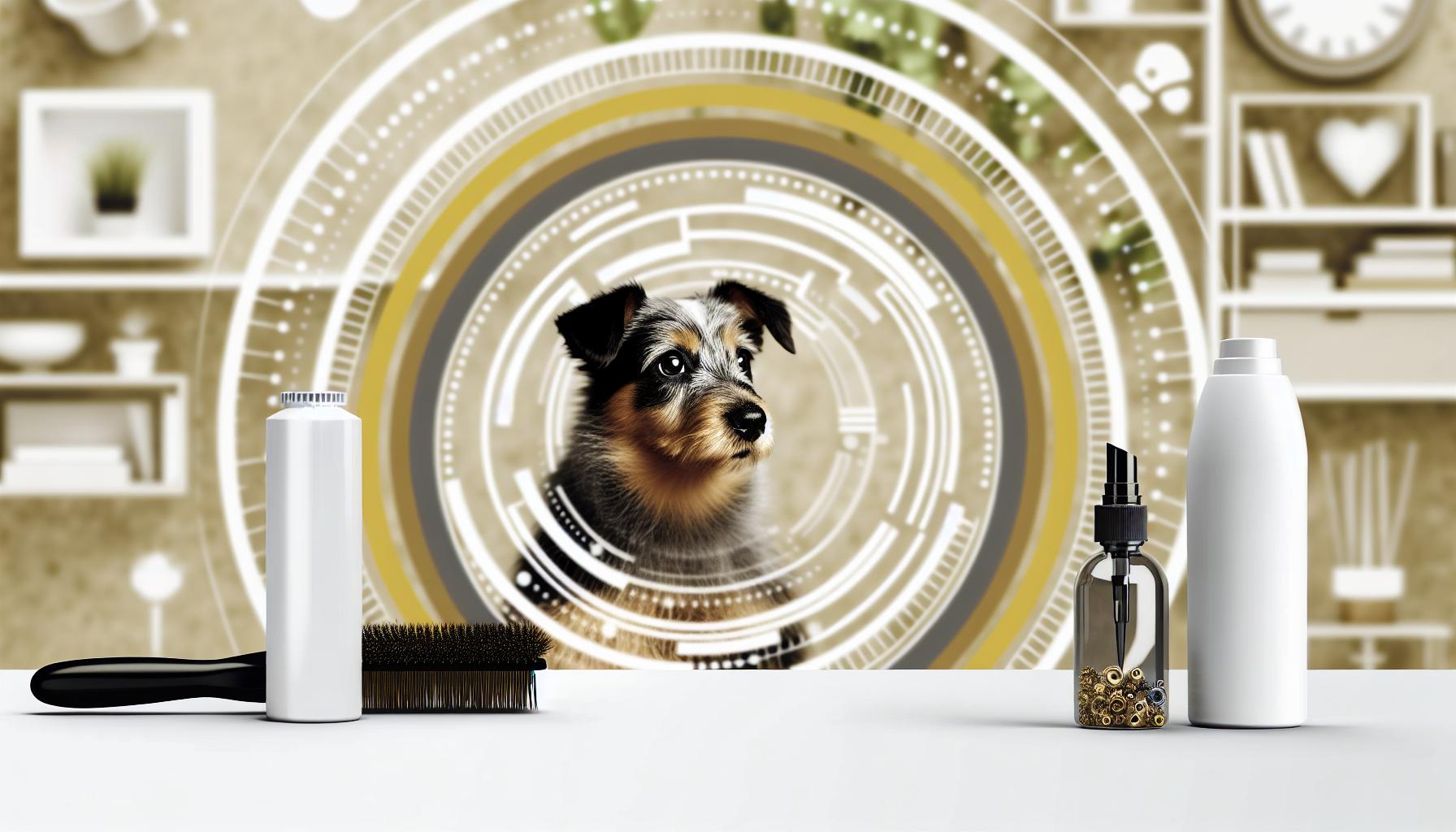
Did you know that your dog’s heat cycle doesn’t just affect her body but can also lead to noticeable shifts in behavior and grooming needs? These changes are very natural, yet they require a thoughtful approach to keep your furry friend comfortable and stress-free. Female dogs often experience increased sensitivity, especially around their hindquarters, which means that routine grooming tasks like brushing, bathing, or trimming may feel quite different-and sometimes uncomfortable-for her during this time.
Behaviorally, dogs in heat might become more clingy, anxious, or even slightly irritable. Some may seek extra attention and reassurance, while others could be more withdrawn or restless. This means patience is key when handling grooming sessions. For example, a breed like a fluffy Pomeranian with a dense double coat needs gentle but thorough brushing to prevent mats, but with increased sensitivity, it’s important to use soft, non-pulling brushes and work slowly to avoid causing discomfort. In contrast,a short-coated breed,like a Labrador,may benefit from simple wipe-downs with damp cloths rather than full baths,which can be overwhelming during heat.
Adjusting Grooming Tasks to Your Dog’s Needs
- Bathing: Because of increased blood flow and sensitivity, full baths might be too stressful or painful, especially if attention is needed around the belly and rear. Spot cleaning is frequently enough a better choice here, using gentle, hypoallergenic wipes or water with a soft cloth.
- Brushing and Dematting: Use brushes suitable for your pup’s coat type but prioritize techniques that avoid tugging or pressure near sensitive areas. Work in small, calm grooming sessions to keep your dog relaxed.
- Nail Trimming: Though seemingly minor, nail care requires extra patience. Your dog might be less tolerant during heat, so take breaks or use treats to keep her calm.
- Ear Cleaning: Since hormonal changes can sometimes increase ear sensitivity or infections,gentle ear checks and cleanings are important but shoudl be performed with caution and only if your dog is comfortable.
Take Lily, a gentle Golden Retriever, who during her heat cycle became noticeably anxious when groomers tried to trim her hind leg fur. Her owner and groomer adapted by focusing on front leg brushing and gentle face cleaning at home, waiting until the heat cycle ended for the full trim. This tailored care helped Lily feel safe and maintained hygiene without unnecessary stress.
When to Call the Vet Instead of the Groomer
If you notice unusual discharge, swelling, persistent licking or biting at the genital area, or signs of distress beyond normal heat behavior, consult your veterinarian before grooming. Some symptoms may signal infections or complications requiring medical attention rather than routine grooming.
Offering your dog a calm environment, slow introductions to grooming tools, and breaks during sessions goes a long way in managing her comfort. Remember, grooming during heat is less about achieving a picture-perfect look and more about compassion, hygiene, and respecting your dog’s changing needs.With the right approach, you can help your dog feel cared for and comfortable, even during her sensitive cycle.
What Grooming services Are Recommended During heat
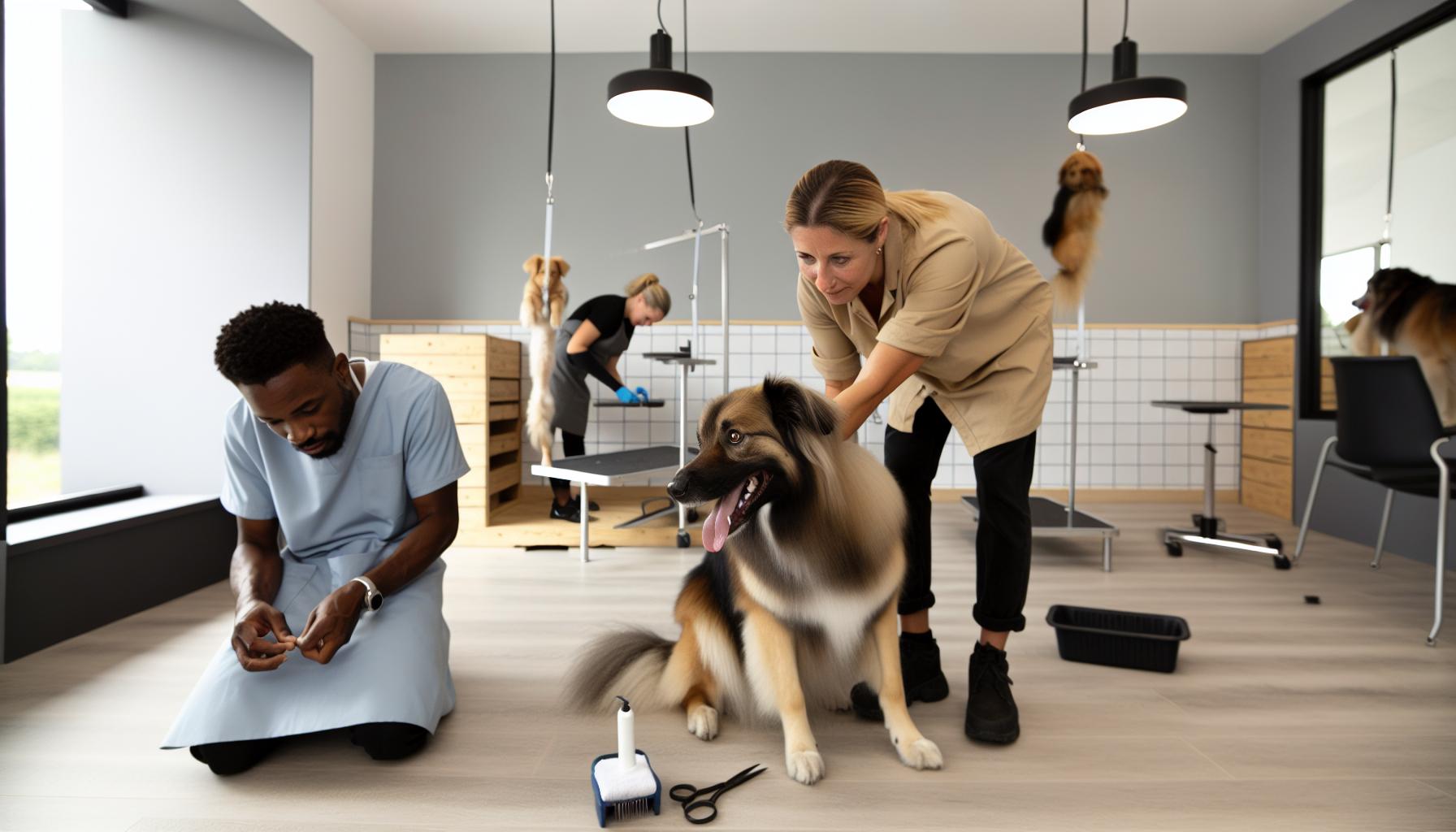
Many pet parents worry about whether their dog can still safely enjoy grooming sessions while in heat. The good news is that certain grooming services can be both safe and beneficial during this sensitive time, provided the approach is gentle, patient, and tailored to your dog’s comfort level. Think of it as prioritizing wellness and hygiene over cosmetic perfection, which helps reduce stress for your furry friend and ensures her health remains front and center.
Bathing and Spot Cleaning
Full baths can sometimes irritate your dog more when she’s in heat due to increased sensitivity and swelling around the abdomen and hindquarters.Instead, groomers often recommend spot cleaning using gentle, hypoallergenic wipes or a damp, soft cloth.This approach maintains cleanliness without the shock or discomfort a thorough wash may cause. For example, a groomer working with a long-coated breed like a Shih Tzu may focus on wiping down specific soiled areas rather than a full bath, keeping the delicate tissues calm and avoiding extra moisture that might encourage irritation.
Brush and Dematting Sessions
Regular brushing remains critically important during heat but should be done with extra caution, especially near the rear end, where tenderness is highest. Using soft,non-pulling brushes helps prevent discomfort and keeps mats from forming,which is crucial for breeds with thick or curly coats like Bichon Frises or australian Shepherds. Groomers frequently enough break brushing into shorter, calmer sessions, allowing your dog to rest and feel secure-a method especially helpful for more sensitive or anxious dogs.
Nail Care and ear Checks
Though seemingly minor, nail trimming requires a gentle touch, as your dog might potentially be less tolerant during heat. Groomers might trim nails more gradually, offering breaks and treats to ease nerves. Similarly, ear cleaning is important as hormonal fluctuations can increase the risk of infections; however, it should only be done if your dog is comfortable and shows no signs of pain. For breeds prone to ear issues, such as Cocker Spaniels or Basset Hounds, a soft cotton ball and veterinarian-approved ear solution are tools of choice, applied carefully to avoid stress or injury.
When to Modify or Postpone Services
Every dog is unique, and sometimes the best choice is to modify services or even postpone full grooming until the heat cycle ends. For instance, Lily, a Golden Retriever, was especially anxious during her heat cycle when groomers tried to trim her hind leg fur. Together, her owner and groomer focused on face cleaning and gentle brushing of the front legs, postponing more invasive trims. This compassionate approach maintained Lily’s hygiene without forcing stressful procedures,illustrating the importance of listening to your dog’s cues and adjusting plans accordingly.
- Recommended Services: spot cleaning, gentle brushing, light nail trimming, soft ear cleaning (if tolerated)
- Services to delay: full baths, extensive trimming around sensitive areas, heavy dematting on hindquarters
Remember, the priority is your dog’s well-being. A knowledgeable groomer who understands that grooming during heat is about care, not cosmetics, will work with you to ensure each visit is a positive experience. Always communicate openly about your dog’s current state, so your groomer can tailor their services accordingly, preserving comfort and calm at every step.
Signs Your Dog May Need a Vet Instead of a Groomer
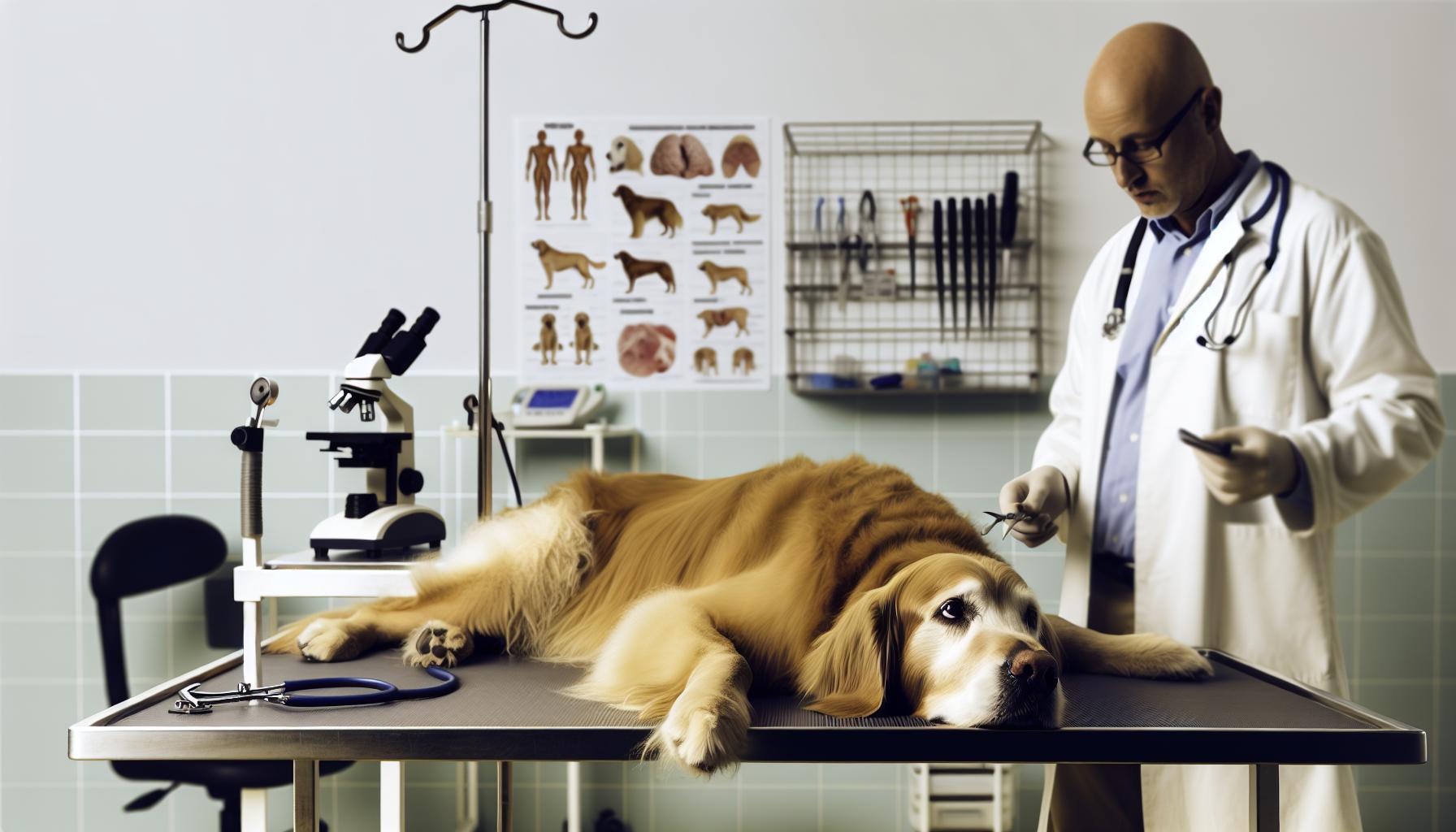
Sometimes, what seems like a routine grooming issue can actually signal a deeper health concern that needs veterinary attention rather than a groomer’s touch. If your dog in heat shows any signs of illness or unusual discomfort, it’s important to pause and consider whether a vet’s evaluation is the wisest next step. Groomers are skilled in maintaining cleanliness and coat care, but they are not equipped to diagnose or treat infections, injuries, or more serious medical problems that may arise during this sensitive time.
When Behavior or Symptoms Signal a Medical Concern
Pay close attention to your dog’s behavior and physical condition. Signs such as excessive bleeding beyond the normal spotting, swelling with redness that looks inflamed, persistent licking of the genital area, or foul odors that don’t improve with gentle cleaning point to possible infections like pyometra or urinary tract infections. For example, a small breed like a Maltese with thick hair around the hindquarters may mask early warning signs, making it crucial to err on the side of caution. If your dog seems lethargic,unusually irritable,or shows difficulty walking,these could be red flags requiring medical intervention.
Visual and physical Indicators to watch for
- Unusual discharge: Thick, yellow, green, or bloody discharge beyond what’s typical during heat
- Swelling or lumps: areas that feel warm, hard, or painful to the touch around the abdomen or mammary glands
- Skin irritation or infections: Raw patches, sores, or hot spots frequently enough need vet care rather than grooming remedies
- Signs of pain: Whimpering, restlessness, or flinching during light touch, which groomers are not trained to handle safely
- Excessive scratching or head shaking: Often indicating potential ear infections or allergies requiring vets’ prescriptions
Why Groomers and Vets Have Different Roles
Think of the groomer as your dog’s hygiene and comfort specialist during heat-offering gentle brushing, light trimming, and spot cleaning suited to sensitive areas. vets, conversely, handle health diagnoses, prescribe medications, and perform treatments when signs of infection or abnormal symptoms emerge. An example is when ear cleaning reveals redness, swelling, or foul odor; this isn’t just about removing wax but managing infection-a task best left for a veterinarian.
Empowering You to Make Safe Choices
always communicate openly with your groomer about your dog’s current state. A professional groomer will not hesitate to suggest postponing services or recommending a vet visit if they notice anything concerning. When in doubt, trust your instincts as an owner. Early veterinary care can prevent minor issues from becoming serious.Your dog’s comfort and health remain far more important than a grooming schedule or presentability during her heat cycle.
Preparing Your Dog for Grooming Visits While in Heat
It’s perfectly normal for both you and your dog to feel a bit unsure about heading to the groomers when she’s in heat. Preparing her gently and thoughtfully can make all the difference in keeping her calm and comfortable throughout the visit. Start by acknowledging that her mood and sensitivities may be heightened. Some breeds with thicker coats around the hindquarters, like maltese or Shih Tzus, might feel more awkward or vulnerable during grooming at this time, so choosing the right approach tailored to coat type and temperament is essential.
Before the appointment, take time to acclimate her gradually. Short sessions at home mimicking grooming-like gentle brushing or softly wiping sensitive areas-can build positive associations and trust. During these moments, use calming tones, treats, and slow movements that respect her comfort levels. If your dog is nervous or easily stressed, consider scheduling grooming at quieter times to avoid overwhelming environments. Also, clearly inform your groomer that your dog is in heat, so they can be extra gentle and adjust their handling accordingly.
Key Preparations Before the Grooming Day
- Hygiene check: Give her a warm, calming bath a day or two before the groomer’s visit, using gentle, hypoallergenic shampoos designed for sensitive skin. this helps remove excess odors and prevents discomfort during professional grooming.
- Trim sensitive areas at home: If you’re comfortable and your dog lets you, perform a light trimming around the rear end to reduce mess and odor. Use rounded-tip scissors or specialized grooming clippers.If unsure, leave this to the groomer’s expert hands to avoid injury.
- Handle nails and ears gently: Nail trims and ear cleanings might be more sensitive during heat. If she resists, it’s okay to defer these to the groomer or even the vet if infection signs appear.
- Bring protective gear: Consider doggie diapers or sanitary wraps,especially for dogs prone to spotting,to keep both her and the grooming space clean. Some groomers welcome these aids, so discuss ahead.
Travel and Arrival Tips
Keep the journey to the groomer as calm as possible: use a crate or a harness she’s familiar with, and bring her favorite blanket or toy to ease anxiety. Upon arrival, avoid rushing; let her sniff and settle in to the new environment. A groomer skilled in handling dogs in heat will appreciate owners who offer detailed information on your dog’s current health and mood to individualize care.
Though grooming during heat requires more patience and sensitivity, remember that the goal isn’t a flawless makeover but your dog’s wellbeing and comfort. open lines of communication with your groomer-and trusting your instincts-are your best tools for a safe and positive experience. If any unusual signs arise before or during grooming, such as excessive swelling or pain, choose to defer to veterinary care to keep her health the number one priority.
How to Choose a Groomer Experienced with Dogs in Heat
Choosing the right groomer when your dog is in heat can make all the difference in keeping her calm,safe,and comfortable during what is often a sensitive time. Not every groomer is familiar or comfortable working with dogs in this condition,so finding one who truly understands the unique needs involved is essential. A skilled groomer will approach your dog with increased patience and gentleness, modifying techniques to accommodate any behavioral shifts, such as increased nervousness or sensitivity around the hindquarters.
start by asking potential groomers directly about their experience with dogs in heat and how they manage the specific challenges involved.Groomers with a background in handling female dogs during their heat cycle often use softer restraints, prioritize hygiene measures like doggie diapers or sanitary wraps, and schedule appointments during low-traffic times to reduce stress. If your dog has a thick coat that matts easily (like a Shih Tzu or Maltese), look for a groomer who tailors their tools carefully-using rounded scissors or clippers-and avoids unnecessary handling of sensitive areas to prevent discomfort or injury.
Questions to Help You Find the Right Groomer
- Do you have experience grooming dogs while they’re in heat? This opens the door for them to share specific protocols or stories that reveal their comfort level and expertise.
- How do you minimize stress and ensure hygiene during grooming for dogs in heat? Look for answers mentioning gentle handling, use of sanitary products, and scheduling strategies.
- What adjustments do you make for dogs with sensitive skin or behavioral changes due to heat? Groomers who recognize the physiological reasons behind mood shifts show deeper understanding and care.
- Are you open to detailed communication about my dog’s temperament and needs before the appointment? An engaged groomer values pre-visit discussions to tailor the experience.
Practical Tips for Choosing with Confidence
- Visit the grooming salon in person: A quick walkthrough will reveal if the environment feels calm and clean, which is especially important for dogs in heat who may be more sensitive to their surroundings.
- Check online reviews focusing on female dog grooming: Owners often share insights about groomers who handled their dogs with extra care during heat cycles.
- Confirm availability of private grooming spaces: Some salons offer separate, quieter rooms for dogs with special needs. This separation can help reduce anxiety and unwanted attention from other animals.
- Talk to your vet for referrals: Veterinarians often know groomers who are skilled and gentle with dogs in sensitive conditions, providing an expert proposal you can trust.
One dog owner shared that after switching to a groomer who was upfront about her experience with dogs in heat, her nervous Akita – normally resistant due to her heavy coat and sensitive nature – became far more relaxed during grooming. The groomer used soft voice tones, limited handling to necessary areas, and allowed extra breaks, which restored the owner’s confidence and the dog’s comfort.
Remember, safety and wellbeing come before any cosmetic goal during heat. A groomer’s willingness to adapt, communicate openly, and put your dog’s needs first is the hallmark of a professional experienced with the realities of grooming female dogs in heat. Embrace a collaborative mindset with your groomer to create a positive experience for everyone involved.
At-Home Grooming Tips for Dogs in Heat to Keep Them Comfortable
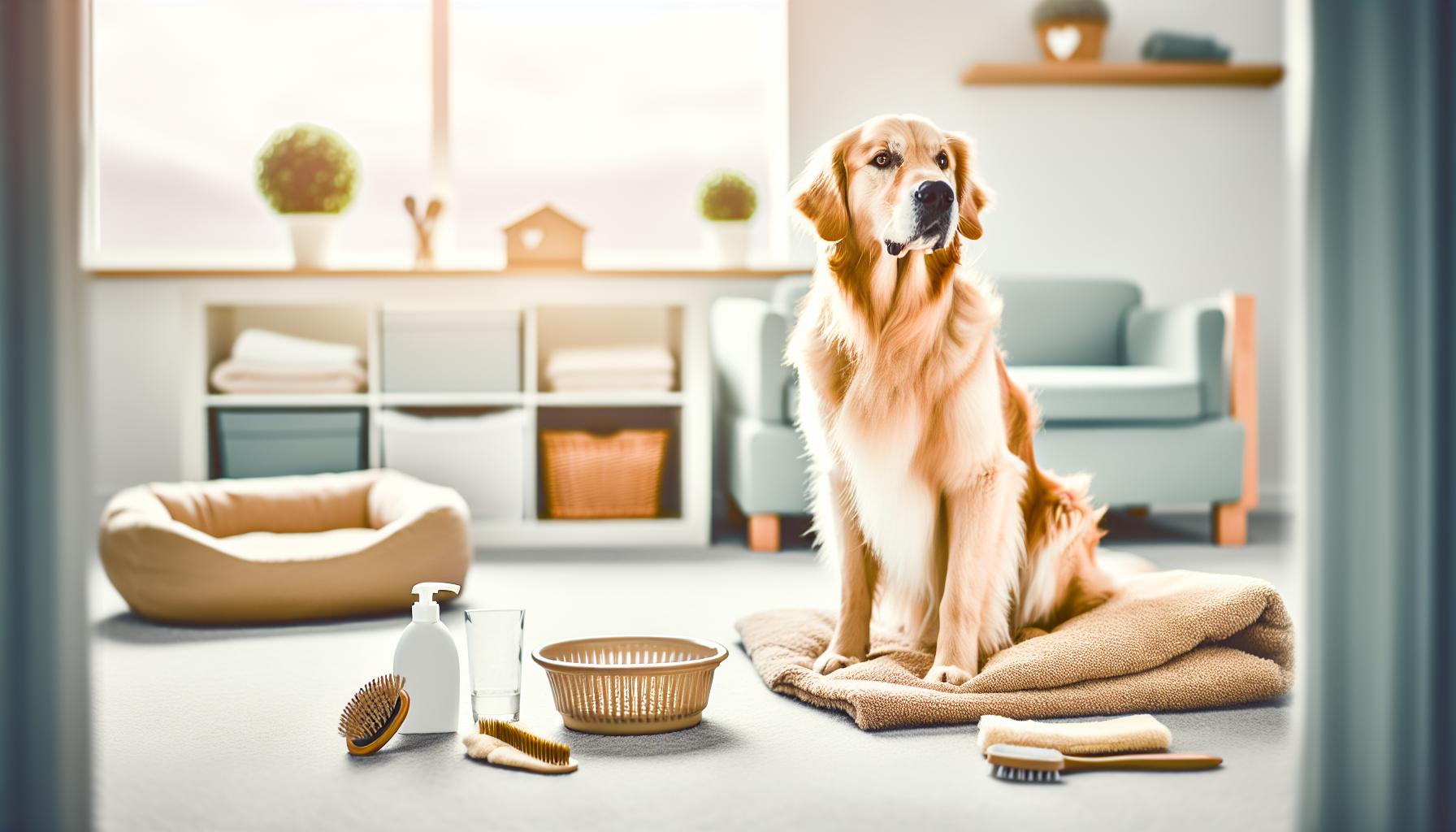
It’s critically important to recognize that your dog’s comfort and emotional well-being take center stage when grooming at home during her heat cycle. Hormonal changes can make her more sensitive, especially around the belly and hindquarters, so gentle, mindful handling is key. whether your dog has a thick double coat like an Akita or a silky coat like a Maltese, you can maintain her cleanliness and grooming needs without triggering stress or discomfort.
Brushing and dematting
Regular brushing prevents mats that can tug painfully, but during heat, avoid vigorous strokes near the sensitive lower abdomen and rear. Use a soft-bristle brush or a wide-tooth comb, working slowly and praising your dog frequently to build reassurance. For thick-coated breeds prone to heavy shedding, a slicker brush works well-just be extra gentle and stop if she winks or squirms. If mats are stubborn, try applying a detangling spray formulated for dogs to soften the hair before slowly teasing them out, keeping in mind that sudden movements can upset a dog in heat.
Baths Made Soothing and Safe
Choose lukewarm water to provide gentle relief and avoid hot temperatures that can inflame sensitive skin. Use mild, fragrance-free shampoos designed for sensitive or hormone-affected skin to keep from irritating areas around her vulva. When bathing, avoid directly targeting the lower belly; instead, gently sponge or rinse with minimal contact. Always monitor for excessive licking or redness post-bath, which may suggest irritation requiring veterinary attention. if your dog is anxious, consider making bath time a calm ritual with soft praise, gentle talking, and drying with a cozy towel rather than a loud, scary dryer.
Nail Care and ear Cleaning
Dogs in heat might potentially be more reactive during nail trims, so approach this task with patience. Use a quiet, sharp clipper and trim small amounts per session, rewarding her calmly. If she’s resistant, try trimming just one paw at a time over several days. Ear cleaning should be done with vet-approved solutions applied gently to avoid discomfort-never force deep cleaning if your dog pulls away. If your dog shows signs of ear infection (odor,discharge,scratching),pause grooming and seek veterinary advice instead.
Simple Hygiene Maintenance
To manage natural odors and discharge at home, use doggie sanitary pads or specially designed dog diapers to keep your home and dog clean. Wiping gently with a damp,warm cloth around her hindquarters can help without irritation. For breeds with longer coats around the rear, trimming hair carefully with blunt-nosed scissors can reduce soiling. If you notice persistent redness, swelling, or behavioral changes, that is your cue to consult your vet.
- Keep grooming sessions short and calm.
- Observe your dog’s mood; stop if she shows distress.
- Focus on comfort over appearance-skip trims if she’s overly sensitive.
- Consult a veterinarian before attempting any grooming if your dog displays unusual behavior or signs of discomfort.
Taking grooming into your own hands during this sensitive time not only maintains your dog’s hygiene but deepens your bond through gentle care. Remember, patience and kindness go a long way-your dog will thank you with trust and love.
Managing Hygiene and Odors During Your Dog’s Heat Cycle
Few things challenge a dog owner quite like managing hygiene during their female dog’s heat cycle. Hormonal shifts naturally increase vaginal discharge and scent production, which can be uncomfortable for pets and concerning for owners. But with mindful care and gentle routines, you can keep your dog feeling fresh, comfortable, and confident without stress or fuss.
Simple Cleaning Practices for Freshness
Regular wiping around your dog’s hindquarters using a soft,warm,damp cloth can significantly reduce buildup of discharge and odors. Be gentle-avoid harsh rubbing, especially near sensitive skin. For dogs with longer or thicker rear coats, trimming hair carefully with blunt-tip scissors helps prevent soiling and matting. This also makes daily cleaning easier. Many owners find washable doggie sanitary pads or breathable dog diapers invaluable for protecting furniture and floors, especially for indoor pets or those who aren’t ready for a professional groomer visit during heat.
Bath Time and Odor Control
Baths during heat should focus on soothing hygiene rather than deep cleaning. Lukewarm water and mild, fragrance-free shampoos designed for sensitive or hormonal skin keep the skin balanced and reduce irritation. Avoid aggressive scrubbing of the belly, groin, or rear to prevent discomfort. Between baths, a light spritz of vet-approved deodorizing sprays or waterless shampoos can freshen coats. If your dog is prone to strong odors or gets restless, shorter and calmer grooming sessions help minimize anxiety while maintaining cleanliness.
When to Seek Professional Help or Veterinary Advice
If you notice persistent redness, swelling, foul odors, or unusual discharge beyond the typical heat cycle symptoms, it’s time to reach out to your veterinarian. These signs may indicate infections requiring medical attention rather than grooming interventions. A skilled groomer experienced with dogs in heat can assist with hygiene tasks like gentle trimming and cleaning, but should never replace medical care when health concerns arise.
- Use soft, gentle wipes for routine cleaning; avoid harsh chemicals.
- Trim hair around the rear as needed with blunt scissors to reduce soiling.
- Employ doggie sanitary pads or diapers to manage discharge indoors.
- Schedule calm, short baths with mild shampoos; avoid overstimulation.
- Consult your vet for any unusual symptoms or persistent odors.
This balanced approach supports your dog’s comfort throughout her cycle, nurturing her dignity and your peace of mind. Remember: hygiene during heat is about gentle maintenance, not perfection. Your patient care and devotion will shine through far more than a flawless finish.
Common Grooming Challenges for Female Dogs in Heat and How to Solve Them
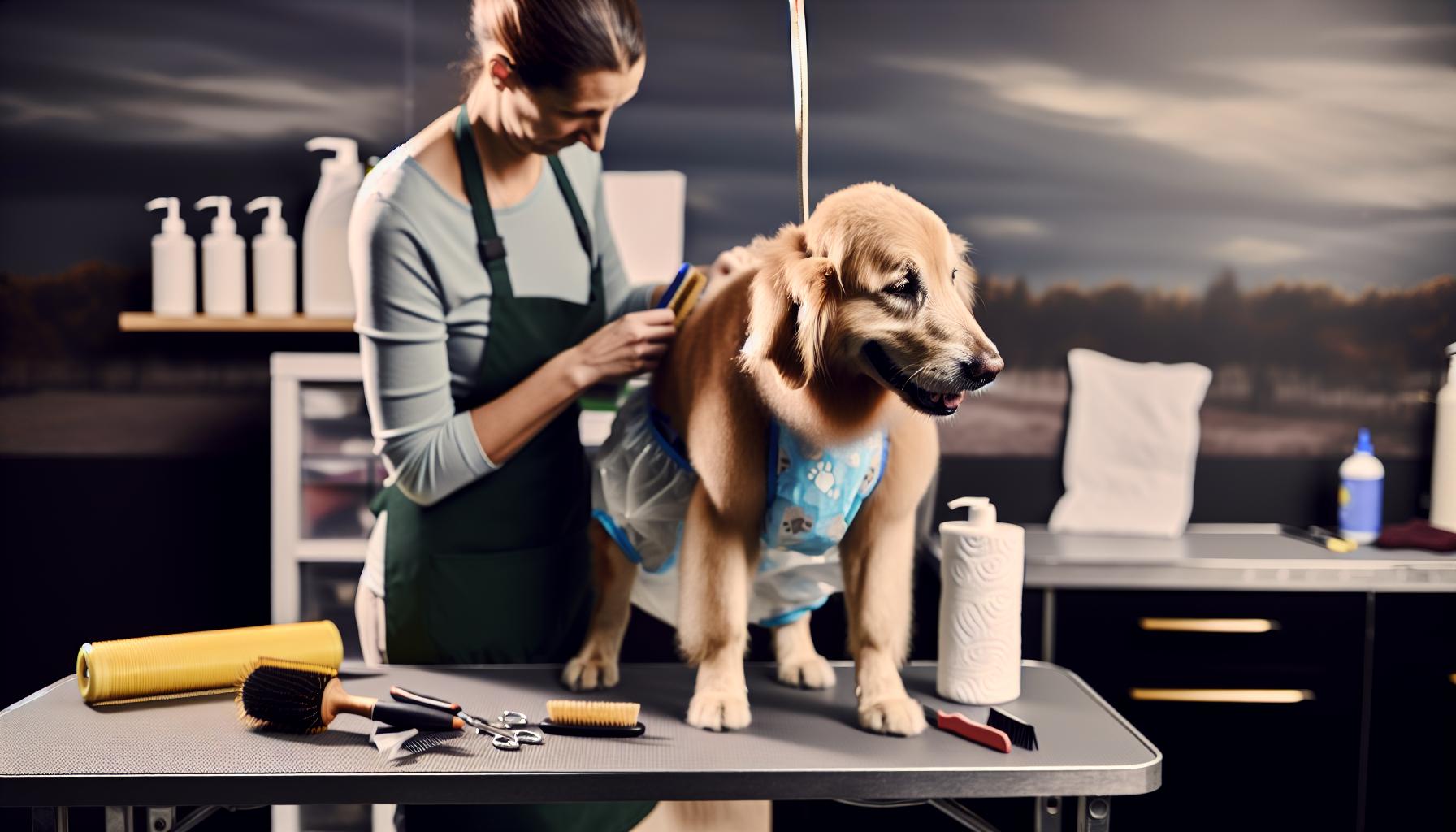
Female dogs in heat present unique grooming challenges that can test any owner’s patience and skill. Their hormonal changes not only affect behavior but also bring increased discharge and scent that demand extra attention. Navigating these hurdles requires a gentle touch, heightened hygiene care, and clear boundaries on what a groomer can help with – always prioritizing your dog’s comfort and dignity.
One common challenge is managing soiling and matting, especially for breeds with thick or long rear coats like Shih Tzus or Golden Retrievers. Discharge from the heat cycle can easily accumulate, causing discomfort and odor, and potentially leading to skin irritation. The solution lies in regular, gentle wiping with a warm, damp cloth, combined with strategic trimming of the fur around the hindquarters using blunt-tipped scissors. This targeted haircut eases cleaning and reduces risks of matting without subjecting your dog to a full grooming session during this sensitive time.
Behavioral changes often complicate grooming appointments. Dogs in heat might potentially be more anxious, distracted, or sensitive, especially around their belly and rear. This can make bathing or brushing a stressful experience, especially for breeds prone to nervousness like Border Collies or Akitas. Scheduling shorter, calmer sessions and using mild shampoos designed for sensitive skin can keep your pet comfortable. For example, breaking down grooming into smaller tasks-like brushing one day and a gentle bath another-helps avoid overwhelming your dog. And never hesitate to pause if your dog signs discomfort or stress.
Nail trimming and ear cleaning can also become tricky. Dogs in heat may resist close contact on their paws or ears more than usual, so approaching these routine tasks slowly and with plenty of praise is key. Sometimes using treats or distraction techniques during grooming helps ease tension.If your dog shows persistent agitation or signs of pain, it might be best to postpone these unless urgent, and certainly know when to consult your vet.
- Modify grooming to shorter, more frequent sessions rather than one long appointment.
- Use gentle grooming tools: soft-bristle brushes, blunt scissors, and mild shampoos.
- Keep hygiene-focused trimming limited to areas prone to discharge and matting.
- Respect your dog’s mood, pausing or rescheduling if stress levels rise.
- Know when to defer to your vet: persistent odors, swelling, or unusual discharge require medical attention.
By embracing these practical steps, you not only keep your dog fresh and comfortable but also strengthen your bond through thoughtful, compassionate care. Remember, the goal isn’t to maintain a flawless coat during heat but to support your dog’s well-being with kindness, patience, and respect for her changing needs.
Health Risks and Precautions When Grooming a Dog in Heat
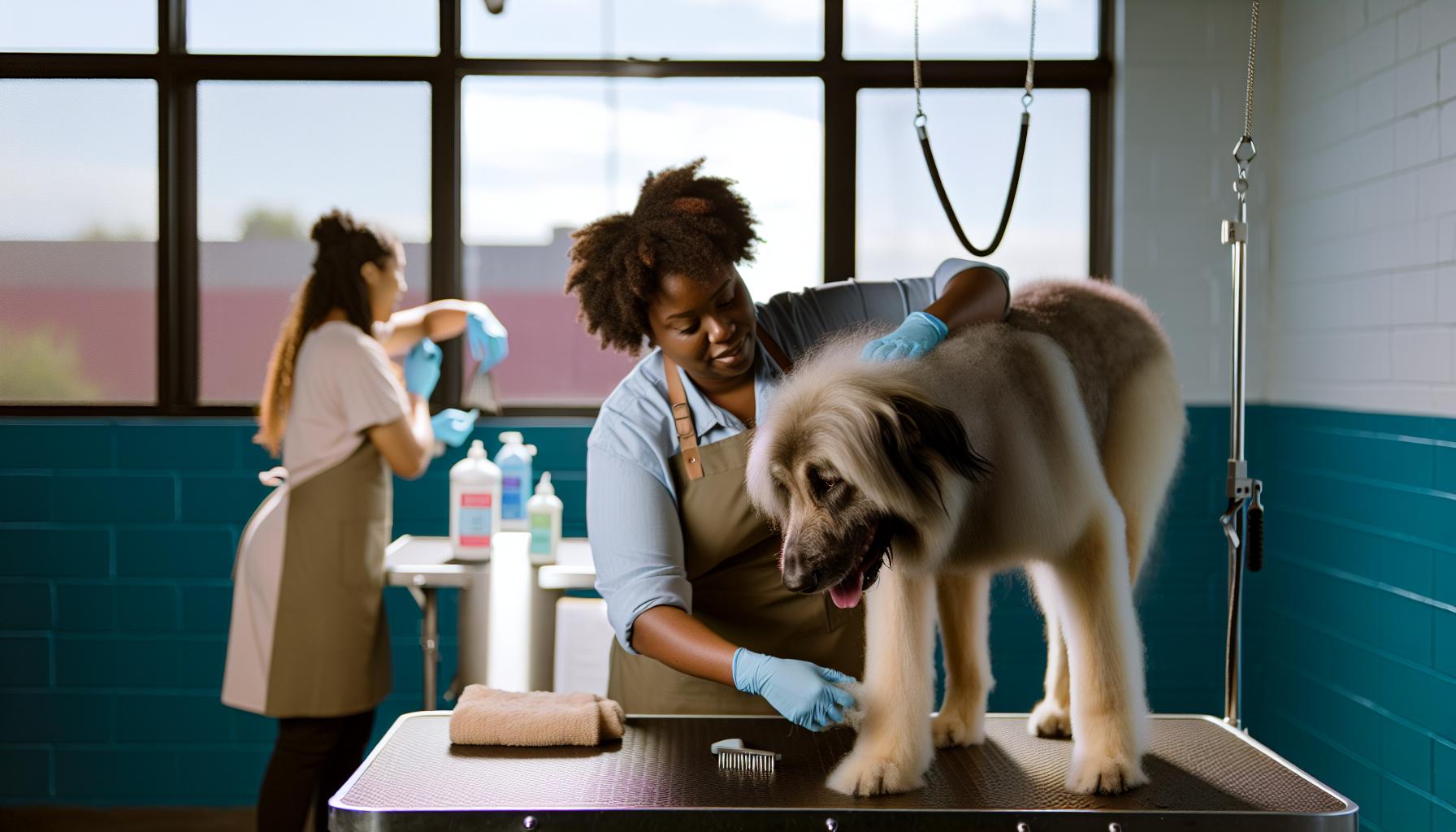
It’s easy to underestimate how sensitive female dogs can be during their heat cycle, yet grooming them during this time demands heightened care and attention to health risks that might not be obvious at first glance. The hormonal shifts your dog experiences can subtly weaken her immune defenses, making the skin and genital area more vulnerable to irritation and infections. Even routine grooming tasks like bathing or trimming require a delicate hand and keen awareness to avoid causing discomfort or aggravating tender areas.
Increased Sensitivity and Risk of Infection
The genital region and surrounding coat often develop slight inflammation or discharge during heat. This creates a moist environment that can encourage bacterial or yeast infections if not handled properly. For dogs with thick or long coats-think breeds like Golden Retrievers or Shih Tzus-this risk intensifies as soiled fur traps moisture against the skin. Grooming tools must be impeccably clean, and clipping around the hindquarters with blunt scissors helps keep the area dry and less prone to mats and infections. Avoid deep or full-body baths if your dog’s skin appears unusually red or raw; rather, opt for spot-cleaning with a mild, veterinarian-approved cleanser.
Behavioral Sensitivities Impact Safety
Dogs in heat often become more reactive or anxious, especially when touched near their belly or rear. This can turn normally simple grooming gestures-like ear cleaning or nail trimming-into potential stress points. Take the approach of shorter, segmented sessions focused on one area at a time. If your dog flinches, growls, or pulls away, pause instantly and offer reassurance.Using gentle restraint techniques and positive reinforcement, like treats or praise, can help rebuild trust during these sensitive moments. If aggression or fear become pronounced, it’s safer for both dog and groomer to postpone certain tasks until your dog has calmed down or to handle them at home with gradual desensitization.
Knowing When Grooming Crosses into Medical Care
Not all discharge, odor, or skin changes should be managed by a groomer. Persistent foul smells, swelling, redness, or unusual bleeding require veterinary evaluation before any grooming attempt. Even minor wounds or raw spots can become infected if trimmed or bathed improperly during heat. Always err on the side of caution: if you notice any signs of illness or severe discomfort, consulting your vet first protects your dog’s health and prevents grooming from accidentally masking or worsening a problem. Remember, a groomer’s role is to maintain coat health and hygiene, not diagnose or treat medical conditions.
- Use only mild, pH-balanced shampoos designed for sensitive skin, avoiding harsh chemicals.
- keep grooming areas well-ventilated and equipment sanitized to minimize infection risks.
- check for any lumps,bumps,or sores during grooming and report concerns promptly.
- prioritize your dog’s emotional state-stress can compromise immunity and slow recovery.
By approaching grooming with gentle care and respecting your dog’s physical and emotional limits during heat, you create a safer, more positive experience. This mindful balance keeps her clean and comfortable without escalating health risks-protecting her well-being now and long after the heat cycle ends.
What Tools and Products Are Best for Grooming Dogs in Heat
Grooming a dog in heat requires thoughtful choice of tools and products to ensure comfort and cleanliness without risking irritation or infection. The hormonal changes your dog experiences during this time make her skin more sensitive, so using mild and carefully selected grooming aids isn’t just a preference – it’s a necessity.Selecting the right items helps maintain hygiene while respecting her delicate condition.
Essential Grooming Tools for Sensitive Coats and Skin
Start with a high-quality, soft-bristle brush or a gentle slicker brush designed for your dog’s specific coat type. For example, a Pomeranian in heat benefits from a fine-toothed comb that prevents mats without tugging, while a Golden Retriever’s dense double coat needs a brush that can reach lower layers without excessive pressure. Avoid stiff brushes or metal combs that can scratch or distress sensitive skin around the genital area. Keeping the coat free from tangles and debris reduces moisture retention and limits infection risk.
Clippers and scissors used for trimming near the hindquarters must have rounded or blunt tips to prevent accidental cuts on inflamed or tender skin. Groomers often recommend using electric clippers rather than scissors in moist areas because they provide a smooth, even cut with less risk of snagging fur that traps discharge.
Choosing the Right Bathing Products
Bath time demands special care. Harsh shampoos strip natural oils and worsen skin dryness or irritation. Opt for a mild, pH-balanced shampoo formulated for sensitive or hypoallergenic skin. Look for products labeled safe for dogs with skin sensitivities, ideally vet-approved. Oatmeal- or aloe vera-based shampoos soothe inflammation and relieve itching while cleansing effectively.
If a full bath feels stressful or contraindicated due to raw areas, use a gentle cleansing spray or wipes made for sensitive coats to spot clean. Avoid overpowering fragrances or ingredients such as sulfates, parabens, or artificial dyes. Always rinse thoroughly with lukewarm water to prevent residue that might cause discomfort.
Nail and Ear Care Tools That Prioritize Safety
Nail trimming during heat should be minimal and slow to avoid upsetting your dog. Use sharp guillotine-style clippers or a rotary grinder to smooth edges gently – blunt tools cause unnecessary pulling and fear. If your dog resists, break the session into shorter, calm segments, combining trimming with treats and praise.
For ear cleaning, choose veterinarian-recommended ear cleansers with gentle, non-irritating formulas. Avoid cotton swabs deep inside the ear canal to prevent damage; rather, use soft cotton balls lightly moistened. Inspect ears frequently as dogs in heat may show mild swelling or discharge that signals infection.
Cleaning and Sanitizing: A Groomer’s Invisible Helpers
Sanitation is the silent hero in grooming sensitive dogs. All tools – brushes, combs, clippers, nail trimmers – must be disinfected before and after each use. This practice cuts down on cross-contamination, which is crucial when your dog’s immune system is slightly compromised during heat.
Many professional groomers rely on pet-safe disinfectants like diluted chlorhexidine or 70% isopropyl alcohol (used carefully on tools, not skin). Clean towels, fresh gloves, and sanitized work surfaces also contribute to a safer, stress-free grooming experience.
- soft-bristle or slicker brushes appropriate for coat length and type
- Rounded-tip scissors or electric clippers with safety guards for sensitive areas
- Mild, hypoallergenic shampoos, preferably oatmeal- or aloe-based
- Pet-safe cleansing wipes or sprays for spot cleaning
- Sharp, gentle nail clippers or rotary grinders for careful trimming
- Vet-approved ear cleaners, avoiding harsh chemicals or deep probing tools
- Disinfectants for sanitizing grooming equipment between uses
By thoughtfully selecting these tools and products, you not only care for your dog’s hygiene but also respect her emotional and physical comfort. Remember, the goal isn’t a perfect look but a calm, safe grooming session that supports her well-being during this vulnerable phase. When in doubt, collaborating with a groomer experienced in working with dogs in heat can provide tailored recommendations and a smoother experience for everyone.
Q&A
Q: Can male dogs pose a risk when my female dog goes to the groomers in heat?
A: Yes, male dogs can be attracted to a female in heat, which might cause stress or unwanted interactions at the groomers. Choose a groomer who understands how to manage this risk by keeping dogs separated and minimizing contact during your dog’s heat cycle for safety and comfort.
Q: Are there any grooming services that should be avoided entirely during a dog’s heat cycle?
A: Certain intensive grooming services like full shaves or sedation-based grooming are best avoided during heat. These can increase discomfort or health risks. Stick to gentle baths, nail trims, and brushing to keep your dog comfortable and reduce stress during grooming visits.
Q: How long after a dog’s heat cycle ends is it safe to visit the groomers again?
A: It’s safest to wait at least 2 to 3 weeks after your dog’s heat cycle ends before scheduling a grooming session.This timing ensures your dog has fully recovered from hormonal changes and reduces risks of stress or infection.
Q: Can stress from grooming affect a dog’s heat cycle or overall health?
A: Yes, stress from grooming can impact your dog’s behavior and hormone balance, potentially worsening symptoms during heat.Choose a calm, experienced groomer, or use at-home grooming tips to reduce stress, prioritizing your pet’s comfort and well-being throughout the cycle.
Q: Is it necessary to inform my groomer when my dog is in heat?
A: Absolutely. Always inform your groomer your dog is in heat so they can tailor services, take extra hygiene precautions, and manage your dog gently. Open communication helps ensure safe, stress-free grooming and aligns with best care practices.
Q: What special grooming tools or hygiene products can help manage dogs in heat at the groomer?
A: Groomers should use super-absorbent pads, gentle shampoos designed for sensitive skin, and sanitary trimmers during a heat cycle.These tools keep your dog clean, control odors, and maintain comfort. See our section on grooming tools used for dogs in heat for detailed guidance.
Q: Can grooming a dog in heat help reduce odors and bleeding symptoms?
A: Yes, regular gentle grooming can help manage odors and keep your dog clean during heat. Baths with appropriate shampoo and sanitary trims reduce discharge buildup. for additional tips, check our hygiene management advice tailored for dogs in heat.
Q: Should I consider vet consultation before grooming if my dog has health issues during heat?
A: If you notice excessive bleeding,lethargy,or unusual behavior during heat,consult your vet before grooming. Sometimes health issues need medical treatment first. Our article’s section on vet signs vs. groomer care helps you decide when to seek professional advice.
For more detailed care tips, explore our sections on preparing your dog for grooming visits while in heat and how to choose a groomer experienced with dogs in heat to ensure every grooming session prioritizes your dog’s health and happiness.
To Conclude
Taking your dog to the groomer while she’s in heat requires careful consideration to prioritize her comfort and health. Remember, not all grooming tasks are the same-simple brushing or nail trims at home paired with vet-approved hygiene care can frequently enough be the safest choice during this sensitive time. If you’re uncertain about professional grooming during her cycle, explore our guides on safe DIY grooming tips and understanding your dog’s reproductive health for more insight.
Every dog and coat type is unique, so tailoring your approach based on breed, coat length, and temperament is key. To keep your pup happy and healthy, consider scheduling grooming appointments before or after her heat cycle whenever possible. Ready to learn more? Check out our detailed article on how to prepare your dog for grooming and sign up for our newsletter to get expert advice delivered straight to your inbox. We’re here to support you on every step of your pet care journey-feel free to share your experiences or questions in the comments below!
Get our latest guides, news, and insights highlighted in your Google Search & AI Overviews.
Keep reading about the same coat and cut.


Popular grooming guides
Bath vs clip, first grooms, and salon how-tos.