How Do Groomers Deal With Aggressive Dogs: Handling Strategies
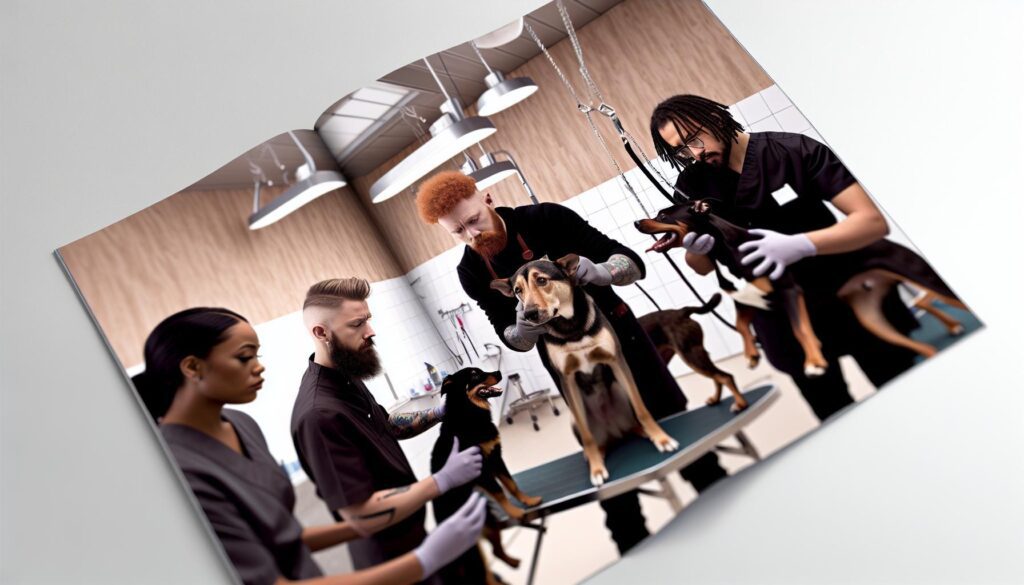
Many dogs show stress or even aggression during grooming, making these sessions challenging for both pets and their owners. Understanding how professional groomers handle aggressive dogs with patience,compassion,and safe techniques is key to ensuring a calm,positive experience for your furry friend. Whether your dog has a thick, tangled coat or sensitive nails, knowing these strategies helps protect their comfort and your peace of mind.Aggression during grooming often stems from anxiety, fear, or past negative experiences-common issues that groomers are trained to recognize and gently manage. In this guide, you’ll learn practical steps used by experienced groomers: from creating a calm habitat and using positive reinforcement, to choosing the right tools for different breeds and coat types. We’ll also discuss when a professional’s help is essential versus what you can safely do at home. By understanding these handling strategies, you can definitely help reduce your dog’s stress, improve cooperation, and make grooming a more pleasant ritual for everyone involved. Let’s explore how kindness, expertise, and patience turn a stressful chore into a caring routine your dog can feel safe with.
Understanding Aggression in Dogs: Causes and Warning Signs
Table of Contents
- 1 Understanding Aggression in Dogs: Causes and Warning Signs
- 2 Preparing Your Grooming Space for Safety and Calm
- 3 Essential Tools to Manage Aggressive Behavior During Grooming
- 4 Step-by-Step Techniques for handling Aggressive Dogs
- 5 Using Positive Reinforcement to Build Trust and Cooperation
- 6 Effective Restraint Methods That Prioritize Comfort
- 7 Bathing Strategies for Nervous or Reactive Dogs
- 8 Brushing and Dematting Without Triggering Aggression
- 9 Safe Nail Trimming Approaches for Defensive Dogs
- 10 Managing Ear Cleaning with sensitivity and Care
- 11 When to Seek Professional Help or Veterinary Advice
- 12 Helping Owners Support Their Dog’s Grooming Experience
- 13 Faq
- 13.1 Q: How can groomers safely introduce grooming tools to aggressive dogs to reduce fear? A: Groomers can safely introduce tools by first allowing the dog to see and sniff each item calmly before use. Using slow, gentle movements and pairing tools with treats helps reduce fear. This gradual exposure builds trust and minimizes stress during grooming sessions. Learn more in the Using Positive Reinforcement section for best practices. Q: What are the best calming techniques groomers use for dogs showing sudden aggression mid-groom?
- 13.2 Q: How do groomers modify grooming schedules for dogs prone to aggression?
- 13.3 Q: What role does understanding a dog’s breed and temperament play in handling aggression during grooming?
- 13.4 Q: How can owners prepare their aggressive dogs at home before a grooming appointment?
- 13.5 Q: When is the best time to use muzzles or other restraint devices during aggressive grooming?
- 13.6 Q: What aftercare do groomers recommend to help aggressive dogs recover emotionally after a grooming session?
- 13.7 Q: How do professional groomers collaborate with veterinarians to manage aggression in dogs?
- 14 Closing Remarks
Many dogs may show signs of aggression during grooming not becuase they are inherently “bad” or mean, but because grooming can feel unfamiliar, uncomfortable, or even frightening. Understanding why your dog reacts aggressively is the first step toward creating a safer, calmer grooming experience for both of you. Aggression often stems from fear, pain, anxiety, or a history of negative grooming experiences. For example, a dog with sensitive skin, a medical issue, or past rough handling may associate grooming tools with discomfort, triggering defensive behavior. Recognizing these root causes allows groomers and owners to approach each pet with compassion and tailored care rather than frustration.
Common Causes of Grooming Aggression
- Fear and Anxiety: Many dogs perceive grooming as a stressful event, especially if they are unfamiliar with the process or have had bad experiences. The sound of clippers, the feeling of restraint, or water can all provoke nervousness.
- Pain or Sensitivity: Health issues like arthritis, skin irritations, or ear infections can make touching certain areas extremely painful, leading dogs to snap or pull away during grooming.
- Territorial or Protective Instincts: Some dogs become defensive in new environments or around strangers,including groomers,especially if they feel cornered or restrained.
- Lack of Early Socialization: Dogs not gently introduced to grooming tools and routines as puppies often struggle more with trust and patience during grooming.
Warning Signs to Watch For
Early recognition of signs before outright aggression helps in preventing bites or injuries. These warning signals include:
- Growling or snarling when approached with grooming tools
- Stiff body posture or tensing up when touched
- Averting eyes, lip licking, yawning, or excessive panting – all subtle signs of stress
- Snapping or attempts to move away quickly
- Freezing or sudden trembling
Each dog is unique, so these signs might appear subtly or become more pronounced. Groomers and owners who learn to “read” a dog’s body language can intervene early by pausing, using gentle reassurance, or modifying techniques to reduce anxiety.
real-World Example
Consider Bella, a small terrier with a thick double coat.she showed aggression at the groomer due to painful matting near sensitive areas and loud clippers that startled her. By understanding that Bella’s aggression stemmed from fear and discomfort, her groomer introduced slower, quieter grooming methods combined with frequent breaks and positive treats. Over time,Bella became more relaxed and cooperative,illustrating the power of patience and empathy.
Approaching grooming with this understanding empowers owners and groomers to prioritize safety and kindness over speed or perfection, turning stressful sessions into opportunities for trust-building and care. If you notice consistent signs of aggression, it’s frequently enough worth consulting a vet or professional groomer experienced with reactive dogs to create the best plan tailored for your pet’s needs [[1]](https://www.crossroadsvh.com/site/blog/2024/03/30/groom-aggressive-dog) [[2]](https://www.lapinevet.com/site/blog/2023/05/15/how-groom-aggressive-dog) [[3]](https://www.pdga.online/blog/how-to-groom-an-aggressive-dog).
Preparing Your Grooming Space for Safety and Calm
Creating a grooming environment that feels safe and calm is one of the moast powerful ways to ease an aggressive or sensitive dog‘s stress. Dogs pick up on our energy and the atmosphere around them, so a peaceful, well-organized space helps set the tone for cooperation before you even begin. Think of this space as a gentle sanctuary tailored to your pup’s unique needs-where the sights, sounds, and smells work with you, not against you.
start by choosing a quiet, low-traffic area free from sudden noises or distracting activity. Many dogs react poorly to sharp mechanical sounds-like buzzing clippers-especially if sudden or loud.Using equipment with quieter motors or muffling noises with soft background music can help buffer sound stress. ensure good lighting but avoid harsh fluorescents; natural, soft light keeps dogs calmer and groomers more alert. Keep your tools neatly arranged and within arm’s reach to avoid frantic movements that might startle an anxious dog.
How to Create a Calm Atmosphere
- Use familiar scents: Incorporate your dog’s favorite towel or blanket in the grooming area. A scent they recognize creates an instant comfort zone.
- Temperature control: Make sure the space is neither too hot nor too cold. sensitive dogs can become irritable if uncomfortable physically, which can escalate aggression.
- Non-slip mats: Place these on grooming tables and floors to help your dog feel secure and prevent slipping, a frequent cause of sudden defensive reactions.
- Remove hazards and reduce clutter: This minimizes distractions and accidental bumps, which can trigger fear or reactive behavior.
A real-world example comes from a groomer who works exclusively with “spicy” dogs. She shares that spacing out grooming sessions-grooming just one dog per day in a dedicated room-allows her to focus fully on calming techniques without distractions. She uses soft, calming voices and gives frequent breaks for treats and affection. By putting thought into preparing the space for calmness and safety, even quite reactive dogs begin to show trust rather than fear.
Remember, the goal isn’t flawless grooming in record time-it’s creating an experience where your dog feels safe enough to relax, making all the tasks easier and safer for everyone involved. If your dog has intense reactions despite a peaceful space, this might be the signal to seek professional assistance or veterinary advice to address underlying anxiety or pain [[1]](https://www.facebook.com/groups/centergrovechatter/posts/1693268568071844/) [[2]](https://www.northcobbanimalhospital.com/site/blog/2022/05/16/grooming-an-aggressive-dog).By preparing your grooming area with compassion, attention to detail, and a calm mindset, you set the stage for progress-even with the most nervous or reactive dogs. The environment you create is as crucial as the handling skills you bring to the table.
Essential Tools to Manage Aggressive Behavior During Grooming
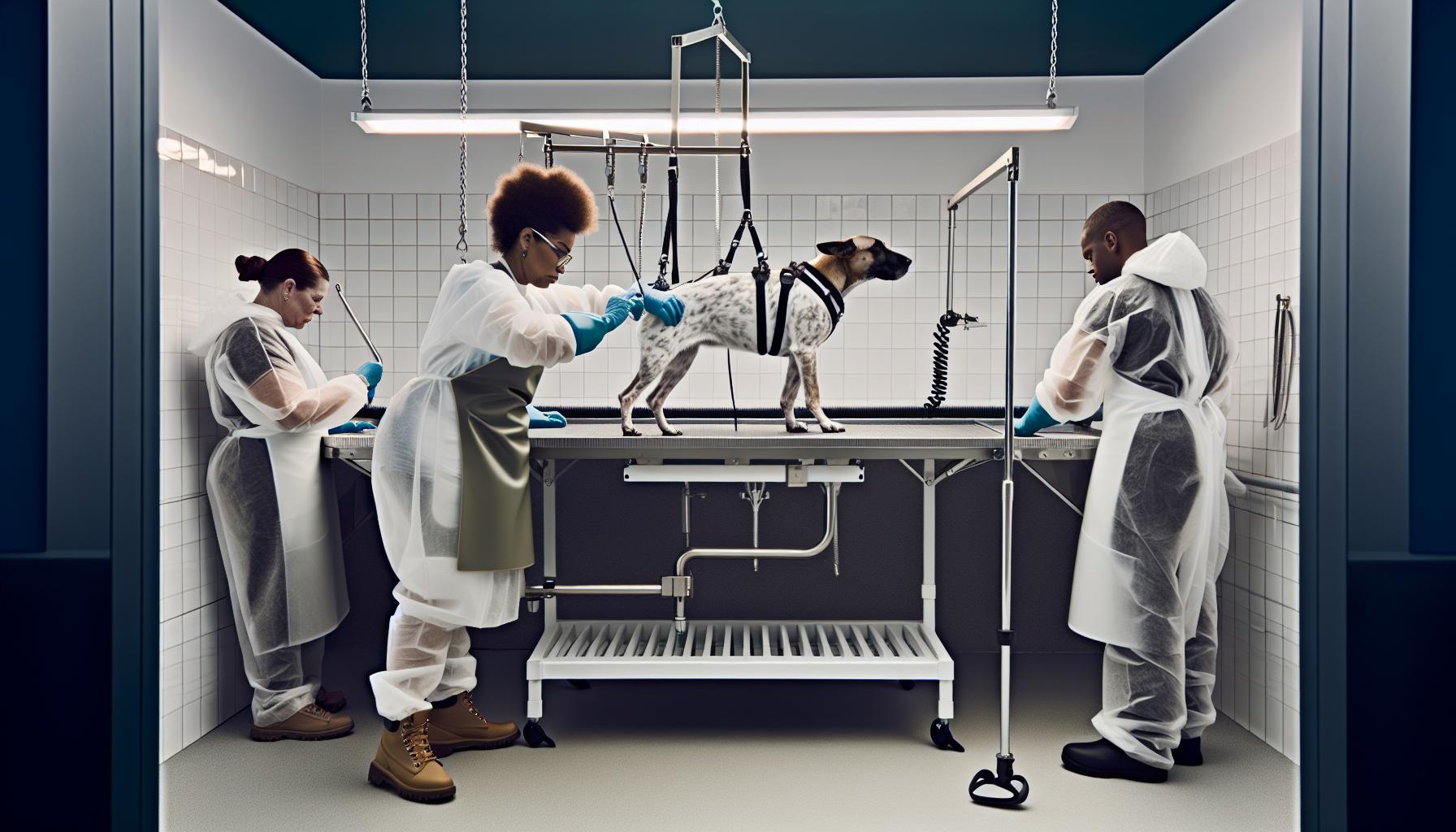
Aggressive behavior during grooming can be daunting, but having the right tools on hand transforms the process into a manageable-even positive-experience for both you and your dog. The focus is always on minimizing stress and maximizing safety while maintaining compassion and patience. Certain specialized tools can make a huge difference when working with nervous or defensive dogs, helping to reduce triggers that might provoke aggression.
Key Tools to Keep Calm and Comfortable
- Slip Leads and Head Halters: These provide gentle but effective control without causing discomfort. Head halters, like the Gentle Leader or Snoot Loop, help steer the dog’s head calmly, preventing sudden movements or lunging during sensitive tasks such as nail trimming or ear cleaning.
- Non-slip Grooming Mats: A secure footing is crucial. Dogs often react defensively when they feel unstable. Use rubber-backed mats both on grooming tables and floors to keep your pup steady and confident.
- Quiet Clippers and Scissors: Many aggressive reactions stem from noise sensitivity. Invest in grooming tools specifically designed to operate quietly, or use sound-dampening covers. This helps prevent startle responses, especially in dogs fearful of sharp mechanical sounds.
- Grooming Restraints and Harnesses: proper restraint keeps both dog and groomer safe without causing pain or panic. Adjustable harnesses that allow a dog some freedom while preventing escapes or sudden jerks are ideal. Avoid harsh restraints that can escalate stress or aggression.
- Deshedding and Detangling Tools: brushes and combs designed for sensitive coats, such as slicker brushes with rounded tips or combs with wide-spaced teeth, reduce tugging that can trigger defensive reactions. Patience with dematting sprays and gradual work in small sections saves trust and comfort.
Additional Supports That Promote Calm
- Calming Aids: Products like anxiety wraps (e.g. ThunderShirt),pheromone diffusers,or natural supplements can help reduce nervousness before and during grooming.
- Distraction Tools: Having treats ready or using food-dispensing toys during grooming helps redirect focus and create positive associations with the experience.
- Protective Gear: Soft grooming gloves or arm guards protect you gently during uncertain moments without causing more fear. Using these signals care rather than punishment.
A real-world example comes from an experienced groomer who swears by using a gentle head halter combined with slow, intentional handling. She pairs this with quiet clippers and constant soft praise, only proceeding when the dog shows signs of relaxation. This combination creates trust and eventually reduces the dog’s aggressive reactions over time.
Remember, no tool alone solves aggression; it’s the thoughtful, kind application combined with your calm presence that changes the game. If your dog’s aggression is intense or linked to health issues, these tools support but don’t replace professional veterinary guidance or behaviorist consultation[[1]](https://www.crossroadsvh.com/site/blog/2024/03/30/groom-aggressive-dog),[[3]](https://www.facebook.com/groups/centergrovechatter/posts/1693268568071844/).
By equipping yourself with these essentials, you’re not only preventing bites and injuries-you’re building a foundation of safety and respect that encourages even the most sensitive dogs to thrive during grooming.
Step-by-Step Techniques for handling Aggressive Dogs
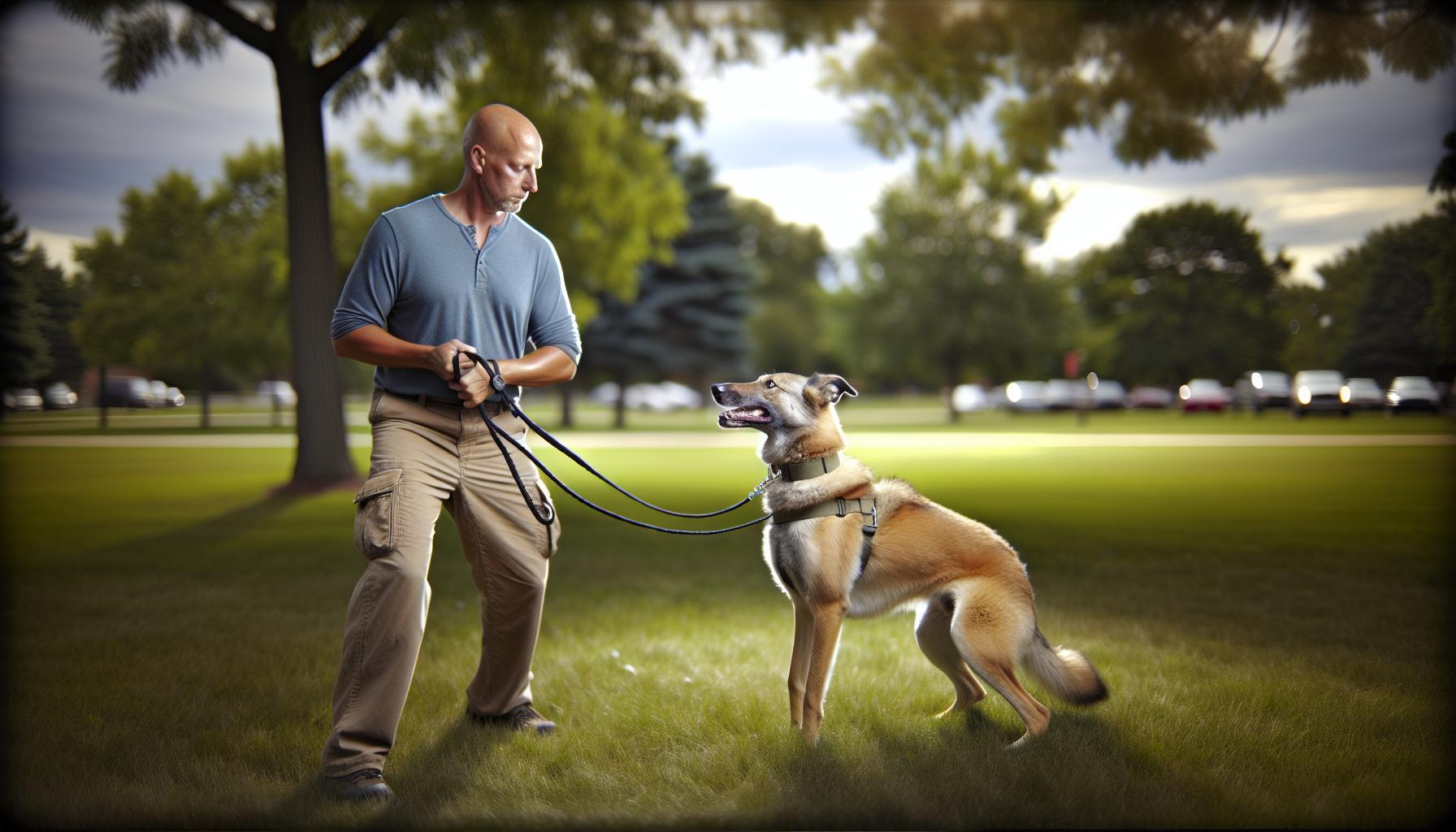
Few things test a groomer’s skill and patience like working with a dog who shows signs of aggression. It’s crucial to remember that aggression is frequently enough a protective response to fear, pain, or past trauma-not a personal attack. Approaching grooming with this mindset helps set the tone for a calm and successful experience. The goal is to move slowly, read your dog’s signals, and break down each grooming task into small, manageable steps, prioritizing their comfort and your safety.
Building Trust Through Calm Introduction
before picking up scissors or clippers, spend some quiet moments with your dog in the grooming space. Let them sniff the area, the tools, and even your hands-without any pressure to perform. This gentle acclimation reduces fear and builds trust. Offer soft praise and small treats to create positive associations. For breeds known to be more anxious, like terriers or herding dogs, this phase might take extra time. Remember, rushing is the enemy of cooperation.
Dividing Grooming Into Simple, Recognizable Steps
Breaking grooming down is a game changer. Such as:
- Bath: Warm water and gentle, unscented shampoo help soothe sensitive skin. Use a non-slip mat and shower-head attachment to minimize startling noises or splashes.
- Brushing: Start with a soft brush or damp towel to gently remove loose hair before moving on to dematting tools. take it slow, focusing on one small patch at a time, rewarding calm behavior.
- Nail Trimming: Introduce the nail clippers slowly, touching their paws and nails without clipping initially. Pair this with treats and gentle restraint like a head halter to prevent sudden moves.
- Ear Cleaning: Use mild, vet-approved solutions and soft cotton balls. Avoid poking deep into canals; instead, focus on outer ear folds while speaking softly to reassure your dog.
For dogs with thick or curly coats, such as Poodles or Portuguese Water Dogs, extra patience and specialized dematting tools with minimal pulling are essential. For those prone to biting or sudden lunges, working in short sessions spread over multiple days can prevent overwhelm and build tolerance.
Responding to Signs of Stress and Aggression
watch closely for yawning, lip licking, tail tucking, stiffening, growling, or snapping-these are clear signs your dog is nearing their limit. when these arise, pause instantly and give your dog space to relax. Sometimes, a brief break with a calming cue or snack resets their emotional state. Avoid punishment or pushing through resistance, as this can reinforce fear and worsen aggression.
A seasoned groomer shared how she turned a previously “unguardable” German Shepherd into a cooperative client by always proceeding only when the dog was relaxed, using gentle pressure and constant verbal reassurance. In her experience, these tiny refusals to proceed and the prioritization of comfort ultimately shortened grooming times and improved behavior.
Knowing when to Seek Help
Some aggressive behaviors stem from underlying pain or medical issues-and those always need to be ruled out by a veterinarian before grooming resumes. Likewise, dogs with severe anxiety or aggression may benefit from the expertise of a professional behaviorist in tandem with grooming professionals equipped with sedation options or specialized training.Trying to groom a dog whose aggression is beyond your skill and toolset can cause harm and set all parties back.
By breaking down grooming into clear steps, responding with empathy to your dog’s signals, and using gentle, consistent handling, you can transform a challenging grooming experience into one marked by growing trust and cooperation. Safety, patience, and compassion aren’t just buzzwords here-they’re the foundation for success with every dog, especially those who need a little extra understanding[[2]](https://www.fallsroad.com/site/tips-resources-blog-baltimore-vet/2024/01/15/groom-aggressive-dog),[[3]](https://www.crossroadsvh.com/site/blog/2024/03/30/groom-aggressive-dog).
Using Positive Reinforcement to Build Trust and Cooperation

Positive reinforcement can transform a stressful grooming session into a cooperative and even enjoyable experience for an aggressive dog.At its heart, this approach is about recognizing and rewarding calm, non-aggressive behavior to build a bridge of trust, especially for breeds with sensitive temperaments or those prone to anxiety, such as terriers or herding dogs.The key is to shift focus from the task itself to how your dog feels during each moment, rewarding small wins and progress.
One practical way to begin is by pairing grooming tools and touches with tasty treats and soothing words. For example, before even starting the bath, simply offer a treat when the dog calmly sniffs the shampoo bottle or lets you touch their fur without pulling away. These positive associations help replace fear with curiosity and comfort. Similarly, while brushing, start with a soft brush or towel and reward every calm pause or gentle movement. If your dog tends to become defensive around nail trimming, introduce the clippers slowly-first by letting them see and sniff the tool, then by touching their paws lightly. Celebrate each step with treats and calm praise, never rushing or forcing progress.
Creating a Calm, Reward-Focused Environment
- Use high-value treats: Choose small, soft treats your dog loves that can be quickly eaten to maintain attention without distraction or stomach upset.
- Set short, manageable sessions: Break down grooming into bite-sized steps, offering a treat or calm reassurance after each. This avoids overwhelming your dog and keeps positive reinforcement effective.
- Stay consistent with cues: Use gentle verbal praise like “Good boy/girl” paired with treats to clearly communicate which behaviors you want to encourage.
- Celebrate non-reactions: When your dog holds still or voluntarily accepts a touch or tool, reward immediately to reinforce calm behavior rather than reacting only to active cooperation.
Real-world experience shows that this mindful approach greatly reduces fear-driven reactions. One groomer shared how offering treats during breaks-and only continuing grooming when the dog was relaxed-turned a highly reactive Australian Shepherd into a willing client over several weeks. Patience and genuine empathy, paired with positive reinforcement, encouraged the dog to view grooming as less threatening and more predictable.
Importantly, positive reinforcement also supports owners in becoming active partners in their pet’s grooming journey. by practicing reward-based acclimation at home-like handling paws, touching ears, or showing grooming tools with treats-owners empower their dogs to build confidence outside the salon. This teamwork between groomer, owner, and dog creates a safe, respectful atmosphere where stress and aggression naturally diminish, making grooming a time for care, not conflict.
If aggression persists despite these efforts, consulting professionals with experience in behavior modification and safe grooming techniques remains vital to ensuring long-term success and safety for all involved[[2]](https://www.catawbaanimal.com/site/blog/2023/02/28/groom-aggressive-dog),[[3]](https://www.eastgateanimalhospital.com/site/blog/2024/07/26/groom-aggressive-dog).
Effective Restraint Methods That Prioritize Comfort
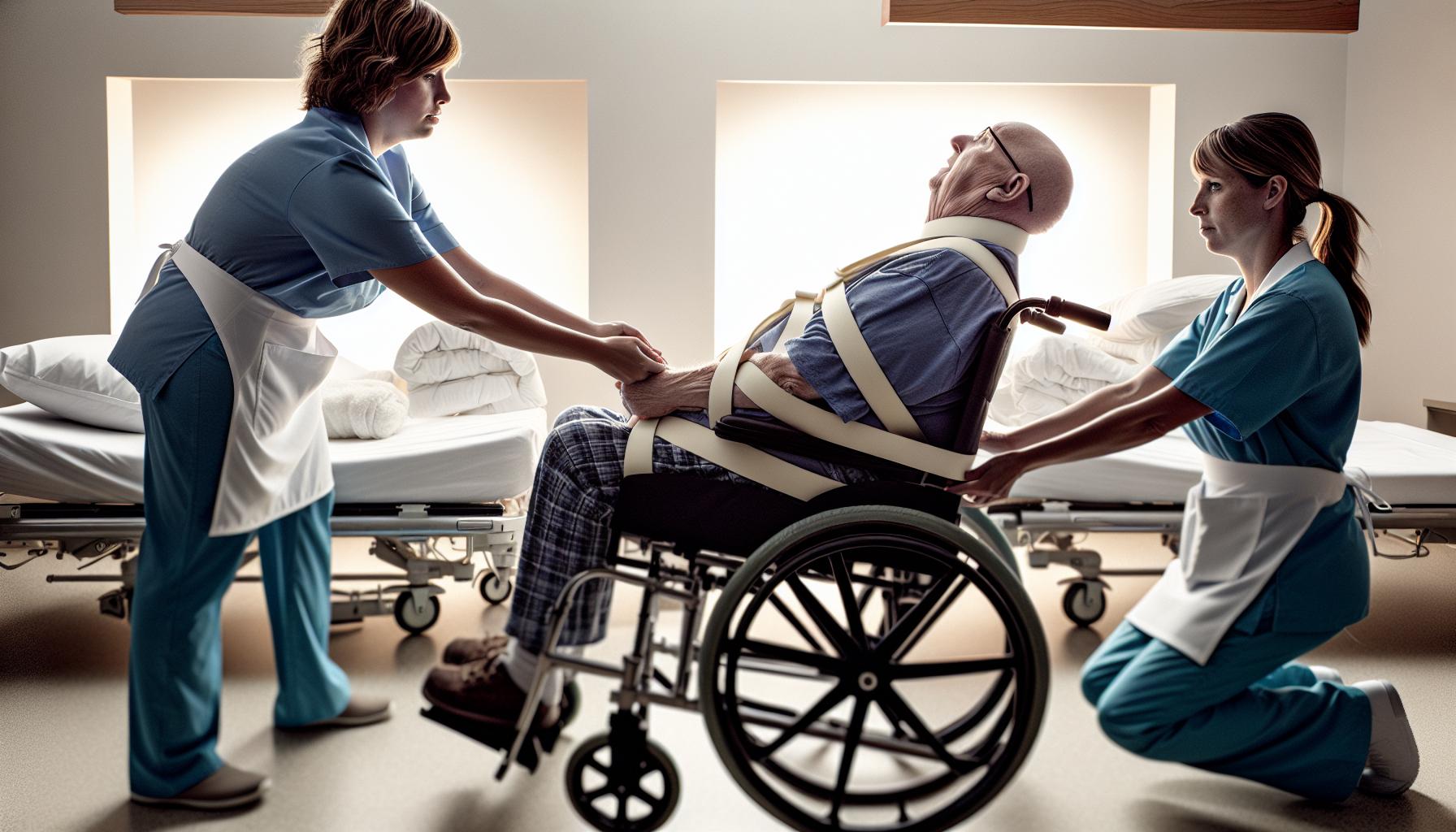
Comfort-focused restraint during grooming isn’t just about keeping a dog still-it’s about creating an environment where your pet feels secure and respected even in moments of stress. Many dogs who show aggression during grooming are actually reacting out of fear or discomfort,so the right restraint methods can help reduce anxiety by providing gentle,predictable support rather than causing panic or physical strain.
Using adjustable grooming arms equipped with soft loops or “noose” restraints can stabilize your dog safely without tight pulling or harsh pressure. These tools hold your dog gently in place on the grooming table while allowing mobility, so they don’t feel trapped or defensive.For example, a no-sit haunch holder wraps comfortably around the neck and torso and attaches to the grooming surface, preventing sudden moves while distributing pressure evenly-ideal for many medium-to-large breeds with sensitive haul points [[3]](https://www.houndtherapy.com/blog/how-to-restrain-dog-while-grooming/). These restraints should never be tight enough to cause distress, and it’s essential to check regularly that circulation and breathing are unhindered.
Choosing the Right Restraint for Your Dog’s Needs
- Breed and coat type: Thick-coated or heavy breeds like Newfoundlands may need wider, padded restraints, while smaller or short-coated breeds respond better to softer, lighter loops.
- Behavior and sensitivity: For highly reactive dogs, calming wraps or gentle harnesses can provide security without a sense of confinement. Pair restraints with soothing touch to ease nerves.
- Tools needed: A sturdy grooming arm with an anti-slip clamp is a must to avoid accidental slips or falls. also consider swift-release buckles for fast removal in an emergency.
Practical Tips for Comfortable and Safe Restraint
- Introduce restraints gradually: Before grooming, let your dog sniff and explore the restraint tools while offering treats. This reduces fear when the restraints are applied.
- Maintain loose tension: The goal is to prevent sudden movement, not to immobilize. Keep loops or nooses snug but lenient,adjusting as the dog relaxes.
- Regular breaks: Especially with anxious or aggressive dogs, give gentle breaks often, allowing your dog to move and shake off tension while still secured if needed.
- Monitor body language: Watch for signs of stress, like lip licking or avoidance. if these escalate, pause grooming and adjust restraint or soothing techniques.
In practice, one groomer shared success with a fearful terrier by combining a softly padded grooming loop and calm verbal reassurance.Over several sessions, the dog learned the restraint meant safety, not punishment. This approach improved not only safety but cooperation-transforming a once stressful visit into calm trust. remember, safety is paramount, but so is your dog’s emotional well-being, and the best restraint methods balance both with kindness and respect.
For dogs whose agitation becomes unsafe even with well-chosen restraints, consulting behaviorists or veterinarians might be necessary to explore sedation or specialized behavioral training. At all times, prioritize your dog’s welfare over speed or perfection-comfort always comes first in effective grooming restraint.
Find professional-grade grooming restraints, including adjustable arms and soft loops here[[1]].
Bathing Strategies for Nervous or Reactive Dogs
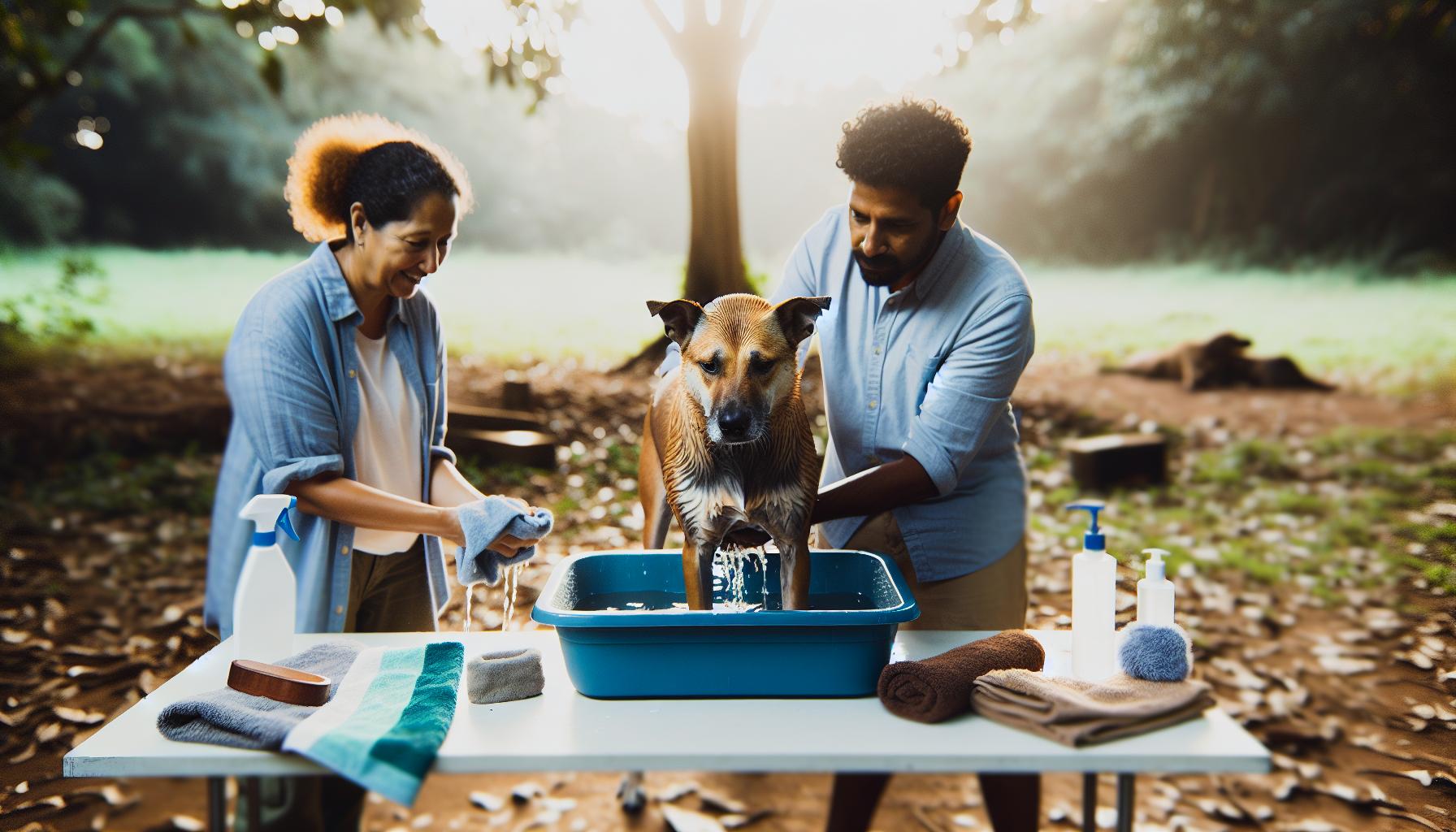
Bath time can easily become a source of anxiety or aggression for many dogs, especially those who feel vulnerable in unfamiliar settings or dislike water and restraint. Creating calm, patient experiences during bathing sets the foundation for smoother sessions and helps build trust over time. Recognizing that every dog’s reaction to baths varies is key-some breeds with sensitive skin or thick coats need gentle care to avoid discomfort that could trigger defensive behavior.
Setting Up for Success
Start by preparing the bathing area to feel safe and secure. A non-slip mat or surface is essential to prevent slipping,which frequently enough increases nervousness. Use lukewarm water since extremes of hot or cold can cause sudden discomfort or irritation.For breeds with dense or double coats, pre-wetting carefully and using a gentle, hypoallergenic shampoo designed for sensitive skin will reduce irritation. Have all tools-shampoo, towels, sprayer or handheld nozzle-within reach before bringing the dog in to avoid leaving them alone mid-process.
- Keep sessions short and sweet. A quick rinse and shampoo followed by immediate drying can prevent dogs from becoming overwhelmed.
- Introduce water gradually. Using a damp cloth first,then slowly moving to a gentle sprayer lets reactive dogs acclimate to the sensation without being startled.
- Offer frequent praise and treats. Positive reinforcement for calm behavior during water contact nurtures a better association with bathing.
handling Anxiety and Reactivity During the Bath
Stay mindful of your dog’s body language-tight lips, crouching, or sudden movements signal stress or fear. If you notice these signs, pause and offer gentle reassurance with soothing tones and slow strokes that don’t hinder movement. For some dogs, using calming aids such as lavender spray nearby (avoided around the face) or pheromone diffusers in the bathing area can reduce tension.
For highly reactive dogs, consider a helper to gently hold the dog while you focus on washing, or use a grooming noose softly secured but loose enough to avoid panic. Avoid reaching over the dog’s head or forcing water directly on the face; rather, wipe gently with a damp cloth to clean sensitive areas. If a dog resists nail trimming or ear cleaning during baths, it’s better to postpone and address those calmly one at a time later.
Post-Bath Care and Building Positive Associations
Dry your dog promptly but gently using towels or a low-noise,low-speed dryer for sensitive pups who dislike loud sounds. praise and treats after bathing turn the experience into a rewarding event. Repeated gentle, positive experiences help nervous or reactive dogs approach future bathing with less fear and more willingness.
Remember, for dogs whose anxiety escalates towards aggressive behavior during baths, professional groomers trained in handling reactive dogs might be the safest choice, alongside consultation with veterinarians or behaviorists if needed. The goal is always a stress-minimized experience where your dog’s welfare and emotional comfort come first, empowering owners with confidence and compassion through each step.
Learn more about managing grooming challenges with aggressive dogs [[1]]or discover expert grooming tips for reactive dogs [[2]].
Brushing and Dematting Without Triggering Aggression
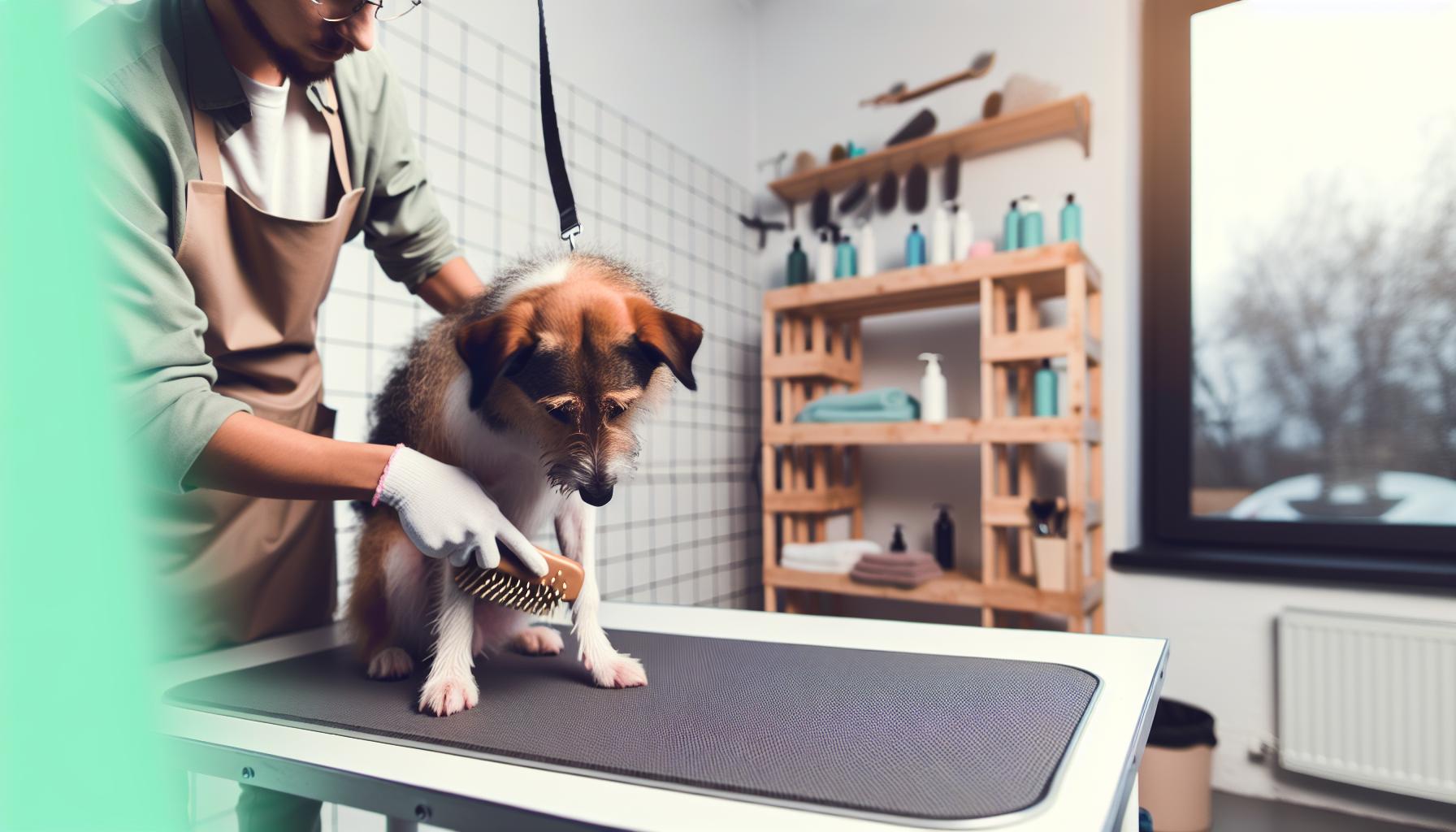
Brushing a dog with an aggressive or anxious temperament often requires more patience and gentleness than simply working through tangles. Many dogs with thick, curly, or double coats can develop mats that pinch and pull the skin, which understandably makes them wary or defensive when touched. The key is to create a calm environment and to work slowly-rushing through can escalate stress or provoke snapping.Starting with the right tools is vital. For dense coats, a combination of a slicker brush, wide-tooth comb, and specialized dematting tools can safely ease out tangles without causing sharp pulling. Before any brushing, gently run your hand over the coat to locate mats or sensitive spots. If you notice a particularly sore area or a tight mat that seems painful, avoid forceful combing there. Instead,apply a detangling spray or a conditioner designed for dogs,which helps relax the hair and reduces friction. Sometimes, dampening mats slightly makes them easier to work through without tugging too hard.
Approaching Sensitive Spots and mats
When working on a mat, hold the base of the hair close to the skin with your free hand to reduce tension and be mindful of your dog’s body language-soft eyes, relaxed ears, and loose posture are good signs. If your dog starts to stiffen, growl, or pull away, pause and give them a break with soothing petting or a small treat. This respectful approach helps the dog associate grooming with comfort rather than discomfort or fear.
- Small sections work best: Instead of tackling a large tangle in one go, gently separate it into manageable portions, brushing out each part little by little.
- Use slow, intentional strokes: Fast movements can startle dogs and raise anxiety. Steady, confident brushing reassures and helps maintain control.
- Incorporate frequent breaks and rewards: Giving your dog a moment to relax and offering positive reinforcement keeps cooperation high.
For dogs with extreme matting or high aggression levels during brushing, it’s important to recognize when professional help is needed. Groomers trained to handle reactive dogs use techniques such as desensitization or, in some cases, sedation under veterinary guidance to safely manage severe mats without risking injury to the dog or handler. Attempting to force through tough mats without experience can harm your dog physically and emotionally, worsening their fear or aggression in future sessions.
Tips for Owners Working at Home
If you’re managing your dog’s coat at home, try to keep sessions short and positive. Begin with calm petting and gentle strokes before introducing the brush. Talking softly and offering treats can ease tension. Remember that some breeds-like Portuguese Water Dogs, Poodles, or Shetland Sheepdogs-require consistent maintenance to prevent mats from forming and reduce grooming stress over time.
| Breed/Coat Type | Frequency of Brushing | Recommended Tools | Mats Concern |
|---|---|---|---|
| Curly/Dense (Poodle, Portuguese Water Dog) | Every 2-3 days | Slicker brush, wide-tooth comb, detangler spray | High – quick mat formation |
| Double Coat (Siberian Husky, Sheltie) | Weekly to biweekly | undercoat rake, slicker brush | Moderate – seasonal shedding |
| Short Hair (Beagle, Boxer) | Weekly | Rubber curry brush, bristle brush | Low |
Ultimately, brushing and dematting with a reactive dog is a lesson in patience and compassion. Prioritizing your dog’s comfort and emotional safety-combined with the right tools, calm pacing, and reading your dog’s cues-makes the grooming experience less stressful. This approach builds trust that can transform brushing from a dreaded chore into a bonding moment for you and your furry friend.
If your dog repeatedly shows aggression or distress despite gentle grooming attempts, seek advice from a professional groomer experienced in handling reactive dogs or consult your veterinarian. Sometimes underlying pain or medical issues can contribute to sensitivity during brushing and should be ruled out to ensure your dog’s well-being.
Safe Nail Trimming Approaches for Defensive Dogs
Nail trimming can be one of the most challenging parts of grooming for dogs who feel defensive or fearful. Many dogs react strongly because their paws are sensitive and unfamiliar sensations near their nails can quickly trigger anxiety or a defensive snap.Understanding this emotional response and responding with gentle, clear steps can definitely help turn nail trimming from a stressful ordeal into a manageable routine.Creating a calm environment is the foundation. Choose a quiet, well-lit space where your dog feels safe. Have all your tools ready-sharp, high-quality nail clippers or a rotary grinder designed for pets-and a selection of tasty treats on hand to use throughout the process. Using the right tools not only makes trimming quicker and smoother but reduces the chance of painful nail splits that can provoke distress.
Preparing your Dog’s Paws
Before clipping, spend a few minutes gently handling your dog’s paws during calm moments-this helps build positive associations. Lightly massage the pads and softly touch each nail, rewarding your dog with praise or treats for staying relaxed. If your dog shows signs of discomfort, slow down, and try again later after a break or during a more relaxed time of day.
Step-by-Step nail Trimming
– Start small: Trim just a tiny bit from one or two nails your dog tolerates best during the first session. This builds trust and confidence.
– Keep it brief: Short sessions prevent overwhelming your dog. Gradually increase the number of nails trimmed as your dog becomes more comfortable.
– Watch the quick: For dogs with light-colored nails, the pink quick is visible. Avoid clipping near it to prevent bleeding. For dark nails, trim small amounts and watch for a chalky white ring signaling you’re close to the quick.
– Use frequent breaks and treats: Pause after every few nails to give your dog a reward and chance to relax.
Responding to Defensive Behaviors
If your dog pulls away,growls,or snaps,don’t push through the resistance. Rather, pause and redirect to something positive like a game or cuddles, then try again gently later.For dogs with intense fear or aggression, consider consulting a professional groomer skilled in handling reactive dogs or a veterinarian who may advise a mild sedative to reduce stress safely during trimming sessions.
Tools and Techniques That Help
- Grinder versus clippers: Some dogs tolerate a nail grinder better as it’s quieter and files gradually rather than snipping suddenly.
- Proper restraint: Gentle restraint, such as wrapping your dog in a towel or using a grooming table with chin support, can provide stability without causing panic.
- Desensitization training: Frequent, short “paw handling” sessions-starting far from the nails and gradually working closer-can reduce sensitivity over weeks or months.
| Breed/Temperament | Recommended Tool | Trimming Frequency | Difficulty Level |
|---|---|---|---|
| Small Sensitive Breeds (Chihuahua, Dachshund) | Small scissor-type clippers or grinder | Every 2 weeks | High – needs slow, patient approach |
| medium to Large (labrador, German Shepherd) | Guillotine-style clippers or grinder | Every 3-4 weeks | Moderate – tolerates handling better |
| Fearful/Reactive Dogs (Any breed) | Grinder + professional groomer help | Varies by individual; may need sedation | Very high – requires expert handling |
Remember, safety comes first-for both you and your dog. if fear or aggression consistently blocks progress,seeking professional grooming assistance is not a sign of failure but a proactive choice to protect your pet’s well-being. with patience,consistency,and kindness,most dogs learn to tolerate nail trims without distress,turning what once was a dreaded moment into an accepted part of their care routine.
Managing Ear Cleaning with sensitivity and Care
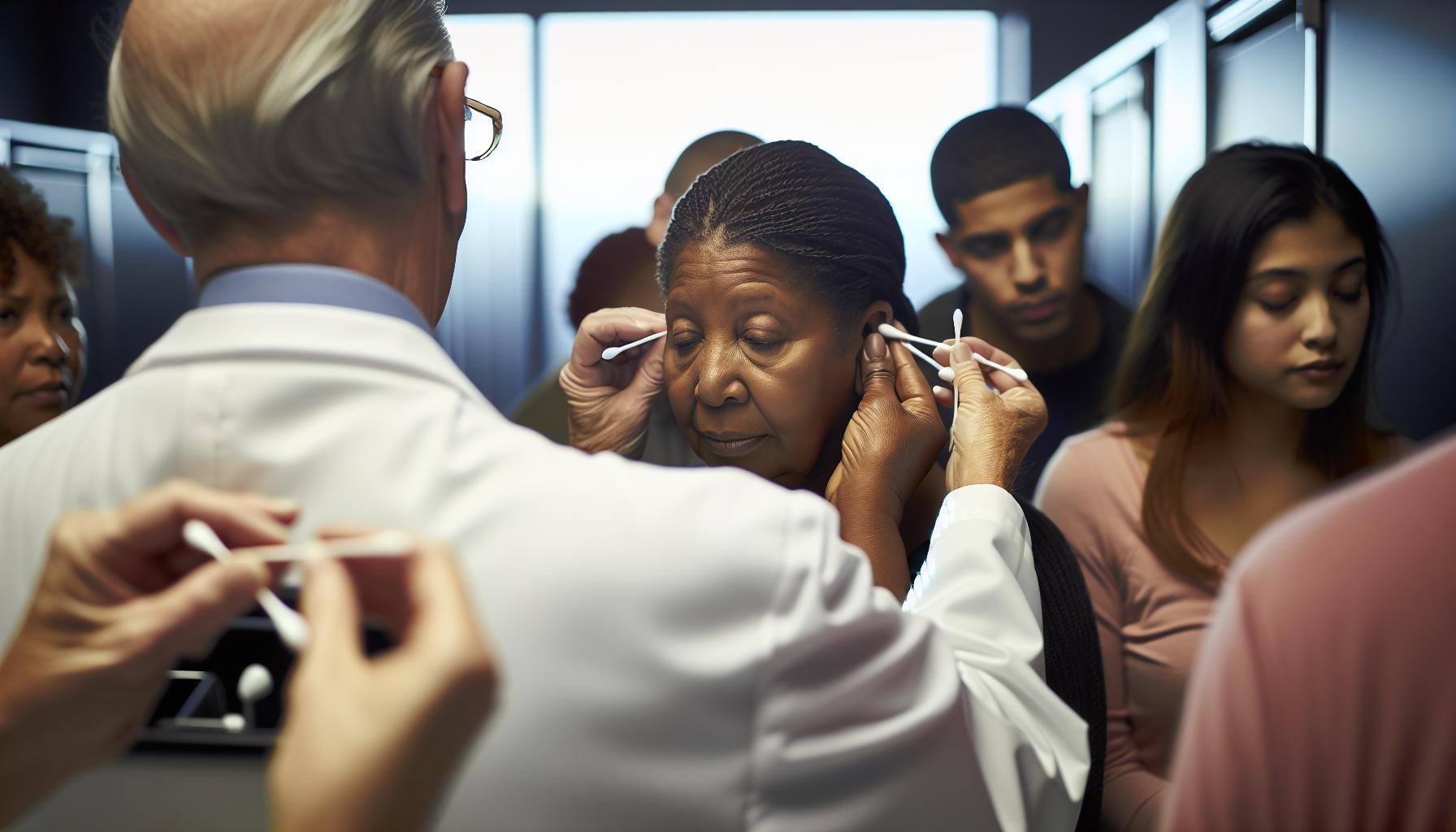
Ear care can be a particularly sensitive and challenging aspect of grooming, especially for dogs who may already be anxious or reactive. The ears are a vulnerable area, and many dogs associate touching them with discomfort or past negative experiences, which can trigger defensive behaviors. Approaching ear cleaning with patience and gentleness helps not only to maintain hygiene but also to strengthen your dog’s trust in the grooming process.
Tools and Preparation
Start by gathering everything you need: a dog-specific ear cleaner recommended by your vet, soft cotton balls or gauze (avoid cotton swabs, which can cause injury), and plenty of small, high-value treats for positive reinforcement. Choose a calm environment where your dog feels safe-this will make your pet more receptive to handling. Some breeds with long, floppy ears, like Cocker Spaniels or Basset Hounds, require more frequent attention to prevent moisture buildup and infections, while dogs with smaller or upright ears might tolerate the process more easily but still need careful handling.
Step-by-Step Approach
Before you begin, spend a few minutes gently massaging the base of each ear and softly stroking the outer ear, rewarding your dog for calm behavior. This helps build positive associations and reduces sensitivity. When it’s time to clean, apply the ear cleaner according to the product instructions, being mindful not to insert anything deep into the ear canal. Use a gentle touch to wipe away debris and excess cleaner from the ear flap and entrance of the canal.
If your dog shows signs of distress-pulling away, growling, or snapping-stop immediately. Redirect their attention with soothing words or a favorite treat, and try shorter, more frequent sessions instead of one longer ordeal. For especially nervous or aggressive dogs, breaking the task into multiple steps over days or weeks helps desensitize them to handling.
Understanding Limits and When to Get Help
If you notice redness, swelling, foul odors, or your dog frequently scratching their ears, these might potentially be signs of infection requiring veterinary attention. Groomers can frequently enough perform routine cleanings safely, but complicated cases and highly reactive dogs are best managed under veterinary guidance to avoid injury or escalating anxiety. Sometimes, veterinarians may recommend sedatives or specialized treatment plans for dogs who are too stressed or aggressive during ear care.
Helpful tips for Success
- Consistency: Ear cleaning on a regular schedule prevents buildup and makes future sessions easier.
- Desensitization: Brief, positive handling of ears between cleanings builds tolerance.
- Positive reinforcement: Use treats, praise, and calm voices to reward cooperation.
- safety First: Never force your dog; safety for both pet and groomer is paramount.
By recognizing your dog’s individual cues and adapting the process with kindness and patience, ear cleaning becomes less of a challenge and more an act of caring. Helping your dog feel secure and respected during grooming supports not only ear health but also their overall comfort and confidence in future sessions.
When to Seek Professional Help or Veterinary Advice
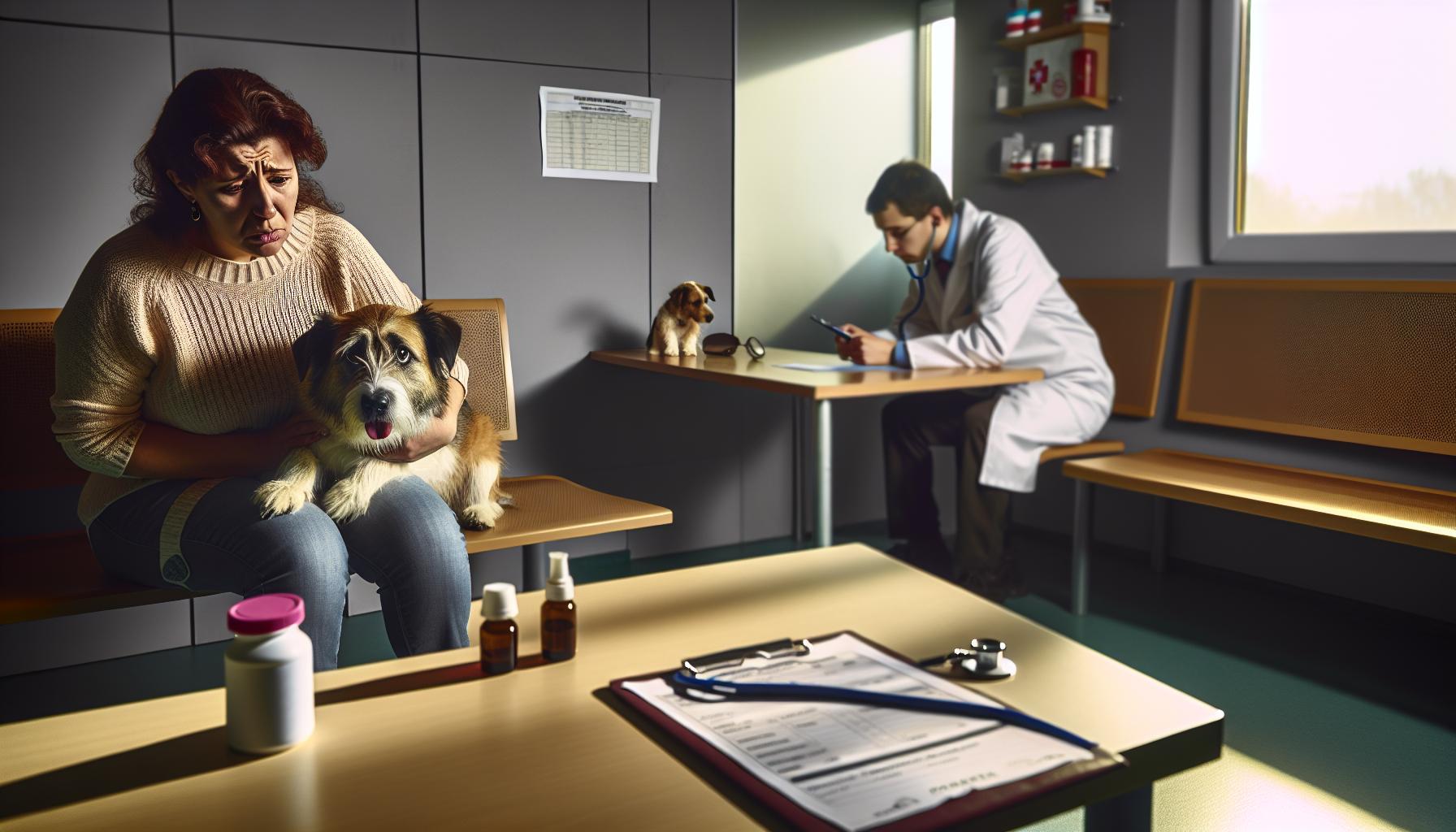
Few things are more important than recognizing when your dog’s behavior during grooming signals the need for specialized help. While many grooming challenges can be managed at home or by experienced groomers, there are moments when professional intervention becomes essential-not only for everyone’s safety but also for your dog’s well-being and long-term comfort. Knowing these limits early creates a healthier, less stressful grooming routine for all involved.
Sometimes, a dog’s aggression stems from pain, underlying medical issues, or extreme anxiety that’s difficult to resolve without veterinary insight. If your dog consistently displays growling, biting, or panic-even with gentle handling and positive reinforcement-it’s critical to consult a veterinarian.Conditions like skin infections, ear problems, or dental pain can make grooming uncomfortable or even painful, triggering defensive behaviors. Similarly, dogs experiencing hormonal imbalances or neurological concerns might react unpredictably during grooming sessions. A vet’s guidance can help identify and treat these root causes, often making future grooming much safer and more pleasant.
when a dog’s aggression poses a clear physical risk-such as,if they have a history of biting during nail trims,sudden lunges when brushed,or uncontrolled shaking during baths-professional groomers trained to handle such situations should be involved. These pros use specialized restraint techniques, calming strategies, and sometimes collaborate with veterinary behaviorists. For highly reactive dogs, some clinics offer sedation or anxiolytic medications under vet supervision, ensuring the grooming process is humane and less traumatizing. It’s never about forcing the dog but about prioritizing *comfort and cooperation* through expert care.
Signs It’s Time to Call in the Experts
- Persistent Aggression: Growling, biting, or attempting to escape despite gentle approaches and plenty of reassurance.
- Physical Health Concerns: Limping, inflamed skin, foul odor, or unexplained scratching that could cause pain during grooming tasks.
- Severe Anxiety or Fear Responses: Trembling, freezing, or uncontrolled shaking, which could escalate under stress.
- Previous Bad Grooming Experiences: Dogs with traumatic past grooming attempts frequently enough need gradual, professional desensitization plans.
As a loving owner, it can feel discouraging if your pet needs extra support beyond routine grooming. But remember, reaching out to professionals-including veterinarians or certified groomers skilled in behavior-is an act of compassion that respects your dog’s limits and builds trust over time. These experts can also create customized grooming plans that include at-home care tips for safer maintenance between sessions.If you’re ever unsure whether to push forward or pause, lean into safety-first thinking: consistent fear or aggression hurts your dog’s confidence and could lead to injuries for both pet and person. In challenging cases,collaboration between groomers and vets ensures your dog receives gentle,effective care tuned to their temperament and health needs,setting the stage for better grooming experiences ahead.
For those managing breeds with thick coats like Portuguese Water Dogs or double-coated breeds prone to mats, professional support might also save hours of stressful at-home work and help prevent skin irritation or infections linked to poorly managed coats. And for fearful or aggressive dogs, a professional’s calm, steady approach combined with veterinary advice offers the best path forward toward more peaceful grooming moments.
Your dog’s safety and comfort always come first-never hesitate to seek out the right expertise to support both your pet’s health and your peace of mind.
Helping Owners Support Their Dog’s Grooming Experience
Few things strengthen the bond between you and your dog more than turning grooming from a stressful chore into a calm, cooperative routine. Many dogs who initially react with fear or aggression can learn to tolerate-and even enjoy-the grooming process when owners adopt gentle, consistent approaches tailored to their pet’s specific needs.It’s important to remember that every dog is different; factors like breed, coat type, past experiences, and temperament all influence how a dog responds to grooming.As a dedicated owner, your role is to set the stage for success through patience, preparation, and understanding.
Creating a Positive Atmosphere at Home
Start by helping your dog associate grooming tools and activities with calm, happy moments. Keep brushes, nail clippers, and ear cleaning supplies within easy reach but out of sight during downtime. Introduce tools gradually-let your dog sniff and investigate them without immediate use.Pair this with soft praise and treats to build positive connections. For breeds with thick or curly coats, like Portuguese Water dogs, focus on gentle brushing sessions of just a few minutes to prevent coat mats without overwhelming your dog. If your pup is highly reactive, break grooming into several short steps spread throughout the week rather than a marathon session.
Step-by-Step at-Home Support
- Bathing: Use lukewarm water and quiet, calm movements. Speak softly. Avoid getting water in ears or eyes to minimize discomfort.
- Brushing: Start with a wide-tooth comb or detangling brush for tough mats. Hold the fur close to the skin to minimize tugging. For aggressive responses, stop and reward calmly before trying again.
- Nail Trimming: Desensitize nail handling by touching paws and clipping just the very tip initially. Trim one nail per session if needed, following with treats and play.
- Ear Care: Clean only when needed, using vet-approved solutions. Keep movements slow and steady, and stop if your dog resists or shows pain signs.
Consistently rewarding calm behavior with treats or affection builds trust. Keep your tone soft and reassuring throughout, maintaining a sense of safety and control for your dog.
Knowing When to Hand Over to Professionals
Despite your best efforts, some dogs’ anxiety or aggression during grooming will require professional help. Groomers trained in handling aggressive or fearful dogs bring skills, safety equipment, and experience that frequently enough go beyond what’s feasible at home. Likewise, veterinarians can help rule out pain or medical causes behind the behavior and work with behaviorists if necessary. Collaborating with these experts is a compassionate step-it puts your pet’s welfare front and center and often results in a better,less traumatic grooming routine over time.Remember, grooming isn’t about achieving perfect looks but about supporting your dog’s health and comfort. Progress might be slow, but each gentle, careful session is a building block toward calmer, more cooperative grooming experiences that respect your dog’s unique personality and needs. Your compassion, patience, and commitment make all the difference.
Faq
Q: How can groomers safely introduce grooming tools to aggressive dogs to reduce fear?
A: Groomers can safely introduce tools by first allowing the dog to see and sniff each item calmly before use. Using slow, gentle movements and pairing tools with treats helps reduce fear. This gradual exposure builds trust and minimizes stress during grooming sessions. Learn more in the Using Positive Reinforcement section for best practices.Q: What are the best calming techniques groomers use for dogs showing sudden aggression mid-groom?
A: When aggression spikes mid-groom, groomers pause the session and use soft voice tones, gentle petting, and calming breaks. They may also apply pressure techniques or offer treats to redirect focus. Safety is prioritized by keeping equipment still untill the dog relaxes. More calming methods are covered in Step-by-Step Handling Techniques.
Q: How do groomers modify grooming schedules for dogs prone to aggression?
A: Groomers frequently enough shorten or break grooming into multiple,shorter sessions for aggressive dogs to prevent overwhelm. This approach reduces stress, making each session more manageable and helping the dog gradually adjust to grooming routines over time.
Q: What role does understanding a dog’s breed and temperament play in handling aggression during grooming?
A: Knowing a dog’s breed and temperament helps groomers tailor handling strategies, choosing appropriate tools and restraint techniques. For example, strong breeds may need firmer but gentle restraint, while anxious breeds benefit from extra soothing.This insight enhances safety and comfort throughout grooming.
Q: How can owners prepare their aggressive dogs at home before a grooming appointment?
A: Owners can prepare dogs by practicing gentle handling at home, introducing grooming tools slowly, and reinforcing positive experiences with treats.Regular gentle brushing and desensitization reduce fear, helping grooming professionals work more effectively. Refer to the Helping Owners Support Their Dog’s Grooming Experience section for detailed tips.
Q: When is the best time to use muzzles or other restraint devices during aggressive grooming?
A: Muzzles and restraint devices are best used when safety risks are high and gentle handling fails to control aggressive behaviors. They should be fitted properly and introduced calmly to prevent additional stress. Groomers prioritize comfort and use these tools as a last resort while ensuring safety for all involved.
Q: What aftercare do groomers recommend to help aggressive dogs recover emotionally after a grooming session?
A: Aftercare involves offering quiet time, gentle praise, and favorite treats immediately post-groom to reinforce positive associations. Groomers may also advise owners to provide a calm environment and observe the dog for stress signs, supporting emotional recovery between sessions.
Q: How do professional groomers collaborate with veterinarians to manage aggression in dogs?
A: Groomers collaborate with veterinarians by sharing behavioral observations and consulting on anxiety or pain issues contributing to aggression. Vets may recommend sedation or behavior modification therapies, ensuring a balanced approach between grooming safety and medical care [2].
Explore these strategies in detail within the article sections on handling, positive reinforcement, and owner support to empower a calm, confident grooming experience for your dog.
Closing Remarks
Handling aggressive dogs during grooming takes patience, understanding, and the right strategies to ensure safety and comfort for your pet. Whether you’re managing a strong-coated breed’s bath, a nervous pup’s nail trim, or tangled ears, focusing on compassion over perfection creates trust and reduces anxiety. Remember, professional groomers trained in calming techniques can be invaluable partners-especially when aggression stems from fear or past experiences. If you’re unsure about grooming at home versus seeking expert help, exploring our guides on safe grooming tools and behavior training can make a big difference.To keep your furry friend calm and cooperative, try incorporating step-by-step approaches and positive reinforcement as discussed throughout our resources. For next steps, consider scheduling a consultation with a vet or certified groomer to tailor a personalized plan.Don’t miss our detailed articles on managing grooming stress and building your dog’s comfort with handling-they’re just a click away and can empower you with confidence. Have questions or stories about grooming your dog? Share them below-we love hearing from fellow pet lovers! Stay connected for more tips on caring for your dog’s unique needs and grooming challenges.
Explore more about aggressive dog grooming techniques,behavior insights,and safety tools to keep every session calm and successful. Sign up for our newsletter for ongoing expert advice and exclusive resources designed with your pet’s wellbeing in mind. Together, we can transform grooming time from stressful to stress-free.
Handling Aggressive Dogs During Grooming | Safe grooming Tools for Anxious Dogs | Book a Behavior Consultation
Get our latest guides, news, and insights highlighted in your Google Search & AI Overviews.
Keep reading about the same coat and cut.


Popular grooming guides
Bath vs clip, first grooms, and salon how-tos.