What Phase Are Dog Groomers In? Reopening Tier Explained

Did you know that the phased reopening of dog groomers isn’t just about getting your pet looking good again-it’s about ensuring their safety and comfort too? Understanding what phase your local groomers are in helps you plan timely care for your furry friend while navigating any new safety steps introduced after lockdowns. Whether you’re anxious about salon visits or wondering if you shoudl try grooming at home, knowing the current reopening tier connects you to the best options for your dog’s well-being.In this guide, we’ll break down the reopening stages clearly, helping you feel confident about when and how to safely book grooming sessions or manage basic care yourself. Let’s explore what each phase means for your dog’s grooming needs, with practical advice to keep tails wagging and nerves calm every step of the way.
Dog Grooming Reopening Tiers: What They Mean for You
Table of Contents
- 1 Dog Grooming Reopening Tiers: What They Mean for You
- 2 Current Phase Status for Dog Groomers by Region
- 3 Step-by-Step Guide to Preparing Your Grooming Salon to Reopen
- 4 How Safety Protocols Impact Dog Grooming Services
- 5 Tools and Supplies You’ll Need Under reopening Restrictions
- 6 Managing Pet and Owner Anxiety During the Reopening Phase
- 7 Navigating Appointment Scheduling and Capacity Limits
- 8 Understanding Local Regulations and Compliance for Groomers
- 9 Creative Solutions Groomers Use to Stay Connected with Clients
- 10 What to Expect: Changes in Grooming Prices and Services
- 11 When to Seek Professional Grooming vs. DIY at Home
- 12 Tips for Supporting Your Groomer Through Reopening Challenges
- 13 Frequently Asked Questions
- 13.1 Q: How do reopening tiers affect emergency versus routine dog grooming services?
- 13.2 Q: Why are dog groomers considered essential businesses in some reopening phases?
- 13.3 Q: What signs indicate my dog needs professional grooming urgently during restricted phases?
- 13.4 Q: How can I support my groomer through ongoing tier restrictions and reopening challenges?
- 13.5 Q: Where can I find accurate, up-to-date reopening phase information for dog groomers in my area?
- 13.6 Q: How are appointment scheduling and capacity limits managed during different reopening phases?
- 13.7 Q: What creative grooming solutions have emerged to help customers during strict reopening tiers?
- 13.8 Q: How do grooming phases and tiers impact pricing and service availability?
- 14 Wrapping Up
Understanding the reopening tiers for dog grooming services can feel overwhelming, but it’s actually a helpful way to know what to expect and how to prepare your furry friend-and yourself-as salons begin to welcome pets back. Each tier reflects the current local health guidelines and safety priorities, directly influencing how groomers operate. While some areas may allow full-service grooming with safety measures in place, others might restrict services to essential trims or contactless drop-offs, depending on community risk levels.
For example, in a “lower risk” tier, groomers might offer routine baths, haircuts, nail trims, and ear cleaning with in-person appointments, ensuring plenty of space and personal protective equipment (PPE). In a “moderate risk” phase, salons may limit services to no-contact drop-offs where owners leave pets at the door and wait outside or in their cars, which can be stressful for more anxious animals but cuts down on person-to-person interaction. Higher-risk tiers might require groomers to pause all but emergency or medical grooming tasks until conditions improve.
How Tiers Affect You and Your Pet
- Service Availability: Some grooming tasks, like full haircuts for long-haired breeds (e.g.,Shih Tzus,Poodles),may be deferred to reduce close contact time.
- Appointment Style: Contactless drop-offs mean prepping your dog ahead of time-brush before arrival to calm mats, bring comforting items, and keep routines consistent.
- Timing and Scheduling: Expect fewer appointment slots, as groomers allow longer cleaning between pets.
- Safety First: Masks for groomers and possibly pet owners, enhanced sanitizing, and physical distancing are now parts of the grooming experience.
Taking control in the reopening phase means staying informed about your local tier status and asking your groomer clear questions about what changes to expect. for example,”Can I stay with my dog during grooming?” or “What new hygiene measures are in place?” Your groomer is there to ensure both your pet’s safety and emotional comfort,so sharing concerns helps them prepare tailored,compassionate care. Understanding these tiers allows you to plan ahead for a smooth, less stressful return to professional grooming-slow is steady when rebuilding your pet’s grooming routine.
Current Phase Status for Dog Groomers by Region
In many regions,the reopening status for dog groomers remains a patchwork of cautious progress and carefully staged returns. Some states and cities have resumed fuller grooming services, recognizing that regular coat care is crucial-not just for a dog’s appearance but for their overall health. For example, in New York, groomers were initially limited to offering only essential services needed to maintain animal health, such as preventing matting that can lead to painful skin infections.Though full-service grooming salons remained closed until at least the second reopening phase, many groomers adapted by prioritizing urgent trims and nail care to keep dogs cozy [[1]](https://www.syracuse.com/back-in-business/2020/05/its-been-an-obedience-test-for-dog-groomers-during-ny-shutdown-heres-what-new-rules-mean.html).
Across othre regions, pet supply stores with grooming inside-like Petsmart-have leveraged their “essential business” status due to pet food sales to reopen salons sooner, even amid ongoing restrictions. However, this practice varies by location, sometimes causing confusion for pet owners as regulations differ whether grooming services can operate fully or partially under state and local health orders [[3]](https://popular.info/p/as-pandemic-spreads-petsmart-reopens-396). This highlights the importance of checking directly with your groomer or local authorities for current guidelines.
Regional Differences and What They Mean for Your Pet
- Northeast Areas: Often more stringent, with groomers reopening primarily for health-related services first. You may see groomers scheduling fewer appointments, focusing on nail trims, dematting, and sanitary trims but limiting full haircuts.
- Southern and Midwest Regions: some permit broader grooming services earlier, encouraging contactless drop-offs and pick-ups, while balancing safety with pet welfare. Groomers here may implement strict PPE use and extended cleaning time between clients.
- West Coast States: Varied approaches-some urban areas remain closed or restricted, while others allow reopening with safety protocols. Grooming businesses tied to larger pet stores have sometimes opened sooner, but self-reliant salons may follow a more cautious timeline.
for anxious pets, knowing your groomer’s phase means better readiness. For example, owners of long-haired breeds like Poodles or Shih Tzus should anticipate delays or modified haircuts in higher-risk phases, since close-contact grooming may be limited. Meanwhile, breeds with shorter coats might get their routine trims with fewer hurdles. In all cases, preparing your dog at home with a gentle brush or bath can help reduce mats and stress before the appointment.
How to Stay Informed and Prepared
Regularly connecting with your grooming salon is key.Ask questions such as:
- “What services are currently available under the local phase restrictions?”
- “Do you require contactless drop-off?”
- “How have you adjusted your sanitation and PPE protocols?”
Some groomers have shared that, while their salons reopen in stages, they are committed to prioritizing animal health even if that means limiting stylish cuts initially. Patience and versatility are your best friends during these varying phases. Remember, grooming is about comfort and well-being, not just aesthetics-in every region, the focus is ensuring pets feel safe and cared for as services resume.
By staying informed about your region’s specific status, you empower yourself to make the best choices for your dog’s grooming needs-whether that means booking a carefully managed salon visit or maintaining coat care at home until full services return.
Step-by-Step Guide to Preparing Your Grooming Salon to Reopen
Dogs rely on regular grooming not just for looking their best, but for comfort, health, and happiness.Preparing to reopen a grooming salon after closures or restrictions means creating a calm, safe space where pets and their owners feel prioritized and cared for at every step. Whether you’re dealing with a petite Pomeranian or a robust Labrador, thoughtful preparation ensures smooth appointments and reduces stress for anxious animals and people alike.
Assess Your Space and Equipment
Before reopening, start by carefully inspecting your grooming area. Cleanliness is your top priority. Deep-clean surfaces, tubs, grooming tables, and tools using pet-safe disinfectants approved for salons. Pay extra attention to areas dogs frequently touch like doorknobs,waiting seats,and leashes. Replace worn-out or damaged tools,and make sure clippers,scissors,and brushes are sharp and ready-such as,dull blades can tug and cause anxiety or injury to furry clients. Consider stocking extra PPE supplies such as disposable gloves and face coverings, which protect both groomer and pet.
Plan your Grooming Menu based on Current Restrictions
Depending on reopening phases, you may need to start with essential services only-like nail trims, ear cleaning, and dematting-to prioritize pet health over styling ambitions. Inform clients that full haircuts or elaborate cuts might be limited initially.this encourages patience and puts comfort first. Such as, breeds with thick coats such as Golden Retrievers benefit enormously from dematting and sanitary trims even if a full trim isn’t available yet. Use this time to educate owners about basic coat care they can safely do at home, such as gentle brushing to reduce matting or ear checks.
Implement Safety Protocols with Compassion
Establish clear drop-off and pick-up procedures to minimize contact.A contactless system-where owners wait outside or in their cars-helps reduce anxiety on both sides. Greet pets warmly but briefly to build trust without overwhelming them. Take extra time before and after appointments to calm nervous animals using reassuring tones and gentle touches. Understand that some dogs might be jumpier after a hiatus, so slow down your handling and allow breaks if needed. Don’t hesitate to communicate openly with owners about their pet’s behavior and comfort level.
Train Your Team and Set Realistic Expectations
Make sure your staff is fully briefed on updated cleaning routines, appointment protocols, and how to handle pets gently under new rules. Share real-world tips like, “If a dog has thick undercoat mats, focus on careful dematting rather than quick full shaves to avoid skin irritation.” Encourage patience and flexibility-both with workflow and client scheduling. Consider adjusting appointment lengths to accommodate extra cleaning time and pet breaks. Communicate clearly and kindly with clients about what to expect during their visit, so everyone feels confident and prepared.
- Bathing: Use lukewarm water and pet-safe shampoos. For sensitive skin, hypoallergenic formulas are best.Rinse thoroughly to avoid irritation.
- Brushing: Select brushes based on coat type-slicker brushes for curly coats, bristle brushes for short-haired dogs.
- nails: Trim carefully to avoid quicks. For anxious dogs, trim a few nails at a time over multiple sessions if necessary.
- Ears: Clean gently using vet-approved solutions.Watch for redness or odor indicating medical issues needing a vet.
Know When to Refer to a Vet
While groomers handle routine health maintenance, anything unusual-like severe skin irritation, infections, or ear problems-should be promptly referred to a veterinarian. Grooming is a key part of pet wellness, but not a substitute for professional medical care.
By embracing these practical steps with patience and kindness,grooming salons can welcome back pets safely and compassionately,helping them look and feel their very best during every reopening phase.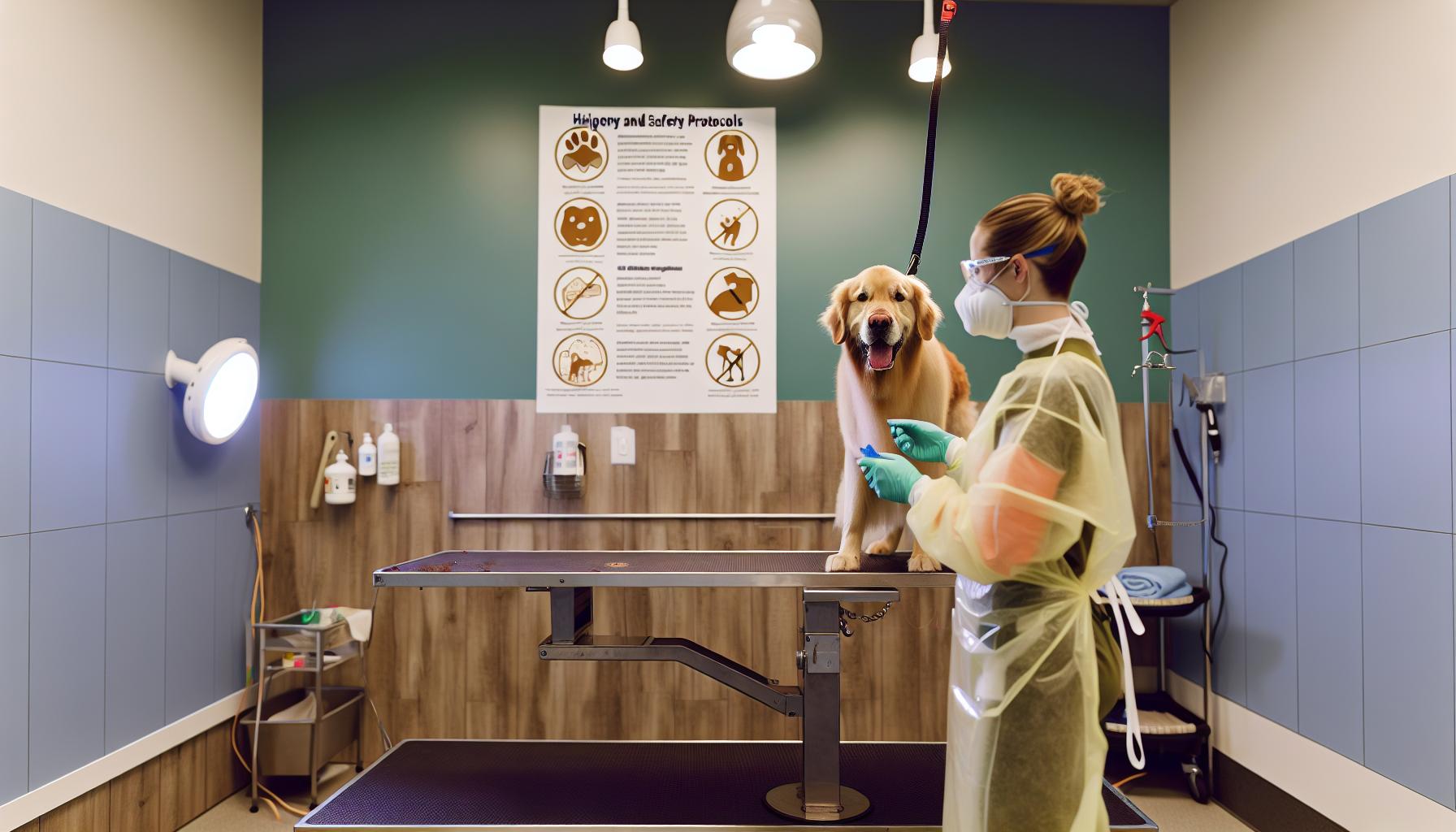
How Safety Protocols Impact Dog Grooming Services
Dog grooming salons are adapting quickly to new safety protocols that reshape how services are delivered, ensuring every pet’s well-being comes first while safeguarding groomers and owners. These protocols influence not only how appointments are scheduled and conducted but also how each step of grooming is approached with greater mindfulness and care. Understanding these changes helps pet parents feel confident and reassured that their furry friends remain in safe hands.
Minimizing Contact with Compassion
A big shift has been the move to contactless drop-offs and pick-ups. Owners are frequently enough asked to wait outside or in their vehicles while groomers welcome pets inside. This reduces close human interactions but can be stressful for anxious dogs used to their owners’ presence. To ease this, groomers use gentle voice tones and calm gestures right from the greeting to build trust quickly. Taking extra moments before and after grooming sessions to softly soothe pets helps cushion any separation jitters. Recognizing that some dogs might be jumpier after a break,groomers slow down their handling,allowing short breaks to keep stress low and comfort high.
Enhanced Cleaning routines Affect Service Flow
Safety protocols require meticulous sanitation between each pet.Grooming tables, tubs, tools, and high-touch surfaces get deep-cleaned using pet-safe disinfectants after every appointment. This extra care adds needed intervals between bookings and lengthens appointment times slightly. While this may mean fewer daily appointments, it ensures minimized risk of cross-contamination, which is especially crucial for dogs with fragile immune systems or skin conditions. Groomers also wear additional protective gear-like gloves and masks-not only for their safety but to reduce the transmission of germs, which helps maintain trust and safety for pets and clients alike.
Adjustments to Service offerings and Tools
Many salons currently prioritize essential grooming like nail trims, ear cleaning, and dematting, postponing full styling sessions that require close facial or tail work.This keeps sessions shorter and decreases the time pets spend in unfamiliar surroundings, reducing anxiety. Groomers focus more on using tools carefully to avoid injury during these limited services-such as sharp, well-maintained clippers to prevent pulling and gentle brushes tailored to each breed’s coat type. Owners are encouraged to assist at home with basic brushing between visits, which supports coat health while salons navigate phased reopening limits.
Clear Communication Builds Confidence
With these safety-driven changes, groomers openly communicate expectations to owners-covering what services are available, what safety measures are in place, and how drop-offs will work to avoid surprises. This clarity comforts nervous owners and allows them to prepare their pets accordingly. Many groomers also coach owners on distinguishing routine grooming needs from issues that require veterinary care, such as persistent skin irritation or suspicious ear infections, safeguarding pets’ overall health.
- Bathing: Lukewarm water and hypoallergenic shampoos help sensitive coats feel calm and clean.
- Brushing: Slicker brushes excel on curly double coats; bristle brushes gently smooth short-haired dogs.
- Nails: Trim nails carefully, avoiding the quick; split sessions help anxious pets adjust.
- Ears: Use vet-approved cleansers; watch for signs like redness needing professional attention.
By blending these safety protocols with empathy and expertise, grooming salons uphold a pet-first approach that balances health, comfort, and the joy of looking their best-even as the industry adjusts to new norms. This thoughtful care empowers owners and pets alike to embrace reopening with calm confidence.
Tools and Supplies You’ll Need Under reopening Restrictions
Dog grooming under reopening restrictions calls for a thoughtful update to your tool kit-not just to keep pets looking great, but more importantly, to keep everyone safe and comfortable.The right supplies help you navigate new hygiene expectations while making pets feel reassured during what might be an unusual experience.From adapting your tools to fit specific coat types to adding sanitation essentials, each item plays a role in nurturing calm, confident grooming sessions.
bathing Essentials with Safety in Mind
A good bath starts with a gentle touch and safe products. Use lukewarm water and hypoallergenic,fragrance-free shampoos to soothe sensitive skin-a must for dogs who might be extra stressed or whose immune systems need TLC. Consider no-rinse waterless shampoos for quick freshening between full washes, limiting wet contact and reducing cleanup time. Equip your tub area with easily sanitized mats and detachable sprayers for efficient, thorough rinsing without excessive splashing. Disposable towels or absorbent microfiber cloths that can be laundered immediately after help meet rigorous hygiene standards.
Brushing and Dematting Tools Tailored by Coat Type
Diffrent coat types demand specific brushes-slicker brushes are excellent for double-coated or curly breeds, gently detangling without pulling.for short-haired dogs, softer bristle brushes help remove loose hair and stimulate the skin without irritation. During reopening phases, it’s important to use clean brushes for each pet to prevent cross-contamination; consider owning multiple brush sets or investing in easily sanitized synthetic bristles. For stubborn mats, seamless mat combs with rounded edges reduce discomfort, and working slowly with patience reassures anxious pets who might be jumpy after longer breaks.
Nail Care Kits Focused on Comfort and Precision
Nail trims require calm handling and precise tools. Clippers or grinders with sharp, well-maintained blades reduce pulling and noise, which can startle sensitive dogs. Since some pets might be uneasy after a pause in grooming,split nail trims into shorter sessions to build trust gradually. Keep styptic powder or gel handy for quick response if you accidentally nick the quick-reminding owners that gentle, patient nail care is part of keeping paws healthy. For dogs whose nails grow rapidly between professional visits, educative guidance on home nail care can be a reassuring bridge during phased reopening.
Ear Cleaning Supplies for Continued Health Monitoring
Ear health remains a priority, especially since infections can escalate quietly. Use vet-approved ear cleansers applied gently with cotton balls or soft gauze-avoiding cotton swabs to protect delicate ear canals. Clean ears between appointments help reduce discomfort, but emphasize signs that require veterinary attention, like redness or persistent odor. An open line of communication between groomer and owner about ear conditions fosters trust and helps prevent minor issues from becoming serious problems.
Sanitation Station: The New Essential
Perhaps most critical to reopening is a well-stocked sanitation station. Equip yourself with pet-safe disinfectants that effectively neutralize germs without harsh chemical residues. Disposable gloves, surgical masks, hand sanitizers, and cleaning wipes become daily staples to protect pets and people. Tools and surfaces, including grooming tables and tubs, merit thorough cleaning after every pet-so having enough supplies to maintain this rhythm without delays is vital. Portable UV sanitizers or quick-dry sterilizing sprays can offer added reassurance.
- Bath: Hypoallergenic shampoo, no-rinse sprays, detachable sprayers, absorbent towels.
- Brush: Multiple slicker and bristle brushes,seamless mat combs,synthetic bristles for easy sanitizing.
- Nails: Sharp clippers, grinders, styptic powder, split session planning.
- Ears: Vet-approved cleanser, cotton balls/gauze, vigilant monitoring for issues.
- Sanitation: Pet-safe disinfectants, gloves, masks, hand sanitizer, cleaning wipes.
Reopening reshapes more than just schedules; it redefines how groomers prepare their spaces and tools. This shift means choosing supplies that honor both safety and sensitivity, helping pets feel safe and owners feel empowered. By embracing these practical changes with compassion, groomers create a sanctuary where pet wellness always comes first.
Managing Pet and Owner Anxiety During the Reopening Phase
Grooming can be stressful for many dogs under the best of circumstances, so during reopening phases-when there may be new environments, altered routines, or unfamiliar safety measures-both pets and owners can understandably feel uneasy. Recognizing that anxiety is a natural response helps everyone approach the process with patience and kindness. Remember,grooming is about care and comfort,not just appearance,and small changes in how you support your dog can turn a potentially nervous visit into a calm,positive experience.
Creating a peaceful environment starts long before the appointment. Owners can help by familiarizing their dog with grooming tools and sounds at home-brushing their coat gently with appropriate brushes, softly clipping nails in short sessions, or using pet-safe ear wipes. This gradual desensitization primes dogs to handle the salon setting more confidently. When it’s time for the professional groomer, share your dog’s history, sensitivities, and favorite calming aids (like treats or toys) to ensure the groomer can tailor the experience precisely.
Simple Strategies to Ease Your Dog’s Stress
- Consistent Routine: Schedule grooming visits at times when your dog feels most relaxed, perhaps after a gentle walk or play session.
- Patience in Approach: For dogs jumpier than usual, request split grooming sessions-like trimming nails or brushing separately-to build trust gradually.
- Presence and Reassurance: Stay calm yourself, as dogs pick up on owner emotions.Check if the groomer allows short visits or a comforting presence during the appointment.
- Positive Reinforcement: Reward calm behavior with treats or affection during and after grooming.
How Groomers Help Your Dog Feel Safe
Experienced groomers know how to read canine body language and adjust their approach instantly-soft voices, slow movements, and breaks when needed make a big difference. many groomers use gentle touch, appropriate equipment for the dog’s coat type and temperament, and calming techniques specifically to reduce anxiety. If your dog has extreme grooming anxiety,discussing options like anti-anxiety wraps,pheromone sprays,or veterinarian-approved calming aids might potentially be helpful to explore together. It’s also wholly okay to ask your groomer about their experience with nervous pets or request a trial visit, so both you and your dog can feel confident before full grooming.
Supporting the Owner’s Peace of Mind
Feeling uncertain or overwhelmed is normal at reopening time, especially with shifting regulations and new protocols like mask-wearing or contactless check-ins. Open communication with your groomer fosters trust-you deserve clear updates on what to expect, how appointments will flow, and safety measures in place. Knowing the groomer’s policies for dealing with stressed pets, cancellations, or emergencies can ease worries. When you feel reassured, you’re better able to comfort your dog through this transition.
By combining thoughtful preparation, open dialogue, and gentle, attentive care, the grooming process during reopening phases can be a smooth bridge back to healthful, happy pet upkeep. Remember, every dog is unique-some races such as small breeds with fine coats or high-energy working dogs may require different tools and timing, so personalizing your approach goes a long way in nurturing calm and confidence during these times. Together, owners and groomers can create a new ”normal” that prioritizes well-being above all else.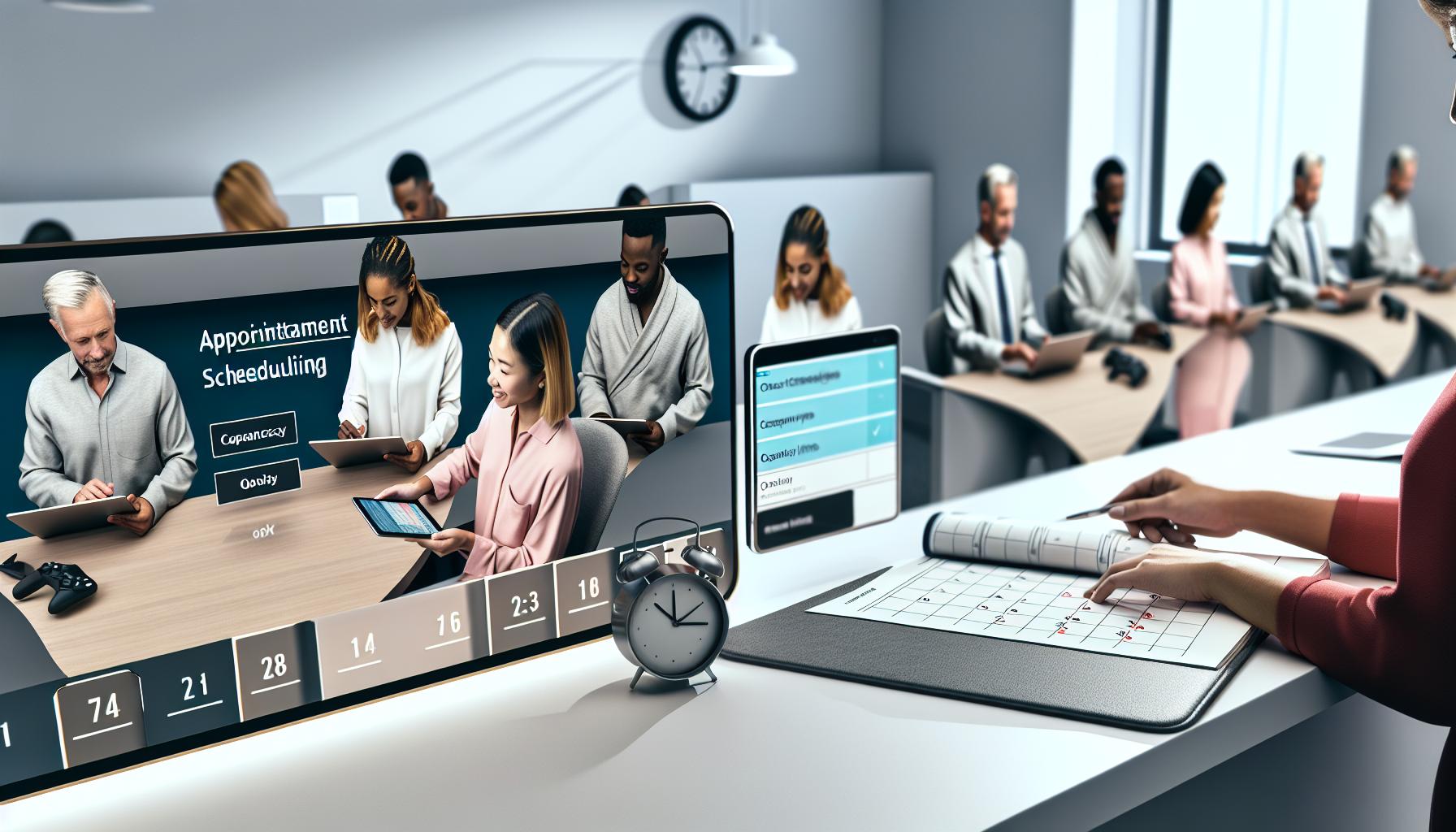
Dog grooming salons navigating reopening often face new challenges in scheduling and managing capacity limits, which directly affect how and when your pet receives care. During phased reopenings, many groomers must balance safety protocols with maintaining a calm, unrushed atmosphere for each dog, which sometimes means fewer appointments per day. This can initially seem frustrating but ultimately ensures your furry friend gets the dedicated attention needed without feeling rushed or overwhelmed.
One key approach groomers use is extending appointment times to allow for additional cleaning, ventilation, and gentle handling, especially for breeds with thick, long coats like Poodles or Shih Tzus that require extra time for brushing and trimming.Such as, a typical 60-minute grooming may now be scheduled for 90 minutes, giving the groomer flexibility to pause if your dog shows signs of stress. This also means owners might notice slots booking up faster, so early and consistent booking is wise-many groomers now offer online systems or phone reminders to manage this smoothly.
Practical tips to simplify your booking experience
- Plan ahead: Schedule appointments well in advance, especially for dogs with regular grooming needs or special coat care.
- Be flexible with timing: If your dog is more comfortable during quieter times of day,ask if early mornings or late afternoons are available.
- Consider split visits: For very anxious pets, split sessions (like nail trimming one day and full grooming another) can reduce stress and fit better into capacity limits.
- Stay informed of cancellations: Join waitlists or check with your groomer regularly; cancellations often open up last-minute slots.
How capacity limits affect your dog’s visit
Capacity restrictions, required by health authorities during reopening phases, mean salons may limit the number of pets onsite or stagger appointments to avoid crowding. This enhances safety but also means fewer walk-ins and tight scheduling. Practically, this might involve contactless drop-offs and pick-ups, reducing time owners spend in the salon and minimizing contact. Some groomers ask owners to remain outside or in cars, which can initially be unsettling for both pet and owner-but with reassurance and consistent routines, dogs quickly adapt.
Remember, your groomer’s priority is the well-being of your dog and the safety of everyone involved. Being patient with scheduling delays or changes, and communicating transparently about your pet’s needs and preferences, helps maintain a strong partnership. If your dog requires medication, behavioral support, or extra breaks, inform your groomer when booking so they can allocate appropriate time, ensuring a calm, positive experience despite external limitations.By embracing these scheduling strategies and understanding capacity guidelines, you can help your groomer provide optimal care that prioritizes safety and comfort, even in these unusual reopening times. Your cooperation supports not just your pet’s health but the well-being of the entire grooming community.
Understanding Local Regulations and Compliance for Groomers
Many regions have different rules and timelines for when and how dog grooming salons can safely reopen, often linked to the local public health situation and government mandates. This means the exact requirements you encounter may vary significantly depending on your city, county, or state. Being aware of the specific regulations in your area-and how they evolve during reopening phases-is essential not only for your pet’s safety but also to ensure your groomer can operate smoothly without interruption.Health officials usually emphasize limiting close contact, maintaining cleanliness, and controlling customer flow. For example, some areas allow grooming salons to open only if they follow strict capacity limits, use personal protective equipment (PPE), and manage appointment-only services without walk-ins. Other places might require additional training or certification for groomers on hygiene protocols. Even large retail chains that include grooming services, like Petsmart, have had to adjust operations based on local orders, sometimes reopening their grooming salons while adhering to rules that differ from state to state[[2]](https://popular.info/p/as-pandemic-spreads-petsmart-reopens-396).
- Capacity and scheduling: Many regulations limit how many pets and owners can be onsite at once.Quiet, staggered appointments help reduce stress put on both animals and groomers.
- Sanitation Standards: Enhanced cleaning between appointments, often including disinfection of tools, tables, and waiting areas, is mandatory. This adds time but greatly reduces infection risk.
- PPE and Staff Training: Groomers are frequently required to wear masks, gloves, or face shields, especially when physical distancing is not possible. They may also receive training on recognizing pet stress signs under these new conditions.
- Contactless Interactions: Limits on owner presence inside salons-sometimes requiring owners to stay outdoors or in cars-help maintain social distancing.
- Record-Keeping and Communication: Maintaining logs for contact tracing, along with clear communication about scheduling and policies, is frequently enough required by local health boards.
Real-World Tips for Pet Owners
Understanding that your groomer is balancing these often complex and shifting regulations helps foster patience and cooperation. A groomer in a moderately high-restriction area might ask that you arrive exactly on time for your appointment and immediately take your dog outside while staff prepare the salon. In one example, a small local salon reopened with limits on appointments and encouraged clients to use curbside drop-off, minimizing contact and keeping anxious pets calm in a familiar environment[[3]](https://www.facebook.com/groups/337647363637076/posts/1848980095837121/).
If you’re unsure of your region’s rules, your groomer is usually the best source of up-to-date information-they often monitor local guidance closely to remain compliant and protect your pet. Don’t hesitate to ask what protocols are in place so you can collaborate effectively. Remember that these steps, while sometimes inconvenient, are designed to prioritize the health and comfort of your dog above all.
Balancing Compliance and Compassion
regulations don’t just focus on human safety but also highlight animal welfare, ensuring grooming procedures remain calm and gentle despite new operational hurdles. Such as, a Poodle’s dense coat still demands patient brushing methods, even when time slots are shorter. Groomers may adjust approaches slightly to reduce grooming time without compromising comfort-such as recommending regular home brushing between visits.Staying flexible and understanding makes a big difference for everyone involved, and by supporting your groomer through these guidelines, you help keep the whole community safe and thriving.
Creative Solutions Groomers Use to Stay Connected with Clients
Many groomers have discovered that staying connected with clients during phased reopenings takes a blend of creativity, technology, and genuine care.When in-person visits are limited or modified, thoughtful communication becomes the bridge that reassures pet owners and keeps pets comfortable. from using social media updates to personalized video check-ins,groomers are finding ways to maintain trust and calm anxious dogs and owners alike.
- Virtual Consultations and Video Updates: Before an appointment, some groomers offer brief video calls to discuss your pet’s current coat condition, special needs, or behavior changes. This lets owners voice concerns and allows groomers to prepare tailored care strategies. During grooming sessions, photos or short clips sent via text or messaging apps show progress and help ease separation anxiety-especially helpful for breeds with thick or high-maintenance coats like Poodles or Shih Tzus.
- Online Booking and Curbside Drop-Offs: With strict capacity limits,many salons have shifted to appointment-only scheduling through online platforms. This reduces wait times and stress for pets and owners.Alongside,curbside drop-offs where groomers greet pets outside or at the car limit contact but meet emotional needs by offering calm,familiar voices and a gentle handoff. This approach suits nervous dogs best and reassures owners by keeping communication open at handoff and pickup.
- DIY Support Via Educational content: Some groomers go the extra mile by sharing easy-to-follow grooming tips or mini-tutorials tailored to common breeds. Such as, step-by-step guidance on brushing techniques for double-coated dogs like Golden Retrievers or nail trimming tips for smaller breeds fosters owner confidence, helping maintain coat health between professional visits. These compassionate resources empower pet parents without pressuring them to replace professional care altogether.
- Personalized Follow-ups and Wellness Checks: Checking in after an appointment to ask how the pet is doing or to remind owners of home care best practices creates a warm, trusted relationship. Groomers might also send reminders for upcoming appointments or seasonal coat care tips fitting for specific breeds, like shedding support for Huskies in spring.This ongoing dialogue reassures owners that their pet’s wellbeing is genuinely prioritized,especially when routines feel disrupted.
by weaving these personalized and tech-savvy approaches into their reopening plans,groomers not only keep business flowing but deepen bonds with families they serve. These solutions remind clients that grooming is about care, comfort, and connection-not just the look of a perfectly trimmed coat. Everyone benefits, especially the pets whose happiness and health are always the heart of it all.
What to Expect: Changes in Grooming Prices and Services
Sometimes, reopening your trusted dog groomer means more than just a fresh haircut for your furry friend-it often comes with changes in pricing and the range of services offered.as groomers navigate new health protocols, adjusted hours, and limited capacity, they may subtly shift their fees and modify services to maintain remarkable care while prioritizing everyone’s safety and comfort. Understanding these changes helps you plan and ensures your pet continues receiving the loving attention they deserve.
Why Prices Might Shift
Many grooming salons are now investing extra time and resources into enhanced cleaning, PPE (personal protective equipment), and contactless procedures, all designed to protect both pets and people.This naturally impacts operating costs. For example, a simple bath and brush might take longer due to thorough sanitation between appointments, or curbside drop-off and pickup require additional staff coordination. These steps are essential but can mean a slight price increase, often ranging from 10-20%. Keep in mind,this is less about profit and more about maintaining a safe environment.
Services You Can Expect: Adjusted But Compassionate
Some salons may pause non-essential services such as full stylings or dentals for the time being, focusing primarily on basic grooming and wellness maintenance. For example:
- Bath & Brush: Quick, stress-free sessions focusing on cleanliness, coat health, and comfort rather than elaborate cuts.
- Nail Trims & Ear Cleaning: Priority is placed on keeping pets comfortable and preventing infections, with careful attention to safety and patience.
- De-matting & Coat Conditioning: Offered with gentler techniques to minimize stress as limited handling time might potentially be necessary under new protocols.
Many groomers also tailor services based on breed and coat type, emphasizing schedules that prevent heavy mats or excessive shedding, such as, more frequent brushes for double-coated breeds like Huskies versus longer intervals for short-haired breeds.
Helpful Tips for Scheduling and Budgeting
A good rule of thumb is to ask your groomer about any new package deals or tiered options that can give you flexibility. As an example, some offer a basic hygienic trim option at a lower cost, while full-service trims require separate appointments or slightly higher fees because they take more time and cleaning precautions. If you’re managing multiple pets, check if combined visits come with discounts-many groomers value regular clients and strive to keep services accessible despite challenges.
| service | Typical Price Range | Notes |
|---|---|---|
| Bath and Brush | $35 – $60 | Focus on hygiene and comfort,longer sanitation times |
| Full haircut / Styling | $60 – $100+ | Might be limited or scheduled separately under reopening rules |
| Nail Trim & Ear Cleaning | $15 – $30 | Essential wellness care,frequently enough bundled |
| De-matting Services | $40 – $80+ | Gentle,time-intensive to reduce stress |
Remember,prices vary widely based on your region,breed size,coat condition,and how elaborate the grooming task is. Open communication with your groomer can make budgeting easier and create a better experience for you and your pet.
When to Consider Professional Grooming Versus DIY
Not every grooming task can-or should-be done at home, especially with breeds that have dense, curly, or double coats like Poodles, Shih Tzus, or Golden Retrievers. Professional groomers have the right tools and experience to safely handle tricky maneuvers like trimming sensitive areas, managing mats without hurting the dog, or spotting skin irritations early.Though, to ease costs or bridge longer intervals between visits, many groomers encourage owners to maintain basic brushing, ear checks, and nail care at home using groomer-approved methods.
If professional services are temporarily limited or prices have shifted, ask if your groomer offers:
- Guidance on safe at-home grooming techniques
- Starter kits with recommended tools
- Virtual coaching sessions or video tutorials
This supportive approach keeps your pet’s wellbeing front and center without overwhelming you or your furry friend.
—
Adjusting to changes in pricing and services during the reopening phase isn’t always easy, but most groomers are doing their utmost to balance compassion, safety, and quality care. by being informed and staying connected,you help ensure that your pet continues to receive the loving attention and gentle care they need-even if the experience feels a little different than before.
When to Seek Professional Grooming vs. DIY at Home
Grooming your dog at home can be a wonderful way to bond and maintain their basic cleanliness, but certain breeds and tasks frequently enough require professional expertise to ensure safety and comfort. Dogs with thick, curly, or double coats-think Poodles, Shih Tzus, or Golden Retrievers-have specific grooming needs that, if not handled properly, can lead to discomfort or even injury. Such as, mats in dense fur should be carefully worked through or trimmed by a groomer trained in stress-minimizing techniques to avoid hurting your pet’s sensitive skin.
Bathing and Brushing: Basics You can Manage
Bathing your dog at home is generally safe for many pets,especially with mild,veterinarian-approved shampoos. Regular brushing helps prevent mats and removes loose fur, reducing shedding. Use breed-appropriate brushes: slicker brushes for curly coats or bristle brushes for smooth coats. Remember, patience is key-introduce grooming tools slowly, reward calm behavior, and keep sessions brief to build positive associations.
Nail Trims and Ear Cleaning: Know Your Limits
Nail trimming and ear cleaning are essential wellness tasks,but these can be tricky at home. Overcutting nails risks pain and bleeding, while improper ear cleaning might irritate or push debris deeper. If your dog is nervous or struggles during these routines, or if you notice signs of infection like redness, swelling, or odor, it’s best to consult your groomer or vet. Professional groomers have specialized tools and experience to gently and safely manage these tasks, often spotting issues owners might miss early on.
When to Turn to the Professionals
complex grooming-including haircuts, de-matting, and specialized coat conditioning-requires skillful handling, especially under reopening protocols where groomers balance safety with compassionate care. If your pet has heavy mats, sensitive skin, or anxiety about grooming, a professional can use gentle techniques and appropriate equipment unavailable at home. Additionally, groomers can spot skin issues or infections that warrant a vet’s attention, ensuring your pet’s health stays front and center.
Many groomers now offer helpful resources to support at-home care during reopening phases, such as:
- Step-by-step guides for safe brushing and bathing
- Starter kits with recommended tools tailored to your dog’s coat type
- Virtual consultations or video tutorials to walk you through tricky tasks
This blended approach empowers you to contribute to your dog’s routine grooming safely while reserving professional visits for when specialized care is truly needed. Above all, prioritize your pet’s comfort and well-being-grooming should be a gentle, positive experience at every stage, no matter where it happens.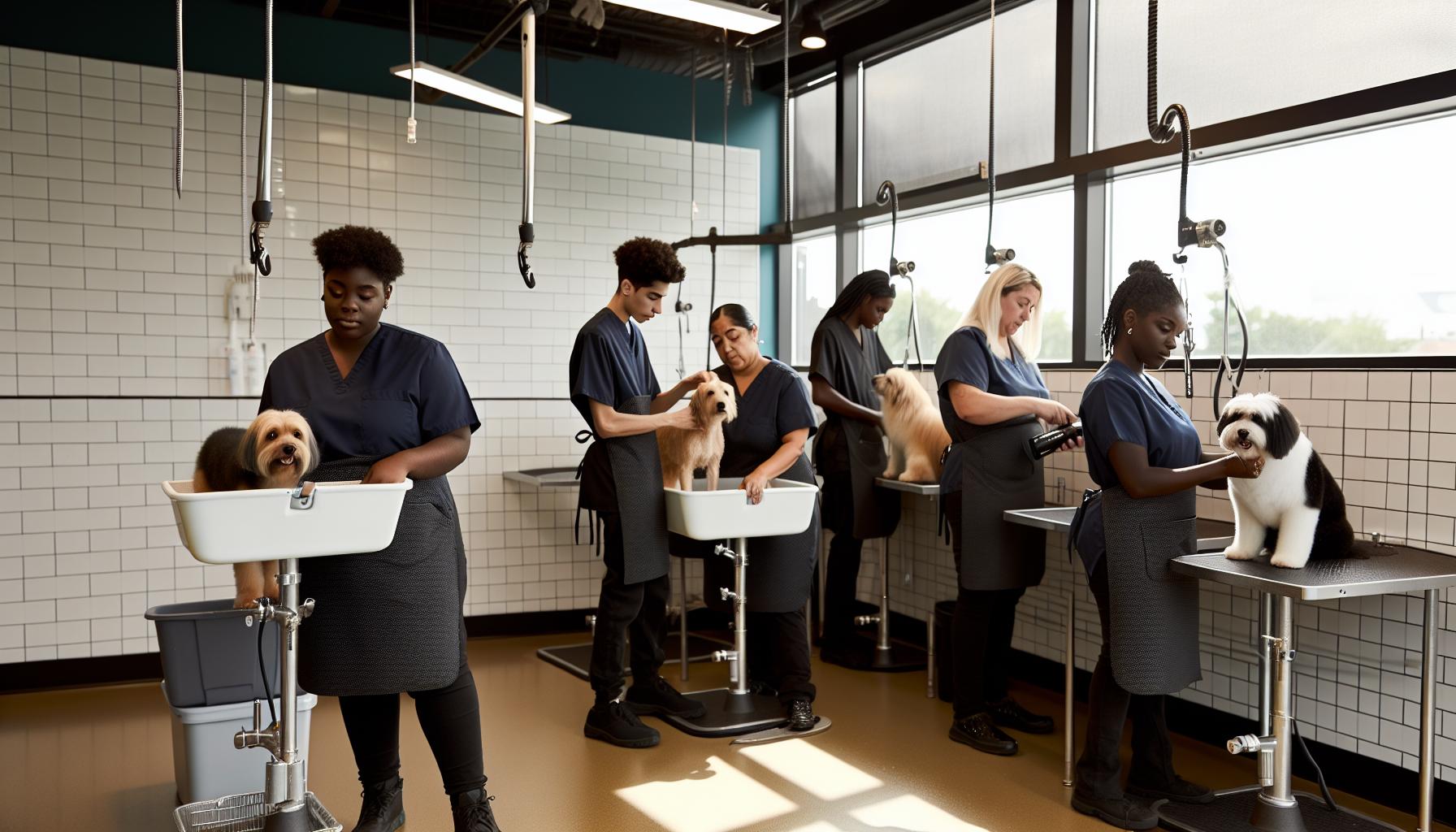
Tips for Supporting Your Groomer Through Reopening Challenges
Few people realize just how much patience and adaptability are required when dog groomers navigate reopening phases,especially after unexpected closures.Supporting your groomer now goes beyond booking an appointment-it’s about kindness, flexibility, and understanding the new landscape they work in. Recognizing these challenges not only helps your pet receive the best care but also strengthens the essential bond between groomer, owner, and furry friend.
Flexible Scheduling and Clear Communication
Reopening often means staggered appointments and reduced capacity to keep everyone safe. Your groomer may need extra time between sessions to sanitize tools and spaces thoroughly. Being patient with longer wait times or rescheduling requests can make a huge difference. Try to book appointments well in advance and keep your groomer informed of any changes. If your dog gets anxious during grooming, sharing tips or past experiences helps the groomer tailor their approach to keep your pet calm and comfortable.
Respecting New Safety Protocols
Safety measures may include mask requirements,contactless check-ins,or limits on accompanying persons inside the salon. These protocols ensure everyone’s health but can feel impersonal or awkward at first. Supporting your groomer means embracing these guidelines without frustration. For example, if drop-off is required, bring familiar toys or blankets that comfort your dog during grooming. A quiet environment and your positive reinforcement before and after visits boost your dog’s confidence and ease any stress caused by new routines.
Understanding Price and Service Adjustments
Enhanced safety steps and reduced customer throughput can raise grooming costs or alter available services. While price increases might potentially be unwelcome, they reflect the extra effort, supplies, and care your groomer invests daily. Instead of focusing solely on cost,look at it as an investment in your dog’s health and well-being. If budget constraints arise, ask your groomer about alternative options like basic trims or spaced appointments combined with at-home maintenance tips that keep your dog looking sharp between visits.
Encouraging emotional Well-being and Continued Care
Anxiety isn’t just a pet concern-groomers feel the pressure too. A simple thank-you note, positive reviews, or referrals can uplift your groomer’s morale immensely during reopening. If your dog struggles with grooming anxiety, discuss calming aids or slow introduction plans with your groomer. Remember, professional groomers are partners in your pet’s wellness, often spotting skin issues or discomfort owners might miss. Supporting them means trusting their expertise while maintaining open dialogue to ensure your dog’s comfort and safety remain top priorities throughout this evolving process.
- Bring your dog’s favorite comfort items to reduce stress during appointments.
- Be patient with scheduling delays-extra cleaning and health checks take time.
- Follow all salon health and safety guidelines to protect staff and clients alike.
- Communicate openly about your dog’s behavior, past challenges, or any health concerns.
- Show appreciation through kind words, positive feedback, and referrals.
Supporting your groomer through these reopening challenges means embracing change with empathy and patience. Together, you help create a safe, caring environment where your dog’s grooming is a calm, positive experience-now and always.
Frequently Asked Questions
Q: How do reopening tiers affect emergency versus routine dog grooming services?
A: Reopening tiers often allow dog groomers to operate primarily for emergency or welfare needs, such as matting or hygiene issues, rather than routine grooming. Always check local tier rules to confirm if your groomer is open for necessary care only,ensuring pet safety and compliance.For details on managing appointments under restrictions, see our section on Appointment Scheduling and Capacity Limits.
Q: Why are dog groomers considered essential businesses in some reopening phases?
A: Dog groomers are deemed essential in many regions because proper grooming prevents health issues like skin infections and matting, which can cause pain or illness. This classification lets groomers stay open for urgent care even during stricter lockdown tiers, safeguarding pet welfare. Learn more about safety protocols in our How Safety Protocols Impact Dog Grooming Services section.
Q: What signs indicate my dog needs professional grooming urgently during restricted phases?
A: Urgent grooming needs include severe matting, infections, nail overgrowth, or obstructed vision. If your dog shows discomfort or mobility issues, seek professional groomers approved under current reopening tiers prioritizing emergency care only.For DIY tips between visits, check our When to Seek Professional Grooming vs. DIY at Home guide.
Q: How can I support my groomer through ongoing tier restrictions and reopening challenges?
A: Supporting your groomer includes booking appointments on time, following new protocols, and providing clear pet info. Patience with safety changes helps groomers maintain quality care. Explore actionable advice in our Tips for Supporting Your Groomer Through Reopening Challenges section to strengthen this pet-care partnership.
Q: Where can I find accurate, up-to-date reopening phase information for dog groomers in my area?
A: The best sources are local government websites, veterinary clinics, and groomers’ official pages, as reopening tiers vary by region. Keeping informed helps you plan grooming around phase changes safely. Visit our Understanding Local Regulations and Compliance for Groomers for detailed pointers on tracking updates efficiently.
Q: How are appointment scheduling and capacity limits managed during different reopening phases?
A: Groomers adjust by reducing daily bookings,staggering appointments,and limiting waiting area use to comply with social distancing. Pre-booking and contactless check-in are common. Find step-by-step guidance in our Navigating Appointment Scheduling and Capacity Limits section to prepare your visit smoothly.
Q: What creative grooming solutions have emerged to help customers during strict reopening tiers?
A: Many groomers use mobile grooming, virtual consultations, and DIY video tutorials to connect clients with care during limits on in-salon services. These innovations maintain pet health and owner engagement. Discover more in our section on Creative Solutions Groomers Use to Stay Connected with Clients for fresh ideas.
Q: How do grooming phases and tiers impact pricing and service availability?
A: Pricing may increase due to enhanced safety measures, limited capacity, and prioritization of urgent care over aesthetics during certain phases. Some services might be temporarily unavailable. For client guidance and expectations,see our extensive overview in What to Expect: Changes in Grooming Prices and Services.
For thorough insights on preparing your groomer visits and managing pet care during reopening, explore our full article and feel confident in supporting your furry friend’s wellness through all phases.
Wrapping Up
Understanding the current reopening phase for dog groomers helps you plan your pet’s care with confidence and compassion.Whether you’re navigating appointment availability, safety protocols, or grooming essentials like coat care and nail trimming, staying informed ensures your furry friend’s comfort and well-being. Ready to take the next step? Explore our detailed guides on at-home grooming tips and choosing the right professional groomer to keep your dog happy between visits.
Don’t miss out on expert advice tailored for different breeds and coat types-check out our step-by-step resources for bath routines, ear cleaning, and stress-free grooming techniques. If you have questions or want personalized support, subscribe to our newsletter or schedule a consultation. Your pet’s health and happiness come first, and we’re here to help every step of the way. Join the conversation by leaving a comment below or sharing your experience to connect with fellow pet lovers and grooming pros.
keep exploring topics like “DIY Dog Grooming Safety” and “When to Visit the Vet vs. Groomer” to deepen your knowledge and make informed choices. By staying engaged,you’re ensuring your dog enjoys gentle,effective care-as every pet deserves grooming that’s as kind as it is indeed skillful.
Get our latest guides, news, and insights highlighted in your Google Search & AI Overviews.
Keep reading about the same coat and cut.



Popular grooming guides
Bath vs clip, first grooms, and salon how-tos.