How Do Groomers Cut Cat Nails: Safe Trimming Techniques
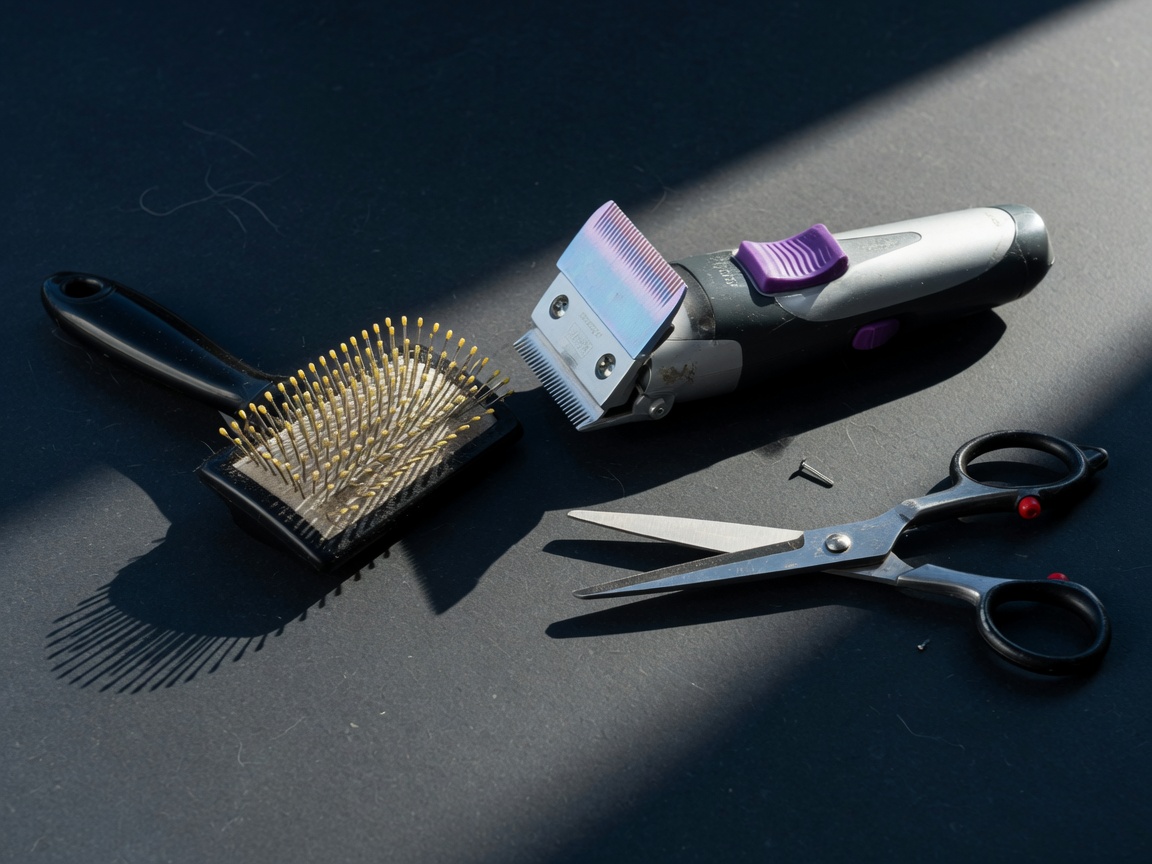
Did you know that regular nail trimming is one of the simplest yet most vital ways to keep your cat healthy and comfortable? While sharp nails are natural for cats, overgrown claws can cause pain, snag on fabrics, or even lead to injuries. Groomers have honed safe, gentle techniques to trim cat nails efficiently-balancing your pet’s comfort with precision and care. Whether your cat is a shy indoor friend or an active outdoors explorer, understanding how professionals approach nail care can ease your worries and empower you to support your cat’s well-being at home. in this guide, we’ll walk you through the thoughtful steps groomers take to trim nails safely, the tools they trust, and tips to keep your cat calm and cooperative. With compassion and patience, you’ll learn how to protect your cat’s paws and strengthen the bond you share-making nail trims a relaxed, stress-free experience for both of you.
Understanding Cat Nail Anatomy for Safe Trimming
Table of Contents
- 1 Understanding Cat Nail Anatomy for Safe Trimming
- 2 Essential Tools Groomers Use to Trim Cat Nails
- 3 Step-by-Step Guide to Cutting Cat Nails Safely
- 4 How to Calm Nervous Cats During Nail Trimming
- 5 Common Mistakes Groomers Avoid When Trimming Nails
- 6 When to Stop: Recognizing Signs of Stress or Bleeding
- 7 Tips for Maintaining Healthy Nails Between Trims
- 8 Differences Between Groomer, Vet, and DIY Trimming
- 9 Handling Difficult Cats: Expert Groomer Techniques
- 10 Cleaning and Caring for Cat Nails After Trimming
- 11 Frequently Asked Questions
- 11.1 Q: How do groomers safely handle cats that resist nail trimming?
- 11.2 Q: What specific cutting tools do professional groomers prefer for cat nails?
- 11.3 Q: Why do groomers avoid trimming the quick in cats, and how do they identify it?
- 11.4 Q: How often do groomers recommend trimming a cat’s nails for optimal health?
- 11.5 Q: What signs indicate a cat is stressed during nail trimming,and how do groomers respond?
- 11.6 Q: How do groomers differentiate their trimming approach from vets or DIY owners?
- 11.7 Q: can groomers trim cat nails during bath or other grooming steps, and is it safe?
- 11.8 Q: What post-trimming care do groomers recommend for cats’ nails and paws?
- 12 In Retrospect
Cats’ nails are marvels of nature-flexible, sharp, and expertly designed to retract when not in use. Understanding the basic anatomy of your cat’s claws is key to trimming them safely and effectively, ensuring that each session is stress-free and painless for your furry friend. Unlike dogs, cats have retractable nails that sit nestled in the soft tissue of their toes, sheathed until needed for climbing, scratching, or defense. This unique feature means that the nails don’t constantly wear down and can sometimes become too long if not trimmed regularly.
Each claw is attached to the distal phalanx, the final bone in the toe, and contains sensitive living tissue known as the “quick.” The quick is rich with blood vessels and nerves, which is why cutting into it causes pain and bleeding. Since this area is biologically connected to the bone, understanding where the quick lies is essential to avoid accidental injury. In most cats, the quick appears as a pinkish zone visible through the translucent part of the nail, but it can be harder to detect in darker claws.Groomers often emphasize trimming only the clear, white portion of the nail-never the curved tip where the quick resides-to keep the cat comfortable and secure during the process.
- front paws: Cats typically have five claws, including a dewclaw that sits higher up on the paw and never touches the ground.
- Hind paws: Usually, there are four claws per paw without the dewclaw.
Knowing these details lets you visualize the nail structure and trim confidently. Some breeds with thick or dark nails may require more careful inspection or the use of proper lighting to spot the quick. For older cats or those with arthritis, nails may grow irregularly and become harder to handle, so gentle restraint and a calm environment become even more critically important.
Why the Anatomy Matters for Trimming
A cat’s claw isn’t just a hard tip-it blends bone, living tissue, and a protective sheath. removing just the right amount is a balance groomers learn to master with patience and respect. Over-trimming can hurt your cat, making future nail care tough, while skipping regular trims can cause nails to curl, leading to painful growth into the paw pads. When you understand the claw’s anatomy,you’ll appreciate why trimming slowly in small increments often works best,especially for nervous cats.
Think of trimming as a gentle workflow, guided by observation and kindness. If the quick is visible, trim just beyond its edge. If it’s not, small clipped pieces spaced out over sessions reduce risks. This knowledge equips groomers-and cat owners-to avoid quick injuries, maintain paw health, and make nail trimming a bonding moment rather than a dreaded chore.
Essential Tools Groomers Use to Trim Cat Nails
cats’ nails are delicate tools that require the gentle precision of the right grooming instruments to ensure trimming is safe and stress-free. While it might be tempting to use human nail clippers or household scissors, specialty tools designed specifically for feline anatomy can make all the difference in both safety and ease. Groomers and experienced cat owners alike rely on clippers crafted to accommodate the small, curved shape of cat nails while protecting the sensitive quick inside.
Choosing the Right Clippers
Among the most popular and effective choices are guillotine-style nail clippers, which operate like a tiny guillotine blade sliding past a fixed opening. These tools offer a clean, controlled cut, perfect for medium to large cats, and often feature spring-loaded handles to reduce hand fatigue. For example, kits like the Guillotine Cat Nail Clipper Kit include extra grooming tools, making them a thoughtful option for those maintaining a regular routine[2].
Alternatively, scissor-style clippers resemble small scissors with semi-circular blades that cradle the nail. These are especially handy for owners dealing with smaller cats or kittens, offering remarkable control and precision.Some groomers prefer these because the scissor action can allow for incremental clipping, reducing the risk of cutting too close to the quick.
Additional Tools to Keep on Hand
Ensuring a smooth trimming experience goes beyond just clippers. Having the following items ready can elevate your nail care session:
- Nail Grinders or Files: For cats notably sensitive to clipping or with thick nails,gentle grinding smooths sharp edges and can be less intimidating than a single clipping motion.
- Styptic Powder or Pencil: Accidental nicks happen, even to professionals. Styptic agents help stop bleeding quickly and soothe the area.
- Good Lighting: Since the quick in a cat’s nail can be hard to see-especially in darker nails-a bright, focused light source aids visibility and reduces the risk of cuts.
- Towels or Restraint aids: To gently but securely hold a nervous or wriggly cat, soft towels or specially designed restraint wraps can keep your kitty safe and calm.
Investing in Quality and Comfort
Comfortable grips and non-slip handles on clippers can ease tension for both pet and person. For example, some groomers recommend ergonomic styles with cushioned grips, as they allow for steadier, more confident movements. This is especially critically important with cats who may grow anxious-quick,smooth snips reduce stress,whereas fumbling or struggling can make a cat wary of future grooming.
Remember that each cat is unique: a large Maine Coon may need heavy-duty clippers, while a tiny Siamese kitten thrives with petite, precise tools. Choosing and maintaining tools suited to your cat’s size and temperament builds trust and makes nail care a bonding, positive experience.
By bringing together thoughtfully selected clippers, calming accessories, and a gentle approach, every nail trim becomes less a chore and more a chance to nurture your feline’s health and happiness. For those looking to buy or upgrade, retailers like walmart offer a range of cat-specific nail clippers designed with your pet’s safety in mind[1].
Step-by-Step Guide to Cutting Cat Nails Safely
Cats’ nails grow continually and can curl back into the paw if left unchecked, causing discomfort or injury. Trimming their nails safely is not just about aesthetics-it’s about comfort and health.Many cats tolerate nail trims well with gentle handling and the right approach. Whether you’re a groomer or a caring owner, the following practical steps ensure the experience is calm, safe, and stress-free for both you and your feline friend.
Prepare Your Tools and Environment
Before you start, gather all the essentials: a pair of well-maintained clippers suited to your cat’s size (guillotine-style for most cats, scissor-style for smaller or kitten nails), a soft towel for gentle restraint, styptic powder for emergencies, and a bright light to clearly see the quick. Choose a quiet, comfortable area where your cat feels secure. Some cats prefer sitting in your lap while others prefer a table or countertop. Taking the time to create a calm environment helps build trust from the very start.
Step-by-Step Trimming Process
- 1. Get Your Cat Comfortable: Begin by petting and gently handling your cat’s paws to desensitize and relax them. Speak softly and pause if your cat shows signs of anxiety.
- 2. Expose the Nail: Gently press each toe pad between your thumb and forefinger to extend the nail fully. This gives you a clear view of the curved nail and the sensitive quick inside.
- 3. Identify the quick: Look for the pink area inside translucent nails-the quick is the blood vessel you must avoid. With darker nails, trim cautiously by cutting small amounts at a time to prevent hitting it.
- 4. Make a Controlled Cut: Using your chosen clipper,cut straight across the nail tip in one smooth,confident motion. Avoid angled cuts or crushing the nail, which can be painful. If your cat is wriggly, pause and soothe them instead of forcing a clip.
- 5. Reward and Pause: After every few nails, offer your cat a treat or a gentle scratch to create positive associations. This step is crucial for long-term success and reduces future resistance.
Troubleshooting Common Challenges
If your cat squirms, stop immediately and try again later or on another day. Some cats prefer nails trimmed after a nap when they’re sleepy, or even during quiet playtime. For very nervous cats, wrapping them loosely in a towel (often called a “cat burrito”) can provide a calming sense of security and help you manage movement safely. If you accidentally cut too close and cause bleeding, apply styptic powder with gentle pressure-most bleeding stops quickly with this simple action. Remember, patience over perfection always wins.
Special Considerations for Different Breeds and Ages
Large breeds with thicker nails, like Maine coons, may require sturdier clippers and extra care in separating the quick from the tip. Small breeds or kittens may need more delicate, precision tools and shorter sessions. Elderly cats sometimes experience brittle nails or arthritis, making slow, gentle handling and shorter nail sessions essential. Groomers frequently enough adjust their pace and tool selection accordingly-DIY owners can learn from this adaptability to meet their cat’s unique needs.
taking your time and showing consistent gentle care builds your cat’s tolerance and trust.This transforms nail care from a dreaded chore into a peaceful routine that promotes healthy paws and a happy, playful cat.
How to Calm Nervous Cats During Nail Trimming
Many cats instinctively dislike having their paws handled, making nail trimming a challenge even for the calmest felines. However, understanding your cat’s unique temperament and using gentle, reassuring techniques can transform a possibly stressful task into a bonding experience. It’s critically important to approach nervous cats with patience and a toolkit of strategies designed to create trust and comfort.
Start With a Calm, Familiar Environment
Choose a quiet room free from distractions where your cat feels safe. Some cats prefer sitting on a soft blanket or in your lap, while others might sit more comfortably on a stable surface like a table. Maintaining a consistent location helps your cat anticipate the routine, reducing anxiety over time.
Use Gentle Desensitization and Positive Reinforcement
Before even reaching for the clippers, spend time each day gently touching and massaging your cat’s paws. This slowly builds tolerance. Pairing this handling with soft praise or tiny treats conditions your cat to associate paw contact with positive outcomes. If your cat pulls away, never force interaction-instead, try again later or break the session into small, manageable bursts. Over time, many cats become more relaxed as they learn there is nothing to fear.
Practical Calming Techniques During Trimming
- Wrap for Security: Wrapping a nervous cat snugly in a soft towel (known as the “cat burrito” technique) can provide comforting restraint and reduce sudden movements.
- Use Soothing Aids: Vet-approved calming products, such as CBD supplements designed for cats, pheromone sprays, or calming collars, may decrease anxiety before and during trims[[[2]](https://baileyscbd.com/blogs/education/how-do-i-keep-my-cat-calm-while-trimming-nails-easy-tips-natural-solutions?srsltid=AfmBOooDGf69VUwtSGGl8tEMMDaiPMjXPsubV9HPgbbtIB3eVvILpm6N).Always consult your vet before introducing supplements.
- Break It Up: Trim just a few nails at a time, then pause for a break or reward. This pace prevents overwhelm and builds confidence gradually.
- Calm & Cozy Wraps: Specialized wraps designed for nail trimming gently restrict movement while reassuring your cat. Many groomers find these wraps helpful in maintaining calm and control concurrently[[[3]](https://calmcozycat.com/blogs/tutorials/how-to-safely-trim-your-cats-nails?srsltid=AfmBOoq2U-PSHS0lqfWfu1wQUCc_sAT6mZ4T7H_bfqkt4rkErD_01Bur).
Some cats show marked improvement if nails are trimmed after naps or during naturally calm moments. Watch for these windows and seize them whenever possible.Remember, the goal is a safe and gentle approach that puts your cat’s welfare first-nail trimming isn’t about perfection but fostering comfort and trust.By tuning into your cat’s body language and responding with calm, measured actions, you empower yourself to trim nails with confidence and kindness. Each positive experience grows your cat’s tolerance and lessens future stress,making nail care a smooth and even enjoyable part of their routine.
Common Mistakes Groomers Avoid When Trimming Nails
Few challenges in pet care are as common – or as misunderstood – as trimming a cat’s nails.many well-meaning groomers and pet owners alike stumble into pitfalls that cause needless stress for both cat and handler. Avoiding these common mistakes not only ensures your cat stays comfortable and safe but also builds trust, turning nail trims into a positive routine instead of a dreaded chore.
One of the biggest missteps is cutting nails too short or rushing the process. The quick – the pink, sensitive part inside the nail – lies closer than many realize, especially in cats with clear or light-colored nails, but also hidden in darker nails. Snipping too deeply causes pain and bleeding, creating fear that lingers into future trims. Rather, focus on cutting small bits at a time and aiming just beyond the quick’s edge. If unsure, it’s helpful to keep styptic powder on hand to quickly stop any minor bleeding. Taking this slow, gentle approach fosters confidence in both cat and groomer.
Another frequent error is overestimating a cat’s tolerance during nail care. Many groomers try to trim all ten nails in one go, which can overwhelm even the calmest cats. Rather, break the task into short, positive sessions – only a few nails per sitting if needed – with breaks and treats.This “little and frequently enough” strategy reduces anxiety and builds a habit of cooperation. For example, if your Maine Coon has thick nails or isn’t used to handling, spreading trims over multiple days can yield far better results than forcing an all-in-one.
Poor handling techniques, like grabbing paws roughly or restraining cats too tightly, can backfire by increasing stress or causing injury. A warm, reassuring touch combined with slow, confident movements goes a long way to calming sensitive cats. Techniques like the “cat burrito” wrap or specialized grooming tools help control motion gently without fright or struggle. Remember, safety and compassion always come before speed or perfection.
Practical Tips to Avoid Common Pitfalls
- Know Your Tools: Use cat-specific nail clippers with sharp blades designed for small,curved nails to minimize crushing or splitting.
- Good Lighting is Key: Trim nails in well-lit areas to better see the quick and avoid accidental cuts.
- Never Force It: If your cat resists, stop and try again later rather than pushing through and risking injury or anxiety.
- Observe Nail growth Regularly: Cats who spend less time outdoors or on rough surfaces may need more frequent trims – adjusted trimming scheduling prevents nails getting too long and breaking painfully.
- Maintain a Comfortable environment: Low noise, secure footing for you and your cat, and familiar surroundings soothe fussy felines.
By steering clear of these errors, groomers ensure nail care is not only efficient but also a stress-free, even enjoyable experience. Each successful trim deepens the bond between you and your cat and builds a foundation of trust that pays off for years to come. Remember that patience, intact comfort, and knowing when to pause are far more important than striving for an impeccably perfect nail trim every time.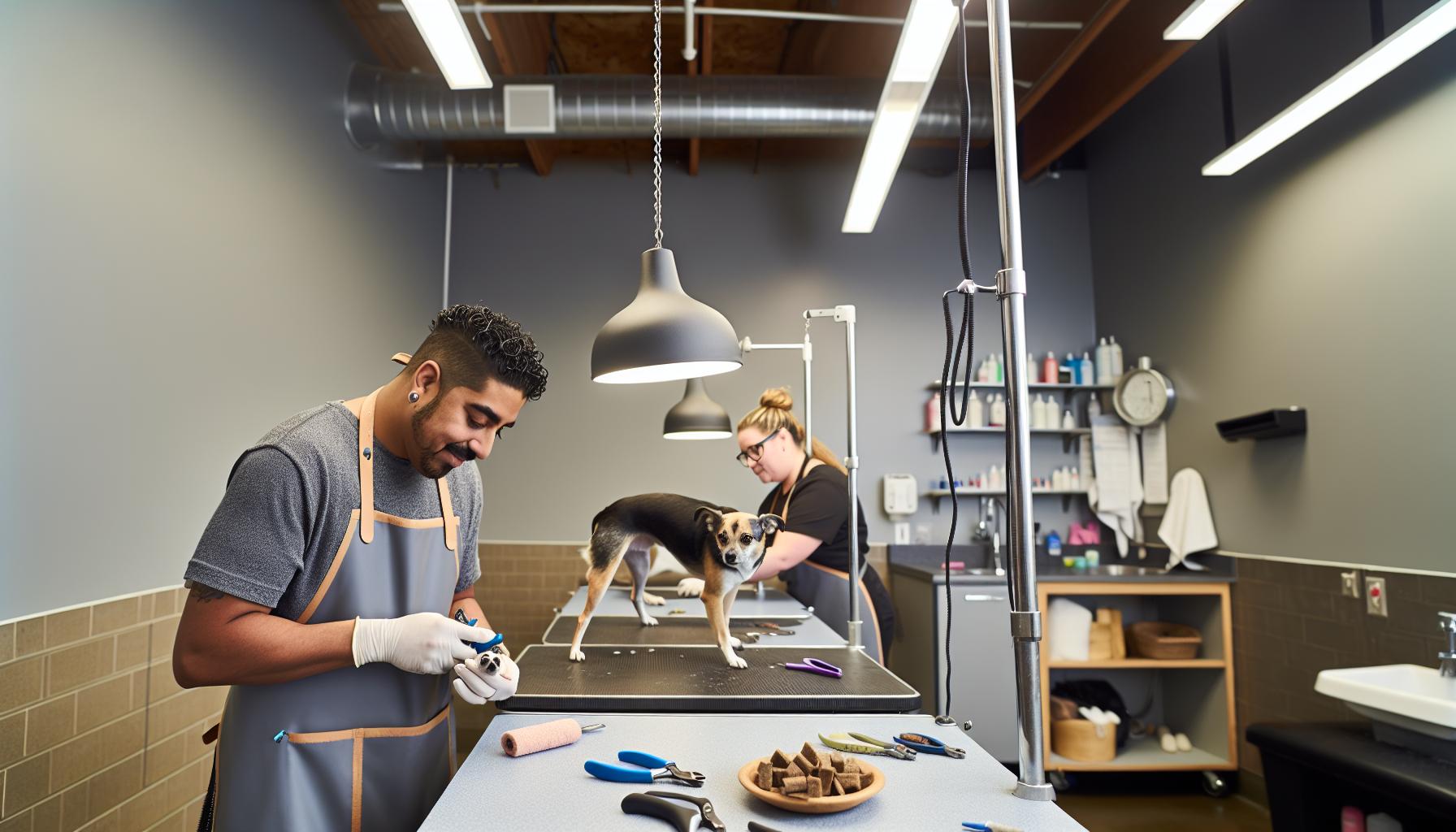
When to Stop: Recognizing Signs of Stress or Bleeding
Trimming a cat’s nails is a delicate balance between effectiveness and compassion. Knowing exactly when to pause or stop during nail care is just as important as mastering the clipping technique itself. Cats, with their sensitive paws and nerves, often give subtle-but crucial-signals that something isn’t quite right. Recognizing these signs early helps prevent injury and builds your cat’s trust, ensuring each session becomes smoother and less stressful.Most frequently enough, the first clear indicator to stop is the moment you see or hear any sign of bleeding. Even a tiny drop of blood means the quick has been clipped, which can be painful and cause your cat to recoil quickly. Keep styptic powder or a clean cloth handy to gently and promptly stop the bleeding. If bleeding occurs, take a break and soothe your cat with gentle praise or treats. Let your cat calm down fully before deciding to continue trimming. Remember, one or two nails trimmed with care are better than pushing through and triggering fear or outright refusal next time.
beyond physical signs, cats commonly show emotional and behavioral cues that signal they need a break. Look for rapid tail flicking, ears pinned back, heavy panting, attempting to pull paws away, or sudden restlessness. These often precede attempts to scratch or escape. Rather than pushing forward to “finish the job,” acknowledge your cat’s communication by stopping and allowing time to relax before resuming. Breaking the trim into short, positive sessions spaced out over several days is often the key to building long-term cooperation, especially for kittens, seniors, or more anxious breeds like persians or Bengals.
- Signs to watch for that mean it’s time to stop:
- Visible bleeding from the nail quick
- Sudden paw withdrawal or resistance
- Flattened ears or flicking tail indicating frustration or anxiety
- Vocalizations like hissing or growling
- Heavy breathing or dilated pupils
- helpful reminders when stopping:
- Offer calm reassurance and gentle petting
- Use treats to create positive associations
- Wait for your cat to settle before trying again
- Consider trimming fewer nails per session to reduce stress
A good real-world example: One groomer gently trimmed a shy Maine Coon’s nails over several days instead of all at once. Initially, the cat showed clear signs of distress after three nails, with tail flicks and attempts to pull away.The groomer stopped, rewarded the cat, and resumed the following day. Over time, the cat became more relaxed, and sessions grew longer and more effective without ever incurring bleeding or high stress.By paying close attention to these physical and emotional cues, you’re not just preventing pain-you’re nurturing a trusting relationship that transforms nail trimming from a fearful chore into a calm, manageable care routine. Prioritizing your cat’s comfort over speed or perfection helps cultivate a lifelong habit of healthy, stress-free grooming.
Tips for Maintaining Healthy Nails Between Trims
Cats’ nails naturally wear down to some extent through their daily activities, but understanding how to support healthy nails between trims can make all the difference in your cat’s comfort and paw care. Regular maintenance beyond clipping is key to preventing issues like overgrowth, painful ingrown nails, or even infections, especially for indoor cats who don’t have the same natural wear and tear as outdoor roamers.
Encourage Natural Nail Wear
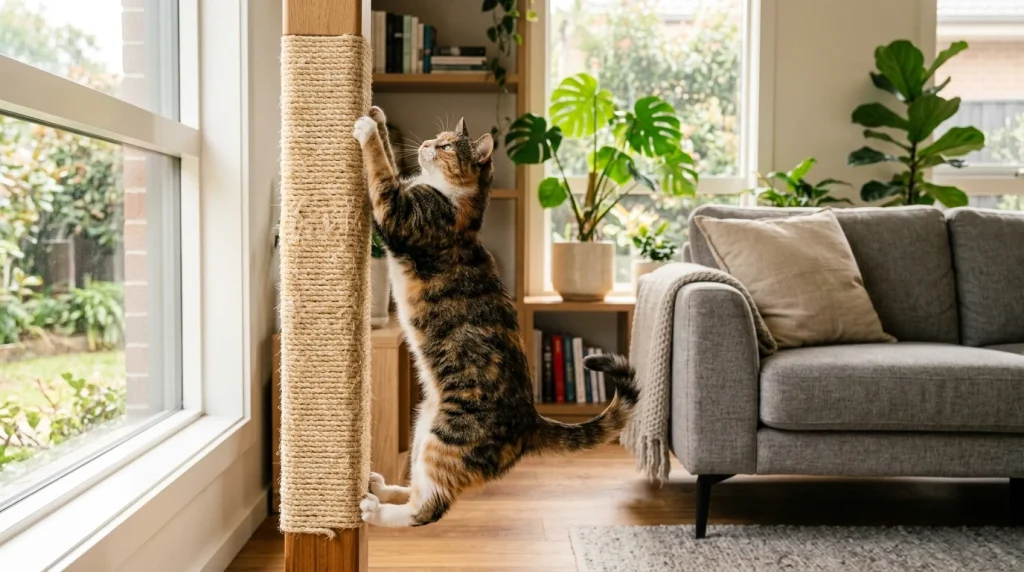
Providing well-chosen scratching posts or pads is one of the simplest and most effective ways to keep nails at a healthy length.cats instinctively scratch to shed old nail sheaths and sharpen their claws.Opt for a sturdy vertical post covered in sisal rope for cats who prefer to stretch upward, and a horizontal cardboard scratcher for those who like to claw flat surfaces. Rotate and replace worn posts to keep your cat interested. For breeds like Persians or Maine Coons, who often prefer lounging over active scratching, placing posts near favorite resting spots can coax more use.
Regular Paw Checks and Gentle Care
Being hands-on with your cat’s paws between trims builds trust and helps you spot potential problems early. Ideally,handle your cat’s paws gently once or twice a week,observing the nail tips and surrounding skin for cracking,discoloration,or debris caught between toes. If you notice any redness or swelling, foundation care or a vet visit might be needed before the next nail trim. Simple paw massages can also improve circulation and desensitize sensitive cats to future handling.
Balance Trimming Frequency With Lifestyle
Most cats benefit from nail trimming every 10 to 14 days, but lifestyle plays a big role. Active cats with access to rough surfaces might need less frequent clipping, while indoor or older cats often require trims every 7 to 10 days. Overgrown nails can snag on fabric or furniture, causing damage or discomfort, which might lead to difficult behaviour during trims. In these cases, shorter, more frequent sessions prevent the nails from outgrowing the quick and reduce stress for both cat and owner.
Creating Positive Associations With Paw Care
Between scheduled trimming sessions, help your cat form positive associations by pairing paw handling with treats, soft petting, or play. For shy or anxious cats, short and frequent gentle paw touches during calm moments (not just before trimming) help reduce resistance. One groomer shared how consistent positive reinforcement between trims transformed a particularly fractious cat into a cooperative patient over a few weeks.These small daily habits build the foundation for easier future trims and healthier nails.
- Encourage scratching activities: Provide multiple quality scratching posts to stimulate nail wear.
- Check paws weekly: Look for signs of damage before they become problems.
- Adjust trimming schedule: Tailor nail trimming frequency to your cat’s age, activity, and nail growth rate.
- Use rewards wisely: Integrate treats and gentle handling into regular paw care to ease trimming sessions.
Supporting your cat’s nail health between trims creates a smoother, safer grooming experience. Remember, the goal is comfort and wellbeing, not perfection. Small, consistent care steps prevent nail overgrowth and stress, helping your feline friend maintain happy, healthy paws throughout their life. If you’re ever unsure about your cat’s nail condition or trimming frequency, consulting your veterinarian or professional groomer is always a wise and caring choice.
[3] and [2] provide additional insights on keeping nails healthy and trim-ready.
Differences Between Groomer, Vet, and DIY Trimming
Cats’ nails might look simple, but trimming them safely requires a careful balance of skill, tools, and understanding your cat’s temperament. Many owners wonder whether to handle this task themselves, bring their feline to a professional groomer, or rely on a veterinarian’s expertise. Each option has its unique strengths and considerations,and knowing the differences can help you decide what’s best for your cat’s comfort and safety.
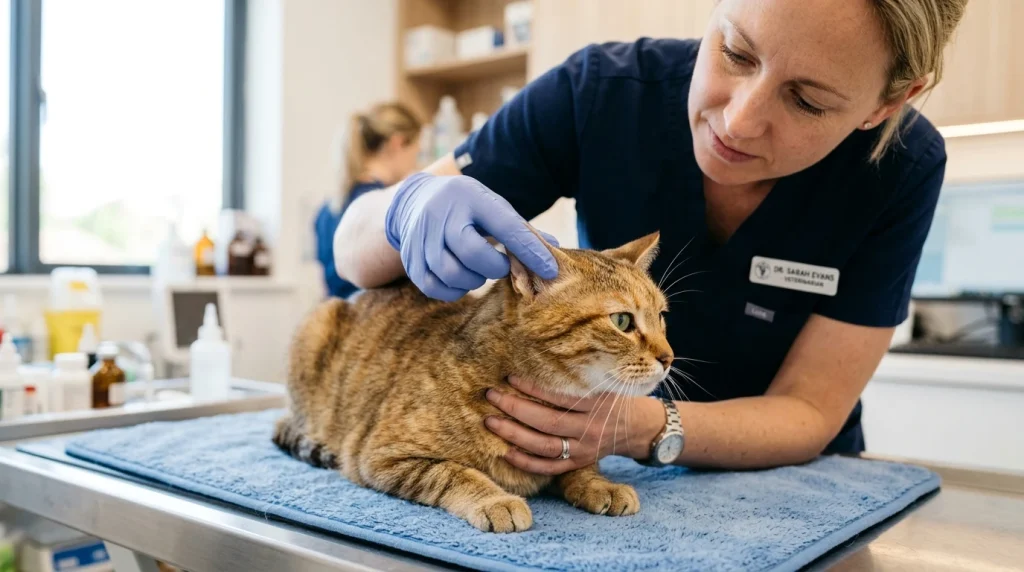
Professional groomers specialize in making grooming sessions as stress-free as possible for a wide range of cats-whether they’re short-haired, long-haired, or those sensitive to handling. Groomers use cat-specific nail clippers and calming techniques refined through experience with many feline personalities. They often have strategies ready for cats who are nervous or squirmy, gently desensitizing them through touches and breaks, ensuring that nail cutting is quick and precise. Groomers focus on routine maintenance and can spot subtle signs of nail problems during sessions. most importantly, the grooming environment is designed to be calm and positive, which can be a relief if your cat resists at-home trims.
Veterinarians and vet techs, on the other hand, handle nail trims as part of broader health care. Their role shines when your cat’s nails need more than just cosmetic attention-such as trimming very overgrown or ingrown nails, treating infections, or addressing painful conditions. Vets also manage trimming for cats that have medical sensitivities, wounds, or behavioral issues requiring sedation.If your cat is prone to stress or if a nail trim is intricate by health concerns, a vet’s knowledge ensures safety and appropriate care beyond just clipping.
Many cat parents prefer DIY trimming because it offers convenience, control, and bonding time. Though, it’s crucial to be equipped with the right tools-like sharp, cat-specific nail clippers, styptic powder for minor bleeding, and good lighting-and to work slowly with lots of positive reinforcement. DIY trimming suits owners who have patient cats and enough confidence to read nail anatomy,especially the quick (the pink part inside the nail sensitive to cutting). For breeds with dense fur, such as Maine Coons or Persians, extra care is needed to isolate nails and avoid coat catching in clippers. if you struggle with your cat’s behavior or nail health, professional help is a smart choice.
Choosing What’s Best for Your Cat
- Groomers: Ideal for regular maintenance, difficult-to-handle cats, and those who benefit from a calm, pro environment.Groomers often provide tutorials for owners, boosting DIY confidence.
- Veterinarians: Best when nails require medical attention, your cat has health issues, or sedation is needed.Vets ensure trims are safe despite behavioral or physical challenges.
- DIY Trimming: Great for daily care in relaxed cats or owners wanting more hands-on involvement. Success depends on good tools, education, and gradually building your cat’s comfort.
Understanding these roles prevents frustration and helps prioritize your cat’s emotional and physical well-being.Such as, one groomer shared how a shy Siamese who hated nail trims improved dramatically after a few professional sessions, combined with at-home positive reinforcement techniques taught by the groomer. This blend offers the best of both worlds-expert handling balanced with loving care at home.
Safety remains paramount no matter who trims your cat’s nails. Avoid rushing, watch for signs of discomfort, and never push your cat beyond their tolerance-in all trimming situations, compassion and patience always come first. Making an informed choice between groomer,vet,and DIY trimming empowers you to maintain your cat’s healthy nails with confidence and calm.
Handling Difficult Cats: Expert Groomer Techniques
Cats with nail anxiety are more common than you might think, and experienced groomers have a gentle arsenal of techniques to ease even the most apprehensive feline clients. The key is to transform the experience from a stressful ordeal into a calm, manageable routine that prioritizes the cat’s comfort along with the grooming‘s safety and effectiveness. Groomers don’t just clip nails-they build trust, often over several sessions, using patience and a soft approach tailored to each cat’s unique personality.
- start Slow with Desensitization: For cats who resist nail trims, groomers frequently enough begin with short, stress-free touch sessions to get the cat used to paw handling. This might mean just gently holding a paw and rewarding the cat with a treat or soothing words, gradually increasing the time spent touching and manipulating nails over multiple visits.
- Create a Safe, Quiet Environment: A calm atmosphere matters immensely. Groomers select quiet rooms with minimal distraction, soft lighting, and comforting scents or pheromone sprays designed to reduce feline stress. A warm towel or a favorite blanket can also provide a soothing nest for a nervous cat.
- Use Specialized tools Designed for Cats: Clippers with quiet, precise action and non-slip grips help minimize sudden noises or movements that might startle a cat. Additionally, groomers may use nail grinders for a slower, less intimidating touch.
- Incorporate Breaks and Positive Reinforcement: Grooming experts know when to pause. If a cat tenses up or tries to pull away, they pause, stroke the cat gently, or offer a soft treat before continuing. Building positive associations prevents future resistance.
Sometimes, specific breeds with thick fur or nervous temperaments-like Maine Coons or siamese cats-require extra care, including:
| Breed / Coat Type | Common Challenges | Groomer Techniques |
|---|---|---|
| Maine Coon | Dense fur, large paws, nail hiding | Use a fine-toothed comb to isolate nails, slow desensitizing touch, deep breathing encouragement |
| Siamese | High nervousness, vocal resistance | Soft words, short trimming bursts, pheromone sprays, relaxed lap sessions |
| Persian | Thick, long fur matting around paws | Pre-trim comb-out, distraction with treats, steady but gentle hold |
Groomers frequently enough become adept at reading feline body language. signs like flattened ears,flicking tails,wide eyes,or stiff limbs alert them to stop and reassess. this responsiveness helps prevent escalation. In a few challenging cases, groomers may advise a vet visit if sedation or medical consultation is necessary, respecting the boundary between grooming and veterinary care.
Remember, these are not mere trimming sessions-they are compassionate interactions designed to reduce fear. Groomers sometimes teach owners simple at-home handling practices between visits,turning intimidating trimming into a daily bonding opportunity.In short, expert groomers combine skill, empathy, and specialized tools to transform nail trimming from a dreaded chore into a peaceful part of your cat’s care routine. With their guidance, owners can gain the confidence and know-how to maintain healthy nails even in difficult feline companions.[1][2]
Cleaning and Caring for Cat Nails After Trimming
Even though trimming your cat’s nails is often the main focus, the care and cleaning that follow are just as crucial to keep your feline friend comfortable and healthy. after clipping, the nails and surrounding paws can feel a little sensitive or even dry, especially if your cat’s skin is prone to dryness or if a quick was narrowly missed. Proper aftercare soothes the paws, helps prevent infection, and keeps your cat feeling content with future trims.
Gentle Cleaning and Inspection
Once the nails are trimmed, take a moment to gently wipe the paws with a damp, soft cloth or pet-safe wipe. This removes any leftover nail dust or small clippings that can irritate your cat. be sure to check between the toes and around the nail beds for any redness, swelling, or debris.Sometimes small bits of dirt or litter can become trapped, and cleaning helps avoid infections or discomfort. If you spot any unusual signs like broken skin or persistent redness, this is a good time to consult your vet.
Moisturizing and Nail Health
Cats can have dryer paw pads just like people, especially in colder or low-humidity environments. Applying a tiny amount of a vet-approved paw balm or moisturizer designed specifically for cats can keep the pads soft and supple.Avoid human lotions or creams, as these often contain ingredients that could be harmful if ingested during grooming. Not all cats love this step, so introduce any balm slowly and always pair it with positive reinforcement, like gentle petting and treats.
Troubleshooting Minor Bleeds or Sensitivity
Occasionally, even the steadiest hands might accidentally nick the quick-the sensitive part of the nail that houses blood vessels. If you notice minor bleeding, don’t panic. Applying a small dab of styptic powder immediately stops the bleeding. Keep a little on hand for home use, and remember that a calm, reassuring tone helps your cat feel safe during moments like these. If the bleeding continues or if the paw seems tender to touch over 24 hours, seek veterinary advice promptly.
Encouraging Positive Associations
Aftercare is a wonderful opportunity to make nail trims a positive experience.Use quiet moments post-trimming to engage in gentle petting, play, or offer favorite treats. This reinforces to your cat that nail care is part of a loving routine rather than a stressful event. Over time, these small but thoughtful actions help reduce nail anxiety and make future grooming sessions easier for both you and your kitty.
- Keep grooming tools clean: Wipe your clippers after every session to avoid bacteria build-up.
- Regularly inspect nails and paws: This helps spot early signs of infections, overgrowth, or ingrown nails.
- Maintain nail health with scratching posts: Encourage natural nail wear to minimize how often you need to trim.
Remember, caring for your cat’s paws post-trim is not about perfection-it’s about comfort, wellbeing, and nurturing trust. With patience and compassion, these simple steps make a big difference in your cat’s grooming experience and lifelong happiness.When in doubt, never hesitate to ask a professional groomer or your veterinarian for tailored advice specific to your cat’s breed, coat type, or temperament.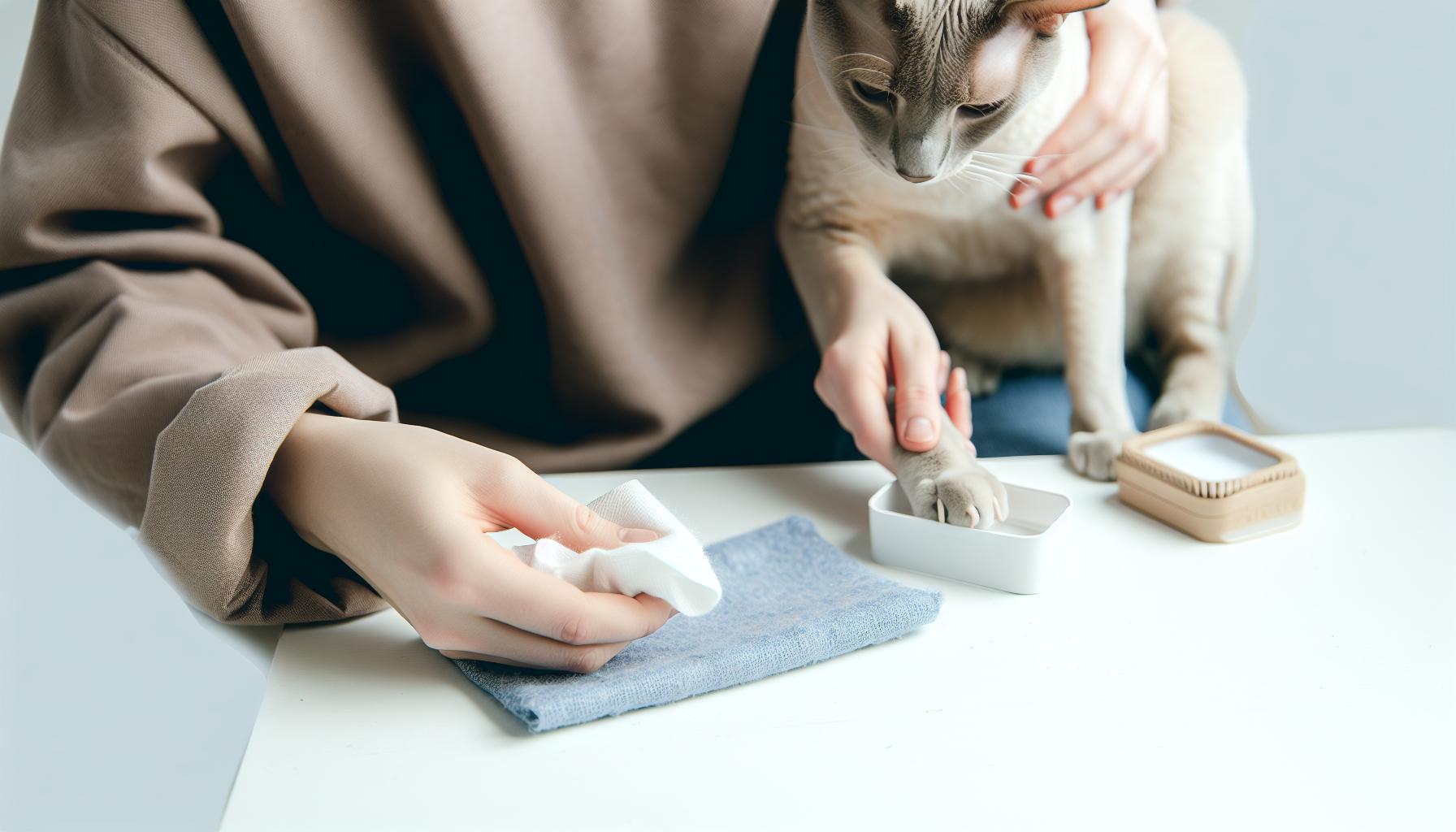
Frequently Asked Questions
Q: How do groomers safely handle cats that resist nail trimming?
A: Groomers use gentle restraint techniques combined with calming methods like soft petting and soothing voices to safely trim reluctant cats. they may wrap a cat in a towel or use specially designed gloves to prevent scratches while maintaining comfort. Patience and gradual desensitization are key to avoid stress and ensure safe nail care. For detailed calming strategies, refer to *Handling Difficult Cats: Expert Groomer techniques* in our guide.
Q: What specific cutting tools do professional groomers prefer for cat nails?
A: Professional groomers frequently enough choose sharp, scissor-style or guillotine clippers specifically designed for small, delicate cat nails. These tools provide a clean cut with minimal pressure, reducing the risk of splintering. Some groomers also use nail grinders for smoothing edges safely after clipping. Explore *Essential Tools Groomers Use to Trim Cat Nails* for full tool recommendations.
Q: Why do groomers avoid trimming the quick in cats, and how do they identify it?
A: Groomers avoid the quick-the pink, sensitive area inside the nail-as cutting it causes pain and bleeding. They identify it by looking for the pinkish zone in light-colored nails or trimming small amounts gradually in dark nails to prevent cutting too deep. Learning about this is crucial in *understanding Cat Nail Anatomy for Safe Trimming* to ensure a safe grooming session.
Q: How often do groomers recommend trimming a cat’s nails for optimal health?
A: Groomers typically recommend trimming a cat’s nails every 2 to 4 weeks, depending on the cat’s lifestyle and nail growth rate. Regular trims prevent overgrowth, reduce scratching damage, and support paw health. Consistent maintenance is covered in *Tips for Maintaining Healthy Nails Between trims* for keeping your cat comfortable and safe.
Q: What signs indicate a cat is stressed during nail trimming,and how do groomers respond?
A: Signs of stress include growling,hissing,rapid breathing,and trying to escape. Groomers immediately pause trimming,offer breaks,and use calming aids like pheromone sprays or gentle massage. Recognizing these cues early helps prevent trauma and builds trust-details found in *when to Stop: Recognizing Signs of Stress or Bleeding*.
Q: How do groomers differentiate their trimming approach from vets or DIY owners?
A: groomers focus on efficient, safe trims optimized for aesthetics and comfort, often handling anxious cats with specialized techniques. Vets may trim nails during health exams prioritizing medical concerns, while DIY owners often learn basic trims at home. Understanding these roles is key and explained in *Differences Between Groomer, Vet, and DIY Trimming*.
Q: can groomers trim cat nails during bath or other grooming steps, and is it safe?
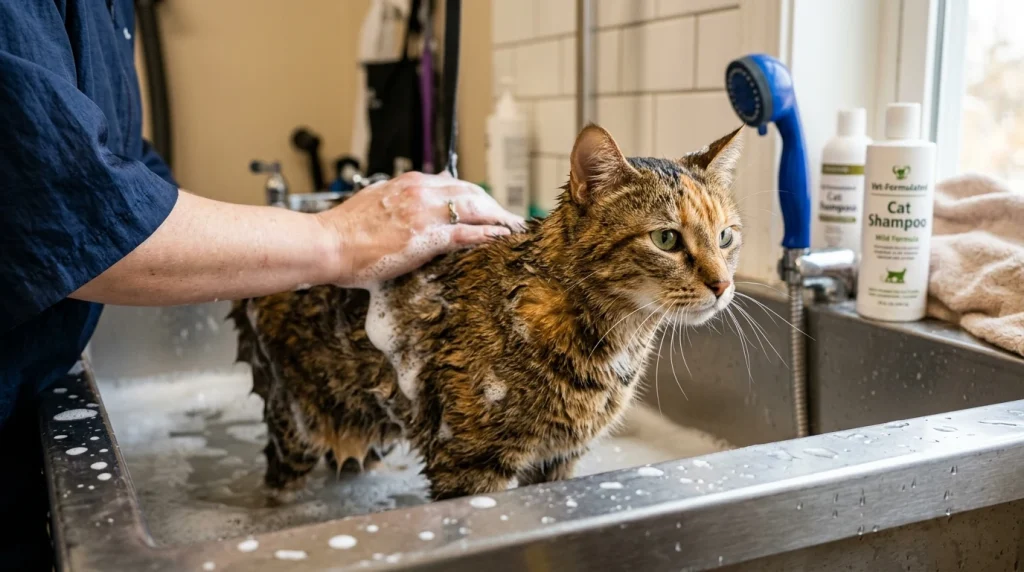
A: yes, groomers sometimes trim nails during or after a bath when claws are softer and easier to cut safely. However, they ensure the cat is calm and dry enough to avoid slipping or stress. combining grooming tasks enhances efficiency while prioritizing safety-more tips in *Step-by-Step Guide to Cutting Cat Nails Safely*.
Q: What post-trimming care do groomers recommend for cats’ nails and paws?
A: After trimming, groomers advise cleaning paws with a damp cloth to remove debris, checking for irritation, and applying a paw moisturizer if dry. Regular inspection helps prevent infections and maintains healthy nails, further explained in *Cleaning and Caring for Cat Nails After Trimming*. For ongoing care, see our maintenance tips section.
—
For more expert advice,explore the full sections on calming techniques and nail care tools in our main guide. Trimming cat nails safely is about *patience, comfort,* and *knowing your cat’s needs*-you’re on the right path!
In Retrospect
Mastering safe cat nail trimming doesn’t have to be daunting. By taking a calm, step-by-step approach-focusing on your cat’s comfort, using the right tools, and trimming just the sharp tips-you’re ensuring stress-free grooming sessions that protect your furry friend’s well-being. Whether you’re a pet parent or considering professional groomers, understanding these techniques helps you make confident choices for your cat’s care.
Ready to deepen your grooming know-how? Check out our guides on gentle brushing for different coat types and tips for stress-free bath time to create a full, loving care routine. If you want personalized advice or the best tools recommended by experts, don’t hesitate to explore our product pages or sign up for our newsletter for ongoing tips. remember,patience and compassion are key-small steps today lead to happier,healthier cats tomorrow.
Have questions or experiences to share? Drop a comment or share this article with fellow cat lovers who want to make nail care safe and simple. Stay tuned for more pet grooming insights and feel empowered to keep your cat comfortable, cared for, and confident with every trim.
Get our latest guides, news, and insights highlighted in your Google Search & AI Overviews.
Keep reading about the same coat and cut.
Popular grooming guides
Bath vs clip, first grooms, and salon how-tos.