How do groomers deal with difficult dogs?

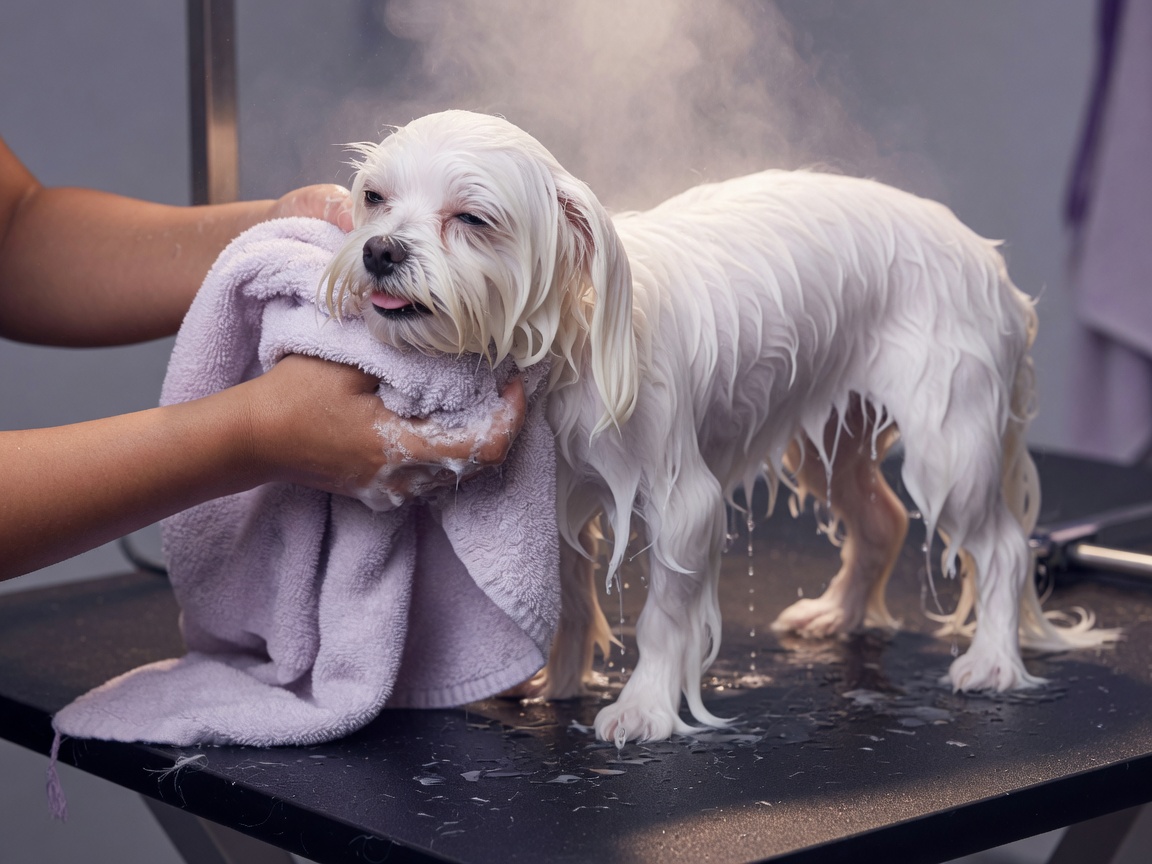
Dealing with difficult dogs can be a challenging job for any groomer. Dogs can be unpredictable and can present a variety of issues that can make grooming a difficult task. Grooming a difficult dog requires patience, understanding, and a lot of training. Groomers must use their knowledge and experience to safely and effectively handle these difficult dogs. In this article, we will discuss techniques and tips that groomers can use to deal with difficult dogs and provide them with the best grooming experience possible.
Introduction
Table of Contents
Groomers are professional pet care providers, who are responsible for the hygiene, health, and appearance of dogs. Working with dogs requires a lot of patience, and groomers often come across challenging and difficult dogs. It is not an easy task to deal with these dogs, as they may display aggression, fear, or anxiety. Many groomers face the challenge of handling difficult dogs, but with the right approach, they can get the job done. This article will discuss how groomers can deal with difficult dogs.
Dogs with Anxiety or Fear
Dogs with anxiety or fear can be difficult to handle for any groomer. These dogs may display behaviors such as barking, cowering, and trembling. It is important for the groomer to remain calm and use a gentle approach in order to calm the dog. Groomers can start by speaking in a soothing voice and offering treats to the dog. This can help to build a bond between the groomer and the dog, which can make the grooming process easier.
Groomers should also be aware of the dog’s body language and any signs of distress. If the dog is showing signs of distress, the groomer should take a break and give the dog some time to relax. The groomer can also use distraction techniques such as playing music or offering treats to keep the dog calm.
Dogs with Aggression
Dogs with aggression can be more challenging to handle than dogs with anxiety or fear. Aggressive dogs may display behaviors such as growling, barking, snapping, and lunging. In order to deal with such dogs, groomers must remain calm and confident. Groomers should also use a muzzle or a safety harness if the situation requires it.
Groomers should take their time when handling an aggressive dog and should not rush the process. The groomer should also offer treats and praise to the dog throughout the grooming process. This can help to build trust between the groomer and the dog, which can make the grooming process easier.
Dogs with Medical Issues
Dogs with medical issues can also be difficult to handle for groomers. These dogs may have limited mobility or pain, which can make the grooming process difficult. It is important for groomers to be aware of any medical issues that the dog may have and to take special care when handling the dog.
Groomers should take their time and be gentle when handling a dog with medical issues. The groomer should also be aware of any signs of distress and should take a break if the dog needs it. The groomer can also use distraction techniques such as offering treats or playing music to keep the dog calm.
Conclusion
Dealing with difficult dogs can be challenging for any groomer. However, with the right approach and patience, groomers can handle these dogs with ease. Groomers should remain calm and confident when dealing with difficult dogs and should use techniques such as offering treats and using distraction techniques to keep the dog calm. Groomers should also be aware of any medical issues that the dog may have and should take extra care when handling the dog.
Common Myths about Dealing with Difficult Dogs at the Groomer
1. Myth: Groomers are not equipped to handle difficult dogs.
Fact: Groomers are fully trained and equipped to handle difficult dogs. They can use specialized techniques, such as positive reinforcement and rewards, to encourage good behavior.
2. Myth: Groomers will use physical force to handle difficult dogs.
Fact: Groomers never use physical force or any form of punishment on dogs. They will use verbal commands and positive reinforcement to encourage good behavior.
3. Myth: It is not safe to take difficult dogs to the groomer.
Fact: It is safe to take difficult dogs to the groomer. With the right techniques and experience, groomers can handle even the most difficult dogs.
Frequently Asked Questions
How do groomers handle difficult dogs?
Answer: Professional groomers are trained to handle difficult dogs. They use calming techniques, positive reinforcement, and rewards to create a safe and comfortable environment for all their clients. They also use certain tools and methods to ensure the safety of both the dog and the groomer.
What if my dog is scared of the grooming salon?
Answer: It is important to start preparing your dog for the grooming process well before their appointment. Take them to the salon for a few visits and let them get comfortable with their surroundings. Talk to the groomer about your pet’s specific needs and ask for tips on how to make the process less stressful for your pup. It is also important to stay calm and stay with your pet during the grooming session for extra reassurance.
Conclusion
.
Groomers need to have patience and the right approach when dealing with difficult dogs. They should remain calm, use soothing voices and offer treats to build trust. For dogs with anxiety or fear, distraction techniques such as playing music can help to keep them calm. For dogs with aggression, groomers should use a muzzle or safety harness and take their time to build trust. For dogs with medical issues, special care should be taken and signs of distress should be monitored.
Get our latest guides, news, and insights highlighted in your Google Search & AI Overviews.
Keep reading about the same coat and cut.
Popular grooming guides
Bath vs clip, first grooms, and salon how-tos.