How do you groom a difficult dog?

If you have a difficult dog to groom, it can be a daunting task. It can be hard to know where to start when trying to groom a difficult dog, especially if you have never done it before. Grooming a difficult dog requires patience, understanding, and the right tools. With the right approach, you can make the grooming process easier and more enjoyable for you and your pup. In this guide, we will provide tips on how to groom a difficult dog and the best products to use.
Understanding Difficult Dogs
Table of Contents
It’s not always easy to understand why a dog is difficult to groom. It can be a sign of fear, anxiety, or even pain. It can be hard to know how to make the situation better, but it is possible. In order to successfully groom a difficult dog, it is important to understand why they are behaving the way they are and what you can do to make the process easier.
Observe the Dog’s Behavior
The first step in successfully grooming a difficult dog is to observe their behaviors. Are they cowering away from you? Are they trying to escape? Are they growling or snapping at you? All of these behaviors can be signs of fear, anxiety, or pain. It is important to note the behaviors before you begin grooming, as this can help you to determine the best approach for the situation.
Create a Positive Environment
Once you have observed the dog’s behavior, it is important to create a positive environment for them. This can include providing treats and praise, playing music, or setting up a comfortable area for them to groom in. It is important to make sure that the area is free of distractions, such as other pets or people.
Introduce New Grooming Tools
Once the environment is set up, it is important to introduce the dog to the new grooming tools. Start by showing the tools to the dog and allowing them to sniff and explore them. This will help the dog to become accustomed to the tools and will make them less fearful when it comes time to actually use them.
Start with Short Grooming Sessions
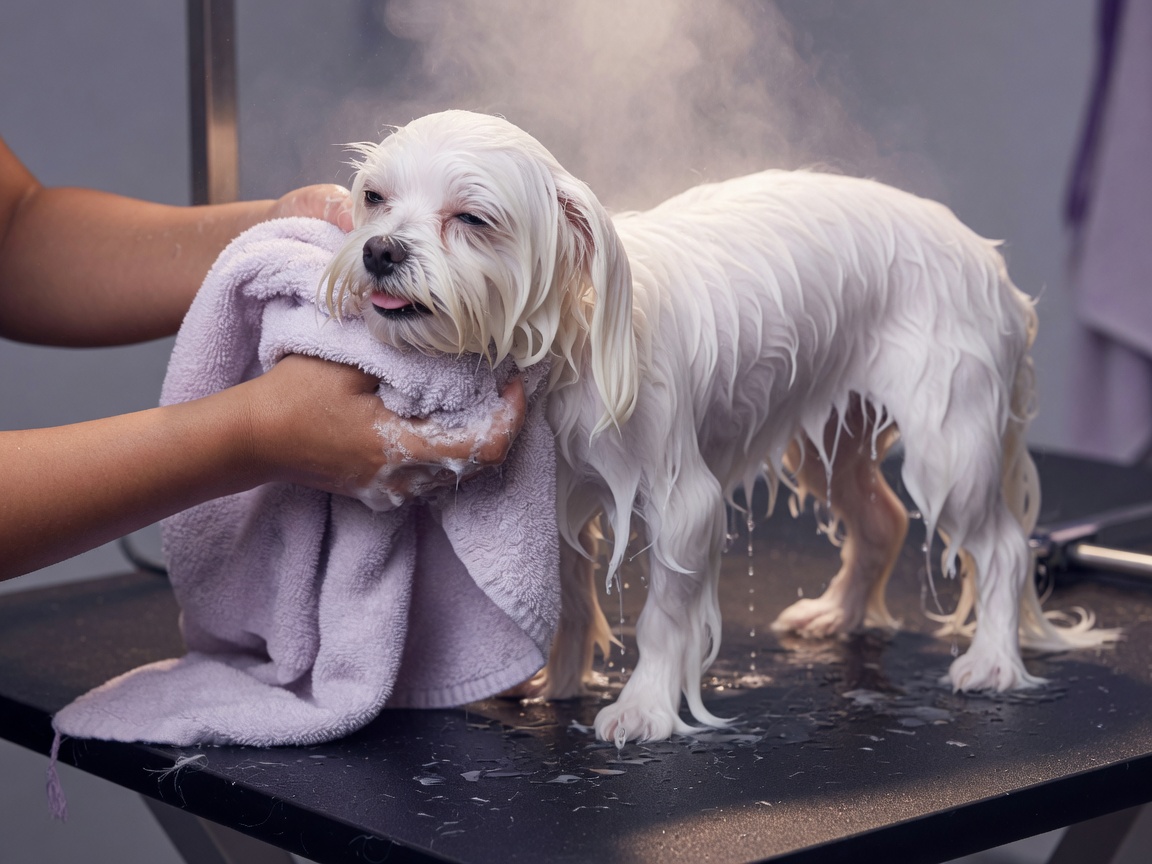
When it is time to actually start grooming, it is important to start with short sessions. This will allow the dog to become accustomed to the process and will help to build their trust. Start by brushing the dog gently and praising them for good behavior. If the dog shows any signs of fear or anxiety, it is important to stop and give them a break.
Provide Rewards
Rewards are an essential part of successful dog grooming. After each successful grooming session, it is important to provide the dog with a treat or some other form of reward. This will help to reinforce good behavior and will make the dog more likely to cooperate during future grooming sessions.
Be Patient
It is important to remember that grooming a difficult dog can take time. It is important to be patient and understanding, as the process can be stressful for both the dog and the groomer. If the dog is still not responding to your efforts, it is important to consult a professional dog trainer or veterinarian to help you with the process.
Conclusion
Grooming a difficult dog can be a challenge, but it is possible with the right approach. It is important to observe the dog’s behavior, create a positive environment, introduce new grooming tools, start with short sessions, provide rewards, and be patient. With the right approach, you can successfully groom a difficult dog and make the process less stressful for both of you.
Common Myths About Grooming Difficult Dogs
Myth 1: Grooming a difficult dog is impossible.
Fact: Grooming a difficult dog is challenging, but not impossible. With the right technique and patience, it can be done.
Myth 2: Difficult dogs are aggressive and will bite.
Fact: Difficult dogs may be more fearful or reactive than other dogs, but this doesn’t automatically mean they will bite. Many difficult dogs can be trained to be calm and trusting when groomed with the right techniques.
Myth 3: Difficult dogs require more energy and time to groom.
Fact: Grooming a difficult dog can take more time and energy than grooming an easy-going dog, but it is far from impossible. With consistent, positive reinforcement and patience, difficult dogs can learn to trust and respond well to grooming.
Myth 4: Grooming a difficult dog is dangerous.
Fact: Grooming a difficult dog can be intimidating, but it is not necessarily dangerous. With the right approach, even the most difficult dog can learn to trust and respond well to grooming.
Frequently Asked Questions
How do you groom a difficult dog?
Answer: Make the grooming experience as positive and stress-free as possible. Give your dog plenty of treats while grooming, and make sure to give them plenty of breaks. Start with short sessions and slowly increase their tolerance. Use gentle, calming strokes and speak in a soft, soothing voice.
What should I do if my dog gets scared while grooming?
Answer: Remain calm and speak to your dog in a soothing voice. If your dog is showing signs of distress, take a break and try again later. If you need to, end the grooming session and try again another time. If needed, enlist the help of a professional groomer who can work with your dog in a safe, controlled environment.
Conclusion
. Grooming a difficult dog can be a challenge, but it is possible with the right approach. Observing the dog’s behavior, creating a positive environment, introducing new grooming tools, starting with short sessions, providing rewards, and being patient are all important steps. With these tips, you can successfully groom a difficult dog and make the process less stressful for both of you.
Get our latest guides, news, and insights highlighted in your Google Search & AI Overviews.
Keep reading about the same coat and cut.
Popular grooming guides
Bath vs clip, first grooms, and salon how-tos.