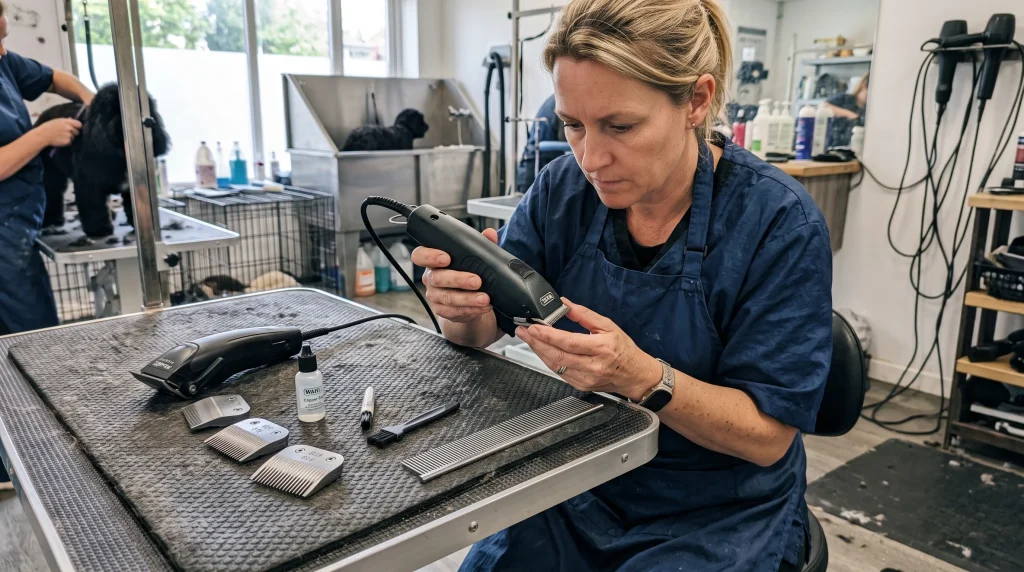
Can Dog Groomers Open? COVID-19 Update & Safety Protocols
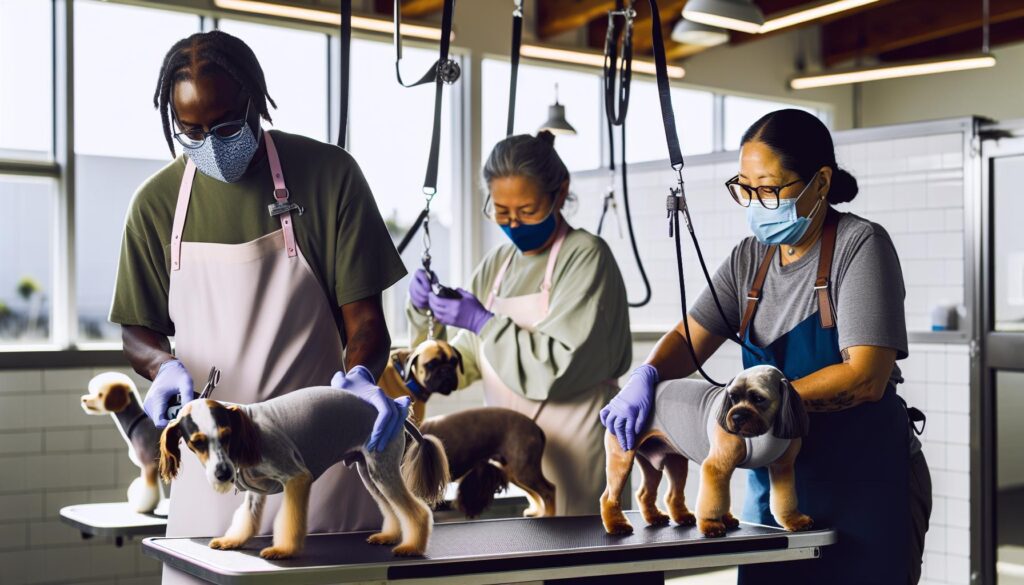
Did you know that during the height of COVID-19, many dog groomers had to close their doors to keep pets and owners safe? Now, as the world adapts, you might wonder: can dog groomers open again, and what safety steps are in place? This update is here to guide you through how grooming services are safely resuming, addressing your concerns about protecting your furry friend while maintaining their well-being and comfort. Weather you have a curly-coated poodle needing delicate brushing or a short-haired companion who just needs a quick nail trim, understanding the right tools and cautious procedures can ease anxiety for both you and your dog. Together,we’ll explore practical,pet-kind protocols-like sanitizing equipment,mask usage,and minimal contact appointments-that help groomers provide loving care without compromising health. Keep reading to feel confident about your dog’s grooming journey in these new times, and discover simple tips to balance professional help with at-home care, ensuring your pup stays happy, clean, and safe every step of the way.
Are Dog Groomers Allowed to Open During COVID-19?
Table of Contents
- 1 Are Dog Groomers Allowed to Open During COVID-19?
- 2 How COVID-19 Changed Dog Grooming Services Nationwide
- 3 Essential Safety Protocols for Groomers and Pet Owners
- 4 Preparing Your Dog for a Safe Grooming Visit
- 5 What To Expect at a Groomer’s Appointment Now
- 6 DIY Grooming Tips When Professional Services Are Limited
- 7 Recognizing Signs It’s Time for Professional Grooming
- 8 How Groomers Handle High-Risk or Anxious Pets Safely
- 9 Understanding Vet vs. Groomer Roles During the Pandemic
- 10 Latest Local Regulations Affecting Dog Grooming Businesses
- 11 FAQ
- 11.1 Q: How can pet owners safely drop off and pick up dogs from groomers during COVID-19?
- 11.2 Q: What personal protective equipment (PPE) do dog groomers wear to prevent COVID-19 transmission?
- 11.3 Q: Are there special cleaning requirements for grooming tools during the pandemic?
- 11.4 Q: Can grooming salons handle emergency or urgent grooming needs during COVID-19 restrictions?
- 11.5 Q: How do groomers accommodate dogs with anxiety or special needs amid COVID-19 safety protocols?
- 11.6 Q: Why is professional grooming still critically important during the COVID-19 pandemic?
- 11.7 Q: How has COVID-19 changed the way dog grooming appointments are scheduled?
- 11.8 Q: What are the best practices if my groomer is temporarily closed due to COVID-19 exposure?
- 12 To Conclude
During the height of the COVID-19 pandemic,many dog grooming businesses faced unprecedented uncertainty about whether they could continue caring for our furry friends. The good news is that, in most regions, professional groomers were allowed to remain open, especially as essential service providers supporting pet health and welfare. This wasn’t universal, though – local and state regulations varied greatly, reflecting differing public health priorities and infection rates. Groomers quickly adapted,balancing their love for animals with new safety mandates to keep everyone safe.
Many groomers became creative problem-solvers, introducing appointment-only visits, outdoor or curbside drop-offs, and extended sanitization routines. For example, a groomer working with thick-coated breeds like Golden Retrievers might prioritize tools that allow for efficient drying and reduce appointment time, thereby limiting contact. For pets prone to anxiety, groomers communicated closely with owners beforehand, recommending calming techniques to reduce stress for both dogs and humans. These adjustments helped maintain vital grooming services while respecting health guidelines.
Examples of Adaptations That Allowed Groomers to Operate Safely
- Contactless Check-In and Payment: Minimizing physical interaction to reduce transmission risk.
- Mask and Glove Policies: groomers and clients wearing masks and using gloves whenever possible.
- Staggered Scheduling: Avoiding overlapping appointments to maintain distancing.
- Outdoor Waiting Areas or Curbside Drop-Off: preventing crowded indoor spaces.
- Enhanced Cleaning Protocols: Frequent disinfection of grooming tools,surfaces,and floors.
For nervous owners unsure about whether to bring their dog to a groomer during restrictions, it’s critically important to remember that professional groomers do more than make pets look good: they also help prevent common health issues like matting, skin infections, and overgrown nails. When groomers were allowed to open, their protocols focused on prioritizing pet comfort and safety, avoiding needless stress. If you’re unsure whether grooming shops are open in your area,check with your local public health department and ask your groomer directly about their current policies and availability.
Ultimately, the combination of responsible regulation and thoughtful, flexible grooming practices allowed many groomers to serve their communities safely - supporting pet health while easing owners’ worry during a difficult time.
How COVID-19 Changed Dog Grooming Services Nationwide
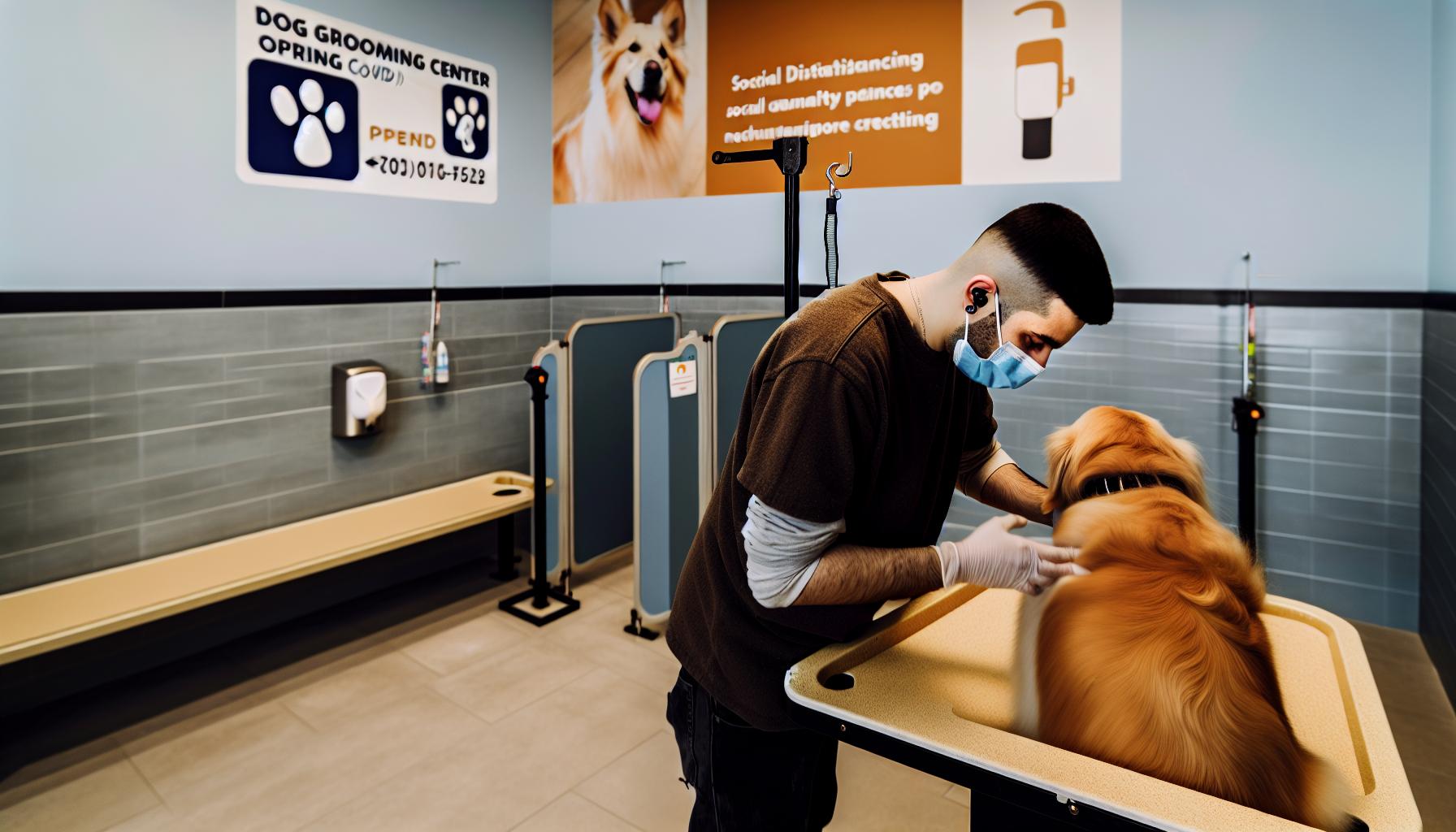
The pandemic reshaped dog grooming in ways no one anticipated-bringing challenges but also innovations that will influence the industry for years to come. Suddenly, grooming wasn’t just about beauty; it became a crucial service for pet health and owner peace of mind. With many pets staying home more than ever-especially during lockdowns-owners quickly realized just how important regular grooming is to prevent matting, skin problems, and nail overgrowth. As a result, groomers nationwide saw a surge in demand once restrictions eased, especially from buyers of ”COVID dogs” like Doodle mixes, whose unique coats often require expert care and specialized tools.
To adapt, groomers embraced appointment-only models and inventive delivery methods like curbside drop-offs and outdoor waiting areas, which minimized direct contact but kept pets pleasant. those with thick-coated breeds-like Goldens or Sheepdogs-switched to faster-drying tools to reduce grooming time without sacrificing quality. For anxious or high-strung dogs, groomers reached out to owners ahead of appointments with personalized calming tips, from gentle massage techniques to short leash walks before arrival. These thoughtful tweaks created a more relaxed grooming experience for pets and helped owners feel reassured during uncertain times.
New Grooming Norms: What Worked Well
- Contactless Processes: From booking to payment, removing physical interactions kept everyone safer without adding hassle.
- Staggered Scheduling: Avoiding overlapping appointments lowered the chance of crowding and helped groomers space their energy.
- Expanded Hygiene Practices: Frequent sanitizing of tools and surfaces was standard, protecting dogs and humans alike.
- Flexible Interaction: Regularly checking in with pet parents fostered trust and made it easier to spot any changes in pet health or behavior.
Throughout the pandemic,groomers demonstrated remarkable flexibility,balancing crucial health guidance while maintaining the warmth and patience pets deserve. Many owners found themselves learning DIY grooming basics too, but professionals emphasize that certain tasks-like ear cleaning and de-matting-are best left to experienced groomers to prevent injury or discomfort. understanding when to seek expert help versus managing simple maintenance at home became an essential part of responsible pet care in this new normal.
Ultimately, the changes sparked by COVID-19 have elevated grooming beyond aesthetics to an integral role in pet well-being and family routines. Groomers continue to refine safety protocols and communication,proving that compassionate,knowledgeable care can thrive even in challenging circumstances. As you prepare for your pet’s next appointment, remember that their comfort and health come first-and your groomer is there to support them every step of the way.
Essential Safety Protocols for Groomers and Pet Owners
COVID-19 transformed how we approach pet care, placing safety at the heart of every grooming visit.Groomers and pet owners alike embraced new habits to protect one another without sacrificing the loving attention every dog deserves. From the moment you make your appointment to the time your dog is safely back home, simple but thorough safety steps ensure peace of mind and a smooth experience.
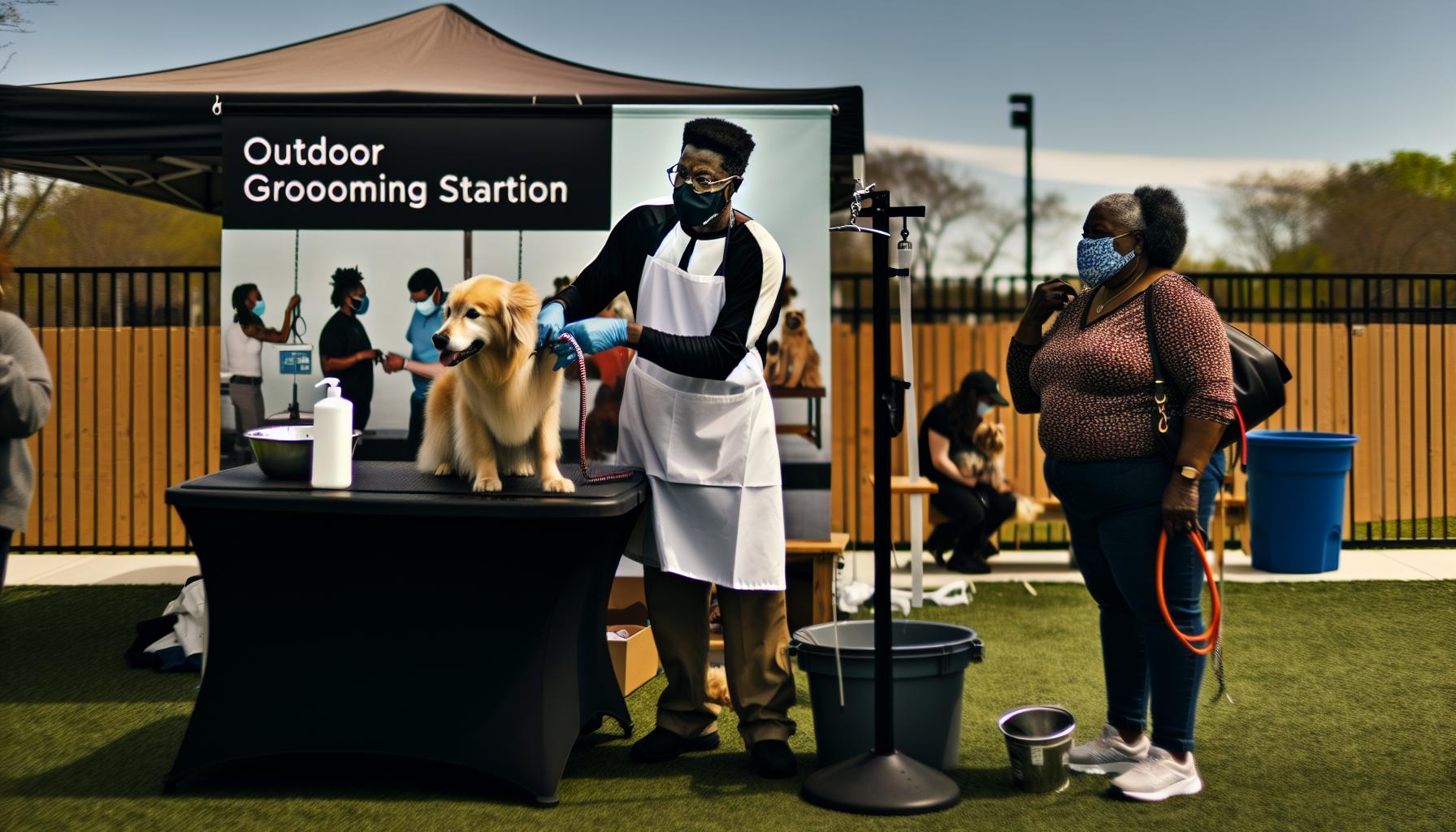
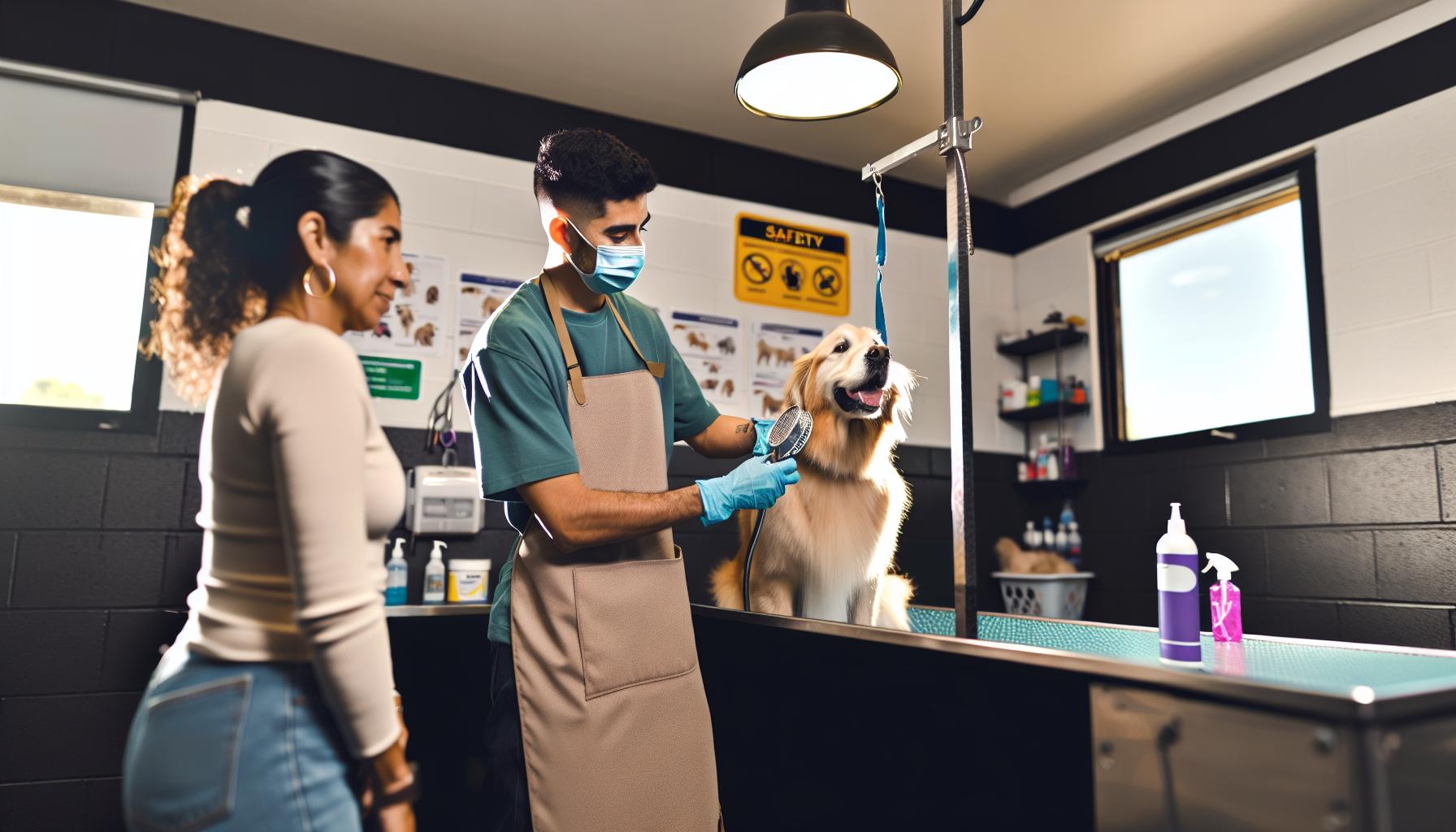
One key change is adopting contactless interactions. Booking appointments online or via phone, as well as completing payments through secure digital methods, removes unnecessary face-to-face contact. This not only keeps people safer but frequently enough speeds up the process. Upon arrival,many groomers now use curbside drop-offs or designated waiting areas outside,letting your pup enter calmly while you stay safely distanced or wait remotely. This also minimizes the presence of multiple people inside the grooming area, helping reduce the risk of virus transmission.
Enhanced hygiene and Cleaning
maintaining strict cleanliness goes beyond usual standards.Groomers frequently sanitize tools, tubs, and surfaces between each dog. For example, clippers and brushes undergo thorough cleaning to prevent cross-contamination. Floors and door handles are wiped down regularly, and air circulation is improved wherever possible. If your dog has a breed with a thick or curly coat (like Doodles or Sheepdogs), groomers might use faster-drying equipment to reduce time spent in the salon, cutting exposure risk while ensuring your dog looks and feels great.
Protecting Pets and People: What You Can Expect
Most groomers now ask pet owners a few critically important questions before the appointment to check for any recent illness or exposure that might affect safety. They also advise owners to prepare their dog at home by making sure their pet is comfortable on a leash and familiar with basic handling. This helps reduce stress and speeds up grooming.Some groomers wear masks or face shields, especially if social distancing is challenging during close contact with your dog.They use gentle, patient handling to keep anxious dogs calm, using simple calming tricks like slow petting or short leash walks before grooming begins.If your dog is nervous or considered high-risk, groomers often communicate ahead of time to tailor strategies-perhaps scheduling the first or last appointment of the day so the environment is quieter.
- Before Bathing: Brushing thoroughly at home reduces matting and helps minimize grooming time.
- During Nail Care: Groomers sanitize nail clippers,and may quarantine used tools briefly between pets.
- Ear Cleaning: Professionals handle this cautiously to prevent irritation or infection, unlike at-home attempts which risk injury.
Real-world examples highlight how these steps blend effectiveness with compassion: one groomer shared how scheduling “curbside drop-off” appointments eased the nerves of a shy Goldendoodle, who relaxed faster knowing the owner was nearby but out of sight during grooming.
Knowing When to Leave It to the Professionals
while many home grooming tasks like regular brushing or spot cleaning are great for maintaining coat health, some areas-ears, mat removal, sensitive nail trimming-are best handled by trained hands. This protects your dog from painful accidents that could require vet visits.During the pandemic, groomers have strengthened communication with pet owners, educating them on these boundaries so dogs stay safe and comfortable.
By working together-owners preparing their dogs, and groomers following these thoughtful safety protocols-the grooming experience remains positive and safe. Your trusted groomer is not just styling fur; they’re helping protect your dog’s health and well-being through every snip, scrub, and snuggle.
Preparing Your Dog for a Safe Grooming Visit
Grooming appointments during these times require just a bit more preparation than usual, but getting your dog ready at home can make all the difference to their comfort and safety. Helping your pup feel calm and cooperative sets the tone for a smooth session while minimizing stress for both your pet and the groomer.Whether your dog has a thick, curly coat that mats easily or a short-haired breed that needs gentle care, simple steps at home can make their visit far more enjoyable.
Brushing and Coat Prep
Before the appointment, giving your dog a thorough brush is the best way to reduce tangles and loose hair that could increase grooming time and discomfort.Use a brush suited to their coat type-like a slicker brush for curly coats or a bristle brush for short hair-and work gently to avoid hurting sensitive skin. For breeds prone to mats-think Doodles, Sheepdogs, or Spaniels-daily brushing in the days leading up to grooming prevents painful detangling during the visit. Even a short 5-10 minute session helps. If you notice any severe mats or skin issues, let your groomer know in advance so they can plan accordingly.
Getting Comfortable with Handling
Dogs who are used to being touched and handled have a much easier time during grooming. Practice gently touching their paws,ears,and belly at home,rewarding calm behavior with treats and praise. This helps them stay relaxed when groomers perform sensitive tasks like nail trimming and ear cleaning. If your dog is nervous or new to grooming, try short leash walks and calm petting before leaving for the appointment to help them settle.
Feeding and Exercise Tips
plan to feed your dog a bit earlier than usual on grooming day to avoid any discomfort, since some dogs get anxious or restless on an empty stomach. A moderate walk or playtime before the salon can also help expend extra energy, making your pup more relaxed in the new environment. A well-exercised but not overtired dog tends to cooperate better during grooming.
Handling Nails and Ears at Home
Many owners wonder if trimming nails or cleaning ears at home is safe during times when professional grooming access is limited. It’s great to maintain hygiene with gentle at-home care, but always remember more complex tasks-especially deep ear cleaning or nail grinding-are best left to professionals. Groomers have the training and sanitized tools to handle these safely, reducing risks of injury or infection. use this time to keep nails filed down a bit and wipe ears with a damp cloth if recommended by your vet, but avoid inserting objects deeply.
- Brush daily or every other day to ease tangles and reduce salon time.
- Touch paws, ears, and belly gently to build handling comfort.
- Feed and exercise your dog before the visit for calmness.
- leave complex nail and ear care to groomers to avoid injury.
In one real-life example, a shy Goldendoodle’s owner made a simple ritual of brushing and soft petting right before curbside drop-off-this routine helped the dog relax faster knowing familiar hands had prepared her for the visit, easing separation anxiety. These personalized little steps show how home prep strengthens the partnership between owner, dog, and groomer, keeping safety and comfort front and center.
Preparing your dog thoughtfully not only protects their well-being but also speeds up the grooming process, which benefits everyone during pandemic safety protocols. With patience and gentle,consistent care at home,you empower your pup to enjoy these visits more-and build trust with the professionals caring for their coat and health.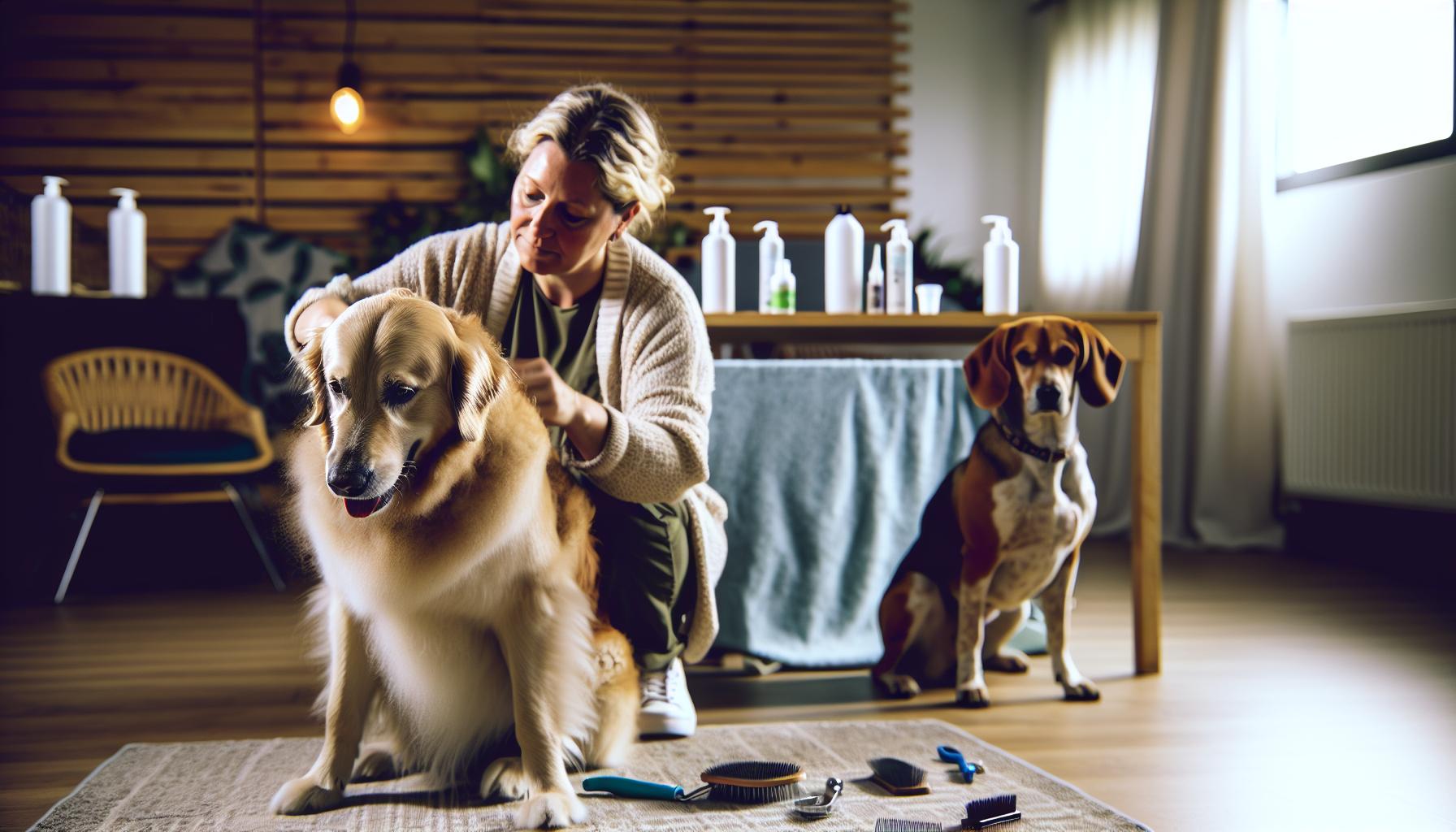
What To Expect at a Groomer’s Appointment Now
The moment you arrive at the groomer’s, you’ll notice some changes designed to keep everyone safe and comfortable. Many salons have shifted to curbside drop-offs or scheduled appointments spaced out to avoid crowding. This helps minimize contact and makes the experience smoother for both you and your dog. Some groomers may ask you to stay in your car while they welcome your pet inside, especially if your dog is comfortable with a calm farewell. This small adjustment aids in reducing stress for anxious pups and respects health guidelines.
Inside, the groomer’s team will follow new safety routines without sacrificing the gentle care your dog deserves.You’ll often see disinfecting stations, groomers wearing masks, and tools sterilized between appointments. Despite these necessary precautions,the focus remains on your dog’s comfort and well-being over “perfect looks.” Groomers are trained to recognize and prioritize signs of stress and sensitivity, adjusting handling and timing to suit each pup’s personality. For example, a groomer might take extra breaks with a nervous doodle or opt for a simplified trim to ease discomfort.
Step-by-Step Experience During Grooming
- Bathing: The groomer will use shampoos suitable for your dog’s coat type-whether it’s a thick, curly doodle or a short-haired Terrier-to cleanse without irritation.Baths frequently enough include gentle brushing during the rinse to minimize mats.
- Brushing & Dematting: Expect extra care in handling mats or tangles, with precise tools chosen for your dog’s coat texture.For high-maintenance coats, groomers might schedule more frequent visits to prevent stress from long dematting sessions.
- Nail Trimming & Ear Care: These sensitive tasks are performed with sanitized tools to prevent infection. Groomers are skilled at recognizing when a pet may need more gentle handling or assistance from a vet for deeper ear issues.
- Styling & Drying: Depending on the breed and your preferences,the groomer will finish with careful trimming and drying techniques that keep your dog calm and comfortable. They balance speed with patience, knowing some dogs need more time.
If your dog has special needs-such as anxiety, age-related mobility challenges, or health sensitivities-expect the groomer to tailor their approach. Many groomers have developed new ways to soothe high-anxiety dogs, like shorter, more frequent baths or quiet rooms to reduce noise. sharing details about your dog’s behavior ahead of time can help staff prepare so your pup has a positive experience every time.
Remember, while this new normal includes safety protocols that may feel different at first, the heart of grooming remains the same: caring for your dog’s health, happiness, and hygiene. With a bit of preparation-and patient, compassionate groomers at the helm-your dog’s grooming visit can be a stress-free, even enjoyable, part of their well-being routine.
DIY Grooming Tips When Professional Services Are Limited
Sometimes, when professional grooming services are limited due to restrictions or safety concerns, stepping in to care for your dog at home can be a rewarding way to keep their coat healthy and their spirits bright. Remember, the goal isn’t to create a salon-perfect look but to maintain your dog’s comfort, cleanliness, and overall well-being. With a little patience,the right tools,and some calm encouragement,even nervous pets can enjoy a gentle at-home grooming routine that bridges the gap until their next professional visit.
Bathing Basics for Different Coat Types
Start with a bath tailored to your dog’s coat. For short-haired dogs, a gentle rinse with a mild dog shampoo often suffices to remove dirt and loose fur. Longer or curly coats, like those found in doodles or spaniels, need more attention to prevent mats from worsening. Use lukewarm water and apply a shampoo formulated specifically for pets to avoid skin irritation. While rinsing, softly massage and use a wide-tooth comb or your fingers to loosen tangles-it’s less stressful than trying to detangle dry mats later.
Brushing & Dematting Tips
Consistency is key when brushing. For thick or double-coated breeds, invest in tools like slicker brushes and undercoat rakes, which reach the dense layers without pulling painfully. always brush in the direction of hair growth, starting gently at the ends and working your way toward the roots to avoid hurting your dog.If you encounter small mats,apply a detangling spray or conditioner made for dogs,then gently tease the mats apart with your fingers before brushing them out. Remember, forcing through a mat can hurt your dog and damage their coat, so keep sessions short and positive, rewarding your pup’s patience.
Safe Nail trimming & Ear Cleaning
nail care can be daunting, but trimming nails periodically can keep your dog comfy and prevent overgrowth issues. Use clippers designed for dogs and only trim the tip to avoid hitting the quick-the sensitive part inside the nail. If your dog is anxious, try trimming a few nails at a time or simply filing them down with a pet nail file. For ears, use a dampened cotton ball with a vet-approved ear cleaner; never insert anything deep into the ear canal. Cleaning ears only when visibly dirty or smelly helps avoid irritation or infections.
Knowing When to Pause and Seek Help
At-home grooming is a fantastic way to bond with your dog and keep up basic care, but it’s important to recognize your limits. Severe matting,skin issues,or anxious behavior that increases risk of injury should prompt a consult with a professional groomer or veterinarian. DIY grooming supports your dog’s health between regular appointments but isn’t a complete replacement for expert care, notably when it comes to precision clipping, medicated treatments, or handling complex behavioral challenges safely.
- Tool essentials: mild shampoo, slicker brush, comb, nail clippers, ear cleaner.
- Routine tips: short, calm sessions; frequent breaks; plenty of praise and treats.
- Safety first: avoid harsh chemicals, don’t trim nails too short, monitor your dog’s stress signals.
With compassion at the core and respect for what your dog can handle, you can create a grooming routine at home that is kind, calming, and effective-helping your furry friend stay happy and healthy until they can visit their groomer again.
Recognizing Signs It’s Time for Professional Grooming
Professional grooming is more than just a luxury-it’s a vital part of your dog’s health and happiness that becomes especially important after periods of limited access, such as during COVID-19 restrictions. While at-home care helps maintain basic cleanliness and comfort, certain signs indicate it’s time to call in the experts. Ignoring these can lead to discomfort or health issues, so recognizing them early benefits both you and your furry friend.
If your dog’s coat is severely matted or tangled, it’s a clear indicator that professional grooming is needed. Mats trap moisture and dirt, irritating the skin and sometimes causing infections or hotspots. These are particularly common in breeds with long, curly, or dense coats-think Poodles, Shih Tzus, or Spaniels. Attempting to cut out mats yourself can cause pain or injury, and groomers have specialized tools and techniques to safely handle these situations without distressing your pet.
Changes in your dog’s skin or coat condition also call for professional attention. Excessive dandruff, redness, bumps, or unusual odors might indicate underlying skin problems that groomers can definitely help identify and manage, frequently enough collaborating with your veterinarian.Groomers know how to give medicated baths or recommend treatments tailored to your dog’s needs,which go well beyond standard home care.
- Bathing challenges: Oily or smelly coats despite regular cleaning.
- Nail overgrowth: Nails touching or digging into paw pads, causing discomfort or limping.
- Ear concerns: Recurring infections, redness, or excessive wax that need careful evaluation.
Behavioral signs are just as important. if your dog shows increased anxiety or resistance during grooming, it might potentially be safer and less stressful to have a professional who understands calming techniques and pacing handle the job. Groomers accustomed to nervous dogs can make the experience gentle and positive, reducing fear-based reactions that might escalate during at-home sessions.
Lastly, remember that while veterinarians treat illnesses and injuries, groomers specialize in coat and skin care, hygiene, and overall grooming health. During the pandemic, many groomers have adopted enhanced safety protocols to keep pets and owners safe, while providing critical services that keep dogs comfortable and healthy. If you’re ever unsure, reaching out to your trusted groomer for advice is a compassionate step that supports your dog’s well-being.
Signs Your Dog Needs Professional Grooming
| Indicator | Why It Matters | Action to Take |
|---|---|---|
| Severe matting or tangles | Can cause skin irritation, pain, infections | Schedule professional grooming for safe mat removal |
| Excessive scratching or redness | Potential skin condition or parasite infestation | Consult groomer and veterinarian for diagnosis and treatment |
| Overgrown nails causing discomfort | Impairs walking and may cause injury | Book nail trims with a groomer experienced in gentle handling |
| Unmanageable odor or oily coat | May indicate skin infection or poor hygiene | Professional bath and skin assessment recommended |
| Avoidance or distress during grooming | Increases risk of injury or incomplete care | Seek a groomer skilled in handling anxious pets |
Approach grooming with compassion and keep your dog’s comfort foremost. Regular professional visits complement your home care routine, ensuring your dog stays clean, healthy, and stress-free-even in these uncertain times.
How Groomers Handle High-Risk or Anxious Pets Safely
Many dogs face grooming with some hesitation, but during times like the COVID-19 pandemic when routines are disrupted, anxiety can become even more pronounced. Groomers who specialize in caring for anxious or high-risk pets rely on a blend of patience, gentle handling, and customized approaches to create a safe and calming environment.This helps dogs feel secure and supported throughout their grooming experience, ensuring their well-being remains the top priority.
Before the grooming begins, understanding your dog’s breed, coat type, and any behavioral triggers is essential. Such as, breeds like Shih Tzus or Poodles with dense, curly coats often need slow, careful detangling to avoid pain. For anxious dogs, sudden movements or loud noises can increase stress, so groomers use quiet tools and speak softly to build trust. Sometimes, breaking grooming into short, manageable sessions-such as starting with a gentle brush before moving on to bathing or nail trimming-helps the dog stay calm and lowers the chance of overwhelm.
Practical Techniques for a Calm Grooming Experience
- Exercise Beforehand: A well-exercised dog tends to be less nervous. A brisk walk or playtime before the appointment can help burn off excess energy.
- Positive Reinforcement: Rewards like treats and praise during and after grooming tasks encourage cooperation and create positive associations.
- Calming Aids: Gentle touches of lavender essential oil (applied safely and minimally) or synthetic pheromone diffusers can soothe nervous pets without sedation.
- Gradual Desensitization: For dogs particularly fearful of grooming, gradual exposure to grooming tools and handling over multiple visits can reduce anxiety over time.
Special Attention to Vulnerable Areas
Groomers pay extra attention to areas dogs frequently enough find uncomfortable, such as nails and ears. Nail trimming can be intimidating, especially if nails are overgrown or if the dog is sensitive. Groomers experienced with anxious pets often use quietly spoken reassurance,ergonomic nail clippers,and may stop frequently to avoid triggering stress. Similarly, ear cleaning is done with great care to avoid discomfort or surprises, which could otherwise increase fear.
In cases where anxiety is severe or a pet has underlying health concerns, groomers communicate closely with veterinarians. Sometimes vets recommend mild sedatives or anti-anxiety medications, but these are carefully managed and used only when absolutely necessary to ensure safety. Groomers also recognize their scope: if a dog shows signs of illness, infection, or severe distress, groomers defer to medical professionals instead of attempting DIY solutions that could worsen a problem.
Ultimately, the goal is a grooming session that balances effective care with emotional comfort. Many groomers now offer mobile services, bringing the salon to the dog’s familiar environment-whether a quiet driveway or a low-stimulation area-to reduce stress further. This approach, combined with thoughtful handling and safety protocols, ensures your dog’s grooming experience is gentle, respectful, and keeps their comfort front and center, even amid current challenges[[[[[1]](https://www.meadowvistavet.com/site/blog/2023/02/15/grooming-anxiety-dogs)[[2]](https://www.dogtv.com/6-ways-to-calm-your-dogs-grooming-anxiety)[[[[[3]](https://www.aussiepetmobile.com/blog/understanding-your-dogs-grooming-anxiety/).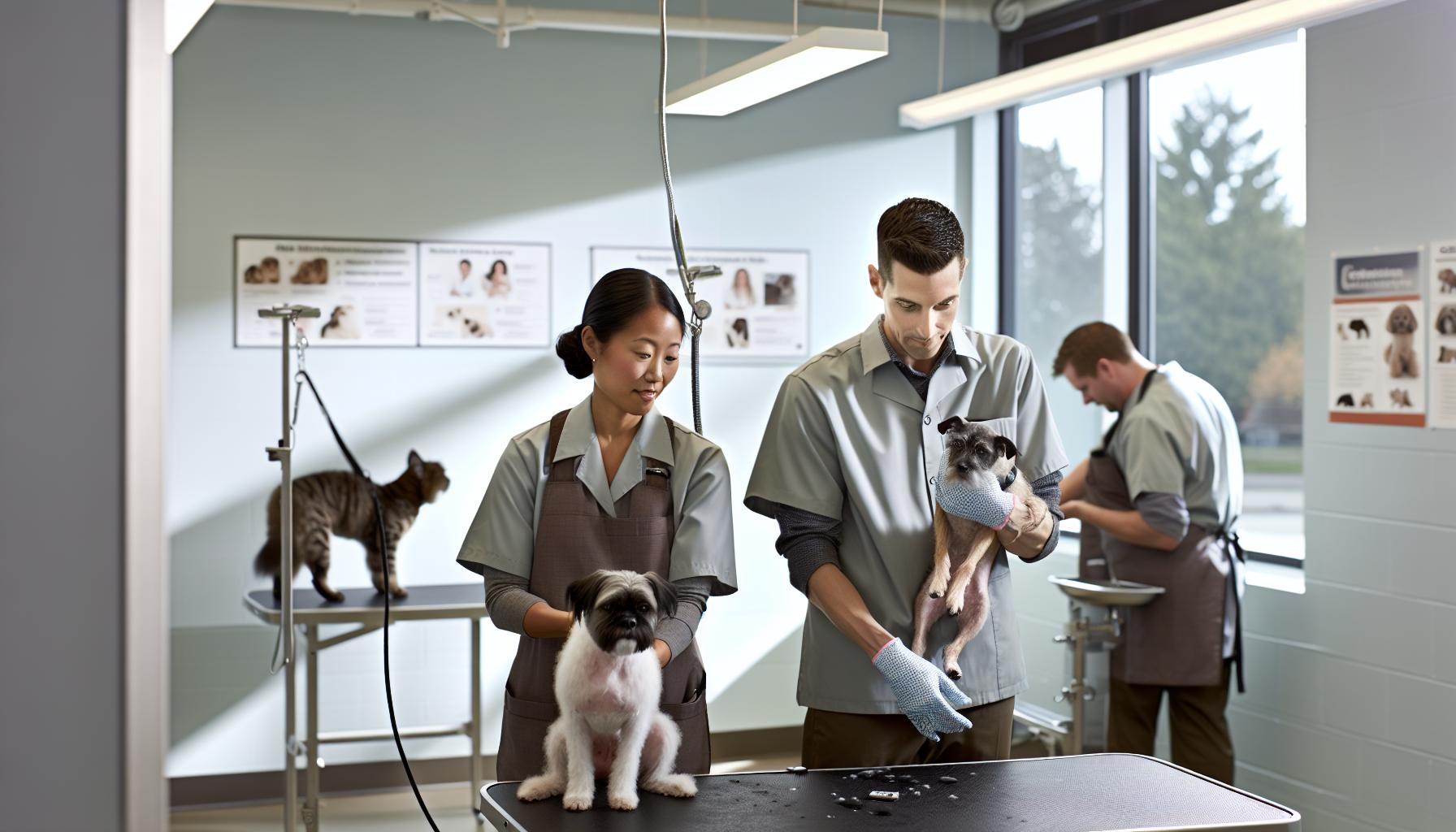
Understanding Vet vs. Groomer Roles During the Pandemic
Few things are as important as understanding when to turn to a veterinarian versus relying on your trusted groomer, especially during the challenges posed by the pandemic. While both professionals play vital roles in your dog’s care, their expertise, tools, and scopes importantly differ – and recognizing this helps keep your pet safe, comfortable, and healthy without unnecessary stress.
Groomers specialize in maintaining your dog’s external cleanliness and appearance, focusing on coat care, nail trimming, ear cleaning, and skin hygiene. They handle these tasks with skilled hands, using breed-specific knowledge-knowing that a curly-coated Poodle needs slower detangling than a short-haired Beagle, such as-to make the experience as comfortable as possible.However, groomers are not trained to diagnose or treat medical conditions. If your dog shows signs such as persistent itching, unusual lumps, swelling, discharge, bleeding, limping, or lethargy during a grooming session, the groomer will recommend seeing a veterinarian instantly rather than attempting any medical treatment.
Clear Boundaries: Groomer vs. Vet Responsibilities
- Groomer’s role: Bathing, brushing, clipping fur, trimming nails, cleaning ears, and overall grooming maintenance tailored to breed and coat type.
- Vet’s role: Diagnosing and treating illnesses, infections, injuries, skin diseases, and prescribing medications or sedation when necessary.
- When to involve a vet: Visible wounds, severe skin irritation, behavioral changes suggestive of pain, or any signs that go beyond cosmetic grooming.
During COVID-19, many groomers have had to adapt by offering mobile or at-home grooming to reduce exposure risks while closely monitoring pets for signs that require medical attention. Communication with veterinarians has become even more essential. For example, if a groomer encounters a dog with thick mats causing skin sores or found ear infections during cleaning, they coordinate with the vet to ensure timely care. such collaboration protects the dog’s health and prevents conditions from worsening.
DIY Grooming Considerations
While many pet parents have taken on home grooming during salon closures, it’s crucial to understand limits. DIY baths and nail trims can be safe with proper tools and patience – but avoid attempting anything that causes discomfort or seems medical (like treating hot spots or corralling severe matting). If you notice any health concerns, your vet’s expertise is irreplaceable. Simultaneously occurring,groomers provide invaluable guidance on safe home grooming techniques that complement professional care.
Ultimately, a compassionate, team-based approach between pet owners, groomers, and veterinarians will keep your dog’s wellness front and center during these uncertain times. This partnership emphasizes care over aesthetics,prioritizing your dog’s comfort and safety above all else.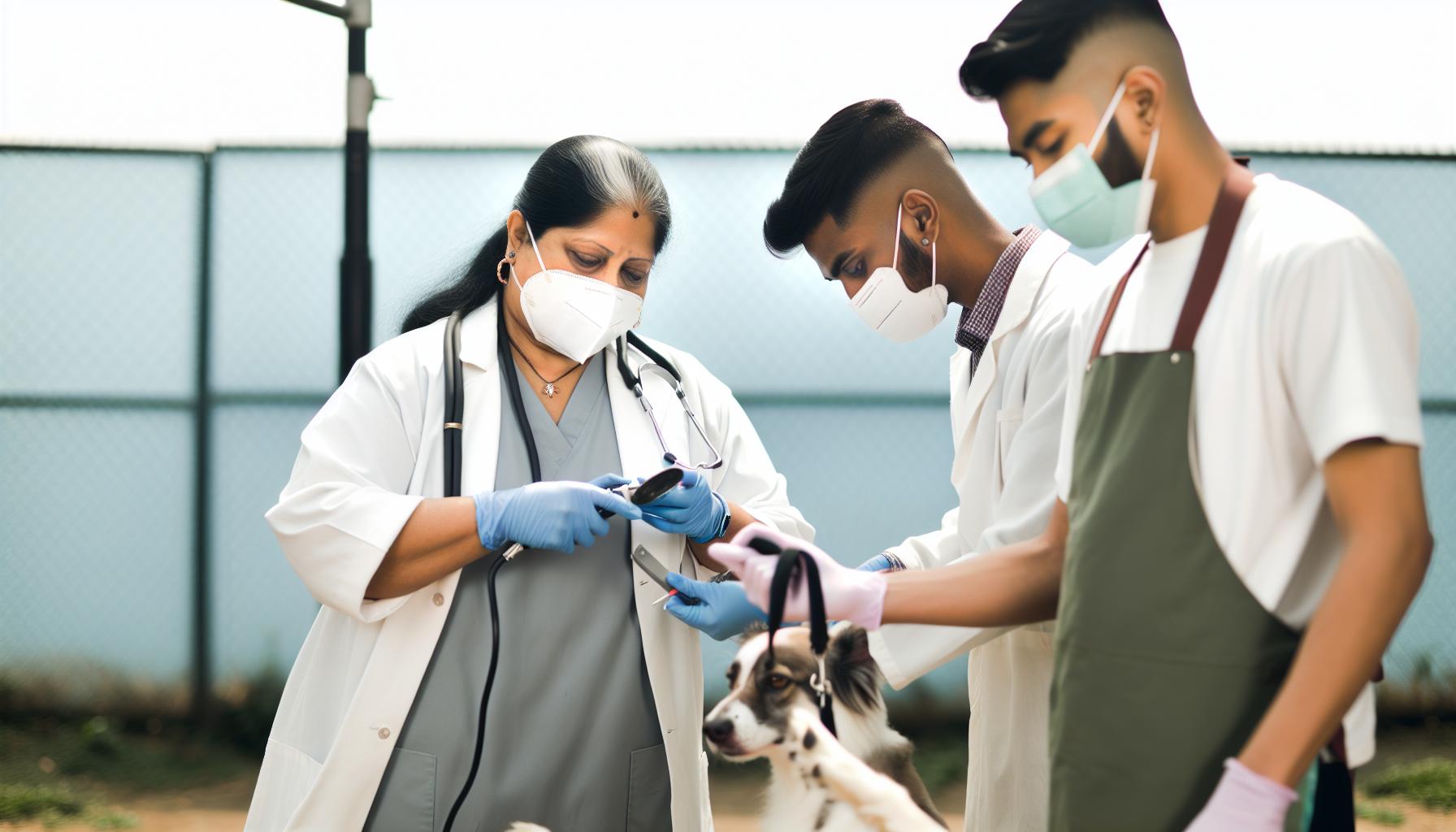
Latest Local Regulations Affecting Dog Grooming Businesses
Many dog grooming businesses have faced a patchwork of evolving rules throughout the pandemic, and understanding your local regulations can feel overwhelming. What’s reassuring is that most areas recognize grooming as an essential service for pet health and welfare, so many groomers have been allowed to reopen with safety precautions in place. Though, the details can vary widely depending on your region’s current COVID-19 status, so keeping up-to-date is key to planning a safe visit for your furry friend.
In places where grooming salons remain open, authorities typically require strict safety protocols to reduce virus transmission-not just for you and your pet, but for groomers who handle multiple animals daily. This often means mandatory mask use, limited or no waiting area access, and appointment-only services to avoid crowding. Some regions have offered special permissions or guidelines for mobile groomers who visit your home, balancing convenience with safety by minimizing human contact and maintaining sanitization standards[[[[[1]](https://petgroomersandstylists.org/standards/)[[2]](https://www.akc.org/groomer-hub/education-standards/).
What Local Rules Mean for Your Groomer Visit
- Appointment-Only Scheduling: Walk-in visits are rarely allowed during restrictions. Call ahead to book a time that avoids overlap with other clients, decreasing pet and human exposure risks.
- Contactless Drop-offs: Many groomers now ask owners to stay outside during grooming or use curbside drop-off and pick-up. This limits indoor time and supports social distancing.
- Health Screenings: Both groomers and pet owners might potentially be asked to complete brief health questionnaires or temperature checks to reduce transmission risk.
- Sanitation Between Appointments: Expect your groomer to thoroughly clean and disinfect grooming tables, tools, and common areas after each dog, following updated hygiene guidelines[[[[[1]](https://petgroomersandstylists.org/standards/).
If you’re running a grooming business yourself or hoping to start one, it’s important to regularly check local government websites or health department bulletins. For example, in the UK, businesses can operate from home with suitable space and a safe environment but must comply with general health and safety laws-no specific grooming license is required, though COVID-19 precautions are still expected[[[[[3]](https://www.protectivity.com/knowledge-center/dog-grooming-business-legislation/).
- Research Your Area: local rules change based on infection rates or vaccination progress. Visit your city or county health department’s website or ask your groomer about the latest requirements.
- Prepare for flexibility: Appointments may be canceled or rescheduled at short notice due to outbreaks or new regulations, so stay patient and maintain open communication with your groomer.
- Review Grooming Policies: Every salon or mobile groomer may have slightly different protocols. Understanding what to bring,how to drop off your dog,and mask requirements will help ease anxiety for both you and your pet.
remember, these local measures aim to protect your pet’s health and the grooming community’s safety. By following the guidelines with kindness and patience, we can ensure that our dogs continue to receive caring, personalized grooming-even during uncertain times. If in doubt, your groomer is an excellent partner who can definitely help clarify procedures and offer reassurance tailored to your dog’s unique coat type and temperament. Together, staying informed and flexible keeps tails wagging safely!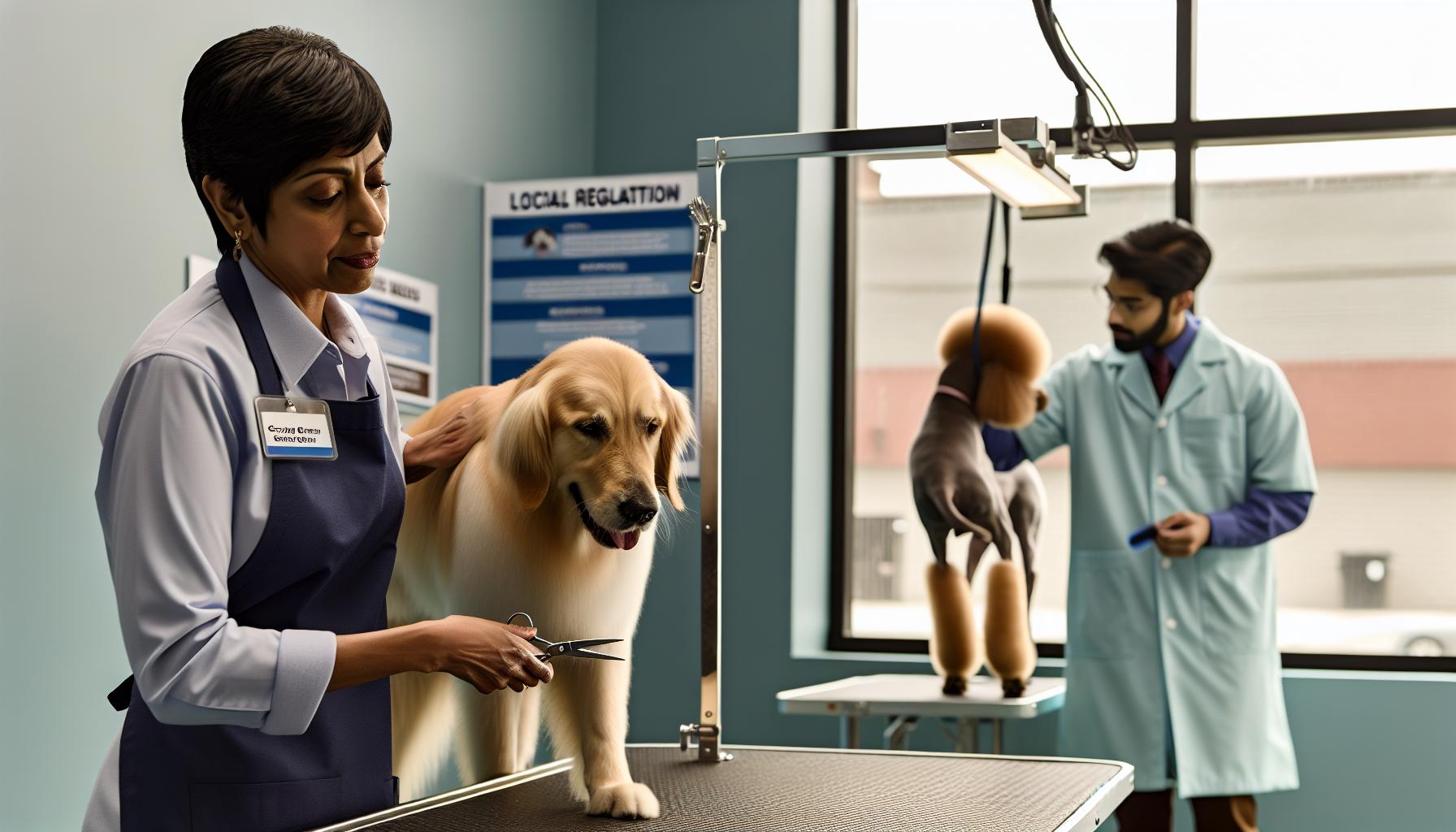
FAQ
Q: How can pet owners safely drop off and pick up dogs from groomers during COVID-19?
A: Pet owners should use contactless drop-off and pick-up methods arranged by the groomer, such as curbside service or pre-scheduled appointments.Always wear a mask,maintain social distancing,and inform the groomer of any health concerns beforehand. This reduces contact while ensuring your dog’s grooming stays on schedule. For more on preparing your dog, see our section on Preparing Your Dog for a Safe Grooming Visit.
Q: What personal protective equipment (PPE) do dog groomers wear to prevent COVID-19 transmission?
A: Professional dog groomers typically wear masks, gloves, and sometimes face shields during appointments to protect both themselves and pets.Grooming stations are sanitized regularly,and groomers often wash hands between each client. These protocols maintain a safe environment for your dog and grooming staff.
Q: Are there special cleaning requirements for grooming tools during the pandemic?
A: Yes, groomers clean and disinfect all tools-clippers, brushes, scissors-between each dog to prevent virus spread. High-touch surfaces and waiting areas are sanitized frequently. these enhanced cleaning routines ensure a safer grooming experience. Learn more under Essential Safety Protocols for Groomers and Pet Owners.
Q: Can grooming salons handle emergency or urgent grooming needs during COVID-19 restrictions?
A: Many salons prioritize urgent grooming cases, such as severe matting or skin issues, even during restrictions. Contact your groomer early to discuss your dog’s condition. They will offer guidance or schedule an appointment if necessary, balancing safety and pet welfare.
Q: How do groomers accommodate dogs with anxiety or special needs amid COVID-19 safety protocols?
A: Groomers use calm, patient handling techniques tailored to anxious or special-needs dogs, sometimes adjusting appointment duration or environment to reduce stress while following safety measures. Communication with the owner beforehand helps. This approach prioritizes your dog’s comfort and safety during grooming.
Q: Why is professional grooming still critically important during the COVID-19 pandemic?
A: Professional grooming remains essential for your dog’s health, preventing skin infections, matting, and discomfort-issues that can worsen without care. Groomers now operate with strict safety protocols to protect clients and pets while maintaining high animal welfare standards. See Recognizing Signs It’s Time for Professional Grooming for guidance.
Q: How has COVID-19 changed the way dog grooming appointments are scheduled?
A: COVID-19 has led to stricter appointment scheduling with fewer clients at once, extended time between appointments for cleaning, and mandatory booking ahead. These changes minimize contact and allow groomers to maintain safe environments for pets and humans alike.
Q: What are the best practices if my groomer is temporarily closed due to COVID-19 exposure?
A: If your groomer closes temporarily,keep up with basic home grooming like brushing,nail trimming,and ear cleaning to avoid matting or discomfort. Check for updates from your groomer about reopening and any interim safety advice. For DIY tips,see our DIY Grooming Tips When Professional Services Are Limited section.
—
For more detailed guidance on all these topics, please explore our full article sections linked above and stay informed about the latest local regulations affecting dog grooming businesses. Your dog’s safety and comfort are our top priority-feel free to reach out with any questions!
To Conclude
Navigating the reopening of dog groomers with updated COVID-19 safety protocols ensures your pet’s health and comfort come first. Whether your pup has a thick double coat or sensitive skin, knowing when and how to schedule grooming visits makes all the difference. If you’re unsure about tools, breed-specific care, or balancing vet visits with professional grooming, our detailed guides on home grooming tips and choosing the right local groomer can help you make confident decisions.
Act now to keep your furry friend happy and safe-regular grooming supports not just appearance but overall well-being. Explore our resources on COVID-safe pet care and discover how to adapt grooming routines during these times. Don’t hesitate to reach out for personalized advice or join our newsletter for ongoing updates and expert tips.
Have questions or stories about navigating grooming during the pandemic? Share them below or connect with our community for support. Remember, caring for your dog’s coat and comfort is a journey-let’s take the next step together.
Get our latest guides, news, and insights highlighted in your Google Search & AI Overviews.
Keep reading about the same coat and cut.


Popular grooming guides
Bath vs clip, first grooms, and salon how-tos.