Will Groomers Groom Aggressive Dogs? Policy & Alternatives
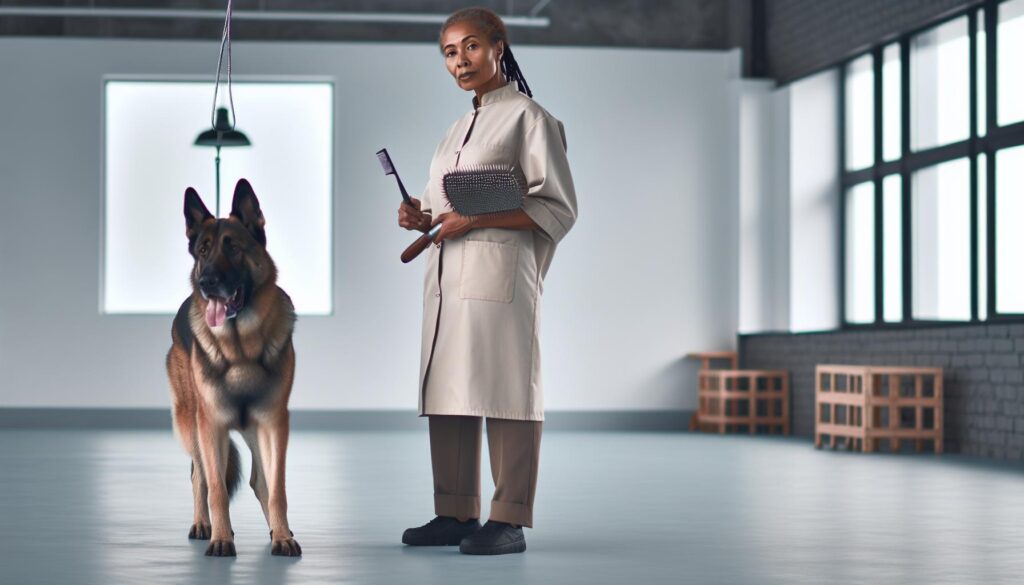
Did you know that many groomers carefully assess whether to work with aggressive dogs before accepting them? Grooming a dog that shows fear or aggression can be challenging and sometimes unsafe, but it’s a common concern for pet owners who want their furry friends clean and comfortable. Understanding grooming policies around aggressive dogs-and learning safe alternatives-can save stress for both you and your pet. Whether your dog’s anxiety stems from past grooming experiences or simply feeling uneasy during handling, finding the right approach helps keep them calm and cared for without risking injury. In this guide,we’ll explore how groomers handle aggressive behavior,when they may decline service,and practical alternatives you can consider to meet your dog’s grooming needs safely. With patience, compassion, and the right knowledge, you can ensure your dog’s welfare comes first while maintaining their health and hygiene-so you and your pup feel confident and supported every step of the way.
When Groomers Accept Aggressive Dogs: What to Expect
Table of Contents
- 1 When Groomers Accept Aggressive Dogs: What to Expect
- 2 Key Signs That Influence Groomer Acceptance
- 3 Essential Safety Protocols for Grooming Tough Dogs
- 4 How Groomers Prepare for Aggressive Behavior
- 5 Specialized Tools and Techniques for Handling Aggression
- 6 When to Consider a Veterinary Behaviorist or trainer
- 7 At-Home Grooming Tips for Challenging Dogs
- 8 Alternatives to Professional Grooming for Aggressive Pets
- 9 Costs and Time: What Owners Should Know
- 10 Empowering Owners: Building Trust and Calm at grooming Visits
- 11 Frequently asked questions
- 11.1 Q: Why do some groomers refuse to groom aggressive dogs?
- 11.2 Q: How can owners prepare an aggressive dog for a grooming appointment?
- 11.3 Q: What safety equipment do groomers use for aggressive dogs?
- 11.4 Q: When is it best to seek a veterinary behaviorist instead of a groomer for aggressive dogs?
- 11.5 Q: What alternatives exist if a groomer won’t accept my aggressive dog?
- 11.6 Q: How do groomers assess the risk before accepting an aggressive dog?
- 11.7 Q: Can grooming improve an aggressive dog’s behavior over time?
- 11.8 Q: What costs are involved in grooming dogs with aggressive behavior?
- 12 In Conclusion
Some groomers specialize in caring for dogs who express fear or aggression during grooming, recognizing that these pets need extra patience and tailored approaches to feel safe. when a groomer agrees to work with an aggressive dog, it’s usually because they have the experience, training, and resources to manage challenging behaviors while prioritizing your dog’s well-being and everyone’s safety. Expect the process to be more gradual and flexible compared to typical grooming sessions, with an emphasis on building trust rather than rushing through a perfect haircut.
Professional groomers who accept aggressive dogs typically work closely with owners beforehand to gather key details about your dog’s behavior, triggers, and preferences. This helps them plan the visit carefully. For exmaple, if your dog is a thick-coated breed like a German Shepherd or a double-coated Husky, groomers might schedule extra time for gentle dematting and introduce brushing slowly. For smaller, more sensitive breeds such as Chihuahuas, handling might focus on calm, low-pressure contact.These tailored plans allow the groomer to balance necessary tasks-like bathing, nail trimming, and ear cleaning-without overwhelming your pet.
- Initial Assessment and Dialog: You can expect a consult where the groomer asks detailed questions to understand your dog’s aggressiveness level, any previous grooming traumas, and calming techniques that work at home.
- Adapted Scheduling: Sessions are often longer and broken up into manageable steps – for instance, brushing one day, bath the next- giving your pet time to acclimate without stress.
- Safety First: Groomers may use calming aids such as gentle restraint, muzzles if needed (applied kindly and professionally), and quiet spaces to reduce stimuli.
Even if your dog shows some signs of anxiety or defensiveness,a groomer who accepts aggressive dogs doesn’t seek perfection but focuses on small wins: a calm moment during brushing,prosperous nail trims without incident,or a stress-free bath. Over time, these positive experiences help reduce aggressive behaviors. Many owners find that working with a groomer familiar with aggressive pets leads to safer, more effective care than tackling grooming alone. Keep in mind, groomers will always prioritize your dog’s comfort and may reccommend involving a trainer or veterinary behaviorist if aggression is severe or unsafe for routine grooming at home or in the salon [[1]](https://www.lapinevet.com/site/blog/2023/05/15/how-groom-aggressive-dog), [[2]](https://www.eastgateanimalhospital.com/site/blog/2024/07/26/groom-aggressive-dog), [[3]](https://www.aussiepetmobile.com/blog/aggressive-dog-go-to-groomer/).
Key Signs That Influence Groomer Acceptance
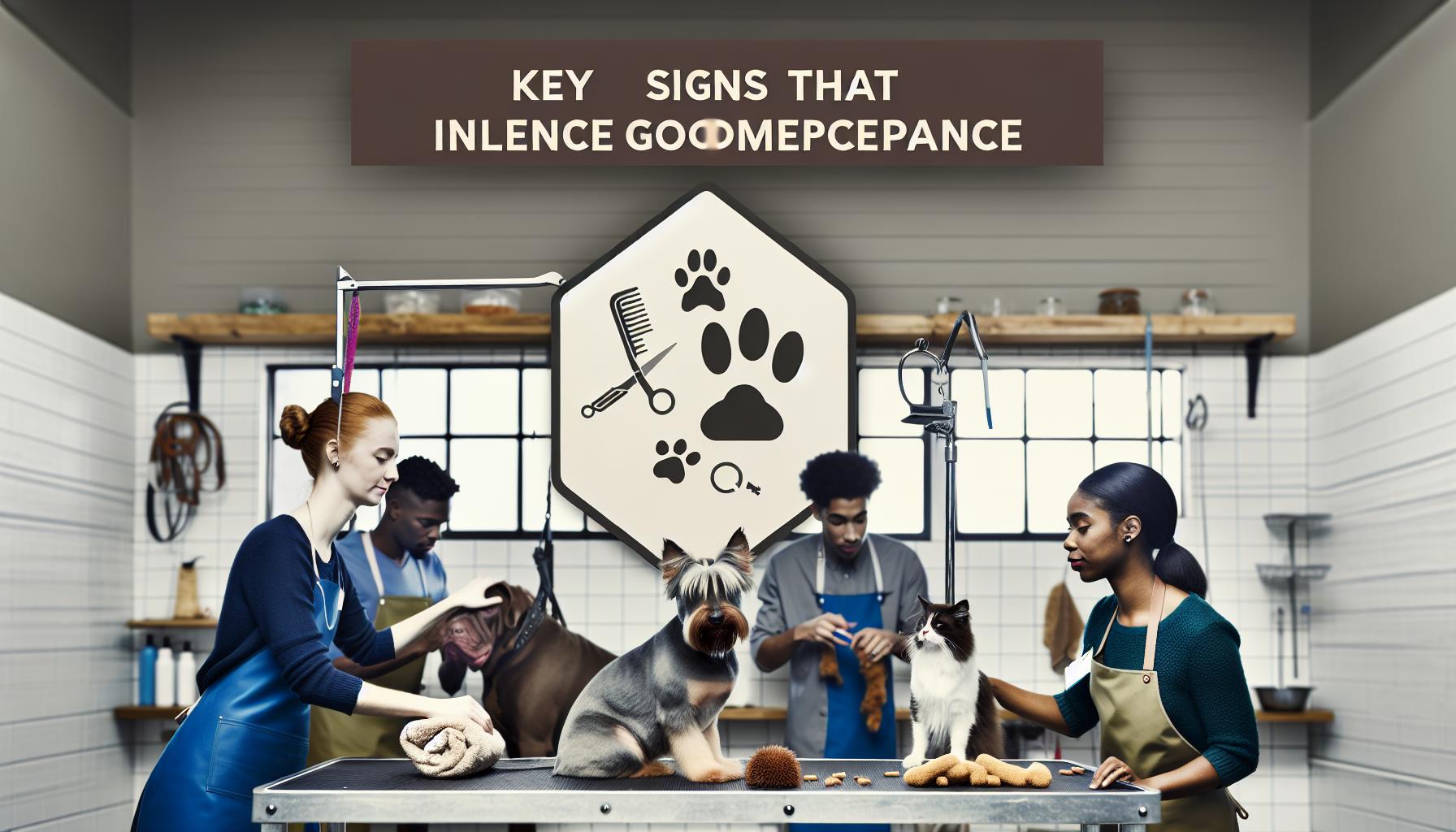
Few things influence a groomer’s willingness to work with an aggressive dog more than understanding the full picture of your pet’s behavior, history, and coat needs. Groomers are compassionate professionals who want to provide care without compromising safety-for the dog, the groomer, or other pets.Though, certain signs and factors serve as crucial guides for them when deciding whether to accept or recommend alternative approaches.
Behavioral Indicators and history
It’s essential that you openly share any past experiences that triggered fear or aggression during grooming. Do you notice snarling, baring teeth, lunging, or attempts to bite when approaching the pet with clippers or scissors? Some dogs may startle or freeze, while others may growl or snap. Timing is key here-whether aggression happens during nail trims, ear cleaning, bathing, or brushing can indicate specific sensitivities. Groomers appreciate knowing if your dog has ever been traumatized during previous grooming sessions or vet visits, as these can create barriers that require extra time and patience to address.
Physical Factors that Affect Manageability
Coat type and condition play a big role in the complexity of a grooming session. Thick double coats, tangled mats, or long fur may escalate stress in a dog predisposed to fearfulness, signaling the need for a groomer with ample experience and time. For instance, a German Shepherd’s dense undercoat requires gentle, slow dematting to avoid painful pulling, while smaller or thin-coated breeds might benefit from shorter, calmer handling sessions focusing on low-pressure contact. Groomers also look for physical health issues like skin sensitivities, ear infections, or paw injuries that might increase discomfort and trigger defensive behavior.
Owner Collaboration and Communication
An important factor groomers consider is how well the owner knows and can help manage their pet’s triggers.Willingness to participate-providing calming aids recommended by the groomer,practicing at-home desensitization steps,or following pre-appointment instructions-often makes a tremendous difference. Honest communication about the dog’s usual coping mechanisms or calming techniques (like favorite treats or toys) helps groomers prepare a tailored plan. Sometimes, an owner’s realistic expectations that “perfect” grooming might take multiple tries or need to be simplified speak volumes about the likelihood of a positive, safe grooming experience.
- Signs like growling, snapping, or freezing when approached with grooming tools suggest higher aggression risk, but don’t automatically rule out professional grooming.
- Coat condition matters: heavy mats or thick undercoats frequently enough require slow, patient techniques from groomers experienced with difficult coats.
- Health problems such as sore ears or nails can increase aggression and need discussing before grooming starts.
- Owner involvement and honest history sharing empower groomers to adapt and ensure safety for all.
By recognizing these signs and communicating openly from the start, owners can definitely help groomers determine how best to meet their dog’s needs or if referral to vets or trainers is advisable. This careful evaluation preserves your pet’s dignity and comfort, making future grooming a more positive, trust-filled experience. Remember, a groomer’s “no” is rarely about judgment but about placing safety and well-being at the forefront for everyone involved [[1]](https://www.catawbaanimal.com/site/blog/2023/02/28/groom-aggressive-dog), [[2]](https://www.crossroadsvh.com/site/blog/2024/03/30/groom-aggressive-dog), [[3]](https://www.k9glamsquad.com/).
Essential Safety Protocols for Grooming Tough Dogs
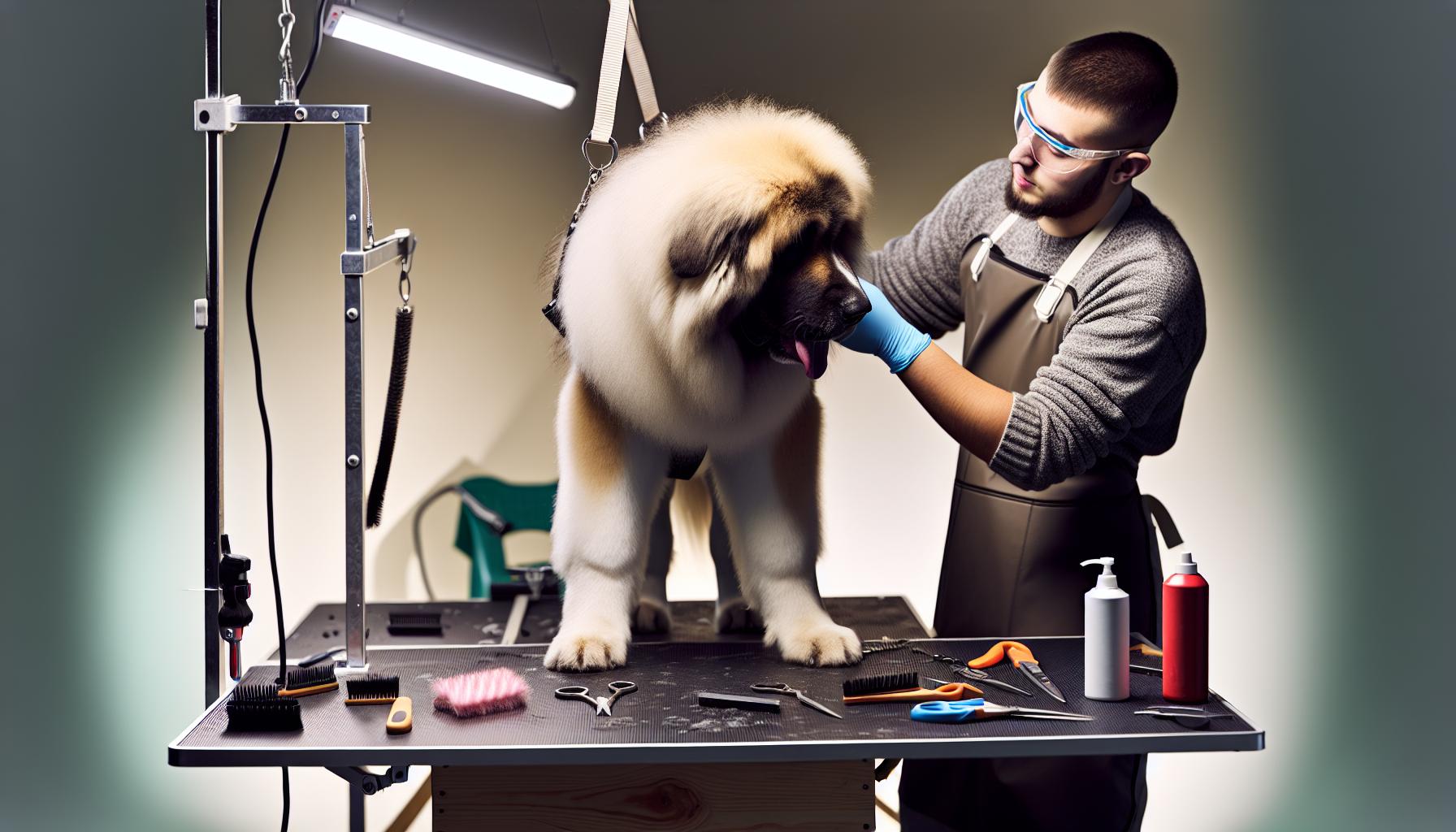
A calm, safe grooming session starts with clear, consistent safety protocols designed to protect both your dog and the groomer. When working with dogs who may show aggression or high anxiety, we treat each moment as an opportunity to build trust, never to rush or force. Groomers experienced with challenging pets know that patience and preparation are just as critically important as skill with clippers or scissors. Safety isn’t just about avoiding bites-it’s about recognizing stress signals early and responding kindly to keep your dog feeling secure throughout the process.
Setting Up a Calm Environment
Before grooming tools even come out, the room and atmosphere should be quiet, free from sudden noises, and controlled in terms of lighting and temperature. This helps prevent overstimulation, especially in sensitive breeds or those with past negative experiences. For dogs with thick or matted coats, a gentle introduction to tools like dematting combs and scissors is essential; rushing can cause painful pulling, which may escalate aggression. Groomers often take breaks and use soft spoken words or soothing petting routines to reset a dog’s emotional state if signs of distress appear.
Personal Protective Equipment and Handling Techniques
To ensure everyone stays safe, groomers commonly use specialized gear such as slip leads, muzzles (when necessary and introduced gently), and padded gloves. These tools are never about punishment but about precaution, keeping the experience respectful and incident-free. Experienced groomers might also employ low-stress handling methods like the “less is more” approach-using minimal restraint-paired with positive reinforcement such as treats or favorite toys when possible. The goal is to keep your dog physically comfortable while reducing the chance they’ll feel cornered or trapped.
Step-by-Step Care and Prioritizing Comfort
- Bathing: Use lukewarm water, slow movements, and calming massage to ease tension. Avoid spraying the face directly or startling with sudden sounds.
- Brushing and Dematting: Start with gentle, short strokes, paying close attention to reactions. Heavy mats often require trimming rather than pulling to minimize pain.
- Nail Trimming: Approach nails gradually, clipping just the tips to avoid bleeding. Some groomers use grinders instead of clippers for a quieter, less invasive feel.
- Ear Cleaning: Move slowly and use pet-safe solutions, watching for signs of tenderness or infection that might cause flinching or growling.
If at any point the dog becomes to stressed or aggressive, experienced groomers know when to pause, give the dog space, or suggest referral to a veterinary behaviorist or trainer before continuing. This ensures grooming isn’t rushed at the cost of your pet’s emotional and physical well-being.
Above all,the safety protocols balance firm boundaries with gentle kindness,recognizing that grooming tough dogs requires not only technical know-how but also a compassionate heart and a clear plan tailored to your dog’s needs. This approach turns grooming into a trusting partnership-one appointment at a time [[1]](https://www.catawbaanimal.com/site/blog/2023/02/28/groom-aggressive-dog), [[2]](https://www.crossroadsvh.com/site/blog/2024/03/30/groom-aggressive-dog).
How Groomers Prepare for Aggressive Behavior
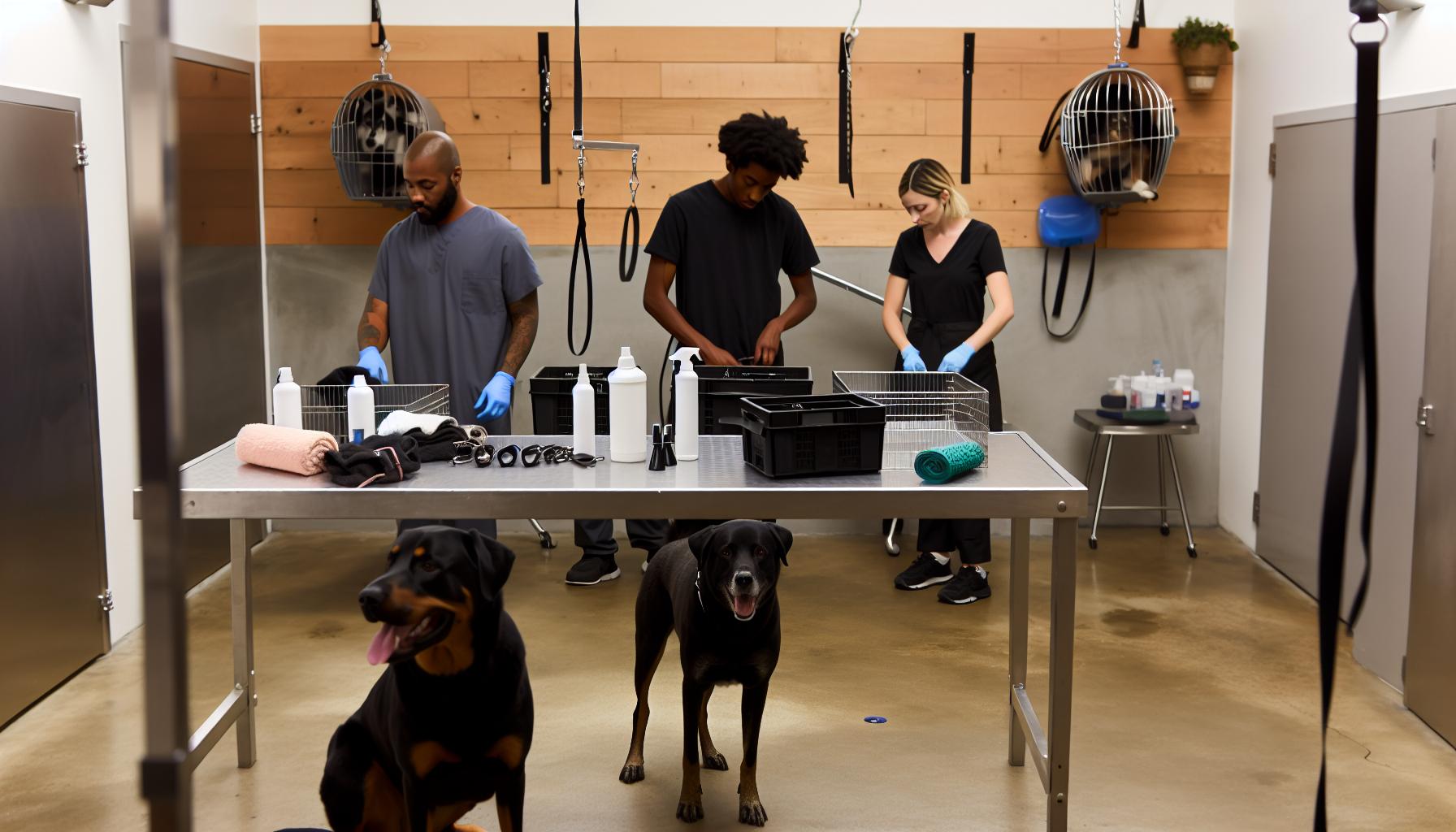
Grooming dogs with aggressive tendencies demands thoughtful preparation well beyond the usual clip-and-comb routine. Every dog is unique, and recognizing what may trigger an outburst or defensive behavior is the first step in turning a potentially stressful grooming session into a cooperative experience. Such as, certain breeds with dense double coats like Malamutes or German Shepherds often require longer grooming times and particular attention to matting, increasing the potential for discomfort or irritation.Understanding these details helps groomers anticipate the dog’s reactions and plan accordingly.
Before the first snip or spray,experienced groomers spend careful time observing the dog’s body language. Key signs like lip licking,stiff posture,or a sudden freeze frequently enough signal rising anxiety before aggression appears. By catching these early cues, groomers can pause or adjust their approach-sometimes using distraction with a favorite treat or a gentle massage to ease tension. Using low-stress handling techniques, such as minimal restraint and calm, purposeful movements, helps keep the dog feeling safe rather than cornered. This compassionate approach treats the dog as a partner in the process, not an obstacle to overcome.
- Customized Introduction to Tools: Dogs unfamiliar with grooming implements may find clippers or dematting combs threatening. Groomers often introduce tools slowly-letting the dog sniff the equipment first-and start with quieter, less invasive options (like soft brushes) before progressing.
- Planned Step Breaks: Depending on the dog’s tolerance and coat condition,grooming tasks may be broken into shorter sessions to prevent overwhelm and reduce the chance of aggression stemming from frustration or pain.
- Gentle but Firm Boundaries: While patience is key, groomers maintain consistent boundaries-this means calmly redirecting or stopping inappropriate behavior without escalating tension.
Some challenging situations require collaboration beyond the groomer’s toolbox. Knowing when to suggest a veterinary behaviorist or professional trainer referral is part of responsible care. Such as, if a dog associates grooming tools with fear from past experiences, behavior modification techniques guided by specialists can gradually reshape those associations, making future grooming safer and more comfortable.
This layered preparation-blending observation,patience,and strategic handling-enables groomers to work safely and compassionately with aggressive dogs. It transforms grooming from a daunting ordeal into a building block of trust and calm, empowering owners to keep their dogs healthy without anxiety or injury.
Specialized Tools and Techniques for Handling Aggression
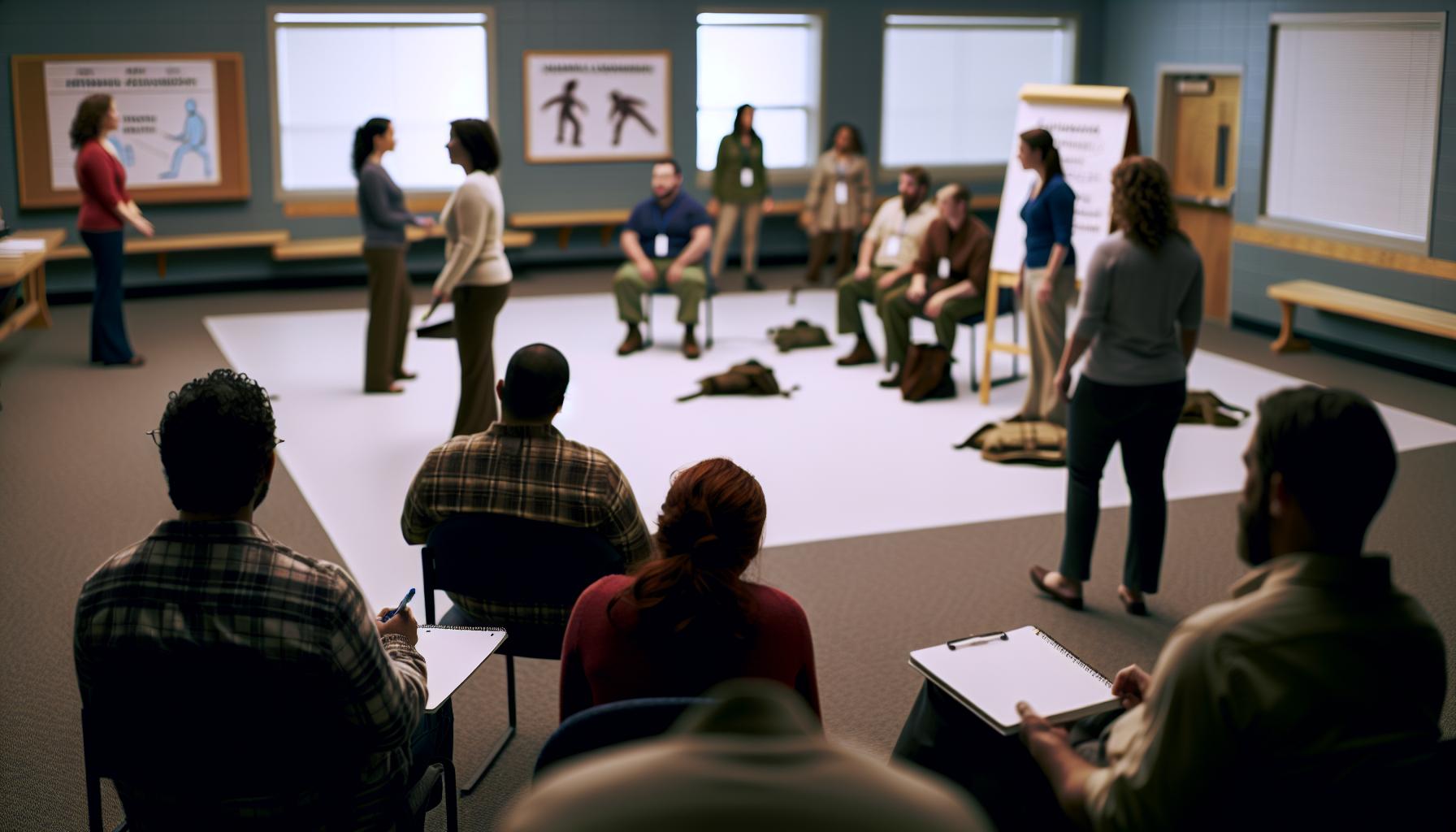
A calm, confident approach combined with the right tools can dramatically change the grooming experience for a dog prone to aggression. Specialized grooming gear designed to minimize stress and maximize safety lends both groomer and pet a cooperative rhythm, reducing triggers that might spark fear or defensive behavior.As an example, using quieter clippers with adjustable speeds helps avoid startling sensitive dogs, while softer brushes that gently untangle mats prevent needless pulling or pain-major culprits behind sudden aggression.
Tailored Tools for Different coat Types and Temperaments
Dogs with thick double coats like Huskies or Malamutes often need dematting tools that are sharp but safe, such as stainless steel rakes or mat splitters that carefully ease tangles without yanking. Conversely, a short-coated but anxious breed like a Boxer may benefit more from gentle rubber curry combs that simulate calming petting, making grooming feel less clinical and more familiar. Groomers also keep specialized nail clippers or grinders on hand, carefully choosing quiet grinders over traditional clippers for dogs who startle easily or associate clipping with discomfort.
Techniques That Prioritize Safety and Comfort
Handling aggression isn’t about overpowering; it’s about understanding and de-escalating.Many groomers incorporate low-stress handling methods, such as:
- Gradual Tool Introduction: Allowing the dog to sniff and become comfortable with new equipment before use lowers anxiety.
- Strategic Positioning: Using grooming tables with adjustable heights and non-slip mats helps maintain control without excessive restraint.
- Short Sessions & Breaks: Dividing grooming into manageable chunks prevents overwhelm and reduces frustration that can lead to aggression.
- Positive Reinforcement: Utilizing treats, calm verbal praise, and gentle petting during and after segments reinforces trust and cooperation.
balancing Restraint with Respect
While some dogs require gentle restraint for safety-such as head halters or body wraps-the key is to avoid feeling trapped or cornered. For example, a calming wrap like a ThunderShirt can provide comforting pressure without restricting movement completely, lowering stress levels. In contrast, traditional muzzles may be necessary only when there is a high risk of biting, but when used, should be introduced carefully with positive associations to avoid intensifying fear.
Groomers also collaborate with owners to share knowledge about a dog’s triggers and calming preferences. This shared insight allows adaptation of tools and techniques-like switching from electric clippers to scissors around sensitive areas or choosing quieter drying options like towels or low-noise dryers.
Ultimately, the goal is a grooming experience defined by patience and sensitivity, where tools and techniques work in harmony to support, rather than challenge, an anxious or defensive pet. This compassionate toolkit empowers both groomer and owner to keep safety and comfort front and center, paving the way for more peaceful visits and healthier dogs overall.
When to Consider a Veterinary Behaviorist or trainer
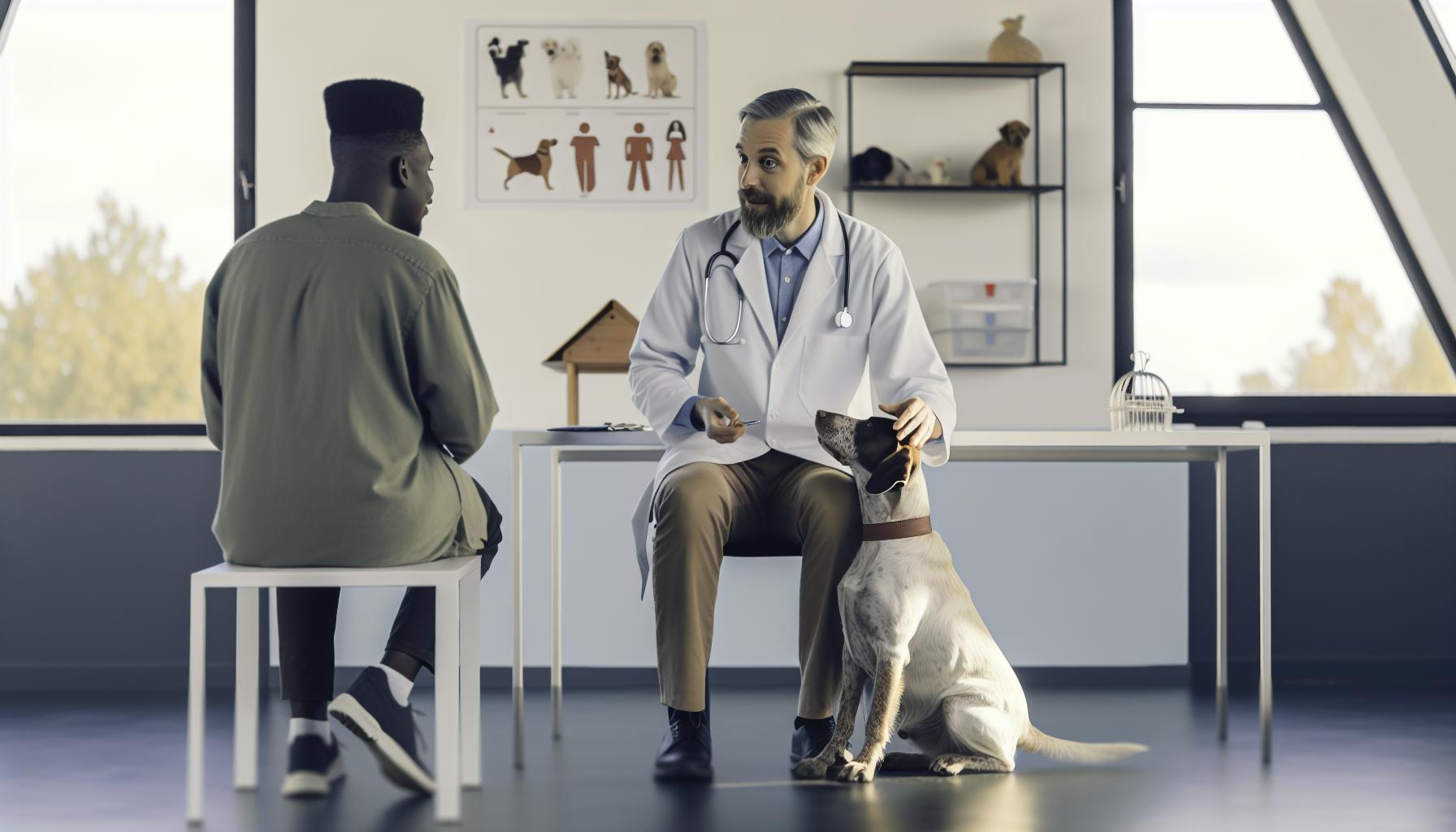
Sometimes, when a dog’s aggressive reactions during grooming sessions go beyond what typical handling techniques can soothe, it’s a clear sign to seek expert help beyond the groomer’s toolbox. Aggression often stems from underlying fear,anxiety,or even pain that requires professional assessment. A veterinary behaviorist or certified dog trainer specializing in aggression provides a compassionate, science-based approach to helping your dog feel safe and cooperative-not just at the groomer’s table, but throughout daily life.
Veterinary behaviorists are veterinarians with specialized training in animal behavior. they can diagnose medical issues that might be contributing to aggression-like skin infections, neurological problems, or pain-that a groomer or even a general vet might miss. For example, a dog snapping when brushed near tender spots could have painful mats or an underlying muscle injury. Veterinary behaviorists may also recommend behavior modification plans combined with medication if anxiety or fear is severe enough to trigger aggression. This dual approach often makes grooming manageable when previous attempts led to biting or the need for sedation.
How to know When to Ask for Help
Owners often struggle with questions like “Is my dog just being stubborn, or is there a deeper issue?” Here are some signs that indicate it’s time to consult a behavior expert:
- Repeated aggressive behavior: Biting, growling, or snapping that happens every time grooming tools touch your dog.
- Fearful or stress-related reactions: Hiding, trembling, or trying to escape before grooming even begins.
- Previous grooming attempts fail: Groomers refuse service or recommend sedation as the aggression is unmanageable.
- Owner safety concerns: You or groomers feel unsafe or at risk while trying to groom your dog.
In these cases, a professional trainer experienced in aggression can work alongside you with patient, reward-based methods.They focus on gradual desensitization to grooming steps-like introducing the sound of clippers at a distance or practicing nail touches paired with treats-building your dog’s trust and tolerance incrementally.
Partnering for Success: Vet Behaviorist, Trainer, and Groomer
Integrating advice from a veterinary behaviorist and a trainer into your dog’s grooming routine can transform struggling sessions into calmer, more positive experiences. Communication between all parties-owner, groomer, trainer, and vet-is essential. As an example, a vet behaviorist might recommend specific calming supplements or anti-anxiety medications during the initial behavior modification phase.Meanwhile, the trainer teaches you and the groomer how to read your dog’s signals and apply gentle handling techniques step-by-step.
Remember, this isn’t about “fixing” your dog instantly or forcing compliance; it’s about compassionate, methodical progress at a pace your dog finds manageable. Many dogs once deemed “too aggressive” for grooming have improved dramatically through this collaborative approach.
Choosing the right professional can feel overwhelming, but start by looking for a trainer certified by respected organizations like CPDT-KA or FDM, and a vet behaviorist accredited by the American College of veterinary Behaviorists (ACVB). Trust grows when you feel heard, and your dog’s welfare guides every step.
By investing in specialized behavior support, you empower your dog-and yourself-with safer, more successful grooming experiences. it’s a journey worth taking to nurture calm confidence and lasting comfort around grooming tools and routines.
At-Home Grooming Tips for Challenging Dogs
Many dog owners with anxious or reactive pups find that gentle, thoughtful at-home grooming can be a game-changer. While professional groomers sometimes hesitate to take on aggressive dogs due to safety,creating a low-stress routine at home is not only possible but deeply rewarding. The key is to prioritize your dog’s comfort over perfection, taking small, positive steps that build trust and confidence with grooming tools.
start Simple: Know Your Dog’s Coat and Tools
Before you begin, identify your dog’s coat type. for example, thick double coats like those of Huskies require different brush types than the fine hair of a Chihuahua. Use tools designed for sensitive or fearful dogs: a soft-bristle brush or a comb with rounded teeth can reduce discomfort and help prevent pulling mats, which often trigger defensive reactions. For tiny or short-haired breeds, a gentle grooming mitt might potentially be less intimidating than rigid brushes or clippers.
Step-by-Step Approach to Bathing
Bath time can provoke fear or resistance but breaking it down into manageable steps reduces overwhelm:
- Prepare in advance: Lay out all supplies-shampoo, towels, non-slip mat, and a cup or spray nozzle.
- Introduce water gently: Begin by simply wetting a cloth and softly stroking your dog to acclimate them to wet sensations.
- Use lukewarm water: Not too hot or cold-comfort matters more than speed.
- apply calm voices and treats: Reward your dog frequently for calm behavior so they link grooming with positive experiences.
if your dog struggles during baths due to fear or pain,consider using a waterless shampoo as an alternative to maintain hygiene without the stress of a full bath.
Brushing, Nails, and ears: Breaking Tasks into Tiny Wins
Grooming isn’t just brushing and bathing-nails and ears need care too, and each frequently enough triggers sensitive reactions.
- Brushing: Work in short sessions of a minute or two, especially around sensitive areas like paws or tummy.If mats cause pain, soften them with pet-safe detangler sprays before attempting to comb.
- Nail Care: Many dogs fear nail trims. Start by gently handling paws daily without clipping, rewarding calmness. Gradually introduce the clippers or grinders by letting your dog smell them and using treats. Use a nail file if trimming causes too much stress.
- Ears: Clean ears only if needed, using vet-approved wipes or solutions. Never insert cotton swabs deep into the ear canal. Offer comfort and rewards throughout.
Safety First: Recognize Limits and When to Pause
It’s normal for some steps to feel hard at first. If your dog shows signs of escalating stress-growling, snapping, panting, or freezing-stop and give them space. never force a session. Consider breaking grooming into multiple short sessions spread across days instead of tackling everything at once.If pain might be a factor-as a notable example, your dog yelps when brushing a certain area-consult your veterinarian before continuing home grooming to rule out underlying issues such as infections or injuries.
Developing your pup’s comfort at home doesn’t replace professional grooming entirely but helps maintain hygiene between professional visits and fosters a calmer grooming experience overall. Remember, persistence and kindness open the door to better cooperation and happier dogs. Every small step you take together builds a stronger bond anchored in trust and care.
[1] offers more insights on how trusted groomers work with difficult dogs safely, which can complement your efforts at home.
Alternatives to Professional Grooming for Aggressive Pets
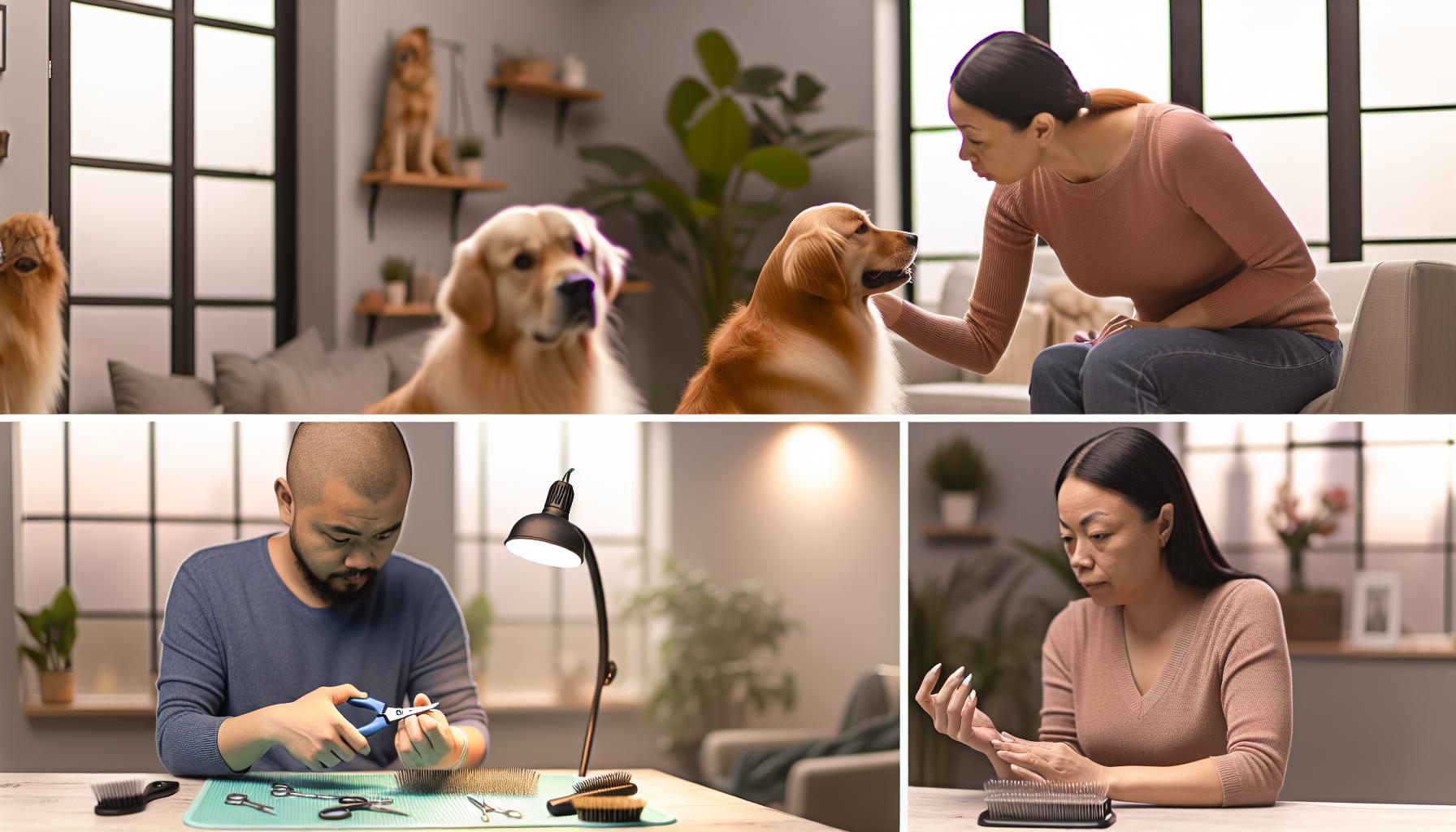
Some dogs find the traditional grooming salon environment overwhelming, especially those with aggressive tendencies or deep anxiety. When professional grooming isn’t an option due to safety concerns or past experiences, there are compassionate and effective alternatives that can help maintain your dog’s hygiene and comfort without stress.
At-Home Grooming: Creating a Safe, Calm Routine
Home grooming offers a gentle, personalized way to keep your pet clean and healthy. Start by selecting tools suited to your dog’s specific coat type and sensitivities. For instance, a soft-bristle brush or grooming mitt can be less intimidating than clippers for dogs prone to fear or aggression. Breaking grooming into very short, manageable segments-such as brushing just one paw at a time or handling nails over several days-helps build positive associations without overwhelming your dog.
- Bathing: Use lukewarm water and mild, pet-safe shampoos. Begin by wetting your dog slowly with a cloth, rewarding calmness continuously.
- Brushing: Focus on gentle strokes and avoid pulling mats. A pet-safe detangler spray can ease difficult tangles without causing discomfort.
- Nail trimming: Introduce clippers gradually, pairing each step with treats or praise. If trimming is too stressful, filing nails is a softer alternative.
- Ears: Clean them gently with vet-approved wipes only when necessary, avoiding deep insertion to prevent irritation.
The goal isn’t perfection but progress-slowly helping your dog feel safe and cared for during grooming routines.
Mobile Groomers and Specialty Services
If at-home grooming feels daunting or limited, consider mobile groomers who specialize in working with aggressive or highly anxious dogs. These professionals often operate on a one-on-one basis in a quiet, familiar environment like your driveway, which can reduce stress triggers and risks. Businesses like K9 Glam Squad provide such specialized services tailored to dogs that traditional salons cannot safely accommodate [[2]].
This option ensures your dog is handled by experienced hands equipped to manage challenging behaviors while maintaining safety for everyone involved. Mobile grooming can bridge the gap between at-home care and professional salon grooming.
Veterinary and Behaviorist collaboration
For dogs with aggression rooted in fear, pain, or medical issues, grooming sessions might require a carefully coordinated approach involving your veterinarian or a certified dog behaviorist. Sometimes, medication or behavior modification techniques are necessary before grooming can be safely and effectively performed.
veterinary clinics may offer sedation or supervised grooming for pets unable to tolerate standard procedures, ensuring hygiene needs are met without trauma. Behaviorists can teach you tools and strategies to desensitize your dog gradually to handling and grooming, improving long-term outcomes [[3]].
Essential Safety Reminders and When to Seek Help
Always prioritize your dog’s well-being over aesthetics. Recognize signs of distress or pain-growling, snapping, freezing-and never force grooming sessions. when at-home or alternative methods aren’t enough, and aggression poses a risk, it’s perfectly okay to pause and seek professional guidance.
- Know your limits: It’s safer to break grooming into multiple short sessions than risk injury or stress.
- Consult experts: Reach out to groomers trained in handling aggression, veterinarians, or positive reinforcement trainers.
- Keep comfort first: Your dog’s trust and calmness matter more than a perfect haircut.
By exploring these alternatives and tailoring your approach, you empower yourself and your dog to maintain good hygiene without fear or conflict. Remember, every small success builds confidence and a closer bond, setting the stage for more positive grooming experiences in the future.
[1] offers more in-depth guidance on grooming with patience and safety in mind, perfect for fearful or aggressive pets.
Costs and Time: What Owners Should Know

It’s no secret that grooming an aggressive dog often takes more time, patience, and specialized care than grooming a calm, cooperative pet. This can influence both the cost and duration of a grooming session, so understanding what to expect can definitely help you plan accordingly.Aggressive or anxious dogs frequently require additional safety measures, such as muzzle training, slower handling, or even breaks during grooming to soothe stress. These steps, while essential for your dog’s welfare, naturally extend the appointment time.
When booking with professional groomers skilled in handling aggression-or opting for mobile services tailored to difficult dogs-expect fees to be higher than standard grooming prices. This is because groomers invest extra resources in safety equipment, specialized training, and often dedicate more individualized attention. For example,a mobile groomer catering exclusively to aggressive dogs might schedule longer sessions and come prepared with calming tools to create the best experience possible for your pup. Remember, these added costs reflect a commitment to your dog’s wellbeing, not just a haircut.
Timing can vary considerably based on factors like breed, coat type, and your dog’s specific triggers. Thick double coats, mats, or sensitive skin often slow the process, especially if your dog resists certain steps like brushing or nail trimming. Sometimes,grooming can take several shorter appointments rather than one long session to reduce stress-this progressive approach benefits dogs who might otherwise become overwhelmed. As an example,breaking grooming into separate sessions for bath,brushing,and nails can create a more positive and manageable routine.
| Task | Typical Time Range | Considerations for Aggressive Dogs |
|---|---|---|
| Bathing | 15 – 45 minutes | May require calming breaks, gentle handling, special shampoos |
| Brushing/De-matting | 20 – 60+ minutes | Patience needed; avoid pulling mats to prevent agitation |
| Nail Trimming | 5 – 15 minutes | Can be done gradually over multiple sessions or replaced with filing |
| Ear Cleaning | 5 – 10 minutes | Use vet-approved wipes gently; skip deep cleaning if too stressful |
It’s equally important to recognize the boundaries between professional groomers, veterinarians, and at-home care providers. Some dogs may need sedation or veterinary oversight when aggression is severe or linked to pain or medical conditions. In these cases,grooming may happen under medical supervision,which understandably increases both cost and time.At-home grooming, on the other hand, gives you adaptability to work slowly and build trust but requires investment in the right tools and knowledge to keep everyone safe.
By embracing a flexible, dog-first mindset about costs and timing, you can feel more prepared and less pressured. Prioritize your dog’s comfort and welfare over rapid results or aesthetics, knowing that patience and compassionate handling pay off with calmer visits and happier pups over time.
- Plan for extra time: Successful grooming often means slowing down and working at your dog’s pace.
- Budget accordingly: Specialized services and veterinary involvement can add to costs but ensure safety.
- Track progress: Celebrate small wins and gradual improvements in handling and tolerance.
- Consult professionals: Experienced groomers and behaviorists are invaluable allies in managing tough grooming scenarios.
Ultimately, investing in your dog’s grooming with empathy and knowledge creates a foundation of trust that benefits your pet’s health and happiness for years to come.
Empowering Owners: Building Trust and Calm at grooming Visits
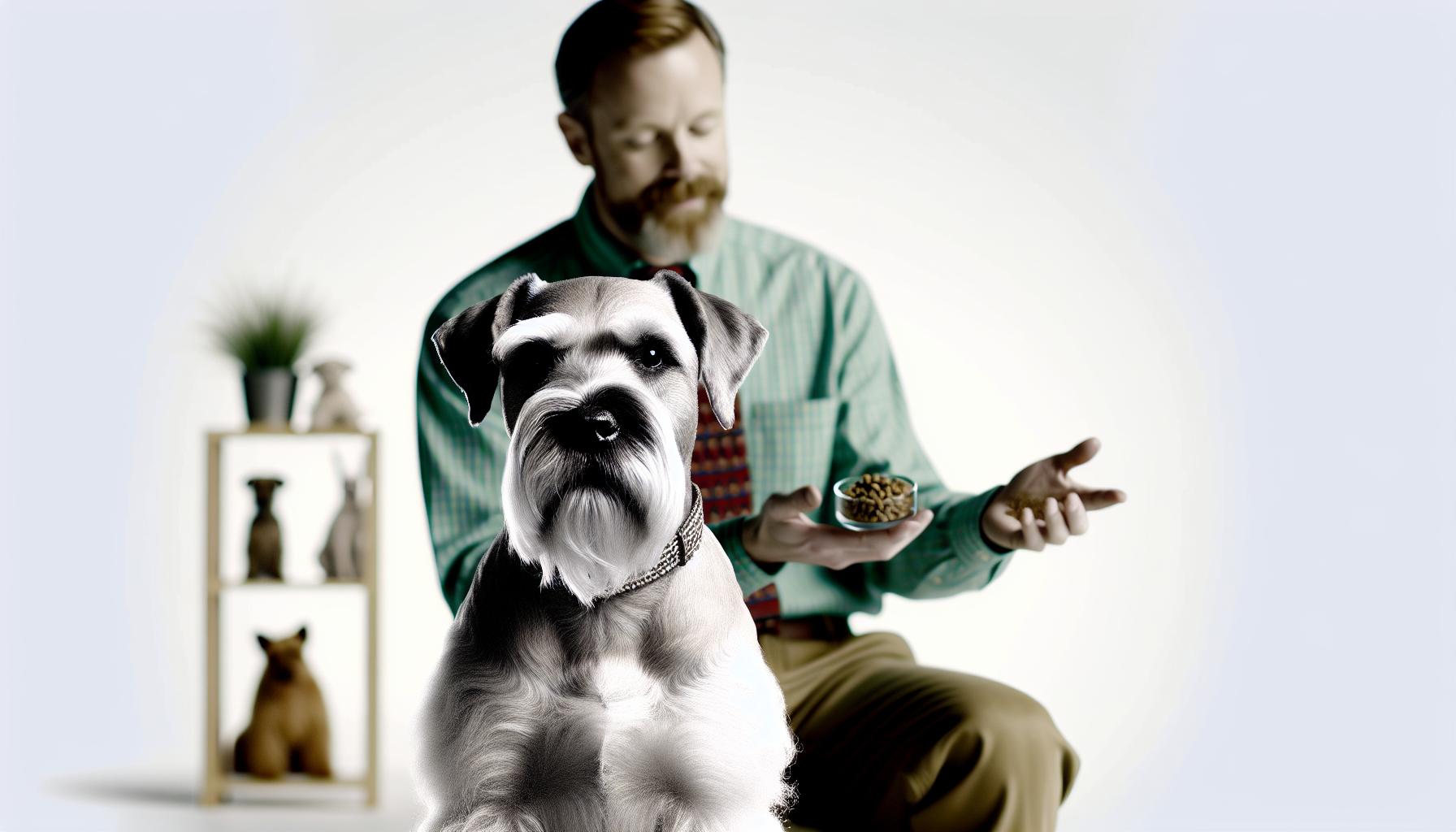
Few things set the tone for a calm grooming experience like the quiet, steady presence of an owner who understands their dog’s unique needs. Building trust doesn’t happen overnight-it’s a gentle process of nurturing your dog’s comfort with handling, sights, sounds, and smells that might initially provoke anxiety or aggression. Simple, consistent routines at home paired with patient, professional support create a foundation where dogs learn that grooming isn’t a threat but a routine part of feeling good.
Start Small: The Power of Short, Positive Sessions
Introducing grooming tools gradually lets your dog explore at their own pace. Such as, let your dog sniff and paw at brushes or nail files _before_ trying to use them. Practice touching paws, ears, and coat lightly during relaxed moments-not just when it’s time to groom. Reward calm behavior with treats or praise.Over time, these positive associations reduce fear and frustration. For more challenging tasks like nail trimming, splitting into brief sessions works wonders. Your dog can learn to tolerate filing or clipping little by little, and you avoid overwhelming them.
Create a Calm environment Together
When preparing for a grooming visit, consider your dog’s breed, coat type, and personality. Dogs with thick, double coats or long fur may require more frequent brushing to prevent mats that can be painful to remove suddenly. For these dogs, regular at-home brushing can reduce stress during professional sessions. Also, try to keep the grooming area calm and familiar: soft lighting, quiet voices, and familiar scents help soothe nerves. If your dog has a favorite toy or blanket, bringing it along can provide comfort.
- Bathing: Use lukewarm water and gentle shampoos designed for sensitive skin. Take breaks if your dog shows signs of distress.
- Brushing: Choose tools appropriate for your dog’s coat. Such as, slicker brushes for medium coats, dematting tools for tangles, and avoid pulling mats which can trigger aggression.
- Nail Care: Use nail files gradually if clipping causes anxiety, splitting the task over multiple days.
- Ear Cleaning: Only clean ears if your dog allows it, and use vet-approved wipes gently to prevent discomfort.
Know Your Limits: when to Seek Help from Professionals
Sometimes, despite your best efforts, your dog’s fear or aggression requires guidance from a veterinary behaviorist or a professional trainer skilled in positive reinforcement methods. These experts can assess if pain, illness, or deep-seated anxiety contribute to grooming challenges. They will help build a tailored plan to increase your dog’s tolerance safely. Remember, groomers are invaluable partners but know when veterinary involvement is essential to ensure your dog’s health and welfare above all.
Lastly, empower yourself with knowledge about what your groomer can reasonably expect and tolerate. Honest communication when booking appointments helps groomers prepare and plan for your dog’s specific needs. Celebrating small victories-a shorter grooming session completed without incident, a relaxed paw held steady, a calm response to a nail file-strengthens you and your dog as a team. Over time, these patient, loving steps build trust that transforms grooming from a battle into a bonding ritual.
By prioritizing your dog’s comfort, recognizing when professional intervention is needed, and using practical, compassionate techniques, you’re not only making grooming safer but also enriching your pet’s quality of life in countless little ways.
Frequently asked questions
Q: Why do some groomers refuse to groom aggressive dogs?
A: Groomers frequently enough refuse to groom aggressive dogs to ensure the safety of themselves, the pet, and other animals. Aggressive behavior increases the risk of injury and stress, requiring specialized training and equipment. Understanding these risks helps owners seek *appropriate alternatives or professional help* before scheduling a session.
Q: How can owners prepare an aggressive dog for a grooming appointment?
A: Owners can prepare aggressive dogs by gradually desensitizing them to grooming tools and touch at home. Consistent positive reinforcement and short,calm handling sessions build trust. this preparation can improve cooperation during grooming and is detailed in the *”Empowering Owners”* section of our guide for better success.
Q: What safety equipment do groomers use for aggressive dogs?
A: Groomers use safety tools like muzzles, grooming restraints, and non-slip mats to safely manage aggressive dogs. These *specialized devices reduce stress and prevent bites*, ensuring a safer grooming environment. For specific techniques, see *”Specialized Tools and Techniques for Handling Aggression”* in our article.
Q: When is it best to seek a veterinary behaviorist instead of a groomer for aggressive dogs?
A: If a dog’s aggression is severe, persistent, or worsens with grooming, consulting a veterinary behaviorist is recommended. These professionals diagnose underlying issues and create behavior modification plans. This step frequently enough precedes successful grooming and is discussed under *”when to consider a Veterinary Behaviorist or Trainer”*.
Q: What alternatives exist if a groomer won’t accept my aggressive dog?
A: alternatives include at-home grooming by the owner,mobile groomers trained in handling aggression,or specialized grooming salons equipped for tough cases. Using these options ensures your dog stays clean and comfortable without compromising safety. Explore detailed solutions in the *”Alternatives to Professional Grooming for Aggressive Pets”* section.
Q: How do groomers assess the risk before accepting an aggressive dog?
A: Groomers assess behavior by observing signs like growling, biting history, and stress signals during intake. they may request a trial session or detailed owner feedback to decide.This risk assessment is crucial for safety and is addressed in detail in *”key Signs That Influence Groomer Acceptance”*.
Q: Can grooming improve an aggressive dog’s behavior over time?
A: Yes, with patience and positive reinforcement, regular grooming can help reduce anxiety and aggression by building trust and desensitizing the dog to handling. Consistency and calm techniques, highlighted in *”Empowering Owners: Building Trust and Calm at Grooming Visits,”* are key for progress.
Q: What costs are involved in grooming dogs with aggressive behavior?
A: Grooming aggressive dogs often costs more due to longer appointment times, extra safety equipment, and specialized handling skills. Expect *higher fees and possibly multiple sessions* for gradual acclimation. For detailed financial expectations,refer to the *”Costs and Time: What Owners Should Know”* section.
—
For more tailored tips on managing grooming challenges with aggressive dogs, explore our extensive guide sections or reach out with your experiences-every pet deserves gentle care and respect.
In Conclusion
Navigating the challenges of grooming aggressive dogs requires patience, the right tools, and frequently enough professional expertise to ensure safety and comfort for both pet and groomer. While many groomers have policies in place regarding aggressive behavior, understanding your options-whether specialized grooming, training support, or vet-assisted care-empowers you to make the best decisions for your dog’s well-being. To build your knowledge further, explore our guides on calming anxious dogs during grooming and essential grooming tools for difficult coats, designed to prepare you for every step of the process.
Don’t let fear hold you back from maintaining your dog’s health and happiness. Start implementing gentle grooming habits today, and consider consulting with experienced groomers familiar with aggressive dogs to create a tailored plan. Stay connected by signing up for our newsletter, where you’ll get ongoing tips, expert advice, and exclusive resources to help your furry friend thrive. Have questions or stories about grooming tough pups? Share your experiences in the comments below-we love hearing from you and fostering a compassionate pet community that puts safety and care first.
For more insights on managing coat care, behavioral challenges, and professional grooming alternatives, continue exploring our site – your trusted source for all things dog wellness and grooming. Remember, with empathy and the right approach, even the most anxious or aggressive dogs can enjoy a stress-free grooming experience.
Get our latest guides, news, and insights highlighted in your Google Search & AI Overviews.
Keep reading about the same coat and cut.




Popular grooming guides
Bath vs clip, first grooms, and salon how-tos.