Why Do Groomers Put Bandanas on Dogs? More Than Style
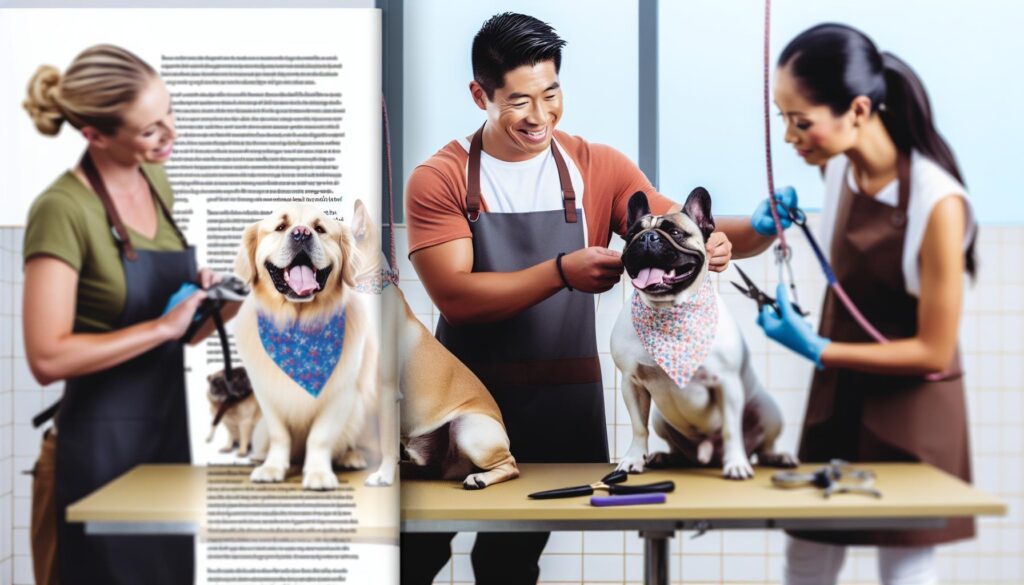
Did you know that those charming bandanas your dog wears after a grooming session are about much more than just style? While they do add a cute finishing touch, groomers often use bandanas as gentle signals that a dog has just been cared for and is feeling fresh and relaxed. They can also help calm anxious pups by providing a soft, cozy accessory that feels familiar after the sometimes stressful grooming process. Understanding why groomers put bandanas on dogs can ease any worries you might have and help you appreciate the thoughtful care behind this simple practise. Whether you have a fluffy poodle or a short-coated terrier, learning about thes colorful accessories reveals a lot about how groomers prioritize your dog’s comfort and wellbeing-not just their looks. Keep reading to discover the heartwarming reasons behind this popular grooming tradition and how it supports your dog’s happiness and health.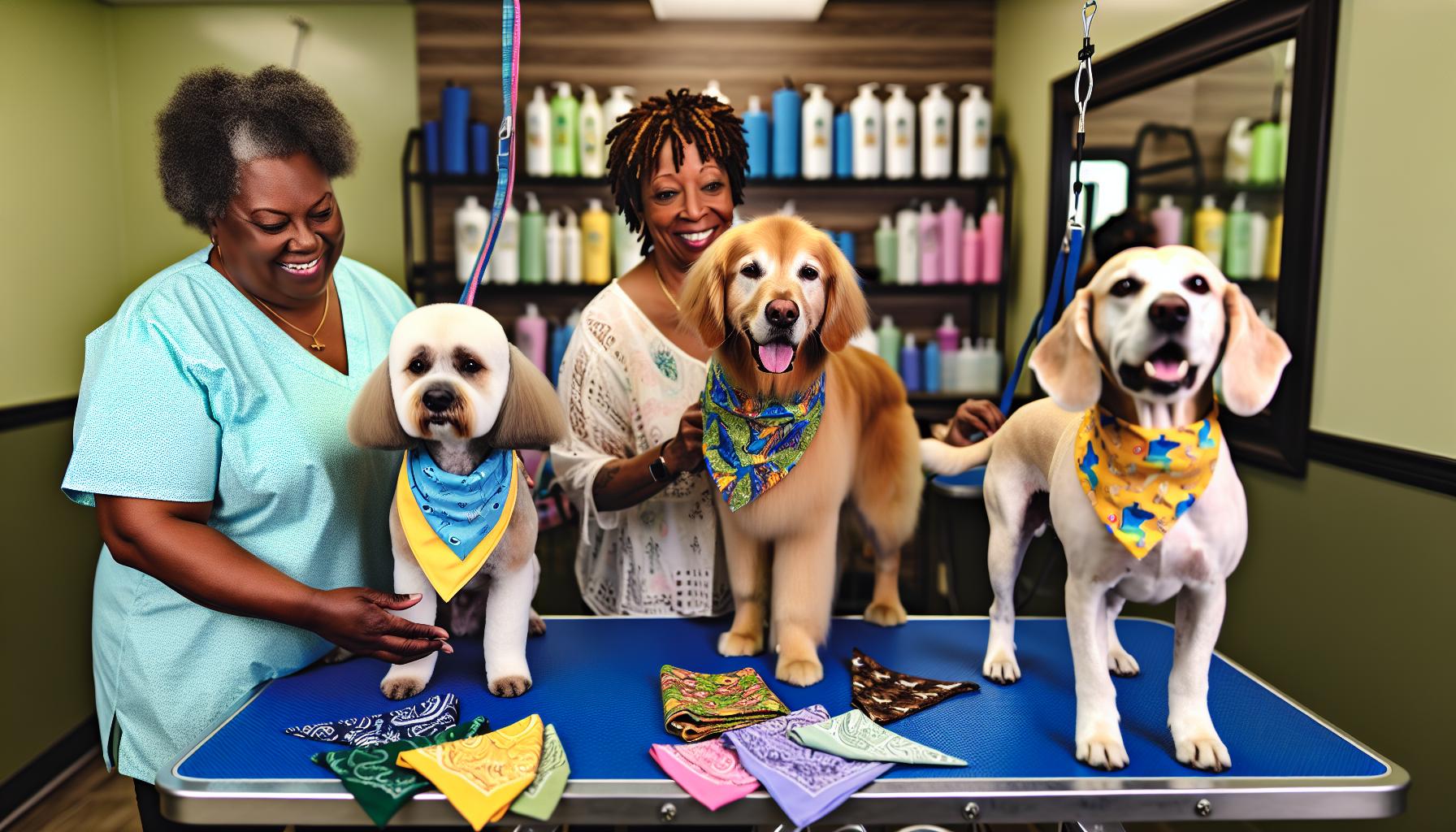
Why Groomers Choose bandanas for Dogs Beyond Fashion
Table of Contents
- 1 Why Groomers Choose bandanas for Dogs Beyond Fashion
- 2 How Bandanas Help Calm and Comfort Pets during Grooming
- 3 The Role of Bandanas in Signaling Health and Behavior
- 4 Choosing the Right Bandana: materials and sizes Explained
- 5 Seasonal and Safety Benefits of Dog Bandanas
- 6 How Bandanas enhance Your Dog’s Post-Grooming Look
- 7 step-by-Step Guide to Putting Bandanas on Dogs Safely
- 8 Common Owner Questions About Groomer Bandanas Answered
- 9 Faq
- 9.1 Q: How do groomer bandanas help reduce a dog’s anxiety after grooming?
- 9.2 Q: What materials make the safest and most comfortable dog bandanas after grooming?
- 9.3 Q: When is the best time during the grooming process to put a bandana on a dog?
- 9.4 Q: Can groomer bandanas be used for practical safety, like during walks or in crowds?
- 9.5 Q: How can owners safely introduce a groomer bandana to dogs that dislike wearing accessories?
- 9.6 Q: Do different dog breeds benefit differently from wearing bandanas after grooming?
- 9.7 Q: How do groomers choose the color or design of bandanas for dogs?
- 9.8 Q: What should owners do if their dog tries to chew or remove the groomer bandana?
- 10 Final Thoughts
Many pet owners notice that groomers often place a bandana on dogs after their grooming session and might assume it’s just a cute finishing touch. Yet, these colorful accessories serve several thoughtful purposes that go beyond mere aesthetics. For groomers,bandanas are a simple,non-invasive way to create a positive association with the grooming experience,helping dogs feel more agreeable and proud of their fresh look-all while offering practical benefits that support pet welfare.
Building Comfort and Trust
A well-groomed dog wearing a cozy bandana can feel reassured in the transition from bath to playtime. Groomers observe that some dogs initially feel uneasy with unfamiliar sounds,water,or clipping tools. Adding a soft, lightweight bandana made from breathable fabric acts like a gentle reward-a visual and tactile cue that the grooming process is complete and everything is okay. This small act can reduce anxiety, reinforce calm behavior, and boost a dog’s confidence. For nervous dogs, the bandana may even become a comforting sensory signal that eases the next visit.
Marking a job Well Done and Promoting Safety
Beyond calming effects, bandanas also help groomers communicate important information at a glance. Some grooming salons customize bandanas by color or pattern to indicate a dog’s coat condition, temperament, or specific care instructions-such as dogs requiring extra gentle handling or those with sensitive skin. This “visual shorthand” supports team members and owners in providing consistent care after the grooming session. Furthermore, bandanas can increase visibility for dogs in outdoor settings if they’re designed with reflective elements, promoting safety when walking in dim light.
Simple, practical, and Personal
Choosing the right bandana is crucial: lightweight cotton blends that are washable, breathable, and snug but not tight work best for comfort across breeds and sizes. Groomers appreciate that bandanas are easy to clean and replace, compared to complex accessories that could cause irritation or hinder movement. They also offer a gentle tactile experience compared to collars or harnesses, minimizing stress. Such as, a groomer working with a medium-coated Lab might select a brightly patterned, soft cotton bandana in a size that won’t interfere with fur drying or brushing. This thoughtful selection shows the groomer’s attention to each dog’s unique needs.
- Calming cue: Signals a positive end to grooming.
- Communication tool: Indicates health or behavior notes.
- Safety aid: Enhances visibility during post-groom walks.
- Comfort item: Soft and breathable option to heavier accessories.
In essence, groomers choose bandanas not just for style but to support a dog’s emotional well-being, facilitate clear communication among caretakers, and provide gentle comfort. These simple scarves embody compassion in action-a small gesture that helps dogs leave the salon feeling valued and cared for, not just looking great. For owners, understanding this helps transform the bandana from a cute prop into a meaningful part of their dog’s grooming journey.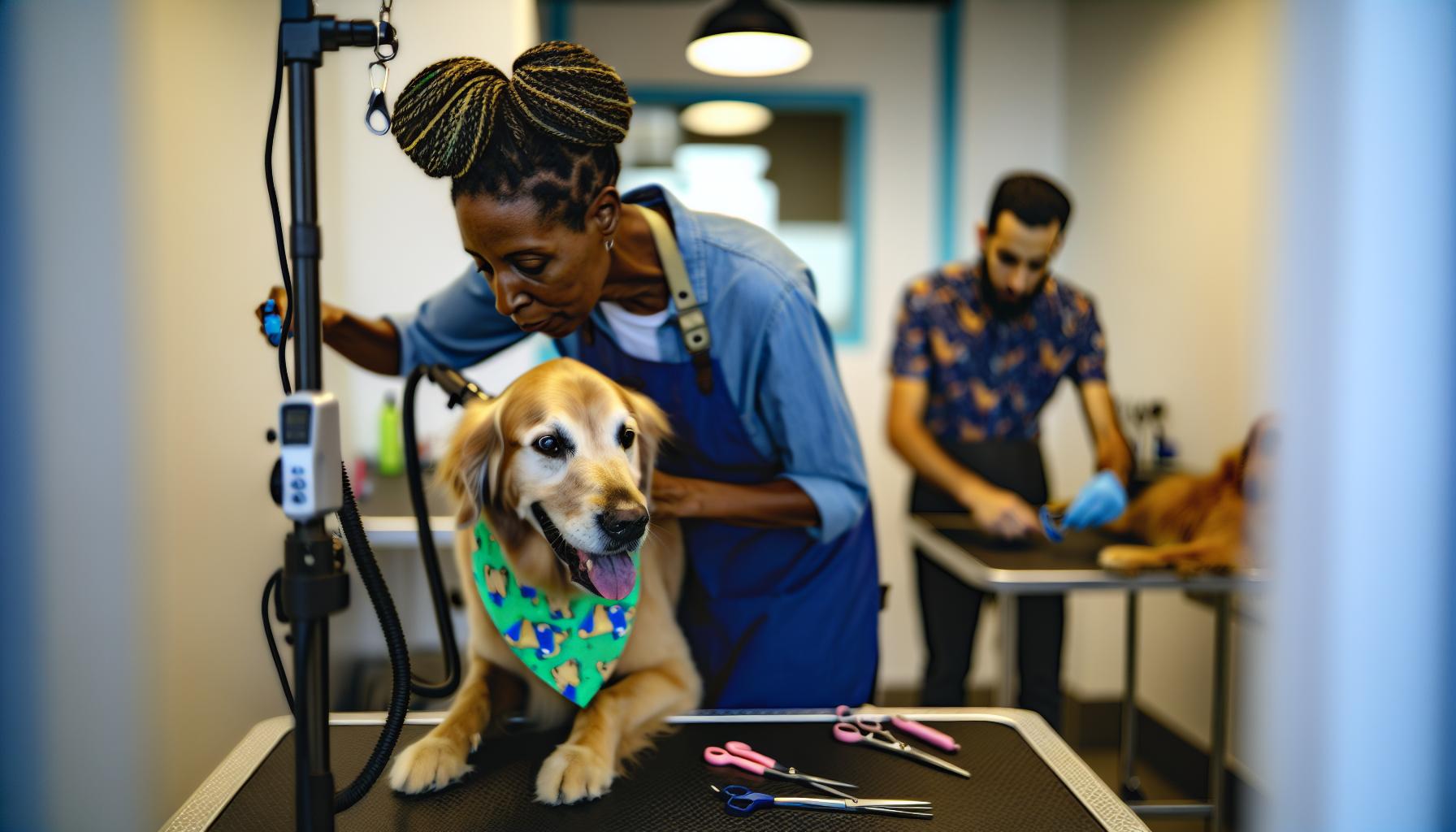
How Bandanas Help Calm and Comfort Pets during Grooming
Many dogs find grooming a stressful experience, especially when faced with unfamiliar sights, sounds, and sensations like water sprays, clippers, and nail trimmers. A soft bandana placed gently around their neck at the end of the session serves as a subtle, reassuring signal that the perhaps uncomfortable part is over. This simple visual and tactile cue helps many dogs shift from anxiety to calmness, offering a sense of completion and comfort. For breeds with sensitive skin or nervous temperaments-such as shy greyhounds or excitable Terriers-a lightweight, breathable cotton bandana provides a soothing touch without overwhelming their senses.
Creating Positive Associations One Step at a Time
Bandanas act like a low-key reward, much like a kind pat or a treat, reinforcing calm behavior during and after grooming. over time, dogs learn to associate the feel of a soft fabric around their neck with the end of the grooming routine and positive attention. In practice, groomers often notice that dogs who initially resist baths or trims begin to relax visibly when the bandana goes on-tail wagging or even playful behavior can return quickly. This is especially helpful for puppies or rescue dogs new to grooming, whose early experiences shape long-term attitudes about self-care.
Comfort Through Sensory Soothing
the choice of material matters. A well-chosen bandana is soft,lightweight,and breathable,avoiding irritation or constriction. Such as, a groomer working with a double-coated breed like a Siberian Husky might select a bandana fabric with moisture-wicking properties to keep the dog cool and comfortable as the coat dries. The bandana gently frames the neck without adding pressure, unlike collars that may feel tight after handling. This mild sensory input can sometimes provide a calming focus, much like weighted blankets do for humans prone to anxiety.
- Easy to put on: Look for simple, tie-on or slip-on bandanas to avoid sudden surprises or fussing.
- Size matters: Select bandanas that suit the dog’s neck size-too big can slip off; too small can feel restrictive.
- Natural materials: Cotton blends are preferred to avoid heat buildup or skin irritation.
Groomers emphasize patience and gentle handling throughout the routine, and finishing with a bandana is part of that loving approach-a quiet way to say, “You did great.” For nervous owners, knowing the bandana is more than a decorative touch can turn worry into appreciation, seeing it as a small but meaningful tool that contributes to their dog’s emotional ease during grooming.
The Role of Bandanas in Signaling Health and Behavior
Some dogs wear bandanas not just for flair, but as gentle signals about their health and mood-a kind of visual language that helps groomers and owners alike understand and respond to their needs.For example, certain colors or styles can subtly indicate if a dog is recovering from an injury, feeling anxious, or requires gentle handling, helping everyone provide a safer, more compassionate experience.
Bandanas often serve as non-verbal cues in busy grooming salons. A radiant yellow bandana might alert staff that a dog is nervous or reactive, prompting more patient, calm handling to avoid causing stress. Conversely,a cheerful pattern can show a dog is comfortable and ready for play,encouraging positive interactions. this simple, visible marker can reduce misunderstandings and prevent accidental triggers for fear or aggression.
Health Signals Worn With Care
Dogs that have recently had medical treatments, like a shaved patch after surgery or a sensitive skin condition, may wear bandanas made of soft, breathable cotton to protect the area gently without pressure from collars or harnesses. Groomers who notice redness or irritation under the bandana can advise owners to seek veterinary advice, creating a partnership that bridges grooming and healthcare. for example, hypoallergenic fabrics can be chosen especially for dogs prone to allergies, ensuring the bandana is a comfort rather than a source of irritation.
Behavioral Insights Through Bandana Use
Beyond signaling health,bandanas can definitely help communicate behavioral traits. In group or daycare settings,color-coded bandanas assist staff in quickly identifying dogs needing extra space or slower introductions. For instance, a large breed with a nervous disposition might wear a calming, cool-colored bandana to cue handlers and other dogs to move slowly and respect boundaries. Groomers often use these visual tools to create personalized care plans, especially for shy or rescue dogs needing gradual acclimation.
- Observe and adjust: Watch your dog’s reactions to different bandana types and colors to find what best suits their comfort and mood.
- Communicate clearly: Use bandanas as a simple way to share health or behavior notes with groomers, sitters, or family members.
- Keep it safe: Make sure bandanas fit well-too loose,and they can slip off; too tight,and they cause discomfort.
By thoughtfully choosing and using bandanas, groomers provide more than decoration-they offer a loving language of care that helps dogs feel seen, safe, and understood in ways words cannot express.This small touch plays a big role in promoting trust and well-being throughout the grooming journey.
Choosing the Right Bandana: materials and sizes Explained
Dogs frequently enough wear bandanas not just to look cute, but as the right fabric and fit make a big difference in their comfort and safety-especially after grooming. Choosing the best bandana means understanding how materials and sizing affect your dog’s well-being, from preventing irritation to ensuring that this simple accessory stays securely in place without causing stress.
Picking the Perfect Fabric for Comfort and Health
Soft, breathable materials like 100% cotton are ideal because they allow air flow and won’t trap moisture against the skin. This is especially critically important after a bath or haircut, when a dog’s skin might potentially be more sensitive. Many groomers select hypoallergenic cotton bandanas to avoid irritation, particularly for dogs with allergies or delicate skin. Polyester or polyester blends can be durable and colorful but tend to be less breathable, so choose these only if your dog tolerates them well and the grooming environment is not overly warm or humid. Keep in mind that washable fabrics are a must for frequent use,as bandanas can quickly pick up dirt or hair during active play or walks [[1]](https://ericawilson.com/blogs/news/the-ultimate-guide-to-dog-bandanas-for-style-and-function?srsltid=AfmBOorlJkz4V0q3yTNrm15W0maOloMjJxI30GYjfbI9ewBh7iB0Ynxw) [[2]](https://wearwagrepeat.com/how-to-make-the-cutest-diy-reversible-dog-bandanas/).
Finding the Right Size and Fit for Every Dog
A bandana that’s too tight can stress or even harm your dog, while one that’s too loose risks slipping off or getting caught on things. Measure your dog’s neck circumference first to guide size selection. Typically, small breeds wear bandanas around 12-14 inches wide, while larger breeds may need 20 inches or more. Adjustable or tie-style bandanas give versatility to avoid constriction. For dogs with thick fur, extra room is necessary to prevent pulling or bunching.
| Dog Size | Recommended Bandana Width | Fit tips |
|---|---|---|
| small Breeds (e.g., Chihuahua, Pomeranian) | 12-14 inches | Choose light fabrics; tie loosely |
| Medium Breeds (e.g., Cocker Spaniel, Beagle) | 15-18 inches | Ensure bandana sits flat against neck without bunching |
| Large Breeds (e.g., Labrador, Golden Retriever) | 19 inches and up | Consider wider cuts and sturdier fabrics for durability |
Practical Tips for Safety and Style
Always check your dog’s reaction when first introducing a bandana. If they scratch or try to remove it, they might potentially be uncomfortable with the material or fit. Start by loosely tying the bandana and observe during calm moments. Avoid bandanas with embellishments or parts that could detach and become choking hazards. For dogs with sensitive skin or post-surgical sites, a soft cotton bandana with a smooth seam is best for gentle coverage without irritation.By paying close attention to fabric choice and size, you transform a simple scarf into a tool that supports your dog’s comfort, safety, and healthy communication during grooming. This mindful approach builds trust and makes every bandana moment both functional and heartfelt.
For those wanting to try DIY, 100% washable cotton fabrics with fun patterns can be sewn at home following simple reversible bandana patterns, so you can customize the perfect fit and look while prioritizing your pup’s comfort [[2]](https://wearwagrepeat.com/how-to-make-the-cutest-diy-reversible-dog-bandanas/).
Choosing the right bandana isn’t just about style-it’s a small but meaningful step toward caring for your pet’s unique needs with compassion and confidence.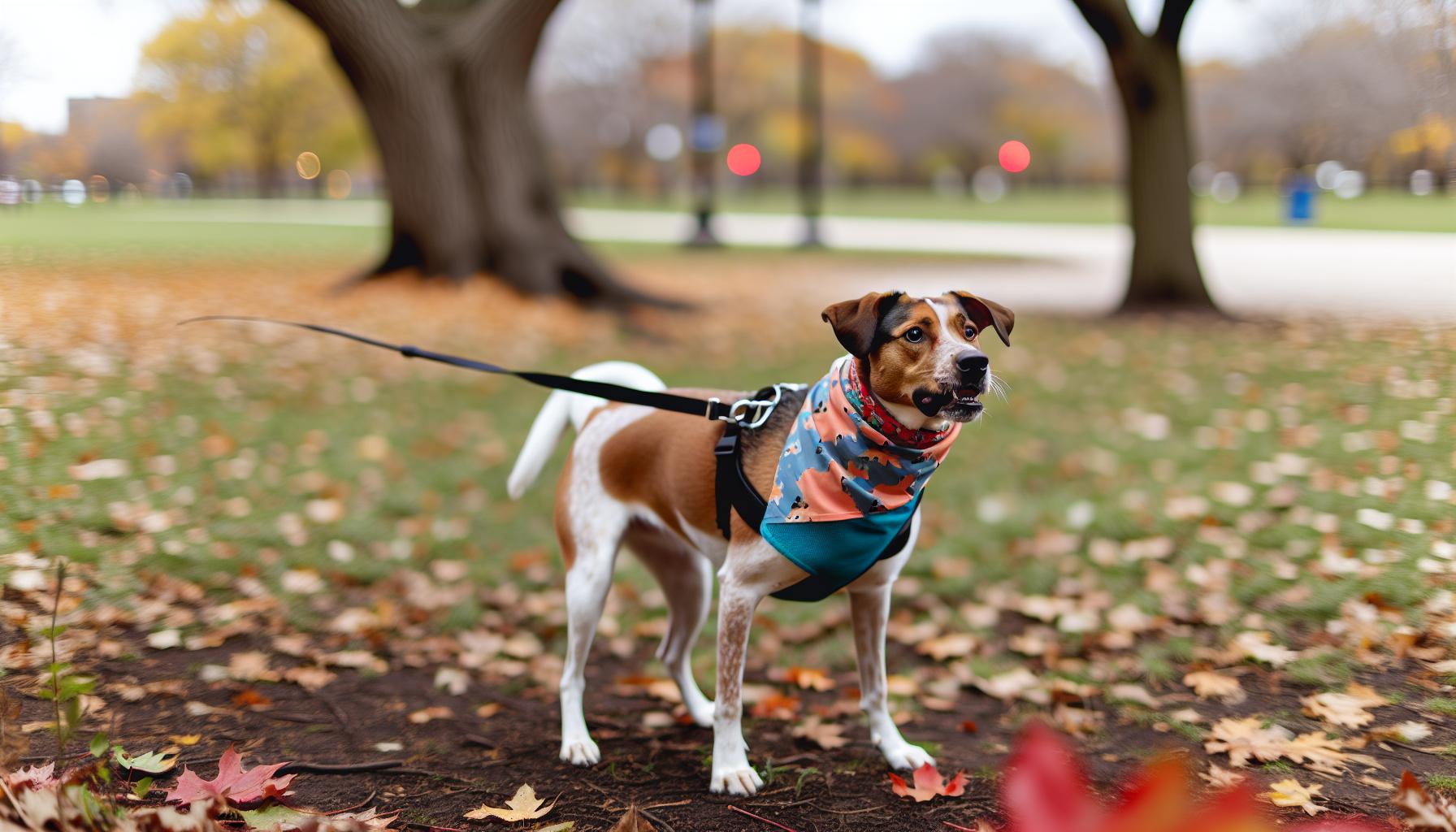
Seasonal and Safety Benefits of Dog Bandanas
dogs wearing bandanas aren’t just about a charming look-these versatile accessories serve important seasonal and safety purposes that many pet parents might not immediately consider. For example, during warmer months, a lightweight cotton bandana can be soaked in cool water and tied loosely around a dog’s neck to help regulate body temperature, offering a simple, gentle way to keep them comfortable without any bulky gear. Conversely, in colder seasons, a thicker or double-layered bandana adds an extra barrier against chilly winds, especially for short-haired or small breeds who tend to get cold faster.This seasonal adjustment shows how groomers thoughtfully use bandanas to support pet comfort beyond just aesthetics.
Safety is another crucial benefit that comes with properly chosen and fitted bandanas. A snug but not tight fit prevents the bandana from slipping off or getting caught in outdoor brush or kennel bars-common sources of injury or stress. Groomers often select designs without dangling decorations or loose strings to avoid choking hazards or entanglement. It’s also wise to avoid overly tight knots; a bandana should sit comfortably at the base of the neck,allowing your dog to breathe and move freely without restriction [[1]](https://kiizys.com/blogs/kiizys-blog/are-dog-bandanas-safe?srsltid=AfmBOoplLvYyI6YWoH6X689pCCivgGnyH3-2uVPBJRjQIXhvPDdRCJ5D) [[2]](https://wholesaleforeveryone.com/blog/safety-considerations-for-dog-bandanas/?srsltid=AfmBOornhMB0ifz8GdQDndei6lZSubzRQWavoy4Z3H8IT66GBXYqDmEP).
practical Seasonal Tips From Groomers
- Summer Cooling: Soak cotton bandanas in cool water and wring out excess before tying loosely. This acts as a mild evaporative cooler and can help prevent overheating, especially in breeds prone to heat stress like Bulldogs or Pugs.
- Winter Warmth: Use bandanas made of thicker, soft fabrics like fleece or double-layered cotton. They add warmth around the neck without interfering with normal activity, useful for dogs with thin coats like Greyhounds.
- Visibility and Safety: Bright-colored or reflective bandanas increase a dog’s visibility on walks in low light or wooded areas, reducing the risk of accidents.
Keeping Comfort and Safety in Mind Year-round
Remember to monitor your dog’s behavior when wearing a bandana, especially outdoors or during energetic play. If your dog tries to paw at it or seems uncomfortable, adjust the fit or remove it temporarily. Groomers often remind owners to check the bandana’s condition daily-frayed edges or loose threads should be trimmed or repaired promptly to prevent bites or choking risks. For dogs with sensitive skin or post-procedural wounds, bandanas crafted from hypoallergenic materials and carefully fitted can provide gentle protection without irritating delicate areas.
By viewing bandanas as more than just a pretty accessory, owners can use them as thoughtful tools for seasonal comfort and everyday safety. This approach strengthens the bond between you and your pet,showing care and attention to their unique needs,and keeps grooming moments both joyful and secure [[3]](https://wedogy.com/dog-bandana-safety/).
How Bandanas enhance Your Dog’s Post-Grooming Look
Adding a thoughtfully chosen bandana after a grooming session does much more than provide a cute finishing touch-it communicates care and calm to both pets and their owners. When dogs emerge from the bath, coat trimmed and nails shaped, placing a soft, well-fitted bandana gently around their neck offers an immediate signal that grooming is complete. This not only enhances the dog’s fresh, polished appearance but also creates a sense of comfort and security, helping to soothe any lingering anxiety from the grooming process.
The right bandana complements your dog’s unique coat type and color, showcasing their personality while softening the transitional moments between groomer and home. For example, a fluffy Golden Retriever looks warm and approachable with a bright, patterned cotton bandana, while a sleek Doberman’s sharp outline is softened with a simple, solid-tone fabric. Groomers often suggest choosing breathable materials like lightweight cotton for sensitive skin or densely woven fabrics for breeds prone to shedding, ensuring the accessory feels as good as it looks. This small but strategic accessory moves beyond style-it’s a gentle reminder that your dog is cared for, pampered, and ready to head home feeling proud and pampered.
Practical Tips to Keep your Dog Comfortable and Stylish
- Fit is Key: Ensure the bandana sits securely without constricting-aim for a snug but breathable fit at the base of the neck.
- Material Matters: Choose soft, hypoallergenic fabrics, especially if your dog has sensitive or recently treated skin.
- Easy On, Easy Off: Use ties or snaps that allow quick removal if your dog tries to paw or seems bothered. Comfort always comes first.
- Coordinate with Coat Care: A bandana can extend the freshness of a groom by covering areas that might get dusty quickly, like the chest or neck folds.
Offering dogs this kind of wearable, cozy “transition accessory” supports their emotional well-being post-groom, particularly for nervous or shy pets who may feel overwhelmed. Groomers frequently enough share that dogs wearing bandanas seem calmer during pick-up, as the accessory subtly signals that the busy grooming is finished and it’s time for affection and relaxation.
combining practicality with personality, bandanas can also be a fun way for owners to celebrate special occasions-think seasonal colors, birthday designs, or holiday patterns-which turn a grooming day into a moment worth remembering. Ultimately, a bandana is a small token that speaks volumes: it’s about care, comfort, and connection through every stage of your dog’s grooming journey.
step-by-Step Guide to Putting Bandanas on Dogs Safely
Few simple touches can make your dog feel truly cared for after grooming,and putting on a bandana is one of them.It’s not just about flair-this small garment can provide comfort and a soothing transition from the sometimes stressful grooming session back to the calm of home. Ensuring it’s put on correctly and safely helps maintain that feeling of ease for your pet,especially for nervous or sensitive dogs.
Gather Your Materials and Prepare Your Dog
Before starting, select a bandana made from soft, breathable fabric suitable for your dog’s coat and skin sensitivity. Lightweight cotton or a reversible pattern with gentle edges works well for most breeds. Have your dog calmly seated or standing; if they are anxious, use gentle verbal reassurance and possibly a favorite treat to keep them relaxed.
- Check the bandana size: Small breeds like Chihuahuas or Yorkies need petite bandanas, whereas larger dogs such as Labs or Huskies require larger, wider cuts to avoid tightness.
- Inspect the fastenings: Use snaps, Velcro, or simple tie-bandanas that allow a secure but adjustable fit. Avoid anything that could pinch or irritate.
- Brush and dry the neck area: Remove any loose fur or moisture, which ensures the bandana sits smoothly and comfortably.
Step-by-Step Process for a Safe, Comfortable fit
- Gently place the bandana around the neck so the bulk of fabric rests on your dog’s chest, forming a triangle with the point downward – this reduces bulk at the throat.
- Adjust the ties or fasteners by bringing the ends around the back of the neck. Leave enough room for two fingers to slide comfortably between the bandana and your dog’s skin-this prevents choking hazards and ensures good airflow.
- Secure the bandana without force; if your dog resists, take a moment to calm them and try again slowly to build positive association. Some dogs prefer standing upright while others relax better sitting or lying down.
- Check the final fit frequently,especially with wiggly or excitable dogs,to prevent the bandana from shifting into positions that might irritate the ears or eyes.Adjust as needed throughout wear time.
Troubleshooting and Special tips
- For dogs with thick or fluffy coats (like Golden Retrievers), choose bandanas with a looser fit and wider fabric to avoid matting or compression.
- Short-haired breeds or dogs with sensitive skin may benefit from a soft lining inside the bandana to prevent chafing.
- Introduce bandanas gradually,letting your dog sniff and try wearing it briefly at first before longer use. Reward calm behavior with treats to reinforce comfort.
- Avoid bandanas with small buttons or embellishments that could become choking hazards or irritate your dog’s skin.
Offering your dog this gentle accessory after grooming is a simple act that conveys calm and care-done right, it supports emotional well-being and sends a reassuring message that the busy grooming time is over and it’s time to relax. Always prioritize your pet’s comfort over appearance; a happy, calm dog is the ultimate sign of a job well done.
For those opting for DIY bandana use at home post-groom, remember that when skin issues or medical conditions arise, your vet’s advice should come first, with groomers providing support but never replacing medical care. Safety, patience, and kindness are your best tools when accessorizing your best friend.
Common Owner Questions About Groomer Bandanas Answered
Sometimes, dog owners wonder why groomers take the extra step to add a bandana after a grooming session. it’s more than just a decorative touch-it’s a thoughtful, comforting gesture that can help your dog feel cared for and secure after what can be a busy and sometimes stressful experience. Bandanas play subtle but important roles, from communicating a dog’s temperament to offering a soft, familiar accessory that eases the transition from the grooming salon to home.
How Do Bandanas Help Calm My Dog After Grooming?
A freshly groomed dog can sometimes feel a bit vulnerable-new smells, noises, and even the sensation of having less fur in certain areas can cause a bit of unease.Bandanas, especially those made from soft, breathable fabrics, provide a gentle tactile comfort. When tied loosely and properly, they offer a cozy “wrap” around your dog’s neck without restriction, similar to a calming hug. This can be especially reassuring for nervous or sensitive dogs who might need a little extra support to feel safe after their bath and trim.
Are Bandanas Safe for All Dogs?
Safety always comes first. Not all dogs are comfortable with something around their neck, so it’s important for groomers and owners to pay close attention to fit and fabric choice. Look for lightweight, soft materials such as cotton or soft polyester blends that won’t irritate the skin or cause overheating. Bandanas should fit loosely enough to slip two fingers underneath comfortably; this prevents choking hazards and allows airflow. For dogs with thick coats or those prone to skin sensitivity, choosing a bandana with a soft lining or a looser fit helps avoid matting or irritation. Also, avoid bandanas with small embellishments or snaps that could be chewed off and swallowed.
Why do Some Bandanas Have Different Colors or Patterns?
Beyond style, bandanas sometimes serve as visual signals. Some groomers use specific colors or patterns to indicate helpful information-for example, a certain print might mean a dog is in training, has special needs, or may be anxious around other dogs. This subtle communication helps salon staff and owners quickly understand a dog’s behavior or care requirements without needing to ask repeatedly. If your groomer offers custom options, don’t hesitate to ask about any meaning or intent behind their choices.
Can I Put a Bandana on My Dog at Home After Grooming?
Absolutely! Many owners enjoy continuing the tradition of bandanas at home, as they keep the positive, calming vibe going. When choosing a bandana, prioritize softness, size, and a safe fastening method-ties, snaps, or Velcro that can be adjusted to your dog’s comfort. Introduce the bandana slowly: let your dog sniff it and wear it briefly at first,rewarding calm behavior with praise or treats. If your dog has skin conditions, allergies, or other health concerns, consult your vet before adding any accessories. Remember, groomers can support your dog’s well-being with grooming care and thoughtful touches, but bandanas are never substitutes for medical advice or treatment.
- Tip: If your dog tries to remove the bandana repeatedly, don’t force it. Instead, make wearing it a positive experience with short sessions and rewards.
- Example: I once had a shy rescue dog who cringed at everything, but after we switched to a soft, lightweight bandana and slowly introduced it post-grooming, he started relaxing noticeably, associating the bandana with the end of grooming and cozy home time.
With thoughtful use and plenty of care, bandanas provide a small but meaningful way to enhance your dog’s comfort and happiness beyond just looking good-they help soothe, signal, and celebrate your pup’s post-groom glow, always keeping welfare and kindness front and center.
Faq
Q: How do groomer bandanas help reduce a dog’s anxiety after grooming?
A: Groomer bandanas often carry calming scents or can be lightly sprayed with soothing sprays to help reduce a dog’s anxiety post-grooming. This gentle, familiar scent comforts nervous dogs, easing stress as they transition home. choose natural, hypoallergenic materials and calming aromas for best results. Learn more in our calming techniques section.
Q: What materials make the safest and most comfortable dog bandanas after grooming?
A: Soft, breathable fabrics like cotton or microfiber are the safest bandana materials for dogs. These avoid irritation and overheating, especially for dogs with sensitive skin or short coats. Avoid stiff synthetics that may cause discomfort. Check our bandana size and material guide to find the perfect fit and fabric for your dog.
Q: When is the best time during the grooming process to put a bandana on a dog?
A: The ideal time to place a bandana on a dog is immediately after drying and brushing,when the coat is clean and dry. This helps the bandana stay fresh longer without trapping moisture or dirt. Following our step-by-step bandana application guide ensures safety and comfort every time.
Q: Can groomer bandanas be used for practical safety, like during walks or in crowds?
A: Yes, bandanas often serve a practical safety role by increasing a dog’s visibility during walks or public outings, especially brightly colored or reflective ones. they can also signal behavior traits like “nervous” or “friendly,” helping others interact respectfully. Explore seasonal and safety benefits in our dedicated article section.
Q: How can owners safely introduce a groomer bandana to dogs that dislike wearing accessories?
A: Start by gradually introducing the bandana, letting your dog sniff and explore it before softly tying it on for short periods. Use positive reinforcement with treats and praise. Refer to our step-by-step guide on how to put bandanas on dogs safely to keep your pet calm and comfortable.
Q: Do different dog breeds benefit differently from wearing bandanas after grooming?
A: yes, breed factors like coat length, skin sensitivity, and temperament affect bandana choice and benefits. Such as, short-coated dogs might prefer lightweight fabrics to avoid overheating, while anxious breeds enjoy soothing scents on bandanas. Check our materials and breed-specific tips for custom post-groom care.
Q: How do groomers choose the color or design of bandanas for dogs?
A: Groomers frequently enough select bandanas based on seasonal themes, dog size, or to communicate specific messages such as “in-training” or “shy.” Colors and patterns also uplift the dog’s style. For personalized options and meanings behind bandana styles, see our grooming finishing touches guide.
Q: What should owners do if their dog tries to chew or remove the groomer bandana?
A: If your dog chews or removes the bandana, try shortening wear time and supervising closely. Provide distractions like toys and use softer, chew-resistant fabrics. For persistent issues, consult our advice on common owner questions about groomer bandanas for stress-free solutions tailored to your pet’s comfort.
—
For more practical tips on calming and accessorizing your dog post-grooming, explore our full guides. Keeping your pet safe and comfortable while looking their best is our priority!
Final Thoughts
Understanding why groomers put bandanas on dogs reveals it’s about more than just style-it’s a warm gesture that enhances comfort, signals care, and even supports safety after grooming. next time your furry friend dons a colorful bandana, know it reflects thoughtful grooming practices tailored to their breed, coat type, and personality. To keep your dog feeling fresh and happy between appointments, explore our Step-by-Step Grooming Guide and discover essential tools and tips for baths, brushing, and nail care.
Curious about how bandanas fit into overall pet wellness? Check out our Tips for Stress-Free Grooming Visits and learn how vet care and professional grooming work hand-in-hand to prioritize your dog’s well-being. Ready to give your pup the best care possible? sign up for our newsletter for expert advice, seasonal grooming suggestions, and exclusive product recommendations designed just for you and your pet.
have questions or wont to share your bandana stories? Drop a comment below-we love hearing from fellow dog lovers! By understanding these thoughtful touches, you’re not just keeping your dog stylish, you’re supporting their comfort and confidence every day.
Get our latest guides, news, and insights highlighted in your Google Search & AI Overviews.
Keep reading about the same coat and cut.




Popular grooming guides
Bath vs clip, first grooms, and salon how-tos.