When Can I Take My Puppy to Groomers? Timing Made Simple

Did you know that introducing your puppy to grooming early can make a lifetime of coat care much easier adn more enjoyable? Many new dog owners wonder exactly when it’s safe and best to take their puppy to a professional groomer. The answer depends on your puppy’s age, vaccination schedule, and comfort level wiht handling. Starting around 10 to 16 weeks old-after their second round of vaccines-is generally the sweet spot to visit a groomer for the first time. This timing helps puppies adjust calmly to the sights, sounds, and sensations of grooming, reducing stress for both pet and owner.Understanding when and how to begin grooming sets the stage for a positive experience that keeps your puppy healthy,clean,and happy throughout life. Whether your pup has a curly coat that needs regular trims or a short coat that just needs brushing, learning the right steps early will empower you to care confidently while prioritizing their comfort and safety. Let’s explore the easy, practical timing and tips to help your puppy’s grooming journey start off on the right paw.
When Is the Right Age for Puppy Grooming Visits
Table of Contents
- 1 When Is the Right Age for Puppy Grooming Visits
- 2 How Puppy Coat Types Affect Grooming Timing
- 3 Essential Puppy Prep Before Your First groomer Trip
- 4 What to Expect During Your Puppy’s First Grooming
- 5 Signs Your puppy Is Ready for Regular Grooming
- 6 Choosing the Best groomer for Your Puppy’s Needs
- 7 Safety tips for Stress-Free Puppy Grooming
- 8 Daily Puppy Grooming Basics You Can Do at Home
- 9 Handling Common Puppy Grooming Challenges Calmly
- 10 Understanding Vet Care vs.Groomer Services for Puppies
- 11 Building Your Puppy’s Grooming Routine with Confidence
- 12 Frequently asked questions
- 12.1 Q: How can I tell if my puppy is physically ready for a professional groomer?
- 12.2 Q: What puppy breeds need earlier grooming appointments as of their coat type?
- 12.3 Q: Should I wait for my puppy to finish teething before their first groomer visit?
- 12.4 Q: Can I schedule puppy grooming sessions at home before professional visits? How dose this help?
- 12.5 Q: How do I know if my puppy is stressed during grooming, and what can I do?
- 12.6 Q: Is it safe to take my puppy to a groomer that uses grooming school trainees?
- 12.7 Q: What’s the ideal frequency for taking my puppy to a professional groomer during the first year?
- 12.8 Q: How do I balance vet care grooming needs vs.professional groomer visits for my puppy?
- 13 To Wrap It Up
Bringing a puppy to the groomer for the first time is a big milestone, and many owners wonder about the best age to start this journey. While there’s no one-size-fits-all answer, a good rule of thumb is to introduce your puppy to professional grooming between 8 and 16 weeks of age.this timeframe usually coincides with when puppies have completed their initial vaccinations and are settled into their new home, allowing them to safely interact with new environments and people.Early exposure helps ease any future anxieties, making grooming a positive and gentle experience rather then a stressful one.
Starting grooming visits at the right age depends on several factors including breed, coat type, and your puppy’s temperament. For example, long-haired or curly-coated breeds often require earlier grooming introductions to prevent mats and tangles from forming. On the other hand, short-haired breeds may not need as frequent clipping, but still benefit from early nail trims and ear checks. A mindful, gradual approach-such as practicing gentle brushing, handling paws, and introducing bath time at home before visiting the groomer-builds trust and familiarity.
- Vaccination clearance: Ensure your puppy has completed the initial series of vaccinations, generally by 12 weeks, to protect against communicable diseases in public places.
- Behavioral readiness: Puppies vary-some thrive in new social settings early on, while shy or nervous pups may need more at-home grooming prep before the groomer visit.
- Breed considerations: Breeds like Poodles,Shih Tzus,or Bichons typically benefit from earlier and regular grooming starts due to their dense coats.
If the thought of a full groom sounds overwhelming, consider scheduling a shorter “just to meet” session with the groomer when your puppy is young-this allows them to get accustomed to the sights, sounds, and smells without stress or long procedures. Remember, the goal is to create positive associations with grooming, not perfection on the first visit. Consistency over time builds both comfort and a healthy, manageable coat.
By paying attention to your puppy’s readiness and following these gentle guidelines, you set the foundation for a lifetime of calm, confident grooming experiences. Patience and positive reinforcement go a long way, so celebrate small victories like your puppy happily standing for a nail trim or sitting calmly during brushing. Your groomer will appreciate these early socialization efforts, and your pup will thank you with a wagging tail and comfortable coat.
For additional insights on preparing your puppy for grooming and when to start different grooming tasks at home, many experts recommend integrating light grooming habits early, complementing your professional visits with at-home care other than clipping and bathing [[2](https://www.petmd.com/dog/general-health/grooming-tips-new-puppy)][[3](https://www.youtube.com/watch?v=Jdm6XXEUGH8)].
How Puppy Coat Types Affect Grooming Timing
Puppy coats come in a dazzling variety of textures and lengths, each influencing the timing and style of grooming your new friend needs. Understanding your puppy’s coat type is a vital step for setting a comfortable, stress-free grooming routine that suits their unique needs. Such as, breeds with dense, curly coats like Poodles or Bichons require more frequent early grooming visits-frequently enough starting as soon as 10 to 12 weeks old-to prevent mats and tangles that can quickly become uncomfortable or even painful. In contrast,short-haired breeds such as beagles or Boxers typically need less frequent haircuts but still benefit from gentle nail trims,ear cleaning,and brushing to promote healthy skin and coat.
- Long,silky coats: These coats (think Shih Tzus or Maltese) can mat easily,so early exposure to brushing and professional trims is key. Starting grooming visits after initial vaccinations (around 12 weeks) helps avoid painful tangles that might otherwise form.
- Curly and dense coats: Regular trimming every 4-6 weeks is common, so introducing gentle, short visits early helps puppies acclimate to the equipment and procedures. Brushing several times per week at home prevents tight mats.
- Short, smooth coats: Though they don’t need frequent clipping, these pups benefit from nail, ear, and occasional bath grooming.Introduce gentle brushing and touch handling early to build comfort.
- Double coats and shedding breeds: Breeds like Golden Retrievers or Huskies shed heavily and require routine brushing to manage loose undercoat. Early familiarization with grooming tools encourages calm behavior during seasonal shedding.
Tools and Techniques By Coat Type
A tailored grooming approach eases your puppy’s experience and supports their coat health.
| Coat Type | Essential Tools | Grooming Focus | Recommended Timing to Start |
|---|---|---|---|
| Curly/Dense Coats | Slicker brush, comb, dematting tool | Frequent brushing, regular trims (4-6 weeks) | 10-12 weeks (post-vaccination) |
| Long/Silky Coats | Pin brush, comb, detangler spray | Daily brushing, monthly trims | 12 weeks |
| Short/Smooth Coats | Rubber curry brush, nail clippers | Occasional brushing, nail and ear care | 12-16 weeks |
| Double Coats | Undercoat rake, slicker brush | seasonal deshedding, regular brushing | 12 weeks |
Gentle Introduction and Patience Are Key
Irrespective of coat type, a slow and patient introduction to grooming tools and handling ensures your puppy builds trust without fear. For example, if your puppy has a curly coat, start with brief at-home brushing sessions using soft tools, rewarding calm behavior with treats and praise. This prepares them physically and emotionally for the professional groomer’s clippers and dryers. Similarly, puppies with short coats may appreciate gentle massage and gentle nail handling early on, which paves the way for stress-free nail trims at the groomer’s.
Remember, grooming is about your puppy’s comfort and well-being, not just aesthetics. Early attention to coat management tailored to your puppy’s specific type keeps their skin healthy and fur stunning without overwhelming them. with compassion, patience, and consistency, grooming becomes a bonding, positive routine that supports your puppy’s happiness and health long-term.
For personalized advice, your trusted groomer can offer guidance on breed-specific schedules and tools that match your puppy’s coat and temperament-helping you build confident grooming habits from day one[[1](https://www.animalbehaviorcollege.com/blog/animal-career-advice/grooming/puppys-first-grooming-experience)][[2](https://www.facebook.com/groups/238242870660873/posts/1359287375223078/)].
Essential Puppy Prep Before Your First groomer Trip
Puppy grooming is more than just a trim-it’s a gentle introduction to lifelong care that builds comfort,trust,and health. Before stepping into a groomer’s salon, setting up your puppy for success begins at home. Preparing your little one early eases anxiety and ensures their first experience is positive rather than overwhelming. This foundation helps your puppy grow confident, so grooming becomes a calm, even enjoyable part of their routine.
Start Slow with At-Home Handling
Begin by gently touching and handling your puppy in ways that mimic grooming-softly rub their paws,ears,and face for just a minute or two each day. this early “touch training” helps your pup associate being handled with kindness and calm, reducing future fear around grooming tools. If your puppy has a curly or long coat prone to tangles, introduce a soft brush gradually, letting them sniff and explore the tool while giving gentle strokes. For short-haired puppies, massage with a rubber curry brush helps relax muscles and desensitizes sensitive spots.
Basic Grooming Skills to Practice at Home
- Brushing: Regular, gentle brushing prevents mats, especially for curly or long-haired breeds. Use the appropriate brush as per coat type-slicker or pin brushes for longer fur, rubber curry for short coats.
- Bathing: Practice with warm water and a puppy-safe shampoo, keeping baths brief and soothing. make sure to avoid water in the ears and eyes to prevent irritation.
- Nail trims: Gently touch and handle nails daily, rewarding calm behavior with treats. Introduce nail clippers slowly by letting your puppy inspect them before attempting a trim.
- Ear cleaning: Use a damp, soft cloth for wiping ears gently; avoid inserting anything deep into the canal. This can help your puppy stay comfortable during professional cleanings later.
Vaccination and Veterinary Checks: A Crucial Step
Before scheduling that first professional grooming, ensure your puppy’s vaccinations are up to date. Most groomers require at least the initial puppy vaccines (usually around 12 weeks) to protect everyone’s health in their care.if you’re uncertain about vaccine timing or overall health concerns, your veterinarian can provide guidance on safely starting grooming visits.
Choosing Tools and Building Positive Associations
Having the right tools at home can make all the difference. Use breed-appropriate grooming brushes, gentle shampoo, and sharp but safe nail clippers. Present these tools positively – let your puppy sniff them, reward with treats, and associate grooming with fun or affection. Keeping sessions short and upbeat fosters trust. Such as, a bichon’s slippery coat benefits from regular detangling combined with play breaks, while a beagle may prefer gentle rubdowns and relaxed nail handling to feel at ease.
Remember, prepping your puppy is about setting them up for comfort, not perfection. If your puppy seems nervous or resistant,pause and return later with patience and kindness. the goal is to build confidence,making that first groomer visit a happy step-one that you both look forward to.By preparing thoughtfully at home, you create calm grooming habits that protect your puppy’s well-being today and support a lifetime of care tomorrow[[1](https://www.petmd.com/dog/general-health/grooming-tips-new-puppy)][[2](https://www.barkbus.com/blog/tips-to-prepare-your-puppy-for-professional-grooming)][[3](https://mjspettrainingacademy.com/puppy-grooming-tips)].
What to Expect During Your Puppy’s First Grooming
Puppy grooming can be a new and sometimes intimidating experience for both you and your furry friend,but knowing what happens during that first appointment makes all the difference. Typically, the initial grooming session is focused more on introduction and comfort than on a full makeover. Groomers understand that puppies are still learning to tolerate new sensations and tools, so they work patiently and gently to create a positive, stress-free encounter. Expect the session to be calm and paced according to your puppy’s cues, rather than rushed or overly technical.
The process generally begins with a brief consultation to assess your puppy’s coat type, temperament, and any specific concerns. This helps the groomer decide on appropriate tools and the best approach. For example, a soft-coated breed like a Cavalier King Charles Spaniel may require a gentle slicker brush and delicate handling, while a dense-coated breed such as a Poodle might need a gradual introduction to clippers and dematting combs. Communicating any at-home grooming habits or sensitivities helps the groomer tailor the visit accordingly.
What Happens During the Session?
- Brushing and Detangling: The first step is usually a gentle brush-out. This removes loose fur and starts familiarizing your puppy with the sensation of being handled all over. For puppies with longer or curly coats, the groomer will slowly work through any tangles to prevent discomfort.
- Bath time: If your puppy is comfortable, a short bath with warm water and a mild, puppy-safe shampoo follows. Baths are kept brief and soothing, avoiding water in the ears or eyes. This step is often accompanied by praise and treats to reinforce calm behavior.
- Nail Trimming: Nail care is approached with great care during the first visit. Many puppies may be unfamiliar with nail clippers, so the groomer will often introduce trimming slowly or even just file nails lightly if the puppy is apprehensive.
- Ear Cleaning and Finishing Touches: Groomers will clean the ears gently with a damp cloth, avoiding deep canals, and may finish with light ear fluff trims depending on the breed. this helps puppies get used to being touched around the head and face.
Tips to Smooth Your Puppy’s First Groom
Realise that your puppy might be nervous or curious-both reactions are perfectly normal. A groomer experienced with puppies will take breaks if your pup becomes overwhelmed. You can help by arriving calm and relaxed yourself, bringing along familiar toys or treats for distraction. Some owners find it helpful to visit the groomer a few times just for brief “happy visits” before the first full grooming to build positive associations. Expect short sessions, often around 30 to 45 minutes, gradually increasing as your puppy grows used to the routine.
It’s also important to understand the distinction between grooming and veterinary care. While groomers handle coat trimming, bathing, and nail care, any health concerns like ear infections or skin irritations should be looked at by your vet. Always inform your groomer of any recent vet visits or health issues so they can adjust their techniques accordingly.
Remember, the goal of this first appointment is not a perfect haircut-it’s about comfort, trust, and setting the stage for a lifetime of happy grooming experiences. Each puppy has their own pace, and with kindness and patience, you’ll both look forward to many more visits ahead[[2](https://www.petmd.com/dog/general-health/grooming-tips-new-puppy)][[3](https://www.petco.com/c/puppy-grooming?srsltid=AfmBOooP5sISoLGVyL8YCb1_Mag0r1ycmnk9sp895Cc5SHovhGFUlZx4)].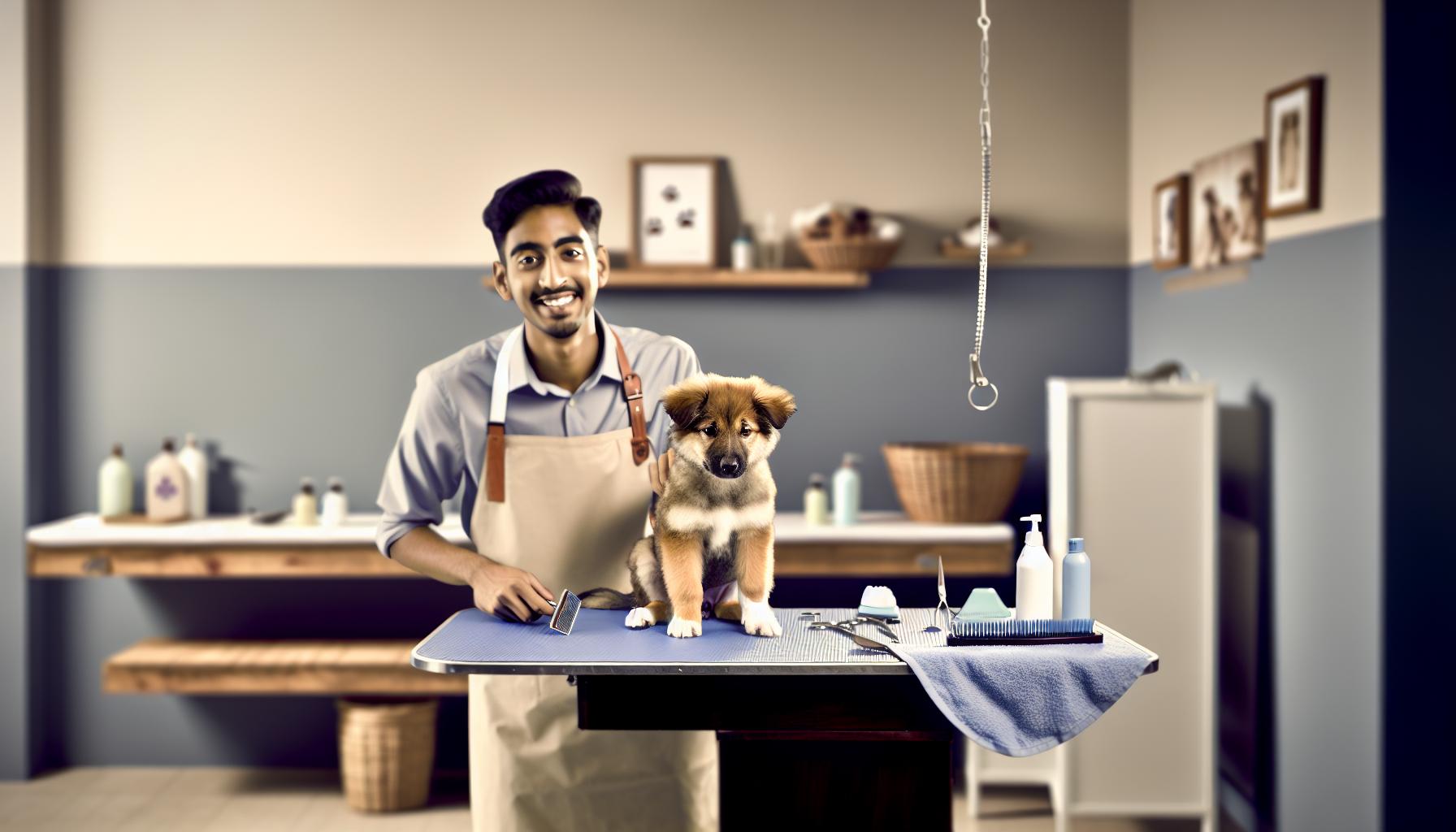
Signs Your puppy Is Ready for Regular Grooming
One of the clearest signs your puppy is ready to move from occasional grooming sessions to a more regular schedule is their increasing comfort with being handled. Puppies who calmly accept touch around sensitive areas-like paws, ears, and faces-usually indicate they’re adjusting well to grooming routines. This natural tolerance makes brushing, nail trimming, and bathing less stressful both for your pup and for you. If your puppy begins showing signs of relaxation during these activities at home, it’s a strong cue they’re ready to take those skills out into regular professional care.
Breed and coat type also play influential roles in determining readiness for consistent grooming visits.Such as, breeds with fast-growing or curly hair, like Poodles or Bichon Frises, often benefit from earlier and more frequent trims to prevent matting and maintain coat health. Conversely, short-haired breeds may require less frequent visits, and owners can frequently enough handle daily brushing themselves. Noticing when your puppy’s coat becomes tangled, greasy, or begins shedding excessively are practical, easy-to-spot indicators that a professional groomer’s touch is timely.
Key Behavioral and Physical Indicators
- Calmness during touch: Your puppy tolerates gentle brushing and handling without excessive fussing or biting.
- Coat condition: Signs of matting or shedding increase, signaling need for professional dematting and de-shedding tools.
- Nail length: Speedy growth causing clicking on floors or snagging on fabric-ideal time for trim appointments.
- Ear and skin health: Visible buildup, odor, or scratching that a groomer can safely address.
it’s also perfectly normal for some puppies to need extra time to get used to grooming sensations.If your puppy shows signs of fear or restlessness,that’s a gentle reminder to slow down and possibly extend the time between visits while reinforcing positive experiences at home. Remember, early socialization combined with regular, stress-free grooming lays the groundwork for a confident adult dog who happily embraces care routines.
Balancing Vet Care, Grooming, and Home Maintenance
knowing the difference between grooming needs and veterinary care helps you schedule appointments wisely. Groomers handle cleanliness, coat trims, nail care, and surface ear cleaning. However, if your puppy has infections, persistent skin issues, or unusual discomfort, always consult your vet first. Communicating any veterinary advice to your groomer ensures they adapt their care appropriately and prioritizes your puppy’s health above all else.
when your puppy shows calm acceptance of touch, their coat signals a need, and nails get in the way of daily walking, it’s a solid indication to establish a regular grooming routine. As a caregiver, keeping routines gentle, consistent, and positive will empower you and your puppy with grooming confidence and comfort for years to come.
Choosing the Best groomer for Your Puppy’s Needs
Finding the right groomer for your puppy is more than just booking an appointment-it’s about building a trusting partnership that supports your puppy’s comfort and development. Since early grooming experiences can shape how your puppy feels about care routines for life, prioritizing a groomer who combines skill, patience, and genuine animal empathy is key. Puppies, especially those with sensitive or specific coat types like curly poodles or thick double coats, need groomers who understand the nuances of managing growing fur and delicate skin.
When selecting a groomer, start by considering these practical factors:
- Experience with Puppies: Not all groomers specialize in young dogs. Puppyspecific experience means they know techniques to minimize stress, use gentle handling, and gradually introduce grooming tools during the session. Ask if they follow “low-stress handling” protocols.
- Breed and Coat expertise: Your puppy’s breed and coat type dictate tools and grooming frequency. Such as, a Bichon Frise’s coat requires regular trims and dematting skills, while a short-haired Labrador may not need frequent salon visits. Groomers familiar with your breed’s coat challenges will tailor their care properly.
- Clean,Calm Habitat: Visit the grooming space in advance if possible. Look for a clean, well-organized, and quiet setting with separate areas for bathing, drying, and clipping. This reduces your pup’s anxiety and prevents overwhelming sensory input.
- Clear Interaction and Openness: A great groomer welcomes your questions and openly discusses their approach, including what’s safe for puppies versus tasks better suited to vets (ear infections, skin conditions). They should be willing to customize visits for your puppy’s needs and temperament.
Tips for a Seamless Groomer Match
- Start with a Trial Visit: Schedule a short introductory appointment focused on basic care like bathing and gentle brushing. This helps your puppy acclimate and gives you a chance to observe how the groomer interacts with your dog.
- Bring Familiar Items: A favorite toy or blanket can comfort your pup in the new setting.
- Discuss Health History: Share any vet advice or sensitivities upfront so the groomer can adjust techniques safely.
- Check Reviews and Referrals: Positive feedback from other puppy owners or breed-specific groups can highlight groomers who shine in early-age care.
Remember, grooming isn’t about chasing “perfect” cuts at this stage; it’s about gentle introductions to bathing, brushing, nail trims, and ear cleaning that build confidence. A patient, knowledgeable groomer creates positive experiences that make your puppy look forward to care time instead of dreading it. With the right match, grooming visits become relaxing opportunities for health, hygiene, and bonding.
for example, some groomers use special, puppy-friendly shampoos and tools designed to protect sensitive skin and coat textures, and may break appointments into shorter sessions if your little one is nervous. This versatility shows the kind of compassion and understanding that keeps puppies calm and safe.
Choosing a groomer who treats your puppy like a cherished individual not only keeps their coat healthy and shiny but also nurtures their well-being and trust for life’s grooming routines. your puppy’s comfort is the priority-so take the time to find a groomer who truly ”gets” that.
[Petco Grooming – Union Square] and other reputable groomers in NYC have certified professionals trained in puppy grooming techniques, which can be a great place to start your search[[1]](https://stores.petco.com/ny/newyork/full-service-grooming-newyork-ny-3741.html).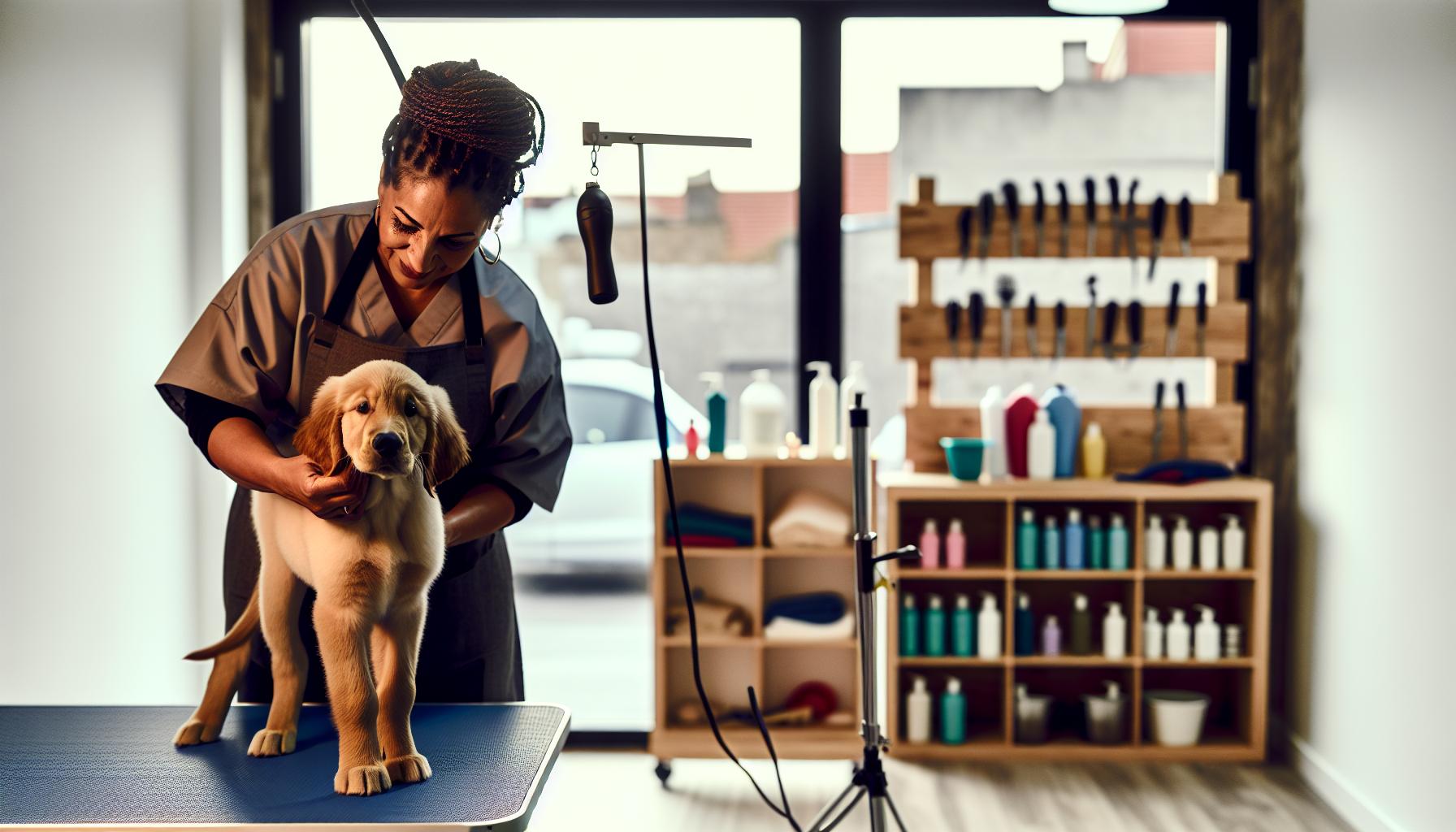
Safety tips for Stress-Free Puppy Grooming
Every puppy’s first grooming experience sets the tone for a lifetime of stress-free care. Ensuring your young pup feels safe and comfortable during grooming isn’t just about what happens at the groomer’s-it starts with preparing the right environment, tools, and mindset both at home and during the appointment. Small details can make a big difference, from the type of brush you choose to how you introduce bath time or nail trims.
Understand Your Puppy’s Coat and Breed Needs
Before heading to the groomer, know your puppy’s coat type because this affects grooming methods and tools. For example:
- curly or wavy coats (like Poodles or Bichons) need gentle dematting and regular trimming to prevent painful tangles.
- Double coats (like Huskies or Golden Retrievers) require careful brushing to remove loose undercoat and avoid skin irritation.
- Short coats (Labs,Beagles) have easier maintenance but still benefit from gentle baths and nail care.
Choosing breed-appropriate grooming tools-slicker brushes for curly fur, undercoat rakes for dense coats-ensures your puppy won’t be tugged or frightened by unfamiliar sensations.
Calm and Comfort: The Foundation of Safety
Stress and fear can turn routine grooming into traumatic events that your puppy dreads. To keep things calm:
- Use positive reinforcement: Bring treats, praise, and soothing tones throughout the process.
- Start slow: Break grooming sessions into short, manageable steps. Introduce one task at a time-brushing one day, nail trims another.
- Provide familiar comforts: A favorite blanket or toy can ground your pup in a new environment.
For example, if your puppy flinches during ear cleaning, pause and reward calm behavior before trying again later. This approach builds trust instead of fear.
Safety Tips for Each Grooming Step
- Bathing: Use lukewarm water and puppy-specific, gentle shampoos to avoid drying sensitive skin. never leave your puppy unattended in the bath and rinse thoroughly to prevent irritation.
- Brushing: Hold the brush gently and avoid pulling knots too hard. Stop if your puppy becomes restless to prevent injury or fear.
- Nail trimming: Use sharp clippers designed for puppies and trim small amounts gradually to avoid cutting the quick (the sensitive pink area). If unsure, ask your groomer or vet for guidance.
- Ear Care: Clean ears only with vet-approved solutions and cotton balls-never insert anything deep into the ear canal.
If your puppy has a health issue (ear infections, skin irritation), always prioritize a vet visit before grooming to avoid worsening conditions.
Recognize When to Take Breaks or Seek Help
Sometimes,even with readiness,a pup might get overwhelmed. Signs like trembling, attempts to escape, or aggressive snapping signal it’s time to pause and regroup. Don’t hesitate to communicate openly with your groomer about your puppy’s comfort level. Experienced groomers frequently enough break sessions into shorter visits and adjust techniques to your pup’s temperament, ensuring no risk to safety or wellbeing.
Remember: A calm, compassionate approach that values your puppy’s feelings over a “perfect” trim lays the foundation for enjoyable grooming visits and a confident, happy dog.
By combining breed-specific knowledge, gentle handling, and patient progression, you empower your puppy-and yourself-to embrace grooming as a positive, stress-free routine that supports health and happiness from day one.
Daily Puppy Grooming Basics You Can Do at Home
puppy grooming at home is a fantastic way to build trust and make your little one comfortable with touch and handling, setting the stage for smoother professional grooming visits later. Even brief daily sessions can strengthen your bond while keeping your puppy clean and healthy. remember, each puppy is unique-coat type, breed, and personality all influence how you approach daily care. Gentle consistency is the key.
Brush According to Coat Type
Curly or wavy coats, such as those on Poodles or Bichons, benefit from daily brushing with a slicker brush to prevent mats before they start. Long-haired or double-coated breeds-like Golden Retrievers or Huskies-need careful,thorough brushing with an undercoat rake or pin brush to remove loose hairs and dirt without hurting sensitive skin. Short-coated breeds require less frequent brushing, but a soft bristle brush can help distribute natural oils and remove loose fur. Hold the brush lightly,and pause if your puppy shows signs of discomfort. Gradually increase the brushing duration as your pup gets used to it.
Bathing Basics: Keep It Gentle
Bathing your puppy at home should be done sparingly-typically once a month or when visibly dirty-to protect their developing skin barrier. Use lukewarm water and only shampoos specially formulated for puppies, as adult or human shampoos can irritate their delicate skin. A handheld sprayer or a gentle cup rinse can help avoid startling your pup. Dry your puppy thoroughly with a soft towel-avoid rough rubbing-and keep the room warm to prevent chills. Try turning bath time into a calm game, offering plenty of praise and treats throughout.
Trim Nails safely and Calmly
Nail trimming can be a major source of anxiety for both puppies and owners. Use sharp, puppy-sized nail clippers and only trim small tips to avoid cutting the quick-the sensitive pink part inside the nail that bleeds if cut. If your pup is nervous, create a calm routine: start by simply handling their paws gently for a few minutes each day, rewarding calm behavior with treats. Progress to touching the clippers near the nails without trimming, then a very small trim over several days or weeks. If you’re unsure, ask your veterinarian or groomer to show you safe techniques.
Ear Cleaning and Teeth Brushing
Gently lift your puppy’s ears to check for dirt or wax buildup using a vet-approved ear cleaner and cotton balls-never cotton swabs or anything inserted deep. Wipe only the outer ear area, and stop if your puppy pulls away or seems uncomfortable. Daily or every-other-day wiping helps prevent ear infections.
Similarly, introduce toothbrushing early to prevent dental issues. Use a soft puppy toothbrush and canine toothpaste-never human toothpaste. Start with just a few seconds of brushing, focusing on positive reinforcement to build acceptance over time.
- Tip: Keep first sessions short and sweet with treats and quiet praise.
- Tip: If your puppy resists, pause and try again later-patience beats force.
Know When to Seek Professional Help
Home grooming covers basics but doesn’t replace groomers or vets for specialized care. For example, professional groomers can assist with dematting or breed-specific trims, while vets handle skin infections or ear issues. if your puppy’s skin looks irritated, ears smell bad, or nails seem overgrown despite your best efforts, seek expert advice promptly.
By integrating these simple, compassionate routines into daily life, you give your puppy the gift of comfort and confidence with grooming. This gentle foundation will make trips to the groomer feel like just another fun, familiar step in their growing-up journey. Patience, kindness, and consistency turn occasional care into lifelong well-being.[1]
[3]
Handling Common Puppy Grooming Challenges Calmly
Puppy grooming challenges are as common as puppy breath-and just as endearing once you approach them with patience and care. It’s perfectly normal for young pups to feel uncertain or even scared during grooming sessions. Often, their early experiences shape a lifetime of comfort with handling, so tackling common obstacles calmly sets the stage for smoother visits, whether at home or with a professional groomer.
Bathing Without Battle
Some puppies dread water or the strange sounds of running taps. to ease this, warm water and gentle, puppy-safe shampoo help prevent irritation. Use a handheld sprayer or a cup for slow, controlled rinsing-too much noise or splashing can startle an anxious pup.Turning bath time into a soothing, game-like routine with plenty of soft praise and treats transforms an ordeal into a bonding moment. For delicate coats like Poodles or Maltese, be extra careful to rinse thoroughly, avoiding shampoo residue that can cause dryness or itching.
Brushing With Buddy System
Brushing can feel strange or even scary for puppies who haven’t yet grown used to it. Start by gently stroking their coat with your hand, then gradually introduce the brush-slicker brushes for curly hair, pin brushes for long coats, and soft bristle brushes for short fur. If mats or tangles appear on breeds like Shih Tzus, use detangling spray and patience; never tug harshly. reward your pup for calm behavior,and keep sessions short initially,extending as they relax. for pups who try to turn brushing into a game or nip, redirect with toys or gentle commands. This patience-based approach prevents future resistance and builds trust.
Trimming Nails With Tenderness
Nail trims frequently enough top the list of puppy grooming fears.The secret is to start early by just touching paws regularly,associating this with treats and soothing words. Use sharp,appropriately sized clippers,and remember that only tiny bits should be trimmed to avoid hitting the quick. If your puppy flinches, pause and try again later-never force. If you feel unsure or the pup becomes too anxious, a groomer or vet can demonstrate safe trimming or take over for a bit. This keeps nails healthy and prevents painful overgrowth or injury.
Cleaning Ears and Teeth Gently
Ear cleaning and tooth brushing require extra finesse since sensitive areas are involved. Lift the ear folds gently and wipe only visible wax or dirt with cotton balls moistened with vet-approved solutions. Never insert swabs deep-this risks injury. Introducing tooth brushing starts by letting your puppy lick flavored toothpaste from your finger, then moving to a soft brush for brief, positive sessions filled with praise. Building acceptance slowly, with zero pressure, helps prevent struggle and sets up great oral health habits.
- Tip: If your puppy resists any grooming step, take a break and reconnect with a fun activity or cuddle.
- Tip: Consistency is key-short, daily handling routines work wonders over occasional marathon sessions.
- Tip: Remember that a nervous puppy often mirrors owner stress-stay calm and reassuring throughout.
Remember, some challenges might be signs that a vet or professional groomer’s expertise is needed-especially if skin irritation, persistent mats, or behavioral distress arise. Working calmly with these basics creates a positive foundation, ensuring your puppy grows confident and comfortable with grooming for years to come.
Understanding Vet Care vs.Groomer Services for Puppies
Puppy grooming is a wonderful way to bond and keep your growing furry friend healthy, but it’s critically important to understand when to seek professional groomers versus veterinary care. While both play critical roles, their expertise and focus can differ sharply, especially when puppies are involved. Knowing this difference helps you make confident decisions that prioritize your pup’s well-being and comfort.
Many grooming salons specialize in coat care, styling, and basic hygiene maintenance-like bathing, brushing, nail trimming, and ear cleaning-tailored to various coat types and temperaments. As an example, breeds with curly or long coats, like Poodles or Shih Tzus, frequently enough need gentle dematting and specialized tools like slicker brushes or detangling sprays. groomers excel at these tasks,offering a calm,safe environment that can make a puppy’s first grooming experience positive and stress-free. Many veterinary clinics also provide grooming services focused on health and hygiene, frequently enough with a medical outlook to catch skin issues early [[1]](http://www.abcanimalclinic.com/grooming) [[2]](https://www.lincolnavevetclinic.com/pet-grooming-in-san-jose-ca/).
However, when it comes to concerns like skin infections, allergies, unexplained hair loss, wounds, or behavioral anxiety that could hinder grooming, a veterinarian’s involvement is crucial. Vets diagnose and treat underlying health problems that might affect your puppy’s coat or comfort. They also provide professional nail trims and ear cleanings if a puppy is too sensitive or fearful during these procedures, ensuring safety and preventing injury.If you notice persistent mats causing discomfort or skin redness under the fur, your vet can recommend medical shampoos or treatments to complement grooming efforts.
Clear Boundaries and Collaboration
- Routine coat care-like clipping, mild shampoos, and brushing-is best handled by groomers skilled in puppy behavior and breed-specific coat needs.
- Medical grooming-including care for infections, parasites, or wounds-belongs to the vet, who can also prescribe treatments to optimize your pup’s skin health.
- stressful or challenging grooming tasks-such as nail trims for anxious puppies-might benefit from vet assistance or a groomer trained in behavior management.
- At-home maintenance is vital daily and helps your puppy stay relaxed around handling, but grooming professionals and vets offer complementary support when challenges arise.
Remember,safety and comfort always come first. If you’re uncertain whether a grooming concern is simply a coat issue or a health warning, err on the side of a vet visit. Many groomers maintain close relationships with local vets, creating a network to ensure your puppy’s care is thorough and gentle. Starting with short, positive experiences-whether at home, with a groomer, or under vet supervision-builds a confident foundation for your puppy’s lifelong grooming routine.
By understanding these roles, you become empowered to choose the right path for your puppy’s individual needs. Whether it’s a fluffy bath-time treat at a grooming salon or medical intervention from your trusted vet, your puppy will thrive with kindness, patience, and expert care guiding every step.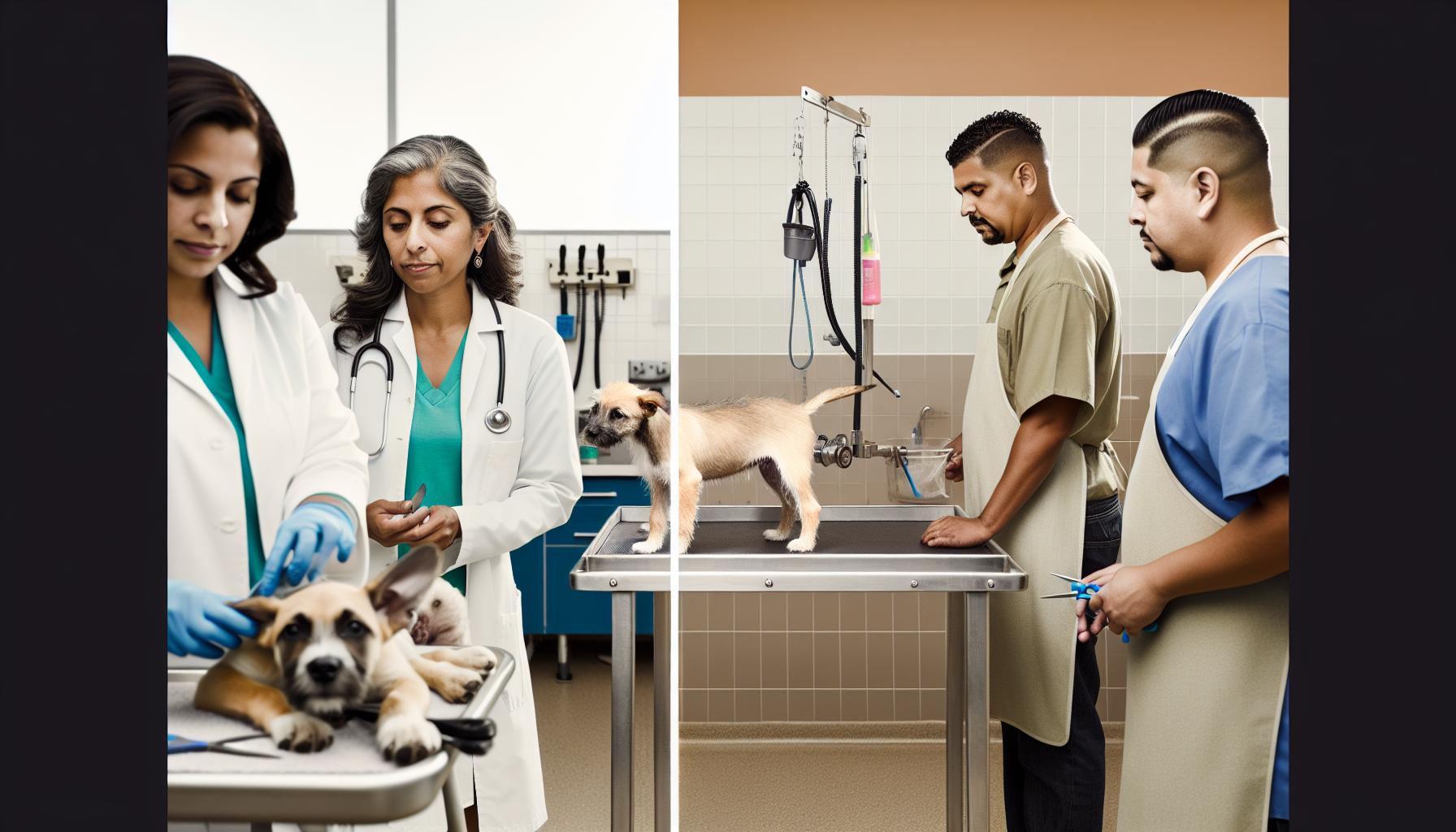
Building Your Puppy’s Grooming Routine with Confidence
Starting your puppy’s grooming routine with confidence sets the stage for a lifetime of healthy coat care and enjoyable bonding moments. Many new puppy parents feel nervous-wondering if their pup will tolerate brushing, nail trims, or even just a bath.The key is to build each session gradually, focusing on comfort rather than perfection. Puppies, especially breeds with delicate or curly coats like Bichons or Poodles, benefit tremendously when owners introduce grooming tasks in short, positive bursts paired with praise and treats.
Getting Comfortable with Daily Basics
Begin with simple, daily at-home grooming to familiarize your puppy with gentle handling.This includes running your hands over their body, touching paws and ears, and softly brushing their coat with a suitable brush (slicker brushes often work well for curly or dense coats). Keeping sessions under five minutes helps avoid stress. Nail trims can initially be just about touching their paws and clipping a tiny bit, using a nail grinder if your puppy is sensitive. Remember, patience is more important than speed-your pup will learn to trust the routine when it’s gentle and rewarding.
Scaling Up to Professional Grooming Visits
Once your puppy is comfortable with basic at-home care-typically around 10-12 weeks old-you can schedule their first professional grooming visit. Choose groomers who specialize in puppy behavior and breed coat types, as they will take extra care to create a calm, supportive environment. Explain your puppy’s sensitivities upfront and ask for a gradual introduction to grooming tools like clippers or dryers. Professional groomers will also teach you which tasks are safe to continue at home and which should be left to experts-such as dematting or thorough sanitary trims. Regular visits every 4-6 weeks are often recommended for breeds with fast-growing coats but adjust timing based on your puppy’s comfort and coat condition [[1]](https://www.reddit.com/r/StandardPoodles/comments/1dzfe1a/home_grooming_tips_for_puppy/) [[2]](https://www.petmd.com/dog/general-health/grooming-tips-new-puppy).
Balancing Vet Care and DIY Grooming
It’s vital to know when grooming crosses into medical territory. If you spot persistent itchiness, redness, unusual hair loss, or your puppy shows extreme stress during nail or ear care, a veterinarian’s assistance is crucial.Vets can provide medicated shampoos, perform sensitive nail trims, or diagnose skin conditions that groomers cannot safely handle. Collaborating with both your groomer and vet ensures your puppy’s coat stays healthy *and* your pup stays happy. Such as, if a poodle puppy develops matting despite regular brushing, a groomer may shave troublesome areas, but an irritated skin patch might require a vet-prescribed shampoo before continuing routine trims.
Empowerment Through Knowledge and Kindness
confidence in grooming your puppy comes from understanding breed-specific needs and respecting your pup’s emotional cues. Don’t rush clipping or brushing sessions-short, frequent, peaceful encounters build trust. Keep grooming tools clean and appropriate,use positive reinforcement,and never punish your puppy for fear or resistance. Celebrate small victories like completing a nail trim or a full bath with praise and a favorite toy. Over time, these compassionate habits transform grooming from a dreaded chore into a joyful ritual that strengthens the bond you share.
- start slow: Short, positive sessions keep your puppy relaxed.
- Use breed-appropriate tools: Slicker brushes, combs, and safe clippers designed for your pup’s coat type.
- Know when to call the pros: Medical issues or tough mats require vet or groomer expertise.
- Make grooming enjoyable: Praise, treats, and calm voices work wonders.
With time, your calm confidence will give your puppy a foundation of trust and comfort that makes every grooming session smoother.Remember, the goal isn’t a perfect haircut but a happy, healthy puppy who looks forward to those special moments of care and connection.
Frequently asked questions
Q: How can I tell if my puppy is physically ready for a professional groomer?
A: Your puppy is physically ready for grooming when they have completed their initial vaccinations and show no signs of illness.Look for healthy skin, manageable coat length, and calm behavior during brief handling. If unsure, consult your vet and review “Essential Puppy Prep Before Your First Groomer Trip” for prepping tips to ensure a smooth first visit.
Q: What puppy breeds need earlier grooming appointments as of their coat type?
A: breeds with fast-growing or curly coats, like Poodles and Bichon Frises, benefit from earlier grooming visits-typically around 8 to 12 weeks. These coat types can mat quickly, requiring timely professional trims. Check “How Puppy Coat Types Affect Grooming Timing” for breed-specific scheduling advice to keep coats healthy and comfortable.
Q: Should I wait for my puppy to finish teething before their first groomer visit?
A: it’s not necessary to wait until your puppy finishes teething to take them to the groomer. Early grooming visits can actually help desensitize your puppy to handling of their mouth, paws, and ears, which supports better grooming and vet visits later. Focus on gentle exposure and patience as outlined in “Handling Common Puppy Grooming Challenges Calmly.”
Q: Can I schedule puppy grooming sessions at home before professional visits? How dose this help?
A: Yes, gradual at-home grooming with short sessions of brushing, nail trims, and baths prepares your puppy emotionally and physically. This builds comfort and trust, making professional visits less stressful. Start with simple basics explained in “Daily Puppy Grooming Basics You Can Do at home” to encourage calm behavior during grooming.
Q: How do I know if my puppy is stressed during grooming, and what can I do?
A: Signs of stress include trembling, whining, freezing, or attempts to escape. If your puppy shows these, pause grooming and use soothing tones, treats, and short breaks. Communicate these stress-free grooming techniques with your groomer, as detailed in “Safety Tips for Stress-Free Puppy Grooming.” Consistent positive experiences build lasting comfort.
Q: Is it safe to take my puppy to a groomer that uses grooming school trainees?
A: Taking your puppy to a groomer with supervised trainees can be safe if the school maintains high standards and trained instructors oversee the work. Ask about the level of supervision, experience, and policies for puppies to ensure your pup’s safety and comfort. Refer to “Choosing the Best Groomer for your Puppy’s Needs” for evaluating groomers.
Q: What’s the ideal frequency for taking my puppy to a professional groomer during the first year?
A: Most puppies benefit from groomer visits every 6 to 8 weeks once they start regular grooming to maintain coat health and hygiene. This frequency varies by breed, coat type, and lifestyle. Establish your grooming routine gradually using advice from “Building Your Puppy’s Grooming Routine with Confidence.”
Q: How do I balance vet care grooming needs vs.professional groomer visits for my puppy?
A: Grooming tasks like nail trims and ear cleaning can overlap between vets and groomers. Vets focus on medical checks and treatments, while groomers handle styling, baths, and regular maintenance. Coordinate both for extensive puppy care-see “Understanding Vet Care vs.Groomer Services for Puppies” for detailed guidance.
—
For best results and ongoing support, explore the main article sections linked above, and remember-each puppy’s grooming needs are unique. With patience and kindness, your puppy’s grooming journey will be a positive, loving experience!
To Wrap It Up
Knowing when to take your puppy to the groomers sets the foundation for a lifetime of happy, healthy coat care. Every breed and coat type has its own needs, but starting gently and early helps your furry friend adjust with ease. Focus on simple steps at home-brushing, bathing, nail care-to build comfort before the first professional grooming visit. Remember, safety and your pup’s welfare come first; a patient, compassionate approach is key to success.
Ready to dive deeper? Check out our guides on “DIY Puppy grooming basics” and “Choosing the Right Groomer for Your Puppy” to tailor care for your specific breed and coat type. Don’t wait until mats form or nail snags occur-take action now to keep your puppy comfortable and confident.Sign up for our newsletter for ongoing tips, expert advice, and grooming checklists designed with loving puppy owners like you in mind.
Have questions or stories about your puppy’s first grooming? Share them below! Engaging with our community not only supports your journey but helps others too. Together, we create a calm, stress-free grooming experience that’s all about your puppy’s happiness and health. For more on timing, tools, and techniques, explore our full puppy care series-your puppy deserves the very best start.
Get our latest guides, news, and insights highlighted in your Google Search & AI Overviews.
Keep reading about the same coat and cut.



Popular grooming guides
Bath vs clip, first grooms, and salon how-tos.