How to Find Dog Groomers to Hire: 7 Red Flags to Avoid
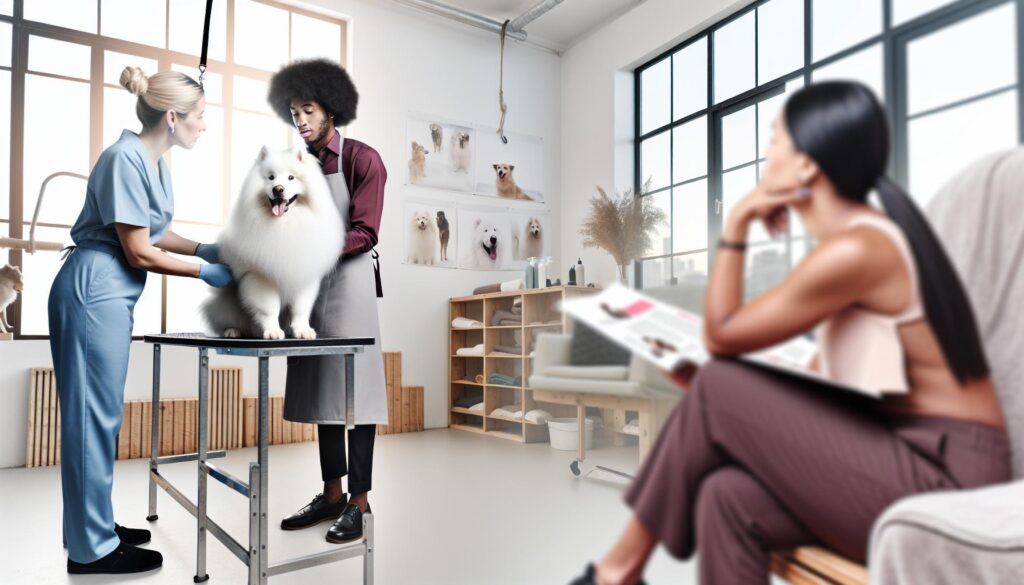
Finding the right dog groomer can feel overwhelming, especially when you want the best care for your furry friend’s unique coat and comfort. Grooming isn’t just about looks-it’s about your pet’s health, safety, and happiness. this guide will help you spot 7 vital red flags to avoid when hiring a groomer, so you can confidently choose someone who truly puts your dog’s well-being first. Whether your pup needs a gentle bath, nail trim, or a full groom, knowing what to watch for ensures peace of mind and a positive experience for both of you. Let’s dive into thes key warning signs, so your dog’s next grooming visit is stress-free, safe, and full of care.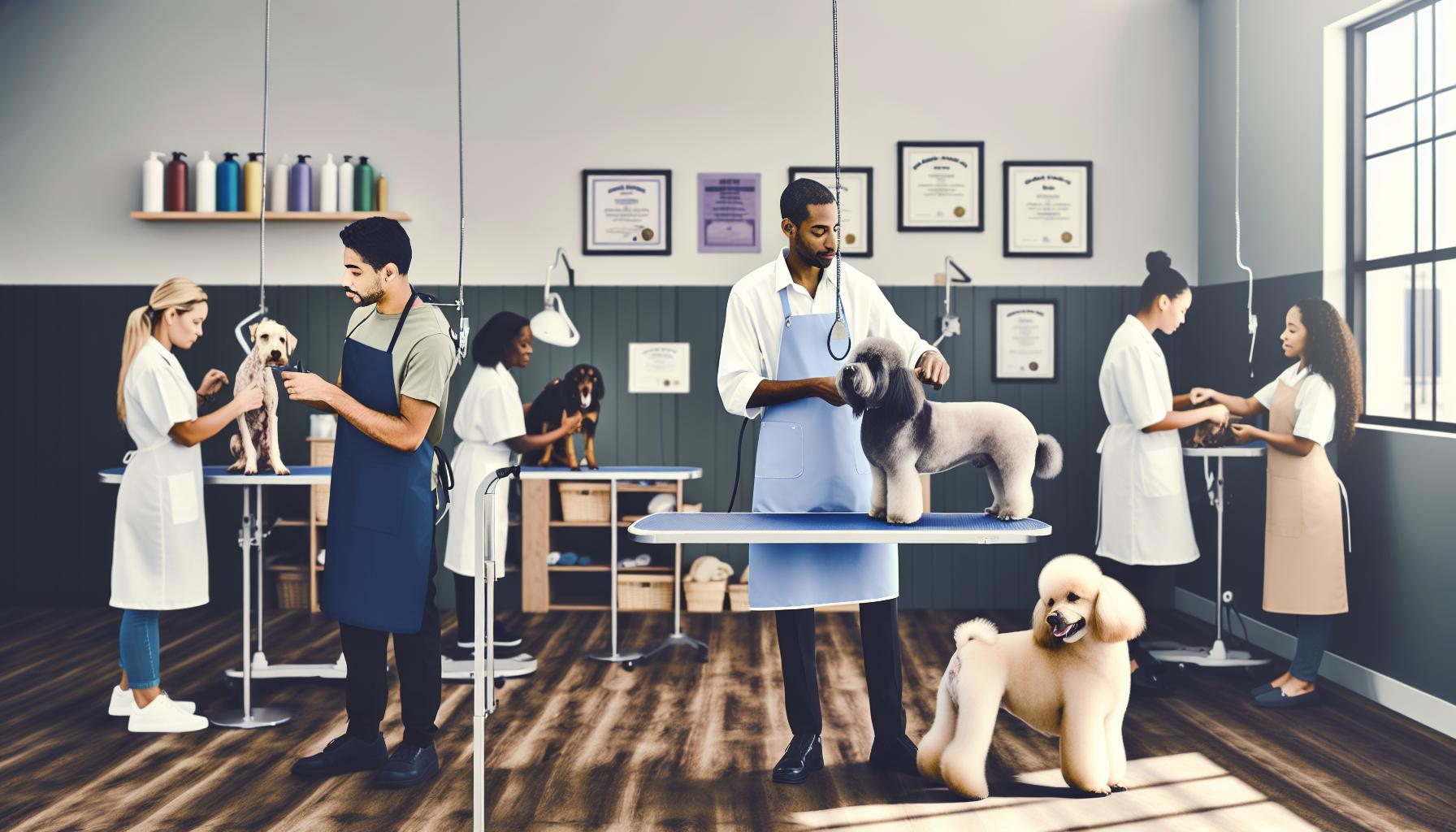
How to Identify Reliable Dog Groomers Near You
Table of Contents
- 1 How to Identify Reliable Dog Groomers Near You
- 2 Essential Qualifications and Experience to Look For
- 3 Questions to Ask Before Hiring a Groomer
- 4 Common Red Flags and Warning Signs to Avoid
- 5 Understanding Grooming Styles and Pet Safety Practices
- 6 How to Spot Poor grooming Tools and Techniques
- 7 Real Owner Stories: Lessons from Grooming Mistakes
- 8 When to Trust a Groomer vs. DIY grooming at Home
- 9 FAQ
- 9.1 Q: How can I verify a dog groomer’s certifications before hiring?
- 9.2 Q: What are subtle signs of stress or discomfort in my dog during grooming?
- 9.3 Q: Why should I avoid groomers who rush through appointments?
- 9.4 Q: When is it necessary to choose a breed-specific grooming expert?
- 9.5 Q: How do poor grooming tools affect my dog’s health and grooming outcome?
- 9.6 Q: What questions should I ask about a groomer’s pet safety protocols?
- 9.7 Q: How often should I schedule professional grooming based on my dog’s coat and lifestyle?
- 9.8 Q: Where can I find trustworthy reviews and recommendations for local dog groomers?
- 10 The Conclusion
Finding a groomer who genuinely cares for your dog’s well-being is like discovering a trusted friend who understands both the coat and soul of your furry companion. Reliable groomers don’t just focus on making your pet look good-they prioritize comfort, safety, and emotional ease, especially for nervous or sensitive dogs. When searching nearby, start by observing how a groomer interacts with pets-do they move calmly? Do they take time to soothe anxious pups with gentle words or breaks? Compassion and patience are the hallmarks of a groomer worth trusting.Look for groomers who understand the nuances of different breeds and coat types.For example, a Cane Corso requires different handling and grooming tools than a long-haired Spaniel. A great groomer should ask you about your dog’s breed-specific needs and discuss customized care plans, including brushing techniques, bathing frequency, nail trimming, and ear cleaning. They’ll explain how to maintain coat health between visits, supporting you as an involved dog owner. This knowledge often comes from professional training, years of experience, or certifications-from vocational grooming schools or associations.
- Check reviews and community recommendations. Positive feedback from other pet parents reveals real-world reliability and kindness.
- Visit the grooming facility. A clean, well-organized space with proper equipment signals professionalism and care.
- Observe handling practices. Are dogs respected as individuals, given breaks, and monitored for stress? This matters immensely for safety.
What to Look for When Meeting Your Potential Groomer
Strong dialog skills and transparency set dependable groomers apart. They listen carefully when you describe your dog’s temperament and grooming history, ask clarifying questions, and discuss any health concerns upfront. A groomer who respects your input and explains each step builds trust and reduces anxiety for both pet and owner. Also, don’t hesitate to request information about specific tools or hygiene standards they use-clean, sharp clippers and brushes appropriate for your dog’s fur prevent discomfort and injury.
Lastly,consider how the groomer manages unexpected challenges. Real-life examples might include how they handle an uncooperative dog or spot early signs of skin irritation. Reliable groomers keep first aid supplies handy and know when a vet referral is necessary, never pushing grooming beyond what’s safe.
Remember, choosing a groomer is about partnership-a shared goal of keeping your dog healthy, comfortable, and happily groomed. starting with these practical insights can guide you toward that confident, calm choice you and your dog deserve.
Essential Qualifications and Experience to Look For
Choosing someone to care for your dog’s grooming needs is more than a beauty call-it’s a hands-on health and comfort commitment.A groomer’s qualifications and experience directly influence how your dog feels during and after their appointment. Expert groomers blend knowledge of breed traits,coat types,behavior,and pet first aid with gentle technique and the right tools. Even a dog with simple brushing needs can become anxious if the groomer lacks patience or fails to recognize stress signals. That’s why it’s vital to look beyond a tidy haircut to the skills and understanding that support your dog’s overall well-being.
Professional Training and Credentials
Reliable groomers often have formal training from recognized grooming schools or certifications provided by industry organizations. These credentials show they’ve mastered the essentials, like safe bathing, trimming, cutting, and nail care, as well as handling varied temperaments. For example, a groomer certified by the national Dog Groomers Association of America (NDGAA) or similar bodies is trained to spot skin issues early and knows when to pause grooming to prevent harm. Such training includes managing grooming from curly-coated breeds requiring delicate scissoring, like Poodles, to double-coated breeds like Huskies that need special deshedding techniques.
Hands-On Experience with Diverse Breeds and situations
Experience truly shapes a groomer’s ability to tailor care to your dog’s unique coat and personality. Some breeds-like the Cane Corso with its dense, short coat-need different tools and handling compared to a silky-coated Spaniel. An experienced groomer will adapt brush types, clipper blades, and bathing products accordingly. They also understand behavioral cues: knowing when a dog’s anxious or uncomfortable allows them to slow down, provide breaks, or use soothing touches to ease stress. Real-world experience means they’re prepared for surprises-such as matted fur requiring gentle detangling or dogs who may be reluctant nail trimmers-always prioritizing safety and reassurance.
Compassion and Continued Education
Top groomers view pet care as a lifelong learning journey. They actively seek updated knowledge about new grooming tools, safer products, and animal behavior insights. For example, some groomers attend workshops on pet first aid or the latest in sensitive-skin shampoos. They ask thoughtful questions about your dog’s health, medication, or recent vet visits before starting. Compassion is evident in the patient pace they set, never rushing but aiming for comfort even if it means extending the grooming session or splitting it over multiple visits. This empathetic approach often separates an average groomer from one who becomes part of your pet’s trusted care team.
- Look for evidence of formal grooming education or certifications.
- Ask about past experience with your dog’s breed or coat type.
- Inquire how they handle nervous or special-needs dogs.
- Check if they engage in ongoing learning or pet wellness training.
Remember, a competent groomer protects your dog’s health and dignity, setting a foundation for every home brushing or vet visit that follows. Their qualifications aren’t just letters on a wall-they’re an indicator of care depth and a safer, more comfortable grooming experience for your beloved companion.
Questions to Ask Before Hiring a Groomer
Finding the right groomer for your furry friend frequently enough starts with asking the right questions.A groomer’s approach can set the tone for a stress-free and positive experience-or, unluckily, the opposite. Before entrusting someone with your dog’s paws,coat,and comfort,it’s important to explore how they work,what they prioritize,and how they handle the unexpected.
Understanding Grooming Practices and Safety Measures
Begin by asking about their routine for each grooming step: How do they manage baths for sensitive or allergy-prone skin? What types of brushes and combs do they use for your dog’s specific coat type? Nail trimming can be nerve-wracking for many dogs,so inquire if they use special techniques or tools to minimize discomfort and prevent injury. For example, gentle grinders rather of sharp clippers might be preferable for anxious dogs.
Experience with Your Dog’s Breed and Temperament
Your dog’s breed and unique personality make a huge difference in grooming needs. Ask if they have experience with your dog’s breed or similar coat types-this shows they understand the specific challenges, like detangling a curly Poodle coat or safely grooming a thick double coat like a Malamute’s. Discuss how they handle nervous, fearful, or rambunctious dogs. A compassionate groomer might take breaks, apply calming touch techniques, or adjust the session length to keep stress low.
Health Awareness and Communication
Good groomers are also keen observers of health.Ask how they track and communicate issues like skin irritations, ear infections, or unusual lumps they might find during grooming. Will they notify you instantly? Do they have protocols to pause or modify grooming if your dog expresses pain or distress? Understanding these policies helps build trust and ensures your dog’s welfare stays front and center.
Practical Questions to Consider
- What certifications or training have you completed? This helps confirm their technical skill and commitment to ongoing education.
- Can you customize grooming based on my dog’s health or behavioral needs? Specialized care can make all the difference for sensitive dogs.
- What grooming products do you use? Knowing if they choose hypoallergenic or natural shampoos can ease concerns about skin reactions.
- how do you handle emergency situations during grooming? Their response plans reveal their preparedness and attentiveness.
Remember, a great groomer welcomes your questions and answers them clearly and patiently. Their willingness to engage openly is a reassuring sign that they truly care-not just about the look, but about your dog’s comfort and emotional well-being.Bringing your dog to someone you trust sets the stage for happier, healthier grooming visits every time.

Common Red Flags and Warning Signs to Avoid
Choosing someone to care for your dog’s grooming needs means looking beyond just a pretty haircut. Sometimes, subtle warning signs can point to grooming practices that may cause stress or even harm to your pet. If a groomer rushes through appointments without taking time to understand your dog’s coat type or temperament, this can be a red flag. For example, every breed requires different handling-thick double coats like those on Malamutes need gentle detangling and proper drying, while curly coats like Poodles demand careful clipping and frequent combing to avoid matting. If the groomer doesn’t inquire about breed-specific needs or shows little patience, it’s worth reconsidering.
Unclean or unsafe environment
Walk into any grooming salon and take a moment to observe. A workspace cluttered with hair piles,dirty tubs,or rusty tools signals poor hygiene standards. Dirty equipment can harbor bacteria and parasites, putting your dog’s skin and overall health at risk. Equally critically important is how the groomer manages safety-watch for unsecured cages or use of sharp tools near anxious pets without precautions like calming techniques or proper restraints. Groomers who ignore these safety basics may compromise your pet’s comfort and welfare.
Poor Communication and Lack of transparency
Trust is built when groomers openly discuss their methods, products, and how they handle unexpected issues. A groomer hesitant to answer questions about their training, emergency protocols, or product ingredients raises concern. As a notable example,if your dog has sensitive skin or allergies,the groomer should be upfront about the shampoos or conditioners they use. Groomers unwilling to customize the grooming based on your dog’s health or behavior may not truly prioritize your pet’s well-being. Never settle for vague answers-your dog’s comfort depends on clarity and care.
Signs of Rough Handling or ignoring Stress Signals
During grooming, dogs may show signs of fear or discomfort such as trembling, growling, or trying to escape. A compassionate groomer acknowledges these cues by pausing, offering breaks, or using gentler tools like grinders rather of sharp clippers for nail trimming. Beware if you notice a groomer pushing through despite clear distress or handling your dog roughly-this can create fear and trauma.Some owners share stories where their nervous dogs were rushed or restrained harshly,resulting in injuries or long-term anxiety around grooming. Always prioritize groomers who demonstrate patience and adapt to your dog’s needs.
- No ask about your dog’s breed or medical history. Good groomers always gather this essential info.
- Frequent injuries or unexplained scars post-grooming. This calls for immediate reconsideration.
- Use of harsh chemicals or unfamiliar products without explanation. This poses skin or respiratory risks.
- Lack of empathy toward anxious or reactive dogs. Every dog deserves a calm,reassuring environment.
being proactive and thorough ensures your pet’s grooming experience is comfortable and safe. Remember, grooming is about more than aesthetics – it’s a vital part of your dog’s health and happiness.Trust grows when you see kindness, professionalism, and attentiveness in action. If you spot any red flags, it’s perfectly okay to keep searching until you find a groomer who truly feels like the right fit for your furry family member.
Understanding Grooming Styles and Pet Safety Practices
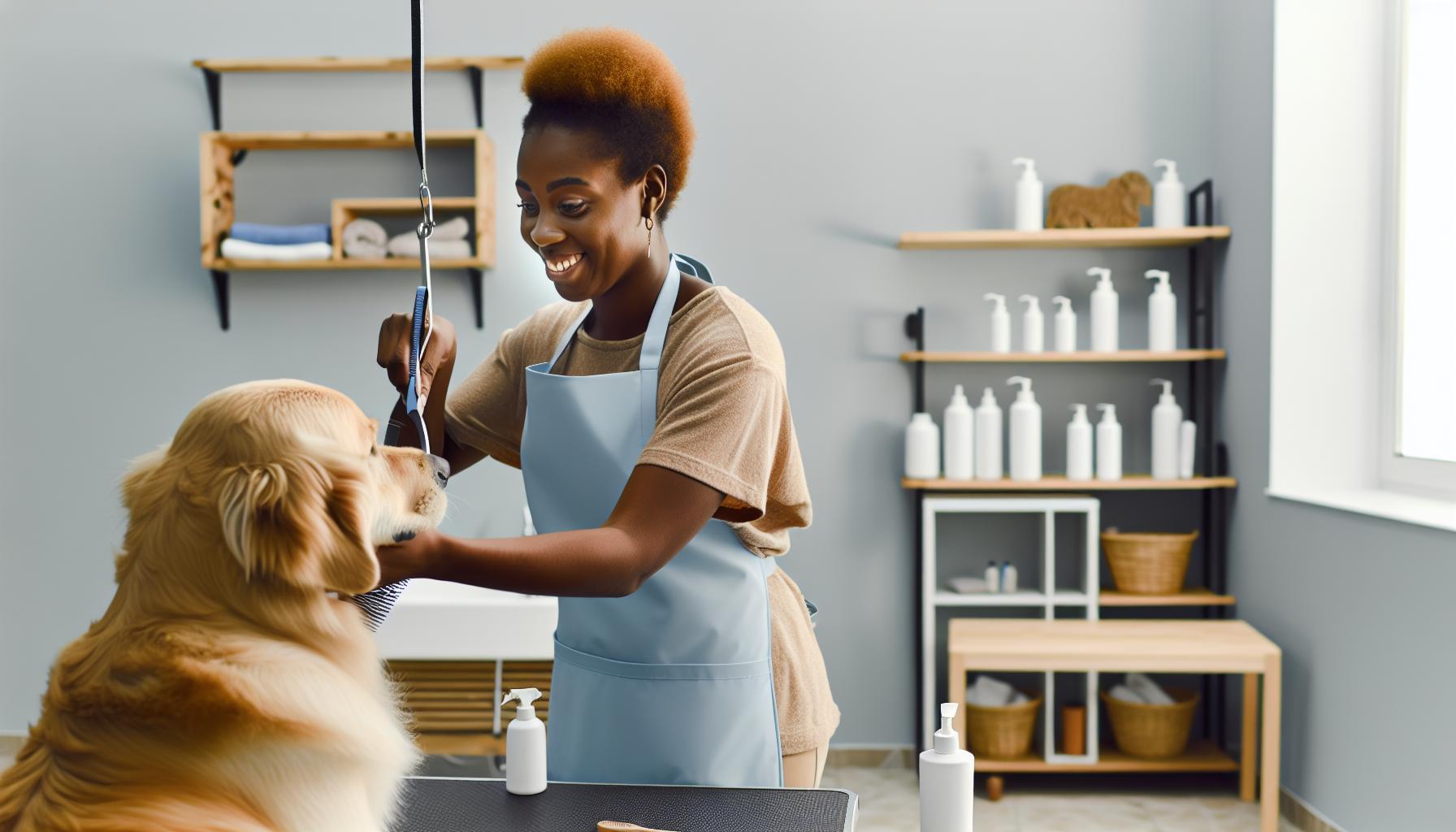
Every dog’s coat is unique, much like their personality, so understanding the different grooming styles and safety practices tailored to your dog’s specific needs is essential. Such as, a long-haired breed like a Shih Tzu requires gentle, frequent brushing to prevent mats, while a short-coated dog such as a Beagle usually needs minimal clipping but regular bathing and ear cleaning. Grooming isn’t one-size-fits-all; it’s a careful balance of technique, tools, and timing designed to maintain your dog’s comfort and health – not just their appearance.
Tailoring Grooming to Coat Type and Breed
Groomers who truly prioritize pet welfare start by assessing your dog’s coat type and breed characteristics. Here’s a rapid rundown of how styles and care vary:
- Double Coats (e.g., Huskies, Malamutes): require gentle deshedding tools and thorough drying to avoid skin infections.Shaving double coats is frequently enough discouraged as it disrupts natural insulation.
- Curly or Wavy Coats (e.g., Poodles, Bichon Frise): Need regular clipping and combing to prevent tight mats that can hurt the skin.
- Short Coats (e.g., Boxers, Labradors): Benefit from routine bathing and nail care, usually with less intensive brushing.
Good groomers adjust their style accordingly, using the right tools-from slicker brushes to dematting combs-and pacing their work to keep your dog relaxed.
Safety First: How Groomers Protect Your Pet
Beyond style choices, safety during every step of grooming is non-negotiable. This means:
- Calm Handling: Watching your dog’s body language closely. Signs like lip-licking, trembling, or attempts to hide are cues for gentle pauses or shortening the session.
- Proper nail Care: Using grinders or rounded clippers to avoid painful cuts or bleeding. Many dogs fear nail trims, so a skilled groomer uses slow, soothing techniques.
- Ear and Eye Care: Cleaning with non-irritating solutions, avoiding excessive moisture that can led to infections.
- Safe Use of Tools: Clippers and scissors should be sharp to prevent pulling, sanitized to prevent infection, and used with steady hands to avoid accidental cuts.
For anxious or sensitive dogs, some groomers even offer breaks, calming treats, or wrap techniques to help reduce stress, showing that grooming is an act of care rather than just maintenance.
When Grooming Styles Meet Veterinary Needs
Sometimes, grooming looks cross over with health care-like dematting painful tangles or checking for lumps and skin issues. While groomers are not vets, responsible ones will alert you if they notice anything unusual during a session and recommend a veterinary exam. This collaboration is crucial because regular grooming can be an early warning system for health concerns, which benefit your dog’s well-being in the long term.
Remember,the best grooming experience respects your dog’s natural coat,temperament,and wellness,weaving together style and safety with patience and heart.When looking for a groomer,ask how they adapt their techniques to your dog’s breed and behavior,and watch for attentiveness that reflects genuine care-not just a quick haircut.

How to Spot Poor grooming Tools and Techniques
Using the right tools and techniques during grooming isn’t just about aesthetics-it’s a cornerstone of your dog’s safety and comfort. Poor grooming equipment or sloppy methods can cause serious distress, skin irritation, or even injuries, especially in dogs with delicate or complex coats. Imagine a nervous Poodle getting tangled in dull scissors or an anxious Labrador experiencing painful nail clipping because the groomer rushed or used blunt clippers. These scenarios are thankfully avoidable when you know what to look for.
Equipment That Should Raise Concern
- Dull or Rusty Blades: Clippers and scissors must be sharp and well-maintained. Dull blades pull on hair, causing discomfort and even skin abrasions. Rusty tools are a red flag for poor sanitation, increasing infection risk.
- improper Brushes: Different coats need specific brushes-slicker brushes for curly coats, bristle brushes for short coats, dematting combs for thick fur. A one-size-fits-all brush often leads to ineffective grooming and irritated skin.
- Unclean Tools and Surfaces: Tools should be sanitized regularly to prevent fungal or bacterial infections. Ask to peek at the grooming area-if tools lie unattended or look dirty, it’s a warning sign.
- Low-Quality or No Safety Equipment: Safety items like nail guards, grooming loops, and non-slip mats protect your dog. Lack of these indicates a potential disregard for your pet’s wellbeing during grooming sessions.
Techniques That May Harm More Than Help
Even with the best tools, poor grooming techniques can hurt your dog’s experience. Watch for signs like rushed nail trims that cause bleeding or skin pulling during brushing. A gentle pace is essential, especially for breeds prone to mats or sensitive skin. For example, cutting a double-coated dog’s fur too short can disrupt natural insulation, risking overheating or chills.
- Skipping Breed-Specific Needs: Applying the same grooming style or trimming length to every breed can cause discomfort and damage. For instance, shaving a Husky’s undercoat removes its natural protective barrier.
- Ignoring Stress Signals: Skilled groomers monitor your dog’s body language closely-lip licking, trembling, or trying to escape means the session should pause or slow down. Groomers who overlook this may press for speed over comfort.
- Excessive bathing or Soaking: Bathing your dog too frequently or leaving their coat wet without proper drying invites skin infections. Adequate drying-especially for thick or double coats-is non-negotiable for health.
When in doubt, ask to observe or discuss the groomer’s toolkit and how they approach each grooming step. A pet-first groomer will gladly explain the choice and function of each tool,showcasing knowledge tailored to your dog’s unique coat and temperament,prioritizing safety over speed or style. Remember, great grooming is less about a flawless finish and more about a calm, comfortable, and healthy dog.

Real Owner Stories: Lessons from Grooming Mistakes
One of the most eye-opening lessons for many dog owners comes from hearing real stories where grooming went wrong-but not without a valuable takeaway. Take Mia, who brought her long-haired Cockapoo to a new groomer without asking about experience with curly coats. The groomer used clippers and trimmed the coat too short, causing severe matting just days later, and left Mia worried and heartbroken.From her experience, she learned to always confirm a groomer’s familiarity with breed-specific coats-curly, double, or wiry-and to insist on a consultation before booking a full session.
Similarly, Jake’s Labrador suffered a nail clipping mishap when his groomer rushed through the process, clipping close to the quick and causing bleeding.This painful mistake taught Jake the importance of observing how gently nails are trimmed and asking if the groomer uses nail guards or styptic powder. It also highlighted that some nervous dogs might need a slower pace or breaks during grooming.
Common Patterns in Grooming Mistakes
- Ignoring coat complexity: Dogs like Poodles, Shih Tzus, or Huskies each need tailored grooming. blanket approaches can damage delicate undercoats or cause skin irritations.
- Failing to read stress signals: Dogs that tremble, lip lick, or try to hide are telling you they’re uncomfortable. Groomers who speed through and ignore these signs risk traumatizing your pet.
- Using blunt or inappropriate tools: Often, discomfort and damage come from worn-out scissors or brushes that aren’t suited to the dog’s fur type.
These stories emphasize compassion and patience above all.A great groomer walks at your dog’s pace, reassuring both canine and owner. If you notice hurried work or tools that look neglected, trust your instincts and speak up. When in doubt,observing a short ”test” grooming or asking for references can save your dog from an unpleasant experience.
How Owners Can Advocate for Their Pets
- Ask detailed questions: Inquire about the groomer’s experience with your breed,the products and tools they use,and how they handle anxious dogs.
- Request to watch the grooming area: Cleanliness and tool maintenance are non-negotiable for safety.
- Observe your dog after grooming: Watch for signs of skin irritation, behavioral changes, or unusual discomfort-early detection makes all the difference.
Remember, your dog’s wellbeing is the priority-not a perfect trim. When you find a groomer who treats your pet with kindness and respect, you’re off to a wonderful start. Sharing stories and learning from mistakes empowers you to make choices that bring peace of mind to both you and your furry friend.
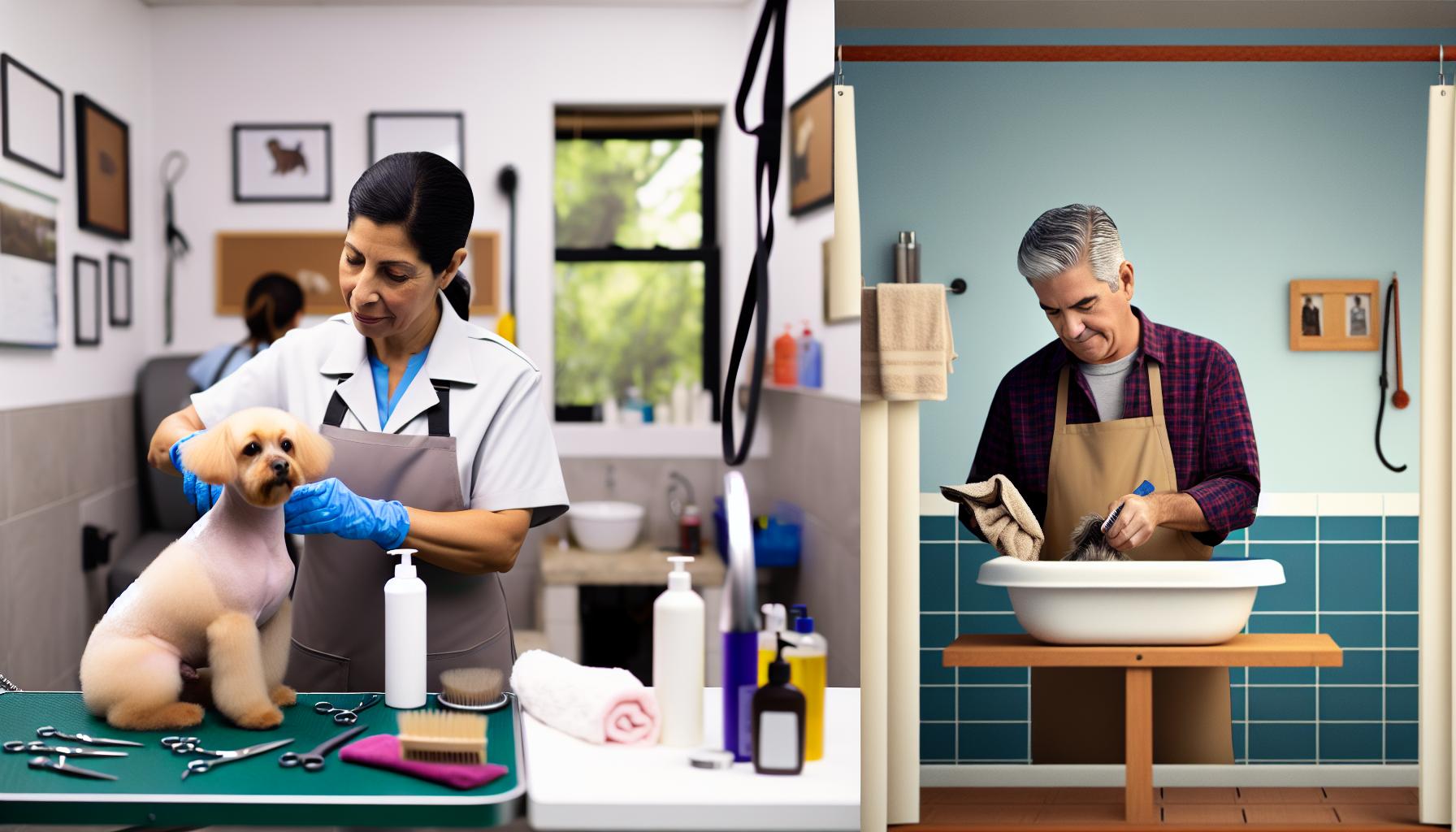
When to Trust a Groomer vs. DIY grooming at Home
Grooming your dog at home can be a rewarding way to bond and keep your furry friend comfortable. Yet knowing when to trust a professional groomer versus handling the job yourself is a decision that balances safety, skill, and your dog’s unique grooming needs. While basic tasks like brushing and bathing can often be done at home with the right tools and patience, certain styles and health-related trims are best left to experienced hands.
For example, breeds with complex coats-such as Poodles, Bichon Frises, or double-coated Huskies-require specific knowledge of fur types and trimming techniques. Mistakes like clipping too close or using dull blades can cause discomfort,skin injuries,or matting,as mia discovered with her Cockapoo’s sensitive curly coat. In cases like this, a informed groomer who understands breed-specific needs and coat structure offers far greater safety and precision than DIY attempts.
What You Can Safely Do at Home
- Regular Brushing: Most dogs benefit from frequent brushing to prevent mats and tangles. Use appropriate brushes; slicker brushes work well for curly coats, while bristle brushes suit short-haired breeds.
- Bathing: Mild dog shampoos, lukewarm water, and gentle handling turn baths into stress-free experiences. Always rinse thoroughly to avoid irritations.
- Nail Maintenance: trimming nails can be done at home if you’re confident and cautious about not cutting the quick. Using nail grinders or styptic powders can help manage minor slips.
- Ear Cleaning: With vet-approved solutions and clean cotton balls, you can carefully maintain ear hygiene without damage.
When Professional Grooming Is Essential
If your dog has severe matting, sensitive skin conditions, or requires breed-specific cuts (like the show trim on a schnauzer or the lion cut on a Pomeranian), a groomer’s expertise is invaluable. Professionals also have access to tools like clippers designed for different coat types and the experience to handle dogs who may be nervous or fidgety. Jake’s experience with an overzealous nail clipping highlights that rushing or inexperience can injure pets, making a slow, measured approach a hallmark of good grooming.
If your dog shows signs of stress during grooming-like trembling, trying to escape, or excessive lip licking-it’s usually better to seek a calmer, more experienced groomer rather than push through a difficult DIY session. Groomers frequently enough use gentle restraint, positive reinforcement, and even sedation (under vet guidance) in extreme cases to protect the dog’s wellbeing.
Partnering for Success
Remember, owning your dog’s grooming journey means knowing your limits and advocating for your pet’s comfort. You can start with simple tasks at home, then establish a trusting relationship with a groomer for professional cuts or complicated needs. Many groomers welcome owners observing or participating in sessions,making it easier to learn good techniques and ensure your dog receives compassionate care. The best outcomes happen when owner and groomer work together, always putting your dog’s safety and happiness first.
FAQ
Q: How can I verify a dog groomer’s certifications before hiring?
A: You can verify certifications by asking for proof and checking accreditation from reputable organizations like the National Dog Groomers Association of America (NDGAA). Confirming credentials *ensures trained, skilled care* and supports pet safety. For more, see the section on essential qualifications in your hiring checklist.
Q: What are subtle signs of stress or discomfort in my dog during grooming?
A: Subtle signs include trembling, lip licking, yawning, or avoiding eye contact. Recognizing these cues helps you judge if a groomer prioritizes your dog’s comfort and welfare. Always discuss these behaviors with your groomer to ensure pet-amiable practices.
Q: Why should I avoid groomers who rush through appointments?
A: Rushing frequently enough leads to *mistakes or overlooked health issues* like skin irritation or nail damage. A good groomer works at a gentle, attentive pace, balancing efficiency with care. Ensure your groomer allows enough time to focus on each task properly.
Q: When is it necessary to choose a breed-specific grooming expert?
A: Choosing a breed-specific expert matters if your dog’s coat requires unique care, like a double coat in Akitas or fine hair in Alaskan Klee Kais [[2]][[3]]. These groomers understand breed traits, styles, and special tools needed to protect your dog’s coat and skin health.
Q: How do poor grooming tools affect my dog’s health and grooming outcome?
A: Poor tools can cause discomfort,skin cuts,or uneven trims. Reliable groomers use sharp, sanitized scissors and clippers suited to your dog’s coat type, which minimizes risks and enhances results. Refer to the tools and techniques section for details.
Q: What questions should I ask about a groomer’s pet safety protocols?
A: Ask about handling stressed pets, emergency procedures, cage conditions, and sanitation standards. Clear answers indicate a groomer who values *your pet’s safety and well-being*. This complements checks on grooming style and experience.
Q: How often should I schedule professional grooming based on my dog’s coat and lifestyle?
A: Frequency varies by breed and activity-long, dense coats may need grooming every 4-6 weeks, while short-coated dogs require less. Adjust based on your dog’s coat type, shedding level, and outdoor time. Regular grooming keeps your pet healthy and comfortable.
Q: Where can I find trustworthy reviews and recommendations for local dog groomers?
A: Trusted sources include specialized pet forums, social media groups, and vet or breeder referrals. Look for consistent, detailed reviews highlighting *the groomer’s skill, patience, and safety*. Also,check credentials and ask about your specific dog’s needs.
—
For deeper insights, explore our detailed sections on identifying reliable groomers and spotting red flags. This helps you hire gently skilled professionals who prioritize *comfort* and *pet-first care* every step of the way.
The Conclusion
Finding the right dog groomer means more than just a clean coat-it’s about ensuring your furry friend’s safety, comfort, and well-being. By staying alert to red flags and asking the right questions, you protect your pet and peace of mind. If you’re ready to take the next step, explore our guides on grooming tools every dog owner should have and tips for calm, stress-free bath time to better understand how professional grooming complements at-home care.
Don’t hesitate to reach out for personalized advice or browse our recommended grooming services to find trusted professionals near you. Signing up for our newsletter keeps you informed on grooming best practices and expert insights that support your dog’s health and happiness.Remember,choosing a groomer isn’t just about appearance-it’s about compassion,patience,and expert care your dog deserves. Share your grooming stories or questions below, and let’s keep your pup looking and feeling their best together!
Get our latest guides, news, and insights highlighted in your Google Search & AI Overviews.
Keep reading about the same coat and cut.




Popular grooming guides
Bath vs clip, first grooms, and salon how-tos.