What Tools Do Dog Groomers Use? Essential Equipment Guide

Did you know that the right grooming tools can make all the difference in your dog’s comfort and coat health? Whether your furry friend has a thick double coat or delicate fine hair,using the right equipment tailored to their breed and grooming needs is key. From gentle brushes that detangle without pain to clippers designed for safe trimming, every tool serves a purpose in keeping your pet calm, clean, and cared for.
Understanding what professional groomers use helps you feel confident about your dog’s grooming routine-whether you’re doing it yourself or preparing for a salon visit. This guide breaks down essential tools by task-bathing, brushing, nail care, and ear cleaning-offering practical tips to handle common challenges with patience and compassion.We’ll also explore which grooming tasks are best left to experienced hands, ensuring your dog’s well-being always comes first. Join us as we navigate the equipment that makes grooming a safe, pleasant, and even enjoyable experience for you and your beloved companion.
Essential grooming Tools Every Dog Owner Should Know
Table of Contents
- 1 Essential grooming Tools Every Dog Owner Should Know
- 2 Choosing the Right Brush for Different Coat Types
- 3 How to Select Safe and Effective bathing supplies
- 4 Top Clippers and Trimmers for Professional Results
- 5 Nail Care Tools: Clippers, Grinders, and Safety Tips
- 6 Cleaning Ears and Eyes: Gentle Tools for sensitive Areas
- 7 Dealing with Matted Fur: Specialized Dematting Equipment
- 8 Optional Extras: Styling Accessories and Finishing Sprays
- 9 Sanitation and Maintenance: Keeping Your Tools Clean and Safe
- 10 When to Leave Grooming to the Professionals vs. DIY Care
- 11 Q&A
- 11.1 Q: How do professional dog groomers maintain the sharpness and hygiene of their grooming tools?
- 11.2 Q: What types of grooming tables and restraints do dog groomers use for safe handling?
- 11.3 Q: Why do dog groomers use different blade sizes for clippers, and how do they choose the right one?
- 11.4 Q: How do groomers safely handle grooming dogs with sensitive skin or allergies?
- 11.5 Q: What specialized tools do groomers use for trimming dog nails without causing pain?
- 11.6 Q: When might a groomer use carding tools, and how do these aid in grooming thick or curly coats?
- 11.7 Q: How do groomers adjust their tool choices for different dog breeds and coat types?
- 11.8 Q: What are the benefits of using professional-grade grooming tools at home versus pet store basics?
- 12 Insights and Conclusions
Every dog’s grooming needs are as unique as their personality, and having the right tools can make all the difference in keeping your furry friend comfortable and cared for.Whether your dog has a sleek coat, dense fur, or delicate skin, a basic grooming kit helps you create a calm, stress-free routine. The best part? Many essential tools are simple to use, even for nervous pets or first-time owners, allowing you to bond while maintaining their health and happiness.
Start with a few key essentials designed to work gently without overwhelming your dog. A good-quality brush suited to your dog’s coat type – such as a slicker brush for curly or thick coats or a bristle brush for smooth ones - is the foundation for every grooming session. Brushing not only removes loose hair and dirt but also stimulates blood circulation and distributes natural oils, promoting a shiny, healthy coat and helping to prevent mats.
Basic Tools to Have on Hand
- Brushes and Combs: Choose based on your dog’s breed. Long-haired dogs benefit from dematting combs or grooming rakes,while short-haired breeds do well with rubber curry brushes or bristle brushes.
- Nail Clippers or Grinders: Keeping nails trimmed prevents discomfort and injury. Clippers with safety guards or nail grinders offer control and reduce the risk of cutting too deeply.
- Bathing Supplies: Mild shampoos formulated for dogs’ sensitive skin protect the natural barrier and avoid irritation.
- Ear and Eye Cleaning Tools: Soft cotton pads or pads pre-moistened with vet-approved solutions keep these sensitive areas free of debris without causing stress.
Remember, the goal isn’t to achieve a perfect show-dog finish but to prioritize your pet’s comfort and health. Using these tools steadily and patiently allows you to catch early signs of skin issues or infections, making grooming a key part of their overall wellness routine. If your dog is anxious, incorporate short sessions and gentle praise to build positive associations.
Understanding When to Get Help
Some coat types or behavioral challenges call for professional-grade equipment and expert hands. Tackling severe matting or nail trimming in a restless dog often exceeds what typical home kits and owners can safely manage.vet and groomer partnerships ensure your dog gets specialized care when needed, safeguarding against injury or unnecessary stress. Always trust your instincts: gentle DIY grooming is the best when it brings joy and comfort to your dog, but professionals are invaluable partners for maintaining well-being.
Equipping yourself with the right tools, paired with compassion and patience, transforms grooming from a chore into a calming ritual that benefits both you and your dog.
Choosing the Right Brush for Different Coat Types
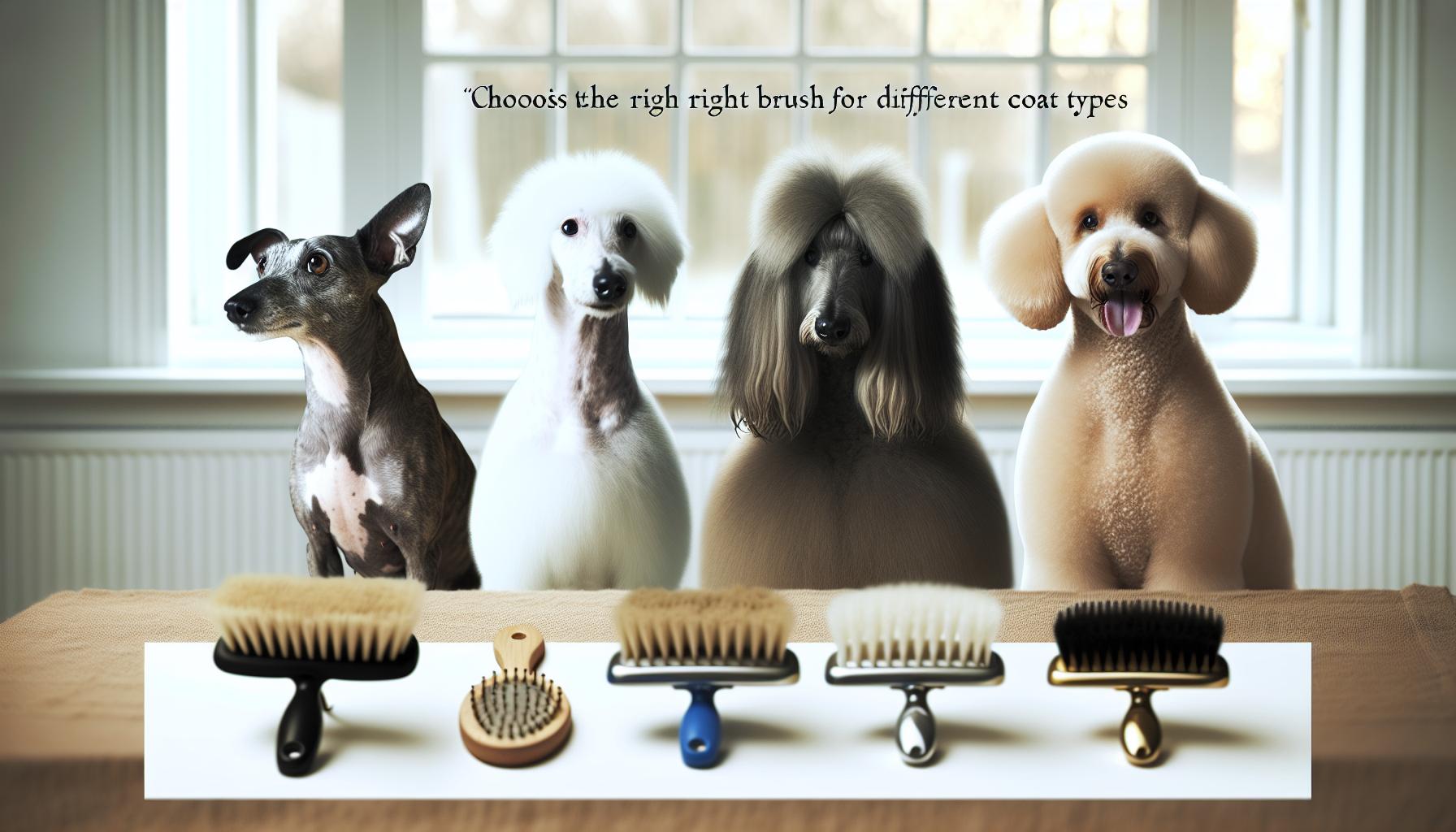
Selecting the perfect brush for your dog’s coat isn’t just about keeping them looking good-it’s about their comfort, health, and happiness. Each coat type-from silky smooth to thick and curly-has unique needs that the right brush can meet gently and effectively. using the wrong brush can cause discomfort, stress, or even skin irritation, especially in sensitive or anxious pets. So, understanding how to match brush type with your dog’s fur can make grooming a bonding experience filled with calm and care.
For dogs with short,smooth coats-like beagles or boxers-a bristle brush or a rubber curry brush works wonders.These tools are gentle yet effective at removing loose hair and dirt without pulling on delicate skin. Thay also stimulate the skin’s natural oil production, leaving the coat shiny and soft. A real-life tip: if your pup tenses or pulls away, try using a soft rubber curry brush first, as many dogs find the gentle massage soothing.
Long-haired or double-coated breeds-like golden retrievers, collies, or huskies-require more specialized tools. A slicker brush with fine, bent wire bristles is excellent for removing tangles and light mats without hurting your dog when used with patience and care.Love Groomers’ slicker brushes, for example, are highly rated for gently detangling medium to long hair coats while keeping grooming stress low [[1]](https://www.lovegroomers.com/slicker-brushes.aspx?srsltid=AfmBOorQEnppS_8SaLuyg4BaUh8suqWpvdqnWRh2K2oGRGhXZShXMiZO). Dematting combs or grooming rakes can be used occasionally to work through stubborn knots but always slowly and with calming praise to keep the experience positive. If severe mats form, it’s best to consult a professional groomer to avoid skin damage.
Matching Tools to Coat Types
| Coat Type | Recommended Brushes | Notes and tips |
|---|---|---|
| short & Smooth (e.g., Beagle, Boxer) | Bristle Brush, Rubber Curry Brush | Great for daily use; gentle stimulation helps healthy skin; perfect for sensitive dogs. |
| Medium to Long, Straight or Wavy (e.g., Cocker Spaniel, Collie) | Slicker Brush, pin Brush | Use slicker brush carefully to prevent irritation; pin brushes help maintain fluffiness. |
| Curly or Dense Coats (e.g., Poodle, Bichon Frise) | Slicker Brush, Dematting Comb | Regular brushing prevents mats; take time and patience to avoid pulling; trims may be necesary. |
| double-Coated Breeds (e.g., Siberian Husky, German Shepherd) | Undercoat Rake, Slicker Brush | Focuses on shedding; removes dead undercoat; avoid overbrushing sensitive topcoat. |
Remember, the best brush is one that suits not only your dog’s coat but also their temperament.Introducing new brushes gradually, paired with gentle strokes and positive reinforcement, helps nervous dogs build trust. When in doubt, consult a groomer: they can demonstrate the right techniques and help you choose tools that keep your dog comfortable. Using the right brush transforms grooming into a soothing ritual-one that nurtures your dog’s coat and your special connection.
How to Select Safe and Effective bathing supplies
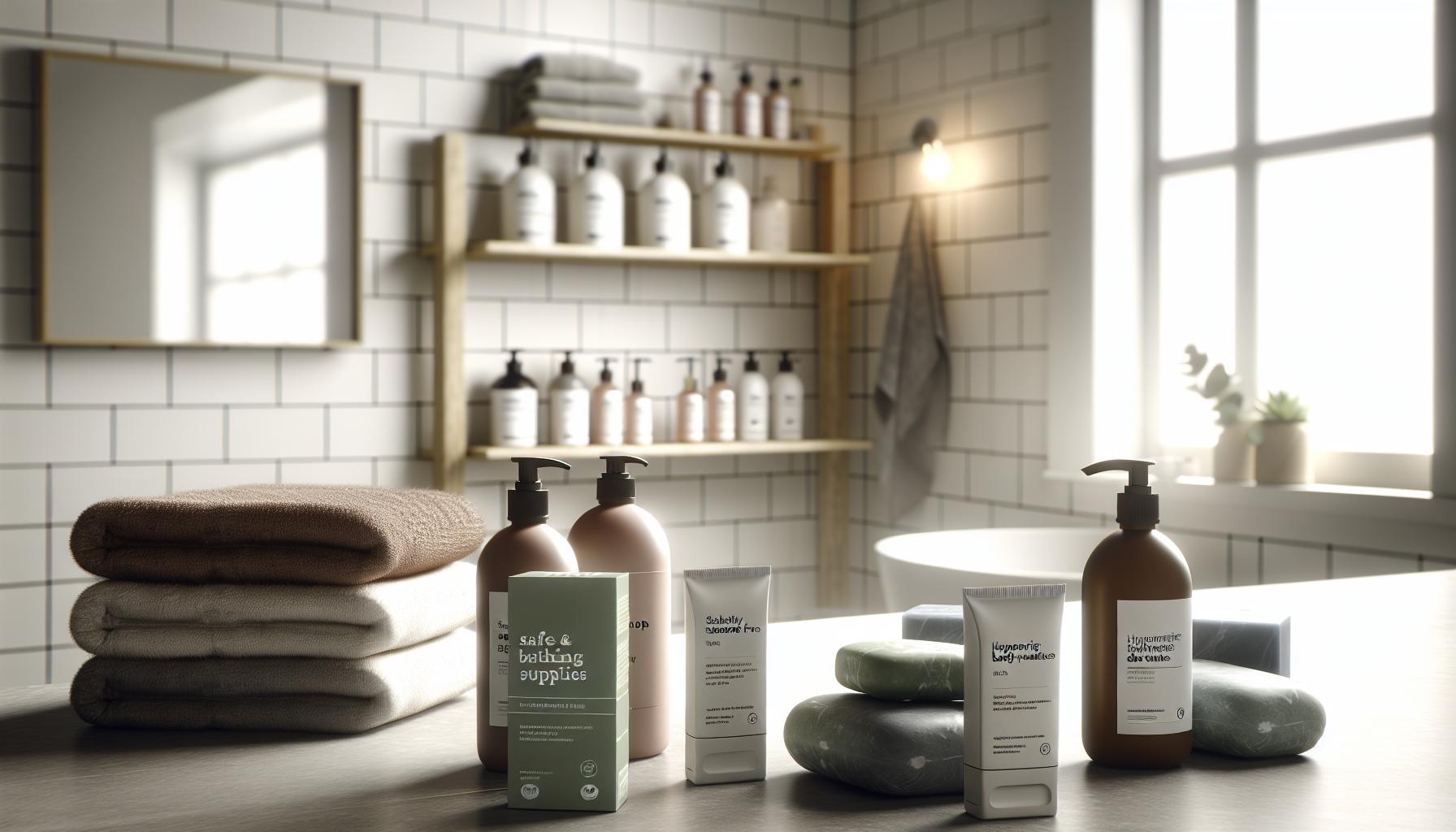
Bath time can be a struggle or a delight, depending largely on the bathing supplies chosen. Using products that are specifically designed for dogs-not just any pet shampoo from the shelf-makes a huge difference in both effectiveness and your dog’s comfort. Dogs have a different skin pH than humans, meaning human soaps and shampoos can dry out or irritate their skin, causing redness, itching, or even long-term sensitivity. Selecting gentle, dog-formulated shampoos with moisturizing ingredients tailored to your pup’s coat type protects their skin barrier and promotes a healthy, shiny coat.
Choosing the Right Shampoo and Conditioner
- For short-haired breeds like Beagles or Boxers, a basic gentle, hypoallergenic shampoo is often enough. These can cleanse without stripping natural oils, keeping the coat smooth and the skin comfortable.
- Long-haired or double-coated dogs such as golden Retrievers or Huskies benefit from shampoos that provide detangling and conditioning properties. Look for formulas that include oatmeal or aloe vera, which soothe skin and ease brushing afterward.
- Curly or dense coats like Poodles need moisturizing shampoos and conditioners to prevent dryness and matting. Creamy conditioners can soften curls and make grooming easier.
- Sensitive or allergy-prone dogs do best with fragrance-free, plant-based shampoos or veterinary-recommended formulas that minimize irritation.
Bathing Tools That Make a difference
Using the right tools alongside good bathing products helps make the experience calm and safe. A non-slip mat in the tub or sink prevents slips and reduces anxiety.Soft, dampening towels designed for pets absorb water quickly and minimize chilly after-bath moments. A gentle sprayer attachment or handheld shower head allows smooth,controlled water flow,avoiding sudden,startling sprays on your dog’s face or ears.For anxious dogs, a slow and steady water temperature around lukewarm is ideal.
Practical Tips to Keep bath Time Positive
- Prep your dog’s coat first: Brush away loose fur and mats; wetting tangled fur only compresses mats, making them worse.
- Protect the eyes and ears: Use a damp cloth to clean around sensitive facial areas instead of direct water spray, and keep shampoo away from the inner ear canal to prevent infections.
- Rinse thoroughly: Leftover shampoo residues can cause itching and irritation, so give a good final rinse.
- Dry gently but thoroughly: Use towels or a pet-friendly blow dryer on a low setting while keeping noise minimal for nervous dogs.
- Start slow with puppy baths: Make each session short and positive, rewarding calm behavior with treats and praise to build trust.
Bathing your dog can be a key moment of care that strengthens your bond. By selecting safe, coat-appropriate products and equipping yourself with the right tools, you reduce stress and protect your dog’s natural defenses.if skin conditions like persistent dryness, redness, or irritation arise despite your careful efforts, it’s wise to consult your veterinarian or professional groomer rather than trying harsher products at home. Remember, safety and comfort always come before “perfect” appearance.
| Coat Type | Recommended Bathing Supplies | Key Notes |
|---|---|---|
| Short & Smooth | Hypoallergenic shampoo, non-slip mat | Gentle cleansing; minimal conditioner needed |
| Medium to Long, Straight or Wavy | Moisturizing shampoo, detangling conditioner, sprayer attachment | Prevents tangles; soothes skin |
| Curly or Dense | Hydrating shampoo & conditioner, soft towels | Maintains moisture; reduces matting |
| Sensitive Skin | Fragrance-free, veterinary formulas | reduces irritation; consult vet if needed |
Top Clippers and Trimmers for Professional Results
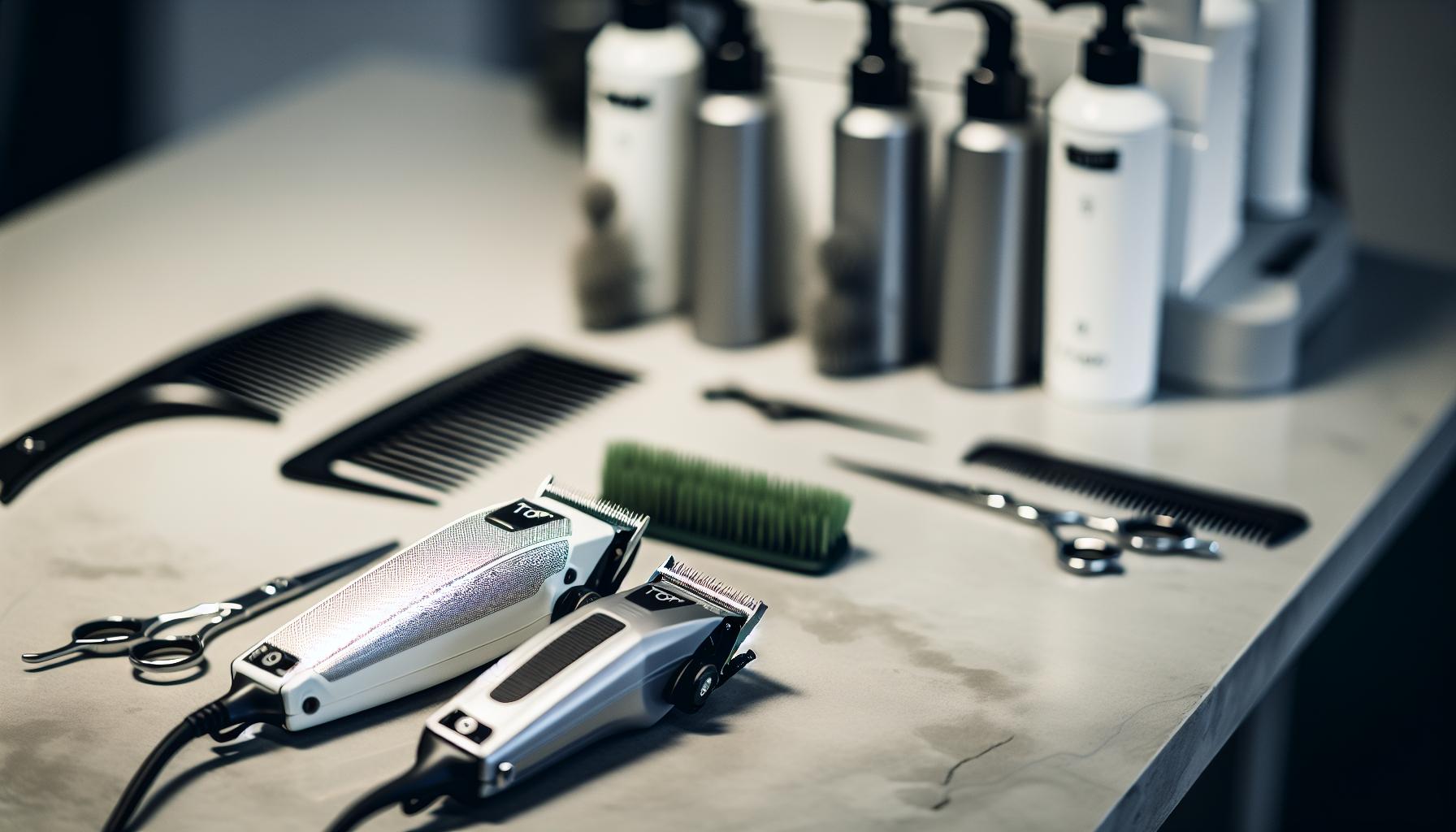
Few tools transform grooming from a stressful chore into a soothing experience quite like the right clippers and trimmers. Whether your dog sports a thick double coat, delicate curls, or sleek fur, selecting the best clippers isn’t about chasing the fanciest model-it’s about choosing reliable, quiet, and adaptable equipment that respects your pup’s comfort and coat needs. Professional clippers combine power with gentleness, making each stroke smooth and minimizing anxiety for sensitive dogs.
When deciding on clippers,consider your dog’s coat type and thickness first. Heavy-duty, three-speed clippers are a go-to for dense or double coats-think Huskies, Golden Retrievers, or Bernese Mountain Dogs-because they offer the strength to cut through thick fur without pulling or causing discomfort. For fine coats or smaller breeds like Maltese or Shih Tzus, quieter, cordless models provide ease of handling and prevent startling noise, encouraging a calmer grooming session.
Features to look For in Quality Clippers
- Adjustable blade lengths: This flexibility allows you to trim different areas safely-from close trims on sensitive paws to longer, natural looks on the body.
- Low noise and vibration levels: A quiet motor keeps nervous dogs at ease; vibration-free clippers also reduce hand fatigue for the groomer.
- Rechargeable and cordless options: these add freedom to move and adjust positions comfortably, especially useful for larger dogs or wriggly pups.
- Durability and sharp blades: Stainless steel or ceramic blades stay sharp longer, ensuring smooth cuts and reducing the need to go over the same spot repeatedly.
Practical Tips for Smooth Grooming with Clippers
Start with well-brushed,tangle-free fur. Matted coats can jam blades and cause discomfort. If mats are present, gently detangle or trim around them carefully before using clippers. Hold the clipper blade flat against the coat and move slowly in the direction of hair growth to avoid nicking or pulling. For anxious dogs, short sessions with plenty of praise and breaks can build tolerance.
for example,when grooming a medium-long haired Lab mix,begin with a #10 blade for the body to maintain a natural look but switch to a finer blade or trimming scissors for delicate areas like the ears and face. Smaller breeds with fine hair may only need simple trimming tools alongside clippers to touch up paw pads or sanitary areas.
Recommended Starter Sets
A well-rounded kit frequently enough includes:
| Tool | Purpose | Benefits |
|---|---|---|
| Heavy-duty grooming clipper | Body trimming, thick coats | Powerful motor, adjustable speeds |
| Detail trimmer | Face, paws, and sensitive spots | Smaller size, precision cutting |
| Clipper blades (varied sizes) | Different coat lengths | Customization for breed and style |
| Clipper oil & cleaning brush | Maintenance | Keeps blades sharp and hygienic |
Many pet owners find brands like Wahl professional clippers a reliable choice, praised for balancing performance and gentle noise levels [1].
remember, patience and compassion are your best tools. If you feel overwhelmed or if your dog is particularly sensitive, don’t hesitate to seek professional groomers who have the experience and specialized equipment to keep your furry friend safe and relaxed. When used correctly, clippers empower you to maintain a healthy coat and strengthen the loving bond with your dog-one gentle trim at a time.
Nail Care Tools: Clippers, Grinders, and Safety Tips
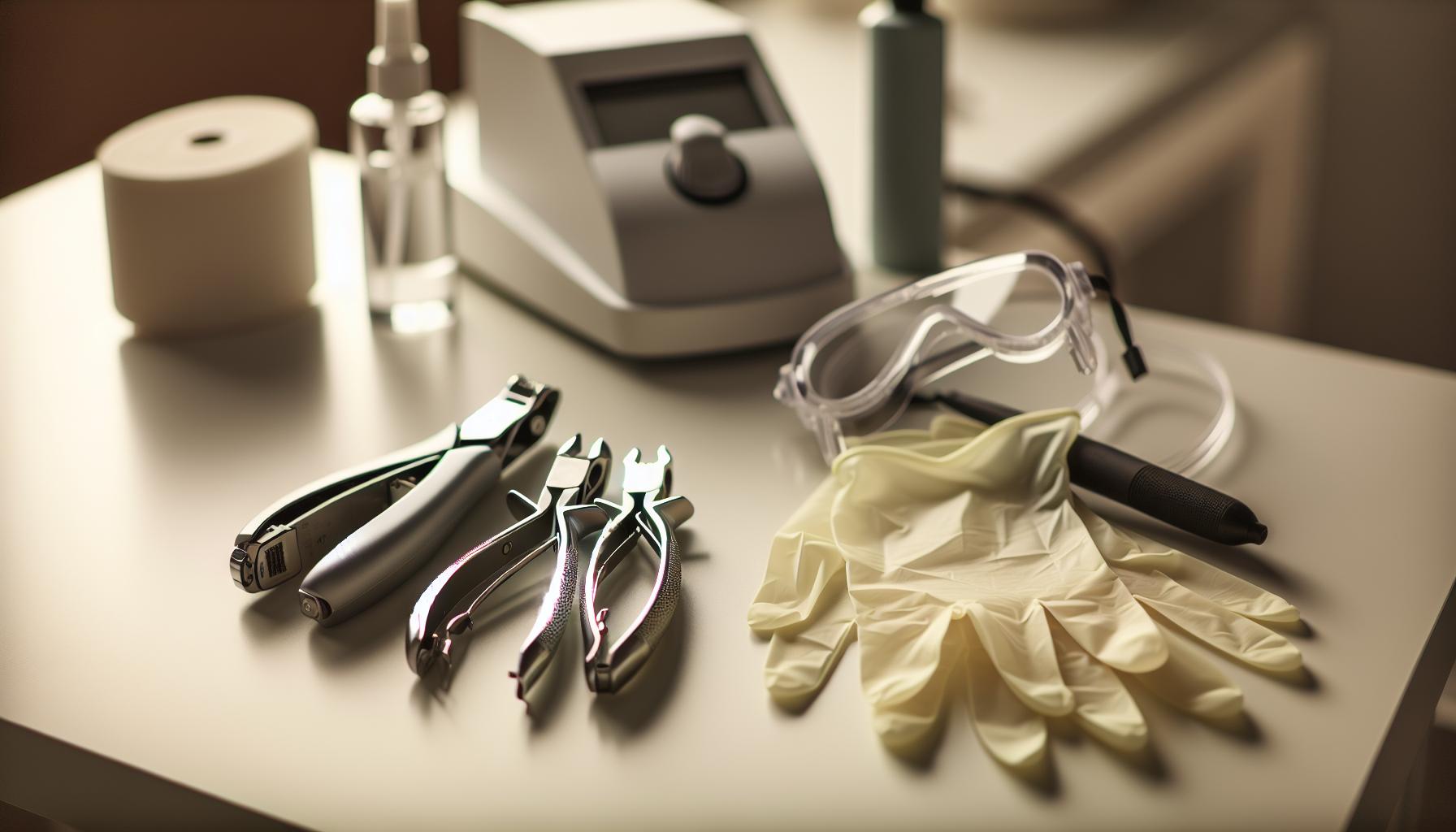
Few grooming tasks cause more anxiety than nail trimming, yet keeping your dog’s nails healthy is crucial-not just for appearance but for comfort, mobility, and overall well-being. Using the right tools and a gentle approach can transform nail care from a dreaded chore into a calm, manageable routine that strengthens your bond with your furry friend.
Choosing Between Clippers and Grinders
Dog nail tools mainly fall into two categories: clippers and grinders.Clippers are sharp blades designed to quickly snip the nail, much like human nail scissors or guillotine-style cutters. They come in various sizes to suit tiny puppies up to large breeds with thick nails. For example, a slim pair of scissor-style clippers works well for small breeds like Chihuahuas or Toy poodles, while heavy-duty guillotine types handle thicker nails on breeds such as labradors or Boxers.
Grinders, often electric and resembling a small dremel tool, gently file the nail down instead of cutting it abruptly. Many groomers and vets recommend grinders because they reduce the risk of clipping nails too short and causing bleeding. Grinders also smooth rough edges, which is great for dogs that are sensitive to sharp nail tips or those prone to scratching.
Safety First: Avoiding the Rapid
Every dog’s nail contains a ”quick,” a blood vessel inside that you don’t want to cut-it’s painful and will bleed. The quick is easier to spot on light-colored nails as a pink area, but on dark nails it’s hidden, so extra care is needed. Here are some helpful tips:
- Work slowly: Trim or grind just a little bit at a time rather than attempting a full cut in one go.
- Radiant light helps: Use a well-lit area so you can distinguish the quick better and avoid injury.
- Use styptic powder: Always keep styptic powder or a clotting agent nearby to quickly stop bleeding if you accidentally nick the quick.
If you’re unsure about trimming at home, a professional groomer or vet can show you the right techniques, and they often recommend starting when nails are short and pink to keep the quick manageable.
Practical Tips for a Stress-Free Nail Session
Creating a calm environment is key, especially for anxious dogs. Many groomers suggest this step-by-step approach:
- Desensitize: Gently handle your dog’s paws daily, rewarding calm behavior with treats and praise to build trust.
- Choose a comfortable spot: Place your dog where they feel safe-on your lap, a non-slip surface, or a grooming table with support.
- Use positive reinforcement: Keep sessions short, upbeat, and end on a positive note to create good associations.
- Alternate paws: Trim just a few nails per session if your dog is nervous, gradually increasing as they become more comfortable.
If your dog really struggles or has unusually thick or hard nails, consulting a professional groomer is wise.They have the specialized tools and experience to handle difficult nail care safely.
| Tool | Best For | Key Benefit |
|---|---|---|
| Nail Clippers (Scissor or Guillotine) | Quick trims; small to medium nails | Fast cuts with precision |
| Electric Nail Grinder (Dremel) | Sensitive dogs; thick or dark nails | Gentle shaping, reduced risk of cutting quick |
| Styptic Powder/Clotting Agent | Emergency use if quick is cut | Stops bleeding quickly and safely |
Remember, nail care is more about your dog’s comfort and health than striving for perfectly trimmed nails. For dogs spending a lot of time on soft surfaces indoors, nails might need more frequent care than those active outdoors. Always adapt your approach to your dog’s temperament and physical needs, using patience and kindness. When in doubt, professional groomers can provide expert support and guidance, helping you keep your pup’s paws happy, healthy, and safe.
Cleaning Ears and Eyes: Gentle Tools for sensitive Areas
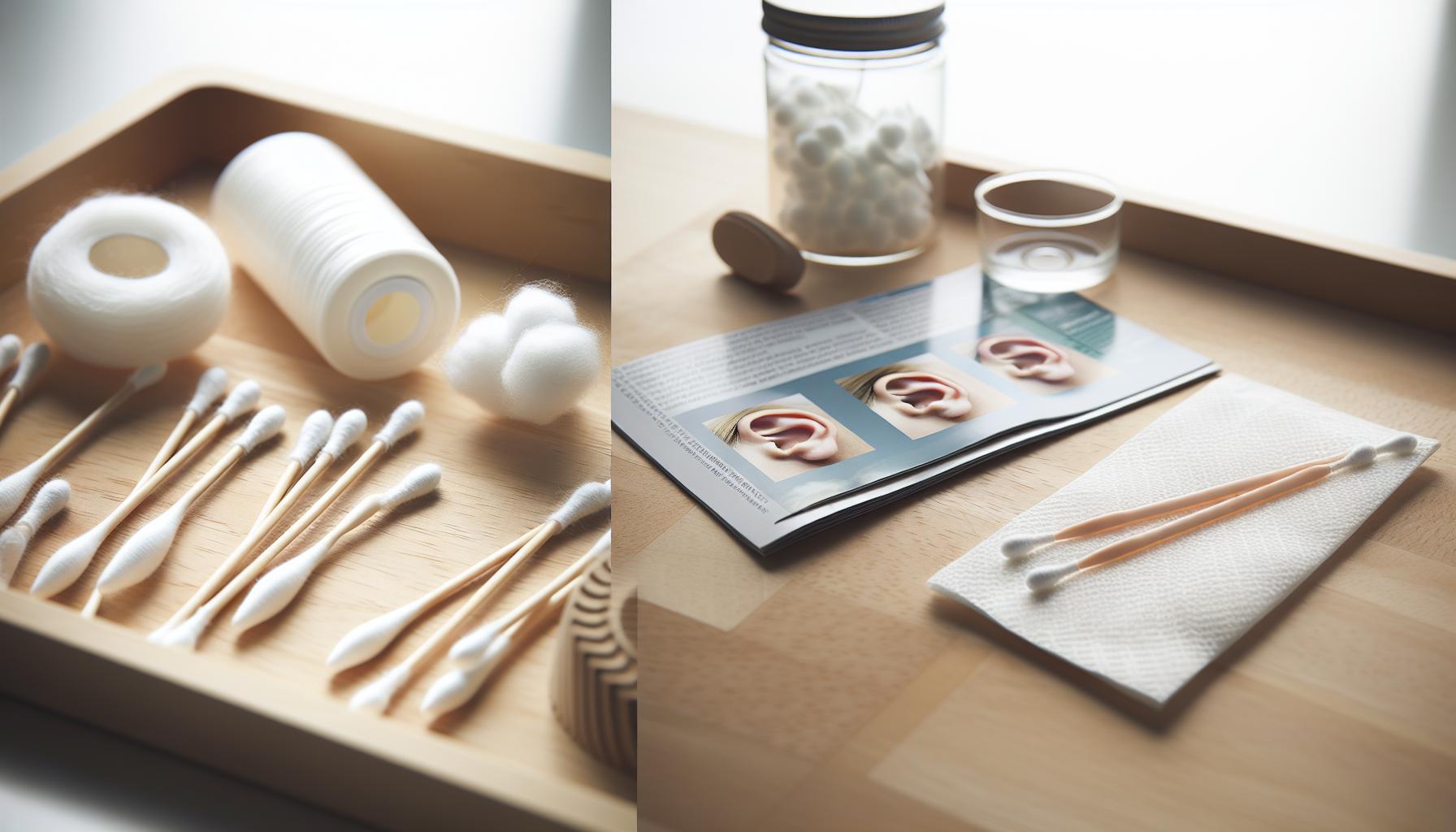
Cleaning your dog’s ears and eyes requires a gentle touch and the right tools to ensure comfort and safety. These sensitive areas can collect dirt, wax, and discharge that, if left unattended, may lead to irritation or infection. Using specialized grooming supplies designed for delicate care helps maintain your dog’s health without causing stress or discomfort.
Essential Tools for Ear Care
Not all ears are created equal-dogs with floppy ears, like Cocker Spaniels or Basset Hounds, frequently enough need more frequent and careful cleaning than those with upright ears like German Shepherds. For both types,a soft,absorbent cotton ball or gauze pad moistened with a vet-approved ear-cleaning solution is best. Avoid cotton swabs, as they can push debris deeper or injure the ear canal. Look for products free of alcohol or harsh chemicals to prevent stinging or drying out the sensitive skin inside the ear.
- Inspect first: before cleaning, gently lift and smell the ear. A healthy ear should smell clean without offensive odors.
- Apply cleaner: Squeeze a small amount of solution into the ear canal, then gently massage the base of the ear to loosen debris.
- Wipe away residue: Use the dampened cotton ball to wipe out wax and dirt from the ear flap and entrance of the canal.
If you notice redness, swelling, foul odor, or your dog shows discomfort or scratching, consult your vet before attempting further cleaning. These could be signs of infection or mites needing professional care.
Safely Caring for Your Dog’s Eyes
Eye cleaning is frequently enough about removing light tears, crust, or dust-especially in breeds prone to watery eyes like Shih tzus, Pugs, or Bulldogs.Use a soft, lint-free cloth or sterile eye wipes made specifically for pets, avoiding any human products that could irritate the eyes.
- Work gently: Wipe from the inner corner outward, never toward the nose or across the eyeball vigorously.
- Use fresh cloths: To prevent spreading potential infection between eyes or to other pets in the home, use a new cloth for each eye.
- Monitor for symptoms: Persistent redness, excessive tearing, squinting, or discharge that’s colored or thick warrants a vet visit.
When to Leave It to Professionals
For dogs with chronic ear infections, narrow ear canals, or eye conditions, professional groomers and veterinarians have the training and equipment (like specialized ear curettes and magnification tools) to clean safely without causing injury. If your dog resists or becomes distressed, don’t hesitate to seek expert help. Keeping these sensitive areas clean is vital, but your dog’s emotional wellbeing and safety come first.
| Tool | Ideal For | Key Tip |
|---|---|---|
| Vet-Approved Ear Cleaning Solution | All ear types, especially floppy ears | Choose alcohol-free, gentle formulas |
| Cotton Balls or Gauze Pads | Wiping away ear debris | Never use cotton swabs inside the ear canal |
| Sterile Pet Eye Wipes or Soft Cloth | Removing tear stains and crust | Use a fresh wipe per eye for hygiene |
Approaching ear and eye cleaning with patience creates a calmer experience for your dog. Remember, regular, gentle care combined with knowing when to ask for professional guidance keeps your furry friend healthy and happy-without any harsh or scary moments.
Dealing with Matted Fur: Specialized Dematting Equipment
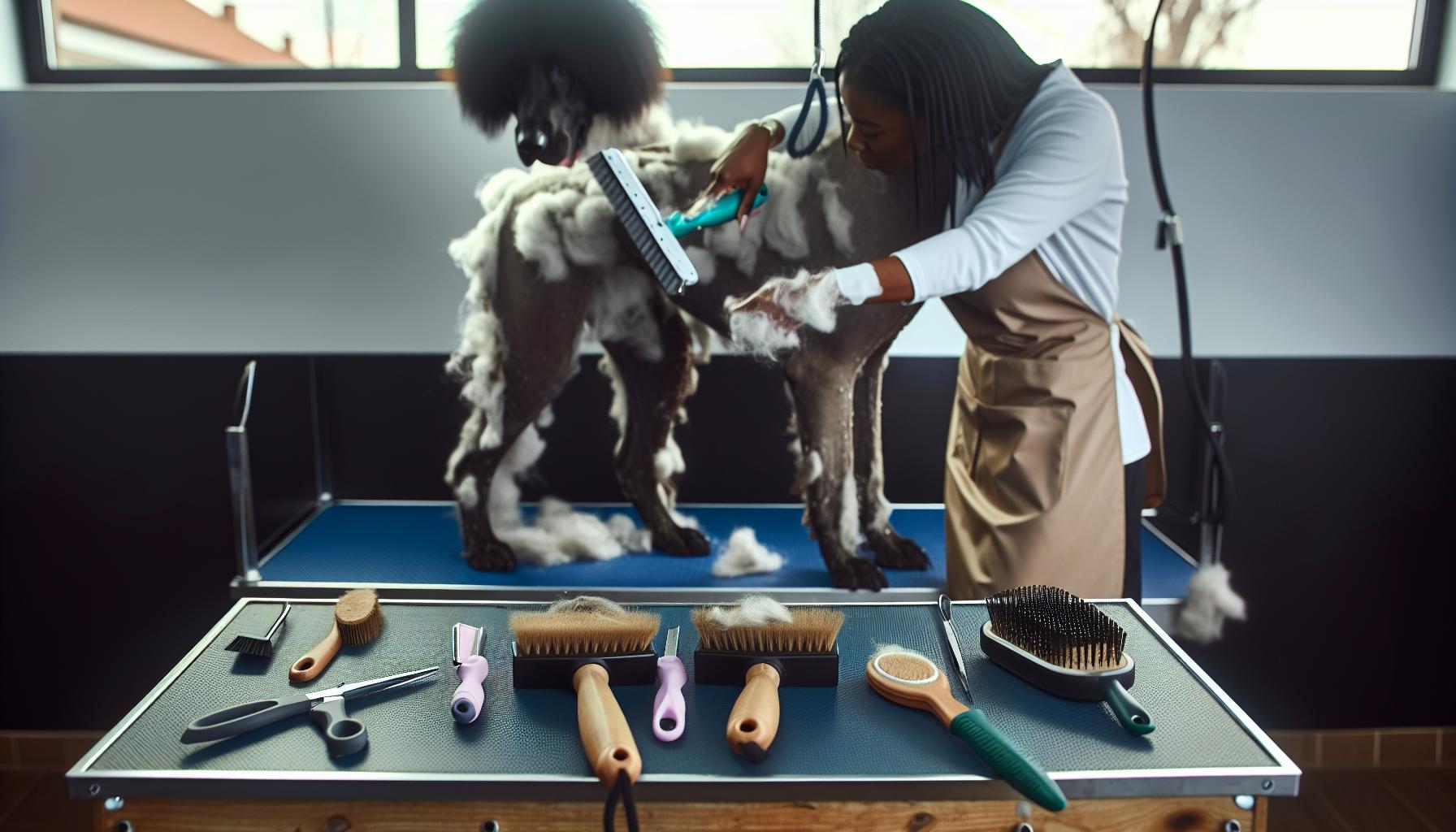
Matted fur can develop quickly in breeds with thick, curly, or long coats-like Poodles, Bichons, or Setter mixes-and it’s more than just an aesthetic issue. mats pull on the skin, trap dirt and moisture, and can cause irritation or even painful sores if left untreated. Tackling these tangles requires the right tools combined with a gentle, patient approach that always puts your dog’s comfort first.
Specialized dematting tools are designed to carefully break apart the knots without hurting your pup. A quality dematting rake or comb has sharp, rust-resistant blades that slice through mats gradually rather than pulling aggressively. Many groomers also rely on dematting sprays or creams to loosen tight tangles, making brushing easier and less stressful. It’s crucial to work slowly,starting from the edges of the mat and gently teasing apart the fur,rather than forcing a comb straight through. for severely matted areas, sometimes shaving down the coat is the kindest option to prevent pain and skin damage-dematting tools can’t always do the job safely at home or without professional experience[[1]](https://www.reddit.com/r/doggrooming/comments/vi5urg/is_at_home_dematting_possible_or_worth_it/).
Key Tools to Consider
- dematting rake: Ideal for breaking apart large mats and tangles in thick coats.
- Dematting comb: Works well on smaller mats and smoothing out loosened fur.
- Detangling sprays or creams: Plant-based and gentle products reduce friction and protect the skin.
- Clipper or trimmer: For mats that won’t budge, careful shaving spares your dog discomfort and eliminates mat-related skin issues.
Best practices for Dematting
Start grooming sessions in a calm, quiet place with your dog feeling relaxed. Use treats and praise to encourage cooperation. Work in small sections and always avoid yanking-if the mat is too tight or close to the skin,stop and consider professional grooming help to avoid injury. Wetting the coat slightly before dematting can sometimes help, but wholly soaked fur may make mats tighter and harder to separate.
Remember, it’s better to focus on consistent, regular grooming to prevent mats altogether than to rush painful dematting sessions. For sensitive or anxious dogs,scheduling gradual grooming appointments with experienced groomers or vets is often the safest route.
| Tool | Purpose | Tips for Use |
|---|---|---|
| Dematting Rake | Loosens large mats in dense coats | Use gentle, short strokes; avoid tugging |
| Dematting Comb | Finishes smaller mats and smooths coat | work from outside to inside the mat carefully |
| Detangling Spray/Cream | Softens tangles and reduces breakage | Apply evenly and let sit briefly before combing |
| Clippers/Trimmers | Shaves out stubborn mats or entire sections | Use guard lengths to avoid skin cuts; seek pros if unsure |
If you find yourself overwhelmed by the task or worried about hurting your furry friend, remember that seeking professional groomers or vets is a compassionate and wise choice. These experts can safely and humanely manage matting issues with specialized tools and sedation if necessary.ultimately, keeping your dog comfortable and stress-free is the top priority-and regular, gentle grooming will go a long way toward preventing mats before they start.
For home care, combining the right equipment with a consistent brushing routine tailored to your dog’s coat type is your best bet. Small daily sessions work wonders and keep your pup looking and feeling great without anxiety or pain.
Optional Extras: Styling Accessories and Finishing Sprays
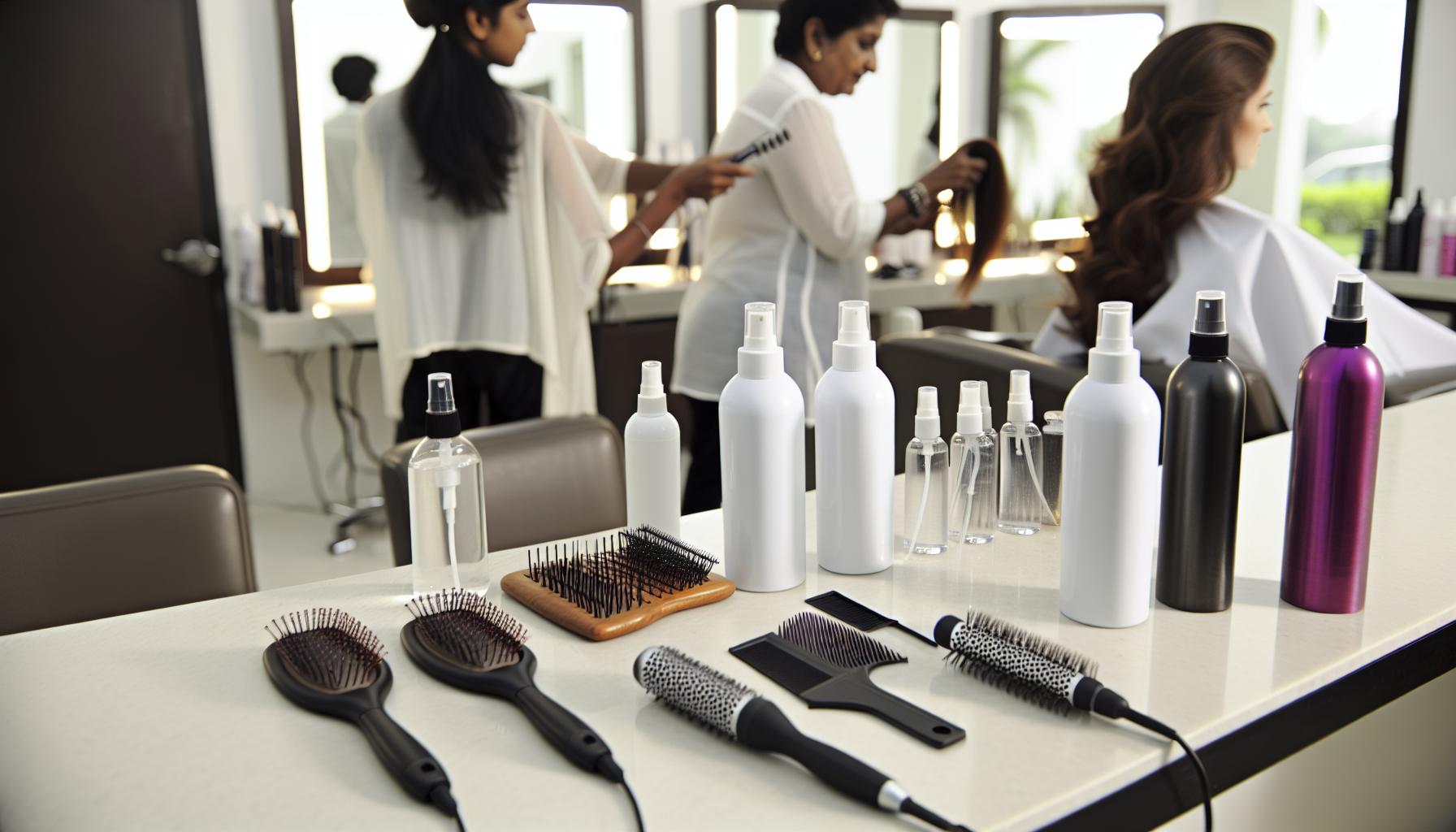
Every grooming session can end on a high note with the right finishing touches that make your dog feel fresh, comfortable, and just a little extra special. Styling accessories and finishing sprays aren’t just about looks-they contribute to your dog’s overall grooming experience by enhancing coat health, reducing static, and adding a delightful shine that highlights their natural beauty. These extras can boost your confidence as a pet owner, showing your furry friend how much you care, all while prioritizing their well-being.
Choosing the Right Styling Tools for Your Dog’s Coat
Different coat types call for different styling aids. Such as, a silky, fine-coated breed like a Maltese benefits from lightweight detangling sprays that help reduce breakage during brushing. Meanwhile, curly or dense-coated dogs such as Poodles or Bichons thrive with moisturizing sprays that add softness without weighing down the curls. Avoid any styling products that contain harsh chemicals or strong fragrances; always opt for pet-safe, hypoallergenic options that soothe rather than irritate.Adding gentle hairbands, soft bows, or light clips can be a fun and non-invasive way to keep longer coats tidy-just be mindful of tightness and watch for any signs of discomfort. For breeds prone to ear infections or sensitive skin, skip accessories near those areas to prevent unnecessary irritation.
How Finishing Sprays Elevate Grooming Results
A finishing spray is essentially a light mist designed to do more than just make coats shine. Many sprays work as conditioning agents that smooth down frizz and static, helping hair lie flat and neat after a bath. Others contain natural ingredients to soothe skin or repel dirt, extending the time between washes and reducing the risk of irritation.
When applying, hold the bottle about 6-8 inches away from your dog, spray lightly, and then brush gently to distribute evenly. This prevents product buildup and keeps your dog comfortable. It’s helpful to test sprays on a small patch of fur first to check for any reactions-especially if your dog has allergies or sensitive skin.
- Shine-enhancing sprays: Perfect for show breeds or special occasions.
- Detangling mists: Ideal for long or curly coats to ease combing.
- Moisturizing conditioners: Great for dry or brittle fur to restore softness.
- Deodorizing sprays: Add a fresh scent without harsh chemicals.
When to Skip Styling Extras and Focus on Comfort
As much as we love seeing a beautifully finished coat, it’s critically important to remember that not every dog enjoys the process or tolerates added products well. Nervous or elderly dogs might find sprays or accessories stressful. In these cases, prioritize comfort over cosmetic effects-soft brushing with no added product can be just as soothing and effective.
For dogs with skin conditions or sensitivities, check with your vet or professional groomer before introducing new styling products. They can recommend safe options and ensure that grooming stays a positive, gentle experience.
By thoughtfully incorporating styling accessories and finishing sprays suited to your dog’s unique needs, you enhance both their appearance and comfort. These touches celebrate your dog’s personality and coat type, turning grooming into a bonding ritual full of kindness and care.
Sanitation and Maintenance: Keeping Your Tools Clean and Safe
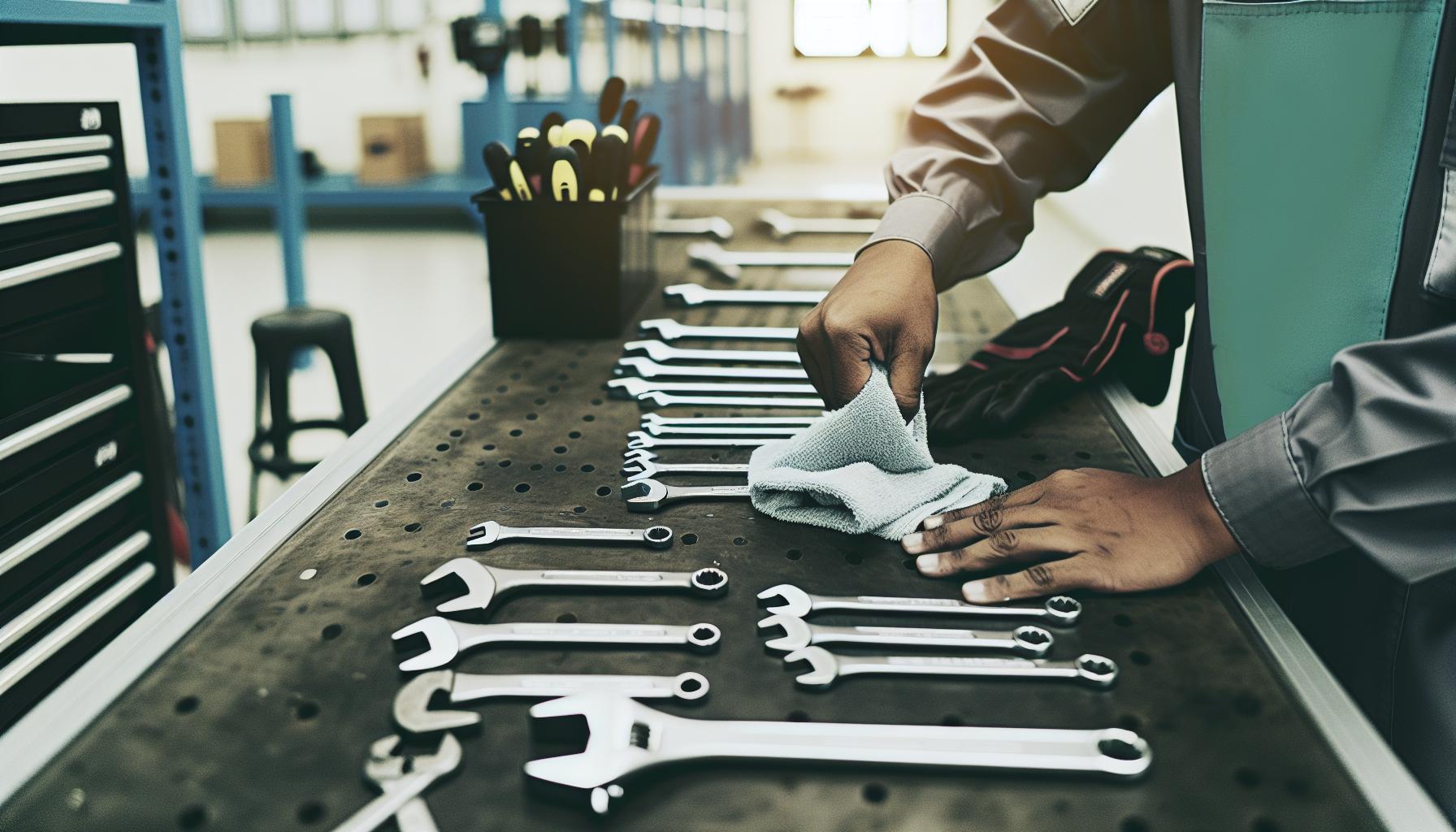
Few things are as crucial to your dog’s safety and comfort during grooming as clean, well-maintained tools. Clean grooming instruments don’t just protect your pup from infections-they also ensure each stroke, clip, or brush glide is smooth and pain-free, preventing accidental snags or irritations. Whether you’re working with sensitive skin or a thick, curly coat prone to matting, hygiene and upkeep form the foundation of stress-free grooming sessions.
Daily Cleaning Habits for Brushes, Combs, and Shears
Right after grooming, take a moment to remove loose hair from brushes and combs by tapping or using a comb cleaner tool. This simple step keeps bristles and teeth effective and prevents buildup that can harbor bacteria or cause discomfort next time. For shears and clippers, gently wiping blades with a soft cloth to remove fur and residue is essential.
At least once a week, give your tools a thorough clean. Soak metal combs, scissors, and clipper blades in a pet-safe disinfectant or isopropyl alcohol for a few minutes, then dry them completely to avoid rust. Avoid submerging wooden or padded handles fully; rather, wipe those parts carefully with disinfectant wipes. shaping a habit of sanitizing tools before and after each use is extra critically important if you groom multiple dogs or pets with skin conditions, minimizing cross-contamination risk.
Sharpening,Lubrication,and Storage
Dull blades and pins can pull hair or cause accidental cuts,making grooming uncomfortable or unsafe. watch out if you notice your dog flinching or fussing more than usual during haircuts or brushing-this could signal that tools need professional sharpening. Many local groomers or pet stores offer blade sharpening services, or you can invest in proper sharpening kits after some practice.
Lubricate clipper blades regularly with lightweight oil designed for grooming tools to keep them running smoothly and extending their usable life. When not in use, store all your grooming equipment in a clean, dry place-preferably in dedicated cases or organizers that protect blades and keep handles dust-free.
Practical Tips and Troubleshooting
- Watch for rust or corrosion: Even small spots on metal tools can cause damage to your dog’s coat or skin. Replace tools at the first sign of serious wear.
- Check for loose parts: Screws on shears or blades may loosen over time, risking injury or tool damage.Regularly tighten and inspect them before each grooming.
- Sanitize nail clippers and grinders: After every nail trim or grinding session, wipe the tools to remove nail dust, which can harbor bacteria.
By investing a little time each week to clean, sharpen, and care for your grooming tools, you’re showing your dog that grooming is a safe, gentle experience you both can enjoy. Clean, efficient equipment is not about perfection-it’s about compassion and confidence in every grooming session. When you prioritize maintenance,you help keep those tender paws,ears,and coats healthy,happy,and ready for many joyful grooming days ahead.
When to Leave Grooming to the Professionals vs. DIY Care
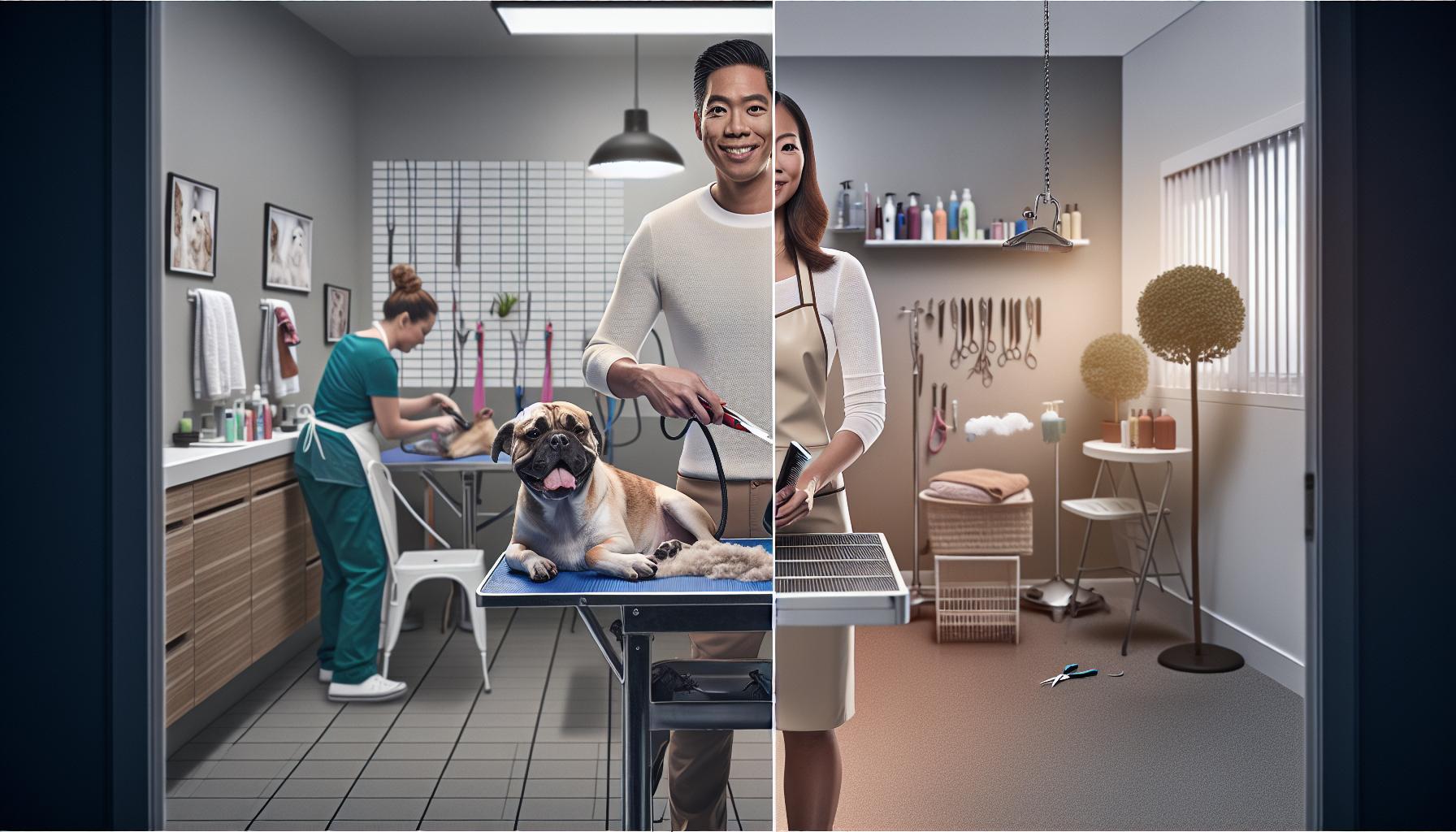
Few things can impact your dog’s grooming experience more than choosing the right balance between do-it-yourself care and professional services. While many grooming tasks like routine brushing, ear cleaning, and simple nail trims can be comfortably handled at home, certain situations call for the expertise and specialized equipment only a professional groomer can provide. Recognizing these boundaries not only protects your dog’s health and comfort but also empowers you to build trust and confidence with your pet.
Knowing When to Tackle Grooming at Home
simple daily or weekly care-such as brushing loose hair, bathing with gentle shampoos, wiping eyes, or trimming nails-can be safely done using basic, quality tools suited to your dog’s coat and temperament. For example, a smooth-coated Labrador Retriever often requires less frequent brushing, easily managed with a bristle brush, while a long-haired breed like a Shih Tzu benefits from daily combing with a slicker brush to prevent tangles. At-home grooming fosters bonding and keeps your dog comfortable with handling. However, always proceed slowly, use treats for positive reinforcement, and be patient with nervous pets. If you notice your dog showing signs of discomfort or distress, it’s a sign to pause and evaluate.
When Professional Groomers Bring Added Value
Some grooming tasks require specialized skills, equipment, or training-particularly for dogs with complex coats, sensitive skin, or behavioral challenges. Matted fur, for instance, cannot be safely removed with household tools without risk of pain, skin irritation, or injury. Professional groomers use dematting tools designed for safe and effective mat removal and know techniques to keep an anxious dog calm throughout the process. Likewise, detailed breed-specific trims or creative styling often need precision clippers, scissors, and finishing sprays that professionals possess.
Dogs prone to skin allergies or infections may require medicated shampoos and treatments better selected by groomers familiar with dermatological conditions or upon veterinarian advice. For nail care, while clipping is generally safe at home, grinding can require practice and special equipment professionals use to avoid heat buildup or cutting too close to nerves.
Veterinarian vs. Groomer vs. Owner: Clear Lines of Care
Certain grooming-related issues cross into veterinary territory and must be handled by a vet, such as ear infections, suspicious lumps, or severe skin irritations. Groomers often act as the first line of defense by spotting these conditions early during grooming sessions. Meanwhile, your role is crucial for regular maintenance between professional visits, recognizing signs of discomfort, and scheduling timely groomer or vet appointments.
- Bathing and basic brushing: Ideal for owners with mild coats and cooperative pets.
- Dematting, breed-specific haircuts, and nail grinding: Best left to professional groomers equipped with proper tools and experience.
- Medical or severe skin and ear issues: Refer instantly to a veterinarian.
By understanding the unique needs of your dog’s breed, coat type, and temperament, and by observing their reactions during grooming, you can confidently decide when to enhance at-home care and when to seek professional grooming. This partnership between owner,groomer,and vet creates a foundation where safety,comfort,and well-being always come first-turning every grooming experience into a positive moment your dog can look forward to.
Q&A
Q: How do professional dog groomers maintain the sharpness and hygiene of their grooming tools?
A: Professional groomers regularly sharpen clippers and blades using specialized sharpeners or send them to experts. They also sanitize brushes,combs,and scissors with pet-safe disinfectants to prevent infections. *Consistent maintenance ensures safety and effectiveness*, supporting smooth grooming sessions. Learn more about tool care in our [Sanitation and Maintenance section](#sanitation-and-maintenance).
Q: What types of grooming tables and restraints do dog groomers use for safe handling?
A: Groomers use adjustable grooming tables with non-slip surfaces and *secure restraints like noose loops or harnesses* to keep dogs safe and calm during grooming. These tools accommodate different breeds and sizes while preventing injury or escapes. Proper restraint is essential for effective use of clippers and brushes.
Q: Why do dog groomers use different blade sizes for clippers, and how do they choose the right one?
A: Different clipper blade sizes control hair length and finish type. Groomers select blade sizes based on *coat thickness, breed standards, and desired style*. Smaller blades give closer cuts, while larger blades leave more fur. Understanding blade functions helps avoid skin irritation and achieve professional results.Explore [Top Clippers and Trimmers for Professional Results](#top-clippers-and-trimmers) for detailed guidance.
Q: How do groomers safely handle grooming dogs with sensitive skin or allergies?
A: Groomers use hypoallergenic grooming tools like soft brushes and gentle shampoos to protect sensitive skin. They avoid irritation by working slowly, testing products beforehand, and opting for *non-abrasive grooming accessories*. Communicating about your dog’s allergies beforehand helps tailor safe, effective grooming. See our [Selecting Safe Bathing Supplies](#how-to-select-safe-and-effective-bathing-supplies) for tips.
Q: What specialized tools do groomers use for trimming dog nails without causing pain?
A: Groomers use sharp nail clippers designed for pets, combined with grinding tools like nail grinders to smooth edges gently.Proper lighting and *slow, careful trimming* prevent cutting the quick and minimize discomfort. Nail care tools vary in size to fit breeds from small to large dogs, enhancing safety and precision.
Q: When might a groomer use carding tools, and how do these aid in grooming thick or curly coats?
A: Carding tools, like carding combs or rakes, help remove loose undercoat and tangles in thick or curly-coated breeds. They gently separate hair layers, promoting healthier coats and easier brushing. groomers use carding tools before clipping or finishing to prepare dense fur without causing discomfort. Check the [Dealing with Matted Fur](#dealing-with-matted-fur) section to learn more.
Q: How do groomers adjust their tool choices for different dog breeds and coat types?
A: Groomers customize brushes, clippers, and bathing supplies based on *breed coat types*-such as double coats, wiry, or silky hair-to ensure comfort and effectiveness. For example, slicker brushes work well for curly coats, while pin brushes suit long, straight fur. This tailored approach helps achieve optimal grooming results while respecting each dog’s unique needs.
Q: What are the benefits of using professional-grade grooming tools at home versus pet store basics?
A: Professional-grade tools offer *better durability, sharper blades, and ergonomic designs* that reduce grooming time and enhance coat health. investing in quality brushes, clippers, and nail grinders provides safer, more comfortable grooming experiences at home, especially for breeds requiring detailed care. For DIY grooming tips, see our section on [When to Leave Grooming to the Professionals vs. DIY Care](#when-to-leave-grooming-to-the-professionals-vs-diy-care).
—
For even more dog grooming insights and to empower your pet care routine, explore our full guide sections and join our community of caring dog owners!
Insights and Conclusions
now that you’re familiar with the essential tools every dog groomer relies on-tailored by coat type, breed, and grooming task-you’re ready to approach pet care with confidence and compassion. Remember, safely handling baths, brushes, nail trims, and ear cleanings requires not just the right equipment but patience and a gentle touch. If you ever feel unsure about complex grooming steps or your pup’s comfort, consulting a professional groomer or your vet can make all the difference.
For more practical tips on caring for your furry friend, don’t miss our guides on DIY dog Grooming Techniques, How to Choose the Best Brushes for Your Dog’s Coat, and Common Grooming Mistakes to Avoid. Dive deeper to keep your pet healthy and happy between professional visits.ready to take the next step? Subscribe to our newsletter for expert advice, exclusive deals on grooming tools, and updates tailored to your dog’s needs. Have questions or stories to share? Drop a comment below and join our caring community-because every dog deserves the best in comfort and care.
Get our latest guides, news, and insights highlighted in your Google Search & AI Overviews.
Keep reading about the same coat and cut.



Popular grooming guides
Bath vs clip, first grooms, and salon how-tos.