How Do Dog Groomers Groom Aggressive Dogs? Handling Methods

Did you know that many dogs become fearful or defensive during grooming, making it a real challenge to keep them calm and safe? Grooming aggressive dogs requires special handling techniques that prioritize thier comfort and well-being while addressing their unique coat types and behavioral concerns. Whether your pup is a protective breed with a thick double coat or a smaller dog prone to anxiety, understanding how professional groomers approach aggressive behavior can ease your worries and improve your dog’s grooming experience.
In this article, we’ll walk you through compassionate, step-by-step methods groomers use to care for dogs who may resist baths, brushing, nail trims, or ear cleaning. From using the right tools and calming strategies to knowing when veterinary support, like mild sedatives, might be needed, you’ll gain practical tips and real-life examples that empower you to advocate for your dog’s safety and comfort. You’ll learn how groomers balance patience, safety, and effective handling so every grooming session is a positive, stress-free experience-for both dog and owner. Keep reading to discover how expert care makes all the difference when grooming aggressive dogs.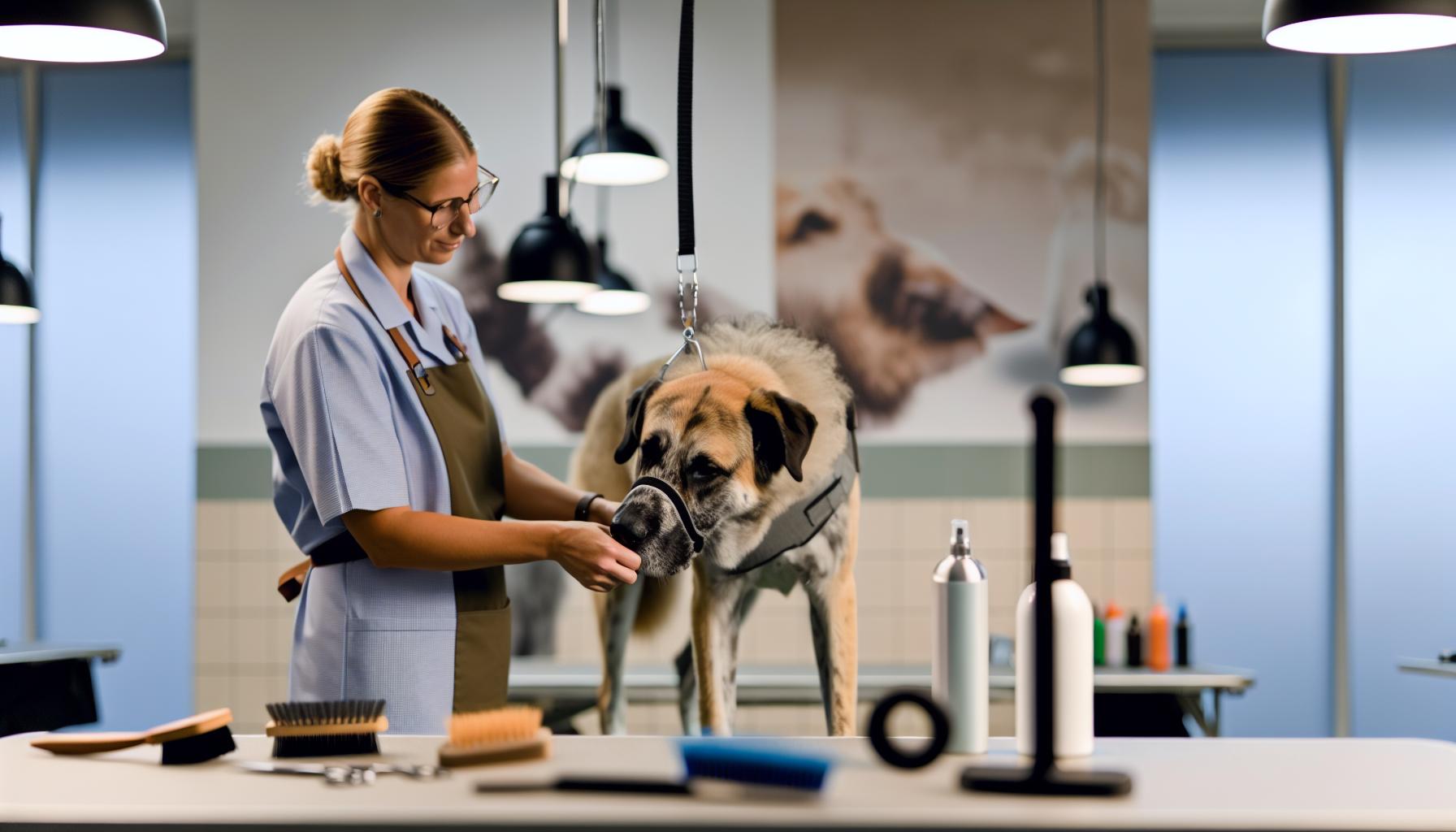
Understanding Aggressive Dog Behavior Before Grooming
Table of Contents
- 1 Understanding Aggressive Dog Behavior Before Grooming
- 2 Essential Safety Gear and Tools for handling Aggressive Dogs
- 3 Step-by-Step Techniques to Calm aggressive Dogs During Grooming
- 4 Effective muzzling and Restraint Methods That Respect Your Dog
- 5 Bathing Aggressive Dogs: Gentle Approaches for Stress Reduction
- 6 Brushing and Detangling Tough Coats on Nervous Dogs
- 7 Safe Nail trimming Strategies for Resistant Dogs
- 8 Cleaning Ears and Eyes Without Triggering Aggression
- 9 When to Involve Veterinarians or Professional Behaviorists
- 10 Training Owners to Prepare Their Dogs for Grooming Visits
- 11 Creating a Positive grooming experience Through Patience and rewards
- 12 Signs of Stress and how to Troubleshoot Aggressive Reactions
- 13 FAQ
- 14 In Retrospect
It’s crucial to recognize that aggression during grooming often stems from fear, anxiety, or past negative experiences rather than a dog’s inherent temperament. Many dogs don’t resist grooming because they are “bad” or “mean,” but because they feel vulnerable or unsure about what’s happening. As a notable example, a dog with sensitive skin or a thick, tangled coat might associate grooming with discomfort, making them defensive. Understanding these triggers helps groomers and owners approach the situation with empathy and patience, rather than frustration.
different breeds and coat types can also influence how dogs react to grooming. A double-coated breed like a Husky may be more sensitive to brushing or drying due to dense fur, while a dog with a history of painful nail trims may instinctively recoil or snap when nails are approached. Identifying these breed-specific challenges early allows groomers to tailor their approach. For example, using specialized tools designed for thick coats or calming aids during tough sessions can make a big difference.
What to Look For Before Starting
- Body language signals: Watch for signs like growling, stiff posture, pinned ears, or lip licking-these are key indicators your dog is stressed.
- Previous history: Ask owners if their dog has had bad experiences with grooming or vet visits, which frequently enough contribute to aggression.
- Medical conditions: Pain or skin irritation can make any dog more reactive-checking with a vet beforehand is crucial.
By appreciating the root causes of aggressive behavior and observing your dog’s unique communication style, you set the stage for a calmer, safer grooming experience. This foundation empowers groomers and owners alike to make each session easier and less intimidating for everyone involved [[1]] [[2]].
Essential Safety Gear and Tools for handling Aggressive Dogs
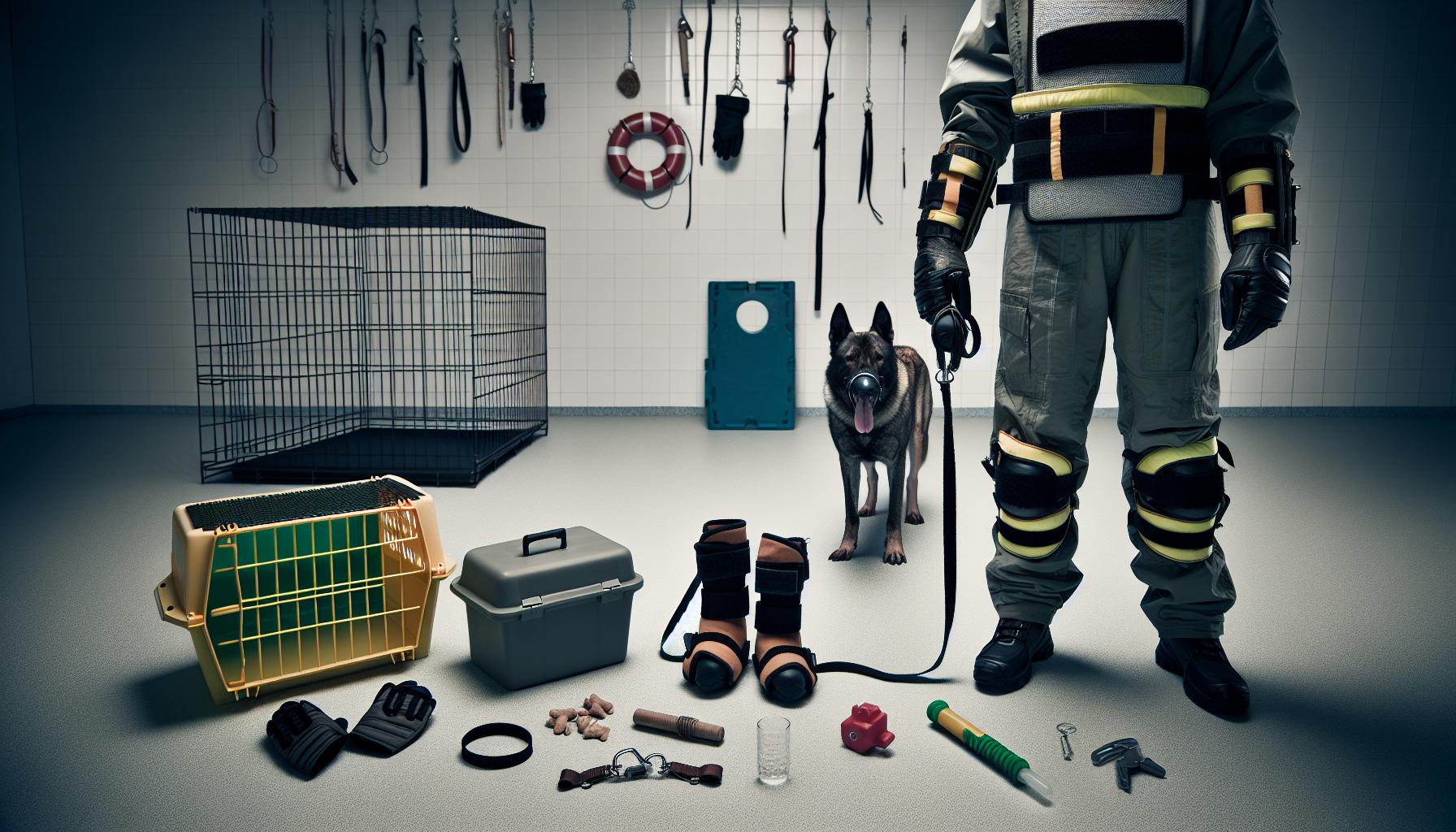
Sometimes, a dog’s fear or anxiety can make grooming feel overwhelming-and that’s when the right safety gear transforms a challenging session into a calm, controlled experience. Having the proper tools on hand isn’t about restraining a dog harshly; it’s about creating a safe space where both groomer and pet can feel secure and respected. From sturdy but gentle restraints to quiet, ergonomic clippers, the right equipment supports patience and care every step of the way.
different breeds and coat types demand specific tools. For example, a thick-coated dog like a German shepherd benefits from heavy-duty deshedding tools, while a smaller, sensitive dog might need softer brushes that won’t irritate the skin. When handling aggressive or fearful dogs,incorporate tools that reduce the chance of sudden movements or bites-this means investing in no-slip grooming loops,padded grooming tables,and muzzle options designed with comfort and effectiveness in mind.
- Restraints and Harnesses: Gentle yet secure grooming loops help limit unwanted movement without causing distress. Adjustable noose-style loops paired with padded collars offer control with comfort.
- Muzzles: Soft mesh or basket muzzles provide safety while allowing dogs to breathe and pant easily. It’s key to introduce muzzles gradually and pair them with positive reinforcement to avoid additional stress.
- Clippers and Scissors: Quiet, low-vibration clippers reduce noise-related anxiety. Using detachable blades tailored to coat thickness minimizes tugging, especially on matted fur.
- Calming Tools: Items like pheromone sprays, anxiety wraps, or calming music can ease nervous dogs during grooming, making equipment use more effective and less frightening.
- protective Gear for Groomers: Gloves designed for dexterity but with bite resistance keep your hands safe yet sensitive to the dog’s communication signals.
Real-World Tips
For an especially reactive dog with a dense double coat, start with a dematting rake or blade designed to safely penetrate tangles without harsh pulling-this not only prevents pain but prevents defensive snapping. Simultaneously occurring, a trembling small dog might respond better if groomed on a non-slip surface with a calming wrap before restraint is applied. When claws are the sticking point, a slow, methodical approach with nail grinders paired with soft muzzling can turn a fearful dog into a cooperative patient over time.
Remember, these tools don’t replace skilled handling but enhance it. They create boundaries that keep everyone safe so you can focus on compassionate touch and patience. In cases where aggression stems from pain or medical issues, always defer to veterinary advice before attempting grooming-even the best tools can’t substitute proper treatment and diagnosis.The goal is always respect, comfort, and minimizing stress so grooming becomes less of a chore and more of a caring ritual-for groomers and dogs alike.
Step-by-Step Techniques to Calm aggressive Dogs During Grooming
Grooming an aggressive dog requires not only skill but a deep understanding of canine emotions and clear communication. Many aggressive behaviors during grooming stem from fear or discomfort, so the first step is always to create a calm environment where your dog feels safe-even before the grooming tools come out. Start by approaching your dog at their level, using a soothing voice to build trust. Remember, patience is your greatest tool; rushing any step can escalate anxiety and result in defensive reactions.
Planning and Setting the Stage
Begin by identifying your dog’s triggers-whether it’s loud clippers, touch in sensitive areas, or nail trimming. This awareness allows you to customize your approach. For thick-coated or double-coated breeds like Huskies, use dematting tools gently, focusing first on problem areas without causing pain that might worsen aggression. For smaller or more timid breeds, opt for soft brushes and work on a non-slip surface to help your dog feel stable.
Introducing calming aids like pheromone sprays or anxiety wraps before grooming can make a surprising difference. Let your dog sniff and explore grooming tools calmly-this helps reduce novelty stress. Always remove tight restraints immediately when a dog shows signs of extreme distress, instead substituting with slower, hands-off techniques, and rewarding calm behavior with gentle praise or treats.
Bathing with Care
For bathing, warm water and minimal noise are essential. Fill the tub quietly, use a spray nozzle with gentle pressure, and maintain a slow, steady pace. Avoid water near the eyes and ears to prevent triggering fear responses. Employ gentle massage motions as you shampoo to distract and soothe concurrently. If possible, involve a helper to gently hold and comfort the dog, making the experience feel safe and secure.
Brushing and Detangling Techniques
Work in short, manageable sessions, focusing on small sections of fur to avoid overwhelming your dog. Use a de-shedding rake or a slicker brush depending on coat type,but always move tools in the direction of hair growth to avoid pain. If mats are present, take time to soften them with detangling sprays before attempting to remove tangles. Whenever your dog remains calm during brushing, reward with treats or gentle pets to encourage positive associations.
Nail Trimming Without Stress
Nail trimming is often a source of distress. Introduce the clippers gradually by letting your dog sniff and explore them first. Use a nail grinder as a less intimidating alternative, which reduces the risk of cutting into quicks. Work on one paw at a time, pausing frequently to pet and reassure. Combining this with a agreeable muzzle, introduced with patience and reward, can keep both pet and groomer safe while reducing fear.
Cleaning Ears and Eyes
Approach sensitive areas slowly, using soft cotton balls or pads dampened with veterinarian-recommended cleaners. Avoid deep insertion into the ear canal, and keep sessions brief but frequent to build tolerance over time. Praise your dog constantly and stop immediately if signs of irritation or aggression increase, returning another day or consulting a professional if necessary.
In all cases, it’s vital to recognize limits-some dogs will require veterinary input if pain or medical conditions exacerbate aggression. Professional groomers who specialize in handling difficult dogs can be lifesavers, possessing the experience to balance firmness with compassion. The goal is always a safe,low-stress grooming session that honors your dog’s wellbeing first.
- Tip: Use positive reinforcement consistently-training your dog to associate grooming with rewards turns a challenging chore into a trusting ritual.
- Example: A fearful Labrador with a thick coat calmed noticeably when grooming sessions were shortened but more frequent, paired with soft music and pheromone sprays.
Taking these thoughtful, step-by-step measures empowers owners and groomers alike to transform grooming from a battleground into a bonding experience built on trust, patience, and care. Safety and comfort remain paramount, never sacrificing a dog’s welfare for speed or perfection.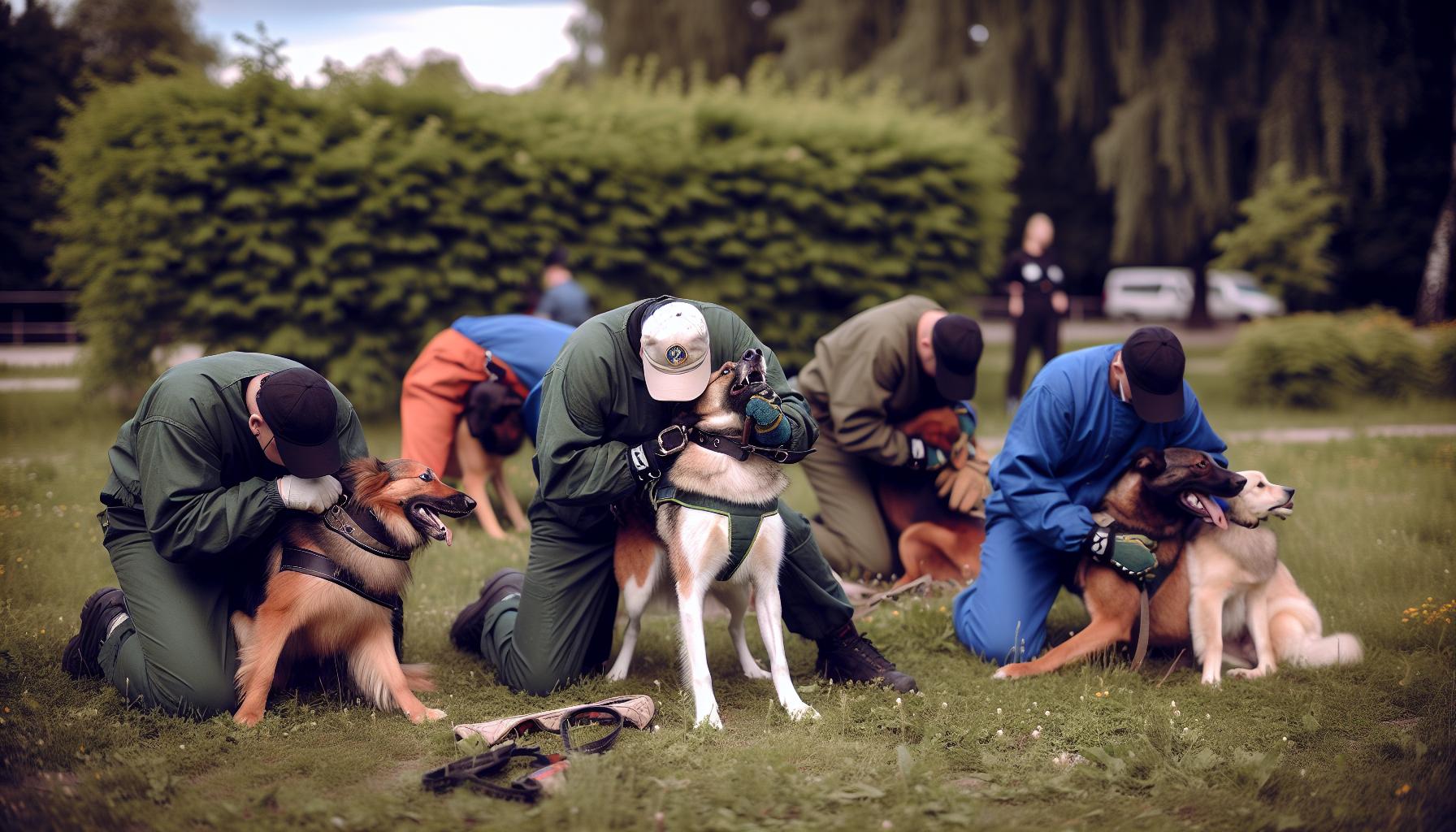
Effective muzzling and Restraint Methods That Respect Your Dog
Muzzling and restraint can be lifesaving tools when grooming a dog prone to aggression, but they must be introduced and used with the utmost care and respect to maintain your dog’s dignity and trust. When done correctly,these techniques provide safety for everyone involved without escalating your dog’s fear or stress. It’s important to remember that the goal isn’t to silence or punish but to create a secure environment where grooming can happen calmly and compassionately.
Not all muzzles are created equal.Selecting the right type matters-such as, a soft mesh muzzle allows your dog to pant and drink water, easing anxiety during longer grooming sessions. For breeds with sensitive noses or short snouts, specialized muzzles designed to fit comfortably without pressure are essential. Introduce the muzzle gradually: let your dog sniff it first, reward curiosity with treats, and then gently place it on for short intervals, always following up with praise and calm petting. This slow, positive association helps transform what might feel like a restraint into a familiar and safe tool.
Gentle Restraint Techniques
Physical restraint should always be the minimum necessary and never feel like punishment or confinement. Rather, aim for supportive holds that prevent sudden movements while allowing your dog some freedom to relax. For instance, using a snug anxiety wrap can provide calming pressure similar to a hug, while a soft, padded grooming loop can secure your dog safely on the table without choking or panic. some groomers find that enlisting a trusted helper to provide gentle, reassuring touches during nail trims or ear cleaning can be far more effective than rigid restraints.
Balancing safety with Comfort
If your dog shows signs of severe distress despite careful muzzling and restraint, it may be time to pause and reconsider your approach. Overuse or overly tight restraint can backfire, increasing resistance and anxiety. In these moments, stepping back, offering treats, and waiting for relaxation before continuing makes all the difference. Some dogs require multiple short sessions rather than one long, stressful grooming appointment. Professional groomers and veterinarians trained in low-stress handling can offer invaluable guidance here-and never hesitate to reach out for help.
- Tip: Always pair muzzling with positive reinforcement to build trust rather than fear.
- Example: A rescued German Shepherd once panicked initially with a muzzle, but after gradual acclimation and the use of a lightweight basket muzzle, she calmed and willingly attended grooming appointments.
By integrating respectful muzzling and thoughtful restraint into your grooming routine, you empower both yourself and your dog to navigate challenging moments safely-turning grooming from a source of stress into an chance for connection.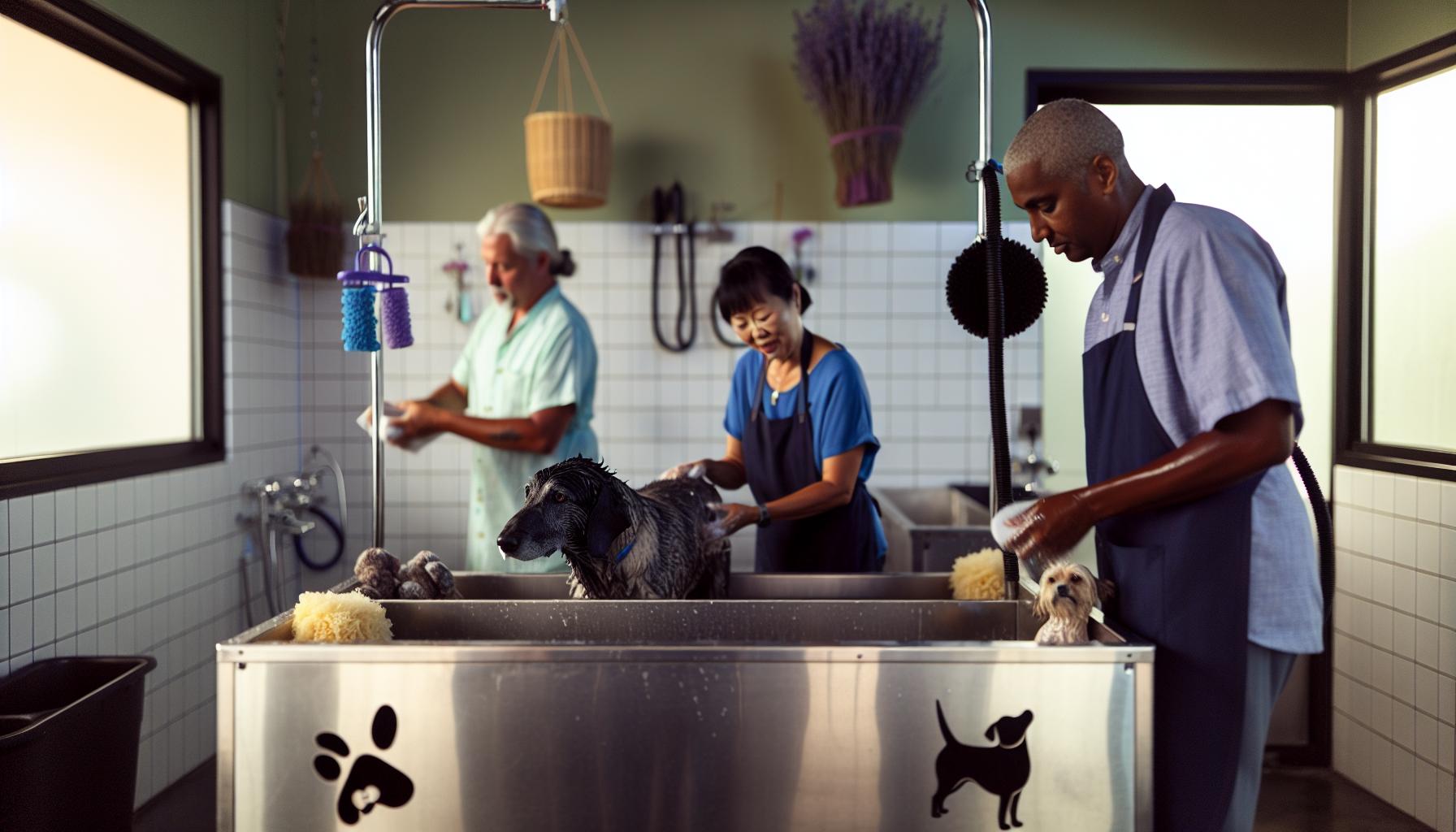
Bathing Aggressive Dogs: Gentle Approaches for Stress Reduction
Bath time can be a major source of anxiety for many dogs, especially those prone to aggression. the unfamiliar sensations of water, slippery surfaces, and handling can trigger fear or defensive behaviors. But with the right approach,you can turn bathing from a stressful ordeal into a calming,even enjoyable experience. The key lies in patience, respecting your dog’s boundaries, and creating a safe, controlled environment tailored to your dog’s coat type and temperament.
Prepare Your Space and Tools Thoughtfully
Before you even introduce water, set up a quiet, secure space where your dog feels somewhat comfortable. Non-slip mats are essential to prevent slipping, which can increase stress and fight-or-flight reactions. Use lukewarm water-too hot or cold can trigger discomfort and agitation. For dogs with thick or double coats (like German Shepherds or huskies),invest in a gentle,moisturizing shampoo formulated to reach down to the undercoat without harsh chemicals. Dogs with sensitive skin or breeds prone to allergies may benefit from oatmeal or hypoallergenic formulas.
Step-by-Step Calming Techniques
- Introduce water gradually. Start by wetting your dog’s paws and legs slowly rather than dousing the whole body at once.
- Use a handheld sprayer or cup to control flow. This allows you to avoid the startling sensation of overhead showers.
- Speak softly and offer gentle praise or treats throughout. Your calm voice works wonders to soothe nervous dogs.
- Keep movements slow and intentional. Fast splashing or sudden touches can escalate fear and trigger defensive snapping.
Handling Resistance and Agitation
If your dog struggles, resist the urge to force the bath. Rather, pause and wait for relaxation signals, such as yawning, licking lips, or looking away. For dogs with past trauma related to water, short, frequent bath sessions often work better than a single marathon wash.Involving a second person who your dog trusts can provide comfort and gentle support during the bath. As one groomer shared, a nervous labrador who hated baths gradually learned to associate the tub with treats and soft massage by introducing bath time in 5-minute increments over several weeks.
Remember, bathing aggressive or anxious dogs is as much about emotional care as cleanliness. If aggression escalates despite careful, calm handling, it’s wise to consult a professional groomer trained in low-stress handling or seek advice from a veterinary behaviorist. In some cases,baths can be spaced out or supplemented with dry shampoos as interim solutions to reduce stress.
- Tip: Use moisturizing sprays or wipes between baths for dogs with skin conditions or tough coats that can’t be washed frequently.
- Example: A Poodle with a sensitive,curly coat once dreaded bath time but responded well to a ritual of soft brushing before gently misting warm water,followed by praise-filled drying with a cozy towel wrap.
By focusing on gentle introduction, positive reinforcement, and patient pacing, you can help your dog feel safer and more relaxed during bathing-turning a challenging task into a chance to build trust and connection. Safety always comes first, so know when to ask for help and never push past your dog’s limits.
Brushing and Detangling Tough Coats on Nervous Dogs
It’s common for dogs with thick, curly, or double coats-such as poodles, Newfoundlands, or Huskies-to become anxious or defensive when faced with brushing and detangling. Mats and tangles don’t just look uncomfortable; they can pull the skin painfully, which understandably makes many dogs wary or reactive during grooming. The key to managing these coats on nervous dogs is a combination of patience, the right tools, and gentle, incremental handling that honors the dog’s emotional limits.
Choose the Right Tools for the Job
Before you even begin, select brushes and combs suited to the coat type and condition. Slicker brushes excel at gently loosening mats, while wide-toothed combs help carefully separate tangles without harsh pulling. For stubborn mats,a mat-splitting tool or dematting comb can be used-only if the dog remains calm and relaxed. Avoid metal tools with sharp edges to reduce chance of discomfort or skin injury. Having long-handled brushes also allows you to keep some distance if your dog tends to nip or flinch. A detangling spray made specifically for sensitive or curly coats can ease the process by softening knots.
Step-by-Step Brushing Approach
- Start with short, positive sessions. Aim for just a few minutes at a time,building up tolerance gradually as your dog learns to trust the process.
- Use slow, gentle strokes. Rapid or rough brushing triggers stress and potential aggression. Always brush in the direction of hair growth to minimize discomfort.
- Focus on problem areas last. Let your dog become comfortable with brushing easier-to-manage spots first, like the back or sides, before moving to tangled areas.
- Distract and reward generously. Use treats, praise, or a favorite toy to help your dog associate grooming with positive experience and reduce anxiety.
Troubleshooting Tough Mats and Resistance
If your dog stiffens, growls, or tries to snap, it’s a clear signal to pause and reset. Frequently enough, a few deep calming breaths from you, soft voice cues, and head turns from the dog signal readiness to continue.For larger mats, instead of pulling, gently loosen tangles finger by finger when possible. When mats are severe or close to the skin, it can be safer and less stressful to have a professional groomer or vet intervene-sometimes with sedation-to prevent injury and build a more positive long-term grooming habit. Never force through resistance as that can escalate aggression or cause pain.
Positive Examples and owner Empowerment
Take the story of a senior Golden Retriever who dreaded brushing because of thick mats behind the ears. The owner began with just 30-second sessions, offering soft, calm praise and a soft, chewy treat after each attempt. Over time, the dog learned to relax and even lean in towards the brush. Simple routines,like brushing after a walk when the dog is naturally calmer,can create excellent momentum.Educating owners on reading canine stress signals-like yawning, lip licking, or turning away-helps them stay in tune and avoid pushing too far too fast. empowered with this knowledge, owners can transform a once-dreaded grooming session into a bonding moment filled with compassion and trust.
By focusing on gentle tools, slow progression, and heartfelt positive reinforcement, even the most sensitive dogs can learn to tolerate, if not enjoy, coat care. Remember, the goal is always comfort and safety-not just a perfect finish-because a calm, confident dog makes grooming a much smoother experience for everyone involved.For notably aggressive or fearful dogs,partnerships between owners,groomers,and veterinarians specializing in behavior are invaluable to keep these moments as stress-free and safe as possible[[1]](https://www.eastgateanimalhospital.com/site/blog/2024/07/26/groom-aggressive-dog)[[2]](https://www.catawbaanimal.com/site/blog/2023/02/28/groom-aggressive-dog)[[3]](https://www.carrollcountyah.com/site/blog/2022/06/15/groom-an-aggressive-dog).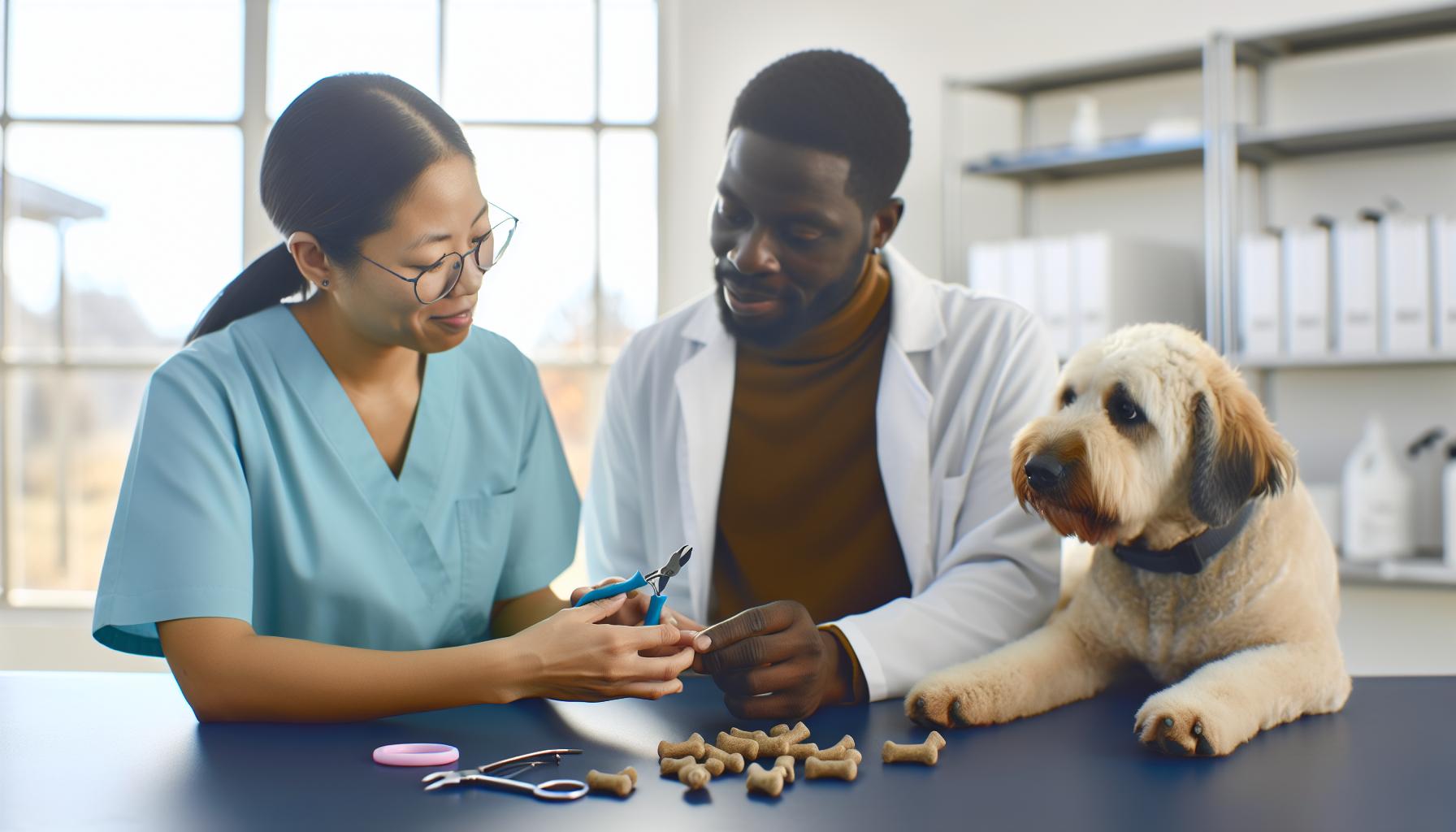
Safe Nail trimming Strategies for Resistant Dogs
Nail trimming is an essential part of canine grooming, but for many dogs-especially those who are nervous or resistant-it can quickly become a source of stress and even defensive behavior. The sensation of clipping near a sensitive and vascular area, called the quick, understandably makes dogs uneasy. When resistance is high, patience and thoughtful technique become your best tools to transform nail care from a fearful chore into a manageable routine.
Preparation and Tools Matter
Start by choosing the right equipment. A sharp, high-quality nail clipper designed specifically for dogs is crucial to make quick, clean cuts without crushing the nail. For anxious dogs, a nail grinder or Dremel tool can be a gentler alternative, gradually smoothing nails rather than trimming chunks off, which some dogs tolerate better. Having styptic powder or cornstarch on hand for any accidental quick nicks reassures both you and your pet and prevents minor injuries from escalating into painful episodes.
Building Comfort with Gradual Desensitization
Triumphant nail trimming frequently enough begins long before the clippers come out. Try touching and holding your dog’s paws regularly during calm moments, pairing handling with treats and soothing praise. start with just holding a paw for a few seconds, then slowly introduce the clipper’s presence without cutting, rewarding your dog generously every step. for example, one groomer shared success by initially clipping just one nail per session, or even just “air clipping” by mimicking the clipper action near the nail, before advancing. These micro-sessions minimize overwhelm and build trust over days or weeks.
Safe Handling and Positioning
How you hold your resistant dog during nail care can profoundly impact their reaction. Many small breeds feel safest cradled gently on a non-slip surface with firm but gentle restraint, while larger or more fractious dogs frequently enough respond best when positioned standing with someone comforting them or using a grooming table harness.Always avoid forcing your dog into submission, as this risks escalating anxiety or aggression. Rather, work with what your dog tolerates and emphasize calm, slow movements.
Step-by-Step Nail Trimming
- Begin with a calm, relaxed dog in a familiar environment.
- Hold one paw firmly but gently, isolating one nail at a time.
- Trim only the very tip off-especially for dark nails where the quick isn’t visible-to prevent pain or bleeding.
- Offer a quick treat or praise after each nail, maintaining a positive association.
- Take breaks if your dog shows signs of stress (whining, pulling away, growling) and try again later or the next day.
When Professional Help Is Best
For dogs who remain highly resistant or aggressive despite best efforts, professional groomers experienced in handling difficult cases can employ specialized restraint techniques, calming protocols, and acclimation strategies.Vets may also assist when sedation is necessary, especially if nails are overgrown or causing pain.Always prioritize your dog’s safety and emotional well-being over quick fixes.Remember, the goal isn’t perfect nails in one stressful session-it’s a steady, compassionate approach that supports your dog’s comfort and trust in grooming time. Empowered with these strategies, owners and groomers alike can definitely help even the most resistant dogs relax and cooperate with nail care, ensuring healthier paws and happier pets in the long run.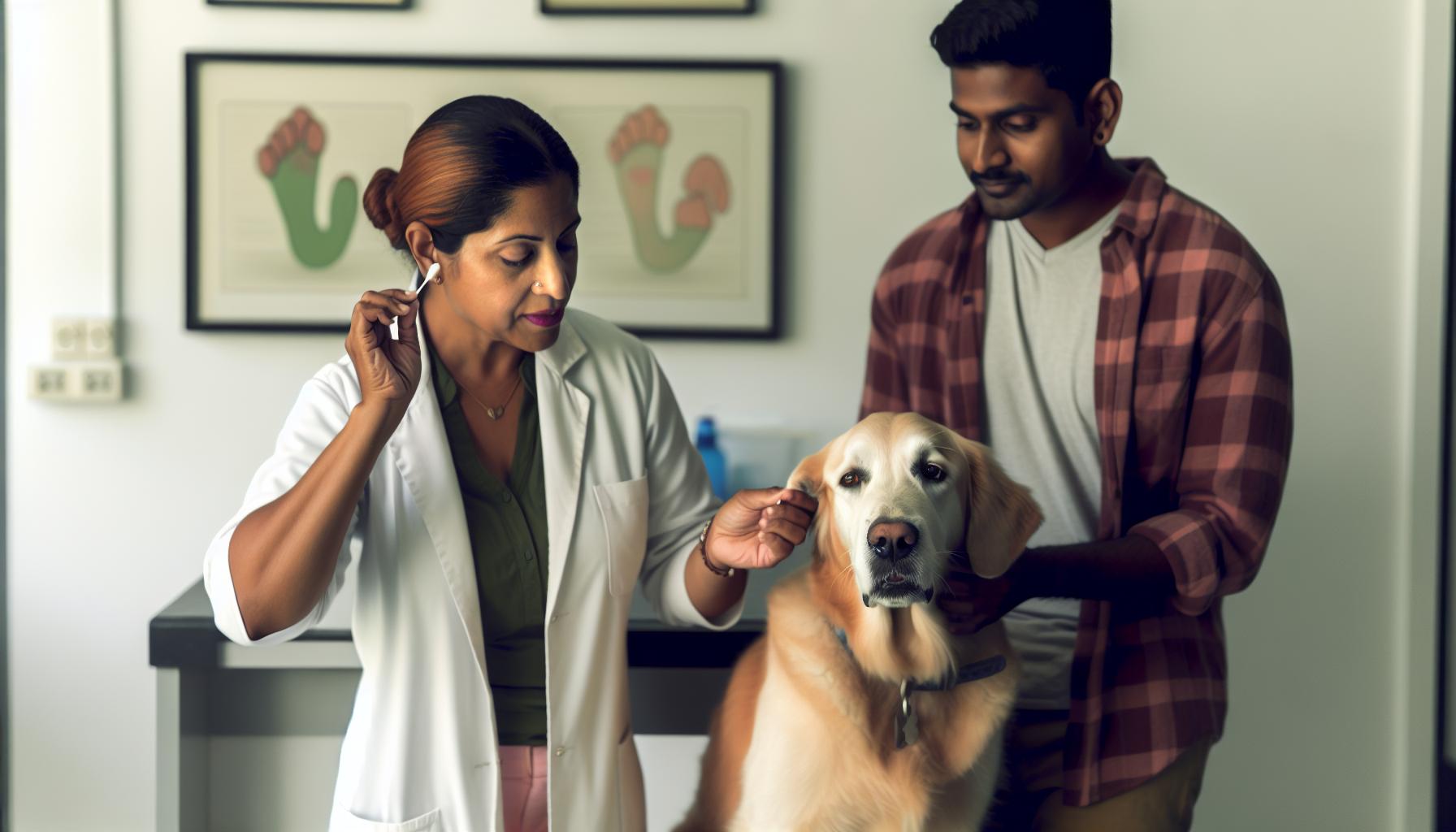
Cleaning Ears and Eyes Without Triggering Aggression
Many dogs find having their ears and eyes cleaned uncomfortable and even frightening, which can quickly spark defensive reactions during grooming.Understanding that these areas are particularly sensitive is key to approaching care with gentleness and respect. With sensitive skin and delicate structures, an anxious or aggressive dog may flinch, snap, or try to pull away-but with the right approach, you can help transform what often feels like a scary experience into a calm, manageable routine.
Setting the Stage with the Right Tools and Environment
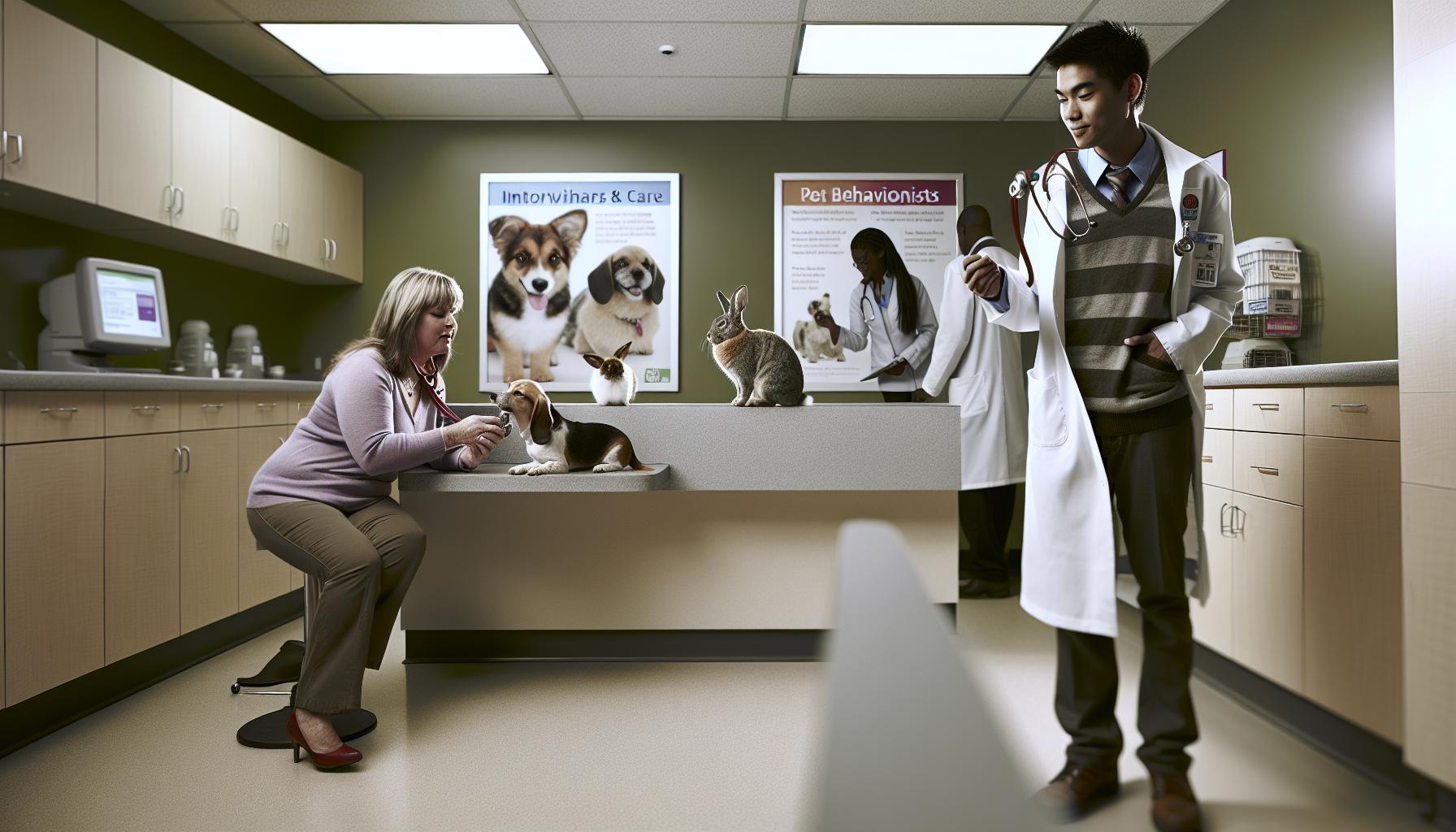
start by preparing a calm, quiet space free from distractions. Gather soft cotton balls or pads, a veterinarian-approved ear cleaner, and eye wipes or saline solution safe for canine use. Avoid Q-tips near the ear canal to prevent injury, and only use gentle, fragrance-free products to minimize irritation. Using a non-slip surface and having an assistant gently hold or soothe your dog can provide security without causing pressure or restraint that might increase anxiety.
Step-by-step Cleaning for Maximum Comfort
- Ear Cleaning: Begin by softly massaging the base of the ear to relax your dog. Then, hold the ear flap gently and apply a small amount of ear cleaner into the ear canal without forcing it inside. Allow your dog to shake its head naturally-this helps dislodge debris without causing discomfort.
- Use a cotton ball or pad to wipe away loosened wax and dirt from the outer ear folds and entrance only. Never push deep into the ear canal.
- Eye Cleaning: For eyes, dampen a cotton pad with saline or vet-recommended eye wipes, and gently wipe from the inner corner outward. Use a new pad for each wipe to avoid transferring debris or bacteria.
Building Trust through Slow Introduction and Positive Reinforcement
If your dog is nervous or reactive, break cleaning sessions into very short steps. Try first touching around the ears and eyes during calm moments at home, gently rewarding your dog with treats and soothing words. For example, if your dog pulls away quickly during ear cleaning, stop and praise any moments of calm, then try again a few minutes later. Gradual desensitization like this reduces stress and builds positive associations, making aggressive reactions less likely.
When to Seek Professional Guidance
If your dog consistently shows signs of intense fear or aggression despite your best efforts, professional groomers trained in handling difficult dogs or veterinarians can provide advanced techniques or medical evaluation. Sometimes, irritation or infections cause pain that drives aggression; a vet check ensures your dog’s ears and eyes are healthy before continuing grooming. Sedation may be recommended only as a last resort to safeguard your pet’s wellbeing.
Cleaning these delicate areas requires a patient,respectful approach that always puts your dog’s comfort and safety first. Remember, even small, gentle actions done with kindness can ease tension and encourage cooperation, turning a once stressful chore into a moment of care and connection.
When to Involve Veterinarians or Professional Behaviorists
Sometimes, no matter how patient and skilled you are, grooming an aggressive dog becomes too challenging or unsafe to manage on your own. This is the moment to lean on the expertise of veterinarians or professional behaviorists who specialize in canine anxiety and aggression. Recognizing when professional help is needed not only protects everyone involved but also ensures your dog’s well-being remains the highest priority.
Aggression during grooming can often stem from underlying medical issues such as ear infections, skin irritations, dental pain, or hormonal imbalances. If you notice unexplained hostility or sudden changes in behavior-like growling, snapping, or trying to escape-before or during grooming, it’s wise to have a veterinarian conduct a thorough health check. Addressing pain or discomfort is critical because even gentle grooming can trigger defensive reactions if your dog is hurting. A vet may prescribe medications, recommend topical treatments, or suggest sedation for particularly stressful sessions to safeguard your dog’s comfort and safety.Professional canine behaviorists or certified trainers play a crucial role when aggression is rooted in fear, anxiety, or learned resistance to grooming. These specialists assess your dog’s triggers and temperament, then develop personalized desensitization and counter-conditioning programs. For example,a behaviorist might introduce slow,reward-based grooming exercises at home that gradually build trust and tolerance,often collaborating with groomers to create a tailored handling plan. This combined expertise transforms grooming from a fearful experience into a manageable routine, fostering calmness and cooperation over time.
When to Reach Out: Practical Signs
- persistent aggression: If your dog repeatedly snarls,snaps,or tries to bite during grooming despite your efforts to calm them.
- Medical red flags: Signs like swelling, foul odor, bleeding, or excessive scratching that could indicate infections or injuries.
- High anxiety levels: Panting, trembling, freezing, or frantic attempts to escape hint at deeper behavioral issues needing expert intervention.
- Ineffective handling techniques: When grooming handlers find that standard restraint or calming methods provoke more aggression instead of easing stress.
Aligning veterinary care with behavior modification creates a comprehensive support system tailored to your dog’s unique needs. Remember, the goal isn’t to force the perfect look but to promote safe grooming experiences that honor your pet’s comfort and dignity. With professional guidance, even the most anxious or defensive dogs can learn to accept grooming sessions with less stress-and owners can feel more confident and supported throughout the process.
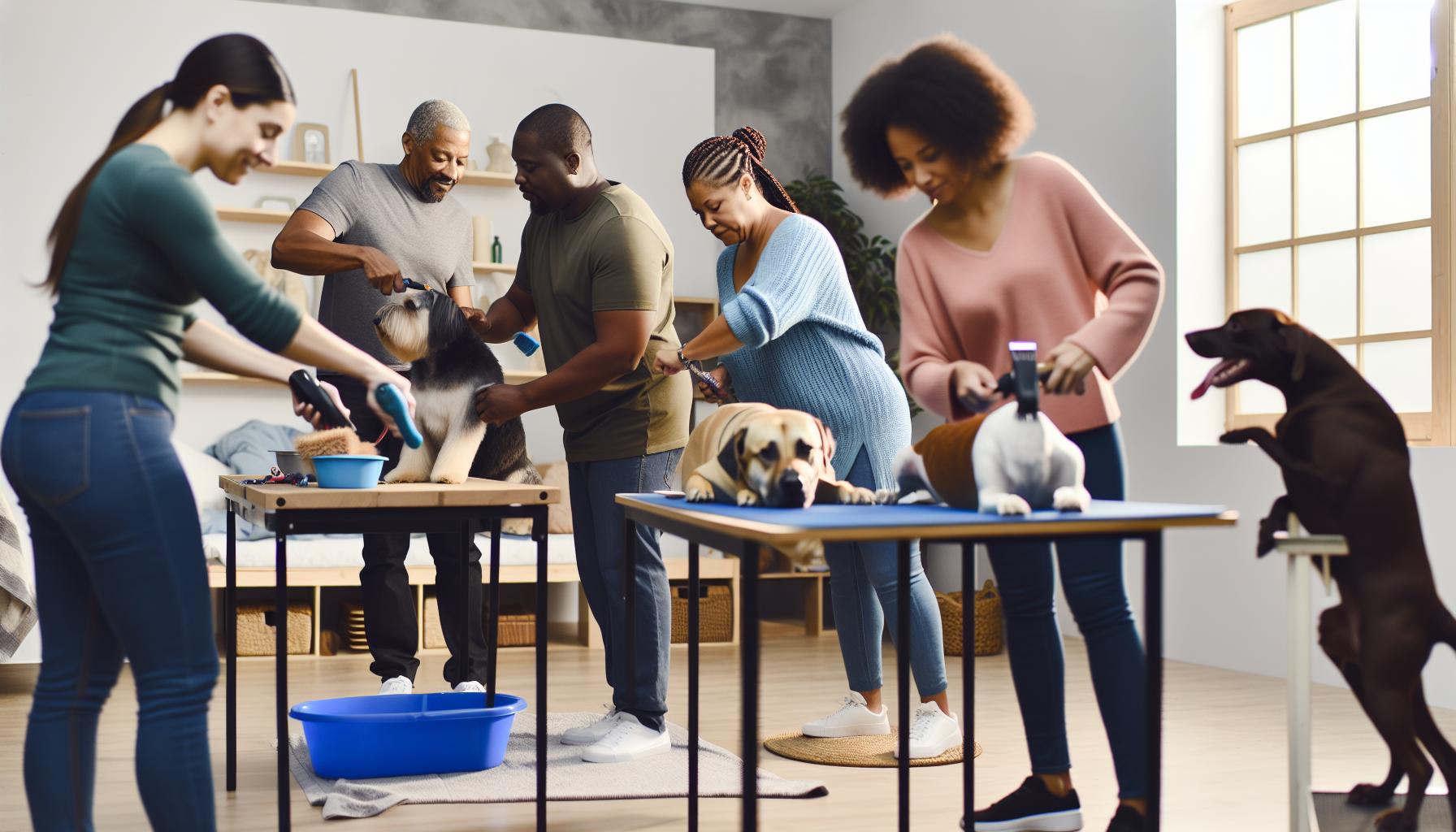
Training Owners to Prepare Their Dogs for Grooming Visits
Few things influence a grooming session more than how prepared both you and your dog are before even stepping into the salon. Owners play a crucial role in setting the tone for a calm, cooperative grooming experience, especially when their dog has a history of aggression or anxiety. The good news? With thoughtful, consistent preparation, you can definitely help your dog build positive associations with grooming, reduce stress triggers, and empower everyone involved to feel safer and more confident.
Start with Short, Positive Handling Sessions at home
Before the big day, introduce your dog to basic grooming touches in small, gentle increments. Use calm voices, soft strokes, and plenty of treats to create a relaxed atmosphere. Such as:
- Brushing practise: Use a brush suited to your dog’s coat type-slicker brushes for thick coats, rubber curry combs for sensitive skin-and start by brushing just one small area like the chest or neck for 1-2 minutes.
- Touching paws and nails: Gently handle your dog’s paws during playtime or cuddles, rewarding calm behavior. This lays the groundwork for more comfortable nail trims later.
- Gentle ear and face touches: Occasionally cleaning the ears with vet-approved wipes or softly wiping around the eyes helps your dog get used to these sensations without fear.
Make these mini-sessions brief and end on a positive note. Over days and weeks, gradually increase duration as your dog learns that grooming doesn’t hurt or frighten them.
equip Yourself with the Right Tools and Know Your Dog’s Limits
Bringing the right grooming supplies when practicing at home builds familiarity. It also prevents surprises that can trigger resistance or aggression. Some helpful items include:
| Task | Recommended Tools | Notes |
|---|---|---|
| Bathing | Non-slip mat, gentle dog shampoo, handheld sprayer or cup | keep water lukewarm; low pressure reduces fear |
| Brushing | Brush type matched to coat; detangling spray if needed | Spray helps reduce pulling and discomfort |
| Nail trimming | Quality clippers, styptic powder (for accidental nicks) | Trim a nail or two at a time; avoid rushing |
| Ear/eye cleaning | Vet-approved wipes or solutions, soft cloths | use gentle motions to avoid irritation |
Always be mindful of your dog’s stress signals-if they stiffen, try to escape, or growl, pause and give them a break. avoid forcing any step; patience is key to building trust.
Know When to Hand Off and Respect Professional Boundaries
Home preparation is valuable but remember that some tasks-especially with highly aggressive or fearful dogs-may require professional intervention. Veterinarians, certified trainers, and groomers have specialized skills and equipment to safely handle difficult behaviors. For example, a vet might address a painful ear infection that’s causing your dog’s resistance, or a trainer can offer counter-conditioning techniques you can practice together.
Always communicate openly with your groomer before appointments: share what your dog tolerates and what makes them anxious. Together, you can create a tailored plan that gradually acclimates your dog, minimizing the chance of stressful surprises.
Consistency, Praise, and routine Build Confidence
The best preparation involves turning grooming into a familiar, even enjoyable, routine.Aim for:
- Regular, gentle grooming sessions at home
- Using high-value treats and soothing voices to reward calm behavior
- Keeping grooming tools handy so your dog sees them often in low-pressure settings
- Short waits before professional visits to reset any anxiety
With time and love, your dog learns that grooming isn’t something to fear but a part of their normal life. you’ll find that sessions become safer, smoother, and more positive-for your dog, the groomer, and you.
Approach grooming preparation as a team effort between you, your furry friend, and your trusted professionals. Everyone’s comfort and well-being come first, making for happy pets and happier owners.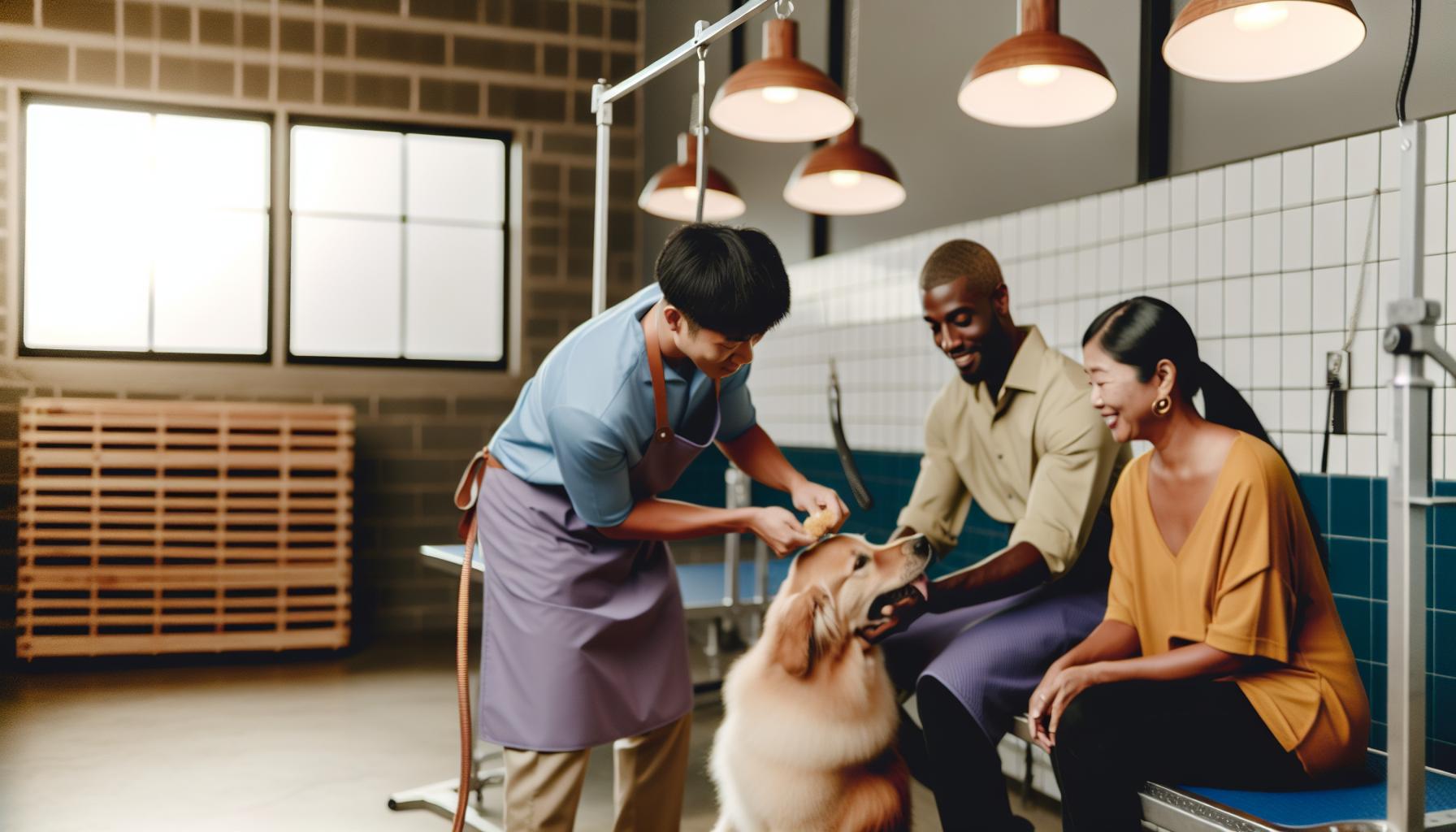
Creating a Positive grooming experience Through Patience and rewards
It’s remarkable how much a patient touch and well-timed reward can transform even the most anxious or aggressive dog during grooming. When dealing with sensitive or fearful pets, focusing on building trust is far more important than rushing through tasks or aiming for perfection. Repeated gentle handling paired with small treats can slowly shift a dog’s mindset from dread to curiosity, helping them relax and cooperate. Remember, the journey to a positive grooming experience is a marathon, not a sprint – and every small step forward deserves party.
Breaking Tasks into Manageable Steps
Approach grooming tasks like bathing, brushing, nail trimming, and ear cleaning as a series of mini goals rather than one overwhelming session. Such as, during bath time, start by simply introducing your dog to the bathroom environment and running water sounds, rewarding calm behavior.Next sessions can include wetting paws, then short rinses, gradually working up to full baths. This step-wise progression, combined with gentle praise and treats at every success, lowers anxiety and builds a confident association with the process.Using appropriate tools-like a soft rubber curry comb for brushing sensitive skin or nail clippers designed for quiet trimming-helps reduce discomfort and resistance.
Rewarding Calmness, Not Just Completion
it’s vital to reward relaxed behavior, not just the end result. If your dog holds still for a few seconds during nail trimming or leans into the brush while having their coat detangled, offer immediate praise or a favorite treat. This reinforcement teaches them that calmness brings good things, making future sessions easier. For nervous dogs, high-value treats (such as small pieces of cooked chicken or cheese) are often more effective motivators than everyday kibble. Soft voices, gentle strokes, and positive body language from you-along with clear breaks to avoid overwhelming your pet-signal safety and kindness.
Real-World Example: Turning resistance into Cooperation
Consider a nervous Labrador with thick fur and a history of nail trimming struggles. Instead of forcing a full trim in one go, a groomer might begin by softly handling one paw per session at home, using a nail file instead of clippers initially, rewarding any calm reaction. Over days, the dog learns to accept paw handling and even shows signs of relaxation when nails are touched. Eventually, a gentle trim of one nail is done, immediately followed by a game or treat. These positive experiences repeat until the dog looks forward to grooming rather than fearing it. This approach respects the dog’s pace and empowers owners to be part of the progress.
Balancing Professional Help with At-Home Care
While at-home patience and rewards form the backbone of improved behavior, some cases require professional intervention. Groomers trained in handling aggressive or anxious dogs bring specialized skills, safety equipment, and calming techniques-helping ensure that grooming is safe, humane, and effective. Collaborate openly with your groomer about your dog’s preferences and triggers, and discuss how you can reinforce positive experiences between appointments. For example, a trainer or behaviorist may teach you counter-conditioning exercises that complement grooming sessions. This team effort maximizes your dog’s comfort and safety, turning grooming into a positive, stress-free routine.
- Use breaks liberally: Short pauses prevent frustration and let your dog reset.
- Incorporate high-value rewards: Find special treats your dog loves to boost cooperation.
- Maintain calm energy: Your soothing demeanor reassures your dog more than words can express.
- Celebrate small victories: Every calm moment or relaxed posture is progress worth rewarding.
By embracing a compassionate, patient, and reward-based approach, your dog learns that grooming is a safe, even enjoyable, experience. This not only improves behavior during sessions but strengthens the bond you share-creating a win-win for pet and owner alike.
Signs of Stress and how to Troubleshoot Aggressive Reactions
Sometimes the subtle signs of stress in an aggressive dog can be easy to miss but understanding them is essential for keeping both your pet and yourself safe during grooming. Dogs often communicate discomfort or anxiety through body language before resorting to growling, snapping, or biting. Learning to read these early signals can help you intervene and adjust your approach before aggression escalates.
Common Signs of Stress to Watch For
Stress in dogs can present through physical and behavioral cues such as:
- Whale eye: Showing the whites of their eyes when looking sideways.
- Panting, lip licking, or yawning: These are frequently enough calming signals indicating nervousness.
- Tail tucked or lowered: A clear sign that your dog is feeling threatened or insecure.
- Stiff body posture or freezing: Indicates tension and readiness to react defensively.
- Avoiding eye contact or turning the head away: Trying to disengage from an uncomfortable situation.
If you notice these signs during brushing or nail trimming, it’s a green flag to slow down or pause. Adjusting your pace or giving your dog a break can make a critically important difference in maintaining calm.
How to Respond When Aggression Starts to Emerge
When a dog moves beyond subtle stress signals and begins growling, snapping, or lunging, it’s critically important not to push through forcefully. Instead, try these troubleshooting techniques:
- Pause and create distance: Give your dog physical space to decompress before attempting the task again.
- Switch to a less invasive step: For instance, if your dog is resistant to nail clipping, try gently holding the paw or filing nails slowly, combined with soft praise and treats.
- use calm, soothing tones: Your voice and demeanor greatly affect your dog’s stress levels. Maintain a gentle tone and relaxed body language to signal safety.
- Break tasks into smaller chunks: Rather of aiming to finish an entire bath or full grooming session, accomplish tiny wins, like holding still for 10 seconds or letting you touch ears briefly.
Such as, a Golden retriever named Max once became highly defensive during ear cleaning. By recognizing his stiffening and yawning early, the groomer introduced short pauses, rewarding Max for relaxed ears and gradually building trust over multiple sessions.This steady approach eventually led Max to accept full ear cleaning comfortably without aggression.
Knowing When to Seek Professional Help
While groomers and owners can manage many stress and aggression issues with patience, sometimes professional intervention is necessary. If aggressive reactions persist or escalate despite adjustments, consulting with a veterinarian or a certified animal behaviorist is the next best step. Professionals can evaluate if underlying pain, medical issues, or severe anxiety are contributing and may recommend behavior modification plans or calming medications.Understanding these boundaries is vital to prevent injury and ensure your dog’s well-being. groomers specialized in aggressive dogs frequently enough collaborate closely with vets and trainers to create tailored, safe grooming experiences that respect the dog’s limits.
By paying close attention to the early signs of stress and thoughtfully adapting your grooming methods, you build trust that reduces the frequency and intensity of aggressive reactions. Remember, every dog is unique, and your compassion combined with informed adjustments makes all the difference in transforming grooming from a fearful ordeal to a gentle routine.
FAQ
FAQ Section: How do Dog Groomers Groom Aggressive Dogs? Handling Methods
Q: How can groomers safely introduce themselves to an aggressive dog before grooming?
A: Groomers should start slowly and calmly, allowing the dog to sniff and get comfortable. Using gentle praise while avoiding direct eye contact helps build trust. A soft touch on the chest is less threatening and can ease tension before touching more sensitive areas, as outlined in calming techniques[2[2[2[2].
Q: What role dose environment play in managing aggression during grooming?
A: A quiet, distraction-free room with minimal noise reduces anxiety and triggers of aggression. Soft lighting and familiar scents help the dog stay calm. Creating a safe, peaceful space supports better behavior and smoother grooming sessions[3[3[3[3].
Q: when should groomers consider splitting grooming sessions for aggressive dogs?
A: Splitting grooming into shorter, manageable sessions is effective if a dog becomes increasingly stressed. Focusing on one body area at a time reduces overwhelm and aggression. It prioritizes safety and comfort and builds positive grooming associations over time[3[3[3[3].
Q: How do groomers balance restraint without causing further aggression?
A: Gentle, respectful restraint using soft muzzles or wraps limits movement while avoiding forceful handling. Calm confidence paired with minimal pressure reassures the dog. Always choose restraint methods described in “Effective Muzzling and Restraint” to combine safety and dignity[[Your Article Section]].
Q: What grooming tools are best suited for aggressive dogs?
A: Tools with ergonomic handles for quick,precise use reduce grooming time. Silent clippers and soft-bristled brushes help minimize noise and discomfort. Having calming tools, like scent sprays or treats, nearby can soothe the dog throughout the process[[Your Article section]].
Q: How can grooming assistants support when handling an aggressive dog?
A: Grooming assistants help by calmly holding and comforting the dog, distracting with gentle petting or treats. They also monitor the dog’s body language to signal when breaks are needed.Effective teamwork enhances safety and reduces stress[[Your Article Section]].
Q: Why is consistent owner cooperation important for grooming aggressive dogs?
A: Owners trained to prepare their dogs by practicing gentle handling and positive reinforcement at home help reduce grooming aggression. Consistency between home and groomer builds trust and eases the dog’s anxiety during visits, supporting a calmer grooming experience[[Your Article Section]].
Q: What immediate actions should groomers take if aggression escalates suddenly?
A: If aggression flares, groomers should stop, safely increase distance, and give the dog space to calm down. Avoid punishment; rather use calming tones and allow a break. If necessary, reschedule and consult behaviorists to develop a safer plan[[Your Article Section]].
For more practical tips on calming techniques and safety tools, explore the full grooming methods in the respective sections above. remember,patience and compassion always come first in handling aggressive dogs safely!
In Retrospect
Grooming aggressive dogs requires patience,the right tools,and a calm,compassionate approach that prioritizes safety and comfort above all. Whether managing a thick-coated breed or sensitive skin, understanding the best handling methods-from gentle restraint to step-by-step care of baths, brushes, nails, and ears-ensures a positive grooming experience for your dog and peace of mind for you. Remember, when in doubt, collaboration between your vet and groomer is key to addressing behavior concerns and health needs effectively.
Curious about specific breed grooming tips or how to ease your dog’s anxiety during salon visits? explore our guides on [Grooming Nervous Dogs Safely] and [Choosing the Right Grooming Tools for Your Pet]. ready to take the next step? Sign up for our newsletter to get expert advice, or schedule a consultation with our experienced groomers who specialize in handling even the most challenging pets. Your furry friend’s comfort and well-being are just a click away-let’s make grooming a stress-free, caring routine together.If you have questions or want to share your experiences, don’t hesitate to leave a comment below. We’re here to support you on every step of your dog grooming journey with compassionate, expert care.
Get our latest guides, news, and insights highlighted in your Google Search & AI Overviews.
Keep reading about the same coat and cut.



Popular grooming guides
Bath vs clip, first grooms, and salon how-tos.