Can Dogs Get Sick From Groomers: Common Risks to Know
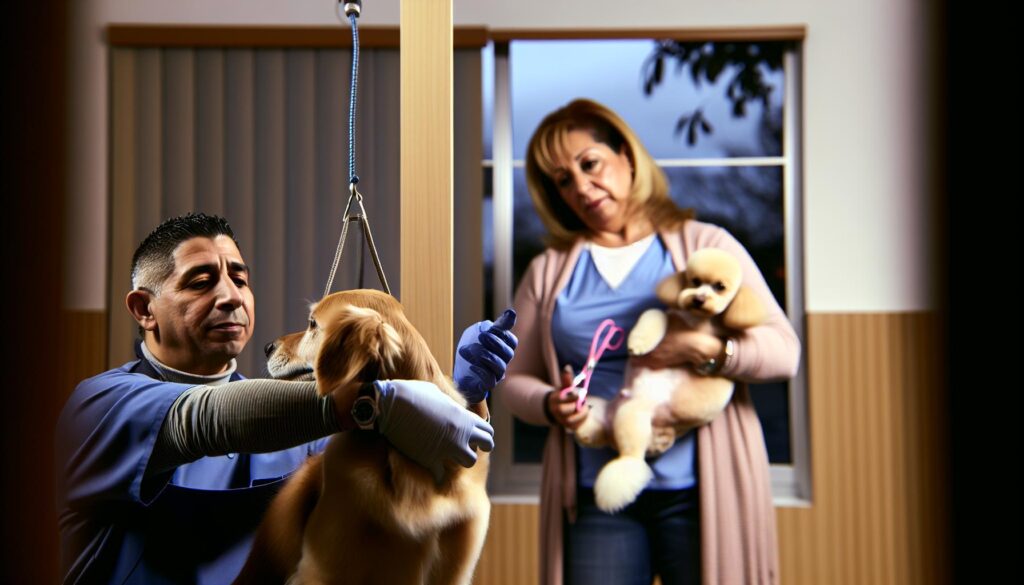
Did you know that while grooming is essential for your dog’s health and happiness, it can sometimes pose unexpected risks to thier well-being? Many pet owners wonder, “Can dogs get sick from groomers?” The answer is yes-though rarely-dogs can be exposed to infections, stress, or injuries if grooming isn’t done carefully. Understanding these common risks helps you choose the right groomer and protect your furry friend’s health. Whether your dog has a thick double coat or sensitive skin, knowing what to watch for-from hygiene standards to handling techniques-gives you peace of mind and keeps grooming a positive experience. In this guide, I’ll walk you through the key concerns, how to spot red flags, and simple steps to ensure your dog stays safe, calm, and agreeable every time they get pampered. Because when it comes to grooming, it’s not just about looking good-it’s about feeling good, too.
Can Dogs Catch Illnesses at the Groomer?
Table of Contents
- 1 Can Dogs Catch Illnesses at the Groomer?
- 2 Top Health Risks Dogs Face During Grooming Visits
- 3 How Poor Grooming Practices Can Make Dogs Sick
- 4 Recognizing Signs Your Dog May Be Unwell After Grooming
- 5 Essential Grooming safety Tips to Protect Your Dog’s Health
- 6 When to Choose a Vet Over a Groomer for Skin and Health Issues
- 7 The Role of Grooming Tools in Preventing infections
- 8 How Stress and Anxiety at the Groomer Affect dog Immunity
- 9 Preventing Parasite Exposure During Grooming Appointments
- 10 What Owners Can Do to Prepare Dogs for a Safe Grooming Experience
- 11 Frequently Asked Questions
- 11.1 Q: How can grooming salons minimize the risk of infectious diseases spreading to dogs?
- 11.2 Q: What are the early signs that a dog may have caught an illness at the groomer?
- 11.3 Q: Why do some dogs develop stress-related illnesses after grooming appointments?
- 11.4 Q: How important is proper tool maintenance in preventing infections at the groomer?
- 11.5 Q: Can dogs with certain breeds or coat types be more prone to grooming-related illnesses?
- 11.6 Q: What steps can dog owners take at home to support their pet’s health between grooming sessions?
- 11.7 Q: When should a dog owner consider delaying grooming due to health concerns?
- 11.8 Q: How can groomers safely handle parasite exposure risks during dog grooming?
- 12 Final Thoughts
While a grooming salon is usually a safe space designed to keep dogs clean and comfortable, it’s natural for owners to worry about the possibility of their furry friend picking up an illness during a visit. The truth is that, like any place where multiple animals gather, there is a potential-though generally low risk-for dogs to catch infections or parasites if proper hygiene and safety measures aren’t strictly followed. Though, understanding how illnesses could spread in these settings helps owners take proactive steps to protect their pets.
Illness can sometimes be transmitted through contact with contaminated surfaces, shared grooming tools, or close proximity to other dogs exhibiting symptoms of infection. Common examples include contagious skin conditions like ringworm, bacterial infections such as staph, or even parasites like ticks and fleas that can jump from one dog to another. This is why reputable groomers uphold rigorous sanitation standards by disinfecting tools, tubs, and grooming stations between clients, and asking for health updates before each appointment.
Key Points Responsible Groomers Follow
- Screening pets: sending home or rescheduling dogs showing signs of infectious illness-like coughing, nasal or eye discharge, or diarrhea-helps keep others safe.
- Tool sanitation: Using antimicrobial wipes or sterilizers on clippers, brushes, and nail trimmers between dogs reduces the chance of cross-contamination.
- Clean environments: Frequent cleaning of floors, grooming tables, and waiting areas lowers germ build-up that might cause infections.
- Staff training: Groomers trained to spot early signs of illness can alert owners to seek veterinary care quickly, preventing further spread.
To illustrate, imagine a dog with an undetected skin infection who visits the groomer before signs become noticeable.If clippers aren’t disinfected properly afterward, the next dog groomed with the same equipment might pick up the infection. That’s why your groomer’s attention to detail regarding cleanliness and health screenings is crucial. Most professional groomers will openly discuss their sanitation policies as your dog’s health and safety is their top priority.
while dogs can technically catch illnesses at the groomer, strict hygiene practices and clear communication between owners and groomers keep this risk quite low. If you’re ever unsure about a salon’s protocols, don’t hesitate to ask-they want you and your pet to feel confident and comfortable every visit.
Top Health Risks Dogs Face During Grooming Visits
Every dog deserves to feel safe and cared for during their grooming visits, but even with the best intentions, certain health risks can quietly arise. Knowing these potential hazards not only helps you advocate for your furry friend but also empowers you to choose a grooming environment that truly prioritizes their well-being.from the moment your dog steps into the salon until they’re happily back home, several factors can influence their health and comfort.
One common concern is skin infections caused by bacteria or fungi, especially if grooming tools and surfaces are not meticulously cleaned between pets. Dogs with sensitive or compromised skin-like those with allergies or thick coats-are particularly vulnerable. Imagine a Golden Retriever with a dense undercoat: if clippers or brushes carry microscopic irritants from a previous pet, there’s a risk of spreading infections such as staphylococcus dermatitis or even contagious conditions like ringworm. This underscores why reputable groomers invest heavily in sterilization protocols and conduct thorough health screenings prior to appointments.
More than Just Skin: Other Health Risks to consider
- Parasite transmission: Fleas, ticks, and mites can hitch a ride in salons if preventive measures aren’t enforced. This is why grooming staff should check pets carefully and maintain clean environments to minimize parasite spread.
- Physical injuries: Nails can break,ears can be scratched,or the dog might slip on wet surfaces. Sensitive pups or breeds with anxious temperaments require calm, experienced handling to reduce stress-related injury.
- Allergic reactions: Some shampoos or conditioners may cause itching, redness, or swelling in dogs with sensitive skin. Sharing these product details with your groomer ensures safer choices for your dog’s coat type and allergies.
Real-Life Example: Anxiety Leading to Health Problems
Take Bella, a timid Shih Tzu, who developed a mild ear infection after a grooming session.It wasn’t because of unclean tools, but due to stress-induced scratching triggered by loud dryers and unfamiliar noises. This shows how stress, often overlooked, can compromise immunity and escalate minor issues. Groomers familiar with nervous dogs recommend gradual acclimation visits, gentle handling, and quieter tools to promote calmness and reduce such risks.
Practical Tips for Owners
- Inform your groomer: Share any known health issues, allergies, or sensitivities ahead of time.
- Observe behavior: Watch for signs of discomfort or anxiety during and after grooming and report concerns promptly.
- Ask about sanitation: Don’t hesitate to inquire how tools and spaces are cleaned and what steps are taken to prevent parasite exposure.
By understanding these risks and communicating openly with your groomer, you create a supportive environment where your dog’s health-inside and out-takes center stage. Remember, grooming isn’t just about appearances; it’s a critical part of holistic pet care that keeps tails wagging bright and healthy.
How Poor Grooming Practices Can Make Dogs Sick
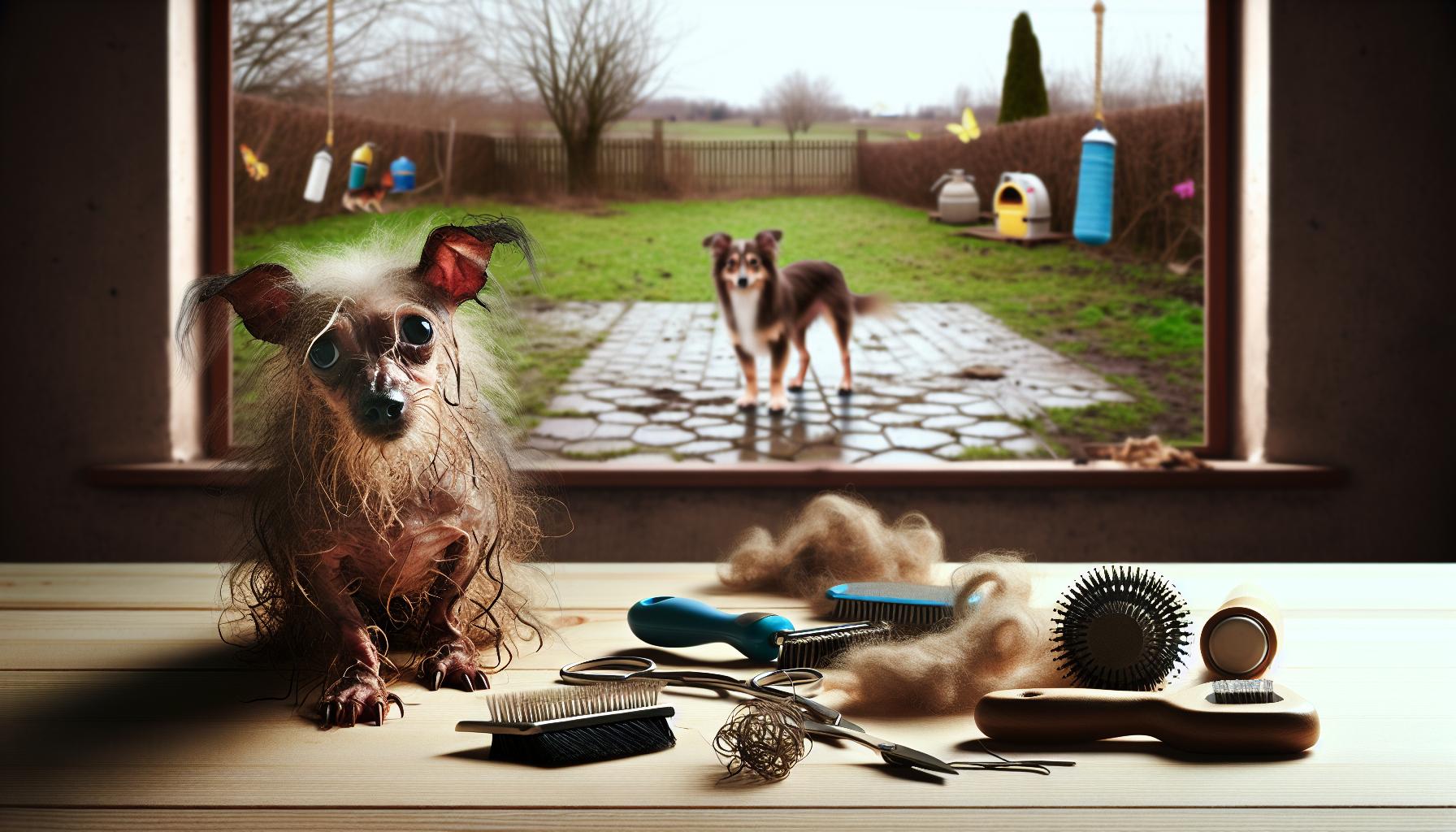
Even the kindest grooming intentions can unintentionally become a source of illness if proper care practices aren’t followed closely. When salons overlook critical hygiene or rush through a pet’s bath, brush, or nail trim, tiny tears in the skin can become entry points for bacteria or fungi, leading to uncomfortable infections. Dogs with thick coats, like Huskies or Labradoodles, are especially at risk because moisture or dirt trapped under matted fur creates the perfect breeding ground for skin issues.without thorough detangling and drying,these hidden problem areas can flare up long after the grooming appointment.
Another common pitfall is the use of unsterilized tools. Clippers, scissors, and brushes that haven’t been properly cleaned between pets can transfer contagious infections such as ringworm or staphylococcus dermatitis. Imagine a poodle with sensitive skin getting clipped with blades that bore microscopic fungal spores from another dog-incidents like this underscore why a salon’s commitment to strong sterilization routines isn’t just professional pride, but essential healthcare for your dog. If you ever sense hesitation or evasiveness when asking how tools are sanitized, consider it a gentle warning sign to look elsewhere.
Physical Injuries and Allergic Reactions
- Nail trims: Trimming nails too short or using dull clippers can lead to painful breaks or infections.
- Ear cleaning: Overly aggressive cleaning or disregarding current ear infections can worsen problems.
- Shampoos and conditioners: Products that are not suited to your dog’s coat or allergies may trigger redness, itching, or swelling.
For example, a sensitive Maltese sprayed with a shampoo containing harsh chemicals might develop a rash hours after grooming. Sharing your dog’s allergy history and preferred products with your groomer ahead of time can prevent such reactions. Likewise, calm and gentle handling during nail and ear care greatly reduces the risk of injury-a nervous terrier wiggling through an impatient nail trim might end up with a painful, avoidable wound.
Stress-Linked health Concerns
sometimes, it’s not just physical factors but emotional ones that can lead to sickness after grooming. Stress weakens a dog’s immune defenses, making them more susceptible to infections or flare-ups of existing conditions.Loud dryers,unfamiliar smells,and hectic environments can be overwhelming,especially for breeds prone to anxiety like Shih Tzus or Dachshunds. A real-world case is Bella the Shih Tzu, whose stress-triggered ear scratching post-groom resulted in an infection. This is a poignant reminder that truly caring groomers prioritize a calm atmosphere and may recommend split or acclimation visits for nervous pets, gradually easing their discomfort.
Owner’s Checklist for Safer Grooming
- Ask about sanitization: Confirm that all tools are cleaned and disinfected between pets.
- Communicate your dog’s sensitivities: share allergies, anxious behaviors, and health concerns upfront.
- Observe employees’ handling: Watch for gentleness,patience,and attention to your dog’s stress signals.
- Choose breed- and coat-appropriate grooming: Thick coats like that of a Bernese Mountain Dog need extra drying time; double-coated breeds require specific brush types to avoid damage.
By partnering with your groomer through open dialogue and informed choices, you help create an experience that is not only gorgeous but truly safe and nurturing. your dog’s health and comfort come first-always.
Recognizing Signs Your Dog May Be Unwell After Grooming
Even the most relaxed dogs can show subtle signs that something isn’t quite right after a grooming session. As loving owners,tuning into these cues early can make all the difference – helping you catch potential health concerns before they escalate.Not all reactions mean serious illness; some issues stem from mild irritation or stress and clear up with a little care. Still, being observant and proactive ensures your pup stays happy, comfortable, and safe.
Common physical Signs to Watch For
After grooming, keep an eye out for any unusual redness, swelling, or rashes on the skin, especially in areas prone to friction like the underarms, belly, or behind the ears. For thick-coated breeds such as Bernese Mountain Dogs or Labradoodles, check carefully beneath the fur for any damp spots or patchy areas that may hint at hot spots or bacterial infections caused by trapped moisture. Also, gently examine paws and nail beds: excessive limping, licking, or visible bleeding might indicate an over-zealous nail trim or a clipped speedy that needs prompt attention.
Behavioral and Respiratory Clues
Sometimes discomfort shows up in how your dog acts. Look for increased scratching or shaking of the head, which could suggest ear irritation or infection, common if ears were cleaned too aggressively or if water got trapped during the bath.Lethargy, excessive panting, coughing, or nasal discharge are red flags that might indicate a respiratory infection like kennel cough, especially if your dog was exposed to other pets in a busy grooming environment. For example, Bella the Shih Tzu started coughing a day after her visit and was promptly seen by her vet, highlighting why early observation pays off.
Stress-Related Symptoms and When to Act
Stress doesn’t always look like stress. Some dogs become withdrawn or unusually clingy after grooming. Others may refuse food or hide. These subtle signs frequently enough signal that your furry friend felt overwhelmed. Long-term, stress suppresses immunity, opening the door to secondary infections or flare-ups of conditions like dermatitis. If your dog displays intense anxiety post-groom-pacing, trembling, or refusing treats-consider working with your groomer on gradual exposure visits or calming products recommended by your vet.
- Monitor for skin irritation: Redness, swelling, or hot spots appearing within hours or days
- Check ears carefully: Persistent scratching, head shaking, or foul odor after cleaning
- Watch energy levels: Lethargy or reluctance to move could suggest infection or pain
- Notice breathing changes: Coughing, sneezing, or nasal discharge are signs to act promptly
- Observe appetite and mood: Loss of appetite or unusual nervousness may mean distress or discomfort
Knowing the limits of grooming care helps, too.Skin infections, suspicious rashes, or persistent ear problems need a veterinarian’s expertise. Groomers excel at maintenance and appearance but should always defer to vets for diagnostics and treatment plans. Early intervention not only speeds recovery but builds trust between you, your dog, the groomer, and your vet-a team approach that ensures every grooming outing supports your dog’s health as much as their shine.
Essential Grooming safety Tips to Protect Your Dog’s Health
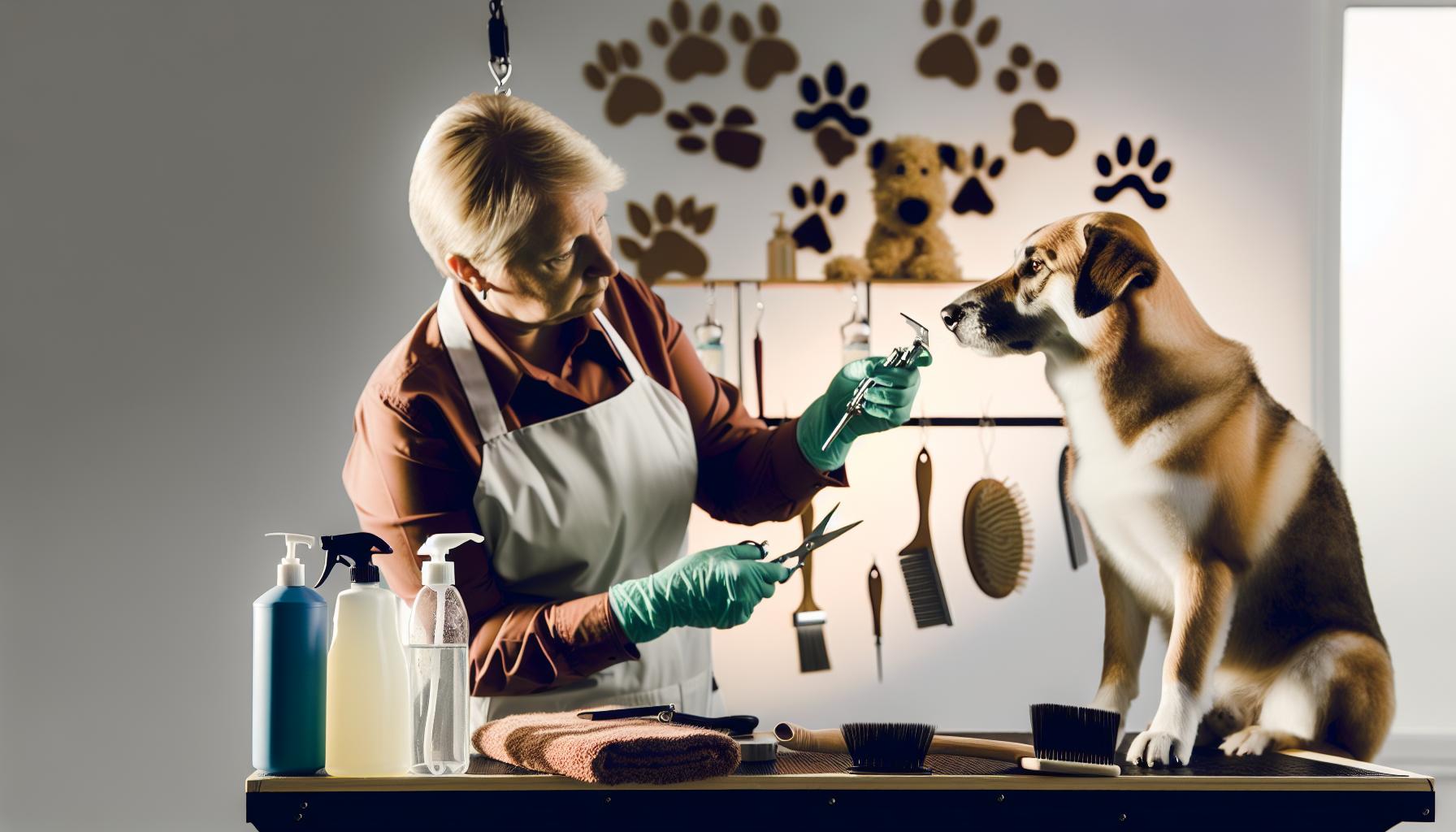
Ensuring your dog’s grooming experience is not only stylish but safe requires a few thoughtful steps and attention to detail. Every breed carries unique coat needs and sensitivities, so tailoring care to your pup’s specific traits can prevent discomfort and possible health mishaps. For example, double-coated breeds like Golden Retrievers need gentle brushing to avoid damaging the undercoat, while curly-coated dogs like Poodles benefit from detangling with wide-tooth combs to prevent painful mats.Recognizing these differences helps both owners and groomers approach each session with compassion and precision.
Prepare and Communicate
Before each grooming appointment, communicate openly with your groomer about your dog’s health history, allergies, or recent medical issues. If your dog is prone to ear infections, insist on careful drying after baths to prevent moisture buildup. Should your pup have sensitive skin, request hypoallergenic shampoos and avoid strong fragrances. Bringing this up early sets clear expectations and ensures your dog’s unique needs are respected-much like how Bella’s Shih Tzu rescue was swiftly helped when her owner highlighted her prior respiratory sensitivities.
Step-by-Step Care for Stress-Free grooming
- bath: Use lukewarm water with gentle, veterinary-approved shampoos. Avoid scented or harsh chemicals that can irritate sensitive skin. Ensure thorough rinsing to remove all product residue, which can cause itching or allergic reactions.
- Brushing: Start with a soft brush for sensitive areas like the belly and ears, then progress to more robust tools that match the coat type. Regular brushing at home reduces tangles and minimizes salon time, lowering stress.
- Nails: Clip nails carefully to avoid the quick-the delicate pink area containing blood vessels. If unsure, seek groomer expertise or vet advice.Overcutting may cause pain or bleeding,deterring future grooming visits.
- Ears: Clean gently using vet-recommended solutions applied with cotton balls. Avoid deep digging,which risks ear canal damage or infection.
Knowing When to Involve the Vet
Some concerns-persistent redness, sores, unusual lumps, or ongoing odor-warrant a vet’s evaluation rather than just grooming fixes. Groomers excel in keeping your dog looking and feeling great but defer to veterinary professionals when diagnosing infections or allergies.Developing a trusted relationship between owner, groomer, and vet creates a safety net that protects your dog’s overall well-being without compromising comfort.
Above all, patience and kindness make a world of difference. Just as grooming should never be rushed, your dog’s reactions deserve gentle reading. A calm demeanor and reassuring voice help struggling pups settle, minimizing stress-related immune dips that can leave them susceptible to illness. With these mindful practices, you empower yourself to turn grooming from a potential risk into a positive, health-supporting ritual.
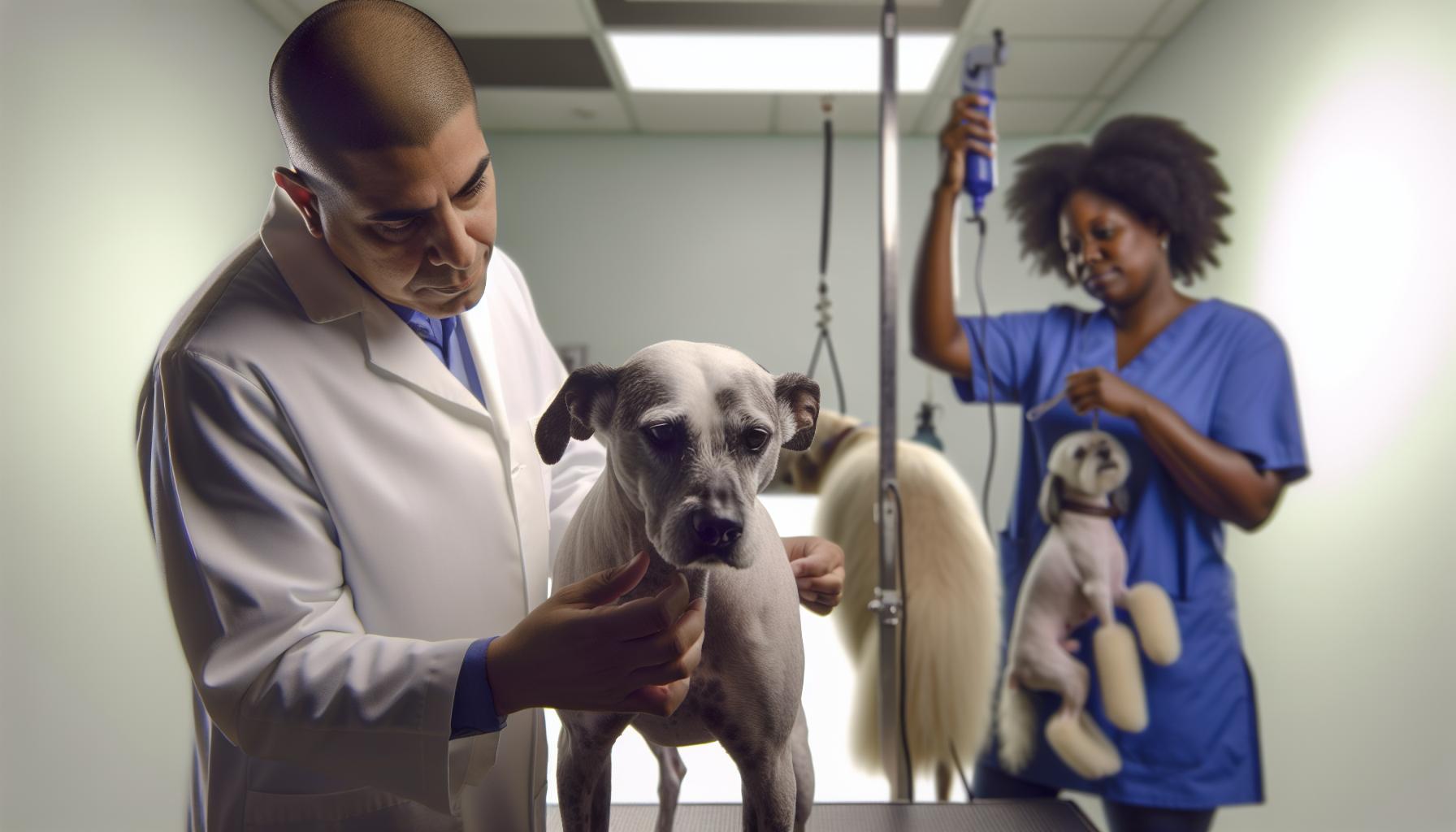
When to Choose a Vet Over a Groomer for Skin and Health Issues
It’s important to recognize that while professional groomers are highly skilled at maintaining your dog’s appearance and basic hygiene, there are situations where a veterinarian’s expertise becomes essential. Groomers are not trained to diagnose or treat medical conditions, so if you notice persistent skin problems, unusual lumps, or behavior changes following a grooming session, it’s wise to seek veterinary care promptly.Such as, if your dog develops red, inflamed skin that does not improve within a day or two, or if there’s unusual discharge, sores, or a foul odor from the ears or coat, these could be signs of infections or allergies needing a vet’s medical attention.
Distinguishing Grooming Care from Medical care
Groomers excel at routine tasks like baths, brushing, nail trims, and gentle ear cleaning. these help keep your dog comfortable and healthy when no underlying issues exist. However, when your dog shows symptoms such as:
- Continuous scratching or biting that damages the skin
- Recurring hotspots, rashes, or unexplained hair loss
- Swelling or lumps that feel hard or rapidly changing
- Signs of pain, lethargy, or fever after grooming
these are red flags indicating a possible infection, allergy, or systemic illness beyond the groomer’s scope. In these cases,only a vet can perform diagnostic tests-skin scrapings,bloodwork,allergy panels-and prescribe treatments like antibiotics,medicated shampoos,or other therapies.
Building a Strong Owner-Groomer-Vet Partnership
Open communication is key. Share your dog’s medical history with your groomer, and encourage them to alert you if they observe anything concerning during a session.Conversely, regularly update your vet about your dog’s grooming routine and any changes in skin or coat condition. This collaborative approach ensures that emerging health problems don’t go unnoticed and are addressed promptly, preventing unnecessary discomfort for your pup.
Practical Tips for Owners
- Keep a grooming log: Note dates of grooming, any reactions noticed, or skin issues.
- Observe early and often: Check your dog’s coat, skin, ears, and paws regularly at home, especially after grooming.
- Trust your instincts: If your dog seems distressed, in pain, or behaves unusually after grooming, don’t hesitate to call your vet.
- Use vet-recommended products: Invest in shampoos or conditioners suggested by your vet for sensitive or problematic skin.
Remember, the goal is not just a clean and neat coat, but a happy, healthy dog. Prioritizing veterinary care when health concerns arise safeguards your furry friend’s well-being beyond aesthetics, ensuring every grooming session supports-not compromises-their overall health.
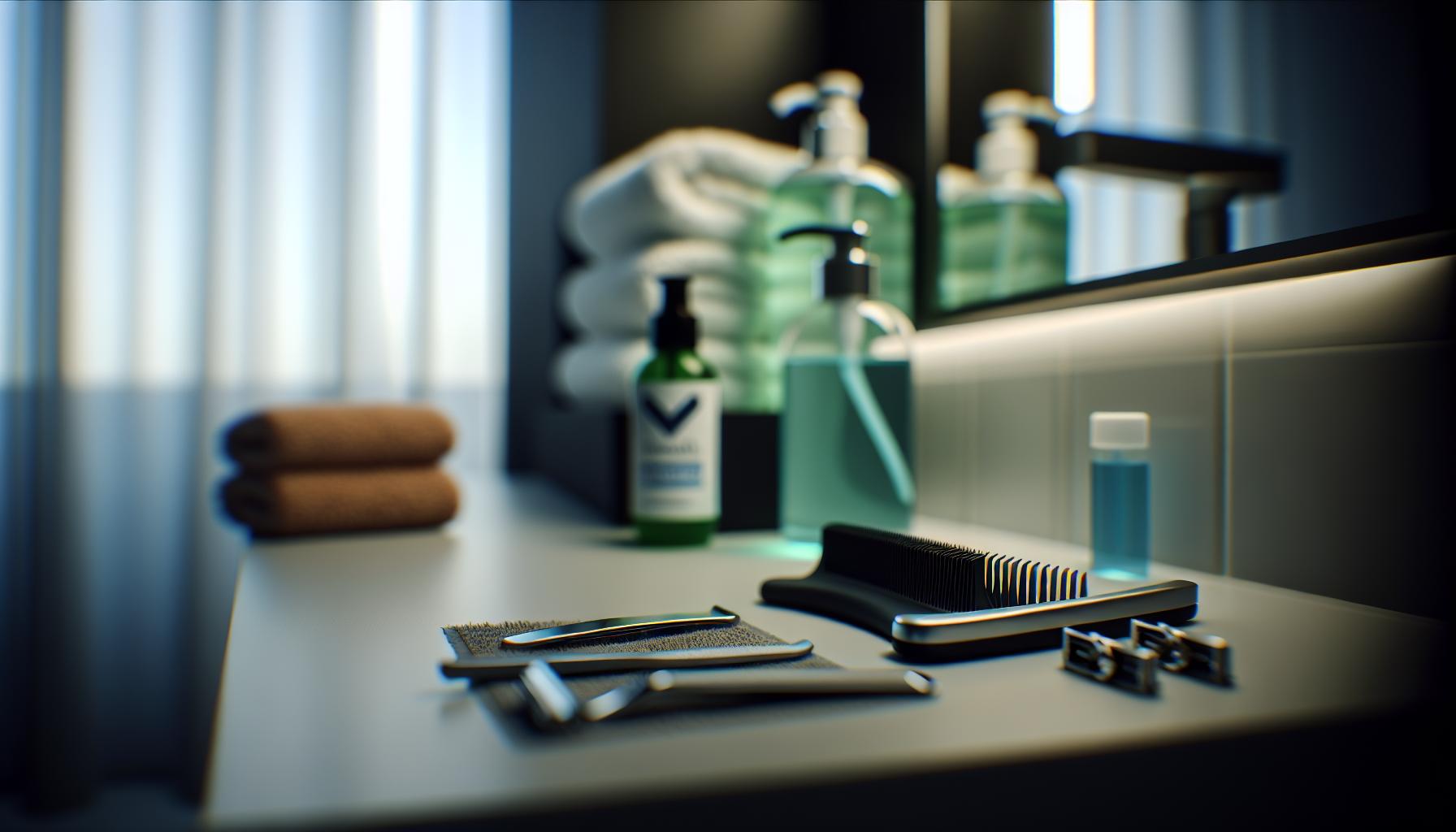
The Role of Grooming Tools in Preventing infections
Even the most beautiful coat can become a source of infection if grooming tools are not managed with care and hygiene. Grooming is not just about appearance-it’s a vital part of your dog’s health maintenance, and the tools used play a huge role in keeping infections at bay. Each brush, comb, and clipper comes into direct contact with your dog’s skin and fur, which means bacteria, fungi, or parasites can easily hitch a ride if tools aren’t sanitized properly. Using clean, well-maintained grooming tools creates a protective barrier against the spread of skin infections and other complications.
Choosing the Right Tools for Your Dog’s coat
Not all dogs have the same grooming needs. For example,a thick double-coated breed like a Siberian Husky requires a different approach compared to a short-haired Beagle.Selecting the appropriate brush or comb not only improves grooming efficiency but also minimizes skin irritation that can open the door to infections. tools designed with gentle, rounded bristles or pins, like the Magic Coat Professional Series Comfort Tips brushes, help prevent skin abrasions while effectively removing loose fur and debris[[[[[1]](https://www.fourpaws.com/products/dog/grooming/grooming-tools).
- For long-haired or curly-coated dogs: Use slicker brushes and detangling combs to gently remove mats and tangles without tearing the fur or damaging the skin.
- For short-haired breeds: a bristle brush or grooming glove can stimulate natural oils and keep the coat shiny without excessive scratching.
- Deshedding tools: helpful during seasonal shedding but must be used thoughtfully to avoid skin irritation.
Cleaning and Sanitizing Grooming Tools
Many infections picked up at grooming salons aren’t because of the groomers themselves, but from sharing improperly cleaned tools between pets. Bacteria, yeast, and even ringworm spores can linger on brushes and clippers if not disinfected regularly. Simply brushing a dog with contaminated tools can transfer these agents, especially if the dog has minor cuts or sensitive skin.
Here are steps groomers and at-home owners can take to reduce infection risks from tools:
- Disinfect daily: Use pet-safe disinfectant sprays or wipes on brushes, combs, and clipper blades after each use.
- Deep clean weekly: Soak tools in an antiseptic solution or warm soapy water, then rinse thoroughly and dry before storing.
- Replace worn tools: Frayed bristles or dull blades can cause abrasions, increasing vulnerability to infections.
- Use separate grooming kits: For multiple pets or dogs with known skin infections, keep separate cleaned tool sets to avoid cross-contamination.
Professional vs. at-Home Tool Use
Professional groomers often invest in specialized tools that are durable, easy to sanitize, and suited to different coat types. Grooming gloves, dual-sided deshedders, and rotating pin combs can make grooming more comfortable and hygienic for anxious or sensitive dogs[[[[[1]](https://www.fourpaws.com/products/dog/grooming/grooming-tools). At home, owners can replicate these precautions with careful selection and routine cleaning. Such as, before brushing your dog, inspect their skin for any redness or irritation. Avoid aggressive brushing over inflamed areas and consult your vet if the skin integrity looks compromised.
Remember, grooming tools are not simply instruments for making dogs look pretty-they serve as frontline defenses against skin conditions and infections. When used thoughtfully, chosen carefully, and cleaned thoroughly, they help keep your dog comfortable, healthy, and infection-free, ensuring that every grooming session is a positive, wellness-enhancing experience.
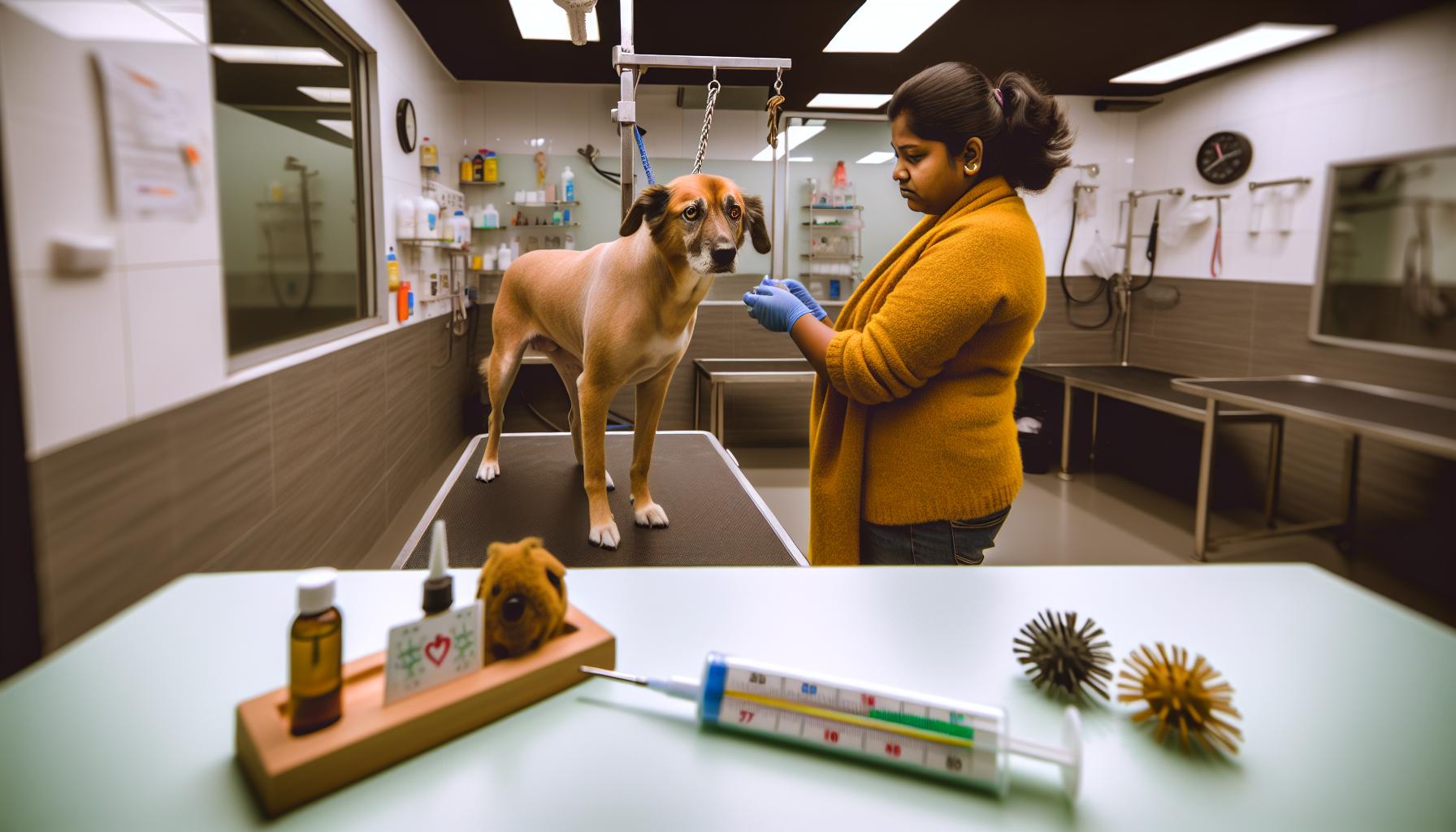
How Stress and Anxiety at the Groomer Affect dog Immunity
Just like people, dogs experience a physical reaction to stress that can temporarily weaken their immune systems. When a dog feels anxious or overwhelmed during grooming-whether due to unfamiliar surroundings, strange noises, separation from their owner, or uncomfortable handling-their body releases stress hormones like cortisol. Elevated cortisol not only affects mood and behavior but also suppresses the immune response, making dogs more vulnerable to infections and illnesses following their grooming visits.
Understanding this connection helps us approach each grooming session with extra care for nervous dogs, especially breeds or individual pets known for heightened sensitivity. For example, a nervous Greyhound with a short, delicate coat may become anxious on a grooming table if rushed or handled roughly, potentially compromising their natural skin barrier and immunity.Likewise, dogs with pre-existing conditions, such as autoimmune disorders, need gentle, patient care to avoid triggering stress-related flare-ups that could invite secondary infections.
Practical Tips to Keep Your Dog Calm and Safe During Grooming
- Prepare at home: Gradually acclimate your dog to grooming tools like brushes and nail clippers by using short, positive sessions mixed with treats and praise. This builds positive associations before the grooming day.
- Choose the right groomer: Look for professionals who prioritize dog comfort-those who use calming techniques like soft voices, gentle handling, and allow breaks for especially anxious pups.
- Communicate health history: Share any known anxieties or medical conditions with your groomer. This enables them to tailor the experience, such as, by using a quieter area or slower pace.
- Watch for early signs of stress: Mild signs like yawning, lip licking, or avoidance should prompt immediate adjustments-pausing brushing or switching to a gentler tool can prevent escalation.
Supporting Immunity Outside the Groomer’s Chair
After grooming, help your dog’s immune system bounce back by providing a calm, familiar environment.Ensure they have quiet rest, plenty of fresh water, and nutritious food to support recovery. If your dog is prone to anxiety, supplementing with calming pheromones or veterinarian-recommended supplements can also ease stress in the hours following the visit. Remember, a relaxed dog is a healthier dog, less prone to infection or inflammation triggered by stress.
If you ever notice your dog showing signs of illness after grooming-like excessive scratching, lethargy, or unusual discharge-don’t hesitate to consult your veterinarian right away. Stress-related immunity dips can sometimes mask underlying skin infections or irritations that require professional medical attention.
Preventing Parasite Exposure During Grooming Appointments
Parasites like fleas, ticks, and intestinal worms can easily travel between dogs during grooming appointments, especially in busy salons where multiple pets are handled daily.Even the most meticulous groomers are vigilant as these unwelcome hitchhikers not only make dogs uncomfortable but can also spread disease. For example, fleas frequently enough cling tightly to fur, and ticks can hide under collars or in ears, slipping undetected unless groomers take intentional precautions. Giardia, a microscopic intestinal parasite, is another culprit that can cause outbreaks if hygiene isn’t top-notch, especially in environments like daycare combined with grooming services[[[[[1]](https://digital.groomertogroomer.com/issue/august-2023/preventing-the-spread-of-disease-in-the-grooming-salon/).
Keeping your dog safe starts with a clean and sanitized grooming space. Professional salons usually have protocols to disinfect tools, tubs, and surfaces between pets, greatly reducing parasite risks. For owners, it helps to ask about these cleaning practices before booking. At home, regular preventive treatments for fleas, ticks, and worms are crucial because dogs arriving with active infestations can unwittingly introduce parasites to others. If a dog recently had fleas or ticks,alert the groomer so they can take extra measures like deep cleaning or scheduling your pet at a less busy time to minimize exposure [[2]](https://christiesdirect.com/blog/external-parasites-and-how-to-deal-with-them.html?srsltid=AfmBOoqPEQm_G4egn-RYLXyav3fcggVZ_hw_o9GZVENrDiDwrwX6c6nw).
Simple Steps During Grooming to Reduce Parasite Risks
- Inspect first: A good groomer always checks for signs of parasites upfront, such as flea dirt or ticks, letting owners know if treatment or a vet visit is advised before grooming proceeds.
- Use parasite-safe shampoos: Bath time is the perfect opportunity to apply products formulated to kill or repel fleas and ticks, which can protect your dog during and after grooming.
- Sanitize tools and workstations regularly: Combs, brushes, clippers, and nail trimmers should be disinfected between clients – a practise that helps stop parasites from spreading silently.
- Handle any infestations carefully: If a dog shows evidence of intestinal parasites like tapeworms, visible near the anus or in feces, groomers will recommend a veterinary checkup rather than proceeding with grooming, as internal parasites need medical treatment[[[[[3]](https://www.petedge.com/blog/dealing-with-intestinal-parasites/?srsltid=AfmBOoqub8PQWwwfHY1cHFY4oj6ViMrlSTtCndTPLEZljCBQBs6q3K_q).
Remember, parasite prevention is a shared obligation. as a loving owner, maintain your pet’s parasite control year-round with approved medications and regular vet checkups. Before grooming day, give your dog a quick look-over for any bumps, itching, or unusual signs so you can communicate clearly with the groomer. Together, you’re creating a safe, healthy experience that honors your pup’s well-being over the visual finish-because comfort and health go paw in paw.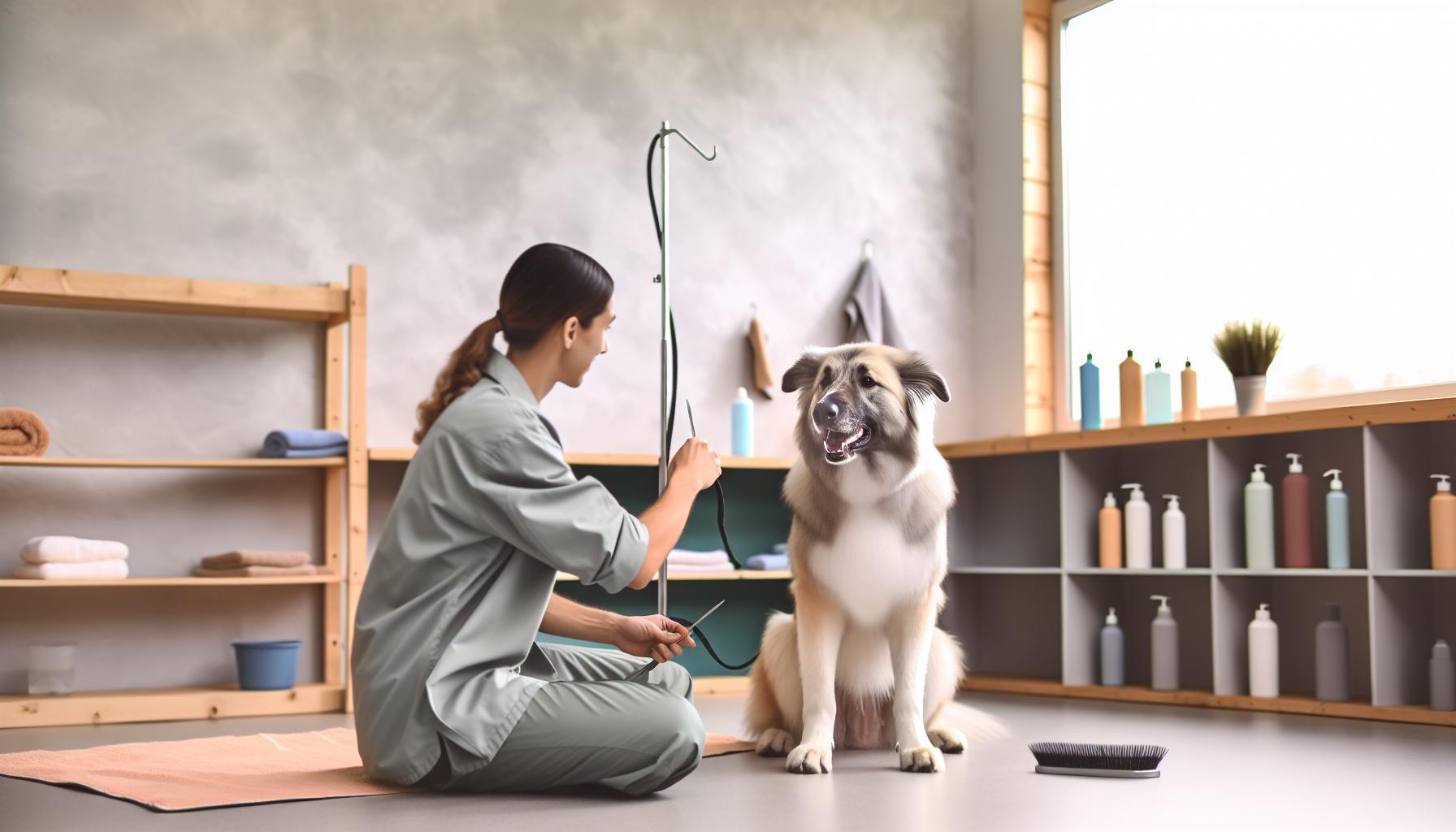
What Owners Can Do to Prepare Dogs for a Safe Grooming Experience
Dogs thrive when their grooming experience is calm, safe, and predictable-yet many owners don’t realize just how much preparation can make all the difference. Starting early and taking a gentle, step-by-step approach helps your dog feel secure and reduces health risks during the grooming visit. Such as, if you have a long-coated breed like a Shih Tzu or Afghan Hound, frequent at-home brushing not only prevents mats but also helps your dog get used to gentle handling and touch, which pays off when the groomer works on coat care.
before the big day, give your dog a thorough health check to spot anything unusual-lumps, skin irritations, or signs of infection-that might mean a vet visit should come first instead of grooming. Communicating openly with your groomer about your dog’s health history, sensitivities, and any recent parasite treatments strengthens their ability to provide safe care. many groomers appreciate owners letting them know upfront if the dog is nervous or has had negative experiences before; this way they can plan for extra patience or use calming tools.
At-Home Preparation Steps That Set Your Dog Up for Success
- Brush Regularly: Brushing at home removes loose fur and prevents mats,reducing time your dog spends stressed during grooming.
- Accustom to handling: Touch your dog’s paws, ears, and mouth several times a week in short, positive sessions-this makes nail trims and ear cleaning easier at the groomer.
- Practice Basic Grooming Tasks: Try gentle baths or nail trims at home to ease fear of unfamiliar sensations,but know your limits and leave complex grooming to professionals.
- maintain Parasite Control: Keep flea, tick, and worm prevention up to date so your dog comes parasite-free, protecting them and others from infestation risks.
What to Do on Grooming Day
Keeping your dog’s routine as normal as possible on grooming day helps reduce anxiety. Feed and walk your dog before the appointment to burn off energy. Bring along a favorite toy or blanket to comfort them at drop-off. Upon arrival, share any recent health changes with your groomer and mention your dog’s temperament-whether shy, excitable, or sensitive. This honest dialogue allows the groomer to tailor their approach and prioritize your dog’s well-being.
remember, grooming isn’t just about looks-it’s about health, safety, and your dog’s comfort. No one knows your dog better than you, so your observations and preparation are powerful tools that ensure every grooming visit supports their happiness and health, rather than stress or sickness. When done thoughtfully, grooming becomes a loving ritual that strengthens your bond and keeps your dog shining from the inside out.
By taking these proactive steps, you empower yourself and your groomer to reduce risks of illness, parasite exposure, and injury, making your dog’s grooming appointment a safe, positive experience every time.
—
Sources agree that safety-first protocols-like regular parasite treatments at home, health screening before grooming, and open communication with professionals-are the foundation of happy, healthy pets at the groomer[[[[[1]](https://www.clipit-grooming.com/post/dog-grooming-safety-tips)[[[[[3]](https://www.loganshouse.com/blog/protocols-every-dog-grooming-business-should-follow).
Frequently Asked Questions
Q: How can grooming salons minimize the risk of infectious diseases spreading to dogs?
A: Grooming salons can minimize disease spread by regularly sanitizing tools,surfaces,and grooming areas. Using separate equipment for each dog and maintaining good ventilation helps reduce airborne infections. Always ask your groomer about their hygiene practices to keep your dog safe during visits. learn more in the section on Essential Grooming Safety tips.
Q: What are the early signs that a dog may have caught an illness at the groomer?
A: Early signs include coughing, sneezing, lethargy, loss of appetite, and unusual skin irritation. Monitor your dog closely after grooming and contact your vet if symptoms persist. Recognizing these signs quickly helps protect your dog’s health and prevents worsening conditions. See Recognizing Signs your Dog might potentially be Unwell After Grooming for details.
A: Stress during grooming can weaken a dog’s immune system, making them more vulnerable to infections or flare-ups of existing conditions. Providing calming techniques and ensuring a gentle, patient grooming experience helps reduce stress-related health risks. Find tips in How Stress and Anxiety at the Groomer Affect Dog Immunity.
Q: How important is proper tool maintenance in preventing infections at the groomer?
A: Proper tool maintenance is crucial; unclean or dull grooming tools can cause cuts or spread bacteria and parasites. Groomers should disinfect scissors, clippers, and brushes after each use to protect your dog’s skin and health.For more info, see The Role of Grooming Tools in Preventing Infections.
A: Yes, breeds with dense, curly, or double coats (like Poodles or Huskies) need special care to avoid matting and skin infections. Sensitive skin breeds also require hypoallergenic products to minimize reactions. Discuss your dog’s breed-specific grooming needs with your groomer for tailored care.
Q: What steps can dog owners take at home to support their pet’s health between grooming sessions?
A: Owners should regularly brush their dog to prevent matting, check for parasites, and clean ears and teeth. Maintaining regular vet visits and following groomer recommendations keeps dogs healthy between appointments. See What Owners can Do to Prepare Dogs for a Safe Grooming Experience for practical steps.
Q: When should a dog owner consider delaying grooming due to health concerns?
A: Avoid grooming if your dog is showing signs of illness-such as fever, open wounds, or respiratory symptoms-to prevent worsening issues and disease spread. Consult your vet if unsure, and prioritize health over grooming schedules. Refer to When to Choose a Vet Over a Groomer for skin and Health Issues for guidance.
Q: How can groomers safely handle parasite exposure risks during dog grooming?
A: Groomers can reduce parasite risks by conducting health checks before grooming and isolating dogs with visible parasites. Using preventive treatments and cleaning grooming stations thoroughly also protects all pets. Owners should inform groomers about any parasite treatments used. see Preventing Parasite exposure During Grooming Appointments for detailed advice.
Final Thoughts
Understanding the risks of dogs getting sick from groomers helps you make safer, informed choices for your pet’s care. Remember, each breed and coat type has unique needs-knowing the right tools and procedures for baths, brushing, nail care, and ear cleaning can prevent many common issues. If you’re ever uncertain, consulting your vet or a trusted groomer ensures your furry friend stays comfortable and healthy.
To further protect your pet, explore our guides on ”At-Home Dog Grooming Tips” and “How to Choose the Right Groomer for Your Dog.” These resources offer practical advice that complements what you’ve learned here and help build your confidence in managing your dog’s hygiene safely. Don’t wait-sign up for our newsletter to get expert updates and exclusive grooming hacks tailored to your dog’s needs, empowering you to keep every visit stress-free and safe.
If you have questions or experiences to share about grooming risks,please comment below-we’re here to support you and your pet on every step of your grooming journey. Together, we can ensure your dog’s well-being with kindness, patience, and care that prioritizes their comfort above all.
Get our latest guides, news, and insights highlighted in your Google Search & AI Overviews.
Keep reading about the same coat and cut.




Popular grooming guides
Bath vs clip, first grooms, and salon how-tos.