What Do Groomers Use to Make Dogs Smell Good: Secret Products
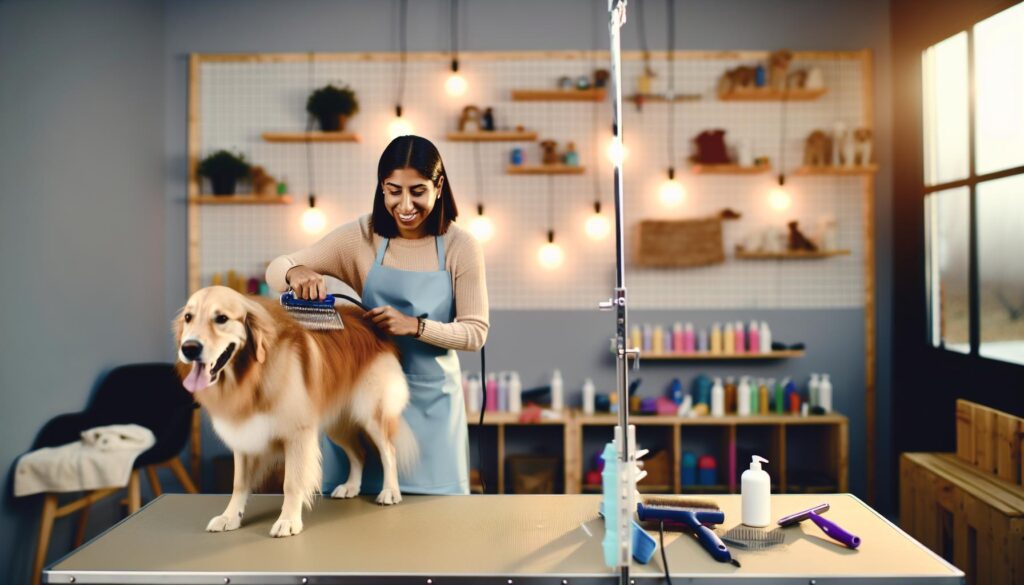
did you know that the secret to that freshly groomed, delightful scent your dog carries isn’t just a fancy cologne? Groomers use a carefully chosen combination of shampoos, conditioners, and specialized sprays designed to be gentle on your pup’s skin while enhancing their natural coat aroma. Understanding these products can help you keep your furry friend smelling fresh and feeling comfortable between visits. Whether your dog has sensitive skin, a thick double coat, or a delicate nose, the right grooming products make all the difference-not just for scent, but for overall health and happiness. In this article, we’ll walk you through the trusted tools and secret products groomers rely on, so you can confidently maintain your dog’s cleanliness and comfort at home. From bath time essentials to soothing sprays, we’ll cover safe, effective, and pet-friendly options that promote a clean, pleasant-smelling dog without overwhelming their senses. Let’s explore how simple, compassionate grooming practices can transform your canine companion’s experience, ensuring they look-and smell-their best wiht care that always puts their well-being first.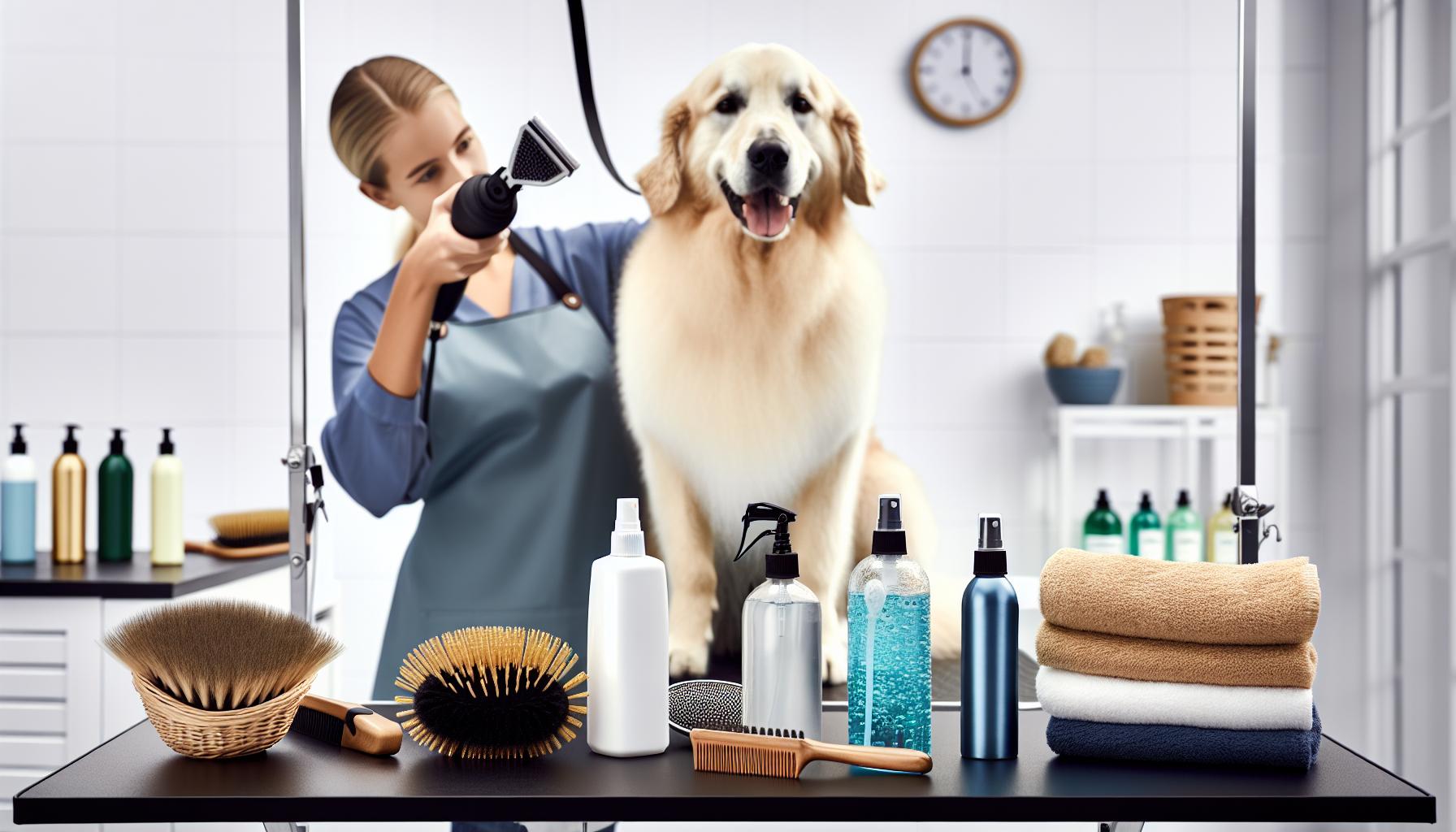
What Groomers Use to Make Dogs Smell Amazing
Table of Contents
- 1 What Groomers Use to Make Dogs Smell Amazing
- 2 Top Secret Grooming Products Explained
- 3 How Grooming Sprays and Perfumes Work Safely
- 4 natural and Organic scents for Sensitive Dogs
- 5 The Role of Dog Shampoos in Long-Lasting Freshness
- 6 How Conditioners Enhance Coat Softness and Fragrance
- 7 Tools and Techniques for Applying Scent Products
- 8 DIY Tips for Maintaining Your Dog’s Fresh Smell at Home
- 9 Common Groomer Mistakes That Ruin the Scent
- 10 When to Avoid Fragranced products for Your Dog’s Health
- 11 Vet vs. Groomer: Choosing Safe Scent Solutions
- 12 Real Groomer Secrets to Keep Dogs Smelling Great Between Baths
- 13 FAQ
- 13.1 Q: How do professional groomers safely apply scented products to avoid irritating a dog’s skin?
- 13.2 Q: What secret natural ingredients do groomers use to keep dogs smelling fresh without harsh chemicals?
- 13.3 Q: Why do some grooming products include deodorizing agents, and how do they work?
- 13.4 Q: When should pet owners avoid using fragranced grooming products on their dogs?
- 13.5 Q: How can grooming conditioners enhance the scent and feel of a dog’s coat?
- 13.6 Q: what tools do groomers use to evenly distribute scent products for a balanced fresh smell?
- 13.7 Q: How can I safely maintain my dog’s fresh scent between professional grooming sessions?
- 13.8 Q: Do groomers use different scent products for various dog breeds or coat types?
- 14 The Conclusion
Dogs come out of the grooming salon smelling fresh and delightful not by accident, but through a thoughtful combination of specialized products and techniques tailored to their unique coat types and skin sensitivities. Professional groomers use more than just standard shampoos-they rely on a curated arsenal designed to cleanse deeply, condition, and leave a subtle, pleasing fragrance that lasts well beyond the appointment. Understanding what goes into this process empowers you to maintain your dog’s fresh scent safely at home and appreciate the care behind that wonderful after-groom glow.
Specialized dog Shampoos and Conditioners
A quality shampoo is the foundation.Groomers frequently enough select shampoos formulated to target common canine odors without stripping natural oils that keep the coat healthy. Such as, oatmeal or aloe-based shampoos soothe sensitive skin while gentle enzymes or antibacterial agents break down organic odors from dirt or oils. Following up with conditioners designed for dogs is key to sealing moisture while adding softness and a subtle scent layer. Conditioners with light botanical extracts-such as chamomile or lavender-can neutralize odor and make the coat irresistibly touchable.
- Breed and Coat Type Considerations: Long-haired or double-coated breeds may need moisturizing formulas to prevent dryness, while short-haired dogs often do well with lighter cleansing agents. Groomers adjust product strength accordingly to keep your dog’s skin balanced and coat vibrant.
- Fragrance Balance: Professional products focus on mild, pet-safe fragrances that complement rather than overwhelm, avoiding harsh perfumes that might irritate or mask natural scents poorly.
Finishing Sprays and Deodorizing Mists
After the bath and towel dry, groomers usually apply finishing sprays or deodorizing mists. These secret weapons offer a quick burst of freshness and a lingering gentle scent. They serve dual purposes-they help repel odors while providing a light conditioning effect, especially around ears, paws, and the tail where smells tend to concentrate.
- Many sprays contain essential oils or botanical extracts known for deodorizing properties and calming effects-ideal for nervous dogs.
- Professional groomers avoid overapplication, ensuring the dog smells fresh without overwhelming sensitive noses (both canine and human!).
Beyond Products: Expert Techniques
It’s not just what is used, but how it’s used. Groomers master techniques like thorough brushing before bathing to remove loose hair and dirt, enabling shampoos to work more effectively. The drying process-frequently enough using high-velocity dryers combined with gentle brushing-locks in fragrance and smoothness. Targeted cleaning of often-overlooked areas (under paws, behind ears, around anal glands) prevents localized odors that even the best shampoo can’t wholly eliminate.
Through patient, gentle handling combined with safe, breed-appropriate products, professional groomers create that signature fresh scent - one that’s rooted in true care and expertise, not heavy fragrance. By focusing on cleanliness, hydration, and subtle scent layering, dogs leave the salon smelling wonderful and comfortable, never overpowered.
Top Secret Grooming Products Explained
Many pet parents wonder how groomers achieve that signature “just-groomed” fresh scent that seems to last well beyond bath time.The answer lies in select, frequently enough under-the-radar products designed specifically with canine coat health and odor control in mind-products that go far beyond standard soaps or human perfumes. These special formulations are chosen not only for their fragrance but also for their conditioning, deodorizing, and skin-soothing benefits, tailored to each dog’s unique needs.
Secret Cleansers and Odor Neutralizers
Beyond a basic shampoo, groomers often use enzymatic cleansers that break down odor-causing bacteria and organic residues at a molecular level. These ingredients don’t just mask smells-they neutralize them gently and effectively. for example, products containing activated charcoal or baking soda derivatives absorb odors, while botanical enzymes safely digest sweat and oils without irritating sensitive skin.This is especially critically important for breeds with dense or oily coats,where odors tend to linger.
Conditioners With a Dual Purpose
Conditioning products in the groomer’s toolkit often include light detanglers infused with natural botanicals like chamomile, aloe, or green tea extracts. These ingredients do more than soften hair-they provide a subtle fresh aroma and have anti-inflammatory properties. For example, a gentle lavender conditioner not only encourages a pleasant scent but also soothes anxious or reactive dogs, making the rest of the grooming process more comfortable.
- Tip: For dogs with thick double coats, using a leave-in conditioner spray can lock in moisture and prolong scent retention between baths without weighing down the hair.
Finishing Sprays and Deodorants with Careful Balance
One of the top secret weapons in the groomer’s arsenal is the finishing spray or deodorizing mist. Unlike perfumes meant for humans, these products are formulated to be safe for dogs’ sensitive noses and skin. They often feature herbal extracts-such as rosemary, eucalyptus, or peppermint-in low concentrations that refresh the coat and reduce microbial growth without overwhelming the dog or owner. Professional groomers apply these sparingly,focusing on scent-prone areas like paws,ears,and under the tail-zones prone to odor buildup.
A Few insider Groomer Tips
- Groomers know that layering light,mild scents can create a balanced fragrance that lasts,whereas heavy,strong scents can irritate and cause rejection by the dog.
- they avoid essential oils known to be toxic to pets (like tea tree or pennyroyal), opting for safer botanical alternatives instead.
- Some groomers add a tiny amount of natural antioxidants to products, preserving coat shine and extending freshness for days after grooming.
While these secret products may not be available at every pet store, many professional-grade options can be found online or through specialty suppliers. When choosing products at home,look for those clearly labeled for canine use,fragrance-balanced,and formulated with gentle,proven ingredients. This ensures that your pup’s fresh smell is as safe and delightful as the groomer’s touch.
How Grooming Sprays and Perfumes Work Safely
Dogs have incredibly sensitive noses and delicate skin, so the sprays and perfumes groomers use aren’t just about masking odors-they’re carefully crafted to be both safe and soothing. Professional grooming mists and colognes are different from human fragrances; they contain gentle, non-toxic ingredients designed specifically for canine coats and respiratory systems. Understanding this balance is key to keeping your dog smelling fresh without causing irritation or stress.
What makes these scent products safe starts with their formulation. Most high-quality grooming sprays incorporate mild botanicals like rosemary, eucalyptus, or peppermint in very low, non-irritating concentrations. These natural extracts not only add subtle fragrance but also have antimicrobial properties that help reduce odor-causing bacteria on the coat. For example, a light spritz containing rosemary extract can refresh a dog’s scent while supporting coat health. Simultaneously occurring, harmful essential oils such as tea tree and pennyroyal-known to be toxic to dogs-are strictly avoided by reputable groomers. This careful ingredient selection protects your pup from adverse reactions while still delivering that signature ”just-groomed” scent.
Applying these products requires a gentle,informed approach. Groomers typically spray finishing mists lightly onto scent-prone areas-like paws, ears, and under the tail-where odors most frequently develop. Overloading the coat with fragrance can overwhelm sensitive noses and even discourage dogs from cooperating during grooming. Instead, applying just a few targeted spritzes keeps the scent balanced and natural. For dogs with long or dense coats, a leave-in conditioner spray infused with mild botanicals can be used to trap freshness for days, locking in moisture and scent without causing buildup or matting.
- Tip: Before using any new spray or perfume, especially on sensitive or anxious dogs, do a small patch test to check for any signs of skin irritation or allergic reaction.
- tip: Avoid spraying too close to the dog’s face, eyes, or nose to reduce the chance of respiratory discomfort.
- Tip: Look for products explicitly labeled for canine use and free from harsh chemicals like parabens, sulfates, or synthetic dyes.
In sum, safe grooming sprays and perfumes blend mild, pet-friendly botanicals with expert application techniques to create fresh-smelling coats without compromising your dog’s comfort or health. When used thoughtfully, these products act as gentle enhancers instead of overpowering fragrances-helping your furry friend feel clean, calm, and cared for long after a trip to the groomer.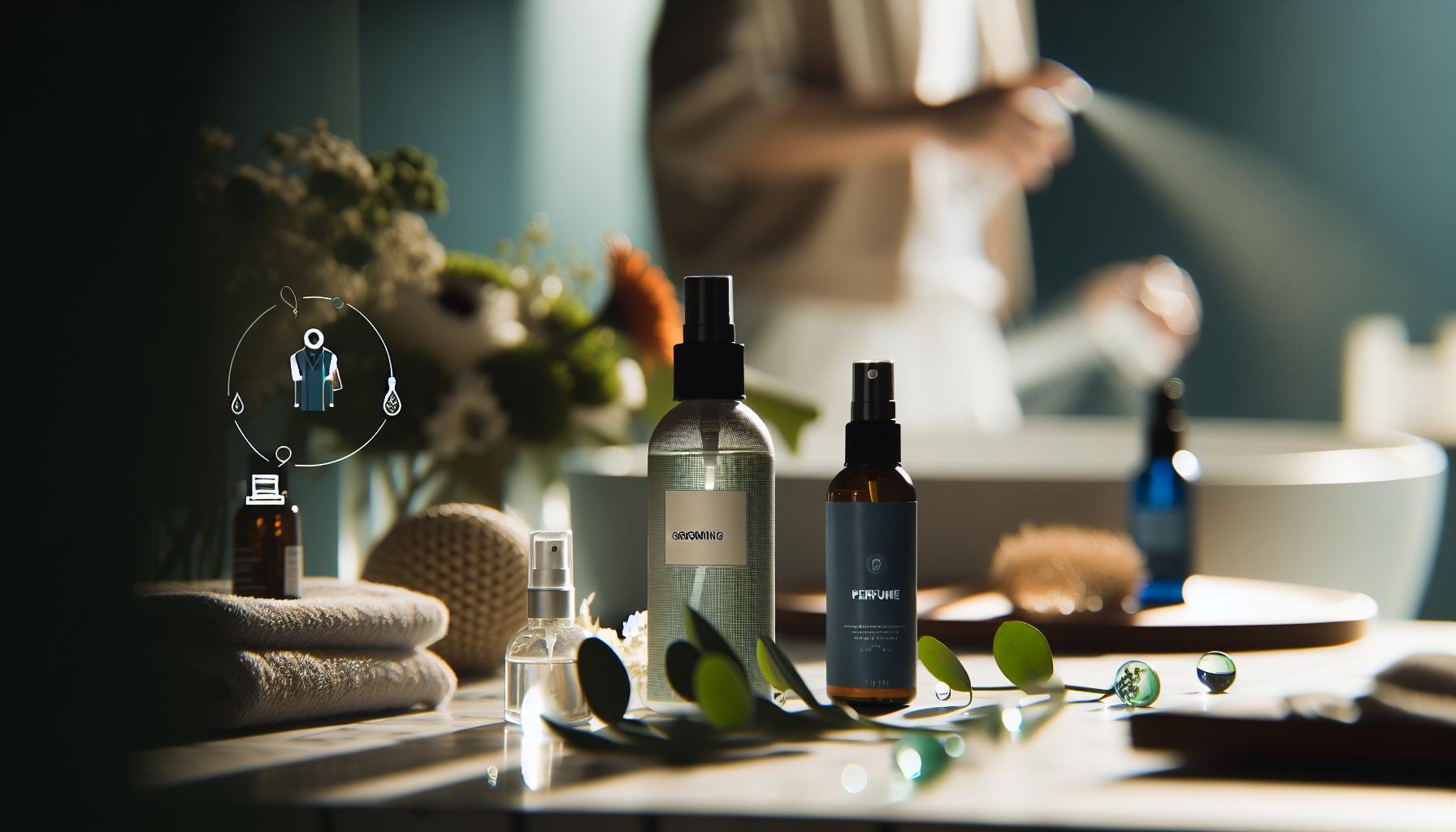
natural and Organic scents for Sensitive Dogs
Dogs with sensitive skin or noses need extra care when it comes to scent products. Unlike human perfumes,which can be overpowering or even harmful,natural and organic dog scents are crafted to be soothing,safe,and gentle on delicate coats and respiratory systems. These products typically avoid harsh chemicals, synthetic fragrances, and potentially toxic essential oils, offering a calm and comforting experience for dogs who might otherwise dislike or react poorly to strong smells.
Groomers often select colognes and sprays made with calming botanicals like chamomile,lavender,or calendula-all safely diluted to keep irritation at bay. These natural ingredients not only provide a subtle, fresh aroma but also support skin health and coat condition. For example,chamomile is known for its anti-inflammatory properties,making it an excellent choice for dogs prone to redness or irritation. When applied properly, these sprays can definitely help neutralize odors rather of merely masking them, maintaining a natural, clean scent without overwhelming sensitive noses.
Practical Tips for using Natural Scents on Sensitive Dogs
- Patch test first: Before applying any new scent product, spray a small amount on a tiny patch of your dog’s skin. Wait 24 hours to monitor for any redness, itching, or discomfort.
- Spray lightly: Use a fine mist sprayed from a distance of at least 6 to 8 inches,focusing on odor-prone areas like paws,under the tail,and the neck. Avoid the face, ears, and eyes.
- Choose sulfate-free, paraben-free shampoos and conditioners: Natural products often pair best with shampoos like ones fortified with organic proteins or gentle cleansers to keep the coat balanced and less prone to irritation [[2]](https://biogroom.com/shop/natural-scents/).
Dogs with fine, thin coats or breeds such as Greyhounds and Whippets can especially benefit from these formulas, as their skin tends to be more exposed and reactive. Similarly, puppies or senior dogs frequently enough tolerate natural scents better, ensuring that grooming remains a positive and stress-free routine.
Understanding Limitations and When to Seek Help
It’s important to recognize when a dog’s sensitivity might require a vet’s input rather than a groomer’s product.Persistent or severe skin reactions, underlying allergies, or respiratory issues should be addressed with a veterinary professional to adjust care safely. Groomers and owners can work together by choosing hypoallergenic and vet-approved natural scent products designed specifically for sensitive dogs, ensuring comfort without sacrificing freshness.With patience and mindful selection of natural and organic scented grooming products, grooming becomes a nurturing ritual. Your furry friend will not only smell delightful but feel cared for-supporting both their physical well-being and emotional calm throughout every brushing, bath, and spritz of gentle fragrance.
For more ideas on natural dog perfumes that groomers trust,products fortified with essential oils and botanical extracts can be excellent options for keeping your pup smelling fresh and clean without harsh chemicals [[3]](https://texasbeautysupplies.com/natural-dog-perfume/). Vetstreet also highlights the popularity and safety of all-natural ingredients in trending dog perfumes, providing a reassuring path to pet-friendly fragrance choices [[1]](https://www.vetstreet.com/home-and-cleaning/pet-grooming/6-best-dog-perfumes-of-2024).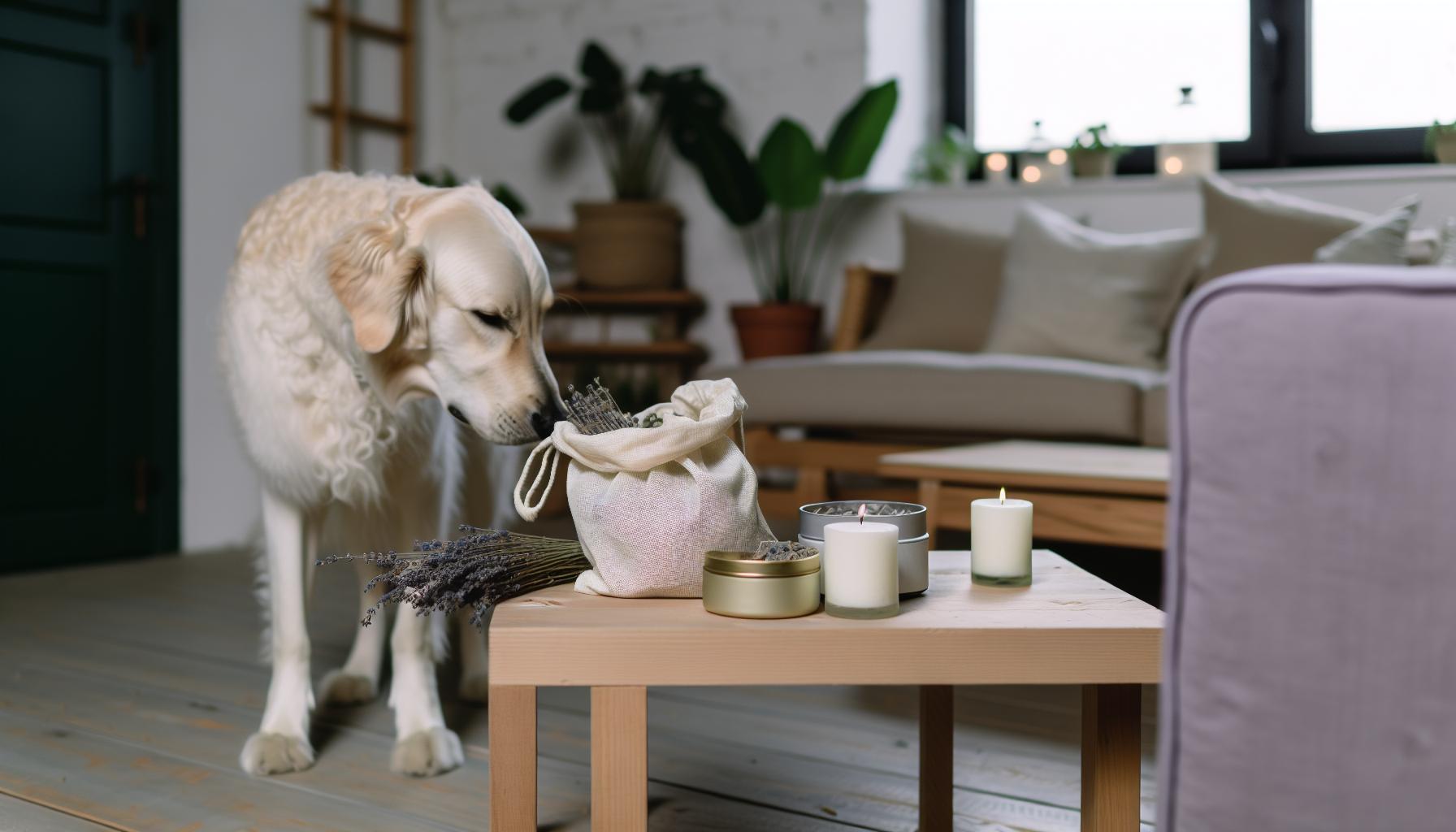
The Role of Dog Shampoos in Long-Lasting Freshness
A dog’s signature fresh scent starts with the right shampoo – it’s more than just a cleanser; it’s the foundation of long-lasting freshness that sets the stage for every spritz of cologne or finishing spray. Professional groomers carefully select shampoos formulated not only to remove dirt and oils but also to neutralize odor-causing bacteria without stripping the natural oils that keep a dog’s coat healthy. these specialized shampoos balance cleanliness with nourishment, ensuring the dog’s coat isn’t left dry or irritated, which can actually worsen odors over time.
Choosing the Best Shampoo for Your Dog’s Coat and Skin
Different dogs need different things. For example, dogs with thick double coats, like Golden Retrievers or Huskies, benefit from shampoos designed to deeply cleanse and penetrate to the undercoat where sweat and debris tend to accumulate. On the other hand, those with short, fine coats-such as Dachshunds or Boxers-require ultra-gentle formulas that won’t over-dry their skin. Dogs prone to allergies or sensitive skin do best with hypoallergenic, fragrance-free, or naturally scented shampoos that contain calming botanicals like oatmeal or aloe vera.
how quality Shampoos Extend Scent Longevity
A good shampoo sets the stage for lasting fragrance by targeting the root causes of doggy odors rather than just masking smells. Enzyme-based shampoos, for example, break down organic materials that cause stinky buildup on the coat and skin. Others incorporate antibacterial or antifungal agents that keep the skin’s microbiome balanced, reducing odor at its source. When the coat is truly clean and healthy, it holds fragrance much better, allowing your favorite cologne or grooming spray to last longer – oftentimes days rather of hours.
Practical Bathing Tips for Maximum Freshness
- Prepare thoughtfully: Brush your dog before bathing to remove loose hair and tangles, which can trap dirt and odor.
- Use lukewarm water: Avoid hot water to prevent drying out the skin and coat,which makes odors flare up faster.
- Apply shampoo properly: Work into a gentle lather, paying special attention to armpits, paws, belly, and tail base – these areas can harbor hidden odors.
- Rinse thoroughly: Residue left behind can cause irritation and dull the coat, inviting odors.
In my experience, a calm and gentle bathing routine helps nervous dogs relax, making the whole process smoother and more effective.Always choose a shampoo suited to your dog’s unique needs,and remember: the goal is a clean,healthy coat that naturally smells fresh,offering a perfect canvas for any scented products you apply afterward.
For those wondering how far DIY bathing can go versus professional grooming, vets suggest consulting if you notice persistent odors or skin issues. in those cases, specialty medicated shampoos prescribed by your vet can be essential and should always take priority over cosmetic products. For everyday freshness, though, high-quality grooming shampoos are a groomer’s secret weapon to keep your furry friend smelling delightful well beyond bath day.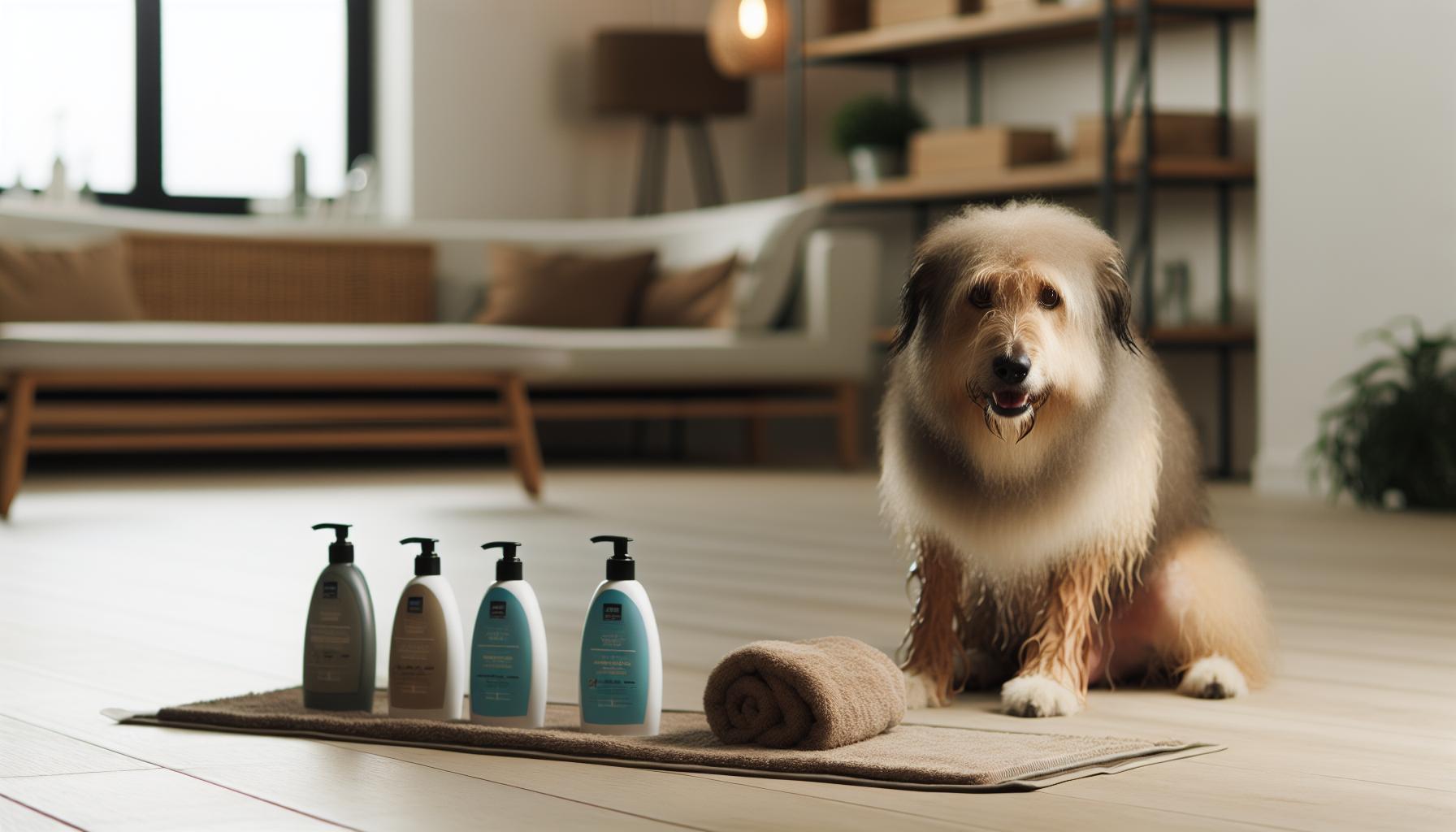
How Conditioners Enhance Coat Softness and Fragrance
Sometiems,the magic behind a dog’s irresistibly soft,fresh-smelling coat lies not just in the shampoo,but in the conditioner applied afterward. Conditioners play a subtle yet essential role in grooming-they not only smooth and detangle fur but also act as carriers for lingering, pleasant fragrances that last well beyond bath time. When used properly, they enhance coat softness while supporting the healthy oils natural to your dog’s skin, creating an ideal environment for fragrance to truly bloom.
Different breeds and coat types respond uniquely to conditioners. For example, thick double-coated dogs like Siberian Huskies or Golden retrievers benefit from conditioners formulated to reach through dense undercoats, preventing matting and locking in softness. Meanwhile, short-haired breeds such as beagles or Boxers may only need a light leave-in conditioner to maintain smooth, shiny fur without weighing it down. Products containing gentle moisturizers-like aloe vera,coconut oil,or shea butter-nurture dry or brittle coats,improving overall texture and making brushing easier. This tactile softness also helps fragrance molecules cling longer, extending the fresh, clean scent between baths.
- Apply conditioner evenly: Focus on areas prone to dryness or tangling, like behind ears, under the belly, and around paws.
- Rinse according to instructions: Some conditioners are rinse-out formulas ideal for deep softness,while others are leave-in sprays that provide continuous light fragrance and detangling throughout the day.
- Combine with grooming sprays: For extra scent layering, a spritz of cologne or deodorizing spray over the conditioned coat can prolong aroma without overwhelming sensitive noses.
Choosing Conditioners for Sensitive or Allergy-Prone Dogs
If your dog has sensitive skin,it’s crucial to select conditioners free from harsh chemicals,artificial fragrances,or dyes. Natural or hypoallergenic conditioners with soothing ingredients such as oatmeal or chamomile can calm irritated skin while delivering a subtle,fresh scent. Groomers often recommend these dog-friendly formulas because they protect the skin barrier, which keeps odors from developing due to dryness or inflammation. Remember, less is more-over-conditioning can lead to oily buildup that traps dirt and undermines the clean smell you’re aiming to preserve.
Because conditioners are also detanglers, they can reduce the stress coat tangles cause during brushing-a common culprit of an unkempt, dull-smelling coat. A well-conditioned coat feels silky, glides smoothly under the brush, and traps fewer odor-causing particles.For dogs with especially matted fur, a targeted detangling conditioner before brushing aids gently loosening knots without painful pulling, ensuring a stress-free experience for both dog and owner.
Incorporating high-quality conditioning products into your dog’s grooming routine transforms a basic bath into a spa-like ritual, setting the stage for beautifully scented, soft coats that make cuddles even sweeter. These secret helpers are a groomer’s essential-not just for looks, but for the long-lasting freshness that delights both dogs and their humans alike.
Learn more about top conditioners that make coats soft and sweet-smelling [[1]]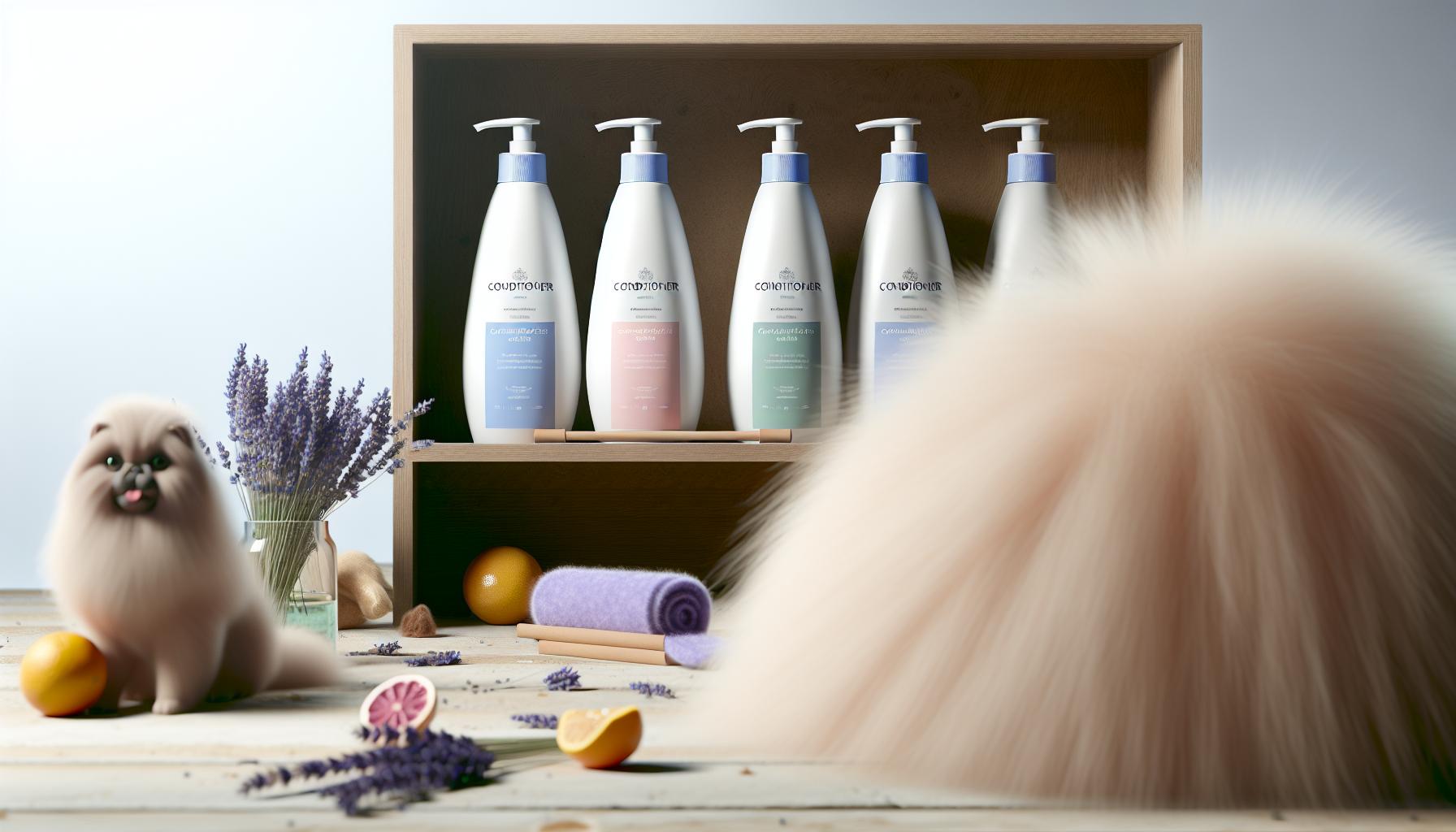
Tools and Techniques for Applying Scent Products
A dog’s signature fresh scent isn’t just about the products used but also how they’re carefully applied. even the best colognes,sprays,and conditioners need the right tools and techniques to ensure the fragrance lingers without irritating your pup’s sensitive nose or skin. Groomers work thoughtfully with each dog’s coat type and personality,using methods that maximize scent while keeping the experience calm and comfortable.
For thick or double coats, like those on Huskies or Retrievers, a wide-tooth comb or slicker brush is essential before applying scented sprays. This gently removes loose fur and opens the coat layers, allowing fragrance to settle deeper where it lasts longer. Light, misting sprays are preferred over heavy saturations, delivered from about eight to twelve inches away to avoid wet spots that can trap dirt or cause matting. For short-haired breeds, a simple spritz combined with a soft-bristle brush often suffices, spreading scent evenly while smoothing the coat without adding weight.
- Layer scents strategically: Groomers often start with lightly scented conditioners or leave-in sprays after bathing. Once the coat is dry, a subtle splash of cologne or deodorizing spray adds complexity and longevity without overwhelming.
- Target problem areas: Behind the ears, under the belly, and around the paws are natural hotspots where odor tends to build up. Applying scent lightly hear keeps your dog smelling clean all around.
- Use gentle, controlled motions: When applying grooming sprays, a sweeping arm movement ensures an even mist rather than concentrated spots that may irritate.
Many groomers swear by using specialized spray bottles with adjustable nozzles to control the spray pattern, shifting from a wide, gentle mist to a narrow jet as needed. This is particularly helpful for anxious dogs that are sensitive to sudden bursts or strong smells. The goal is to create a soothing aroma that complements the natural coat oils instead of masking them completely.
incorporating Tools for Stress-Free Grooming
Investing in ergonomic grooming tools can make a huge difference in helping both owner and dog enjoy the scent application process. For example, soft microfiber towels used immediately after bathing not only dry the coat efficiently but also help lock in conditioner scents before sprays come into play. During brushing, brushes with flexible pins and comfortable handles reduce pulling, making it easier to evenly disperse fragranced products and avoid skin irritation.
For those who prefer DIY methods at home, using a fine mist spray bottle paired with a stiff, but gentle bristle brush allows for precise scent application even on thick coats. Always perform a quick patch test with any scented product to ensure your pup doesn’t react negatively. When in doubt, consult your groomer or veterinarian to align on a fragrance routine that prioritizes health and happiness over just smelling good.
By combining the right tools with thoughtful techniques, you can transform scent application from a stressful chore into a pampering bonding moment that leaves your dog smelling wonderful and feeling loved.
Explore professional-grade scents and sprays groomers trust [[1]]
Learn about groomers’ favorite dog colognes and how they use them [[2]]
DIY Tips for Maintaining Your Dog’s Fresh Smell at Home
A fresh-smelling dog at home isn’t magic-it’s about consistent care combined with the right approach and gentle products that respect your furry friend’s skin and coat. Many pet parents think perfume or cologne sprays alone keep their dog smelling great, but the secret truly lies in the routine steps between baths and how you care for your dog’s coat daily. With just a few smart, simple habits, you can maintain that clean, inviting scent that brightens every room.
Daily Brushing and Spot Cleaning
Start by selecting a brush suited to your dog’s coat type-slicker brushes for medium or long fur, or soft-bristle brushes for short or smooth coats.Regular brushing removes dirt,loose hair,and odor-causing debris. For example, a Retriever’s thick undercoat benefits from a de-matting comb weekly to prevent tangles that trap smells. Spot cleaning with pet-safe grooming wipes or a gentle deodorizing spray behind the ears, under the belly, and between the paws can refresh scent in key areas without over-bathing, which risks drying out skin.
Bath Time Basics and Scent Lock-In
When it’s time for a bath, choose a shampoo formulated for dogs, preferably one with natural ingredients and a mild scent, like oatmeal or lavender. Avoid human products,as they can upset your dog’s skin balance. Follow up with a conditioner designed to add softness and subtly infuse fragrance, such as those containing aloe or chamomile. After rinsing, gently towel dry with a microfiber cloth to lock moisture and scent in. For thicker coats,use a wide-tooth comb during drying to prevent mats and improve airflow,allowing fragrance to settle throughout the fur.
Simple DIY Scent Spraying at Home
A delicate spritz of dog-safe cologne or deodorizing spray between baths can provide a pleasant aroma boost. Use a fine mist spray bottle and hold it 8 to 12 inches away from the coat, especially avoiding the face and sensitive areas.If your dog is sensitive or nervous, apply the spray to your hands first and gently rub onto the fur.Combining this with brushing helps distribute fragrance evenly and prevents concentrated spots that could cause discomfort. Always test new products on a small skin patch to ensure there’s no irritation.
- Keep it light: Overapplying perfumes overwhelms your dog’s natural scent and can sometimes trigger sensitivities.
- Target odor hotspots: Behind ears, under the belly, and paw pads frequently enough hold odor and benefit most from light fragrance touch-ups.
- Maintain calm energy: Your dog picks up on your mood; gentle hands and soft voices during grooming keep scent time stress-free, encouraging positive associations.
Remember, DIY scent care is a wonderful way to bond with your dog and support their comfort. If you notice persistent odors despite home care, it might be time to visit your groomer or vet to check for skin conditions or infections. with patience and proper products, you’ll nurture a naturally fresh and happy canine companion every day.
Discover pro-recommended colognes and sprays [[1]]
Explore safe deodorizing sprays for at-home use [[2]]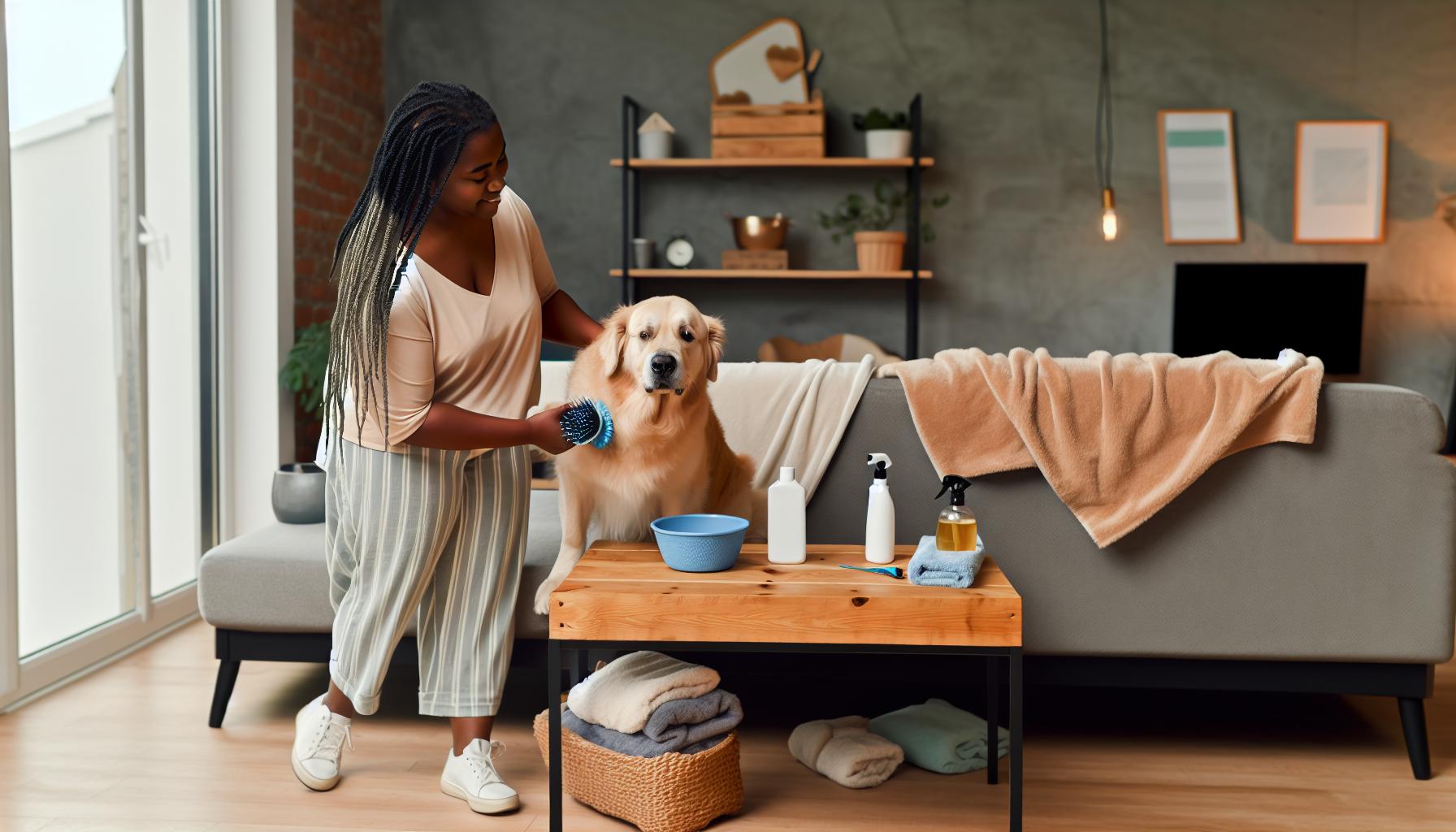
Common Groomer Mistakes That Ruin the Scent
Few things are more disappointing than spending time and care on grooming your dog only to discover that the fresh scent fades quickly or turns unpleasant. Even skilled groomers can occasionally stumble on pitfalls that diminish the lasting fragrance or irritate a dog’s skin, which impacts both comfort and aroma. Understanding these common slip-ups helps you avoid them and ensures your pup not only looks great but truly smells wonderful for days to come.
Bathing Blunders: Skipping Rinse or Using Harsh Products
One of the most frequent issues arises during bath time. Not thoroughly rinsing shampoo and conditioner leaves residue in the coat, which traps dirt and odors rather than eliminating them. For example, thick or double-coated breeds like Golden Retrievers or Huskies require extra attention to rinsing and drying as product buildup easily hides under dense fur, dulling both shine and scent. Additionally, using harsh or human shampoos can disrupt the natural pH of a dog’s skin, leading to irritation, dryness, and a musty smell post-bath. Always opt for gentle, dog-specific shampoos with soft fragrances like oatmeal or chamomile to protect the skin barrier and promote a fresh, lingering aroma [[1]].
Overuse of Perfumes and Sprays
applying perfume or deodorizing sprays seems like a quick fix, but too much can backfire. Overloading the coat with concentrated fragrances may overwhelm your dog’s natural scent and cause sensitivity reactions, especially in dogs with sensitive skin or allergies.Sensitive breeds such as Boxers or Bulldogs often react poorly to strong scents, making a subtle application essential. Instead of spraying directly onto the face or skin, lightly mist the fur from 8 to 12 inches away and combine with brushing to distribute the scent evenly.This approach prevents “hotspots” of fragrance that can irritate or stress your dog [[3]].
Neglecting the Coat’s Condition and prepping the Fur
A gorgeous scent locks in best on a clean, well-conditioned coat.Groomers sometimes forget that tangles, mats, or dry skin interrupt fragrance absorption and cause odors to linger in trapped debris. As an example, poodles with curly coats or spaniels with feathering need regular detangling with slicker brushes or combs before any application of sprays or conditioners. Skipping this prep step frequently enough leaves areas smelling stale despite using the best perfumes. Also, dry coats repel water-based products, so using a moisturizing conditioner enhances softness and scent retention beautifully [[2]].
Using fragrance as a Substitute for Regular Grooming
Relying on spritzing cologne or deodorizer alone without consistent baths, brushing, and spot cleaning is a common misconception. Fragrances work best as a finishing touch-not a cover-up for dirt or skin conditions. For example, persistent odors can signal underlying problems like yeast infections or oily skin that only a vet or groomer can diagnose and treat properly. So, while grooming sprays and perfumes add appeal, maintaining a good hygiene routine is key to lasting freshness and your dog’s overall comfort.
- Check product ingredients: Avoid parabens, alcohol, and synthetic dyes known to irritate canine skin.
- Tailor grooming to coat type: Long, thick, or double coats need more thorough rinse and condition than short, smooth coats.
- Avoid sensitive spots: never spray near eyes, ears, nose, or genital areas to protect delicate skin.
- Observe your dog: Watch for scratching, redness, or discomfort after grooming sessions and adjust products if needed.
By steering clear of these grooming missteps and focusing on gentle, consistent care, you’ll help your dog enjoy a naturally fresh and inviting scent that reflects a healthy, happy coat. It’s all about thoughtful attention to your dog’s individual needs and using products wisely-not overdoing it-that creates a truly delightful fragrance experience.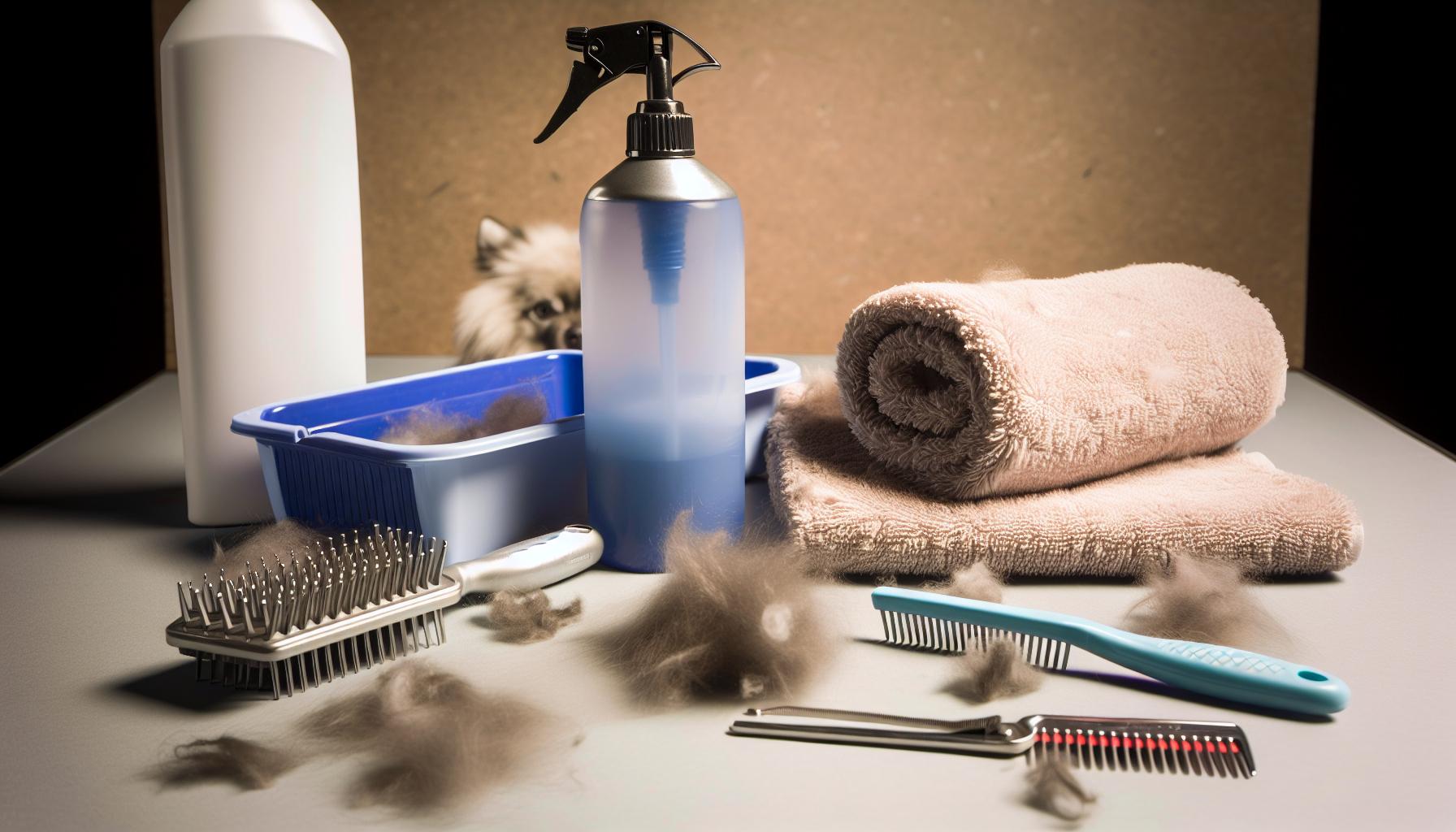
When to Avoid Fragranced products for Your Dog’s Health
Certain moments call for skipping colognes, perfumes, or scented sprays to truly safeguard your dog’s well-being. While these fragrant finishes are wonderful for a fresh boost, not every pup can tolerate them, and overusing fragrant products can unknowingly do more harm than good. Especially for dogs with sensitive skin, allergies, or underlying health problems, it’s essential to choose scent options carefully-or avoid them altogether.
Dogs with skin conditions like eczema, dermatitis, or fungal infections are particularly vulnerable. Applying fragranced sprays or colognes over inflamed spots might worsen irritation or trigger itching. Such as, a senior dog with chronic hotspots or a breed prone to skin allergies like the West highland White Terrier will benefit far more from soothing, unscented products recommended by a vet than any perfume.Likewise,pups recovering from surgery or wounds need fragrance-free care to keep healing smooth and comfortable.
Identifying When Fragranced products Aren’t a Good Fit
- Visible skin irritation: Redness, flakiness, or excessive scratching after a bath or grooming session means cut back on sprays or scented conditioners.
- Respiratory sensitivities: Dogs with asthma or brachycephalic breeds (like Pugs and bulldogs) often have trouble with strong smells, which might cause coughing or sneezing. In these cases, fragrance-free options are safest.
- Young puppies and elderly dogs: Their delicate systems might react unpredictably to synthetic ingredients and perfumes, so gentle, unscented products are the way to go.
- Underlying health issues: If your dog has unexplained odor changes or skin problems, consult the vet before layering on cologne-it might very well be a sign of infection or hormonal imbalance needing medical attention.
Gentle alternatives and Tips for Sensitive Dogs
When fragrance isn’t an option, focus on boosting your dog’s natural scent with these nurturing steps:
- Use mild, hypoallergenic shampoos: Look for products with oatmeal, aloe, or chamomile to calm skin and leave a faint, pleasant aroma without irritation.
- Regular brushing: Helps remove dirt and distribute natural oils, which preserves your dog’s fresh scent organically.
- Spot cleaning: Use unscented pet wipes on paws, face, or underarms between baths to keep odors in check without chemicals.
- Humidity and diet: Maintain optimal hydration and proper nutrition-both have surprising effects on the coat’s shine and freshness.
A practical example: A client’s Boxer with sensitive skin stopped reacting badly after switching from a popular, perfumed grooming spray to an all-natural, fragrance-free balm and gentle oatmeal shampoo. Her coat stayed soft and fresh longer, and she no longer scratched after grooming appointments.
Knowing When to Turn to Professionals
Sometimes the line between grooming and medical care is subtle-but critical.If persistent odors or skin flare-ups keep returning despite your best care, it’s time for the vet’s expertise. Many pets mistakenly get sprayed with multiple scented products when what they really need is specialized treatments or medicated baths. Collaborate with your groomer and vet to develop a care plan that’s safe, effective, and kind, respecting your dog’s unique sensitivities.
Remember, the goal isn’t masking scents but promoting healthy skin and a genuinely clean coat that smells wonderful because it’s well cared for.Trust your dog’s reactions and never hesitate to pause fragranced products that don’t sit well-they’re your furry friend’s best advocates in this. Gentle care wins every time!
Vet vs. Groomer: Choosing Safe Scent Solutions
A dog’s scent is more than just a pleasant aroma-it’s a vital sign of their overall health and comfort. When deciding how to keep your furry friend smelling fresh, understanding the distinct roles of veterinarians and groomers can make a world of difference. Groomers excel at making dogs look and smell their best by choosing safe, well-formulated scented products designed specifically for pets. Meanwhile, veterinarians focus on identifying and treating underlying skin or health issues that may affect odor or skin sensitivity.Navigating this partnership with care ensures your dog’s well-being stays front and center.
Groomers typically use gentle shampoos, conditioners, and colognes tailored to your dog’s coat type and temperament. Such as, a long-haired Golden Retriever may benefit from hydrating conditioners infused with subtle natural scents, while a short-haired Dachshund might need a lighter shampoo to avoid residue buildup. Experienced groomers are also adept at spotting early signs of skin irritation or allergies, prompting a vet consultation when necessary. The secret to their success lies in selecting professional-grade, fragrance-safe sprays and colognes (like those featuring oatmeal, aloe, or hypoallergenic formulas) that boost freshness without overwhelming the dog’s sensitive nose or skin [[2]](https://lovelypetspot.com/dog-cologne-that-groomers-use/).
Conversely, when your dog has persistent odors unresponsive to routine grooming, or if you observe redness, flaking, or unusual scratching, that’s a key moment to seek veterinary advice. Vets are trained to diagnose infections, allergies, or hormonal imbalances that may cause offensive smells or skin discomfort. They can then prescribe medicated shampoos, topical treatments, or dietary adjustments that not only improve scent but promote healing. Overusing fragranced grooming products on compromised skin can worsen symptoms,so vets often recommend fragrance-free or hypoallergenic options during treatment. collaboration between groomers and vets ensures a balanced approach,where cosmetic freshness supports true health.
Finding the sweet Spot Between Groomer and Vet Care
- Evaluate your dog’s coat and skin condition: Groomers handle routine care and pleasant scents safely for most dogs, especially those with healthy skin.
- Watch for signs of distress: Redness, itching, or strong, persistent odor calls for veterinary evaluation before adding scent products.
- Choose scent products wisely: Opt for natural, gentle grooming sprays or colognes endorsed by groomers, avoiding harsh chemicals or strong perfumes-especially for sensitive breeds like Bulldogs or Westies.
- Follow professional advice: Use vet-prescribed medicated shampoos first; once skin health improves, groomers’ scented products can help maintain a fresh coat.
- Communicate openly: Share observations with both your groomer and vet to tailor a fragrance routine protecting your dog’s comfort and wellness.
One client’s experience illustrates this balance beautifully: their West Highland White Terrier, prone to allergies, initially faced flare-ups from scented sprays. After switching to vet-approved medicated baths and fragrance-free care, followed by mild groomer-endorsed spritzes, the dog’s coat stayed soft, clean, and odor-free without irritation. This step-by-step approach-from medical clearance to gentle grooming-made all the difference.
In essence, while groomers bring the magic touch for refreshment and scent, veterinarians ensure those choices suit your dog’s unique health needs. Respecting these boundaries,watching for changes,and opting for collaboration empowers you to keep your pet smelling and feeling wonderful-safely and compassionately.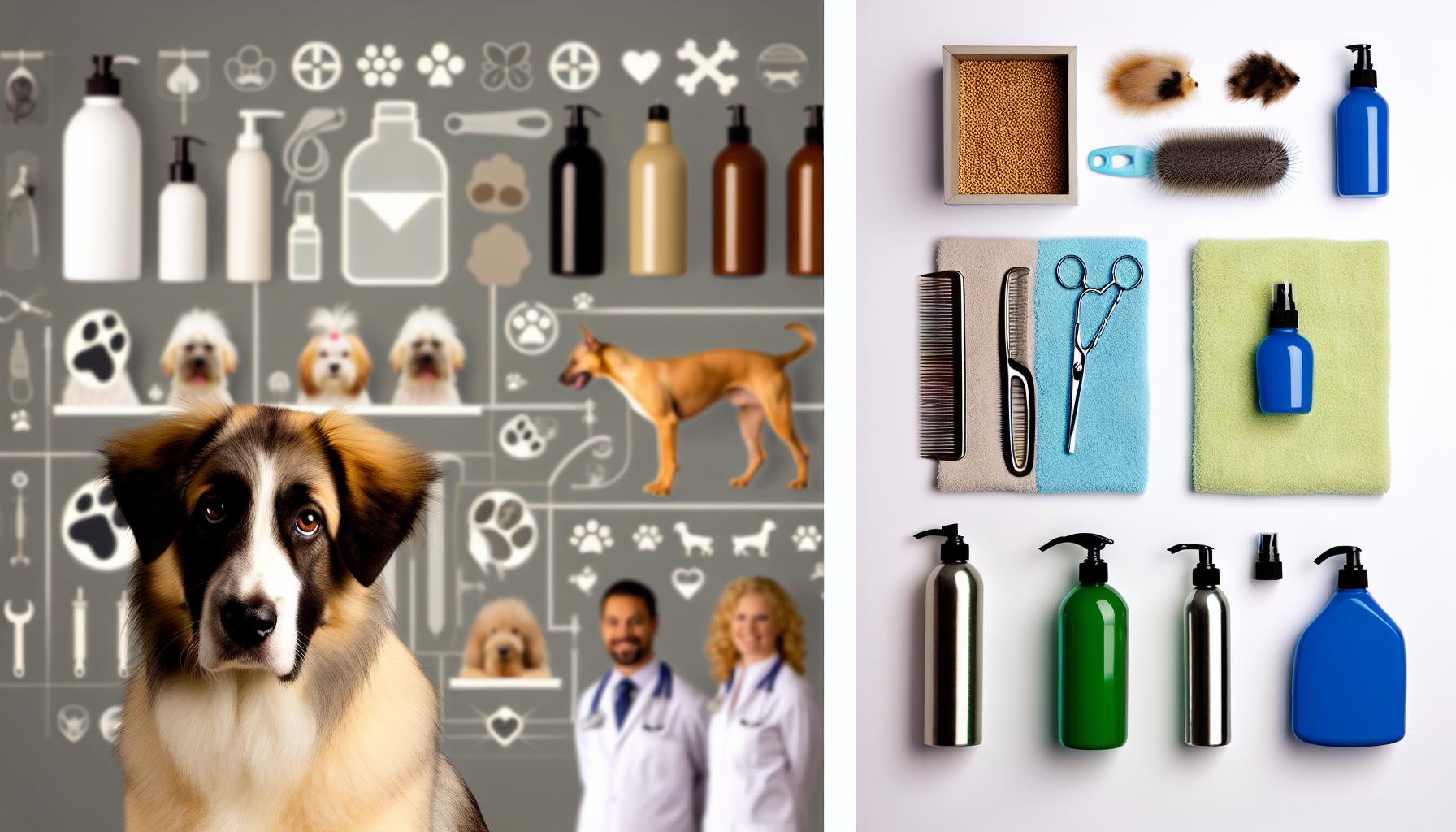
Real Groomer Secrets to Keep Dogs Smelling Great Between Baths
few things brighten a dog’s day (and ours) more than that fresh, clean scent that seems to radiate happiness and health. While regular baths are essential, many dogs benefit from a little extra care between soaks to stay smelling lovely without overwhelming their sensitive noses or skin. Groomers know this well and have some simple, effective secrets that owners can easily do at home to keep that freshly-groomed essence lingering longer.
Quick Refresh with Light Brushing and Spot Cleaning
For most dogs,especially medium- to long-haired breeds like Golden retrievers or Cocker spaniels,gentle daily brushing does wonders. It removes loose hair, dirt, and dander, all of which can trap odors. Using a slicker brush or a pin brush suited to your dog’s coat type not only detangles but stimulates natural oils that keep coats glossy and pleasantly scented. If your dog gets into a smelly patch outside,dampened microfiber cloths with a touch of a groomer-recommended deodorizing spray are perfect for spot cleaning paws or the underbelly without a full bath.This light approach avoids stripping natural oils while fighting odor buildup.
Using Grooming Sprays and Natural Colognes Safely
Between baths,professional groomers frequently enough rely on light finishing sprays or pet colognes designed exclusively for dogs-products like Bark2Basics Salon Scents offer natural,hypoallergenic ingredients that refresh without harsh chemicals [[1]](https://www.amazon.com/bark-Basics-Salon-Scents-Grooming/dp/B00UTR5MNO). Spritz sparingly-too much can overwhelm sensitive pups or mask underlying skin issues that vets should check. A few spritzes on a dry coat, followed by a gentle brush-through, distributes scent evenly and keeps dogs smelling fresh without irritation. Always select products labeled safe for pets and avoid human perfumes, which can cause skin reactions.
Routine Ear, Nail, and Facial Care Boosts Overall Freshness
Odors frequently enough start in overlooked areas like ears or between paw pads. Groomers emphasize routine ear checks and cleaning using vet-approved solutions to prevent wax buildup and infection,common culprits of unpleasant smells. Likewise, gentle wiping of your dog’s face daily-especially around eyes and muzzle-with damp cloths helps maintain a clean scent profile. Regular nail trims keep paws tidy, making mess less likely to cling. These small, consistent habits compound to keep your dog both comfortable and fresh between professional grooming visits.
Know When to Call in the Experts
If your dog’s odor persists despite these efforts or you notice itching, redness, or flaking, it’s time to consult your vet. Overuse of scented sprays on irritated skin can worsen conditions. Groomers and vets work best in tandem: groomers keep your dog smelling inviting and looking great when skin is healthy,while vets tackle underlying issues affecting scent. Maintaining open communication with both ensures you choose the safest options tailored to your dog’s unique needs.
- Brush daily with tools suited to your dog’s coat type.
- spot-clean with damp cloths and light grooming sprays.
- Use pet-safe colognes sparingly after baths.
- maintain ears and nails to prevent hidden odors.
- Watch for signs of irritation and seek vet care when needed.
With patience, consistency, and the right products, you can effortlessly extend that just-groomed scent-enough to make your pup’s tail wag with confidence and you breathe easier knowing their comfort and health come first.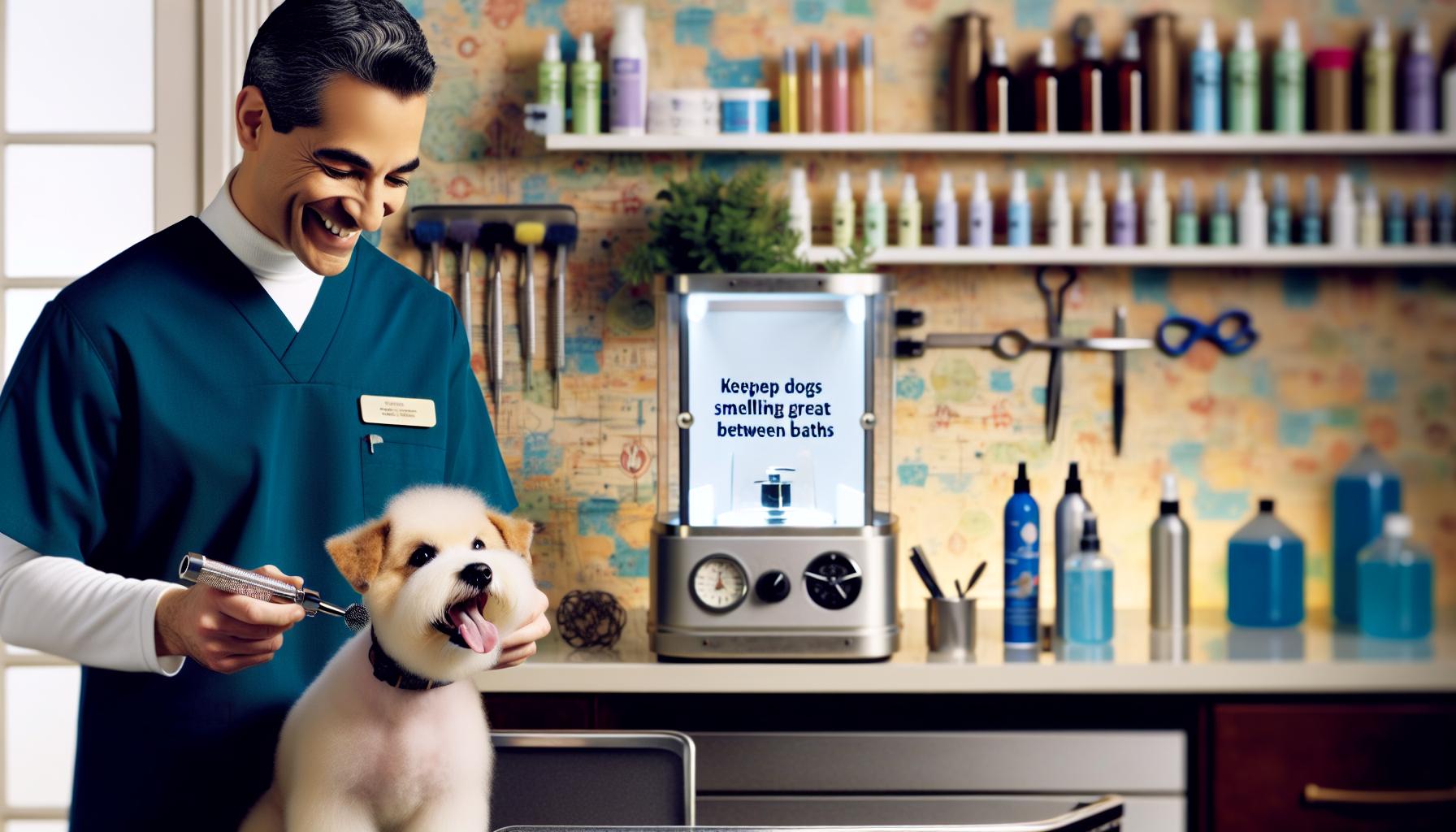
FAQ
Q: How do professional groomers safely apply scented products to avoid irritating a dog’s skin?
A: Professional groomers apply scented sprays and perfumes in light, controlled amounts, avoiding sensitive areas like eyes and mouth. They choose hypoallergenic,vet-approved formulas tailored to the dog’s coat and skin type. Always patch test new products to prevent irritation and learn more about safe application techniques in our Tools and Techniques for Applying Scent Products section.
Q: What secret natural ingredients do groomers use to keep dogs smelling fresh without harsh chemicals?
A: Groomers often use natural ingredients like aloe vera, oatmeal, chamomile, and essential oils (lavender or cedarwood) for gentle, fresh scents.These ingredients soothe sensitive skin while providing a subtle, lasting fragrance. For sensitive dogs, check out our Natural and Organic Scents for Sensitive Dogs section for specific vet-recommended options.
Q: Why do some grooming products include deodorizing agents, and how do they work?
A: Deodorizing agents neutralize odors at the source by chemically binding to odor-causing bacteria, rather than just masking smells with perfume. groomers use these in shampoos or sprays to keep coats smelling clean longer. Explore how these work safely in our How Grooming Sprays and Perfumes Work Safely section.
Q: When should pet owners avoid using fragranced grooming products on their dogs?
A: Avoid fragranced grooming products if your dog has allergies, skin infections, or respiratory sensitivities. Signs include itching, redness, or sneezing after use. Consult your vet for safe alternatives and review our When to Avoid Fragranced Products for Your Dog’s Health section for guidance on choosing scent-free solutions.
Q: How can grooming conditioners enhance the scent and feel of a dog’s coat?
A: Conditioners smooth the coat, lock in moisture, and help scent molecules last longer by sealing the hair cuticle. Groomers use lightly scented conditioners to boost softness and fragrance, especially for long or curly coats. See our detailed tips in the how Conditioners Enhance Coat Softness and Fragrance section for best results.
Q: what tools do groomers use to evenly distribute scent products for a balanced fresh smell?
A: Groomers use fine-mist spray bottles and slicker brushes to evenly apply and blend scent products throughout the coat. This ensures no heavy spots or missed areas. For practical advice, refer to the Tools and Techniques for Applying Scent Products section, which offers step-by-step guidance for at-home application, too.
Q: How can I safely maintain my dog’s fresh scent between professional grooming sessions?
A: maintain freshness by using mild scented sprays, regular brushing, and wipe-downs with natural pet wipes. Avoid over-bathing to protect your dog’s skin barrier. Our Real Groomer Secrets to Keep Dogs Smelling Great Between Baths covers safe DIY routines to extend that just-groomed feeling.
Q: Do groomers use different scent products for various dog breeds or coat types?
A: Yes, groomers select scent products based on breed and coat type-thicker coats may need stronger deodorizing sprays, while fine coats benefit from lightweight, non-greasy formulas. Sensitive breeds require hypoallergenic scents. Learn about tailored product choices in our Top Secret Grooming Products Explained section to choose the best for your dog.
For more detailed tips and product recommendations, check the linked sections in our main article. If you have specific concerns about your dog’s skin or coat sensitivity, consulting your vet or professional groomer ensures the safest, most pleasant grooming experience.
The Conclusion
now that you know the secret products groomers use to keep dogs smelling fresh and clean, you’re better equipped to choose the right scents and safe grooming tools for your pup’s specific breed and coat type. Remember, a gentle bath, thorough brushing, and regular nail and ear care all play essential roles alongside those special shampoos and conditioners. Prioritize your dog’s comfort and health by consulting with a trusted groomer if you’re ever unsure about product choices or techniques.Ready to take your dog’s grooming routine to the next level? Explore our detailed guides on dog grooming tips for different coat types and how to maintain your dog’s skin health to keep your furry friend happy and smelling great all year round. don’t forget to sign up for our newsletter for expert advice and exclusive discounts on grooming essentials designed with your pet’s wellbeing in mind. Have questions or success stories? share them in the comments – we love hearing from fellow dog lovers!
Stay confident in caring for your dog’s fresh scent with safe, effective grooming tools and products tailored just for them.For more insider tips on pet care and grooming safety, be sure to explore our full range of resources and keep your pet’s tail wagging with health and happiness.
Get our latest guides, news, and insights highlighted in your Google Search & AI Overviews.
Keep reading about the same coat and cut.



Popular grooming guides
Bath vs clip, first grooms, and salon how-tos.