What Do Cat Groomers Do? Services Beyond Basic Brushing

Did you know that cat grooming goes far beyond just brushing? While keeping your cat’s coat smooth is important, professional groomers provide a range of gentle, specialized services tailored to your feline’s breed, coat type, and temperament. From safely trimming nails and cleaning ears to managing mats and sensitive skin, groomers offer compassionate care that helps reduce your cat’s stress and maintain overall health. If you’ve ever worried about stressing your cat during grooming or wondered which tasks are best left to experts, you’re not alone-this guide will walk you through everything a cat groomer does, how they prioritize your pet’s comfort, and when to seek professional help versus DIY care. With patience and knowledge, cat groomers become allies in keeping your furry friend happy, healthy, and looking their best-without sacrificing well-being for appearance. Let’s explore these thoughtful steps together, so you can feel confident about every part of your cat’s grooming routine.
what Cat Groomers Do Beyond Brushing
Table of Contents
- 1 what Cat Groomers Do Beyond Brushing
- 2 Expert Bathing Techniques for Cats
- 3 Nail Trimming and Paw Care Tips
- 4 Safe Ear Cleaning Practices Explained
- 5 Handling Matted Fur and Haircuts
- 6 Specialized Grooming for Different Coat Types
- 7 Soothing Anxious Cats During Grooming
- 8 Understanding the Groomer’s Role vs. Veterinarian
- 9 Essential Tools Professional Groomers Use
- 10 Signs Your Cat Needs Professional Grooming
- 11 How Groomers Manage Senior or Special Needs Cats
- 12 Tips for Maintaining Your Cat’s Coat Between Visits
- 13 Faq
- 13.1 Q: How do cat groomers safely handle cats that dislike grooming or are anxious? A: Cat groomers use gentle techniques like slow movements, calming pheromones, and quiet environments to soothe anxious cats. They may take breaks and use treats to build trust. This compassionate approach prioritizes *comfort and safety*, helping even nervous cats relax during grooming sessions. See the section on *Soothing Anxious Cats During Grooming* for detailed tips. Q: What special considerations do groomers make for cats with sensitive skin or allergies?
- 13.2 Q: when should a cat owner seek professional grooming instead of DIY grooming at home?
- 13.3 Q: How do cat groomers assist with maintaining dental health through grooming sessions?
- 13.4 Q: what grooming tools do professionals use for cats with long or thick fur that differ from basic brushes?
- 13.5 Q: Why is professional grooming important for senior or special needs cats?
- 13.6 Q: How do groomers handle matted fur without causing pain or stress to the cat?
- 13.7 Q: What are some benefits of professional ear cleaning by cat groomers beyond basic hygiene?
- 14 in Retrospect
While brushing is an critically important part of keeping a cat’s coat healthy, professional groomers offer so much more to support your feline friend’s overall hygiene and comfort. Beyond combing through fur, groomers carefully evaluate your cat’s individual needs, from skin condition to coat type, to determine the best approach. For example, long-haired breeds like Persians often require specialized detangling techniques and regular trims, whereas short-haired cats may benefit more from focused nail care or ear cleaning.
Grooming sessions typically include a calming bath using gentle, cat-specific shampoos that soothe sensitive skin and reduce allergens, something many owners find challenging to do at home. Groomers use warm water and slow, reassuring movements to minimize stress, ensuring your cat feels safe throughout the process. After the bath, drying is handled delicately-often with soft towels or low-noise dryers-to prevent frightening anxious cats.
More Than Just a brush
- Nail trims: Trimming claws with precision tools prevents painful overgrowth and reduces the risk of scratching accidents. Groomers know how to trim just the right amount, avoiding sensitive quicks.
- Ear Cleaning: gentle cleansing of the ear canals removes dirt and wax buildup safely without causing irritation or injury.
- Checking for Skin Issues: Groomers frequently enough spot early signs of conditions such as fleas, infections, or dry patches that might require veterinary attention.
Handling matted fur also requires expert skill; a groomer knows when it’s best to gently work out tangles or carefully trim mats to prevent discomfort or skin damage. This attentive care helps keep your cat comfortable, especially for breeds prone to matting or those with thick undercoats.
Ultimately, professional groomers act gently and patiently, creating a stress-minimized environment that respects your cat’s unique temperament and health. Their work supports not just appearance but overall wellness, partnering with owners and veterinarians to provide compassionate care tailored to every cat’s needs.

Expert Bathing Techniques for Cats
cats are famously particular about water, which makes bathing them a special challenge that requires patience, gentleness, and the right technique.Professional groomers understand how to transform what can be a stressful experience into a calm, even soothing routine-especially important for breeds with thick coats or skin sensitivities. Bathing isn’t just about cleanliness; it’s also a chance to check for skin issues and ensure your cat’s coat stays healthy and comfortable.
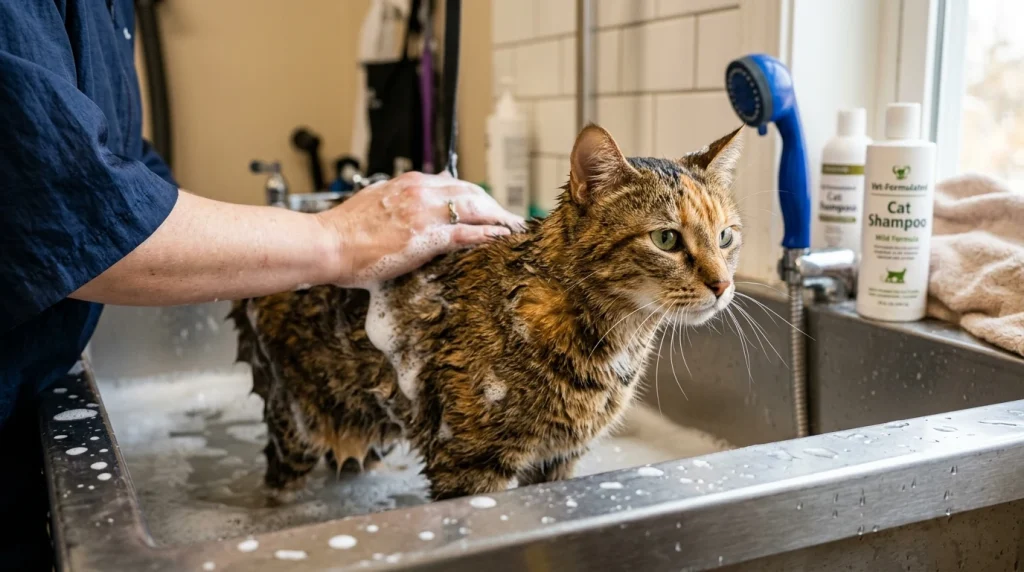
Starting with water temperature, warm-not hot or cold-is key to keeping your kitty relaxed. Most groomers gently wet the cat from the ears backward, avoiding the sensitive face area initially to prevent startling or discomfort. Using a mild, cat-specific shampoo designed to soothe and moisturize the skin, they carefully work the lather into the fur, focusing on problem areas like the neck, underbelly, and tail, where oils and dirt tend to accumulate. For long-haired cats, this also helps loosen tangles before brushing out afterward. It’s critically important not to over-shampoo,as excessive soap can irritate delicate skin or strip natural oils.
Rinsing thoroughly is just as crucial as shampooing-residue left behind can cause itchiness and skin reactions. Professional groomers rinse multiple times, sometiems switching to a gentle, leave-in conditioner tailored for cats to maintain softness and reduce static. When it comes to the face, groomers avoid direct water contact in the eyes and ears; instead, they use a warm, damp cloth to wipe gently and clean these sensitive spots without risk.
Drying is the final step, handled with the cat’s comfort front and center. Many cats are fearful of loud blow dryers, so groomers rely on soft towels or quiet, low-heat dryers designed for pets. For fluffy or dense coats, careful drying helps prevent mats and skin irritation, and gives the groomer a chance to do a final brush-through to keep the coat looking its best.
Bathing Tips Tailored to Coat Types
- Long-Haired Cats: require extra patience during wetting and drying to avoid tangles. Conditioners help keep fur soft and manageable.
- Short-Haired Cats: Typically easier to bathe, but benefit from gentle exfoliating shampoos to remove dead hair and oils.
- Skin-Sensitive Cats: Groomers select hypoallergenic, fragrance-free shampoos and follow up with moisturizers to calm irritation.
Whether your cat is a Persian with a luxurious coat or a curious shorthair, professional bathing reflects deep respect for their comfort and wellbeing. If your cat shows signs of anxiety, start with brief introductions to water and reward calm behavior generously-this sets the stage for smoother baths. Remember, a groomer knows when a bath is safe and beneficial versus when to recommend a veterinary evaluation for itching or skin problems that require medical care [[1]](https://www.chewy.com/education/cat/grooming/how-to-bathe-a-cat-step-by-step-tips-from-a-professional-groomer).
By promoting calm,slow-paced handling and using just the right products,groomers ensure baths boost your cat’s health and happiness-not just their looks. With practice and the right approach, you can also gain confidence giving your feline friend occasional baths at home, making the experience less daunting for both of you.
Nail Trimming and Paw Care Tips
Trimming a cat’s nails may seem daunting, but it’s a crucial part of maintaining their comfort and health beyond just keeping their claws neat. Overgrown nails can cause pain, snag on fabrics, or even lead to infections if they curl into the paw pads. Professional groomers know exactly how to approach this task with patience and care to keep your feline friend calm and safe throughout the process.
Many cats feel anxious about having their paws handled, so starting by gently touching and massaging their toes during quiet moments can build trust gradually. Groomers often incorporate positive reinforcement, using treats or soft praise, to create a relaxed atmosphere before even reaching for the clippers. Using the right tools is another key: sharp, cat-specific nail trimmers help ensure clean cuts without crushing or splintering the nails, which reduces discomfort and risk of injury.
Step-by-Step Nail trimming Tips
- Prepare the environment: Choose a quiet, well-lit area. A calm cat is easier to handle, so keep sessions short and soothing.
- Examine each nail: Look for the swift-the pink inner part that contains nerves and blood vessels-and avoid cutting into it. For cats with dark nails, trim small bits at a time to stay safe.
- Use proper tools: Cat nail clippers or small human nail scissors with rounded tips work best. Keep styptic powder nearby if you accidentally trim too close and cause bleeding.
- Trim gradually: Cut only the sharp tip, usually about 1-2 millimeters beyond the quick. Take breaks as needed to keep your cat relaxed.
Beyond trimming, paw care also includes gently wiping paws to remove dirt or debris-something professional groomers routinely do during appointments, checking for signs of irritation, cuts, or swelling. Groomers will often recommend monitoring for any persistent limping or licking, which might need a vet’s attention.
Some cats resist nail trims fiercely. Groomers trained in handling anxious or resistant pets frequently enough use calming techniques such as wrapping cats gently in towels (the “purrito” method) or breaking nail care into brief,frequent sessions rather of one long ordeal. This reduces stress for both cat and owner and builds positive associations.
Professional groomers also educate owners on when to seek veterinary advice-such as signs of paw infections, overgrown nails that cause altered gait, or changes in behavior linked to paw discomfort. While a groomer can safely trim nails and care for paws, medical concerns need a vet’s expertise to ensure your cat’s comfort and mobility remain optimal.
with practice, patience, and the right guidance, trimming your cat’s nails can become a manageable routine. This small step not only prevents damage to furniture but also supports your cat’s overall well-being by keeping their paws healthy and comfortable [[1]](https://nailicy.com/article/how-to-cutcats-nails) [[2]](https://www.goodrx.com/pet-health/cat/how-to-trim-cat-nails).
Safe Ear Cleaning Practices Explained
Ear health is sometimes overlooked in cat grooming, yet keeping those delicate ears clean is a crucial step for overall comfort and well-being. Unlike some dogs, most cats don’t require frequent ear cleaning, as their ears are naturally self-cleaning. Though, groomers recognize that certain cats, especially those prone to wax buildup, skin sensitivities, or ear infections, benefit greatly from gentle, safe ear care. Handling this task with kindness and patience helps turn what might be a nerve-wracking experience into a calm, positive routine.
Why and When to Clean Cat Ears
Cats with heavy wax, dirt, or evidence of redness, odor, or scratching might need ear cleaning. Groomers watch for these signs during appointments to catch subtle changes early. But over-cleaning isn’t just unnecessary-it can cause irritation or even lead to infections. When in doubt, it’s best to check with your veterinarian before starting any ear-cleaning routine at home.
Tools and Supplies Recommended
Professional groomers prefer vet-approved ear cleaners specifically designed for cats. These solutions gently dissolve wax and debris without harsh chemicals. Cotton balls or gauze pads are used to wipe away loosened dirt gently-never cotton swabs, which can injure a cat’s eardrum or push debris deeper. Treats and soft praise accompany the process, helping nervous cats associate ear care with comfort and safety [[1]](https://www.petmd.com/cat/general-health/how-to-clean-your-cats-ears) [[2]](https://vcahospitals.com/know-your-pet/instructions-for-ear-cleaning-in-cats).
Step-by-Step Gentle Ear Cleaning
- Create a calm setup: Choose a quiet, warm space. Wrap your cat gently in a towel if needed to prevent sudden movements without causing stress.
- Inspect first: Look for redness, discharge, swelling, or foul smell. If these appear, alert your vet before cleaning.
- Apply cleaner: Gently squeeze a small amount of ear cleaning solution into the ear canal, holding the ear flap upright to allow full access.
- Massage the base: Lightly rub the base of the ear to break up wax and debris, stimulating your cat’s natural cleaning response.
- Wipe clean: Using a cotton ball or gauze, delicately remove loosened debris from the visible part of the ear. Avoid pushing anything deep into the canal.
- reward generously: Follow up immediately with treats and gentle praise to create a positive association.
When to Leave It to the Professionals
Groomers are trained to assess ear health and perform safe cleaning, but when symptoms suggest infection, mites, or excessive pain, a professional diagnosis and treatment plan from a veterinarian are essential. Groomers and vets work hand-in-hand: groomers can help maintain cleanliness and notice early signs, but vets provide medical care. This teamwork keeps your cat healthy, comfortable, and calm during grooming visits.
remember, patience is key. Some cats may initially resist ear cleaning, but with gentle, gradual introductions and clear, calm handling, the process becomes easier over time.Your groomer can also show you safe techniques and tips for continuing ear care at home, preventing wax buildup and discomfort between professional visits. With kindness, knowledge, and the right tools, ear cleaning becomes a stress-free act of love.
Handling Matted Fur and Haircuts
Cats can develop mats for many reasons-long coats, shedding, limited self-grooming due to age or illness, or stress. These dense tangles are more than just unsightly; they can cause discomfort, skin irritation, and even restrict movement if left untreated. Handling matted fur requires a delicate balance of patience, skill, and compassion because forcing or pulling mats can hurt your kitty and damage sensitive skin.
When mats become severe, professional groomers often recommend shaving as the safest and most humane solution. Trying to cut or comb out dense mats at home risks accidental nicks or cuts, especially as cats may struggle or react unpredictably. Experienced groomers use clippers designed to safely glide over the skin, gently removing mats while minimizing stress to the cat. For lighter tangles, trained hands can carefully detangle with specialized dematting tools and under close supervision to ensure the cat stays calm and comfortable [[1]](https://www.facebook.com/groups/136461779799902/posts/6903253236454022/).
Approach Before Grooming
Before any fur removal, a groomer assesses the type of coat-long, semi-long, or dense short-haired-and the cat’s overall health. Cats with sensitive skin or medical conditions may require veterinary approval prior to grooming. Communicating with pet owners about the cat’s grooming history and behavior allows the groomer to create a tailored, gentle plan.Clear, calm handling techniques and environmental comforts such as warm towels or calming pheromones help ease anxiety during sessions.
Step-by-Step Handling of Mats
- Initial inspection: identify mats’ size, location, and condition, differentiating between minor tangles and mats that must be shaved.
- Dematting and brushing: For removable mats, the groomer uses stainless steel combs or dematting tools to carefully separate clumps, often applying leave-in conditioner or oils to soften fur-some owners report gentle olive oil massages helping loosen mats before professional grooming [[3]](https://www.karikells.com/Petsitter/2017/olive-oil-to-remove-matted-fur/).
- Safe shaving: When mats are too tight or close to the skin, clipping is safer. groomers proceed cautiously with high-quality clippers and blades, trimming short but without aiming for a “perfect” style, prioritizing the cat’s comfort over aesthetics.
- Post-groom care: After mat removal, bathing with gentle, cat-formulated shampoos and conditioners restores coat softness and skin health. Drying techniques minimize chill and stress, often using low-heat dryers and soft towels.
Empathy and Owner Empowerment
Matted fur isn’t a sign of neglect but a common challenge that even the most loving owners can face. Professional groomers gently educate clients on early mat prevention through regular brushing sessions, coat checks, and recognizing when professional care becomes necessary. They remind owners that the cat’s well-being and stress levels are the highest priority. By fostering trust and open interaction, groomers help owners feel confident and equipped to maintain their cat’s coat health between appointments.
Ultimately, managing matted fur blends grooming expertise with kindness and observation. When handled correctly, mats can be resolved safely and compassionately, ensuring the cat feels relief-not fear-throughout the process. For extreme matting or if your cat resists grooming, consulting both a professional groomer and your veterinarian is the best path to keep your feline friend happy, healthy, and comfortable.
Specialized Grooming for Different Coat Types
Many owners don’t realize that a cat’s grooming needs vary widely depending on their coat type. From sleek Siamese short hair to luxurious Persian long locks, each coat has its own personality and requires specialized care to keep it healthy and comfortable. Tailoring grooming techniques to the individual cat not only enhances their appearance but also supports skin health and prevents issues like matting, excessive shedding, or irritation.Cats with short, smooth coats-like American Shorthairs or Bengals-often need less frequent brushing but still benefit greatly from regular sessions. A soft bristle brush or rubber grooming mitt works wonders to remove loose fur and stimulate circulation without stressing sensitive skin. These cats usually tolerate baths with minimal fuss, so a gentle rinse with cat-formulated shampoo can help remove dirt and excess oils. Nail trimming and gentle ear checks round out their grooming needs, keeping them fresh and comfortable.
In contrast, semi-long and long-haired breeds, such as Maine coons, Ragdolls, and Persians, demand more dedicated attention to prevent tangles and mats. Groomers rely on a combination of slicker brushes, wide-tooth combs, and dematting tools to carefully detangle delicate fur without pulling. Frequent bathing-about every 4 to 6 weeks-using moisturizing shampoos and conditioners specifically designed for cats helps maintain softness and shine. Because these cats are prone to mats behind the ears, under armpits, and along the belly, groomers take extra care to check these spots routinely during sessions. Patience is key; slow and steady strokes with positive reinforcement keep even the most sensitive longhairs comfortable.
Tools Tailored to Coat and Task
- Slicker brushes: Ideal for lifting loose undercoat on medium to long fur without scratching the skin.
- Wide-tooth combs: Great for detangling without breaking delicate hairs, especially around sensitive areas.
- Dematting tools: Used sparingly on tougher tangles but always with caution to avoid discomfort or skin damage.
- Rubber grooming mitts: perfect for short-haired cats who prefer gentle strokes and minimal handling.
Bathing Strategies by Coat Type
Bathing frequency and technique depend heavily on coat length and skin condition. Long-haired cats often require more thorough, slower rinses and conditioning to prevent dryness and matting, while short-haired cats respond best to quick, stress-free baths using waterless or diluted shampoos for sensitive skin.For example, Persians may need extra drying time with low-heat blow dryers and towel wraps to prevent chills, whereas short-haired breeds typically dry quickly with gentle towel rubs.Groomers also pay close attention to the skin beneath the coat.Cats prone to oily or flaky skin get special shampoos and conditioners that maintain moisture balance without stripping natural oils. When in doubt, a groomer will advise a veterinary checkup to rule out skin issues before proceeding with extensive grooming, especially for breeds with genetic predispositions to skin problems.
By embracing each cat’s unique coat characteristics and temperament, groomers ensure that every session feels safe and soothing. This customized approach helps prevent common frustrations like over-brushing or tugging at tangles, making grooming a positive experience that supports lifelong health and happiness. Owners empowered with knowledge about their cat’s specific needs can maintain these routines confidently between professional visits, promoting smoother coats and happier moods all year round.
Soothing Anxious Cats During Grooming
Anxiety during grooming is a common challenge, but with the right approach, even the most nervous cats can learn to feel safe and relaxed. It starts with understanding that grooming is not just about appearance-it’s about your cat’s comfort and trust. Cats with sensitive temperaments or prior bad experiences need extra patience and a calm environment. Small adjustments can make a world of difference in helping your feline friend feel at ease.
Creating a Calm Environment
Before any grooming begins, setting the stage with a quiet, familiar space helps reduce stress. Using gentle, consistent lighting and minimizing sudden noises can soothe a cat’s nerves. Some groomers find that soft classical music or pheromone diffusers (such as Feliway) create a reassuring atmosphere. It’s also helpful to let the cat explore grooming tools ahead of time, turning unfamiliar objects into something less intimidating.
Step-by-step handling Techniques
For brushing, start with short, gentle strokes using tools suited to the cat’s coat type-like a soft rubber mitt for short-haired cats or a slicker brush for long fur-but with minimal pressure. Offering treats or soft praise during these moments reinforces positive associations. when it comes to othre grooming tasks such as baths or nail trims-which can heighten anxiety-it’s best to break them into small, manageable steps spread over multiple sessions if necessary. As a notable example:
- Bathing: Introduce water slowly, perhaps dampening only the paws or lower body first.
- Nail trimming: Gently handle one paw at a time, rewarding calm behavior generously.
- Ear cleaning: Use a soft cloth or cotton ball with veterinary-approved solutions, applying minimal touch initially.
Recognizing When to Seek Help
Despite best efforts, some cats remain highly stressed during grooming. In these cases, professional groomers trained in feline behavior can provide specialized support, including gradual desensitization and alternative techniques to reduce fear and resistance. Additionally, veterinarians can evaluate whether medical factors-like pain or skin irritation-are contributing to anxiety and recommend safe calming aids if needed [[1]](https://catspatrol.com/how-to-groom-anxious-cat/). Always prioritize your cat’s comfort over perfection; a relaxed cat, even with a slightly tousled coat, is always the true goal.
By approaching grooming as a gentle bonding experience rather than a chore, you empower both yourself and your cat with confidence and care. Remember that patience, kindness, and a tailored routine-based on your cat’s unique personality and coat type-transform grooming from a stressful ordeal into a positive, nurturing ritual that supports long-term health and happiness [[2]](https://thevetdesk.com/pet-health-wellness/cats/how-to-calm-cat-for-grooming/).
Understanding the Groomer’s Role vs. Veterinarian
Many pet owners wonder where the line is drawn between the roles of a professional groomer and a veterinarian, especially when it comes to caring for cats beyond basic brushing. While groomers provide essential services to help keep your cat comfortable, clean, and looking its best, veterinarians focus on medical health and diagnosing or treating illnesses. Recognizing this distinction empowers you to confidently support your cat’s well-being without confusion or unnecessary stress.
Professional groomers are skilled in managing the day-to-day upkeep of your cat’s coat and hygiene. This includes expert bathing,de-matting,nail trimming,ear cleaning,and sometimes even external anal gland expression. They bring specialized knowledge about different coat types-whether your feline friend sports a thick Persian coat requiring gentle detangling or a sleek short-haired coat needing less frequent trimming. Groomers carefully select tools, such as slicker brushes or grooming gloves, tailored to your cat’s breed and sensitivity. Their main goal is to maintain your cat’s comfort, prevent painful mats, reduce shedding, and keep nails and ears in healthy condition-all while fostering a trusting, calm environment.
However, groomers are not veterinarians and do not provide medical diagnosis or treatment. If your cat’s skin shows signs of irritation, infection, or unexplained hair loss, a veterinarian’s expertise is required to identify underlying illnesses or allergies. Groomers are trained to notice when something seems ‘off’ during a session-like unusual lumps, sores, swelling, or excessive scratching-and will often advise consulting a vet to rule out health issues.Veterinarians perform physical exams, prescribe medications, and manage medical conditions such as dermatitis, ear infections, or painful nail problems that can’t be addressed through grooming alone.
Hear’s a simple breakdown to help guide decisions between grooming care and veterinary attention:
| Task | Typical Groomer Role | Veterinarian Role |
|---|---|---|
| Bathing and Brushing | Clean and detangle coat; remove loose hair and dirt | Diagnose skin infections, prescribe medicated shampoos |
| Nail Trimming | Safely trim nails, file rough edges | Treat nail infections, fractures, or growth abnormalities |
| Ear Cleaning | Remove dirt and wax; keep ears dry and healthy | Diagnose and treat ear mites, infections, or tumors |
| Matted Fur and Haircuts | Gently remove mats or do breed-specific trims | identify skin diseases causing hair loss or matting |
When to Trust Your Groomer
If your cat is generally healthy, a skilled groomer can confidently handle routine care and help you maintain the coat with practical advice for at-home brushing or bathing. Such as, a groomer might recommend slicker brushes for long-haired breeds like Maine Coons, or rubber grooming mitts for sensitive short-haired cats, helping reduce anxiety naturally.
When to Seek Veterinary Help
If there’s persistent skin redness,swelling,strong odors,bleeding,or behavioral signs like intense scratching,licking,or sensitivity to touch,it’s time to visit the vet.Veterinary care ensures any underlying condition is treated promptly, preventing discomfort from escalating. For anxious cats or those with special needs, groomers frequently enough coordinate with vets to design personalized care plans, respecting each cat’s boundaries and health status.
Ultimately, the most compassionate care comes from a team approach, with groomers and veterinarians working together to support your cat’s comfort and health. When you understand their complementary roles, you can make thoughtful choices, reduce your cat’s stress, and keep their coat-and overall wellness-in top shape. Always prioritize gentle handling and open communication with your groomer and vet to create the best experience for your beloved feline companion.
Essential Tools Professional Groomers Use
Cats frequently enough seem to carry a natural elegance, but their flawless appearance is the result of skilled grooming combined with the right tools chosen for their unique needs. Professional groomers rely on a carefully curated kit that does far more than just brush away loose fur. These tools help manage everything from silky Persians with potential mats to short-haired cats prone to shedding,always prioritizing the animal’s comfort and safety over achieving a “perfect” look.
Tools for Bathing and Drying
Expert bathing requires shampoos formulated specifically for cats-gentle, hypoallergenic, and soothing to any sensitive skin. Along with these, a sprayer or handheld shower with adjustable pressure helps control water flow, reducing stress during the wash. After bathing, drying tools like quiet, low-heat dryers are essential, especially for long-haired cats vulnerable to chills or mats.Turbulent heat or noisy devices can spook nervous felines, so groomers frequently enough choose equipment designed with silent motors or airflow control to maintain calm.
Brushing and De-Matting Equipment
Different coat types demand tailored tools. Slicker brushes with fine, bent wire bristles excel at removing loose hairs and preventing tangles in medium to long coats. For short-haired cats or those with sensitive skin, rubber grooming mitts or soft bristle brushes are gentler, doubling as calming massage tools. when mats do form, groomers use specialized dematting combs or safe, blunt-tipped scissors to carefully detangle without pulling or causing pain. Patience here is key-rushing can lead to injury or deepen a cat’s mistrust.
Nail and Paw Care
Trimming nails is often the most delicate task, requiring precision tools like sharp, safety-rated nail clippers or grinders that shape without splitting. Some groomers prefer guillotine-style clippers for small nails and scissors-type for larger ones. Filing tools smooth sharp edges, preventing accidental scratches during play or cuddling.A calm approach with rewards helps even the most anxious cats tolerate this necessary care. Groomers may also inspect paws gently for signs of irritation, swelling, or debris that owners may overlook.
Ear and Hygiene Maintenance Tools
Keeping ears clean involves gentle items like soft cotton pads or specialized pet wipes, avoiding cotton swabs that risk injury. Some groomers use hypoallergenic ear cleaning solutions when safe to do so, carefully swabbing away buildup of wax and dirt while observing for redness or odor that might indicate an infection needing veterinary attention. additional hygiene tools might include grooming gloves or wipes to maintain freshness between full grooming sessions.
- Common Essential Grooming Tools:
- Slicker brushes and combs tailored to hair length and texture
- Dematting combs and rounded-tip scissors for stubborn mats
- Nail clippers and nail grinders, plus paw balms for skin health
- Cat-amiable shampoos and conditioners for sensitive skin
- Quiet, low-heat dryers to encourage calm drying
- Soft cotton pads and pet-safe ear cleaners
- Grooming gloves and waterless shampoos for anxious or elderly cats
Understanding when a tool is appropriate-and when it’s time to pause and consult your veterinarian-is a vital part of professional grooming. Such as, groomers never treat skin wounds or infections, leaving medical remedies to vets. However, by using the right equipment, skilled groomers make every grooming session a positive, low-stress experience that supports your cat’s health, comfort, and confidence at home and beyond.
For long-haired breeds like Persians, a slicker brush combined with a dematting tool is essential to prevent painful mats, while a sleek siamese may only need gentle grooming mitts and occasional baths.Knowing your cat’s coat and personality helps groomers select the perfect set of tools-and gives owners practical tips for at-home maintenance too.After all, the best tools serve the cat’s well-being first.Sources for a full range of professional-grade cat grooming tools include specialized suppliers and trusted brands renowned for safety and comfort [[1]], [[2]],and [[3]].
Signs Your Cat Needs Professional Grooming
Cats are masters at hiding discomfort, so it’s frequently enough up to us to notice subtle signs that they might benefit from professional grooming beyond routine brushing. While many cats keep themselves beautifully clean, certain breeds, coat types, or health conditions demand extra care that’s best handled by experienced groomers – especially when stuck mats, overgrown nails, or stubborn dirt start to effect their comfort and wellbeing.
When to Consider scheduling a Grooming Appointment
- Visible Mats and Tangles: Long-haired breeds like Persians or Maine Coons can develop mats that are painful and arduous to remove at home. Even short-haired cats can get localized mats behind the ears or under the armpits. If you notice your cat’s fur feels thickened or clumps together despite regular brushing, it’s a prime sign to seek professional help.Groomers use gentle, specialized tools and techniques to safely detangle without stressing your cat.
- Excessive Shedding or Coat Dullness: Changes in coat quality-such as dullness, dryness, or abnormal shedding-can signal the need for a thorough bath or coat treatment. Professionals select shampoos tailored to sensitive skin that soothe irritation and restore the natural oils, something difficult to replicate with over-the-counter products.
- Untended Nails and Paw Care: Overgrown nails can curl painfully into paw pads, leading to infections or gait problems. If your cat resists nail trimming at home or their nails click loudly on hard floors, a groomer’s calm, patient approach can ensure safe trimming.They also inspect paws for debris or swelling you might miss, keeping your cat comfortable between vet visits.
- Hygiene and Ear Maintenance: When you notice discharge, odor, or frequent scratching around the ears, it’s best to have a professional evaluate if a cleaning is safe or if a vet’s care is needed. Groomers carefully clean ears using pet-safe solutions without risking injury, helping prevent infections before they escalate.
Why Professional Grooming Matters for Anxious or Special Needs Cats
For cats with nervous temperaments, arthritis, or other health challenges, routine grooming can quickly become stressful or painful. Groomers trained in feline behavior bring patience and gentle restraint techniques that ease anxiety. They adjust their approach, tools, and even appointment length to suit each cat’s comfort level. For example, using quiet dryers and calming strokes can transform a perhaps scary bath into a relaxing spa experience.
DIY Grooming vs. Professional Care
While regular brushing, nail trimming, and spot cleaning at home are invaluable, certain signs indicate it’s safer and kinder to entrust the job to a pro:
- Hair mats resistant to gentle detangling
- Nails thickened, cracked, or curling toward the paw pad
- Skin redness, flakes, or unexplained hair loss
- Visible wax build-up or ear inflammation
- Excessive anxiety or resistance during grooming attempts
Professional groomers are skilled in recognizing when a cat may need veterinary attention, such as infections or skin problems, and will advise accordingly. their goal is to enhance your cat’s quality of life-never to rush cosmetic perfection.
By tuning into these signs early and partnering with a compassionate groomer,you support your cat’s health and happiness in ways simple at-home grooming can’t always achieve. Remember, the ultimate aim is a calm, comfortable experience that leaves your feline friend feeling fresh, light, and loved.
How Groomers Manage Senior or Special Needs Cats
Cats in their senior years or with special needs require a unique approach to grooming that prioritizes comfort, patience, and gentle handling above all else. Many older cats face mobility challenges like arthritis or sensory decline that make typical grooming routines uncomfortable or even painful. Professional groomers recognize these nuances, adapting techniques and tools to fit each cat’s individual capabilities and sensitivities. For example, shorter sessions with frequent breaks can prevent fatigue, while soft, slow strokes help reduce stress-turning grooming from a dreaded chore into a reassuring ritual.
Adapting Bathing and brushing for Sensitive Cats
Bathing a senior or special needs cat is often more about maintaining hygiene than cosmetic perfection. Warm water, hypoallergenic shampoos, and using gentle rinsing methods avoid causing chills or skin irritation. Some cats may need sponge baths or no-rinse cleansers to minimize disturbance. When it comes to brushing, groomers focus on carefully detangling fragile fur without tugging, often choosing softer-bristled brushes or combs designed for sensitive coats. This approach helps alleviate discomfort caused by mats or dirt buildup without adding stress.
Nail trimming and paw Care with Extra Caution
Older cats and those with limited mobility frequently enough struggle with nail trimming due to decreased versatility or pain. Groomers use special nail clippers that provide precise control and employ calming techniques to keep the cat relaxed. In some cases, trimming nails incrementally over multiple sessions prevents distress. Inspecting paws for swelling, cracks, or debris is critical because these issues may impair walking or worsen arthritis symptoms.Groomers communicate with owners about any concerns that might need veterinary consultation, bridging the gap between grooming and medical care.
Creating a Calm Environment to Ease Anxiety
A quiet, low-stimulus grooming area and the use of pheromone sprays or calming music can make a world of difference for anxious or fragile cats. Experienced groomers carefully observe body language to adjust their touch and timing-sometimes utilizing gentle wraps or towels for secure handling without causing panic. Owners are encouraged to share insights about their cat’s preferences or triggers, helping tailor each visit to foster trust and reduce fear. This compassionate approach ensures the grooming experience supports overall wellbeing, not just appearance.
Knowing When to Refer to a Veterinarian
While groomers are skilled in managing minor health observations, they are trained to recognize signs that require professional veterinary attention-such as unusual lumps, persistent skin irritation, or signs of pain during grooming. In these instances, the groomer will advise owners to pursue medical evaluation, emphasizing that the health and safety of the cat always come first. This collaboration safeguards senior and special needs cats by combining expert grooming care with appropriate medical oversight.
- Key Tools for Senior Cat Grooming: Soft brushes, hypoallergenic shampoos, precise nail clippers, gentle ear cleaners, and calming pheromones.
- Approach: Shorter,slower grooming sessions with frequent breaks to reduce stress and fatigue.
- Observations: Watch for signs of discomfort, anxiety, or health issues; communicate with owners and suggest vet follow-up when needed.
Pairing compassion with skill, groomers become trusted partners in helping older or special needs cats stay comfortable, clean, and cared for-enhancing quality of life through thoughtful, individualized grooming care.
Tips for Maintaining Your Cat’s Coat Between Visits
Cats are expert self-groomers,but regular care at home between professional visits makes a remarkable difference in their comfort and coat health. Think of these moments as small acts of kindness that prevent mats, reduce shedding, and keep your feline feeling fresh-without turning into a challenging ordeal. The key is creating a calm routine adapted to your cat’s coat type and temperament, using gentle tools and realistic goals.
Brushing Made Simple and Stress-Free
Short-haired cats often benefit from a quick weekly brush, which removes loose hairs and stimulates natural oils, promoting a shiny coat. For breeds with medium to long fur, daily or every-other-day brushing helps prevent tangles and mats before they become a problem. Choose a brush suited to your cat’s needs:
- Short coats: Soft rubber brushes or grooming gloves work well and feel like a gentle massage.
- Medium to long coats: A fine-toothed comb combined with a slicker brush helps detangle and remove debris.
- Delicate or senior cats: Use softer, gentler brushes and brush for shorter periods to avoid irritation.
If your cat is wary of grooming, start slow-just a minute or two-and always follow with praise or a favorite treat. Over time, these brief, calm sessions become a comforting part of your day together.
Bathing Without Battles
Most cats don’t need frequent bathing, but occasional sponge baths or using waterless, no-rinse shampoos can help keep skin healthy-especially for cats with oily or matted fur. If you must bathe your cat, use lukewarm water and a hypoallergenic cat shampoo, ensuring thorough rinsing to prevent residue irritation. Keep sessions short and wrap your cat in a soft towel afterward to keep warmth and comfort. Remember, if your cat shows extreme stress, a groomer’s professional help is a safe alternative.
Nail and ear Care Made manageable
Between grooming appointments, checking your cat’s nails every two weeks is smart-trim if you notice sharp edges, but never force a nail clipping if your cat resists. Similarly,quick,gentle ear inspections with a damp cotton ball can prevent wax buildup. If you see redness, odor, or discharge, schedule a vet visit-these are medical concerns beyond home or grooming care.
When to Ask for Help
If you notice mats beginning to form despite your best efforts, or your cat becomes anxious or uncomfortable during at-home care, it’s perfectly okay to reach out to a professional groomer. Groomers have experience handling all coat types and know techniques to safely address tangles and maintain coat health without trauma. Remember, regular home grooming combined with professional care is the best partnership for a happy, healthy cat.
| Coat Type | Recommended Frequency | Tools to use | Key Tip |
|---|---|---|---|
| Short | Weekly | Rubber brush or grooming glove | Focus on gentle strokes to remove loose hair |
| Medium to Long | every 1-2 days | Slicker brush + fine-toothed comb | Check for mats behind ears and under legs |
| Sensitive or Senior | Short daily sessions | Soft bristle brush | Keep sessions brief to avoid stress |
with patience, consistency, and the right tools, your cat’s coat can remain comfortable and healthy between grooming visits. Remember,the goal isn’t perfection-it’s about fostering trust,reducing discomfort,and celebrating small,positive moments together. Grooming is as much about bonding as it is about beauty.
Faq
Q: How do cat groomers safely handle cats that dislike grooming or are anxious?
A: Cat groomers use gentle techniques like slow movements, calming pheromones, and quiet environments to soothe anxious cats. They may take breaks and use treats to build trust. This compassionate approach prioritizes *comfort and safety*, helping even nervous cats relax during grooming sessions. See the section on *Soothing Anxious Cats During Grooming* for detailed tips.Q: What special considerations do groomers make for cats with sensitive skin or allergies?
A: Groomers choose hypoallergenic shampoos and avoid harsh chemicals for cats with sensitive skin or allergies. They perform patch tests and use gentle brushes to prevent irritation. Understanding a cat’s specific needs helps maintain *healthy, comfortable skin* while grooming, as outlined in *Specialized Grooming for Different Coat types*.
Q: when should a cat owner seek professional grooming instead of DIY grooming at home?
A: Owners should seek professional grooming for severe matting, difficult nail trims, or if their cat becomes overly stressed during home grooming. Professionals provide expert care and tools for *safe, stress-free grooming* and can handle complex situations better, as explained under *Signs Your Cat Needs Professional Grooming*.
Q: How do cat groomers assist with maintaining dental health through grooming sessions?
A: While groomers don’t perform dental care, many gently check teeth and gums during grooming to spot early issues like tartar or inflammation. They may advise owners to visit a vet for dental care, supporting overall cat health through *collaborative care* between groomers and veterinarians.
Q: what grooming tools do professionals use for cats with long or thick fur that differ from basic brushes?
A: Professional groomers use specialized tools like dematting combs, slicker brushes, and thinning shears designed for long or thick fur. These tools gently remove tangles and reduce shedding without hurting the cat, as detailed in *Essential Tools Professional Groomers Use*. Using the right tools prevents matting and keeps coats healthy and comfortable.
Q: Why is professional grooming important for senior or special needs cats?
A: Senior or special needs cats often require tailored grooming to address mobility issues, fragile skin, or medical conditions. Groomers adjust techniques to be gentle and patient, ensuring *safe care* that enhances comfort and hygiene. See *How groomers Manage Senior or Special Needs Cats* for specialized strategies.
Q: How do groomers handle matted fur without causing pain or stress to the cat?
A: groomers carefully detangle mats using dematting tools and warm baths to soften fur, avoiding painful pulling. For severe mats, they may trim or shave them out safely. This *pain-free approach* protects the cat’s skin and reduces anxiety, explained further in *Handling Matted Fur and Haircuts*.
Q: What are some benefits of professional ear cleaning by cat groomers beyond basic hygiene?
A: Professional ear cleaning removes wax and debris safely, reducing infection risk and detecting ear problems early.Groomers use gentle, specialized tools and know how to avoid damaging sensitive ear tissue.this helps maintain *optimal ear health*, as covered in *Safe Ear Cleaning Practices Explained*.
—
For more in-depth insights, explore our article sections on grooming techniques and special care.Your cat’s comfort and health are our top priorities-feel free to reach out with any questions!
in Retrospect
Understanding the full range of cat grooming services beyond basic brushing helps ensure your feline friend stays healthy, comfortable, and happy.From specialized baths suited to different coat types, gentle nail care, to careful ear cleaning-each step supports your cat’s wellbeing and prevents common issues. If you’re wondering how often to schedule professional grooming or how to safely manage certain tasks at home,exploring our guides on [DIY Cat Grooming Tips] and [When to Visit a Professional Cat Groomer] can provide valuable,pet-first advice.Ready to give your cat the best care tailored to their breed and needs? Discover more about choosing the right tools and services by visiting our [cat Groomer Services Overview] page. Don’t wait for mats or stress to build-regular grooming is essential for a content,thriving cat. Feel free to reach out for a consultation or join our newsletter for ongoing tips that keep your furry friend feeling their best. Have questions or want to share your grooming success stories? Drop a comment below-we love hearing from pet lovers like you!
Make Perfect Pooches Grooming a Preferred SourceGet our latest guides, news, and insights highlighted in your Google Search & AI Overviews.
✓ Preferred Source Added
A: Professional groomers use specialized tools like dematting combs, slicker brushes, and thinning shears designed for long or thick fur. These tools gently remove tangles and reduce shedding without hurting the cat, as detailed in *Essential Tools Professional Groomers Use*. Using the right tools prevents matting and keeps coats healthy and comfortable.
Get our latest guides, news, and insights highlighted in your Google Search & AI Overviews.
Keep reading about the same coat and cut.
Popular grooming guides
Bath vs clip, first grooms, and salon how-tos.