What Brushes Do Dog Groomers Use on Different Coat Types
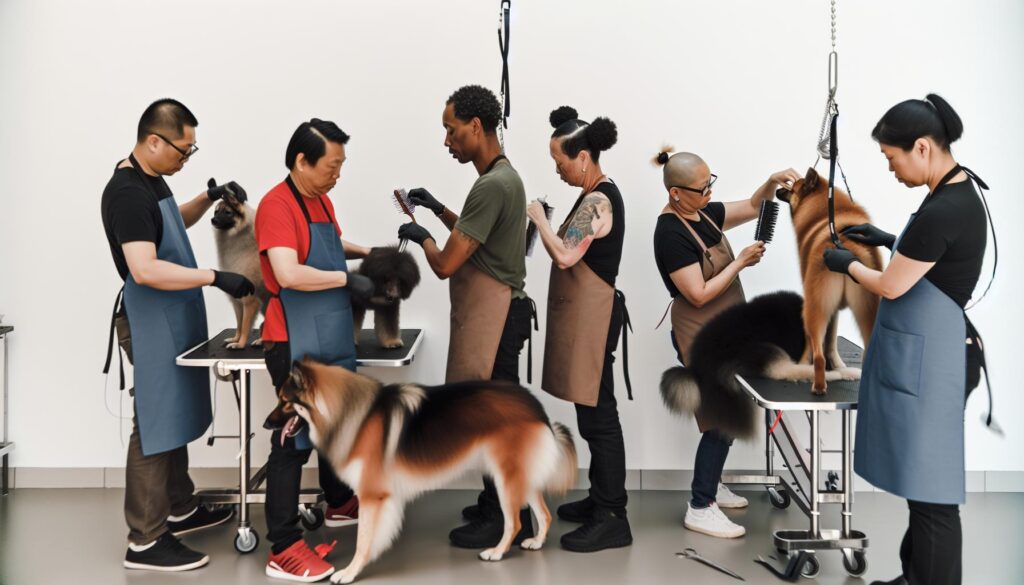
Did you know that the right brush can make all the difference in keeping your dog comfortable adn their coat healthy? Every breed has a unique coat type-whether it’s silky, wiry, curly, or double-coated-and using the proper grooming tools helps prevent painful mats, skin irritation, and stress for your furry friend. Choosing brushes designed specifically for each coat lets you gently detangle,remove loose fur,and promote natural shine while respecting your dog’s skin sensitivity.As a groomer who cares deeply about animal welfare, I understand that grooming isn’t just about looks-it’s about your pet’s comfort and well-being. In this guide, we’ll explore which brushes work best for different coat types, share practical tips that make grooming easier and safer, and help build your confidence whether you’re grooming at home or preparing for a professional session.By the end, you’ll feel empowered to keep your dog’s coat healthy and happy with the right tools and techniques tailored just for them.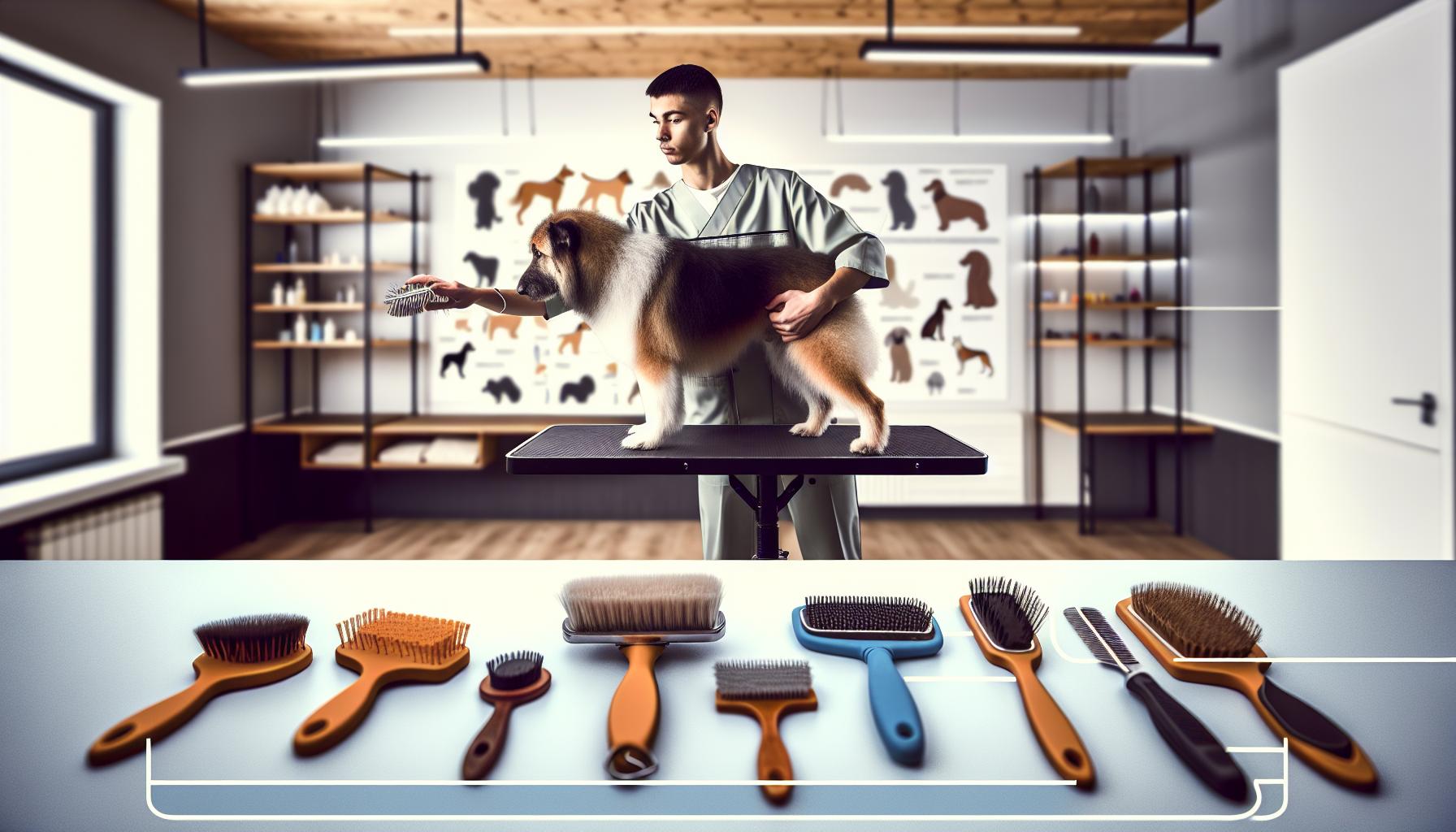
Understanding Dog coat Types and Their Grooming Needs
Table of Contents
- 1 Understanding Dog coat Types and Their Grooming Needs
- 2 Essential Brushes for Short and Smooth Coats
- 3 Best Brushes for Medium and Double Coats
- 4 Top Tools for Long and Silky Coats
- 5 Specialized Brushes for Curly and Wire Coats
- 6 How to Choose the Right brush for Sensitive Skin
- 7 Step-by-Step Brushing Techniques for Different Coats
- 8 Common Brushing Mistakes and How to avoid Them
- 9 Maintaining brush Hygiene for Pet Safety and Comfort
- 10 When to Consult a Professional Groomer vs.DIY Brushing
- 11 Frequently Asked Questions
- 11.1 Q: How do professional groomers select brushes for mixed or changing dog coat types?
- 11.2 Q: Why do groomers use dematting tools alongside brushes for certain coats?
- 11.3 Q: When should a dog owner switch brushes as their dog’s coat grows or seasons change?
- 11.4 Q: what brush qualities do groomers look for to minimize discomfort on sensitive dog skin?
- 11.5 Q: How do groomers maintain brush effectiveness when dealing with oily or dirty dog coats?
- 11.6 Q: What factors influence groomers’ choice between pin brushes vs. slicker brushes for long-coated breeds?
- 11.7 Q: How do professional groomers integrate brush use with bathing for optimal coat care?
- 11.8 Q: Can grooming tools damage a dog’s coat,and how do groomers prevent this?
- 12 The Way Forward
Many dog owners are surprised to learn how varied and unique dog coats can be-and understanding these differences can make grooming a much gentler and more effective experience for both you and your furry friend. Coats aren’t just about looks; they protect your dog’s skin, regulate temperature, and can reflect their overall health. Whether your dog sports a sleek, short coat or a thick, double-layered one, knowing how to care for it properly with the right tools is key to keeping their skin comfortable and their coat healthy.
Dog coats generally fall into several broad categories, each requiring specific grooming techniques and brushes. For example, short and smooth coats, like those of Beagles or Boxers, usually need less intensive brushing, mostly to remove loose hair and stimulate the skin. On the other hand, medium-length and double coats seen in breeds like Golden Retrievers or Australian Shepherds have a dense undercoat that can mat easily without regular attention, so tools like undercoat rakes and slicker brushes are often essential.Then there are long, silky coats such as those on Afghan Hounds or Maltese, which require fine-toothed combs and pin brushes to prevent tangles and keep the coat flowing freely.Curly and wire coats-think Poodles and Wire Fox Terriers-bring a different challenge. Their textured coats tend to trap dirt and debris but are less likely to shed, making specific grooming brushes critical to avoid breakage and discomfort. Moreover,dogs with sensitive skin,irrespective of coat type,need a softer touch and brushes designed to minimize irritation,such as rubber grooming tools or those with gentle bristles.
The Role of Coat Type in Grooming Strategy
- Short & Smooth Coats: require frequent but gentle brushing to remove dead hair and distribute natural oils.
- Medium & Double Coats: Benefit from regular de-shedding tools and thorough brushing sessions to prevent matting.
- Long & Silky Coats: Demand daily combing and detangling, often best done with fine-tooth combs to gently work through knots.
- Curly & Wire Coats: Need specialized brushes to maintain texture and avoid coat damage while removing debris.
- Sensitive Skin: Calls for hypoallergenic, gentle brushes and slower, calming grooming techniques.
learning to identify your dog’s coat type and its natural behavior can help prevent common grooming issues, like skin irritation or painful mats. As you try different brushes,watch how your dog responds-some may enjoy longer sessions,while others prefer swift,gentle strokes. Remember, the goal isn’t just a stunning coat but a happy, comfortable dog. Being patient, attentive, and using the right tools tailored to the coat type will turn brushing time into a bonding experience rather of a stressful chore.
If ever you’re uncertain-say your dog’s coat feels unusually dry, matted, or your pup is scratching more than usual-it’s worth consulting with a professional groomer or your veterinarian. They can guide you on specialized tools or treatments suited for your dog’s unique needs, ensuring a healthy coat and skin for years to come.
Essential Brushes for Short and Smooth Coats
Short and smooth coats might look easy to manage, but they actually deserve thoughtful care to keep your dog comfortable and their coat healthy. Breeds like Beagles, Boxers, and Dobermans have sleek coats that shed regularly, so the right brush helps remove loose hairs before they spread across your home and keeps the skin stimulated for natural oil production. This not only extends the life of the coat’s shine but also reduces itchiness and dryness that can develop beneath an overlooked short coat.
When it comes to tools, a simple yet effective choice is a rubber curry brush or a bristle brush. Rubber brushes are splendid for massaging the skin gently while loosening dead hair and dirt, especially during bath time. Many dogs find the sensation soothing,which helps anxious or sensitive pups relax during grooming sessions. Bristle brushes-ideally with softer bristles-work well for distributing skin oils to the surface, enhancing shine without pulling at fine hairs. Unlike wire pin brushes that might be too harsh, these softer tools respect the delicate nature of short coats.
Tips for Brushing Short Coats:
- Brush 2-3 times a week, or more frequently during shedding seasons, to keep loose hair managed and skin healthy.
- Always brush in the direction of hair growth to minimize discomfort and avoid irritating the skin.
- Use gentle pressure to avoid scratching or causing redness, especially on sensitive areas like the belly and ears.
- Combine brushing with regular baths using mild shampoos formulated for dogs with short coats to maintain skin moisture balance.
If your dog’s short coat feels rough or you notice patches of dryness, it’s a good idea to slow down and perhaps switch to a gentler rubber grooming mitt-these are perfect for sensitive dogs and allow you to closely monitor skin condition during grooming. Remember, short coat grooming isn’t just about removing hair; it’s about nurturing skin health and making the experience pleasant and calming for your dog. For pet parents new to grooming, approaching each session as a time to bond-offering treats and praise-can turn this routine into a joyful ritual.
By using the proper brushes designed specifically for short and smooth coats, you’re giving your dog the gift of comfort and care that goes well beyond a glossy appearance.This foundation sets the stage for healthy skin,fewer allergens,and a visibly happy,relaxed companion.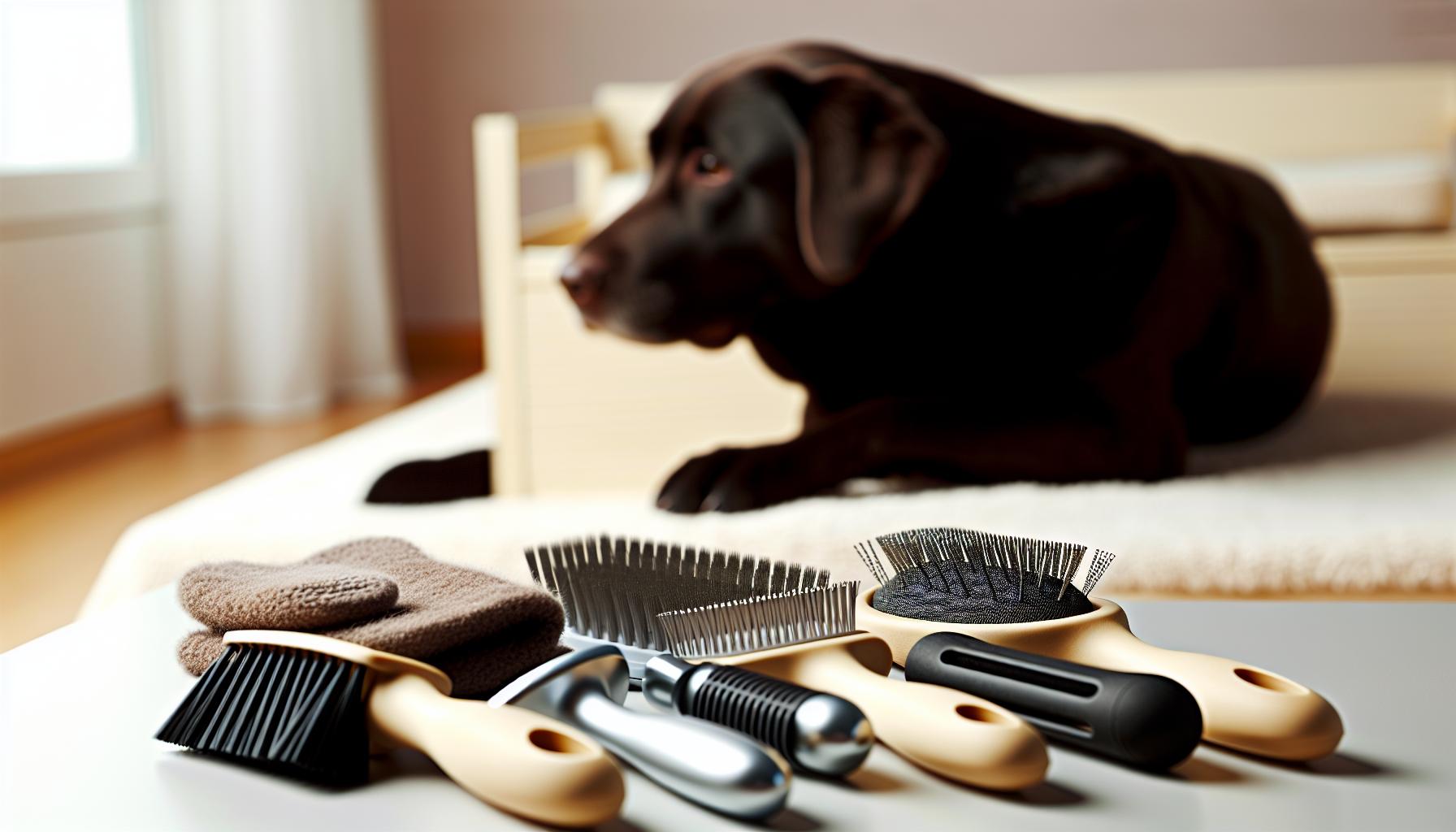
Best Brushes for Medium and Double Coats
Medium and double coats, found in breeds such as Australian Shepherds, Siberian Huskies, and Golden Retrievers, come with a rich layer of insulation that requires a thoughtful grooming approach. These coats consist of a soft, dense undercoat beneath a longer, coarser topcoat, which together protect dogs from varied weather but also make grooming a bit more involved.The key to keeping these coats healthy and tangle-free is choosing tools that reach through both layers without causing discomfort or breakage.
Recommended Brushes for Tackling Both Layers
For the dense undercoat, an undercoat rake is indispensable. This tool typically features two rows of slightly curved,widely spaced metal teeth designed to gently loosen and remove loose hairs trapped under the topcoat. Using this rake helps reduce heavy shedding and prevents mats from forming, which can trap moisture and cause skin irritation. When applying, be gentle and always follow the natural grain of the hair to avoid any pulling or skin soreness.Complementing the rake, a slicker brush with fine, tightly packed wire bristles works wonders on the outer topcoat. It smooths the surface hair, removes dirt, and detangles minor snarls without damaging or scratching the skin. Such as, when grooming a Golden Retriever, starting with a slicker brush preps the coat by removing surface debris, then moving on to the rake targets the undercoat messes. This two-step approach balances thorough grooming with your dog’s comfort.
Essential Tips for Medium and Double Coat Grooming
- Frequency: Brush your dog 2-4 times per week, increasing during shedding seasons to prevent matting.
- Technique: Use slow, deliberate strokes. Hold the dog’s skin gently to avoid discomfort while raking and brushing.
- Bathing: Use shampoos formulated for double coats to clean without stripping natural oils; follow with a conditioner for tangle control.
- Dematting: If mats develop,work carefully with a dematting comb or seek professional help rather than forcefully pulling through knots.
Patience is critical, especially for dogs new to grooming or those prone to anxiety. Creating a calm habitat with soft praise and treats helps them associate grooming with positive experiences. If your dog has particularly thick or long double coats, professional grooming sessions every few months can ensure problems like heavy matting or skin issues don’t take hold.
When to Call in the Pros
If you notice your dog resisting grooming,showing signs of skin irritation,or if mats are too tight for safe brushing,it’s wise to consult a professional groomer or veterinarian. Professionals have specialized tools like deshedding blades and experience in safely handling arduous coats, reducing stress and protecting your pup’s skin health.
By investing in the right brushes-a quality undercoat rake combined with a slicker brush-and being patient with your dog’s comfort and mood, you’re not just maintaining their coat’s beauty. You’re fostering a grooming routine that supports healthy skin,reduces shedding,and deepens the bond between you and your furry friend.
Top Tools for Long and Silky Coats
Long, silky coats, like those on Afghan Hounds, Maltese, or Yorkshire Terriers, are true showstoppers-radiant and flowing but requiring a tender, thoughtful touch. These elegant coats are prone to tangles and mats, especially around common friction points like behind the ears, under the legs, and near the collar. Grooming these beauties effectively starts with the right tools, chosen specifically to glide through their delicate strands without pulling or causing discomfort.
- Padded Slicker Brushes: These brushes are essential for long, silky coats. Their fine, closely packed pins gently detangle knots while smoothing the surface hair. The padded base adds a cushioned effect, reducing pressure on the skin and helping sensitive or anxious dogs relax during grooming.
- Wide-Toothed Combs: After loosening tangles with the slicker brush, a wide-toothed metal comb helps separate strands and check for remaining mats. This comb also aids in finishing the coat, ensuring no snags persist that could tighten later.
- Dematting Tools: For tougher knots and mats, a dematting rake or comb with rounded tips can safely break up mats. It’s meaningful to use these tools gradually and patiently, always working from the outer edges inward and never pulling harshly.
- pin Brushes: These are perfect for final fluffing and shine. Their flexible, widely spaced pins gently move through the coat, adding volume without snagging delicate hair.
Gentle Grooming Tips for Silky Coats
Start by making grooming a calm,positive experience – soft words,gentle strokes,and occasional breaks will keep your dog relaxed. Begin brushing only after the coat is clean and wholly dry, since brushing wet hair can cause breakage. Aim for short, slow strokes moving in the hair’s natural direction.When you encounter tangles, hold the base of the hair near the skin to minimize pulling, gently teasing the knot apart in small sections.
If you’re new to grooming these types of coats,remember it’s perfectly okay to take your time. Progress may be slow, but your consistent care prevents painful mats and keeps the coat silky and healthy. For particularly showy or fast-growing coats like Afghan Hounds, professional grooming every few months can complement your at-home care-experts can carefully trim, wash, and condition the coat in ways that keep it beautiful and comfortable.
When to Ask for Help
If mats are tight and close to the skin, or if your dog becomes stressed or reacts in discomfort, it’s best to consult a professional groomer. Trimming or carefully removing mats without harming the skin takes skill and special tools, and knowing when to seek help ensures your dog’s comfort and safety.
With the right brushes in hand and a gentle approach, nurturing a long, silky coat becomes a bonding ritual rather than a chore-helping your furry friend feel loved, cared for, and looking their vrey best.
Specialized Brushes for Curly and Wire Coats
Few coat types present as unique a grooming challenge as curly and wire coats. These textures demand brushes that are not only effective but also gentle, marrying functionality with care to honour your dog’s comfort. Breeds like the Poodle, Portuguese Water Dog, irish Water Spaniel, or the Wire Fox Terrier boast these distinct coats, each requiring specific tools and techniques to maintain their health and character without causing irritation or damage.
- Pin Brushes: Ideal for curly coats, pin brushes help detangle without flattening the hair’s natural curl pattern. Their widely spaced,flexible metal pins glide through curls,reducing breakage while encouraging a soft bounce. Use gentle strokes and avoid rushing through tight curls to prevent discomfort.
- Slicker Brushes with Fine, Bent Pins: Wire-coated dogs benefit from slicker brushes that are designed specifically with fine, bent pins to penetrate the coarse topcoat and reach the dense undercoat. This helps remove dead hair and prevents mats from forming, but it’s crucial to brush carefully-too much pressure can scratch the skin or cause irritation.
- Steel Comb: For both coat types, a steel comb with widely spaced teeth assists in removing stubborn mats and tangles after initial brushing. It’s a great tool for checking your work and gently teasing out any missed knots, especially around sensitive areas like behind ears or underarms.
- Dematting Tools: Occasionally needed for tougher mats in curly or wire coats, dematting rakes with rounded tips can be introduced slowly. Patience is key here-work in small sections, hold the base of the hair to reduce tugging on your dog’s skin, and stop immediately if your pet shows signs of discomfort.
How to Groom Curly and Wire Coats Safely and Kindly
Start with a clean, dry coat since brushing wet curls can lead to breakage and wire coats may become brittle. Choose a calm, distraction-free environment to reduce anxiety-for example, a quiet room or shaded outdoor area. Always keep grooming sessions short and positive, offering lots of praise and breaks as needed.
When brushing, work in sections, starting from the neck and moving backward. Use gentle, deliberate strokes aligned with the hair’s growth direction. For curly coats,light fluffing motions help maintain volume and springiness without crushing curls flat. For wire coats, use the slicker brush at a shallow angle to lift dead hair and dirt while protecting sensitive skin.
When to Seek Professional Help
If mats tighten close to the skin or your dog resists brushing despite your care, a professional groomer’s expertise becomes invaluable. Groomers are trained to handle difficult mats with specialized tools and techniques that minimize pain. Additionally,wire-coated breeds often require hand-stripping-a technique to maintain the coat’s texture-which is best left to experienced hands.Remember, your dog’s comfort and welfare are the priorities. Approaching curly and wire coat grooming with patience,compassion,and the right brushes transforms maintenance from a chore into a cherished bonding experience,keeping your furry friend comfortable,happy,and looking sharp.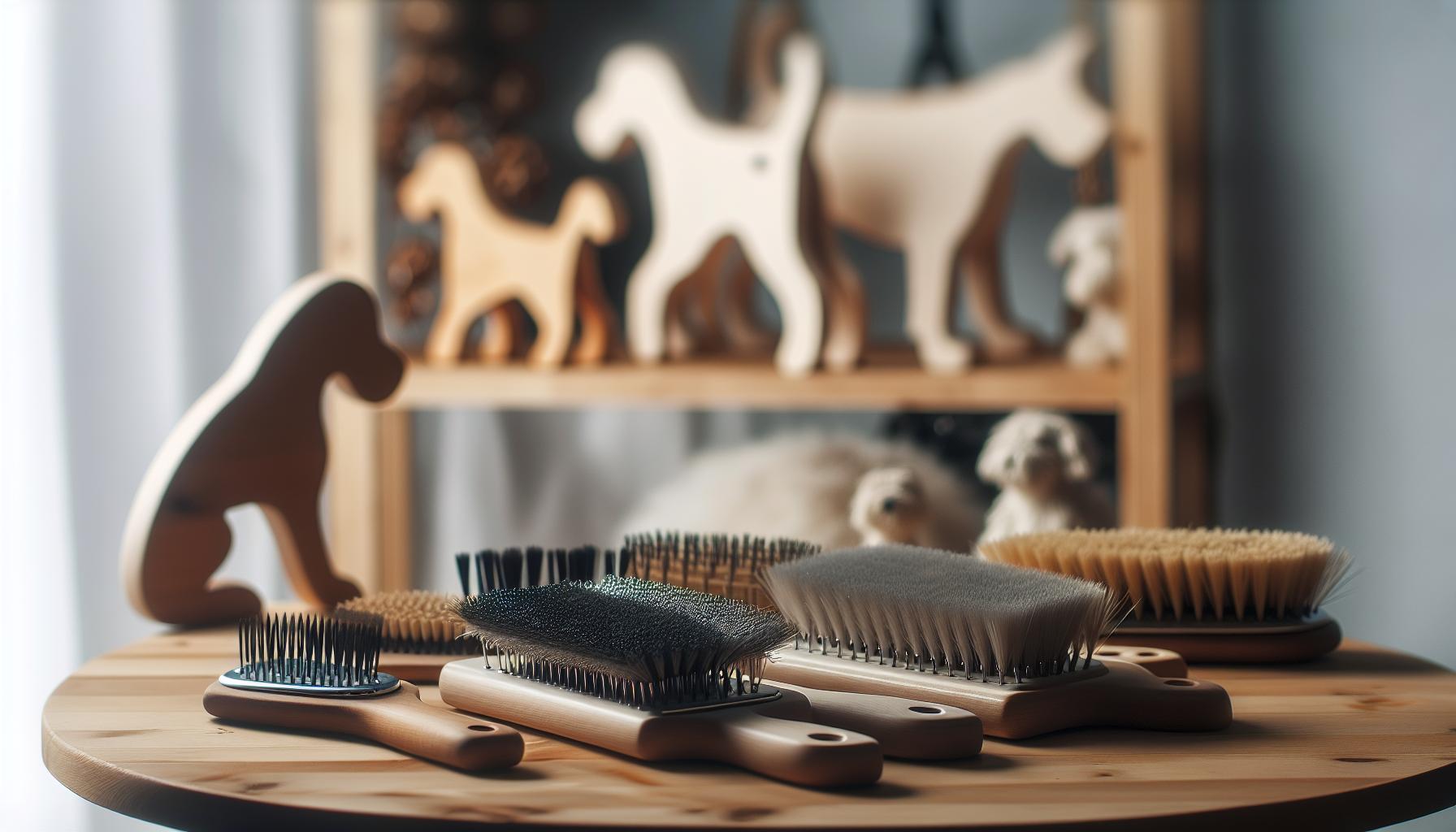
How to Choose the Right brush for Sensitive Skin
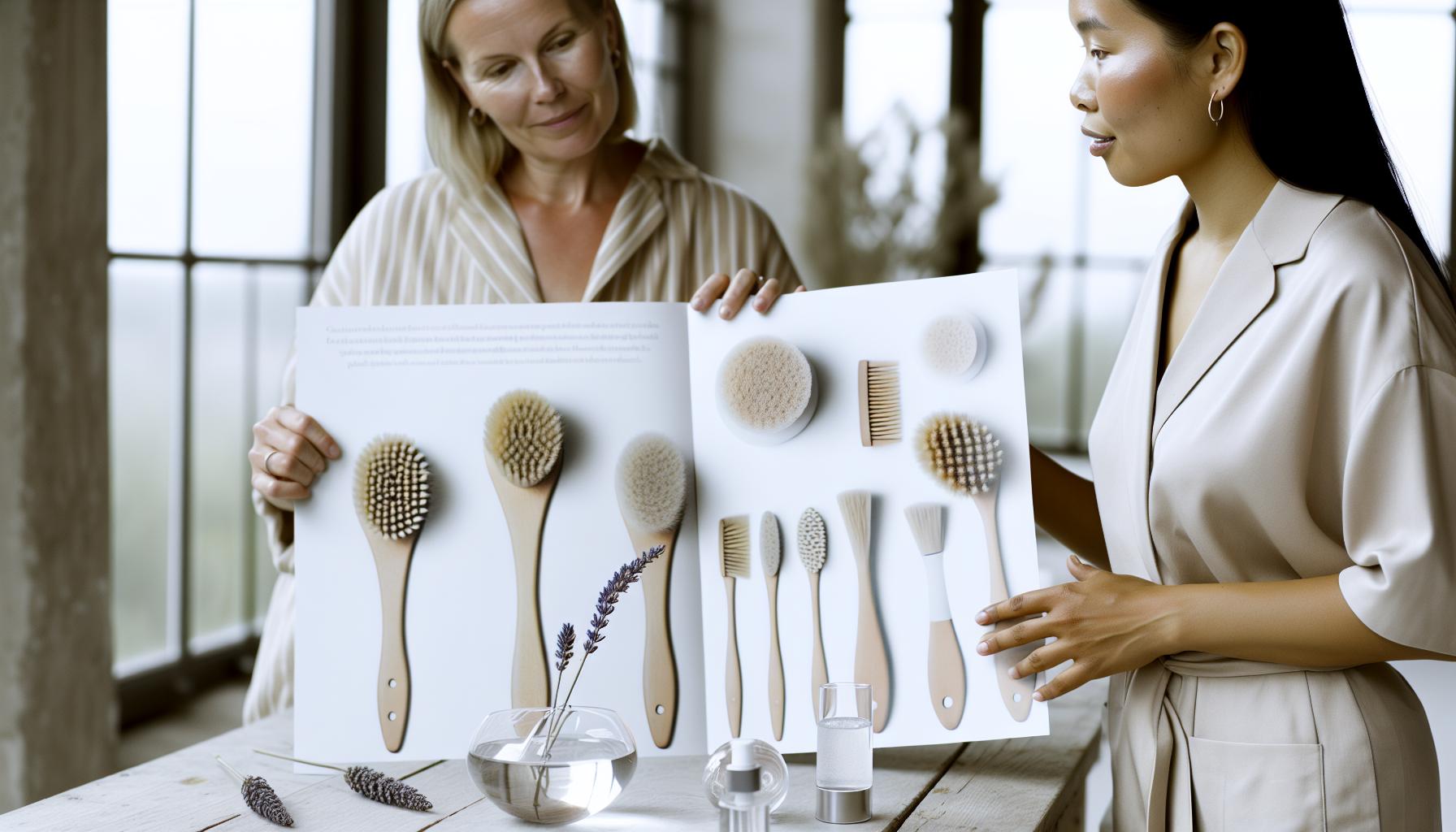
Choosing brushes for dogs with sensitive skin requires a gentle touch combined with smart tool selection, as comfort is always the top priority. Sensitive skin can be caused by breed characteristics, allergies, age, or health conditions, and using the wrong brush risks irritation, redness, or even small wounds. That’s why many experienced groomers emphasize starting with soft, flexible brushes that minimize pulling and pressure, and that help soothe rather than aggravate delicate skin.
When you’re selecting a brush for a sensitive-coated dog-such as a Greyhound with thin,fine fur,or a senior dog with thinning hair-the key is to look for tools designed with softer bristles or pins that flex easily. Such as, a soft pin brush with widely spaced, rounded tips can gently detangle without scratching or tugging. Similarly, bristle brushes made from natural fibers like boar hair provide a mild massaging effect that stimulates blood flow while distributing natural oils, improving coat health and shine without harsh abrasion.
Essential Brush Types for Sensitive Skin
- Soft Pin Brushes: These feature flexible pins with smooth, rounded ends that glide easily through gentle coats, detangling with minimal resistance.
- Bristle Brushes: Ideal for dogs with short or fine coats, natural bristles clean and polish the hair while soothing irritated skin.
- Slicker Brushes with Ultra-Fine Pins: If mats are a concern, choose slicker brushes specifically designed with finer, flexible pins. Use very gentle pressure and limit sessions to avoid redness.
- Rubber Curry Combs: Great during bath time to loosen dirt and dead hair without scratching, rubber combs also massage and relax nerves-perfect for anxious or sensitive dogs.
beyond the brush itself,how you use it matters just as much.Start each session by softly running your hand over your dog’s coat to calm nerves and check for hot spots or irritation. Use slow, gentle strokes, moving along hair growth to prevent pulling. If your dog shows signs of discomfort-lip licking,flinching,or moving away-it’s time to ease off and try a lighter touch or shorter grooming interval.
When to Consult Your vet or Groomer
If sensitive skin is chronic, worsens, or you notice hair loss, scaling, or wounds, stop brushing that area and consult your veterinarian first. They can rule out infections, parasites, or allergies that require treatment before grooming. also, professional groomers trained in handling sensitive dogs can provide tailored advice and might recommend specialized hypoallergenic grooming products or brushes to make home care safer and more comfortable.
Remember, patience and empathy are the foundations of positive grooming experiences. Selecting the right tools tailored to your dog’s unique skin sensitivity shows your commitment to their welfare and builds trust.With gentle brushes in hand and a kind approach, grooming can become a nurturing routine your dog looks forward to, not something to fear.
Step-by-Step Brushing Techniques for Different Coats
Brushing your dog’s coat isn’t just about keeping them looking good-it’s a vital way to promote skin health,reduce shedding,and strengthen your bond. Each coat type requires a thoughtful approach that respects your dog’s comfort and coat needs. The right technique paired with the appropriate brush unlocks smoother grooming sessions and happier pups.
Start by selecting a quiet, comfortable spot where your dog feels safe. Begin every grooming session with gentle strokes using your hand to calm your furry friend and to scan for any irritation, bumps, or mats. For dogs with short, smooth coats (such as Boxers or Beagles), use a bristle brush or rubber curry comb. Brush in the direction of hair growth with soft, circular motions to stimulate natural oil distribution without overdoing pressure.Short coats don’t usually mat but still benefit from regular brushing to keep skin healthy and remove loose hair.
For medium or double-coated breeds like Siberian Huskies or Golden Retrievers, patience is key. Use an undercoat rake or slicker brush to reach beneath the topcoat without damaging guard hairs. Work in small sections, brushing outward and slowly detangling mats from the base using gentle strokes-never yank or pull harshly. If you find stubborn mats, soften them first with a detangling spray or conditioner before attempting to brush. Regular brushing during shedding seasons helps manage hair volume and prevents painful matting.
Long and silky coats, such as those on Afghan Hounds or Maltese, require a two-step approach.Begin with a wide-toothed comb or dematting tool to gently loosen tangles and separate strands. Then follow with a pin or slicker brush with flexible bristles to smooth the coat and reduce knots. Use slow, downward strokes and hold the fur near the skin as you brush to prevent discomfort or skin pulling. Frequent touch-ups, even daily, can save time and prevent overwhelming mats.
For curly or wiry coats common in Poodles or Wire Fox Terriers, a slicker brush paired with a metal comb works wonders. Carefully lift and separate curls with slow, deliberate motions, avoiding aggressive strokes that might irritate the skin. If your dog has sensitive skin, opt for slicker brushes with finer, flexible pins and monitor for any redness. Always brush when the coat is dry to avoid breakage.
Practical Tips for Brushing Success
- Divide and Conquer: Work in manageable sections to avoid overwhelming your dog and to ensure thorough brushing.
- Follow the Coat Growth: Always brush in the direction the hair naturally lies to keep the coat healthy and reduce pulling.
- Lift and Hold: When encountering tangles, gently lift the fur close to the skin to avoid putting pressure on your dog’s skin.
- Short Sessions for Sensitive dogs: If your dog is nervous, keep sessions brief and reward calm behavior with treats and praise.
- Adjust Tools as Needed: Switch to softer brushes or rubber combs if your dog displays sensitivity or discomfort during brushing.
Remember, if mats are deeply embedded or skin issues arise, it’s always best to consult your veterinarian or professional groomer rather than risk injury at home. Your calm, kind, and patient approach will make a lasting difference, transforming grooming from a chore into a cherished routine that supports your dog’s health and happiness.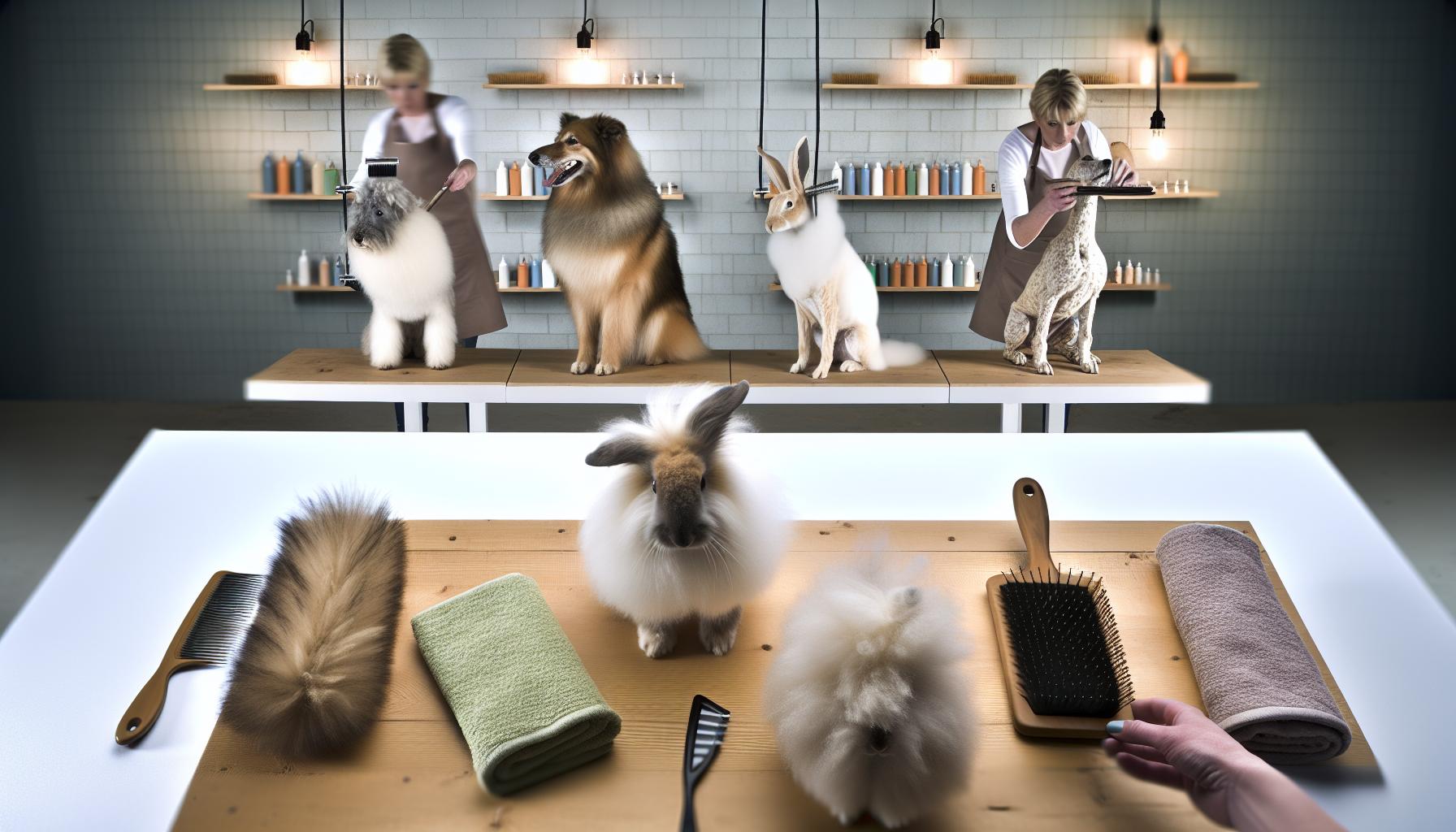
Common Brushing Mistakes and How to avoid Them
It’s easy to think that brushing your dog is simply a matter of routine, but using the wrong brush or technique can cause discomfort, damage the coat, or even discourage your pup from future grooming sessions. Many owners, especially those new to specific coat types, unknowingly make common mistakes that slow progress or create unnecessary stress for both dog and handler. Understanding these pitfalls and how to avoid them will elevate your grooming routine from a chore to a bonding experience full of calm confidence.
One frequent misstep is choosing a brush that doesn’t match your dog’s coat type. For example, using a slicker brush on a short, smooth coat like a Boxer can be too harsh, irritating the skin and offering little benefit. Conversely, a rubber curry brush won’t effectively detangle mats on a double coat, like a Siberian Husky’s dense fur. Like most groomers will tell you, having the right tool-such as an undercoat rake for shedding double coats or a pin brush for silky long coats-makes all the difference. When in doubt, consider your dog’s breed characteristics, coat texture, and sensitivity before selecting brushes.
Another common error is brushing too aggressively or ignoring small mats. Pulling hard on tangles can cause pain and skin injury, turning your dog fearful of grooming. Instead, take a slow, gentle approach: always lift fur near the skin to reduce tugging and work on mats gradually. Spraying a conditioner or detangler before brushing sticky knots softens fibers and eases combing without discomfort.Also, brushing wet coats or right after bathing can cause breakage or make mats tighter-always ensure the coat is dry and somewhat fluffed before tackling tangles.
Many owners overlook the importance of breaking grooming into manageable sections. Trying to brush the entire body quickly can overwhelm your dog and result in missed spots or rushed brushing that doesn’t detangle or stimulate properly. Focus on one area at a time: for a Golden Retriever’s double coat, start with the chest and shoulders before moving to hindquarters, using the undercoat rake first and finishing with a slicker brush. Short but consistent sessions keep your pet relaxed and responsive, especially for anxious dogs who benefit greatly from frequent positive reinforcement and breaks.
- Using the Wrong Brush: Match your tool to coat type-soft bristle for short coats, slicker or undercoat rake for medium/double coats, pin or wide-toothed comb for long coats, and metal combs for curly or wiry hair.
- Brushing Wet Coats: Wait until the coat is dry to avoid hair breakage and tighten mats.
- Ignoring Mats or Pulling Hard: Soften mats first and lift fur near the skin to gently ease tangles.
- Rushing the Process: Divide grooming into small sections and keep sessions brief as needed to maintain cooperation.
- Overlooking Skin Sensitivity: Be alert to signs of redness or discomfort; swap to softer brushes or reduce pressure accordingly.
Recognizing when a mat or skin issue is beyond home care is another crucial insight. Deeply embedded mats can trap moisture and irritate skin,risking infection. If the coat has heavy matting or you notice skin redness,sores,or excessive scratching,a professional groomer or veterinarian should step in. These experts have specialized tools and training to address complex grooming challenges safely. Remember,your loving patience and attentiveness are key-sometimes knowing when to ask for help protects your dog’s comfort and well-being above all else.
Maintaining brush Hygiene for Pet Safety and Comfort
Keeping your dog’s brushes clean isn’t just about aesthetics-it’s a vital step to protect your pet’s skin and coat health. Brushes can quickly become a breeding ground for bacteria, dirt, loose hair, and even tiny pests such as fleas or mites if not cleaned regularly. These unwelcome guests can lead to skin irritations,infections,or exacerbate allergies,especially for dogs with sensitive skin or delicate coat types. Thinking of brush maintenance as part of your dog’s self-care routine helps you maintain a comfortable, safe grooming experience that your furry friend will actually look forward to.
Daily and Weekly Brush Cleaning Tips
After each grooming session, it’s helpful to remove loose hair from your brush immediately-this simple habit prevents buildup that can clog the bristles or pins, reducing their effectiveness. For brushes like slickers, pin brushes, and undercoat rakes that tend to trap more hair, use a comb or even your fingers (with care) to pull out accumulated fur. Don’t skip this even if you’re brushing several times a week; clean tools deliver gentler, more effective strokes that minimize tugging on the coat.
Once a week,give your brushes a proper wash. Use mild,dog-safe shampoo diluted in warm water to soak the brush heads for 5 to 10 minutes. This softens oils and grime without damaging the bristles or metal parts. Then gently scrub with an old toothbrush or small nail brush to reach between pins or bristles. rinse thoroughly to avoid soap residue,which can irritate your dog’s skin. air-dry brushes completely before using them again-never brush a damp brush through your dog’s dry coat, as this can trap moisture against the skin and encourage irritation.
Recognizing When Brushes Need Replacing
Even with diligent cleaning, brushes don’t last forever. Over time, bristles can bend, break, or lose their versatility, and pins or metal components may rust or loosen. Using worn tools risks scratching your pup’s skin or providing ineffective grooming. Here’s a quick guide to knowing when it’s time for a new brush:
| Brush Type | Signs It Needs Replacement |
|---|---|
| Slicker Brush | Pins bent or missing; brushing causes discomfort |
| Pin or Bristle Brush | Bristles flattened, cracked, or inconsistent in length |
| Undercoat Rake | Teeth dulled or bent; difficulty removing undercoat |
| Combs | teeth broken or rusted; snagging hair |
Replacing brushes at the right time reinforces your commitment to comfort and safety.
Special Considerations for Sensitive Skin and Allergy-Prone Dogs
If your dog experiences red, flaky, or itchy skin, hygiene goes beyond just clean brushes. Some dogs benefit from using brushes dedicated exclusively to them, avoiding cross-contamination if you care for multiple pets. Also, consider brushes with softer bristles or hypoallergenic materials and clean them more frequently. Maintaining brush hygiene paired with gentle techniques helps prevent flare-ups and keeps your dog calm and comfortable during grooming.
Taking these simple yet crucial steps turns grooming from a necessary task into a nurturing ritual, building trust with your dog and promoting lasting health. When in doubt,don’t hesitate to ask your veterinarian or professional groomer for product-specific recommendations-your dog’s welfare is always worth that extra bit of care.
When to Consult a Professional Groomer vs.DIY Brushing
Brushing your dog at home is one of the most rewarding ways to bond while caring for their coat. Yet, knowing when to handle coat care yourself-and when to reach out to a professional groomer-can make all the difference in your dog’s comfort and coat health. Some coat types and grooming challenges are straightforward with the right brushes and techniques, but others can quickly become overwhelming or even harmful if attempted without expert guidance.
Dogs with short,smooth coats often do very well with regular at-home brushing using a bristle or rubber curry brush. These tools remove loose hair, promote natural oils, and keep the skin healthy with minimal fuss. On the other hand, dogs sporting thick double coats (like Huskies or Golden Retrievers) require not just brushing but seasonal de-shedding and blowouts to prevent matting underneath the dense undercoat.these processes often call for specialized tools like undercoat rakes, slicker brushes, and sometimes power dryers, which pros are trained to wield properly without stressing your pet.
Knowing When Your Dog Needs a Groomer’s Touch
- Severe mats and tangles: If your dog’s coat feels dense or you encounter painful mats that pull on the skin, it’s time to consult a groomer. Attempting to cut or brush out mats without experience can cause accidental cuts or skin irritation. Professionals use dematting tools and techniques that minimize discomfort and protect sensitive skin.
- Complex coat types: Breeds with curly, wire, or wiry coats-such as Poodles, Bichons, or Schnauzers-benefit from clipping, hand-stripping, and specialized brushing techniques better handled by groomers to maintain coat texture and prevent damage.
- sensitive or reactive skin: Dogs prone to allergies, hot spots, or skin infections require gentle brush choices and grooming products tailored to their needs. A groomer’s expertise helps avoid triggers and incorporates calming routines.
- Behavioral challenges: Some dogs become anxious, fearful, or aggressive during grooming. Groomers are skilled in handling stress or using gentle restraint tools to ensure safety and comfort for both dog and owner.
Brushing at Home: Empowerment with the Right tools and Patience
When your dog’s coat and temperament allow, daily or weekly brushing can be a gentle, calming ritual. Use brushes suited to your dog’s coat type-like slicker brushes for medium and long coats or rubber brushes for short coats-and focus on slow, soothing strokes.Remember, grooming isn’t about perfection but about respect and care for your pet’s comfort.
Tips for successful DIY brushing include:
- Start Slowly: Begin with short sessions and reward your dog frequently, making grooming a positive experience.
- Tackle Tangles Early: Prevent mats by gently detangling areas prone to knots before they become serious.
- Keep Tools Clean and Safe: A clean brush ensures gentle grooming and avoids skin irritation.
When Health Concerns Enter the Picture
always consult your veterinarian or a groomer if you notice:
- Persistent redness,inflammation,or unusual odors during brushing
- Hair loss or excessive shedding beyond typical patterns
- Signs of parasites that are difficult to remove
In these cases,a pro groomer might collaborate with your vet to establish a safe grooming and medical care plan.
no matter how confident you become with brushing, remember that professional groomers bring essential experience, specialized tools, and calm handling techniques to maintain coat health and help dogs feel secure. Trust your instincts: if brushing feels stressful for you or your pup, scheduling regular visits with a trusted groomer can ensure safety, prevent problems, and keep grooming a joyful part of your dog’s life.
Frequently Asked Questions
Q: How do professional groomers select brushes for mixed or changing dog coat types?
A: Professional groomers assess the dog’s primary coat texture and seasonal coat changes to choose versatile brushes like a combination rake or slicker brush. These tools handle mixed coat types by effectively detangling and removing loose hair. for customized tips, see our section on *Step-by-Step Brushing Techniques for Different Coats* to adapt brushing with coat changes.
Q: Why do groomers use dematting tools alongside brushes for certain coats?
A: Groomers use dematting tools with brushes on coats prone to tangling, like curly or wire coats, to gently break apart mats without pain.This prevents brush damage and skin irritation. Combining dematting with a slicker or pin brush ensures thorough grooming while maintaining coat health and comfort.
Q: When should a dog owner switch brushes as their dog’s coat grows or seasons change?
A: Switch brushes when your dog’s coat grows thicker, changes texture, or during shedding seasons-typically in spring and fall. Upgrading from a simple bristle brush to a slicker or undercoat rake can better manage dense or double coats. Check the *Best Brushes for Medium and Double Coats* section for tailored tool options.
Q: what brush qualities do groomers look for to minimize discomfort on sensitive dog skin?
A: Groomers prioritize brushes with gentle, rounded tips, flexible bristles, and soft padding to reduce irritation on sensitive skin. Rubber curry combs or soft-bristle brushes help soothe while grooming. Choosing the right brush for sensitive skin, as detailed in our dedicated article section, promotes comfort and trust during brushing.
Q: How do groomers maintain brush effectiveness when dealing with oily or dirty dog coats?
A: Groomers regularly clean brushes by removing trapped hair and washing them with mild soap to prevent buildup of oils and dirt. This maintains brush performance and hygiene, crucial for healthy coats and skin. Refer to *Maintaining Brush Hygiene for Pet Safety and Comfort* for thorough cleaning routines.
Q: What factors influence groomers’ choice between pin brushes vs. slicker brushes for long-coated breeds?
A: Groomers choose pin brushes for gentle detangling on fine, silky coats and slicker brushes for tougher mats on dense, long coats.Pin brushes prevent breakage, while slickers remove undercoat and debris more aggressively. Understanding these distinctions helps owners select brushes that *best suit their dog’s specific coat type.*
Q: How do professional groomers integrate brush use with bathing for optimal coat care?
A: Groomers brush dogs before bathing to detangle and remove loose hair, then again after drying to smooth and set the coat. This two-step brushing prevents mats and promotes shine. Learn more in the *Step-by-Step Brushing techniques for Different Coats* section for practical tips on combining brushing and bathing effectively.
Q: Can grooming tools damage a dog’s coat,and how do groomers prevent this?
A: Yes,using the wrong brush or excessive force can cause coat damage and skin irritation. Groomers prevent this by selecting breed-appropriate brushes and using gentle, patient strokes.For best practices,see *Common Brushing mistakes and How to Avoid Them* to protect your dog’s coat health with every grooming session.
—
For more expert advice tailored to your dog’s specific needs, explore our full article on *Choosing the Right Brush for Your Dog’s coat Type* and feel confident in your grooming routine!
The Way Forward
Understanding the right brushes for your dog’s unique coat type is a game-changer in keeping them comfortable, healthy, and looking their best. Whether your furry friend has a silky coat needing gentle grooming or a thick double coat requiring specialized tools,choosing the proper equipment not only simplifies your routine but also protects their skin and fur.If you’re wondering about specific techniques or tools for bath time, nail care, or ear cleaning, our guides on basic dog grooming steps and handling sensitive breeds offer clear, compassionate advice to empower you every step of the way.
Ready to elevate your grooming skills and make every session stress-free? Explore our carefully selected grooming products designed to match your dog’s coat needs and consider signing up for our newsletter to get expert tips delivered right to your inbox. Don’t forget to share your grooming success stories or questions in the comments below-our community loves supporting fellow pet parents! For more tailored insights, check out our compare dog breeds page to better understand how your dog’s breed impacts their grooming routine. Remember, gentle care and the right brushes build trust and comfort, making grooming a positive experience for you and your best friend.
Get our latest guides, news, and insights highlighted in your Google Search & AI Overviews.
Keep reading about the same coat and cut.



Popular grooming guides
Bath vs clip, first grooms, and salon how-tos.