Should Dog Groomers Be Open? Safety Debate Explained
Did you know that regular grooming is essential not just for your dog’s appearance but also for their health and comfort? Whether you have a fluffy Samoyed or a short-coated Beagle, grooming helps prevent skin issues, matting, and discomfort. But with ongoing concerns about safety-both for pets and groomers-many wonder: should dog grooming salons remain open? This question touches on more than just convenience; it’s about protecting our furry friends and the people who care for them.In this article, we’ll explore the important safety considerations-from proper equipment and gentle handling to health protocols-that ensure grooming stays a positive experience for everyone. If you’re a dog owner worried about your pet’s wellbeing or a groomer committed to best practices, understanding these factors will help you navigate this debate with confidence and compassion. Let’s dive into why safety always comes first,how to spot a safe grooming environment,and what you can do to keep your dog calm and cared for every step of the way.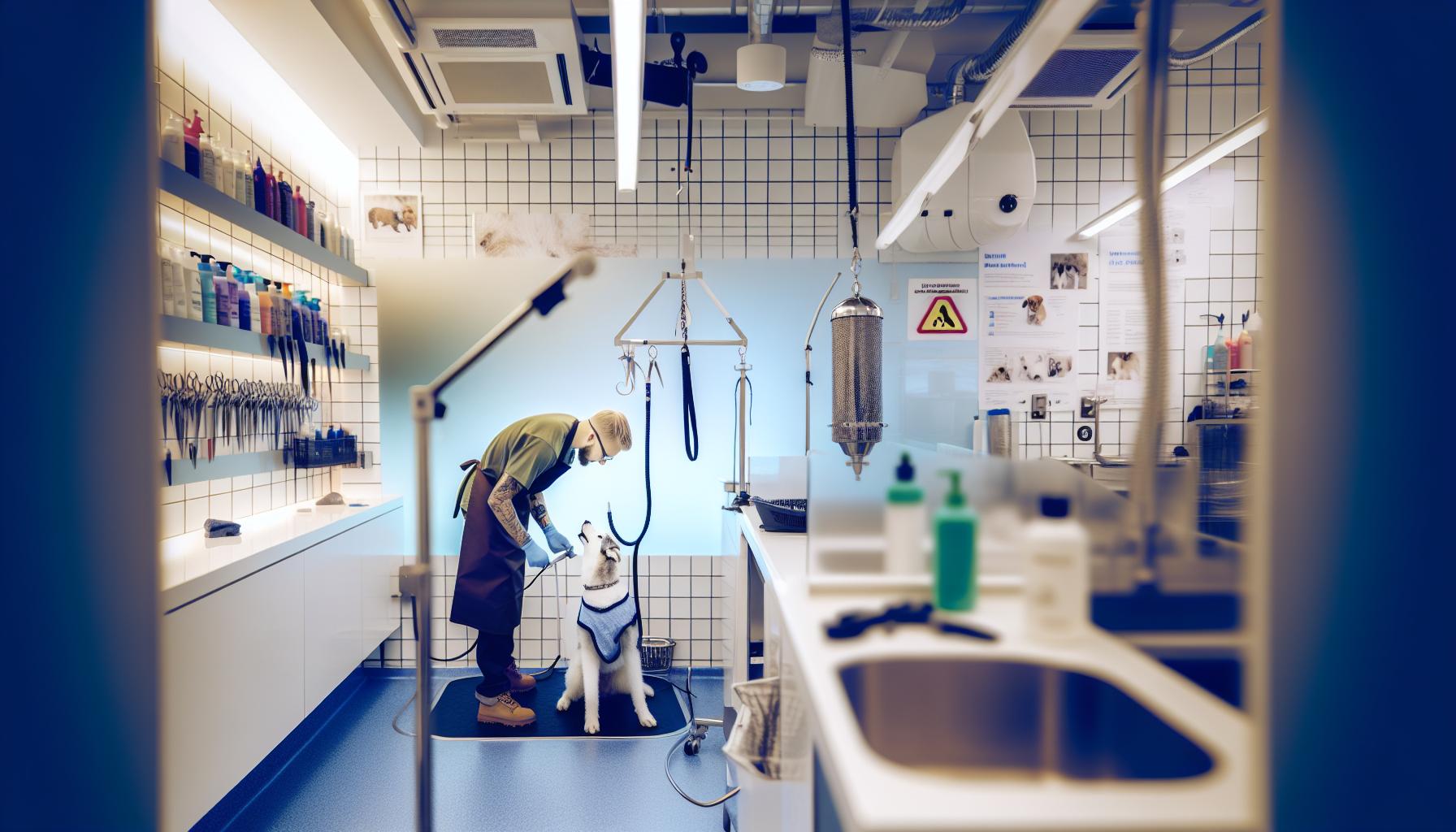
Understanding the Safety Concerns Around Dog Grooming Businesses
Table of Contents
- 1 Understanding the Safety Concerns Around Dog Grooming Businesses
- 2 Essential Health and Hygiene Protocols for Groomers
- 3 Evaluating the Risks: COVID-19 and Other Infectious Diseases
- 4 How Licensed Groomers Ensure Your dog’s Wellbeing
- 5 Comparing DIY Grooming vs. Professional Services Safely
- 6 Identifying Signs of Stress and Discomfort in Groomed Dogs
- 7 What protective Measures Groomers Use for Pet and Owner Safety
- 8 The Role of Vaccinations and Health Checks for Grooming Visits
- 9 Navigating Local regulations and Business Restrictions
- 10 Tips for Choosing a Safe and Compassionate Groomer
- 11 preparing Your Dog for a Stress-Free Grooming Experience
- 12 FAQ
- 12.1 Q: How do dog groomers minimize airborne health risks during grooming?
- 12.2 Q: What safety measures can dog owners expect during grooming appointments?
- 12.3 Q: Are there breed-specific safety concerns that influence whether groomers should stay open?
- 12.4 Q: How can pet owners prepare their dogs to reduce anxiety at grooming salons?
- 12.5 Q: What role do grooming tools play in the safety debate over keeping salons open?
- 12.6 Q: how do groomers balance safety with COVID-19 precautions without stressing pets?
- 12.7 Q: Why is regular professional grooming safer than infrequent DIY grooming during safety debates?
- 12.8 Q: When should pet owners reconsider using professional groomers due to safety concerns?
- 13 Future Outlook
Many pet owners don’t realize that dog grooming involves more than just trimming fur and bathing. It’s a delicate balance of skill, patience, and attention to safety – both for the pet and the groomer. Grooming businesses face unique challenges as thay work with a wide range of breeds, sizes, temperaments, and health conditions all in one environment. Each dog reacts differently; some may be anxious or fearful, while others might be excitable or even sensitive to certain tools. Recognizing these nuances is key to preventing injuries and ensuring the experience is as stress-free as possible.
Strong safety practices start with understanding the physical risks inherent in grooming.Sharp tools like scissors and clippers must be handled carefully to avoid accidental cuts, and using the right restraints – such as harnesses or grooming nooses – keeps dogs secure without causing discomfort or panic. proper restraint helps minimize sudden movements that could lead to injury, especially for nervous or wriggly dogs. Even something as simple as leaving scissors unattended on a grooming table can create hazards, so tools should always be stored thoughtfully when not in use [2].There’s also the mental and emotional safety side to consider. Groomers build relationships with dogs thru calm handling, gentle voice tones, and recognizing early signs of stress like panting, trembling, or avoiding eye contact. These subtle cues inform how to adjust the grooming process – maybe pausing for a break or switching tools – prioritizing the dog’s comfort over speed or appearance.This compassionate approach can dramatically reduce anxiety and help dogs feel safe, which benefits everyone involved.hygiene and disease control play a crucial role in safety. Grooming businesses must consistently follow cleaning protocols between appointments to prevent the spread of skin infections or parasites. Careful health screening and interaction with dog owners ensure that contagious conditions are not introduced. This vigilance protects not only the dogs but also the groomers and othre clients visiting the business. When these safety concerns are thoughtfully managed, professional grooming stays a positive, beneficial service that supports your dog’s well-being on multiple levels. [1].
Essential Health and Hygiene Protocols for Groomers
A clean, calm, and carefully controlled environment is the secret foundation that keeps every dog grooming experience safe, healthy, and happy. Groomers don’t just style fur-they play a vital role in safeguarding your dog’s skin and overall well-being by following strict health and hygiene protocols every single day.These are designed to prevent infections, minimize stress, and ensure that both pet and professional walk away feeling good.
Routine Cleaning and Tool Sanitization
Every grooming session should start and end with thorough cleaning. Brushes, combs, scissors, clippers, and nail trimmers are potential hotspots for bacteria, fungi, and parasites if left unchecked. Groomers sanitize tools between each dog to avoid transferring anything harmful-whether it’s mites, fleas, or skin infections. Such as, metal tools can be wiped down with vet-approved disinfectants or soaked in sanitizing solutions. Brushes with dense bristles are combed out carefully and disinfected to. Grooming tables and bathing tubs get cleaned and dried to avoid damp conditions that encourage microbes.This cycle keeps everything safe and signals to pets that their space is calm and fresh, which can ease anxiety.
Health Screening and communicating with Owners
No two dogs have the same needs or health profile. A trusted groomer always checks in with the owner about their dog’s recent health and behavior changes before starting. If there are signs of irritation like redness, flaking, bumps, or unusual smells, the dog might need a thorough vet check before grooming.Groomers respect their expertise boundaries-they won’t treat infections or diagnose conditions, but they will alert owners if something looks off. This partnership ensures that grooming enhances health, not endangers it.
Mindful Handling and Coat Care Between Appointments
Healthy skin is the groundwork for a shiny, manageable coat. Between professional grooming visits, routine at-home brushing tailored to your dog’s breed and coat type is essential. Such as,long-haired breeds benefit from daily gentle brushing to prevent mats and knots,while short-haired dogs might need just weekly care. Groomers often advise wiping off debris after outdoor play and checking ears and paws for dirt or signs of infection. This ongoing care complements the professional’s work and reduces discomfort during the salon visit.
- Bathing: Use gentle, dog-specific shampoos suited to coat type and skin sensitivity; avoid over-bathing which can strip natural oils.
- Nail Care: Regular trims prevent overgrowth and painful splits; filed gently to avoid sharp edges.
- Ears & Paws: Inspect and gently clean ears with vet-approved solutions; check paws for cracks or foreign objects.
By following these protocols, groomers help maintain a cycle of good health that preserves your dog’s comfort and keeps their sparkle bright.This careful attention-paired with compassion and patience-makes all the difference in turning grooming from a stressful chore into a loving routine everyone can trust.
For those interested in maintaining hygiene safely at home between appointments, gentle brushing every couple of days and wiping paws after walks can go a long way in helping coat health and avoiding trouble like mats or parasites[[[[[1]](https://riogrooming.com/dos-and-donts-for-maintaining-your-dogs-hygiene-between-groomings/) [[[[[2]](https://lopcieaston.com/at-home-tips-for-dog-grooming-between-appointments/) [[3]](https://www.aspca.org/pet-care/dog-care/dog-grooming-tips).
Evaluating the Risks: COVID-19 and Other Infectious Diseases
Many pet owners wonder if grooming salons can safely operate given the persistent concerns about COVID-19 and other infectious diseases. While it’s natural to feel cautious, understanding how diseases spread-and how professional groomers mitigate risks-can bring real peace of mind.Dogs themselves are not known to be significant carriers or transmitters of COVID-19 to humans, but close physical contact during grooming means that human-to-human transmission within the salon environment remains a consideration. This is why strict hygiene and operational protocols are essential to keep everyone safe: pets, owners, and groomers alike.
Enhanced Sanitation and Hygiene Practices
professional groomers have ramped up sanitation efforts, going beyond routine cleaning to include disinfecting surfaces and tools between every appointment. For example,grooming tables,clippers,scissors,and brushes are thoroughly cleaned with vet-approved disinfectants designed to kill viruses and bacteria without harming your dog’s skin or coat. Groomers also encourage hand hygiene and often wear masks, minimizing respiratory droplet spread during close interactions. A common best practice is limiting overlapping appointments and using precise scheduling to avoid waiting room crowding, making the environment calmer and safer for sorted breeds and nervous pets.
Managing Risks of Other Infectious Diseases
While COVID-19 naturally garners the spotlight, traditional risks like kennel cough, ringworm, or skin infestations remain critical concerns in shared grooming spaces. Licensed groomers act as a frontline barrier by carefully screening dogs for visible symptoms, checking skin health, and inquiring about recent exposures. If a dog shows signs such as coughing, hair loss, sores, or unusual odors, skilled groomers will recommend a vet visit first, preventing potential spread. This vigilance supports all pets’ defenses and helps maintain a protected environment.
Practical Tips for Owners to Minimize Risk
- Pre-screen your dog: Monitor your pet for any symptoms like sneezing, lethargy, or skin irritation before scheduling.
- Communicate openly: Share your dog’s recent health history with your groomer, including any known contact with sick animals.
- Adopt contactless drop-offs: Many salons use curbside check-ins or appointment-only policies to reduce human contact.
- Maintain regular vaccinations: Up-to-date vaccines protect from common infectious diseases that can complicate grooming safety.
by partnering with your groomer and trusting their expertise-while applying your own careful observations-you help create a safer grooming experience that balances pet wellbeing with practical health precautions. Patience, open dialog, and shared responsibility form the backbone of this partnership, keeping tails wagging and stress low even amid uncertain times.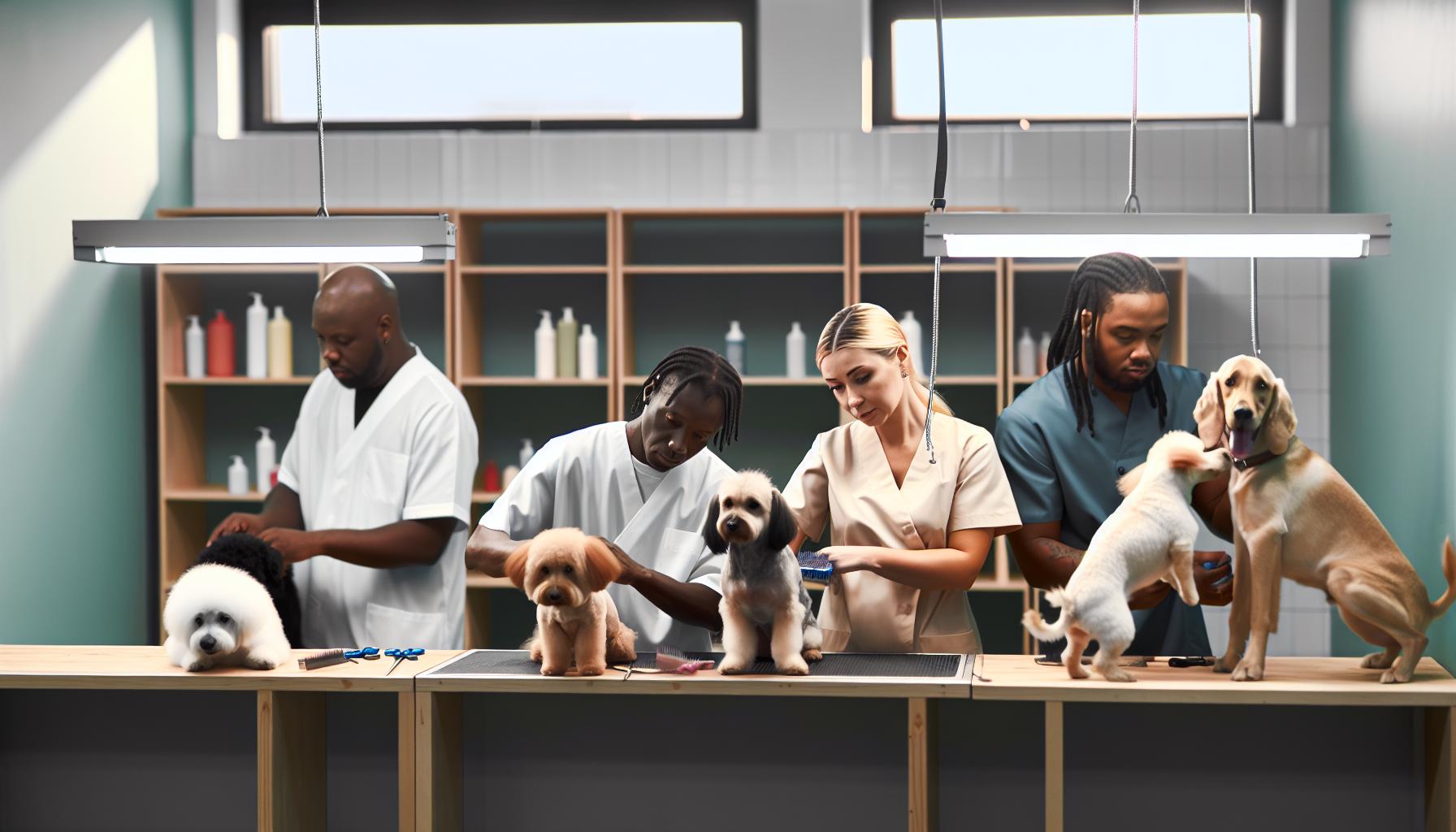
How Licensed Groomers Ensure Your dog’s Wellbeing
Licensed groomers bring far more than just clippers and brushes to the table-they offer specialized knowledge and a deep commitment to each dog’s physical and emotional wellbeing. While licensing requirements vary by location, many professional groomers pursue certifications and ongoing education that focus on safe, animal-friendly techniques, disease prevention, and breed-specific care. This expertise means they can tailor every grooming session to suit your dog’s coat type, temperament, and health needs, ensuring comfort and safety throughout.
Customized Care Based on breed and Coat Type
Different breeds and coat varieties require very distinct grooming approaches. For example, a poodle’s curly coat demands regular clipping with special clippers and scissors, plus detangling mats carefully to prevent skin irritation. In contrast, double-coated breeds like golden retrievers benefit from gentle deshedding tools and thorough blow-drying to avoid moisture retention, which can lead to infections. Licensed groomers understand these nuances and select appropriate products and tools-including hypoallergenic shampoos and breed-specific conditioners-helping maintain a healthy skin barrier and shiny coat.
Healthy Bathing and Gentle Handling
The bathing process is much more than suds and rinse; it’s a moment to observe skin health, detect lumps, bumps, or parasites, and identify any discomfort your dog might be hiding. Skilled groomers take it slow, using calming techniques like soft voices and treats to ease nervous pets. They avoid using harsh chemicals or hot water that can irritate sensitive skin. When brushing out tangles or trimming nails, licensed groomers are trained to recognize signs of pain or stress, adjusting their method or pausing as needed to prevent injury and build trust.
Safe Nail Trimming and Ear Care
Nail trims can be tricky and even hazardous if done incorrectly,risking bleeding or infection. Licensed groomers know exactly how to trim nails without cutting into the fast, minimizing pain and fear. similarly, ears are carefully inspected and cleaned to reduce the risk of infections, especially in floppy-eared breeds prone to moisture buildup. If any abnormalities, such as redness or foul odors, are detected, groomers advise consulting a veterinarian promptly, placing your dog’s health before the grooming checklist.
Collaboration with veterinarians and Clear Boundaries
Licensed groomers respect the boundaries between grooming and veterinary care. They are trained to identify when a skin condition, behavioral change, or systemic illness is beyond grooming’s scope.This partnership means that dogs showing signs of contagious diseases, wounds, or unusual symptoms won’t be groomed until cleared by a vet, protecting all pets and staff. By prioritizing health checks and effective communication,licensed groomers ensure your dog’s grooming experience supports-not compromises-their wellbeing.
- Look for certifications like National Dog Groomers Association of America (NDGAA) or Fear Free® grooming training.
- Ask about their experience with your dog’s breed and coat type ahead of the appointment.
- trust their advice about skin or behavioral observations-they see many dogs and know what’s normal and what requires attention.
With licensed groomers, your dog receives expert care tailored to their unique needs. Their gentle handling, vigilance for health issues, and familiarity with breed standards create a safe, loving grooming experience that keeps tails wagging long after the appointment ends.
Comparing DIY Grooming vs. Professional Services Safely
Many pet parents feel empowered by the idea of grooming their dogs at home.It’s a cozy way to bond and can save money. However, DIY grooming carries challenges that, if overlooked, may risk your dog’s safety and comfort. Understanding when to tackle grooming tasks yourself and when to seek professional help can make all the difference for your dog’s wellbeing.
The Basics: Matching Grooming to Your Dog’s Needs
Before grabbing the clippers, assess your dog’s breed, coat type, and temperament. For example, short-haired breeds like beagles usually need just a simple bath and nail trim at home, while curly or long-haired breeds such as poodles or Shih Tzus require specialized tools and techniques that are hard to master without training. Using dull or inappropriate scissors can lead to accidental cuts. Similarly, deshedding a double-coated dog needs gentle tools and proper technique to avoid damaging the coat or irritating the skin.
Hydrating Baths and Brushing at Home
bathing your dog at home is generally safe with the right shampoo-ideally a mild, hypoallergenic formula suitable for your dog’s skin. Avoid human shampoos or overly harsh detergents. lukewarm water, gentle massaging, and thorough rinsing help prevent irritation. After the bath, brushing is essential to remove lose hair and keep coats healthy. For sensitive dogs, brushing in short sessions with patience and positive reinforcement-like treats and calm voices-builds trust and reduces anxiety.
Nail Trimming and Ear Cleaning: Proceed with caution
trimming nails is one task many owners shy away from for fear of causing pain or bleeding. Learning to trim nails safely is critical-avoid cutting into the quick,the sensitive part inside each nail. When unsure, it’s best to leave this to a professional. Ear cleaning is another delicate job. Moisture buildup can cause infections,especially in floppy-eared dogs. Use only vet-approved ear cleansers and never insert cotton swabs deep into the ear canal.
When to Call in the Professionals
Some grooming concerns extend beyond basic maintenance. Groomers are trained to spot signs of skin issues, parasites, infections, or behavioral stress. If your dog has thick mats, sensitive skin, or displays signs of discomfort during grooming, a professional’s skill and calm handling can prevent injury and unnecessary stress. Professionals also maintain strict sanitation and safety protocols-sharpened blades managed carefully to avoid accidents; proper restraint techniques that keep your dog secure without causing harm[[[[[1]](https://www.petedge.com/blog/seven-safety-tips/?srsltid=AfmBOopzZLs32bu9-0fJgMZfPl0n-KXnMSJxkkPCJSeVMyxXD4_rAADf),[[[[[2]](https://www.gingrapp.com/blog/safety-considerations-for-pet-groomers).
- DIY Grooming Tips: Use breed-appropriate brushes and shampoos.
- Tools: Keep nail clippers sharp but use caution around quicks.
- Signs to Stop: Excessive stress, skin redness, unexpected lumps.
- When in Doubt: Consult a licensed groomer or veterinarian.
By balancing your own grooming efforts with professional expertise when needed, you create a safer and more comfortable experience for your furry friend.Remember, the goal isn’t just a tidy look-it’s about nurturing health, trust, and happiness every step of the way.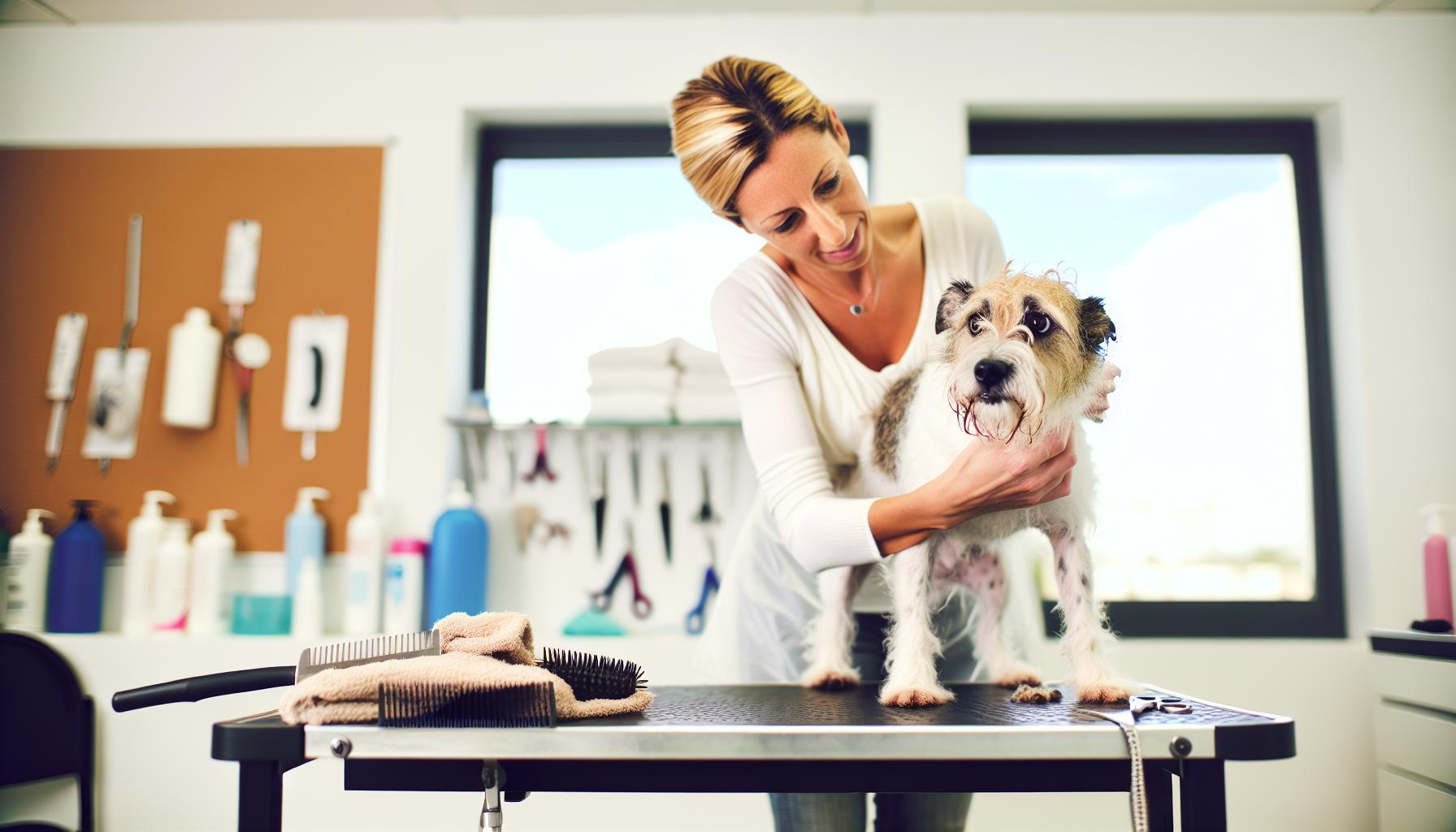
Identifying Signs of Stress and Discomfort in Groomed Dogs
Many dogs hide their discomfort well until it becomes quite obvious, making it crucial for owners and groomers alike to recognize subtle signs of stress before things escalate. Grooming can be a big deal for dogs, especially breeds with thick coats or sensitive skin; even the most well-meaning session can stress them if we aren’t attentive to their body language and behavior. Knowing when your dog feels uneasy allows you to adjust grooming techniques, slow down, or decide if professional help is needed-keeping the experience safe and positive for everyone.
Reading the Body Language
Look for physical cues that your dog is uncomfortable. These include stiffening of the body, tail tucked low or tightly between the legs, trembling, or pacing. Dogs may also pant excessively, yawn repeatedly (not from tiredness but as a calming signal), lick their lips nervously, or avoid eye contact. for example, a normally calm poodle that suddenly freezes when you reach its paws for nail trimming could be telling you “this is too much.” rather than forcing through, pause and allow your dog to relax before continuing or try a different approach.
Behavioral Signals During Grooming Tasks
- Bathing: Watch for cowering or attempts to escape water spray, shaking excessively after wetting, and whimpering.
- Brushing: Flinching or snapping when the brush touches certain areas may indicate pain or mats pulling at the skin.
- Nail Trimming: Squirming, growling, or lifting paws repeatedly can signal fear or discomfort, often due to sensitivity around the quick.
- Ear Cleaning: Pulling the head away, sudden flinches, or rubbing ears after cleaning may indicate infections or discomfort needing vet attention.
When you spot these signs, try breaking grooming into shorter sessions with rewards like treats or gentle praise. This builds trust and lets your dog associate grooming with positive experiences.
Knowing When to Call the Professionals
If your dog reacts with persistent fear, aggression, or physical signs like bleeding or severe matting, it’s essential to seek a licensed groomer. Professionals use appropriate restraints and calming techniques, have experience with different coat types (like double-coated breeds requiring careful deshedding), and know when a vet referral is necessary. Remember, safety and comfort always come before a “perfect” haircut.
By tuning in to your dog’s signals and prioritizing their well-being,grooming evolves from a stressful event into a nurturing routine that supports your dog’s health and happiness every time. Encouraging patience, gentle handling, and clear communication helps ease fears and deepens the bond you share.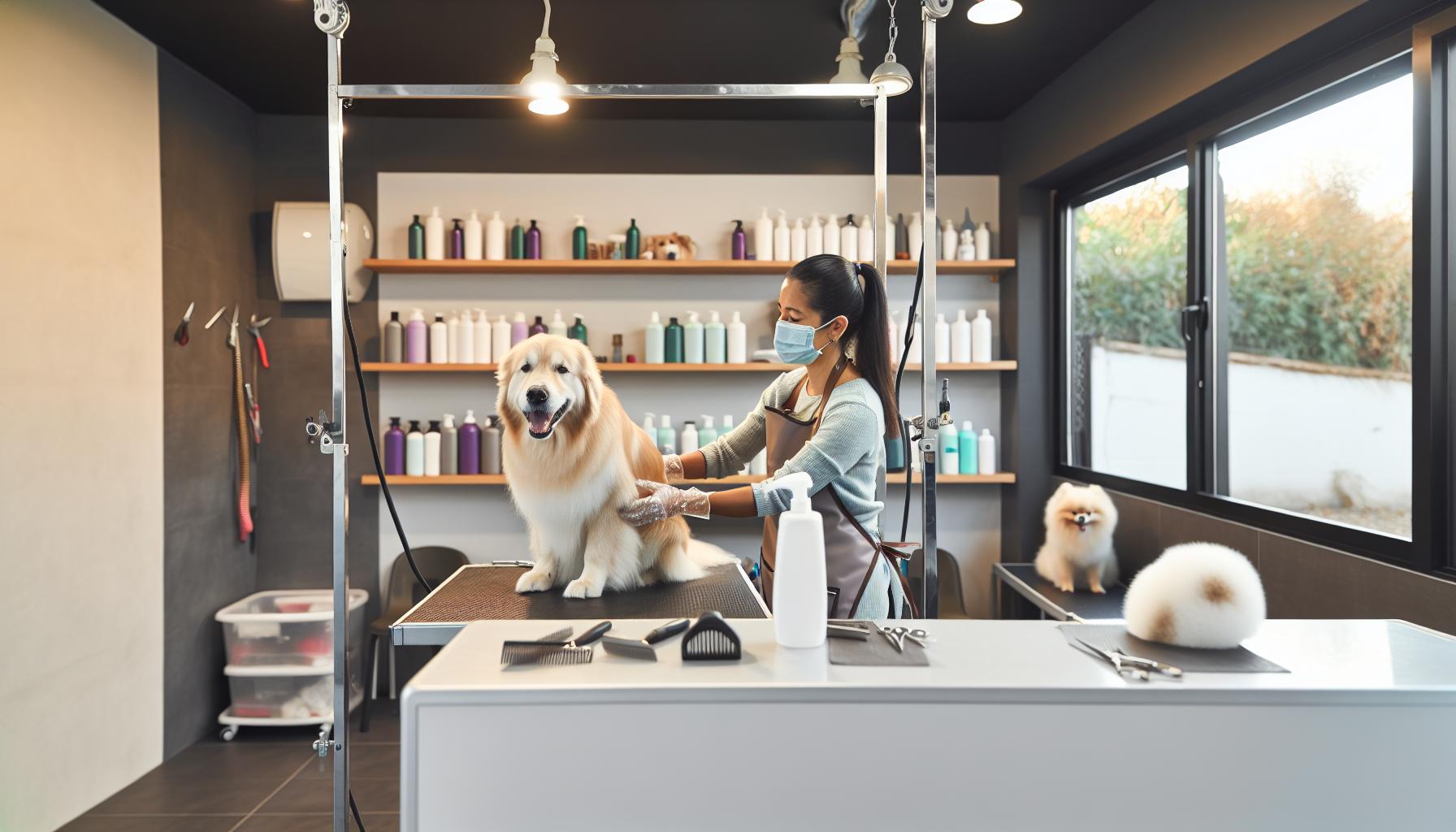
What protective Measures Groomers Use for Pet and Owner Safety
Dog grooming is a splendid blend of art and care, but behind every smooth trim and shiny coat lies a foundation of safety that keeps both pets and their humans secure.Professional groomers know that the best results come from a calm, controlled environment where risk is thoughtfully managed. From the moment your pup steps into the grooming space, layers of protective measures work quietly in the background to prevent injuries and ensure a positive experience for everyone involved.
Careful Tool Management
Grooming tools-like scissors, clippers, and nail trimmers-can be potentially hazardous if not handled correctly. Experienced groomers always keep their tools organized and stored safely when not in use, reducing the risk of accidental cuts or punctures to the pet or themselves. Using the right equipment for your dog’s breed and coat type is essential, too. As a notable example,sharp,fine-tooth blades are better suited for delicate facial areas,while wider-toothed combs handle thick,matted fur gently without causing pain. If a dog fears a particular tool-say, clippers-groomers often slow down and incorporate calming breaks, ensuring safety without sacrificing comfort[[[[[1]](https://www.woofies.com/blog/pet-grooming/grooming-safety-tips-every-dog-owner-should-know).
Minimizing Stress Through Physical Safety Measures
Proper restraint systems are another key protective strategy. These aren’t about forcing a dog to comply, but rather securing them safely to prevent sudden movements that could cause injury. Adjustable grooming loops or harnesses gently keep a dog steady during nail trims or haircuts, especially for more energetic or nervous pets. Groomers rely on these tools to avoid slips that could lead to cuts or accidental falls. They’re trained to read a dog’s signals closely, so if a pet becomes too anxious, the session can pause or adjust accordingly, preventing accidents before they happen.
Hygiene and infection Control
Cleanliness isn’t just about appearances-it’s a frontline defense for health. Groomers follow strict sanitation routines, disinfecting tubs, brushes, and tables after every dog. This practice significantly lowers the risk of spreading infections such as bacterial skin conditions or ear mites. Some grooming salons even have separate tools for dogs prone to allergies or with existing health issues, further reducing the chance of cross-contamination. In today’s world,protocols also include wearing masks and frequent hand sanitizing,safeguarding against respiratory illnesses that can affect pets and people alike[[[[[2]](https://www.gingrapp.com/blog/safety-considerations-for-pet-groomers).
Owner Safety and clear Communication
Grooming spaces can get busy,and managing the safety of visiting owners is equally important. Professional groomers often implement systems to keep waiting areas comfortable and spaced out, minimizing contact and maintaining a calm atmosphere. Before a session starts, clear communication about any known pet sensitivities or behavioral concerns helps everyone prepare and avoid surprises. Simple requests like removing collars at drop-off or informing the groomer about recent vet visits contribute to a safer, smoother grooming process for all parties involved.
By weaving together skilled tool handling, thoughtful physical supports, rigorous hygiene, and open lines of communication, groomers create a sanctuary of safety. This comprehensive approach ensures that your dog’s wellbeing is the heart of every grooming interaction-transforming what might be a stressful chore into a gentle, reassuring ritual. Remember, safety and comfort go paw in paw, and knowing these protective measures can give every dog owner peace of mind when trusting a professional with their furry friend.
The Role of Vaccinations and Health Checks for Grooming Visits
Vaccinations and health screenings aren’t just paperwork or formalities-they’re powerful shields guarding your furry friend and every pet they come into contact with during grooming.When dogs are fresh and healthy, groomers can focus on making the experience as pleasant and stress-free as possible, without worrying about contagious illnesses or unexpected health complications. This is why many grooming salons-especially professional ones-require proof of core vaccinations before your dog’s first visit and periodically thereafter.
- core vaccines typically include protection against distemper, parvovirus, rabies, and bordetella (kennel cough). Each vaccine targets a serious, potentially life-threatening disease that can spread rapidly in close contact settings like grooming salons.
- Some groomers also recommend or require the canine influenza vaccine (CIV), especially if they offer daycare or boarding alongside grooming services. This helps safeguard pets who spend more time mingling with others and may be more vulnerable to respiratory viruses.
Verifying Health and Vaccination Status
Before your grooming appointment, provide a copy of your dog’s current vaccination records. This small step helps protect every pet in the salon. If your dog has recently started a new vaccine series, it’s best to wait a couple of days before the grooming session-this allows their immune system to build protection and lowers the chance of vaccine-related reactions.Some groomers may even ask for a veterinary health check to ensure your dog isn’t currently ill, in pain, or showing signs of skin infections or parasites, which could be worsened by grooming.
Why Vaccinations Matter More Than Looks
Vaccines aren’t just a box to check; they create a safer environment where groomers can focus on gentle handling and comfort. For example, a dog with a contagious skin condition can expose others through shared grooming tools or close quarters. Without proper protocols, this could lead to outbreaks that impact many pets. Professional groomers carefully sanitize equipment and sometimes designate special tools for sensitive or allergic dogs, but vaccination and health checks are the frontline defense.
Trust but Communicate
If your dog has special health needs or medical exemptions that prevent certain vaccines, speak openly with your groomer. Many grooming salons are compassionate and willing to work with you,provided a veterinarian’s note is given. This clear communication helps groomers adapt their approach, whether that means scheduling a quieter, private session or using extra protective measures.
By prioritizing vaccinations and health screenings, you’re partnering with your groomer to maintain a calming, healthy space for all pets. These simple acts lay the groundwork for a smooth grooming that leaves your dog happy, safe, and feeling loved.
—
References:
- Core vaccinations commonly required for grooming include rabies, bordetella, distemper/parvovirus, and sometimes CIV[[[[[1]](https://www.reddit.com/r/doggrooming/comments/1ox4gtm/what_vaccinations_should_a_salon_require/)
– Groomers often require vaccines be administered at least 24-48 hours before appointments for safety[[[[[2]](https://goldenpawps.com/what-vaccines-do-dogs-need-for-grooming/)
– Puppy vaccine schedule (e.g.,DHPP at 6-12 weeks) is an important guide for initial grooming eligibility [[3]](https://forevervets.com/blog/vaccines-needed-for-dog-grooming-be-prepared/)
Dog grooming isn’t just about trims and tidy coats-it’s a service bound by important local rules designed to keep your furry friend safe and comfortable. Before you book that haircut or bath, it’s reassuring to know that dog groomers must navigate a maze of regulations that affect everything from hygiene standards to licensing. These aren’t bureaucratic hoops to jump through but essential safeguards ensuring that every pet receives compassionate care in a clean, secure environment.
Many regions require grooming businesses to be licensed,a process that confirms they meet strict animal welfare standards and health guidelines. Such as,licensed groomers are obligated to maintain sanitary equipment,use pet-safe products,and employ trained staff who understand the nuances of dog behavior and comfort. This license also typically mandates regular inspections to ensure continuing compliance. Think of it as a safety net-protecting not only the dogs but also the businesses that love and care for them. Without these regulations, the risk of injury or illness during grooming rises sharply, and sadly, some dogs can be subject to unnecessary stress or even harm [[3]](https://www.quora.com/Is-there-legislation-protecting-pets-from-harm-at-grooming-facilities).
Understanding Transportation and Data Privacy Laws
If your groomer offers pick-up and drop-off services, additional rules may apply. Transporting your pet safely isn’t just good manners-it’s often governed by local legislation to avoid accidents or undue stress on your dog during transit.Proper crates, secure harnesses, and climate-controlled vehicles contribute to your dog’s safety, and groomers must ensure these standards are met consistently.
on the business side, especially in the EU and UK, groomers are also responsible for handling your personal facts carefully under GDPR (General Data Protection Regulation). This means your contact details, pet’s health records, and payment information are securely stored and only used with your consent-a comforting fact in today’s digital age[[[[[1]](https://www.protectivity.com/knowledge-center/dog-grooming-business-legislation/).
What This means for You as a Pet Owner
When selecting a groomer, it’s perfectly reasonable-and smart-to ask about their licenses and safety protocols. A responsible groomer will welcome these questions and provide clear answers about their compliance with local requirements. This transparency shows their commitment to your dog’s wellbeing and helps you feel confident in entrusting them with your beloved pet.
- Check for visible licenses or certifications displayed in the salon or on the business website.
- Inquire about their cleaning and sanitation routines to prevent the spread of infections.
- Ask if staff receive ongoing training, especially on handling anxious or special-needs dogs.
Remember, these regulations are more than red tape-they’re part of a compassionate framework that prioritizes your dog’s comfort and safety every step of the way. When groomers uphold these rules diligently, they create a trustworthy, calm space where your dog can be pampered without risk or undue stress.
By understanding and supporting these local regulations, you not only protect your pet’s health but also contribute to raising grooming standards in your community. That’s a win-win for every wagging tail!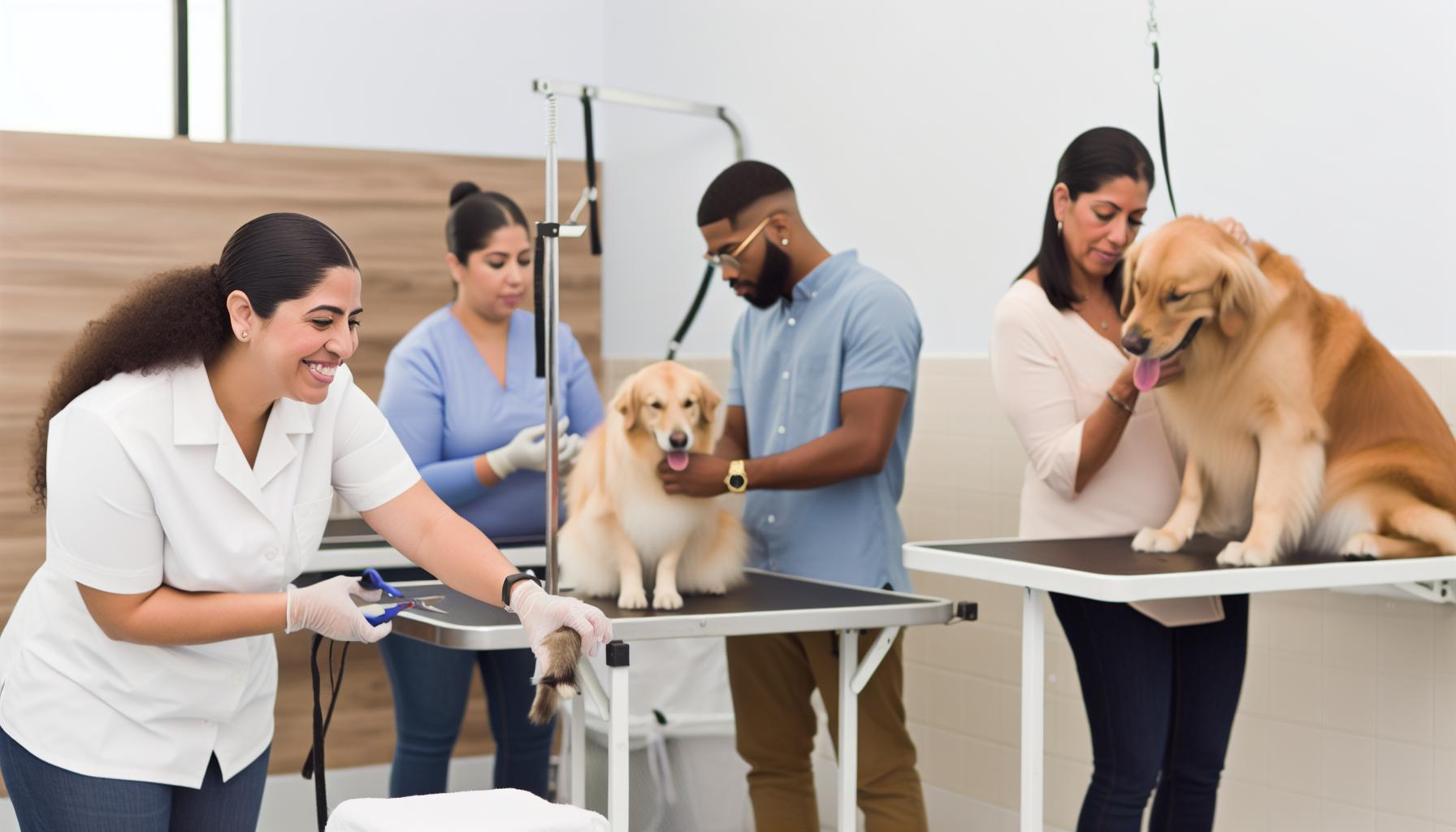
Tips for Choosing a Safe and Compassionate Groomer
Finding a groomer who truly respects your dog’s unique needs and temperament can transform grooming from a stressful chore into a positive, even enjoyable experience. Not all grooming salons are created equal-your choice matters deeply for your dog’s safety, comfort, and confidence. A truly compassionate groomer understands that patience, gentle handling, and keen observation are just as important as technical skills with shears or clippers.
Start by considering your dog’s breed, coat type, and specific sensitivities. Some breeds, like Poodles or Shih Tzus, require regular, delicate clipping and brushing to avoid painful mats, while short-haired dogs might need simpler care but extra attention around nails and ears. Ask potential groomers about the tools they use: Are their clippers well-maintained and suited to your dog’s coat? do they use pet-safe shampoos tailored to sensitive skin or allergies? A skilled groomer will customize the process and products to your dog’s individual needs, not offer one-size-fits-all quick trims.
- Observe their approach to handling nervous or excitable dogs. A compassionate groomer speaks softly, moves slowly, and reads your dog’s body language to avoid pushing them beyond comfort zones.
- Check cleanliness and hygiene standards. Tools and workspaces should appear spotless; equipment sanitized between pets reduces infection risk.
- Inquire about staff training. Groomers who pursue ongoing education and certifications understand the latest safety best practices and can better manage dogs with health or behavioral challenges.
Spotting Signs of true Care During a Visit
During your first consultation, watch how the groomer interacts with your dog.Do they patiently allow sniffing and acclimation before starting? Are nails clipped carefully and ears cleaned without fuss? Compassionate groomers prioritize your dog’s emotional state over speedy work. For example, if your dog shows stress signals-such as lip licking, yawning, or tail tucking-a good groomer will pause, soothe, or offer breaks rather than pushing through.
Remember,perfect grooming isn’t about flashy hairstyles or spotless trims alone. It’s about fostering a calm, secure space where your dog feels safe. Working with a groomer who respects this balance helps prevent injuries, anxiety, or negative associations that turn routine grooming into a challenge.
Building Confidence Together
If you’re considering switching groomers or trying professional grooming for the first time, don’t hesitate to ask around. Veterinarians, trainers, and fellow dog owners can often recommend professionals known for gentle care and adherence to safety protocols.When in doubt, prioritize groomers who openly discuss their health and safety procedures, licensing, and willingness to answer questions-these traits reveal a genuine commitment to animal welfare.
Choosing wisely will give both you and your dog peace of mind, turning grooming appointments into joyful moments of care and bonding. After all, a happy, safe dog is the most beautiful one of all.
For more tips on safe grooming practices and recognizing stress signals in dogs,reputable sources recommend always remaining attentive to your pet’s comfort and checking groomers’ compliance with health and safety protocols regularly[[[[[1]](https://www.clipit-grooming.com/post/dog-grooming-safety-tips) [[3]](https://www.woofies.com/blog/pet-grooming/grooming-safety-tips-every-dog-owner-should-know).
preparing Your Dog for a Stress-Free Grooming Experience
A calm and confident dog makes all the difference when it comes to safe, stress-free grooming. Preparing your dog ahead of time is the best way to ease anxiety and help them feel relaxed before stepping into the grooming salon or your own home setup. Think of it as building trust and familiarizing your pet with the sights, sounds, and touches they’ll experience during grooming. This simple foundation can prevent fear-driven behavior and ensure the entire process goes smoothly.
Start by gently introducing your dog to the grooming tools without rushing. Let them sniff the brush, clippers, or scissors in a quiet space at home. praise and reward calm behavior to create positive associations. Such as,if your dog is new to nail trims,try touching their paws briefly each day and gradually build up to holding the clippers near their toes-not cutting yet,just familiarizing.This slow approach helps especially with sensitive or nervous breeds, like small Terriers or rescues who’ve had limited handling experience.
Bath Time Made Comfortable
Before the full grooming session, you can also prep for baths by practicing with warm water and gentle wetting in a tub or outside hose area. Use dog-safe, hypoallergenic shampoos suited for your dog’s skin type-this avoids irritation that could cause discomfort during professional grooming. Remember, soft, slow movements and frequent breaks are key. If your dog hates water, start by using a damp cloth to wipe them down, gradually working up to a full rinse. Rinse thoroughly to prevent leftover soap,which can cause itching later.
Brushing and Detangling with Patience
Regular brushing before a groomer appointment keeps mats away and familiarizes your dog with touch around delicate areas such as ears, underarms, and the tail. Each coat type requires specific tools: slicker brushes for curly coats, wide-tooth combs for thick double coats, or fine bristle brushes for short-haired breeds. If mats or tangles are present, work patiently to loosen them with detangling sprays or conditioners. Avoid pulling hard-this can create a negative response and make grooming more stressful later.
Handling Nails and Ears Step-by-step
Nail trimming often causes the most worry for owners and dogs alike.Prepare your dog by trimming a tiny bit at a time. Use dog clippers designed for safety, and keep styptic powder nearby in case of accidental quick cuts. For ear care, gently lift the ear flap and wipe the inside with a vet-approved cleanser on a cotton ball-never push deep or use cotton swabs. Familiarizing your dog with this routine helps prevent sharp reactions when groomers perform the same tasks.
- Schedule a quiet time: Avoid peak hours; a calm environment reduces stress.
- Exercise before grooming: A tired dog is generally more relaxed and cooperative.
- Communicate health concerns: Inform your groomer about any sensitivities or recent vet visits.
Always remember, a dog’s emotional comfort is as important as physical grooming itself. If your pet has extreme anxiety or medical concerns, alternately consult your veterinarian. Sometimes,sedation or special handling is necessary-and this is best left to professionals.Equipping yourself with knowledge, preparing your dog gradually, and choosing a compassionate groomer builds a foundation for safer, kinder grooming experiences that your dog will actually look forward to.
By putting patience and empathy first-both at home and in professional settings-you help transform grooming from a stressful ordeal into a nurturing ritual of care and trust.
For further reading on safe grooming approaches and reducing stress signals in dogs, you may find these resources valuable[[[[[1]](https://www.clipit-grooming.com/post/dog-grooming-safety-tips)[[[[[2]](https://www.woofies.com/blog/pet-grooming/grooming-safety-tips-every-dog-owner-should-know).
FAQ
Q: How do dog groomers minimize airborne health risks during grooming?
A: Dog groomers minimize airborne health risks by using proper ventilation, wearing masks, and utilizing specialized equipment to reduce dust and dander exposure. Regular cleaning of grooming areas and tools helps limit allergens, which protects both the groomer and pets. Learn more about essential health and hygiene protocols for groomers to ensure a safe environment.
Q: What safety measures can dog owners expect during grooming appointments?
A: during grooming appointments, owners can expect strict sanitation, use of safe and appropriate tools, and calm handling techniques. Professional groomers also monitor pet stress signs and maintain up-to-date vaccinations.These measures ensure your dog’s comfort and safety-see [Tips for Choosing a Safe and Compassionate Groomer](#) for detailed guidance.
Q: Are there breed-specific safety concerns that influence whether groomers should stay open?
A: Yes, certain breeds with delicate skin, respiratory issues, or complex coats require expert handling. Licensed groomers are trained to address these breed-specific needs safely, making professional grooming essential. Discover how groomers cater to breed and coat type within [How Licensed groomers Ensure Your Dog’s Wellbeing](#).
Q: How can pet owners prepare their dogs to reduce anxiety at grooming salons?
A: Pet owners can prepare dogs by gradually introducing grooming tools at home, practicing handling exercises, and maintaining a calm routine before appointments.Clear communication with your groomer about your dog’s behavior helps provide a stress-free experience. See [Preparing Your Dog for a Stress-Free Grooming Experience](#) for practical steps.
Q: What role do grooming tools play in the safety debate over keeping salons open?
A: Grooming tools must be sharp, clean, and suitable for each dog’s coat to prevent injury and discomfort. Proper tool maintenance and using breed-appropriate equipment directly affect grooming safety, supporting the case for professional salons over DIY. Explore tool safety in [Essential Health and Hygiene Protocols for Groomers](#).
Q: how do groomers balance safety with COVID-19 precautions without stressing pets?
A: Groomers balance safety by implementing mask use, contactless check-ins, and social distancing measures while maintaining gentle handling and calm communication to prevent pet stress. This approach preserves both human and animal wellbeing, complementing your understanding in [Evaluating the Risks: COVID-19 and Other Infectious Diseases](#).
Q: Why is regular professional grooming safer than infrequent DIY grooming during safety debates?
A: regular professional grooming reduces risks like matting, skin infections, or unnoticed health issues. Groomers are trained to spot problems early and use tools safely, which helps maintain your dog’s health better than infrequent or inexperienced DIY grooming. Read more in [Comparing DIY Grooming vs. Professional Services Safely](#).
Q: When should pet owners reconsider using professional groomers due to safety concerns?
A: Pet owners should reconsider if groomers lack licensing, show poor hygiene, or if their dog has severe anxiety or health conditions unmanaged during grooming. In such cases, consulting a vet or seeking specialized services ensures safety. Review signs in [Identifying Signs of Stress and Discomfort in Groomed dogs](#) to make informed choices.
—
*Feel encouraged to explore each section for deeper insights and always prioritize gentle, confident care when deciding on your dog’s grooming needs.*
Future Outlook
Deciding whether dog groomers should remain open involves balancing safety with your pet’s well-being. Prioritizing your dog’s comfort through regular grooming-bath, brush, nail trim, and ear care-is essential, especially for breeds with high-maintenance coats. If concerns linger, remember that professional groomers follow strict safety protocols, making them the trusted choice over DIY alone. For tips on at-home grooming techniques and how to tell when a vet’s care is needed rather, explore our detailed guides on dog grooming basics and health & wellness.
Ready to take the next step? Sign up for our newsletter to get expert advice tailored to your breed and coat type, plus exclusive access to safe grooming product recommendations. Don’t let uncertainty delay your dog’s care-stay informed, stay prepared, and ensure your furry friend looks and feels their best. Have questions or experiences to share? Join the conversation below and connect with a community that cares about pet safety and happiness.
For ongoing support,check out our resources on canine health and training tips to keep your dog thriving inside and out. Together, we can make every grooming experience safe, comfortable, and enjoyable.
Get our latest guides, news, and insights highlighted in your Google Search & AI Overviews.
Keep reading about the same coat and cut.




Popular grooming guides
Bath vs clip, first grooms, and salon how-tos.