Should Dogs That Go to Groomers Get a Bordetella Shot?
Did you know that dogs visiting groomers often need a specific vaccine called the Bordetella shot to help protect them from kennel cough, a contagious respiratory infection common in places where pets gather? If you’re considering regular grooming sessions for your furry friend, understanding why this vaccine matters can ease concerns and keep your dog healthy and happy.Many pet owners worry about exposure to illnesses during grooming - and that’s entirely natural. By learning when and why the Bordetella vaccine is recommended, you can confidently prepare your dog for grooming visits with fewer worries. This guide will walk you through the basics of the Bordetella shot, how it benefits your dog, and what to expect from your vet and groomer, ensuring a safe and cozy experience for both you and your pet. Whether your dog has a long, thick coat prone to mats or a short, easy-care style, knowing the steps to protect their well-being is key to stress-free grooming trips.Let’s explore how this simple vaccine fits into your pet’s overall care plan and helps maintain their health while keeping their tails wagging.
What Is Bordetella and why It Matters for Dogs
Table of Contents
- 1 What Is Bordetella and why It Matters for Dogs
- 2 how Dogs Catch bordetella at Groomers and Beyond
- 3 Assessing your Dog’s Risk Before Grooming Visits
- 4 Vaccination Options: Types and Timing Explained
- 5 Benefits of the Bordetella Shot for Grooming Safety
- 6 Common Myths and concerns About Bordetella Vaccines
- 7 how to Prepare your Dog for a Groomer Visit Safely
- 8 Signs of Respiratory Infection After Grooming to Watch For
- 9 Veterinarian vs. Groomer: Who Should Recommend the shot?
- 10 Alternatives to Vaccination for High-Risk Dogs
- 11 Tips for Anxious Dogs during Groomer Visits
- 12 Balancing Health, comfort, and Grooming Needs Effectively
- 13 Q&A
- 13.1 Q: How soon before a groomer visit should my dog receive the Bordetella vaccine?
- 13.2 Q: can the Bordetella vaccine prevent all respiratory infections from grooming?
- 13.3 Q: Are there breed or coat types that are more vulnerable and thus need Bordetella shots before grooming?
- 13.4 Q: Is the Bordetella vaccine required by most professional groomers?
- 13.5 Q: What are the differences between intranasal and injectable Bordetella vaccines for dogs going to groomers?
- 13.6 Q: Can dogs with anxiety still safely get the Bordetella vaccine before grooming?
- 13.7 Q: How often should dogs that go to groomers get a Bordetella booster shot?
- 13.8 Q: What steps should I take if my dog shows signs of kennel cough after visiting a groomer, despite vaccination?
- 14 Final Thoughts
dogs visiting groomers join a bustling world where many furry friends come together, sharing more than just wagging tails and friendly sniffs. Among the invisible threats in these social settings is Bordetella bronchiseptica, a common bacteria responsible for “kennel cough,” a contagious respiratory infection that can spread rapidly among dogs. Understanding what Bordetella is and why it matters is a crucial step in keeping your pup healthy, especially if regular grooming is part of their routine.
Bordetella acts somewhat like a germy hitchhiker, catching a ride whenever dogs come into close contact-whether at grooming salons, boarding facilities, or dog parks. For many dogs, the infection causes nothing more than a dry, persistent cough. But for puppies, seniors, or pets with sensitive immune systems, it can escalate to a more serious respiratory illness that can disrupt feeding, resting, and overall well-being. When your dog visits a groomer,they share common spaces like waiting rooms,tubs,and grooming tables where airborne droplets or contaminated surfaces may expose them to this bacterium. This makes protections like vaccination a wise choice-not just for your dog’s comfort but for their health safety.
Why Bordetella Should Be on Every Groomer’s Radar
- Highly contagious: Bordetella spreads swiftly in close quarters, making places like groomers hotspots for exposure.
- Potential for severe illness: While many adult dogs avoid serious symptoms, vulnerable dogs can face pneumonia or prolonged illness.
- Prevention works: Vaccination substantially lowers the risk of infection and helps keep grooming visits safe and stress-free for everyone.
As someone who loves working with dogs, I’ve seen firsthand how a simple vaccine can prevent nights spent worrying over a coughing, miserable pup.Protecting your dog with a Bordetella shot is a proactive way to ensure their grooming days remain joyful, comfortable moments-focused on pampering rather than illness. It’s a small step that pays off with peace of mind, keeping both your dog and the grooming surroundings healthier.When you prepare your dog for grooming, considering their Bordetella vaccination status is as important as packing their favorite treat or brush. It’s an act of kindness towards your pet and a thoughtful way to respect the health of others.
how Dogs Catch bordetella at Groomers and Beyond
Walking into a grooming salon, your dog steps into a lively environment filled with curious sniffs, wagging tails, and lots of activity - a perfect place for socializing, but also, regrettably, for the spread of contagious germs like Bordetella bronchiseptica. This bacterium, commonly known as one of the main causes of “kennel cough,” thrives where dogs gather closely, making groomers a particular hotspot for transmission.
Dogs pick up Bordetella primarily through airborne droplets released when an infected dog coughs,sneezes,or barks. Even a simple, friendly sniff or shared kennel space can be enough to transmit these bacteria from one pup to another. Beyond the air around them, contaminated surfaces - like grooming tables, tubs, and even tools - play a role too. Imagine the busy day of a groomer,handling several dogs back-to-back. Without careful cleaning and hygiene, germs can hitch a ride on collars, leashes, or a brush, hopping from one four-legged client to the next.
How Close Contact Spreads Bordetella
- Waiting areas and play zones: Dogs often share confined spaces before and after grooming, increasing the chance of exposure.
- Shared equipment: Clippers, combs, and towels are essential grooming tools but can transmit bacteria if not properly sanitized.
- Stress and immunity: Being handled by strangers, changes in routine, and the excitement or anxiety of grooming can temporarily weaken a dog’s immune system, making it easier for Bordetella to take hold.
Even dogs that seem happy and healthy can be silent carriers, shedding the bacterium without obvious symptoms but still posing a risk to others, particularly young puppies, seniors, or pups with underlying health conditions. From grooming salons to doggie daycares, boarding kennels, and social dog parks, each environment increases the chance for this pesky bacterium to spread in subtle ways. This is why many groomers recommend vaccination as a simple, proactive way to reduce the likelihood your dog will catch or spread Bordetella during these shared experiences.
Real-Life Example: A Groomer’s viewpoint
one groomer I know noticed several dogs with coughing fits after visits, especially during the busy fall season. By encouraging clients to keep their dogs’ Bordetella vaccinations current and practicing extra cleaning between appointments, there was a significant drop in respiratory issues.This shift improved not only canine health but also the overall atmosphere-less stress, less mess, and happier pets and owners alike.
Taking these precautions, including vaccination, good hygiene, and thoughtful scheduling during high-traffic times, helps protect your dog’s health during their pampering session and beyond. As a loving pet parent, considering how Bordetella spreads helps you make informed choices-keeping your pup safe without missing out on the grooming and social experiences they enjoy.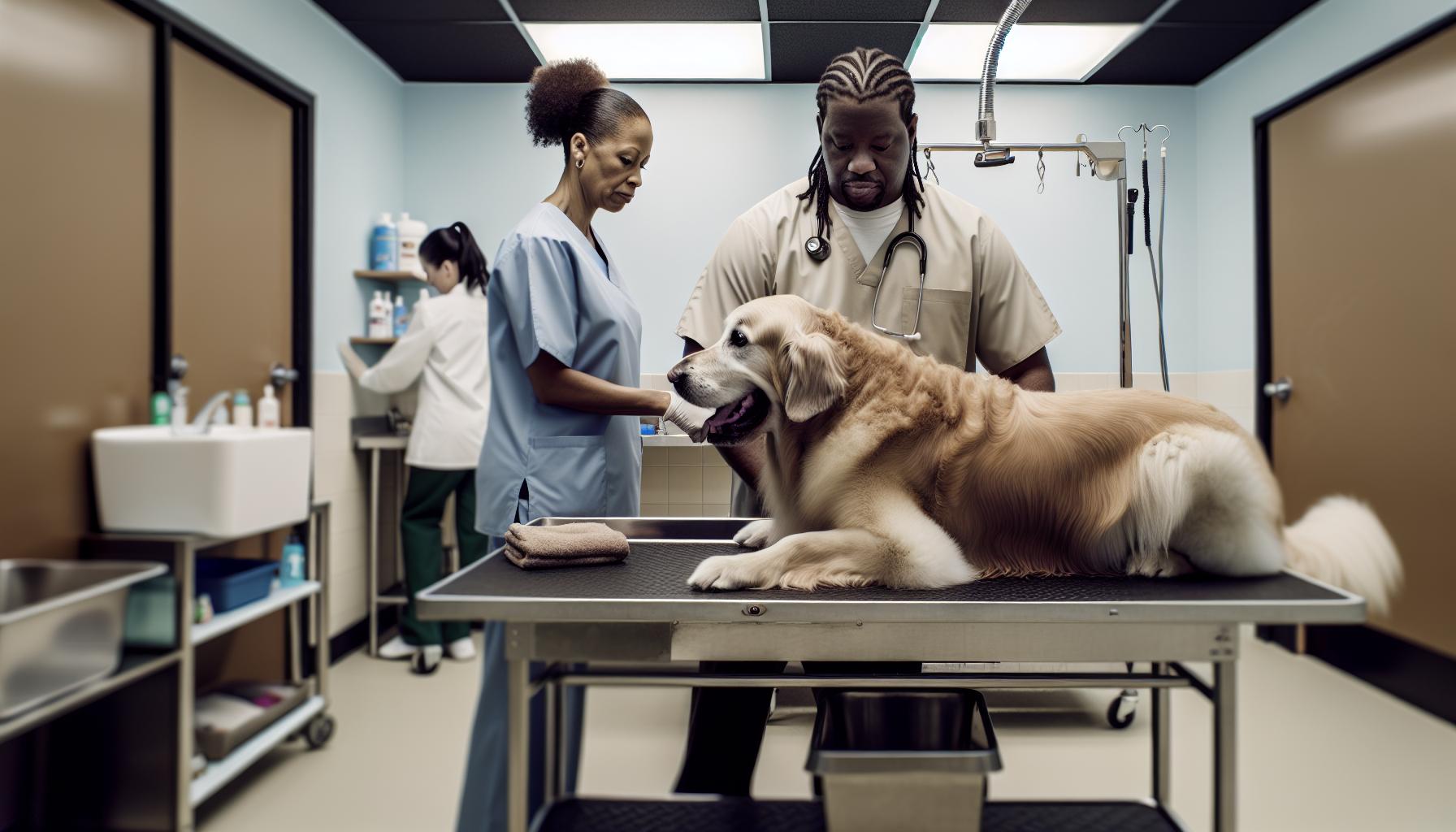
Assessing your Dog’s Risk Before Grooming Visits
A simple visit to a groomer might feel like a routine treat, but it’s also a moment when your dog mingles with many other pups and environments, increasing exposure to contagious germs like Bordetella. Understanding your dog’s individual risk helps you decide how necessary the Bordetella vaccine is before each grooming session. Not all dogs face the same risk levels,so tailoring precautions to your furry friend’s lifestyle,age,and health can make all the difference.
If your pup is a social butterfly who visits dog parks, attends daycare, or boards at kennels regularly, they’re naturally more vulnerable to catching kennel cough. Similarly, puppies under one year with still-developing immune systems, seniors with weakened defenses, or dogs managing other health conditions are more susceptible to infection. Conversely, a mostly homebound dog with limited contact to other dogs-perhaps just sharing a grooming appointment without socializing elsewhere-faces a lower but still present risk. It’s worth checking with your groomer about their cleaning protocols and whether dogs are grouped together before or after appointments, as these practical details can impact exposure.
Balancing Risk with Your Dog’s unique Needs
- Age and Health Status: Puppies and seniors benefit moast from vaccination, as their immune defenses aren’t as strong.
- Frequency of Grooming Visits: Dogs groomed frequently enough, especially in group settings, have higher exposure chances.
- Social Behavior: Dogs who enjoy doggy playdates, daycare, or boarding facilities are at increased risk.
- Previous Vaccinations: Confirm when your dog last had the Bordetella vaccine to ensure protection is current.
One family I worked with has a lively labrador who can’t resist playing at the local dog park, then heads off to grooming every six weeks. For them, keeping the Bordetella shot up-to-date brought peace of mind-no more worrying when the lab returned home with coughs or sniffles after social outings. For a neighboring senior poodle, who stays at home and visits the groomer only for spot trims, the choice was to delay vaccination but keep a close eye on any respiratory signs.This personalized approach respects each dog’s temperament and lifestyle while emphasizing health.
Remember, your groomer is a valuable ally who can offer insights about the local risk environment.They frequently enough see firsthand if multiple dogs are showing kennel cough symptoms or how busy their facility gets during different seasons.Together with your vet’s advice,you can decide when the benefits of the bordetella vaccine clearly outweigh any concerns-always prioritizing your dog’s comfort and well-being first.
Practical Steps Before the Visit
- Review your dog’s recent health and vaccination history.
- Ask your groomer about their sanitation and dog-handling protocols.
- Consider your dog’s social activity level and any known exposures to other dogs.
- Discuss with your veterinarian whether the Bordetella vaccine timing aligns well with grooming plans.
By thoughtfully assessing these factors, you create a solid foundation to keep your pup safe, happy, and healthy while enjoying their time at the groomer-which is exactly what every loving pet parent wants.
Vaccination Options: Types and Timing Explained
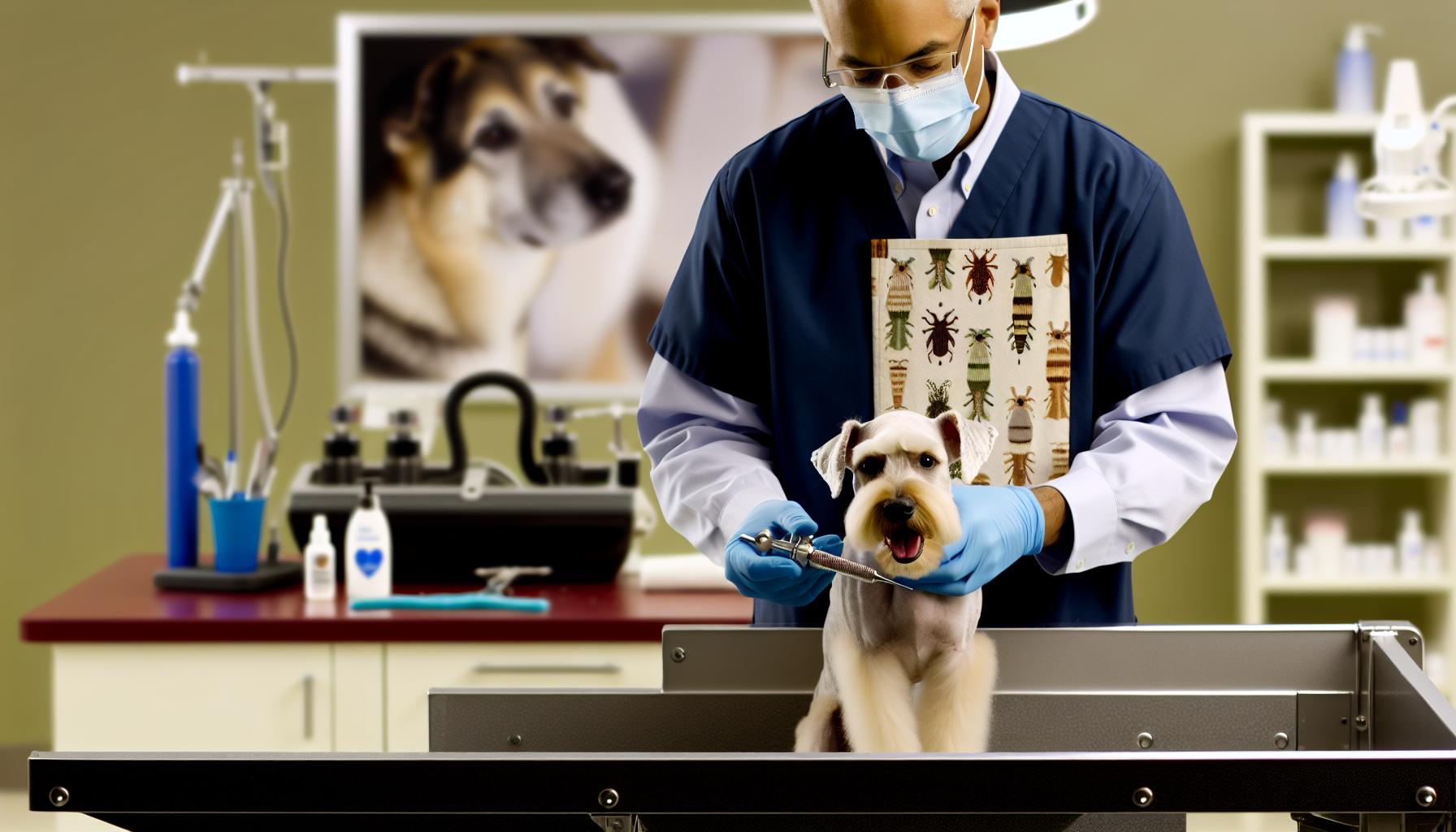
A speedy visit to the vet for a bordetella vaccine can be one of the simplest yet most effective ways to protect your dog during grooming appointments, especially when they’re mingling with other pups. The Bordetella vaccine comes in two main forms: an intranasal spray and an injectable shot. Both are designed to reduce the risk of kennel cough, but each has its own benefits depending on your dog’s needs and circumstances.
The intranasal vaccine is usually administered as a gentle squirt into the dog’s nostrils. Because it mimics the natural route of infection, it tends to produce a quicker local immune response right where Bordetella bronchiseptica targets: the respiratory tract. This can be especially handy if your dog needs fast protection or if they’re a bit fussy about injections. On the other hand, the injectable form – given as a shot under the skin – is often preferred for puppies or dogs with sensitive noses.Although it might take a bit longer to stimulate full immunity compared to the intranasal version,it can be less uncomfortable for some pets and easier to administer during routine vet visits.
Timing Is Everything
to get the most out of the vaccine, timing is crucial. Most vets recommend giving your dog the Bordetella vaccine about one to two weeks before their next grooming appointment to allow enough time for immunity to develop. If your dog visits the groomer regularly, typically every 4 to 6 weeks, annual or even semi-annual boosters might be needed to maintain strong protection. puppies are usually vaccinated starting at around 8 weeks old, with follow-up doses to build up their defenses. It’s wise to sync vaccination schedules with grooming visits, especially during seasons when kennel cough outbreaks are more common, like fall and winter.
- Intranasal vaccine: Fast onset, excellent for quick protection, minimal stress for dogs who dislike needles.
- injectable vaccine: Slower build-up of immunity but often preferred for young puppies or sensitive dogs.
- Booster shots: Typically yearly, but your vet may advise more frequent doses for high-risk dogs.
For example, a friendly but anxious terrier who’s comfortable with a little nose spray but gets very stressed by needles might benefit from the intranasal vaccine. Meanwhile, a calm senior golden retriever visiting the vet regularly for other shots might find the injectable dose more convenient, preventing multiple handling stresses.
Remember, while the vaccine greatly reduces your dog’s chance of catching bordetella, it’s not a 100% guarantee. Your vet will help you determine not only which type fits best but also the right timing tailored to your dog’s lifestyle and grooming frequency. Communication between you, your vet, and your groomer ensures every step focuses on your dog’s comfort, safety, and long-term health.
Benefits of the Bordetella Shot for Grooming Safety
One of the biggest hidden benefits of the Bordetella shot is the peace of mind it brings every time your dog steps into the groomer’s salon. Grooming environments,with their close quarters and busy energy,can be a hotspot for respiratory infections like kennel cough. By protecting your dog with this vaccine, you’re not just shielding them from an unpleasant illness-you’re actively reducing the risk they could contract or unknowingly spread Bordetella bronchiseptica to other dogs during their visit. This protection is especially critically important in salons where multiple dogs share the same space, from waiting areas to grooming tables.
Administering the Bordetella vaccine helps create a safer experience for dogs of all breeds and coat types. As an example, breeds with thicker, double coats-like Huskies or Golden Retrievers-can sometimes have longer drying times at the groomer, which can risk chilling and weaken their natural defenses. A vaccinated immune system steps in here as an essential guard, supporting their respiratory health even when environmental stresses add up. similarly, smaller or toy breeds who might be more sensitive to drafts or prolonged handling also benefit from this extra layer of protection.
- Minimizes the chance of kennel cough transmission in group settings
- Reduces severity and duration of symptoms if your dog is exposed
- Supports pet wellness for dogs with frequent grooming or daycare visits
- Helps protect vulnerable dogs like puppies or seniors with developing or waning immunity
Think of it like this: just as you wouldn’t want a cold to sideline your own plans, the Bordetella vaccine helps keep your dog healthy and happy so grooming appointments don’t turn into uncomfortable or risky experiences. For nervous dogs, this can mean less stress from coughing or respiratory discomfort after grooming sessions, helping them associate the salon with positive, safe times.
By working closely with your vet and groomer to schedule the vaccine at just the right time-usually one to two weeks before a grooming visit-you maximize your dog’s protection right when they need it most. This proactive step, combined with gentle handling and a calm environment, makes grooming not only safer but also a more enjoyable ritual for your furry friend. After all,when health and comfort come first,every grooming appointment leaves tails wagging.
Common Myths and concerns About Bordetella Vaccines
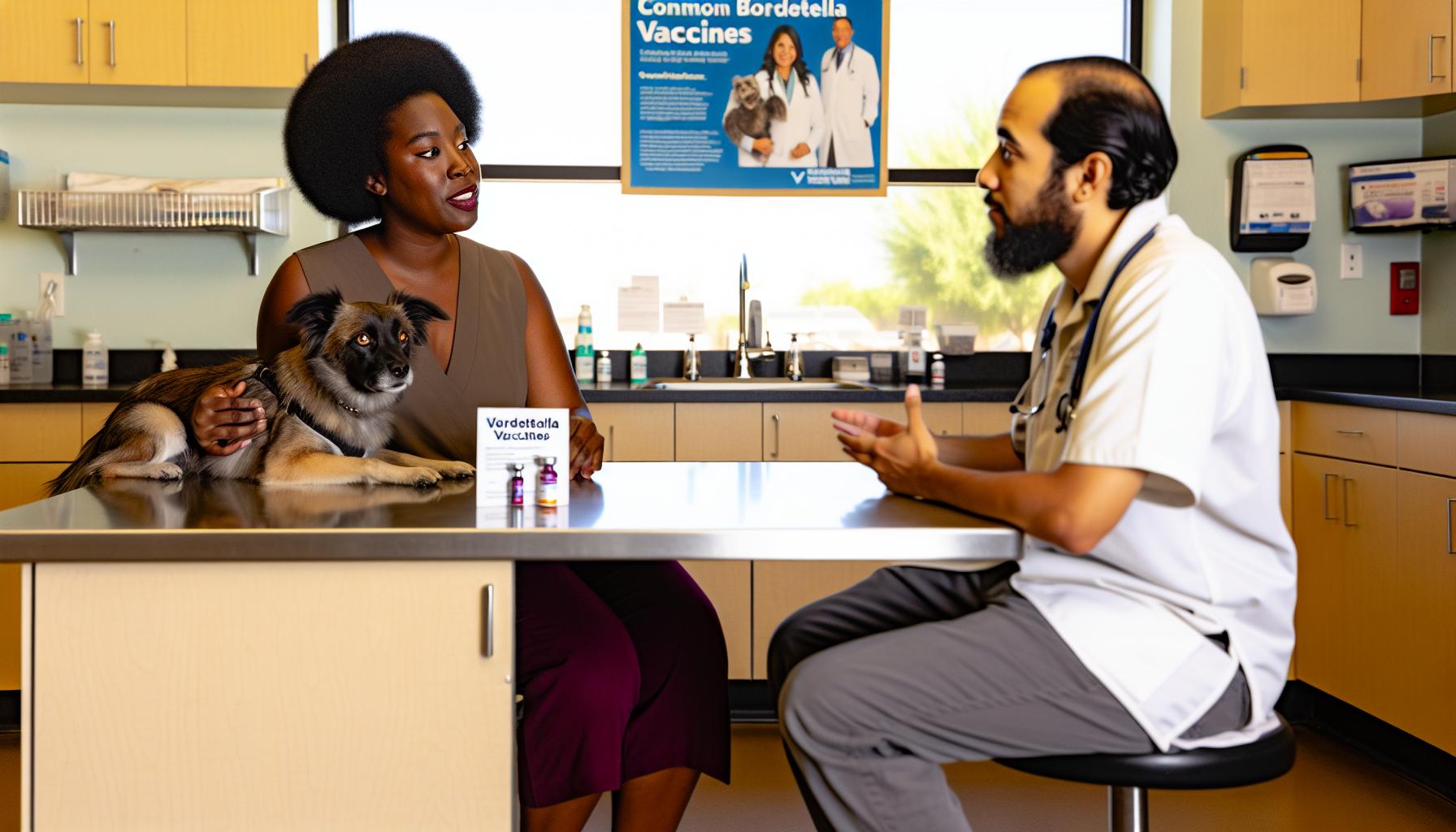
It’s common to hear concerns and confusion around the Bordetella vaccine, especially when deciding if it’s truly necessary before a grooming visit. Let’s clear up some of the most frequent myths so you can feel confident making the best choice for your dog’s health and comfort.
One big misunderstanding is that only dogs who board, attend daycare, or visit kennels need the bordetella vaccine. In reality, groomers often bring together dogs from many homes, creating a setting where airborne germs can spread easily-even if your pup only visits the salon occasionally. A dog with a thick double coat, like a Golden Retriever or Husky, may have a longer drying time after a bath, making them more vulnerable to chilling and respiratory upset. This little extra vulnerability highlights why vaccination can be a smart safeguard irrespective of how often your dog socializes elsewhere[[[[[2]](https://templeheightsanimalhospital.com/blog/4-common-vaccine-myths-busted/).Some people worry the Bordetella vaccine isn’t effective or might cause illness. It’s critically important to remember that the vaccine is designed to reduce the severity and duration of symptoms, not eliminate the risk entirely. Like all vaccines, a tiny number of dogs might experience mild side effects such as sneezing or slight lethargy. However, these are typically short-lived and far less risky than an active Bordetella infection, which can lead to serious coughing, discomfort, and even pneumonia in vulnerable pups. The peace of mind gained from this proactive protection often outweighs the minimal chance of mild vaccine reaction.
- Myth: Only dogs that board or visit daycare need the Bordetella vaccine. Truth: Groomers also expose dogs to respiratory germs, so vaccination helps in these settings too.
- Myth: The vaccine causes kennel cough. truth: The vaccine uses a safe form of the bacteria that primes the immune system without causing illness.
- Myth: If my dog never shows symptoms,the vaccine is unnecessary. Truth: some dogs can carry and shed Bordetella without visible signs, potentially infecting others.
If your dog is shy, anxious, or new to grooming, having an added layer of immunity can ease stress on both pet and owner. Knowing your dog’s chances of catching or spreading kennel cough are lowered helps everyone relax during the grooming process. Working with your veterinarian and groomer to time the vaccine-ideally one to two weeks before a salon visit-ensures your dog’s immune defenses will be strong when it counts most.
At the end of the day, the bordetella vaccine isn’t just about preventing a cough-it’s about supporting your dog’s overall wellbeing so grooming becomes a pleasant, healthy routine. When you understand the facts beneath the myths, you’re better equipped to make grooming appointments something your dog can look forward to, tail wagging all the way[[[[[1]](https://www.youtube.com/watch?v=uG6HrzZyx9E)[[[[[3]](https://www.gallant.com/blog/myths-and-misconceptions-around-immunizing-your-dog/).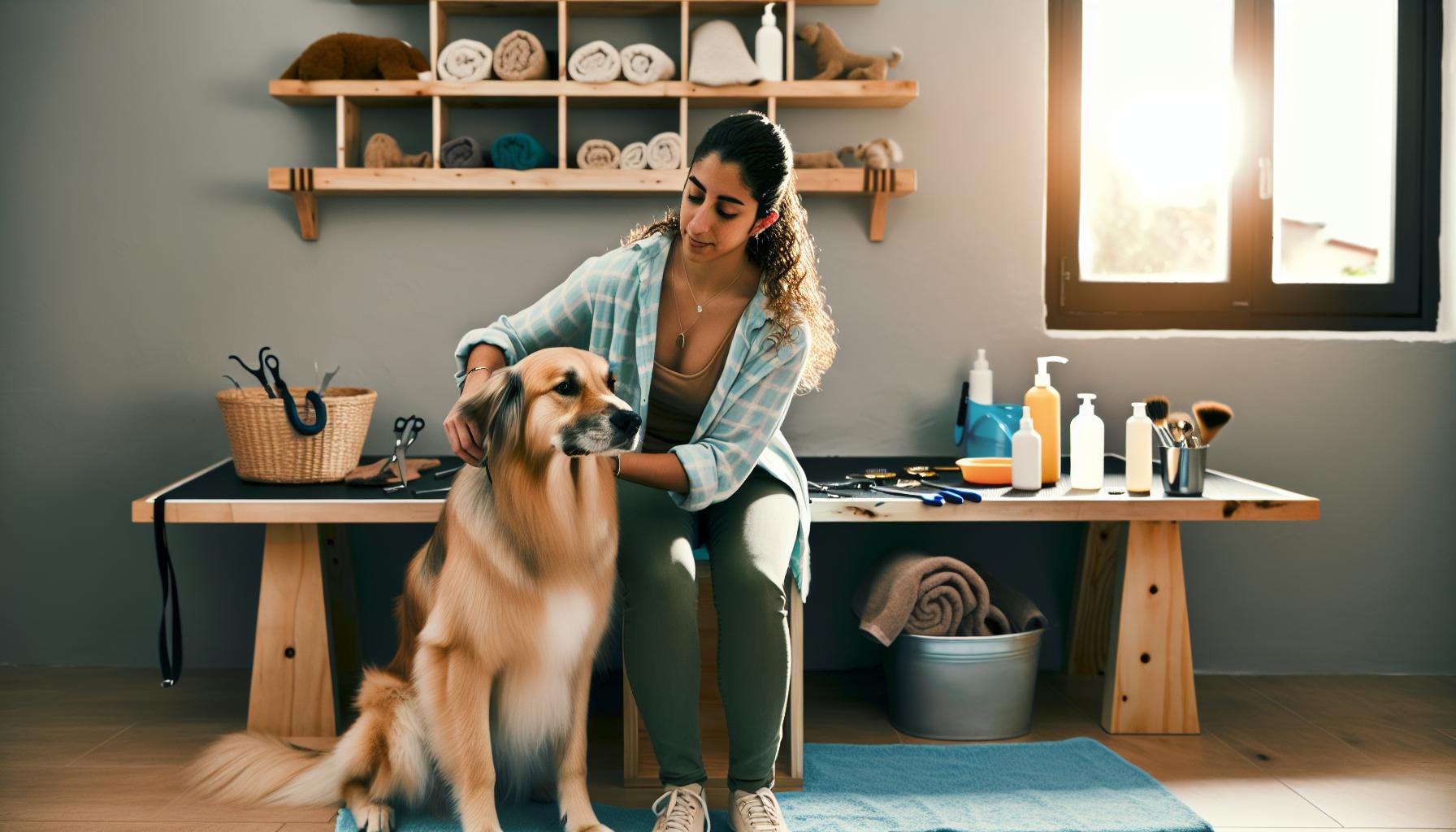
how to Prepare your Dog for a Groomer Visit Safely
It’s surprising how much a little planning can transform your dog’s grooming experience from stressful to smooth and even enjoyable. The right prep not only helps your pup stay calm and comfortable but also supports their health, especially when vaccines like Bordetella come into play to shield them from respiratory infections common in group environments like grooming salons.
Know Your dog’s Coat and Comfort Needs
Before the salon visit, consider your dog’s breed, coat type, and sensitivity. Long-haired breeds like Shih Tzus or Huskies may require extra brushing at home to remove tangles-this cuts down grooming time and stress. Short-haired dogs can sometimes benefit from a gentle wipe-down or light brushing to get them accustomed to touch. Use a soft-bristle brush or a grooming glove to make it a relaxing bonding moment rather than a chore.
- tip: If your dog dislikes nail trimming or ear cleaning, try short, calm sessions days before the appointment. This builds positive associations and helps avoid overwhelm on grooming day.
- Hydration and Bathroom Breaks: A well-hydrated dog and a chance to relieve themselves just before leaving will reduce discomfort during the visit.
Communicate About Vaccinations and Health
Make sure your grooming professional knows your dog’s Bordetella vaccination status-especially since the vaccine helps reduce the risk of kennel cough, a common and contagious respiratory infection. Vaccinating 1 to 2 weeks before the appointment ensures immunity is active when your dog encounters other pets. If your dog has had any recent illness or vaccine reactions, share this data openly to help groomers adjust handling or plan breaks.
Set Up a Calm, Predictable Routine
Dogs thrive on routine. Mimic some parts of the grooming process at home, such as gentle brushing or softly wiping paws, paired with treats and praise. This preparation can reduce anxiety by familiarizing your dog with handling that resembles salon care. on the day of grooming:
- Keep your arrival calm and on time to avoid your dog waiting in a busy or noisy area longer than necessary.
- If your dog is nervous, bring a favorite toy or blanket to comfort them.
- Use positive reinforcement to associate the grooming trip with rewards and kindness.
Safety, Comfort, and Knowing Boundaries
While some grooming tasks like baths or brushing can be done at home, others-like thorough nail trimming or ear cleaning-are best left to professionals to avoid injury. Discuss any special concerns with your groomer beforehand. They are trained to recognize signs of stress or discomfort and can tailor the session accordingly. Remember, grooming isn’t about perfection but prioritizing your dog’s welfare and ease.
With these thoughtful steps, your dog will not only look great but will feel great-turning grooming from a necessary chore into a positive experience. It’s all about compassion,patience,and preparing with your dog’s unique personality and needs at heart.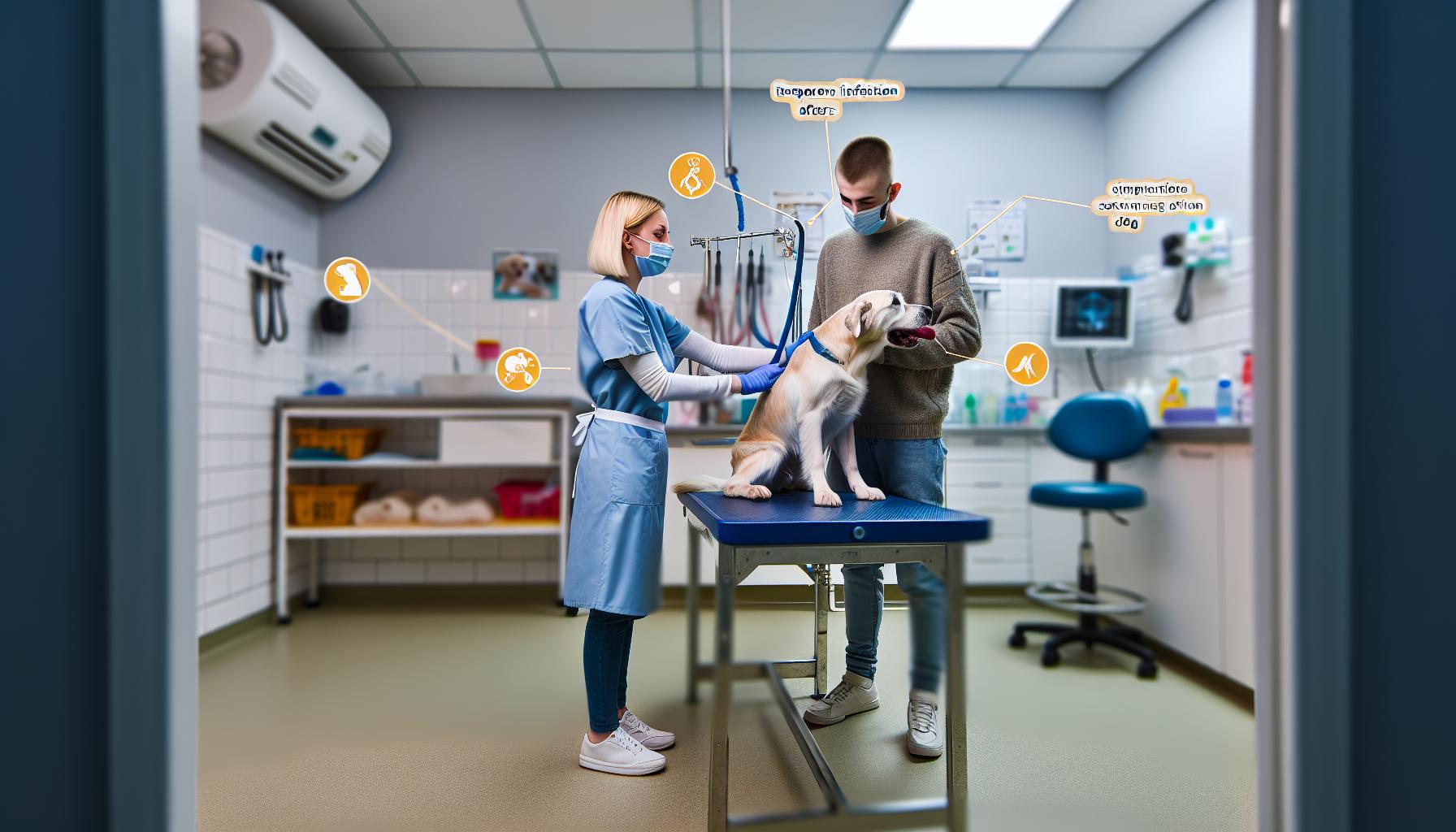
Signs of Respiratory Infection After Grooming to Watch For
Dogs can sometimes pick up respiratory infections after visits to groomers, especially in busy environments where multiple animals are present. Being vigilant about the subtle signs of such infections early on can make a big difference in your dog’s comfort and health. Watch closely in the days following grooming for any unusual coughs or sneezing fits-these could be mild indicators of “kennel cough,” scientifically known as Bordetella bronchiseptica, a common and contagious respiratory bacterium spread easily in places with close dog contact[[[[[1]](https://ocpetinfo.com/education-resources/animal-disease-information/bordetella).
- Persistent, dry, hacking cough: Often described as a “honking” cough, this is usually the hallmark symptom. If your dog starts coughing suddenly after grooming,especially if they sound raspy or scratchy,it’s a significant sign to watch.
- Frequent sneezing or reverse sneezing episodes: Reverse sneezing can look alarming but is often harmless; however, if it happens repeatedly or comes with other symptoms, your dog might be irritated or congested.
- Runny nose or watery, irritated eyes: Mucous discharge from the nostrils or eyes can indicate developing upper respiratory infection.
- Lethargy or decreased appetite: While some tiredness after grooming is normal, noticeable sluggishness or reluctance to eat can mean the infection is affecting their overall well-being.
- Fever or difficulty breathing: These serious signs warrant immediate veterinary attention.
Why Early Detection Matters
Recognizing these symptoms early allows you to isolate your dog from others promptly, preventing the spread of infection to other pets at home or the groomer’s salon. Early veterinary evaluation can determine if antibiotics or supportive care like bronchodilators are needed, especially for dogs showing fever, severe cough, or reducing their normal eating and activity levels[[[[[1]](https://ocpetinfo.com/education-resources/animal-disease-information/bordetella). Groomers usually don’t diagnose or treat infections,but they can inform you if your dog showed signs of coughing or distress during the visit.Always communicate openly with your veterinarian about recent grooming visits as it helps contextualize symptoms.
helping Your Dog Feel Better at Home
When you spot early signs, try to keep your dog in a calm, stress-free environment. Avoid exposing them to other dogs and ensure they have easy access to water and a cozy resting place. Gentle encouragement to eat small meals can help maintain strength. Using a humidifier or taking your dog into a steamy bathroom for short periods can ease coughing and soothe irritated airways.
In cases where the cough is mild and your dog is or else active and shining,sometimes the best approach is supportive care at home. But if signs worsen, like increased coughing frequency, labored breathing, or loss of appetite, a visit to the vet for diagnosis and treatment is essential.
Ultimately, being aware and proactive after grooming visits empowers you to safeguard your dog’s health without added worry-a little vigilance ensures your pup stays comfortable and happy long after they’ve left the salon.
For more detailed guidance on diagnosis and treatment of Bordetella infections,see advice from veterinary sources[[[[[3]](https://www.raintreevetcenter.com/site/blog/2022/02/14/bordetella-dogs).
Veterinarian vs. Groomer: Who Should Recommend the shot?
The decision about whether your dog should get a Bordetella vaccine frequently enough sits at the intersection of veterinary advice and groomer policies, each bringing an critically important perspective. While groomers are on the frontline,observing dogs up close and often in close quarters with others,they are not medical professionals and can’t evaluate your dog’s individual health needs or vaccination history. That’s why your veterinarian is the best person to recommend if and when your dog should receive the Bordetella shot. They know your dog’s unique medical background,lifestyle,and risk factors,and can tailor guidance accordingly.
many grooming salons do require proof of Bordetella vaccination before accepting appointments, especially as kennel cough spreads easily in places with multiple dogs close together. This policy is about protecting all pets in their care and maintaining a healthy environment. Though, groomers don’t decide who ”needs” the vaccine – their requests are safety protocols based on minimizing infectious risk within their facility. If your dog has special sensitivities, health issues, or is at low risk of exposure, a vet-vetted plan might differ from these generic requirements.
How Vets and Groomers Work Together for Your Dog’s Best Care
- Veterinarians provide personalized recommendations: They evaluate your dog’s age, breed, immune status, and social habits to decide not just if, but when the vaccine is best.
- Groomers ensure a safe environment: By requiring up-to-date Bordetella vaccines, they reduce the chances of kennel cough outbreaks within the salon or daycare.
- Communication is key: If a groomer notices coughing or other symptoms, telling you and encouraging a vet visit can prevent illness progression and contagion.
Think of it like this: your vet is the medical expert who crafts the health plan, and your groomer is the trusted caretaker who implements safe operational practices. If your vet suggests waiting or skipping the bordetella vaccine due to your dog’s low exposure risk or health concerns, discussing these groomer requirements ahead of time can help you find a grooming facility that fits your dog’s specific needs. Conversely, if the groomer insists on vaccination, your vet can help schedule and administer the shot and monitor for any reactions.
Lastly, remember that vaccines are just one part of keeping your pooch safe at the groomer. Groomers also rely on good hygiene, proper ventilation, and minimizing contact between sick and healthy dogs. When you trust both your vet’s medical insight and your groomer’s hands-on experience, you create a partnership focused on your dog’s overall well-being and comfort-even during bustling grooming days.
[2] and [1] provide good background on how these roles complement each other.
Alternatives to Vaccination for High-Risk Dogs
Even when vaccination isn’t an option due to allergies, health conditions, or other concerns, there are several thoughtful approaches you can take to protect your pup from Bordetella, especially when visits to groomers or daycare are part of their routine. it’s true that the Bordetella vaccine is a powerful tool in preventing kennel cough, but some dogs need alternatives that prioritize their unique medical profile without leaving them vulnerable.
Boosting natural Immunity Through Careful Exposure
When vaccination is off the table, supporting your dog’s immune system naturally becomes a key focus. This includes maintaining a strong overall health foundation through balanced nutrition, regular exercise, and stress reduction. Some owners have explored natural supplements with immune-supporting properties, like certain herbal formulas or vitamins – though these should always be discussed with your veterinarian to ensure safety and appropriateness for your dog’s breed and health status.For example, honey is known for its antimicrobial qualities and can soothe mild throat irritation, though it’s no substitute for medical protection against bordetella{{}}[2].
Additionally, regular health checkups and titers (blood tests measuring antibody levels) can provide insight into your dog’s immune status. While titers are more commonly used for core vaccines, they help some owners and vets decide when a booster might truly be necessary, avoiding unnecessary vaccinations while still monitoring disease protection{{}}[1].
Environmental Controls and Groomer Practices Matter More Than Ever
Without the vaccine shield, minimizing exposure becomes your frontline defense:
- Choose groomers with strict hygiene policies: Look for salons that regularly sanitize tools, limit the number of dogs per session, and maintain excellent air circulation.
- Space out social interactions: Avoid busy daycare facilities before grooming and vice versa to reduce disease transmission.
- Monitor your dog closely: If you notice any signs of coughing, sneezing, or lethargy, delay grooming appointments until your pup is symptom-free.
Groomers who understand and respect your dog’s health needs can tailor handling to minimize stress and avoid unnecessary exposure, such as grooming your dog in a quieter room or scheduling at less busy times.
non-Vaccine Supportive Measures You Can use at Home
If your dog is in that high-risk group, here are simple, gentle ways to assist their respiratory health:
- Humidify your dog’s environment: Dry air can irritate the respiratory tract-using a cool-mist humidifier helps soothe and protect sensitive airways.
- Regular grooming at home: simple brushing, bathing, and nail trims reduce frequent visits to high-risk environments, especially for dogs with thick or long coats prone to harboring germs.
- Use of natural soothing agents: Some owners use small amounts of honey or herbal sprays (vet-approved) to calm mild throat irritation following grooming.
Of course, always seek your veterinarian’s guidance when considering these to ensure they fit your dog’s specific medical backdrop.
Partnering Closely with Your Veterinarian and Groomer
Ultimately, the most accomplished strategy blends veterinary expertise and groomer sensitivity. Your vet can help identify if your dog’s health dictates postponing the vaccine and suggest monitoring or supportive care plans. Simultaneously occurring, a knowledgeable groomer can adapt their environment or schedule accordingly to preserve your dog’s comfort and safety. this teamwork empowers you to keep your dog well-groomed without compromising health-even when traditional vaccines aren’t advised.
Remember, keeping your dog comfortable, calm, and safe is the top priority. Creative alternatives to vaccination exist, and with compassion and the right support, your furry friend can thrive through every grooming appointment confidently and happily.
—
{{}} References
[1] https://pawsandclawsanimalhospital.com/wp-content/uploads/2020/07/A-Holistic-Alternative-to-Vaccination.pdf
[2] https://www.facebook.com/groups/duncanstrong/posts/1531053354291879/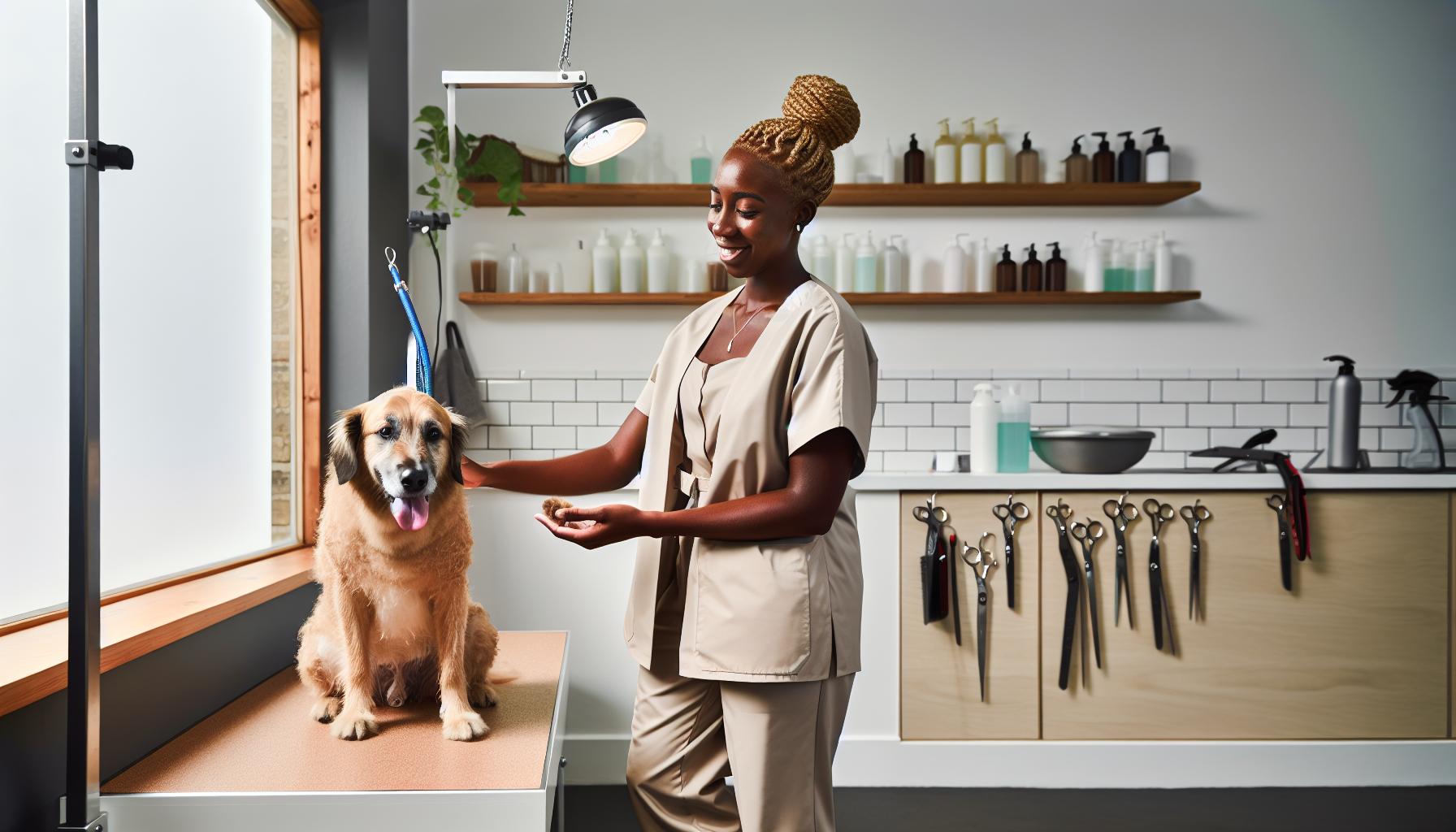
Tips for Anxious Dogs during Groomer Visits
Sometimes, even the calmest dogs can feel uneasy when headed to the groomer’s. Strange sights, sounds, and unfamiliar hands working on their coat may trigger stress or anxiety, especially for breeds that naturally tend to be more sensitive or shy. Recognizing that your dog’s emotional well-being matters just as much as their physical health is the first step to transforming grooming from a stressful ordeal into a positive routine.
Start with Gentle Exposure at Home
Before the grooming day arrives, spend time creating a calm, inviting “spa” atmosphere at home. Introduce tools like brushes, nail clippers, or even a low-noise dryer in short, pleasant sessions. For example, if your dog has a thick or curly coat that tangles easily (think Poodles or Goldendoodles), focus on gradual brushing exercises using a slicker brush or comb, paired with gentle praise and even treats. This helps build familiarity and trust, making professional grooming less intimidating.
Step-by-Step Strategies for a Smooth Groomer Visit
On the appointment day, simple actions can make a big difference:
- Stick to a routine: Dogs thrive on predictability. Try to keep the same feeding and walking schedule pre-appointment to foster comfort.
- Use calming cues: Soft words, slow movements, and familiar toys or blankets can ground anxious pups during the visit.
- Communicate with your groomer: Share insights about your dog’s fears or triggers. Great groomers will accommodate, like taking breaks if your dog needs a breather or handling sensitive areas carefully.
- Consider mild calming aids: Vet-recommended pheromone sprays, calming collars, or natural supplements (used safely and appropriately) can ease nerves without dulling alertness.
Know When to Step In-And When to Let the Experts Lead
While some owners enjoy DIY grooming, knowing your limits is critically important-especially with nails and ears, where small mistakes can lead to pain or infection. When anxiety spikes, professional groomers trained in handling timid dogs can use supportive techniques like positive reinforcement, slow desensitization, or quiet rooms to maintain your dog’s comfort. Don’t hesitate to ask for a meet-and-greet beforehand,allowing your dog to get acquainted with the environment in a no-pressure way.
remember,the goal is not just a neat haircut but fostering your dog’s long-term trust and ease with grooming experiences. With patience, clear communication, and kindness, anxious pups can learn to associate grooming with safe hands and gentle care, making every visit a step toward confidence and well-being.
Balancing Health, comfort, and Grooming Needs Effectively
Few things balance a dog owner’s heart quite like wanting their pet to look and feel their best while keeping them safe and happy. When it comes to grooming, this balance is especially delicate. While a fresh cut, clean coat, and trimmed nails boost your dog’s comfort and well-being, protecting them against contagions like bordetella-a common cause of kennel cough-is equally crucial. The good news is that with thoughtful preparation and teamwork between you, your groomer, and your vet, you can create a grooming routine that honors your dog’s health and emotional comfort, all without sacrificing style or safety.
Understanding Your Dog’s Unique Needs
Every dog is different, and so is their grooming journey. Breeds with thick or curly coats-like Poodles, Goldendoodles, or Bichons-need regular brushing and professional care to prevent painful matting, which can lead to skin infections. conversely,short-haired breeds might require less intense grooming but still benefit from nail trims and ear checks to avoid discomfort or infection. Knowing your dog’s coat type,skin sensitivity,and temperament allows you to pick tools and services that minimize stress. For example, using gentle brushes like slicker brushes for curly coats and soft bristle brushes for sensitive skin can make bath and brush sessions more enjoyable and less stressful.
Practical Steps to a Comfortable,healthy Grooming Experience
Starting with consistent home care builds a foundation of trust. Regular gentle brushing and ear cleaning at home acclimate your dog to touch and handling, easing the professional grooming process. On the day of grooming, bring along familiar items like your dog’s favorite blanket or toy-these small comforts can significantly reduce anxiety in the busy grooming setting.
- Communicate clearly: Talk openly with your groomer about your dog’s temperament,health history,and any recent illnesses or vaccinations (including bordetella).
- Schedule wisely: Try to avoid back-to-back appointments or overly busy times at the grooming salon where exposure risk may increase.
- Monitor post-grooming: Keep an eye on your dog for signs of respiratory issues or stress after visits,and report any concerns to your vet promptly.
Vaccination as a Comfort and Safety Tool
While some owners worry about adding more vaccines to their pup’s schedule, the bordetella shot serves as a practical shield, especially for dogs visiting groomers regularly or mingling in group settings.Think of it as insurance-protecting your dog from a highly contagious cough that could turn a simple grooming trip into a week of discomfort and vet visits.
Yet, vaccination should never overshadow your pet’s emotional welfare. A calm dog is a safer dog. If your dog is anxious or prone to sensitive reactions, talk with your vet about the best timing to receive the shot and ways to minimize side effects. Many groomers appreciate when owners provide vaccination updates, as this helps shape safer, healthier grooming environments for everyone.
Respecting Boundaries between DIY and Professional Grooming
home grooming is a loving way to bond and maintain your dog’s coat between professional visits, but it’s essential to recognize when to step back. Complex tasks like nail grinding or ear hair plucking often require a steady hand and experience to avoid injury or discomfort. In these cases, trusting a skilled groomer is best for your dog’s health and your peace of mind.
Remember, seeking professional help is not a sign of failure but a commitment to your dog’s welfare. If cost or access to grooming services is a concern, clinics and groomers sometimes offer payment plans or community resources. Prioritizing your dog’s comfort alongside health measures like vaccination creates a comprehensive care approach that puts them first-in every snip and spray.
Together, by balancing the physical and emotional wellbeing of your dog with practical health safeguards, you’re not just ensuring a stylish pup-you’re nurturing a happy, healthy companion who walks away from every grooming session feeling loved and secure.
—
This approach helps build a grooming routine that respects your dog’s personality and health needs while addressing common concerns around bordetella vaccination and exposure risks associated with grooming visits.For more detailed vaccine info, you can check resources like PetMD or your local vet’s advice tailored to your dog’s lifestyle and local risk factors[[[[[1]](https://www.petmd.com/dog/general-health/bordetella-vaccine-for-dogs).
Q&A
Q: How soon before a groomer visit should my dog receive the Bordetella vaccine?
A: Dogs should get the Bordetella vaccine about 1 to 2 weeks before their groomer visit to allow full protection to develop. Intranasal vaccines offer quicker immunity, often within 72 hours. Always consult your vet to time vaccinations for optimal effectiveness and safer grooming trips.
Q: can the Bordetella vaccine prevent all respiratory infections from grooming?
A: No, the Bordetella vaccine specifically protects against Bordetella bronchiseptica, a key cause of kennel cough, but not all respiratory infections. Other viruses or bacteria can still affect your dog. Stay vigilant for symptoms after grooming and discuss comprehensive preventive care with your vet.
Q: Are there breed or coat types that are more vulnerable and thus need Bordetella shots before grooming?
A: While all dogs can benefit, breeds with sensitive respiratory systems or long coats prone to dampness may be more susceptible to infections. Dogs frequently groomed or socialized in group settings especially benefit from the Bordetella vaccine to reduce respiratory risks during grooming.
Q: Is the Bordetella vaccine required by most professional groomers?
A: Yes, many grooming salons require proof of Bordetella vaccination because dogs often share enclosed spaces and equipment. This policy helps protect all pets from kennel cough outbreaks. Check grooming facility policies and confirm vaccination timing to meet their requirements smoothly.
Q: What are the differences between intranasal and injectable Bordetella vaccines for dogs going to groomers?
A: Intranasal vaccines provide faster, localized immunity and are preferred for dogs attending grooming or daycare because protection starts within days. Injectable vaccines require a booster and focus only on Bordetella bacteria. Discuss with your vet which type best fits your dog’s grooming routine.
Q: Can dogs with anxiety still safely get the Bordetella vaccine before grooming?
A: Yes, anxious dogs can safely receive the Bordetella vaccine. Intranasal delivery is quick and less stressful for some dogs. Prepare your pet with calming techniques before vet visits and groomer outings, balancing their emotional comfort with infection prevention for the best care experience.
Q: How often should dogs that go to groomers get a Bordetella booster shot?
A: Dogs visiting groomers regularly should receive a Bordetella booster annually, or as recommended by their veterinarian. Frequent exposure to other dogs increases risk, making up-to-date vaccination essential for ongoing protection during grooming and social activities.
Q: What steps should I take if my dog shows signs of kennel cough after visiting a groomer, despite vaccination?
A: If your dog shows coughing, sneezing, or nasal discharge after grooming, contact your vet promptly, even if vaccinated. Vaccination reduces but doesn’t eliminate risk. Early treatment and monitoring help prevent complications and protect your dog’s respiratory health.
For comprehensive guidance, see our sections on signs of Respiratory Infection After Grooming to Watch For and Vaccination Options: Types and Timing Explained. Prioritize your dog’s health and comfort at every grooming visit!
Final Thoughts
Protecting your dog’s health during grooming visits starts with smart choices-like ensuring they have the bordetella vaccine. This simple step significantly cuts the risk of kennel cough, keeping your furry friend comfortable and safe in close-contact environments. If you’re weighing the benefits or wondering about the timing, don’t hesitate to chat with your vet-they can tailor advice based on your dog’s breed, coat type, and social habits.
Ready to take the next step? Explore our guide on how to prepare your dog for grooming and learn practical tips for bath time,brushing,and nail care that complement professional grooming sessions. Curious about other vaccines and health precautions? Check out our comprehensive pet vaccination overview to make informed choices year-round. Keep your canine companion happy,healthy,and ready for every grooming visit-sign up for our newsletter to stay updated on pet wellness tips and expert advice.Have questions or experiences with Bordetella vaccination for groomers? Share them below-we love hearing from caring pet parents like you.Together, we build a safer, more joyful grooming experience for all dogs.
Get our latest guides, news, and insights highlighted in your Google Search & AI Overviews.
Keep reading about the same coat and cut.


Popular grooming guides
Bath vs clip, first grooms, and salon how-tos.