Do Short Haired Dogs Need to Go to the Groomers: Care Guide
Did you know that short-haired dogs, despite their easy-to-manage coats, still benefit from regular grooming? Many owners wonder if a simple bath at home is enough or if a professional groomer is necessary. This guide will help you understand essential care for breeds like Beagles, Boxers, and French Bulldogs-from brushing and bathing to nail trimming and ear cleaning-tailored specifically for their short coats. Whether you’re a first-time pet parent or looking to refine your grooming routine, you’ll discover practical tips that prioritize your dog’s comfort and health over aesthetics. We’ll also explore when a vet’s attention is needed versus what you can confidently do at home. With gentle, step-by-step advice and thoughtful troubleshooting, you’ll gain calm confidence in keeping your furry friend happy, healthy, and comfortable-as caring for your short-haired companion is about more than looks; it’s about their well-being. Let’s dive into how simple, safe grooming can strengthen your bond and keep your dog feeling their best.
Understanding Short Haired Dog Coats and Their Grooming needs
Table of Contents
- 1 Understanding Short Haired Dog Coats and Their Grooming needs
- 2 Essential Tools for At-Home Grooming Short Haired Dogs
- 3 How Often Should You Groom a Short Haired Dog?
- 4 Brushing Techniques That Keep Short Coats Healthy
- 5 Nail and Paw Care: Keeping Your Dog Comfortable
- 6 Ear cleaning Tips to Prevent Infections
- 7 When to Visit a Professional Groomer vs. DIY Care
- 8 handling sensitive or Anxious Dogs During Grooming
- 9 Common Grooming Mistakes and How to Avoid Them
- 10 Seasonal Grooming Adjustments for Short Haired Dogs
- 11 Signs Your Dog Needs Immediate Grooming Attention
- 12 Frequently asked questions
- 12.1 Q: Can short haired dogs get skin issues if they never visit a professional groomer?
- 12.2 Q: What grooming services do professional groomers offer for short haired dogs?
- 12.3 Q: How can I tell if my short haired dog’s coat needs a professional grooming session?
- 12.4 Q: Are there specific short haired dog breeds that need more frequent professional grooming?
- 12.5 Q: Why might some short haired dogs benefit from professional grooming even if at-home care is consistent?
- 12.6 Q: Can professional groomers help with short haired dogs that are anxious or fearful during grooming?
- 12.7 Q: How does professional grooming help maintain nail and paw health in short haired dogs?
- 12.8 Q: when is the best time to schedule professional grooming for a short haired dog?
- 13 Insights and Conclusions
Short-haired dogs might seem low-maintenance at first glance, but their grooming needs are frequently enough underestimated. Their coats, while sleek and smooth, have unique characteristics that require consistent care to keep both skin and fur healthy. Unlike long-haired breeds where mats and tangles are common, short coats benefit more from regular brushing to distribute natural oils, remove dead hair, and stimulate circulation. This promotes a shiny, resilient coat and can even reduce shedding around your home.
Many owners wonder if short-haired dogs truly need professional grooming or if at-home care is sufficient. The good news is, these breeds typically require less frequent trims, but professional visits can still play a crucial role in maintaining skin health and managing issues like stubborn shedding or minor skin irritations.Think of groomers as partners who can spot problems early, such as allergies or fungal infections, which sometimes hide beneath the surface of a seemingly healthy coat.
Coat Types and Their Care Needs
- Single coat dogs (e.g.,Beagles,Boxers): These dogs have a thin layer of fur that sheds seasonally. They benefit from weekly brushing with a firm-bristle brush or grooming mitt to remove loose hairs and prevent dullness.
- Double coat short-haired breeds (e.g., American Staffordshire Terrier, Siberian Husky in short summer coat): They have a dense undercoat beneath their short topcoat. Brushing with an undercoat rake during shedding seasons helps avoid matting and skin issues.
- Smooth coat dogs (e.g.,Dobermans,Greyhounds): These breeds have very short,sleek fur that requires gentle brushing to avoid skin irritation. A rubber curry brush works particularly well.
Many pet owners find that a gentle, consistent routine builds trust and calms anxious dogs during grooming. Using calm, reassuring touch while grooming helps your dog associate care with comfort, turning routine into bonding time rather than a chore.Remember, patience and kindness are just as vital as the tools you use – and always check your dog’s skin during grooming sessions for any signs of redness, dryness, or lumps that warrant a vet’s attention.
Essential Tools for At-Home Grooming Short Haired Dogs
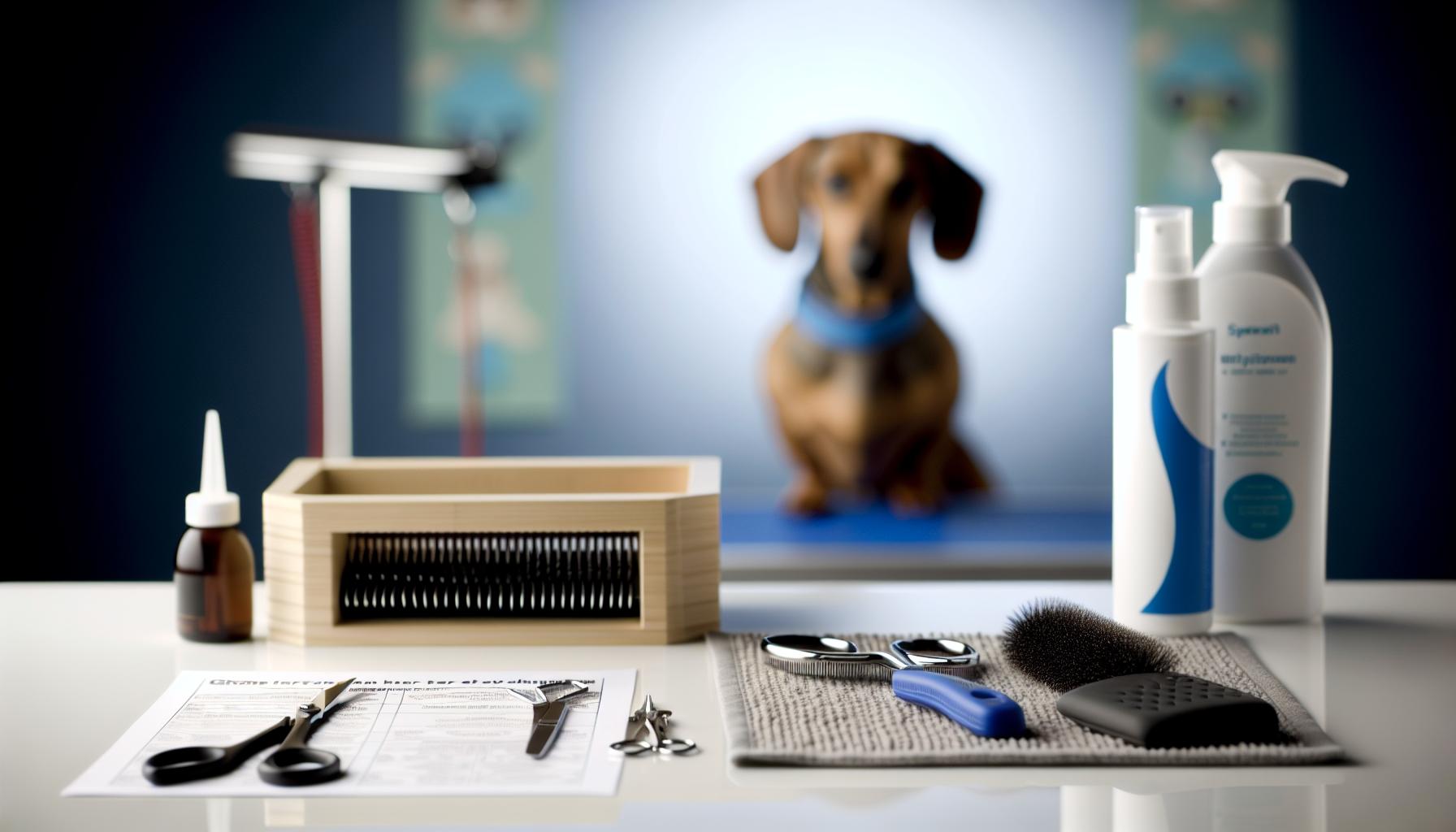
Short-haired dogs ofen seem like the easiest to care for-after all, their coats are sleek, smooth, and free from complicated tangles. Yet, having the right set of grooming tools at home is essential to keep their skin and fur in tip-top condition.Investing in a few well-chosen essentials not only simplifies the grooming routine but also helps you build a loving, trust-filled experience with your dog. Whether you have a Beagle with a single coat or a Doberman with a smooth coat, the tools you select can make all the difference in comfort and effectiveness.
Brushing Tools Tailored to Coat Type
- Firm bristle brush or grooming mitt: Ideal for single-coated dogs like Boxers or Beagles, these tools help remove loose hairs and distribute natural oils that keep the coat shiny. A mitt can be less intimidating for anxious dogs and offers a gentle massage effect.
- Undercoat rake: For short-haired double-coated breeds such as the American Staffordshire Terrier, an undercoat rake is invaluable, especially during shedding season. It reaches beneath the surface to gently pull away loose undercoat without irritating the skin.
- Rubber curry brush: Best suited to smooth-coated dogs like Greyhounds and Dobermans, a rubber curry brush provides a gentle way to lift dirt while stimulating circulation. Its softness minimizes skin irritation and is excellent for nervous dogs who need calming touch.
Bath Time Basics
To bathe your short-haired dog effectively at home,equip yourself with a mild dog shampoo suited for sensitive skin,a non-slip mat to help your dog feel secure,and a handheld shower nozzle or large cup for rinsing. Always use lukewarm water and keep baths brief to avoid drying out the skin. Many owners find that adding a small towel or microfiber cloth to rub off excess water helps reduce stress,especially in dogs wary of bath time.
Nail and Ear Care Essentials
Short-haired dogs may need regular nail trims to prevent discomfort and avoid paw injuries. A sharp, quality nail clipper suited for dogs, or a nail grinder for smoothing edges, ensures safer trimming. For ears, gentle cleaning solutions designed for dogs paired with cotton balls or soft pads help prevent infections. Avoid Q-tips or anything that could damage the ear canal.
Tips for a Calm Grooming Experience
Remember,the tools alone won’t guarantee a stress-free experience. Approach grooming with patience, soft praise, and plenty of treats. If your dog shows anxiety, start slowly by introducing tools one at a time, letting your dog sniff and explore them before use. For example, you might first let your Beagle get comfortable with the grooming mitt during playtime, then gently brush for a minute or two. Over time, this builds positive associations.
Most importantly, keep your grooming station organized and within easy reach. Having everything ready means you can focus all your attention on your dog, which is the true heart of any accomplished grooming routine. With these tools and gentle techniques, you’re well on your way to maintaining your dog’s health and happiness, right from your own home.
How Often Should You Groom a Short Haired Dog?
Short-haired dogs often give the impression that grooming is a simple, once-in-a-while task. While their sleek coats do require less maintenance than long-haired breeds, regular grooming is still essential for their overall health and comfort. The frequency depends largely on your dog’s coat type, activity, and any underlying skin conditions, but most short-haired dogs benefit from brushing at least once or twice a week and bathing every month or so.
Brushing: Keeping the Coat Healthy and Shedding Under Control
Daily brushing isn’t necessary, but aim to brush your furry friend at least two to three times a week. For example,a Beagle with a single,smooth coat will shed naturally but regular brushing helps remove loose hair and dirt while spreading natural oils that keep the skin moisturized. Using a firm bristle brush or grooming mitt can make this task gentle and soothing-not a chore. For double-coated short-haired dogs like the american Staffordshire Terrier, brushing more frequently during shedding season (spring and fall) with an undercoat rake helps prevent mats and reduces the volume of loose hair around your home.
Bathing: Balance Cleanliness with Skin Health
Short-haired breeds generally don’t need frequent baths unless they get particularly dirty or smelly. Once every 4 to 6 weeks is a good rule of thumb for most dogs,but if your pooch enjoys mud puddles or rolling in grass,” you might want to increase bath sessions accordingly. use a gentle, skin-friendly shampoo designed for dogs, and avoid over-bathing since it can strip the coat’s natural oils, leading to dry, irritated skin.If you spot excessive scratching or flaking between baths, that’s your cue to check with a vet, as it could indicate allergies or skin issues.
Nail Clipping and Ear Care: Regular Checks Matter
Nail trimming frequency can vary widely depending on your dog’s activity levels and environment. Some dogs wear down their nails naturally, but for most short-haired breeds, a trim every 3 to 4 weeks helps avoid discomfort and paw injuries. Aim to combine nail care with ear checks, especially for breeds prone to ear infections. Gentle, weekly ear cleanings with a vet-approved solution can prevent infection without causing irritation.
Professional Grooming: When to call the Experts
Many short-haired dogs don’t need frequent visits to the groomer, but scheduling a professional trim or spa day every few months can be helpful-especially if your dog is anxious or if you want a thorough cleaning and nail trim you find difficult to do safely at home. Groomers can spot early signs of skin issues or infections and can provide advice tailored to your dog’s breed and needs. However, maintaining a calm, loving at-home routine with the right tools often lets you extend the time between visits comfortably.
By tuning into your dog’s unique coat and lifestyle, you’ll find a rhythm that works best for both of you. Regular, gentle care supports not just a healthy coat but a happier pet who looks forward to grooming sessions as a moment of calm and connection.
Brushing Techniques That Keep Short Coats Healthy
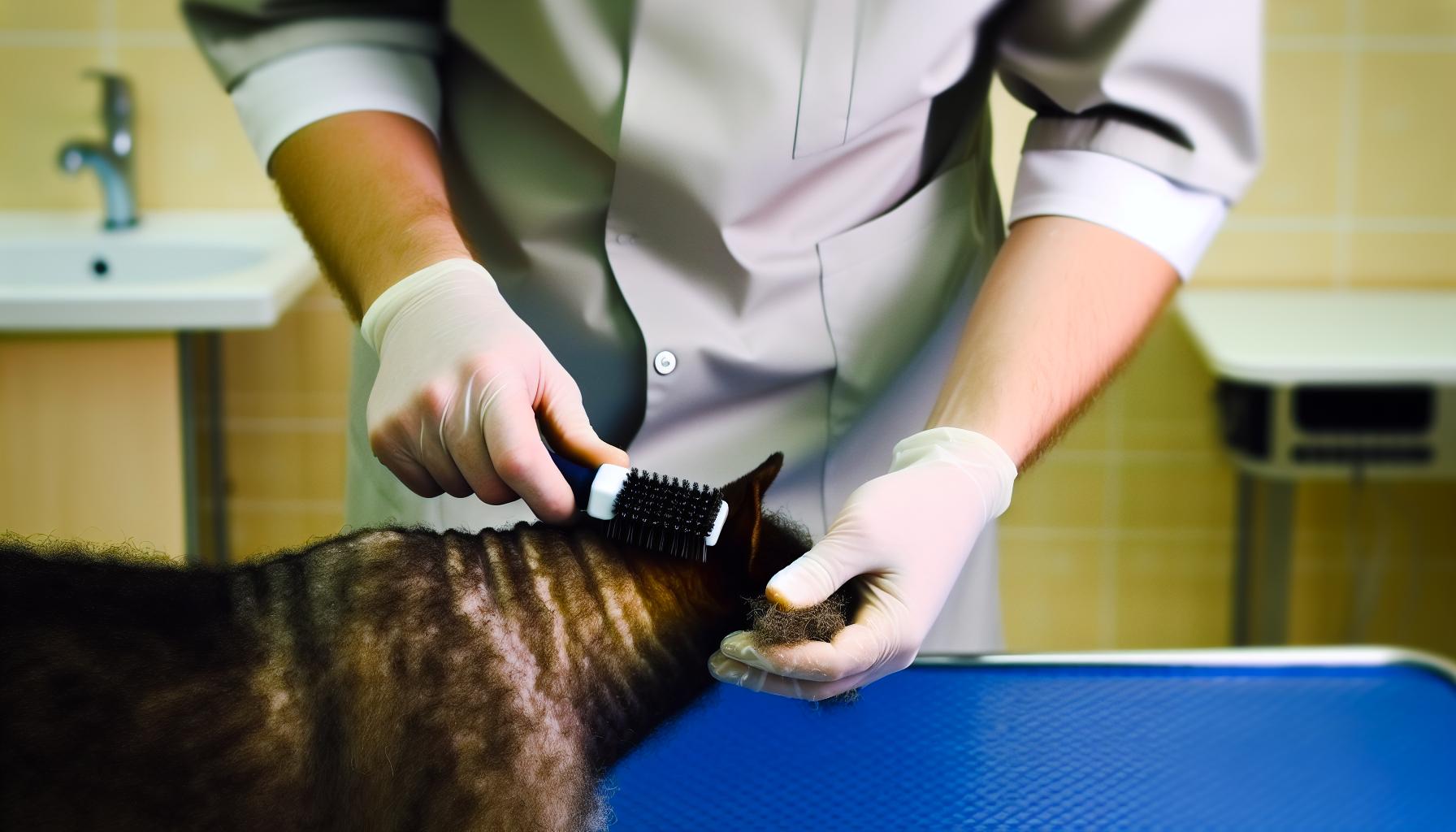
Short-haired dogs may have sleek, low-maintenance coats, but brushing remains a vital part of keeping their skin healthy and their fur shiny. Regular brushing not only controls shedding but also stimulates natural oil production, distributing these oils evenly to maintain a smooth, glossy coat. This simple routine can turn into a relaxing bonding moment, helping your dog feel calm and cared for.
When selecting tools,consider your dog’s coat type: a firm bristle brush or grooming mitt works wonders for smooth,single-coated breeds like Beagles or Boxers. These brushes gently lift away loose hair and dirt without irritating sensitive skin. For short-haired dogs with a thicker undercoat-breeds like American Staffordshire Terriers or Pit Bulls-an undercoat rake during shedding seasons (spring and fall) is invaluable to prevent mats and reduce excess hair around your home. Be sure to use gentle, slow strokes following the direction of hair growth to avoid discomfort.
- Start with a calm environment: Choose a quiet spot and have treats handy to reinforce positive associations.
- Brush in sections: Slowly work through manageable patches,making it easier to spot any hidden skin issues.
- Watch for reactions: Stop if your dog seems uneasy and try massaging instead, building trust over multiple sessions.
If your pup is new to brushing or a bit anxious, keep sessions short and upbeat at first-just a few minutes several times a week is enough to establish comfort and routine. Over time, these sessions can help reduce shedding visibly, minimize skin irritation, and give you the possibility to check for lumps, fleas, or dry patches that may need a vet’s attention. Remember, the goal isn’t a “perfect” coat but a healthy, happy dog who looks forward to their grooming time as a soothing part of their day.
Nail and Paw Care: Keeping Your Dog Comfortable
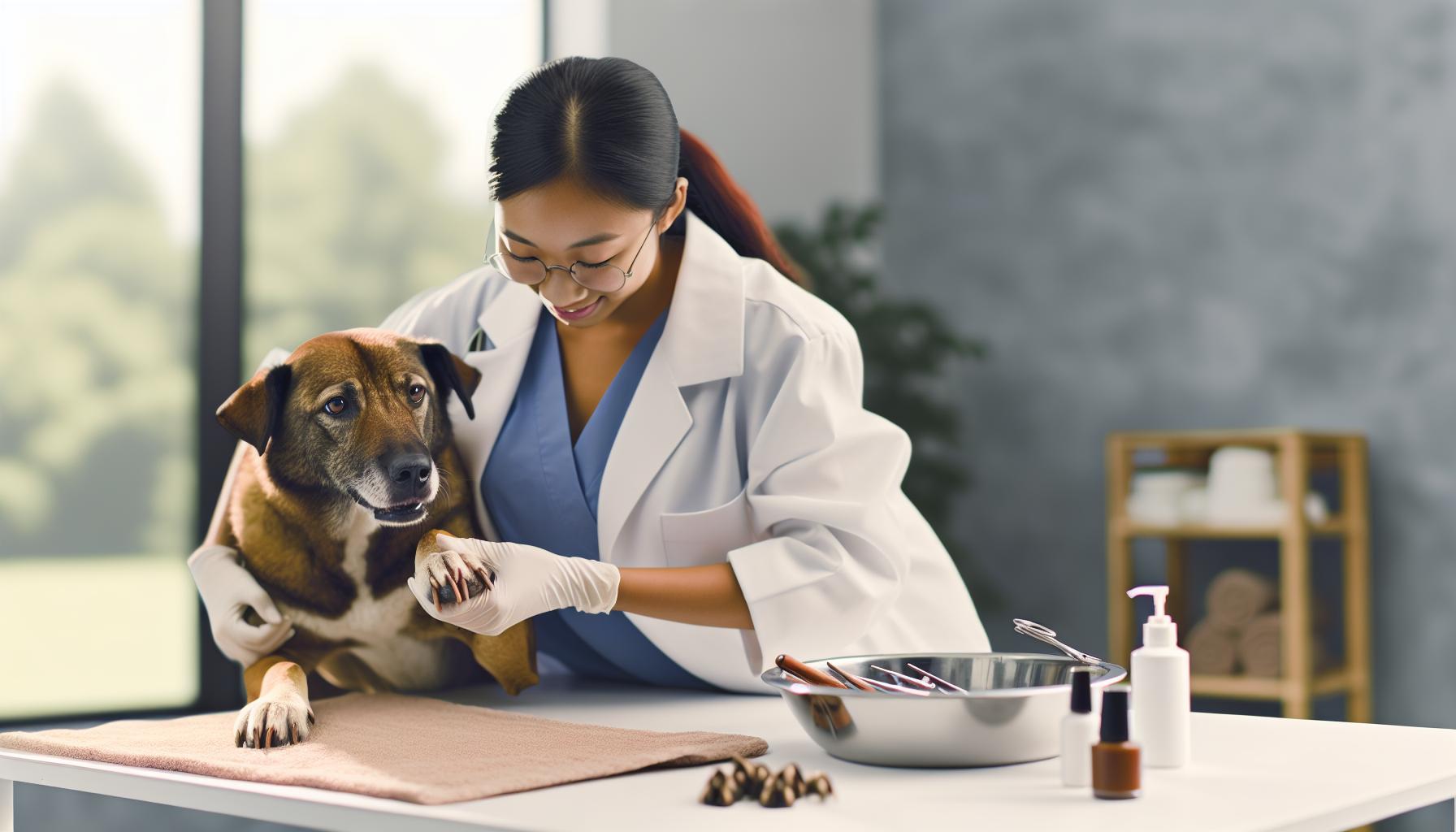
Few aspects of dog grooming impact daily comfort more than attentive nail and paw care. Unlike coats, which are visually obvious, neglected nails and rough paw pads can silently cause discomfort, affecting your short-haired friend’s gait and happiness. Especially for active breeds like Boxers or beagles, properly maintained paws are vital for safe walks, play, and simply navigating their world pain-free.
Understanding Nail Growth and Its Impact
Short-haired dogs often have moderate nail growth rates but may wear down nails unevenly, especially if their activity isn’t balanced between hard and soft surfaces. Overgrown nails not only click on floors but can curl under,digging painfully into paw pads or causing joint strain. A simple visual check every week can prevent these issues.Signs like clicking nails, or unusual limping, signal it’s time for a trim.
Tools and Techniques for Stress-Free Nail Care
When caring for paws and nails, the right tools make all the difference. For most short-haired dogs, a sharp guillotine-style clipper or a rotary nail grinder works best. Grinders are especially gentle, letting you smooth edges gradually-perfect for dogs who dislike the sudden pressure of clipping. Remember, shorter nails are healthier but never clip too close to the quick, the sensitive pink area filled with nerves and blood vessels. If the nail is dark, clip conservatively-only the curved tip.
- Tip: Keep styptic powder or cornstarch nearby in case of accidental bleeding.
- Start slow: Trim just a couple of nails at a time, rewarding calm behaviour with treats and praise.
Routine Paw Inspections and Care
Paws are your dog’s shoes-check them regularly for cuts, burrs, or debris trapped between toes. Short-haired dogs benefit from weekly paw pad massages with dog-friendly balms to keep pads supple and crack-free, especially during cold winter months or hot pavement seasons. If you notice redness, swelling, or licking, it could meen irritation or allergy needing vet attention.
When to Seek a Pro vs. DIY at Home
If your dog shows extreme stress, has thick or fast-growing nails, or you feel unsure about cutting safely, a professional groomer or vet can provide both a trim and demonstrate safe at-home techniques. Groomers are trained to read dog body language and make the experience smooth for nervous pets. Regular visits paired with home maintenance keep nails in balanced condition without overburdening your dog or yourself.
By prioritizing gentle, consistent paw and nail care, you enhance your dog’s comfort and mobility. these small rituals deepen trust and strengthen your bond, making grooming a positive experience rather than a chore.With patience and the right approach, nail and paw care is truly a loving act of kindness your short-haired companion will thank you for every step of the way.
Ear cleaning Tips to Prevent Infections
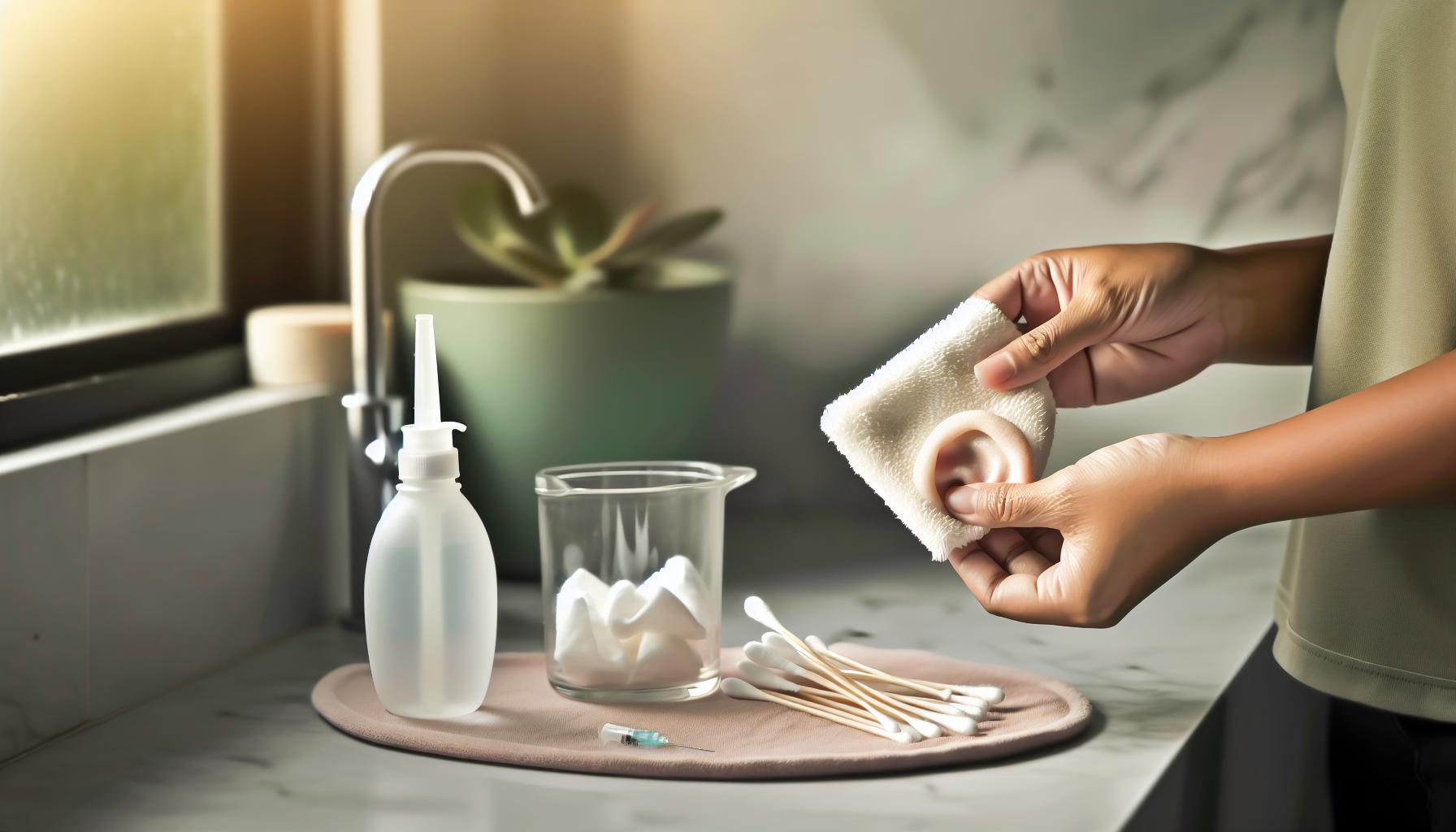
Ears are gateways to your dog’s well-being, and keeping them clean plays a huge role in preventing uncomfortable infections-especially for short-haired breeds that may not have as much natural protection around their ear canals. While these dogs often have less hair around their ears compared to long-haired breeds, they’re not immune to dirt, wax buildup, or moisture, all of which can harbor bacteria or yeast if left unchecked. Regular, gentle cleaning is key to maintaining healthy ears and avoiding painful inflammations.
Gathering the Right Tools
Start with a dog-safe ear cleaner, preferably one recommended by your vet or groomer, which is designed to break down wax and flush out debris without irritating sensitive skin.You’ll also need soft cotton balls or pads-never use cotton swabs deep inside the ear canal,as these can cause damage or push debris further in. A towel or a helper to gently hold your pup can make the process smoother, especially if your dog is anxious.
How to Clean Ears Comfortably and Safely
Begin by calmly talking to your dog and rewarding calm behavior with treats. Lift the ear flap and gently squeeze a few drops of the cleaner into the ear canal-don’t overfill, as this can overwhelm and distress your dog. Massage the base of the ear for about 20 to 30 seconds; you’ll often hear a squishing sound as the cleaner moves inside, which means it’s working to loosen dirt and wax. Let your dog shake its head-this natural response helps bring debris to the outer ear. Use the cotton ball to wipe away excess fluid and loosened dirt from the visible part of the ear. Avoid inserting anything deep into the ear canal.
Frequency and Watching for Warning Signs
For short-haired dogs with no history of ear problems, a gentle clean once a month is usually enough. However, dogs that swim regularly or are prone to allergies might need weekly checks. Signs like foul odor, redness, swelling, frequent scratching, or head shaking suggest an infection or irritation and warrant a vet’s evaluation.Never try to clean inflamed or painful ears without professional advice, as this can worsen the problem.
- Tip: If your dog is nervous, pairing ear cleaning with playtime or treats creates positive associations.
- Always watch for discomfort: If your dog pulls away or whines, pause and try again later to keep grooming stress-free.
- Consult the pros: Groomers or vets can show you techniques tailored to your dog’s breed and temperament.
Maintaining ear health isn’t about perfection, but about compassion and regular care.With patience and the right approach, even shy or sensitive dogs learn to tolerate, and sometimes even enjoy, this critically important part of their grooming routine.It’s another simple way to keep your short-haired companion happy, comfortable, and infection-free between your grooming sessions.
When to Visit a Professional Groomer vs. DIY Care
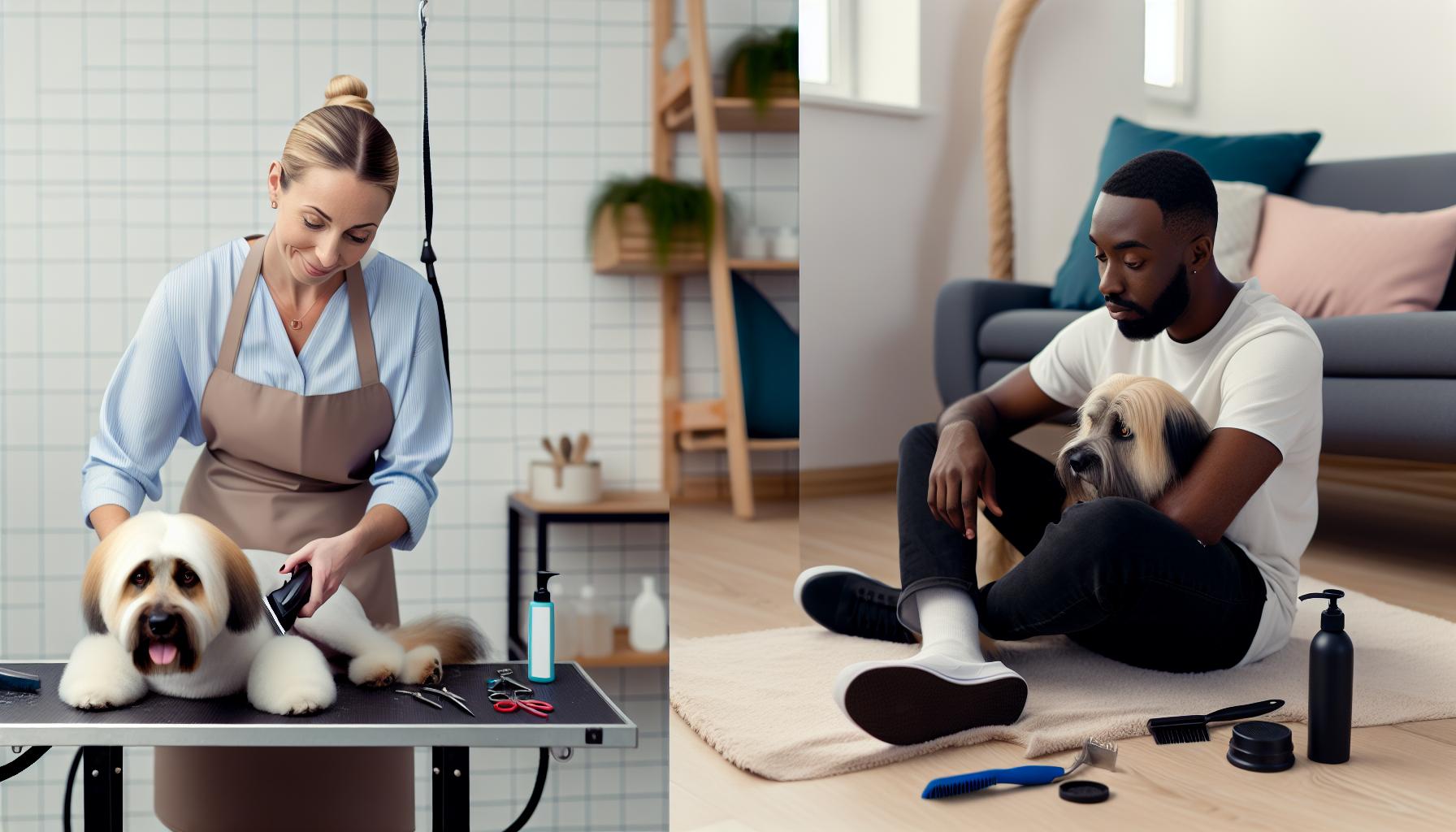
Short-haired dogs often need far less grooming than their long-coated cousins, but knowing when to bring in a professional can make all the difference in your pup’s comfort and health.While many routine tasks-like brushing, bathing, and nail trims-can be easily managed at home with the right tools and a calm approach, professional groomers have skills and equipment that can address more complex needs, especially for certain breeds or temperaments.
Recognizing When DIY is Enough
Most short-haired breeds have coats that are low-maintenance and require only occasional brushing to remove loose hairs and stimulate the skin. If your dog enjoys being brushed and bathed in a stress-free environment, you can confidently handle basic hygiene at home using a soft brush, mild shampoo, nail clippers or grinders, and a dog-safe ear cleaner. Such as, regular weekly brushing of a short-haired breed like a Beagle or a Boxer helps reduce shedding and keeps their coat shiny without the need for trims. Routine nail trimming every few weeks and monthly ear cleaning usually keep them comfortable and healthy.
When Expertise and Equipment Matter
However, some grooming tasks are best left to the professionals.If your dog develops thick, coarse undercoat mats-even in short-haired breeds like French Bulldogs-or if you notice persistent skin issues, a groomer’s experience with specialized tools and grooming techniques can provide relief without causing irritation. Professional groomers also excel at safely handling dogs who are anxious, fidgety, or dislike certain grooming steps-skills that can save you and your pet frustration and ensure grooming is a positive experience. For breeds prone to skin allergies or sensitive ears, groomers can recommend appropriate hypoallergenic shampoos and cleaning routines tailored to your dog’s unique needs.
Knowing the Limits and When to Seek veterinary Advice
there’s a clear difference between a grooming concern and a health problem. If you encounter signs like sudden hair loss, inflamed skin, foul odor, or chronic ear infections, a visit to your vet should come before grooming.They can rule out or treat underlying medical conditions that cosmetic grooming won’t fix.Simultaneously occurring, professional groomers frequently enough notice subtle warning signs during sessions and can advise when a veterinary check-up makes sense.
- DIY at home: Bathing, brushing, ear cleaning, and nail trims for calm, healthy short-haired dogs.
- Professional groomer visits: Difficult mats, stubborn skin or coat conditions, anxious or uncooperative dogs, seasonal shedding spikes, or when a fresh trim is desired.
- Vet consultations: Signs of infection, persistent scratching, redness, swelling, or sudden behavioral changes related to grooming discomfort.
Building your grooming routine around your dog’s behavior, comfort, and coat condition helps you decide the right balance. Remember,there’s no shame in asking for help-professional groomers are allies who share your goal of keeping your furry friend healthy and happy. With patience,kindness,and the right support,grooming becomes a bonding experience rather than a chore.
handling sensitive or Anxious Dogs During Grooming
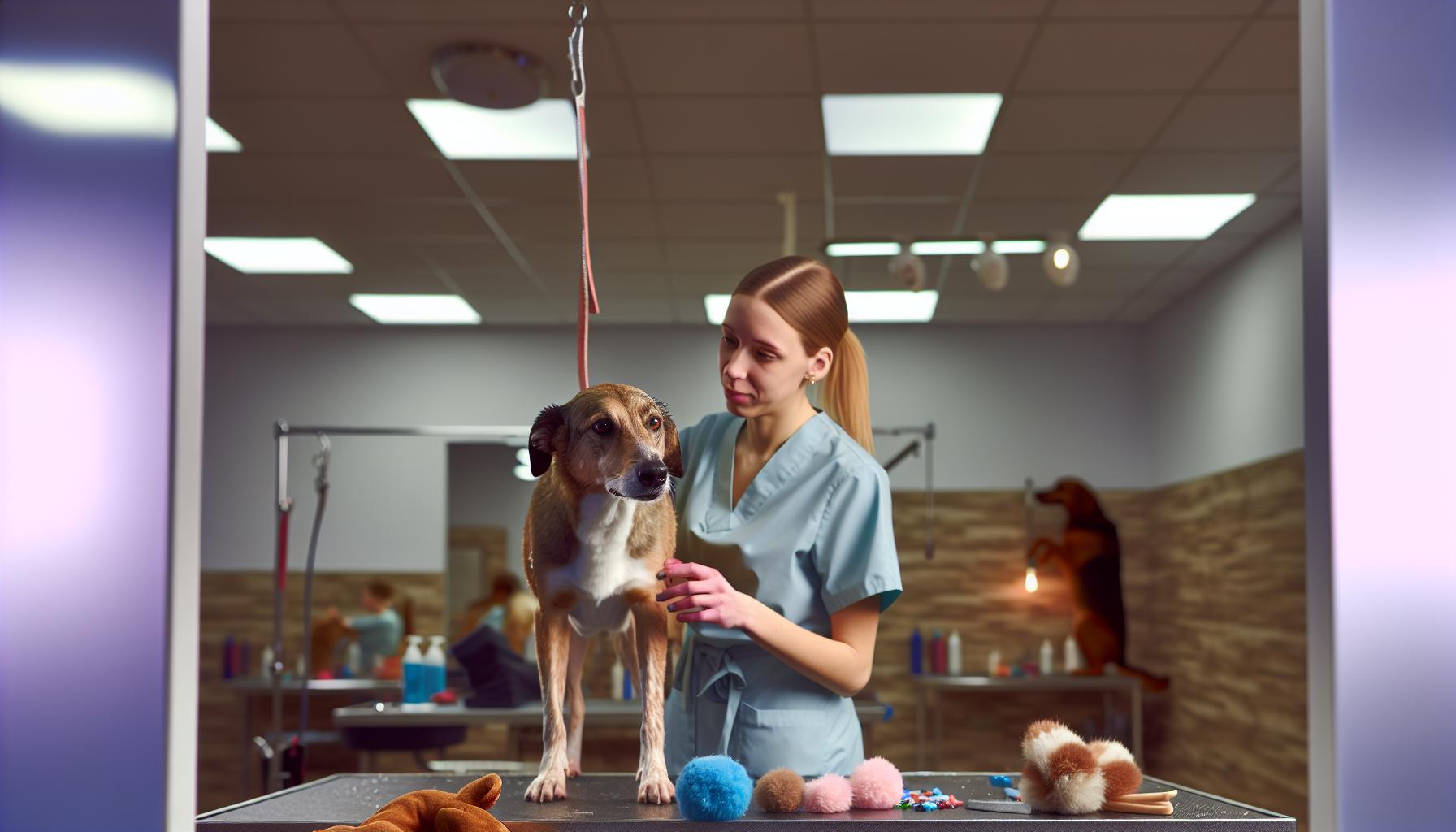
Few things can be more challenging than grooming a dog who approaches the experience with fear or anxiety, even when that dog sports a simple short coat. These pups might flinch at the brush, resist nail trims, or become restless during baths. Recognizing that short-haired breeds-like Boxers, Beagles, or French bulldogs-can be sensitive despite their manageable fur is the first step toward a calmer grooming experience for both owner and pet.
Start with a Peaceful Environment
Choose a quiet, comfortable space free from loud noises or distractions. Soft lighting and a calm voice help reassure your dog that grooming time is safe and predictable. Many dogs respond well to gentle praise and treats,so keep rewards handy. Using a soft-bristled brush suited for short coats minimizes sudden sensations that can startle an anxious dog.
Breaking Grooming Into Small Steps
Instead of tackling everything at once, split grooming into manageable moments.Begin by gently petting and slowly introducing your tools in between strokes, letting your dog sniff and explore brushes, nail clippers, and towels at their own pace. Such as, practice holding their paws calmly for a few seconds during quiet moments before clipping nails. This builds trust and reduces the chance of a defensive reaction when it’s time to begin. If your pup becomes uneasy, pause, soothe with a calm tone, and try again later.
Tailored Bathing and Nail Care
Baths can be overwhelming, so using lukewarm water and only dog-safe, mild shampoos designed for sensitive skin limits irritation. When rinsing, avoid water splashing near the face or ears, areas prone to sensitivity.For nail trims, consider using a grinder rather than clippers if your dog is especially jumpy-it often feels gentler. Enlist a calm helper to gently hold or distract your dog with treats. Quick, confident motions paired with plenty of reassurance will foster cooperation over time.
Know When to Call in a Professional
If your dog exhibits extreme stress-whining, shaking, or attempts to bite-it’s okay to pause home grooming and consult a knowledgeable groomer experienced in working with anxious dogs.Professionals have special equipment such as non-slip tables, muzzles for safety, and calming techniques honed from years of practice. They can also recommend products like pheromone sprays or calming supplements that support your dog’s well-being during grooming. Remember, a groomer’s goal is always your pet’s safety and comfort, not perfection in appearance.
- Be patient: Anxiety won’t disappear overnight but improves with kindness and routine.
- Use treats and toys: Positive reinforcement makes grooming feel like a game.
- Prioritize safety: Never force your dog to endure stress that could lead to injury.
- Consult the vet: if anxiety persists or worsens, your vet might suggest behavioral therapy or medication.
Short-haired dogs might seem low-maintenance, but their emotional comfort during grooming is always worth the extra care. With empathy, step-by-step patience, and knowing your limits, grooming can build trust and deepen your bond far beyond the brush strokes.
Common Grooming Mistakes and How to Avoid Them
Short-haired dogs are frequently enough seen as low-maintenance, but grooming them still requires thoughtful attention to avoid some common pitfalls. A frequent mistake is assuming that a short coat needs little to no brushing. While these breeds like Boxers, Beagles, and French Bulldogs may not mat as much, regular gentle brushing is still essential to remove loose hair, stimulate skin oils, and keep the coat healthy and shiny. Skipping this step can lead to dull fur, excess shedding, and missed early skin problems.
Bathing is another area where owners can unintentionally cause discomfort. Using human shampoo or harsh detergents can irritate a dog’s sensitive skin, even those with short hair. It’s best to select mild, dog-specific shampoos designed for sensitive skin and always rinse thoroughly to prevent residue buildup. Additionally, overbathing can strip natural oils, so maintaining a bathing schedule of about once a month, or as your vet recommends, helps preserve coat and skin balance.
Common Nail Trimming Errors
Many owners delay nail trims or rush through them, which makes the experience stressful for dog and owner alike. Short-haired breeds can be sensitive about their paws, so trimming too close to the quick or using dull tools causes pain and hesitation. Instead, use sharp nail clippers or a grinder and trim a little bit at a time, offering plenty of praise and breaks. For particularly anxious dogs,enlisting a helper or mastering the technique over multiple short sessions builds confidence without forcing the process.
Overlooking Ear and Paw Care
Short-haired dogs’ ears and paws are often neglected since their coats require less attention. However,ear infections due to trapped dirt,wax buildup,or moisture can be common if ears are not checked regularly. Use a gentle ear cleaner and soft cotton to wipe the outer ear and avoid deep probing. Likewise, regularly inspect paws for cracked pads, debris, or signs of irritation, particularly after walks on rough terrain or in extreme weather.
- Don’t ignore your dog’s behavior: Signs like flinching, shaking, or resistance may signal discomfort or fear-you might need to slow down or adjust your approach.
- Avoid one-size-fits-all grooming: Tailor your tools and techniques to your dog’s breed,temperament,and sensitivity levels.
- Be realistic about DIY limits: If your pup is very anxious or if specific tasks become overwhelming, consult a professional groomer or your vet for guidance.
By being mindful of these typical missteps and prioritizing your dog’s comfort and emotional wellbeing, grooming becomes a nurturing routine rather than a stressful chore. Remember, success is measured in your dog’s calm trust and happiness-not in polishing their appearance. With patience,consistency,and the right tools,caring for a short-haired dog’s coat and overall hygiene can be both simple and deeply rewarding.
Seasonal Grooming Adjustments for Short Haired Dogs
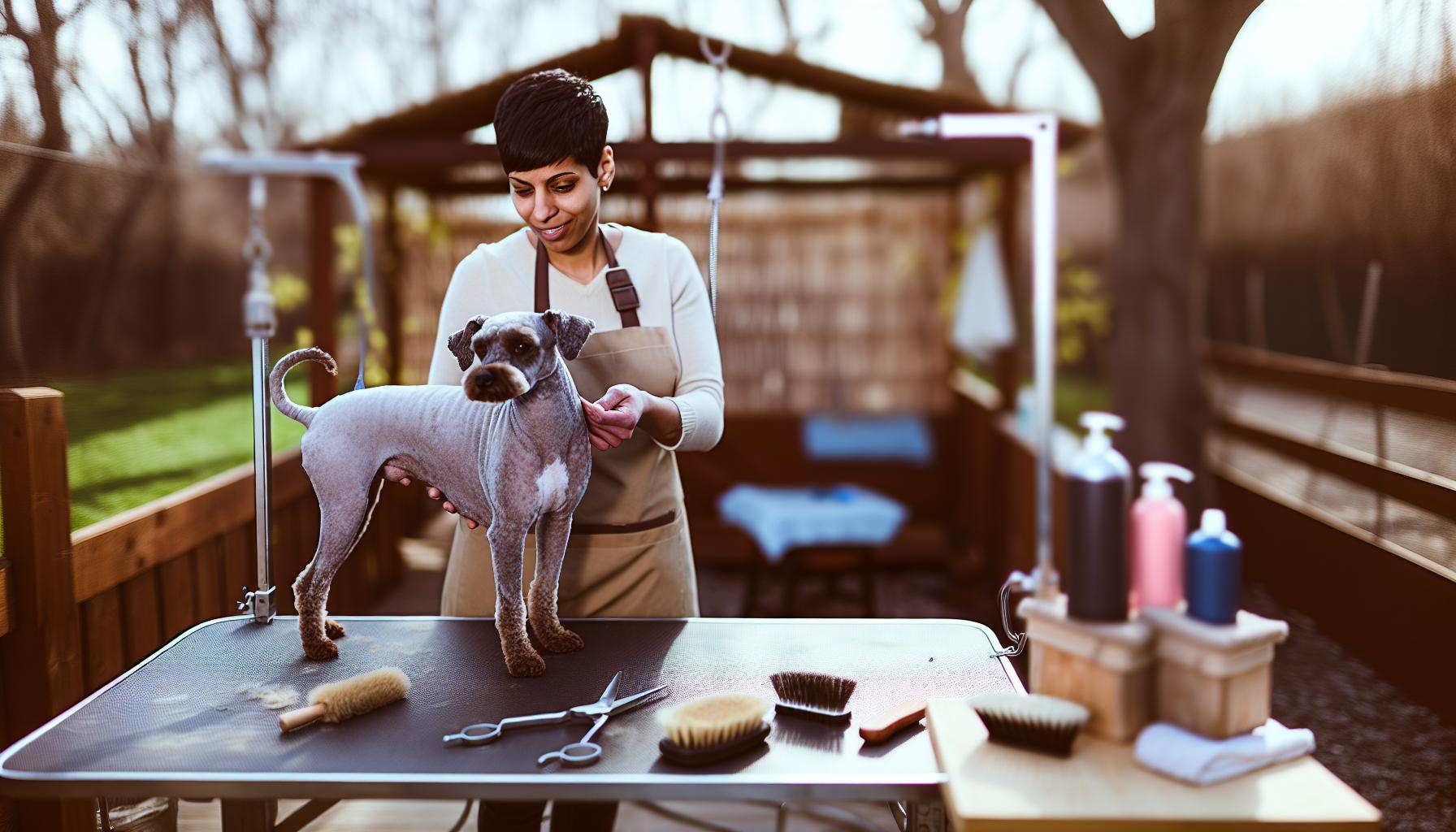
Dogs with short coats can surprise many owners when it comes to seasonal care. While they might not need the profuse brushing or dense matting management of long-haired breeds, their grooming needs shift meaningfully with the changing weather. Paying close attention to seasonal variations not only keeps your furry friend comfortable but also helps prevent common skin issues and discomfort that often go unnoticed beneath their sleek fur.
Adjusting Bathing and Brushing Routines
In warmer months, short-haired dogs tend to shed more, as their bodies naturally prepare to stay cool. To manage this, increase brushing sessions to two or three times a week using a soft-bristle brush or a rubber curry mitt. These tools help lift loose hair and stimulate the skin’s natural oils, maintaining a shiny, healthy coat without irritation. Frequent brushing in summer also curtails excessive shedding inside your home, making your pup more comfortable and your living space cleaner.
Bathing frequency can often be increased slightly during hot seasons, especially if your dog enjoys outdoor play that results in dirt or sweat buildup. However, be cautious-not more than once every two to three weeks unless advised otherwise by your vet. Use a mild, moisturizing shampoo formulated for dogs to avoid stripping essential oils that protect their skin from sun exposure and environmental allergens.
Protecting Skin and Ears in Cold Weather
When temperatures drop, the focus shifts from sweat and dirt to dryness and protection.Short-haired dogs have less insulation, so their skin can easily become dry and flaky during winter, especially in indoor environments with forced heating. Incorporating a weekly brushing routine helps distribute natural oils, preventing tight, itchy skin. avoid overbathing during this season, as it can exacerbate dryness.
Don’t underestimate the importance of ear care in colder months. Dampness and cold drafts can promote debris buildup and ear infections, especially in breeds prone to ear sensitivities. Regularly check your dog’s ears for signs of redness or unusual odor, and clean gently using a vet-recommended ear cleaner at least once a month or more if your dog is active outside in wet weather.
nail and Paw Care Throughout the Year
Seasonal changes affect nails and paws dramatically. In winter, snow and ice can cause cracking and discomfort, while summer’s heat and pavement can lead to burns or excess wear. Keep nails trimmed regularly to prevent snagging,especially as dogs might move differently on slippery surfaces. Paw pads benefit from moisturizing balms in cold months and protective waxes or booties in summer if pavement or rocky terrain is harsh.
- Summer tip: Schedule early morning or late evening walks to avoid hot pavements that can burn sensitive paw pads.
- Winter tip: After walks,gently wipe paws to remove ice,salt,or chemical deicers that can irritate skin.
Seasonal grooming for short-haired dogs isn’t complicated but requires mindful tweaks that honor your dog’s comfort and health. Remember, your routine should flex with the weather and your dog’s individual needs, prioritizing gentle care, patience, and consistency. When in doubt, your veterinarian and professional groomers are wonderful allies to help tailor the perfect seasonal care plan for your beloved companion.
Signs Your Dog Needs Immediate Grooming Attention
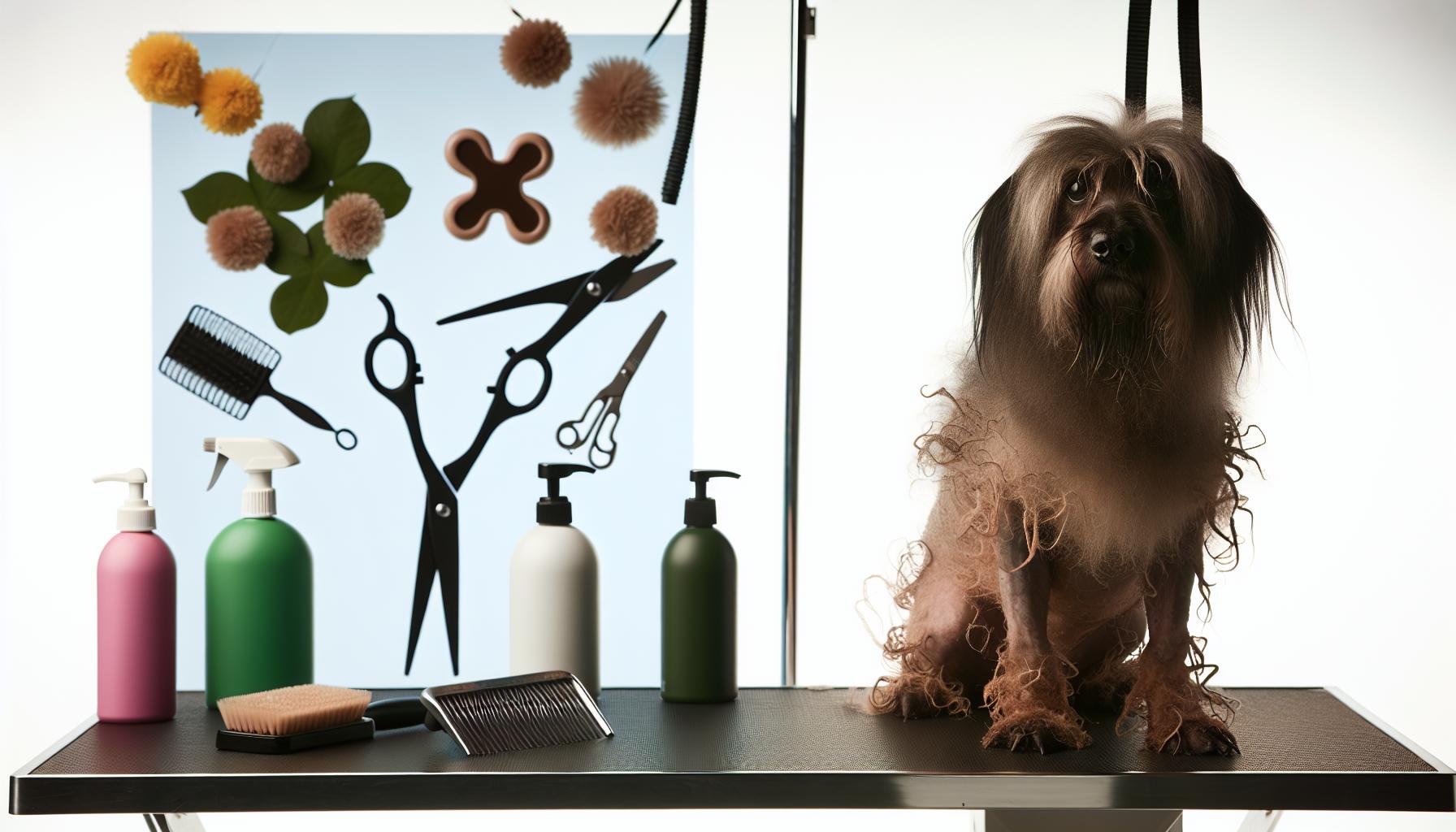
It’s easy to underestimate grooming signals in short-haired dogs since their coats don’t demand as much fuss as longer fur.Yet, even these sleek coats can hide signs of distress or discomfort that need your prompt attention. Recognizing these early helps prevent minor issues from escalating into painful or costly problems-and it keeps your dog feeling happy and cared for.
Short-haired breeds usually have smoother skin and less dense fur, which means changes like irritation, redness, or unusual odors might stand out more clearly if you know what to look for. For instance, if you notice persistent scratching, licking, or chewing on specific areas, it’s a red flag indicating skin discomfort, allergies, or fleas. Similarly, dullness or patchy thinning of the coat can signal underlying health issues or insufficient grooming maintenance.
Watch for Skin and Coat Changes
Check regularly for dry, flaky patches, which could suggest your dog’s skin barrier is compromised-perhaps from overbathing, environmental dryness, or allergies. Unlike long-haired dogs, mats are less common but watch for small tangles or debris sticking to the coat, especially around collars or under the legs. These spots can trap dirt or moisture, causing irritation or even infections.
- Redness or bumps: signs of possible allergies or infections requiring veterinary care.
- Excessive shedding: More than your usual seasonal molt, which may mean stress, diet issues, or parasites.
- Greasy or foul-smelling coat: Could indicate skin infections or lack of regular bathing.
Nail, Ear, and Paw Concern Signs
Don’t overlook nails and ears, which can deteriorate unnoticed. Overgrown nails cause discomfort and alter your dog’s gait. If you hear clicking nails on floors or see difficulty walking, schedule a trim promptly-either DIY with proper tools or by a groomer. Ears need gentle attention too. Frequent shaking of the head, scratching near the ear, or a foul odor might be signs of infection or ear mites, demanding careful cleaning or vet intervention. Cracked or inflamed paw pads also need immediate soothing care, using balms or protective gear.
When to call a Pro or Vet
Sometimes, the severity of signs goes beyond what you can safely manage at home. Persistent sores, oozing wounds, or signs of pain during grooming sessions require professional hands. Groomers have the experience and tools for delicate tasks such as trimming near sensitive areas, while your vet can rule out medical causes. Remember, your focus isn’t just on appearance but overall comfort and health.
Being tuned into your short-haired dog’s signals means you can act with kindness and promptness, preventing discomfort before it becomes serious. Keep a calm, consistent grooming routine, and don’t hesitate to reach out for expert help when needed-your dog’s wellbeing always comes first.
Frequently asked questions
Q: Can short haired dogs get skin issues if they never visit a professional groomer?
A: Yes,short haired dogs can develop skin issues like dryness,irritation,or infections without regular professional care. Groomers help spot problems early and provide treatments like medicated baths. For more on preventive skin care, see our section on Signs Your dog Needs immediate Grooming Attention. Regular checkups keep your dog healthy and comfortable.
Q: What grooming services do professional groomers offer for short haired dogs?
A: Professional groomers provide nail trimming, ear cleaning, skin checks, and sanitary trims for short haired dogs. They also offer specialized bathing that targets coat health and odor control. Even if you groom at home, occasional visits add value for tasks that need expert tools and care, as explained in When to Visit a Professional Groomer vs. DIY Care.
Q: How can I tell if my short haired dog’s coat needs a professional grooming session?
A: Look for signs like persistent odor, excessive shedding, itchy skin, or dirt build-up that at-home grooming can’t manage. Also, if your dog resists care due to anxiety, a groomer experienced with sensitive dogs can help. Check Signs Your Dog Needs Immediate Grooming Attention for detailed cues and next steps.
Q: Are there specific short haired dog breeds that need more frequent professional grooming?
A: Yes, breeds like Boxers, Dobermans, or French Bulldogs may need more frequent pro grooming to manage skin folds, nail length, and coat health. Their unique coat and skin structure require extra attention, highlighted in Seasonal Grooming Adjustments for Short Haired Dogs. Tailor grooming frequency to breed-specific needs.
Q: Why might some short haired dogs benefit from professional grooming even if at-home care is consistent?
A: Professional groomers offer expert detection of skin conditions, parasitic infections, and proper nail care that might potentially be overlooked at home. They also use professional-grade shampoos and tools for deep cleaning. Combining in-home care with occasional professional visits ensures overall wellness, linked to our Handling Sensitive or Anxious Dogs During Grooming tips.
Q: Can professional groomers help with short haired dogs that are anxious or fearful during grooming?
A: Absolutely. Certified groomers often use calming techniques and gentle handling tailored for anxious short haired dogs. This helps reduce stress and makes grooming safer for your pet. Refer to Handling Sensitive or Anxious Dogs During Grooming for practical strategies you can try at home or discuss with your groomer.
Q: How does professional grooming help maintain nail and paw health in short haired dogs?
A: Groomers expertly trim nails to prevent overgrowth and discomfort,plus inspect paws for cracks,infections,or debris. Proper nail care avoids pain and walking issues you might miss at home. See Nail and Paw Care: Keeping Your Dog Comfortable for tips on daily maintenance alongside professional trims.
Q: when is the best time to schedule professional grooming for a short haired dog?
A: Schedule grooming seasonally or facing specific needs like shedding peaks, skin issues, or before special occasions. Early intervention catches problems before they worsen.combine timing advice from Seasonal Grooming Adjustments for Short Haired Dogs with your dog’s comfort to create a stress-free routine.
—
For more in-depth advice, explore the linked sections in our main guide. Remember, consistent, compassionate care ensures your short haired dog stays healthy, happy, and comfortable between professional grooming visits!
Insights and Conclusions
Caring for your short-haired dog doesn’t always mean a trip to the groomer, but understanding when professional care is needed can keep your pet comfortable and healthy. Regular brushing, mindful bathing, and simple nail and ear care at home go a long way in maintaining their coat and wellbeing. For extra guidance, check out our step-by-step DIY Grooming Tips for Dogs and learn how to spot when a vet or groomer visit is essential.
Ready to take the next step in your dog’s care? Explore our expert advice on Choosing the Right Grooming Tools and uncover easy routines that fit your furry friend’s needs. don’t forget to subscribe to our newsletter for ongoing tips on pet health and grooming-because a happy dog starts with confident, informed care. If you have questions or experiences to share, drop a comment below; we love hearing from caring dog owners like you.
Remember, short-haired dog grooming is about comfort and safety, not perfection. By staying attentive and compassionate, you’re giving your pup the best care possible. For more insights on dog health and grooming essentials, explore our other guides and keep your pet’s tail wagging every day.
Get our latest guides, news, and insights highlighted in your Google Search & AI Overviews.
Keep reading about the same coat and cut.


Popular grooming guides
Bath vs clip, first grooms, and salon how-tos.