How Long Do Dog Groomers Take? Appointment Time Expectations
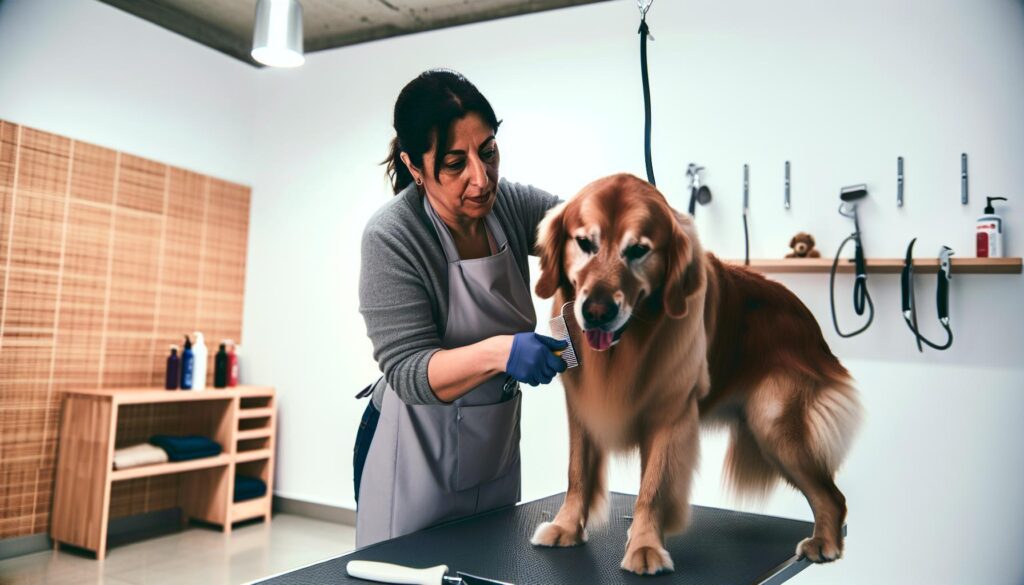
Did you know that the time it takes for a dog grooming appointment can vary from 30 minutes to several hours? Understanding how long groomers typically take helps you plan your day and eases any anxiety your pet-or you-might feel about the visit. The length depends largely on factors like your dog’s breed, coat type, size, and the specific services requested, such as bathing, brushing, nail trimming, and ear cleaning. By knowing what to expect, you’ll feel more confident about scheduling grooming sessions that prioritize your dog’s comfort and safety without rushing the process. Whether you have a fluffy poodle needing a detailed trim or a short-coated mutt just requiring a fast wash, this guide will walk you through typical appointment times and what impacts them, offering practical tips to make grooming stress-free for everyone involved. Stick with us as we break down each step you can expect, so both you and your furry friend feel calm, cared for, and truly prepared.
How Appointment Length Varies by Dog Breed and Coat Type
Table of Contents
- 1 How Appointment Length Varies by Dog Breed and Coat Type
- 2 Step-by-Step Grooming Tasks: Bath, Brush, Nails, Ears
- 3 How Groomer Experience Affects Appointment Duration
- 4 Tools and Techniques That speed Up Grooming
- 5 When Special Needs or Anxiety Extend Grooming Time
- 6 typical Time Frames for common Grooming Services
- 7 How to prepare your Dog to Shorten Grooming Appointments
- 8 Understanding Differences: Professional Groomer vs. DIY Grooming
- 9 signs Your Dog Needs extra Care and More Grooming Time
- 10 Tips to Make Grooming Comfortable and Stress-free for Dogs
- 11 FAQ
- 11.1 Q: How does a dog’s behavior affect grooming appointment length?
- 11.2 Q: What factors cause unexpected delays in dog grooming appointments?
- 11.3 Q: Can grooming appointment length vary by grooming salon or professional style?
- 11.4 Q: How frequently enough should grooming appointments be scheduled to maintain reasonable session times?
- 11.5 Q: How can owners prepare their dogs to help shorten grooming durations?
- 11.6 Q: Why do some grooming tasks take longer when performed on senior or health-compromised dogs?
- 11.7 Q: What impact does seasonal coat shedding have on grooming appointment length?
- 11.8 Q: How can pet owners communicate special grooming needs to reduce appointment surprises?
- 12 Wrapping Up
Dogs come in all shapes, sizes, and coat types, and these differences play a huge role in how long a grooming appointment takes. As an example, a short-haired breed like a Beagle usually spends less time under the groomer’s care than a long-haired, double-coated breed like a sheltie or a poodle with its dense, curly fur. When you understand how your dog’s breed and coat affect grooming, you’ll feel more confident knowing what to expect and how to prepare.
Coat Types and Their Grooming Demands
Single, short coats: Breeds like Boxers or Dobermans often have smooth, short hair that easily rinses and dries. These dogs usually need minimal brushing and styling, so baths and nail trims may be completed fairly quickly-often within an hour or less.
Double coats: Breeds such as Golden Retrievers, Huskies, or Saint Bernards have two layers-a soft undercoat and a harsh outer coat. These require thorough brushing,especially during seasonal shedding,to remove dead hair and prevent mats. Grooming can stretch longer, sometimes 2 to 3 hours, depending on how matted or thick the fur is.
Curly or corded coats: Poodles, Bichon Frises, or Portuguese Water Dogs have coat textures needing frequent detangling with precise tools like slicker brushes and combs. These breeds also often require scissoring or clippers to maintain style, which extends grooming time. Appointments frequently enough run 2 to 4 hours, notably for full groom sessions.
Long,silky coats: Breeds like Shih Tzus or Maltese must be carefully brushed to avoid tangles and mats,which can form easily when hair is fine and silky. groomers use detangling sprays and gentle brush strokes, which add time but increase comfort. This process may require 1.5 to 3 hours depending on condition and length.
Breed-Specific Considerations beyond the Coat
Every breed has its quirks. Such as, bulldogs or pugs with facial folds may need extra time to clean sensitive areas carefully and prevent infections. Working breeds with thick nails or sensitive paws might require gentle handling during nail trims. Sometimes, temperaments related to breed can impact the speed-nervous or fidgety dogs naturally take longer, so groomers factor that into scheduling.
Practical Tips for Owners
- Regular brushing at home reduces matting, especially for double and long coats, which shortens appointment times considerably.
- Communicate with your groomer about your dog’s breed traits and coat condition to help them estimate appointment length accurately and prepare the right tools.
- Understand when a professional’s help is essential, such as handling mats or breed-specific styling, while simpler upkeep like brushing or nail filing might be manageable at home.
A groomer’s time is lovingly spent tailoring their approach to your dog’s unique fur and needs. Knowing your dog’s breed and coat type sets clear expectations,safeguards their comfort,and ensures they leave looking and feeling their best.
Step-by-Step Grooming Tasks: Bath, Brush, Nails, Ears
Sometimes, the simplest grooming tasks can bring the biggest relief to your dog, especially when they’re done with patience and understanding. Each step of grooming-bath, brush, nails, and ears-has its own rhythm and challenges, depending on your dog’s breed, coat type, and personality. Approaching these with calm confidence means your furry friend feels safe and the process flows smoothly, often reducing how long the appointment takes overall.
Bath
Bathing is often the first step and sets the tone for the entire grooming session. For short-coated dogs like Boxers or Dobermans, a quick wet-down with gentle shampoo and a thorough rinse can be done in 10 to 20 minutes. Long-haired or double-coated breeds-think Golden Retrievers or Shelties-need more time: the coat must be saturated fully, shampoo worked through carefully to reach the undercoat, then rinsed thoroughly to avoid residue that irritates skin or causes mats. Using lukewarm water, a mild dog shampoo, and calming voice cues can make a nervous dog feel more secure. A handheld sprayer with adjustable pressure is a groomer’s secret weapon to speed rinsing without shocking sensitive pups. Toweling off or blow-drying follows, with dryer settings adjusted to avoid tangling or overheating delicate fur.
Brush
Brushing varies dramatically by coat type. Short,single coats often need just a quick once-over with a bristle brush to remove loose hairs and stimulate skin health. Double coats require more dedication-starting with a slicker brush or undercoat rake to gently detangle and remove shedding fur. For curly coats like Poodles or Bichons, multiple small sections are carefully combed through with fine-toothed combs and dematting tools, often extending the grooming time. It’s key to recognize where mats hide-in ears, under legs, or around collars-and never forcefully pull tangles, which can hurt and stress your pet.Instead, slow and patient teasing apart prevents tears and builds trust.
Nails
Nail trims frequently enough trigger anxiety in both dogs and owners, but trust and technique make all the difference. Tools like sharp guillotine clippers or grinders help control length without cracking nails. Thick nails or dark quicks (the sensitive part inside the nail) require cautious clipping, done incrementally with frequent breaks to soothe sensitive toes. Some breeds, especially working dogs, develop tough nails that may need more frequent, gentle filing to avoid discomfort. For anxious dogs, distraction with treats or gentle massage before and after can encourage relaxation. Remember, nail care is more than cosmetic-it supports good posture and mobility over time.
Ears
Ear cleaning is critical for preventing infections, especially in floppy-eared breeds like Cocker Spaniels or Basset Hounds. Using a vet-approved ear solution,groomers carefully moisten cotton balls or pads-never cotton swabs that risk damaging the ear canal-and gently wipe away debris or wax buildup. If ears look red, smell unpleasant, or cause your dog to scratch excessively, a vet visit is needed before grooming proceeds. For dogs with sensitive or inflamed ears, this step may be slower and require extra patience, ensuring no sudden moves cause discomfort. Regular ear checks and cleaning help catch issues early, avoiding extended groom times due to untreated infections.
- Tool Tip: Always bring breed-appropriate tools: slicker brushes for curls, undercoat rakes for double coats, sharp clippers for nails, and gentle ear cleaners.
- Owner Prep: Regular home brushing and occasional ear wipes can greatly reduce the grooming appointment’s length and stress.
Approaching each task with patience, respect, and the right techniques transforms grooming from a stressful event into a nurturing experience for your dog. Whether a quick bath and nail trim or a full coat detangling, your pup’s comfort and well-being come first-ensuring they leave happy, healthy, and eager for their next visit.
How Groomer Experience Affects Appointment Duration
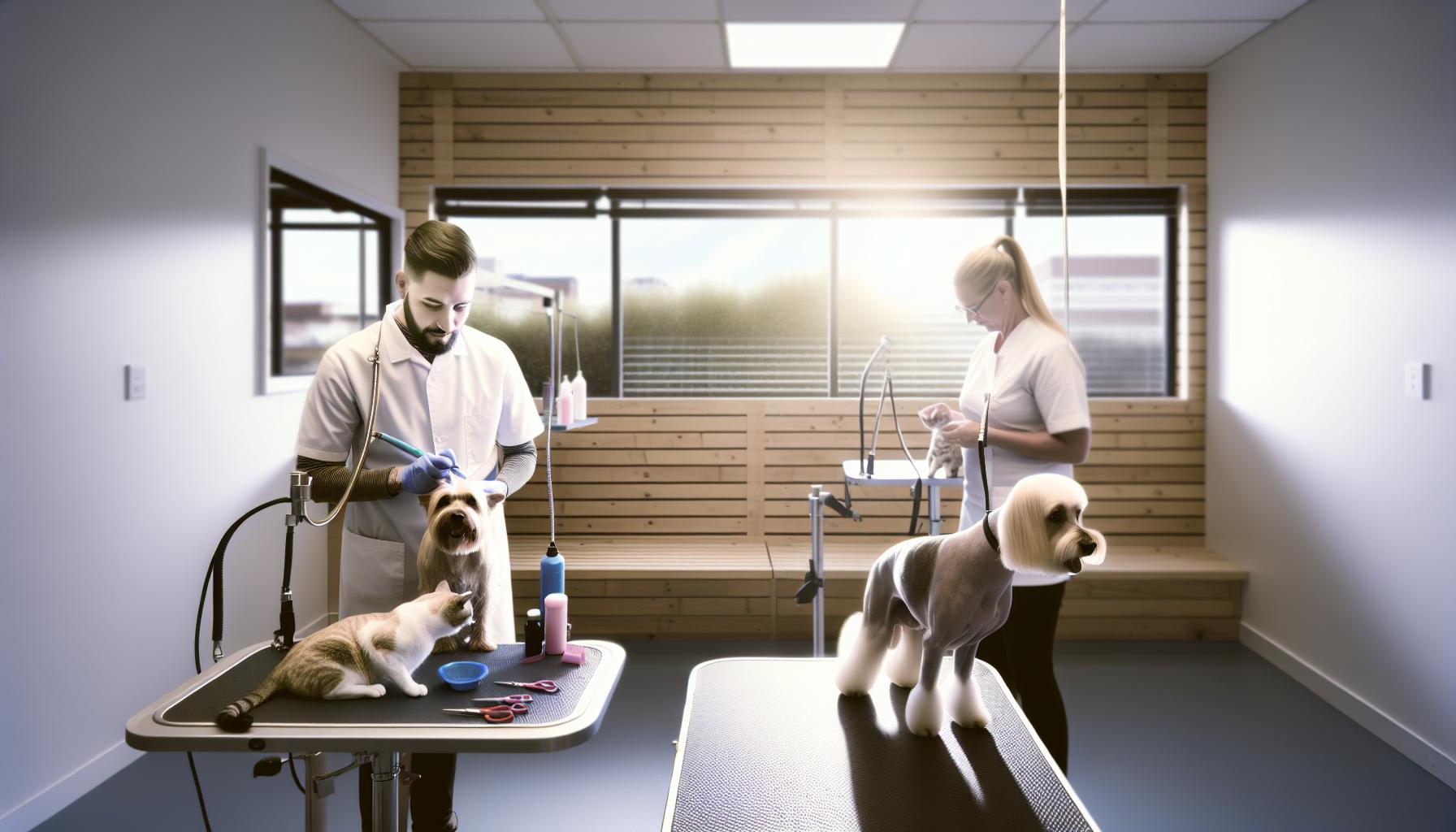
Groomer experience plays a surprisingly large role in how long a grooming appointment takes-sometimes shaving off significant time while maintaining a dog’s comfort and care. Skilled groomers develop a nuanced understanding of different breeds, coat types, and temperaments, enabling them to anticipate challenges, select the right tools quickly, and keep the process smooth. For example, an experienced groomer knows that a Poodle’s curly coat demands careful sectioning and detangling, so they prepare specialized combs and set aside extra time without causing unnecessary delays. Conversely, a groomer with less practice might spend longer working through tangles or handling a nervous dog, which naturally extends the overall appointment.
The subtle art of reading a dog’s body language also speeds up appointments. An observant groomer recognizes early signs of anxiety or stress and calmly adjusts their approach-using soothing tones, gentle handling, or short breaks-to keep your dog relaxed and cooperative. this patience not only protects your pup’s well-being but actually shortens grooming time by reducing resistance or sudden shifts that interrupt work.For example, when trimming nails, a seasoned groomer might break the task into small, manageable clips with frequent warm-ups, while a less experienced groomer might push through too quickly, causing your dog to become tense or fearful, intertwining stress with longer sessions.
Knowing how to tailor tools and techniques to meet your dog’s unique coat and personality highlights the groomer’s professional edge.Experienced groomers frequently enough bring or recommend breed-specific brushes,clippers,and shampoos that efficiently address common issues like matting or skin sensitivity. As an example, hand-stripping a terrier’s wiry coat requires precision and skill that a veteran groomer has mastered, trimming time while preserving coat health. In contrast, a new groomer might rely on basic clippers and inadvertently extend the session by repeatedly catching tangles or causing irritation.
- Real-World Tip: If your dog struggles during grooming, ask your groomer about their experience with anxious or special-needs dogs. A groomer who regularly works with nervous pets tends to manage sessions with a calming, stepwise approach that eases your dog and shortens overall time.
- Tool Insight: Experienced groomers often integrate professional-grade tools (adjustable dryers, quiet clippers, groomer-pleasant nail grinders) that quicken tasks without sacrificing safety or comfort.
- Interaction Edge: A seasoned groomer will also explain each step with confidence and compassion, helping nervous pet owners understand why certain stages take time and how they support their dog’s welfare.
Ultimately, partnering with a groomer whose experience matches your dog’s breed, coat, and personality ensures appointments are as efficient and low-stress as possible. Rather than racing for a perfect look, a skilled groomer embraces the individual needs of each dog-balancing care, patience, and technique to make grooming a positive experience that your furry friend looks forward to next visit.
Tools and Techniques That speed Up Grooming

Every minute counts in grooming, yet rushing can stress your dog and complicate the process. The secret to speeding up a grooming session lies in using the right tools tailored to your dog’s breed and coat type combined with gentle, purposeful techniques that respect your dog’s comfort and wellbeing. For example, a double-coated breed like a Siberian Husky demands different handling and tools than a fine-haired chihuahua – choosing suitable brushes and clippers from the start transforms the workflow and saves precious time.
Bathing and Brushing
Starting with a well-timed bath softens the coat and loosens dirt, enabling brushes and combs to work more effectively afterward. For thick or curly coats, a slicker brush or dematting comb is indispensable to swiftly detangle without causing discomfort. Lightweight, ergonomic tools with non-slip grips reduce hand fatigue, letting groomers work confidently and steadily. As a notable example, Magic Coat’s professional slicker brushes combine fine bristles designed to glide through dense fur, making brushing faster and more thorough without pulling on the skin [[2]](https://www.fourpaws.com/products/dog/grooming/grooming-tools).
Trimming Nails and cleaning Ears
Nail care can frequently enough lengthen appointments if dogs resist, so specialized nail grinders with quiet motors and adjustable speed settings help ease the task while decreasing trimming time-especially for anxious dogs.Breaking nail trimming into short, calm steps with positive reinforcement reduces stress and keeps your pup cooperative. Ear cleaning becomes quicker and safer when tools match your dog’s ear shape and sensitivity. Using gentle cotton pads rather than harsh Q-tips and quick-drying, vet-approved solutions prevent irritation and cut down the need for repeat cleaning.
Precision cutting and Grooming Tools
For haircuts, invest in high-performance clippers with sharp, breed-appropriate blades-these glide smoothly through different hair textures without snagging or overheating. Stainless steel shears with pleasant handles allow for precision trimming, minimizing the time spent correcting uneven spots. A familiar breed example: hand-stripping a terrier’s wiry coat demands skillful use of stripping combs to preserve coat health and appearance while expediting the process compared to blunt clippers [[1]](https://ryanspet.com/grooming-supplies/grooming-tools?srsltid=AfmBOoqlVcC_JVvGLwoFRESc6b-Ib4MawkdhH5XjHbjwjMG2I7PJeC1Z).
- Real-World Tip: Groomers routinely adjust their tool kit based on the dog’s coat condition that day – matted coats call for dematting tools first, while freshly brushed coats allow smooth clipper passes that speed trimming.
- Efficiency with Empathy: Taking short breaks for nervous dogs isn’t a slowdown but a strategy to prevent stress-related behaviors that woudl otherwise prolong the session.
- Multi-Functional Tools: Using adjustable combs or 2-in-1 brushes combines steps and reduces handoff time between tools, keeping the session flowing seamlessly [[2]](https://www.fourpaws.com/products/dog/grooming/grooming-tools).
The art of grooming blends science and heart - selecting the right equipment, mastering your dog’s coat type, and approaching each step with gentle confidence makes appointments smoother and happier. With patience and the right tools working together, grooming becomes a calm routine that respects your dog’s pace while trimming minutes off appointment times.
When Special Needs or Anxiety Extend Grooming Time

Few things test a groomer’s patience and skill more than working with dogs who have special needs or significant anxiety. These factors often extend grooming appointments, but when approached with empathy and mindfulness, they become manageable-and even rewarding. Groomers who take the time to honor a dog’s emotional and physical boundaries create a more positive experience, which in turn speeds future appointments and deepens trust.
Dogs with medical issues, mobility challenges, or sensory sensitivities need extra care. Such as, senior dogs with arthritis may require slower, gentler movements and frequent breaks during bathing and brushing to avoid discomfort. Groomers might choose softer brushes or cut short sessions into smaller segments, allowing the dog to relax between tasks. Simultaneously occurring, dogs with skin allergies or beard staining call for specialized shampoos and careful cleaning around sensitive areas, which naturally add a few extra minutes but improve long-term coat health.Anxiety is another common reason grooming times stretch. Dogs fearful of the grooming environment may resist nail trims or ear cleaning, which can prolong these typically routine steps. In these cases, dividing grooming into multiple visits or offering ”acclimation sessions” where no clipping happens can help build confidence. For anxious pups, calming strategies are key:
- Pre-grooming exercise: A brisk walk or playtime helps expend nervous energy.
- Soothing scents: Gentle lavender essential oil or synthetic pheromones create a calming atmosphere.
- Positive reinforcement: Treats, praise, and slow introductions to tools reduce fear over time.
- Patience with breaks: Short rests prevent stress escalation and avoid the need for sedation whenever possible [[1]](https://www.wolfeanimal.com/site/blog/2022/05/30/dog-grooming-anxiety),[[2]](https://www.meadowvistavet.com/site/blog/2023/02/15/grooming-anxiety-dogs), [[3]](https://www.dogtv.com/6-ways-to-calm-your-dogs-grooming-anxiety).
Bathing and brushing
For dogs who react strongly to water or touch, the bathing process might potentially be slower, requiring gentle introduction to the water spray and extra time to massage shampoo to avoid startling. using no-rinse waterless shampoos can be a helpful alternative, reducing wet time and anxiety. Similarly, when brushing, dematting is often done in very short sessions to prevent pulling stress. Slicker brushes with soft bristles or dematting combs designed for sensitive coats minimize discomfort during this delicate phase.
Trimming Nails and cleaning Ears
these steps are frequently enough the biggest hurdles for anxious or special-needs dogs. Nail grinders are favored because they offer quieter, less startling trimming than clippers.Breaking nail care into two or three mini-sessions spaced over days can enable a dog to acclimate, rather than forcing a single challenging session.Ear cleaning demands slow, soothing strokes with pH-safe solutions and soft cotton, avoiding any harsh scrubbing that might increase resistance.
When Medication or Vet Involvement Is Needed
For extreme cases, discussing sedation or anti-anxiety medications with your veterinarian is a wise step. some dogs simply cannot tolerate a full grooming without medical support. Groomers coordinate with vets to ensure safety and avoid cutting corners, remembering that grooming is about the dog’s wellbeing first-not just aesthetics.Remember, the ultimate goal with dogs who have special considerations is to tailor the process to the individual. Emphasize comfort over speed. Celebrate small wins like a relaxed bath or an easily clipped nail. These deliberate, compassionate approaches gradually reduce grooming time by building trust and cooperation-turning future appointments from stressful ordeals into calm, manageable routines.
typical Time Frames for common Grooming Services
Grooming times don’t just depend on your dog’s breed or coat type-they also hinge on the specific services you choose and how your furry friend responds during each step. For pet parents wondering what to expect, understanding the typical time frames for individual grooming tasks can take the guesswork out of scheduling and help your dog’s appointment run smoothly and calmly.
Bathing and brushing usually form the heart of any grooming session.For most medium-sized dogs with smooth or short coats, a gentle bath with mild shampoo followed by brushing can take around 30 to 45 minutes. Thick double coats or curly fur like that of a Golden Retriever or Poodle can double this time, especially if dematting or detangling is needed-tasks that require patience to keep your dog comfortable and avoid pulling. Using a slicker brush or a de-matting comb specifically suited to the coat makes a noticeable difference in easing this phase. dogs who dislike water or have sensitive skin may need extra TLC, extending the bath time to an hour or more as the groomer introduces water and shampoo with gentle, soothing strokes.
Nail trimming and ear cleaning, while often seeming straightforward, can be surprisingly time-consuming for anxious dogs.These steps typically take 10 to 20 minutes for a well-tolerated appointment but can stretch longer if your dog is nervous or resistant. Nail grinders, which are quieter and less startling, help many dogs relax more quickly than clippers. for pups who are particularly uneasy, groomers sometimes split these tasks across multiple visits to build trust gradually. Ear care involves gentle, slow cleaning with pH-balanced solutions, and rushing this step can lead to more discomfort or reluctance in future sessions.
Other services, like hair trimming, clipping, or creative grooming styles, naturally add to the appointment length. Such as, a full haircut on a curly-coated dog might take 1 to 2 hours, depending on coat condition and complexity of the cut. Adding specialized treatments such as medicated shampoos to address allergies or soothing skin conditions introduces extra time but is always worth prioritizing for your dog’s health.
| Service | Typical Duration | Factors Affecting Time |
|---|---|---|
| Bath & brush | 30-60 minutes | Coat length/type, dematting, dog’s comfort with water |
| Nail Trimming | 10-20 minutes | Dog’s anxiety level, tool used (grinder vs. clippers) |
| Ear Cleaning | 10-15 minutes | Dog’s tolerance, presence of ear infections or debris |
| Haircut/Clipping | 1-2 hours | Breed coat style, coat condition, complexity of style |
| Medicated or Specialized Treatments | Extra 10-30 minutes | Skin issues, shampoo soak time |
Every dog is unique, so these time frames serve as a general guide, not a strict rule. A gentle, experienced groomer will always remain flexible, adjusting pacing to your dog’s mood and needs. If your dog is anxious or has special care requirements, don’t hesitate to discuss with your groomer ways to break appointments into shorter sessions or incorporate calming techniques. This compassionate approach prioritizes your pet’s comfort above all, which ultimately leads to faster, smoother grooming visits over time.
How to prepare your Dog to Shorten Grooming Appointments
One of the best ways to help your dog breeze through a grooming session is to make sure they’re comfortable and familiar with the process before they even arrive. Grooming isn’t just about scrubbing and clipping – it’s a sensory experience that can feel strange or overwhelming for many dogs. Preparing your dog in advance can reduce stress, speed things up, and create a more positive visit for everyone involved.
Getting Your Dog Ready for Bathing and Brushing
Start by encouraging your dog to get used to water and touch at home.For breeds with thick or curly coats,daily gentle brushing helps prevent mats that slow down grooming appointments. Use a slicker brush or a de-matting comb designed for your dog’s coat type to make this easier. if your dog dislikes water or bath time,try short,positive sessions with lukewarm water and a mild,hypoallergenic shampoo. Celebrate calm behavior with treats and soothing praise to associate grooming tasks with good feelings. This groundwork means less resistance and smoother baths at the groomer’s.
Practice Handling Key areas
Nail trimming and ear cleaning often extend grooming times due to a dog’s sensitivity or fear. You can help by regularly touching and gently massaging your dog’s paws and ears at home. Use calm tones and slow movements to build trust. If your dog tolerates it,introduce a nail grinder quietly so they become familiar with the sound before it’s used professionally. Remember: patience is key – don’t rush or force methods that scare your dog. Gradually increasing handling sessions over days or weeks helps reduce anxiety during appointments and shortens time spent on these sensitive tasks.
Keep Your Dog healthy and Comfortable
A dog that feels physically well will always cooperate more eagerly. Keep your dog’s coat in good condition by trimming loose or excessively long hair between appointments, especially if the breed or coat type tends toward matting. Regularly check for common irritants like fleas or skin issues; untreated problems can add complexity and time to grooming visits. Also,consider your dog’s temperament and energy levels – giving them a chance to exercise before the appointment can ease nervous energy and help them settle down more quickly.
- Consistency is your ally: Regular grooming acclimates your dog to the routine, reducing fear and impatience over time.
- Communicate with your groomer: Share any special needs or behavioral quirks so they can plan accordingly.
- Use calming aids wisely: Tools like anxiety wraps or pheromone sprays can ease stress but always discuss options with your groomer and vet first.
Preparing your dog thoughtfully not only shortens the appointment but builds trust and reinforces that grooming is a safe, even enjoyable, experience. Taking small, manageable steps at home empowers you and your furry friend alike, setting the stage for smooth, happy visits to the groomer time after time.
Understanding Differences: Professional Groomer vs. DIY Grooming
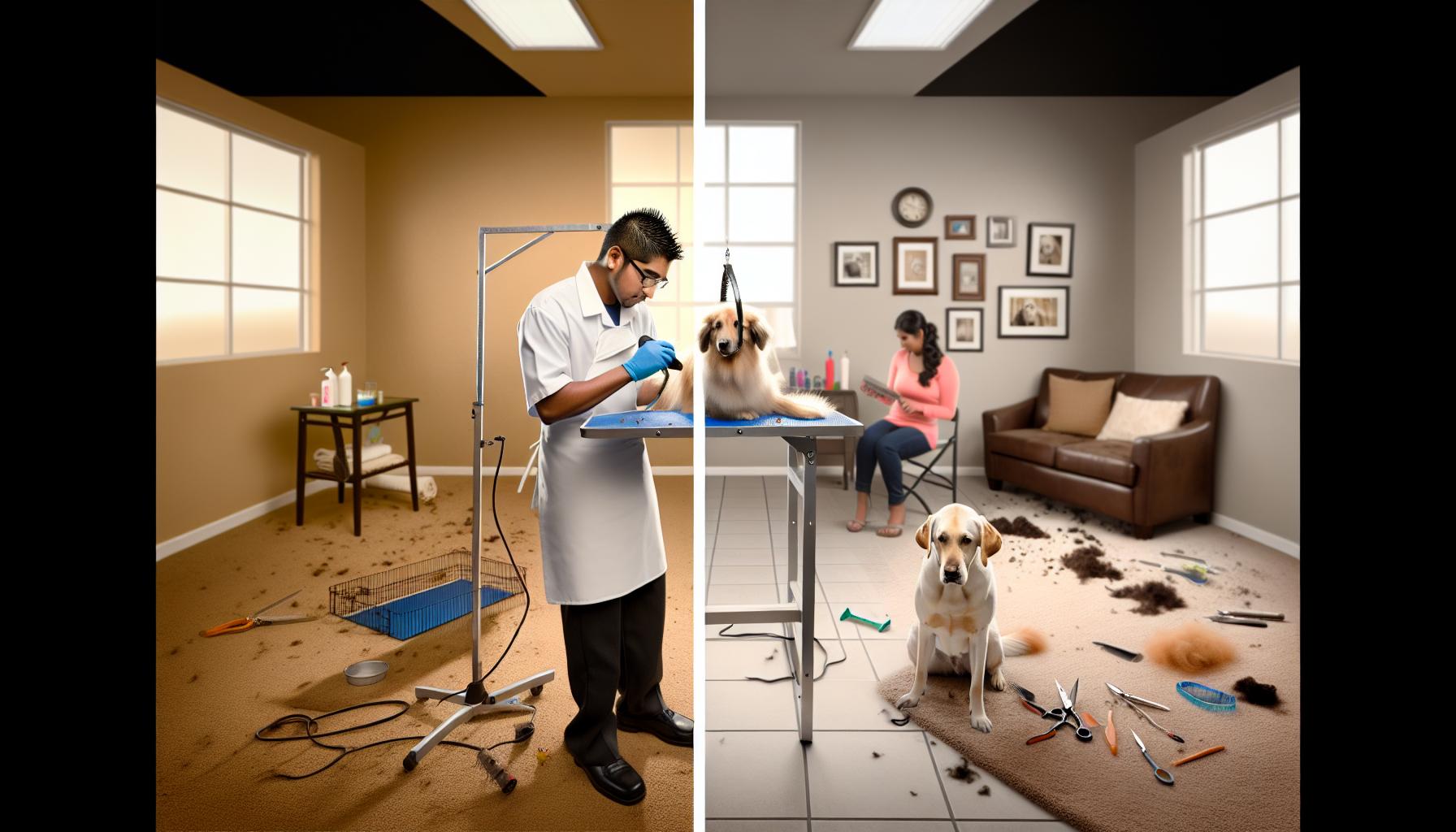
Many pet owners wonder whether grooming their dog at home can match the thoroughness and efficiency of a professional groomer, especially when considering how long grooming appointments take. The reality is, both professional and DIY grooming have unique advantages and challenges that impact appointment duration and the overall grooming experience. Understanding these differences helps you make confident choices tailored to your dog’s breed, coat type, and temperament.
Professional groomers bring years of experience, specialized tools, and a deep understanding of various breeds and coat textures, which often translates into more efficient and thorough grooming sessions. for example, breeds like the Poodle or Shih Tzu require intricate clipping and dematting, tasks that professionals can perform with precision using high-quality clippers, de-matting combs, and grooming tables that help keep your dog safely positioned. Professionals also excel in managing difficult areas like nails and ears, where many dogs show sensitivity or anxiety, thus preventing delays and ensuring comfort throughout the appointment. Groomers can frequently enough spot early signs of skin issues or health problems, recommending vet visits if needed-something DIY grooming might miss or prolong. Many groomers also adjust timing based on your dog’s behavior; anxious or special-needs pets might require shorter or more frequent sessions to keep stress low, extending appointment times but ultimately protecting your dog’s well-being[[2]](https://www.coastalpawspetresort.com/diy-dog-grooming-vs-professional-dog-grooming/).
DIY grooming offers more control over timing and pace, and it can be a fantastic bonding chance when done gently and patiently. It’s particularly well-suited for routine maintenance tasks like brushing, light baths, and checking ears and nails for minor trimming.At-home grooming is generally more budget-friendly and less rushed, allowing you to take breaks when your pup shows signs of stress-vital for sensitive or nervous dogs. However, DIY grooming requires investing time upfront in learning the right techniques, selecting appropriate tools (like breed-specific brushes or hypoallergenic shampoos), and creating a calm environment that your dog associates with positive experiences. Without professional tools and expertise, some tasks, like complex trimming or managing mats, can take considerably longer and may not achieve the same results, which can lead to frustration and longer overall grooming time[[1]](https://newmarketanimalhospital.com/2024/11/19/professional-vs-diy-grooming-pros-and-cons-for-your-pet/).
Tips to Combine Both Approaches for Best Results
- Use DIY grooming for routine upkeep: regular brushing and spot cleaning at home can keep coats healthy and mats at bay, making professional appointments quicker and smoother.
- Schedule professional sessions periodically: A seasoned groomer can tackle detailed cuts, thorough baths, and challenging tasks that might be overwhelming at home.
- communicate openly: share your at-home care routine with your groomer so they can customize appointments to your dog’s needs, potentially shortening required time at the salon.
In short, professional grooming sessions frequently enough take longer as they cover extensive, detail-oriented care with specialized equipment and expertise, while DIY grooming offers adaptability and comfort but requires more time for tasks that professionals execute swiftly. Recognizing the strengths of each and balancing them can definitely help set realistic appointment time expectations and ensure your dog looks and feels their best, stress-free and with compassion at the heart of every snip and scrub[[3]](https://scoopydoosdelraybeach.com/blogs/news/diy-dog-grooming-vs-professional-grooming).
signs Your Dog Needs extra Care and More Grooming Time
It’s important to recognize when your furry friend requires extra attention during grooming, as this awareness can help set realistic time expectations and ensure your dog’s comfort and safety. Dogs with thick, curly, or long coats-like Poodles, Bichons, or Shih Tzus-often need additional time for thorough detangling and dematting, which is delicate work that cannot be rushed without causing discomfort.Similarly,breeds prone to skin sensitivities,hot spots,or allergies may require a gentler approach during bathing and drying,adding to the overall appointment length.
Some dogs show physical signs that signal more careful handling is necessary. For instance, brittle or cracked nails often need slow, meticulous trimming to avoid pain or bleeding. Ears that appear red, inflamed, or have a strong odor might require cleaning with extra care or even a referral to a vet, all of which extends grooming time. behavioral cues-such as trembling, excessive panting, or attempts to escape-also indicate the need to proceed slowly, incorporating breaks and soothing techniques to maintain trust and calm.
Knowing When to Expect Longer Grooming Sessions
- Coat condition: Matted fur or heavy shedding means extra brushing or dematting tools will be used, which takes additional time.
- Health concerns: Skin irritations, infections, or arthritis require gentler handling and possibly shorter, more frequent sessions to avoid stress.
- Anxiety or fear: Nervous dogs benefit from calm, slow grooming with plenty of patience-sometimes breaking up tasks across multiple appointments.
- age and mobility: Senior dogs or those with mobility issues may need slower movements, non-slip supports, and extra breaks to stay comfortable.
A practical example comes from grooming dogs like senior Golden Retrievers with arthritis. Their grooming appointments often take more time because the groomer must carefully adjust positioning, avoid pressure on sore joints, and keep sessions calm and slow. Similarly, a young Poodle with heavy mats might need a pre-appointment detangling bath and a longer clip session to prevent pain from tugging on tight knots.These adjustments not only improve the grooming outcome but prioritize your dog’s emotional and physical wellbeing.
Why Groomer Expertise Matters in These Situations
Experienced groomers recognize early signs of discomfort or special needs, adjusting the pace and tools accordingly. They might use specialized shampoos for sensitive skin, muzzles for anxious dogs to keep everyone safe, or non-slip mats and gentle dryers to reduce stress. when skin conditions require vet evaluation, groomers can flag these concerns early, acting as vital partners in your dog’s health journey. This expertise frequently enough results in longer appointment times but ensures the best care without compromising safety or comfort.
By understanding these signals and communicating openly with your groomer, you help set realistic expectations and provide your dog the compassionate care they deserve. Remember, a bit more time spent grooming with patience and love means a happier, healthier pup in the long run.
Tips to Make Grooming Comfortable and Stress-free for Dogs
Many dogs approach grooming with a mix of curiosity and anxiety, making it vital to create a calm and comfortable environment that respects their unique needs. Understanding your dog’s breed, coat type, and personality helps tailor the experience-knowing, for example, that a curly-coated poodle may need gentle detangling, while a short-haired Labrador might benefit from a quick, soothing bath. Starting with positive associations, like treats or gentle praise, sets a reassuring tone and helps build trust from the very first step.
Bathing with Care
Begin with lukewarm water and a mild, hypoallergenic shampoo designed for sensitive skin if your dog shows any irritation. Use a soft sponge or gentle sprayer to avoid startling them. Speaking softly and moving slowly during this step will ease tension. Some dogs enjoy a massage-like scrub, which can distract from any unpleasant sensations and make the bath feel more like a pampering session than a chore.
Brushing and Dematting
Firm but gentle strokes work best-rushing through knots can cause pain and resistance, especially in breeds like Shih Tzus or Bichons with fine, dense coats. Use detangling sprays or conditioners beforehand if mats are present, and take breaks often to keep frustration low. Reward your dog after brushing tough spots to encourage cooperation in future sessions.
Nail Trimming and Ear Cleaning
Many dogs dislike these parts of grooming because of sensitivity or unfamiliar sensations. Approach nails slowly, clipping just the tip to prevent pain or bleeding.If your dog is particularly anxious, try doing one paw at a time with breaks in between and use treats as positive reinforcement. For ears, use vet-approved wipes or solutions and avoid forcing deep cleaning-if inflammation or odor persists, enlist your vet’s expertise rather than risking injury.
Helping Nervous or Special Needs Dogs
If your dog is especially fearful or has health challenges, communicate openly with your groomer ahead of time. Experienced groomers often have calming aids,such as non-slip mats,white noise machines,or gentle dry towels to reduce sensory overload. Splitting appointments into shorter, more manageable sessions can prevent overwhelm and build your dog’s confidence gradually.
- Maintain a calm demeanor: Dogs pick up on your emotions-staying relaxed helps them stay relaxed.
- Prepare with short practice sessions: Before full grooming days, get your dog used to touch, baths, or nail clips in brief, positive steps.
- Use appropriate tools: Brushes, clippers, and shampoos suited to your dog’s coat prevent discomfort and speed the process.
- Know when to pause: Signs like shaking, panting, or snapping mean it’s time for a break or a slower pace.
Empowering owners with these simple yet effective techniques transforms grooming from a stressful event into a bonding opportunity, ensuring that each visit leaves your furry friend feeling safe, cared for, and loved. Always remember that compassion and patience trump speed-your dog’s well-being is the true mark of a accomplished grooming experience.
FAQ
Q: How does a dog’s behavior affect grooming appointment length?
A: A dog’s behavior directly influences grooming time. Calm, cooperative dogs typically finish faster, while anxious or aggressive pets require extra patience and breaks, extending appointments. Groomers adapt techniques for comfort, helping reduce stress over time. For tips on managing nervous pets, see our section on stress-free grooming techniques.
Q: What factors cause unexpected delays in dog grooming appointments?
A: Unexpected delays often result from matted fur,skin issues,or dental cleaning needs discovered during grooming. groomers may need extra time to gently detangle or treat sensitive areas.Communicating your dog’s health history and coat condition beforehand can help set realistic appointment expectations.
Q: Can grooming appointment length vary by grooming salon or professional style?
A: Yes, grooming times vary by salon due to different grooming styles, tools, and team experience. Some salons offer express services, while others focus on detailed, personalized care. Research your groomer’s approach to find an appointment length matching your dog’s needs-consider our guide comparing professional vs. DIY grooming.
Q: How frequently enough should grooming appointments be scheduled to maintain reasonable session times?
A: regular grooming every 4 to 8 weeks helps keep coats manageable, reducing appointment length and stress. Frequent upkeep avoids matting and overgrown nails, which can double grooming time. Consistent scheduling makes grooming smoother and faster for both pet and groomer.
Q: How can owners prepare their dogs to help shorten grooming durations?
A: Preparing your dog by brushing regularly, introducing nail handling, and practicing ear cleaning at home can considerably reduce appointment time. Positive reinforcement and gentle at-home care build comfort with grooming tasks, helping professional sessions go faster. See our article’s planning tips for step-by-step guidance.
Q: Why do some grooming tasks take longer when performed on senior or health-compromised dogs?
A: Grooming for seniors or dogs with health issues takes longer due to extra care, gentler handling, and frequent breaks needed to ensure comfort and safety. Groomers prioritize peace and avoid stressing sensitive areas. Scheduling longer appointments for these dogs guarantees thorough, compassionate care.
Q: What impact does seasonal coat shedding have on grooming appointment length?
A: Seasonal shedding increases grooming time as more brushing and deshedding treatments are necessary to remove loose fur.This makes baths and blow-drying last longer.Groomers adjust appointments during shedding seasons to accommodate deeper coat care, ensuring dogs stay comfortable.
Q: How can pet owners communicate special grooming needs to reduce appointment surprises?
A: Clearly sharing your dog’s medical conditions, behavioral quirks, and grooming dislikes before appointments helps groomers prepare tools and strategies, preventing delays.Detailed communication leads to smoother, faster grooming and a more positive experience. Refer to our advice on preparing your dog and scheduling to enhance appointment efficiency.
Wrapping Up
Understanding how long dog groomers take helps you plan better and ensures your pet’s comfort throughout every step-from baths and brushing to nail trimming and ear cleaning. Remember, groom times vary with breed, coat type, and grooming needs, so staying patient and compassionate pays off. If you wont to dive deeper, check out our guides on choosing the right grooming tools and how to prepare your dog for grooming appointments to make the experience smoother for both you and your furry friend.Ready to book your dog’s next grooming session with confidence? Explore our appointment tips and common grooming FAQs or sign up for our newsletter for expert advice and real-life success stories. Your dog’s safety, comfort, and well-being are always the priority, so don’t hesitate to reach out with questions or share your grooming adventures in the comments below. Together, we can keep tails wagging and pets looking their best!
Get our latest guides, news, and insights highlighted in your Google Search & AI Overviews.
Keep reading about the same coat and cut.


Popular grooming guides
Bath vs clip, first grooms, and salon how-tos.