Do Dog Groomers Use Drugs? Sedation Safety Explained
Did you know some dogs can become so nervous during grooming that sedation might be considered to keep them safe and pleasant? Many pet owners wonder if groomers use drugs on dogs and what that means for their furry friend’s wellbeing. Understanding when and why sedation is used, and how safely it’s managed, can ease your worries and help you advocate for your pet’s best care. Whether your dog has a thick coat that mats easily or is simply anxious about nail trims, knowing what to expect around sedation allows you to make informed choices with confidence. In this article, we’ll gently unpack the role of sedation in grooming, explain who can safely administer it, and offer practical tips to keep your dog calm without compromising health. Your dog’s comfort and safety always come first-let’s explore this vital topic together, so you feel empowered and reassured every step of the way.
How Do Dog Groomers Use Sedation Safely?
Table of Contents
- 1 How Do Dog Groomers Use Sedation Safely?
- 2 Common Types of Sedatives in Grooming Explained
- 3 when is Sedation Really necessary for Grooming?
- 4 Risks and Side Effects of Sedation in dogs
- 5 How Veterinarians and Groomers Collaborate on Sedation
- 6 Natural Alternatives to Medication for Anxious Dogs
- 7 Preparing Your Dog for a Sedated grooming Session
- 8 Signs Your Dog Should Avoid Sedation during Grooming
- 9 What Owners Need to Know About Sedation laws and Regulations
- 10 Post-Sedation Care Tips for a Calm Recovery
- 11 How to Spot Unethical Sedation Practices in Grooming
- 12 Frequently Asked Questions About Dog grooming Sedation
- 13 FAQ
- 13.1 Q: Can non-veterinarian dog groomers legally administer sedation drugs?
- 13.2 Q: How can I tell if sedation is the best option for my dog’s grooming?
- 13.3 Q: What are the signs of over-sedation I should watch for after grooming?
- 13.4 Q: Are there safer sedation options specifically recommended for elderly or health-compromised dogs?
- 13.5 Q: how does sedation affect different dog breeds and coat types during grooming?
- 13.6 Q: What questions should I ask my groomer about sedation protocols before booking?
- 13.7 Q: Can sedation impact my dog’s behavior after grooming?
- 13.8 Q: Are there legal restrictions on the types of sedatives groomers can use on dogs?
- 14 Wrapping Up
Dogs can often sense when something unfamiliar is about to happen, and for many, grooming visits can be a source of anxiety or fear.that’s why when sedation is considered, it is handled with the utmost care and professionalism to ensure your pet’s safety and comfort. Sedation in grooming is never a first choice-it’s a carefully weighed decision made in partnership with your veterinarian to help dogs who truly need it, such as those with severe anxiety, pain, or medical conditions that make regular grooming stressful or risky.Before any sedation is used, groomers follow strict protocols that prioritize the dog’s health and well-being. This often begins with a thorough consultation that involves the pet’s owner and veterinarian. Together, they discuss the dog’s history, existing health conditions, and any previous reactions to medications. Only sedatives prescribed or approved by a veterinarian are used, which ensures the drug type and dosage are tailored to your dog’s size, breed, and temperament. Groomers never administer sedation on their own authority; this safeguard protects pets and fosters transparent communication.
Collaborative Approach
- Veterinarian’s role: Assessing medical suitability, prescribing sedatives, and monitoring overall health.
- Groomer’s role: Applying sedatives as directed, gently managing the dog during grooming, and watching closely for any unusual signs.
- Owner’s role: Providing accurate health history, following pre-visit instructions (like fasting), and staying informed about the process.
Training in recognizing subtle signs of distress or adverse reactions is essential for groomers. Sedation is most frequently enough mild and designed to relax-not knock out-the dog, allowing grooming tasks like bathing, brushing, nail trimming, and ear cleaning to be completed calmly and safely. For example, a senior dog with arthritis and thick matted fur may become resistant or fearful during grooming due to discomfort; mild sedation under veterinary guidance enables the groomer to gently work without causing additional stress or injury.
Practical safety Tips for Owners
- Ensure the groomer collaborates with a licensed veterinarian for sedation.
- Discuss your dog’s full medical history honestly to avoid complications.
- Follow all recommended pre- and post-sedation care instructions carefully.
- Observe your dog closely after sedation for any lingering effects or unusual behavior.
In essence,sedation in grooming is a compassionate tool,used judiciously and responsibly to support your dog’s comfort and health. It’s a shared effort rooted in kindness, patience, and expertise-so every dog can experience grooming as a calm, positive event rather than a fearful ordeal.
Common Types of Sedatives in Grooming Explained

Many pet parents worry about what sedation means for their dog during grooming. It’s comforting to know that the sedatives used are chosen carefully to relax your furry friend gently without overpowering them. These medications are usually mild, designed to ease anxiety and allow the groomer to safely handle challenging tasks, whether that’s detangling a thick coat or trimming nails on a scared dog.
Veterinarians typically prescribe the sedatives given during grooming, ensuring the choice matches your dog’s breed, size, age, and health. Some of the most common sedatives include acepromazine, which calms without causing heavy sleepiness; benzodiazepines like diazepam or midazolam, used for their anti-anxiety and muscle-relaxing properties; and trazodone, helpful for dogs who are especially nervous. These medications don’t “knock out” your dog but provide a soothing, relaxed state that makes grooming less stressful for everyone involved.
How Sedatives Work in Practise
- Acepromazine: Often used for its mild sedative effects, it helps reduce agitation and is suitable for dogs who just need a gentle calming effect.However, it’s not ideal for dogs with heart problems or very young pups.
- Benzodiazepines (Diazepam, Midazolam): These boost relaxation and ease muscle tension, making them a good choice for dogs prone to panic during grooming. They act quickly, which is helpful for appointments scheduled on short notice.
- Trazodone: Usually prescribed for dogs with long-term anxiety, trazodone works well when multiple grooming sessions are needed over time, as it doesn’t cause deep sedation.
Occasionally, other sedatives or combinations may be used under veterinary guidance, especially in older dogs or those with special health considerations. Such as, a senior Labrador with arthritis and matted fur may receive a gentle dose of acepromazine to stay calm during the brushing and clipping process, allowing the groomer to avoid causing pain or distress.
Remember, your groomer and veterinarian work closely together to choose the safest option. The groomer applies the sedation exactly as directed and monitors your dog carefully throughout, always ready to pause if your dog shows signs of discomfort. This collaborative approach ensures your beloved pet is both comfortable and safe during grooming.
when is Sedation Really necessary for Grooming?
Sometimes grooming feels more like a challenge than a routine. When a dog is particularly anxious,fearful,or physically difficult to handle,sedation can be a compassionate tool-used only when truly necessary-to keep them safe and calm. It’s not about convenience or rushing the process, but about recognizing when gentle medication supports a stress-free experience for a dog who might otherwise become overwhelmed or even injured.
Certain breeds and coat types often tip the scale toward sedation. For example,dogs with thick,curly,or matted fur-like Poodles or Bichon Frises-may need more invasive brushing and clipping that can cause discomfort or anxiety. In these cases, light sedation helps relax muscles and ease tension, allowing the groomer to work safely without distress. Similarly, senior dogs with arthritis or sensitive skin might freeze or snap if handled too roughly; here, sedation helps reduce pain reactions and minimizes stress during bathing, nail trimming, or ear cleaning.
Assessing the Need for Sedation
Before reaching for sedatives, groomers and vets typically evaluate several key factors, including:
- Behavioral history: Has the dog shown extreme fear, aggression, or panic during past grooming?
- Physical condition: Does the dog have skin irritations, mats, or medical issues that complicate grooming?
- Breed and coat complexity: Are specialized tools or techniques required that increase grooming time or difficulty?
- Owner input: Has the owner noticed signs of anxiety or difficulty with home grooming?
For instance, a nervous terrier who trembles and hides during nail clipping might benefit from a mild benzodiazepine to prevent panic-induced injury. Conversely, a calm Labrador without coat issues almost never needs sedation for routine baths and brushes. sedation shouldn’t replace patient handling or training but is reserved for those moments where safety and comfort outweigh all else.
Examples Where Sedation is Typically Advised
- Severely matted coats requiring extensive dematting or shaving where pain is possible
- Dogs with a history of biting or extreme fear aggressive behavior during grooming
- Senior or arthritic dogs unable to remain still during longer sessions
- Animals with special needs-such as blindness or neurological conditions-that heighten stress
In these scenarios, sedation helps transform grooming from a fearful experience into one of calm cooperation.The focus remains on kindness and care, with sedatives acting as a bridge toward a safer, gentler process. As always, your groomer and veterinarian will discuss each case with you, ensuring medication is only used when truly in the best interest of your dog’s well-being.
Risks and Side Effects of Sedation in dogs
Many pet parents feel a knot in their stomach when sedation enters the grooming conversation. It’s natural to worry about the effects of medication on a beloved furry friend. While sedatives can be a lifesaver for particularly anxious, matted, or sensitive dogs during grooming, it’s important to remember that no drug is without its potential downsides.Understanding these helps owners feel confident and calm, knowing safety and comfort always come first.
Sedation may cause side effects ranging from mild and temporary to,in rare cases,more serious. Common reactions include drowsiness, unsteady movements, drooling, or a slower heart rate. Some dogs might seem groggy or unusually quiet for hours after the session, needing a calm, secure place to rest. Typically, these symptoms resolve within a day, but close monitoring is key, especially for breeds sensitive to certain medications, such as brachycephalic dogs (like Bulldogs or Pugs), or seniors with underlying health issues.
- Respiratory concerns: sedatives can sometimes depress breathing, especially in dogs with pre-existing respiratory problems or those that are very small or overweight.
- Heart rate and blood pressure changes: Some medications may slow the heart rate or lower blood pressure; vets evaluate this risk carefully before recommending sedation.
- allergic reactions: though rare, a dog may react poorly to certain drugs, so reporting any history of medication sensitivities to your groomer and vet is crucial.
- Paradoxical effects: Occasionally, instead of calming, some dogs become restless or agitated-this is more common with certain breeds or with improper dosing.
Choosing Wisely & Watching Closely
The key to minimizing risks lies in tailoring sedation plans based on your dog’s breed, age, health, and coat type. As a notable example, a dense, curly-coated Poodle with thick mats may require a very gentle, short-acting sedative, just enough to relax muscles without heavy lingering grogginess. Conversely, an older dog with arthritis might need a slightly deeper sedation to prevent flinching from painful handling but will require post-session monitoring for potential joint stiffness or nausea.
Collaboration between groomers and veterinarians ensures drugs are administered responsibly and dosages adjusted for individual needs. At home, owners play a vital role too: abstain from feeding your dog for the recommended pre-sedation period and create a peaceful, warm recovery space after grooming. Watch for signs of prolonged weakness, vomiting, difficulty breathing, or confusion-if these appear, contact your vet promptly.
Sedation should never be a first resort or substitute for gentle handling skills and behavior training. Instead, think of it as a bridge to a kinder grooming experience when anxiety or physical challenges threaten your dog’s safety.By understanding and respecting what sedation involves, you empower yourself to make thoughtful decisions-always keeping your best companion’s comfort and well-being front and center.
How Veterinarians and Groomers Collaborate on Sedation
Working together, veterinarians and groomers form a trusted team focused on your dog’s comfort and safety during sedation. veterinarians bring medical expertise, assessing your dog’s overall health, breed-specific concerns, and any underlying conditions that might affect sedation choices. Groomers, on the other hand, understand the unique challenges of handling different coat types, temperaments, and grooming tasks-insights essential for tailoring sedation plans that are just right for your furry friend.
Before any sedation occurs, a vet will usually perform a thorough health check or review your dog’s medical history. This step helps identify risks such as respiratory issues common in brachycephalic breeds or sensitivities in senior dogs. With this information, the vet recommends the safest type and dose of sedative. From there, groomers adapt their approach based on the dog’s response and specific grooming needs. Such as, a dog with thick matted fur may need a mild sedative to relax muscles for easier coat removal, while a highly anxious tiny pup might require a gentler dose to avoid prolonged grogginess.
- Clear communication is key. Before the grooming appointment, owners should share important details about their dog’s health and behavior with both the vet and groomer. this ensures everyone is on the same page.
- Monitoring is a shared responsibility. Some groomers are trained to observe signs of distress or adverse reactions during sedation and can stop or adjust the process. Meanwhile, vets provide guidance on post-sedation care and when to seek emergency help.
- Respecting legal boundaries is essential. Since not all groomers have access to sedatives or the authority to administer them, sedation is often managed or prescribed by a veterinarian, with the groomer employed as a careful caregiver during the session.
By fostering this collaboration, dogs receive the benefits of expert medical oversight plus the gentle handling that only experienced groomers can offer. This teamwork reassures owners that sedation is never a decision made lightly or in isolation-it’s a well-considered, compassionate strategy designed to ease anxiety, reduce stress, and promote the best grooming outcome possible.For example, a nervous Poodle who struggles with brushing and clipping can gain trust and calmness with vet-approved sedation, combined with patient, learned hands to make grooming a less traumatic experience.
Remember, sedation is just one tool in the toolbox. Groomers often work alongside vets to develop behavior modification plans or suggest natural calming techniques that might reduce the need for medication over time. This ongoing partnership means your dog’s well-being is always front and center, balancing medical knowledge with real-world grooming expertise to support a happier, healthier grooming routine.
Natural Alternatives to Medication for Anxious Dogs

It’s entirely possible-and often preferred-to ease your dog’s stress during grooming without immediately reaching for medications. Many anxious dogs respond well to slow, gentle approaches combined with natural calming techniques. this not only helps build trust over time but can reduce or eliminate the need for sedation altogether, especially in breeds like Shih Tzus or Maltese with sensitive temperaments and fine coats that require frequent handling.
Simple Tools and Techniques for At-Home Calming
Before even setting foot in the grooming salon, try introducing your dog to familiar soothing activities that you can replicate during grooming:
- Massage and gentle stroking: Use slow, circular motions along the neck and back to relax tense muscles. This comfort helps shy dogs like Chihuahuas or pomeranians acclimate to touch.
- interactive toys and treats: Chew toys or slow-release treats engage your dog’s mind and reduce nervous energy prior to travel or appointment time.
- Familiar scents and clothing: wrapping your dog in a lightly scented towel or a snug calming wrap can provide a safe “hug” sensation, easing anxiety.
Creating a Calm Grooming Environment
Environment plays a huge role in a dog’s stress. Groomers who partner with vets frequently enough train in subtle environmental management-idea you can mimic at home:
- Soft lighting and quiet music: Harsh lights and loud noises trigger fear in many dogs. Dimming lights and playing soothing classical or nature sounds can be remarkably calming.
- Non-slip grooming surfaces: A secure footing prevents slipping, which reduces sudden flight responses. Simple mats in the bathroom or grooming area work well.
- Short sessions with frequent breaks: If your dog has a thick or matted coat, break grooming into smaller, manageable steps. Short bursts of brushing followed by praise and rest keep stress levels low.
Behavioral Conditioning and Professional Guidance
Long-term success often comes from gradual, positive conditioning combined with expert help:
- counter-conditioning: Pair grooming with high-value treats or play, transforming the experience from scary to rewarding. Such as, a nervous Cocker Spaniel might start associating brushing with a favorite toy or kibble.
- Professional training referrals: Groomers can suggest skilled behaviorists who specialize in anxiety. These experts use gentle desensitization and relaxation techniques, reducing future need for sedation.
- natural supplements: While vets are the best source for safe recommendations,natural products like CBD oil,chamomile,or lavender sprays can sometimes ease tension. Always check with your vet first to ensure these won’t interfere with your dog’s health.
No matter the approach, patience and kindness are your greatest allies.If your dog’s coat is dense or prone to mats (think Golden Retrievers or Terriers), early and consistent brushing can prevent painful tangles that might otherwise require sedation for removal. Regular grooming “dates” at home build trust and familiarity-turning a stressful event into a bonding moment.And remember, your vet-groomer team is there to support you with expert guidance tailored specifically to your dog’s breed, health, and personality. This layered approach ensures your pup always feels safe, cared for, and loved-because comfort matters far more than a perfect trim.
Preparing Your Dog for a Sedated grooming Session
Sedation can make a challenging grooming session safer and less stressful for both your dog and the groomer, but thoughtful preparation is key to ensuring your pet’s comfort and wellbeing. Before the day arrives, it’s critically important to work closely with your veterinarian and groomer to discuss your dog’s specific needs.Factors like breed, coat type, age, and underlying health conditions all influence how sedation is approached. For example, a senior Poodle with thick, curly fur and sensitive skin will require a different plan than a young, sturdy Labrador.
Start by gathering all relevant health information and medications your dog is currently on. Sharing this with the vet allows them to recommend the safest sedative options and dosage. Keep in mind that certain breeds-like brachycephalic dogs (e.g., Bulldogs or pugs) or those with respiratory or heart issues-may be more sensitive to sedatives, so extra caution is needed. Always ensure a pre-sedation health check is performed, which may include bloodwork and a physical exam, to minimize risks.
Home Preparations That Support a Smooth Session
Helping your dog relax in the days leading up to their sedated grooming can make a huge difference. Maintaining a calm daily routine helps reduce overall stress levels. On the day itself, feed a light meal several hours before sedation as instructed by your vet, as an empty stomach lowers the chance of nausea or vomiting during the procedure.
- Familiar bedding and toys: Bring along your pet’s favorite blanket or stuffed toy to provide comfort after sedation.
- Transport safety: Use a secure, well-ventilated crate or harness for the trip to and from the groomer, so your dog feels safe.
- Hydration is key: Offer fresh water until the recommended cutoff time before sedation.
What to Expect During the Grooming Process
knowing the grooming steps helps owners feel more confident and prepared. typically, sedation is used to safely manage difficult tasks such as nail trimming, ear cleaning, or detangling mats without causing pain or anxiety. The groomer will monitor your dog’s breathing and responsiveness throughout the session and stop immediately if anything seems off.Post-session,your dog will recover in a quiet,warm space with close observation until fully awake.
Remember: While the groomer handles coat and nail care, sedation management should always be under veterinary supervision or approved protocols. This collaboration ensures safety and upholds your dog’s welfare above all else. Bringing your dog’s health records and medication history to both your groomer and vet helps maintain clear communication about what’s best for your companion.
By approaching a sedated grooming appointment with thoughtful preparation, you empower yourself to be an advocate for your dog’s comfort and health. Compassion, patience, and informed teamwork between you, your vet, and your groomer create the foundation for a safer, less stressful experience-because your dog’s wellbeing is the ultimate priority.
Signs Your Dog Should Avoid Sedation during Grooming
Sedation is a helpful tool for making grooming gentler and safer,but it isn’t a one-size-fits-all solution. Some dogs simply should not be sedated due to their unique health or behavioral situations. Being able to recognize these signs can protect your furry friend from needless risks and help you work with your vet and groomer to find safer alternatives.
Dogs with certain pre-existing medical conditions are often poor candidates for sedation. For example, brachycephalic breeds like Bulldogs and Pugs already struggle with breathing, and sedatives can further depress respiratory function, making sedation potentially dangerous. Similarly, dogs with heart disease, liver or kidney problems, or neurological conditions may not metabolize sedatives well, increasing the risk of adverse reactions.If your dog has a history of allergies or sensitivities to medications,this should also be flagged before considering sedation.even behavior can be a factor. If your dog experiences extreme stress or panic attacks, sedation without careful veterinary supervision could actually worsen the experience. Sometimes,sedation isn’t the best answer for dogs that have unpredictable reactions or if it might mask a deeper fear or pain problem that needs addressing first. This is why a vet’s health screening and behavioral evaluation before sedation is so critically important.
Key Indicators That Sedation May Not Be Safe
- Advanced Age or Frailty: Older dogs, especially those showing signs of dementia or weakness, often have altered drug metabolisms that increase sedation risks.
- Recent Illness or Surgery: Dogs recovering from illness, injury, or anesthesia should avoid sedation until fully healed.
- Breathing Difficulties: Labored breathing or coughing signals potential respiratory issues.
- Severe Anxiety or Aggression: Intense behavioral issues might require option calming methods and professional behavior modification.
- Improper Fasting or Hydration: Eating too close to sedation or dehydration can increase side effect risks, so following vet instructions is critical.
If your dog falls into one or more of these categories, don’t hesitate to discuss your concerns openly with your vet and groomer. They can suggest safer approaches-like gradual desensitization, gentle handling techniques, or natural calming aids-that prioritize your dog’s wellbeing above all. Remember, sedation is a tool to improve comfort and safety, never a shortcut, and knowing when it’s inappropriate shows your dedication to your dog’s health and happiness.
What Owners Need to Know About Sedation laws and Regulations

It’s critically important to understand that sedation in dog grooming isn’t something that can be administered freely or casually. Laws and regulations around sedative use are in place to protect your dog’s health and ensure sedation is only used safely and responsibly. In most regions, sedatives are controlled substances, and only licensed veterinarians are legally permitted to prescribe and administer them. Groomers, while highly skilled in handling and styling pets, usually do not have the authority to use sedatives on their own.This means that if sedation is considered necessary,it must be done under veterinary supervision. Your groomer and veterinarian will work together to make sure your dog’s sedation plan is tailored specifically to their health profile and the grooming task at hand. Such as, if your dog experiences extreme anxiety during grooming, a vet might prescribe a mild sedative or anti-anxiety medication. But this decision involves careful assessment and a valid prescription, not a “one size fits all” approach.
What This Means for You as a Pet Owner
- Always ask about the sedation policy: A reputable groomer will never sedate a dog without a veterinarian’s guidance.Don’t hesitate to inquire exactly how your groomer handles anxious or uncooperative pets and whether they have a vet partnership.
- Know your local laws: Regulations vary by state or contry, but most regulate sedation strictly. Some places require veterinary oversight, mandatory documentation, or limit the types of sedatives available outside veterinary clinics.
- Expect clear communication and consent: As sedation can carry risks, your vet and groomer should discuss the benefits, potential side effects, and possible alternatives with you. Consent and full disclosure are critical steps before any sedation occurs.
- Beware of unauthorized sedation: If a groomer offers sedation without involving your vet, or uses medications without a prescription, this is not only illegal but dangerous. Be empowered to say no and prioritize your dog’s safety.
One real-life example is when a groomer recognized a dog’s severe grooming stress but lacked a vet partnership; instead of sedating, they recommended behavior conditioning first and referred the owner to a vet for evaluation. This kind of transparency and respect for legal boundaries protects pets and owners alike.
Understanding these legal and ethical boundaries allows you to feel confident and informed when managing your dog’s grooming experience. Always prioritize your dog’s safety over speed or appearance – and remember, sedation isn’t a grooming requirement but a tool used cautiously to enhance comfort when genuinely needed. Your advocacy, combined with open communication between groomer and veterinarian, ensures your best friend receives the care and kindness they deserve.
Post-Sedation Care Tips for a Calm Recovery

Few experiences require as much gentle care and observation as helping a dog wake up smoothly from sedation after grooming. This delicate time is crucial because pets are in a vulnerable state, and the way we support them can greatly affect their comfort and safety. Every dog metabolizes sedatives differently based on factors like breed, size, age, and overall health, so a patient, calm environment paired with vigilant monitoring is the foundation of recovery.
Creating a Safe, Cozy Space
Right after grooming, place your dog in a quiet, dimly lit room free from loud noises, bright lights, or sudden movements. Soft bedding will help them feel secure and reduce any pressure on sensitive areas groomed during the session. Keep blankets handy to regulate their body temperature since sedation can cause chills. Avoid high-traffic zones to prevent startling your pet as they regain full awareness.
Monitoring Vital Signs and Behavior
Keep a close eye on your dog’s breathing, gum color, and responsiveness. Normal breathing is steady and calm-not shallow or labored-and gums should be pink,moist,and healthy-looking. If you notice any signs of distress such as persistent vomiting, unsteady gait, excessive drooling, or pale/blue gums, contact your veterinarian immediately. During the first few hours, it’s common for dogs to be groggy or disoriented, but they should gradually improve.
Hydration, Food, and bathroom Breaks
Offer small amounts of water at first, encouraging your dog gently but don’t force drinking. Food can usually be reintroduced once your dog is fully alert and shows interest, typically a few hours post-sedation-always follow your veterinarian’s guidance here. Frequent, short bathroom breaks will help prevent discomfort and accidents as your pet’s motor skills return. Use a leash for safety, especially if they seem wobbly.
Providing Comfort and Reassurance
Talk softly and use gentle petting to soothe your dog, but be mindful if they prefer space until fully awake. Avoid handling paws,ears,or the groomed coat too much right away to prevent discomfort or stress.Having a favorite toy or familiar blanket nearby can be very comforting. Patience is key-remember,their safety and emotional well-being come first,well before aesthetics.
- Never leave a sedated dog unattended: Continuous supervision reduces risks of injury or choking.
- Follow all post-sedation instructions from your vet: These may include medication schedules or signs to watch for.
- Limit physical activity: Avoid walks or vigorous play until your vet gives the all-clear.
- Keep grooming tools and potential hazards out of reach: To prevent accidental injury to your still-slow pet.
A real-world example is a senior Golden Retriever who needed light sedation for grooming due to arthritis pain.After grooming, the owner created a nook with extra cushions and monitored breathing carefully. They noticed slight wobbliness and delayed eating-both expected after sedation-but with calm care and small sips of water, the dog returned to normal within a few hours. Open communication with the vet reassured the owner throughout the process, ensuring swift response if anything unusual occurred.
With thoughtful preparation and gentle supervision, you can transform what might be a worrisome recovery period into a peaceful, safe healing time.Your calm, loving presence will help your furry friend bounce back ready to show off that fresh, comfortable coat-happy, healthy, and just the way they like it.
How to Spot Unethical Sedation Practices in Grooming
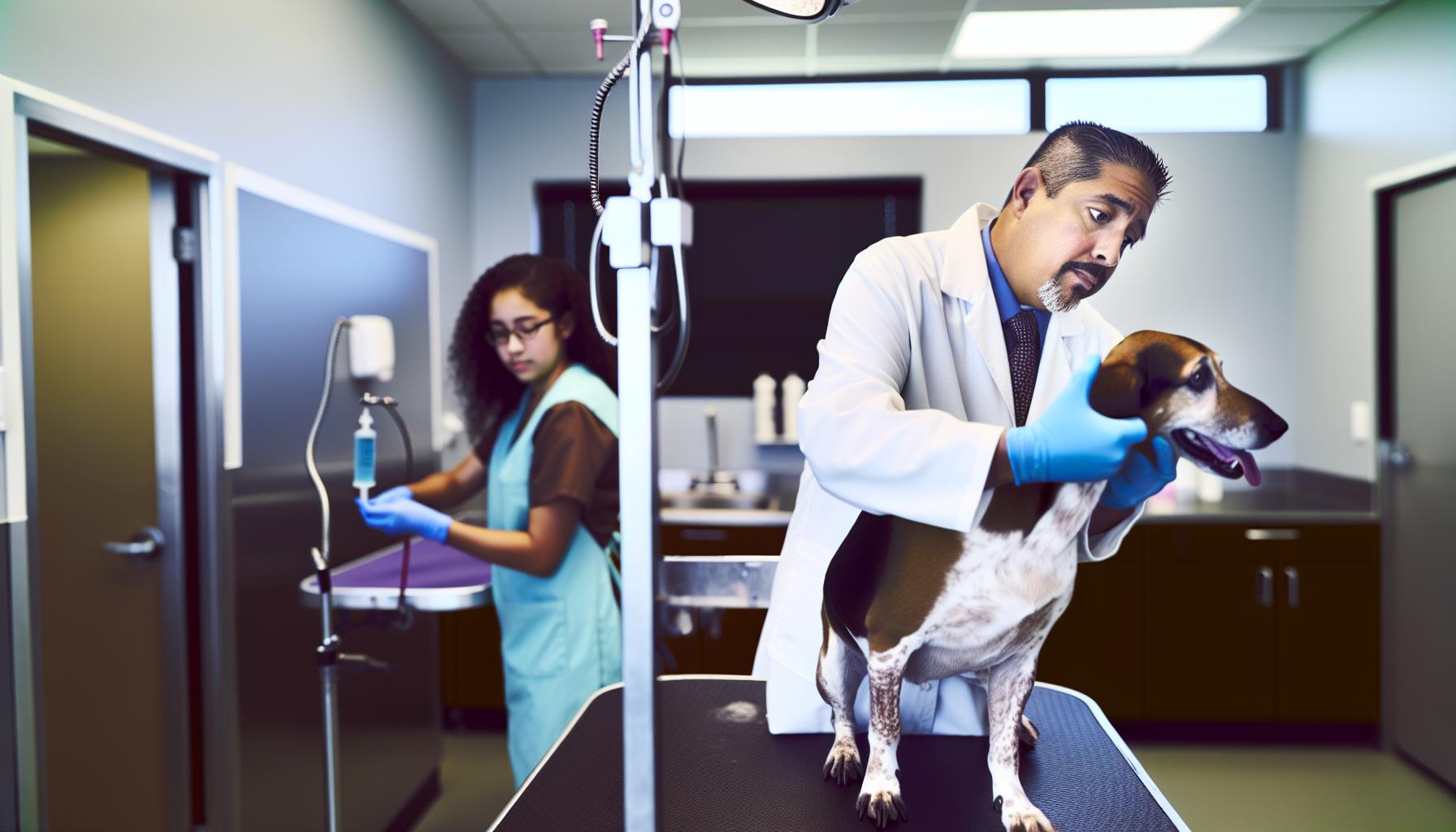
Sometimes, what seems like a quick fix for a nervous or difficult dog can actually be a red flag indicating unethical sedation practices. Responsible sedation isn’t about taking shortcuts or merely silencing a pet; it’s about prioritizing the dog’s safety, comfort, and overall well-being. When sedation is used without proper veterinary oversight or consent, or when it’s applied too liberally and without clear medical justification, it puts your beloved companion at serious risk. Being able to recognize warning signs helps you advocate for your dog and ensures their experience is as gentle and safe as possible.
How to Tell When Sedation Is Used Inappropriately
One of the clearest signals of unethical sedation is when sedation is recommended or administered by a groomer without a thorough health evaluation or a vet’s approval. Sedatives are powerful medications that require knowledge of your dog’s medical history, current health status, and potential drug interactions. If a groomer insists on sedating your pet without discussing these factors or fails to provide a clear explanation of why sedation is necessary, take a step back.
Another red flag is when sedation is used routinely as a “convenience” measure rather than for genuine anxiety, pain, or medical needs. Some dogs might potentially be naturally shy, fidgety, or stressed, but sedation should be a last resort, not a standard practice to speed up the grooming process. Ask yourself: Is the groomer valuing your dog’s emotional state and working with patience, or merely trying to finish quickly?
Signs of Unsafe Sedation Practices
Watch out for these specific concerns during or after grooming sessions:
- No veterinary consultation or prescription: Sedatives should always be administered under a vet’s guidance.
- Lack of personalized dosing: Sedation should consider breed,age,weight,and health issues; a “one dose fits all” approach is dangerous.
- Poor monitoring during and after sedation: Failure to watch vital signs or leaving a dog unattended is a serious safety lapse.
- Minimal explanation or evasiveness: If questions about sedation are met with vague answers or pressure to consent, be cautious.
- Frequent sedation on healthy dogs: Using drugs repeatedly without trying behavior modification or natural calming methods first suggests an improper approach.
Empowering Yourself and Your Dog
The best defense against unethical sedation is knowledge and communication. Always ask the groomer about their sedation policies, whether they require vet approval, and how they care for sedated dogs before, during, and after the procedure. A trustworthy groomer will welcome your questions and prioritize your dog’s health over a “perfect” haircut.If sedation feels necessary,consider seeking a veterinary behavioral consultation or ask about alternative methods like calming wraps,pheromone sprays,or slower,more patient grooming steps. Always remember that sedation is not a magic fix but part of a thoughtful care plan tailored to your dog’s unique needs.
By staying informed and attentive, you can ensure sedation is used only when truly beneficial-and that your pet’s comfort always comes first. After all, a truly skilled groomer respects that every furry friend deserves kindness, patience, and safety above all.
Frequently Asked Questions About Dog grooming Sedation
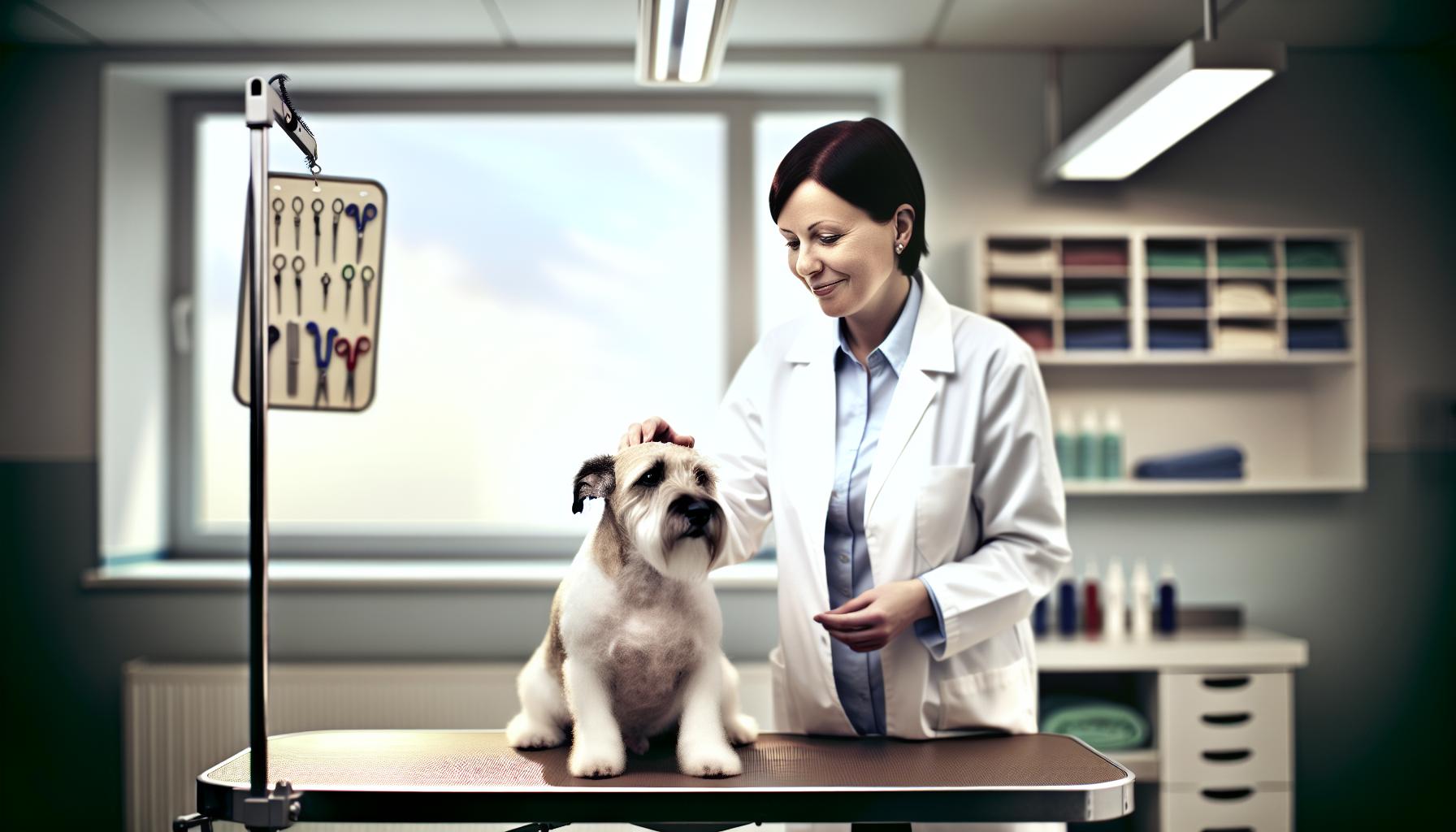
Many pet parents worry about sedation in grooming because it can feel like uncharted territory.It’s important to remember that sedation is not just about calming a dog-it’s a medical decision made carefully,with your pet’s health and comfort as the top priority. Groomers rarely administer sedatives themselves; instead, sedation is always done under veterinary guidance to ensure safety and correct dosing.
Who Decides If My Dog Needs Sedation?
Sedation should never be a groomer’s first option.Typically, your veterinarian evaluates your dog’s health and behavior and prescribes sedation only if absolutely necessary. For example, dogs with thick mats, extreme anxiety, or medical conditions that make grooming unsafe while fully alert may require mild sedation. Groomers and vets work together to create a safe plan, combining medication with gentle handling techniques.
Is Sedation Safe for All Dogs?
No two dogs are alike. Breed, age, weight, and overall health influence whether sedation is appropriate. Brachycephalic breeds (like Bulldogs or Pugs), senior dogs, or those with heart and respiratory issues need extra caution. That’s why a vet’s evaluation is critical before any sedative is used. If your dog has a sensitive stomach or any history of reactions to medications, be sure to share that information with the vet and groomer.
What Should I Expect During a Sedated Grooming Session?
If sedation is recommended, the process includes pre-checks like weighing your pet, reviewing medical history, and possibly fasting before the appointment. During grooming, your dog’s vital signs should be closely monitored-this includes breathing rate, heart rate, and responsiveness. After the session, expect a calm recovery period in a quiet, comfortable space. Your groomer or vet will provide clear instructions for aftercare, including feeding and activity restrictions.
Can I Say No to Sedation and Still Have My Dog Groomed?
Absolutely. Sedation is never mandatory.Many dogs benefit from alternative calming aids such as pheromone sprays, anxiety wraps, or simply slower, more patient handling. If sedation concerns you, communicate openly with your groomer and vet. They can tailor a grooming plan that respects your comfort level and prioritizes your dog’s wellbeing without medication.
- Remember: Always require that sedation, if used, is prescribed and supervised by a licensed veterinarian.
- Ask questions: understand what drug is used, possible side effects, and how your dog will be monitored.
- Watch for warning signs: If sedation is suggested as a routine convenience without medical justification, seek a second opinion.
by approaching grooming sedation with knowledge and collaboration, you become an informed advocate for your dog’s safety, comfort, and happiness-ensuring that every grooming visit is a positive experience rather than a source of stress or risk.
FAQ
Q: Can non-veterinarian dog groomers legally administer sedation drugs?
A: No, dog groomers cannot legally administer sedation drugs without veterinary supervision. Sedation medications require a veterinarian’s prescription and oversight to ensure safety and legality. Groomers work closely with vets to follow proper sedation protocols as explained in our section on collaboration between vets and groomers. Always confirm your groomer’s credentials and vet partnerships before sedation use.
Q: How can I tell if sedation is the best option for my dog’s grooming?
A: Sedation is best reserved for dogs with extreme anxiety, medical issues, or difficult grooming conditions. If your dog is extremely fearful or aggressive during grooming, consult with your vet and groomer to assess sedation necessity, as detailed in our section on when sedation is really necessary. Always explore less invasive calming techniques first for safety.
Q: What are the signs of over-sedation I should watch for after grooming?
A: Signs of over-sedation include prolonged drowsiness, difficulty walking, slowed breathing, or unresponsiveness. If these occur, contact your vet immediately.Our post-sedation care tips highlight monitoring your dog closely and ensuring a calm recovery environment to catch and manage any sedation side effects promptly.
Q: Are there safer sedation options specifically recommended for elderly or health-compromised dogs?
A: Yes, vets may recommend milder sedatives or alternative medications for elderly or health-compromised dogs to minimize risks. Always disclose your dog’s full medical history before sedation. Refer to our risks and side effects section for understanding tailored sedation choices and to ensure your dog’s safety during grooming sessions.
Q: how does sedation affect different dog breeds and coat types during grooming?
A: Sedation effects vary by breed, size, and coat type; some breeds metabolize drugs differently and may require adjusted doses. Thick or tangled coats may increase grooming difficulty, sometimes necessitating sedation for comfort. Check our article’s grooming preparation tips to understand how sedation is customized for each dog’s unique needs.
Q: What questions should I ask my groomer about sedation protocols before booking?
A: Ask about their experience with sedation, which drugs they use, whether a vet supervises the process, and how they monitor dogs during and after sedation. This ensures transparency and safety. For more details,see our guidelines on spotting unethical sedation practices to protect your dog’s welfare.
Q: Can sedation impact my dog’s behavior after grooming?
A: Sedation can cause temporary grogginess or mild behavioral changes, but these usually resolve within 24 hours. If your dog shows prolonged anxiety or abnormal behavior, consult your vet. Our post-sedation care advice includes tips for easing your dog’s transition back to normal behavior safely and calmly.
Q: Are there legal restrictions on the types of sedatives groomers can use on dogs?
A: Yes, sedation laws vary by region, but generally, only licensed veterinarians can prescribe and administer sedatives. Groomers must comply with these laws and work with vets for any sedation needs. Review our section on sedation laws and regulations to understand your area’s rules and keep your dog safe.
for more helpful insights, check out our detailed sections on sedation safety and how veterinarians collaborate with groomers, ensuring your dog’s comfort and well-being every step of the way.
Wrapping Up
Understanding sedation in dog grooming helps you make safer, calmer choices for your pet’s comfort and wellbeing. Professional groomers prioritize your dog’s safety by using sedation only when necessary, frequently enough under veterinary guidance, ensuring stress-free grooming especially for anxious or sensitive breeds. If you’re unsure whether sedation is right for your dog’s coat type or temperament, exploring tips on at-home grooming and recognizing when to consult a vet can make all the difference.
For more insights on keeping your furry friend happy and healthy, check out our guides on “Safe Nail Trimming for Nervous Dogs” and “Bathing Basics for Sensitive Skin.” Ready to take the next step? Sign up for our newsletter to receive expert advice and personal grooming plans tailored to your dog’s unique needs. Have questions or stories about your grooming experiences? Share them below-our community and grooming experts are here to support you every step of the way.
By staying informed on sedation safety and grooming best practices, you’ll build confidence in managing your dog’s care, reduce stress for both of you, and ensure every grooming session is a positive experience. Keep exploring, stay connected, and let’s make every wag a happy one!
Get our latest guides, news, and insights highlighted in your Google Search & AI Overviews.
Keep reading about the same coat and cut.


Popular grooming guides
Bath vs clip, first grooms, and salon how-tos.