How Do Dog Groomers Deal With Difficult Dogs: Calming Techniques
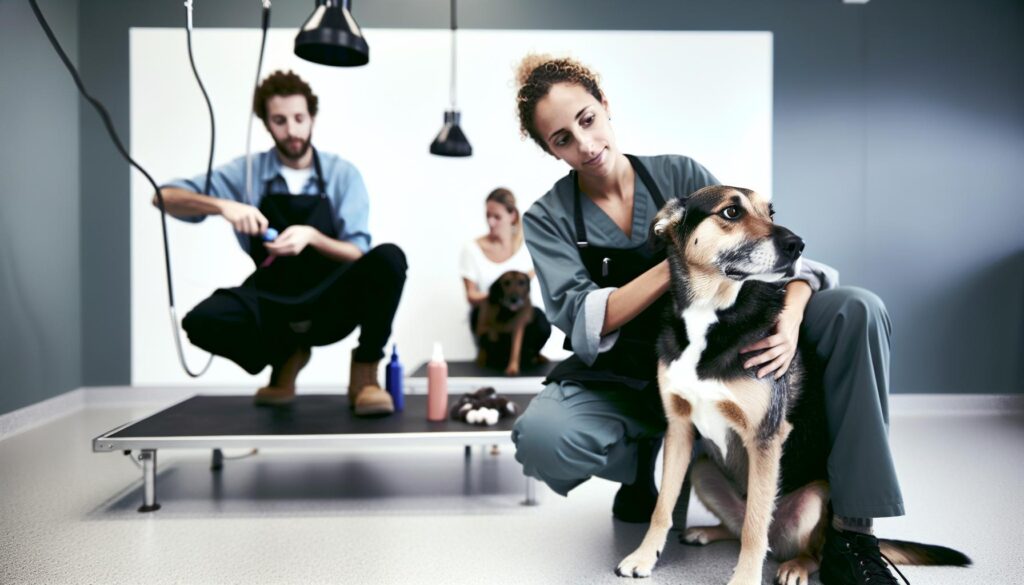
Did you know that many dogs feel anxious or stressed during grooming sessions, making the process challenging not just for them but also for their groomers? Understanding how professional groomers calmly handle difficult dogs is key to ensuring every pet’s comfort and safety. From gentle desensitization to using calming techniques and tools, groomers prioritize patience and compassion over perfection-because a relaxed dog is the best outcome for everyone involved.
If your dog struggles with grooming, you’re not alone, and there’s no need to worry. Experienced groomers approach each pet with kindness, tailoring their methods to coat type, temperament, and specific needs-whether it’s during baths, brushing, nail trims, or ear cleaning. They use calming cues and slow, reassuring movements, sometimes incorporating natural calming aids or brief breaks to help nervous dogs feel safe.This blend of empathy and expertise shows how grooming can be a positive experience rather than a fearful one. As you read on, you’ll discover practical, step-by-step insights and real-world tips that empower you to support your dog’s grooming journey with confidence and care.
Understanding Why Some Dogs are Difficult to Groom
Table of Contents
- 1 Understanding Why Some Dogs are Difficult to Groom
- 2 Preparing Your Space and Tools for a Calm Grooming Session
- 3 Reading Canine Body Language to Prevent Stress
- 4 Step-by-Step calming Techniques Before Grooming Begins
- 5 Gentle Handling and Restraint Methods That Build Trust
- 6 Soothing Bath and Brushing Tips for Nervous Dogs
- 7 Using Positive Reinforcement to Encourage Cooperation
- 8 Managing Nail Trimming with Minimal Anxiety
- 9 Dealing with Fearful or Aggressive Behavior Safely
- 10 When to Know It’s Time to Consult a Professional vet or Trainer
- 11 Empowering Owners: How to Practice Calm Grooming at Home
- 12 FAQ
- 12.1 Q: How do dog groomers help reduce a difficult dog’s stress before grooming starts?
- 12.2 Q: What tools and environment adjustments do groomers use to calm anxious dogs?
- 12.3 Q: How do groomers handle dogs that resist nail trimming without escalating fear?
- 12.4 Q: What calming signals do groomers watch for to prevent grooming stress escalating?
- 12.5 Q: How do professional groomers build trust with fearful or aggressive dogs?
- 12.6 Q: When should a groomer recommend a consultation with a vet or trainer for a difficult dog?
- 12.7 Q: How can owners support groomers in calming difficult dogs at home?
- 12.8 Q: What role does positive reinforcement play in calming difficult dogs during grooming?
- 13 Key Takeaways
Sometimes, dogs resist grooming not out of stubbornness, but as the process triggers stress, fear, or discomfort rooted in their unique backgrounds and physical needs. Many dogs have had less-than-pleasant experiences with grooming in the past, or simply lack early positive exposure, which can make the whole routine intimidating. Understanding the “why” behind difficult behavior is the first step to helping your dog feel safe, relaxed, and even cooperative during grooming sessions.
Physical factors often play a huge role.Certain breeds with dense coats or sensitive skin may experience discomfort during brushing or bathing. Dogs with thick, matted fur can find grooming painful, especially if tools aren’t chosen carefully or if harsh pulling occurs. Similarly, breeds with short noses, floppy ears, or skin folds may be prone to infections or irritations, making health-sensitive grooming more intricate. Age and health conditions such as arthritis or ear infections can also increase a dog’s sensitivity, causing them to flinch or snap when handled. Recognizing these points helps tailor grooming techniques specifically to your dog’s needs and avoid inadvertent pain.
Emotional and Environmental Triggers
Just as important as the physical causes, a dog’s emotional state influences how they react to grooming. Anxiety commonly emerges from unfamiliar sights, sounds, or smells in grooming spaces. For example, noisy clippers, luminous lights, or an intimidating grooming table can overwhelm a dog.Some dogs are naturally more sensitive or shy, needing extra patience and gradual introduction to grooming tools and routines. Others might associate grooming with past veterinary visits or punishment, viewing it as a negative experience. In these cases, building trust through slow, kind exposure and positive reinforcement becomes essential.
Why Rushing Hurts and Patience Heals
A dog that’s difficult to groom often needs more than just skillful handling-they need time to feel safe. Whether it’s a fearful rescue dog who shies away from touch or a senior dog with sensitive spots, patience is the hidden tool that makes all the difference.Experienced groomers know that pushing a dog to quickly can increase resistance and fear.Instead, they break down grooming into small, manageable steps over multiple sessions if necessary, always prioritizing the dog’s emotional comfort over the appearance of a “perfect” trim or bath.
Through empathy, understanding breed-specific challenges, and recognizing each dog’s emotional world, groomers-alongside owners-can transform grooming from a battle into a bonding experience. Remember,every dog’s grooming journey is unique,and compassion is the real “calming technique” that unlocks cooperation and trust.
- Breed and coat type: Dense or curly coats require different care than short, fine fur.
- Past experiences: Negative or painful grooming history increases fear.
- Physical health: Pain,soreness,or sensory issues affect tolerance.
- Habitat: Noise, smells, and unfamiliar settings can spike anxiety.
- Temperament: Sensitive or high-strung personalities need gentler approaches.
Approaching grooming with these insights encourages a calm, respectful atmosphere-one where every dog feels heard and cared for, setting the stage for success in all the grooming steps that follow.
Preparing Your Space and Tools for a Calm Grooming Session
Creating a grooming environment where your dog feels safe and comfortable can completely change how they experience each session. The right setup not only reduces stress but helps prevent resistance and fear, turning grooming into a peaceful routine. Before you bring out the brushes and nail clippers, take time to prepare your space thoughtfully-this shows your dog you care about their comfort, setting the tone for cooperation and calmness.
Start with a quiet, familiar area free from distractions and loud noises. Bright lights or echoing spaces can overwhelm sensitive dogs, so consider soft lighting or even natural light if possible. A non-slip surface is essential, especially on slippery floors or grooming tables-this comfort helps your dog feel stable, reducing anxious fidgeting. If your dog has a favorite blanket or toy nearby, keep these close to promote a sense of security.
- Select tools tailored to your dog’s coat type and sensitivity. For short-haired dogs, rubber grooming gloves or bristle brushes effectively remove loose hair without causing irritation. Long or curly coats might need slicker brushes,dematting combs,or specialized scissors. Avoid harsh tools that pull or tug, as this can cause pain and fear, especially in dogs with sensitive skin or mats.
- Organize your tools within easy reach. Having everything ready-brushes, combs, nail clippers, ear cleaners, treats-means fewer interruptions, allowing you to maintain a calm rhythm. Frequent stops or searching for supplies can disrupt your dog’s focus and increase stress.
- Match tools to the tasks and your dog’s temperament. For example, soft bristle brushes are gentler during a first introduction, while metal combs might be better for thorough detangling later. Nail trimming requires sharp, quick cutters rather than dull scissors to minimize handling time, and a quiet nail grinder can sometimes soothe dogs afraid of clipping sounds.
Creating a Calm Atmosphere: Small Details Matter
Use a calming pheromone diffuser or play gentle music to help reduce anxiety. Some dogs respond well to lavender or chamomile scents, but always check for sensitivities. Prepare warm water for baths to avoid shocking a dog who may already be on edge-cool or hot water chills can increase nervousness. Before starting, take deep breaths yourself and speak softly to reassure your dog that this session is about comfort, not punishment.Most importantly, recognize when grooming at home becomes too overwhelming for your dog and when it’s time to bring in a professional groomer or vet. Professionals have specialized equipment and environments designed for anxious or high-strung dogs, and they understand when to pause or adapt techniques to prioritize your dog’s well-being. knowing your limits and respecting your dog’s signals empowers you to make grooming a positive experience every time.
By thoughtfully preparing your space and tools, you’re not just grooming your dog-you’re building trust, reducing anxiety, and setting the foundation for happier, healthier grooming sessions in the future.
Reading Canine Body Language to Prevent Stress
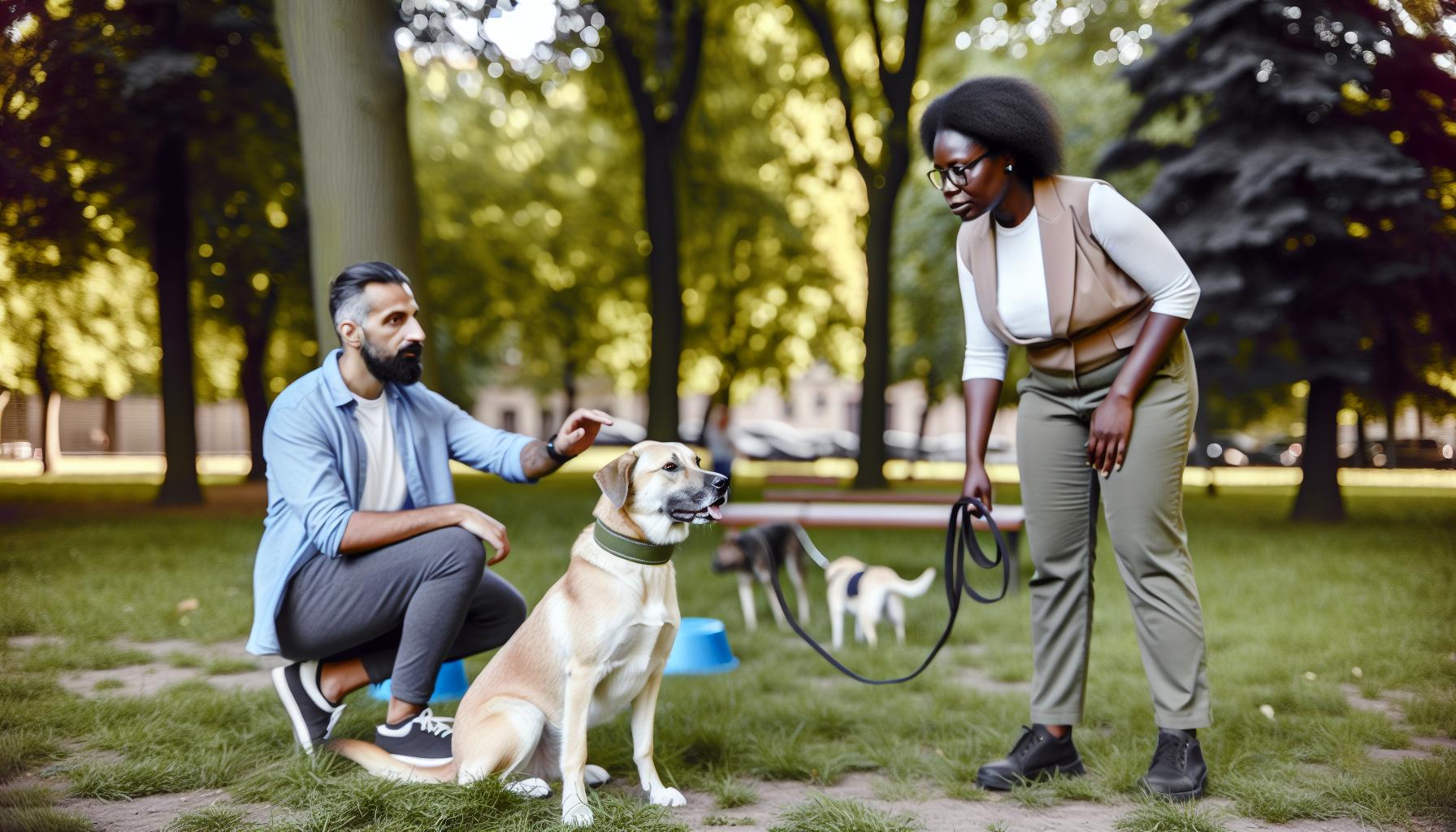
Every movement,glance,and posture your dog exhibits during grooming tells a story about how they’re feeling. Learning to read these subtle signals can transform a potentially stressful experience into a calm, cooperative session. Dogs don’t speak our language, but their behaviors-tail positions, eye contact, ear orientation, and even breathing patterns-offer clear clues about their comfort level, fear, or willingness to engage. recognizing these signs early allows you to adjust your approach promptly,ensuring your dog stays relaxed and trusts you throughout grooming.
- Tail wagging isn’t always happiness. A loose, gentle tail wag, approximately at mid-level, usually suggests comfort and friendliness. Conversely, a stiff, high wag can mean excitement or agitation, while a low or tucked tail signals fear or anxiety. For example, if the dog you’re grooming begins with a happy tail wag but it slowly lowers and tucks, it’s time to pause and soothe before continuing [[3]](https://bestfriends.org/pet-care-resources/dog-body-language-signs-comfort-stress-and-more).
- Watch the eyes and ears. Soft, blinking eyes indicate relaxation, while wide eyes with visible whites (“whale eye”) frequently enough mean stress.Ears pinned back or turned sideways can show discomfort or submission. A dog with stiff ears pointing forward might be on alert. During grooming, gentle eye contact paired with relaxed ears signals that your handling is welcomed; if the eyes dart or ears flatten, it’s a cue to switch tactics or take a break.
- Body posture and movement. A relaxed body will appear loose and fluid,whereas a tense,crouched,or frozen posture means your dog is uncomfortable or scared. Notice if your dog starts to shift weight away from you, backs up, or tries to escape – these are signals to slow down or provide extra reassurance. Dogs sometimes yawn, lick their lips, or scratch as calming signals, even if they aren’t physically itchy. Recognizing these “stress appeasement” behaviors can definitely help you intervene early and prevent escalation [[1]](https://www.aspcapro.org/resource/dog-body-language-canine-behavior-course-series-safety-handling).
Key Tips for Observing and Responding to Body Language
- Stay calm and mirror your dog’s energy. Dogs are incredibly good at sensing your mood; a calm, gentle posture and soft voice often encourage relaxation in your pet.
- Give frequent breaks when you see signs of stress. Even a quick moment to pet, snack, or gently massage can reset their comfort level.
- Use your observations to adjust handling. For example, if your dog tenses during ear cleaning, try a slower approach or distraction with treats, rather than forcing the issue.
Practical Example: Reading Body Language During Bath Time
Imagine your dog glances away and pulls their ears back when you wet their fur-it’s a subtle sign of nervousness. Rather of rushing, slow down, speak softly, and reward calm behavior. If the dog tentatively leans into your touch, you’ve found the sweet spot of comfort. Watch for tail wagging shifts, relaxed blinking, or relaxed muscles. These indicate you’re on the right track. If signs of stress escalate, pause the bath and reinforce safety with soothing strokes or a favorite toy.
By honing your ability to read and respect your dog’s body language, you not only prevent stress but strengthen the trust that makes grooming a positive and nurturing experience for both of you. this skill is as important as any grooming tool in your kit and essential for a patient,compassionate approach to handling difficult dogs. For more in-depth insights and techniques, professional resources like ASPCA’s canine body language courses provide excellent guidance tailored to handling anxiety-prone dogs [[1]](https://www.aspcapro.org/resource/dog-body-language-canine-behavior-course-series-safety-handling).
Step-by-Step calming Techniques Before Grooming Begins
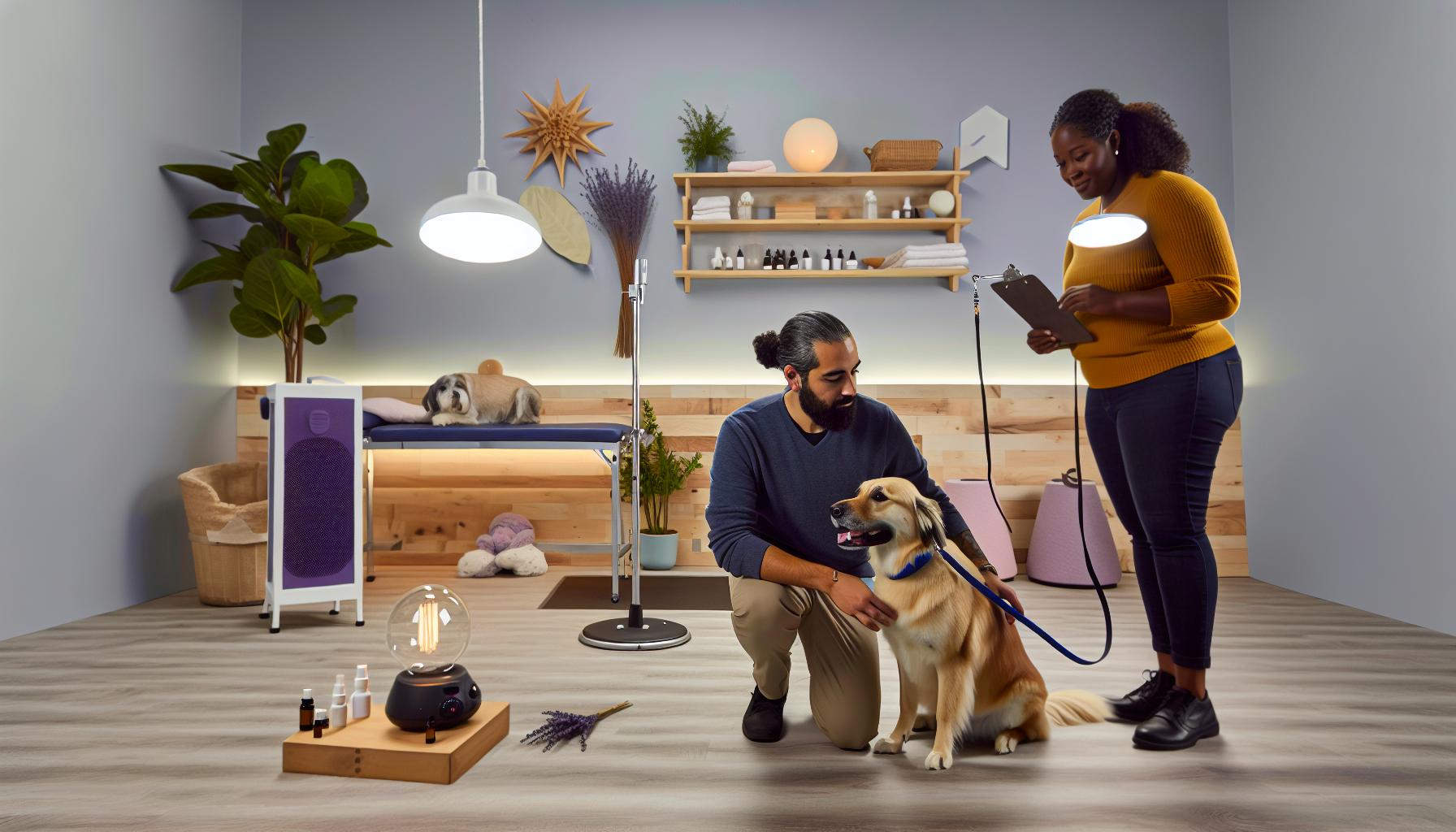
Many dogs carry some level of anxiety about grooming before a single brush or clip happens.The key to easing this stress lies in thoughtful readiness and gentle, predictable steps that build trust and comfort from the very first moment. Patience is your greatest tool here-rushing can escalate fear, while a calm approach invites cooperation.Whether your dog has a thick double coat or fine, short hair, or is prone to nail anxiety or ear sensitivity, these pre-grooming techniques set the tone for a peaceful session.
Creating a Calm Environment
Start by choosing a quiet, familiar space where your dog feels safe. Dim the lights slightly if your pet is sensitive to bright stimuli. Consider playing soft,soothing music or using calming scents like lavender near the area,as these have been shown to promote relaxation in dogs. Have all your tools ready and within reach-to avoid interruptions-such as brushes suited to coat type, clippers with quiet blades, nail clippers, and treats. This preparation minimizes confusion or waiting that might increase anxiety.
Physical and Mental warm-Up
Before any grooming, expend some of your dog’s nervous energy with a gentle walk or mild play session. A tired dog is naturally calmer and more accepting of handling. For breeds with sensitive skin or coats prone to matting (like Poodles or Shih Tzus), starting with light massage mimics comfort and helps your dog associate touch with pleasure, not just the intimidating grooming tools.
- Step 1: Begin with slow, reassuring petting-observe their breathing and relaxation cues.
- Step 2: Introduce the grooming tools sequentially. Let your dog sniff the brush or clippers while offering treats,so tools become friends rather than foes.
- Step 3: Start touching non-sensitive areas first,such as the back or chest,combining gentle strokes with soothing words.
Gradual Desensitization to Touch and Sound
Sounds like buzzing clippers can trigger fear in many dogs.Before the actual grooming, practice turning tools on near your dog without touching them, rewarding calm behavior with snacks or praise to counter-condition any negative associations. You might find that plugging in clippers daily for a few seconds during playtime reduces their fear over time.
During this phase, if your dog shows signs of stress such as lip licking, yawning, or turning away, pause and engage in calming behaviors like gentle scratches behind the ears or a few moments of quiet cuddling.This reassures your pet that they’re safe and that you respect their boundaries.
Use of Treats and Positive reinforcement
Consistently reward calm, cooperative behavior with high-value treats or favorite toys throughout these steps. Such as, if your dog lets you handle their paws for a few seconds, instantly provide a tasty reward. This builds a positive grooming association and encourages your dog to repeat the behavior willingly.
Remember, the goal is not perfection but progress. if a particular task-like nail trimming or ear cleaning-elicits anxiety, break it into micro-steps done over multiple days rather than forcing it in one session. For breeds with notoriously challenging grooming needs like terriers or spaniels, consulting a professional groomer familiar with calming techniques can provide tailored support and safety.
By approaching grooming with this step-by-step, compassionate plan, you empower both yourself and your dog to face grooming with calm confidence. This gentle foundation eases the process and fosters a bond built on trust, turning what used to be a struggle into a shared moment of care and connection. For more comprehensive strategies,many groomers recommend gradual salon visits or short,positive brief appointments to help dogs acclimate over time[[1]](https://www.dogtv.com/6-ways-to-calm-your-dogs-grooming-anxiety/).
Gentle Handling and Restraint Methods That Build Trust
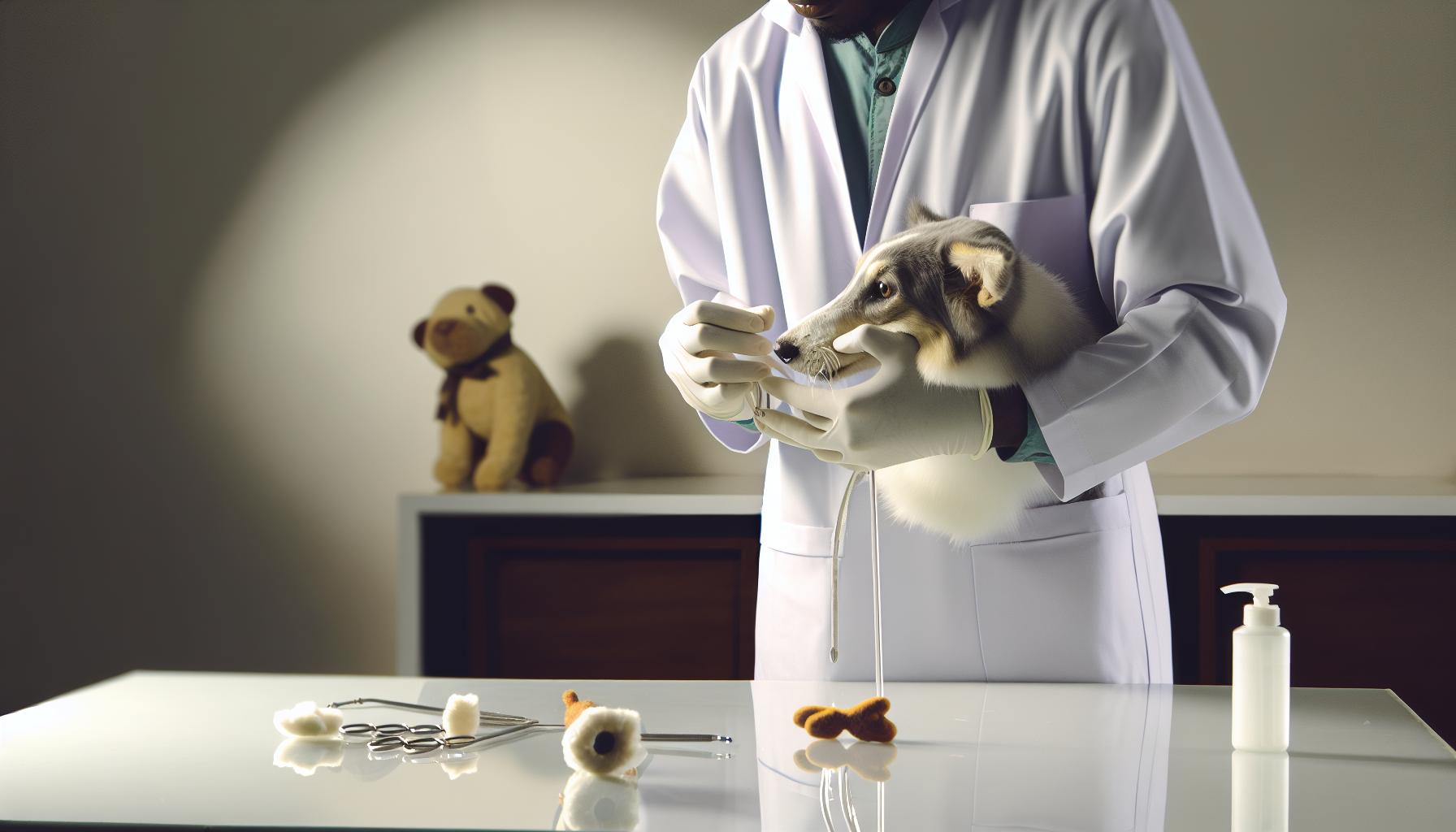
It’s a common misconception that restraint during grooming means force or discomfort, but when done thoughtfully, it becomes a tool for safety and trust. Many dogs who initially resist grooming actually respond well to gentle, respectful handling that honors their boundaries and communicates care. The key is to use restraint methods that feel secure but not threatening, always prioritizing comfort and consent over strict control.
For dogs with sensitive or reactive temperaments, starting with a familiar restraint tool can provide both stability and reassurance. Soft grooming loops or restraints made from padded nylon or adjustable fabric prevent sudden movements while allowing freedom to relax. These devices support the dog’s body gently and can be combined with calming touch techniques-like slow, steady strokes-to encourage relaxation. For example,a Shih Tzu with a thick coat prone to tangles might benefit from a loose grooming loop around the neck combined with gentle massages to the shoulders,which signal care rather than confinement.
- Use minimal pressure: Always keep restraint light enough to prevent escape but loose enough to avoid restricting breathing or causing stress.
- Combine restraint with positive cues: Pairing a grooming loop or gentle hold with treats or soft verbal reassurance builds a positive link to handling.
- Observe body language: watch for subtle signs like leaning into the touch or soft eyes, and adjust your hold accordingly to avoid triggering fear or resistance.
Certain breed and coat types require specific restraint approaches-as a notable example, a curly-coated Poodle may need more careful postural support to avoid matting during brushing yet still feel secure. For these dogs, using grooming tables equipped with adjustable restraints allows control without overwhelming the pet. Moreover, investing time in desensitizing your dog to restraint by gradually introducing short, pleasant sessions at home can transform what might be a battle into a calm, shared activity. When using restraint, avoid sudden grabs or forcing a dog into uncomfortable positions. Instead, coax them into gentle holds by guiding rather than grabbing, and always keep treats handy to reward cooperation.
If a dog’s anxiety or aggression escalates beyond what gentle restraint can safely handle,it’s important to know when to pause and seek professional guidance or veterinary advice-notably if the dog shows signs of pain or deep fear responses. Professional groomers often use specialized equipment like soft grooming loops or safety harnesses designed to secure dogs comfortably without pressure points, which you may consider mimicking with appropriate products at home[[1]](https://groomerschoice.com/equipment/restraints/?srsltid=AfmBOoqP-iEhMBMFR5NOQVuUg1hD_VmiJoeg9sTGFbZ0qnBtbyem2kqJ),[[2]](https://www.amazon.com/dog-restraints-grooming/s?k=dog+restraints+for+grooming).
Practical Steps for Gentle Restraint During Grooming
- start slow: Begin with brief periods of gentle holding, paired with petting and treats, gradually extending as the dog tolerates.
- Secure but not confining: Use a soft grooming loop around the neck or belly to prevent sudden movement without pressure.
- Comfort position: Position the dog so they can stand or sit naturally, avoiding awkward or forced postures.
- Talk softly: Calming words help build relaxation and trust during handling.
- End on a positive note: Always finish each session with praise and a favorite treat, leaving the dog eager for next time.
With consistent use of these gentle handling and restraint methods, even dogs that once dreaded grooming can become calm participants.The process hinges on patience,kindness,and an unwavering respect for your dog’s feelings-a combination that builds trust more powerfully than any tool or technique ever could.
Soothing Bath and Brushing Tips for Nervous Dogs
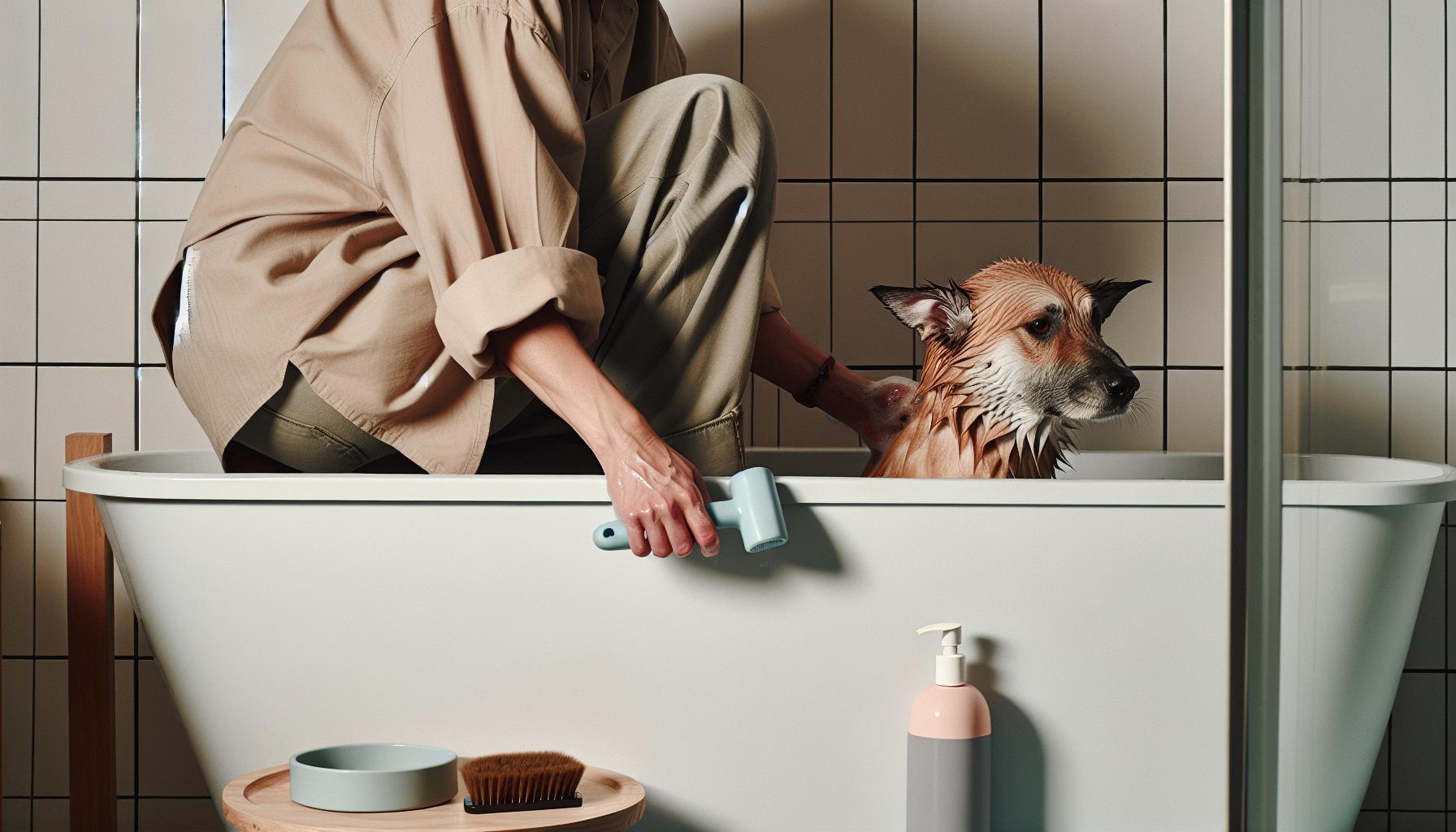
Bath time and brushing can quickly become moments of tension for a nervous dog, but with the right approach, these routines transform into reassuring experiences that soothe both pet and owner alike. Many dogs associate water,unfamiliar noises,or particular tools with discomfort or unpredictability,so beginning with gentle,deliberate steps can ease their worries and build trust over time. Remember, the goal isn’t perfection-it’s creating a calm and safe environment where your dog learns that grooming is a positive, even enjoyable, part of life.
Preparing for a Peaceful Bath
Start by setting up everything you need within easy reach-shampoo, towels, brushes, and treats-so the process flows smoothly without rushing or awkward interruptions. Use lukewarm water, as water that’s too hot or cold can increase anxiety or discomfort, especially in sensitive or elderly dogs. A non-slip mat in the tub or sink helps your dog maintain footing and confidence. For breeds with thick or double coats, such as Golden Retrievers or Huskies, a pre-bath brush will help loosen dirt and mats to minimize pulling during washing.
Make bath time more enjoyable by incorporating soothing talk and using slow, gentle strokes with your hands or a soft brush to massage the shampoo in. Some dogs-especially smaller or short-coated breeds like French Bulldogs-respond well to using a handheld sprayer with gentle pressure, but if your dog shows signs of fear (whining, trembling, trying to escape), switch to wetting them with a cup or sponge. Avoid getting water or soap near sensitive areas like eyes and ears,which can trigger discomfort or defensive reactions.
Calm Brushing Techniques
Brushing after a bath is crucial for removing loose hair and detangling, but for nervous dogs, it’s just as much about comfort as cosmetics.start brushing in areas your dog naturally enjoys being touched, such as the shoulders or chest, and keep strokes long and smooth to promote relaxation. for curly or dense coats like those of Poodles or Bichons Frises, use a slicker brush combined with a metal comb to carefully work through tangles, but always pause when your dog shows signs of discomfort and reward patience.
- choose the right tools: Soft bristle brushes for fine coats, a pin brush for medium coats, and a slicker brush for thick or curly coats help prevent unnecessary pulling or pinching.
- Short sessions work best: Break brushing into multiple short sessions, especially if your dog is easily overwhelmed.
- Always reward calm behavior: Use treats and gentle praise to reinforce a positive association with grooming.
If your dog resists brushing the paws or tail, try desensitizing those areas separately on calm days, blending gentle touch and slow introduction to the brush. Over time, this helps reduce tension during full grooming sessions.
Troubleshooting Common Challenges
Sometimes, despite your patience, a dog’s fear can persist. In such cases, consider using veterinary-recommended calming aids like pheromone diffusers or anxiety wraps during grooming. Alternatively, splitting bath and brushing into seperate days can ease pressure and build routine.For dogs with sensory sensitivities, avoid noisy dryers and instead towel dry or air dry if possible. Remember,if particular behaviors escalate to aggression or extreme fear,it’s wise to seek advice from a professional groomer or veterinarian to tailor safe approaches or discuss sedation options when absolutely necessary [[1]](https://www.wolfeanimal.com/site/blog/2022/05/30/dog-grooming-anxiety), [[2]](https://www.crossroadsvets.com/site/blog/2023/10/15/grooming-anxiety-dogs–what-do-how-help).In every step of bathing and brushing, your calm voice, consistent patience, and respect for your dog’s limits create a foundation of trust. this compassionate approach transforms grooming moments from mere chores into shared experiences that deepen your bond.
Using Positive Reinforcement to Encourage Cooperation

Positive reinforcement transforms grooming from a stressful chore into a shared moment of trust and joy. It’s not about bribing your dog, but about building an encouraging environment where good experiences outweigh the fear or discomfort frequently enough linked to grooming. When your dog feels safe and rewarded, cooperation naturally increases-even in breeds predisposed to nervousness or stubbornness, such as Border Collies with sensitive skin or Shih Tzus prone to matting.
Start by identifying what truly motivates your dog: favorite treats, gentle praise, or even brief play breaks. Use these rewards immediately after calm behavior or when your dog permits a tricky step like nail clipping or ear cleaning.Timing is essential-early and frequent reinforcement links the grooming task to positive feelings. Such as, after successfully brushing a tense dachshund’s back, calmly offer a small treat and affectionate words before moving on. this signals, “You’re doing great, and I’m here to support you.”
Incorporating Rewards During Each Grooming Stage
- Bathing: Praise your dog quietly while slowly massaging shampoo in. Offer treats when your dog remains calm during rinsing, helping offset their dislike of water sensations.
- brushing: Pause during grooming to reward patience,especially in sensitive areas like paws or tail. Short, positive intervals keep the session manageable.
- Nail Trimming: Use high-value treats immediately after clipping each nail, so your dog associates this often-feared task with pleasant outcomes.
- Ear Cleaning: Reward gentle tolerance with soft words and occasional treats, respecting any early signs of discomfort.
Patience and Consistency Over Perfection
Dogs don’t learn to love grooming overnight. Small, accomplished moments lead to lasting change. If your dog backs away or shows fear, simply step back and reward calmness, even without completing the task.Over time, these building blocks create resilience and cooperation. For dogs with severe anxiety,work in brief,daily sessions paired with positive reinforcement. Remember, it’s always better to progress slowly than risk damaging your dog’s trust or safety.
Why Professional Help Can Complement Positive Reinforcement
Sometimes, even the most patient owners find behavioral hurdles difficult to overcome alone. Professional groomers and trainers use positive reinforcement along with specialized tools, controlled environments, and experience reading subtle body language cues. If your dog’s fear escalates into aggression or extreme stress, consulting a trainer or vet ensures safe options like counterconditioning or calming aids tailored to your dog’s needs. This partnership strengthens your ability to continue calm grooming confidently at home.
Managing Nail Trimming with Minimal Anxiety
Nail trimming is frequently enough one of the most challenging grooming tasks for both dogs and their owners. Many dogs dread the sound and sensation of clippers or grinders near their paws,which can turn a routine trim into a stressful ordeal. Yet, with gentle techniques and mindful pacing, it is possible to transform nail care into a calm, even pleasant experience. The key is to build trust gradually and respect your dog’s threshold of comfort every step of the way.
Set Your Dog Up for Success
Before even picking up the clippers, spend time just touching and handling your dog’s paws regularly throughout the week. Short, gentle paw massages paired with soft praise and treats help your dog associate paw handling with safety and kindness. For sensitive breeds like Greyhounds or small terriers with thin nails, extra care and patience here pay off immensely. Having the right tools matters too – sharp,quiet nail clippers or a low-speed grinder designed specifically for pets reduce discomfort and speed up the process,minimizing frustration.
Step-by-Step Trimming with Positive Reinforcement
When you start trimming, keep sessions short and sweet. Rather than aiming to trim all nails at once, focus on one or two nails per sitting, rewarding immediately after each successful clip with a high-value treat. This breaks the process into manageable chunks, reducing anxiety. A good tip is to wear your dog’s attention with interactive distractions like lick mats smeared with peanut butter or soft treats to redirect their focus. If your dog is especially nervous, use a calm and even voice, keeping your movements slow and deliberate.
- Inspect the nail: Identify the quick (the sensitive pink area inside the nail) to avoid cutting it. Dark nails may require trimming tiny bits off gradually until you see a grayish circle beginning-the safe zone to stop.
- Trim shallow layers: Rather than attempting to cut the nail’s full length in one go,take small slices to prevent accidental cuts or bleeding.
- Pause regularly: If your dog shows signs of stress (whining, pulling away), stop, reward calmness, and try again after a break or on another day.
Knowing When to Seek Professional Guidance
Despite best efforts, some dogs experience extreme fear or resistance that risks injury if trimmed at home. In these cases, professional groomers bring specialized skills, desensitization experience, and sometimes mild restraints to safely manage nail trimming. Vet clinics are an alternative if sedation or medical intervention becomes necessary. Recognize that keeping nails too long can lead to discomfort and health issues, so timely intervention-whether at home or with a pro-is essential.
By creating a calm, supportive environment and addressing nail care as a gradual learning journey, dog owners can help their pets overcome anxiety linked to this vital grooming step. Over time, patience paired with positive rewards builds trust, making nail trims less daunting for everyone involved.
For more detailed guidance on tools and trimming frequency,resources like PetMD offer excellent step-by-step advice and recommended interval timing to keep nails healthy without triggering fear[[2]](https://www.petmd.com/dog/general-health/how-to-trim-dog-nails). Professionals at Petco also provide helpful nail trimming services that can complement your home grooming efforts[[3]](https://www.petco.com/c/dog-nail-trimming-services?srsltid=AfmBOop6oSxYTZt5kRLXjPnFiZAY4X8MvXhHh7PXnzi5ipNs0Hw76GYl).
Dealing with Fearful or Aggressive Behavior Safely

Sometimes, grooming can trigger fear or aggressive reactions in dogs, but with patience and the right approach, most dogs can feel safer and more relaxed. A fearful or aggressive dog is frequently enough communicating discomfort or anxiety, not defiance. Understanding that and responding with kindness, rather than force, is the cornerstone of safe and successful grooming.
Recognize Early Warning Signs
Before starting,take time to observe your dog’s body language.Watch for stiffening,growling,lip licking,yawning,or a tucked tail.These subtle signals mean your dog is stressed and might escalate if pressed too hard. If you notice these cues, pause and give your dog time to settle. Sometimes just stepping back for a few moments and offering soothing words or treats can prevent tension from escalating into fearful snapping or lunging.
Slow and Gentle Introduction
When working with a dog showing fear or aggression, break grooming into tiny, manageable sessions. Start by gently touching non-threatening areas like the shoulder or back before progressing to sensitive spots like paws or ears. Pair every interaction with positive reinforcement like soft praise or a favorite treat. Avoid sudden movements and speak in a calm, even tone to reassure your dog. For example, a shy Cocker Spaniel might initially only tolerate a brief touch on the head, but with consistent, gentle exposure, she may eventually accept a full brushing session without fear.
using Safe Handling Techniques
Proper restraint is crucial for everyone’s safety but should never hurt or frighten your dog. Soft towels or grooming loops can definitely help keep a dog safely positioned without causing panic. For dogs prone to snapping, consider seeking the help of a professional groomer experienced in fear-free techniques or a certified behaviorist. Avoid forcing your dog to stay still if they’re struggling violently,as this can worsen their fear and injury risk. Instead, work at their pace, celebrating small wins.
- Distract with treats: Use high-value treats or lick mats to redirect focus during stressful moments.
- Use calming aids: natural aids like pheromone sprays or anxiety wraps may soothe some dogs.
- Plan breaks: Frequent short breaks help prevent overwhelm and maintain cooperation.
Know When to Call in the Experts
Despite your best efforts, aggressive or highly fearful behavior might require professional intervention. Groomers trained in handling difficult dogs can offer desensitization and counterconditioning techniques that reduce stress over time. In cases where safety is a concern, veterinarians can provide guidance and, if appropriate, prescribe mild sedation for grooming sessions. Remember, this is not a failure-it’s a compassionate choice prioritizing your dog’s welfare.
Every dog is unique, and the journey from fearful to calm can take weeks or months. With empathy, patience, and gradual positive experiences, you can definitely help your anxious dog build trust around grooming. This approach fosters a relationship based on respect and kindness, turning what once was a challenge into a moment of bonding and care.
When to Know It’s Time to Consult a Professional vet or Trainer
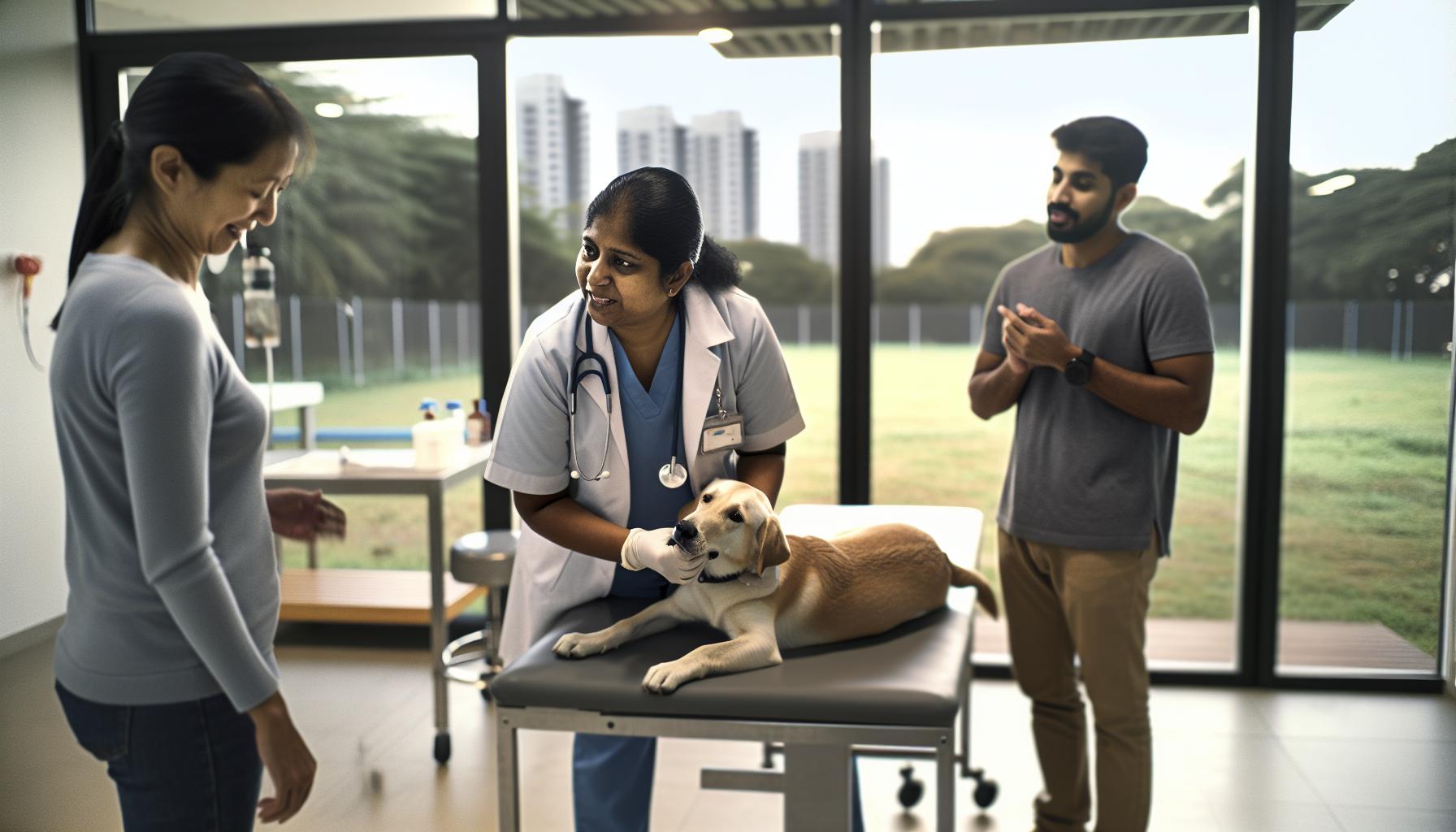
Sometimes, despite the gentlest touch and the calmest environment, a dog’s fear or aggression during grooming signals that it’s time to seek specialized help. recognizing this early can save stress and prevent injuries for both you and your beloved pet. It’s important to remember that asking for professional support isn’t admitting defeat-rather, it’s a compassionate decision to ensure your dog’s physical comfort and emotional wellbeing.
Professional groomers trained in fear-free handling bring invaluable skills to challenging situations. They have experience with a variety of breeds-whether a thick-coated Newfoundland that dreads bathing or a small terrier with sensitive paws-that allows them to tailor their approach. These experts use gradual desensitization and counterconditioning techniques, helping dogs build positive associations with grooming over multiple sessions. For example, a groomer might start simply sitting near the dog while offering treats before ever picking up a brush, turning the process into calm, manageable steps.
Veterinarians play a vital role when grooming difficulties stem from medical issues or extreme anxiety. Skin conditions,painful joints,or ear infections can make grooming uncomfortable or even painful,leading to resistance or defensive behavior. A vet exam can identify such underlying problems. In some cases, vets may recommend mild sedation or medication to ease anxiety during grooming, ensuring safety without causing trauma. This approach is best reserved for dogs whose fear levels are too severe for gradual behavioral modification alone.
Knowing When to Call In the Experts
- persistent stress signals: If your dog consistently shows signs like snapping, trembling, or trying to escape despite gentle grooming attempts, professional intervention is a wise step.
- Medical concerns: Unexplained skin irritations, lumps, or sensitivity should always be evaluated by a vet before grooming continues.
- Owner safety: If you find grooming causing injury risks-for example, biting or fierce lunging-trained groomers or behaviorists can help safely manage these behaviors.
- Behavior beyond grooming: Sometimes fear or aggression during grooming is part of broader anxiety. Trainers and behaviorists can address these patterns with tailored behavior plans.
Opening the door to professional guidance empowers you with tools and knowledge to support your dog long-term.Whether it’s learning specific calming exercises from a trainer or following a vet-prescribed routine for sensitive skin, their perspectives can transform grooming from a fearful ordeal into a shared moment of trust. Your patience, paired with expert help, can make even the most hesitant dog feel safe and cared for during grooming sessions.
Empowering Owners: How to Practice Calm Grooming at Home
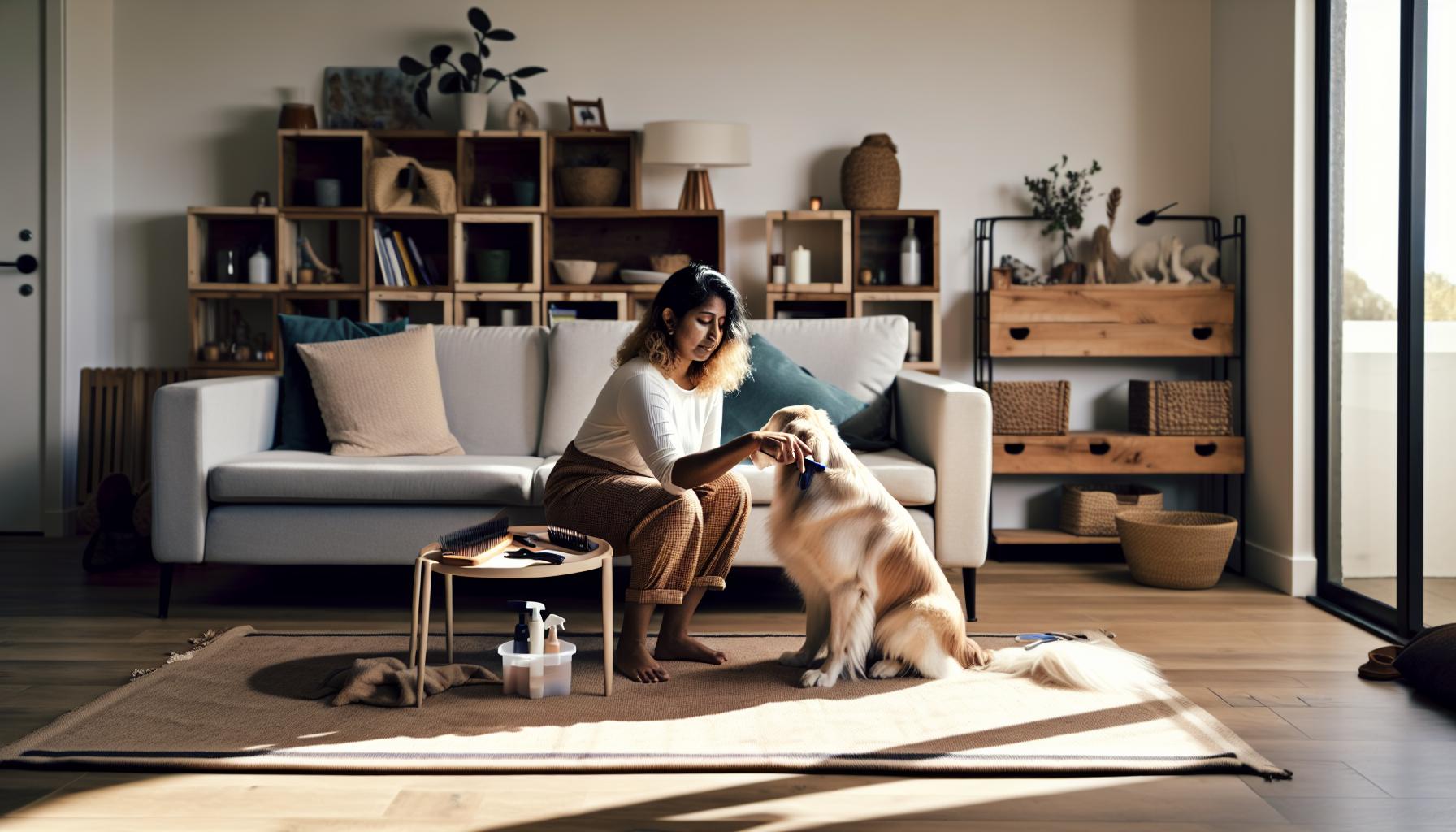
Few things strengthen the bond between you and your dog more than turning grooming into a calm, positive experience at home. Many owners worry about handling sensitive coats, wiggly bodies, or nervous paws, but with the right mindset, tools, and techniques, grooming can become an enjoyable ritual rather than a stressful chore. Patience and compassion pave the way, along with small, consistent steps that build your dog’s trust and comfort over time.
Setting Up a Calm and Comfortable Environment
Begin in a familiar, quiet space where your dog feels safe – think of a favorite room rather than a bustling bathroom. Use a non-slip mat to prevent slipping during baths, and keep your grooming tools close at hand but out of sight initially, so your dog doesn’t fixate or get overwhelmed.for breeds with thick or curly coats like Newfoundlands or poodles, start with a wide-tooth comb and a detangler spray to minimize pulling. For short-haired dogs, a soft bristle brush is often enough to remove loose hair and promote circulation without irritation.
daily Touch and Brushing routine
Before you even bring out the clippers or nail trimmers, establish a daily “touch and brush” ritual.Use gentle strokes, talking softly, and reward calm behavior with treats or praise. Even 5 minutes a day keeps mats and tangles at bay and helps your dog associate grooming with positive moments. If a specific area tends to cause distress – say, ears or underarms – try desensitizing by softly touching these spots during play or relaxation times, without immediately grooming. This gradual acceptance reduces anxiety significantly.
Step-by-Step Bathing and Nail Care
Many dogs dislike baths because water or noise feels scary or uncontrollable. Start by simply bringing your dog near the bathing area and rewarding calm behavior. Then introduce a damp cloth to wipe paws and legs,then slowly progress to a lukewarm bath with minimal water pressure. Use a gentle dog shampoo and avoid soap near the eyes and ears. When drying, a towel is often less overwhelming than a loud dryer, especially at first.Nail trimming is one of the most anxiety-provoking parts for dogs.Use nail grinders or quiet clippers and only take one nail at a time if needed. Reward with small treats immediately after each nail to reinforce calmness. If your dog pulls away, pause and reward relaxation before trying again. Many owners find short, frequent sessions more productive than infrequent marathon trims.
Knowing When to Get Support
Home grooming can meet limits, especially if your dog shows signs of pain or persistent anxiety. It’s crucial to know when to consult a professional groomer skilled in low-stress handling or a veterinarian if medical issues underlie resistance. For example, painful joints may make certain touches unbearable, requiring a vet’s assessment. Simultaneously occurring, continued practice of positive reinforcement, paired with expert guidance, empowers you to gradually increase your dog’s comfort with grooming tasks, turning potentially challenging moments into loving care rituals.
- Choose tools suited to your dog’s coat and temperament.
- Keep sessions short and positive, with lots of praise.
- Respect your dog’s boundaries and take breaks.
- Use calming aids such as lavender essential oil or pheromone diffusers if recommended by your vet.
Remember, grooming is not about perfection but about fostering trust and wellbeing. By approaching it with kindness and calm confidence,you can transform routine care into joyful moments that celebrate your dog’s unique personality and needs-right from the comfort of your home[[2]](https://desertpaws.com/dog-calm-for-grooming/)[[3]](https://www.meadowvistavet.com/site/blog/2023/02/15/grooming-anxiety-dogs).
FAQ
Q: How do dog groomers help reduce a difficult dog’s stress before grooming starts?
A: Groomers reduce stress by allowing dogs to explore the space freely before grooming, using calming voice tones, and providing treats for positive association. Brief play or gentle petting helps create trust. these pre-groom calming steps set a relaxed tone for the entire session. For more,see our section on Step-by-Step Calming Techniques Before Grooming Begins.
Q: What tools and environment adjustments do groomers use to calm anxious dogs?
A: Groomers often use no-slip mats, quiet rooms, and soft lighting to create a safe space.Specialized tools like silent dryers and gentle brushes minimize sensory overload.Adjusting the environment reduces dog anxiety and helps maintain calm during grooming. See Preparing Your Space and Tools for a Calm Grooming Session for details.
Q: How do groomers handle dogs that resist nail trimming without escalating fear?
A: To manage nail trimming anxiety, groomers use slow, gentle handling, frequent breaks, and positive reinforcement like treats. Gradual desensitization and sometimes partial trims build dog confidence.Pre-trim calming and distracted attention help reduce resistance, as explained in Managing Nail Trimming with minimal Anxiety.
Q: What calming signals do groomers watch for to prevent grooming stress escalating?
A: Groomers look for signs like lip licking, yawning, avoiding eye contact, and tense body posture to detect rising stress. Recognizing these signals early allows gentle pauses or calming breaks before fear escalates. This careful observation aligns with Reading Canine Body Language to Prevent Stress.
Q: How do professional groomers build trust with fearful or aggressive dogs?
A: trust is built through patient, slow introductions, gentle handling, and consistent positive reinforcement. Groomers avoid force, allowing dogs to acclimate at their own pace, showing empathy and respect. This approach ensures dogs feel safe, detailed in dealing with Fearful or Aggressive Behavior Safely.
Q: When should a groomer recommend a consultation with a vet or trainer for a difficult dog?
A: Groomers advise veterinary or trainer consultation if a dog’s fear or aggression is severe, persistent, or causes harm to themselves or others. health issues or behavioral disorders need expert evaluation beyond grooming techniques. For guidance, refer to When to Know It’s Time to Consult a Professional vet or Trainer.
Q: How can owners support groomers in calming difficult dogs at home?
A: Owners can prepare their dogs by practicing gentle handling, familiarizing them with grooming tools, and rewarding calm behavior regularly. reinforcing calm sessions at home eases professional grooming stress. Check Empowering Owners: how to Practice Calm Grooming at Home for practical tips.
Q: What role does positive reinforcement play in calming difficult dogs during grooming?
A: Positive reinforcement plays a key role by rewarding calm, cooperative behavior with treats or praise, encouraging dogs to associate grooming with positive experiences.This method improves cooperation and reduces resistance over time. Explore this further in Using Positive Reinforcement to Encourage Cooperation.
For further insight into calming techniques and handling tips, exploring the full article sections will strengthen your confidence and help ensure your dog’s grooming is a peaceful, positive experience.
Key Takeaways
Navigating the challenges of grooming difficult dogs requires patience, calm techniques, and the right tools tailored to your dog’s breed and coat type. Remember,prioritizing your dog’s comfort and safety always comes first-whether during baths,brushing,nail trims,or ear care. If you’re looking to deepen your understanding, explore our guides on dog grooming basics and managing anxious pets to build confidence and ensure every grooming session is as stress-free as possible.
Don’t wait to put these compassionate strategies into practice-your dog’s well-being and ease during grooming are worth it. For personalized tips or professional support, consider signing up for our newsletter or booking a consultation with a trusted groomer. Have questions or success stories? Share them in the comments below and join a community dedicated to gentle, effective dog care. keep exploring, stay patient, and let your dog feel calm and loved every step of the way.
Get our latest guides, news, and insights highlighted in your Google Search & AI Overviews.
Keep reading about the same coat and cut.



Popular grooming guides
Bath vs clip, first grooms, and salon how-tos.