Can a Pregnant Dog Go to the Groomers: Safety Considerations
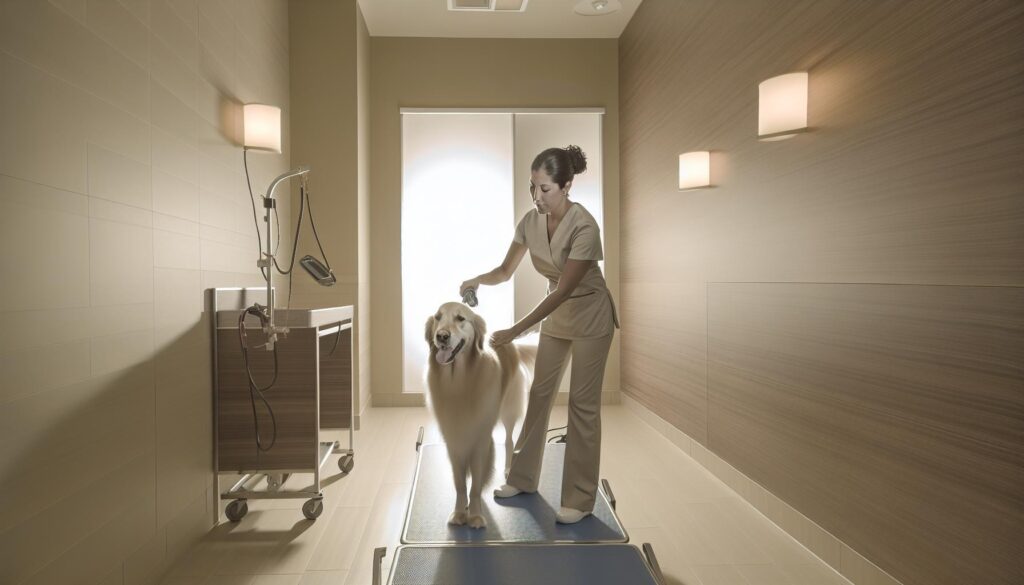
Did you know that grooming a pregnant dog isn’t just about keeping her clean-it’s also about ensuring her and her puppies’ safety? Many pet owners wonder if it’s okay to take their expectant furry friend to the groomers during pregnancy. The truth is,pregnancy changes your dog’s needs and sensitivities,making routine grooming both more important and more delicate. From gentle baths and careful brushing to cautious nail trims, every step requires extra patience and attention. Understanding when professional grooming is safe, what precautions groomers should take, and when a vet’s input is better can ease your worries and help your dog stay cozy and healthy. If you’ve been asking yourself, “Can a pregnant dog safely go to the groomers?” you’re in the right place-let’s explore everything you need to know to make confident, compassionate choices for your beloved pup.
Pregnancy Stages and Grooming Safety Risks
Table of Contents
- 1 Pregnancy Stages and Grooming Safety Risks
- 2 Essential grooming tasks Safe for Pregnant Dogs
- 3 When to Avoid Grooming During Pregnancy
- 4 Choosing the Right Groomer for Pregnant Pets
- 5 How to Prepare Your Pregnant Dog for Grooming
- 6 safe Grooming Tools and Products for Expecting dogs
- 7 signs of Stress or Discomfort During Grooming
- 8 DIY Grooming Tips for Pregnant Dogs at home
- 9 understanding Veterinary vs. Grooming care Needs
- 10 Post-Grooming Care and Monitoring for Pregnant Dogs
- 11 Q&A
- 11.1 Q: How can I tell if grooming is causing stress to my pregnant dog?
- 11.2 Q: Are there specific grooming services pregnant dogs should avoid at groomers?
- 11.3 Q: What precautions should professional groomers take when handling pregnant dogs?
- 11.4 Q: Can certain dog breeds have higher grooming risks during pregnancy?
- 11.5 Q: how soon before the due date should I schedule a professional grooming appointment for my pregnant dog?
- 11.6 Q: Is it safe for pregnant dogs to have their nails trimmed at the groomers?
- 11.7 Q: What grooming products are safest to use on pregnant dogs?
- 11.8 Q: How can I help soothe my pregnant dog after a grooming session?
- 12 To Wrap it Up

Pregnancy brings distinct changes to a dog’s body and behavior, which directly affect how safe and comfortable grooming sessions can be. Understanding the stages of pregnancy helps owners and groomers make smarter choices about when and how to approach grooming, minimizing stress and health risks for the expecting dog.
Dogs go through three main trimesters, each about three weeks long, with specific physical and emotional shifts. In the first trimester, many dogs feel relatively normal but might experience mild nausea or fatigue. Gentle brushing and light nail trims are usually safe, and it can be a good time to maintain coat health before the belly starts to expand.However, avoid deep cleaning or prolonged baths if your dog seems unsettled or queasy.
The second trimester is when the puppies develop rapidly and the mother’s abdomen begins to enlarge visibly. This can bring added sensitivity, reduced mobility, and increased tiredness. Grooming sessions should be shorter and softer-opt for gentle brushing over clipping or scissoring around sensitive areas. Avoid lifting or stretching her belly. Many groomers find that offering extra breaks and using calming techniques substantially improves cooperation and comfort. In particular, breeds with thick or long coats, such as Newfoundlands or Goldens, benefit from regular, non-invasive brushing at this stage to prevent matting without stressing the dog.
During the third trimester, the mother carries maximum weight, her hormone levels fluctuate, and she may feel anxious or restless. It’s best to avoid anything potentially stressful, like noisy clippers or full-service grooming. Simple, calming hygiene tasks such as wiping paws or light ear cleaning at home might be more appropriate. If professional grooming is necessary, communicate clearly with the groomer about your dog’s stage and any signs of discomfort.This phase can also increase risks of overheating during baths or anxiety-triggered reactions, so timing and environment are key.
Grooming Safety Risks Across Pregnancy Stages
- Physical discomfort: Growing belly limits positioning; lifting or stretching can cause strain.
- stress sensitivity: Expecting dogs may react more strongly to unfamiliar environments, sounds, or handling.
- Overheating risk: Due to hormonal changes and body mass, hot water baths or heated dryers should be avoided or used cautiously.
- Risk of premature labor: Vigorous grooming or rough handling might trigger contractions, especially in late pregnancy.
- Infection concerns: Open wounds or irritated skin can be more dangerous; sterilized tools and gentle care are essential.
A real-world example helps illustrate these points.A Labrador owner brought her dog in at day 45 of pregnancy for a full groom. The groomer noticed the dog was a bit restless and decided to trim nails and lightly brush only, postponing the bath and clipping. that choice respected the dog’s comfort and avoided stressing the pregnancy while maintaining basic grooming needs.
By recognizing the nuances of each pregnancy stage and adjusting grooming routines accordingly, owners and professionals can ensure pregnant dogs stay healthy, happy, and safe.Always prioritize the dog’s emotional and physical wellbeing over styling-this mindset fosters trust and makes grooming a positive experience even during this delicate time.
Essential grooming tasks Safe for Pregnant Dogs
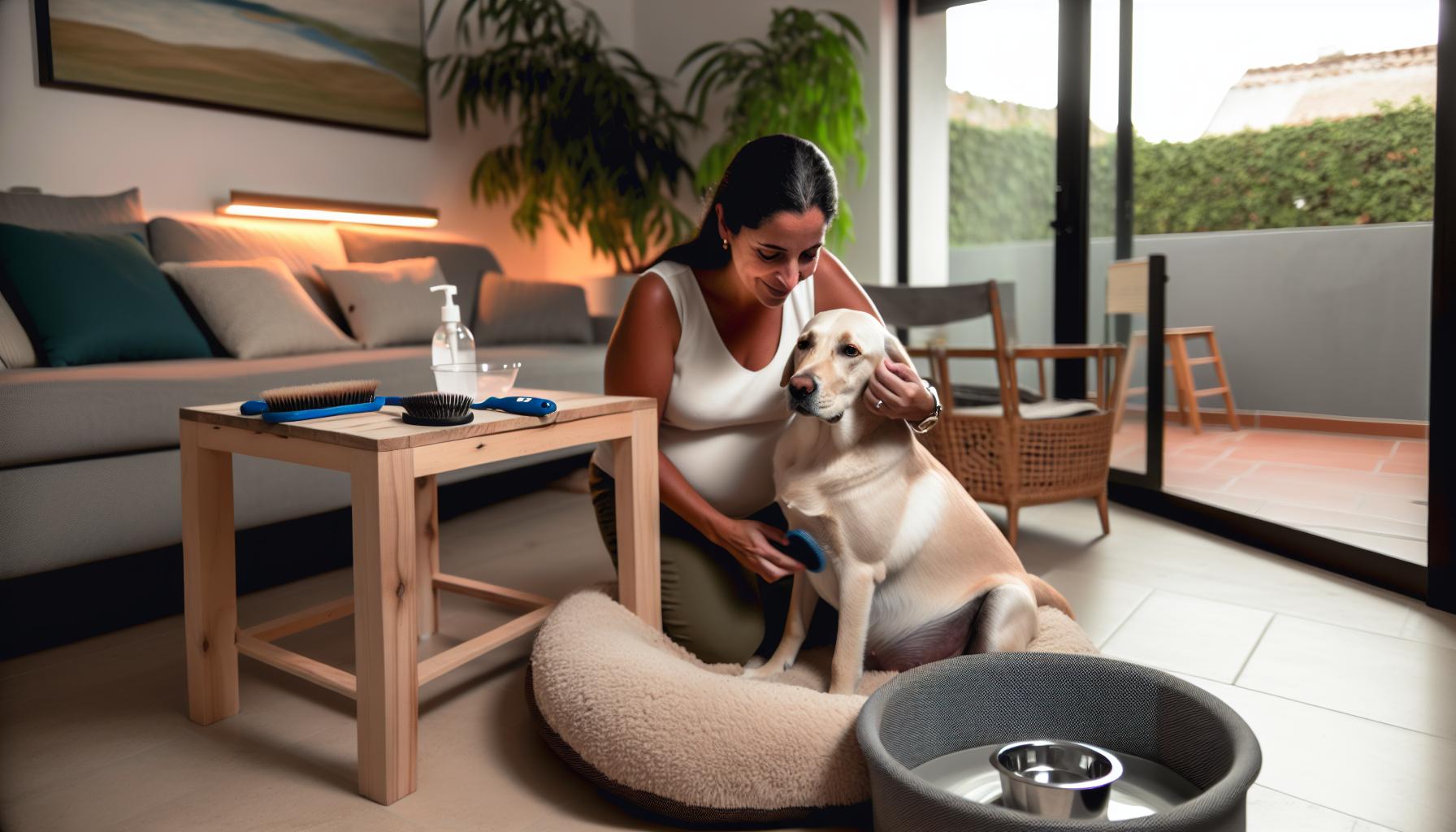
Pregnancy doesn’t mean your dog’s grooming needs should be ignored-actually, gentle care during this time can boost her comfort and wellbeing. Simple, low-stress grooming tasks help keep skin healthy, prevent mats, and support good hygiene without risking physical strain or anxiety. The key is to tailor each task to your dog’s current pregnancy stage, coat type, and individual temperament, always prioritizing calm, patient handling.
Brushing: The Foundation of Safe Grooming
Regular brushing is one of the easiest and safest ways to maintain your pregnant dog’s coat health. For breeds with thick, long, or double coats-like Golden Retrievers, Newfoundlands, or Collies-light brushing prevents painful matting and skin irritation. Use a soft-bristle brush or a gentle slicker brush, avoiding heavy pressure or vigorous pulling. If your dog is in her second trimester and her belly is growing,avoid brushing directly over the abdomen to prevent discomfort. Instead, focus on accessible areas like the neck, back, and sides. Short, frequent brushing sessions with breaks work best, as overstimulation can increase stress.
Nail Care: keeping Feet Comfortable
Trimmed nails support your dog’s mobility and reduce the risk of scratches to herself or others.Nail trimming is generally safe throughout pregnancy,but sensitivity may increase as her body changes. Use quiet, sharp nail clippers and take extra care to avoid cutting the fast, especially in darker nails where it’s harder to see. If your dog gets anxious,try trimming just a couple of nails per session or gently filing nails at home to reduce noise and vibration. For dogs that are especially nervous, nail grinding can be a calmer choice when done gently.
Minor Hygiene: Ears, Paws, and Facial Wipes
light hygiene tasks such as wiping paws after walks, gently cleaning the ear folds, or softly wiping around the eyes and muzzle can keep your pregnant dog comfortable without the risks of full baths. Use damp,soft cloths with vet-approved,fragrance-free wipes or solutions to avoid irritation. Be cautious to never insert anything deep into the ear canal, and skip any cleaning if you see redness, swelling, or discharge-those signs warrant a vet visit.
Bathing: When and How to Approach It
Full baths are best reserved for when your dog isn’t in late pregnancy to avoid overheating or stress. If you do bathe her during the early stages,use lukewarm water and gentle,pregnancy-safe shampoos that won’t strip natural oils. Keep baths short and in a calm, quiet environment. avoid heated dryers-air drying or a cool breeze is safer-and never lift her by the belly to position her in the tub.If matting is severe and unsolvable with brushing alone, consult your vet before scheduling any clipping or bathing.
Real-World Tip
One Labrador owner found that trimming nails and brushing lightly during the second trimester worked perfectly for her restless, soon-to-be mom. She postponed detangling sprays or baths until after the puppies arrived, choosing comfort over aesthetics. Her groomer used plenty of praise and breaks, making the grooming session a calm, positive experience for everyone.
Summary of Essential Safe tasks
| Grooming Task | Tools Needed | Safety Tips | Pregnancy Stage |
|---|---|---|---|
| Brushing | Soft or slicker brush | Gentle strokes, avoid belly Short sessions with breaks | All stages, gentle approach |
| Nail Trimming | Quiet clippers or nail grinder | Avoid quick, trim few nails at a time Stay calm and gentle | All stages, with patience |
| Ear & Paw Wipes | Soft cloth, vet-safe wipes/solution | Only surface cleaning, no deep insertion | All stages |
| Bathing | Pregnancy-safe shampoo, lukewarm water | Short duration, cool drying, no belly lifting | Early pregnancy only, avoid late stages |
Remember, these grooming basics help your pregnant dog feel cared for without overwhelming her system. Always keep the tone gentle and responsive, adjusting to her mood and energy. if your dog shows clear signs of discomfort or distress,it’s perfectly okay to pause and resume later or consult your veterinarian for tailored advice. Trust your bond to guide you through this special time with compassion and confidence.
When to Avoid Grooming During Pregnancy
pregnancy brings a delicate balance between keeping your dog comfortable and avoiding unnecessary stress. There are specific times and grooming activities that are best postponed or skipped to protect both mom and her developing puppies. Many dogs become more sensitive or fatigued during pregnancy, making certain grooming procedures potentially overwhelming-or even risky.
- Late pregnancy phases: As your dog’s belly expands, her mobility and tolerance for handling often decrease. Grooming that requires lifting, repositioning, or lengthy sessions-like full baths or clipping thick mats-can cause physical discomfort or panic. She may also be more prone to overheating, so baths and blow drying should be avoided during the last trimester.
- High-stress procedures: Tasks such as full clipping or nail trimming using noisy grinders might cause anxiety and restlessness, especially if your dog is already sensitive. Actually, some pups become more protective or nervous, so forcing these sessions can lead to stress-related complications.
- Unfamiliar environments: Taking a pregnant dog to a busy grooming salon can introduce loud noises, unfamiliar smells, and strange people-all potentially stressful triggers. For dogs with nervous temperaments or first-time pregnancies, this sensory overload is best avoided.
When a Grooming Session Might Need to Wait
If you notice behaviors like shivering, panting, trembling, or attempts to hide during grooming, these are clear signs your dog is feeling overwhelmed. Also, if your vet has advised bed rest or limited activity during pregnancy complications (like uterine infections or high-risk breeds), keep grooming minimal and home-based until given the all-clear.Some owners find postponing non-essential grooming until after puppies arrive preserves their dog’s comfort and reduces unnecessary handling. For example, a golden retriever mom-to-be we worked with had dense mats that usually require clipping, but her owner chose gentle brushing only, with a promise to schedule clipping after whelping.This approach kept her calm and avoided physical strain.
Tasks with Higher Risk to Skip or Modify
| Risky Grooming Task | Why to Avoid or Modify | possible Alternatives |
|---|---|---|
| Full baths late in pregnancy | Risk of overheating and stress; awkward positioning | Spot-cleaning with damp cloths; soothing paw or facial wipes |
| Heavy clipping or de-matting | Physical strain, discomfort from extended handling | Light brushing regularly; vet consult if mats get severe |
| Nail grinding with loud devices | Anxiety from noise and vibration impacts | Quiet, gentle nail trimming or filing in short sessions |
| Salon visits for nervous or first-time pregnant dogs | Stress from unfamiliar environment and stimuli | Home grooming or trusted groomer familiar with your dog |
Always prioritize patience and read your dog’s mood carefully. Offering breaks, gentle praise, and comfort will create a safer, calmer grooming experience if and when grooming is necessary. And don’t hesitate to consult your veterinarian-some grooming needs overlap with medical care that only a vet can safely address during pregnancy.
By tuning into her comfort and timing grooming thoughtfully, you ensure your pregnant dog feels cherished and cared for without unnecessary risk. Your calm confidence is the best haircut or trim she can get right now.
Choosing the Right Groomer for Pregnant Pets
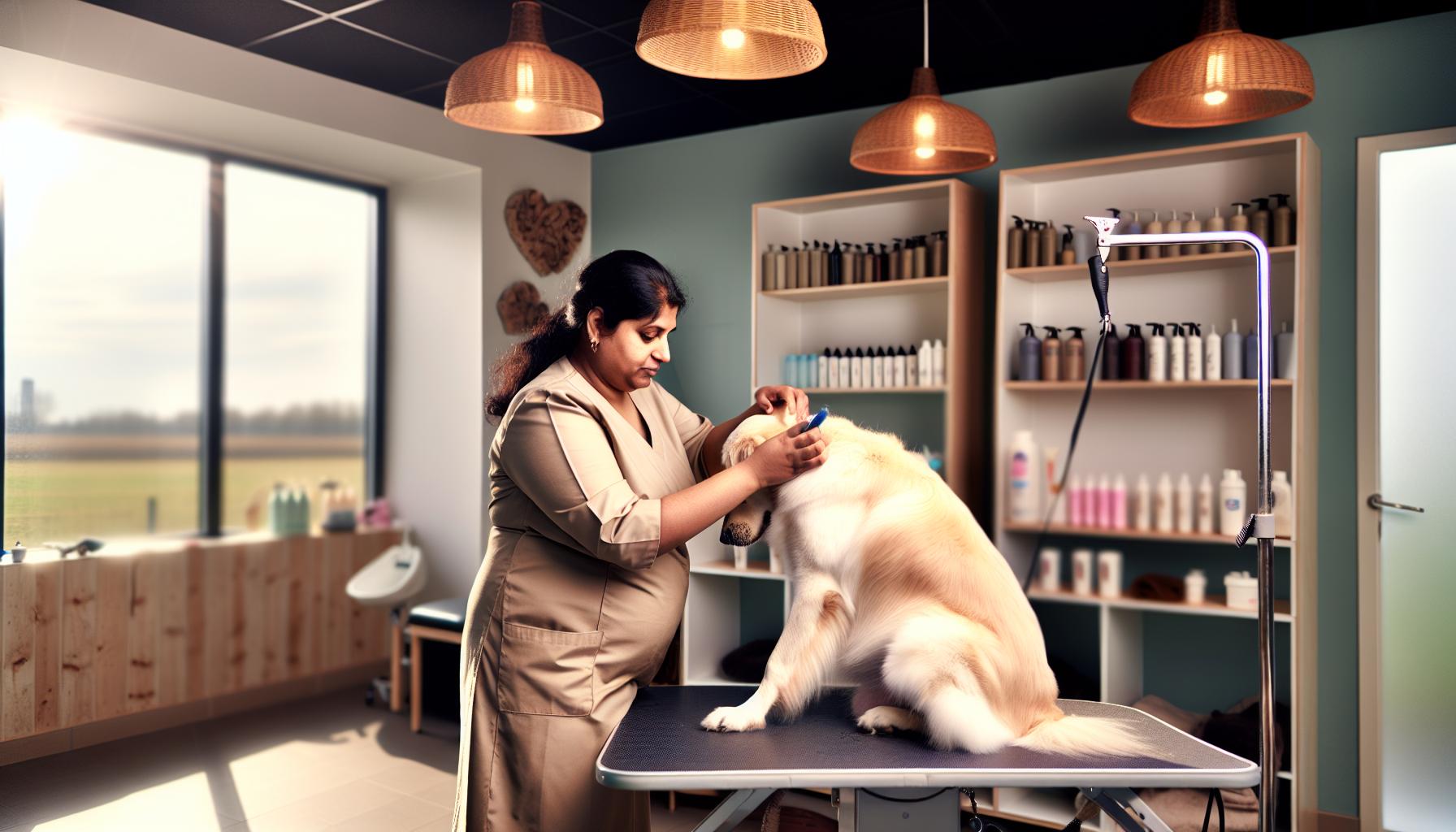
Finding the ideal groomer for a pregnant dog is about more than just haircut skills-it’s about selecting someone who truly understands the unique needs and sensitivities of expecting pets. Pregnancy can make dogs more vulnerable physically and emotionally,so a groomer’s approach must prioritize calm care and gentle handling over speed or perfection. When searching, focus on professionals who are experienced with pregnant dogs or at least open to customizing their services based on your dog’s comfort level and breed-specific requirements.
- Experience matters: Look for groomers who have handled pregnant dogs before or who express a willingness to learn and adapt. A well-versed groomer will know to avoid long, strenuous baths or clipping sessions, especially with dense coats like Golden Retrievers or German Shepherds, and instead opt for lighter brushing or spot cleaning.
- Environment and atmosphere: Quiet, low-stimulation salons or private grooming spaces reduce anxiety-inducing stimuli such as loud dryers, crowded waiting areas, or unfamiliar dogs. Some groomers even offer in-home grooming, which can be an excellent alternative to keep your dog relaxed.
- Interaction and collaboration: Choose a groomer who openly discusses your dog’s pregnancy stage, any veterinary recommendations, and adjusts the grooming plan accordingly. they should respect your insights as the pet parent and be willing to take breaks, monitor stress signs, and discontinue any task your dog resists.
Practical Tips for working with Your Groomer
- Share detailed information: Before the appointment,tell the groomer about your dog’s pregnancy week,temperament changes,and any vet advice. For example, if your dog has previously become nervous during nail trimming, the groomer can plan gentler techniques or shorter sessions.
- Start slow and observe: consider scheduling a trial visit focused only on light brushing or a gentle wipe-down to see how your dog responds.This approach builds trust between your dog and the groomer, easing future visits.
- Prepare grooming tools and environment: If grooming at home with professional help or DIY, have calming aids like unscented wipes, soft brushes, and nail files handy instead of noisy grinders or full bathing supplies.
Remember, even the most skilled groomer can’t replace the gentle, familiar hands of a loving owner during pregnancy. some grooming tasks-like ear checks or light brushing-can be managed safely at home with veterinary guidance, reducing the need for salon visits. When professional grooming is necessary,it should always be a stress-aware partnership with your dog’s health and peace as top priorities. This compassionate, step-by-step approach ensures your pregnant dog remains comfortable, confident, and cherished throughout the process.
How to Prepare Your Pregnant Dog for Grooming
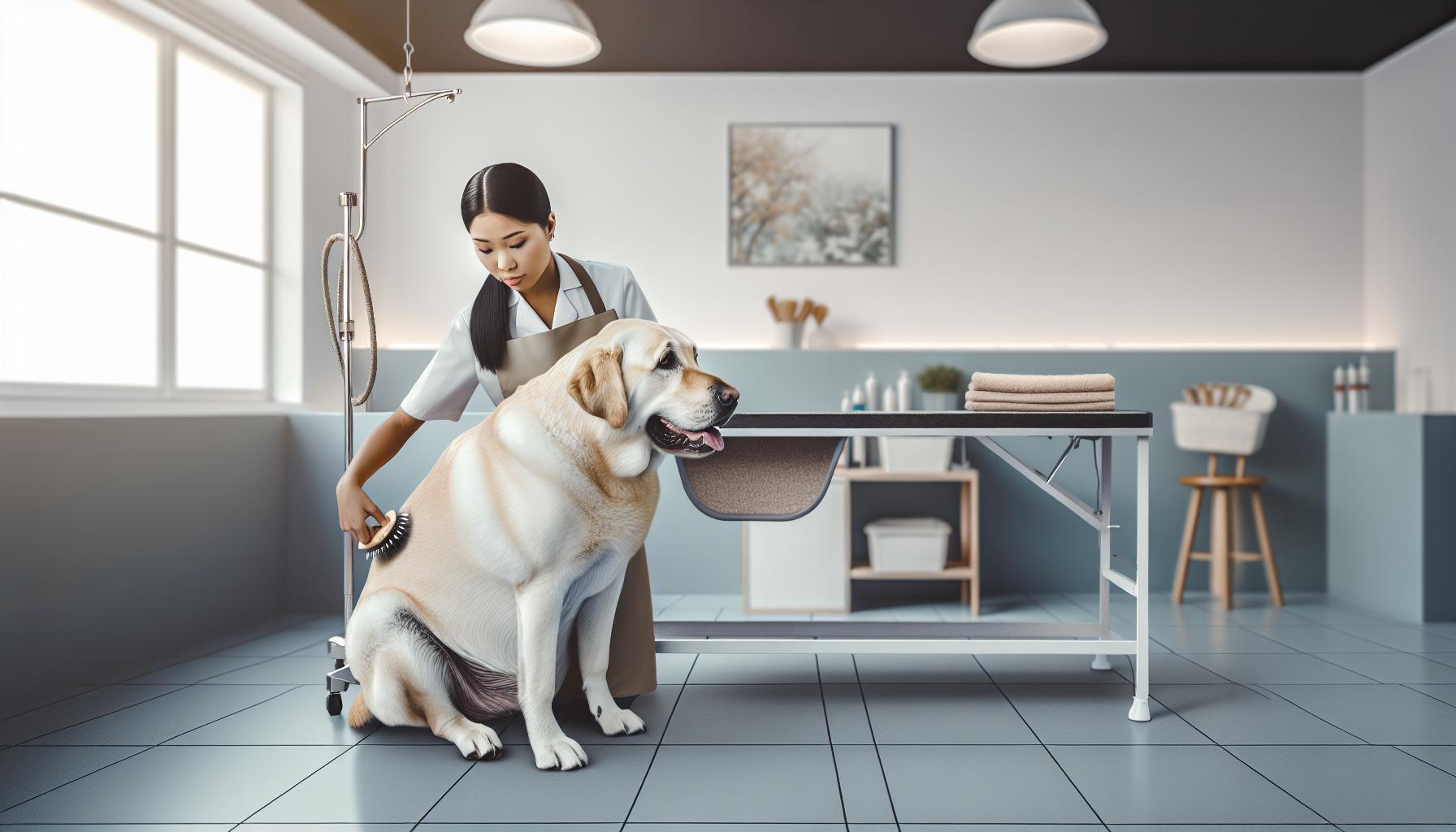
Pregnancy changes everything about how your dog experiences the world-even routine grooming. Preparing her thoughtfully can make all the difference in keeping her safe and serene during salon visits or at-home sessions. Start by considering her size, coat type, and pregnancy stage: such as, a thick-coated Labrador nearing her last trimester will need lighter, gentler care than a short-haired Beagle in early pregnancy. Knowing these details helps tailor your approach and set realistic expectations for what grooming can and should accomplish right now.
Establish Calm Beginnings
Before heading to a groomer or diving into a bath or brushing at home, spend quiet moments gently handling her fur and skin. Use soft brushes suited to her coat-slicker brushes for long-haired breeds, or rubber curry combs for short coats-to ease any sensitivity. if nail trims stress her out, try nibbling the nails gradually over multiple short sessions rather than one long one. This slow, patient introduction not only builds trust but also helps detect any discomfort that might signal the need to pause or adjust techniques.
Gather Safe, Soothing Supplies
Choose grooming products free from harsh chemicals and fragrances, as pregnant dogs can be extra sensitive to smells and skin irritation. Unscented or hypoallergenic wipes, gentle shampoos approved by your vet, soft towels, and quiet nail files are ideal. Avoid noisy dryers or power tools that might startle her. Having all tools ready beforehand helps avoid interruptions and hurried movements, keeping your dog relaxed throughout.
Plan Grooming Around Energy Levels
Pregnant dogs tire more quickly and may have varying appetites or moods. Schedule grooming for times when she’s typically calm-often mid-morning or early afternoon-and keep sessions short. Watch for signs of fatigue or stress, like heavy panting, whining, or reluctance to move. If you notice these, pause or stop entirely.Remember, a quick gentle brushing can be far more beneficial than a stressful full groom.
Vet vs. Groomer vs. DIY boundaries
Always consult your veterinarian before starting any new grooming routine during pregnancy, especially if trimming mats or bathing is involved. Some tasks, like thorough ear cleaning or dealing with skin issues, might potentially be better handled by your vet or a vet-trained groomer. At home, focus on safe, low-stress activities like gentle brushing and spot cleaning with vet-approved wipes. This triage approach ensures your dog’s health takes precedence, while still maintaining comfort and hygiene.
- Example: A Golden Retriever in mid-pregnancy benefited from short brushing sessions with a pin brush at home, while a trusted groomer handled delicate trims and bathing on a separate day, with vet clearance.
- Tip: Bring a favorite blanket or toy to the groomer or use it during home grooming for a comforting, familiar scent.
- Reminder: Avoid baths or nail trims during the last few weeks of pregnancy unless absolutely necessary, as stress can impact pregnancy outcomes.
by approaching your pregnant dog’s grooming with kindness, clear communication, and careful planning, you create a nurturing experience that supports her wellbeing – and deepens the bond you share during this special time.
safe Grooming Tools and Products for Expecting dogs
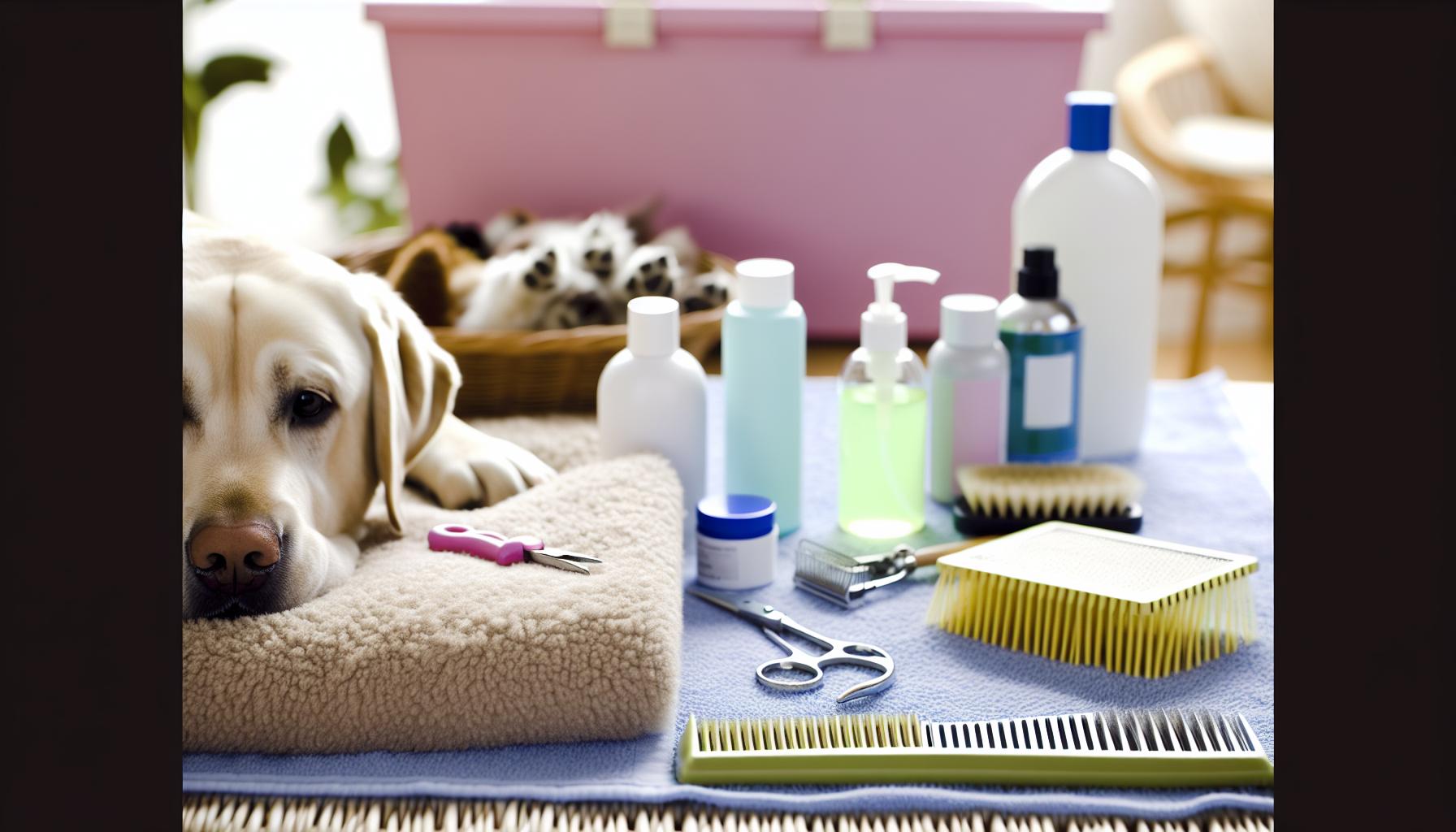
Pregnancy heightens your dog’s sensitivity-not only emotionally but physically-making every touch and product count. Selecting grooming tools and products designed to be gentle, safe, and non-irritating is key to preserving her comfort throughout this delicate phase. Whether your dog sports a dense double coat or a short silky layer, choosing the right implements can turn grooming time from stressful to soothing.
Brushing and combing Tools
Long-haired breeds benefit from soft-bristled slicker brushes that detangle without tugging painfully, while short-coated dogs respond best to rubber curry combs or soft bristle brushes that stimulate blood flow gently. Avoid metal combs or stiff bristles that risk scratching sensitive skin, especially as hormonal changes during pregnancy can make skin more prone to irritation. Start slowly, focusing on small sections to avoid overwhelming her, and always observe how she reacts-adjust pressure and duration accordingly.
Bathing essentials
mild shampoos free from fragrances, dyes, and harsh chemicals are non-negotiable; expectant dogs frequently enough develop extra sensitivity or allergies. Vet-approved hypoallergenic or oatmeal-based formulas provide cleansing without stripping essential oils or causing dryness. Lukewarm water set at a comfortably tepid temperature prevents any chill or overheating. Avoid loud, blowing dryers-air drying or gentle towel patting maintains a calm atmosphere and reduces stress spikes.
Nail Care and Ear Cleaning
For nails, opt for quiet, manual nail files or gentle clippers designed for pets-eliminate high-pitched grinders that can frighten or unsettle her. Scaling trims into multiple short, calm sessions can prevent fatigue and resistance. Ear care should be strictly limited to wiping with vet-recommended, gentle wipes rather than deep cleaning unless advised by your vet. pregnancy can make her more vulnerable to infections, so leave any thorough ear treatments to the professionals.
- Example: A pregnant Border Collie with sensitive skin thrived using a rubber curry comb combined with an oatmeal shampoo recommended by her vet. Incremental nail filing sessions kept stress low during grooming days.
- Tip: Always test a small patch of skin with any new shampoo or wipe to catch reactions early.
- Reminder: Consult your veterinarian before introducing any unfamiliar grooming products, as her unique health and pregnancy stage might call for special precautions.
Balancing your dog’s coat needs with her comfort during pregnancy means leaning into gentle, familiar tools and trusted vet-approved products. Remember, the goal isn’t perfection but promoting calm, positive grooming that respects her changing body and mood. With patience and care, you empower both yourself and your dog to navigate this gorgeous transition safely and serenely.
signs of Stress or Discomfort During Grooming

Pregnant dogs experience heightened sensitivity both physically and emotionally, making it essential to read their body language carefully throughout grooming sessions. Even subtle signs of stress or discomfort can indicate that your dog is overwhelmed or in distress-and addressing these quickly can help maintain her calm and safety.
Look closely for changes in posture and facial expression. A pregnant dog that suddenly tenses her body, lowers her head, or pulls her ears back might be signaling discomfort. Soft whines,lip licking,yawning,or avoiding eye contact can also mean anxiety. Some dogs may try to move away, paw at their face, or even growl quietly if they feel uncertain or physically sensitive. As hormonal shifts can make skin and muscles more tender, what was once a normal touch might now feel too intense.
- bathing: Shivering, shaking, or attempting to jump out of the tub generally mean the water temperature is off or she feels insecure-adjust temperature and provide soothing reassurance.
- Brushing: If she tries to nip or flinches when a specific brush touches certain areas, slow down, use softer bristles, or avoid that spot entirely.
- Nail Care: Sudden pulling away, panting heavily, or trembling can mean stress or fatigue; break trims into short, gentle sessions with lots of praise.
A gentle voice and calm demeanor from you or your groomer can soothe many nerves. Remember that patience is key-frequent breaks for pets like long-haired Golden Retrievers or sensitive-skinned French Bulldogs improve tolerance during longer grooming tasks. Sharing observations with your vet or professional groomer before appointments also helps tailor the approach specifically to your dog’s breed,coat type,and pregnancy stage.
Always keep an eye on breathing patterns. Rapid, shallow breaths or excessive panting could signal discomfort or overheating, and should prompt an immediate pause to cool down and relax. If your dog appears listless or excessively withdrawn, this might suggest deeper distress requiring veterinary advice.
by tuning into these behavioral cues, you empower yourself to balance your dog’s grooming needs with her wellbeing-ensuring each session stays positive, safe, and stress-free during her pregnancy. After all,a calm and confident dog is the best companion through this beautiful transition.
DIY Grooming Tips for Pregnant Dogs at home

Pregnant dogs frequently enough benefit from the comfort and security of familiar surroundings, making at-home grooming a gentle alternative to salon visits during this sensitive time. When you take on the grooming yourself, you become the calm anchor she needs, able to read her subtle signals and adjust pace instantly.This helps reduce stress and fosters a trusting experience that puts her wellbeing first.
Bathing: Warmth and Reassurance
Use lukewarm water, which is safest for her changing body temperature. Avoid slippery tubs by placing a non-slip mat to help her feel stable. keep sessions brief but thorough, using only mild, pregnancy-safe shampoos free of harsh chemicals or perfumes. Speak softly throughout and reward her with gentle praise or treats. If she shivers or tries to jump out, pause to soothe her and check the water temperature or bath setup.A handheld sprayer can offer gentle rinsing and greater control, especially around tender belly areas.
Brushing: Gentle Touch and Patience
Choose a soft-bristled brush or grooming mitt suited to her coat type-slicker brushes can be fine for thick coats but should be used delicately to avoid irritating sensitive skin. Focus on easy-to-reach areas first, gradually working toward spots she may find tender, such as the abdomen or hips. If she flinches or tries to move away, switch to a gentler approach or take a break. Regular, short brushing sessions are better than long ones, making grooming a relaxing routine rather than a tiring chore.
nail Care: Short and Sweet
Trim nails in small increments to avoid stress and fatigue. Use sharp,quiet clippers for clean cuts and avoid pressuring sensitive quicks. If your dog shows signs of anxiety like panting or trembling, pause and engage in calming reassurance before continuing. Some dogs respond well to having a trusted person gently hold or stroke them while nails are trimmed. if you’re uncertain about cutting nails safely, your veterinarian or groomer can show you techniques or suggest alternatives like regular walks on pavement to naturally wear down nails.
ear Cleaning: Soft and Safe
During pregnancy, hormonal changes can make a dog’s ears more sensitive. Use a vet-approved ear cleaner and soft cotton balls-never cotton swabs-to gently wipe away debris. Avoid deep insertion or vigorous rubbing. If your dog resists or shows discomfort, keep the session brief and try again later.
- Tip: Prepare all tools ahead of time to keep sessions smooth and stress-free.
- Tip: choose a calm, quiet spot for grooming with minimal distractions.
- Tip: Always monitor her breathing and body language for signs of stress.
Remember, grooming at home does not replace the need for veterinary check-ups or professional care when specialized attention is required. If your dog’s coat matting is severe, or if she exhibits any health concerns, consult your vet before attempting at-home grooming. Prioritize comfort over cosmetic perfection; even the simplest routines done with love and patience help keep your pregnant dog happy, healthy, and feeling her best during this remarkable time.
understanding Veterinary vs. Grooming care Needs
Pregnancy brings unique physical changes and sensitivities that can affect how a dog responds to grooming and general care. It’s essential to understand clearly when a routine grooming service is appropriate and when veterinary care should take precedence. While grooming focuses on maintaining your dog’s cleanliness and coat health, veterinary care addresses medical needs that may arise during pregnancy – knowing these boundaries helps keep your expecting dog safe and comfortable.
Many grooming tasks can be safely done at home or by a trusted groomer who understands pregnancy precautions-like gentle brushing,cautious nail trimming,or using pregnancy-safe shampoos during baths. Yet, if your dog shows any signs of discomfort, swelling, discharge, or behavioral changes linked to her pregnancy, these are signals to involve your veterinarian rather than a groomer.As an example, severe coat matting that causes skin irritation might require professional grooming, but only after confirming your vet has given the go-ahead and that no underlying health issues are present.
Key Differences Between Grooming and Veterinary Care
- Grooming tasks aim to keep your dog neat and comfortable. This includes bathing, brushing, nail trimming, and ear cleaning – all done with extra gentleness and consideration for her sensitive areas during pregnancy.
- Veterinary care
- When in doubt, consult your vet.
When to Prioritize Veterinary Intervention Over Grooming
If your pregnant dog shows any of the following, stop grooming and seek veterinary advice:
- Unexplained lethargy or weakness
- Signs of pain during handling or grooming, such as vocalizing or aggressive reactions
- Vaginal discharge, bleeding, or swelling in the mammary glands
- Severe matting that causes skin sores or infection
- Any abnormal behavior that might indicate distress or illness
These symptoms suggest more than just routine grooming needs and require expert medical care.
How Groomers and Vets can Collaborate for Your Dog’s Wellbeing
A compassionate groomer experienced with pregnant dogs can make all the difference by working closely with your vet’s recommendations.For example, some vets recommend avoiding nail trims during advanced pregnancy due to increased risk of stress, so your groomer can modify or postpone that task accordingly. Sharing your dog’s pregnancy timeline and any medical notes with the groomer ensures consistency in care.
DIY vs. Professional Grooming Decisions
For dogs with simple coat types and calm demeanors, gentle DIY grooming at home-brushing, spot baths, nail filing-can reduce stress by keeping your dog in a familiar setting. However, pregnant dogs with thick, curly, or long coats that require clipping or detangling may benefit from professional groomers who use pregnancy-safe products and techniques. Always communicate openly with your groomer about your dog’s pregnancy and obtain clearance from your vet if in doubt.Understanding these boundaries helps you provide the best care possible. It puts your dog’s physical and emotional well-being first, ensuring grooming remains a positive, safe experience throughout her pregnancy. Clear communication between you, your vet, and your groomer lays the foundation for happy, healthy care tailored to your dog’s unique needs.
Post-Grooming Care and Monitoring for Pregnant Dogs
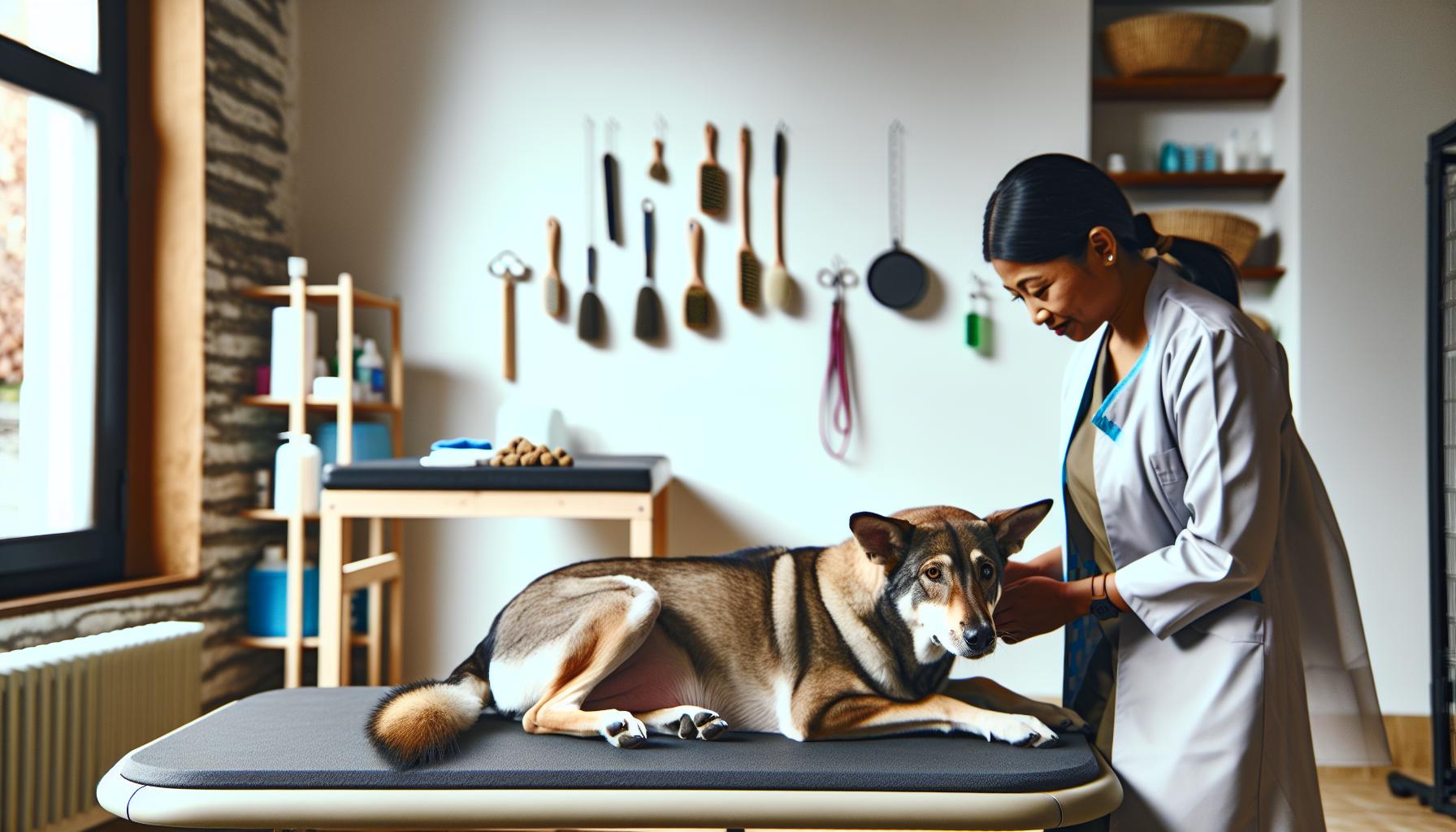
Few moments are as revealing as the calm period after grooming when you truly see how your pregnant dog is feeling. This quiet time offers critical clues about her comfort and health. Because pregnancy can bring subtle sensitivities, gentle observation and attentive care instantly after a grooming session are essential to help her relax and ensure her well-being.
Immediate Post-Grooming Comfort Checks
Right after grooming, watch your dog as she returns to her resting spot. Take note of any unusual behaviors such as restlessness, reluctance to move, excessive licking of certain body areas, or signs of discomfort when lying down. These can signal irritation from grooming tools or products, or an underlying pregnancy-related sensitivity. For example, a Labrador with a thick coat might feel chilly if trimmed too closely, so providing a cozy blanket or sweater afterward can definately help maintain body warmth and ease stress.
Daily Monitoring: What to Look For
Over the next 24 to 48 hours,keep a close eye on your dog’s skin,coat,and general demeanor. Here are key signs to track:
- Skin reactions: Redness, swelling, scratch marks, or rash where she was washed or clipped may indicate a reaction to a shampoo or irritation from clipping.
- Behavior changes: Increased fatigue, hiding, or changes in appetite can be subtle signs that grooming stressed her more than anticipated.
- mobility issues: Watch for any limping or sensitivity when walking, especially after nail trims or ear cleaning.
If you notice any persistent symptoms, consult your veterinarian promptly for advice and possible treatment to safeguard both mom and puppies.
Helping Your Pregnant Dog Adjust After Grooming
Providing a quiet, warm space free from drafts is one of the simplest yet most effective ways to help your dog recover post-grooming. Offering gentle affection-quiet petting instead of vigorous rubdowns-boosts her emotional comfort without overstimulation. If your dog is prone to anxiety, you might employ calming aids like pheromone diffusers or soft classical music during this time. For breeds with long or curly coats (think Poodles or Shih Tzus), using a wide-tooth comb for gentle daily touch-ups at home will keep mats at bay and lower the need for stressful future grooming visits.
Collaboration with Your Vet and Groomer
The best outcomes happen when your veterinarian and groomer work together to tailor post-grooming care specific to your dog’s pregnancy stage and coat type. Always share notes about any post-grooming concerns with both professionals. For instance, if your vet notes sensitivity in certain areas, your groomer can adjust tools or methods in future appointments. Similarly, your groomer’s observations on coat condition or stress responses can alert your vet to possible emerging health issues early on.
Gentle post-grooming care is a vital piece in keeping your pregnant dog healthy, safe, and calm. Remember, the goal is never just a neat coat but a nurturing experience that respects her unique needs during this special time.
Q&A
Q: How can I tell if grooming is causing stress to my pregnant dog?
A: Watch for signs like heavy panting, trembling, restlessness, or whining. Pregnant dogs may also try to hide or resist touch. If these occur, pause grooming and provide calm reassurance. Monitoring stress helps protect your dog’s comfort during grooming-refer to our signs of stress and discomfort section for detailed cues.
Q: Are there specific grooming services pregnant dogs should avoid at groomers?
A: Yes, avoid lengthy or invasive procedures like deep cleaning ears or nail trimming if your dog is easily stressed. Focus on gentle tasks like brushing and light bathing. Prioritize short sessions to reduce risk and discuss any service limitations with your groomer beforehand to ensure safety.
Q: What precautions should professional groomers take when handling pregnant dogs?
A: groomers should use gentle handling,avoid strong chemicals,and keep sessions brief. they must also communicate with the owner about the dog’s pregnancy stage and observe for signs of distress. Trained groomers adjust techniques and tools to prioritize the dog’s well-being throughout the appointment.
Q: Can certain dog breeds have higher grooming risks during pregnancy?
A: Yes, breeds with thick or heavy coats (like Newfoundlands or Huskies) might potentially be more sensitive to stress and overheating during grooming. Extra care with cooling methods and gentle brushing is needed. Tailor grooming based on your dog’s breed and coat type to maintain comfort and reduce risks.
Q: how soon before the due date should I schedule a professional grooming appointment for my pregnant dog?
A: Schedule grooming about one week before the expected delivery date to ensure cleanliness without stressing your dog close to labor. This timing balances hygiene with safety, as late-stage grooming can increase discomfort. Visit our preparation tips for detailed timing strategies.
Q: Is it safe for pregnant dogs to have their nails trimmed at the groomers?
A: Nail trimming is generally safe if done gently and quickly. Though,if your dog shows anxiety or discomfort,it’s better to trim nails at home or postpone. Always ensure the groomer is experienced in handling pregnant dogs to minimize stress during nail care.
Q: What grooming products are safest to use on pregnant dogs?
A: Use mild, fragrance-free shampoos formulated for sensitive skin to avoid irritation or allergic reactions. Avoid harsh chemicals, flea treatments, or tick shampoos during pregnancy. Safe product choices protect your dog’s skin and health-see our safe grooming tools and products section for recommendations.
Q: How can I help soothe my pregnant dog after a grooming session?
A: Offer a calm, quiet space with fresh water and gentle petting to help your dog relax.** Monitor her for any signs of discomfort or exhaustion post-grooming. A comfortable recovery supports her health-check our post-grooming care guide to ensure your dog’s ongoing comfort and well-being.
—
For more detailed guidance, explore our full article sections on preparing your pregnant dog for grooming and recognizing stress during grooming. Keeping your dog’s safety and comfort first builds calm confidence during each grooming visit.
To Wrap it Up
Keeping your pregnant dog comfortable and safe during grooming is always the top priority. Whether you’re managing her bath, brushing her coat, or trimming nails, consider breed-specific needs and use gentle tools designed for sensitive pups. Remember, while short, stress-free grooming early in pregnancy can be okay, it’s essential to weigh the risks and consult your vet or trusted groomer before booking any appointments. Prioritizing your dog’s well-being helps prevent complications and keeps those soon-to-arrive puppies healthy and happy.If you want to learn more about caring for pregnant dogs or explore safe DIY grooming techniques, check out our guides on Pregnant Dog Care Tips and At-Home Grooming Essentials. Don’t hesitate to sign up for our newsletter for expert advice tailored to every stage of your dog’s life. Have questions or stories about grooming your expecting dog? Share them below-your experience might help fellow pet owners navigate this special time with calm confidence.
Your dog deserves the gentlest care possible, especially when expecting. By choosing the right approach and knowing when to seek professional help, you’re ensuring both beauty and health without compromise. Keep coming back for trusted tips and compassionate guidance, because every wagging tail matters.
Get our latest guides, news, and insights highlighted in your Google Search & AI Overviews.
Keep reading about the same coat and cut.




Popular grooming guides
Bath vs clip, first grooms, and salon how-tos.