Do Groomers Take Aggressive Dogs: Difficult Pet Policies
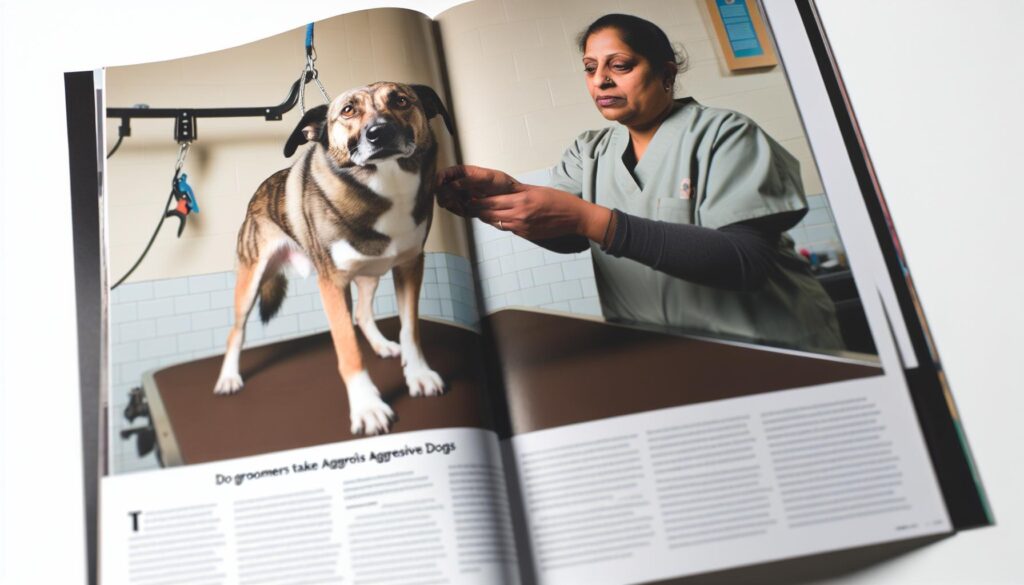
Did you know many groomers carefully weigh the challenges of working with aggressive dogs before accepting them? Grooming a dog who becomes anxious or aggressive isn’t just about managing matted fur or dirty nails-it’s about ensuring safety and reducing stress for everyone involved. If your dog shows signs of fear, snapping, or resistance during grooming, you’re not alone, and it’s entirely understandable to wonder: do groomers even take aggressive dogs? This question touches on significant policies groomers adopt to balance care, patience, and safety. Understanding these “difficult pet” policies can help you feel confident in finding the right groomer or approach, whether by preparing your dog gradually or knowing when professional handling or veterinary support is necessary.Keep reading to discover compassionate, practical ways groomers work with challenging pets and how you can partner with them to make grooming a calmer, safer experience for your furry friend.
Which Dogs Do Groomers Accept: Managing Aggressive Behavior
Table of Contents
- 1 Which Dogs Do Groomers Accept: Managing Aggressive Behavior
- 2 Signs a Dog may Be too Difficult for Grooming
- 3 How Groomers Safely Handle Aggressive Dogs
- 4 Essential Tools and Techniques for Challenging Pets
- 5 Communicating Your Dog’s Behavior to Groomers
- 6 preparing Your Aggressive Dog for a Grooming Visit
- 7 When to Consider professional Behavior Training First
- 8 Alternatives: Vet Clinics and Mobile Groomers for Difficult Dogs
- 9 costs and Policies Behind Grooming Aggressive Dogs
- 10 Owner Tips for At-Home Grooming on Tough Days
- 11 Ensuring Safety and Comfort During Grooming Sessions
- 12 Faq
- 12.1 Q: Can professional groomers handle dogs with extreme fear-based aggression?
- 12.2 Q: Do groomers require proof of vaccination or health checks for aggressive dogs?
- 12.3 Q: How do groomers adapt grooming sessions for dogs that resist multiple types of handling?
- 12.4 Q: Are there groomers who offer sedation services for aggressive dogs, and what are the risks?
- 12.5 Q: Why do some groomers refuse to groom aggressive dogs despite owner cooperation?
- 12.6 Q: Can mobile groomers be a better option for aggressive dogs compared to salon grooming?
- 12.7 Q: How does breed and coat type influence grooming policies for aggressive dogs?
- 12.8 Q: What are practical owner steps before the grooming appointment to reduce a dog’s aggression?
- 13 Final thoughts
Many professional groomers welcome dogs of all temperaments but drawing the line when aggression comes into play is essential for everyone’s safety and well-being. Groomers generally accept dogs that demonstrate manageable levels of anxiety or protective behavior, provided the signs of aggression can be mitigated with patience, trusted handling, and specific techniques. After all, grooming isn’t just about a polished look-it’s about nurturing trust and making the experience as stress-free as possible for your pet.
Dogs exhibiting aggression related to fear, past trauma, or discomfort during handling can often be groomed successfully if approached with compassion and the right surroundings. For example, a usually calm Golden Retriever who becomes anxious and growly during nail trimming might still be a good candidate if the groomer is equipped with gentle restraint methods, calming cues, and positive reinforcement rewards. Conversely, dogs that show uncontrollable biting, excessive defensive snapping, or persistent aggression despite calming efforts might potentially be declined by some groomers until professional behavior training helps reduce risk.
Factors Groomers Consider before Accepting Aggressive Dogs
- Type and severity of aggression: Mild nervousness versus overt biting drastically affects acceptance.
- Breed and coat type: Thick, matted coats (like Poodles or Shih Tzus) may require more time and gentle handling, influencing groomer willingness and techniques.
- Owner cooperation: Transparency about your dog’s behavior, history, and triggers helps groomers prepare effectively.
- Previous training and socialization: Dogs accustomed to handling usually fare better,easing groomers’ concerns.
At times, groomers will set specific conditions such as requiring a familiar person to stay nearby, longer appointment slots to allow gradual acclimation, or even suggest a pre-grooming ’trial visit’ to observe behavior in a low-stress setting.The goal is always safety and comfort first, rather than simply managing “difficult” pets for a fast clip. Remember, the best groomers prioritize your dog’s emotional well-being and may recommend alternatives or behavioral support if necessary rather than pushing beyond safe limits.
by partnering openly with your groomer-sharing candid facts and listening to their professional advice-you can help find the best path forward. This collaborative spirit often turns even tentative or wary pets into cooperative clients over time, creating positive grooming experiences that benefit everyone involved.
For more guidance on handling aggression during grooming sessions safely and compassionately, specialized veterinary clinics and experienced behavioral trainers are excellent resources, working hand-in-hand with groomers to keep your furry friend calm and cared for throughout their grooming journey.
Signs a Dog may Be too Difficult for Grooming
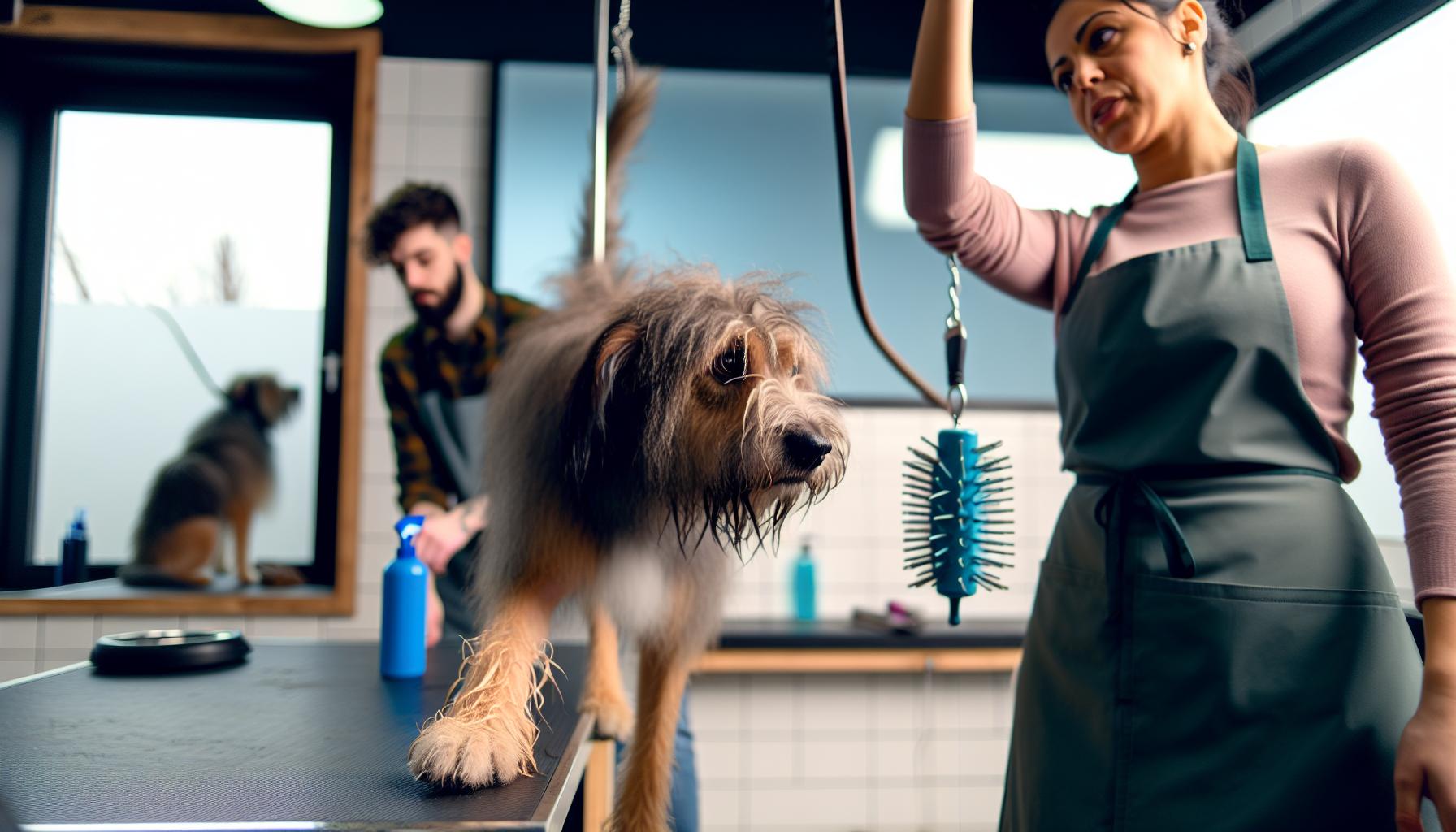
Sometimes, despite our best intentions, a grooming session can become more than just a trim or bath-it can quickly turn into a stressful or even unsafe situation. Recognizing early signs that your dog might be too challenging for a particular groomer is crucial, not only to protect the team handling your pet but also to ensure your furry friend does not experience heightened anxiety or danger. Some dogs show manageable nervousness, while others may display behaviors signaling that grooming just isn’t safe or productive without additional support.
Persistent, escalating aggression is a key red flag. This goes beyond hesitation or occasional growling. If your dog repeatedly snaps,lunges,or bites during basic grooming tasks like brushing,nail clipping,or ear cleaning-even when calm approaches,gentle restraint,and positive distractions are used-this indicates the dog may be too difficult to safely handle. Groomers often respect that sometimes the risk outweighs the benefits, especially if bites have caused injury in previous grooming attempts.
Other signs include an intense, overwhelming fear response that causes your dog to freeze rigidly or thrash uncontrollably. While anxiety is common and manageable in many cases, extreme terror may lead to unpredictable or dangerous behaviors that no quick fix can calm. For example, a dog that panics and tries to aggressively flee during a bath or shows defensive biting especially around sensitive areas (paws, tail, face) might need time to adjust under professional supervision before standard grooming can proceed.
Examples of Warning Signs
- Unmanageable biting or snapping: Attempts to bite when touched anywhere, or specifically near sensitive spots.
- excessive vocalization and resistance: Continuous growling, yelping, or struggling despite soothing tones or rewards.
- Physical rigidity or panic: Freezing so tight that grooming tools cause discomfort, or frantic attempts to escape restraints.
- Self-injury or property damage: Chewing or scratching at their own body or the enclosure in an effort to escape.
Breed and coat type can also influence manageability. Dogs with thick, matted coats such as poodles, Shih Tzus, or mixed breeds with dense undercoats require longer grooming sessions with more handling, increasing stress on an already anxious dog. Combine this with behavioral challenges, and it may be safer to prioritize specialized grooming environments or professional behavioral training before regular appointments. Patience and clear communication with your groomer can help decide if a dog needs that extra step.
When to Step Back and seek Help
If grooming triggers aggressive outbursts every time, it might be time to pause and consult a veterinary behaviorist or certified dog trainer. These professionals can address the underlying fears or triggers causing aggression, helping create a plan that gradually introduces your dog to grooming with kindness and confidence. Frequently enough, the goal is small wins-such as tolerating a gentle brushing or standing calmly during nail trims-before attempting full grooming appointments.
remember, no one expects perfect cooperation overnight. Safety and comfort come first, even if that means skipping a grooming session or switching to alternatives like vet clinics or mobile groomers trained in handling high-anxiety or aggressive pets. Trust your instincts as a pet parent: if you’re worried about harm or distress, you’re doing the right thing to protect your beloved companion and everyone involved.
How Groomers Safely Handle Aggressive Dogs
Sometimes, handling an aggressive dog during grooming can feel like navigating a high-wire act, but experienced groomers know that with patience and the right approach, safety and comfort are always within reach. Aggressive behaviors frequently enough stem from fear or past negative experiences,so groomers prioritize building trust and minimizing stress above all. This means grooming is less about rushing toward a perfect haircut and more about caring for an anxious pup’s emotional and physical well-being.
When working with these challenging dogs, groomers typically start slow. Before any tools come out, they spend time letting the dog explore the grooming area at their own pace. Gentle verbal reassurance, soft touch, and offering treats form the cornerstone of early interactions. For breeds with thick or matted coats like Poodles or Shih Tzus-who already need longer sessions-this careful acclimation helps prevent panic that can trigger aggression.
step-by-Step Approach to Grooming Tasks
- Brushing: Instead of tackling the whole coat at once, groomers break it into small, manageable sections. They use gentle brushing techniques, sometimes switching to finger detangling in sensitive areas. If a dog flinches or growls, the groomer pauses, repositions, or offers a reward before trying again.
- Bathing: This can be especially stressful for fearful dogs.groomers often use lukewarm water, non-slip mats, and quiet surroundings to create a calm space. Some dogs benefit from distraction with chew toys or lick mats to keep their mouths busy.
- Nail Trimming: This is a common trigger spot. Groomers often start by simply touching and holding paws during calm moments, rewarding the dog for cooperative behavior before gradually introducing the clippers. Quick-release nail trimmers and sedation may sometimes be recommended by vets if needed.
- Ear Cleaning: Given the sensitivity of the ears, gentle, reassuring strokes and clear communication with the dog’s body language help reduce defensive reactions.
Tools and Techniques That Keep Everyone Safe
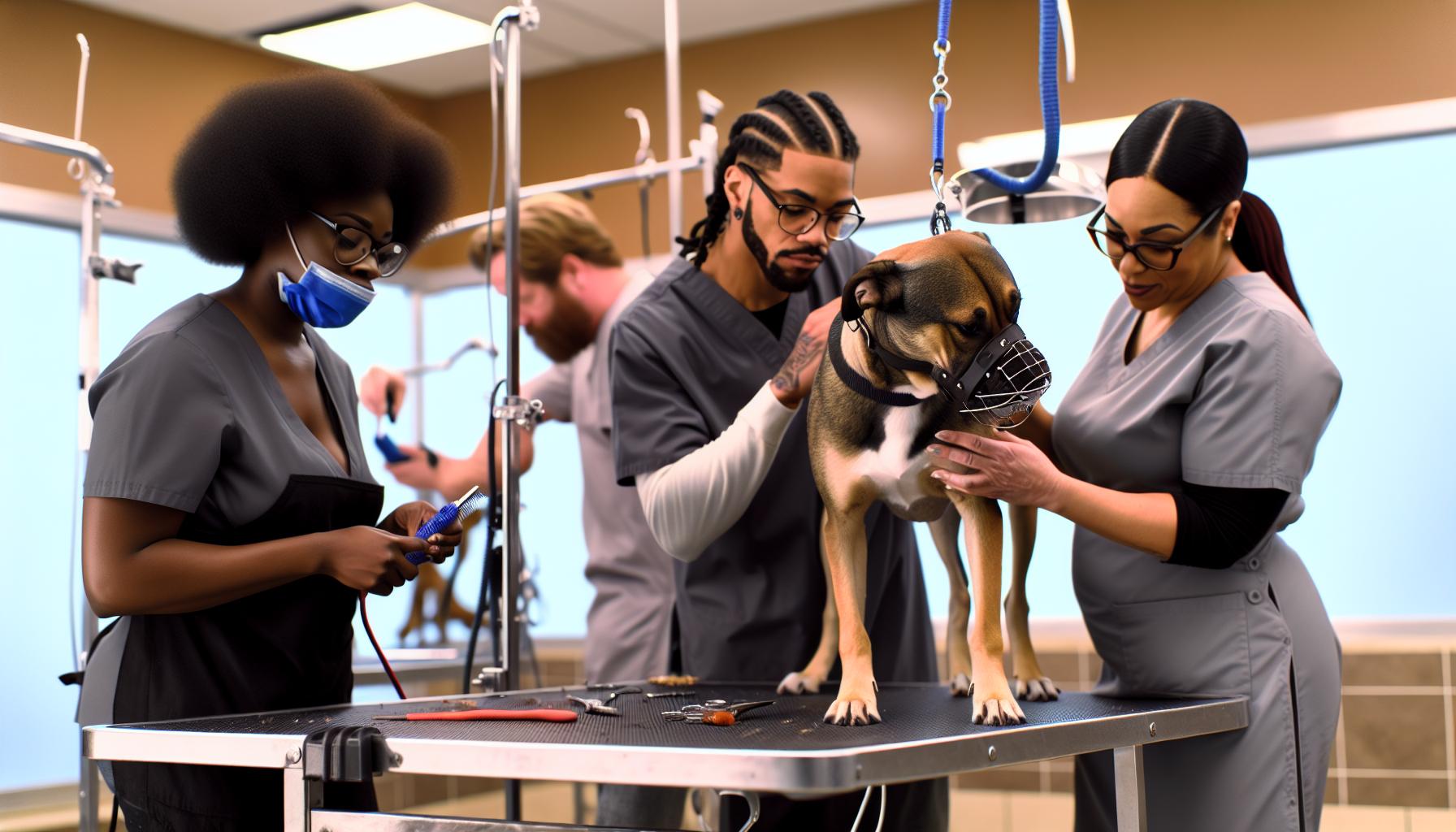
For aggressive or anxious dogs, groomers often rely on specialized equipment such as muzzle covers that are breathable and cozy-not punitive-and grooming tables with adjustable restraints that allow safe movement without causing panic. Soft grooming loops and padded restraints provide security without adding stress.
Positive reinforcement is key. Many groomers combine treats with calming pheromone sprays or soothing background music to create an environment where the dog feels less threatened. Breaks are frequent-if a dog shows signs of overwhelm, stepping away for a few minutes can prevent escalation.
Real-Life Example
Marybeth, a groomer from Oklahoma, shared how she handled one of the most aggressive dogs she’s seen after 16 years: patience was everything. By breaking the grooming into multiple sessions, using calming tones, and carefully reading the dog’s signals, she was able to provide a full makeover without causing harm or triggering aggressive outbursts[[1]](https://www.youtube.com/watch?v=xs9WzOwzP7c).
In more difficult cases, collaboration between groomers and veterinary professionals becomes invaluable. Vets can provide medications or sedation to ensure grooming happens safely when behavioral approaches alone aren’t enough[[2]](https://www.catawbaanimal.com/site/blog/2023/02/28/groom-aggressive-dog).
Ultimately, the message to owners is to trust the groomer’s expertise and prioritize your pet’s emotional state. Safe grooming of aggressive dogs takes teamwork, time, and compassion-never haste or force. Embracing this mindset allows your furry family member to look and feel their best, even on the toughest grooming days.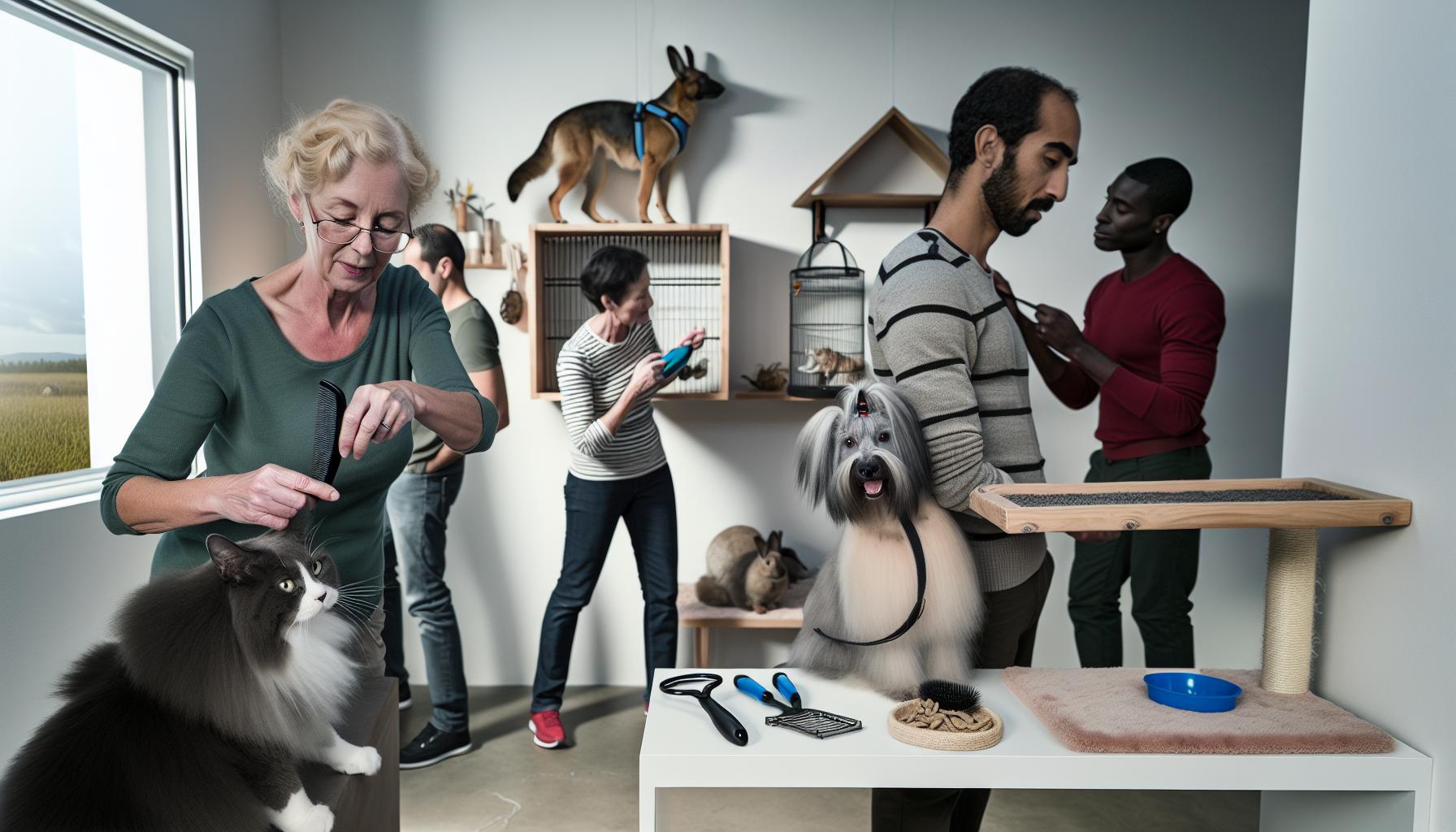
Essential Tools and Techniques for Challenging Pets
Sometimes, a few well-chosen tools and thoughtful techniques can make all the difference in transforming a stressful grooming session into a manageable, even peaceful experience for a dog who’s prone to anxiety or aggression.When caring for challenging pets, it’s about creating a safe, comforting environment where fear doesn’t have to turn into frustration or defensive behavior. With the right approach,groomers help dogs feel more secure without ever compromising their safety or well-being.
- Gentle Brushing and Detangling Tools: For breeds with thick,curly,or matted coats-like Poodles and Shih Tzus-groomers rely on soft-bristled brushes and wide-tooth combs.Finger detangling is also key to avoid pulling sensitive spots. Taking small sections at a time, groomers use slow, patient strokes, watching for any signs of discomfort. When a dog flinches or growls, the groomer pauses and rewards cooperation with calming praise or treats before continuing.
- Calming and Safety Aids: Soft, breathable muzzles are a must-have-not as punishment, but as protection for all involved. Grooming loops with padded restraints on adjustable grooming tables help keep dogs steady without causing panic or tight pressure. Non-slip mats underfoot offer sure footing during baths or trims. Calming pheromone sprays and gentle background music provide sensory comfort, helping dogs relax in unfamiliar surroundings.
- Specialized Bathing Supplies: Lukewarm water temperature and quiet, consistent water flow ease stress in dogs skittish about baths. Some groomers use lick mats spread with peanut butter or special treats during bathing to engage the dog’s attention and reduce anxiety.To prevent slipping, non-slip matting is essential, allowing the dog to feel balanced and grounded without panic.
- Nail Trimming Tools: Fast-acting, sharp clippers with safety guards help reduce nail trimming time-a common trigger spot. Groomers often introduce the process gradually: starting by simply touching paws, rewarding calm behavior, then moving to gentle handling with the clippers. If a dog’s anxiety is too high, sedation prescribed by a vet can provide a safer, less stressful alternative.
- Ear Cleaning Supplies: Groomers choose gentle, vet-approved cleaning solutions applied with soft cotton balls or pads. slow, soothing strokes and constant attention to the dog’s body language help minimize defensive reactions, especially in breeds sensitive around the ears.
Practical Tips from Experienced Groomers
Marybeth, a dog groomer with 16 years of experience, emphasizes pacing the session by breaking grooming into multiple appointments if needed. This slow approach allows dogs to build trust without feeling overwhelmed-a technique especially helpful for dogs who have previously shown aggression. she also highlights the importance of reading subtle cues: a shift in tail position, ears, or breathing can signal when it’s time to pause or offer a treat.
Knowing When to Call in veterinary support
While many behavioral challenges can be managed with patience and appropriate tools, there are times when partnering with a veterinarian is essential. For dogs who resist all calming techniques or pose serious safety risks, vets may provide sedatives or anti-anxiety medication to ensure grooming proceeds safely. This collaboration helps groomers provide a thorough service without compromising the pet’s health or emotional well-being.Applying these carefully selected tools and strategies in tandem fosters an atmosphere where even the most nervous or protective dogs have a chance to feel cared for and respected. Owners can rest assured knowing that compassionate grooming is not about perfection but about creating calm, safe experiences that honor a dog’s emotional needs every step of the way.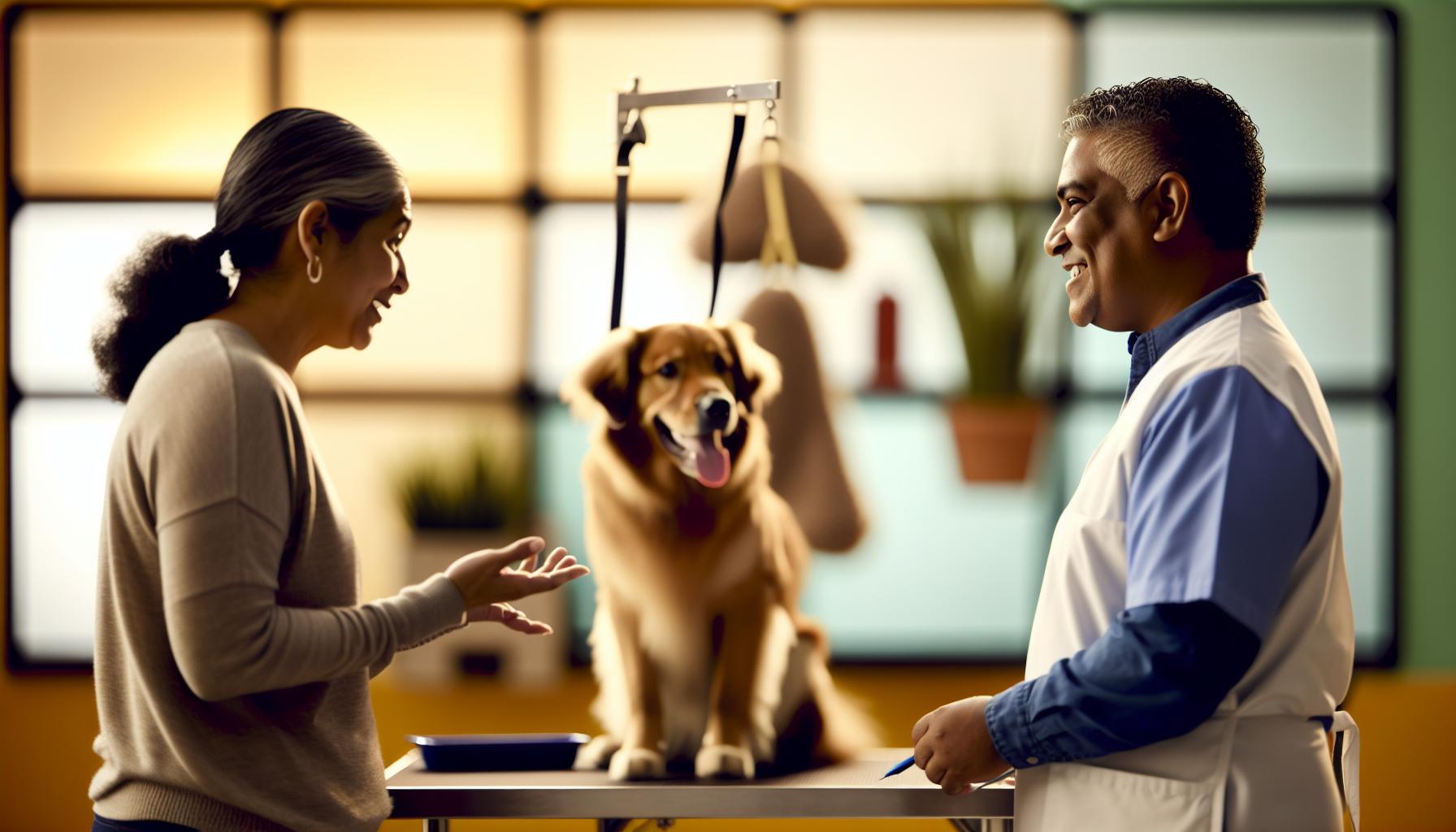
Communicating Your Dog’s Behavior to Groomers
For groomers, understanding your dog’s temperament and behavior before the appointment can make all the difference in providing a safe and comfortable grooming experience. open, honest communication about your dog’s tendencies-whether they hesitate around certain tools or have shown signs of anxiety or aggression-helps groomers plan the session thoughtfully, set realistic expectations, and bring the right equipment and support.
sharing detailed information about your dog’s breed, coat type, and any history of fear or resistance is invaluable. For example, a curly-coated Poodle that easily mats may require extra patience and gentle detangling, while a nervous terrier prone to growling might need breaks and calming aids. Letting the groomer know specifics like a dislike of nail trims or sensitivity around the ears allows them to approach those sections with extra care,reducing the chance of stress escalating into aggression.
- Be upfront about triggers. If your dog reacts strongly to bathing or loud noises, mention this. Groomers can adapt by using quieter dryers or slower water flow and include calming practices such as pheromone sprays or treats.
- Describe behavior patterns clearly. Instead of saying “my dog is aggressive,” share observed behaviors such as growling when touched on certain spots, freezing out of fear, or darting away. This helps the groomer respond correctly-sometimes fear-based aggression calls for gentler handling, rather than force.
- Provide recent examples. Sharing recent situations where your dog responded positively or negatively during grooming or handling gives real context. As an example,”My dog sat calmly while I trimmed his nails yesterday but gets very nervous during baths.” This kind of info shapes a customized, step-by-step grooming plan.
Working Together for Success
A collaborative approach can ease everyone’s stress. Groomers appreciate when owners offer insight about calming cues that work at home-whether it’s a favorite treat,a soothing phrase,or a particular way of petting. conversely, groomers may suggest trial sessions or gradual desensitization techniques, and clear dialog will make those negotiations smoother.
If your dog requires special accommodations like muzzles, sedation, or multiple shorter visits, having this conversation ahead of time prevents surprises on the appointment day and builds trust.Remember, it’s not about labeling your dog “difficult,” but about empowering groomers with the knowledge needed to honor your dog’s emotional needs safely and compassionately.
Clear, detailed communication reassures both the groomer and you that your dog’s welfare is the priority-not just the haircut.This openness can transform a challenging grooming appointment into a positive experience where your dog feels heard, respected, and comfortable.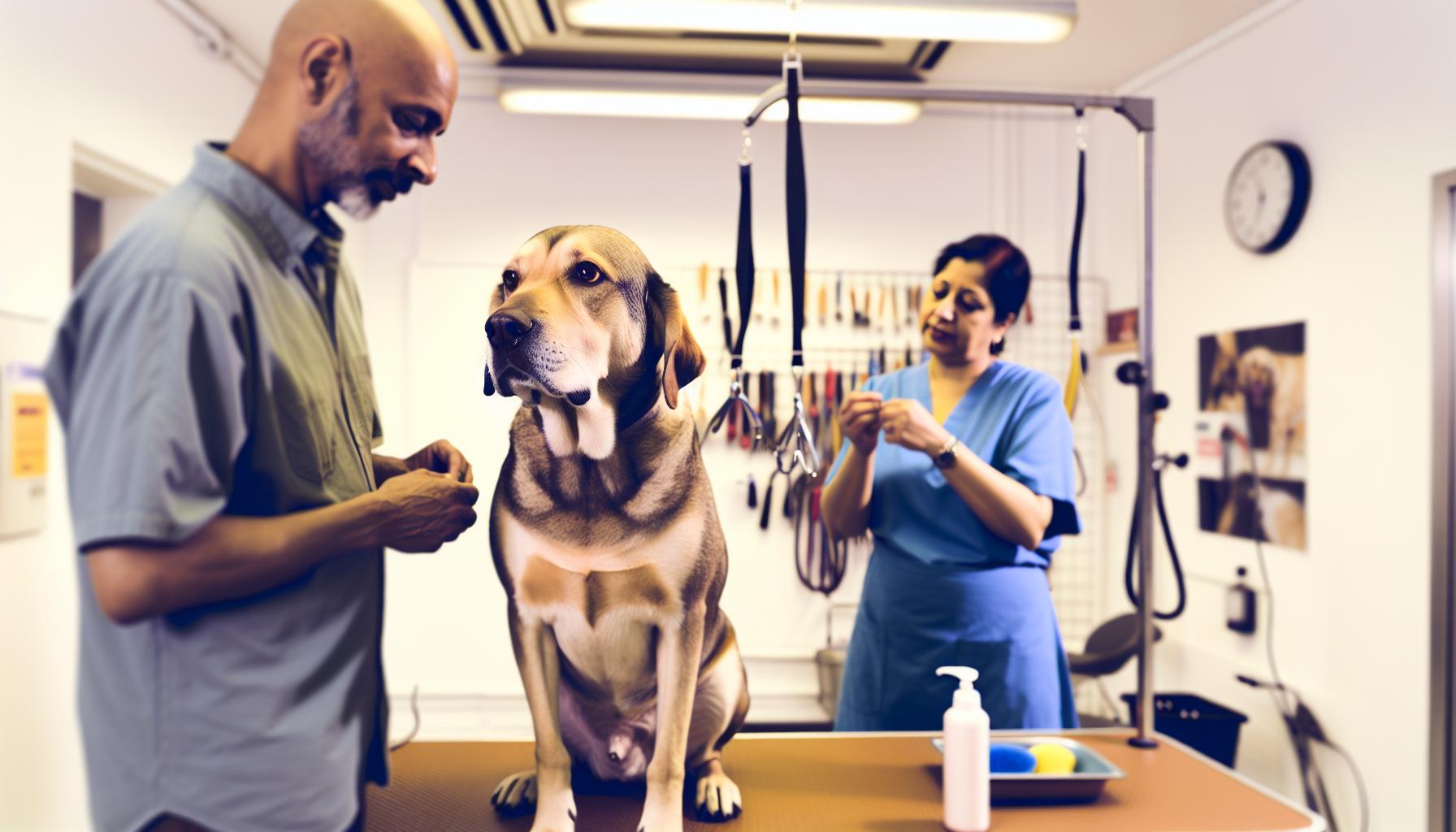
preparing Your Aggressive Dog for a Grooming Visit
Sometimes, preparing an aggressive dog for grooming can feel daunting, but thoughtful steps taken ahead of time can make a world of difference. Understanding your dog’s unique triggers and temperaments is the foundation. Some breeds with thick or curly coats, like Poodles, frequently enough require delicate, time-consuming brushing to avoid painful mats, which may increase agitation if rushed. In contrast, a small terrier prone to fear-based growling might need extra breaks and reassurance to stay calm during the session. By knowing your dog’s coat type and trouble spots – whether sensitive ears, nail trims, or bathing – you can help the groomer anticipate challenges and tailor the approach accordingly.
- Start Gentle Desensitization Early. Introduce your dog to grooming tools at home in short,low-pressure sessions. Let them sniff brushes or clippers without turning them on. reward calm behavior with treats or praise to create positive associations. For example, if your dog hates nail trims, simply touching their paws and rewarding stillness several times a day over a week can ease anxiety before the appointment.
- Maintain Familiarity and Comfort. Bring along your dog’s favorite blanket, toy, or a known calming item like a pheromone spray diffuser. This familiarity in a new setting can be grounding. Also, establish a calming ritual before and after grooming-like a quiet walk or gentle petting at home-that communicates safety and routine.
- Communicate Specific Health or Behavioral Needs. Share any recent changes in temperament, pain areas, or health issues that might affect handling. If your dog has arthritis, for instance, they might resist certain positions or touches and require extra care.
preparing for Each Key Grooming Task
- Bathing: use lukewarm water and mild shampoos. Avoid rushing-keep dousing calm and slow. If your dog resists running water, try using a handheld sprayer at a low pressure or gentle sponge baths rather.
- Brushing: Schedule multiple short sessions rather than a marathon brush-out. Pay close attention to mats-work slowly and patiently to avoid pulling hair and causing discomfort.
- Nail Trimming: Trim just a few nails per session if necessary.Use high-quality clippers and have styptic powder on hand to quickly manage any accidental nicks.
- Ear Cleaning: Be gentle and slow. Stop promptly at any sign of distress. If your dog dislikes this process, try associating ear cleaning with treats afterward.
Realistic Expectations and Professional Boundaries
Remember, grooming is about your dog’s welfare, not achieving a magazine-perfect cut every time. If your dog’s aggression stems from deep anxiety or pain, consider consulting a professional behaviorist or your vet before scheduling grooming. Sedation or a vet clinic’s specialized grooming staff might sometimes be safer options. Groomers often welcome open conversations about your dog’s history so they can recommend the best course of action-whether it’s shorter sessions, muzzle use, or even a trial visit to build confidence.
This preparation nurtures trust between you, your pup, and the groomer.It transforms a perhaps stressful experience into something manageable and compassionate, prioritizing safety and comfort above all else.With patience and careful planning, many dogs who initially seem “too difficult” for grooming learn to tolerate, if not enjoy, their visits over time.[1]
[3]
When to Consider professional Behavior Training First
Many dogs who show aggressive or highly anxious behavior during grooming are signaling an underlying discomfort or stress that simple grooming techniques alone can’t fully resolve.At these moments, seeking professional behavior training isn’t just a good idea-it could be the key to turning grooming sessions from stressful ordeals into peaceful routines that support your dog’s well-being.Behavior experts use proven, gentle methods to help dogs build positive associations with handling and handling-related stimuli long before they ever step into a grooming salon.
Especially for breeds with thick, complex coats like Poodles or double-coated breeds such as Huskies, grooming can be inherently demanding and prone to trigger frustration if the dog is not well-prepared mentally.If you notice consistent signs like lunging, growling, snapping, or freezing that escalate despite your best home desensitization efforts, this is a clear indicator that a trained behaviorist could help address the root causes, whether fear, pain, or past trauma.Professional trainers work alongside veterinarians and groomers to develop personalized, step-by-step behavior modification plans. These often include:
- Controlled, gradual exposure: Introducing grooming tools and touches in a way that respects your dog’s pace, avoiding any force or pressure, and rewarding tiny steps of calm acceptance.
- Counter-conditioning skills: Transforming negative experiences into positive ones, such as pairing ear cleaning with favorite treats or play, which can later generalize to the groomer’s setting.
- Pain management assessment: Collaborating with your vet to identify and manage any physical discomfort, like arthritis or dental issues, that might cause aggression during handling.
- Safe handling techniques: Training both owner and groomer on proper restraint and calming strategies tailored to your dog’s specific temperament and triggers.
When behavior training is part of the plan, grooming sessions often become shorter and less tension-filled, allowing groomers to focus on safety and comfort rather than struggle.This approach is particularly vital for dogs who have had previous negative grooming experiences or for senior pets whose tolerance has decreased over time.
Remember, investing in professional training not only benefits your dog’s mental health and future grooming visits, but it also builds your confidence as a loving owner. It perfectly complements the groomer’s skill set by making your dog more comfortable and cooperative, helping everyone involved-including your furry friend-have a more positive experience.
Alternatives: Vet Clinics and Mobile Groomers for Difficult Dogs
Sometimes, despite every effort, grooming an aggressive or extremely anxious dog in a conventional salon setting just isn’t safe or feasible. That’s where alternatives like veterinary clinics and mobile groomers stepping in can make a real difference-offering compassionate, specialized care tailored specifically to dogs who find grooming overwhelming or frightening.
Many veterinary clinics provide grooming services that include sedation or mild tranquilization under medical supervision. This approach is particularly helpful for dogs who are not only aggressive but also highly stressed or have medical conditions that complicate handling, such as arthritis or neurological issues. Sedation allows the vet team to perform everything from baths to full haircuts and nail trims safely, minimizing risk to both the dog and the grooming staff. While sedation isn’t something to be used lightly,it can transform a previously traumatic experience into a calm,manageable one. If your dog has a thick, matted coat-like a Poodle or a double-coated breed such as a Malamute-this can be a game-changer in preventing painful pulling or skin irritation[[[[[3](https://www.quora.com/Are-there-grooming-alternatives-for-dogs-that-are-too-traumatized-to-be-handled-by-professionals)].
Mobile Groomers: Comfort in familiar Surroundings
Mobile groomers bring professional grooming right to your doorstep, eliminating the stress of travel and unfamiliar environments. For an anxious dog, staying at home can reduce fear triggers significantly. Many mobile groomers specialize in handling challenging dogs, using gentle restraints, low-noise clippers, and plenty of positive reinforcement. they often take longer, shorter sessions as needed, prioritizing your dog’s emotional comfort over speed or perfection. Because they work one-on-one in a calm setting, mobile groomers can customize their approach based on breed, coat type, and temperament-whether it’s a thick double coat that requires careful dematting or a short-haired breed who needs gentle nail trimming and ear cleaning.
- Example: A senior Husky with declining endurance and mild arthritis showed signs of stress in busy salons. A mobile groomer was able to break grooming into several brief, manageable sessions at home, avoiding sedation altogether.
- Tip: Ask mobile groomers what experience they have with aggressive or anxious dogs and if they do a pre-visit consultation to observe your dog’s reactions in their own environment.
Knowing When to Choose Which Option
For dogs with mild to moderate aggression, mobile groomers using low-stress handling can be the perfect pacifier. But if safety remains a concern,especially when aggression spikes unpredictably or is rooted in medical pain,veterinary clinics’ sedation-supported grooming becomes an critically important option. Some vets also collaborate with professional groomers to provide joint services, combining medical oversight with grooming expertise.
Whatever you choose, clear communication is key: let your groomer or vet know about your dog’s specific triggers, past experiences, and any behavioral tips. And remember, prioritizing your dog’s emotional and physical safety will always pay off-whether that’s through patient, slow sessions at home, medical help, or a trusted groomer who knows how to approach difficult pets with kindness and skill[[1](https://www.k9sky.com/blogs/7-best-practices-for-pet-grooming-for-aggressive-dogs/)].
By exploring these alternatives, you empower your dog to experience care that honors their unique needs.With compassion, patience, and expert guidance, grooming can become a time of comfort instead of conflict-even for the most challenging furry friends.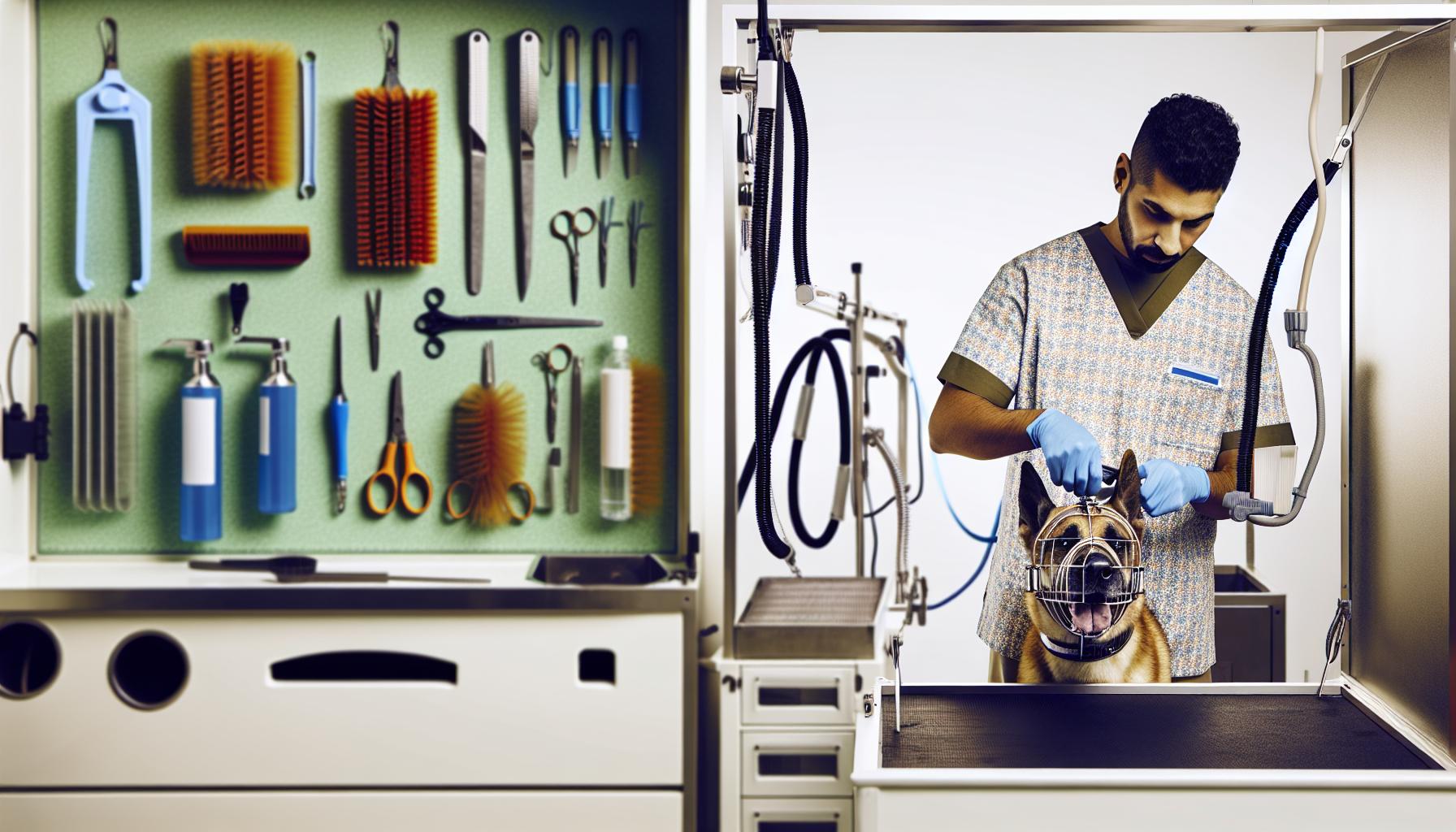
costs and Policies Behind Grooming Aggressive Dogs
It’s no secret that grooming a dog with aggressive tendencies often requires more than just standard care-it demands extra patience, specialized handling, and sometimes, additional resources. Because of this, many groomers implement specific policies and pricing structures designed to ensure the safety and comfort of all pets and staff involved. Understanding these policies upfront can help you prepare and reduce stress for everyone.
Aggressive or difficult dogs frequently enough need one-on-one attention,slower,more careful handling,and sometimes protective equipment like muzzle training or special restraint tools. Groomers may charge a higher fee to account for the additional time and care required-this isn’t to punish owners but to ensure that your dog receives thorough, compassionate, and safe grooming. It’s common for salons to have a separate “aggressive dog” policy where they require owners to disclose any biting or aggressive behaviors before the appointment. This transparency helps groomers prepare and decide if specialized services or alternative arrangements are necessary[[1](https://bubbabubbles.azurewebsites.net/policies/behavior/)].
What to Expect in Policy and Pricing
Many groomers have clear policies that include:
- Behavior Disclosure: Owners must inform the groomer if their dog has a history of aggression or biting. This open communication builds trust and safety.
- Additional fees: Aggressive dogs often incur extra charges to compensate for longer sessions, safety equipment, or requiring two groomers to assist.
- Session Modifications: Groomers may split the grooming into multiple shorter visits to reduce stress and risk.
- Right to Refuse Service: If a dog’s behavior presents an unmanageable safety risk,the groomer may decline the appointment. This is always done with your dog’s wellbeing as the priority.
One example: a groomer shared how a large, nervous shepherd mix was handled only after several calm visits, plus an initial consultation and a private, slow grooming session at home arranged with a mobile groomer. The upfront care prevented stress-related aggression,avoiding injury and saving the dog from sedation[^1].
Why Vet Clinics and Mobile Groomers Might Cost More but Offer Peace of Mind
Veterinary clinics often provide sedation-assisted grooming, which involves medical oversight but naturally increases costs. These procedures offer a safe alternative when aggression stems from pain or anxiety and reduce trauma for your pet. Likewise, mobile groomers usually charge premium rates for personalized, home-based services. This tailored approach avoids the chaos of busy salons, reducing stress-induced aggression. Both options prioritize emotional and physical safety, sometimes making the extra expense worthwhile compared to repeated stressful attempts or injury risks[[[[[3](https://www.crossroadsvh.com/site/blog/2024/03/30/groom-aggressive-dog)].
| Grooming Option | Typical Price Range | Pros | Cons |
|---|---|---|---|
| Standard Salon Grooming | $40-$80 | Lower cost, professional facilities | May refuse aggressive dogs, higher stress environment |
| Aggressive Dog Handling Fee | Additional $20-$50 | Extra time, safety precautions | Higher cost, shorter or split sessions |
| Mobile Grooming | $70-$150 | Calm home environment, personalized care | Higher price, limited availability in some areas |
| Vet Clinic with Sedation | $150-$300+ | Medical supervision, safest for extreme cases | Highest cost, requires vet visit, sedation risks |
- be honest and detailed about your dog’s behavior when booking. Give groomers time to prepare.
- Ask about extra fees or policy specifics upfront to avoid surprises.
- consider a pre-appointment consultation to introduce your dog to the groomer and environment.
- Explore alternatives like mobile or vet-based grooming if traditional salons seem too stressful.
The goal behind these policies is always the same: keeping your dog safe, respected, and comfortable-never rushing or forcing a stressful process. Patience, transparency, and kindness go a long way toward making grooming a positive experience even for dogs who might initially seem too challenging. Your commitment to this process helps groomers bring out the best in your furry friend, one calm step at a time[[1](https://bubbabubbles.azurewebsites.net/policies/behavior/),[2](https://www.crossroadsvh.com/site/blog/2024/03/30/groom-aggressive-dog)].
Owner Tips for At-Home Grooming on Tough Days
Many owners find themselves facing challenging grooming days when their dog’s nerves or temperament make a trip to the groomer unfeasible. On these tough days, focusing on small, manageable steps at home can make all the difference in maintaining your pet’s comfort and hygiene without turning the experience into a battle. Remember, it’s about compassion over perfection – a calm moment with gentle touch builds trust more effectively than force or frustration.
Know your Dog’s Coat and Needs
Different breeds and coat types require different approaches, so tailor your at-home routine accordingly. For thick, double coats like those of Huskies or Shepherd mixes, start with a slicker brush or undercoat rake to gently remove loose fur and prevent mats. For curly or dense coats such as Poodles,a wide-tooth comb followed by a finer brush can keep tangles at bay.If your dog has sensitive skin or is prone to irritation, opt for hypoallergenic shampoos and avoid over-bathing, which can strip natural oils.
Break It Down: Small Tasks, Big Impact
When grooming triggers anxiety or aggression, divide the process into short, positive sessions. Such as:
- Brushing: Do this daily or every other day in 5-10 minute increments. Focus on one small area at a time, offering treats and praise.
- Bathing: Use warm water and a gentle spray. Consider a handheld sprayer for control, and keep sessions short to avoid distress.If full baths are too intense, try spot cleaning key areas like paws and face with a damp cloth.
- Nail care: Introduce nail trims slowly - start by gently handling paws during quiet moments, then move to just clipping one or two nails per session. Use a dremel grinder for a less invasive alternative if your dog is sensitive to clippers.
- Ears: Check ears for debris or redness weekly.Use cotton balls or pads with vet-approved ear cleaner and never insert anything deep into the canal.
these bite-sized steps keep your dog comfortable and reduce the likelihood of escalation.
Safety and Calmness Are Paramount
Never compromise safety. If your dog shows signs of significant distress or aggression, stop and give them space. Wearing long sleeves and having a helper can prevent injury.Muzzle training, done well before grooming becomes necessary, can be a kind safety net to protect both you and your dog-start slowly with positive rewards to help your dog accept it without fear.
If your dog’s behavior makes any at-home grooming attempt feel unsafe, it’s wise to pause and seek professional advice. Rescue scenarios, such as a severely matted coat or an infection, frequently enough require a vet’s intervention or specialist groomer with experience managing difficult dogs[1[1[1[1,2].
Setting Realistic Expectations and Being Gentle With Yourself
Progress might potentially be slow, and that’s completely okay. The priority is your dog’s emotional welfare, not achieving a perfectly styled haircut. Celebrate small wins-like your dog allowing brushing without pulling away or calmly lifting a paw for a few seconds.These moments build an atmosphere of trust that can make future grooming or salon visits less stressful.Above all, approach every session with a calm demeanor-your dog reads your energy far more than you realize. With patience and consistent, gentle care, at-home grooming helps maintain your pet’s health while nurturing the bond you share, even on the most challenging days.
Ensuring Safety and Comfort During Grooming Sessions
Grooming can be a stressful time for both dog and owner when a pet’s behavior swings toward anxiety or aggression. Creating a calm and safe environment is the foundation for turning grooming into a more positive experience-one that protects your dog’s well-being as well as the groomer’s safety. Understanding that safety doesn’t mean rushing or forcing is crucial.Instead, it’s about slow, purposeful steps that respect your dog’s mood and physical limits.
Many groomers tailor their approach based on breed, coat type, and individual temperament. For example, thick-coated breeds like Malamutes need gentle undercoat raking to prevent matting without causing discomfort, while curly-coated dogs benefit from a combination of wide-tooth combs and slicker brushes to maintain healthy curls without ripping tangles.Groomers often advise bringing familiar toys or blankets to soothe your pup during sessions. These small comforts can reduce fearful behaviors substantially. Wearing protective gear such as long sleeves and gloves is common for groomers handling dogs prone to snapping, and sometimes a well-introduced muzzle becomes a positive safety tool – never used as punishment but as protection for everyone involved, with plenty of reward-based training beforehand to reduce stress.
Practical Tips for Each Grooming Step
- brushing: Slow brushing sessions with frequent treats encourage relaxation. Focus on one zone at a time, using soft strokes and stopping at the first sign of tension.
- Bathing: Lukewarm water and gentle spray are essentials. A handheld sprayer gives more control and helps avoid startling sensitive dogs. Short baths,or spot-cleaning areas like paws and face,can keep your dog comfortable and less overwhelmed.
- Nail care: Many dogs dislike nail trims. Using a dremel grinder instead of clippers can minimize the sensation and noise. Always trim only a couple of nails per session initially,paired with calm praise to build a positive association.
- Ear cleaning: Use vet-approved cleaners on cotton balls, never cotton swabs. Regular checks prevent discomfort that could escalate into defensive aggression.
When to Pause and Ask for Help
If your dog’s agitation or aggression rises sharply, it’s a sign to stop and provide a break. Continue grooming only when your dog has calmed down, offering lots of encouragement. Persistent or extreme aggression often requires professional behavior assessment before further grooming attempts.A veterinarian or a behaviorist may help uncover underlying anxiety or pain causing difficult behavior. Sometimes, a specialized groomer with experience handling aggressive dogs or mobile grooming that reduces travel stress is a safer alternative[[1](https://www.srah.com/site/blog/2024/07/15/groom-aggressive-dog)].
remember,patience and respect for your dog’s feelings trump any desire for a perfect trim. Each calm moment, each gentle touch, steadily builds confidence and security that can make future grooming a much gentler process-for you and your furry friend.
Faq
Q: Can professional groomers handle dogs with extreme fear-based aggression?
A: Yes, some professional groomers specialize in handling extreme fear-based aggression by using gentle, patient techniques and calming tools. However, if your dog’s fear triggers intense aggression, it’s best to consult a behaviorist first to develop a plan that ensures safety and comfort during grooming. See _Preparing your Aggressive Dog for a Grooming Visit_ for tips.
Q: Do groomers require proof of vaccination or health checks for aggressive dogs?
A: Many groomers do ask for up-to-date vaccination records and sometimes a health check, especially for aggressive dogs, to protect staff and other pets.This is part of their difficult pet policies to maintain a safe grooming environment.Ask about specific requirements when booking your appointment to avoid surprises.
Q: How do groomers adapt grooming sessions for dogs that resist multiple types of handling?
A: Groomers frequently enough break grooming into shorter sessions or focus on less stressful tasks first (like brushing or nail trimming) to build trust. Using muzzles or specialized restraints, while ensuring the dog’s welfare, can help manage resistance safely. These techniques are detailed under _Essential Tools and Techniques for Challenging Pets_.
Q: Are there groomers who offer sedation services for aggressive dogs, and what are the risks?
A: Some groomers partner with veterinarians to sedate aggressive dogs during grooming, but sedation risks include health complications and stress. Sedation should always be administered under veterinary guidance, not by groomers alone, to ensure your dog’s safety. For alternatives, see _Alternatives: Vet Clinics and Mobile Groomers for Difficult Dogs_.
Q: Why do some groomers refuse to groom aggressive dogs despite owner cooperation?
A: Groomers sometimes refuse aggressive dogs to protect their staff and other pets, especially if prior attempts caused injury or excessive stress. they prioritize safety and may recommend professional behavior training or vet consultations before rescheduling grooming.See _When to Consider Professional Behavior Training First_ for more.
Q: Can mobile groomers be a better option for aggressive dogs compared to salon grooming?
A: Yes,mobile groomers can reduce stress by grooming your dog in a familiar environment,which may lessen aggression. They often have flexible policies for difficult dogs and can tailor sessions based on your dog’s needs.Check _Alternatives: Vet Clinics and Mobile groomers for Difficult Dogs_ for more guidance.
Q: How does breed and coat type influence grooming policies for aggressive dogs?
A: Breed and coat type impact grooming difficulty; breeds with thick or matted coats may resist more due to discomfort. Groomers may set specific policies based on these factors and your dog’s behavior to ensure safe handling. Understanding your dog’s coat needs helps in _Which Dogs Do Groomers Accept: Managing Aggressive Behavior_.
Q: What are practical owner steps before the grooming appointment to reduce a dog’s aggression?
A: Owners can practice gentle handling at home, desensitize their dog to grooming tools, and maintain consistent routines to lower anxiety. Sharing detailed behavior notes with the groomer helps tailor care. Refer to _Owner Tips for At-Home Grooming on Tough Days_ for step-by-step advice to build calm confidence.—
*For more expert advice on managing your dog’s grooming experience and safety, explore our detailed sections and feel free to reach out with questions. Together, we prioritize your pet’s comfort and well-being.*
Final thoughts
Navigating grooming for aggressive dogs can feel overwhelming, but with the right approach and understanding of difficult pet policies, you can find trusted groomers who prioritize your pet’s safety and comfort.Remember, every dog’s breed, coat type, and temperament guide the best grooming tools and techniques-whether it’s a calm bath, gentle brushing, or careful nail care. If your dog shows anxiety or aggression, consider consulting professionals experienced in behavior management or exploring at-home care options for certain tasks. Prioritizing patience and compassion ensures your furry friend feels secure throughout every step.
For next steps, dive deeper into [how to care for anxious dogs during grooming] and [top safety tips for managing difficult pets]. These resources offer practical advice and real-world examples that complement this guide.Don’t hesitate to join our newsletter for ongoing expert tips or reach out for personalized consultations tailored to your dog’s unique needs. Your commitment to understanding aggressive dog grooming not only improves their well-being but builds a stronger bond grounded in trust-and that’s what truly matters.
Have questions or stories about grooming your challenging canine? Share them in the comments below and help build a supportive community. Keep exploring our expert dog care content to stay informed and confident-because every pet deserves gentle, skilled care that respects their individuality and keeps them happy and healthy.
Get our latest guides, news, and insights highlighted in your Google Search & AI Overviews.
Keep reading about the same coat and cut.


Popular grooming guides
Bath vs clip, first grooms, and salon how-tos.