Do Dogs Get Their Nails Clipped at a Groomers? What’s Included
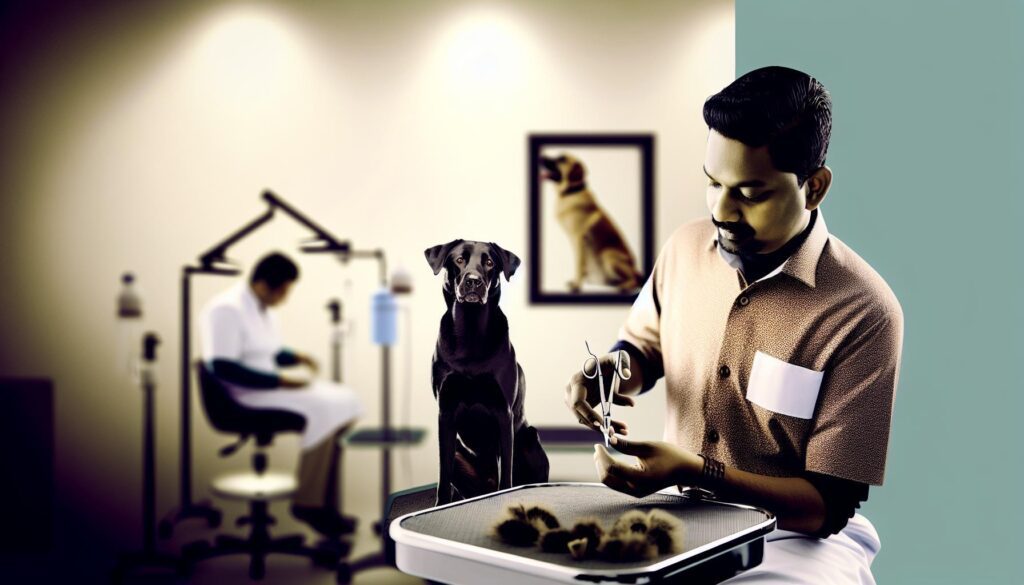
Did you no that regular nail trimming is essential for your dog’s comfort and health, yet many pet owners feel unsure about how often or where to get it done? when you take your dog to a groomer, nail clipping is usually included as part of their care routine, helping prevent painful overgrowth and related issues. This guide will help you understand exactly what nail care at the groomers involves, why it’s importent for different breeds and coat types, and how groomers prioritize your dog’s safety and calmness throughout the process. Whether you’re nervous about clipping your pup’s nails yourself or wondering if it’s better left to a professional, you’ll find practical, step-by-step insights here to empower you. We’ll also explore the difference between grooming appointments, vet visits, and DIY options, always focusing on what’s best for your dog’s wellbeing. Let’s dive in and make nail care a stress-free, positive experience for both you and your furry friend.
Are Dog Nail Trims Always Included at Groomers?
Table of Contents
- 1 Are Dog Nail Trims Always Included at Groomers?
- 2 How Groomers Safely Clip Dog Nails Step-by-Step
- 3 Signs Your Dog Needs Professional Nail Care
- 4 What Tools Groomers Use for Nail Trimming
- 5 Benefits of Groomer vs. DIY Nail Clipping
- 6 Common Nail Trimming Challenges and Solutions
- 7 How Nail Trimming Fits Into Full Grooming Packages
- 8 Tips for Calming Nervous Dogs During Nail Care
- 9 When to See a Vet Instead of a Groomer for Nails
- 10 How Often Should You Schedule Nail Trims?
- 11 Understanding Nail Care for different Dog breeds
- 12 Avoiding Pain and Injury: Groomer Nail Safety Practices
- 13 Frequently Asked Questions
- 13.1 Q: Do groomers include nail grinding as part of the nail trimming service for dogs?
- 13.2 Q: Are dog nail trims at groomers painful for the dog?
- 13.3 Q: How long does a typical dog nail clipping take during a grooming session?
- 13.4 Q: Can groomers trim nails on dogs that are anxious or scared?
- 13.5 Q: Is nail trimming at the groomer included in basic grooming packages or an add-on service?
- 13.6 Q: What should I do if my groomer accidentally cuts my dog’s quick during nail trimming?
- 13.7 Q: How can I prepare my dog for nail trimming at the groomer to ensure a smooth experience?
- 13.8 Q: Can groomers recommend a nail care routine for different dog breeds and coat types?
- 14 In Conclusion

It’s a common assumption that nail trims come automatically with every grooming appointment, but that’s not always the case.While many groomers do include nail clipping as part of a full grooming service, there are instances when it might be an add-on or require special scheduling. This flexibility helps groomers tailor services to what each dog truly needs, especially as some dogs are sensitive about their paws or may have health concerns that call for extra care.
Why might nail trimming not be included by default? Some grooming salons want to respect each dog’s comfort level and the owner’s preferences. If a dog is especially anxious or if the nails require slow, careful work due to thickness, splitting, or medical issues, groomers may suggest booking a focused nail trim session rather than rushing through it during a full groom. Likewise, for fast baths or trims, nails might be left out if the dog seems stressed or if time slots are tight.
Many groomers openly discuss the nail trimming options when you book. Such as:
- Some packages list “full groom with nail trim” as standard, including washing, hair trimming, ear cleaning, and nails.
- Others offer nail care as an optional specialty service, allowing owners to book just a nail trim appointment.
- Certain breeds with notoriously tough nails-like fast-growing nails on active dogs or small breeds with delicate paws-may need extra time beyond a standard slot.
It’s perfectly okay to ask your groomer directly how nail care fits into their services. If you notice your dog avoiding paw handling at home or if the nails look overgrown, sharing that detail can definitely help the groomer plan a gentle, unrushed nail-trimming session that prioritizes safety and minimizes stress. Remember,a compassionate groomer puts your dog’s comfort first,so whether nail trimming is included or separate,it’s all part of personalized care.
Practical Tips for Owners
- Before booking: Confirm with the groomer if nails are trimmed during the service, especially if your dog has any special nail care needs.
- During grooming: If your dog seems nervous about paw handling, let the groomer know so they can proceed gently or suggest multiple, shorter visits.
- After grooming: Observe how your dog reacts post-appointment and communicate any concerns back to the groomer to improve future visits.
In essence, while nail trims frequently enough accompany a full grooming package, they aren’t always an automatic inclusion.This thoughtful approach ensures every dog receives nail care in a manner that respects their temperament and health-the hallmark of truly compassionate grooming.
How Groomers Safely Clip Dog Nails Step-by-Step
Nail trimming can be one of the most stress-inducing parts of grooming, but when done with care and technique, it becomes a smooth, safe process that even the most anxious dogs can tolerate. Experienced groomers begin by setting a calm tone, using gentle touch and steady words to reassure your dog. Every nail session is personalized,especially for breeds with unique nail textures or coloring-like black nails where the quick is harder to see,or thick,fast-growing nails common in active dogs.
- Step 1: Assess and Prepare
Before any clipping starts, groomers carefully inspect each nail’s length, thickness, and health. They take note of sensitive areas, such as nails with cracks or splits and dogs prone to nail infections. they often use a quite, well-lit area and position your dog comfortably-whether standing, sitting, or lying down-so there’s minimal stress and maximum control. - Step 2: Gentle Handling and Initial trims
To avoid startling the dog, groomers begin by softly massaging the paws and nails, familiarizing your dog with the touch. Using sharp, precise nail clippers or grinders, they trim a small amount off the tip first, focusing on short, careful snips rather than big cuts. This gradual approach reduces the risk of hitting the quick, which can cause pain and bleeding. - Step 3: Monitoring and Adjusting Pace
Throughout, groomers watch your dog’s body language closely-ears, eyes, tail, subtle movements-to detect discomfort early. If a dog shows signs of anxiety or flinching, they pause or even break the session into shorter visits. Many groomers also use positive reinforcement, like treats or gentle praise, to build trust and comfort around nail care. - Step 4: Finishing Touches and Safety Checks
Once the nails are trimmed to an appropriate length, groomers frequently enough smooth rough edges with a nail grinder or file. This step prevents splitting and makes walking more cozy. they ensure there is no bleeding; if a quick is accidentally clipped, they are ready with styptic powder or cornstarch to stop bleeding instantly and soothe discomfort.
Real-World Tips from Groomers
- For little breeds with dainty paws, groomers often prefer nail grinders to avoid cracking brittle nails.
- Thick, dark nails call for extra caution-groomers trim in very small increments and may even use a flashlight to better see the quick.
- Dogs new to professional grooming may need a gradual introduction; starting with just touching paws one visit, then clipping a few nails next visit, builds confidence.
By focusing on safety, patience, and clear communication with both pet and owner, groomers create a stress-reduced nail trimming experience that prioritizes your dog’s wellbeing above all else. This careful process not only keeps nails healthy but helps even the most nail-sensitive dogs feel safe and respected under the groomers’ hands.
Signs Your Dog Needs Professional Nail Care
Many dog owners don’t realize how quickly nails can grow or how much discomfort overly long nails can cause. If your dog is clicking on hard floors, struggling to walk comfortably, or if their nails visibly curl under the paw pads, these are clear signals that professional nail care is overdue. Left unchecked, long nails can lead to painful cracking, infections, or changes in gait that affect joints and posture. Professional groomers are trained to spot these issues early and provide safe, effective nail trimming tailored to your dog’s unique needs-something owners can easily miss when trimming nails at home.
Some dogs,especially those with thick,dark nails or breeds prone to rapid nail growth-like active sporting dogs or fast-growing large breeds-benefit greatly from the groomer’s precise tools and calm technique.Dogs that rarely get walked on hard surfaces may have nails that grow too long despite regular exercise, making professional trims essential. Also, dogs with a history of nail splitting, cracked nails, or sensitive quicks should see a groomer who can expertly manage these delicate situations without causing pain or bleeding.It’s also important to watch for behavioral signs your dog ‘speaks’ about their nail troubles. If your dog flinches or pulls away when you approach their paws, or if they start licking and chewing their nails or paws excessively, these behaviors frequently enough indicate discomfort or irritation that a groomer can address safely. Professional groomers create a trusting, patient environment to soothe nervous dogs, which can make all the difference for pets who have had negative past experiences with nail trimming.
- Visible Signs: Nails touching or curling under paw pads; clicking sounds on hard floors; cracked or split nails
- Behavioral Signs: Paw licking, chewing, flinching during home trims, reluctance to walk or jump
- Breed or Lifestyle Specific Needs: Thick dark nails, breeds with fast nail growth, dogs not frequently walked on pavement
- Health Concerns: Nail infections, ingrown nails, or nails affecting your dog’s gait and comfort
Remember, while some nail issues require veterinary attention, such as infections or severe injuries, many common nail concerns can be expertly managed by professional groomers. Their tools and technique keep nails healthy, comfortable, and balanced, improving your dog’s overall quality of life. bringing your dog to a trusted groomer at the first signs of nail trouble helps avoid painful problems later, making grooming a positive, stress-free experience for both you and your furry friend.
What Tools Groomers Use for Nail Trimming
Few aspects of dog grooming require as much precision and gentle care as nail trimming. The right tools make all the difference-not only for effectiveness but for your dog’s comfort and safety. Groomers rely on a carefully selected set of instruments designed to handle various nail types, sizes, and sensitivities, all while minimizing stress or injury. Each tool has a distinct purpose, and knowing why and when they’re used can empower you to understand professional nail care or even confidently assist at home.
Clippers and Grinders: The Dynamic Duo
The cornerstone of nail trimming is the clipper. Most groomers prefer high-quality, sharp guillotine or scissor-style clippers that provide clean, quick cuts. Guillotine clippers work great for small to medium nails and feature a stationary hole where the nail slides in, while a blade slides across to trim. Scissor clippers, resembling human nail scissors but sturdier, are preferred for thicker nails or larger breeds. Using these tools skillfully ensures nails are trimmed safely without cracking or splintering.
However, some groomers also use nail grinders-rotary tools that gently file down nails instead of clipping. Grinders are especially useful for finishing touches or smoothing rough edges to prevent scratching. They are highly recommended for dogs with splinter-prone or thin nails, and for anxious dogs who might dislike the sudden “snap” of clippers. Grinders allow gradual shaping, which can be less intimidating and more controlled.
Supporting Tools Every Groomer Keeps on Hand
Aside from clippers and grinders, a groomer’s toolkit often includes:
- Styptic Powder or Pencil: This is essential for quickly stopping bleeding if the quick-the sensitive pink part inside the nail-gets accidentally nicked. It’s a calming reassurance for groomers and owners alike.
- Good Lighting and Magnification: Particularly for dark nails where the quick isn’t visible, radiant lights or magnifiers help ensure the trim stays safely away from sensitive areas, preventing pain and injury.
- Nail Files or Emery Boards: For delicate smoothing after clipping, these hand tools help refine the nail and prevent snagging on fabrics or carpets.
- Non-slip Surfaces: While not a tool for trimming per se, groomers use grooming tables with textured mats to gently restrain and securely stabilize dogs, making the process smoother and safer.
choosing the Right Tool for Your Dog
Not all dogs’ nails are created equal. For small breeds or very active dogs with naturally shorter, harder nails, a simple pair of sharp guillotine clippers may do the job quickly. Conversely, large breeds with thick, fast-growing nails-like Labrador Retrievers or German Shepherds-often require heavy-duty scissor clippers or a combination with grinders for precision shaping.
For anxious or sensitive pups, noise-sensitive grinders paired with positive reinforcement throughout the trim can turn a stressful task into a cooperative experience. One groomer shared how switching from clippers to a quieter grinder significantly helped a nervous rescue dog gradually accept nail care.
Every tool in a groomer’s arsenal is chosen to prioritize safety, comfort, and control – never speed or aesthetics alone. When considering your dog’s nail care, understanding the professional choice of tools can ease your mind, whether you’re observing a grooming session or attempting a gentle home trim yourself.
| Tool | Best for | Key Advantage | Tips |
|---|---|---|---|
| Guillotine Clippers | Small to medium nails | Precise,clean cuts | Ensure blade is sharp to avoid crushing |
| Scissor Clippers | Thick,large nails | Powerful for tough nails | Use slow,steady pressure for control |
| Nail Grinder | All sizes; sensitive dogs | Gradual shaping,less noise (with some models) | Start slow; use treats to encourage calm |
| Styptic powder | Any accidental nicks | Quickly stops bleeding | Keep accessible during trims |
| Nail File | Finishing smoothing | Prevents snagging | Use gentle strokes with care |
Benefits of Groomer vs. DIY Nail Clipping
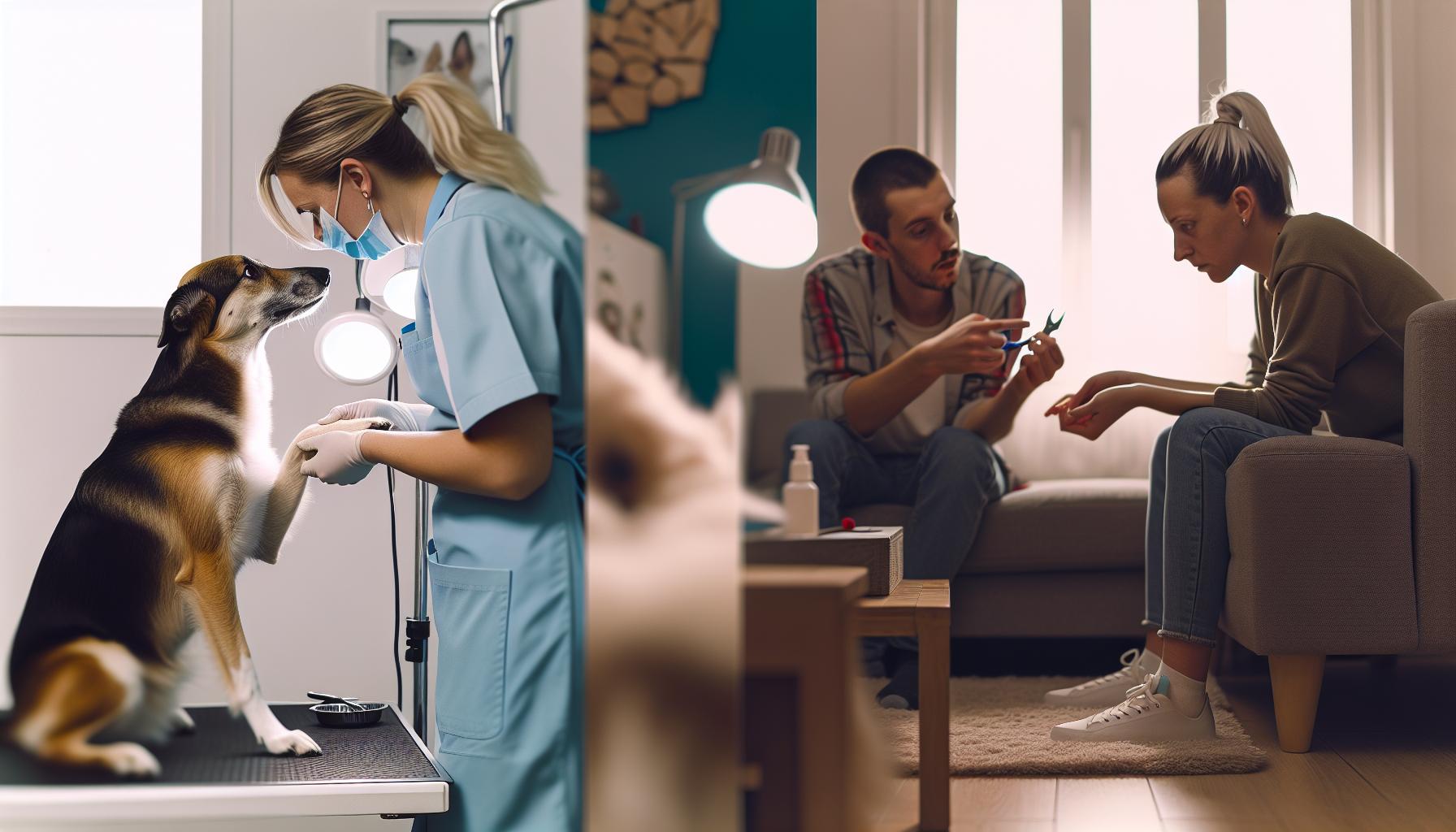
Many dog owners ask whether taking their pet to a professional groomer for nail trims offers real advantages over clipping nails at home. While DIY nail care can be convenient, professional groomers bring a unique blend of expertise, experience, and specialized tools that greatly benefit your dog’s comfort and safety-especially for pups who are nervous, wriggly, or have particularly tricky nails.
Professional groomers are trained to read your dog’s body language, quickly recognize signs of stress or discomfort, and use calm, confident handling techniques that ease anxious dogs through the process. They rely on advanced tools like high-quality scissor clippers and quiet nail grinders that may not be readily available to most owners. these tools are selected to suit different breeds, nail thicknesses, and temperaments, minimizing risks like nail splitting or accidentally cutting into the quick. For exmaple, a groomer might switch from guillotine clippers to a gentle grinder to help a sensitive or noise-averse dog feel more relaxed.
Safety and Comfort first
One of the biggest perks of professional nail care is access to controlled environments designed for safety and calm. Grooming tables with non-slip surfaces stabilize your dog securely, reducing sudden movements that increase injury risks. Plus, groomers have immediate access to emergency supplies like styptic powder to quickly stop any minor bleeding-something many owners don’t keep on hand or may hesitate to use correctly.Many dogs, especially large breeds or those with dark nails, benefit from groomers‘ bright lighting and magnification tools that allow precise trimming without guesswork. This precision helps avoid painful nail quick cuts and supports healthier nail growth. A well-trimmed nail not only improves your dog’s foot health but can also prevent behavioral issues stemming from painful nails.
When DIY Struggles Become Stressful
For pet parents who have tried clipping nails at home, it’s common to run into challenges like dogs pulling away, vocalizing distress, or struggling with slick surfaces that make trimming difficult. Groomers are skilled at adapting to these hurdles, using gentle restraint and positive reinforcement to help dogs remain calm and cooperative.
If you’re feeling hesitant or worried about hurting your dog, leaving nail care to a professional reduces stress all around. They frequently enough spot underlying issues, too-like thickened nails from arthritis or signs of infection-that may require veterinary attention, so the nail trim becomes a valuable touchpoint for overall paw health.
Supporting Your Dog’s Routine
Even if you prefer to do regular short nail maintenance yourself, scheduling periodic professional trims every 6-8 weeks can keep nails safely managed and ensure no hidden problems arise. Groomers can also offer personalized tips for at-home care tailored to your dog’s breed and activity level, empowering you with the confidence to maintain healthy nails between appointments.
| Aspect | Professional Groomer | DIY at Home |
|---|---|---|
| Tools and Equipment | Specialized clippers, quiet grinders, styptic powder, magnifiers | Basic clippers, limited emergency supplies |
| Safety and Precision | Experienced handling, proper lighting, quick response to injuries | Varies by experience; risk of quick cuts and nail damage |
| Stress and Handling | Calm, trained restraint; positive reinforcement | Can be stressful without training; dog resistance common |
| Expertise in Nail Health | Can identify nail abnormalities, recommend care changes | Limited to knowledge and experience of owner |
Choosing professional nail trims doesn’t mean giving up control-it means sharing your dog’s well-being with someone dedicated to safe, compassionate care. For many dogs and owners alike, that partnership transforms nail trimming from a dreaded chore into an easier, gentler part of their grooming routine. Whether paired with full grooming sessions or scheduled as stand-alone appointments, groomers offer the skill and calm confidence that every paw deserves.
Common Nail Trimming Challenges and Solutions
Nail trimming is one of those grooming tasks that can stir up a surprising amount of stress-not just for the dog, but for the owner too. Many common challenges arise during nail care, but with the right approach, these difficulties can be eased significantly. Whether your dog is a tiny terrier with fragile nails or a large breed with thick, dark claws, understanding and addressing these hurdles is key to a safer, more comfortable trim.One of the biggest challenges is resisting or anxiety. Dogs can sense nervousness, which may cause them to pull their paws away, squirm, or even vocalize distress during clipping. Groomers use gentle, soothing touches paired with calm verbal reassurance to build trust. They often start by handling the paws outside of trimming sessions, gradually acclimating dogs to the sensation of having their nails touched. If your dog is particularly sensitive, tools like quiet grinders, which produce less intimidating noise than customary clippers, can make a huge difference.
Trimming Dark or Overgrown Nails
Dark nails are especially tricky as it’s tough to see the quick-the sensitive part inside the nail that you want to avoid cutting. Groomers rely on bright lighting and magnification tools to spot the quick edge, preventing painful trims. When nails are overgrown,the quick may extend far,meaning trimming must be done gradually over several sessions to avoid bleeding. Groomers know this and will take a patient, stepwise approach, clipping little by little while encouraging healing between appointments.This reduces pain and helps restore healthy nail length over time.
Handling Nail splitting and Cracks
Some nails split or chip easily, especially in active dogs or those with brittle nails. Clipping too quickly or using dull tools can worsen these issues. Groomers maintain sharp blades and select the best tool for each dog’s nail type – often shifting between scissor-style clippers and grinders mid-session. For dogs prone to cracks, a groomer may suggest moisturizing paw balms or dietary supplements to support nail health.
Solutions for Wiggly or Busy Dogs
Many dogs simply don’t want to stay still. A skilled groomer uses gentle restraint techniques combined with positive reinforcement, like treats or praise, to encourage cooperation. The use of non-slip grooming tables prevents slipping, giving dogs a more secure footing that naturally reduces fidgeting. Sometimes, timed breaks and patience are all that’s needed to help a nervous or energetic dog settle enough for safe trimming.
| Common Challenge | Professional Groomer Solution |
|---|---|
| Dog resists or shows anxiety | Gradual desensitization, calming touch, positive reinforcement, quiet tools |
| Dark or overgrown nails hide the quick | Bright lighting, magnification, slow gradual trims |
| Nails prone to splitting or cracking | Sharp, specialized clippers; switching to grinders; health advice |
| Wiggly, restless dog | Gentle restraint, non-slip surfaces, breaks, and positive distractions |
Remember, some situations warrant professional intervention beyond what grooming can provide. As a notable example, if your dog has infected paws, painful lumps, or severe nail deformities, a veterinarian’s evaluation is critically important before nail trimming. Professional groomers will recognize when it’s time to recommend a vet, ensuring your dog’s comfort and safety remain top priorities.By understanding these common challenges and supporting your groomer’s techniques, you’re setting your dog up for stress-free nail trims that contribute to their overall health and happiness. Together, you can transform a formerly difficult task into a routine that feels safe, calm, and manageable for everyone involved.
How Nail Trimming Fits Into Full Grooming Packages
A full grooming session is much more than just a haircut or bath-it’s a complete care package designed to keep your dog not only looking great but feeling comfortable and healthy. Nail trimming fits seamlessly into this routine because those nails do more than just complete the look; they play a vital role in your dog’s daily comfort and mobility. When groomers include nail trims as part of the package, it ensures your pup’s paws get the attentive care they need along with coat maintenance, ear cleaning, and dental checks, creating a holistic grooming experience.
many owners don’t realize that nail care actually begins before the clippers come out. for example, some groomers will start the appointment with a bath that softens the nails and skin around the paws, making the trimming gentler and more effective.After drying and brushing, the groomer will carefully assess the nails’ length, condition, and color-especially important for breeds with darker nails where quicks aren’t easily visible. This step-wise approach ensures nails are trimmed safely without causing discomfort,and if your dog has particularly thick or overgrown nails,it gives the groomer space to plan gradual trims over several visits.
Including nail trims in full grooming packages also means your groomer can monitor nail health regularly, catching issues like splitting, cracking, or infections early on. It’s far easier to care for nails consistently than to tackle problems that get out of hand. Some groomers, such as those experienced in Mesa, AZ, emphasize this holistic care by pairing nail trims with paw pad checks and sometimes even specialized mud baths that promote skin hydration and nail strength[[1]](https://puppylovepetgroomingaz.com/). This extra attention supports your dog’s overall wellness beyond just appearances.
- Bath & Paws: Softens nails and preps paws for gentle trimming.
- Brushing: Removes debris that can hide nail issues.
- Nail Assessment: Identifies quick location, damage, or infection.
- Nail Trimming or Grinding: Tailored to nail type and dog temperament.
- Post-Trim Paw Care: Moisturizing balms or cleaning finishes.
This flow is especially comforting for anxious dogs as it breaks down the nail care process into manageable, soothing steps integrated with familiar grooming rituals. for owners, opting for nail trims within full packages means fewer appointments and a trusted professional watching over your dog’s entire grooming health. And if any nail issues are beyond routine care, your groomer can guide you gently toward veterinary support-always prioritizing your dog’s safety and comfort above all else[[2]](http://www.auntdonnagrooming.com/dog-grooming).
By having nail trimming as part of a standard grooming visit, you’re not just ticking a box-you’re investing in a preventative care routine that keeps your dog’s paws healthy, reduces painful nail overgrowth, and ultimately adds to their joy and mobility every day.
Tips for Calming Nervous Dogs During Nail Care
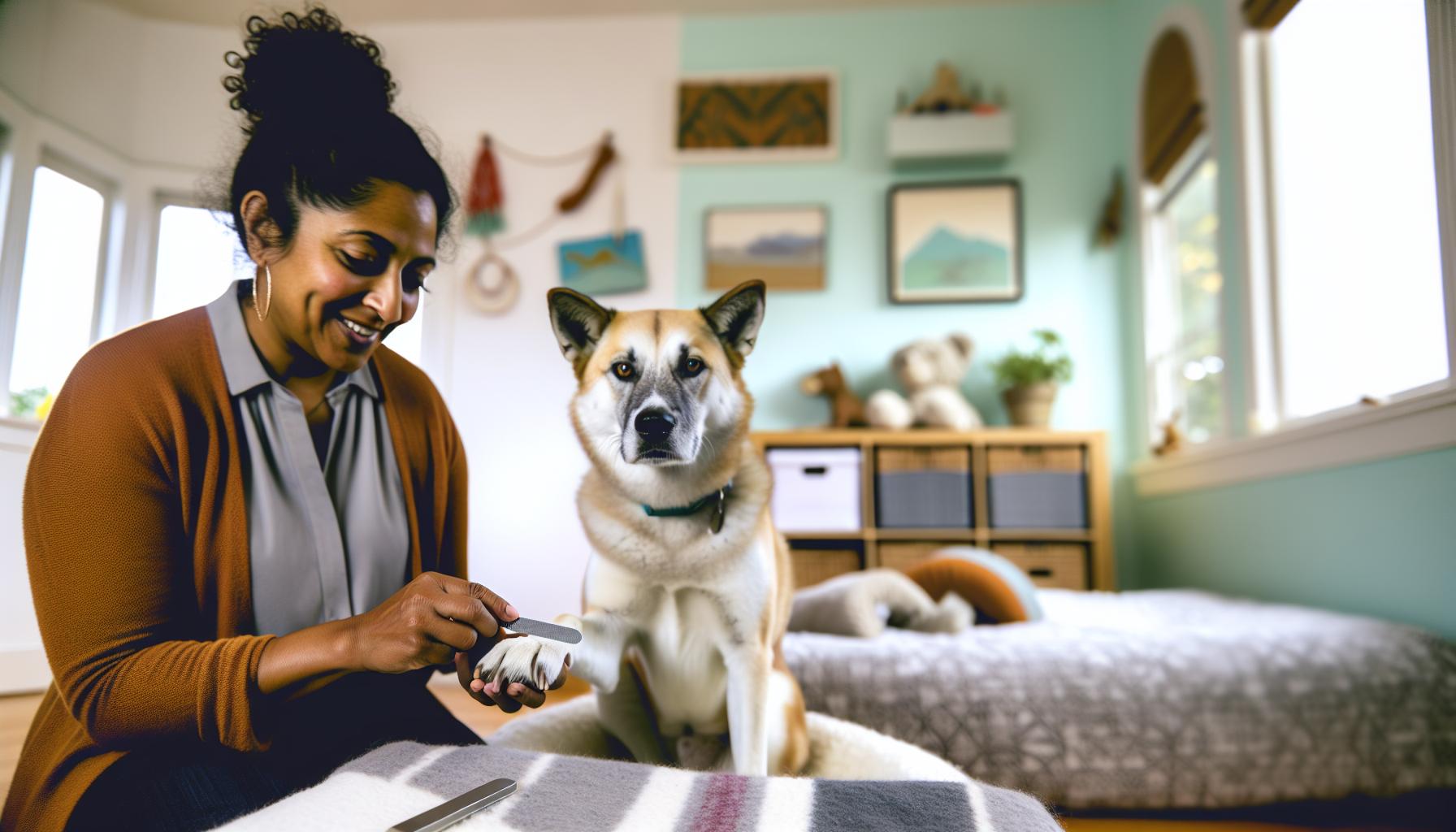
Many dogs find nail trimming nerve-wracking,but the right approach can turn this usually stressful task into a calm,even positive,experience. The key lies in understanding your dog’s individual needs and building trust through gentle, consistent care. When groomers take a compassionate, step-by-step attitude, they help ease anxiety while ensuring nail health and comfort. Even at home, these strategies empower owners to approach nail trims with confidence rather than dread.
Start with Familiar, Soothing Rituals
Before reaching for clippers or grinders, create a calming atmosphere by incorporating familiar actions your dog enjoys. A gentle bath softens nails and relaxes veins, making trimming less intimidating. Follow this with a slow, reassuring paw massage that gently stretches and desensitizes the digits. Speak in a soft, calm voice throughout these steps. Using treats or favorite toys during this “prep phase” can help your dog associate paw handling with positive rewards.
Break the Process Into Manageable Steps
Rather than rushing through nail trimming in one session, groomers often divide it into smaller parts. if your dog is especially nervous or fidgety, trimming just a few nails at a time and pausing for praise or gentle petting lets them acclimate at their own pace. This also reduces the risk of sudden movements that could lead to injury. For breeds with thicker nails or nervous dispositions-like terriers or rescues with past trauma-gradual trimming over multiple appointments builds trust and comfort.
Use Appropriate Tools and Techniques
Proper tools and technique matter enormously for both safety and stress reduction. Sharp,quiet nail clippers or grinders cause less discomfort and noise that can startle a dog. Groomers skilled in their craft handle paws firmly but gently, stabilizing the foot without squeezing.For dogs with dark nails where the quick isn’t visible, trimming tiny amounts frequently avoids accidental cuts. Sometimes, sensory aids like dimmed lighting and soft background music help sensitive pups stay calm.
- Use treats liberally during and after nail trims to create a reward-based experience.
- Allow brief breaks to prevent overwhelm-don’t push a worried dog to endure beyond comfort.
- Distract with toys or lip-smacking foods that keep attention away from paws.
- Practice regular paw handling outside of grooming sessions to build tolerance.
Remember, patience and empathy are your greatest tools. If a dog shows signs of extreme fear-such as trembling, aggressive snapping, or avoidance-it’s better to stop and seek the help of professionals familiar with canine behaviour or a vet who can assess for underlying pain or health issues. With kindness, clear communication, and consistency, nail care can become one of the gentlest parts of your dog’s grooming routine.
When to See a Vet Instead of a Groomer for Nails

Nail trimming is generally a routine part of dog grooming, but some situations call for a veterinarian’s expertise rather than a groomer’s scissors. If you notice that your dog’s nails are not just long but also *painful, bleeding,* or *discolored,* it’s a sign to pause regular trims and consult a vet. Problems like infections, nail bed injuries, or nail separation often mimic simple overgrowth but require medical diagnosis and treatment to heal properly before safe clipping can resume.Dogs with underlying health issues such as diabetes,autoimmune disorders,or blood clotting problems also deserve special attention from a veterinarian. These conditions can make nail trimming more delicate and prone to complications. In some cases, a vet may recommend professional nail care under sedation to avoid causing unnecessary pain or stress. for example, older dogs with arthritis or neurological conditions might find holding their paws uncomfortable, and a vet’s assessment can determine if gentle sedation or pain relief is best during nail care.
When Injury or Infection Is Suspected
If your dog flinches violently at nail handling, limps after nail trims, or has swollen/deformed nails, these are red flags. Common injuries-like cracked nails or torn quicks-can create open wounds prone to infection. Groomers may notice these signs but are not equipped to treat infections or prescribe medication, which is where veterinary intervention is essential. Early vet care helps reduce discomfort and prevents the problem from worsening.
behavioral Challenges with Medical Roots
Sometimes, a dog may refuse nail trims or become extremely aggressive because pain or physical discomfort is hidden beneath the surface. Chronic paw or nail conditions, undiagnosed wounds, or even tumors can cause this.Groomers skilled in calming techniques can help, but if your dog consistently reacts with fear or aggression, a vet might need to evaluate possible medical causes.
- Signs to seek vet care over groomer services: bleeding nails, swelling, limping, foul odor, excessive licking of paws
- Chronic conditions requiring medical oversight: infections, autoimmune nail diseases, tumors
- Situations calling for sedation or anesthesia: severe anxiety combined with physical issues making safe nail trimming impractical
It’s also important to know the boundary between what groomers and vets handle. Groomers excel at safe, routine trims when nails are healthy and intact. If you ever doubt whether your dog might be in pain or if nails look unusual, err on the side of caution by scheduling a vet appointment first. This approach protects your dog’s comfort and overall wellbeing, ensuring that once medical issues are ruled out or treated, nail trimming can proceed smoothly and calmly-whether with a groomer or at home.
Being proactive and collaborating closely with both your vet and groomer builds a trustworthy support team focused on your dog’s comfort. Remember, your dog’s welfare always comes first-even if it means pausing nail trims for veterinary care before returning to the grooming table. With patience and the right care plan, nail trimming can remain a stress-free part of your dog’s healthy routine.
How Often Should You Schedule Nail Trims?
Nail length can sneak up on even the most attentive dog parents, making regular trims essential to your furry friend’s comfort and mobility. While some dogs naturally file down their nails through daily walks on hard surfaces, many need a helping hand to keep those nails from becoming too long, which can cause discomfort or even affect their gait.
Generally, scheduling nail trims every 3 to 6 weeks works well for most dogs, but this timeframe can vary depending on things like your dog’s activity level, breed, age, and nail growth rate. Such as, active outdoor dogs that spend lots of time on abrasive surfaces may need less frequent trims than smaller or less active breeds whose nails grow more quickly and don’t get as much natural wear.
Tailoring Nail Care to Your Dog’s Needs
Some breeds, like the Poodle or Bichon Frise, with white or light-colored nails, make it easier to see the quick (the sensitive area inside the nail), so you can confidently trim without causing pain. Darker nails require a bit more caution, and in these cases, professional groomers with proper lighting and experience are fantastic allies. If your dog has thick, fast-growing nails, more frequent trims (perhaps every 3 to 4 weeks) prevent the quick from extending too far, which makes future trims tricky and uncomfortable.
Signs It’s Time to Book a Nail Trim
Aside from the calendar, observe your dog’s movement and behavior:
- Clicking sounds on hard floors frequently enough mean nails are too long.
- Scratching or snagging on carpets can signal overgrown nails.
- Changes in walking or reluctance to run may indicate discomfort.
If you notice these signs sooner than your scheduled appointment, don’t hesitate to reach out to your groomer for a nail-only visit. Many groomers offer quick trims between full grooming sessions to keep your dog comfy.
balancing Vet Visits, Groomer Appointments, and DIY
Keep in mind that while groomers are well-trained to handle routine trims safely and efficiently, dogs with nail infections, injuries, or special health conditions might require vet intervention first, as discussed earlier. For anxious dogs, some owners find that combining gentle training, slow desensitization at home, and scheduled grooming visits creates the best routine to manage nail care stress-free.
Establishing a consistent trim schedule provides not just physical benefits but also emotional assurance for your dog-you’ll create a predictable, calm experience every few weeks. This steady routine helps your pet feel safe and cared for, turning nail trims from a source of dread into an expected, gentle part of their wellness plan.
| Dog Type | Nail Trim frequency | Notes |
|---|---|---|
| Active, large breeds | every 4-6 weeks | Natural wear may reduce frequency |
| Small, indoor, or less active dogs | Every 3-4 weeks | More prone to overgrowth |
| Senior dogs or health compromised | Every 3-4 weeks or vet-advised | may need gentler approach, vet supervision |
| Breeds with fast nail growth | Every 3-4 weeks | Early trims prevent quick overgrowth |
Understanding Nail Care for different Dog breeds
Many dog breeds bring their own unique set of quirks when it comes to nail care, making personalized grooming not just a luxury but a necessity. For instance, a Great Dane’s thick, dense nails grow differently than the fine, slender nails of a Chihuahua, and this variation changes everything from trimming frequency to the type of tools and handling techniques best suited for each pup. Understanding these breed-specific needs ensures your dog’s nail trims are safe, stress-free, and supportive of their overall comfort.
Coat and Nail Color Matter
Breeds with light-colored nails, such as Poodles, Maltese, or Bichon Frises, have the advantage of a visible quick-the sensitive part inside the nail-making it easier to trim confidently without causing pain. Conversely, many dark-coated breeds like Rottweilers or Labrador Retrievers often have black nails, where the quick is hidden. Professional groomers rely on excellent lighting and sharp clippers to navigate these safely,and owners should be cautious when trimming dark nails at home.If you’re uncertain,trusting an experienced groomer can prevent accidental cuts and discomfort.
Activity Level and Nail wear
Active breeds like Border Collies or Australian Shepherds that spend ample time trekking trails tend to wear down their nails naturally. Their trims may be less frequent but still essential to prevent splitting or cracking. On the other hand, small or less active breeds, such as shih Tzus or Dachshunds, often live indoors with limited exposure to rough surfaces, causing nails to grow quickly and become prone to snagging. These dogs benefit from more regular trims, sometimes every 3 weeks, to maintain a healthy nail length.
Breed-Specific Challenges and Groomer Expertise
Certain breeds present unique hurdles. Take the Akita,for example: their powerful,thick nails can be daunting to trim without specialized tools like heavy-duty nail clippers and grinders. conversely, breeds with very fast-growing nails, like the Yorkshire Terrier, require regular monitoring and trims to prevent the quick from extending too far, which could make cutting painful in the future. Experienced groomers tailor their approach based on the breed’s nail texture,growth speed,and temperament-always prioritizing patient handling and comfort over speed.
Practical Tips for Owners
If you’re considering DIY nail trims, start by observing your dog’s nail color, growth rate, and behavior during trimming attempts. For breeds with tricky dark nails or anxious temperaments, professional groomers offer not only the tools but also the calm, reassuring touch that many dogs need. Remember, it’s perfectly okay to ask your groomer for advice tailored to your dog’s specific breed traits. They can recommend trimming frequency, suitable tools, and signs that indicate when it’s time for more frequent care.
| Breed Type | Nail Color & Growth | Typical trim Frequency | Groomer tips |
|---|---|---|---|
| Light-colored nails (Poodles, Bichons) | Quick visible, slower growth | Every 4-6 weeks | Owners can trim confidently with good lighting |
| Dark nails (Labs, Rottweilers) | Quick hidden, moderate growth | Every 3-4 weeks | Professional groomer recommended to avoid cutting quick |
| Active breeds (Border Collie, Husky) | Natural wear reduces growth | Every 5-6 weeks | Assess wear regularly, trims prevent cracks |
| Small indoor breeds (Shih Tzu, Dachshund) | Fast growth, prone to snagging | Every 3 weeks | Frequent trims needed; patient handling for anxious dogs |
| Thick nails (Akita, Mastiff) | Hard to clip, fast growth | Every 3-4 weeks | Use heavy-duty clippers; groomer expertise essential |
By approaching nail care with a breed-specific lens, you empower yourself to make informed decisions that honour your dog’s comfort and well-being. Whether at home or in the salon chair,this thoughtful attention helps your furry friend stay happy on their paws-and you can relax knowing they’re in good hands.
Avoiding Pain and Injury: Groomer Nail Safety Practices
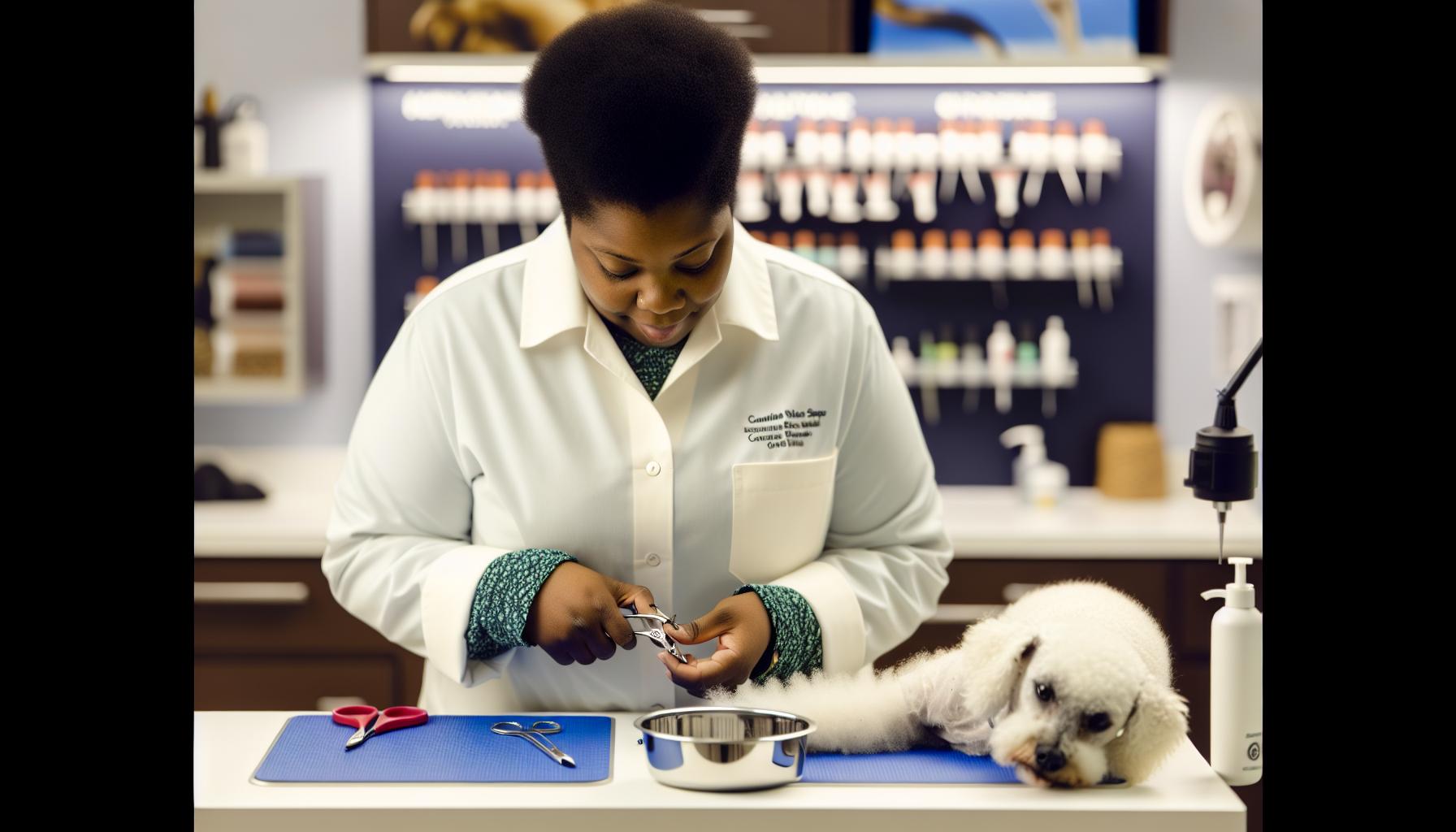
it’s surprisingly easy for even an experienced pet parent to accidentally trim too close to the quick-the sensitive nerve inside the nail-causing pain and bleeding.That’s why professional groomers take such great care and use proven safety practices to keep every nail trim as comfortable and injury-free as possible. They approach nail trimming not just as a task to be finished but as a chance to build trust, ease anxiety, and maintain your dog’s paw health for the long term.
Groomers start by assessing each dog’s nail type and temperament.For example,thick,fast-growing nails on breeds like Akitas require heavy-duty clippers and frequently enough a combination of trimming and grinding to smooth rough edges without pressure. Conversely, delicate nails on smaller breeds or dogs with light-colored claws offer the advantage of a visible quick, allowing groomers to trim confidently and precisely. In all cases, expert groomers work under bright, focused lighting with freshly sharpened tools to prevent crushing or tearing nails.
- Gentle handling is key: Many dogs feel vulnerable and fearful around nail trims, so groomers use calm, reassuring touches and positive reinforcement. They trim nails slowly,in small increments,stopping if the dog shows discomfort to avoid stress or injury.
- Tools matter: Sharp guillotine-style clippers, good-quality grinder machines, and even styptic powders for quick bleeding spots are standard. Groomers clean and sterilize equipment between sessions to ensure overall paw health.
- Clear communication with owners: If a nail looks too long,split,or infected,groomers advise if a vet visit is needed to prevent complications beyond trimming.
Practical Tips from Groomers
Many groomers recommend scheduling nail trims regularly to keep nails at a safe length, avoiding the quick from extending and decreasing injury risk. For dogs with dark nails that hide the quick, groomers often trim just a tiny bit at a time, checking frequently for signs of the quick moving closer. If you’re nervous about your dog’s comfort, ask your groomer to explain their trimming technique, so you feel confident and know what to expect.
Remember, it’s perfectly normal for some dogs to resist nail trims. Avoid forcing or rushing the process-groomers excel in managing these situations with patience and specialized handling. your dog’s wellbeing is their top priority,and a safe,pain-free nail trim is always worth waiting for.
| Safety Practice | Why it Matters | Example |
|---|---|---|
| Use of Magnified or Bright Lighting | Improves visibility of quick, especially in dark nails | Waiting longer between trims risks cutting the quick |
| Gradual Nail Reduction | Prevents hitting the quick by trimming small amounts | Applying a grinder after clipping to smooth edges |
| Patient, calming Approach | Reduces stress and movement, decreasing injury chance | Using treats or gentle massage to keep dog relaxed |
| Clean & Sharp Tools | Sharp blades prevent crushing and splitting the nail | Sanitizing clippers after each dog to avoid infections |
With these safeguards in place, experienced groomers provide nail care that keeps your furry friend comfortable and safe, helping you feel confident that their paws are in great hands. Prioritizing safety over speed or “perfect looks” transforms nail trims from a dreaded chore into a positive, stress-free part of your dog’s routine.
Frequently Asked Questions
Q: Do groomers include nail grinding as part of the nail trimming service for dogs?
A: Yes, many professional groomers offer nail grinding alongside clipping to smooth rough edges and reduce sharpness. This service helps prevent scratching and splits. If interested,ask your groomer to include grinding for a gentle,polished finish after the initial nail trim. Learn more about tools groomers use in the article section on nail trimming tools.
Q: Are dog nail trims at groomers painful for the dog?
A: Nail trims at groomers are designed to be painless and stress-free when performed correctly. Groomers use careful techniques and calm handling to avoid cutting the quick, which causes pain and bleeding. Consistent professional care helps dogs become more comfortable over time. see tips for calming nervous dogs during nail care for extra support.
Q: How long does a typical dog nail clipping take during a grooming session?
A: A standard nail trim usually takes 5 to 10 minutes, depending on your dog’s size and nail condition. Groomers frequently enough clip nails during or right after the bath for easier handling. Scheduling regular trims helps speed up future sessions and keeps your dog comfortable.
Q: Can groomers trim nails on dogs that are anxious or scared?
A: Absolutely, experienced groomers are trained to handle anxious or fearful dogs by using gentle touch, slow movements, and positive reinforcement. Some groomers may offer sedation options in rare cases,but most use calming techniques to prioritize your dog’s safety and comfort. check the article’s calming tips section for more guidance.
Q: Is nail trimming at the groomer included in basic grooming packages or an add-on service?
A: Nail trimming is often included in full grooming packages, but policies vary by groomer. Some salons charge extra for nail care as an add-on service. it’s best to confirm when booking. Regular trims as part of grooming help maintain paw health and overall well-being.
Q: What should I do if my groomer accidentally cuts my dog’s quick during nail trimming?
A: If the quick is cut, it may bleed, but groomers are prepared with styptic powder or solutions to stop bleeding quickly and soothe your dog. Aftercare advice typically includes keeping the paw clean and monitoring for signs of infection. Always inform your groomer of any nail sensitivity beforehand for extra caution.
Q: How can I prepare my dog for nail trimming at the groomer to ensure a smooth experience?
A: Prepare your dog by acclimating them to paw handling and nail touch at home ahead of the groomer visit. Bring favorite treats or familiar toys to help reduce anxiety. Communicating any known behavior or health concerns with your groomer will ensure a safer, calmer nail trim session.
Q: Can groomers recommend a nail care routine for different dog breeds and coat types?
A: yes, professional groomers tailor nail care advice based on breed-specific needs, coat type, and activity level.some breeds grow faster or require more frequent trims. Ask your groomer for personalized tips and schedule recommendations to keep your dog’s nails healthy and comfortable year-round. For details, see the Nail Care for Different Dog Breeds section.
For a deeper dive into these topics,visit the sections on grooming nail safety and calming nervous dogs during nail care. your dog’s comfort and health are our top priorities-feel free to reach out with any questions or to schedule your next grooming session!
In Conclusion
Keeping your dog’s nails properly trimmed is key to their comfort and health, and professional groomers provide safe, gentle care tailored to each breed and coat type. Whether your pup needs a simple nail trim or a full grooming session including bathing and ear cleaning, relying on experts ensures the right tools and techniques are used with patience and compassion.If you’re wondering about DIY nail care or how to spot when a vet’s attention is needed, exploring our DIY Dog Grooming Tips and When to visit the Vet for Grooming Issues can offer helpful guidance.
Don’t wait until nails become overgrown-schedule a grooming visit today to keep your dog happy and healthy. For more on overall pet wellness, check out our detailed guide on How to Care for Anxious Pets During Grooming. Have questions or want to share your grooming experiences? Leave a comment below or subscribe to our newsletter for expert advice delivered straight to your inbox.Your dog deserves the best in nail care, and we’re here to help every step of the way.
Get our latest guides, news, and insights highlighted in your Google Search & AI Overviews.
Keep reading about the same coat and cut.



Popular grooming guides
Bath vs clip, first grooms, and salon how-tos.