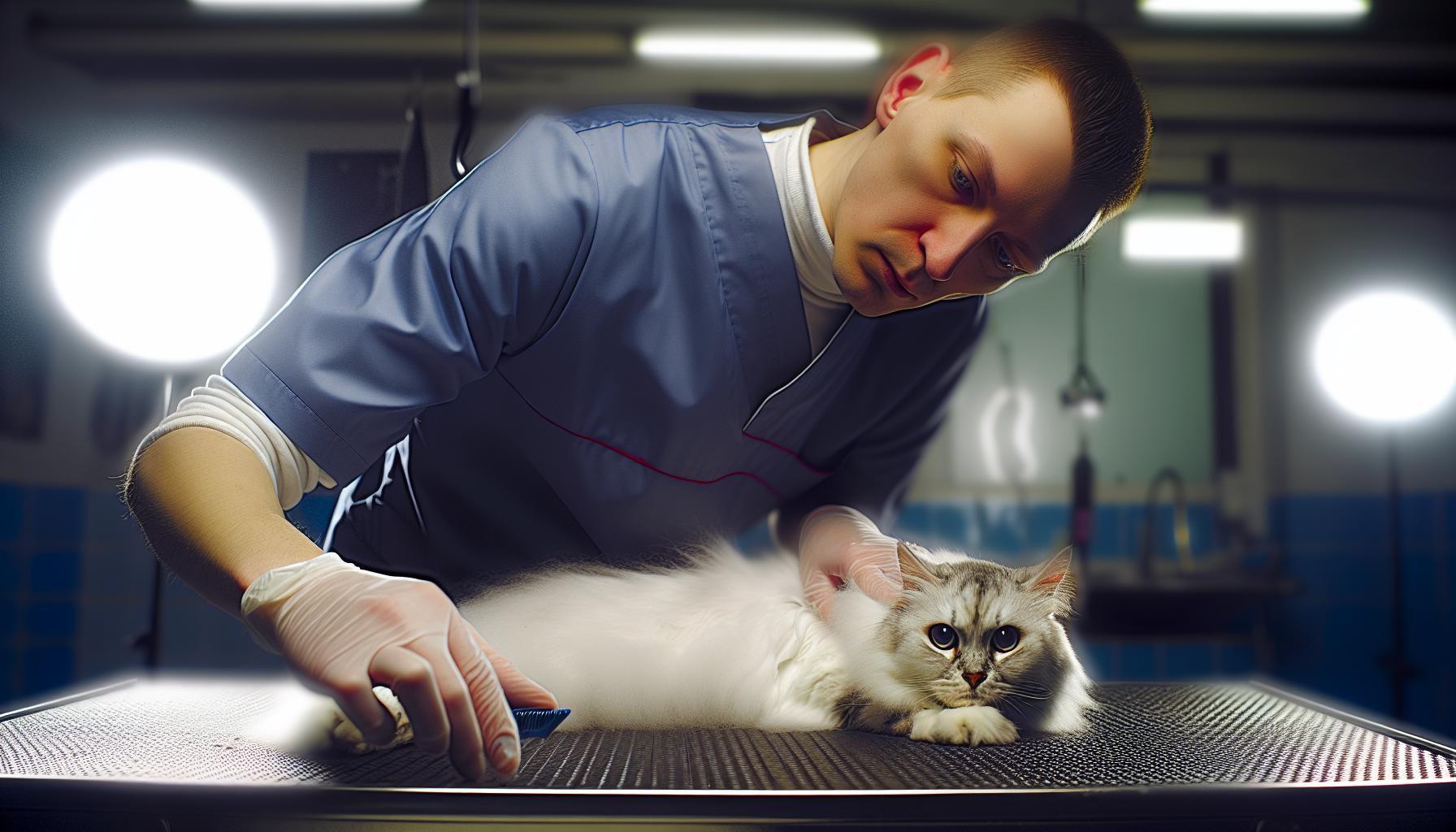
Many cat owners wonder, “Do groomers cut cats’ nails?” It’s a common question because nail care is vital for a cat’s comfort and safety, yet trimming can be tricky if your feline is anxious or squirmy. Professional groomers not only cut nails but also understand feline behavior, ensuring a calm, stress-free experience. Whether your cat has short or long fur, or a nervous temperament, knowing what to expect and how nail trimming fits into overall grooming can make a big difference. In this article, we’ll explore how groomers approach nail care, what tools they use, and how you can safely maintain your cat’s nails at home too. You’ll gain practical insights and gentle techniques to keep your furry friend happy and healthy, making grooming less of a chore and more of a bonding moment.Let’s demystify feline nail care together so you feel confident and compassionate every step of the way.
Understanding Feline Grooming basics: what It includes and Why It Matters
Table of Contents
- 1 Understanding Feline Grooming basics: what It includes and Why It Matters
- 2 Who Actually Cuts Cat Nails? Groomers, Vets, or Owners?
- 3 Step-by-Step Guide to Safely Trimming Your Cat’s Nails at Home
- 4 Tools and Techniques for Stress-Free Cat Nail Care
- 5 How Professional Groomers Handle Cat Nail Trimming Differently
- 6 Signs Your Cat Needs Nail Care and When to Seek Help
- 7 Common Nail Trimming Mistakes and How to Avoid Them
- 8 Caring for Anxious Cats: Tips for Gentle Grooming Sessions
- 9 Beyond nails: Other Essential Grooming Tasks for Cats
- 10 When and Why to Visit a Groomer Versus Your veterinarian
- 11 How Cat Breed and Coat Type Affect Grooming Needs
- 12 Troubleshooting Difficult Nails: Solutions for Tough or Overgrown Claws
- 13 FAQ
- 13.1 Q: How frequently enough should a professional groomer cut a cat’s nails?
- 13.2 Q: What special tools do groomers use for trimming cat nails?
- 13.3 Q: Can grooming salons handle cats with difficult or aggressive nail trimming needs?
- 13.4 Q: Why might a groomer recommend regular nail trimming even if a cat stays indoors?
- 13.5 Q: What are the differences between a groomer and a vet when it comes to cutting cat nails?
- 13.6 Q: How can owners prepare their cats for professional nail grooming appointments?
- 13.7 Q: Are there breed-specific considerations for trimming cat nails at a groomer?
- 13.8 Q: Can professional groomers safely trim a cat’s nails if the cat has arthritis or mobility issues?
- 14 In Summary
Cats are naturally meticulous groomers, spending a significant part of their day cleaning themselves to maintain comfort and health.However, their self-grooming habits don’t cover everything they need to stay in tip-top shape. Regular care beyond licking fur-like nail trimming, ear cleaning, and occasional brushing-is essential to keep cats comfortable and prevent issues ranging from painful matting to injured paws. Understanding these basics empowers you to support your feline friend with compassionate care while recognizing when professional help might be needed.Every cat’s grooming needs vary based on factors such as breed, coat type, age, and lifestyle. Long-haired breeds, like Persians or Maine Coons, often require more frequent brushing to prevent mats and tangles, while short-haired cats usually need less intensive maintenance. Nonetheless of coat, nail care is critical: unclipped nails can grow too long, causing discomfort or damage to furniture and skin. Grooming also provides invaluable bonding moments that, when approached with patience and gentleness, help build trust-especially in shy or anxious cats.
Essential Grooming tasks at a Glance
- Coat Care: Regular brushing removes loose fur and reduces hairballs. For long-haired cats, daily attention is often needed.
- Nail Trimming: Cutting excess nail length prevents snagging and painful overgrowth.
- Ear Cleaning: Checking and gently cleaning ears helps avoid infections.
- Dental Care: While not always classified strictly as grooming,dental health profoundly impacts overall wellness.
Knowing these tasks-and how to perform them safely-sets owners up for success.You don’t need to strive for perfect grooming looks; rather, prioritize your pet’s comfort and ease. For example,a brief brushing session that keeps your cat calm beats a lengthy ordeal that sparks stress. Similarly,fast,gentle nail trims protect paws without causing fear.Many owners wonder where groomers fit in this picture. Grooming professionals bring experience,specialized tools,and techniques that can be invaluable,especially for cats refusing DIY grooming or with special needs. Yet, understanding basic grooming empowers you to maintain daily care and notice when a groomer or veterinarian should step in. Compassionate grooming honors your cat’s individuality and wellbeing-whether achieved in your lap or under a groomer’s careful hands.
Who Actually Cuts Cat Nails? Groomers, Vets, or Owners?
Many cat owners wonder who is best suited to trim a cat’s nails-should it be done by the owner at home, a professional groomer, or a veterinarian? The truth is, all three can play vital roles, and knowing when and how to involve each can make a huge difference in your cat’s comfort and safety. Trimming a cat’s nails isn’t just about keeping claws short; it’s also about handling your feline gently and understanding their individual needs,personality,and health.
Most cat owners are encouraged to learn how to trim nails themselves. With the right tools and a calm approach, home nail care can be a manageable routine that strengthens the bond between you and your cat.This is especially true for easy-going or younger cats whose nails require regular attention. Owners should equip themselves with quality, sharp nail trimmers designed for cats, and take time to get their cats accustomed to paw handling. Short, frequent sessions work best to avoid stress.
When Professional Groomers Step In
Professional groomers bring experience, specialized equipment, and techniques that are very helpful, especially if your cat is prone to stress, has thick or challenging nails, or hasn’t been acclimated to nail trims. Groomers often use calming aids and distraction methods that make nail care less intimidating. They can also spot and manage overgrown, cracked, or ingrown nails safely. For cats with more demanding grooming needs-such as those with long coats or mobility challenges-groomers can serve as a vital partner for regular upkeep.
Veterinarians’ Role in Nail Care
Veterinarians usually get involved when a cat’s nails are causing medical issues-like infections from broken nails, ingrown claws, or nail bed injuries. If your cat has health conditions affecting circulation or mobility, or if nail trimming triggers aggressive behavior due to pain (possibly from arthritis or other ailments), a vet may be necessary.they can safely sedate and trim nails when needed and provide treatments beyond basic grooming. Some veterinary clinics offer grooming services for these reasons, combining care and treatment under one roof.
Finding Your Balance: Who Should Trim Your Cat’s Nails?
- Owners: Ideal for routine maintenance and bonding. Great with calm or well-socialized cats.
- Groomers: Best for anxious cats, special coat or nail conditions, or owners needing expert handling support.
- Veterinarians: necessary for medical issues, injured nails, or if sedation is required for safe trimming.
Remember, trimming nails is about preserving comfort and safety-not achieving a “perfect” look.If you’re a new owner, start slowly and recognize your cat’s signals. If you feel uncertain or your cat becomes too stressed or unmanageable, it’s perfectly fine-and often wise-to seek help from a groomer or vet. Their goal aligns with yours: keeping your cat happy, healthy, and comfortable through compassionate care.
Step-by-Step Guide to Safely Trimming Your Cat’s Nails at Home

Trimming your cat’s nails at home can feel daunting at first, but it’s one of the most valuable grooming skills to develop for your feline friend’s health and happiness. With patience, gentle handling, and the right tools, you can transform what might seem like a stressful chore into a calm bonding experience. Remember, every cat is different-some take to nail trims easily, while others need time and trust-building. Starting slowly and reading your cat’s body language helps set both of you up for success.
Gathering Your Tools and Setting the Scene
Before you begin, make sure you have the proper equipment to keep the process safe and smooth:
- Sharp, cat-specific nail clippers: These are designed to cut cleanly without crushing the nail.
- Styptic powder or cornstarch: To quickly stop any bleeding if you accidentally clip too close.
- Towels or a soft blanket: For gently wrapping or calming your cat if needed.
- A comfortable, quite space: Avoid distractions or loud sounds to help your cat relax.
Try trimming nails after your cat wakes from a nap or when they are slightly drowsy, making them more cooperative.
Step-by-Step Approach to Nail Trimming
- Start by gently handling your cat’s paws: Stroke and hold each paw to build comfort over days or weeks before trimming. Reward with treats or gentle praise.
- Expose the claws carefully: Press lightly on the pad to make the nail extend. This lets you see the quick (the pink area containing nerves and blood vessels), which you must avoid cutting.
- Trim just the sharp tip: Use your clippers to snip off only the pointed end. If your cat has dark nails, trim conservatively and trim small amounts regularly rather than cutting too close.
- Take breaks if needed: If your cat becomes anxious, pause and try again later. Short, frequent sessions are better than forcing a full trim in one go.
- praise and reward: Positive reinforcement boosts your cat’s confidence and helps associate nail trims with good experiences.
Troubleshooting Common Challenges
It’s normal to face resistance or feel unsure in your first attempts. Hear are gentle tips that work for many owners:
- If your cat squirms: Try wrapping them lightly in a towel with one paw free to trim, providing security without distress.
- If your cat has thick or overgrown nails: Take extra care and trim very small amounts, or seek a groomer’s expertise for more challenging nails.
- If you hit the quick: Calmly apply styptic powder and offer soothing words. Your calm response reassures your cat.
- If anxiety is high: Break the process into multiple short sessions over days, gradually building trust.
For cats who truly resist or have complex needs-due to breed traits, health concerns, or temperament-professional groomers or vets can offer alternative solutions, such as sedation or specialized handling. But with consistent, gentle practice and a patient approach, many owners find they can comfortably do regular trims themselves, improving their cat’s wellbeing and strengthening their relationship.
Tools and Techniques for Stress-Free Cat Nail Care

Many cat owners hesitate to tackle nail care because it seems intimidating,but the right tools and techniques can transform the experience into a calm,even enjoyable routine for both you and your feline companion. Understanding your cat’s unique temperament, breed traits, and coat type helps tailor your approach. For example, long-haired breeds might be less tolerant of handling but benefit greatly from gentle, slow introductions to nail trims, while more easygoing short-haired cats often adapt more quickly. The key lies in fostering trust and creating an surroundings where your cat feels safe and unthreatened.
Choosing the Proper Tools
- Cat-specific nail clippers: These are essential. Clippers designed for cats have a shape and blade sharpness made for clean, precise cuts without crushing the nail. The three common types are guillotine-style, scissor-style, and electric nail grinders. electric grinders are great for smoothing edges and can be less stressful for some cats once introduced gradually.
- Styptic powder or cornstarch: Accidents happen-trimming too close to the quick can cause bleeding. Having styptic powder on hand stops bleeding quickly and keeps your cat comfortable.
- Towels or calming wraps: Wrapping your cat gently in a towel can provide a cozy, secure feeling that prevents sudden movements and reduces stress.
- Calming aids: Natural pheromone sprays or diffusers in the trimming area can ease anxious cats.
Techniques That Prioritize Comfort and Cooperation
Patience is your best tool. Start by incorporating paw handling into daily petting sessions. Briefly hold and gently massage your cat’s paws to normalize touch before even thinking about clipping. When it’s time to trim, work in short bursts rather than long sessions.Watch your cat’s body language – if they tense, flatten ears, or try to pull away, pause and offer praise or treats. Pressing lightly on the paw pad to extend the nails lets you see clear where to trim, avoiding painful cuts into the quick. For cats with dark nails, trim conservatively. Trimming small amounts regularly is safer and less stressful than waiting until nails are overgrown.
For cats prone to squirming or fear, wrapping them securely but gently in a soft towel can work wonders. Allow just one paw to be exposed and trimmed,then release and reward before moving to the next. This method gradually builds your cat’s tolerance without overwhelming them. If your cat has especially thick or tough nails – sometimes common in older cats or certain breeds – a groomer’s expertise or a veterinarian’s help might potentially be the best choice to avoid distress or injury.
Creating a Relaxing Atmosphere
Trim nails in a quiet, familiar space with soft lighting and comfortable surfaces. Avoid loud noises or sudden movements. Schedule grooming after your cat’s nap or when they’re naturally calm. Treat breaks, gentle strokes, and positive reinforcement throughout remind your cat that nail care is a loving routine, not a punishment.
| tool | Purpose | Tips |
|---|---|---|
| Cat-specific nail clippers | Clean, precise clipping | Choose based on comfort and your cat’s nail size |
| Styptic powder/cornstarch | Stop bleeding quickly | Keep within reach for emergencies |
| Towel/Calming wrap | Secure, reduce movement | Wrap snugly but not tight; expose one paw at a time |
| Electric nail grinder | Smooth edges, reduce clipping noise | Introduce slowly with treats to avoid fear |
By combining the right tools with gentle, patient techniques and reading your cat’s signals, owners can approach nail trimming with confidence. Whether you prefer DIY or seek professional groomers, comfort and safety remain paramount. When in doubt, professional groomers and veterinarians bring years of experience and specialized methods that make a big difference for anxious or hard-to-handle cats.
How Professional Groomers Handle Cat Nail Trimming Differently

Professional groomers bring a unique blend of skill, experience, and empathy to cat nail trimming that many owners find invaluable. Unlike at-home attempts, groomers have refined techniques honed over hundreds of trims, allowing them to quickly assess each cat’s temperament and customize their approach. This expertise means they can safely handle even the most fidgety or anxious cats with minimal stress – an important factor since stress can make nail care more challenging if attempted at home.
Specialized Tools and Readiness
groomers use top-quality, cat-specific nail clippers and electric grinders, tools that many owners may not have at hand. These allow for precise trimming and gentle smoothing of nail edges to prevent snagging. Groomers frequently enough prep the cat by gently massaging and examining the paws first, which helps the cat feel more comfortable and reduces sudden resistance during the trim. For cats with very thick or overgrown nails-common in older or outdoor cats-professional tools and experience really shine, ensuring a safe, clean cut that minimizes discomfort.
Calming Techniques and Environment
- Gentle Restraint: Rather of forceful holding, groomers use soft wraps or towels that provide security without causing panic, exposing just one paw at a time for attention and clipping.
- Positive Reinforcement: Praises, treats, and soothing tones are common practices that reinforce calm behavior and make the experience more positive for the cat.
- Familiarity with Breed and Coat Differences: Professional groomers understand how certain breeds-such as the long-haired Persian or the more skittish Siamese-may require slower, gentler approaches or extra calming breaks.
When to Opt for a Groomer vs. Vet or DIY
While many owners successfully trim nails at home, groomers step in as the perfect middle ground between DIY and veterinary care. They handle nail trims that require more patience or skill but don’t involve medical issues, such as nail infections or injuries where a vet’s care is essential. Groomers also spot signs of nail problems early-like splits, infections, or ingrown nails-and advise owners when veterinary intervention is needed.
Ultimately, with a professional, it’s not about a flawless, “show cat” appearance but rather prioritizing your feline’s comfort, safety, and a stress-free experience. This allows anxious cats to receive consistent nail care while teaching owners the value of patience, proper tools, and reading feline body language, equipping them with confidence for home care between grooming sessions.
Signs Your Cat Needs Nail Care and When to Seek Help

Many cat owners underestimate how quickly a feline’s nails can become problematic, but keeping an eye on your cat’s claws is essential-not just for your furniture, but for your cat’s health and comfort too. Cats don’t always show obvious signs when their nails need attention, so it helps to know what subtle (and not-so-subtle) clues suggest it’s time for nail care-or even professional help. Overgrown nails can cause pain, interfere with walking, or lead to infections if left unchecked.
watch for any changes in your cat’s behavior or mobility. If your cat suddenly seems reluctant to jump,climb,or scratch,or if they’re frequently licking their paws,it might mean their nails are causing discomfort. You may also notice your cat’s nails snagging on carpets or furniture, or clicking loudly when they walk on hard floors-both clear signs nails have grown too long. Additionally, visible splits, cracks, or curling of the claws point to nails that need careful attention.
When Small Issues Become Big
Occasional trimming at home is great, but if you spot any of these more serious signs, it’s time to consult a groomer or vet:
- Ingrown nails: Nails curling into the paw pad can be quite painful and risk infection.
- Swelling, redness, or discharge: These may indicate an infection requiring medical treatment.
- Bleeding post-trim or nail breakage: This could mean nails are brittle or affected by underlying issues.
- Excessively thick or misshapen nails: Older cats, or those who spend less time outdoors, may develop nails too tough or tough to manage safely at home.
Knowing When to DIY, Groomer, or Vet
For routine trims in calm cats, owners can absolutely keep nails in check at home with the right tools and technique. But for anxious cats, those with thick or damaged nails, or when you encounter any signs of discomfort or infection, professional groomers are a safe bet-they have the experience and equipment to handle tricky nails gently and effectively. And if there’s swelling, wounds, or persistent behavioral changes your vet should examine your cat to rule out any underlying health concerns impacting nail health.
empowering You with Confidence
Remember, each cat’s grooming needs can differ by breed, age, and lifestyle. As a notable example, indoor cats frequently enough need more nail care as they don’t wear down their claws naturally outdoors, while certain breeds with thicker nails, like Maine Coons, may require more frequent or specialized trims. Trust your observations, approach nail care with patience, and don’t hesitate to reach out for help when you see warning signs. Your cat’s comfort and safety are the heart of every trim-and knowing when and how to act makes you the best partner in their care.
Common Nail Trimming Mistakes and How to Avoid Them
Trimming your cat’s nails might seem straightforward, but even well-meaning owners often encounter some common pitfalls that can make the experience stressful for both pet and person. One of the most frequent mistakes is cutting too close to the quick-the sensitive pink area inside the nail packed with nerves and blood vessels. This can cause discomfort or bleeding, leaving your cat wary of future trims.To avoid this, always trim small sections and look carefully for the quick’s edge, especially in cats with lighter nails where it’s easier to see.
Another challenge arises when owners try to trim all the nails in one session. Cats can become overwhelmed if you rush or attempt to complete the job too quickly.Breaking the process into short, calm intervals respects your cat’s limits and builds trust gradually. Remember, patience beats speed-grooming is about comfort and safety, not a perfect look.
Misusing Tools and Techniques
- Using the wrong clippers: Nail scissors or human nail clippers can crush the nail rather of giving a clean cut. Invest in quality cat-specific trimmers designed to provide a smooth snip without splintering.
- Ignoring your cat’s body language: Signs like twitching tail, flattened ears, or sudden withdrawal signal discomfort or fear. Respect these cues and pause if needed.
- Skipping nail care altogether: Assuming cats naturally wear down nails can lead to painful overgrowth or ingrown nails. Even outdoor cats benefit from regular checks since surfaces don’t always wear nails evenly.
Setting Yourself and Your Cat Up for Success
One practical tip is to have all your tools ready and within reach before starting-cat nail trimmers,styptic powder for accidental nicks,and some tasty treats for positive reinforcement. Approach your cat gently, offering praise and breaks to keep the mood light. If you’re nervous, remember groomers face these same challenges daily, and they emphasize compassion and calm, not force. Should your cat be particularly anxious or have difficult nails, seeking out a professional groomer can make all the difference. Their skill and specialized equipment ensure trimming is effective and comfortable for your cat,while giving you peace of mind.
By focusing on slow, mindful trimming, paying attention to your cat’s reactions, and choosing the right tools, you’ll avoid common mistakes that often turn nail care into a stressful chore.Over time, this gentle approach builds confidence for you and trust for your feline friend-a winning combination for happy paws and hearts.
Caring for Anxious Cats: Tips for Gentle Grooming Sessions

Many cats naturally feel uneasy about grooming sessions,especially when it involves handling sensitive areas like their paws and nails. Their anxiety can stem from previous negative experiences, unfamiliar environments, or simply a sensitive temperament. The good news is that by embracing a patient, compassionate approach and breaking down the grooming process into small, manageable steps, you can transform nail care into a less stressful-and sometimes even enjoyable-routine for both you and your feline friend.
start with Low-Stress Interactions
Before even reaching for the clippers, spend time gently handling your cat’s paws during relaxed moments, like petting or cuddling sessions. Offer treats and soothing praise to build positive associations with touch. This groundwork is vital for anxious cats, as it lowers their guard and establishes trust.
Use the Right Tools and Environment
Choose high-quality, cat-specific nail trimmers designed to make clean cuts without crushing the nails. Consider wrapping your cat in a soft towel to help them feel secure and to gently restrain movement. A quiet, familiar space with minimal distractions sets the stage for calm grooming. Soft lighting, a comfortable surface, and some favorite treats nearby can make a surprising difference.
Break Grooming into Mini Sessions
Rather than tackling all nails at once, trim just a couple of nails per session if that keeps your cat calm. Follow each small step with a reward and pause to let your cat relax.Over time, gradually increase the number of nails trimmed in one sitting. Remember: it’s not about speed or perfection, but about nurturing cooperation and comfort.
Know When to Seek Help
If your cat’s anxiety persists or nail trimming becomes too challenging, professional groomers are trained in gentle handling techniques and have experience managing nervous pets. Veterinarians can also provide guidance or recommend sedation in rare cases where stress is severe or medical conditions interfere. Always prioritize your cat’s well-being over completing a perfect grooming session at home.
- Keep sessions short and sweet: limit to 5-10 minutes to avoid overwhelming.
- Offer treats frequently: reinforce calm behavior with tasty rewards.
- Use gentle, calm voices: cats respond well to soft speaking tones.
- Watch for stress signals: dilated pupils, tail flicking, or growling indicate it’s time to pause.
By respecting your cat’s emotional limits and using thoughtful techniques, nail care becomes less of a chore and more a moment of connection. This empathetic approach allows anxious cats to gradually feel safer while enabling owners to gain confidence and skill through kindness and consistency.
Beyond nails: Other Essential Grooming Tasks for Cats

Grooming your cat involves more than just keeping those nails tidy. Many owners feel overwhelmed by the idea of a full grooming routine, but understanding the essentials beyond nails can make all the difference in your cat’s comfort, health, and happiness. Whether your feline friend has a sleek short coat or a luxurious long one, regular care tailored to their individual needs keeps them feeling their best-and can reduce stress during grooming sessions.
Brushing: The Backbone of Cat Grooming
Regular brushing not only prevents mats and tangles but also helps control shedding and reduces hairballs. Cats with dense or long fur, like Maine Coons or Persians, benefit from daily brushing using a slicker brush or comb adapted to their coat type. Short-haired breeds, such as the Siamese or Burmese, may only need a gentle brushing once a week to remove loose fur and stimulate the skin.
When brushing, always start from the head and gently move toward the tail, paying close attention to sensitive areas like the belly and armpits. If your cat has a tendency to resist, break sessions into short, calm intervals with plenty of praise and treats. Even a few minutes a day can build positive grooming habits.
Bathing: When It’s Really Needed
Unlike dogs, most cats are excellent self-groomers and don’t require frequent bathing. However, certain circumstances call for a gentle bath-such as if your cat gets into something sticky or toxic, or if they have a skin condition that your vet recommends treating with medicated shampoos. When bathing, use only cat-specific shampoos and warm water in a quiet, slip-proof environment. Be sure to thoroughly rinse out all soap and dry your cat carefully to prevent chills.
Ear and Eye Care: Watchful, Gentle Attention
checking your cat’s ears and eyes regularly helps catch infections or irritations early. Use a damp,soft cloth or cotton ball (never cotton swabs) for outer ear cleaning if you notice wax buildup or mild dirt. For eyes, gently wipe away any discharge with a clean, damp cloth. If you see persistent redness, swelling, or foul odors, it’s best to consult your veterinarian rather than attempting home treatment.
Understanding Boundaries: vet,Groomer,and DIY Grooming
Some grooming tasks,especially those involving potential health concerns,are best left to professionals. Groomers excel at handling anxious cats and can safely remove mats that are too tight or painful for DIY attempts. Veterinarians should be your go-to for skin issues,ear infections,or when sedation might be needed for more invasive grooming tasks.at home, focus on gentle maintenance, building trust, and getting your cat accustomed to touch. Consistency is key, and your calm approach will empower your feline companion to accept essential care more confidently.
- Choose tools suited to coat type: from pin brushes for long fur to rubber brushes for short hair.
- Observe your cat’s mood: pause if signs of stress appear and try again later.
- Reward generously: treats and affection foster a positive grooming experience.
- Ask for professional help: when dealing with difficult mats or health concerns.
By expanding your grooming routine thoughtfully and compassionately, you create enriching moments for your cat that go well beyond just clipping nails. This well-rounded care nurtures both physical health and your cherished bond, making grooming a gentle ritual instead of a dreaded chore.
When and Why to Visit a Groomer Versus Your veterinarian

Deciding whether to bring your cat to a professional groomer or your veterinarian can feel confusing, especially when it comes to nail care and grooming needs. Both play valuable roles, but understanding their different expertise helps you choose the best option for your cat’s comfort and safety. Groomers specialize in coat maintenance, gentle handling, and routine nail trims, while veterinarians focus on your cat’s overall health, including any underlying medical issues that might complicate grooming.
When a Groomer is the Best Choice
Professional groomers are skilled at making cats feel safe during routine grooming sessions, including nail trims. They have specialized tools for various coat types-from pin brushes for long-haired breeds like Persians to rubber grooming gloves for short-haired cats-and create calm environments designed specifically for feline comfort. Groomers are excellent when your cat tolerates handling but needs help with trimming nails, deshedding, or bathing, especially for breeds prone to mats such as Maine Coons.
Such as, if your cat’s nails are getting long but there’s no pain or injury, or if your cat’s fur is starting to tangle, a groomer can safely take care of these needs without the stress sometimes associated with DIY sessions. Many groomers use gentle restraint and positive reinforcement, which helps even anxious cats gradually accept regular grooming.
When to consult Your Veterinarian
Visit your veterinarian when nail care or grooming intersects with medical concerns. If your cat’s nails are injured, overgrown to the point of causing limping, or if you notice signs of infection, bleeding, or swelling around the paws, the vet’s expertise is essential. Likewise, for skin conditions, persistent ear infections, or if sedation is needed for deeply matted fur or severe anxiety, a veterinary visit is safest.
Vets can also advise if there are health conditions impacting grooming tolerance-like arthritis, skin allergies, or underlying infections-that could require specialized treatment. Never hesitate to seek medical advice if your cat shows signs of pain or distress during grooming attempts.
Bridging the Gap: Your Role at Home
Home grooming remains crucial and can significantly reduce the frequency of professional visits. Incorporating short, positive nail trimming sessions and regular brushing tailored to your cat’s breed and coat type builds trust and helps your cat feel more comfortable with handling. As a notable example, a short-haired Burmese may need just weekly brushing and nail touch-ups, while a long-haired Norwegian Forest Cat benefits from more frequent, thorough care.
- Understand each professional’s strengths: Groomers excel with routine fur and nail care in a low-stress setting, vets manage health-related grooming concerns.
- look for warning signs: Reluctance to walk, bleeding nails, persistent scratching, or foul odor indicates veterinary care is needed.
- Communicate openly: Inform groomers of any health issues, and inform your vet about grooming difficulties, so they can offer customized advice.
Ultimately, a team approach gives your cat the best care possible. Together, you, your groomer, and your veterinarian can ensure your feline friend’s nails and coat stay healthy while safeguarding their wellbeing and emotional comfort.
How Cat Breed and Coat Type Affect Grooming Needs

Did you know your cat’s breed and coat type greatly influence how often and what kind of grooming they need? From sleek short-haired breeds to luxurious long-haired fluffballs, each feline friend comes with unique grooming challenges that affect nail care, brushing, bathing, and even how they respond to handling. Understanding these differences helps you approach grooming with empathy and precision, making the experience safer and more comfortable for both you and your furry companion.
Distinct Grooming Needs by Coat Length and Texture
Short-haired cats like the Burmese or Siamese generally have less demanding grooming routines. Their smooth coats require just weekly brushing to remove loose hair and distribute natural oils, which also reduces shedding around your home.Nail trimming for these cats tends to be straightforward since their lower fur volume allows for easier paw inspection and handling.
In contrast, long-haired breeds such as Persians, Maine Coons, or Norwegian Forest Cats need more frequent and thorough care.Their dense undercoats and tendency to mat require daily brushing with tools like slicker brushes or wide-toothed combs to prevent painful tangles and skin problems. For nail care, the fur between toes can hide overgrown nails or debris, so groomers often combine brushing with careful paw checks. Owners new to these breeds might feel overwhelmed, but gentle, consistent routines can build trust and reduce stress over time.
Tailoring Tools and Techniques to Your Cat
- Short-haired cats: Use rubber grooming gloves or soft bristle brushes to enhance comfort. Nail clippers and basic styptic powder usually suffice for quick trim sessions.
- Long-haired cats: Slicker brushes, metal combs to detangle mats, and nail clippers with safety guards save time and prevent injury. Regular nail trims are essential to avoid claws curling into the paw pads, worsened by fur blocking your view.
- Curl-coated or dense-coated breeds: (e.g., Selkirk Rex or British Shorthair) need unique grooming approaches that account for curly or plush fur textures. Often, the nail trimming requires extra patience as paw fur may obscure nail beds.
Groomer, Vet, or owner: Finding the Right Balance
Professional groomers are a valuable resource for breeds with complex coats, and also cats who resist handling. Their experience with breed-specific tools and gentle restraint techniques ensures nails and fur are maintained safely, without pressure or rush. However, veterinarians should step in anytime grooming uncovers health issues like infected nail beds, painful mats, or skin conditions. At home, owners can master simple routines with breed-appropriate brush types and scheduled nail trims, enhancing trust and reducing the chance of struggles or injury.
As a notable example,if you own a Maine Coon with thick fur and long nails,visiting a groomer every 6-8 weeks can keep coat health and nails manageable. Simultaneously occurring, a short-haired cat with an easygoing temperament might thrive with monthly DIY nail trims and brushing. This thoughtful, individualized approach transforms grooming from a source of stress into bonding time rooted in kindness and understanding.
Troubleshooting Difficult Nails: Solutions for Tough or Overgrown Claws

Overgrown or stubborn nails can quickly turn a simple trim into a stressful ordeal, but with patience and the right approach, even the toughest claws can be managed safely at home or with professional help. Cats with thick coats or those prone to nail overgrowth-like Maine coons or older indoor cats who wear their nails down less naturally-frequently enough need gentle but consistent attention. Ignoring these challenges can lead to nails curling painfully into paw pads or causing discomfort during walking, so early and mindful intervention is key.
Assessing the Situation: Tools and Environment Matter
Before tackling tough nails, set up a calm, quiet space with all tools at hand. for thick, overgrown claws, use sharp guillotine-style or scissor-style nail clippers with safety guards to avoid cutting too deeply. Styptic powder or a pencil should be nearby to manage any accidental nicks. If your cat has dense fur around the paws, gently part it with a comb or fingers so you can clearly see each nail’s length and shape. Overgrown nails sometimes hide beneath heavy fur, making thorough inspection essential.
step-by-Step Solutions for Tough Nails
- Gradual Trimming: Instead of trying to cut nails back to an ideal length in one session, trim a little at a time across several days or weeks. This reduces stress and lowers the risk of hitting the quick (the sensitive pink inner part).
- Soften Nails First: If nails are extremely hard or brittle, try a warm paw soak or gentle massaging with a damp cloth before trimming-it can soften keratin and reduce cracking.
- Distraction and Rewards: use treats or a calm petting approach to keep your cat relaxed. For anxious cats, wrapping them gently in a towel (“kitty burrito”) can limit sudden movements safely.
- seek Professional Help When needed: If nails are very overgrown, infected, or if your cat resists handling despite your best efforts, it’s wise to consult a groomer experienced with difficult cats or a veterinarian. They can trim safely,sometimes under mild sedation if necessary,and check for underlying health issues.
Knowing When to Step Back and Call the Experts
Not every cat or owner can manage tough nails alone, and that’s okay. Professional groomers understand how to handle wiggly, nervous felines with patience and breed-specific tools, ensuring the experience is as stress-free as possible. Simultaneously occurring, veterinarians are crucial if nails are painful, cracked, or if there is bleeding or infection. Remember, forcing a trim can harm trust and cause injury.Prioritize your cat’s comfort over perfection-short, clean trims won’t always look picture-perfect, but they keep paws healthy and happy.
By blending consistent care, the right tools, and a gentle approach, you empower yourself and your cat to face tough nails with confidence. Each small success builds a trusting grooming routine, creating far more peace than any single perfect trim could.
FAQ
Q: How frequently enough should a professional groomer cut a cat’s nails?
A: Professional groomers typically trim a cat’s nails every 4 to 6 weeks to maintain healthy claws and prevent overgrowth. Regular scheduling depends on your cat’s age, activity level, and nail growth rate. Consistency helps avoid discomfort and scratching issues. For detailed timing and signs your cat needs trimming, see the Signs Your Cat Needs Nail Care section.
Q: What special tools do groomers use for trimming cat nails?
A: Groomers use sharp,cat-specific nail clippers or grinders designed to avoid crushing the nails. They often combine calming sprays or towels to reduce stress during trimming. Investing in the right tools and calming techniques ensures a gentle, safe experience. Learn more about tools and stress-free methods in Tools and Techniques for stress-Free Cat Nail Care.
Q: Can grooming salons handle cats with difficult or aggressive nail trimming needs?
A: Yes, many professional groomers are trained to handle anxious or aggressive cats using gentle restraint, calming methods, and gradual introductions. For especially challenging nails, groomers may recommend veterinary assistance but often make grooming stress-free to ease your cat’s fear. Explore tips in Caring for Anxious Cats: Tips for Gentle Grooming Sessions.
Q: Why might a groomer recommend regular nail trimming even if a cat stays indoors?
A: Indoor cats may not wear down nails naturally, causing overgrowth and discomfort. Groomers recommend regular trims to prevent nails from curling into paw pads, reducing the risk of injury or infection. Keeping nails short maintains comfort and protects furniture.See Signs Your Cat needs Nail Care for more.
Q: What are the differences between a groomer and a vet when it comes to cutting cat nails?
A: Groomers focus on routine nail trimming for maintenance, while vets handle nail issues related to infection, injury, or medical conditions. If your cat’s nails are overgrown, infected, or painful, a vet visit is essential. For regular care, groomers provide professional and stress-managed trimming. Read When and Why to Visit a Groomer Versus Your Veterinarian for details.
Q: How can owners prepare their cats for professional nail grooming appointments?
A: Prepare your cat by gradually introducing nail handling at home and using treats to create positive associations. Scheduling during calm times and informing the groomer of any anxiety helps the process. This preparation reduces stress and ensures smoother sessions. Review the Caring for Anxious Cats section for step-by-step tips.
Q: Are there breed-specific considerations for trimming cat nails at a groomer?
A: Yes, certain breeds with longer or thicker nails, like Maine Coons or Persians, may require more frequent or careful trimming due to slower natural wear. Groomers tailor techniques and tool choices to the cat’s breed and coat type for optimal care. learn more about breed impacts in how Cat Breed and Coat Type Affect Grooming Needs.
Q: Can professional groomers safely trim a cat’s nails if the cat has arthritis or mobility issues?
A: Absolutely, groomers experienced with senior or special-needs cats use gentle handling and adapt trimming techniques to avoid pain. They may recommend shorter sessions or breaks to ensure comfort. Always communicate your cat’s health conditions before appointments. for guidance, see Caring for anxious Cats and When and Why to Visit a Groomer Versus Your Veterinarian.
—
For more detailed guidance on safe trimming techniques and anxiety reduction, explore our full article sections linked above. Feel free to reach out to your trusted groomer with questions-you’re helping your cat stay happy and healthy!
In Summary
Now that you know groomers do cut cats’ nails with care and expertise, you’re better equipped to keep your feline friend comfortable and safe. Whether your cat has a thick coat or delicate paws, professional grooming helps maintain their well-being beyond just nail trims. Remember, regular nail care prevents scratches and discomfort, and knowing when to trust a groomer versus handling DIY at home can make all the difference.
Ready to dive deeper? Explore our guides on DIY Cat Grooming Tips, Choosing the Right Tools for Feline Care, and How to Calm Your Anxious Cat During Grooming to build your confidence and create a stress-free routine. Don’t hesitate to sign up for our newsletter to get expert advice, product recommendations, and grooming checklists delivered straight to your inbox.If you have questions or want to share your grooming experiences, drop a comment below – we love hearing from fellow cat lovers!
By prioritizing gentle, patient care tailored to your cat’s unique needs, you ensure every grooming session supports their health and happiness. keep your cat’s nails trimmed safely and regularly – it’s a simple step that makes a big difference in their comfort and your peace of mind.