Do Cat Groomers Sedate Cats: When Sedation Is Used

Did you know that while most cats can be groomed calmly with patience adn gentle handling, there are times when sedation becomes a helpful tool for their safety and comfort? Understanding when and why cat groomers might use sedation can ease your worries and help you make informed choices for your feline friend. Many cats feel anxious or resist grooming routines, especially those with thick coats, medical issues, or strong fear responses. Sedation is not taken lightly-it’s carefully considered to protect both your cat and teh groomer, ensuring stress-free, safe grooming sessions when brushing, nail trims, or baths become too challenging. In this article, we’ll explore when sedation might be recommended, how it is safely administered, and what alternatives exist, empowering you to support your cat’s well-being with confidence and compassion. Whether you’re managing a nervous kitten or an older cat with special needs, knowing what to expect can turn grooming from a stressful chore into a gentle care routine that respects your cat’s unique personality and health.
When and Why Cat Groomers Consider Sedation
Table of Contents
- 1 When and Why Cat Groomers Consider Sedation
- 2 Common Types of Sedatives Used in Cat Grooming
- 3 Signs a Cat May Need Sedation for Grooming
- 4 Risks and Safety Precautions of Sedating Cats
- 5 How Veterinarians and Groomers Collaborate on sedation
- 6 Alternatives to Sedation for Anxious or Aggressive Cats
- 7 Step-by-Step Guide to Preparing a Cat for Sedated Grooming
- 8 What Owners Should Know Before Agreeing to Sedation
- 9 Post-Sedation Care Tips for a Calm,Comfortable Cat
- 10 Real Experiences: Sedation success Stories and Challenges
- 11 FAQ
- 11.1 Q: How can I tell if my cat might need sedation for grooming?
- 11.2 Q: what breeds or coat types are more likely to need sedation during grooming?
- 11.3 Q: How long does sedation typically last during a grooming session?
- 11.4 Q: Can sedation affect my cat’s behavior after grooming?
- 11.5 Q: Is sedation safe for senior cats or cats with health issues during grooming?
- 11.6 Q: How do groomers and vets decide the right sedative for a cat’s grooming session?
- 11.7 Q: What are effective alternatives to sedation for cats nervous about grooming?
- 11.8 Q: How should I prepare my cat at home for a sedated grooming appointment?
- 12 Concluding Remarks
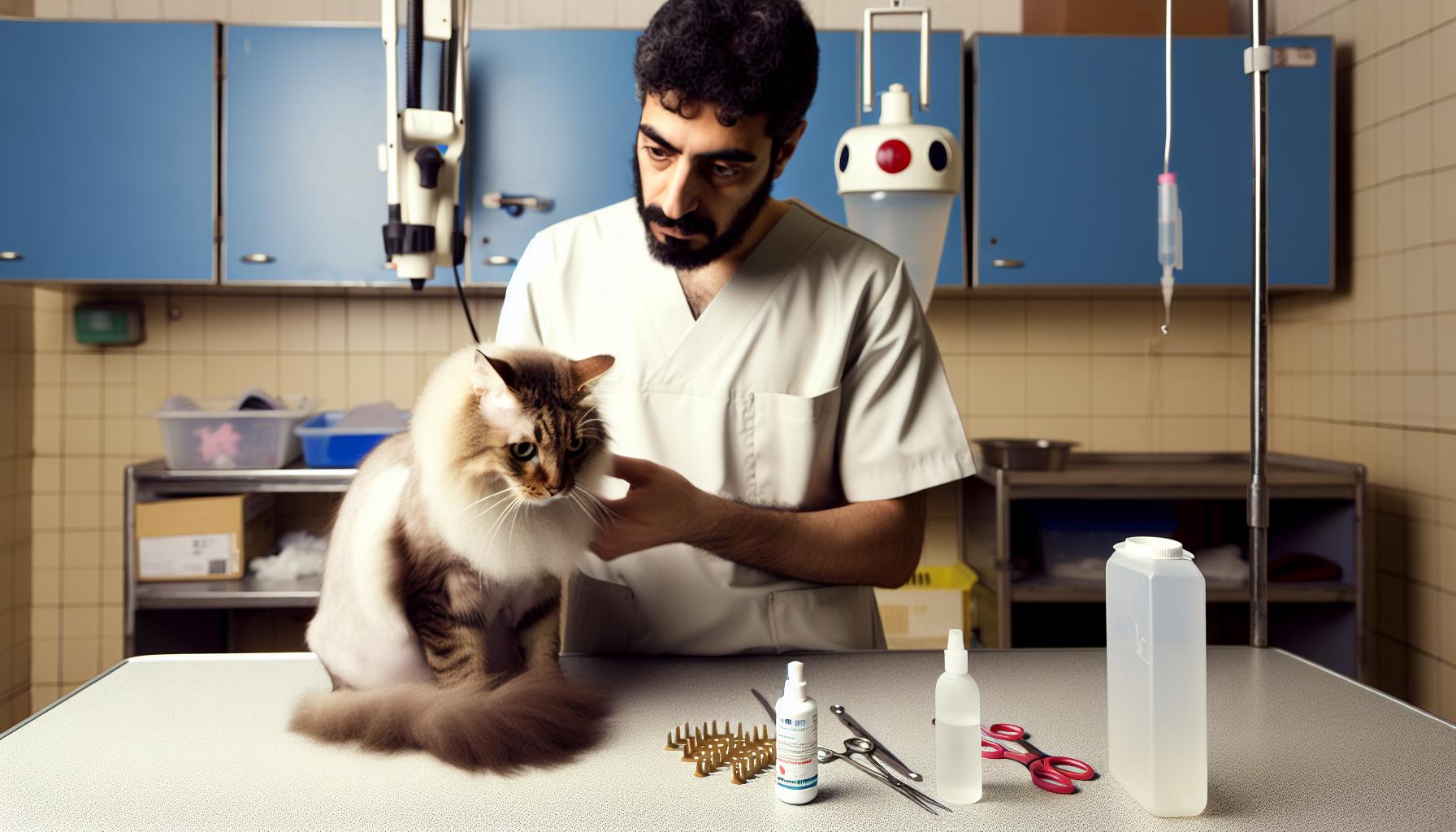
Sometimes, a cat’s temperament or coat condition can make even the simplest grooming session a stressful challenge-for both the feline and the groomer. While most cats calmly tolerate brushing, bathing, or nail trims with patience, there are moments when sedation becomes a thoughtful, compassionate tool to ensure safety and well-being. This is especially true with certain breeds, older cats, or those with thick, matted fur that makes grooming uncomfortable or potentially painful. Sedation is never about convenience; rather, it’s a carefully considered decision to protect a cat’s comfort and reduce anxiety.
Imagine a long-haired cat with dense mats that tug painfully at the skin or a feline with a history of fearful or aggressive reactions to grooming. In these cases, sedation can gently ease their stress and prevent injuries from sudden scratches or bites.It’s vital to remember that sedation isn’t a first resort; rather, it’s used after gentle attempts, calming techniques, and environmental adjustments have not sufficed. When a groomer encounters a coat that cannot be safely handled or notices strong signs of distress-like intense struggling, vocalizing, or frantic escape efforts-sedation, administered under veterinary guidance, can transform a frightening ordeal into a safer, more controlled experience.
What Factors Lead to Considering Sedation?
- Coat Type and Condition: Breeds such as Persians or Maine Coons with long,thick fur are prone to heavy matting,which can be painful to remove without calming the cat.
- Behavioral History: Cats who have reacted aggressively to groomers before or are extremely anxious may need sedation for their own safety.
- Health and Age: Older cats or those with arthritis might find grooming physically uncomfortable and resist handling.
- Extent of Grooming Required: Sessions involving nail trimming, ear cleaning, or fur trimming around sensitive areas can trigger fear or pain reactions needing gentle sedation.
By viewing sedation as part of a broader strategy-including patience, talking softly, and breaks-groomers create an habitat where a cat’s dignity and comfort come first. This compassionate approach often builds trust with nervous owners,who appreciate that sedation is employed thoughtfully and always in the cat’s best interest.
Common Types of Sedatives Used in Cat Grooming
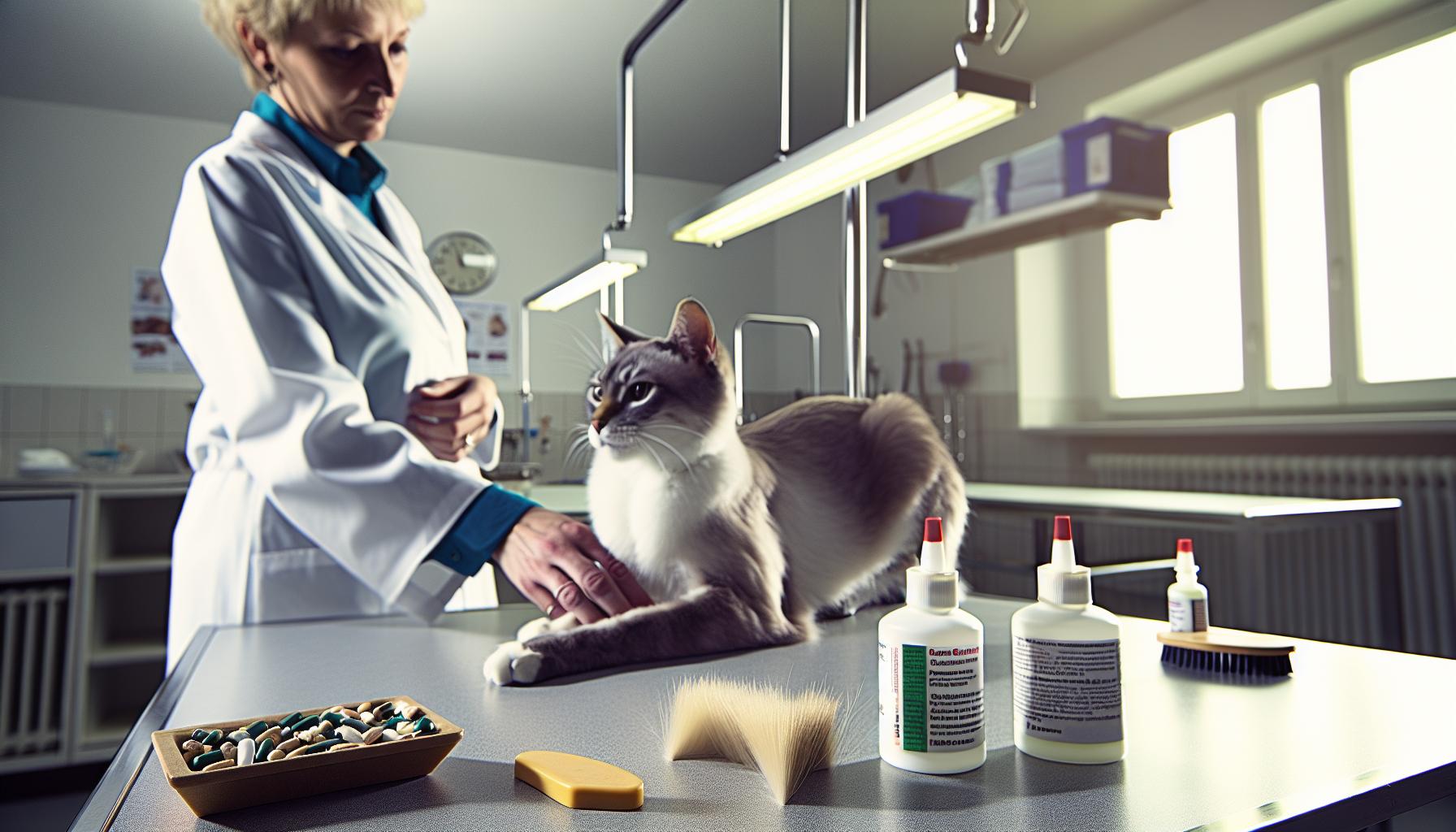
When sedation is necessary, the choice of sedative is tailored to each cat’s unique needs-always guided by a veterinarian who understands the delicate balance between calming anxiety and maintaining safety. Sedatives used in grooming are designed to reduce stress and physical resistance without deeply anesthetizing the cat, allowing the groomer to work gently and efficiently. The most commonly used sedatives fall into a few categories, each with its specific advantages and typical uses.
- Gabapentin: Originally developed for nerve pain, gabapentin is widely used off-label as a mild sedative for anxious cats. It’s notably favored for cats who become highly stressed during trips or grooming sessions. When given a couple of hours before grooming, gabapentin helps reduce fear-driven behavior, making grooming safer and less traumatic. Notably, it’s gentle and has minimal side effects in most cats.
- Alprazolam (Xanax): A benzodiazepine that acts as an anti-anxiety medication, alprazolam can be used short-term to calm cats exhibiting panic or extreme agitation. It is faster acting and sometimes combined with other sedatives for difficult cases. However, it requires veterinary prescription and must be dosed carefully to avoid excessive sedation.
- Acepromazine: This is a tranquilizer commonly used prior to grooming sessions when mild to moderate sedation is needed. It relaxes muscles and reduces anxiety but does not provide pain relief. Groomers and vets monitor cats carefully because some cats are more sensitive to acepromazine’s effects, especially older or heart-compromised cats.
- Dexmedetomidine (Sileo): A newer sedative specifically labeled for use in dogs and sometimes cats, dexmedetomidine is praised for its reliable calming effects and controlled sedation levels. It can be administered under vet supervision and reversed quickly if needed. It’s a great option for cats with severe anxiety or those needing longer grooming sessions.
Why Vet Guidance Matters
While these medications help achieve a safer grooming experience, they must never be given without a veterinarian’s input.Factors like the cat’s age, health status, breed, and past medication reactions influence the right choice and dosage. For example, Persian or maine Coon cats with thick mats may need sedation that gently reduces muscle tension, while an older cat with arthritis may require a sedative that also provides comfort without compromising heart or kidney function.
Some groomers keep gabapentin on hand for routine cases with veterinary approval, but stronger or injectable sedatives are always administered under vet supervision. This collaboration ensures that sedation is always applied as part of a thoughtful, compassionate plan prioritizing the cat’s safety and well-being, rather than convenience.
Practical Tips for Owners
- Discuss your cat’s history: Share any past sedative experiences with your vet and groomer to find the best approach.
- Follow pre-grooming instructions: Some sedatives require timing before the appointment for best effect. Missing this window can make sedation ineffective or unsafe.
- Observe your cat post-sedation: Keep your cat in a calm, quiet area after grooming. Watch for lingering drowsiness or unusual behavior and report concerns promptly to your vet.
In essence,sedation during grooming is a team effort-blending veterinary medicine,grooming skill,and owner care to transform a stressful ordeal into a calm,safe experience,especially for cats with challenging coats or sensitive temperaments.
Signs a Cat May Need Sedation for Grooming
Many cats can tolerate grooming with little fuss,but some show clear signs that the process might potentially be too stressful or even unsafe without extra help. Recognizing when your feline friend needs sedation is crucial-not just for their comfort, but for their safety and yours. Cats with thick, matted coats like Persians or Maine Coons often require more handling and patience during grooming, which can quickly escalate anxiety or defensive behavior.
Typical signs include extreme resistance to touch, aggressive attempts to bite or scratch, frantic escape behaviors, or freezing in place out of fear. For example,a normally calm cat may suddenly become restless and refuse to stay still during brushing or nail trimming.Others might vocalize distress consistently or struggle to the point where minimal grooming tools risk injuring them. These behaviors tell us the cat is overwhelmed and that sedation might be the compassionate choice.
Common Indicators & Situations
- Severe matting: Heavy tangles or matted fur that tug on the skin cause pain and require gentle, extended grooming time that can rattle even the most patient cat.
- History of aggressive reactions: Cats that have previously bitten, scratched, or exhibited fearful aggression during grooming are high candidates for sedation.
- Age or health challenges: Senior cats or those with arthritis may have low tolerance for handling and struggle with standard grooming sessions, making sedation a safer, gentler option.
- Extreme anxiety or panic: If your cat’s heart races, pupils dilate, or they vocalize distress before or during grooming, sedation can definitely help calm their nerves and prevent trauma from escalating.
When Home Grooming Struggles Signal the Need
Many owners try brushing or nail trims at home before booking a professional groomer. It’s important to observe how your cat handles these sessions-do they resist or hide, or do they eventually settle into the routine? If you find grooming tasks turning into a battle, it’s a strong signal to discuss sedation options with your vet and groomer rather than push thru and risk injury.
As an example, a fluffy Himalayan who struggles to tolerate nail trimming at home without biting may need sedation at the groomer’s.This doesn’t mean your cat is “difficult” – it reflects natural stress responses and the need for additional support.A trusted groomer working alongside your veterinarian can safely manage sedation, ensuring your cat remains calm through their session.
Balancing Safety, Comfort, and Respect
It’s always better to choose sedation as a tool of compassion rather than force. Sedation is not about “fixing” a cat’s behavior but about recognizing when their fear or discomfort inhibits safe grooming. Groomers who understand the signs of distress and communicate honestly with owners empower you to make informed decisions. This partnership prioritizes your cat’s well-being, focusing on preventing trauma while maintaining their coat’s health.
Risks and Safety Precautions of Sedating Cats
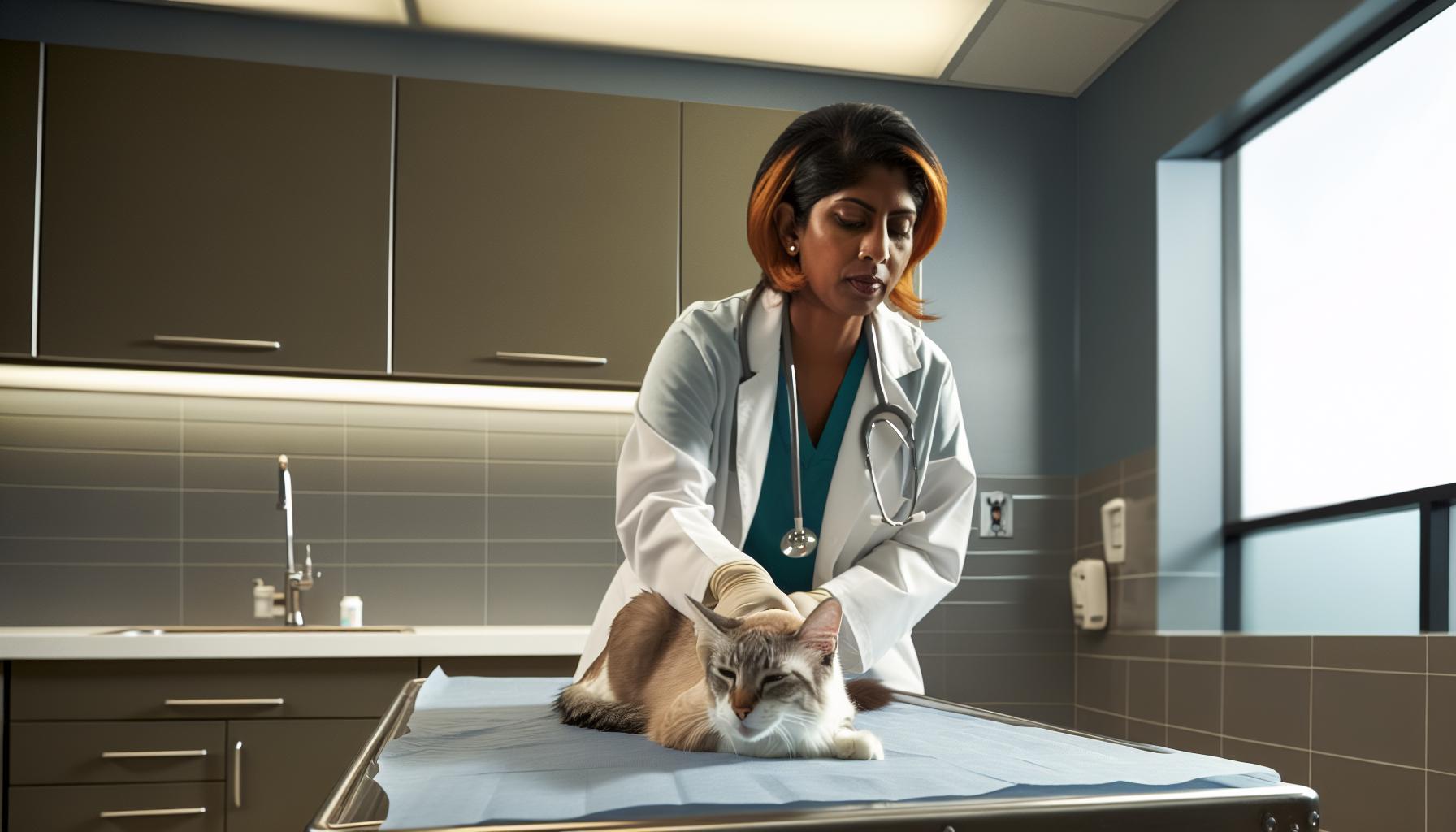
Deciding to sedate a cat during grooming is never taken lightly,as any tranquilizing medication carries inherent risks. Even though sedation can be a valuable tool to ease extreme anxiety or challenging coat conditions, it’s essential to approach this option with a clear understanding of the potential side effects and safety precautions involved. A cat’s unique physiology means that medication doses and responses vary widely-what works smoothly for one may cause complications for another, especially in sensitive breeds like Persians or those with underlying health concerns.
Because sedation affects a cat’s cardiovascular and respiratory systems, there’s always a risk of unwanted reactions like slowed breathing, lowered heart rate, or excessive drowsiness. This is why sedation should only be performed under veterinary supervision, not at a typical grooming salon without medical oversight. Experienced vets can carefully evaluate your cat’s health history, age, current medications, and stress levels, tailoring a sedation plan that minimizes risks.For example, a senior Maine Coon with arthritis might need a gentler sedative and additional monitoring than a young, healthy short-haired cat.
Key safety Precautions Before and During Sedated Grooming
- Comprehensive Health Assessment: Prior to sedation, a full veterinary check-up is crucial to rule out heart, liver, or kidney problems that could complicate recovery.
- Fasted State: Cats should typically fast for a few hours before sedation to reduce the risk of vomiting and aspiration during the process.
- Environment Control: The grooming area must be quiet, calm, and free of distractions to avoid startling the sedated cat as they regain awareness.
- Continuous Monitoring: Vital signs-heart rate, breathing, temperature-need to be checked regularly by a trained professional throughout the session.
- Emergency Preparedness: Groomers and vets must have immediate access to emergency equipment and medications to handle any adverse reaction without delay.
From my experience, open interaction between groomers, vets, and owners is the cornerstone of safety. For instance, one of my clients’ older Himalayan cats required sedation due to severe matting that otherwise caused her distress and injury during grooming. By coordinating with their vet, we selected the mildest appropriate sedative and monitored her vitals before, during, and after the session. Post-grooming, the cat recovered peacefully without complications, highlighting how careful preparation and teamwork make all the difference.
It’s equally important for owners to observe their cat’s behavior post-sedation at home. Mild grogginess, decreased appetite, or slight unsteadiness can be normal but if these signs persist or worsen, a vet visit is warranted instantly. Sedation is a powerful aid when used thoughtfully – always respect the balance between easing discomfort and maintaining your cat’s vital health and dignity.
How Veterinarians and Groomers Collaborate on sedation
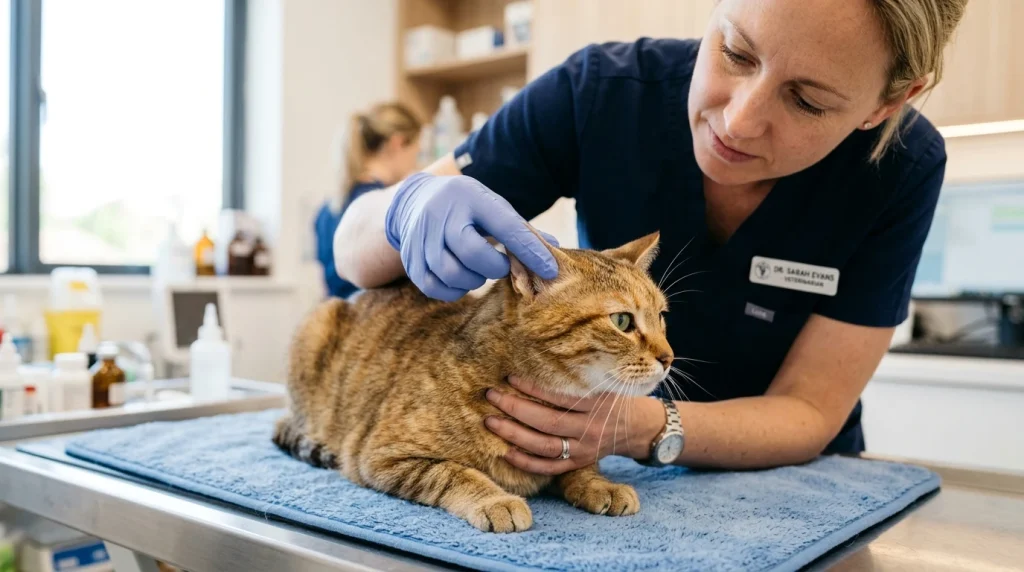
Cats are exceptionally sensitive creatures, so when sedation becomes part of the grooming process, seamless communication and teamwork between veterinarians and groomers are essential. Veterinarians bring the medical expertise needed to evaluate each cat’s unique health status, including any breed-specific vulnerabilities or pre-existing conditions, while groomers offer hands-on knowledge about handling, coat challenges, and behavior. Together,they create a safety net that ensures sedation is used responsibly and compassionately.
Before any sedative is considered, a detailed health assessment by the vet helps identify potential risks such as heart, liver, or kidney issues. This step is particularly vital for breeds like Persians or Maine Coons, whose thicker coats or age-related ailments often make grooming difficult without sedation. Sometimes, a groomer will flag cats with severe matting or extreme anxiety that make handling unsafe, prompting them to consult the cat’s veterinarian. Collaborative discussions revolve around choosing the mildest sedative that will relax the cat just enough to allow safe grooming, without unnecessary excessive sedation.
During the grooming session, close monitoring is a shared duty. While vets oversee the governance and physiological monitoring of sedatives, groomers focus on managing the environment-keeping it quiet, calm, and secure-to help the cat stay cozy as the sedation wears off. Many groomers maintain open lines with the vet for ongoing advice or emergency protocols, perfectly illustrating why sedation must never be administered without medical supervision. This collaborative approach ensures every detail-from sedative dosage to timing and post-grooming care-is tailored specifically to your cat’s needs.
Practical Collaboration: From Planning to Post-Grooming Care
- pre-appointment Communication: Groomers often collect detailed notes on the cat’s health and behavior, which are shared with the vet to tailor sedation plans.
- Coordinated Scheduling: Sedated grooming sessions are scheduled with vets’ availability in mind, sometimes requiring visits at the vet clinic or a trusted grooming facility equipped for sedation.
- emergency Readiness: Both parties prepare for any reactions by having emergency medications and oxygen supplies on hand, with the vet ready to intervene if necessary.
- Owner Education: Vet and groomer together guide owners on what to expect before,during,and after sedation-covering fasting times,environmental setup,and signs to watch for post-session.
A client onc brought in a senior Himalayan severely matted from neglect, fearful of the grooming process. After thorough vet evaluation, a mild sedative was chosen to ease her anxiety and prevent stress-related complications. The groomer prepared a cushioned, dimly lit area, performed the grooming gently, and communicated continuously with the vet by phone to report vital signs and progress. The result? The cat tolerated her full grooming calmly and recovered with no issues. That kind of positive outcome is only possible through this closely-knit vet-groomer partnership,built on respect,patience,and a shared love for cats’ well-being.
Remember, sedation is never about forcing perfection but about enabling safe, gentle care when your cat’s comfort and health depend on it. Knowing that your groomer and vet are working side by side to prioritize your cat’s safety helps remove worry and create a supportive experience for both pet and owner.
Alternatives to Sedation for Anxious or Aggressive Cats
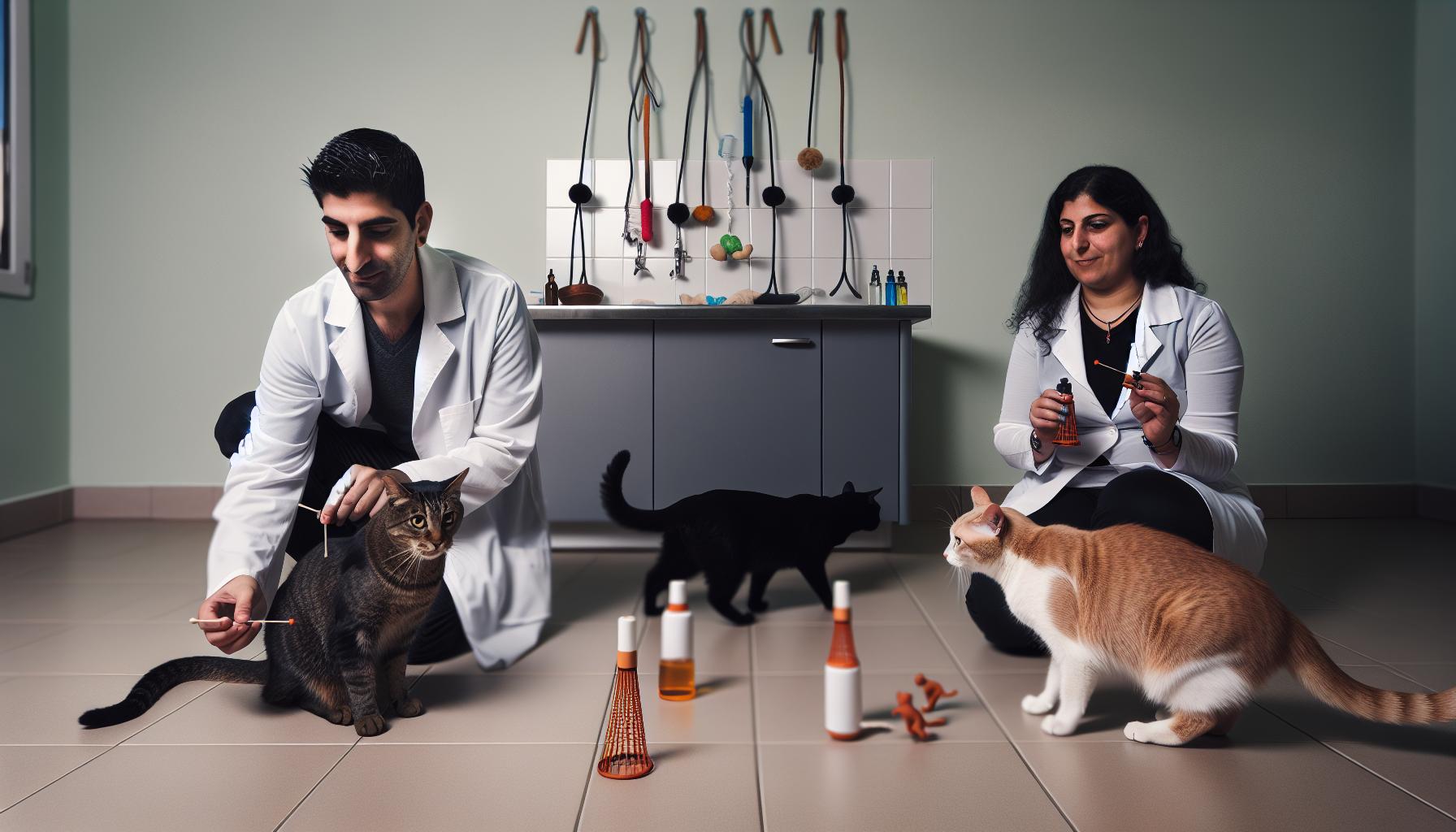
Cats that become anxious or fearful during grooming don’t always need sedation to get through the process safely. Many gentle, non-pharmaceutical approaches can make grooming a far less stressful experience while prioritizing your cat’s emotional comfort and physical safety. With patience, understanding, and a bit of preparation, groomers and owners can often work together to ease anxiety and minimize resistance, especially in cats with mild to moderate stress or mild aggression.
Creating a Calm Environment
Before any brushing or nail trim begins, the setting itself can reduce a cat’s stress dramatically. A quiet room with soft lighting and minimal noise helps cats feel less overwhelmed. Using pheromone sprays or diffusers,like Feliway,can create a calming atmosphere by mimicking natural feline facial pheromones,which signal safety. Some groomers and owners also play gentle classical music or white noise to drown out sudden sounds that might spook anxious cats.
Desensitization and Positive Reinforcement
One of the most effective non-sedative methods is gradual desensitization paired with positive reinforcement. This means introducing grooming tools and touches slowly over multiple, short sessions rather than attempting a full grooming all at once. Such as,start by gently petting your cat in areas they are comfortable with,then slowly introduce the brush by letting the cat sniff and explore it. reward calm behavior immediately with treats or soft praise. Over several days or weeks, this builds trust and reduces fear.
- Bathing: Instead of jumping into a full bath, try towel wiping with warm water and a mild cat-pleasant shampoo to get your cat used to water sensations.
- Brushing: Use a soft brush designed for your cat’s coat type. maine Coons or Persians with long hair benefit from wide-tooth combs that prevent pulling.
- Nail Trimming: Handle paws gently during playtime or while petting to increase tolerance. Never rush nail trims; trim just one or two nails per session if needed.
- Ear Cleaning: use a soft cotton ball or pad moistened with vet-approved cleaner and only approach if your cat is calm.
Handling Techniques and Tools
Experienced groomers frequently enough use specialized handling techniques that reduce stress without sedation. Wrapping a nervous cat in a soft towel (“cat burrito”) helps keep their limbs secure and prevents sudden movements.this technique alleviates anxiety both in the cat and the groomer. Gentle restraint tools, such as calming collars or harnesses, can be introduced gradually during training sessions to get cats comfortable being securely held.
In some cases, aromatherapy using safe essential oils (like lavender, carefully administered and diluted) or herbal supplements recommended by a vet can gently soothe a cat’s nerves naturally. Though, these should never replace professional advice or be used without vet supervision.
When to Know You Need Help
While many cats respond well to these alternatives, practitioners must recognize their limits. If aggressive behavior escalates despite best efforts or severe matting makes grooming unsafe,it’s essential to consult a veterinarian. sedation becomes a humane choice when the stress to the cat outweighs the potential risks. Groomers, vets, and owners working as a team can ensure the right balance between gentle care and necessary sedation – always putting the cat’s well-being front and center.
By taking slow, compassionate steps and investing time into familiarizing your cat with grooming routines, you may find sedation isn’t necessary at all. Even for naturally skittish or strong-willed cats, these alternatives empower owners and groomers to keep their feline friends safe, calm, and happy.
Step-by-Step Guide to Preparing a Cat for Sedated Grooming
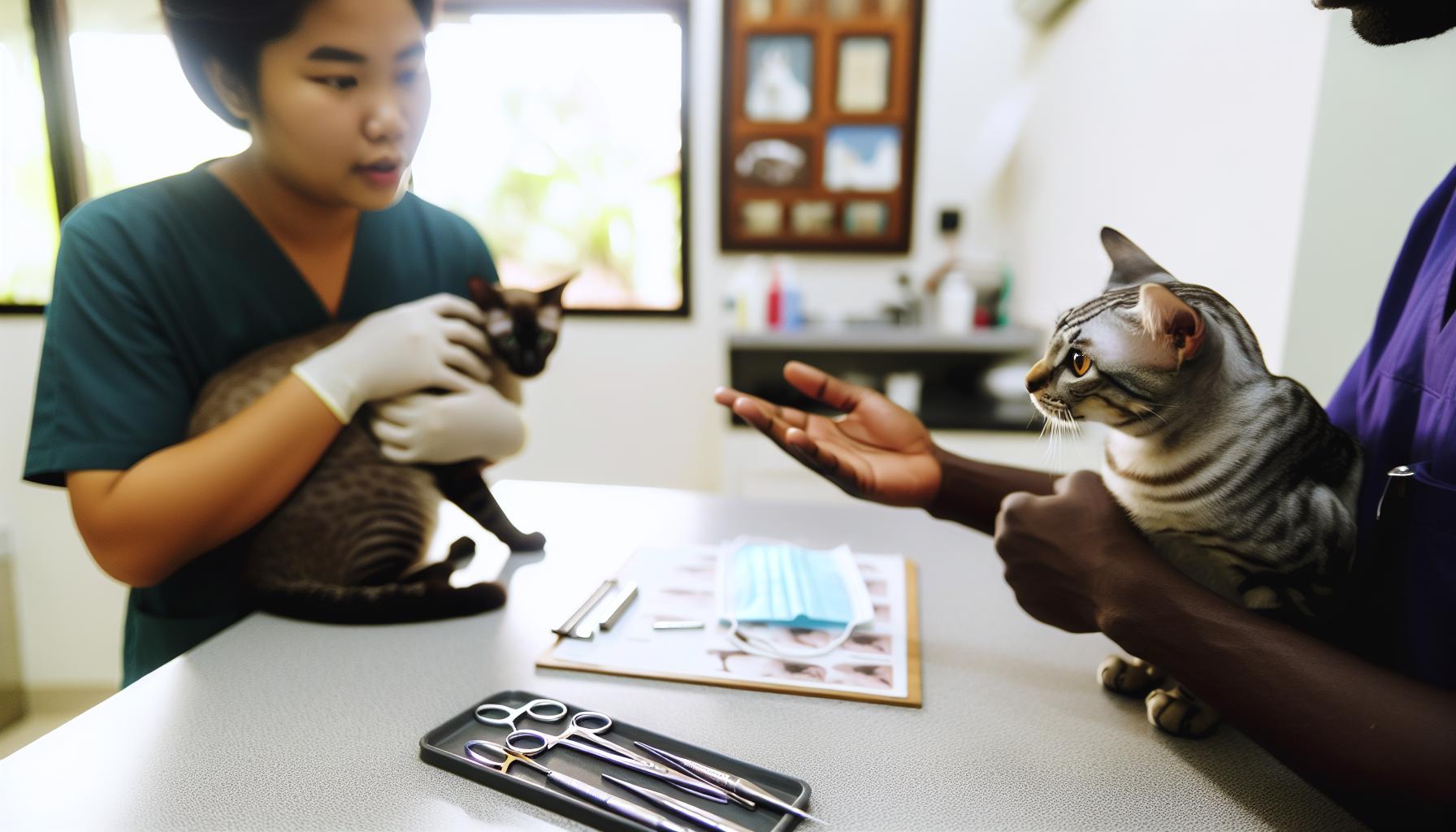
Cats are masters at sensing our stress, so preparing them calmly and thoughtfully ahead of sedated grooming can make a big difference in how smoothly everything goes. Sedation is a serious tool,used only when necessary to ensure the cat’s safety and comfort during grooming,especially for breeds with thick or matted coats like Persians,or cats who are especially anxious or physically difficult to handle. Before the big day, careful coordination with your veterinarian and groomer helps set your feline friend up for the best possible experience.
Starting with Health Checks and Vet Collaboration
Because sedation involves medications that affect the whole body,the first step is often a full veterinary examination to confirm your cat’s overall health. Bloodwork may be recommended to check organ function and rule out any hidden vulnerabilities. Discuss your cat’s history,including any prior sedation or anesthesia reactions,current medications,and behavioral tendencies. The vet will select an appropriate sedative tailored to your cat’s size, health status, and temperament, and can advise on fasting or other pre-sedation instructions.
Setting Up the Grooming Environment
Once sedation is scheduled, the groomer prepares the space to minimize stimulation and stress. A quiet, warm room with soft bedding helps keep a sedated cat comfortable during and after grooming.Grooming tools should be ready according to your cat’s coat type and specific needs: wide-toothed combs for thick fur, gentle clippers for mats, and soft brushes to finish. The grooming team should have familiarity with sedated cats’ special needs,including careful handling to avoid excessive manipulation or accidental injury.
What Owners can Do at Home Before the Appointment
Owners can help by maintaining a calm atmosphere in the days leading up to sedation. This may include familiar routines,gentle play,and plenty of reassuring petting to build positive associations. Avoid introducing new stressful experiences right before the appointment. On the day itself, if fasting is requested by the vet, make sure to follow instructions carefully-usually withholding food for about 6-8 hours before sedation helps reduce nausea risk. Fresh water is generally allowed until a few hours before.
Day-of Preparation and Handling
When you arrive, keep your cat in a secure, comfortable carrier lined with a soft towel. Speak softly and stay calm yourself; cats are incredibly sensitive to human emotion. Once the vet administers sedation-typically via injection or oral medication-allow about 10-20 minutes for the medication to take effect. The groomer will then gently and confidently proceed,focusing on areas of greatest need while monitoring your cat’s response throughout.
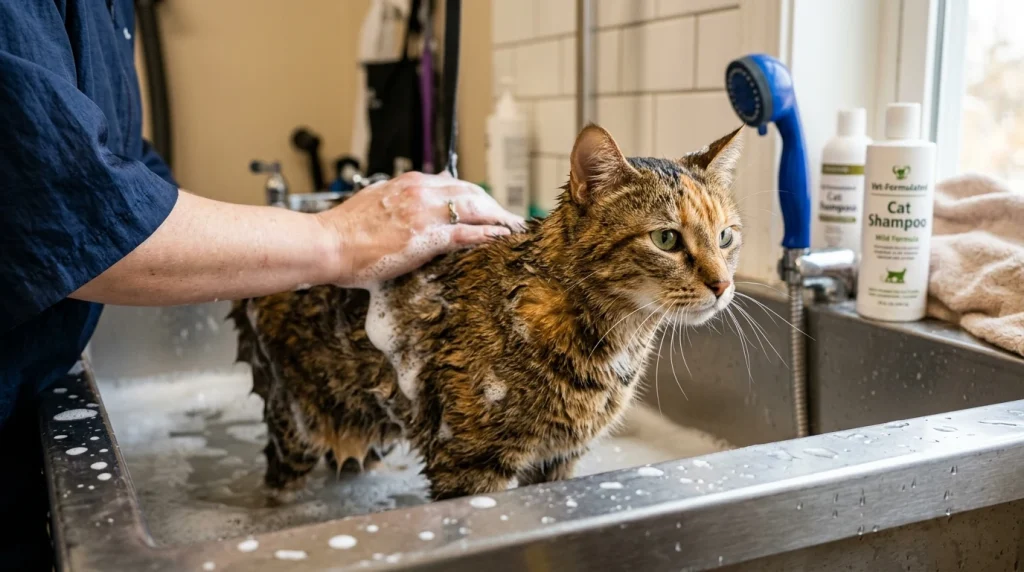
- Bathing: typically done once sedation is effective to avoid water stress. Use lukewarm water and cat-specific shampoo, rinsing thoroughly but gently.
- brushing and Dematting: Focus on mats carefully with dematting tools or scissors, avoiding skin tearing. Sedation allows safer, calmer handling.
- Nail Trimming: Quicker and less stressful when the cat isn’t resisting, reducing injury risk.
- ear Cleaning: Soft moistened cotton balls gently remove debris without causing discomfort.
A good groomer and vet team respect that sedation is not about perfect grooming but about safety and reducing stress. Remember,sedation wears off gradually; the recovery environment should be cozy and monitored to ensure your cat wakes up calmly and comfortably. Preparing well and trusting the process means your cat gets gentle care that prioritizes their well-being every step of the way.
What Owners Should Know Before Agreeing to Sedation

Cats can be surprisingly sensitive to the idea of sedation, and it’s natural for you to have questions or even feel hesitant about agreeing to it. Understanding what sedation really means and what to expect can ease worries and help you feel confident that this choice prioritizes your cat’s comfort and safety, not just aesthetics. Sedation is not a casual step-it’s a carefully considered decision made only when grooming needs become too challenging or stressful for your kitty, such as with thick mats in Persian coats or particularly anxious temperaments.
Before sedation is considered, your veterinarian will conduct a thorough health check, including blood tests that help identify if your cat is a good candidate for sedation. This health screening is vital because sedatives affect the whole body,and cats with underlying issues like heart or kidney problems might require special care or alternative approaches. Be honest and clear about your cat’s past experiences with medications, behavioral patterns, and any health concerns. Sharing this data helps the vet select the safest, most effective sedative tailored to your cat’s unique needs.
What You Can Expect from the Process
When your cat is scheduled for sedated grooming, the vet will explain how the medicine works, how long it lasts, and what signs you might notice before, during, and after sedation. Typically, sedation isn’t deep anesthesia, but rather a calmer, more relaxed state where handling is less stressful.During grooming, your cat might potentially be drowsy or lightly asleep-this facilitates a gentler bath, careful dematting, nail trims, and ear cleaning without the risk of injury.
- Safety comes first. Your cat’s vital signs will be monitored closely by professionals throughout the process, ensuring any reaction is caught early.
- Recovery is gradual. After grooming, your cat may remain groggy and need a quiet, warm space to wake up calmly. Plan for this post-care at home.
- Open communication helps. Don’t hesitate to ask your vet or groomer any questions about the sedative used or aftercare-you are an critically important part of your cat’s care team.
Insight from Real-Life Experiences
One Persian cat owner shared that after years of stressful brushing sessions leading to scratches and tears, sedation made all the difference: “It was like my cat was finally relaxed instead of fighting every step. The groomer could get through those painful mats without hurting him, and now his coat looks healthier without the stress we usually had.” However, not all experiences are perfect-some cats may feel uneasy waking up or show mild side effects, which is why a calm, at-home recovery environment and monitoring are essential.
Remember, sedation is a tool meant to support your cat’s well-being, not a guaranteed fix for grooming challenges. Some cats may improve with gentle training techniques or behavior modification, while others require this extra step to keep safe. Your veterinarian and groomer are partners in guiding you toward the best option for your cat’s comfort.
By choosing sedation thoughtfully and preparing well, you empower yourself to provide a kinder, safer grooming experience that honors your cat’s unique personality and needs. Trust in the expertise of your animal care team, and know that prioritizing gentle care over “perfect” appearance is what truly matters.
Post-Sedation Care Tips for a Calm,Comfortable Cat
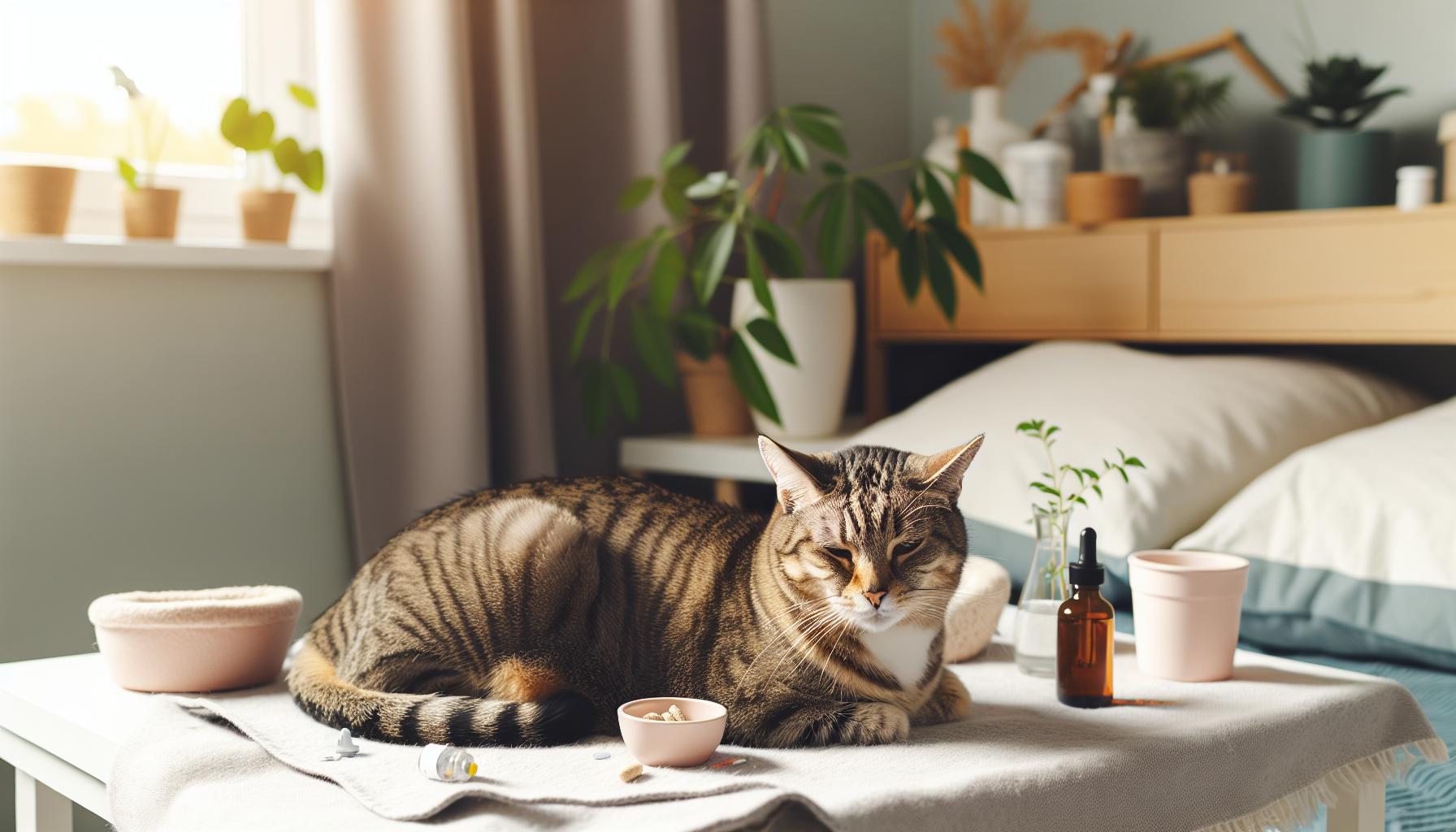
Cats waking from sedation need gentle care as they transition back to their normal selves. This period can feel uncertain for owners,but knowing what to expect and how to support your kitty can make all the difference in their comfort and safety.Because sedation affects each cat differently-depending on their health, age, and the sedative used-patience and close observation are your best tools.
Creating a Calm, Comfortable recovery Space
Once home, your cat will appreciate a quiet, warm area away from noise, other pets, and household activity. soft bedding in a dim room helps ease disorientation as the sedative wears off. Keep the environment cozy but well-ventilated,so they don’t get too warm or overheated. Many cats enjoy having a favorite blanket or toy nearby, which can provide reassurance without overstimulation.
Monitoring Vital Signs and Behavior
While your cat may appear sleepy or groggy for several hours,be alert for any unusual signs such as difficulty breathing,vomiting,or excessive trembling. These could indicate complications that need veterinary attention. Encourage slow, calm movements and avoid sudden handling or forcing them to move. Hydration is important-offer small amounts of fresh water once your cat seems steady-but don’t worry if they initially ignore it.Appetite may return gradually, so provide bland, easy-to-digest food when they show interest.
Grooming and hygiene Post-Sedation
If your cat has been bathed or trimmed under sedation, check their skin and coat for any redness, irritation, or leftover grooming product residue the next day. Gentle brushing can stimulate circulation and comfort, but only once your cat is fully alert and comfortable being touched.Avoid nail trims or ear cleaning immediately after sedation as cats may still be sensitive or uncoordinated.
When to Contact the Veterinarian
Keep the vet’s contact information handy and don’t hesitate to reach out if your cat shows persistent lethargy, unsteadiness, loss of appetite beyond 24 hours, or if you notice swelling or discomfort at injection sites. It’s always better to err on the side of caution-your vet can guide you through any concerns and ensure your cat’s smooth recovery.
- Patience is key. Recovery times vary; some cats bounce back quickly, while others need a full day of rest.
- Minimize stress. Avoid loud noises and keep interactions calm and loving.
- Hydrate and nourish gently. Fresh water and small meals support healing without upsetting sensitive stomachs.
- Observe closely. Note any behavioral changes or signs of distress and report them promptly.
Every cat’s recovery story is unique, but with your attentive care and early preparation, you help transform sedation from a stressful hurdle into a smooth step toward a healthier, happier grooming experience. Remember, your calm presence is the greatest comfort your cat can have during this vulnerable time.
Real Experiences: Sedation success Stories and Challenges

Few experiences highlight the true balancing act of cat grooming sedation better than the heartfelt stories shared by owners and groomers alike. Consider Luna, a long-haired Maine Coon with a luxurious coat prone to painful mats. At first, Luna’s grooming sessions were fraught with stress, clawing, and fear. After consulting a vet and gently introducing sedation, her groomer was able to carefully detangle and trim her coat without causing trauma. Luna’s owner noticed a drastic lift in her cat’s comfort and trust, turning grooming from a dreaded ordeal into a manageable routine.
Success Stories: When Sedation Brings Relief and Calm
Cats like Luna, especially those with thick, dense fur or health challenges, frequently enough benefit immensely from sedation. Sedatives ease anxiety and physical resistance, allowing groomers to safely handle delicate tasks like nail trimming, ear cleaning, and thorough bathing. One groomer shared how sedation transformed grooming a senior Persian with arthritis – procedures that once caused pain and panic were completed painlessly, improving the cat’s overall well-being. These positive outcomes remind owners that sedation, when used responsibly, can be a powerful tool in preserving comfort and dignity for sensitive cats.
Challenges and Realities: Not Every Case Is Straightforward
However,sedation is not a one-size-fits-all solution. some cats may experience side effects like grogginess lingering longer than expected or mild nausea. One story involved a spirited Bengal who,despite sedation,required multiple vet-observed sessions due to his high metabolism and resistance to calming meds.Groomers emphasize that patience is essential-sometimes, sedation must be fine-tuned or paired with other calming techniques. It’s also critical to know when sedation isn’t appropriate; cats with underlying health conditions or certain breeds may face increased risks, and in these cases, vets and groomers work closely to find alternative strategies.
Insights from Groomers: Communication and compassion Matter Most
Many professional groomers stress the importance of clear communication with cat owners and veterinarians. Real success comes when all parties understand the individual cat’s needs, temperament, and health status. Groomers also remind owners that sedation is a moment in the broader journey of cat care-not a shortcut to perfection. The focus remains on safety, comfort, and trust rather than impeccable styling. Simple real-life tips like scheduling sedation sessions during low-stress times, allowing gradual acclimation to grooming tools, and observing cats closely before and after sedation help manage expectations and improve experiences.
- Prepare your cat gradually: Acclimate to grooming sounds and sensations over time.
- vet collaboration is key: Always seek professional advice before sedation decisions.
- Watch for individual responses: Sedation effects vary widely-monitor behavior carefully.
- Respect your cat’s boundaries: Prioritize their well-being over cosmetic goals.
Every story of sedated grooming carries lessons of kindness and care, emphasizing that sedation, when thoughtfully applied, can ease fear and pain. It empowers groomers to provide compassionate service and offers owners peace of mind knowing their feline friends are in gentle hands.
FAQ
Q: How can I tell if my cat might need sedation for grooming?
A: You can tell if your cat may need sedation for grooming if they show extreme anxiety, aggressive behavior, or physical resistance like biting or scratching. Cats with thick mats or medical conditions might also require sedation. Discuss your cat’s behavior with your groomer or vet to ensure safe handling-see the *Signs a Cat May Need Sedation* section for details.
Q: what breeds or coat types are more likely to need sedation during grooming?
A: Long-haired breeds like Persians or Maine coons and cats with dense, matted coats often need sedation for stress-free grooming. sensitive breeds prone to anxiety can also benefit from it. Understanding your cat’s coat and temperament helps decide if sedation is necessary-refer to *When and Why Cat Groomers Consider sedation* for breed-specific info.
Q: How long does sedation typically last during a grooming session?
A: Sedation usually lasts between 1 to 4 hours,enough to complete grooming tasks safely and calmly. The exact duration depends on the sedative type and your cat’s health. always ask your groomer or vet for specific timing to prepare for post-sedation care, covered in *Post-Sedation Care Tips*.
Q: Can sedation affect my cat’s behavior after grooming?
A: Yes, sedation can temporarily cause drowsiness, disorientation, or mild ataxia after grooming.These effects usually wear off within 24 hours.Monitor your cat closely and provide a quiet resting spot. For more, see *Post-sedation Care Tips for a Calm, Comfortable Cat* to ensure a smooth recovery.
Q: Is sedation safe for senior cats or cats with health issues during grooming?
A: Sedation can be safe for senior or health-compromised cats but requires careful veterinary evaluation. Pre-sedation blood tests and tailored drug choices minimize risks. Always discuss your cat’s health with both vet and groomer before agreeing to sedation. Learn more in *Risks and Safety Precautions of Sedating cats*.
Q: How do groomers and vets decide the right sedative for a cat’s grooming session?
A: Groomers collaborate closely with vets,who select sedatives based on your cat’s age,health,and temperament. This ensures effective calming with minimal side effects. Proper communication ensures safer sedation-see *How Veterinarians and Groomers Collaborate on Sedation* for insight into this teamwork.
Q: What are effective alternatives to sedation for cats nervous about grooming?
A: Alternatives include gradual desensitization, calming sprays, pheromone diffusers, and stress-reducing routines at home. Using these methods can reduce anxiety and the need for sedation. Explore *Alternatives to Sedation for Anxious or Aggressive Cats* to help your cat stay calmer naturally.
Q: How should I prepare my cat at home for a sedated grooming appointment?
A: Prepare by following pre-appointment fasting instructions, keeping your cat calm, and bringing any medical records. Communicate any concerns with your groomer or vet beforehand. For a full checklist, refer to *Step-by-Step Guide to Preparing a Cat for Sedated Grooming* to help reduce stress and ensure safety.
—
For more detailed guidance on sedation safety and how to support your cat through grooming, explore our comprehensive article sections and feel free to reach out with questions. Prioritizing your cat’s comfort and wellbeing always leads to the best grooming experience!
Concluding Remarks
Understanding when and why cat groomers use sedation is key to ensuring your pet’s comfort and safety during grooming sessions. Sedation is carefully reserved for cases where anxiety, medical conditions, or challenging coat types make grooming stressful or risky. Prioritizing your cat’s well-being means working closely with trusted groomers and veterinarians,especially for tricky tasks like nail trimming or dealing with matted fur.
If you want to dive deeper, check out our guides on Safe Home Grooming Techniques for Cats and How to Choose the Right Cat Groomer. These resources offer practical tips and explain how to balance DIY grooming with professional care. don’t let fear or confusion hold you back-subscribe to our newsletter for expert advice tailored to your cat’s unique needs, and feel confident taking the next steps toward stress-free grooming.
Have questions or experiences to share? Join the conversation below! Your input helps build a community where every cat parent feels supported and empowered. Remember, sedation is just one tool among many, used with care and compassion to ensure your feline friend always feels calm and safe.
Get our latest guides, news, and insights highlighted in your Google Search & AI Overviews.
Keep reading about the same coat and cut.
Popular grooming guides
Bath vs clip, first grooms, and salon how-tos.