Do All Dog Groomers Require Shots: Vaccination Policies
Did you no that many professional dog groomers require proof of vaccinations before caring for your furry friend? Ensuring your dog is up-to-date on key shots isn’t just about meeting salon rules-it’s a crucial step in protecting all pets from contagious diseases in shared grooming spaces.If you’re wondering weather every groomer has the same vaccination policies and how they impact your dog’s safety and comfort, you’re not alone. Many pet owners feel anxious about exposing their dogs to new environments and want to understand the standards behind these requirements. In this article, we’ll gently walk you thru the typical vaccination expectations groomers have, explain why these policies matter for your pet’s health, and offer practical tips to prepare your dog for a safe and stress-free grooming visit. Whether you have a puppy with a sensitive coat or an adult dog needing a regular trim,knowing what shots are needed and how they protect your dog-and others-can give you calm confidence as you plan your next grooming appointment. Let’s explore how vaccination policies tie into your dog’s well-being and why they’re an important part of responsible pet care.
Understanding why Vaccinations Matter in Dog Grooming
Table of Contents
- 1 Understanding why Vaccinations Matter in Dog Grooming
- 2 Common Vaccination Requirements for Professional Groomers
- 3 How Grooming Salons Verify Vaccination Records
- 4 Risks of Unvaccinated Dogs in Grooming Settings
- 5 Exceptions and Alternatives to Vaccination rules
- 6 Comparing Vet Vaccines vs. Groomer Policies
- 7 How to Prepare Your Dog’s Vaccination Before Grooming
- 8 Signs a Groomer Is Serious About Health and safety
- 9 What to Do If Your Dog Isn’t Fully Vaccinated
- 10 Owner Tips for Safeguarding Your Dog’s wellness During Grooming
- 11 Impact of Breed and Age on Vaccination needs for Grooming
- 12 FAQ
- 12.1 Q: Are there specific vaccinations dog groomers prioritize over others?
- 12.2 Q: How often do dog groomers require updated vaccination records?
- 12.3 Q: Can puppies be groomed if their vaccinations aren’t complete yet?
- 12.4 Q: Why might some groomers refuse service to unvaccinated dogs?
- 12.5 Q: Are rabies vaccinations mandatory for all grooming salons?
- 12.6 Q: How do grooming salons verify vaccination status without stressing my dog?
- 12.7 Q: What should I do if my dog has a vaccination allergy but needs grooming?
- 12.8 Q: Can groomers legally require proof of vaccination before grooming my dog?
- 13 The Way forward
A dog’s visit to the groomer is more than just a beauty appointment-it’s a chance to maintain their health in a safe, clean habitat.Vaccinations play a vital role in making sure that your furry friend stays protected during these visits. Since groomers often see many dogs in one day, the risk of contagious illnesses spreading is higher if some pets aren’t properly vaccinated.This is why vaccinations matter so much-they act as a shield, not just for your dog, but for all the animals who share the same space.
Think of a grooming salon like a small community were dogs of all breeds, ages, and health backgrounds come together. Without proper vaccinations, easily preventable diseases like kennel cough, parvovirus, or distemper can quickly spread, causing stress and serious health risks to vulnerable pups. Such as, a young puppy with a delicate immune system might be exposed to a virus carried by another dog who isn’t vaccinated.Groomers want to avoid that at all costs, balancing the care they provide with the safety of every pet in their care.
Ultiimately, vaccinations support a calm, agreeable grooming experience. When dogs are protected against common illnesses, they can enjoy the process without added health worries. This also helps groomers focus on what really matters-the dog’s comfort and wellbeing-from gentle bathing and brushing to nail trims and ear cleaning. If you’ve ever noticed how a well-vaccinated dog feels more relaxed and at ease during grooming sessions, that’s as they’re missing the underlying stress of sickness and contagion.
- Vaccinations minimize infection risks in a shared environment.
- Protect vulnerable dogs like puppies or senior pets with weaker immune systems.
- Create a safer workplace for groomers and staff by reducing disease exposure.
- Encourage smoother appointments with less health-related interruptions or quarantines.
By ensuring your dog is up to date on their shots,you’re not just meeting salon requirements-you’re partnering in your pup’s health journey. This kindness helps groomers provide loving care, creating a positive atmosphere where every dog can look and feel their best, free from health concerns.
Common Vaccination Requirements for Professional Groomers
Few things bring peace of mind like knowing your dog is not only looking their best but is also shielded from avoidable illnesses during a grooming session. Professional groomers commonly require proof of vaccinations as they work in environments where multiple dogs come in close contact, making it essential to reduce the risk of contagious diseases. This proactive step isn’t just about policy-it’s a compassionate safeguard designed to protect every furry guest, especially those with weaker immune systems.
Most grooming salons ask for core vaccinations, which cover the primary threats your dog might face in such shared spaces. These typically include the Rabies vaccine, which is often legally mandated; Distemper, Parvovirus, and Adenovirus vaccines (usually combined in the DHPP shot); and importantly, the Bordetella vaccine to help curb kennel cough – a highly contagious respiratory issue prevalent in places with many dogs. Some groomers may also request vaccinations for Canine Influenza or recommend updating your dog’s Leptospirosis vaccine depending on regional risks. These vaccines form a protective “bubble,” reducing the chances of disease outbreaks within the salon and keeping your dog’s visit stress-free.
What Groomers Look For in Vaccination Records
When you schedule your grooming appointment, many salons will ask for a valid vaccination certificate or a vet’s note confirming your dog is up to date. This document usually needs to show the date of the latest shots, the type of vaccinations given, and confirmation that your dog received them within appropriate time frames. if your dog is young or just starting their vaccines, some groomers might accept a vet’s approval for partial vaccinations, especially if your pup hasn’t yet completed the full puppy series but is protected against the most contagious diseases. Being upfront about your dog’s vaccine status helps groomers prepare and offer the safest possible care plan.
- Core vaccines usually required: Rabies, DHPP (Distemper, hepatitis, parvo, Parainfluenza)
- Common additional vaccine: Bordetella (to prevent kennel cough)
- Sometimes requested: Canine Influenza and Leptospirosis, especially in high-risk areas
- Provision for pups: Temporary exceptions with vet approval during vaccine series
Real-Life grooming Tip
One groomer shared how a well-vaccinated goldendoodle breezed through a salon visit during flu season, while an unvaccinated puppy next door experienced a postponed appointment to prevent exposure. This example shows how vaccines don’t just protect your pup but help salons maintain a calm, healthy environment, avoiding needless cancellations or quarantine measures that upset pets and owners alike.
Ultimately, keeping vaccines current is a kindness that smooths your dog’s grooming journey and supports the communal well-being of every canine client passing through the salon doors. It’s a simple step with a big impact on your dog’s safety and comfort-and your groomer’s peace of mind.
How Grooming Salons Verify Vaccination Records
It might surprise many pet parents just how carefully grooming salons handle vaccination verification-this process goes far beyond a simple glance at a paper. Because groomers welcome dogs from all walks of life, verifying vaccination records is essential to keep every furry client safe and the grooming space healthy. When you arrive to schedule or drop off your dog, the groomer will usually ask for tangible proof, such as an official vaccination certificate or a vet-issued medical record. These documents serve as a trustworthy verification that your dog is current on the essential immunizations needed to navigate a busy salon environment without risk.
Groomers look for clear details on these certificates: the type of vaccines administered, dates given, and confirmation that they fall within recommended time frames. Many groomers specifically check for the core vaccines-Rabies and DHPP-as well as the Bordetella vaccine, which tackles kennel cough, a common concern in places where dogs mingle. If your dog’s vaccination record shows recent updates, this immediately reassures the staff that your pet can safely interact in the shared space without unintentionally exposing others to illness.
- Documents accepted: Vet clinic vaccination printouts, digital vet portals, or signed health certificates.
- What’s checked: Vaccine names, dates, and any special notes on your dog’s immune status.
- Partial series or exceptions: Some groomers accept a vet’s authorization for pups or dogs mid-vaccine series, especially when those animals are shielded from the most critical diseases.
- Renewal reminders: Groomers often remind owners when vaccines are nearing expiration, highlighting this as part of their genuine care for your dog’s wellness.
Real-world experiences often show the value of this practice. For instance, a groomer shared how a golden retriever with up-to-date Bordetella and DHPP vaccines breezed through the peak of a kennel cough season, fully relaxed and happy. Meanwhile, another dog without valid vaccines had to have their appointment rescheduled to avoid risking the health of others. These moments speak volumes about the dual responsibility between the pet owner and the groomer-both working as a team to prioritize well-being.
Remember, your groomer isn’t just verifying paperwork to follow rules-they’re advocating for your dog’s comfort and safety and also every other dog who visits.Being prepared with the correct vaccination documents helps salons operate smoothly and creates a stress-free, loving environment where dogs feel safe, loved, and beautifully cared for.
Risks of Unvaccinated Dogs in Grooming Settings
It only takes one sick dog to disrupt the calm atmosphere of a grooming salon and put many pets at risk. Unvaccinated dogs, while often well cared for, can unknowingly carry and transmit contagious illnesses during grooming visits. Because grooming typically involves close contact-not just with groomers but with other dogs in waiting areas, play zones, or kennels-this shared environment can become a hotspot for the spread of infections. Kennel cough (Bordetella), parvovirus, distemper, and even rabies aren’t just scary words; they’re real threats that an unvaccinated dog can introduce, endangering vulnerable pets, especially puppies or those with compromised immune systems.
Why the Risk Matters More Than Looks
Grooming isn’t only about keeping your dog looking their best. It’s an experience that often exposes sensitive skin, eyes, and ears, areas more vulnerable to infections when immunity is weak or absent. Dogs with incomplete vaccination coverage can harbor germs on their fur or breathe them out, making salon surfaces a conduit for disease transmission. Imagine a gentle poodle sharing the same grooming tub or waiting bench soon after an unvaccinated dog carrying a cough virus-this silent exposure can spiral into illness within days.
Real Stories from Grooming Experts
One groomer shared how a young puppy, not yet fully vaccinated, contracted respiratory infection after an appointment because another dog in the salon was contagious. The puppy’s grooming had to be postponed for several weeks as he recovered,causing stress for both pet and owner. Conversely, salons that enforce vaccine requirements report fewer sick days among pets and staff alike, creating a more stable routine that keeps everyone calm. These outcomes underline the importance of vaccination not as a bureaucratic hoop but as a protective shield fostering the best grooming experience possible.
- Unvaccinated dogs are more susceptible to contracting and spreading contagious diseases.
- Close quarters and shared equipment in salons increase the chance of cross-contamination.
- Puppies and senior dogs face higher risks when exposed to unvaccinated companions.
- Illness outbreaks can lead to canceled appointments and stressful quarantines.
Tips for Owners
To help your dog enjoy grooming worry-free, make sure their vaccines are up-to-date before arriving. If your dog is new to vaccination or has health limitations, discuss with your groomer or vet about alternative safety measures, such as scheduling private appointments or extra cleaning protocols. remember, strict vaccination policies aren’t meant to exclude but to embrace the wellness of every pup passing through those salon doors.
vaccination plays a vital role in protecting not just your dog but also their furry salon friends. A healthy dog is a happy dog-it’s a simple but powerful formula that every compassionate groomer works hard to uphold.
Exceptions and Alternatives to Vaccination rules
It’s important to understand that while vaccinations remain the cornerstone of safe grooming environments, there are compassionate and practical exceptions and alternatives for dogs whose vaccine journey isn’t straightforward. Not every dog fits neatly into the “fully vaccinated” box, whether because of age, health conditions, or recent adoption. In these cases, a thoughtful partnership between groomer, owner, and veterinarian can pave the way for safe grooming without compromising your dog’s well-being or the safety of others.
- Puppies in Progress: Puppies often need a series of vaccines, and during this vulnerable window, many groomers offer alternatives such as private or off-hours appointments. This reduces exposure to other dogs while still allowing essential grooming care like baths, nail trims, and gentle brushing.
- Health-Related Exemptions: Some dogs have immune system challenges or allergic reactions that prevent certain vaccinations. Groomers familiar with these cases will usually request a vet’s note and may implement strict sanitization after handling your dog or seating them away from common areas.
- Temporary Postpone & Partial Services: If full vaccines aren’t feasible yet, many salons will still provide essential grooming services that don’t require close contact with communal tools or spaces-for example, ear cleaning or paw pad care in a sanitized private room.
- Enhanced Hygiene Protocols: grooming salons may also adopt rigorous cleaning practices between appointments for dogs with incomplete vaccine histories, use disposable gloves, or even suggest towel-only grooming to minimize contamination risks.
Partnering for Safety and Comfort
A heartfelt example comes from a groomer who worked with a newly adopted senior dog recovering from illness and unable to be vaccinated immediately. Together with the pet parent and vet, they arranged staggered arrival times and limited contact grooming, including only bathing and gentle brushing. This respectful, flexible approach reassured the owner and kept all pets safe, exemplifying how exceptions can be handled with kindness and professionalism.
Remember, communicating openly with your groomer about your dog’s vaccination situation is key. Providing updated vet records or explaining health concerns allows groomers to tailor care, plan extra cleaning, or advise on the safest appointment options. Your groomer’s goal is to balance health, comfort, and beauty-and that means adapting policies with empathy and expertise.
- Schedule private or individual appointments: Minimizes exposure to other dogs and limits shared surfaces.
- Request special grooming stations: Some salons can set up isolated areas or use dedicated equipment.
- Ask about alternative health checks: Some groomers may require recent health certificates or negative pathogen tests.
- Consider at-home grooming options: Temporary DIY care or professional mobile groomers might be safer for sensitive cases.
With patience and cooperation, the journey toward full vaccination can be smooth, supported by alternatives that keep your dog happy and healthy through every grooming session. Compassion and safety go paw in paw, ensuring every fur friend feels loved and protected at the salon.
Comparing Vet Vaccines vs. Groomer Policies
Many pet owners find themselves wondering why their veterinarian’s vaccination schedule sometimes doesn’t perfectly match what a groomer requires. It’s a common source of confusion, especially as both vets and groomers are looking out for your dog’s health – but from slightly different angles. Understanding these differences helps you prepare better and builds trust between you, your vet, and your groomer.
Veterinarians focus on your dog’s overall health, immunity, and disease prevention through comprehensive, individualized vaccination plans.These typically cover core vaccines like rabies, distemper, parvovirus, and adenovirus, and may include non-core, optional shots based on lifestyle or geographic risk factors. Your vet will consider your dog’s breed, age, health history, and any sensitivities when tailoring a vaccine timeline. for example, some breeds with sensitive immune systems might receive vaccines spaced out more cautiously to minimize reactions. Vaccines given by your vet are also documented officially, often in a health certificate or vaccination card.
Professional groomers, on the other hand, prioritize creating a safe environment where the risk of contagious disease transmission is minimized during in-person grooming sessions. Their vaccination policies tend to focus on ensuring your dog has received the minimum protective shots that prevent highly contagious illnesses that could easily spread in a salon setting. That’s why rabies, distemper, and parvovirus vaccinations are almost always required by groomers. Though, unlike vets, groomers are generally not equipped to administer vaccines or assess overall health – they rely on presented vet records or direct interaction to confirm your dog’s vaccination status.
Practical Differences Between Vet Vaccines and Groomer Policies
- Vaccination Scope: Vets cover a wider range of vaccines tailored for long-term health; groomers focus on core protections that affect social, communal environments.
- Documentation: Only your veterinarian can legally provide official vaccination records; groomers require these records as proof but don’t issue certificates.
- Timing flexibility: Vets create flexible, medically appropriate schedules; groomers enforce firm cutoffs for recent vaccinations to prevent exposing other dogs during the vulnerable post-vaccination period.
- Health vs. Safety: Vet vaccinations are about rooting out or preventing illness in your dog in general; groomers aim primarily to keep the salon safe and curb outbreaks.
Think of a 12-week-old puppy who has only started its vaccination series. A vet knows this pup will need multiple visits for full immunity and will advise on carefully timed vaccines and boosters. A groomer might require the puppy to have had at least the initial core vaccines to enter group grooming or a busy salon but may offer private or limited grooming services before the full series is complete. this is a great example of how vet expertise guides overall health, while groomer policies safeguard all pets during communal visits.
Working Together for Your Dog’s Comfort and Safety
Ultimately, viewing vet and groomer vaccination protocols as complementary rather than contradictory empowers you to advocate effectively for your dog’s well-being. Always keep your pet’s vaccine records handy and share any health concerns with your groomer upfront. If your dog has special health needs, ask your groomer how they can accommodate your pet safely. Groomers appreciate open communication and will often adjust their approach-like scheduling off-hours appointments or using private grooming spaces-to help pups and pooches of all ages and vaccination statuses stay clean, healthy, and comfortable.
Remember, vaccinations are one piece of a bigger safety puzzle that includes proper grooming tools, cleanliness, and thoughtful handling by a groomer who truly loves animals. Balancing vet advice with groomer policies ensures your dog enjoys a safe, positive grooming experience now-and for years to come.
How to Prepare Your Dog’s Vaccination Before Grooming
Dogs can be extra sensitive after receiving vaccinations, and understanding how to prepare their vaccine status before a grooming appointment can make the whole experience much smoother and safer-for both your furry friend and everyone at the salon. Groomers require proof of certain core vaccinations to help protect dogs from contagious illnesses commonly spread in close-contact environments like grooming salons.Being proactive about your dog’s vaccination timeline not only shows consideration for the health of other pets but also ensures your dog feels comfortable during their pampering session.
Check and Organize Vaccination Records early
Before booking a grooming appointment,gather your dog’s up-to-date vaccination records from your vet. Keep these documents handy, either as a physical vaccination card or a digital copy. Many groomers require proof of core vaccines like rabies, distemper, and parvovirus, so having clear, official documentation ready prevents last-minute surprises. If your pup is a puppy or a rescue with an unclear vaccine history, discuss with your vet which core vaccines are safe and effective for their current age and health status. This planning avoids delays and keeps everyone aligned on your dog’s readiness.
timing Is Key: Schedule Grooming Around Vaccination Dates
Dogs often need time to build full immunity after vaccines, and they can sometimes feel a bit off-mild fever, soreness, or fatigue-in the 24 to 48 hours afterward. many groomers ask for a waiting period post-vaccination to reduce stress on your dog and prevent exposing other pets to heightened vulnerability. Ideally, schedule grooming appointments at least a few days after your dog’s vaccines, but before their next boosters are due. If your dog is just starting their vaccination series, consider salons that offer private or one-on-one sessions to minimize contact with other animals until they’re fully protected.
Communicate Special Needs and Watch for Vaccine Reactions
some breeds or individual dogs are more sensitive to vaccinations; they may require spaced-out schedules or careful monitoring.Share any previous vaccine reactions or health conditions with both your vet and groomer. This way, a groomer can tailor their handling and timing to keep your dog safe and comfortable. After your pup gets vaccinated, watch closely for anything unusual-excessive swelling, lethargy beyond a day or two, or worsening symptoms-and tell your groomer if the vaccination was recent. This transparency builds trust, showing you’re prioritizing your dog’s wellness together.
- Prepare a grooming “kit” at home: Have basic supplies ready for before or after appointments-like a gentle brush, ear wipes, and treats-to keep your dog calm and comfortable.
- Discuss Groomer Policies Upfront: Ask about their vaccine requirements and how they verify records, so you can plan vaccination shots with your vet accordingly.
- Consider your dog’s personality: If they’re nervous or sensitive, look into groomers who offer private appointments or low-stress handling to ease anxiety.
- Maintain routine health checks: Vaccination is part of your dog’s bigger wellness picture. Regular vet visits help tailor care to your pet’s breed and age factors, which supports grooming readiness too.
preparing your dog’s vaccination before grooming involves thoughtful coordination with your vet, clear communication with your groomer, and timing appointments when your dog is feeling their best. This approach not only respects salon safety policies but also honors your dog’s comfort and long-term health.A well-prepared pup is a happy pup, making grooming a positive, stress-free experience every time.
Signs a Groomer Is Serious About Health and safety
Few things say “I care about your pet’s health” louder than a grooming salon that takes infections seriously and insists on vaccination proof before services. When a groomer prioritizes health and safety, you’ll notice it in how they talk about vaccination policies, how they handle your dog, and their overall cleanliness-and these are not just box-ticking routines.They reflect genuine respect for each animal’s wellbeing and a deep understanding of potential health risks inherent in multi-dog environments.
- Clear Communication About Vaccinations: A responsible groomer will openly discuss their vaccination requirements before you even book. They will explain why core vaccines-like rabies, distemper, and parvovirus-are mandatory, and may ask for official vet-issued records. If you’re a new client or have a puppy still completing its shots, expect them to talk through safe timelines and available alternatives, showing they’re committed to protecting all pets in their care.
- Meticulous Sanitation Practices: Look for visible signs that your groomer is stringent about hygiene-regular disinfecting of grooming tools, cleaning tubs after each dog, and sanitizing high-touch surfaces. These routines prevent the spread of contagious diseases that vaccinations help guard against. A trustworthy salon won’t cut corners here, even when busy.
- Gentle Handling Tailored to Your Dog’s Needs: Serious groomers consider a dog’s vaccination status alongside their breed, age, and temperament. For example, if your dog is recovering from a recent vaccine or has historically reacted to them, a skilled groomer will accommodate with gentler handling, possibly scheduling a private session or adjusting their approach to keep stress low and avoid immune strain.
- Proactive Vet Collaboration: Exceptional groomers often stay informed on vaccination guidelines by connecting with local vets or continuing education. They may recommend when to book your grooming post-vaccine or suggest waiting periods to ensure your dog’s immune system isn’t overwhelmed.This collaboration highlights a genuine care for safety rather than simply enforcing policies.
Trustworthy Groomer Indicators at a Glance
| What You See / Hear | Why It Matters |
|---|---|
| Asks for updated vaccination records (with your vet’s documentation) | Protects all animals by reducing risk of disease transmission |
| Explains waiting periods after vaccinations | Supports your dog’s health by avoiding stress during immune response |
| Ensures clean grooming stations and tools visible between clients | Minimizes infection risk and cross-contamination |
| Shows calm, patient handling of nervous or medically sensitive dogs | Demonstrates empathy and expertise focused on welfare over speed |
In your conversations with groomers, don’t hesitate to ask how they verify vaccine records or handle dogs that aren’t fully vaccinated yet. The right salon welcomes these questions-it shows you both care deeply about safety. Your peace of mind will grow knowing your dog is in compassionate, knowledgeable hands, where health is just as important as a shiny coat.
What to Do If Your Dog Isn’t Fully Vaccinated
It’s entirely normal to feel a bit worried if your dog isn’t fully vaccinated yet, especially when you want to keep them looking and feeling their best. The key here is to approach grooming with patience and a clear plan that prioritizes your dog’s safety without rushing the process.Many groomers understand this well and are willing to work with you to find the safest way forward.
Options for Grooming puppies and Partially Vaccinated Dogs
If your dog is still a puppy or waiting to complete their vaccine series, consider booking a one-on-one session rather than group appointments. Private grooming allows the groomer to minimize exposure to other dogs and environments where contagious illnesses might spread. During these visits, focus on the essentials: a gentle bath, brushing, nail trim, and ear cleaning rather than complex trims that require longer time or more handling. This keeps your pup calm and limits stress while maintaining basic hygiene.
- Communicate openly with your groomer: Let them know your dog’s vaccination status upfront. A great groomer will appreciate the transparency and discuss any special precautions or timing for treatments.
- Schedule after vet visits: if your dog recently had vaccines, ask your groomer when it would be safe to book their appointment, usually a few days later, to reduce immune strain.
- Consider at-home interim care: Between grooming visits, gentle brushing and spot cleaning with safe pet wipes can ease coat maintenance while waiting for vaccination completion.
Handling Common Concerns and Challenges
Sometimes owners hesitate to bring their unvaccinated dogs anywhere outside home, fearing infections. This is completely valid! However, making a plan with your groomer keeps your dog’s skin and coat healthy without putting them at risk.For example, if your dog is a long-haired breed prone to mats, delaying grooming too long can cause discomfort or skin irritation.A groomer might offer doorstep or mobile services, or schedule appointments at less busy times to reduce contact with other dogs.
Balancing Vet’s Advice and Groomer Policies
Remember, your veterinarian is your best partner in choosing the right vaccination schedule tailored to your dog’s breed, age, and health. Groomers rely on vets for these records and follow salon policies designed to keep all dogs safe. If your dog isn’t fully vaccinated, work with both professionals – your vet can advise on when to start grooming safely, and groomers provide practical care while protecting your pup’s emerging immune system.
| Task | At-Home Care Tips | Groomer Support |
|---|---|---|
| Bathing | Use gentle, puppy-formulated shampoos and lukewarm water. | Professional baths with stress-free handling and hypoallergenic products. |
| Brushing | Daily light brushing to prevent mats and tangles. | thorough de-matting and coat conditioning in controlled environment. |
| Nail Trimming | Regular checks and gradual trimming at home to build comfort. | Safe, precise trims with calming techniques. |
By taking these steps, you ensure your dog’s grooming journey begins with care and compassion, turning what could be a stressful experience into one of trust and comfort. Remember, the goal isn’t just a shiny coat – it’s a healthy, happy pup whose well-being shines through every wag of the tail.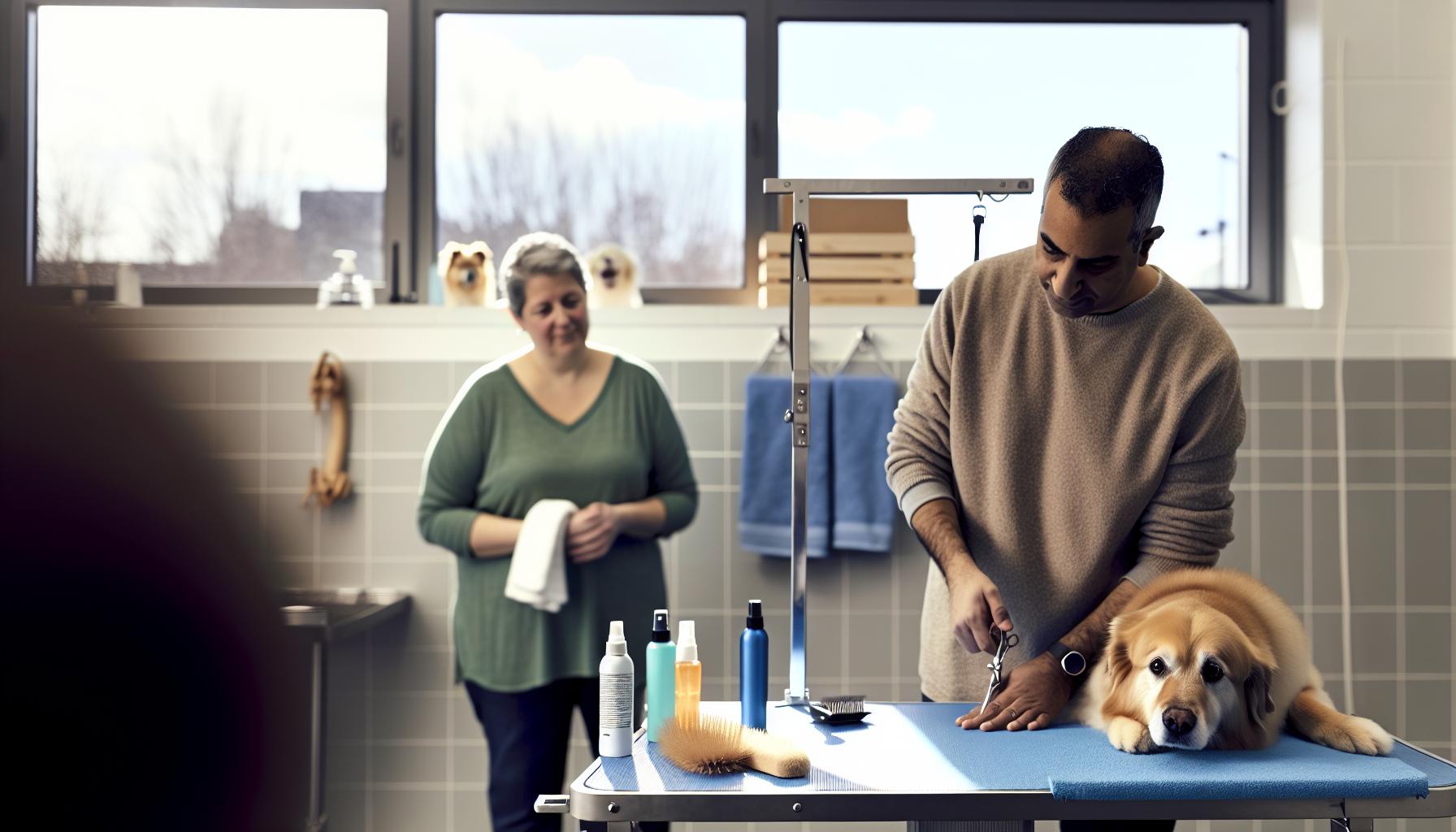
Owner Tips for Safeguarding Your Dog’s wellness During Grooming
Few things bring peace of mind quite like knowing your dog’s grooming experience is safe, comfortable, and health-conscious. Grooming isn’t just about appearances-it’s a vital part of maintaining your dog’s overall wellness. When vaccination policies come into play,it’s natural to wonder how to best protect your furry friend during grooming visits. The good news? Armed with a little preparation and open communication, you can ensure your dog’s well-being remains front and center throughout every snip and scrub.
Know Your Dog’s Unique Needs
Different breeds come with varying coat types,sensitivities,and grooming challenges. For example, a thick double-coated breed like a Siberian Husky will need different brushing tools and schedules than a short-haired breed like a Beagle. Puppies, seniors, and dogs with medical conditions require even gentler handling and tailored approaches-from the shampoo used to the amount of time spent on their care. Before the appointment, share relevant details with your groomer so they can customize care and reduce stress.
Safe Grooming Starts at Home
Between professional visits, at-home maintenance can reduce grooming demands and lower infection risk. daily gentle brushing prevents mats and tangles, which can trap dirt and bacteria.Use a soft brush or comb suited to your dog’s coat. When it comes to baths, opt for lukewarm water and mild, hypoallergenic shampoos designed for sensitive skin. Avoid over-bathing-it can strip natural oils and cause dryness. Pay attention to nails and ears too; trimming nails gradually at home while encouraging positive associations can ease future grooming.
Open Communication Builds Trust
Before your appointment, update your groomer about recent vet visits, vaccination status, and any health concerns. Transparent dialog helps them adapt services-maybe scheduling your dog during quieter hours or using private grooming spaces for partially vaccinated pups.If your dog shows nervousness or has had a reaction to grooming in the past, mentioning this can lead to adjustments like shorter sessions or breaks.Remember, a compassionate groomer values this insight and will work with you to prioritize your dog’s comfort and safety.
Signs of a Groomer Who Puts Health First
Professional groomers who emphasize wellness will typically:
- Request vaccination records: This protects all pets in their care and minimizes disease spread.
- Use clean, sanitized equipment: Tools, tubs, and grooming areas should be spotless to prevent infections.
- Tailor services: Offering gentle baths, minimal handling for sensitive dogs, and private appointments for those with incomplete vaccinations.
- Know when to refer: If your dog has skin issues or unusual symptoms, a responsible groomer will suggest veterinary care before proceeding.
| Task | Owner Prep Tips | Groomer Role |
|---|---|---|
| Bathing | Brush coat first; use gentle, appropriate shampoo. | Provide calming environment; handle sensitively. |
| Brushing | Brush regularly between visits to prevent mats. | De-mat thoroughly but gently; care for skin health. |
| Nail trimming | Familiarize dog with nail handling at home. | Trim carefully, avoiding quick; use calming methods. |
| Ear Cleaning | Check ears regularly for dirt or odor. | Clean with vet-approved solutions; avoid trauma. |
By blending your attentiveness at home with a groomer’s professional care and understanding of vaccination guidelines, you form a powerful partnership focused on your dog’s health. Each small step-from brushing a few extra minutes to confirming vaccine status-adds up to a smoother, safer grooming journey. Your dog will thank you with every wag and sparkle in their coat.
Impact of Breed and Age on Vaccination needs for Grooming
Some of the most important factors influencing vaccination protocols for grooming aren’t just about whether your dog is vaccinated at all-but also how their breed and age shape their specific needs. Different breeds not only vary in coat type and grooming difficulty but can also have distinct immune system sensitivities or hereditary health considerations that impact vaccination timing and requirements. Likewise,a puppy fresh from its first round of immunizations has different vulnerabilities compared to a calm senior dog whose immune system might potentially be naturally waning.
For example, breeds with thick, dense coats like Golden retrievers or Poodles often require more frequent professional grooming, which can increase their exposure to other animals and environments, making up-to-date vaccinations essential. By contrast,short-haired breeds or those with minimal coat needs might visit groomers less often,but still benefit from core vaccines given their level of social contact. Some small or toy breeds-like Chihuahuas or Maltese-have more delicate immune responses, so their vaccination schedules often require close vet supervision before groomers will accept them.
Age-Related Vaccination Considerations
Puppies are a special case – they start grooming early to get used to handling, but their initial vaccine series may only be partially complete. Groomers and owners need to take extra care here: some salons may allow young pups to be groomed if accompanied by proof of at least the core vaccines (like DHPP) starting but might recommend avoiding large group settings until the series finishes. For these tiny newcomers:
- Bath and brush: use hypoallergenic, puppy-safe shampoos and gentle tools to avoid skin irritation.
- Scheduling: Choose quieter hours or private sessions to minimize contact with other dogs.
Senior dogs can bring their own challenges-aging immune systems might not respond as robustly to vaccines, or previous health conditions might limit vaccination frequency. A groomer who knows your dog’s age and health history can adjust handling and recommend reporting any health changes to your vet before updating vaccines, ensuring that your older friend’s grooming routine stays both safe and comfortable.
Breed-Specific Sensitivities Affecting Vaccine Choices
certain breeds have documented sensitivities to specific vaccines or types of vaccine reactions. As an example,small breeds or those with autoimmune tendencies may be at a higher risk of adverse vaccine responses. Also, breeds like the Doberman or Rottweiler sometimes require extra vigilance with reactions after routine vaccines. Communicating this with your groomer ensures that they maintain a calm, reassuring environment and collaborate with your vet on timing grooming visits after vaccinations, reducing stress and immune risks.
| Breed Type | Vaccination Notes | Grooming Prep & Tips |
|---|---|---|
| Double-Coated Breeds (Siberian Husky,Golden Retriever) | Strong vaccine schedule recommended due to frequent grooming needs. | Brush thoroughly to remove mats pre-bath; expect longer sessions. |
| Small/Toy Breeds (Chihuahua, Maltese) | Sensitive immune systems; consult vet closely on vaccine timing. | Use gentle handling; schedule private grooming if vaccination incomplete. |
| Puppies | Partial vaccination; groom in low-risk settings, private sessions. | Opt for puppy-safe shampoo; short, positive sessions. |
| Senior Dogs | Vaccinate based on health status; slower immune response. | Handle gently; avoid over-stimulation; coordinate with vet. |
Understanding these nuances helps both owners and groomers prioritize safety without sacrificing comfort or care quality. Always share your dog’s breed-specific health and vaccination information ahead of grooming appointments. This allows tailor-made approaches – like adjusting shampoo choice, timing visits around vaccines, or offering quieter environments – keeping your treasured companion both safe and relaxed. After all, every dog deserves a grooming experience that respects their unique body and immune system, at every stage of life.
FAQ
Q: Are there specific vaccinations dog groomers prioritize over others?
A: yes, most dog groomers prioritize core vaccinations such as rabies, distemper, and parvovirus to prevent contagious diseases in their salons. These shots are essential to ensure safety in high-contact environments. Ask your groomer which vaccines they require before booking and review their policies for added peace of mind. See “Common Vaccination Requirements for Professional Groomers” for details.
Q: How often do dog groomers require updated vaccination records?
A: Many groomers ask for updated vaccination records annually or at each visit to maintain safe grooming environments. It’s important to keep your dog’s shots current and provide updated proof, especially for highly contagious diseases. Confirm your groomer’s policy beforehand, as some may have different timelines depending on location or breed.
Q: Can puppies be groomed if their vaccinations aren’t complete yet?
A: Puppies typically need to have at least their first round of core vaccinations before grooming, but some groomers offer alternatives like private appointments or home visits to reduce risk. Always communicate your puppy’s vaccination status with the salon and consider waiting until critical vaccines are administered for safer grooming sessions.
Q: Why might some groomers refuse service to unvaccinated dogs?
A: Groomers may refuse unvaccinated dogs to protect other pets and staff from serious infections. Boarding or group grooming areas increase the risk of disease spread, so most salons require proof of vaccinations as a safety protocol.Discuss any concerns with your groomer and explore exemptions or alternatives if needed.
Q: Are rabies vaccinations mandatory for all grooming salons?
A: Rabies vaccination is commonly required by grooming salons since it’s a legally mandated vaccine in many regions to protect public health. If your area enforces rabies laws, groomers typically ask for proof before services. Check local regulations and your groomer’s policies to ensure compliance and smooth appointment booking.
Q: How do grooming salons verify vaccination status without stressing my dog?
A: Groomers usually request digital or printed vaccination records prior to your appointment to avoid extra handling of your dog. Many accept vet-issued certificates or use secure online portals. Transparency and communication minimize your pet’s stress and promote a safe grooming environment. Learn more under “How grooming Salons Verify Vaccination Records.”
Q: What should I do if my dog has a vaccination allergy but needs grooming?
A: If your dog has a vaccination allergy, inform your groomer and vet immediately. Many salons offer alternative health safeguards like private rooms or additional sanitation. Work closely with your vet and groomer to balance health needs and grooming safety, ensuring your dog’s comfort without compromising vaccination requirements.
Q: Can groomers legally require proof of vaccination before grooming my dog?
A: Yes,groomers can legally require proof of vaccination to protect their business,staff,and other pets.While laws vary, many groomers set vaccination policies as part of their service terms. Always review and comply with these policies to avoid appointment cancellations and ensure a smooth grooming experience.
For more detailed guidance, review our sections on preparing your dog’s vaccination before grooming and identifying responsible groomers prioritizing health and safety. Keeping vaccinations up-to-date is a key step in safeguarding your dog’s wellness during grooming visits.
The Way forward
Understanding vaccination policies is essential to keep your dog safe and groomer appointments smooth. While not all dog groomers require shots, many follow strict vaccination guidelines to protect every pet’s health.before your next visit, check your groomer’s requirements and keep your furry friend’s vaccinations up to date-this simple step safeguards their well-being and ensures stress-free grooming sessions.
If you’re curious about specific grooming tips or want to learn more about maintaining your dog’s coat and health between visits, explore our guides on dog grooming basics and safe nutrition for dogs. Ready to take the next step? Sign up for our newsletter to get expert advice and exclusive grooming tips delivered straight to your inbox.Have questions or experiences to share? Leave a comment below-we love hearing from fellow dog lovers!
Remember, prioritizing vaccination policies with your groomer helps protect not just your pet but the entire grooming community. Stay informed, act promptly, and enjoy every wagging-tail moment with confidence and care.
Get our latest guides, news, and insights highlighted in your Google Search & AI Overviews.
Keep reading about the same coat and cut.



Popular grooming guides
Bath vs clip, first grooms, and salon how-tos.