What Dremel Do Dog Groomers Use for Safe Nail Grinding
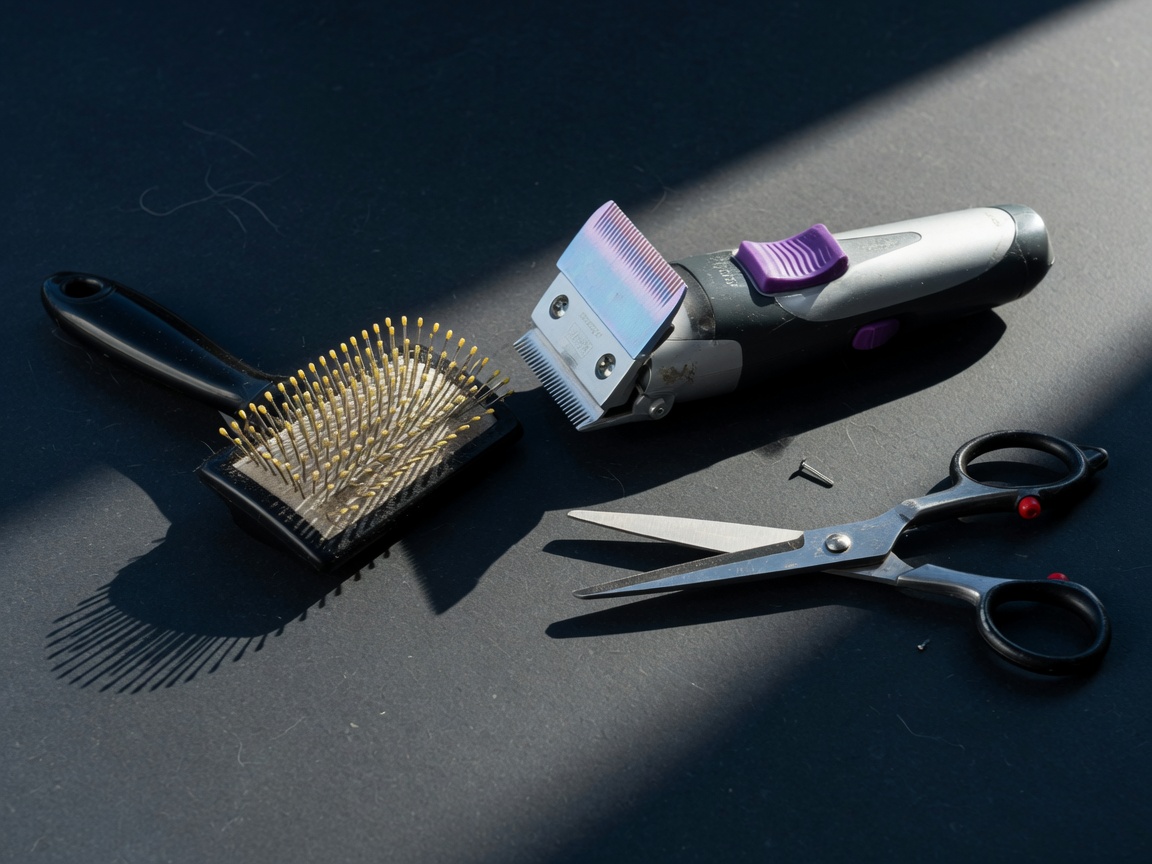
Did you no that using the right Dremel tool for dog nail grinding can make all the difference in your pet’s comfort and safety? Many dog groomers prefer specific models designed for quiet, precise grinding that gently smooth nails without causing stress or injury.Whether you have a small, delicate breed or a larger, more energetic dog, choosing the correct Dremel helps prevent painful cuts and keeps your furry friend calm during grooming. If you’re worried about how to start or which tool suits your dog best, this guide will walk you through the safest, most effective options trusted by professional groomers-ensuring a gentle, stress-free experience for both you and your pet. Let’s explore how the right equipment and technique can empower you to maintain healthy nails while nurturing your dog’s trust and comfort every step of the way.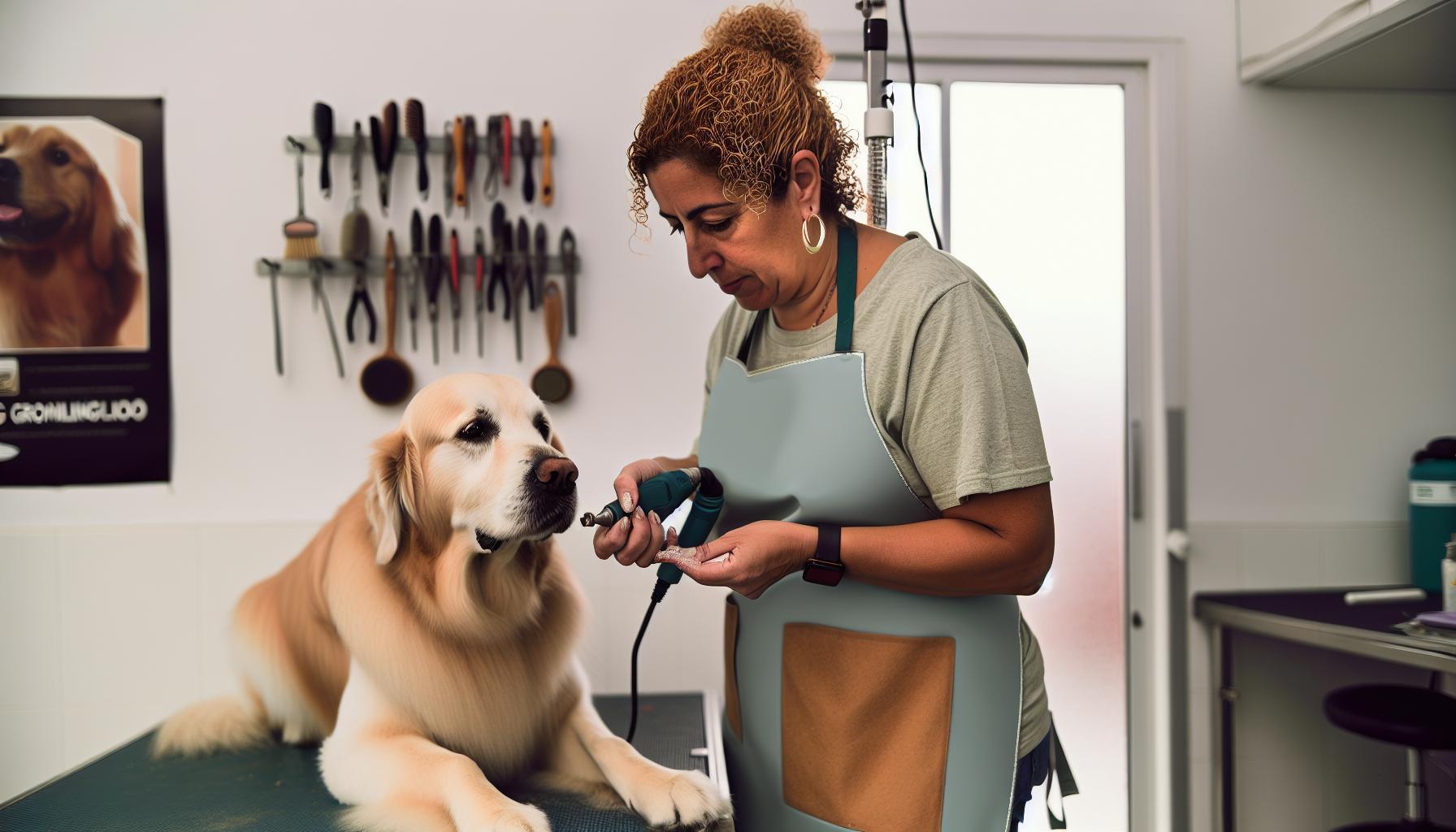
Choosing the Best Dremel Models for Dog Nail Grinding
Table of Contents
- 1 Choosing the Best Dremel Models for Dog Nail Grinding
- 2 Essential Features for Safe and Comfortable Nail Grinding
- 3 Step-by-Step Guide to Using a dremel on Dog Nails
- 4 common Mistakes to Avoid When Grinding Dog Nails
- 5 How to Calm Nervous Dogs During Nail grooming
- 6 comparing Dremels vs. Traditional Nail Clippers
- 7 Maintenance Tips to Keep Your Dremel Safe and Efficient
- 8 Recommended Accessories and grinding Bits for Dogs
- 9 Signs Your Dog’s Nails Need Professional Attention
- 10 Troubleshooting Common Dremel Problems in Nail Care
- 11 Faq
- 11.1 Q: How do professional dog groomers adjust Dremel speed for safe nail grinding?
- 11.2 Q: What safety attachments do groomers use with Dremel for dog nails?
- 11.3 Q: Can Dremel nail grinders be used safely on different dog breeds and nail types?
- 11.4 Q: How often should dog nails be ground using a Dremel to maintain paw health?
- 11.5 Q: What are groomers’ top tips for reducing stress when using a Dremel on anxious dogs?
- 11.6 Q: Why do groomers prefer cordless Dremel models for dog nail grinding?
- 11.7 Q: How can dog owners identify when it’s best to switch from clippers to a Dremel grinder?
- 11.8 Q: What common troubleshooting steps do groomers take if a Dremel overheats during nail grinding?
- 12 insights and Conclusions
Finding the right tool for grinding your dog’s nails can transform an often stressful grooming task into a calm, comfortable experience for both you and your furry friend. While many pet owners shy away from Dremel tools due to concerns about noise or safety, the truth is that selecting the appropriate model specifically designed or adapted for pet nail care can make all the difference. The best Dremels used by professional groomers balance power with precision, ensuring effective nail smoothing without discomfort or risk to sensitive quicks.
When considering a Dremel for your dog’s nails, look for models that offer variable speed settings, as this lets you start slow to acclimate your pet and increase speed only when comfortable. Models such as the Dremel 7300-PT or the 7100-PT are frequently enough recommended by groomers as they are cordless-making them easier to maneuver and less intimidating to pets-yet still detail-oriented enough to gently shape the nail.A lightweight design is another crucial factor for maintaining control and reducing vibration, especially for smaller breeds or anxious dogs prone to sudden movements.
- Variable Speed Control: Essential for safely grinding different nail thicknesses and adjusting as your dog adapts.
- Cordless Convenience: allows easy handling and avoids tripping hazards, helping nervous pets feel more at ease.
- Quiet Operation: Look for quieter models or those with built-in noise dampening features to minimize stress.
- Ergonomic Grip: Comfortable hold for steady guidance, critical for careful, controlled nail shaping.
Why Power and Control matter More Than Speed
It’s tempting to pick the most powerful tool, but excessive power can heat up nails quickly, causing discomfort and distress. Rather, a moderate motor with steady torque frequently enough works better. For example, the Dremel 7300-PT includes multiple speed choices (5,000 to 12,000 RPM), allowing you to start gently then increase if needed-this is especially beneficial for thick nails on larger breeds or those with darker nails where trimming is trickier. Additionally,professional groomers frequently enough pair these tools with specialized grinding bits designed to slowly file nails rather of clipping,reducing the chance of splitting or causing pain.
Remember, while Dremels are fantastic tools, they’re part of a broader grooming toolkit.For dogs with very thick or damaged nails,or health conditions,always check with your vet or a professional groomer before trying DIY trimming.
Fast Comparison Table of Popular Dremel Models for Dog Nail Care
| Model | Speed Range (RPM) | Cordless | noise Level | Weight | Price Range |
|---|---|---|---|---|---|
| Dremel 7300-PT | 5,000 – 12,000 | Yes | Low | Light (about 12 oz.) | $$$ |
| Dremel 7100-PT | 5,000 - 12,000 | Yes | Low | Light | $$$ |
| Dremel 4000 | 5,000 – 35,000 | No | Moderate | Heavier | $$ |
Choosing a Dremel built for pet grooming means prioritizing comfort and safety above all. Starting with a gentle, ergonomically designed, quiet, and cordless tool will set you and your dog up for calm, effective nail care every time. Trusting the right equipment can help reassure nervous pets and empower owners to handle grooming with confidence and kindness.
Essential Features for Safe and Comfortable Nail Grinding
Every dog deserves a grooming experience that feels safe, calm, and even enjoyable, especially when it comes to nail care. The right tool can make all the difference-not just in effectiveness, but in how comfortable your dog feels throughout the process. Nail grinding with a Dremel offers a gentle,controlled alternative to clipping,but success hinges on specific features that prioritize your dog’s comfort and safety first.
Choosing a model with variable speed control is crucial. Grinding too fast can cause heat buildup, which may distress your dog and risk damaging the quick, the sensitive tissue inside the nail. Lower speeds allow you to start slowly, helping your dog get used to the sensation, and build trust before increasing speed if needed. This is especially important for puppies or shy, sensitive breeds like Greyhounds or chihuahuas, whose thin nails require a light touch.
- Cordless design helps keep the experience more relaxed. Without a cord to worry about, you can move freely and adjust your angle as needed while avoiding accidental tugs or tripping hazards that might unsettle a nervous pet.
- Quiet operation is often overlooked but immensely valuable. Many dogs react to high-pitched noise or vibrations, so choosing a Dremel known for low noise levels reduces anxiety. For anxious dogs, a whisper-quiet device can turn nail grinding from a dreaded task into a manageable part of regular care.
- Ergonomic grips matter for you as the groomer too. A tool that feels comfortable in your hand reduces shaking and fatigue, helping maintain steady control. This steadiness ensures each stroke is safe and precise,avoiding slips that might hurt your dog or make them wary of future grooming sessions.
safety Beyond the Tool: Thoughtful Handling Makes the Difference
Even the best Dremel can’t replace a patient approach. breaking grinding into short, calm sessions-especially for dogs new to the process-helps build positive associations.Holding your dog gently but securely,offering treats,and speaking in soothing tones can transform nail care into a bonding moment. Remember that thicker nails or darker-colored nails, where the quick is harder to see, call for extra caution; choosing a Dremel with moderate power and a steady torque ensures you file nails smoothly without rushing or causing discomfort.
If you notice your dog reacting strongly or pulling away, pause and allow breaks.Sometimes, shorter, frequent sessions over days or weeks are more beneficial than a single stressful appointment. If your dog has health issues like arthritis or nail infections, always consult your vet or a professional groomer before using a Dremel at home.
Key Features Summary
| feature | Why It’s Critically important | What to Look For |
|---|---|---|
| Variable Speed Settings | Control heat and pressure, adapt to nail thickness | Speeds from ~5,000 to 12,000 RPM, adjustable dial |
| Cordless Operation | Greater maneuverability, reduces anxiety | Battery-powered models like Dremel 7300-PT or 7100-PT |
| Noise Level | Minimizes dog stress and fear | Models with quiet motors or noise-dampening features |
| Ergonomic Design | Ensures steady handling and less fatigue | Lightweight, well-balanced shape; comfortable grip |
Selecting a Dremel with these thoughtful features shows how professional groomers balance technology with empathy. The goal is never a perfectly polished nail,but a calm dog who feels safe,cared for,and confident that grooming isn’t scary. With the right tool in hand,you’ll not only improve your dog’s nail health but also strengthen the trust you share during every grooming session.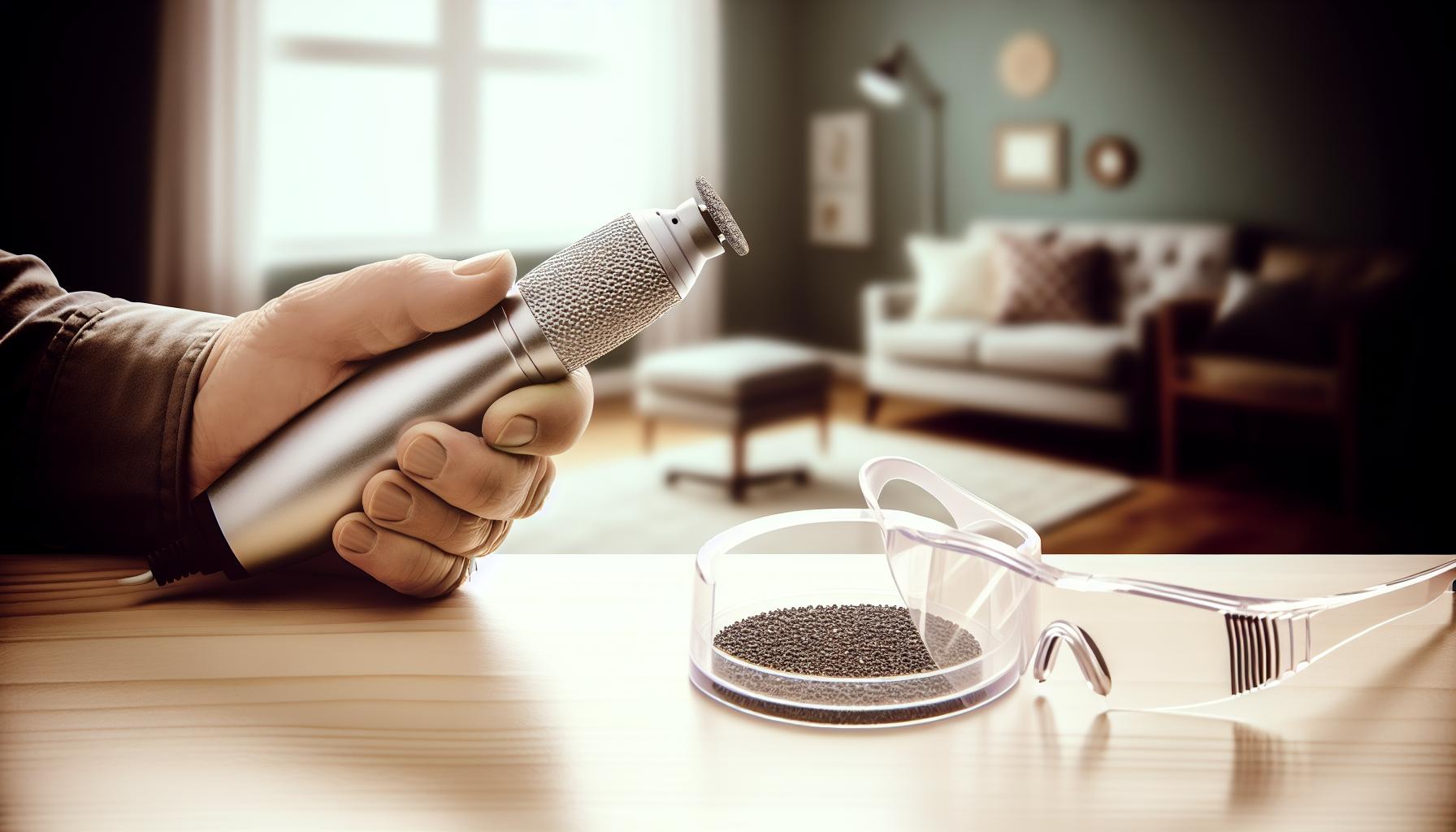
Step-by-Step Guide to Using a dremel on Dog Nails
Using a Dremel for your dog’s nails can transform a typically stressful grooming task into a calm, positive experience when approached thoughtfully and patiently. Many dogs appreciate the gentle filing over clipping, which sometimes causes pressure or sudden noise.Before you begin, gather your tools: your chosen Dremel (ideally cordless with variable speed), safe grinding bits designed for pets, a towel or non-slip mat to help your dog feel secure, and some tasty treats to reward calm behaviour.
- Start Slow and Introduce the Tool: With your dog settled in a comfortable spot, turn on the Dremel at the lowest speed setting away from their nails.Let them sniff and hear the tool without touching them yet-this helps reduce fear of the unfamiliar sound and vibration.
- Hold Your Dog Securely, But Gently: Depending on their size and temperament, support their paw firmly but gently. Larger dogs may rest their paw on your lap; smaller dogs might be easier to hold cradled. A calm voice and comforting touch go a long way here.
- Begin Filing Gradually: Approach the nail tip at a 45-degree angle and gently apply the grinding bit to the edge of the nail.Use light pressure in short bursts-never hold the grinder in one place too long to avoid heat buildup that can cause discomfort or quick injury. Rotate the nail occasionally to file evenly across all sides. Think of it as sculpting, not rushing to the finish.
- Pause and Praise Frequently enough: Frequent breaks allow your dog to relax and avoid over-stimulation.Reward calm behavior with treats and praise to build positive associations.If you notice any flinching or pulling away, stop and give your pet a moment before trying again.
Handling Different Nail Types
For dogs with obvious nails, you can usually see the quick as a pink area inside the nail-stay well clear of this sensitive zone. For darker nails, trim very conservatively and file bit by bit, observing your dog’s reactions closely. If you’re uncertain or your dog has thick, brittle nails, consulting your vet or a professional groomer assures safety and comfort.
Remember, patience is key – grinding nails with a Dremel rarely offers a one-session finish. Many groomers recommend spreading grinding over multiple short sessions, especially for dogs new to the tool or those with nervous dispositions.This gradual approach builds confidence for you and your furry friend alike, making nail care a manageable and even bonding routine.
Helpful Tips for success
- Keep the Dremel moving: Avoid holding it on one spot, as heat can build quickly and cause pain.
- Use the right bit: Pet-specific sanding drums or cones with medium grit work best to smooth nails gently.
- Check progress frequently enough: Stop to inspect nails regularly to prevent grinding too short and exposing the quick.
- Use distraction: Toys, gentle petting, or treats help focus your dog away from the noise.
With care and a kind approach, using a Dremel becomes a safe, stress-free way to maintain your dog’s nail health and comfort. It’s about much more than neat nails-it’s about honoring your pet’s well-being every step of the way.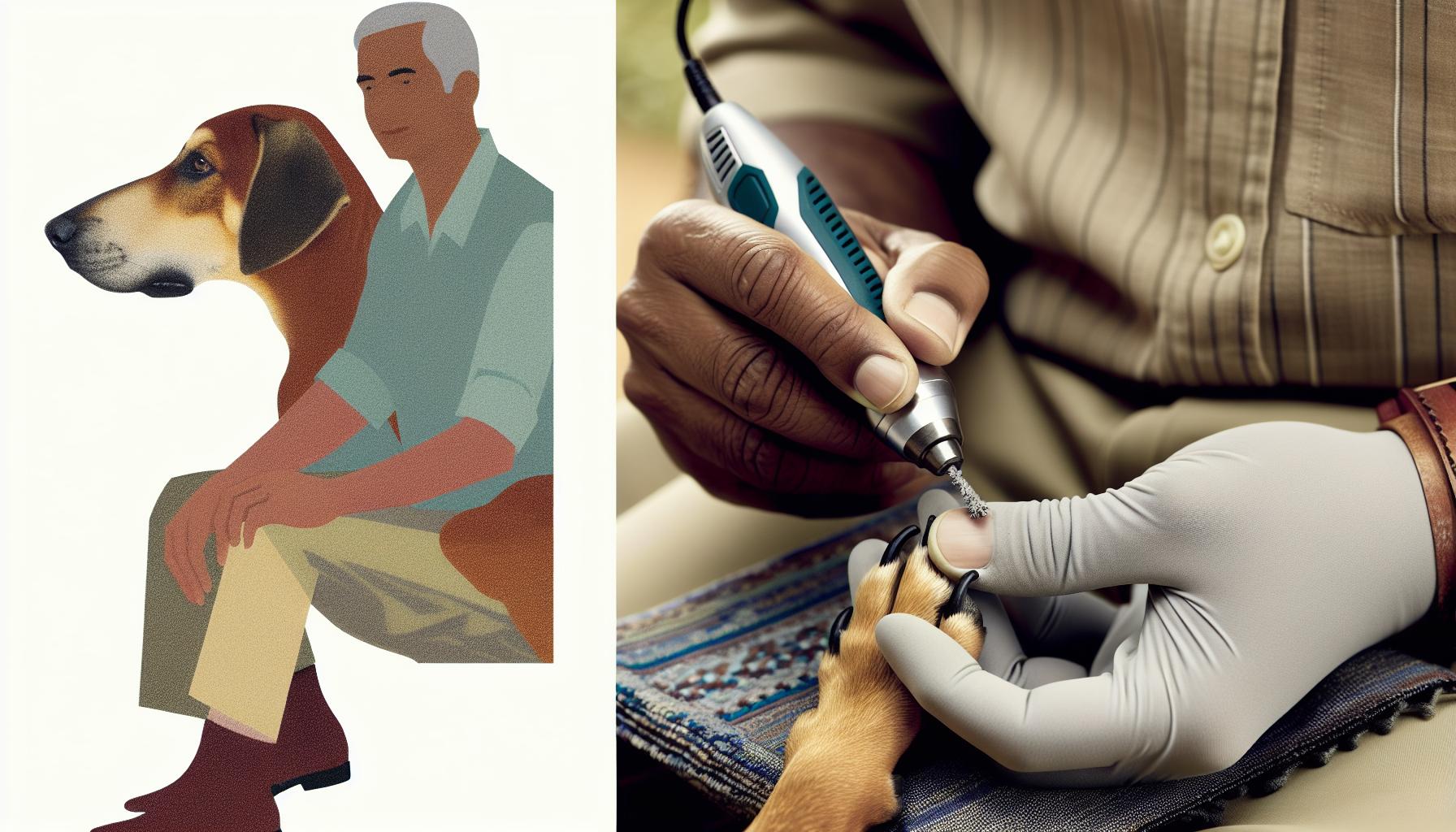
common Mistakes to Avoid When Grinding Dog Nails
Sometimes, even with the best intentions, small missteps during nail grinding can turn a helpful grooming routine into a stressful experience-for both you and your dog. One of the most common errors is rushing through the process. Unlike clipping, grinding takes time and patience, especially when your dog is new to the tool. Pressing down too hard or applying the Dremel to one spot for too long can generate heat, which might cause discomfort or even burn the nail. This can make your dog apprehensive during future sessions, setting back their progress and your confidence.
Another frequent pitfall is underestimating the importance of choosing the right grinding bit. Using bits that are too coarse or meant for metalwork rather than pet nails can cause uneven filing,sharp edges,or excessive vibration-all of which can distress your dog. Just like with any tool, the right accessories matter; pet-specific sanding drums with medium grit are designed to smooth nails gently without causing damage. If you’re unsure, it’s safer to opt for bits labeled for animal grooming rather than DIY hardware store options.
Neglecting to watch your dog’s body language closely can also hinder success. Some dogs show subtle signs of discomfort-like slight flinching, pulling away, or tensing-that often go unnoticed when focusing solely on the grinding. Ignoring these cues may lead to anxiety or even injury. Instead, frequent pauses for praise and treats not only reward calm behavior but also provide opportunities to reassess and adjust your technique. Remember, the goal isn’t a “perfect” finish in one go, but a relaxed dog with safely maintained nails over time.
Real Talk: What Not to Do
- Don’t hold the Dremel in one spot: constant contact creates heat buildup-this can quickly cause pain or burning.
- Avoid grinding too aggressively: Heavy-handed pressure can splinter nails or irritate the quick.
- Never skip introducing the tool slowly: Turning the grinder on directly at the nail without letting your dog get used to the sound can startle and scare them.
- Don’t grind nails that are too long without trimming first: Extremely overgrown nails may require cautious clipping by a professional before smooth finishing.
If you’re ever uncertain about thick, brittle, or especially dark nails, consulting a professional groomer or veterinarian can mean the difference between safe care and an unexpected trip to the vet. Approaching each session with compassion, patience, and the right tools ensures that nail grinding becomes a positive bonding time rather than a battle. Your dog’s comfort always comes first, and honing your technique with small, deliberate steps paves the way for many stress-free grooming sessions ahead.
How to Calm Nervous Dogs During Nail grooming
Nail grooming can be a dreaded experience for many dogs,especially those who are sensitive to noise or unfamiliar sensations. The gentle hum of a Dremel might sound harmless to us but can quickly become a source of anxiety for a nervous pup. The key to transforming this task into a calm, positive ritual lies in patience and thoughtful preparation. Starting slow and tuning in to your dog’s behavior can fully change how they feel about nail grinding over time.
Before even turning on the tool, introduce your dog to the Dremel in a non-threatening way. Let them sniff and examine it while it’s off, offering plenty of treats and soft praise to build positive associations.When you switch it on,keep a good distance at first-maybe in another room or across the house-so your dog can get used to the sound without pressure. Gradually decrease this distance over several short sessions until they’re comfortable enough to stay calm near the grinder.This desensitization process, though it requires time and consistency, pays off by easing fear and building trust.
During the actual grinding, keep sessions short and relaxed. Hold your dog gently but securely-in a lap or a cozy corner-depending on their size and preferences. Speak in a soothing tone and reward calm behavior frequently with treats or gentle petting. Watch closely for subtle signals of stress like lip licking, yawning, or shifting weight away, and pause instantly if you notice these signs. Remember,your goal isn’t to finish all nails perfectly in one go but to create a safe space where your dog feels heard and cared for.
Tips to Help Calm Anxious Dogs During Nail Grinding
- use distraction tools: A lick mat smeared with peanut butter or a favorite chew toy can keep your dog engaged and distracted from the grinding sensations.
- Enlist a helper: A calm, familiar person can gently hold or comfort your dog while you focus on the grooming, providing extra reassurance.
- Practice touch desensitization: Spend time each day gently handling paws and toes without the grinder, so your dog becomes comfortable with the sensation.
- Choose the right time: Select a moment when your dog is tired or relaxed, such as after a walk or play, to increase cooperation.
- Keep tone gentle and praising: Encouragement, even if slow progress is made, goes a long way toward building confidence.
If anxiety remains highly elevated despite your best efforts, it’s perfectly okay to seek professional help. Experienced groomers and veterinarians can offer medication options or behavior support tailored to your dog’s needs. The important thing is to prioritize your dog’s emotional safety while maintaining their nail health, using compassion and positive reinforcement every step of the way. With patience and consistency, even the most nervous dogs can learn to tolerate, if not enjoy, their nail grooming sessions using a Dremel.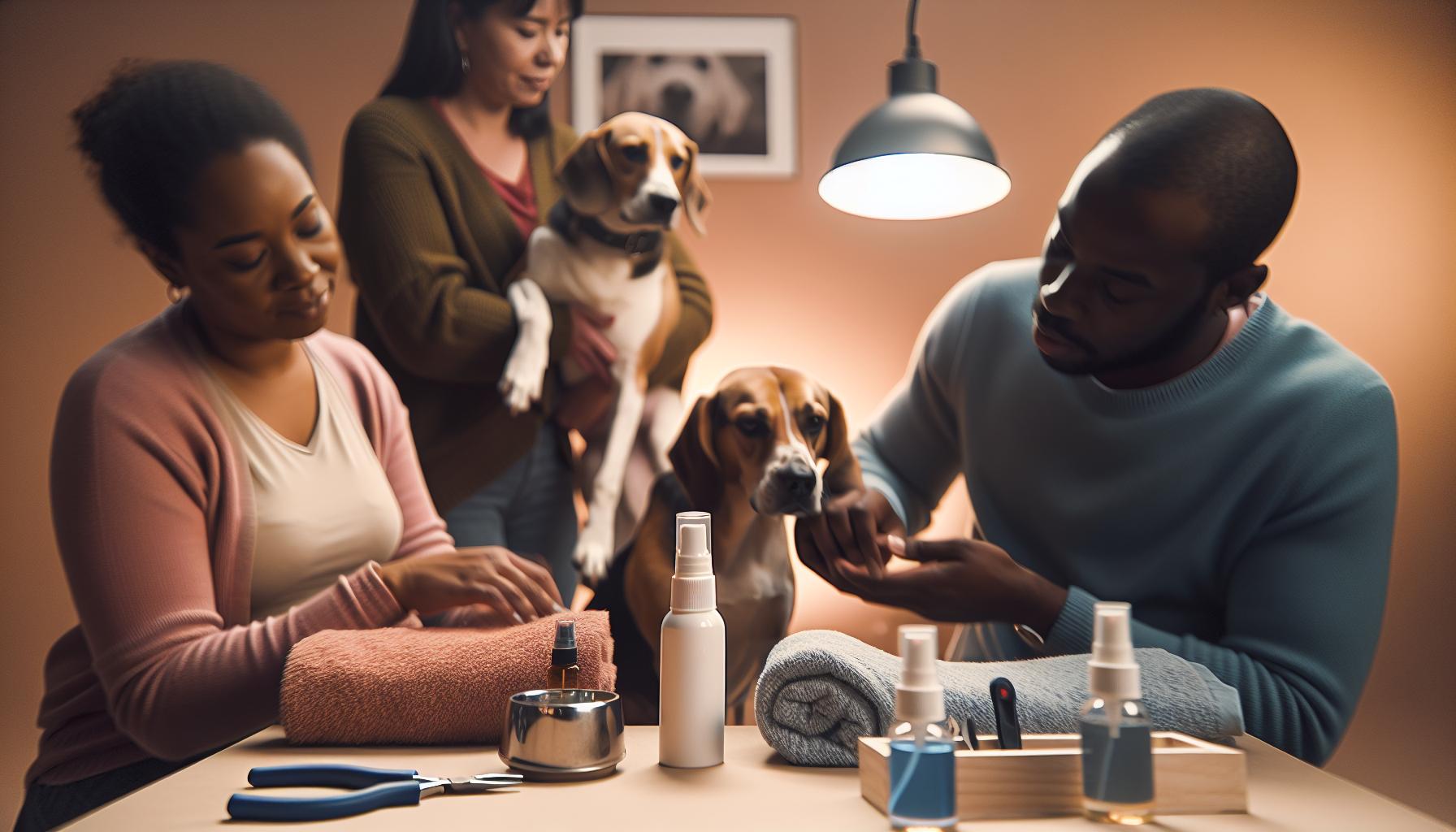
comparing Dremels vs. Traditional Nail Clippers
Few grooming tools spark as much debate among dog owners as the choice between a Dremel grinder and traditional nail clippers. While clippers have been the go-to for generations,many groomers and pet parents are discovering how a Dremel can transform nail care into a safer,less stressful experience for nervous dogs.understanding the unique benefits and challenges of each method can help you make the best choice for your pup’s comfort and wellbeing.
Traditional clippers offer quick, precise cuts that work well for many dogs, especially those with short, dark nails or well-behaved temperaments. Though,clipping requires a steady hand and confidence to avoid cutting into the quick-the sensitive,blood-rich part of the nail that can bleed and cause pain. For dogs who resist restraint or have fast-growing nails,clippers can sometimes cause anxiety with the clipping sound or pressure needed to snip through thicker nails. This is where a Dremel-essentially a small rotary tool with a sanding bit-really shines in providing a gentle, gradual grinding method that reduces the risk of quick cuts.
Why Many Groomers Prefer a Dremel for Sensitive or High-Energy Dogs
A Dremel softens the edges of the nails gradually, allowing you to shape and shorten nails bit by bit. This grinding action feels less invasive to many dogs, who react better to the humming vibration than a sudden snip. It’s especially helpful for owners of breeds with thick nails, like Labradors or German Shepherds, or those with long nails needing a precise finish. Plus, because you can stop before reaching the quick, a Dremel lowers the chance of painful accidents and bleeding that might make future grooming sessions more stressful.
That said,mastering the Dremel takes patience-both in training the dog to accept the noise and in developing the right technique to avoid heat build-up or uneven grinding. Some dogs may initially find the buzzing unsettling, but slow desensitization and positive reinforcement turn it into a calming routine over time. If your dog is very sensitive or easily stressed, starting with a quiet, low-speed Dremel specifically designed for pet nail care helps enormously.
When Clippers Might Still Be the Better Fit
For quick trims on cooperative dogs with light-colored nails, clippers remain a solid choice. They’re portable,don’t require a power source,and can be quicker for those with time constraints or less tolerance for noise. If your dog has damaged nails or split quicks, sometimes a sharp clipper might create a cleaner cut than grinding coudl. Also, if you are uncomfortable with power tools, it’s perfectly okay to rely on clippers and seek professional grooming help for maintainance.
| Feature | Dremel Grinder | Traditional Nail Clippers |
|---|---|---|
| Risk of Cutting Quick | Lower; gradual sanding lets you avoid quick | Higher; requires precision to avoid painful cuts |
| Noise Factor | Buzzing sound; needs desensitization | Minimal sound; snapping noise can startle some dogs |
| Speed of Nail Care | Slower; takes time to grind nails evenly | Faster; quick snap for each nail |
| Suitability | Thick, dark nails; anxious or sensitive dogs | Light-colored nails; calm, cooperative dogs |
| skill level Required | Moderate; requires steady hand and technique | Basic to advanced; steady hand needed |
Embracing either tool means embracing your dog’s emotional needs and physical comfort. If you’re just starting out or have a fearful pup, consider pairing the Dremel with gentle desensitization and positive reinforcement techniques. Many groomers encourage owners to keep both tools handy-clippers for initial trims and a Dremel for smoothing rough edges and shaping. Over time, your dog might even come to prefer the quieter, gentler sensation of grinding, transforming nail care from a dreaded chore into a bonding experience.
Remember, if your dog experiences extreme anxiety or you are unsure about technique, seeking the expertise of a professional groomer or veterinarian ensures safety and peace of mind. Your dog’s comfort and wellbeing always come first, and with patience and kindness, nail grooming can be a calm, positive part of your care routine.
Maintenance Tips to Keep Your Dremel Safe and Efficient
It’s amazing how much a well-maintained Dremel can improve the nail grinding experience for both you and your dog.Just like any specialized grooming tool,keeping your Dremel in top shape ensures it runs smoothly,stays safe,and remains gentle on your dog’s sensitive nails. A little attention here and there will save you from frustration and help your pup feel calm and comfortable during every session.
Regular Cleaning and Inspection
After each grooming session, take a moment to wipe down your Dremel tool with a soft, dry cloth. Nail dust can accumulate quickly and clog the ventilation slots, leading to overheating or reduced performance. If you notice any build-up on the grinding bit, carefully remove it with a small brush or compressed air. Avoid using water directly on the motor or electrical parts, as moisture can cause damage. Inspect the power cord (if it’s a corded model) or battery contacts regularly to catch wear or corrosion before it becomes a problem.
Battery Care and Charging habits
For cordless Dremels designed for pet grooming, such as the popular 4-volt, 2-amp pet grooming kits, keeping the battery in good health is essential. Always use the charger that came with your kit to protect battery lifespan. Avoid overcharging by unplugging once the battery is full, and store the tool in a cool, dry place away from direct sunlight or extreme cold. If your Dremel sits unused for weeks, it’s a good idea to charge and discharge it fully a couple of times to maintain battery capacity.
Replacing and Selecting the Right Accessories
Grinding bits wear down with use and can become less effective or even rough on your dog’s nails if not replaced in time. Use only pet-specific sanding drums or bits recommended for animal nails-these are designed to offer a safe balance of abrasion without overheating or causing damage. Keep a few spares on hand, so you’re never caught mid-session with a dull bit. When installing a new bit, double-check it’s securely fastened to avoid wobbling, which can make your dog uneasy.
Preventing Overheating and Tool Strain
A common issue with Dremels during nail grinding is heat buildup, which can cause discomfort or even small burns on your dog’s nails.To minimize this, work in short bursts with gentle pressure and pause frequently to allow both the bit and tool to cool down. If you notice the tool getting hot to the touch or the motor straining, stop and let it rest rather than pushing through. this not only protects your dog but extends the lifespan of your Dremel.
- Store your Dremel safely in a padded case or dedicated grooming kit to prevent accidental drops or damage.
- Keep replacement bits organized in a small box,clearly labeled for easy selection during grooming.
- Schedule routine checks every few months on motor function, speed consistency, and accessory fit.
By investing just a little time in routine care, your Dremel will remain a trustworthy partner in your dog’s grooming routine. The result? Smoother,safer nail trims that help keep your dog happy and relaxed-making each grooming session a positive experience rather than a stressful chore. remember, a well-loved tool is a well-performing tool, and your gentle care reflects in your dog’s comfort and trust.
Recommended Accessories and grinding Bits for Dogs
Finding the right accessories and grinding bits can truly transform the nail grinding experience from a stressful chore into a calm, confident routine for both you and your dog. Choosing pet-specific bits matters a lot as these are carefully designed to be gentle yet effective on dog nails, avoiding discomfort or heat buildup that could cause irritation. For example, many groomers prefer fine grit sanding drums or specialized ceramic bits due to their smooth abrasion and lower heat generation compared to standard abrasive wheels.
- Sanding Drums: These are the most common choice for dogs of all sizes. Pet-specific sanding drums come in various grits – medium grit works well for most breeds, especially medium to large dogs with thick nails, while fine grit is better for smaller or more sensitive nails.
- Ceramic Grinding Bits: Ceramic bits offer a longer lifespan and generate less heat,making them ideal for nervous dogs or those with thinner nails. They also stay sharp longer, which means less time pressing and a gentler experience overall.
- Protective Attachments: Look for grinding bit guards or collars designed to limit how deep you can grind. These provide an extra layer of safety and help beginners avoid accidentally going too far into the quick.
Why Using the Right Bit Matters
Imagine your dog’s nail is sensitive skin with a nail covering that can easily heat up or get rough if over-abraded. Using a coarse bit can overheat nails quickly, leading to discomfort or even small burns. That’s why slower speeds paired with the right bit-like a fine ceramic one-are better for anxious or petite pups. I often recommend starting with a finer grit and observing your pup’s reaction; you can always switch to a coarser grit for very thick nails, but it’s hard to undo irritation caused by a rough grinding surface.
Keeping Spare Bits Handy and Organized
Bits wear down and lose efficiency sooner than many expect, especially if you groom regularly. Having a small set of backups ready to go prevents mid-session interruptions that could upset your dog’s focus.I keep mine in a compact case labeled by grit and type, so it’s easy to grab the right bit quickly.Pro tip: always check that the bit is securely fastened before use to avoid wobbling, which can unsettle your dog.
When selecting accessories, consider the size and breed of your dog, their nail thickness, and temperament.For smaller breeds or anxious dogs, look for quieter, lower-speed Dremel models compatible with fine grinding drums.Larger dogs with thick nails may benefit from bits that balance abrasion with heat control for effective yet gentle trimming.
By investing a little time in choosing and maintaining the best accessories, you empower yourself to provide safer, more comfortable grooming sessions. this attention to detail helps build your dog’s trust and makes nail grinding a positive routine instead of a dreaded task. Remember, the goal is healthy nails and a relaxed pup-not perfect polish. Safe, patient, and gentle tools are your greatest allies on this journey.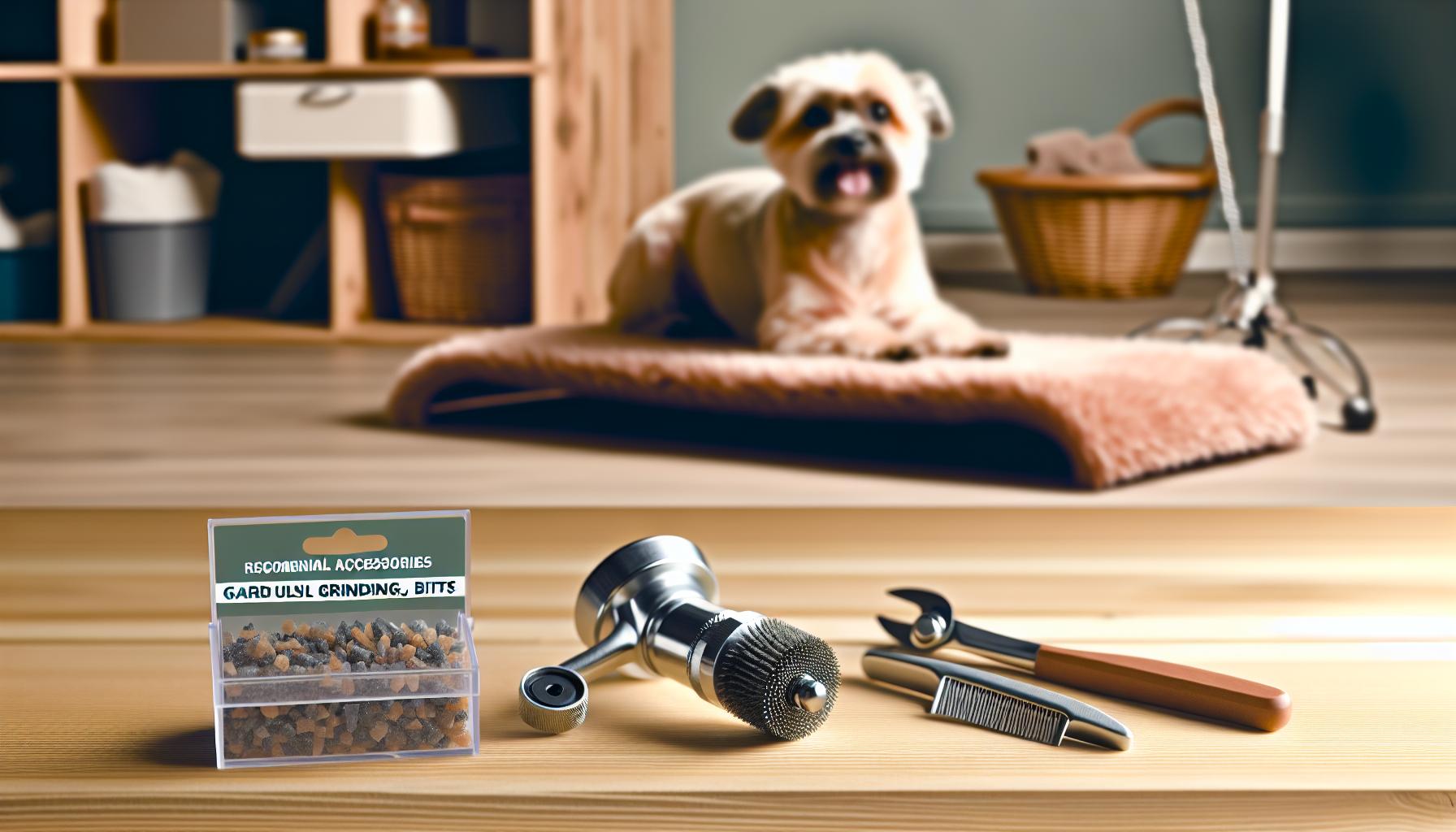
Signs Your Dog’s Nails Need Professional Attention
Sometimes,despite all your best efforts with a quality Dremel and patient grooming,your dog’s nails signal that it’s time to seek expert help. Recognizing these signs early not only prevents discomfort but can also avoid complications like infections or lasting nail damage. While many dogs benefit greatly from at-home grinding, some situations call for professional intervention to maintain their health and comfort.
- Persistent Bleeding or Sensitivity: If your dog’s nails frequently bleed even with gentle grinding, or if your pup shows unusual sensitivity or pain during routine sessions, it could indicate an underlying issue like nail trauma or infection that needs veterinary care or a groomer experienced in special cases.
- Overgrown or Deformed Nails: Nails that have grown excessively long and curved into odd shapes often require professional handling. Overgrown nails can embed into the paw pads,causing pain and infection.An experienced groomer or vet can safely trim such nails without causing injury.
- Signs of infection or Inflammation: Noticeable swelling, redness around the nail beds, foul odors, or discharge are definite red flags. These symptoms go beyond cosmetic grooming needs and should be addressed promptly by a veterinarian to avoid worsening conditions.
- Difficulty Handling or Anxiety: For dogs with extreme fear or aggressive reactions toward nail care despite calm, slow approaches, professionals trained in behavior management and low-stress handling can make the experience safer and more positive.
When DIY Nail Care Isn’t Enough
Some breeds and health conditions make nail maintenance especially challenging.As an example, dogs with dark nails can be harder to trim safely using a Dremel without risking injury, due to the difficulty in seeing the quick. Older dogs or those with arthritis might struggle to stand or stay still long enough for thorough grinding. In these cases, professional groomers use specialized tools and techniques honed by experience, while vets can rule out medical issues complicating grooming.
Teamwork Between Owners,Groomers,and Vets
It’s important to remember that maintaining your dog’s nail health is often a team effort. Professional groomers offer a combination of skill, safe equipment, and temperament knowledge to tackle tough nail jobs gently. Simultaneously occurring,veterinarians help diagnose conditions that might affect nail growth or cause pain. When you encounter persistent problems, reaching out early can prevent stressful or painful episodes for your pup.Plus, groomers can recommend whether your dog needs more frequent trims or special care strategies to maintain comfort between sessions.
By tuning in to your dog’s cues and knowing when to step back into expert hands, you’re giving your furry friend the best chance for happy, healthy paws-nail grinding with a Dremel isn’t just about looks, it’s about genuine well-being and trust.
Troubleshooting Common Dremel Problems in Nail Care
A smooth, stress-free nail grinding experience with a Dremel isn’t always automatic-sometimes small hiccups pop up, and knowing how to handle them can make all the difference. Whether you’re new to using a nail grinder or looking to refine your technique, being prepared for common issues helps keep your dog calm and comfortable while protecting their precious paws.One frequent concern is the Dremel feeling too powerful or noisy, causing anxiety for sensitive or nervous dogs. If your dog pulls back or flinches, try using a lower speed setting if your model allows it, or start the tool in another room so they get used to the sound gradually. Pair this with gentle reassurance and treats to build positive associations.For breeds with sensitive paws or thin nails, excessive vibration can be uncomfortable; hold the tool lightly and avoid pressing too hard to reduce shaking. Sometimes, using a quieter model like the dremel pawcontrol 7760-PGK, which is designed specifically for pets, can ease stress significantly [[2]](https://thebeloveddog.com/dremel-for-dog-nails/).
Another common snag is the Dremel grinding too slowly or the rotation stalling, especially if the grinding bit is clogged with nail dust. To prevent this, clean the burr bit frequently during the session by gently tapping it or using a small brush to remove buildup. Using a higher-quality bit designed for pet nails,such as coarse or medium grit sanding drums,will also help maintain efficiency. remember, trying to force the grinder too quickly onto thick or hard nails can bog down the motor or cause uneven trims. Always grind in short, gentle bursts with light pressure, letting the tool do the work. Frequent breaks also allow your dog to relax and prevent overheating the device or paw [[3]](https://petnobs.com/dog-dremel/).
if you notice your Dremel overheating or battery life draining unusually fast, this often signals the need for maintenance. Regularly check the charging cable and battery contacts for dirt or corrosion. Do not use the tool continuously for more than about 10 minutes without pauses, especially with cordless models, to avoid heat damage. Storing your Dremel in a cool, dry place and following manufacturer cleaning recommendations ensures longevity and consistent performance. If a grinding bit wears down or becomes uneven, replace it promptly-worn bits not only slow grinding but risk snagging on nails, which can cause discomfort or accidental injury.
Sometimes the challenge lies in user technique rather than equipment. Grinding at an improper angle or pressing too hard can rough up the nail edges unevenly or irritate the quick. Aim to hold the Dremel perpendicular to the nail tip and move the grinder back and forth smoothly with a light touch. Watch your dog closely for signs of discomfort and stop grinding the moment you reach near the quick-better to do multiple sessions gradually than risk pain or bleeding. If you’re unsure, seek advice from professional groomers or watch tutorial videos where experienced handlers demonstrate step-by-step nail grinding on calm dogs [[1]](https://www.youtube.com/watch?v=1D7ndnwDP6A).
- Helpful Tips:
- introduce the Dremel slowly-let your dog sniff it when powered off and listen to its sound before starting nail grinding.
- Use treats and calm praise after each paw to build trust and ease anxiety.
- Keep spare grinding bits on hand to switch out when dull.
- If your dog struggles to stay still, try grooming during their calmest moments or after exercise.
Ultimately, patience paired with attentiveness ensures that common tool or technique issues don’t become roadblocks. When in doubt, consulting with a groomer can provide confidence, especially for dogs who have had rough experiences or complex nail shapes. Your gentle approach,combined with the right Dremel and care,turns nail grooming from a dreaded chore into a comfortable,bonding moment.
Faq
Q: How do professional dog groomers adjust Dremel speed for safe nail grinding?
A: Professional groomers typically use a medium to low speed setting on Dremel tools to ensure gentle, controlled nail grinding. This prevents overheating and discomfort for your dog. Always start slow and increase speed only if your pet stays calm. For detailed speed control tips, see Essential Features for Safe and Comfortable Nail Grinding in our main article.
Q: What safety attachments do groomers use with Dremel for dog nails?
A: Groomers often use nail guards and angled paw guides with their Dremels to prevent over-grinding and safely protect your dog’s quick. These attachments help guide the tool at the correct angle and reduce the risk of injury. Learn about these in the Recommended Accessories and Grinding Bits for Dogs section for optimal nail care.
Q: Can Dremel nail grinders be used safely on different dog breeds and nail types?
A: Yes, Dremel nail grinders are safe for all breeds but require adjusting technique and grinding time based on nail hardness and size. Smaller breeds need more delicate handling, while larger dogs may require slightly longer sessions. For breed-specific tips, consult the Step-by-Step Guide to Using a Dremel on Dog Nails section.
Q: How often should dog nails be ground using a Dremel to maintain paw health?
A: Most dogs benefit from nail grinding every 2-4 weeks, depending on activity level and nail growth rate. regular grinding prevents discomfort and overgrowth. Monitor your dog’s nails and adjust frequency accordingly. For signs your dog needs professional attention, check the Signs Your Dog’s Nails Need Professional Attention section.
Q: What are groomers’ top tips for reducing stress when using a Dremel on anxious dogs?
A: groomers recommend gradual introduction,positive reinforcement,and gentle handling. Using treats and calming phrases helps ease anxiety. Starting with short sessions and a quiet, vibration-reduced Dremel like the PawControl makes the experience less intimidating.Visit How to Calm Nervous Dogs During Nail Grooming for more detailed calming strategies.
Q: Why do groomers prefer cordless Dremel models for dog nail grinding?
A: Cordless Dremel models offer greater mobility and ease of use, allowing groomers to handle dogs comfortably without tangled cords. Rechargeable batteries ensure consistent power, reducing stress for both groomer and pet. See Choosing the Best Dremel Models for Dog Nail Grinding for recommended cordless options.
Q: How can dog owners identify when it’s best to switch from clippers to a Dremel grinder?
A: Owners should consider switching when clipper-related injuries or nail splitting occur frequently enough. Dremels provide smoother edges and reduce cracking, especially for thick or dark nails. Learn proper usage and transition tips in the Comparing Dremels vs. Traditional Nail Clippers section for safer nail care.
Q: What common troubleshooting steps do groomers take if a Dremel overheats during nail grinding?
A: Groomers recommend pausing the session to let the tool cool, cleaning dust from vents, and avoiding continuous use for too long. Using the correct grinding bit and maintaining proper speed also prevents overheating. for more troubleshooting advice,see Troubleshooting Common Dremel Problems in Nail care.
For more expert advice, feel free to explore our complete grooming guides, and empower your pet care routine with confidence and compassion!
insights and Conclusions
choosing the right dremel tool, like the popular 4-Volt cordless pet grooming kits, ensures safe, gentle nail grinding tailored to your dog’s breed and comfort level. By prioritizing tools designed for ease and precision, you reduce stress for both you and your furry friend-making nail care less daunting and more consistent. If you’re ready to take control of your pet’s grooming routine, now’s the perfect time to explore cordless rotary options that professionals trust for safe, effective trimming.
For more helpful insights, check out our guides on bath time essentials and brushing techniques to complete your dog’s at-home grooming experience. Curious about when to consult your vet or hire a groomer for specialized care? We break that down too,helping you make confident,compassionate choices. Don’t forget to subscribe to our newsletter for ongoing tips and expert advice to keep your pup happy and healthy year-round. Share your own nail grooming stories or questions below-we’re here to support every step of your pet care journey.
Explore trusted Dremel devices designed specifically for pet nails, and embrace a calm, safe approach to grooming.With the right tools and knowledge, keeping your dog comfortable and well-groomed is easier than ever-start today and enjoy the peace of mind that comes with expert-approved nail trimming.
Get our latest guides, news, and insights highlighted in your Google Search & AI Overviews.
Keep reading about the same coat and cut.



Popular grooming guides
Bath vs clip, first grooms, and salon how-tos.