Can Dogs Get Kennel Cough From Groomers: Risk and Prevention
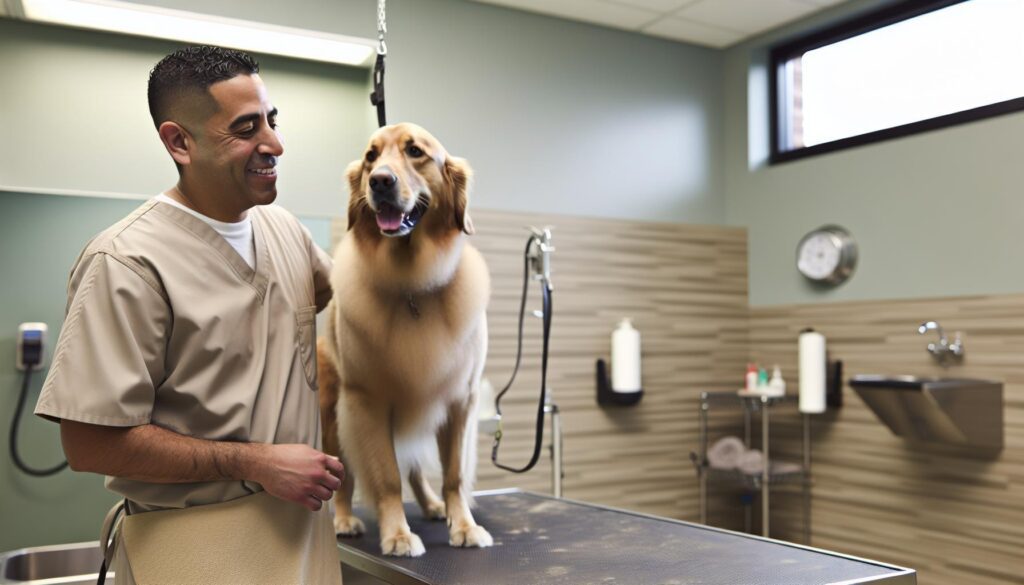
Did you know that a routine trip to the groomer could sometimes expose your dog to kennel cough, a contagious respiratory infection? Kennel cough often spreads in places where multiple dogs gather, including grooming facilities. As a caring pet owner, it’s natural to worry about your dog’s health when taking them for a bath, nail trim, or haircut. Understanding how kennel cough can be transmitted at groomers-and how to prevent it-helps you keep your furry friend safe and comfortable. In this article, we’ll explore the risks involved, share practical prevention tips, and highlight when a visit to the vet is necessary. Whether your dog has a sensitive coat or is a social butterfly at the groomer, you’ll learn what steps protect their well-being without compromising their grooming routine. Let’s walk through how you can confidently balance cleanliness and care, ensuring your pup feels loved and secure every time.
How Kennel Cough Spreads in Grooming Environments
Table of Contents
- 1 How Kennel Cough Spreads in Grooming Environments
- 2 Common Signs and Symptoms of Kennel Cough in Dogs
- 3 Which Grooming Practices Increase Infection Risk
- 4 How to Protect Your Dog During Grooming Visits
- 5 Cleaning and Sanitizing Grooming Tools Effectively
- 6 When to Choose a Veterinarian Over a Groomer
- 7 At-Home Grooming Tips to Minimize Illness Risk
- 8 Vaccination’s Role in Preventing Kennel Cough
- 9 What to Do If Your Dog Catches Kennel Cough after Grooming
- 10 Real Owner Experiences: Grooming and Kennel Cough Cases
- 11 Q&A
- 11.1 Q: How long can kennel cough survive on grooming equipment and surfaces? A: Kennel cough bacteria and viruses can live on grooming tools and surfaces for up to 48 hours if not properly sanitized. Regular and thorough cleaning with pet-safe disinfectants is crucial to minimize infection risks during grooming visits. For detailed cleaning steps, see our section on Cleaning and Sanitizing Grooming Tools Effectively. Q: Can puppies and older dogs be more at risk of getting kennel cough at groomers?
- 11.2 Q: Are there specific grooming services that increase the risk of kennel cough transmission?
- 11.3 Q: How can I safely monitor my dog for kennel cough symptoms after a grooming appointment?
- 11.4 Q: What questions should I ask my groomer about kennel cough prevention?
- 11.5 Q: Can grooming salons require kennel cough vaccinations before accepting dogs?
- 11.6 Q: Is it better to groom my dog at home to avoid kennel cough risk from groomers?
- 11.7 Q: How soon after exposure to kennel cough at a groomer can symptoms appear?
- 12 Final Thoughts
One surprising way kennel cough can spread is right where we bring our dogs to be pampered and cleaned. Grooming environments, bustling with pets, can inadvertently become hotspots for this highly contagious respiratory infection. Many dogs aren’t showing any signs when they arrive, yet they may carry and release germs through coughs, sneezes, or even just breathing. These airborne droplets float through shared spaces, lingering in the air and settling on surfaces like grooming tables, brushes, and collars-prime spots where the bacteria and viruses causing kennel cough thrive.
Transmission frequently enough happens when dogs are close together in waiting or grooming areas. Even brief contact during nail trimming or ear cleaning can be enough for the infection to spread. For example, a calm poodle getting a bath next to a lively retriever who’s coughing may unknowingly inhale contagious particles. The stress of grooming can also weaken a dog’s immune system temporarily, making them more vulnerable to picking up germs. Many groomers handle multiple dogs in a day, and if tools or surfaces aren’t properly sanitized, germs can jump from one pet to another swiftly.
- Airborne droplets: Spread when infected dogs cough, sneeze, or breathe near others.
- Shared grooming equipment: brushes, clippers, and nail trimmers can harbor bacteria if not cleaned well.
- Close proximity: Dogs waiting together or on grooming tables can easily pass the infection through direct contact or by touching contaminated surfaces.
- Stress and immune changes: Grooming-related stress can lower a dog’s defenses, increasing their chance of catching kennel cough.
Friendly advice for pet parents: before heading to a groomer, ask about their hygiene routines and whether they separate dogs that show any respiratory symptoms. Some groomers recommend doing simple prep tasks at home, like brushing or nail trims, so your dog spends less time around others. Taking these small steps helps keep all dogs safe, happy, and healthy during their spa day.For example,a Basenji owner shared how her dog caught kennel cough after just one groomer visit – likely from being near another coughing dog. Thankfully,quick vet care resolved it easily. This story highlights how easily these bugs travel but also how early detection helps prevent serious illness [[2]](https://www.reddit.com/r/Blacklabs/comments/10bf8p6/after_being_at_the_groomers_yesterday_my_girl/), [[3]](https://www.dialavet.com/vet-answers/dog-groomed-hacking-cough-what-to-do-242993). Being proactive is key: good hygiene, calm handling, and clear interaction with your groomer make all the difference.
Common Signs and Symptoms of Kennel Cough in Dogs
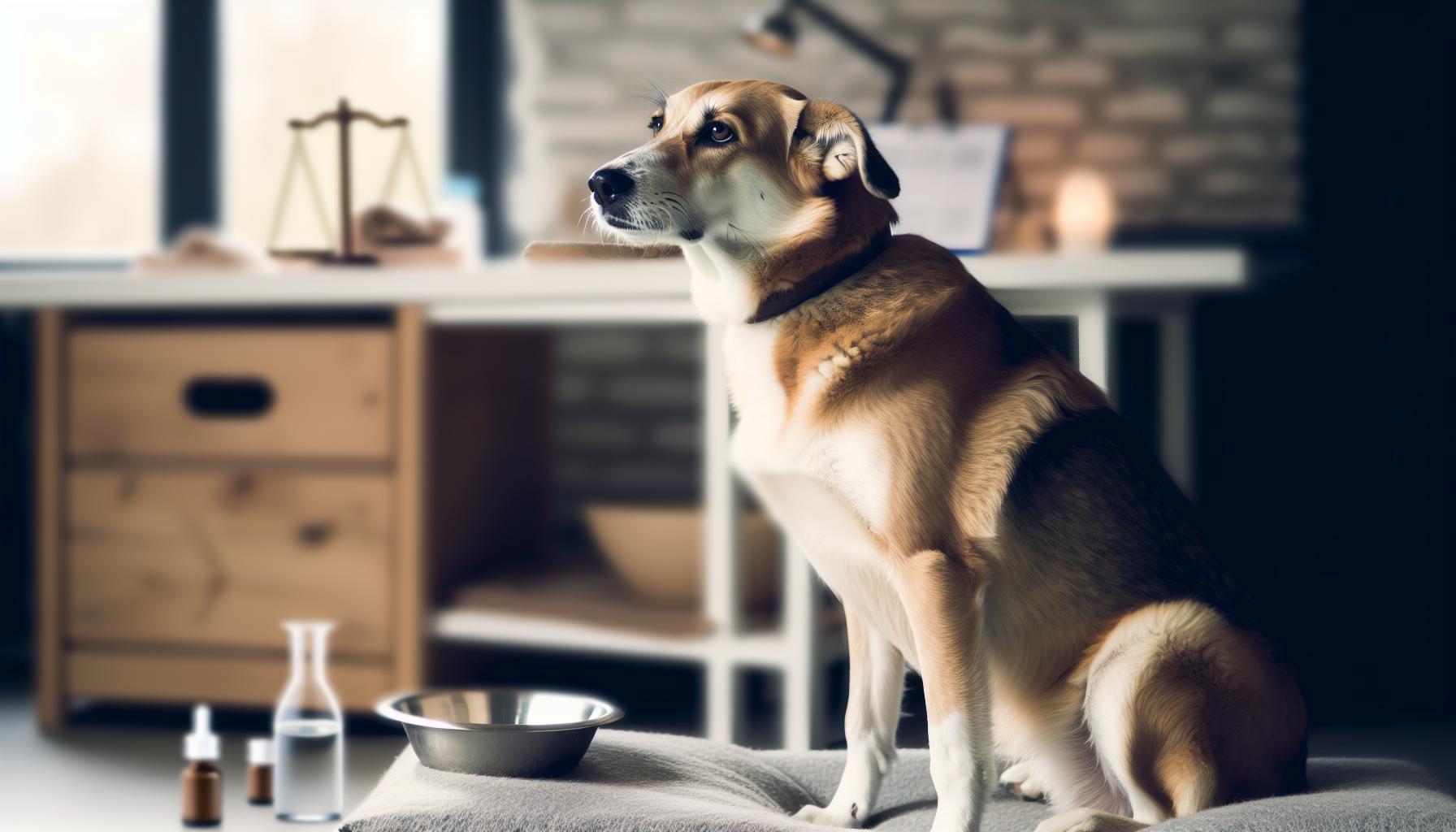
Kennel cough can sneak up on even the moast vigilant dog parents, especially after visits to grooming salons where many pets mingle. A telltale sign to watch for is a persistent, dry, and often forceful cough that sounds almost like your dog is trying to clear something stuck in their throat. This cough may become more intense when your dog is excited, pulling on the leash, or when you gently press their throat-moments that can be quite alarming but are crucial clues to recognize early on.
Along with coughing,sneezing and a mild runny nose are common and shouldn’t be dismissed.Sometimes, you might notice watery or slightly irritated eyes as well. Unlike a cold, dogs with kennel cough often still have a happy demeanor, eating and acting fairly normal despite their cough, which can make symptoms easy to overlook until they worsen. However, every dog reacts differently, and young puppies, older dogs, or those with weakened immune systems might show more pronounced signs or become lethargic and lose interest in activities.
- Forceful, hacking cough that may sound honking or gagging
- sneezing and nasal discharge, sometimes clear or slightly thick
- Watery, red, or irritated eyes
- Occasional retching or gagging, especially after coughing fits
- Mild lethargy or reduced appetite in sensitive dogs
If you notice that your dog starts coughing shortly after a grooming visit, or if they seem more tired or irritable than usual, it’s critically important to keep a close eye on them. In many cases, kennel cough clears up on its own with rest and supportive care, but sometimes it signals a need for a quick call to your vet for advice or treatment. Remember, coughing dogs frequently enough feel self-conscious and uncomfortable, so speak softly, move calmly during grooming, and offer plenty of breaks to help your furry friend relax and recover. Early attention and gentle care go a long way in easing discomfort and preventing the spread of this contagious infection[[1]](https://www.goodrx.com/pet-health/dog/what-is-kennel-cough?srsltid=AfmBOoryQWZTzJvevWzR5uZkVXGQqAY8imttzp_rrFCeidOI8UAKINj4),[[2]](https://bestfriends.org/pet-care-resources/kennel-cough-dogs-symptoms-treatments-vaccine).
Quick Tips for Monitoring Symptoms at Home
- Keep a daily log of coughing frequency and intensity-note if it worsens after activity or rest.
- Observe for changes in appetite, energy, and demeanor to catch early signs of distress.
- Check your dog’s nose and eyes for discharge-clean gently with warm, damp cloth as needed.
- Limit exposure to other dogs and crowded places until symptoms resolve to prevent spreading germs.
By learning these subtle yet critical signs, you can better protect your pet’s health and comfort during and after grooming visits, making their spa days as safe and enjoyable as possible.
Which Grooming Practices Increase Infection Risk
Kennel cough thrives in environments where dogs are close together, making certain grooming practices unintentionally risky. Grooming salons often bring a variety of dogs into shared spaces like waiting areas, bathing stations, and drying rooms, which can quickly turn into hotspots for airborne germs and bacteria. When dogs mingle in these common areas, respiratory droplets can pass easily from one pup to another, especially if coughing or sneezing occurs during handling.
One of the most overlooked risks is the reuse of grooming tools without proper disinfection. Brushes, combs, nail clippers, and grooming tables that aren’t thoroughly cleaned after each dog can harbor germs. This is especially important for breeds with dense or curly coats, like Poodles or Bichons, where dirt and moisture linger, providing a perfect breeding ground for bacteria and viruses. Sharing towels or bathing dogs in the same tub without sanitizing can also spread infections, increasing the chance of kennel cough transmission.
Handling multiple dogs in quick succession can cause stress and anxiety, which lowers their immune defenses. Overly rushed baths or trimming sessions may also increase coughing or sneezing due to irritation or nervousness, inadvertently releasing infectious droplets into the air. In smaller or poorly ventilated spaces, these airborne particles tend to hang around longer, further elevating infection risks. Some grooming practices, like using blow dryers without filters or using aerosol sprays, might also spread airborne pathogens if not carefully managed.
- Shared waiting and drying areas increase close contact and cross-exposure of germs.
- Insufficient cleaning of brushes, combs, and tables can transfer bacteria or viruses from dog to dog.
- Bathing multiple dogs without disinfecting tubs raises the risk of contagion.
- Stress-induced coughing or sneezing from rushed grooming releases infectious droplets.
- Poor ventilation allows airborne pathogens to linger longer in the air.
Real-world examples from groomers have shown how even a few missed sanitation steps can quickly lead to an outbreak. For instance, a busy salon that disinfected tools only once a day noticed multiple dogs developing kennel cough shortly after group grooming sessions. In contrast, those that enforced strict sanitizing after every dog and gave each pet individual grooming stations reported fewer cases[[1]](https://www.reddit.com/r/mildlyinfuriating/comments/1772zlo/kennel_cough_spreading_in_my_salon/).
Being aware of these risk factors helps you choose groomers who prioritize cleanliness and patient comfort. Friendly salons will welcome questions about their hygiene routines and introduce staggered appointment times to reduce crowding. Remember, compassionate grooming that balances safety with calm handling goes a long way in preventing kennel cough while keeping your dog relaxed and confident throughout their spa day.
How to Protect Your Dog During Grooming Visits
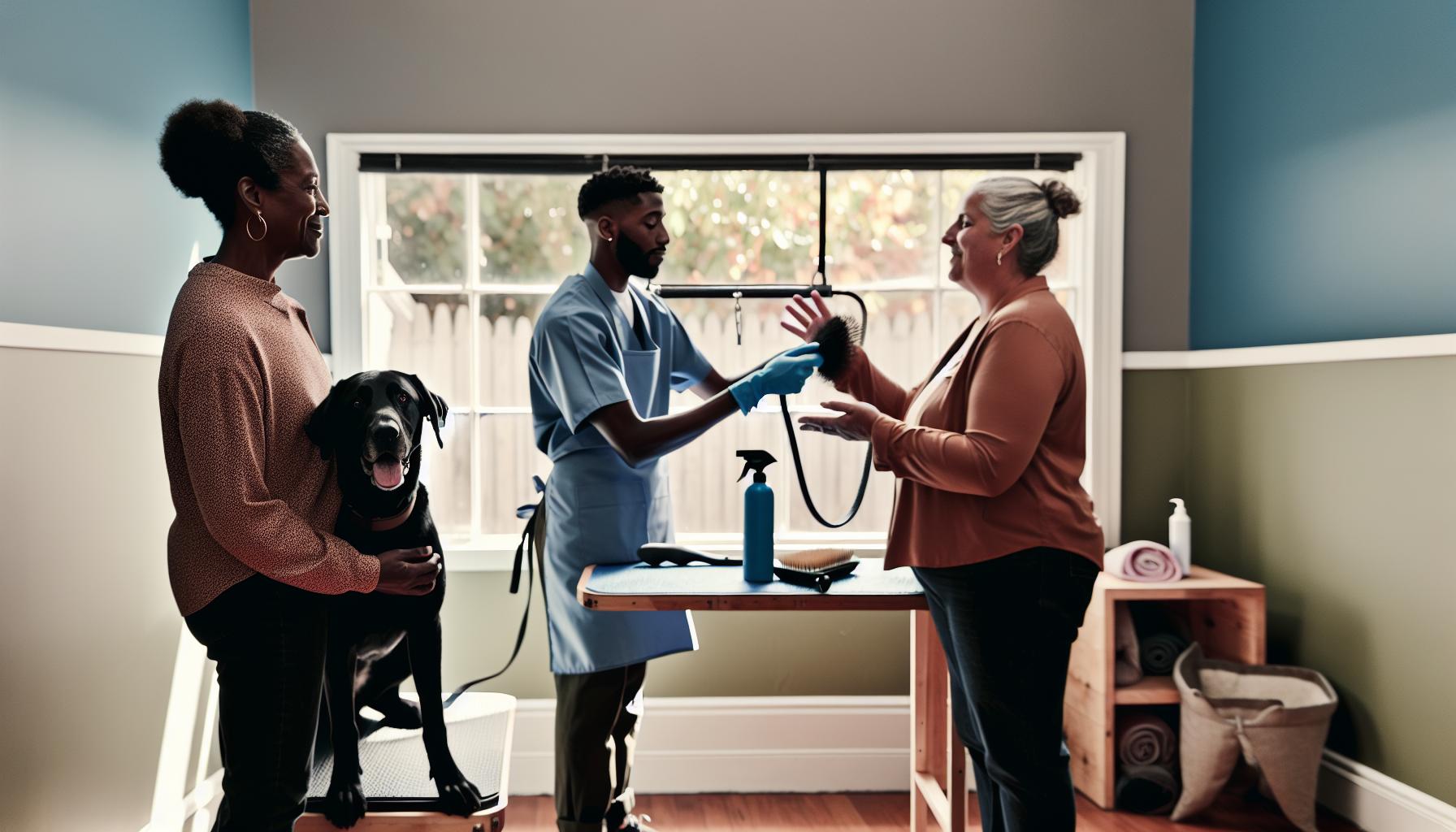
Few things worry a dog owner more than the thought of their beloved companion catching kennel cough during a routine grooming trip. The truth is, with a few mindful steps and a bit of preparation, you can greatly reduce your pup’s risk of infection while still ensuring they look and feel their best. Grooming should be a positive, gentle experiance-one where safety and comfort come before style.
Choose the Right Time and Place
Start by selecting a grooming salon that understands the importance of hygiene and infection control.ask about their cleaning protocols and whether they limit the number of dogs in the salon at any given time. Busy, overcrowded waiting areas are hotspots for germs, so salons that stagger appointments to reduce dog-to-dog contact are best. If possible, schedule your dog’s grooming on quieter days to avoid stressful crowds.
Prepare Your Dog Ahead of Time
Some grooming steps can be done at home to minimize time spent in the salon and reduce stress-related coughing. Give your dog a gentle brush before leaving to remove loose hair and dirt. If your dog tolerates basic nail trimming or ear cleaning at home, try those too, using appropriate tools and gentle techniques specific to your dog’s breed and coat type. This way, the groomer can focus on the more thorough parts of the session without rushing, which can definitely help lower your dog’s stress and potential release of infectious droplets.
Communicate Openly With Your Groomer
A good groomer will appreciate and respect your proactive approach.Let them know if your dog has any medical history, respiratory sensitivities, or recent vaccinations. Discuss the grooming tools they use and how often they disinfect them. If you’re uneasy about communal drying or bathing areas, ask if your dog can have a private space or schedule. Being transparent helps create a tailored grooming experience that prioritizes your dog’s health.
Monitor Your Dog’s Behavior During the Visit
Stress can weaken a dog’s immune system and cause coughing or sneezing, which spreads germs. observe how your dog reacts throughout the grooming. if they seem overly anxious or begin coughing, speak up calmly to the groomer and ask for breaks or slower handling. Gentle reassurance and a calm habitat support your dog’s emotional well-being and reduce the chance of transmitting infection.
- Confirm the use of fresh towels and disinfected tools for each dog.
- Avoid crowded waiting rooms where possible; ask if you can wait outside or in your car.
- Ensure the grooming space is well-ventilated to disperse airborne particles.
- Consider supporting lightly scented or fragrance-free shampoos and sprays to avoid respiratory irritation.
Remember, grooming is not just about a clean coat or trimmed nails-it’s an opportunity to nurture your dog’s health and happiness. Taking a compassionate,informed approach will keep your dog safe,calm,and looking their finest long after their visit ends[[1]](https://groomersgallery.com/animal-health-post/kennel-cough/) [[2]](https://www.reddit.com/r/mildlyinfuriating/comments/1772zlo/kennel_cough_spreading_in_my_salon/).
Cleaning and Sanitizing Grooming Tools Effectively
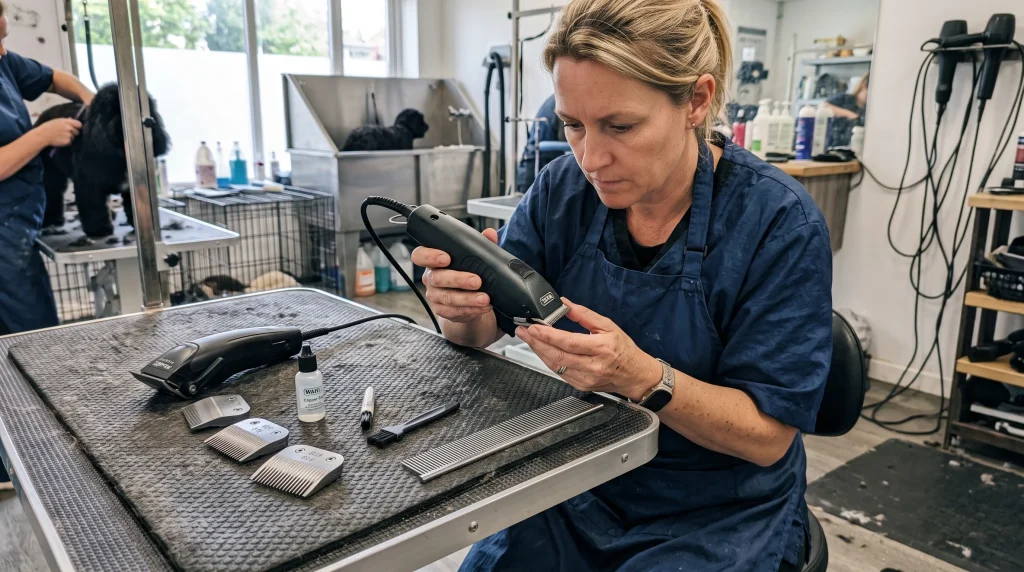
Keeping grooming tools spotless is one of the simplest yet most powerful ways to protect your dog from kennel cough and other infections. Bacteria and viruses can linger on brushes, clippers, and nail trimmers long after a grooming session ends, ready to hitch a ride on the next furry client. This makes a consistent cleaning and sanitizing routine not just recommended-it’s essential.Especially if your dog has a sensitive coat,respiratory issues,or if you’re caring for multiple pets at home,paying close attention to tool hygiene will give you peace of mind and keep your pup safe.
daily Cleaning for Brushes, Combs, and Clippers
Start by removing all hair, dander, and debris promptly after each use. Use a fine-toothed comb or an old toothbrush to dislodge clogs in clipper blades or brush bristles. For metal tools like scissors and nail clippers, wipe them down with a cloth dampened in warm, soapy water. After cleaning off visible dirt, soak or spray your tools with pet-safe disinfectants-chlorhexidine solutions or diluted 70% isopropyl alcohol work well but avoid harsh chemicals that can irritate sensitive skin or linger as harmful residues. Always allow tools to dry entirely before the next use to prevent bacterial growth.
Deep Sanitizing: Weekly or Between Clients
If you groom multiple dogs or use communal areas,a more thorough sanitization is necessary. Clipperś detachable blades should be removed and soaked overnight in disinfectant, then scrubbed to remove buildup. Brushes and combs benefit from a soak in a warm water solution combined with pet shampoo and a disinfectant agent to penetrate hidden germs. For rinsing, run tools under hot water to flush out residues. A clean towel or paper towel should be used to dry tools individually-never reuse towels between dogs without washing. The goal is to create an environment where infectious agents struggle to survive,lowering the chance your dog picks up kennel cough at the groomer or at home.
Practical Tips and Real-world Examples
- Use separate nail trimmers and brushes for each dog to avoid cross-contamination.
- Label or color-code grooming supplies if multiple pets are groomed regularly at home.
- If your dog has a thick, curly coat like a Poodle or Bichon, removing trapped moisture is vital after baths since dampness can harbor bacteria that worsen respiratory irritation.
- A client once shared how switching to disposable grooming gloves and single-use towels transformed her nervous dog’s health after repeated kennel cough bouts.
Remember, while cleaning tools is critical, it’s equally critically important to balance infection control with gentle handling. Rushing through sanitizing can lead to missed spots, but spending excessive time scrubbing can stress an anxious dog waiting nearby. Developing a calm rhythm during this routine-explaining each step if your dog appears nervous-builds trust and keeps everyone comfortable. If a tool looks damaged or excessively worn,it’s safer to replace it rather than risk ineffective cleaning or accidental injury.
By prioritizing thorough cleaning with love and patience, you’re not just preventing kennel cough-you’re fostering a safer, happier grooming experience that honors your dog’s well-being just as much as their appearance. This small step makes a big difference in their health journey[[1]](https://groomersgallery.com/animal-health-post/kennel-cough/) [[2]](https://www.reddit.com/r/mildlyinfuriating/comments/1772zlo/kennel_cough_spreading_in_my_salon/) [[3]](https://www.dialavet.com/vet-answers/dog-groomed-hacking-cough-what-to-do-242993).
When to Choose a Veterinarian Over a Groomer
It’s normal to wonder when a simple grooming session crosses the line and requires veterinary care, especially when kennel cough symptoms arise or your dog’s breathing seems off. While groomers are skilled in keeping pets looking and feeling their best, some health concerns-like persistent coughing, lethargy, or difficulty breathing-signal that your dog needs expert medical attention rather than a trim or bath. Recognizing these red flags early helps ensure your pup gets the right care without delay, promoting comfort and a faster recovery.
When Kennel Cough Symptoms Go Beyond Grooming Care
If your dog comes home from grooming with a mild, hacking cough but is or else active and eating well, it’s usually safe to monitor them at home and perhaps consult your vet if symptoms persist longer than a week.Though, a deep, continuous cough, nasal discharge, wheezing, or rapid breathing are signs that it’s time to seek veterinary help. Dogs with pre-existing respiratory conditions,puppies,seniors,or breeds with short noses (like Bulldogs or Pugs) are more vulnerable and deserve cautious observation. A veterinarian can properly diagnose kennel cough, assess for secondary infections like pneumonia, and prescribe appropriate medications such as antibiotics or cough suppressants that a groomer can’t provide.
Knowing the Limits: Groomers vs. Vets
Groomers specialize in hygienic care, coat maintenance, and basic comfort measures-not medical diagnoses or treatments. As a notable example, while a groomer can spot that your dog’s cough is unusual and advise rest and hygiene, they cannot replace diagnostics like chest X-rays, nor can they prescribe treatments. If your dog shows signs of fever,refusal to eat or drink,or unusual behavior such as shaking or hiding,these are clear indicators the veterinarian’s office should be your first stop. Groomers act as an critically important front line in noticing changes, but their role includes quickly referring clients when health concerns surpass grooming boundaries.
Examples in practice
- Sofie’s Story: A Basenji got kennel cough after a grooming appointment featuring multiple dogs in close quarters.When the cough worsened overnight and Sofie became lethargic, her owner took her to the vet immediately, leading to prosperous treatment with antibiotics and rest[[1]](https://www.reddit.com/r/Blacklabs/comments/10bf8p6/after_being_at_the_groomers_yesterday_my_girl/).
- Little max’s Case: Max, a young Poodle with a sensitive coat, started coughing after grooming. His owner monitored him closely, increasing humidity at home and staying in touch with the vet. When max’s cough deepened and breathing became labored, swift veterinary intervention prevented complications.
Helping Your Dog Feel Better Before and After Vet Visits
Between grooming and vet visits, focus on supportive care at home. Keep your dog in a calm environment free from irritants like smoke or strong cleaning products. Use a humidifier or sit with your dog in a steamy bathroom to soothe irritated airways. Encourage hydration and soft foods, and don’t hesitate to ask your vet about safe cough suppressants or supplements. Once treatment begins, consider delaying grooming appointments until your pup is fully recovered to reduce stress and risk of spreading infection.
Empowering yourself with knowledge about when to turn to a vet versus a groomer will help safeguard your dog’s health and happiness. At the end of the day, both professionals work best as partners in your pet’s well-being-not competitors. By prioritizing your dog’s safety first and beauty second, you create a supportive routine that respects their unique needs and keeps kennel cough firmly in check.
At-Home Grooming Tips to Minimize Illness Risk
Grooming your dog at home can be a wonderful way to keep them healthy and comfortable while reducing the chance of infectious diseases like kennel cough.Many respiratory infections spread easily in places where dogs mingle, such as grooming salons, so taking gentle, thoughtful steps yourself can both deepen your bond and help avoid unneeded exposure. Even simple routines tailored to your dog’s breed and coat type can make a big difference.
Bathing and Brushing: The First Line of Defense
Bathing your dog regularly with a mild, pet-safe shampoo helps remove dirt and potential irritants that could weaken their immune system. As an example, short-haired breeds often need less frequent baths but benefit greatly from weekly brushing to stimulate the skin and redistribute natural oils. Long-haired or double-coated dogs require more frequent brushing to prevent mats and reduce the chance of harboring bacteria or allergens that can contribute to respiratory stress.
- Tools to have on hand: a slicker brush for thicker coats, a soft bristle brush for sensitive skin, and a deshedding tool for heavy shedders.
- Tip: Brush gently and in sections to avoid skin irritation. If your dog shows signs of discomfort, pause and comfort them before continuing.
Cleaning Ears and Nails
Keeping ears clean reduces the risk of infections that can cause sneezing or coughing due to irritation. use a veterinarian-recommended ear cleanser and cotton balls-never cotton swabs deep in the ear canal. Nail trimming is another essential step as overgrown nails can cause discomfort and stress, weakening your dog’s resistance to illness. If trimming nails at home feels intimidating,ask your groomer for guidance or to demonstrate safe techniques.
Safe At-Home Grooming Boundaries
It’s critically important to recognize when grooming tasks should be left to professionals or veterinarians.For example, if your dog has skin sores, open wounds, or persistent coughing, DIY grooming tools can worsen discomfort or spread infection. Similarly, if your dog is uncooperative due to pain or anxiety, pushing through risks injury or stress. In these cases, reach out to your groomer with clear data so they can take extra care or advise a vet visit when necessary.
Additional Tips to Protect Your Pup
- Maintain a clean environment: After grooming, thoroughly clean brushes, combs, and nail clippers with pet-safe disinfectants to prevent bacteria buildup.
- Keep your dog’s atmosphere calm and humidified: Dry air can irritate airways and make coughing worse, so use a humidifier during colder months.
- Observe your dog closely: Regularly check for early signs of illness such as mild coughing, sneezing, or lethargy, and consult your vet if symptoms develop.
- Reduce exposure to other dogs in confined spaces: Avoid busy grooming salons or playgroups while your dog is recovering or during outbreaks.
Taking grooming into your own hands not only offers your dog a quieter, stress-free experience but also empowers you to monitor their health closely. Remember, you’re not aiming for perfection-prioritize your dog’s comfort and well-being above all. Small, consistent steps at home can go a long way toward keeping kennel cough and other illnesses at bay, creating a happier, healthier pup every day.
Vaccination’s Role in Preventing Kennel Cough
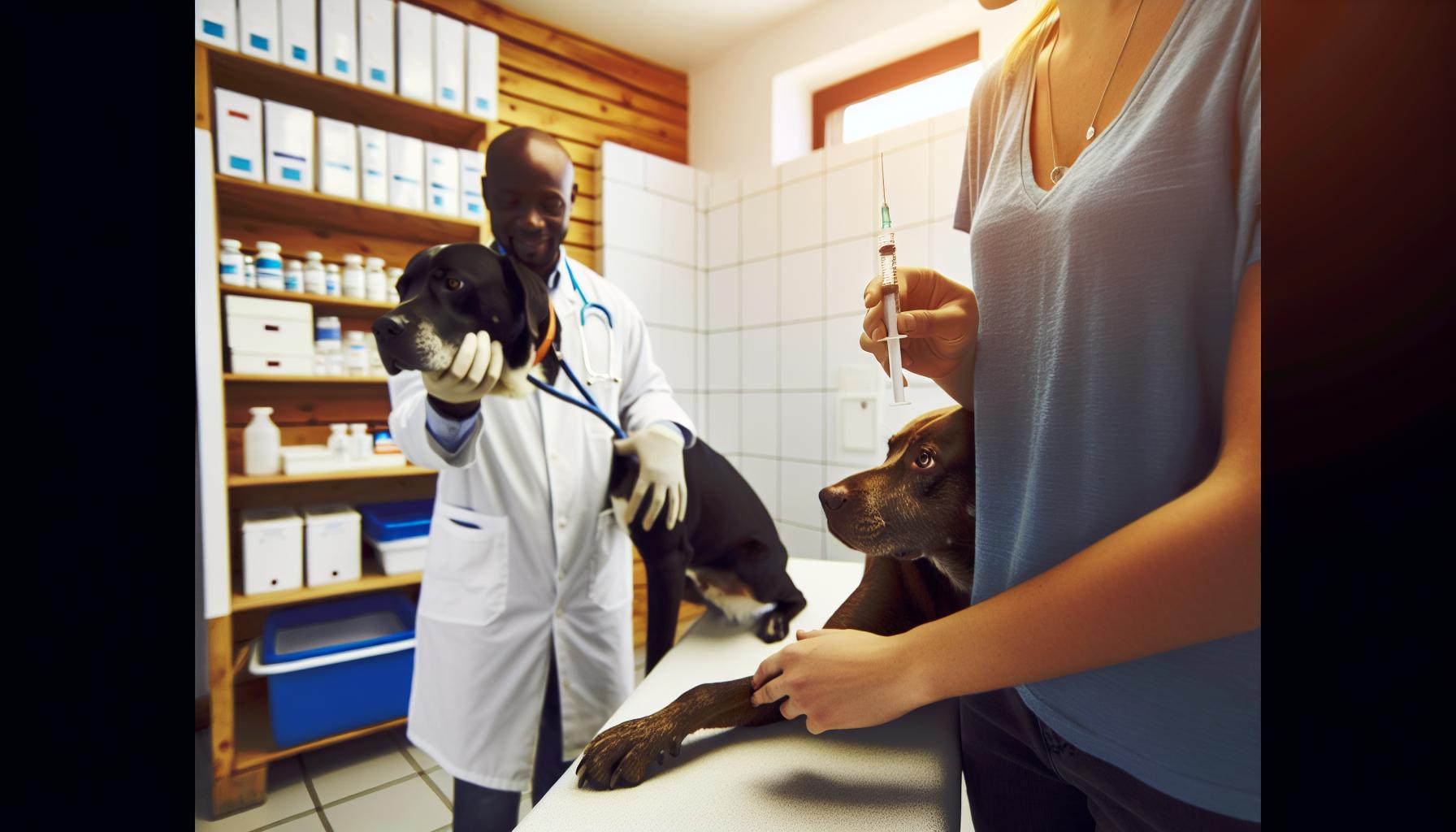
Kennel cough is highly contagious, especially in places where dogs gather-like grooming salons-making vaccination a powerful shield to protect your furry friend.While no vaccine guarantees 100% prevention, the Bordetella vaccine significantly lowers the risk of infection and often lessens the severity if your dog does catch it. This means fewer sleepless nights for you and much less discomfort for your pup.
Vaccination comes in several forms to suit different needs and temperaments: injectable, intranasal (a quick squirt in the nose), and oral options are available. The intranasal vaccine, such as, works fast and can stimulate immunity right at the throat and nasal passages, which is where kennel cough typically starts. This makes it especially handy if your dog is exposed to high-risk environments like busy groomers or boarding kennels [[1]](https://www.revivalanimal.com/category/all-pet-supplies-vaccines-dog-vaccines-kennel-cough-bordetella?srsltid=AfmBOoocg3KvlXJhis9XloF2aLz8ZWXYg3M8lIMjdvkG6Wa0G_ufgt14).
Who Should Get Vaccinated and When?
Not every dog needs the Bordetella vaccination, but it’s strongly recommended for those who frequently visit groomers, dog parks, daycare, or boarding facilities. Puppies should get their first Bordetella vaccine after they receive their initial core vaccines, with boosters given regularly-usually every 6 to 12 months, depending on the risk level and vaccine type your vet recommends. Larger breeds or dogs with respiratory sensitivities may benefit from timely boosters to maintain strong protection.
Practical Tips to Maximize Vaccine Benefits
- Schedule Vet visits Wisely: Plan vaccinations a few weeks before your dog’s grooming appointment to ensure immunity has kicked in.
- Monitor for Mild Reactions: Some pups might sneeze a little or be sleepy after the intranasal vaccine, but these symptoms usually clear quickly and are much milder than kennel cough itself.
- Combine with Good hygiene: Vaccination works best alongside careful grooming practices and clean environments to keep infectious agents at bay.
Remember, vaccination isn’t about perfection-it’s about giving your dog a fighting chance against kennel cough. Paired with patient grooming, gentle handling, and thoughtful scheduling, it creates a safety net that makes those grooming visits safer and more comfortable. If you ever have questions about vaccine timing or options, reach out to your vet-they’ll guide you toward what’s best for your individual dog’s health and lifestyle [[2]](https://www.animalclinicofwoodruff.com/pet-blog/vaccinations/do-i-need-to-vaccinate-my-dog-for-kennel-cough).
| Vaccine Type | Administration Method | Best For | Typical Booster Interval |
|---|---|---|---|
| Injectable | Under the skin | Dogs sensitive to nasal sprays or with respiratory issues | Annual |
| Intranasal | Nasal spray | Rapid onset immunity, dogs exposed to high-risk environments | Every 6 months to 1 year |
| Oral | Oral liquid/drops | Dogs fearful of injections or nasal sprays | Varies, usually annual |
By understanding vaccination as part of a holistic care approach, you empower yourself to keep your dog safer-not just from kennel cough, but from the stress and setbacks that illness can bring. Your pup’s comfort and wellbeing are worth every step taken to prevent disease before it starts.
What to Do If Your Dog Catches Kennel Cough after Grooming
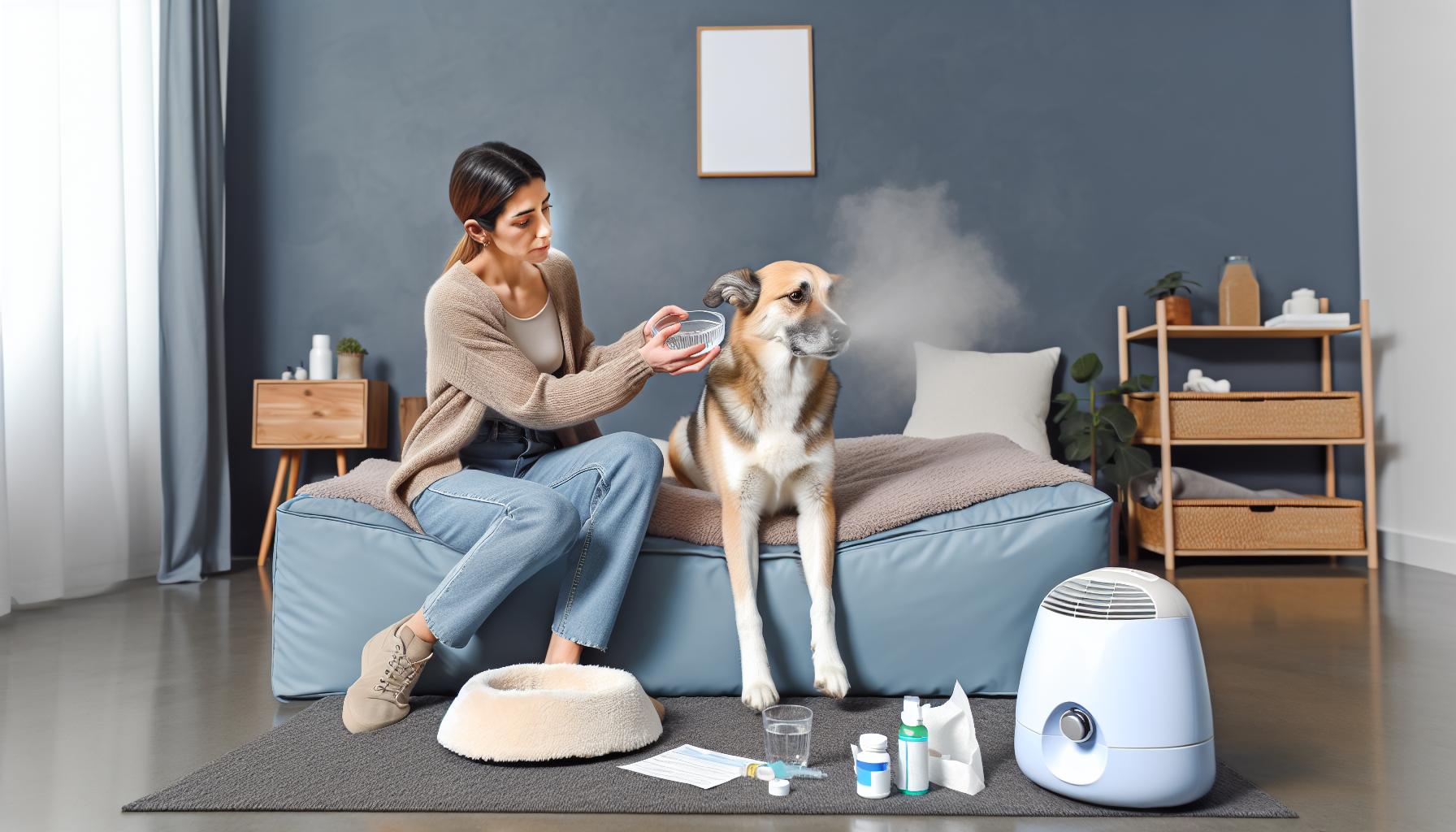
A sudden hacking cough after a grooming visit can be alarming, especially since kennel cough is a common culprit in places where dogs mingle. Remember, kennel cough is highly contagious but often manageable with timely care. Your calm and attentive response can make a big difference in your pup’s comfort and recovery.
Start by keeping your dog in a calm,stress-free environment. Avoid exposing them to other dogs to prevent spreading the infection. Observe your pup closely for symptoms like a persistent dry cough, sneezing, mild lethargy, or a runny nose. These signs often appear within a few days of exposure at groomers or other doggy social spots. If your dog shows difficulty breathing, loses appetite, or develops a fever, seek veterinary care immediately. Kennel cough typically resolves on its own in healthy dogs within 1 to 3 weeks, but your vet might recommend medications such as cough suppressants or antibiotics if ther’s a bacterial involvement.
Simple Home Care Tips to Help Your Dog Feel Better
- Provide soothing humidity: Using a humidifier or taking your dog into a steamy bathroom can ease coughing irritations.
- Keep your dog hydrated: Fresh water encourages recovery and keeps airway passages moist.
- Limit excitement and activity: Rest is crucial-shorten walks and avoid play that triggers coughing bouts.
- Maintain good nutrition: A balanced diet supports your dog’s immune system to fight off the infection faster.
Knowing When to Call the Vet
While mild kennel cough often resolves with rest, you should book a vet appointment if your dog:
- Has a harsh cough lasting more than two weeks
- Develops nasal discharge or eye irritation
- Shows signs of respiratory distress like rapid breathing or blue gums
- Acts lethargic or refuses to eat
Early veterinary care prevents complications and provides peace of mind.Your vet can prescribe specific treatments and may recommend isolating your dog during contagious periods to protect other pets.
Experienced groomers often suggest telling owners to groom dogs in advance of appointments when possible, especially if a pup seems vulnerable. This can minimize the time your dog mingles in potentially risky areas.Some owners share cautionary stories where their dogs developed kennel cough just days after grooming [[2]](https://www.dialavet.com/vet-answers/dog-groomed-hacking-cough-what-to-do-242993), underscoring why vigilance matters.
Above all, treat your dog with patience and kindness-comforting words, gentle care, and a cozy resting spot go a long way toward helping them through kennel cough. With the right measures, most dogs bounce back quickly and are soon ready for their next safe, stress-free grooming session.
Real Owner Experiences: Grooming and Kennel Cough Cases
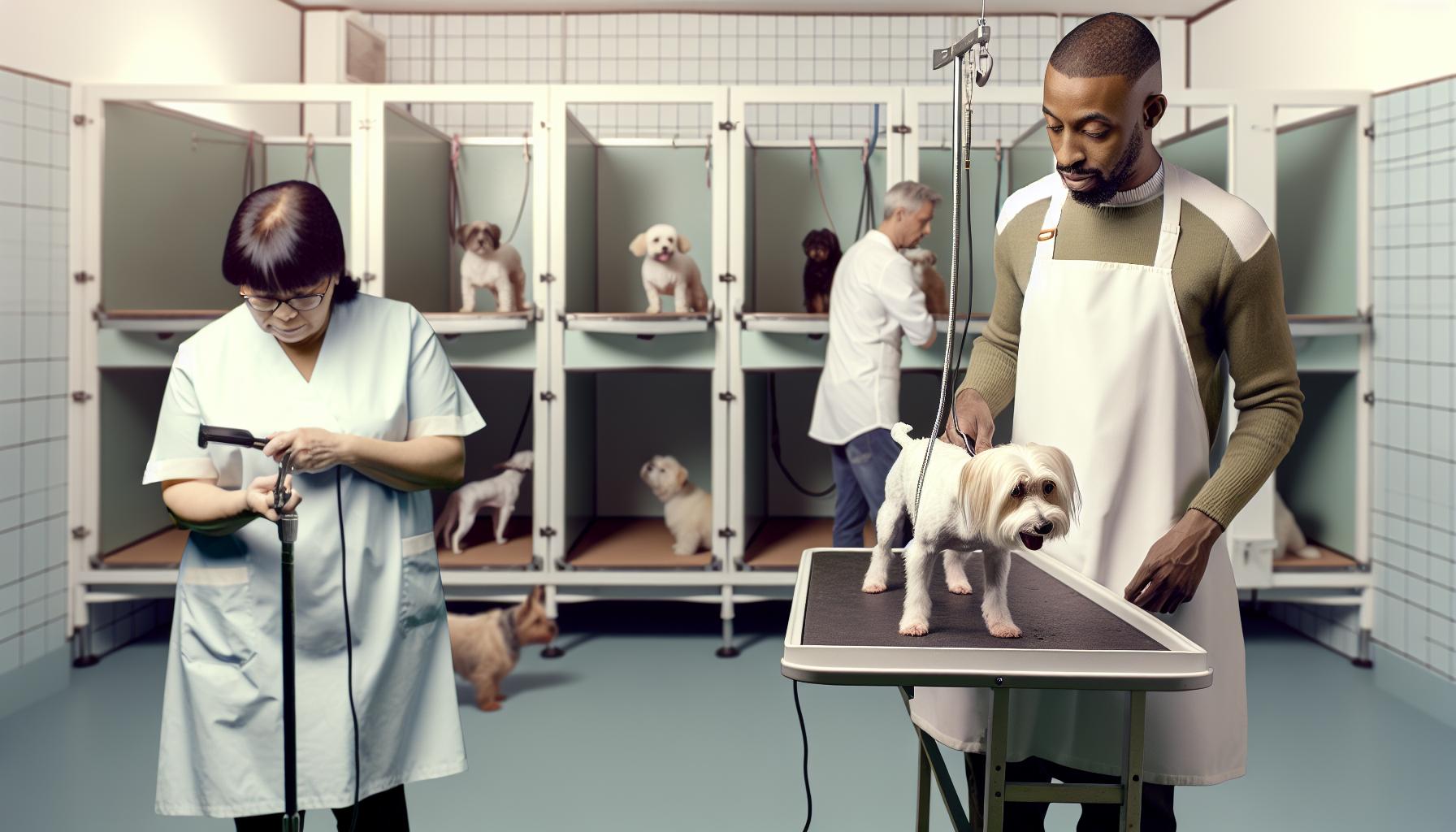
It’s not uncommon for owners to share stories about their dogs developing a cough just after a grooming visit, which can certainly be worrisome. Many pet parents have found that kennel cough can sneak into grooming environments where multiple dogs are present, especially when some precautions aren’t in place. One common theme emerges: dogs with weaker immune systems or those groomed during peak illness seasons seem more at risk. Such as,a small breed with a fine coat might be more susceptible because their respiratory system can get irritated more easily during grooming activities like drying or nail trimming.
One owner shared how their lively Beagle started hacking a day after a routine bath and trim. They immediately suspected kennel cough-especially since the grooming salon had multiple dogs present that day.the groomer suggested that dogs be brushed and prepped at home before the appointment to minimize stressful contact and time spent in the waiting or grooming area, where airborne droplets containing pathogens can float around. This step helped that owner feel empowered and reduce future risk [[1]](https://www.facebook.com/groups/cirdtracking/posts/361658116355829/).
Some dogs show no signs right away,which makes it tricky to pinpoint the grooming visit as the exact source-but vigilant owners report noticing coughing,mild lethargy,or sneezing within a couple of days. A Dalmatian owner recounted the challenge of balancing necessary grooming with keeping their dog safe, emphasizing the importance of choosing salons that rigorously clean and disinfect all surfaces, bowls, and grooming tools after every dog-something not all places manage consistently [[2]](https://www.reddit.com/r/mildlyinfuriating/comments/1772zlo/kennel_cough_spreading_in_my_salon/).
Lessons From Real owners: practical Tips
- Ask about cleaning protocols: Knowing how often and thoroughly a salon sanitizes can guide your choice.
- Schedule grooming when illness risk is low: Avoid peak seasons or times when you know there’s an outbreak nearby.
- Prep your dog at home: Basic brushing or nail trimming done in advance reduces grooming duration in high-risk environments.
- Be honest about your dog’s health: If your dog has recently been around sick pups, reschedule to protect everyone.
Each story reminds us how compassionate groomers and attentive owners working together create safer experiences. Remember, the goal isn’t perfect styling at all costs but keeping your furry friend comfortable and healthy. When you notice early symptoms,gentle care and prompt vet consultation can make all the difference-plus,it helps break the chain of infection for other dogs. Staying informed and communicating openly with your groomer fosters trust and safety, turning routine appointments into positive, low-stress events for every pup.
Q&A
Q: How long can kennel cough survive on grooming equipment and surfaces?
A: Kennel cough bacteria and viruses can live on grooming tools and surfaces for up to 48 hours if not properly sanitized. Regular and thorough cleaning with pet-safe disinfectants is crucial to minimize infection risks during grooming visits. For detailed cleaning steps, see our section on Cleaning and Sanitizing Grooming Tools Effectively.Q: Can puppies and older dogs be more at risk of getting kennel cough at groomers?
A: Yes,puppies and senior dogs have weaker immune systems,making them more susceptible to kennel cough infections during grooming. extra precautions like ensuring vaccinations are up to date and using gentle handling during grooming can help protect these vulnerable pets.
Q: Are there specific grooming services that increase the risk of kennel cough transmission?
A: Yes, grooming services that involve close contact-such as nail trimming, ear cleaning, and bathing-can increase kennel cough risk if tools or spaces aren’t properly disinfected. Opt for groomers who follow strict hygiene protocols to reduce your dog’s chance of catching kennel cough.
Q: How can I safely monitor my dog for kennel cough symptoms after a grooming appointment?
A: Monitor your dog for a persistent,honking cough,sneezing,or lethargy within 1-2 weeks post-grooming. If symptoms appear, consult your vet promptly. Early detection supports quicker recovery and helps prevent spreading the infection to others.
Q: What questions should I ask my groomer about kennel cough prevention?
A: Ask about their sanitizing routines,vaccination requirements for dogs they groom,and policies on handling symptomatic dogs. Understanding these safeguards ensures the groomer actively minimizes kennel cough risk for your dog during visits.
Q: Can grooming salons require kennel cough vaccinations before accepting dogs?
A: Some grooming salons do require up-to-date kennel cough vaccinations as a preventive measure. Confirm this requirement ahead of time to help protect your dog and others from infection during grooming appointments.
Q: Is it better to groom my dog at home to avoid kennel cough risk from groomers?
A: At-home grooming can reduce exposure to kennel cough pathogens in public spaces. However, it requires proper tools and techniques. For safe at-home grooming tips, including minimizing illness risks, refer to our guide on At-Home Grooming tips to Minimize Illness Risk.
Q: How soon after exposure to kennel cough at a groomer can symptoms appear?
A: Kennel cough symptoms usually appear 2 to 10 days after exposure. Awareness of this window helps you watch for early signs and seek treatment quickly if your dog was recently groomed in a high-risk setting.
for more guidance, explore our detailed tips on protecting your dog during grooming visits and when to seek veterinary care. Keeping your pet safe and comfortable is always the top priority!
Final Thoughts
Understanding the risks of kennel cough from groomers empowers you to make safer, informed choices for your dog’s health and happiness. Keeping your pup’s immune system strong, choosing reputable grooming facilities, and staying alert to early symptoms are key steps to prevention. If you’re curious about grooming best practices or how to support respiratory health, explore our guides on Safe dog Grooming Tips and Recognizing Respiratory Issues in Dogs to stay ahead.
Don’t wait until the first cough to act-early prevention and prompt care protect your furry friend from discomfort and complications.Ready to dive deeper? Subscribe to our newsletter for expert advice, or book a consultation with our trusted vets who specialize in respiratory and grooming care.feel free to share your experiences or ask questions in the comments below-we’re here to help every wag of the way.
By focusing on kennel cough prevention in grooming settings, you’re not just protecting your dog-you’re investing in their long-term well-being. Stay curious, stay compassionate, and keep exploring our site for more pet health insights tailored just for you and your beloved companion.
Make Perfect Pooches Grooming a Preferred SourceGet our latest guides, news, and insights highlighted in your Google Search & AI Overviews.
✓ Preferred Source Added
Get our latest guides, news, and insights highlighted in your Google Search & AI Overviews.
Keep reading about the same coat and cut.


Popular grooming guides
Bath vs clip, first grooms, and salon how-tos.