Are Dog Groomers Essential Workers? Legal Classification
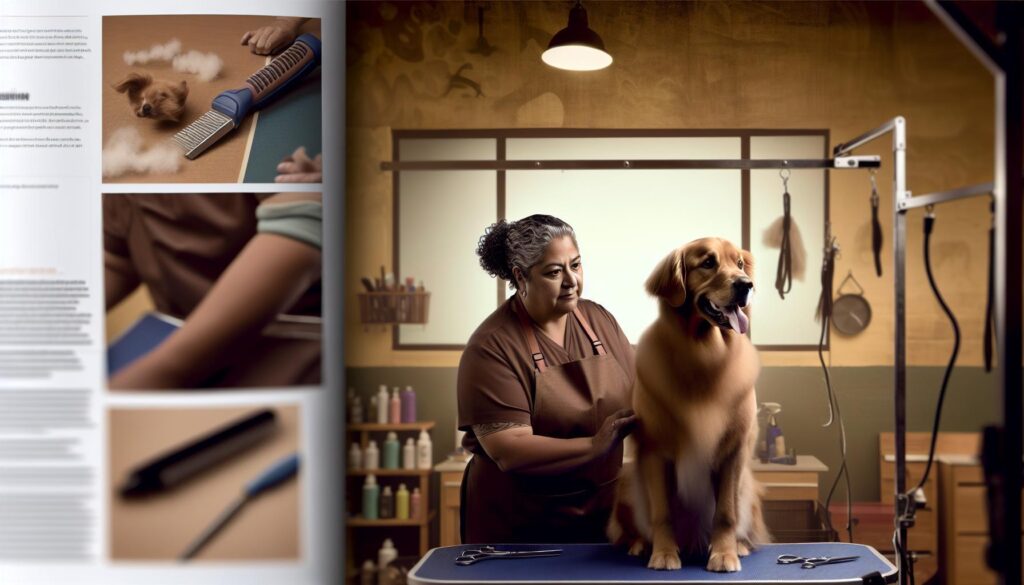
Did you know that during emergencies, some professions are deemed “essential workers” to keep communities safe and healthy? But where do dog groomers fit into this picture? Grooming isn’t just about making pups look their best-it’s vital for their health and comfort. Matted fur, overgrown nails, and ear infections can cause real pain and even lead to serious health problems.Yet, manny pet owners wonder if groomers are legally recognized as essential, especially when access to grooming services gets restricted. Understanding this legal classification helps you know when and how your furry friend’s grooming needs can be prioritized, ensuring their well-being even during tough times. If you love your pet and want to keep them safe and happy, learning about the role and status of dog groomers as essential workers is not just captivating-it’s empowering. let’s explore what this means for you and your companion, and how it impacts maintaining their care in challenging situations.
What Does “Essential Worker” Mean Legally?
Table of Contents
- 1 What Does “Essential Worker” Mean Legally?
- 2 Current Laws Affecting Dog Groomers’ Status
- 3 How Dog Groomers were Classified During COVID-19
- 4 Key Differences between Groomers and Veterinary Staff
- 5 Local and State Variations in Legal Classification
- 6 why Legal Status Impacts Dog Grooming Businesses
- 7 Rights and Protections for Essential Workers
- 8 How Classification Affects Groomers’ Access to Benefits
- 9 Steps to Advocate for Essential Worker Recognition
- 10 Real Stories: Groomers Navigating Legal challenges
- 11 Future Trends: Will Dog Groomers Gain Essential Status?
- 12 Frequently asked questions
- 12.1 Q: How does the essential worker classification affect dog groomers’ ability to operate during emergencies?
- 12.2 Q: What legal criteria could help dog groomers qualify as essential workers in the future?
- 12.3 Q: are dog groomers covered by workplace protections if they are not legally essential workers?
- 12.4 Q: How do animal welfare laws intersect with dog groomers’ legal classification?
- 12.5 Q: Can dog groomers be considered essential workers by individual municipalities or states? How common is this?
- 12.6 Q: How does essential worker status affect dog groomers’ access to government assistance programs?
- 12.7 Q: What are common challenges dog groomers face when petitioning for essential worker status?
- 12.8 Q: How can dog owners support their groomers in gaining essential worker recognition?
- 13 Insights and Conclusions
Being legally recognized as an “essential worker” isn’t just a label-it carries real weight in terms of your rights, responsibilities, and workplace protections. Legally, the term typically refers to individuals whose roles are critical to maintaining public health, safety, and basic societal functions during emergencies like natural disasters or pandemics. This classification often comes from federal, state, or local government lists, which specify which jobs must continue operating even during lockdowns or public health orders. For dog groomers, understanding this legal status can clarify why access to work, supplies, and safety measures might fluctuate during crises.
Legal definitions often emphasize the impact of a role on public well-being. For example, healthcare providers, emergency responders, and food supply chain workers are almost universally deemed essential. Dog groomers, while deeply caring for pet health and comfort, frequently fall into a gray area. Some jurisdictions recognize their work as vital for animal welfare, especially when grooming prevents medical issues like severe matting or infections. Others may view grooming as a non-essential luxury service, affecting their legal standing during restricted periods.
Why Legal Classification Matters for Groomers
Being designated legally essential can open doors to protections such as:
- Priority access to personal protective equipment and sanitation supplies
- Exemptions from certain business closures or curfews
- Eligibility for government aid programs and workplace accommodations
as a notable example, during the COVID-19 pandemic, some groomers were allowed to operate with strict health protocols thanks to essential worker status, which helped maintain pets’ physical and emotional health when veterinary visits were limited.
Real-World insight
Imagine a groomer working with an elderly poodle whose coat, if left unmanaged, could cause painful skin infections. In a city where groomers were legally essential, the groomer could continue providing vital care, easing the owner’s anxiety during a difficult time. This compassionate, pet-first perspective aligns with the intent behind essential worker laws: preserving safety and well-being for both animals and their humans.
Understanding these legal nuances empowers groomers and pet owners to advocate effectively and plan ahead, fostering calm confidence and smooth experiences-even in uncertain times.
Current Laws Affecting Dog Groomers’ Status
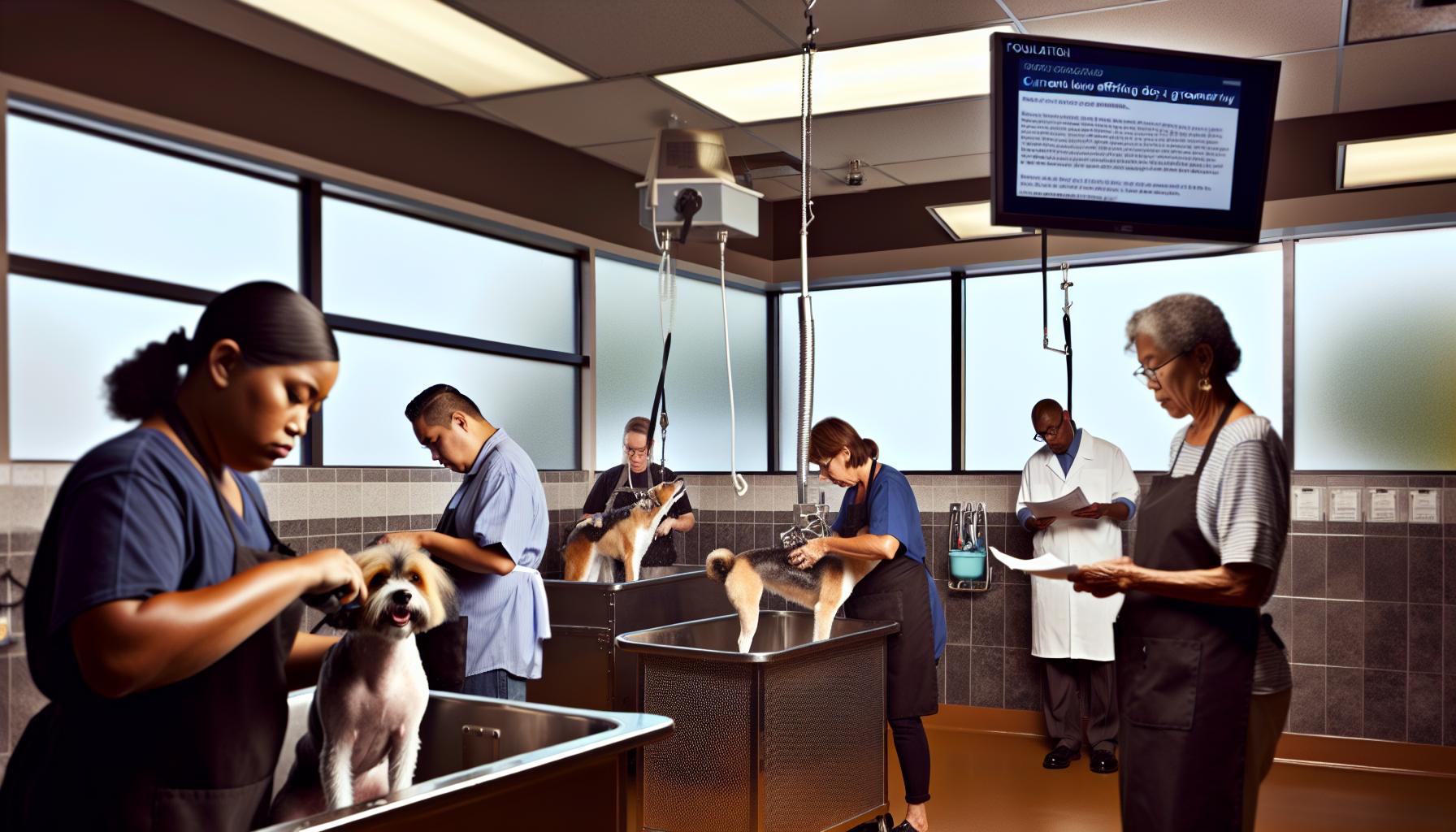
Many pet owners don’t always realize how essential regular grooming can be-not just for a dog’s appearance but for their health and comfort. Yet, when it comes to legal protections and recognition, dog groomers often find themselves navigating an uneven landscape.Laws affecting their status vary widely depending on where they work, and this has real consequences for whether they’re viewed as essential during emergencies or public health crises. Unlike veterinarians, whose medical duties clearly earn them essential worker status, groomers operate in a more ambiguous space-despite the fact that neglecting grooming can lead to painful conditions such as matting, skin infections, or ear diseases that compromise an animal’s welfare.
Understanding Legal Frameworks
Currently, most federal guidelines don’t explicitly list dog groomers as essential workers. Rather,essential worker lists tend to focus on healthcare providers,public safety employees,food supply workers,and others critical to immediate human health and safety. Lack of federal designation means that state and local governments have the final say, leading to patchwork recognition across the country.Such as, some states explicitly include pet services like grooming in their essential workforce during emergencies-acknowledging that animals’ wellbeing impacts families’ emotional health-while others classify grooming strictly as a non-essential, cosmetic service.
This means if you run a grooming business or depend on one for your furry friend’s care, it’s crucial to check local laws and emergency orders carefully. During certain lockdowns, salon closures, or curfews, these rules determine whether groomers can keep their doors open or must pause operations entirely. Navigating this can feel frustrating, but knowing your area’s legal stance allows you to plan ahead, communicate clearly with clients, and maintain pets’ grooming schedules safely whenever possible.
why Differences Matter to Groomers and Pet Owners
Legal classification isn’t just about the workday-it affects access to protective gear,eligibility for financial aid,and workplace safety regulations. Here are key points to keep in mind:
- Priority supplies: If declared essential, groomers may gain quicker access to PPE like masks and sanitizers, crucial for safe pet handling and owner interactions.
- Business operations: Essential status can exempt grooming businesses from mandatory shutdowns, allowing ongoing care for animals prone to grooming-related health risks.
- Support programs: Recognition can open doors to government grants or loans designed to help essential businesses weather emergencies without sacrificing staff or quality of care.
Consider the difference between grooming a curly-coated breed like a poodle or a long-haired collie versus a short-haired breed. Neglecting a thick or fast-growing coat can quickly trigger severe discomfort or infections, making timely grooming more than a luxury-it becomes a health necessity. Groomers skilled in safely dematting or identifying skin irritations frequently enough serve as the first line of defense for these pets.
Practical tip: If your a groomer or pet owner unsure about local regulations, reach out to your county health department or local veterinary associations. They often provide updates on service statuses and safety recommendations tailored to your community.
in short, the evolving legal landscape means that dog groomers must stay informed and advocate for recognition that matches the vital role they play-caring gently and patiently for animals who rely on their skills to remain happy and healthy.
How Dog Groomers were Classified During COVID-19
During the early months of the COVID-19 pandemic,dog groomers found themselves in a challenging and uncertain position as communities rapidly implemented stay-at-home orders and business closures. in many places, groomers were not initially recognized as essential workers because the role is often seen as a cosmetic or luxury service rather than one tied directly to immediate human health. though, the reality for many breeds told a different story: without timely grooming, pets-especially those with thick, curly, or continuously growing coats-can experience painful matting, skin infections, and other preventable health issues.
In cities or states where grooming was deemed non-essential, groomers had to pause operations for extended periods, leaving owners to manage tricky tasks like nail trimming and dematting at home. this often caused stress for both pets and their humans. By contrast, some jurisdictions quickly adapted, acknowledging grooming as vital to animal welfare and mental health. Such as,places recognizing groomers as essential allowed them to continue operating under strict safety protocols,offering crucial care while protecting staff and clients.
- Breed and coat type considerations: Breeds such as Poodles, Shih Tzus, or Yorkshire Terriers require regular trims every 4-6 weeks to prevent mats, while long-haired breeds like collies and Malteses may need more frequent brushing and specific tools like dematting combs to stay comfortable.
- Safety-first grooming steps: Groomers focused heavily on non-contact check-ins, mask usage, and sanitized equipment, balancing the dogs’ comfort with hygiene measures. This sometimes meant modifying baths, drying, and nail trims for minimal stress and maximum safety.
- Adjusting client expectations: Many groomers educated owners on interim at-home care-gentle brushing routines, ear cleaning basics, and safe nail trims-until salon services could resume.
For groomers, this period was also a time to clearly differentiate their services from veterinary care. Unlike vets who provide urgent medical treatment, groomers emphasize preventive health and maintenance-yet this distinction did not always secure automatic essential status. Many groomers worked closely with local vets or animal welfare organizations during lockdowns to advocate for their role in safeguarding pet health, highlighting stories where stalled grooming lead to vet visits for avoidable conditions like severe matting or skin irritation.
Practical Advice: If you’re a pet owner, during times of restricted grooming access, focus on daily gentle brushing with breed-appropriate tools (e.g., slicker brushes for curly coats, pin brushes for long-haired breeds). Monitor nails and ears, but never force trimming if your dog is resistant-prioritize calm and positive experiences. If your groomer was closed due to classification, reach out to them to ask for specific home care tips or timeline guidance for resuming professional grooming safely.
Throughout the pandemic, the patchwork classification laid bare the need for clearer legal recognition of dog groomers as key to animal welfare-not just vanity. Many professionals have since pushed for long-term policy changes to protect pet health while preparing for future emergencies that could disrupt regular care.
Key Differences between Groomers and Veterinary Staff
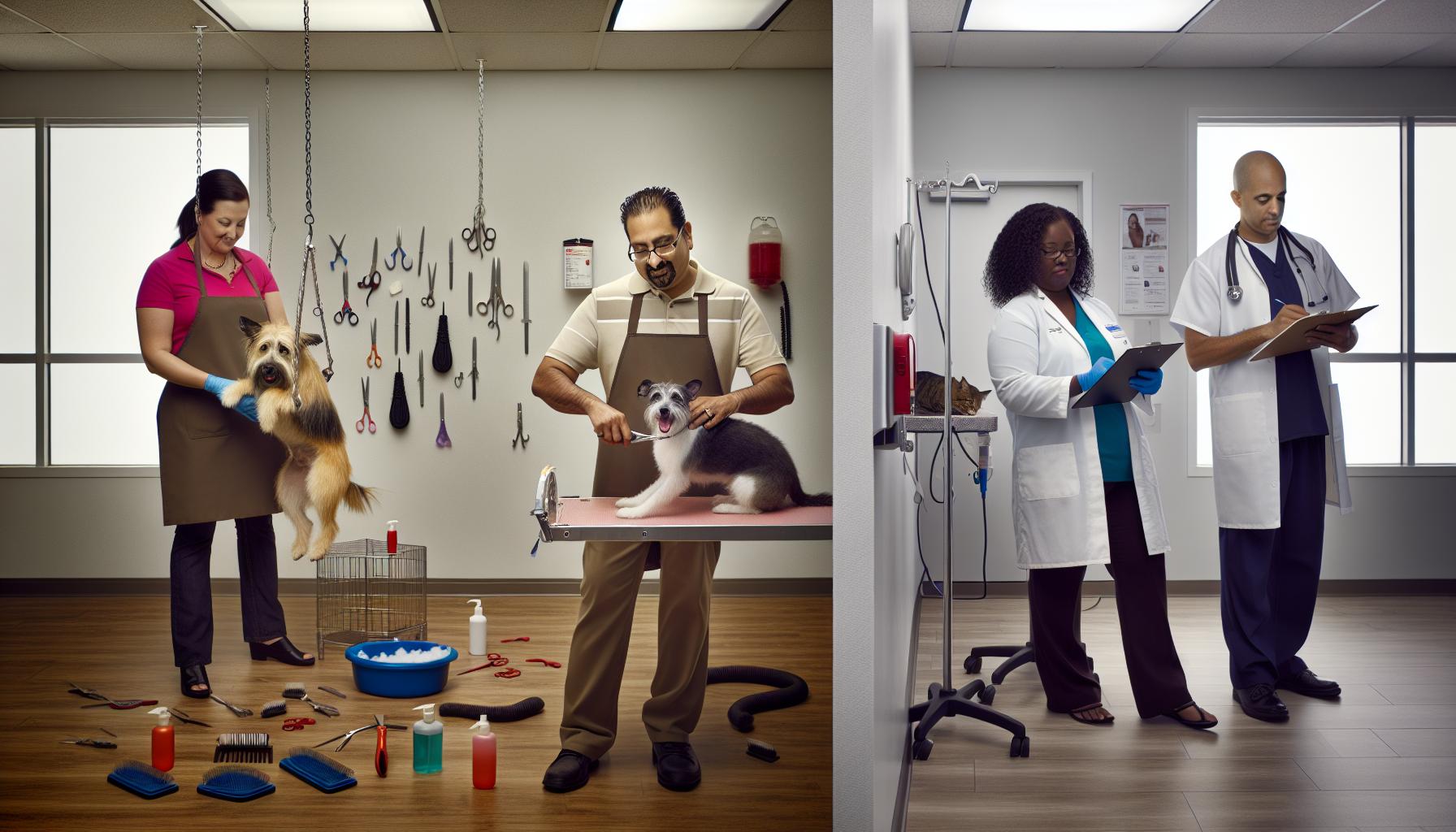
You might be surprised to learn that while both groomers and veterinary staff play vital roles in your pet’s well-being, their work focuses on very different aspects of animal care. Groomers specialize in preventive maintenance that keeps your dog comfortable, clean, and healthy-think regular brushing, bathing, nail trimming, and coat care tailored to each breed’s unique needs. Veterinary professionals, on the other hand, are trained to diagnose, treat, and manage medical conditions requiring clinical intervention, such as illnesses, injuries, or surgeries. Understanding these differences can empower you to recognize the value each brings to your pet’s overall health.
Focus on Comfort and Prevention Versus Medical Treatment
Groomers pay close attention to early warning signs that may indicate trouble, like skin irritation, matted fur, or unusual lumps, and can refer pets to vets when needed. For example,breeds with thick or curly coats-such as Poodles or Bichon Frises-require grooming every 4-6 weeks to prevent painful mats and skin infections. Groomers use specialized tools like slicker brushes and dematting combs to keep these coats manageable and skin healthy without causing stress. These routine services are essential preventive steps, not medical treatments.
By contrast, veterinarians provide clinical diagnosis and therapy. They perform vaccinations, treat infections, prescribe medications, and handle emergencies. While grooming can reduce the risk of some issues-like ear infections from excessive wax buildup-veterinarians have the training and authority to address active health problems and perform complex procedures.
Tools,Techniques,and Training
Groomers are experts in handling diverse coat types and temperaments safely and gently. They master techniques to reduce anxiety and discomfort during baths, trims, nail clips, and ear cleanings. As a notable example, if a dog is nervous about nail trims, groomers may use positive reinforcement and take breaks to ensure the process stays calm and safe.
Veterinary staff employ medical instruments and may sedate or anesthetize animals during examinations or surgeries-actions outside a groomer’s scope. They are also trained to interpret symptoms and medical tests needing advanced knowledge beyond grooming care. This clear boundary helps maintain pet safety by ensuring that medical treatment is delivered by those equipped with the proper skills and facilities.
Knowing When to DIY and When to Seek Professional Help
As a pet owner, it’s great to learn basic home grooming: daily brushing, gentle eye and ear cleaning, and careful nail monitoring using breed-appropriate brushes and clippers. Still, some tasks-like deshedding for double-coated breeds or mat removal-require professional skill to avoid harm. Groomers provide valuable maintenance that prevents discomfort and costly vet visits down the road, but they’re not diagnosing or treating illnesses.
Collaborations between groomers and vets have grown, especially during COVID-19, with groomers alerting vets about concerning findings and vets recognizing grooming’s role in preventive care. This partnership highlights why groomers, though not medical professionals, are indispensable for pet welfare.
- Groomers: Focus on coat health, hygiene, and preventive care using brushes, clippers, shampoos, and dematting tools.
- Veterinary Staff: Provide diagnosis, medical treatment, surgeries, and emergency care.
- Owners: Support daily gentle brushing, observe behavior, and heed groomers’ and vets’ advice.
by appreciating these distinctions, owners can make informed decisions about their dog’s care, ensuring both comfort and health in partnership with trusted professionals. This clarity is also central to ongoing discussions about recognizing groomers as essential workers, reflecting their crucial role beyond mere aesthetics.
Local and State Variations in Legal Classification

The legal recognition of dog groomers as essential workers can vary widely depending on where you live, creating a patchwork of rules that can feel confusing. Some states or local governments include groomers under “essential” during emergency orders, recognizing their role in maintaining animal health and welfare. Others may classify grooming businesses more like retail or personal services, which can limit access to protections or allow closures during crises. Knowing your area’s stance helps guide when and how your pet’s care can continue safely.
For example, in certain cities grooming has been deemed essential because preventing matting and skin issues isn’t just about looks-it’s about comfort and avoiding painful conditions that can escalate into medical problems. in contrast, other regions may reserve essential status strictly for veterinary clinics, leaving groomers without the same legal safeguards or priority for reopening. This inconsistency means groomers frequently enough must navigate their local health mandates carefully, balancing business operations with community safety.
- Check local health department websites for current designations-these can change with new public health developments.
- Connect with regional grooming associations that often track and advocate for clear definitions and protections tailored to your area.
- Communicate openly with your clients about what services are available and any safety protocols in place during restrictions.
Variability Brings Unique Challenges-and Opportunities
In states where dog groomers are officially classified as essential, you may enjoy more stable hours, easier access to supplies, and eligibility for certain emergency benefits.However, in places without this classification, groomers often rely on strong client relationships and clear health practices to stay open safely or transition to appointment-only services. For instance, using curbside drop-off or extended intervals between appointments helps meet safety standards while still providing necessary grooming to prevent discomfort or health decline.
Understanding this patchwork also empowers pet owners to advocate alongside groomers, helping local officials recognize grooming as a crucial part of preventive pet care. Together, your voice can support laws that reflect the day-to-day realities of caring for pets-with an emphasis on kindness, patience, and animal welfare.
| Region | Typical Groomer Classification | Impact on business | Example Safety Measures |
|---|---|---|---|
| State A (Essential) | Essential Service | Priority for reopening; access to PPE & relief funds | Appointment-only, limited capacity, PPE use |
| State B (Non-Essential) | personal Care/Service | May face temporary closure during lockdowns | Curbside drop-off, increased sanitation protocols |
| City C (Mixed) | Varies by Local Order | Dependent on case rates; fluctuates with health mandates | Hybrid scheduling, strict client communication |
By staying informed and adaptable, groomers and pet owners in every locale can work together to ensure pets stay comfortable, clean, and cared for-even when the legal landscape shifts. Remember, prevention is love in action: regular grooming keeps pets joyful and healthy, and understanding your local rules helps make that possible no matter what the circumstances.
why Legal Status Impacts Dog Grooming Businesses
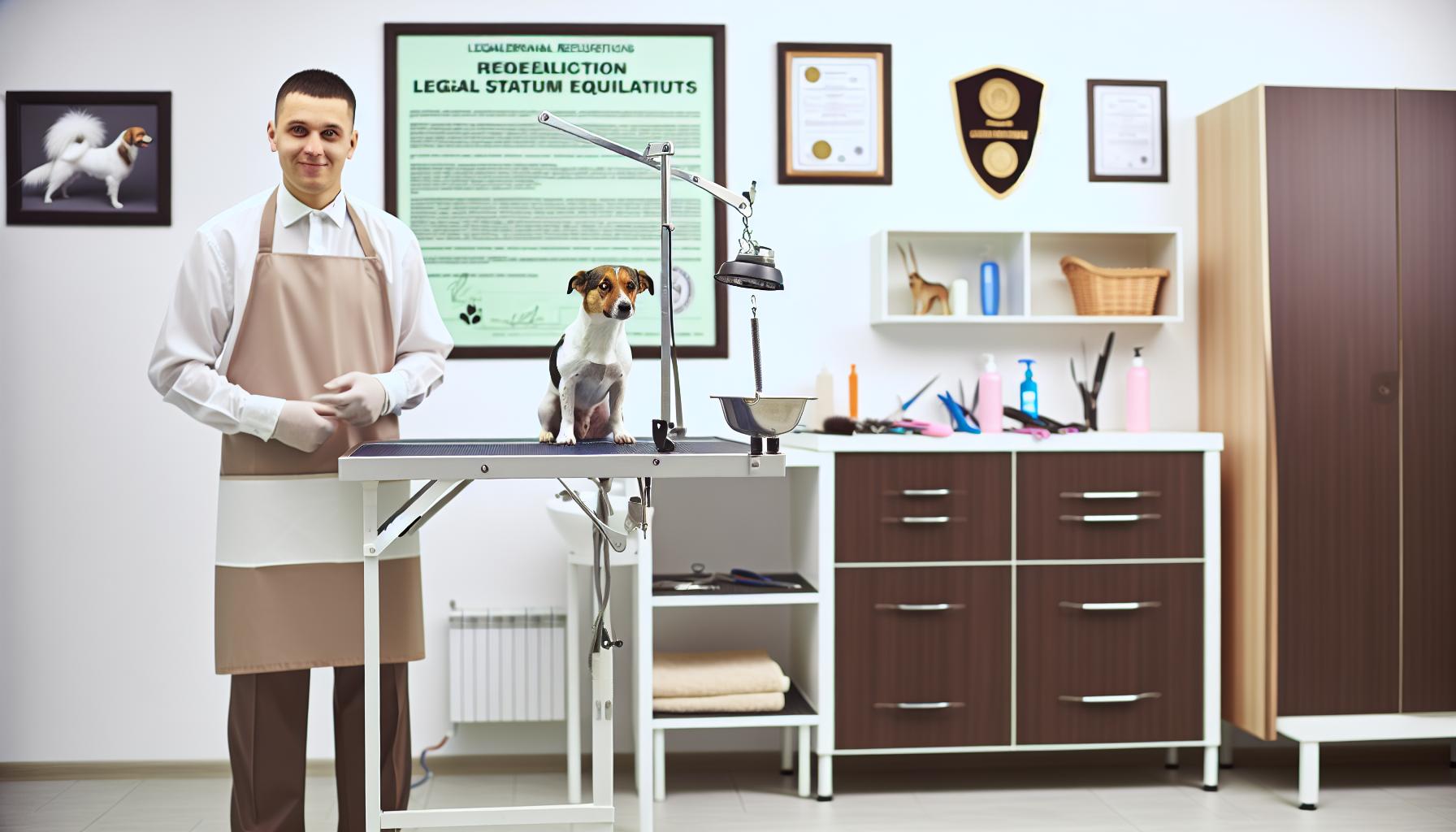
few areas illustrate the delicate balance between care and commerce quite like dog grooming – a field where the legal status can directly shape the well-being of pets and the livelihood of those who care for them. When dog groomers are classified as essential workers, their businesses gain a level of protection and recognition that goes beyond mere priority access to resources. This designation helps ensure continuity of care for animals who depend on regular grooming to stay comfortable, healthy, and free from painful conditions like matting and infections.
Consider the ripple effects: essential status often means access to emergency funding, priority supplies like personal protective equipment, and fewer interruptions during public health emergencies.This continuity protects not only pets but also fosters steady employment for groomers who rely on consistent schedules. In contrast, when groomers fall under “non-essential” or “personal service” categories, they face closures, shifting restrictions, and limited customer access-all of which can disrupt care routines crucial for certain breeds such as Poodles or Shih Tzus, whose dense or long coats demand careful maintenance.
Protecting Animal Welfare Thru Legal Recognition
Grooming is more than just aesthetics-it’s preventative health care in action. Dogs with thick coats, long hair, or prone to skin sensitivities benefit enormously from professional grooming. When legal status limits groomers’ ability to operate, pets can develop:
- Matting: Painful tangles that can cause skin irritation and restrict movement.
- Infections: Untended ears and nails can lead to painful infections, requiring vet intervention.
- Discomfort and Behavioral Changes: Dogs in discomfort may exhibit anxiety or aggression due to untreated grooming needs.
For example, a client’s elderly Maltese saw significant advancement in comfort and skin health once grooming resumed after a lockdown period. These real-world stories highlight how legal classifications can either protect or jeopardize such essential care.
Business Stability and Client Trust
when grooming businesses gain essential worker status, it also signals to clients that their pet’s health is prioritized by authorities-a strong trust builder. Groomers can implement stable protocols, such as curbside drop-off or staggered appointments, without fear of sudden shutdowns. This consistency reassures nervous pet owners and anxious dogs alike, creating a calm, predictable environment critical for respectful and patient handling.
- Example: During the COVID-19 pandemic, groomers classified as essential by local ordinance frequently enough kept regular hours, while others scrambled to adjust to unpredictable closures.
- Tip: communicating openly with clients about safety measures helps ease concerns and maintain engagement during uncertain times.
Furthermore, solid legal status can open the door to benefits like paid sick leave or hazard pay, which help groomers stay focused on delivering compassionate care rather than worrying about financial instability.
| Legal Status | Impact on Grooming Businesses | Pet Health Implications |
|---|---|---|
| Essential Worker | Priority access to relief funds, PPE; allowed to operate during emergencies | Regular care prevents skin issues, nail overgrowth, ear infections |
| Non-essential/Personal Service | Subject to closure; limited client access; financial uncertainty | Increased risk of discomfort, infections, and behavioral distress |
By understanding the profound connection between legal recognition and the health of grooming operations, pet owners and groomers alike can better advocate for laws and policies that keep animals safe and their caretakers resilient. In short, the legal status of dog groomers goes beyond labels-it plays a vital role in the everyday comfort, safety, and happiness of beloved pets.
Rights and Protections for Essential Workers
Few occupations intertwine care and community trust quite like dog grooming. For those recognized as essential workers, a layer of legal protection and workplace respect accompanies their role-providing peace of mind not only to groomers but also to the anxious pet owners who rely on them. These rights and protections are more than benefits; they’re a lifeline that helps ensure a safe, stable environment where animals receive consistent, compassionate care.
Understanding Protections That Matter Most
Essential worker status typically brings access to job security measures that non-essential workers may lack. This can include protection from sudden layoffs during emergencies,as well as the ability to continue working during lockdowns with appropriate safety protocols in place. For dog groomers, this means fewer interruptions to their clients’ pets’ care schedules, which is critical for breeds with delicate or high-maintenance coats.
Additionally, essential worker classification frequently enough grants eligibility for critically important benefits such as:
- Paid sick leave: Time to recover without risking income loss.
- Hazard pay: Extra compensation recognizing the health risks faced when working through crises.
- Access to personal protective equipment (PPE): Ensuring groomers and pets are protected during close-contact services.
- Priority COVID-19 vaccinations and testing: Keeping groomers safer to maintain business continuity.
For example, during the 2020 pandemic, groomers designated as essential workers accessed free or subsidized PPE, allowing them to maintain hygienic grooming spaces even when supplies were tight elsewhere. This practical support translated into safer, calmer visits for nervous dogs and their owners.
Workplace Rights That Support Animal Welfare
Legal protections also extend to grooming environments by encouraging proper workplace safety standards. This creates a setting where groomers can focus on their gentle, evidence-based handling techniques instead of worrying about regulatory shutdowns or unsafe work conditions. When groomers feel secure, pets receive care that emphasizes comfort and patience-key ingredients for minimizing stress during nail trims, baths, and coat maintenance.
In many states, essential status means employers must comply with established health and safety regulations tailored to protect both workers and clients.This dual focus reinforces the groomer’s role as a vital health care partner, not just a service provider.
Empowering Groomers and Pet Owners Together
While legal rights for essential workers vary by location,knowing what protections are available allows groomers and owners to advocate effectively. If you’re a groomer, keep open communication lines with your clients about the benefits of your protected status-such as uninterrupted care and adherence to safety protocols. Pet owners should ask questions about their groomers’ certification and safety measures to feel confident that animal welfare remains top priority.
| Protection | Benefit for Groomers | Positive Impact on Pets |
|---|---|---|
| Job Security | Stability during emergencies; reduced risk of abrupt closures | Consistent grooming prevents matting, infections, stress |
| paid Sick Leave | Allows adequate rest and health recovery | Decreases chance of transmitting illness to other pets |
| Access to PPE | Enables safer grooming environment | Reduces exposure to germs for pets and groomers |
| Priority Health Resources | Vaccinations/testing to stay healthy on the job | Maintains continuous safe care during outbreaks |
Ultimately, these rights create a foundation where groomers feel valued and protected, and pets receive the attentive, stress-free grooming experience they deserve. Together, compassion and legal safeguards transform grooming from a luxury into an essential thread in pet health care.
How Classification Affects Groomers’ Access to Benefits
Many dog groomers find that being legally recognized as essential workers can be a game-changer for how they access vital workplace benefits. When classified as essential, groomers frequently enough unlock protections and advantages that go beyond the usual scope of their profession-benefits that directly impact their well-being and the quality of care they can provide to pets. this status can make the difference between feeling vulnerable during uncertain times and having the confidence to continue their compassionate work without interruption.
Unlocking Crucial Benefits Through Classification
Without essential worker recognition, many groomers operate without guaranteed access to paid sick leave, hazard pay, or priority health resources. Imagine a groomer handling a high-maintenance long-haired breed like an Afghan Hound or a Shih Tzu. Their work demands close physical contact and specialized tools-clippers, slicker brushes, nail trimmers-which means exposure to germs and stress is higher than in many other roles. Access to paid sick leave allows these groomers to rest and recover when unwell, preventing illness spread to other pets and protecting their own health. Hazard pay during health crises offers tangible acknowledgment of these increased risks, helping retain skilled groomers when they’re needed most.
Real Benefits That Build Stability
Many groomers share stories of pandemic challenges-shortages of personal protective equipment (PPE) and sudden business closures that left both workers and clients in limbo. Essential worker status often ensured these professionals received early access to masks, sanitizers, and COVID-19 testing. This meant safer, calmer encounters for anxious dogs like the nervous Greyhound or the sensitive Maltese. For example, a groomer in a state recognizing their essential status could continue working through lockdowns, while others struggled with income loss and disrupted schedules.
If you’re a groomer, start by checking with your employer or local government offices to confirm your classification-it might differ depending on your city or state. Documentation supporting essential worker status can prove helpful when applying for benefits like paid leave or accessing health resources. Keep clear, kind communication with clients about your safety measures; this reassurance protects pets’ welfare and builds trust.
- Ask about employer-provided sick leave: Understanding your rights can help you take the time you need without fear.
- Seek out PPE programs: Local authorities or trade associations sometimes run PPE distribution for essential workers-don’t hesitate to reach out.
- Stay informed on vaccination priorities: If classified as essential,you may qualify earlier for immunizations crucial to health and business continuity.
By securing these benefits, groomers not only protect themselves but create consistently safe, compassionate care environments for pets, especially those with delicate temperaments or health issues. A well-rested, well-protected groomer can focus fully on gentle brushing, careful nail trims, and stress-free baths-transforming each visit into a positive experience that keeps tails wagging.
| Benefit | Why It Matters for Groomers | Impact on Pets |
|---|---|---|
| Paid Sick Leave | Allows groomers to rest without income loss | Reduced transmission risk; less stress from ill handlers |
| Hazard Pay | Compensates for extra risks during crises | Maintains skilled groomers onsite for consistent care |
| PPE Access | Protects groomers and pets during close contact | safer grooming space; calmer animals |
| Priority Vaccinations | Helps maintain health and business stability | ensures ongoing availability of grooming services |
In the interplay between legal classification and access to benefits, the true winners are the pets-because a supported groomer can truly care.
Steps to Advocate for Essential Worker Recognition
Few things are as powerful as a community coming together with a shared voice-especially when it’s to ensure the safety, dignity, and stability of those caring for our beloved pets. For dog groomers seeking essential worker recognition, the journey can seem daunting at first, but with clear steps and a compassionate approach, you can champion this cause effectively and thoughtfully.
Start by Gathering Clear Evidence
Begin by documenting the essential nature of your work. Detail specific examples-like handling breeds with complex coats such as the Afghan Hound, or calming anxious dogs like the Maltese. explain how your close contact, tools (clippers, nail trimmers, slicker brushes), and hands-on care create a necessary service that keeps pets healthy and happy. Real stories from your daily work highlight how groomers mitigate stress and maintain pet welfare, proving your role goes beyond aesthetic grooming. This evidence can form the backbone of advocacy letters or proposals.
Connect with Local Groomers and Industry Groups
Unity amplifies your voice. Reach out to fellow groomers in your city or state, and partner with trade associations or pet-care networks. These groups frequently enough have established channels with policymakers and can definitely help organize collective petitions or awareness campaigns. Sharing resources and experiences can provide invaluable insights about local legal nuances and successful advocacy strategies. For example, a community effort in one state might have already influenced lawmakers, providing a model you can adapt.
Engage Policymakers with Respectful, Informative Communication
When you write to local government officials, focus on clear, empathetic messaging that balances data with heartfelt testimonies. Emphasize safety, public health, and the direct impact groomers have on pet and owner well-being. You might say, “As groomers, we ensure healthy coats that prevent skin infections, reduce discomfort, and improve behavior-all critical to animal health.” Attach your collected evidence, and propose practical solutions like including groomers in essential worker lists, ensuring access to PPE, and prioritizing vaccinations.
Equip Yourself with Knowledge and Stay Patient
Legal classification often involves layers of local and state laws that may require time to navigate. Stay informed by monitoring updates from government websites and engaging in local forums. Know your rights and be ready to present documentation that supports your essential status. Small steps like attending community hearings or participating in public comment periods can shift perceptions and policies over time.
- Keep detailed records: Log your hours, types of services provided, and any health or safety measures implemented.
- Share positive pet outcomes: Highlight how your work prevents emergencies by maintaining pets’ hygiene and comfort.
- Advocate not just for yourself, but for pet owners: Emphasize how groomers’ essential status ensures continuous care during crises, reducing pet anxiety and improving public health.
By taking these thoughtful steps, groomers can foster understanding and support that ultimately leads to greater recognition and secured benefits.Your passion and dedication to animals are already making a difference-now, align that energy with targeted advocacy to shape the future where your essential status is not just acknowledged, but celebrated.
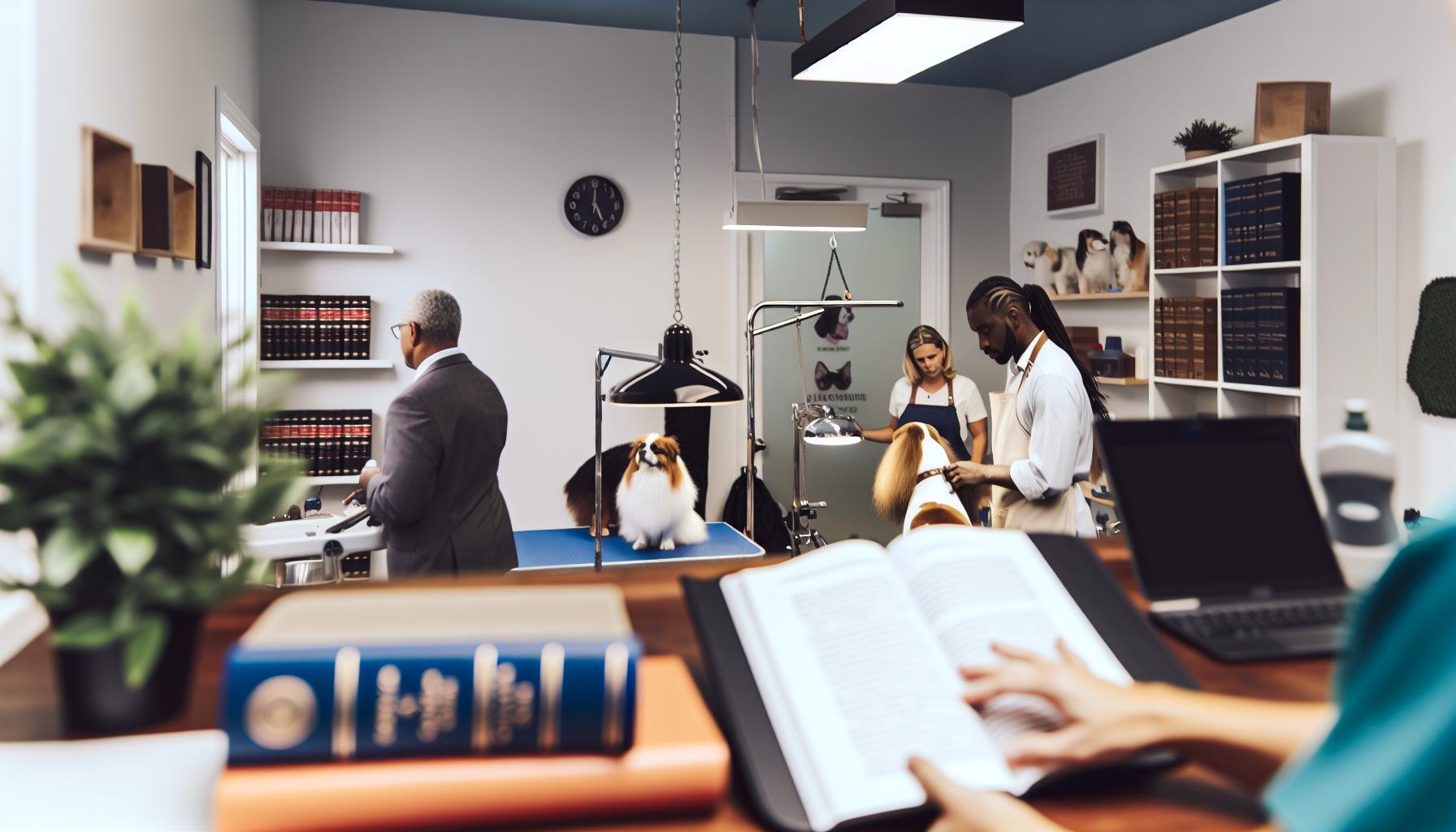
sometimes, the path to recognition feels like navigating a maze of laws, opinions, and shifting pandemic policies. Take Maria, a groomer from Oregon who found herself suddenly shut out from working during early COVID-19 lockdowns as her state didn’t list dog groomers as essential. She shared how caring for long-coated breeds like the Afghan Hound-whose neglected fur can cause painful mats and skin infections-and calming nervous dogs such as Maltese became impossible for weeks. Her clients’ pets grew anxious, and some even developed behavioral issues from lack of grooming and touch.Maria’s story is a vivid reminder that groomers do more than just make dogs look good; they maintain vital aspects of pet health and comfort.
Real-Life Advocacy in Action
Several groomers like Maria teamed up with local pet-care associations to petition their states for essential worker status. By providing detailed logs of services-baths with hypoallergenic shampoos, nail trimmings that prevent painful overgrowth, and ear cleaning that guards against infections-they painted a clear picture of their indispensable role. This kind of documentation helped solidify arguments when lawmakers debated reopening plans. One groomer recounted how sending personal stories, backed by photos showing skin improvements after grooming, helped sway a county to include groomers under essential business permits.
Handling Legal Uncertainty with Patience and Compassion
Another common challenge groomers face comes from the blurred lines between grooming and veterinary care.Some jurisdictions mistakenly classify groomers as medical professionals, which complicates licensing and access to PPE or vaccine priority. Lisa, a groomer in Florida, found patience was key to navigating discussions with public health officials. She meticulously explained that while groomers handle sensitive tasks-like removing painful mats or trimming nails to avoid infection-they do not perform medical diagnostics or treatment. This distinction, though subtle, mattered in her state’s classification decisions.
- Keep a service journal: Recording daily tasks with notes on pet condition helps demonstrate the health-maintenance aspect of grooming.
- Collect testimonials: Client feedback highlighting improvements-such as relief from itching or stranger anxiety-adds a human touch to legal discussions.
- Stay informed: Following local legislative updates and engaging with advocacy groups ensures you’re prepared to act when new opportunities arise.
These real experiences reveal that while the journey to legal recognition may be gradual, consistent advocacy grounded in detailed, compassionate care steadily shifts perceptions. Every bath, brush, and nail trim is not just a grooming service-it’s a step toward wider understanding and respect for the essential role groomers play in pet health and community well-being.
Future Trends: Will Dog Groomers Gain Essential Status?
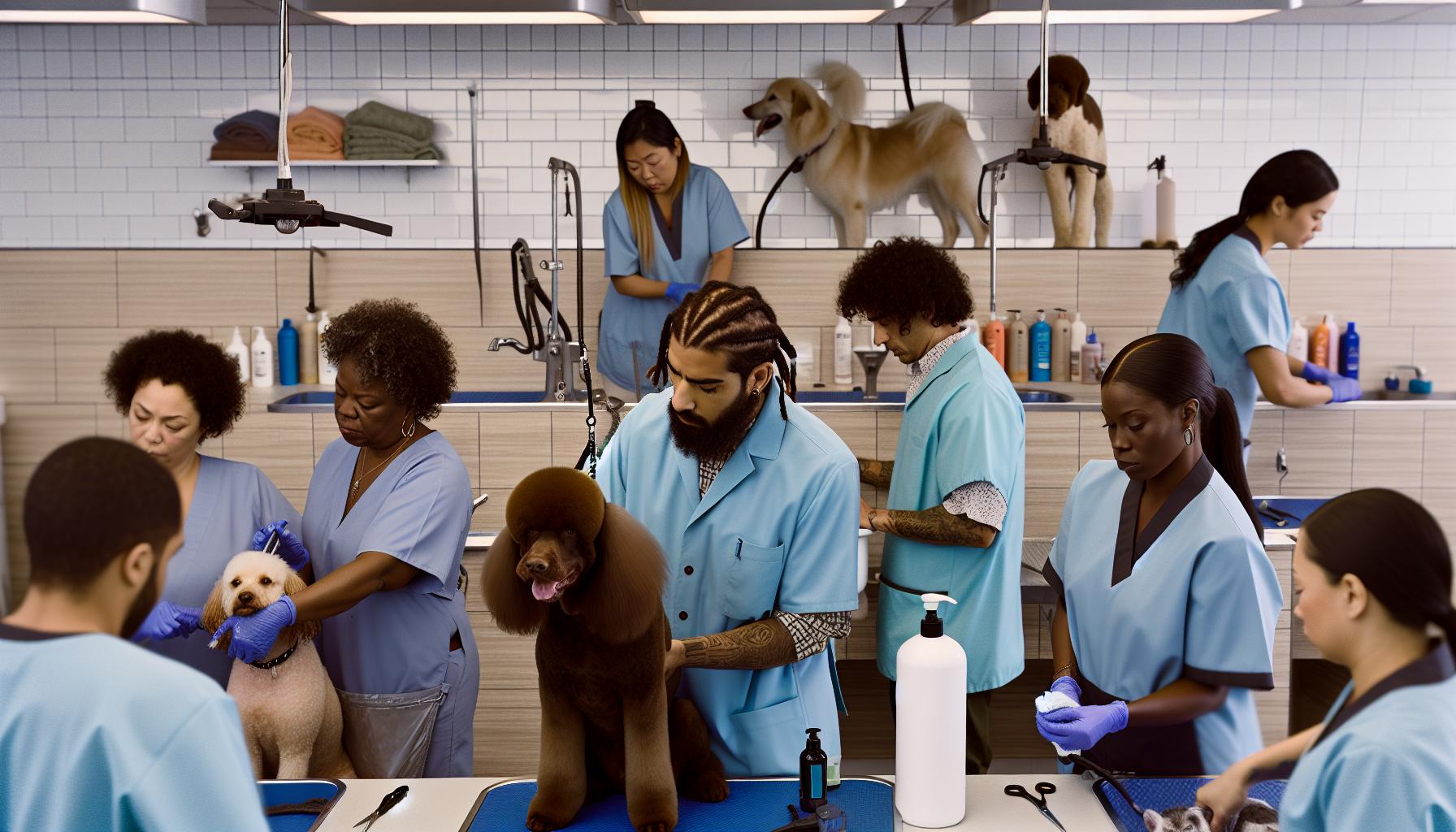
Many pet lovers don’t realize just how vital regular grooming is for a dog’s overall well-being-not just looks. As awareness grows about the health benefits grooming provides, like preventing painful mats on breeds such as the Shih Tzu or avoiding nail overgrowth that can cause limping, more lawmakers are warming up to the idea that groomers deserve essential worker status. This shift is promising, but it requires ongoing education, clear communication, and patient advocacy from pet professionals and owners alike.
Bridging the Gap Between Pet Care and Legal Recognition
One practical way groomers can definitely help move the needle is by emphasizing the health-maintenance side of their work in conversations with officials. For example, consider the long-haired Afghan Hound, whose thick coat demands regular brushing and dematting with specialized tools like slicker brushes and dematting combs. Left unattended,severe mats can lead to skin infections,making timely grooming not a luxury,but a necessity.
- Step 1: Highlight Daily Preventive Care – Use logs or photos to show how grooming sessions reduce irritations,skin redness,and behavioral stress from discomfort.
- Step 2: Educate on Boundaries – Clarify that while groomers handle external upkeep and comfort, diagnosing or treating medical conditions remains firmly in vet hands, preventing confusion in lawmaking decisions.
- Step 3: Share Your Stories – Personal accounts from pet owners and groomers provide powerful, relatable evidence of the role grooming plays in community pet health.
Looking Ahead: Emerging Trends and Advocacy Strategies
In the coming years, the pet care industry may witness more uniform legal recognition for groomers, particularly as states analyze the prolonged impacts of the pandemic on pet welfare. Grooming businesses thriving with proper status could gain access to emergency support, prioritized resources, and inclusion in public health strategies during crises.Take, as a notable example, the difference between grooming a low-maintenance breed like the Beagle versus a high-maintenance Poodle with its dense, curly coat requiring special clippers and gentle detangling shampoos. demonstrating this variety highlights the skill and dedication involved and the health risks posed if grooming is delayed.
For owners supporting their groomers’ essential worker designation, staying informed and involved in community advocacy groups can make a real difference. Pet parents and professionals who collaborate to keep grooming’s health value visible will help build momentum toward permanent legal recognition.
Empowering Groomers and Pet Owners Together
Knowing that every trim and bath helps prevent pain,infection,and anxiety should give groomers confidence to approach lawmakers as compassionate health allies-not just service providers. Meanwhile, owners can help by trusting professionals with their pet’s comfort-first care and maintaining grooming schedules, especially for breeds prone to skin or behavior challenges when neglected.Together, this partnership nurtures safer, happier pets and strengthens the case for fully recognizing grooming as essential work-today and in the future.
Frequently asked questions
Q: How does the essential worker classification affect dog groomers’ ability to operate during emergencies?
A: Dog groomers classified as essential workers can continue operating during emergencies like lockdowns, ensuring pets receive necessary care. This status enables access to special permits and exemptions,helping groomers maintain business continuity. Learn how legal status impacts operations in the “Why Legal Status Impacts Dog Grooming Businesses” section for practical advice.
Q: What legal criteria could help dog groomers qualify as essential workers in the future?
A: To qualify as essential workers, dog groomers need to demonstrate their role in animal health and welfare-such as preventing hygiene-related illnesses. advocating for recognition involves showcasing how grooming supports public health and pet safety, detailed in “Steps to Advocate for Essential Worker Recognition.”
Q: are dog groomers covered by workplace protections if they are not legally essential workers?
A: If not designated essential, groomers might lack specific workplace safety or hazard pay protections but are still protected under general labor laws. Groomers should review their rights in “Rights and Protections for essential Workers” and consider local laws for additional benefits or support.
Q: How do animal welfare laws intersect with dog groomers’ legal classification?
A: Animal welfare laws indirectly support groomers’ essential worker status by emphasizing the need for regular pet care. Demonstrating compliance with these laws can strengthen legal recognition. For insight on legal impacts, see the article section on “Current Laws Affecting Dog Groomers’ Status.”
Q: Can dog groomers be considered essential workers by individual municipalities or states? How common is this?
A: Yes, some states and cities adapt essential worker lists inconsistently, allowing groomers essential status locally. This variation means groomers should check “Local and State Variations in Legal Classification” to understand their specific legal standing and operational rights.
Q: How does essential worker status affect dog groomers’ access to government assistance programs?
A: Essential classification often unlocks eligibility for pandemic relief funds, unemployment benefits, and priority vaccination. Groomers should track their classification via updated laws for potential financial support, see “How Classification Affects Groomers’ Access to Benefits” for detailed resources.
Q: What are common challenges dog groomers face when petitioning for essential worker status?
A: Petitioning challenges include unclear legal definitions, limited public awareness of grooming’s role, and competition with veterinary professions. Groomers are advised to build community support and provide evidence of health impact, as highlighted in “Real Stories: Groomers Navigating Legal Challenges.”
Q: How can dog owners support their groomers in gaining essential worker recognition?
A: Pet owners can definitely help by advocating publicly, submitting testimonials on grooming’s importance, and engaging local lawmakers. Sharing experiences boosts awareness and supports legislative efforts described in the “Steps to Advocate for Essential Worker Recognition.”
—
For more detailed strategies and legal insights, explore the full article sections provided. Staying informed and involved empowers groomers and pet owners alike.
Insights and Conclusions
Understanding the legal classification of dog groomers as essential workers highlights their vital role in pet health and well-being. Whether you’re a grooming professional or a pet owner, recognizing this distinction ensures your furry friend receives timely care, especially in challenging circumstances. If you’re curious about how grooming fits alongside veterinary care or want practical tips on at-home maintenance, check out our guides on grooming basics and pet wellness routines.
Don’t wait to explore more about dog breeds, coat care, and grooming tools that best suit your pet’s needs. Dive into our detailed Dog Breeds Chart or explore types of dog breeds to tailor grooming strategies that prioritize safety, comfort, and coat health. Ready to keep your pet happy and healthy? Subscribe to our newsletter for expert advice or reach out for personalized grooming consultations-as your companion deserves compassionate, confident care every day.
We’d love to hear your thoughts or grooming stories-leave a comment or share this article to help others navigate the essential role of dog groomers. your pet’s comfort matters most, and together, we can ensure every grooming session is safe, soothing, and beneficial.
Get our latest guides, news, and insights highlighted in your Google Search & AI Overviews.
Keep reading about the same coat and cut.




Popular grooming guides
Bath vs clip, first grooms, and salon how-tos.