How Much Are Cat Groomers: Feline Grooming Costs Explained
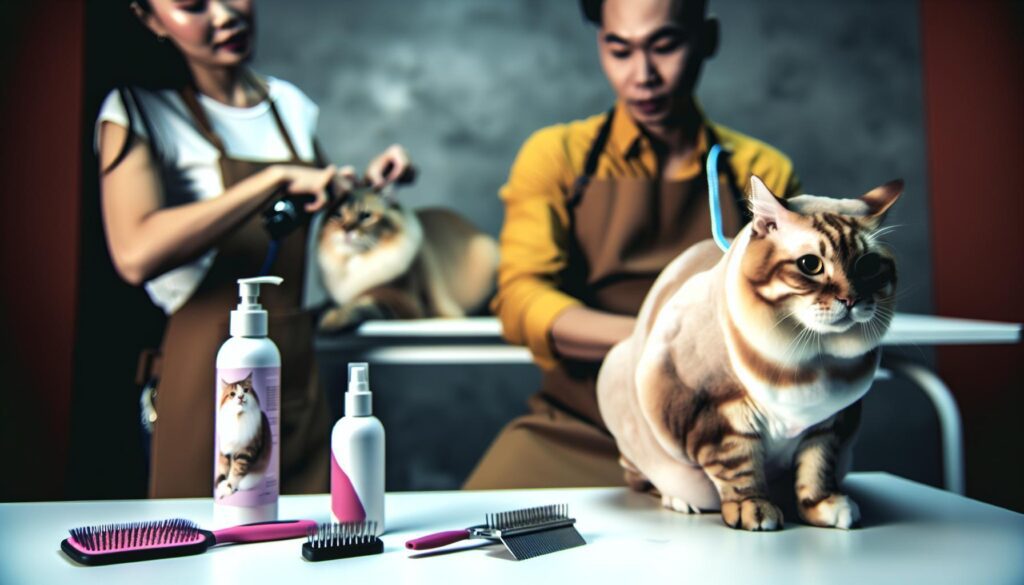
Did you know that professional cat grooming can significantly improve your feline friend’s comfort and health, especially for breeds with long or dense coats? Understanding how much cat groomers cost-and what goes into those prices-helps you make informed choices that prioritize your pet’s safety and well-being. Grooming isn’t just about a shiny coat; it frequently enough involves bathing, brushing, nail trimming, and ear cleaning, all tailored too your cat’s unique needs. Whether you have a curious kitten, a nervous senior, or a fluffy feline prone to mats, knowing what to expect can ease worries and prevent unpleasant surprises. In this guide, we’ll break down typical costs, share real examples, and explain the difference between DIY care, vet visits, and professional grooming services. You’ll discover practical tips on managing grooming tasks at home and when to seek expert help-always keeping your cat’s comfort and calmness front and center. Let’s explore how investing in regular grooming can enhance your cat’s happiness and health, while fitting your budget and lifestyle.
What Factors Influence Cat Grooming Costs
Table of Contents
- 1 What Factors Influence Cat Grooming Costs
- 2 Detailed Breakdown of Common Feline Grooming Services
- 3 How Cat Breed and Coat Type Affect Price
- 4 DIY vs. Professional Grooming: Cost and Safety Considerations
- 5 Essential Grooming Tools and Their Costs
- 6 How Often Should You Groom Your Cat Professionally?
- 7 Where to Find Trusted Cat Groomers Near You
- 8 Tips to save Money on Cat Grooming Without Compromising Care
- 9 Understanding Additional Fees: Dematting, Nails, and Special Care
- 10 Signs your Cat Needs Professional Grooming Assistance
- 11 comparing Mobile Groomers, Salons, and Vet Clinics for Cats
- 12 Q&A
- 12.1 Q: How can seasonal changes affect the cost of cat grooming services?
- 12.2 Q: What should I expect from a professional cat grooming consultation?
- 12.3 Q: Why do some cat groomers charge more for mobile services than in-salon grooming?
- 12.4 Q: How do health conditions in cats influence grooming costs?
- 12.5 Q: What are the benefits of regular professional nail trims compared to DIY, and does it affect overall grooming costs?
- 12.6 Q: How does the cat’s age impact grooming frequency and cost?
- 12.7 Q: Can tips or gratuities for cat groomers impact your total grooming cost?
- 12.8 Q: What payment options and packages might reduce the cost of regular feline grooming?
- 13 Key Takeaways
Cats aren’t just tiny dogs-they have their own special needs and quirks that influence grooming costs in unique ways. The complexity of feline grooming frequently enough comes down to a few key factors that directly affect the time, care, and expertise required to keep your cat comfortable and looking their best. For example, many groomers consider cats higher risk than dogs because of their delicate temperaments and tendency to scratch, which can add to both the effort and price of a session.
Breed and Coat Type
Long-haired breeds like Persians or Maine Coons frequently enough require more time-consuming care, including thorough detangling and dematting, which can increase grooming fees significantly-starting around $140 or more in certain specific cases. Short-haired cats generally need less maintenance, so grooming sessions might be quicker and less expensive, frequently enough ranging between $50 and $120 depending on services offered. The thickness, length, and condition of the coat directly influence how involved a grooming session will be.
Services Included and Difficulty Level
Standard grooming services like bathing, brushing, nail trimming, and ear cleaning form the baseline cost, but additional treatments such as dematting, flea treatments, or medicated baths usually come with extra fees. Cats who are nervous or uncooperative often require extra patience, gentle restraint, or even sedatives, which groomers factor into pricing due to the increased handling time and care needed.
Location and Professional Credentials
Grooming prices also vary by region and facility type. A mobile groomer offering one-on-one, in-home sessions may charge more due to travel and personalized care, while salons or vet clinics may have set price ranges-commonly $80 to $150 or more-based on the expertise of their staff and the quality of their equipment.vet clinics may be pricier but ensure medical supervision,which is reassuring for cats with health issues or anxiety.
- Safety and temperament: More anxious pets typically require slower, more patient grooming.
- Preparation level: cats groomed regularly at home often need less time professionally.
- Time of year: Seasonal shedding periods can mean more frequent visits, affecting overall costs.
Understanding these factors can help you feel more confident when selecting a grooming service.A compassionate groomer will always prioritize your cat’s well-being over speed or perfection, ensuring each session is as stress-free as possible while providing excellent care. In doing so,they balance the fine line between keeping your kitty comfortable and delivering thorough,effective grooming.
By knowing what influences grooming costs upfront, you can better anticipate both your budget and your cat’s specific care needs, making the entire experiance smoother and more rewarding for everyone involved.
Sources place long-haired cat grooming starting at around $140 due to their specialized needs [[1](https://www.facebook.com/groups/122204416511232/posts/943198807745118/)], while more typical prices for standard grooming services range from $50 to $150 depending on the region and included treatments [[2](https://www.airtasker.com/us/costs/cat-grooming/cat-grooming-cost/)] [[3](https://seattlecanineclub.com/cat-grooming-costs-in-seattle-a-breakdown-for-pet-owners/)].
Detailed Breakdown of Common Feline Grooming Services
Cats are famously skilled at grooming themselves, but no matter how fastidious your feline friend, there’s a surprising range of professional grooming services that can make a lasting difference in their health and comfort. Grooming isn’t just about appearance-it’s essential for their well-being, especially for breeds with dense or long coats that require more specialized attention. Services range from simple baths and brushing to intricate dematting and stress-sensitive nail care,each tailored to your cat’s unique personality and needs.
Bathing and Coat Care
While many cats dislike water, a gentle bath using cat-specific, hypoallergenic shampoos can ease skin irritations, control shedding, and reduce allergens in the home. Experienced groomers use warm water and calming techniques to minimize stress. After bathing, thorough drying and brushing prevent moisture from irritating the skin or causing matting. For long-haired cats like Persians, regular baths often involve detangling sessions before shampooing to avoid pulling on sensitive fur.
Brushing and Dematting
brushing is the cornerstone of feline grooming-removing loose fur and preventing painful mats. Short-haired cats typically require weekly brushing, but those with silky or thick coats need daily attention. When mats do form, professional groomers carefully untangle them with specialized tools or trim them safely, avoiding the risks of DIY cutting. Mat removal is time-consuming and may carry extra fees due to the delicate care needed, especially for anxious cats.
Nail Trimming and Paw Care
Regular nail trims prevent painful overgrowth and help protect your furniture-and your skin! Professionals are trained to trim just the right amount, avoiding the sensitive rapid inside the nail. Paw pads and toe areas are checked for irritations or infections, which DIY grooming may miss. For cats uneasy with nail trims, groomers often use gentle restraint or recommend sedation only when medically necessary.
Ear Cleaning and Eye Care
Cleaning your cat’s ears is essential to prevent wax buildup and infections. A groomer uses feline-safe solutions and gentle techniques,paying close attention to avoid discomfort. Similarly, some breeds are prone to tear staining or eye discharge; groomers carefully wipe away debris and monitor for signs of health concerns that your vet may need to address.
- Example: A Maine coon with a thick coat may require a two-hour session that includes bath, thorough brushing, nail trim, ear cleaning, and light dematting, whereas a short-haired domestic shorthair might only need a quick 45-minute appointment for a bath and nail trim.
- Tip: Consistency is key-cats groomed regularly tend to tolerate sessions better and require less time per visit.
When to Consider Medicated Baths or Flea treatments
Sometimes, cats have skin conditions or parasites that benefit from professional-grade medicated shampoos. These treatments require veterinary consultation or groomers trained to handle special-care needs safely.Medicated baths not only improve skin health but often cost extra, reflecting the care and products involved.
Many owners wonder if DIY grooming is enough, but professionals bring not just tools, but knowledge and patience, especially for skittish or senior cats where safety is paramount. By understanding the scope and detail of common grooming services, you can choose the best approach that fits your cat’s personality and ensures their comfort throughout the process.
How Cat Breed and Coat Type Affect Price

Cats’ coats vary as much as their personalities, and this diversity has a real impact on grooming time, techniques, and ultimately, cost. Some breeds come with luxuriously dense or long fur that demands more frequent, patient care. Others have sleek, short coats that let groomers work quickly. The complexity of a cat’s coat is often the first factor that shapes the price you’ll pay for professional grooming.
Long-haired breeds like persians, Maine Coons, and ragdolls have thick, silky fur prone to tangling and matting. Groomers approach these cats gently and meticulously, using specialized brushes and dematting tools to protect delicate skin and avoid stress. These sessions can take two hours or more, especially if the coat is prone to mats or the cat is nervous. This extra time and care increase pricing-typically towards the higher end of the $50-$100 range-reflecting the labor involved and the need for calming techniques.
In contrast, short-haired cats such as American Shorthairs or Bengals usually require less intensive grooming. Brushing and baths are quicker and less demanding, often reducing session times by half.As the task is simpler and faster,groomers charge less-sometimes as low as $50 for a basic bath and nail trim. However,short-haired doesn’t always mean no extra care; some cats shed heavily or have skin sensitivities that need attention.
How Coat Type Influences Grooming Needs
- Silky or Fine Fur: These coats need gentle brushing with soft bristle brushes to prevent breakage. Groomers spend additional time smoothing the coat to maintain shine, potentially adding minutes to each session.
- Dense or Double Coats: Found in breeds like Siberians, dense undercoats require thorough deshedding tools and treatments. Removing loose fur helps reduce shedding but takes skilled time, increasing cost.
- Curly or Woolly Coats: Rare but present in some breeds (e.g., LaPerm cats), unique textures require specialized grooming tools and gentle handling to avoid damage.
- Prone to Matting: Certain breeds or mixes with thick or long fur can develop mats quickly. Dematting is a delicate,time-intensive service with extra fees reflecting the complexity and patience required.
Real-Life Example
A Persian needing a full grooming session may involve a multi-step approach: gentle detangling, deep conditioning baths, careful drying, and nail care. This can take more than two hours and sometimes an additional fee for dematting. Meanwhile, a short-haired Domestic Shorthair might receive a gentle bath and nail trim in under an hour, costing significantly less. By recognizing these differences, owners can set realistic expectations and choose grooming plans tailored to their cat’s coat and comfort.
Understanding your cat’s breed and coat type helps you appreciate why some grooming visits cost more than others-and why patience and care matter most. The extra time spent on thick or sensitive coats is an investment in your cat’s health and happiness, preventing painful mats, skin irritation, and stress during grooming.
| Coat Type | Typical Grooming time | Common Services | Cost Influence |
|---|---|---|---|
| Long & Dense | 90-120+ minutes | Dematting, detangling, bath, brush, nails, ears | Higher due to time, tools, and patience |
| Short & Smooth | 30-45 minutes | Bath, nail trim, light brushing | Lower, quicker sessions |
| Silky/Fine | 45-60 minutes | Gentle brushing, bath, nails | Moderate, needs delicate handling |
| Mat-Prone | Varies-often longer | Dematting plus regular grooming | Additional fees common |
DIY vs. Professional Grooming: Cost and Safety Considerations
cats are masters of self-cleaning, but even the most meticulous feline can benefit from a little extra help-whether at home or from a professional groomer. Deciding between DIY grooming and hiring an expert often comes down to more than just cost. It’s about safety, comfort, and knowing what your cat truly needs based on their breed, coat type, and personality.
Understanding the Basics: What You Can Do at Home
Many cat owners successfully manage routine grooming tasks themselves, especially with short-haired or low-maintenance cats. Regular brushing, gentle bathing when necessary, trimming nails carefully with proper clippers, and occasional ear cleaning can keep your cat healthy and reduce shedding. Here’s a simple checklist for home care:
- Brushing: Choose the right brush based on your cat‘s coat-for example, a slicker brush for long fur, or a fine-toothed comb for short coats.
- Baths: Only bathe cats that tolerate it well. Use cat-specific shampoo and lukewarm water. Aim to calm your cat with slow movements and soothing talk.
- Nail trimming: use a quiet space and proper clippers. Avoid the quick by trimming just the tip of nails.
- Ear cleaning: Only when needed, using vet-approved wipes or solutions applied gently.
Even if you’re comfortable tackling these tasks, keep in mind that more complex services like professional dematting, gland expression, or dental cleaning should be left to licensed groomers or vets.
why Professional Grooming Is Worth the Investment
For cats with long, dense, or mat-prone coats, or those prone to anxiety during grooming, professional sessions offer vital expertise and equipment that few owners can recreate at home. Groomers are trained to read your cat’s body language to prevent stress and injury. They have specialized tools like dematting rakes, deshedding treatments, and dryers designed to speed up sessions without stressing your pet.
Regular professional grooming sessions can prevent painful mats and skin infections before they start-something that’s worth the additional cost over DIY attempts that could inadvertently cause harm. For example, a nervous Persian with thick fur might become overwhelmed during a bath or brushing at home, leading to resistance or even scratches. A groomer’s calm skills, plus a soothing environment, turn grooming into a positive experience.
safety and Boundaries: What Falls Outside DIY
There’s a clear line between helpful at-home grooming and situations requiring professional care or veterinary attention. Avoid DIY if your cat has:
- Severe mats that restrict movement or cause discomfort
- Skin infections, wounds, or parasites needing medical treatment
- Severe anxiety or fear triggered by grooming attempts
- Dental or anal gland issues-these require vet expertise
Attempting advanced procedures at home may lead to injury or stress, which can be costly both emotionally and financially.
Striking a Balance: Combining DIY with Professional Care
Many cat owners find a happy medium by doing basic maintenance at home while scheduling professional grooming every few months or as needed. This approach controls costs effectively and keeps your cat comfortable and cared for.
| Grooming Task | DIY Difficulty | When to Choose a Professional |
|---|---|---|
| Brushing | Easy to moderate (depending on coat) | severe mats, sensitive skin, or uncooperative cats |
| Bathing | Moderate (requires patience) | long-haired, nervous, or medically fragile cats |
| Nail Trimming | Moderate (requires confidence) | Squirmy cats, or nail abnormalities |
| Dematting | Not recommended | Any significant mats or tangles |
| Ear Cleaning | Easy to moderate (if cooperative) | Signs of infection or heavy debris |
Remember, proper grooming is about your cat’s welfare. Whether at home or with a groomer, prioritize calm patience. Praise and treats go a long way in building trust during grooming routines. When in doubt, a professional’s gentle hands and trained eye can make all the difference-not just in appearance, but in comfort and health. With time and care, your cat’s coat will shine and their spirits stay bright.
Essential Grooming Tools and Their Costs

Cats’ grooming needs vary widely depending on their breed,coat type,and personality,but one thing’s certain: having the right tools makes all the difference for keeping your feline friend comfortable and well cared for. Investing in quality grooming supplies not only helps maintain your cat’s health but can also save you money by preventing costly professional treatments caused by neglected coat or nail care. Let’s explore the essentials every cat owner should consider, along with the costs you might expect.
Brushing Tools: Matching Your Cat’s Coat
For short-haired cats, a simple fine-toothed comb or rubber brush costing between $8 to $15 often suffices to remove loose hair and stimulate circulation gently. Long-haired or thick-coated breeds, like Persians or Maine Coons, require sturdier tools such as slicker brushes or dematting combs priced from $15 to $30.These help prevent painful mats before they develop but do require patience, as using them too aggressively can stress your cat. For example, I recommend starting with light, slow strokes-short sessions encourage trust and reduce anxiety. Investing in a quality brush is worthwhile, as low-quality options can snag fur or irritate sensitive skin.
Bathing Supplies: Comfort Over Convenience
Bathing a cat isn’t necessary often, but when you do, having the right shampoo and tools makes the process safer and more pleasant. Cat-specific shampoos usually range from $10 to $20 per bottle and are formulated to protect delicate skin and fur. Never use human shampoo, as it may dry out or irritate your cat’s skin. A non-slip mat or towel ($5-$10) for the sink or tub helps your cat feel more secure,while a handheld sprayer or cup allows gentle rinsing. since many cats dislike water, keeping bath time calm, brief, and rewarding is key. If your cat has skin conditions or allergies, consult a vet or groomer about medicated shampoos before trying home baths.
Nail Trimming and Ear Cleaning: Small Tools, Big Impact
Proper nail care requires a pair of quality cat nail clippers, often priced between $7 and $15. Scissors or human clippers aren’t recommended as they can splinter nails or cause injury. Patience is crucial here; some cats tolerate nail trims well, while others may need breaks or calming techniques like treats and gentle massage. For ear cleaning, vet-approved wipes or solutions cost around $10 to $15. Only clean ears when there’s visible debris or odor, and avoid deep probing-improper cleaning can hurt your cat or worsen infections.
Understanding When to Leave It to the Pros
while many tools empower you to handle daily grooming safely, some conditions-such as severe mats, skin infections, or behavioral challenges-require professional experience and specialized equipment. As a notable example,extensive dematting tools used by groomers are costly ($30+ per tool) and need precise handling to avoid skin damage. Similarly, high-velocity dryers and deshedding treatments are not typically feasible for home use but can significantly reduce shedding and coat problems during professional sessions.
| Grooming Task | essential Tool(s) | Typical Cost Range | Tips for Use |
|---|---|---|---|
| Brushing | slicker brush, fine-toothed comb, rubber brush | $8 – $30 | Match brush to coat type; use gentle strokes; short sessions |
| Bathing | Cat-specific shampoo, non-slip mat, handheld sprayer or cup | $10 – $30 | Use lukewarm water; calm and reassure your cat; avoid over-bathing |
| Nail Trimming | Cat nail clippers, styptic powder (for accidental cuts) | $7 – $15 | Trim just the tips; avoid quick; reward your cat afterward |
| Ear Cleaning | Vet-approved ear wipes or solution | $10 – $15 | Clean only when necessary; avoid deep insertion; monitor for infections |
Remember, the goal isn’t just a tidy coat or trimmed nails but your cat’s ongoing comfort and well-being. tool quality matters-not just in durability but how gently they interact with your pet’s sensitive skin. If ever you feel unsure or face resistance from your cat, pausing and seeking professional help ensures safety over quick fixes. Empower yourself with the right tools and knowledge,and grooming can become a bonding and stress-free routine for both you and your feline companion.
How Often Should You Groom Your Cat Professionally?

Professional grooming is more than just a luxury-it’s an essential part of keeping some cats healthy and comfortable, especially when their coats demand more care than a typical home routine allows. The frequency with which your cat should visit a groomer really depends on several factors: their breed, coat type, lifestyle, and even their age or health status. For example, a long-haired Persian or Maine Coon with thick fur tends to require more frequent professional attention to prevent mats and tangles than a short-haired domestic cat. Generally, many cats benefit from professional grooming sessions every three to four months, but some may need visits as often as onc a month, especially if they’re older, more active, or prone to heavy shedding [[1]](https://perfectpoochesgrooming.net/cats/how-often-should-cats-get-professionally-groomed/).
Understanding Coat Needs and Grooming Frequency
Long-haired breeds frequently enough develop mats that are tricky and sometimes painful to remove without the right tools and expertise. These mats can hide skin irritations or infections that only a groomer or vet might spot.In addition to brushing and bathing, professional groomers can perform targeted dematting, nail trimming, and ear cleaning-all crucial to your cat’s wellbeing. Cats with shorter coats or less active outdoor lifestyles may only need professional grooming a few times a year, as daily or weekly brushing at home usually suffices.
Signs Your Cat May Need a Pro More Often
Sometimes, it’s not just breed but behaviour and health that influence grooming needs. If your cat resists nail trims or baths at home, struggles with anxiety, or has mobility issues that make self-grooming difficult, regular visits to a professional can prevent discomfort or painful complications. Older cats, or those with arthritis, may find it hard to clean difficult areas like their hindquarters, so scheduling grooming sessions more frequently ensures these spots don’t become problematic. For example, a senior cat with thick fur might benefit from monthly trims to avoid matting or skin infections.
Balancing DIY Grooming and Professional Care
At home, regular brushing, gentle bathing, and nail trims build comfort with grooming while keeping costs manageable. Yet,even the most dedicated cat owner will encounter moments where professional expertise makes a real difference-whether it’s handling stubborn mats,skin conditions requiring medicated shampoos,or using professional-grade dryers and brushes that reduce shedding and improve coat health. Recognizing when to call in the pros helps keep your cat safe and stress-free. If you’re unsure how frequently enough to schedule sessions, many groomers offer consultations and personalized plans tailored to your cat’s needs.
- Short-haired cats: Typically every 3-4 months or as needed.
- Long-haired cats: Often every 4-6 weeks to prevent mats and tangles.
- Senior or special needs cats: may require more frequent attention based on their ability to self-groom.
- Active/outdoor cats: More frequent grooming to manage dirt and shedding.
Approaching grooming with your cat’s comfort at the forefront-whether at home or professionally-helps foster trust and keeps their coat healthy without stress. Remember, professional grooming isn’t about “perfect looks” but about maintaining your cat’s health, comfort, and happiness over time [[1]](https://perfectpoochesgrooming.net/cats/how-often-should-cats-get-professionally-groomed/).
Where to Find Trusted Cat Groomers Near You
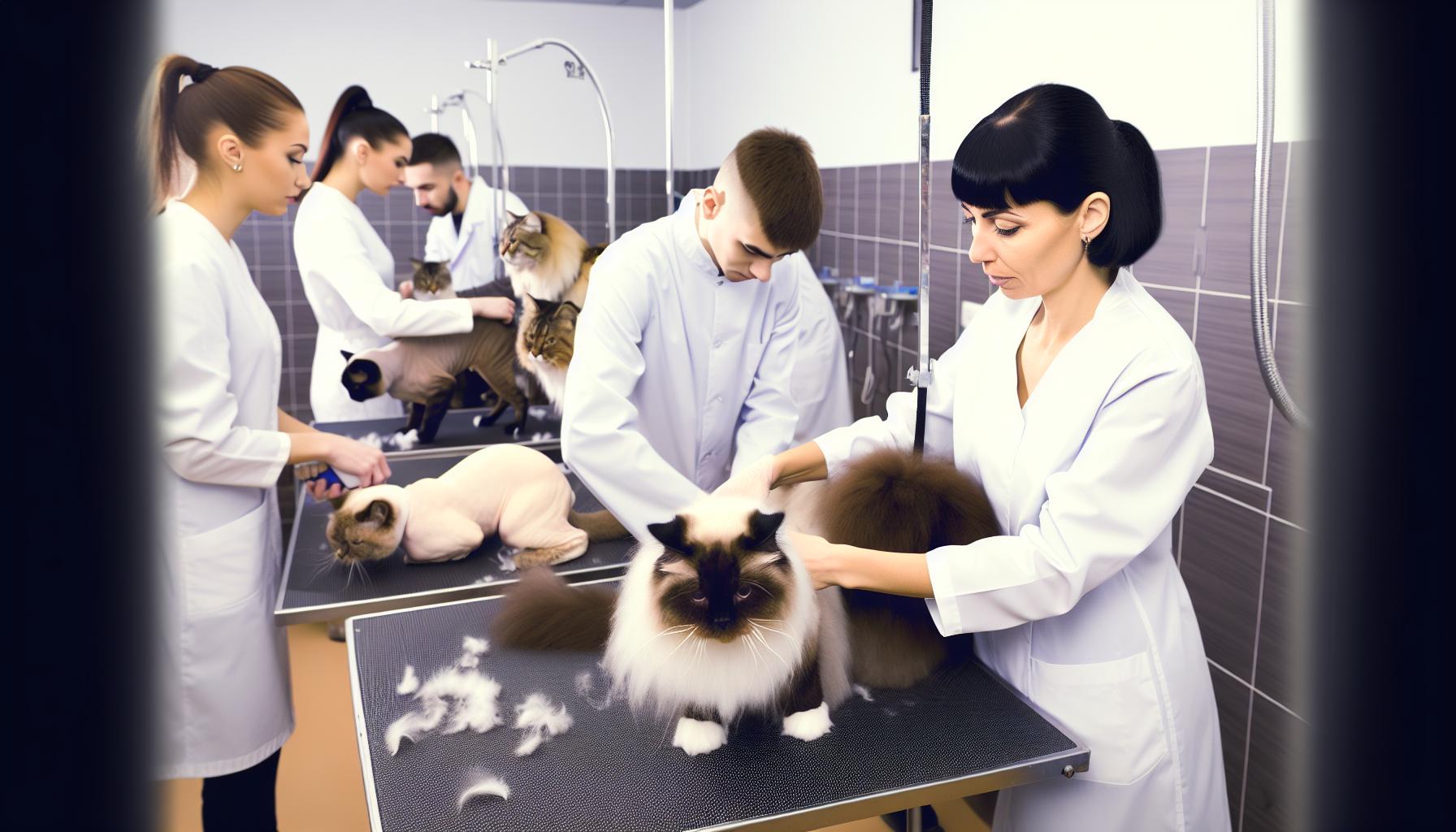
Finding a trusted cat grooming professional can feel overwhelming, especially if your feline companion is shy or sensitive to handling.But rest assured, many groomers specialize in gentle, compassionate care tailored specifically for cats, prioritizing their comfort and emotional wellbeing above all. A trusted groomer understands the unique personalities and needs of cats-whether it’s a nervous long-haired Persian wary of baths or a feisty outdoor tabby who needs nail trims-and responds with patience and expertise.
When searching, start by asking about the groomer’s experience with cats similar to yours, focusing on breed, coat type, and temperament.It’s perfectly okay to request a meet-and-greet or trial session where you observe how they handle your cat. A professional who takes time to explain their process, offers clear estimates, and welcomes your questions is often a sign of a high-quality service. Many groomers offer personalized grooming plans suited to your cat’s age and lifestyle, which can be invaluable for long-term coat health and stress reduction.
Where to Look and What to Consider
- mobile Groomers: These pros come to your home, which can greatly reduce your cat’s anxiety by keeping them in a familiar environment. While slightly pricier-often $45 to $85 for full services depending on matting severity-they are ideal for cats who don’t travel well or have special needs [[3]](https://www.thumbtack.com/p/cat-grooming-prices).
- Dedicated Cat grooming Salons: Unlike dog-focused places, cat salons are equipped with the appropriate tools and quiet spaces. Salons typically charge $30 to $70 per session, varying by region and services offered [[2]](https://homeguide.com/ca/los-angeles/cat-grooming/).
- Veterinary Clinics with Grooming Services: Some vet offices provide grooming. this can be reassuring if your cat has medical conditions, as help is immediately available if needed. Though, costs might potentially be higher if specialized care or sedation is required.
Questions to Ask Potential Groomers
- What’s your experience with my cat’s breed and coat type?
- How do you handle cats that are anxious or resist grooming?
- What does your grooming session include (bath, nail trim, ear cleaning, dematting)?
- Are you trained to spot issues like skin infections or unusual hair loss?
- What safety measures do you have in place if my cat becomes stressed?
Before booking, visit the location if you can, or ask for reviews and references.Trusted groomers will be open about their methods and confident in their care, valuing your cat’s comfort as much as the final look.Remember, excellent grooming is about gentle maintenance that supports your cat’s health and happiness-not about perfection.
Keeping Your Cat Comfortable Through the Process
From the initial consultation to the final paw polish, look for a groomer who offers calm reassurance. Some groomers use pheromone sprays, soft brush strokes, and breaks during the session to keep stress levels low. If your cat needs specialized grooming-like dematting or dealing with sensitive ears-make sure the groomer has the proper tools and knowledge to proceed safely.Professional grooming isn’t just a pampering session; it’s a vital partnership for your cat’s wellbeing. By choosing a trusted groomer with compassion and expertise, you’re setting your feline friend up for a calm, safe experience that leaves them feeling comfortable and cared for long after their visit.
Tips to save Money on Cat Grooming Without Compromising Care
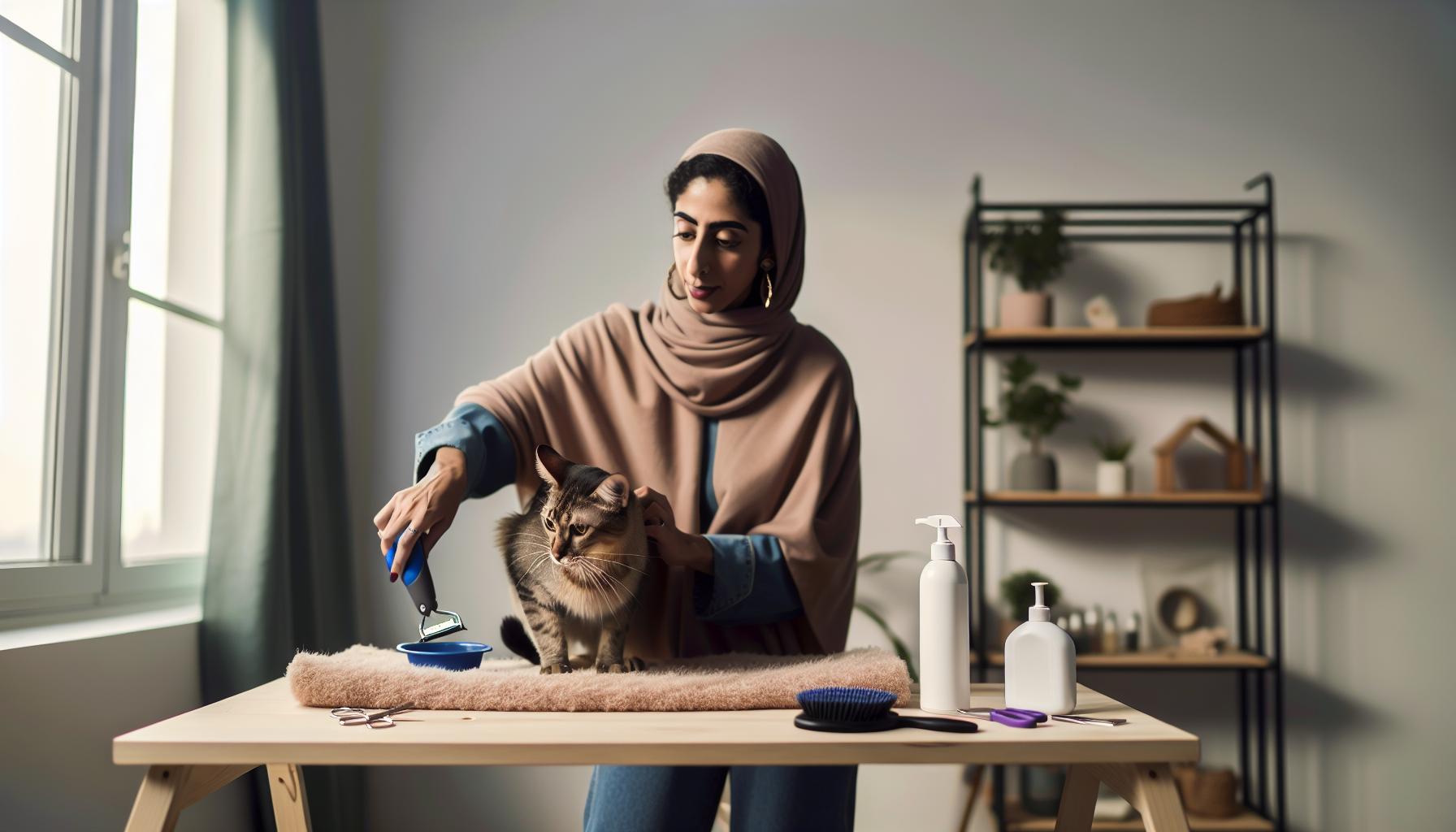
Few things benefit your cat’s wellbeing as much as regular grooming-but that doesn’t mean you have to spend a fortune to keep your feline friend comfortable and healthy. With a little planning, patience, and the right approach, you can confidently manage your cat’s grooming needs at home while reserving professional services for when they really matter.
Prioritize Coat Type and Breed
Understanding your cat’s breed and coat is the first step in tailoring affordable grooming care. Long-haired cats like Persians or Maine Coons need more frequent brushing to prevent mats and knots, while short-haired breeds frequently enough benefit from simpler, less time-intensive grooming. For example, a daily quick brush with a soft bristle brush can keep a short-hair’s coat shiny and reduce shedding, cutting down the need for frequently enough costly professional dematting sessions.
Build a Simple, Effective At-Home Routine
Investing in a handful of quality grooming tools can significantly reduce salon visits. Start with basic essentials:
- A gentle slicker or bristle brush suited to your cat’s coat type
- Cat-specific shampoo for occasional baths (human shampoos can irritate sensitive skin)
- Soft nail clippers designed for cats
- Ear cleaning solution recommended by your vet
Regular brushing removes dirt, dead hair, and stimulates skin health, meaning your cat is less likely to develop skin issues or knots that require pricey interventions. When bathing, dilute shampoo with water as advised by experts-it’s less stressful and stretches your product’s lifespan [[1]](https://www.aspca.org/pet-care/cat-care/cat-grooming-tips).
Know When to Call the Professionals
Some situations call for expert hands, particularly if your cat has painful mats, skin infections, or extreme anxiety. To save money, schedule professional grooming less frequently and use visits for deeper cleaning, dematting, or special needs care. Between visits,maintain the coat with daily brushing and spot-cleaning. This teamwork approach balances cost with quality care and avoids unnecessary professional charges for routine tasks.
Smart scheduling & Building Relationships
If your cat tolerates it, regular but spaced visits to the same trusted groomer can often secure loyalty discounts or package deals. Mobile groomers or in-home services may seem more expensive upfront but save stress-related costs (and vet visits) by handling your pet in a familiar environment [[3]](https://www.primpedpooches.com/cat-grooming). Additionally, booking during off-peak times or waiting for promotional offers can reduce prices. Don’t hesitate to ask groomers about payment plans or bundled service options,especially if your cat requires extra care like nail trims or ear cleaning,which might or else add fees.
By combining thoughtful at-home grooming with strategic professional care, you ensure your cat stays comfortable, healthy, and looking their best-while keeping your budget intact. Remember, patience and kindness are the best tools of all; even brief, gentle sessions can build your cat’s trust and make every grooming moment easier and more affordable.
Understanding Additional Fees: Dematting, Nails, and Special Care
Cats with mats or tough tangles often face a different grooming experience compared to those with smooth coats. These mats can be painful and lead to skin irritation if left untreated, which is why addressing them professionally is crucial-and understandably may incur extra charges. Dematting requires specialized tools, gentle but firm technique, and above all, patience to avoid hurting your furry friend. Groomers usually charge additional fees for this service as it demands more time and care than a standard bath and brush. While mild tangles can sometimes be handled at home with a proper comb and conditioner, severe mats are best left to professionals to prevent skin injuries or stress-induced behavior issues.
Nail trims might seem simple, but for many cats, they represent a significant challenge. Some cats tolerate nail clipping like a breeze, whereas others become anxious or resist, making this a tricky and sometimes stressful task. Because of this, many groomers include nail trims in their basic packages, but a standalone nail clipping service typically costs an extra $10-$15. If your cat is especially nervous or resistant, groomers may have to use calming techniques or sedation recommended by a vet, which can add to the overall bill. Regular trims at home can reduce these costs, but staying calm and patient is key-offer treats and slow introductions to the process.
Special care services go beyond the basics and may include ear cleaning, dental checks, or sanitary trimming. Each of these tasks requires specific tools and attention to your cat’s comfort and health. Such as, sanitary trims help prevent infections and matting in sensitive areas but can be awkward and require gentle handling.Similarly, ear cleaning helps reduce wax buildup and infections but must be done carefully to avoid harming the delicate ear canal. These additional services may have separate fees,typically ranging between $10 to $55 depending on the groomer and extent of care needed. Asking your groomer upfront about what’s included in your package can definitely help avoid surprises.
Practical Tips for Managing Additional Fees
- Prevention is essential: Regular brushing reduces the risk of mats and cuts down extra costs.
- Establish a nail routine: Clipping nails frequently at home minimizes the need for professional trimming and keeps claws healthy.
- Communicate openly: Let your groomer know about your cat’s sensitivities or health issues so they can adjust their approach.
- Bundle services: Many groomers offer discounted rates when you combine nail trims, ear cleaning, and baths in one visit.
Taking these steps supports both your cat’s wellbeing and your budget. Remember, a calm, compassionate approach paired with professional care when necessary is the best way to keep your feline friend comfortable and safe without unexpected grooming expenses.
Signs your Cat Needs Professional Grooming Assistance
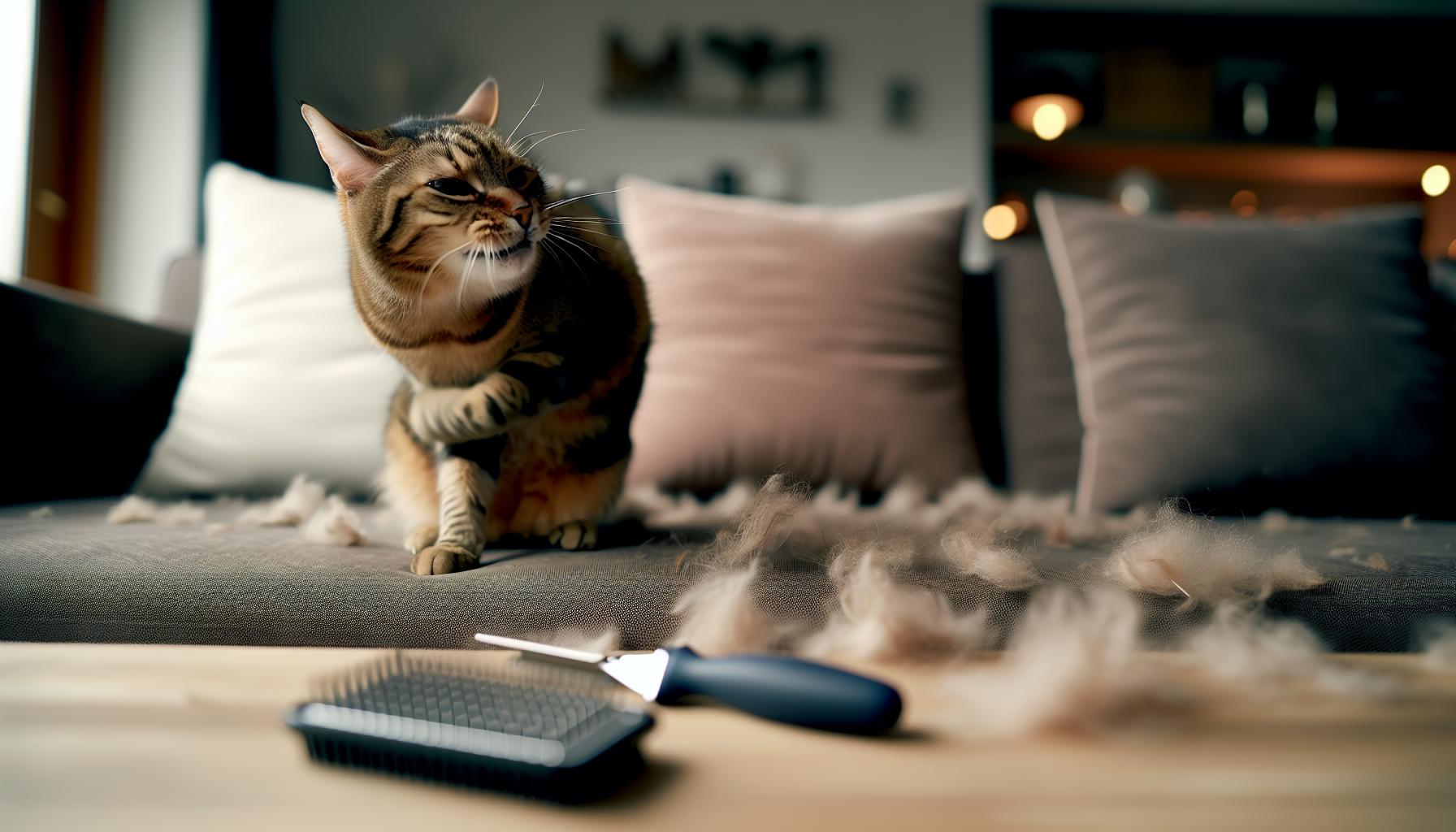
Many cat owners don’t realize just how much their feline friend’s comfort and health can improve with professional grooming – especially when certain signs indicate that at-home care isn’t enough. Cats are notoriously skilled at hiding discomfort, but when grooming becomes stressful, painful, or overwhelming, it’s a good indicator that expert help is needed. Recognizing these signals early allows you to protect your cat’s wellbeing and avoid costly emergency vet visits or prolonged distress.Cats with thick, long, or dense coats, such as Maine Coons or Persians, often struggle to keep themselves fully groomed. If you notice persistent mats or tight tangles near the neck, behind the ears, under the legs, or around sensitive areas like the rear, it’s time to seek a professional groomer. mats not only trap dirt and moisture but can cause skin irritation or infections if left untreated. Attempting to remove mats yourself risks hurting your cat or causing skin abrasions, so letting a groomer with specialized dematting tools and techniques intervene is safer and more effective.
When Bath Time Becomes a Battle
Bringing your cat to a professional for baths is wise if your feline friend shows signs of severe dirt buildup,greasy or flaky skin,or unpleasant odors despite regular brushing. Some cats hate water or become overly anxious during bathing, posing a challenge for owners. Groomers are trained to handle nervous pets gently, use cat-safe shampoos, and provide calming environments – often achieving a clean, healthy coat without trauma. If you find baths at home stressful for both you and your cat, a professional can lessen anxiety while ensuring proper skin and coat care.
Nail Maintenance and ear Health Require a Steady Hand
Keep an eye out for signs that nail care is overdue, like scratching furniture excessively or difficulty walking. While some cats tolerate nail trims at home, many become resistant or frightened. Professional groomers can safely trim nails, sometimes using gentle restraint or calming strategies unavailable to owners. similarly, if your cat frequently scratches their ears, shakes their head, or you notice redness or discharge, professional ear cleaning is recommended. Attempting ear care without experience risks injury or infection, so a groomer or vet should manage these delicate tasks.
Understanding When to Call Your Veterinarian vs. the Groomer
Sometimes grooming concerns overlap with health issues.Significant hair loss, bald patches, swelling, or skin sores require veterinary attention to identify underlying causes like allergies or infections. Groomers provide excellent maintenance and cosmetic care but are not substitutes for medical diagnostics or treatments. Communicate any health concerns clearly with both your vet and groomer to establish an appropriate care routine.
- Coat maintenance beyond your comfort level: Difficulty brushing or dematting without causing distress.
- behavioral signs: Sudden aggression or withdrawal during grooming attempts.
- Physical signs: Matted fur,skin redness,flaky or oily coat,foul odor.
- Hygiene challenges: Difficulty managing nail trims, dirty or waxy ears, or excessive shedding.
- Age or health-related limitations: Older cats or those with mobility issues who cannot groom effectively themselves.
By evaluating these signs and choosing professional grooming at the right times, you ensure your cat feels cared for – not just well-groomed. With patience, communication, and a compassionate approach, grooming appointments can transform from stressful chores into moments of wellbeing and bonding. remember, professional groomers bring knowledge, gentle handling, and tools designed specifically for cats, making them invaluable partners in your pet’s ongoing health and happiness.
Learn more about cat grooming services and how professionals can help[[1]]and tips for safe cat grooming at home[[2]]provide valuable guidance for cat owners looking to balance DIY care and professional grooming.
comparing Mobile Groomers, Salons, and Vet Clinics for Cats
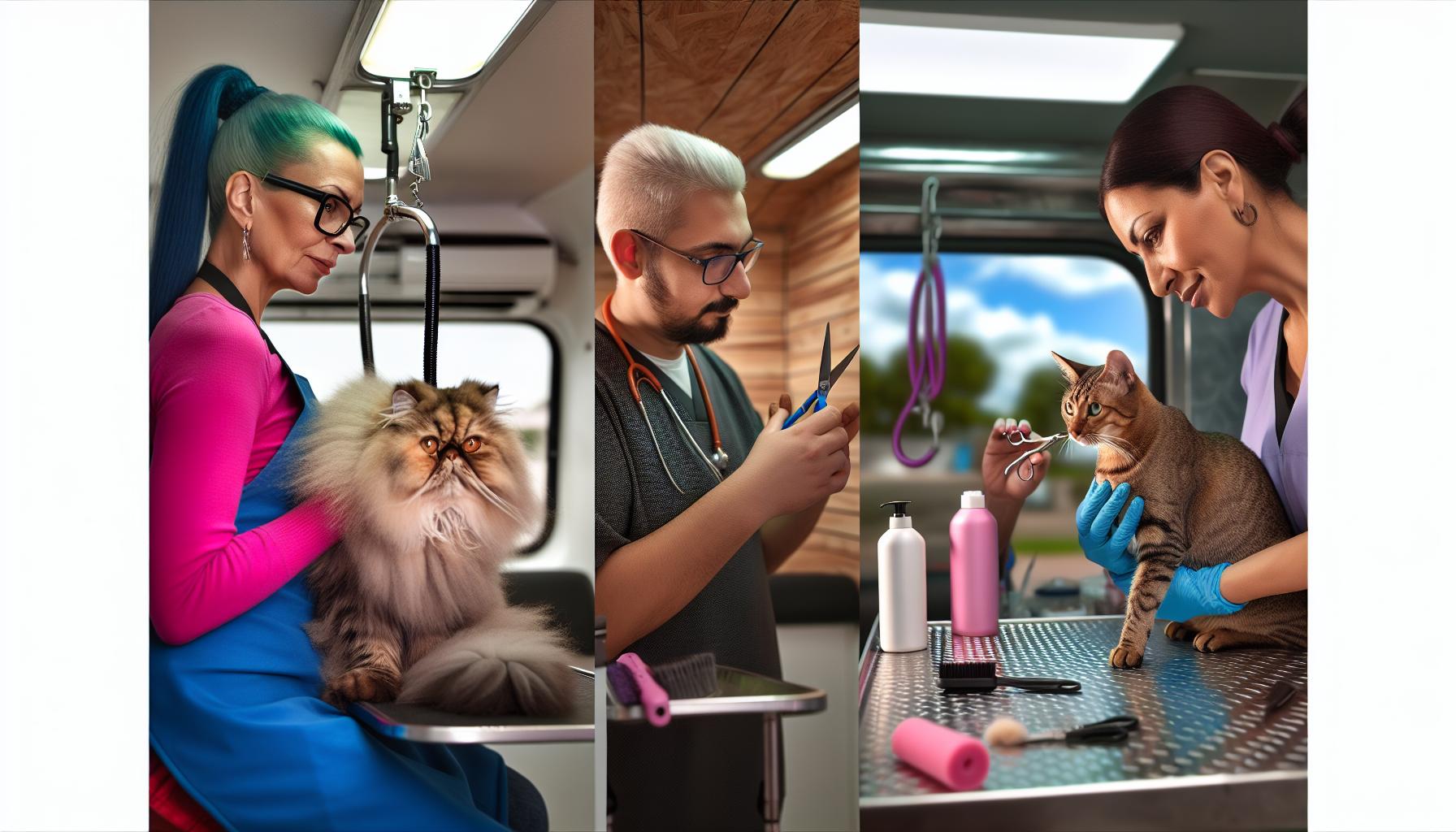
Many cat owners find themselves weighing the comfort and convenience of different grooming options to best suit their pet’s needs and temperament. Choosing between mobile groomers, full-service salons, or vet clinics for feline grooming often depends on your cat’s personality, the complexity of grooming required, and your own peace of mind. Each setting offers unique benefits-and understanding these differences can help you make confident, compassionate choices tailored to your furry friend’s wellbeing.
Mobile groomers bring the grooming experience right to your doorstep, minimizing stress for cats who dislike travel or unfamiliar places. This option is especially helpful for anxious or elderly cats, as the familiar home environment reduces anxiety triggers. Mobile groomers often come equipped with specialized tools for baths, dematting, nail trims, and ear cleaning, allowing them to offer comprehensive care without the upheaval of a trip. As these groomers work in a confined, quieter space, they tend to focus more on gentle handling and time-efficient grooming, which can be ideal for short-haired or moderately mat-prone cats. Keep in mind that mobile service prices may be slightly higher due to travel costs and personalized care, with typical nail trims priced around $10-$15 and full grooming packages between $65-$85 depending on coat condition[[1]].
In contrast, grooming salons provide a dedicated environment with extensive equipment, including larger tubs, drying stations, and dematting tools better suited for highly matted or thick-coated breeds like Persians or maine Coons. salons often offer a wider variety of services-from full haircuts to dental care-and can accommodate cats requiring longer or more intricate grooming sessions. The communal setting may be less ideal for nervous or easily stressed cats, so ensuring your cat’s temperament aligns with a salon visit is essential. However, salons typically have multiple groomers, allowing for flexible scheduling and sometimes package deals that combine baths, trims, and nail care starting around $73-$95[[2]].
Vet clinics add another layer of reassurance for cats with special medical needs or delicate health conditions. Grooming performed by or under veterinarian supervision is ideal when your cat requires gentle anesthesia or pain management during grooming,such as when dealing with severe matted fur causing discomfort or skin irritations. Clinics can also provide immediate medical attention if grooming reveals underlying issues, like infections or skin allergies. While vet clinics tend to charge more, their professional approach ensures grooming is safely integrated into your cat’s health plan, eliminating delays between grooming and veterinary care.
Key factors to Consider When Choosing
- Cat’s stress Level: Mobile grooming is best for cats anxious about travel or unfamiliar environments.
- coat Type and Grooming Needs: Salons excel with complex grooming (e.g., dematting thick fur) thanks to larger spaces and specialized tools.
- Health Concerns: Vet clinics are essential for medically fragile cats or if grooming tasks may expose health issues.
- Cost and Convenience: Mobile services may be pricier but save time and reduce stress, salons offer variety and versatility, vets provide medical oversight at a premium.
For example, a Bengal with a short, dense coat and calm demeanor might thrive with a mobile groomer for routine baths and nail trims. Meanwhile, a Persian battling severe mats might require salon expertise for a full haircut, or vet intervention if mats are causing pain. By assessing your cat’s specific breed, coat condition, temperament, and health, you can choose the grooming setting that prioritizes their comfort without compromising care.
Ultimately, no matter where you choose to groom your cat, compassion and safety should guide every decision. Open communication with groomers or veterinary staff about your cat’s history and sensitivities ensures the best possible experience. When handled with patience, kindness, and expertise, grooming appointments become a gentle ritual of wellness, not a source of stress.
Learn more about mobile and salon pricing and services[[1]]and explore grooming service options at salons[[2]].
Q&A
Q: How can seasonal changes affect the cost of cat grooming services?
A: Seasonal changes can impact cat grooming prices due to fluctuating demand. For example, grooming might potentially be more expensive in spring and summer when cats shed heavily and owners seek extra baths and trims. planning visits during off-peak seasons can sometimes save money.Learn more in our Tips to Save Money on Cat Grooming section.
Q: What should I expect from a professional cat grooming consultation?
A: A professional cat grooming consultation typically includes a health and coat condition assessment, discussion of your cat’s specific needs, and a personalized grooming plan.this service may come at an additional cost but ensures tailored care based on breed, coat type, and temperament. See Signs Your Cat Needs Professional Grooming Assistance for more guidance.
Q: Why do some cat groomers charge more for mobile services than in-salon grooming?
A: Mobile cat groomers often charge higher fees due to travel time, equipment transport, and personalized at-home care. This convenience can reduce your cat’s stress and saves you a trip. Costs vary regionally, so compare local options via our Where to Find Trusted Cat Groomers Near You section for best value.
Q: How do health conditions in cats influence grooming costs?
A: Cats with health issues such as arthritis or skin sensitivities frequently enough require specialized grooming, which can increase the price due to needed extra care, slower handling, or vet collaboration. Always mention any health concerns before booking, and review our Understanding additional Fees section for related cost insights.
Q: What are the benefits of regular professional nail trims compared to DIY, and does it affect overall grooming costs?
A: Professional nail trims are safer and reduce the risk of injury, especially for uncooperative cats. Scheduling regular trims can prevent painful overgrowth and decrease the need for costly emergency care. Regular upkeep might lower comprehensive grooming sessions, balancing overall expenses-see DIY vs. Professional Grooming for more details.
Q: How does the cat’s age impact grooming frequency and cost?
A: Older cats may need gentler, more frequent grooming to manage decreased self-care and sensitive skin, potentially increasing grooming expenses. However, consistent grooming supports comfort and health, possibly preventing costly vet visits. Explore How Often Should You Groom Your Cat Professionally? for age-specific advice.
Q: Can tips or gratuities for cat groomers impact your total grooming cost?
A: Tipping is optional but appreciated by groomers, generally around 15-20% of the service cost.Including a tip supports groomers who provide compassionate, attentive care but is not mandatory. Factor tips into your budgeting if you wont to reward excellent service, as covered in our Tips to Save Money on Cat Grooming section.
Q: What payment options and packages might reduce the cost of regular feline grooming?
A: Many groomers offer payment plans or discounted grooming packages for regular visits,which can lower your overall costs. Booking consistent appointments may save money and maintain your cat’s wellness.Check for available subscriptions or loyalty programs under Tips to Save money on Cat grooming Without Compromising Care.
For a deeper dive into these topics, explore our full article sections to ensure your cat receives the best grooming care tailored to their unique needs!
Key Takeaways
Understanding the true costs of cat grooming helps you plan the best care tailored to your feline friend’s breed, coat type, and temperament-whether it’s a quick nail trim or a full groom that keeps their coat healthy and comfortable. Remember, safety and patience always come first, and professional groomers offer peace of mind with expert handling and advice. If you’re curious about DIY grooming tips, check out our guide on safe home grooming techniques, or explore the differences between vet care and professional grooming to ensure your cat’s well-being.Ready to take the next step? Browse our pet grooming services page to find trusted local groomers who specialize in cat care, or subscribe to our newsletter for regular updates on feline health and grooming essentials. Don’t hesitate to leave your questions or share your grooming stories in the comments-connecting with fellow cat lovers helps build a supportive community. For more on keeping your pet happy and healthy, dive into articles on choosing the right grooming tools or managing long-haired cat coats at home. Your cat deserves gentle, expert care, and we’re here to guide you every step of the way.
Get our latest guides, news, and insights highlighted in your Google Search & AI Overviews.
Keep reading about the same coat and cut.
Popular grooming guides
Bath vs clip, first grooms, and salon how-tos.