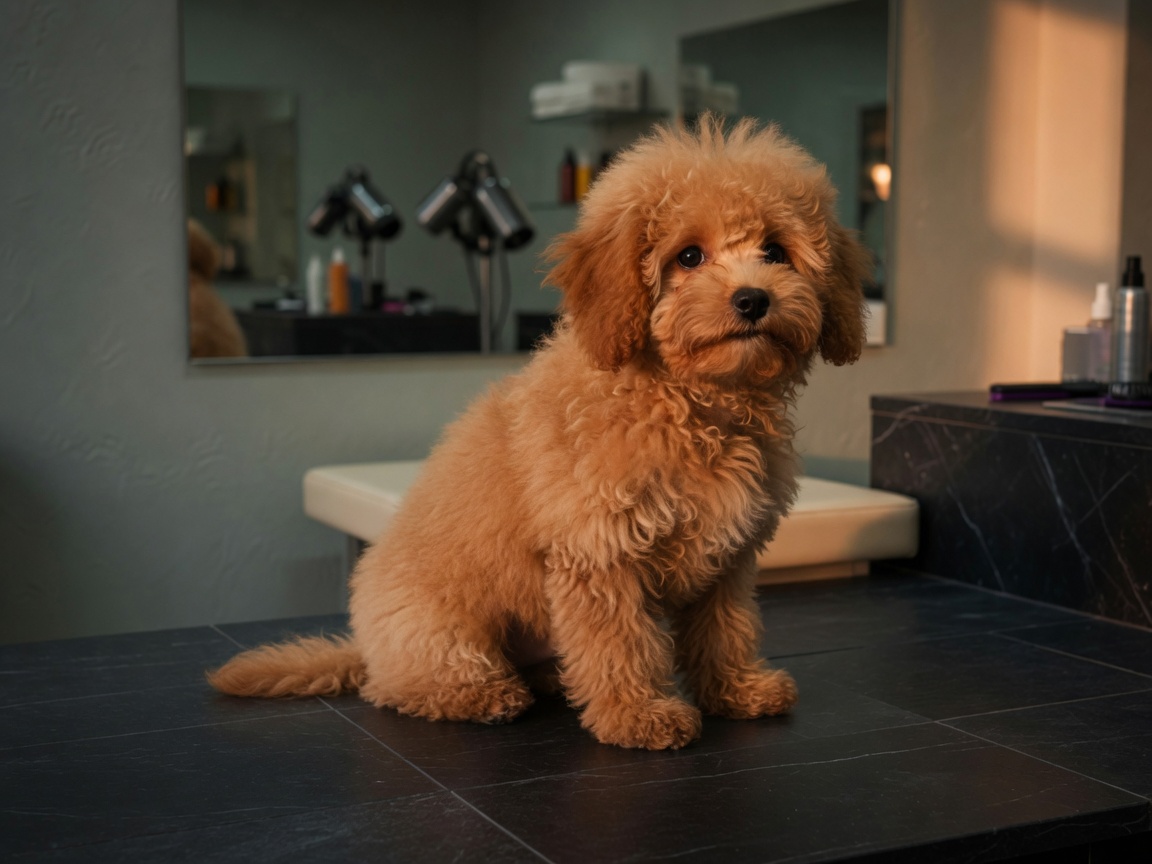
What is groomers lung?

  • Date: June 26, 2026
  • Time to read: 6 min.

What Is Groomer’s Lung? Symptoms, Risks, and Prevention Guide

Quick Answer: What is groomers lung? It is an occupational respiratory condition—often presenting as hypersensitivity pneumonitis or occupational asthma—caused by chronically inhaling microscopic pet dander, hair splinters, and nail dust. Prevention requires industrial-grade HEPA filters, proper N95 masks, and excellent salon ventilation.

What is groomers lung, you might wonder when first entering the pet grooming industry or setting up your own salon? It is a serious and potentially debilitating occupational disease that targets the respiratory system of dedicated pet care professionals. Every day, pet groomers operate in an environment flooded with invisible airborne hazards: aerosolized shampoos, fine hair splinters, and massive amounts of dander. If left unchecked, inhaling dog hair risks not only your immediate comfort but your long-term lung health, turning a passion for pets into a dangerous career.

Understanding this condition is the first step toward safeguarding your health. The daily grind of bathing, clipping, and particularly high-velocity blow drying sends millions of particulate matter directly into your breathing zone. Without robust grooming salon ventilation and proper PPE, you are highly susceptible to developing chronic respiratory issues over the span of just a few years.

The Science: Hypersensitivity Pneumonitis & Occupational Asthma

In medical terms, the condition is often categorized under hypersensitivity pneumonitis pet groomers develop due to chronic exposure. When a pet groomer breathes in microscopic dander, dried saliva, and tiny, sharp hair fragments, the immune system detects these foreign bodies and triggers a severe inflammatory response. This inflammation occurs deep within the respiratory system, specifically in the alveoli (air sacs) of the lungs.

Over time, repeated inflammation can lead to irreversible pulmonary fibrosis (lung scarring). Additionally, many groomers develop occupational asthma grooming pets. This is characterized by the sudden narrowing of airways, leading to wheezing and severe shortness of breath during or immediately after work shifts. It is not merely a seasonal allergy; it is a progressive, occupation-induced deterioration of lung tissue.

Diagram illustrating how a mask filters pet dander to protect the respiratory system

A detailed infographic outlining groomer's lung symptoms such as chest tightness and chronic fatigue

Recognizing Early Groomer’s Lung Symptoms

Catching the signs early is vital. Unfortunately, many groomer’s lung symptoms mimic those of common respiratory infections, asthma, or general allergies, leading many professionals to dismiss them until irreversible damage has occurred. Watch out for these critical warning signs:

  • Persistent, Dry Cough: A nagging cough that worsens during your shift, particularly during the blow-drying phase.
  • Chest Tightness & Wheezing: Feeling as though a heavy weight is on your chest, accompanied by audible wheezing when exhaling.
  • Shortness of Breath (Dyspnea): Difficulty catching your breath, even during minor physical exertion like restraining a dog.
  • Chronic Fatigue: Unexplained exhaustion stemming from decreased oxygen exchange in your compromised respiratory system.
  • Frequent Respiratory Infections: Recurrent bouts of bronchitis or pneumonia, as the damaged lungs struggle to clear out bacteria.

OSHA Guidelines and Workers’ Compensation

As a pet grooming professional, you have specific rights under OSHA (Occupational Safety and Health Administration). OSHA mandates that employers are legally obligated to provide a safe working environment, which strictly includes the mitigation of hazardous airborne particulates. Grooming salon owners must maintain an up-to-date hazard communication standard, especially when using aerosolized chemical sprays alongside biological hazards like dander.

Crucially, workers’ compensation considerations for grooming salon employees come into play if you are diagnosed with occupational asthma or hypersensitivity pneumonitis. If a physician links your lung disease directly to workplace exposure, you may be entitled to coverage for your medical treatments and compensation for lost wages. Employers are strongly advised to enforce mandatory respirator policies and log any respiratory complaints to avoid significant legal liability and protect their staff.


Preventing Groomers Lung: Advanced Air Quality Control

Preventing groomers lung requires a multi-layered approach to air quality. Relying on open windows or standard HVAC systems is insufficient. Your primary objective must be removing airborne hazards before they reach your respiratory system.

Grooming Salon Ventilation and CADR Calculations

A high-quality HEPA filter is non-negotiable. However, many groomers purchase underpowered units. To ensure safety, you must perform specific CADR (Clean Air Delivery Rate) calculations for HEPA filters based on standard salon sizes.

For a standard salon to remain safe, it requires at least 4 to 6 Air Changes per Hour (ACH). Here is a practical formula to determine the CADR you need:

  • Step 1: Find Room Volume. Multiply Length x Width x Height. (Example: 20ft x 15ft x 10ft = 3,000 cubic feet).
  • Step 2: Target ACH. For high-particulate grooming, aim for 5 ACH. Multiply volume by ACH (3,000 x 5 = 15,000 cubic feet per hour).
  • Step 3: Convert to Minutes. Divide by 60 to get your target CADR in CFM (Cubic Feet per Minute). (15,000 / 60 = 250 CADR).

In this scenario, your salon requires an air purifier with a CADR rating of 250 or higher to effectively mitigate inhaling dog hair risks and keep the ambient air breathable.

Masks and Respirators: N95 vs. KN95 vs. Surgical

Air purifiers clean the ambient space, but source-level protection during high-velocity blowouts requires high-quality respirators. Let’s look at the comparison between N95, KN95, and standard surgical masks specifically for hair splinter penetration:

  • Surgical Masks: Designed to catch droplets from the wearer, they fit loosely and leave massive gaps around the cheeks and nose. Micro-fine hair splinters easily bypass these edges, making them practically useless for preventing groomer’s lung.
  • KN95 Masks: While the filtration material is capable of catching 95% of particulates, KN95s utilize ear loops. Ear loops cannot generate the tension required to maintain a perfect seal when a groomer is actively moving, talking, or wrangling a dog.
  • N95 Mask: The gold standard. Authentic N95 respirators feature dual head straps that create a rigorous, airtight seal against the face. This seal is absolutely essential to prevent microscopic dander and tiny, aerodynamic hair splinters from entering the mask. For the highest tier of protection, a half-face elastomeric respirator equipped with P100 cartridges is highly recommended.

Holistic Management: Lung-Clearing Exercises and Salon Plants

In addition to strict mechanical filtration and PPE usage, a comprehensive approach to health should include holistic management. Many veteran groomers swear by specific lung-clearing exercises to naturally expel mucus and trapped debris. The “Huff Cough” technique—taking a deep breath and forcefully exhaling through an open mouth while saying “huff”—helps dislodge particulates trapped in the upper airways. Diaphragmatic breathing exercises can also strengthen lung capacity over time.

Furthermore, you can improve the aesthetic and air quality of your workspace by incorporating air-purifying salon plants. While plants will not filter out dog hair, species like the Spider Plant, Snake Plant (Sansevieria), and English Ivy excel at absorbing Volatile Organic Compounds (VOCs) emitted by grooming chemicals, shampoos, and cleaning supplies. These natural purifiers help reduce the overall toxic load on your respiratory system.

Conclusion: Protect Your Health to Protect Their Pets

To enjoy a long, fulfilling career in the pet grooming industry, you cannot afford to ignore the realities of groomer’s lung. The risks of occupational asthma and hypersensitivity pneumonitis are very real. By combining a properly fitted N95 mask, an adequately sized HEPA filter (based on accurate CADR calculations), and strict grooming salon ventilation protocols, you dramatically reduce your risk. Listen to your body, recognize the early symptoms, and take proactive steps to breathe easy for years to come.

Leave a Reply

Your email address will not be published. Required fields are marked *

Why does my cat reach out and touch me with his paw?

Previous Post

Why does my cat reach out and touch me with his paw?

Next Post

How do you keep Pomeranian fur shiny?

How do you keep Pomeranian fur shiny?