What medicine can I give my cat for hyperesthesia?
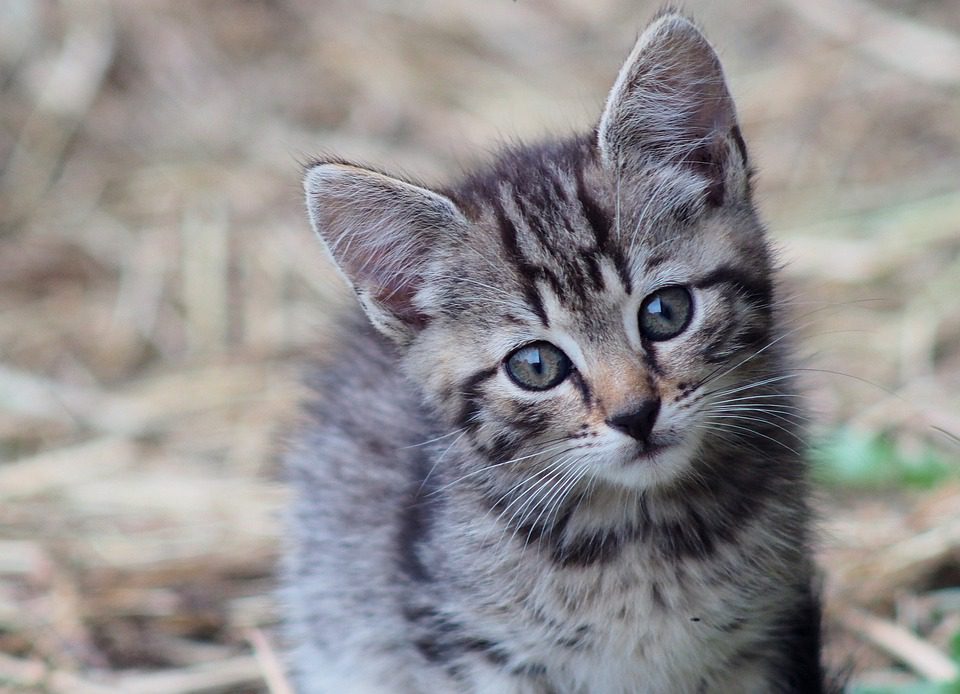
If your cat has been displaying signs of hyperesthesia, it can be a worrying time for any pet parent. Hyperesthesia is an intense sensitivity to touch and can cause a cat to feel itchy and uncomfortable. Fortunately, there are a range of medications and treatments available to help cats with this condition. In this article, we will explore what medicine can be given to a cat with hyperesthesia, so that you can choose the best option for your furry friend.
What is Hyperesthesia Syndrome in Cats?
Table of Contents
Hyperesthesia syndrome, also known as twitch-skin syndrome or feline hyperesthesia, is a neurological disorder that affects cats. It is characterized by persistent excessive grooming, twitching of the skin, and sensitivity to the touch. Cat owners may notice their cats exhibiting strange behavior such as biting their fur, licking excessively, and even rolling on the floor. The disorder can be caused by a variety of factors, including a virus, allergies, or stress.
Signs and Symptoms of Hyperesthesia Syndrome in Cats
The most common sign of hyperesthesia syndrome in cats is excessive grooming. Cats may lick, bite, or chew their fur in an attempt to relieve the discomfort. Cats may also be sensitive to the touch and may twitch or arch their back when petted or touched. Other signs may include vocalizing, dilated pupils, and twitching of the tail.
Diagnosing Hyperesthesia Syndrome in Cats
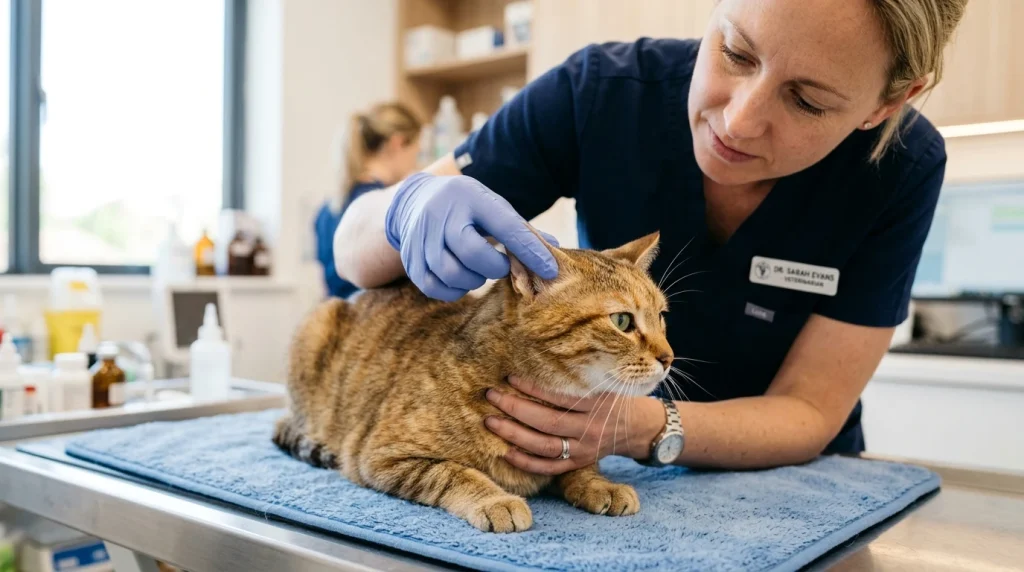
In order to diagnose hyperesthesia syndrome in cats, your veterinarian will conduct a thorough physical examination and take a detailed medical history. They may also perform blood tests, urine tests, and imaging tests such as X-rays or an ultrasound to rule out other possible causes of the symptoms.
Treating Hyperesthesia Syndrome in Cats
The goal of treatment for hyperesthesia syndrome in cats is to reduce the symptoms and improve the cat’s quality of life. This may be achieved through medication, environmental modifications, and behavior modification.
Medication
Medication is often used to treat hyperesthesia syndrome in cats. Anti-anxiety medications such as clomipramine or fluoxetine may be prescribed to reduce anxiety and help the cat cope with the symptoms. Other medications such as gabapentin or amitriptyline may be used to reduce the sensitivity to the touch.
Environmental Modifications
Environmental modifications can be beneficial in reducing the symptoms of hyperesthesia syndrome in cats. It is important to provide the cat with a quiet, stress-free environment. Ensure that the cat has access to a litter box, food, and water. Provide the cat with plenty of toys, scratching posts, and resting areas.
Behavior Modification
Behavior modification is an important part of treatment for hyperesthesia syndrome in cats. It is important to avoid punishing the cat for their behavior, as this may increase their anxiety and make the symptoms worse. Instead, positive reinforcement can be used to reward the cat for desired behaviors.
Preventing Hyperesthesia Syndrome in Cats
The best way to prevent hyperesthesia syndrome in cats is to provide a safe and stress-free environment for your cat. Ensure that the cat has plenty of toys, scratching posts, and resting areas. Regular veterinary checkups are also important to ensure that any underlying medical conditions are caught and treated early.
## Common Myths about Giving Medicine to Cats for Hyperesthesia
1. It is safe to give cats human medicine for hyperesthesia – False. Human medicine can be harmful or even fatal to cats. Cat medication should be prescribed and given by a veterinarian.
2. Cats can be treated for hyperesthesia at home – False. Hyperesthesia is a complicated condition that requires medical attention and often needs to be treated with multiple medications.
3. Hyperesthesia is a rare condition – False. Hyperesthesia is a fairly common condition in cats, and can be caused by a variety of factors, such as stress, infection, or trauma.
Frequently Asked Questions
Can I give my cat human medication?
No. You should not give your cat any human medication, including over-the-counter (OTC) medicine, without consulting your veterinarian first. OTC medications can be harmful to cats because cats metabolize drugs differently than humans.
What medicine can I give my cat for hyperesthesia?
Your veterinarian may prescribe medications such as gabapentin, amitriptyline, or fluoxetine to help with the symptoms of hyperesthesia. These medications can help reduce the behavior associated with hyperesthesia, such as self-mutilation and excessive grooming. Your veterinarian may also suggest additional treatments such as physical therapy or behavior modification.
Conclusion
Hyperesthesia Syndrome is a neurological disorder that affects cats, causing excessive grooming and sensitivity to touch. Diagnosis is made after a physical examination and a medical history. Treatment includes medication, environmental modifications, and behavior modification. To prevent the disorder, provide a safe and stress-free environment, and keep up with regular veterinary checkups.
Get our latest guides, news, and insights highlighted in your Google Search & AI Overviews.
Keep reading about the same coat and cut.


Popular grooming guides
Bath vs clip, first grooms, and salon how-tos.