Why is my cat itching like crazy?
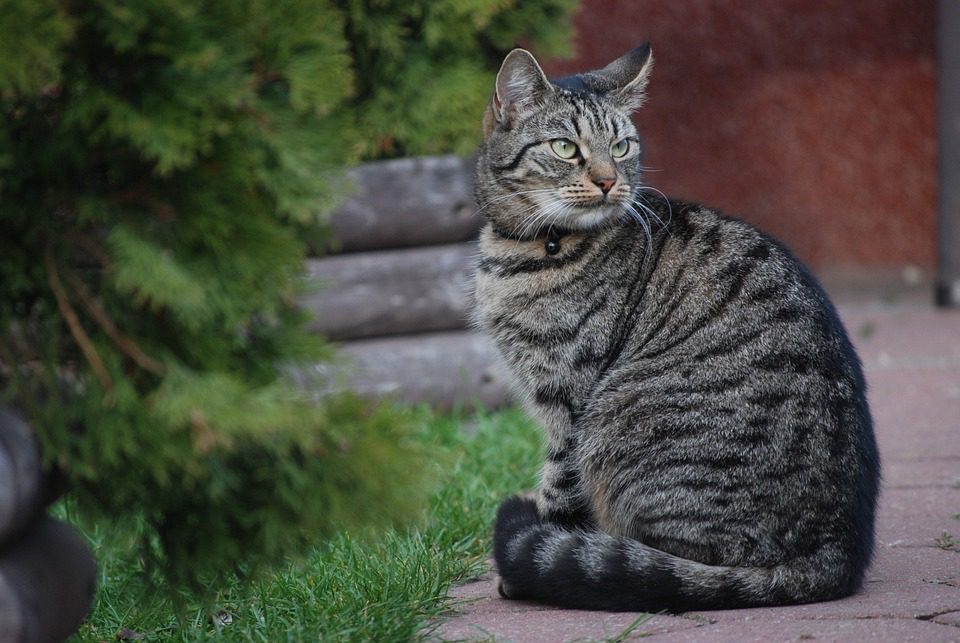
If you’ve noticed your cat itching like crazy, it can be concerning and confusing. Itching can be caused by a number of medical and environmental factors, so it’s important to identify the root cause and treat it appropriately. This article will explore the possible causes of your cat’s itching, how you can identify the problem, and how to provide your cat with the best possible treatment and relief.
Itching as a Common Sign of Feline Skin Disease
Table of Contents
When cats itch like crazy, it can be a symptom of a wide range of skin diseases. From flea infestations to allergies, cats can suffer from a variety of skin conditions that cause excessive itching. Understanding the potential causes and exploring possible treatments can help you determine the cause of your cat’s itching and provide the best possible relief.
Allergies
Skin allergies are one of the most common causes of excessive itching in cats. Allergies can be triggered by environmental allergens like pollen, dust mites, and mold, as well as contact allergens like fabric dyes, flea collars, and other chemicals. In some cases, food allergies may also be to blame. Cats may itch in response to any of these allergens, and the intensity of the itching may vary depending on the severity of the allergy.
Fleas
Fleas are one of the most common causes of itchy skin in cats, and they can cause extreme discomfort. If your cat is being constantly bitten by fleas, it can cause serious itching and inflammation. Flea infestations can spread quickly and cause a variety of other symptoms, including hair loss, scabs, and even anemia. To prevent flea infestations, make sure to keep your cat on a regular flea preventative treatment.
Parasites
Parasites such as mites and ticks can also cause severe itching in cats. These parasites feed on the skin and can cause intense irritation. In some cases, the parasites may even be visible on the surface of the skin, and their presence can be confirmed through a skin scraping or blood test. To treat parasites, your cat may need to be treated with a topical or oral medication.
Bacterial and Fungal Infections
Bacterial and fungal infections can also cause intense itching in cats. Bacterial infections typically cause redness and swelling, while fungal infections can lead to scaly, flaky skin. To diagnose and treat these types of infections, your cat may need to be tested for bacterial or fungal cultures. In some cases, antibiotics or antifungal medications may be necessary to treat these infections.
Stress and Anxiety
Stress and anxiety can also cause cats to itch excessively. If your cat is dealing with a stressful situation, such as a move or the introduction of a new pet, they may start to itch as a way to cope. To reduce stress and anxiety, provide your cat with a comfortable environment and plenty of mental stimulation. You can also try using pheromone diffusers or calming supplements to help keep your cat calm and relaxed.
Treating Your Cat’s Itching
Once you have determined the cause of your cat’s itching, you can begin to treat the underlying issue. If your cat is suffering from allergies, you may need to make changes to their diet or introduce an allergen-free environment. If your cat has parasites or a bacterial or fungal infection, your veterinarian may prescribe topical or oral medications. For stress and anxiety, try using pheromone diffusers or calming supplements to reduce your cat’s stress levels.
No matter what is causing your cat’s itching, it’s important to take action as soon as possible. Left untreated, itching can cause serious skin problems and can even lead to infection. If your cat’s itching persists despite your efforts, talk to your veterinarian to determine the best course of treatment.
## Common Myths About Cat Itching
Myth: Itching is caused by fleas.
Fact: While fleas may be a cause of itching in cats, they are not the only cause. Other potential causes may include allergies, parasites, infections, skin diseases, or even stress.
Myth: Itching is normal in cats.
Fact: While some itching is normal for cats, excessive scratching and itching can point to an underlying health issue that needs to be addressed.
Myth: Cats with itchy skin need a bath.
Fact: While baths can be beneficial for cats with itchy skin, they are not always necessary. Depending on the cause of the itching, baths may not be the best solution. It is best to consult a vet for advice on how to best treat your cat’s itchy skin.
Frequently Asked Questions
Why is my Cat Itching Like Crazy?
Answer: Itching is a common symptom that can be caused by a variety of conditions, such as fleas, allergies, skin irritations, or even stress. It’s important to identify the underlying cause of the itching in order to treat it. Your vet can help you determine the cause and the best course of action.
What Can I Do to Stop My Cat From Itching?
Answer: Depending on the cause of the itching, your vet may recommend treatments such as flea preventatives, anti-allergy medications, or topical medications to alleviate skin irritations. If the cause is stress-related, you may need to work with your vet to find ways to keep your cat calm and relaxed.
Conclusion
.
Excessive itching in cats can be a symptom of various skin conditions, such as allergies, flea infestations, parasites, bacterial and fungal infections, or stress and anxiety. To determine the cause of your cat’s itching, it is important to observe your pet and explore possible treatments. Allergies can be triggered by environmental or contact allergens. Flea infestations need to be prevented with regular flea treatment. Parasites, bacterial and fungal infections can be treated with topical or oral medications. Stress and anxiety can be alleviated with pheromone diffusers and calming supplements. If the itching persists, it is important to consult with a veterinarian for further treatment.
Get our latest guides, news, and insights highlighted in your Google Search & AI Overviews.
Keep reading about the same coat and cut.



Popular grooming guides
Bath vs clip, first grooms, and salon how-tos.