Why Do Groomers Cover Dog’s Ears When Blow Drying?
Did you know that blow dryers can be surprisingly loud and uncomfortable for dogs? That’s why many groomers cover a dog’s ears during drying-to protect sensitive hearing from noise and prevent irritation. Understanding this simple yet vital step helps nervous pet parents feel more confident and ensures our furry friends stay calm, safe, and stress-free throughout their grooming experience. Whether your dog has delicate ears or is anxious around sounds, ear covering provides a gentle barrier that combines comfort wiht care. Ready to discover how this small practise makes a big difference in your dog’s well-being? Let’s dive into why ear protection is key during blow drying and how it supports your pup’s overall grooming health.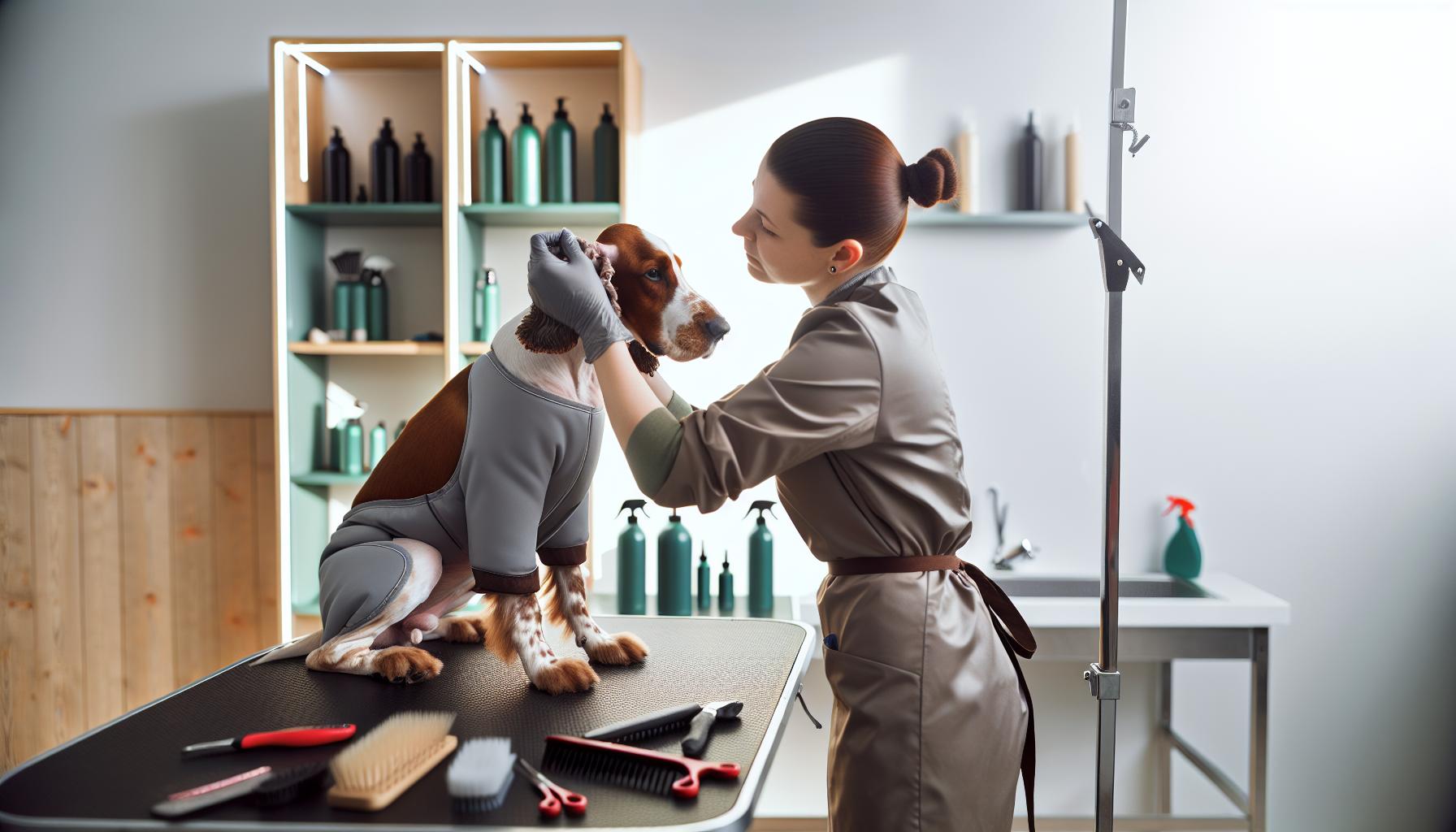
Why Groomers Cover Dog’s Ears: Key Reasons Explained
Table of Contents
- 1 Why Groomers Cover Dog’s Ears: Key Reasons Explained
- 2 Protecting Sensitive Ear Tissue During Blow Drying
- 3 How covering Ears Prevents Noise Stress in Dogs
- 4 Choosing the Right Ear Covers for Different Coat Types
- 5 Step-by-Step Guide to Safely Covering Ears Before Drying
- 6 Common Mistakes When Handling Dog Ears in Grooming
- 7 Signs your Dog Needs Extra Ear Protection When Groomed
- 8 Comparing Ear Protection: DIY vs. Professional groomers
- 9 Veterinary Insights on Ear Health and Grooming Safety
- 10 Troubleshooting Ear Discomfort During Blow Drying
- 11 Calming Anxious Dogs While Drying Their Coat and Ears
- 12 Frequently Asked Questions
- 13 To Conclude
Few parts of a dog’s body require as much gentle care during grooming as the ears. Groomers frequently enough cover a dog’s ears before blow drying, not just as a safety precaution, but as these delicate structures are highly sensitive to heat, noise, and touch.The ears are composed of thin skin and sensitive cartilage that can easily become irritated or overheated. Covering them helps prevent discomfort, injuries, and even infections that might arise when hot air or coarse brushing directly hits the ear canal and surrounding tissue.
additionally,many dogs find the loud noise of a blow dryer stressful,especially breeds with heightened noise sensitivity,such as Border Collies or Afghan Hounds. Using ear covers provides a calming barrier against harsh sounds, reducing anxiety and making the drying process smoother and less traumatic. From gentle terriers with fine coats to larger breeds with thick fur like Newfoundlands, addressing ear protection is essential, as excessive drying or accidental water in the ears can compromise ear health.
Key Reasons for Covering Dog Ears During blow Drying
- Protects Sensitive Ear Tissue: Shields delicate skin and cartilage from hot air blasts and rough brushing that can cause irritation or burns.
- Reduces Noise Stress: Dampens the loud dryer noises that easily unsettle noise-sensitive or anxious dogs, promoting a calmer grooming experience.
- Prevents Water entry: Stops excess moisture and hair from entering the ear canal, decreasing risk of infections such as otitis.
- Minimizes Excessive Hair Frizz: Helps keep ear hair neat and less prone to tangling or breakage during drying.
- Improves Grooming efficiency: Allows groomers to safely focus on drying and styling the coat without causing discomfort or distress.
For example, a groomer working with a Cavalier King Charles Spaniel, known for its floppy ears prone to infections, will always cover the ears before drying to avoid pushing water deep inside or overheating the thin tissue. Similarly, dogs with erect ears, such as German Shepherds, benefit from protection against direct heat that can cause redness or irritation. covering the ears is a small step that reassures the dog while safeguarding one of its most vulnerable areas-combining safety and compassion every time we use the blow dryer.
Protecting Sensitive Ear Tissue During Blow Drying
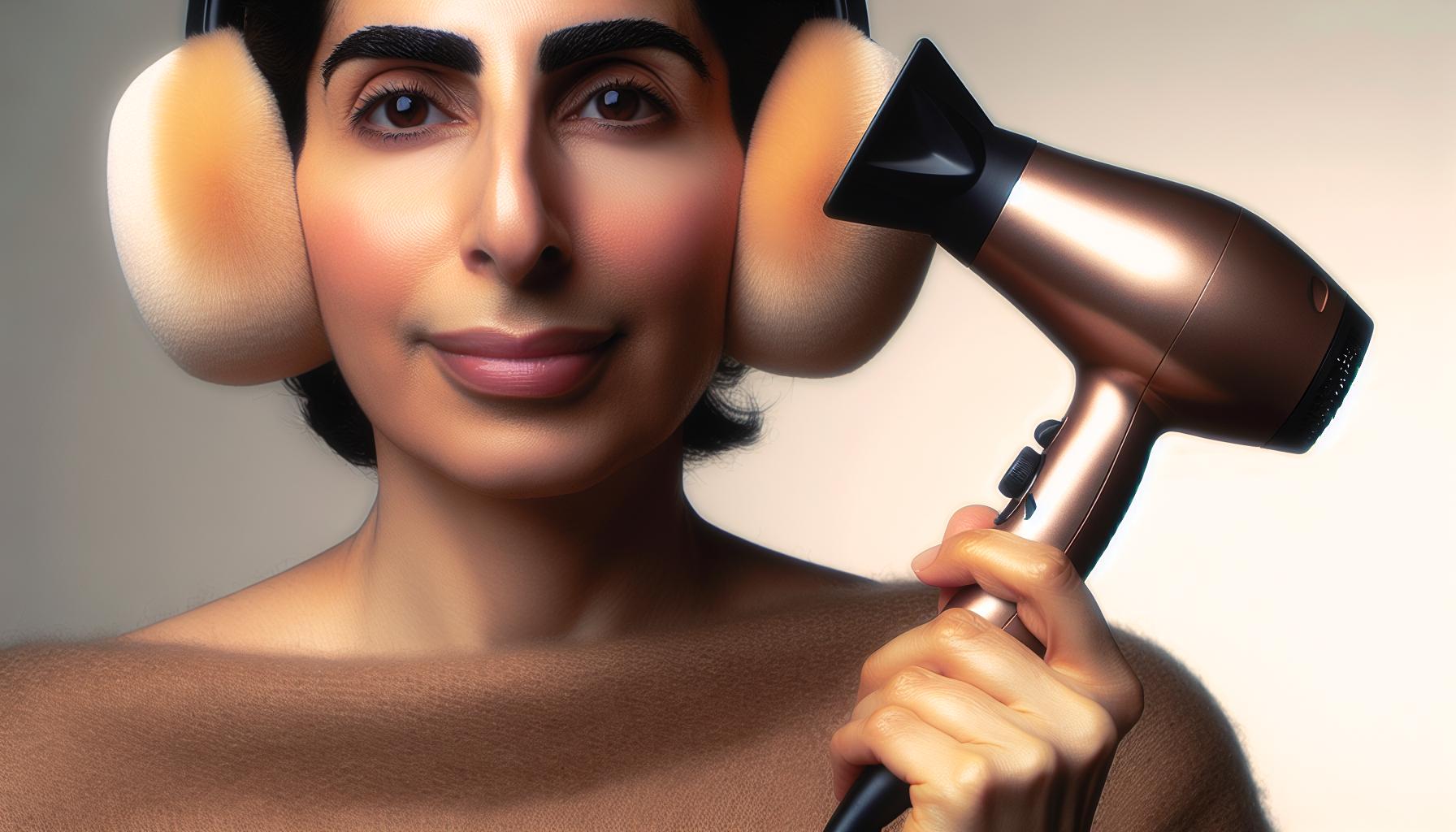
Many dog owners don’t realize just how delicate a dog’s ears truly are during grooming. The thin skin and sensitive cartilage that form the ear’s structure are highly vulnerable to heat and rough handling, especially when a blow dryer is involved. Direct exposure to hot air not only risks burning or drying out these tissues but can also cause redness, irritation, or even small abrasions that lead to discomfort or secondary infections. This is especially true for breeds with floppy ears like Cocker Spaniels or Basset Hounds, whose ear canals can trap moisture easily, creating a warm environment ripe for bacteria and yeast.
Building a protective barrier using soft,breathable ear covers shields the ear from these hazards,allowing the groomer to focus on drying without compromising comfort. for example, a groomer working with a Shetland Sheepdog - whose fine, double coat requires careful drying – can avoid accidentally overheating the ears by gently securing cushioned wraps that block hot airflow while still allowing air circulation. this not only preserves the ear’s health but also helps prevent the common problem of flared or dry patches around the ear edges,a sign that the skin’s natural oils are being stripped away.
Practical Tips for Protecting Your Dog’s Ears during Blow Drying
- Choose appropriate ear covers: Look for noise-cancelling, padded covers that fit snugly but comfortably without pressing tightly. Cover types vary by breed and coat density.
- keep dryer heat moderate: Use a low to medium heat setting on your blow dryer to reduce the risk of burns or irritation.
- Monitor your dog’s response: Watch for signs such as ear redness, head shaking, or frequent scratching – all indicators your furry friend might be uncomfortable.
- Limit dry time per ear: Avoid prolonged direct airflow; gently move the dryer and periodically check that ears stay comfortable and are not overheating.
Understanding these subtleties is key for groomers and owners alike. Protecting a dog’s ears is not just about avoiding a superficial burn-it’s about respecting one of their most sensitive zones and ensuring every grooming session builds trust, not stress. When owners see their dog calm and relaxed under safe ear protection, it’s a reassuring sign that compassion and expertise are working hand-in-paw.
How covering Ears Prevents Noise Stress in Dogs
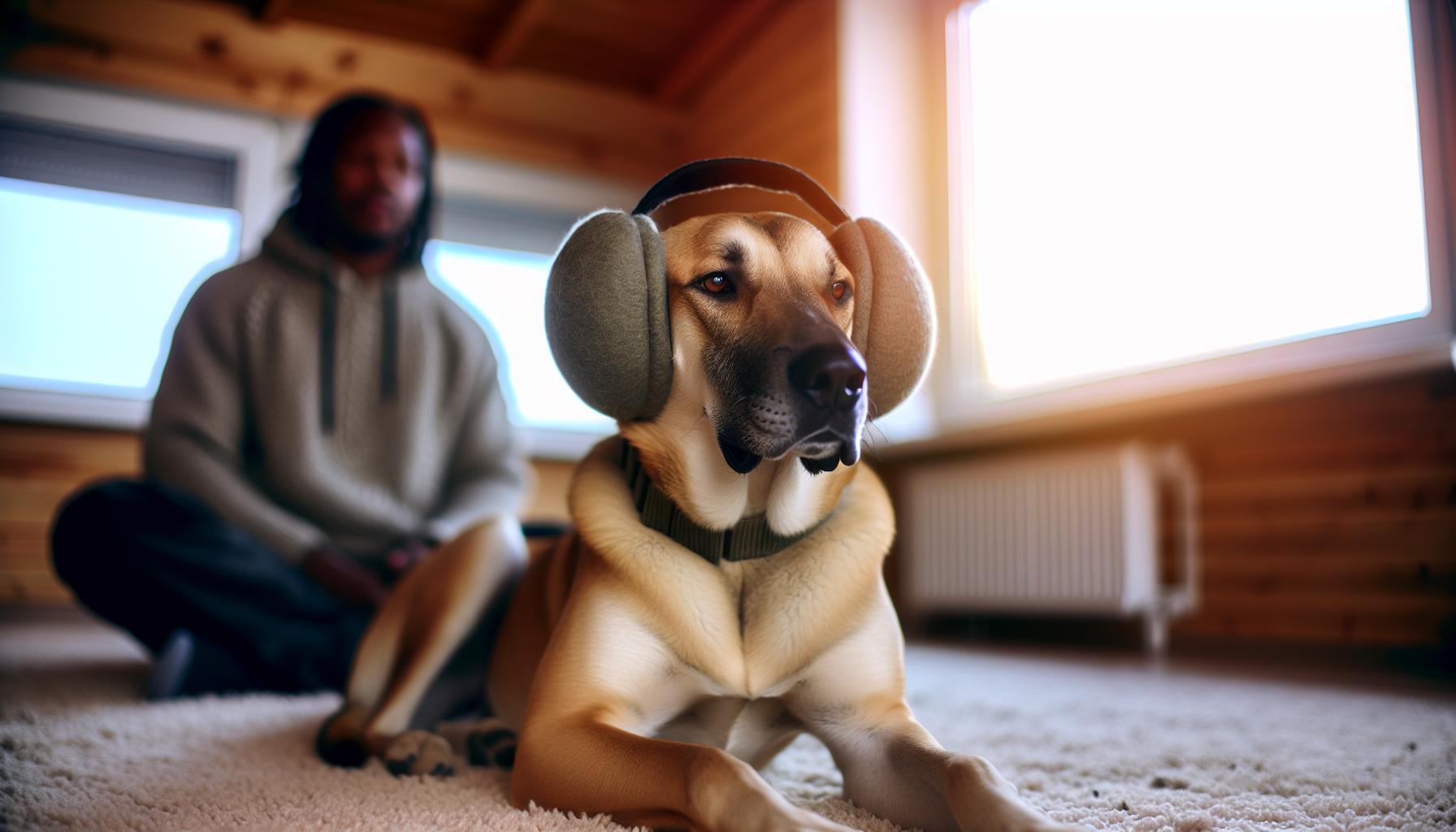
Many dogs find the sound of a blow dryer startling or overwhelming.Their sensitive hearing picks up the high-pitched whirring and fluctuating noise in a way that can quickly escalate from curiosity to stress or even fear. Covering their ears with soft,cushioned wraps acts like a gentle sound buffer,muffling the intensity and reducing the overall noise exposure. This simple intervention helps prevent anxiety-driven behaviors such as trembling, whining, or trying to escape, making the grooming experience calmer and safer for both pet and groomer.
Certain breeds and individual dogs are especially noise sensitive-think of small terriers with fine coat textures or older dogs with heightened anxiety. In these cases, earmuffs designed specifically for dogs can be a game changer.They not only block out loud triggers like the blow dryer but also soothe thru a gentle, comforting pressure around the ears, akin to a reassuring hug. Many groomers use these to create a serene environment, giving the dog a moment to relax before continuing grooming without rushing or force. It’s worth noting that a noise buffer is also vital for dogs with sound phobias triggered by everyday household noises, such as vacuum cleaners or hairdryers during grooming.
Practical Tips to Ease Noise Sensitivity During Grooming
- Start slow and create positive associations: Before drying, let your dog hear the dryer at a low volume while offering treats or gentle praise.
- Select appropriate ear covers: Opt for lightweight, breathable covers or earmuffs made for dogs to avoid overheating or discomfort.
- Monitor your dog’s body language: Signs like ears pinned back, panting, or restless movement indicate it’s time to pause or adjust.
- Combine covers with soothing techniques: Soft massages or calming pheromone sprays alongside ear protection can significantly reduce stress.
Many groomers successfully incorporate noise-cancelling ear protection products in their routine, especially when working with noise-reactive dogs or breeds with delicate ears prone to damage from stress-induced scratching. If you notice your dog becomes especially agitated or fearful during drying despite ear covering, it’s wise to consult a veterinarian or a professional trainer with experience in noise reactivity to tailor a management plan. Remember, the goal is always to prioritize your dog’s emotional well-being alongside their physical grooming needs.
Investing a little time and thoughtful planning to soften the sound of grooming tools can transform the entire experience. Dogs who once dreaded the blow dryer may learn to tolerate it with minimal fuss, turning grooming sessions into trusting moments of care.
Choosing the Right Ear Covers for Different Coat Types
It’s often surprising to pet owners just how varied dog ears and coats can be-and this diversity plays a big role in choosing the right ear covers during grooming. Just as we consider different drying techniques or brushes for a silky coat versus a thick double coat, ear covers need to match the coat type and ear shape to ensure comfort, protection, and effectiveness.For dogs with fine or short coats-like terriers or short-haired breeds-lightweight, breathable ear covers work best. These dogs tend to overheat easily, so ear covers that allow air circulation while still muffling noise and protecting from heat are ideal. Materials like soft mesh or thin cotton blends strike the perfect balance. For example, a West Highland White Terrier might tolerate a simple fabric ear wrap that doesn’t trap heat but cushions against the dryer’s forceful airflow.
In contrast, breeds with dense, double coats-think Siberian Huskies or Golden Retrievers-often require a bit more insulation around their ears to block out the harsher blowing air and to prevent moisture from getting trapped inside the ear canal. Ear covers with a slightly padded lining can provide gentle warmth and reduce irritation from drying tools, while also muffling sound. Though, careful monitoring is essential here, as these dogs can get warm quickly; breathable materials remain vital to prevent discomfort.
Tailoring Ear Covers to Specific Needs
- Long, floppy ears: Breeds like Cocker Spaniels or Basset Hounds benefit from ear covers that fully encompass and gently hold the ear to prevent tangles and heat buildup during drying.
- Large, upright ears: German Shepherds or Belgian Malinois may require ear covers designed with more structure or adjustable straps to ensure a secure but comfortable fit without pressing to hard on sensitive areas.
- Hairy ears with potential for matting: Poodles and other curly-coated dogs need covers that protect fine ear hair from becoming dry and brittle. Soft fabric covers or even lightweight rubberized wraps can help shield this delicate hair from direct heat.
Practical Tips for Selection
- Choose ear covers that fit snugly but don’t constrict; avoiding pressure points is key to preventing agitation.
- Look for moisture-wicking fabrics when managing dogs prone to ear infections, especially if ears get wet during bathing.
- Test with short sessions first-some dogs may shake off or try to remove unfamiliar coverage, so introducing the ear wraps gradually can build tolerance.
Owners who enjoy DIY solutions should proceed cautiously. Homemade ear covers can work well for short periods but may lack the softness, breathability, or noise-muffling properties that professionally designed dog earmuffs offer. When in doubt, consulting a groomer or vet about the best ear protection tailored to your dog’s breed and coat can save headaches and keep grooming a positive experience.
Ultimately, the best ear covers combine thoughtful design with your dog’s unique ears and coat in mind. Prioritizing comfort and safety ensures your dog walks away calm, cozy, and happy-not just looking great but genuinely cared for beneath every fluff and fold.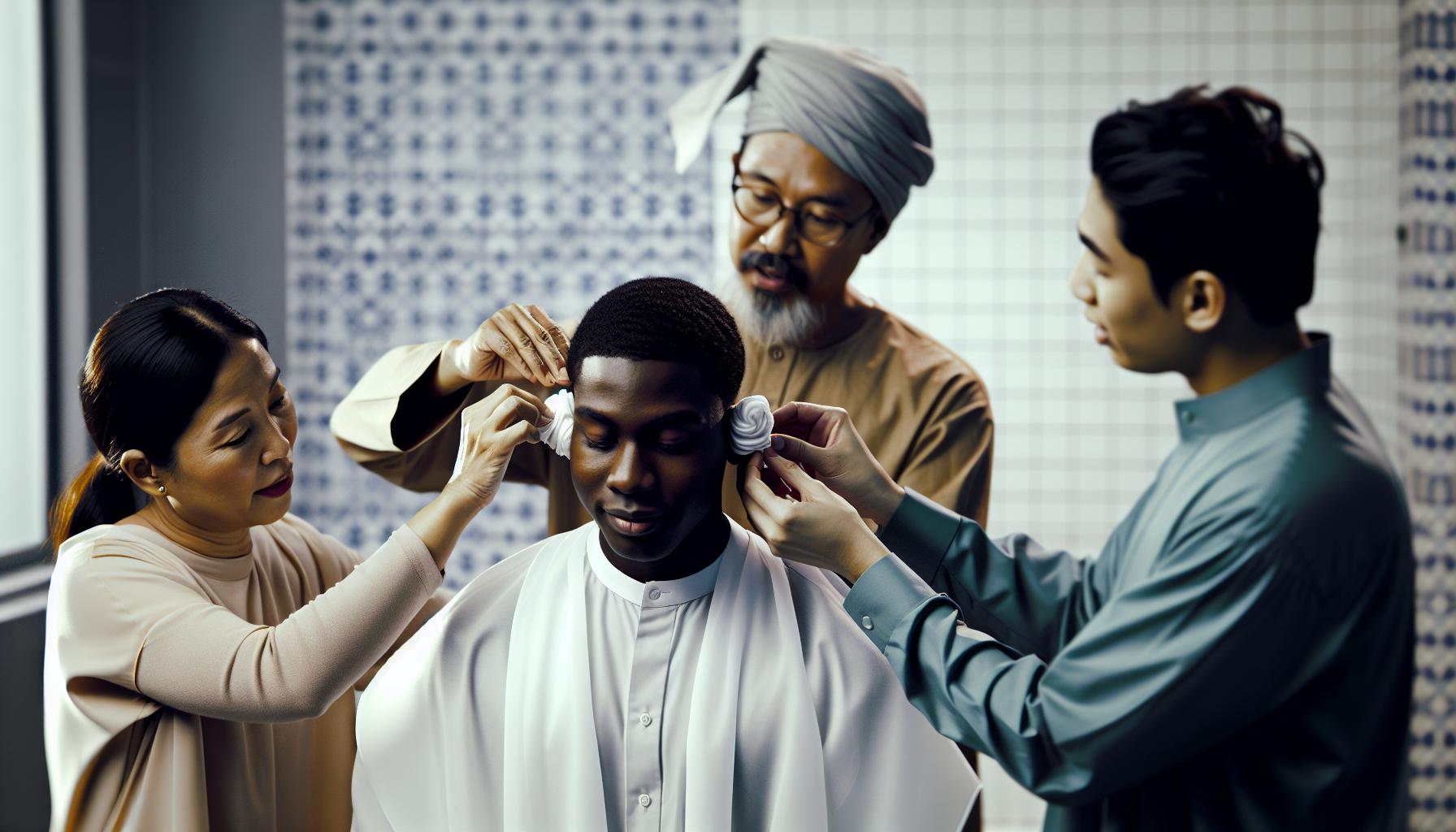
Step-by-Step Guide to Safely Covering Ears Before Drying
covering your dog’s ears before blow drying isn’t just a grooming extra-it’s a key step that protects sensitive ear tissue from heat, moisture, and loud noise.Many dogs, especially those with floppy ears or fine ear hair, can find the drying process stressful or even uncomfortable without added protection. The good news? With a gentle touch and the right approach, you can make this part of grooming simple, safe, and soothing for your furry friend.
Start by selecting ear covers suited to your dog’s breed and coat. For example, lightweight, breathable ear wraps work best for short-coated breeds like terriers, while padded, moisture-wicking covers suit dogs with dense, double coats such as Golden Retrievers or Huskies. have the ear covers ready before bath time, so your dog becomes familiar with them and you can smoothly transition from washing to drying.
step 1: Prepare and Calm Your Dog
- Create a calm environment: Use a quiet, warm space to reduce anxiety. Speak softly and pet your dog to reinforce comfort.
- Inspect ears first: Gently check for any redness,swelling,or debris. If you notice anything unusual, consult your vet before proceeding.
- Introduce ear covers gradually: Let your dog sniff and explore the ear covers. Practice placing them loosely over the ears without securing to build acceptance.
Step 2: Position and Secure the Ear Covers
- Fit the covers carefully: Ensure your dog’s ears are laying naturally inside the covers without folding or bunching. for floppy ears, fully encompass them; for upright ears, position the cover comfortably without pressure.
- Check for snugness without tightness: Use adjustable straps or elastic bands that hold the covers in place but do not constrict circulation or cause discomfort.
- Observe your dog’s reaction: watch for signs of agitation-if your dog scratches or tries to shake off the covers, pause, soothe, and try again more slowly.
Step 3: Proceed with Blow Drying
- Use low to medium heat: Keep the dryer moving constantly to avoid hot spots. Ear covers act as a buffer but don’t rely on them solely for heat protection.
- Monitor cycles in short bursts: Dry in intervals,giving your dog a break to prevent overheating or distress.
- Maintain gentle handling: Continue to reassure your dog with calm praise or treats to create positive associations.
Troubleshooting Tips
- If the ear covers slip frequently, check that size is correct and that straps are secure but comfortable.
- for dogs with fine ear hair prone to matting, consider softer or padded covers to reduce friction under the drying airflow.
- Dogs with noise sensitivity may benefit from ear covers with noise-muffling properties to reduce anxiety during the noisy drying process.
Remember, grooming is a bonding experience-approach ear covering with patience and kindness. If your dog resists or shows discomfort despite your best efforts,seek advice from a professional groomer or your veterinarian. They can suggest alternatives tailored to your dog’s unique needs or verify that the ears are healthy enough for safe drying. Creating a calm, safe drying routine with properly applied ear protection will not only keep your dog’s ears healthy but also make the entire grooming session more enjoyable for everyone involved.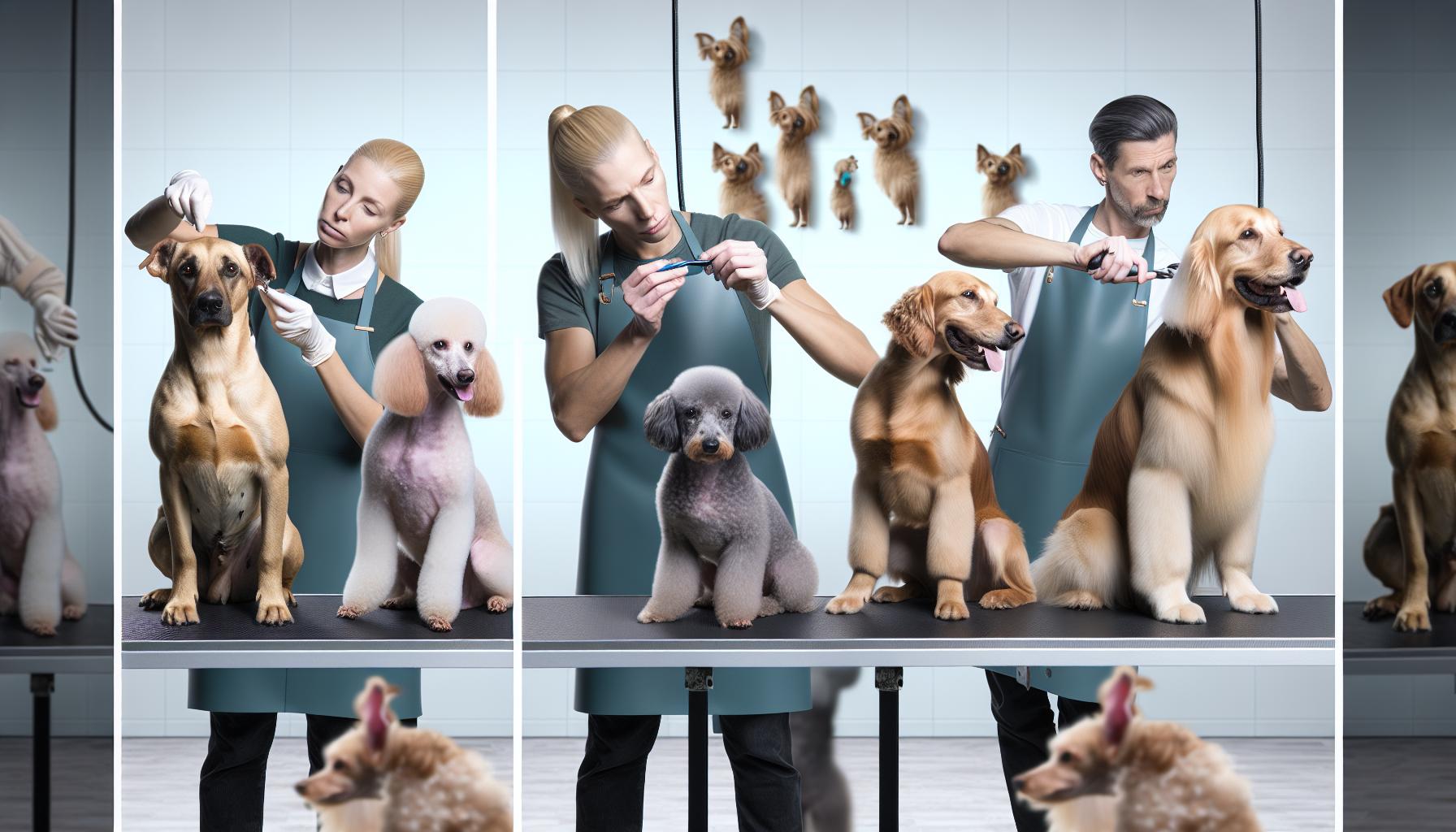
Common Mistakes When Handling Dog Ears in Grooming
It’s surprisingly easy to unintentionally cause discomfort or even harm when handling a dog’s ears during grooming, especially if you’re not aware of their delicate nature. Many pet owners and even some groomers underestimate how sensitive the ear tissue is, leading to common pitfalls that can make the grooming experience stressful for your furry friend. Understanding these missteps helps you avoid them and ensures both safety and calm during drying and cleaning.
One frequent mistake is pulling or twisting the ear too harshly while trying to secure protective covers or clean debris. Dog ears-particularly floppy or fine-haired ones-need to be handled with gentle, slow movements. For example, if you grab and tug while fitting ear wraps quickly, your dog might flinch or resist, associating grooming with discomfort. Instead, introduce ear protection gradually and use soft hands to guide ears into position, which helps build trust and acceptance.
Another error is neglecting to inspect the ears before drying or protecting them. Groomers sometimes skip checking for redness, scaling, or irritation, which can worsen if exposed to heat or moisture. If you notice any inflammation or matting around ear hair, it’s best to pause and seek veterinary advice rather then risk causing pain or infections through drying.Also, dogs with matted ear hair often require careful trimming rather than rough shaving or tugging, as improper handling can injure the ear flap [[2]](https://www.facebook.com/groups/ThoughtsofDog/posts/563351091138258/).
Over-tightening ear covers is another common issue. While it’s important that the covers stay in place during blow drying, straps that are too tight can constrict blood flow or irritate the skin. A good rule of thumb: the cover should feel secure but never tight enough to cause redness or leave impressions. if your dog paws at or shakes off the cover repeatedly, it’s a sign to loosen it or try a different style that fits the ear shape better.
Lastly, rushing through the drying process without breaks or not adjusting heat settings can contribute to ear sensitivity and anxiety. Using high heat close to the ears or drying without intervals increases the chance of overheating the tissue and exacerbating ear discomfort. Remember,ear covers provide some protection but aren’t a complete shield-keep the dryer moving,use lower heat,and pause periodically while comforting your dog to create a positive experience.
Helpful Tips to Avoid Common Handling Mistakes
- Always inspect ears first: Look for irritation or matting and adjust grooming based on your dog’s ear health.
- Introduce ear covers slowly: Let your dog sniff and become comfortable with them before fitting them fully.
- Use gentle, deliberate movements: Avoid tugging or folding ears unnaturally while placing covers or cleaning.
- Check cover fit carefully: Should be snug,not tight,allowing natural ear position and circulation.
- Dry on low heat with intervals: Keep dryer moving and pause frequently to prevent ear tissue stress.
- Watch your dog’s body language: Signs of irritation or anxiety mean slow the pace and offer reassurance.
By prioritizing your dog’s comfort and ear health, you transform grooming from a potential struggle into a bonding moment filled with calm and care. When in doubt about ear issues or best practices, don’t hesitate to consult a professional groomer or veterinarian who can guide you towards safe and compassionate ear handling tailored for your dog’s breed and coat type [[1]](https://www.facebook.com/groups/I.Have.Standards/posts/5519961301376556/). Remember, every dog is unique, and with patience and knowledge, ear care during grooming can be a stress-free part of your routine.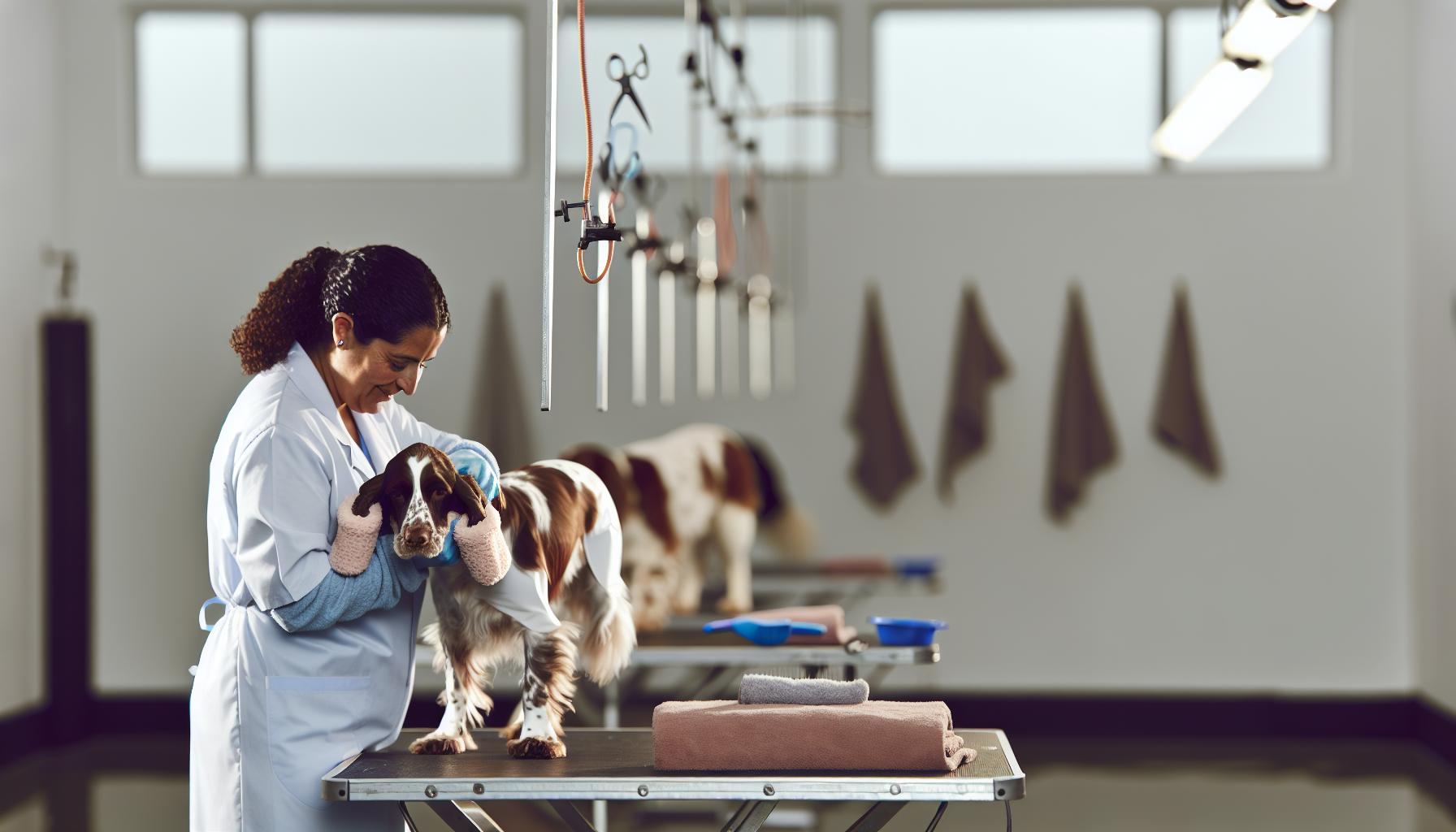
Signs your Dog Needs Extra Ear Protection When Groomed
Many dogs display subtle signs that signal a need for extra care around their ears during grooming-especially when it comes to blow drying. Paying close attention to these cues can make a huge difference in keeping your furry friend’s grooming experience safe and comfortable. For example, dogs with naturally floppy ears, like Cocker Spaniels and Basset Hounds, often have more delicate ear tissue that’s sensitive to both heat and noise. similarly, breeds with heavy ear coats, such as Poodles or Maltese, can trap moisture and heat more easily, which increases the risk of irritation or infection if their ears aren’t properly protected.
Beyond breed and coat type, individual behavior offers vital clues. If your dog frequently shakes their head, paws at the ears during or right after grooming, or seems unusually restless or anxious when the dryer comes near, these are red flags that their ears need added protection. Some dogs may even flinch or pull away when the dryer’s noise vibrates too close to their ears-a clear signal that covering the ears can help reduce sound stress and prevent discomfort. Paying attention to these behavioral signs shows empathy and respect for your dog’s well-being during a perhaps overwhelming process.
Practical Indicators to Watch For
- visible redness or irritation: Look for pinkness or swelling around the ear flap or canal, which can worsen with heat exposure.
- Excessive ear hair or matting: Thick or matted hair traps moisture and heat, making ear covers more critically important to avoid discomfort.
- Older dogs or those with prior ear infections: These pets often have heightened sensitivity and benefit from extra shielding.
- Noise-sensitive behaviors: If your dog startles or whines around blow dryers,earmuffs or soft ear covers can ease anxiety.
Veterinarians and professional groomers alike agree: when in doubt, providing appropriate ear protection is a kind choice that prioritizes comfort over speed or appearance. It’s also important to remember that some signs of discomfort can be subtle. To illustrate, I’ve had clients whose usually calm pomeranians suddenly became super fidgety during drying-not because of the dryer itself, but because the ear covers initially were too tight or unfamiliar.After adjusting the fit and using a slow, gentle introduction, those dogs relaxed and even seemed to enjoy the process.
when Extra steps Are needed
Consider these pointers when deciding to use ear protection: examination before grooming should always include a gentle ear check. If you notice scratching or any discharge prior to a bath,consult your vet before proceeding. Dogs with thick coats around their ears should have hair carefully trimmed or thinned to ensure ear covers fit well without causing pressure points or overheating. For dogs new to ear covers, gradual acclimation-such as short “practice” wear times followed by positive reinforcement-helps build tolerance.
recognizing the signs your dog needs more ear protection doesn’t just prevent physical harm; it also makes grooming a nurturing ritual instead of a stressful chore. By staying alert to your dog’s unique needs and offering thoughtful adjustments, you pave the way for healthier ears and a happier pet every grooming day. If you want professional ear protection options designed specifically for dogs, look into reputable earmuffs and ear covers that combine comfort with noise reduction and heat shielding [[1]](https://www.rexspecs.com/products/ear-pro?srsltid=AfmBOoqDUHszNkH837m_BNFRzJ2-0YePis_nCtyWDPMOsOHC5fmLiFU0), [[3]](https://www.whole-dog-journal.com/lifestyle/dog-ear-muffs-provide-hearing-protection/).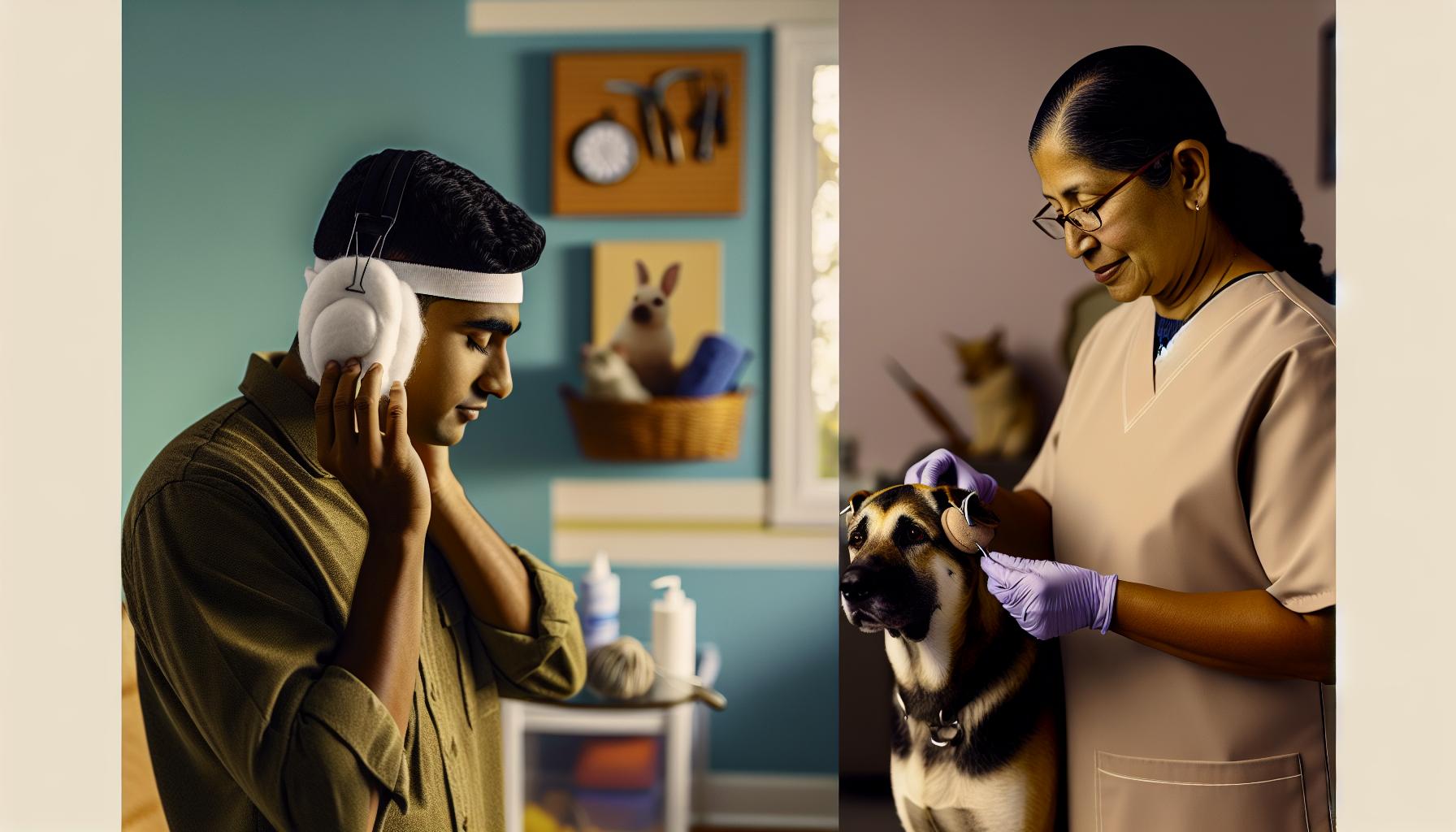
Comparing Ear Protection: DIY vs. Professional groomers
Many pet owners wonder whether they should protect their dog’s ears during drying at home or leave it to professional groomers who use specialized ear covers. the truth is, both approaches have their benefits and challenges, and understanding the differences can definitely help you make the best choice for your dog’s comfort and safety. Groomers often use purpose-built ear protectors designed to reduce noise and shield delicate ear tissue from heat and wind while drying, which can be especially important for noise-sensitive or floppy-eared breeds.
DIY Ear Protection: Simple, accessible, but Requires Caution
At home, owners might opt for homemade solutions like soft cloth wraps or lightweight dog hoodies to cover ears during drying. These options are generally easy and inexpensive, making them appealing for routine use. Though, caution is key: DIY ear covers frequently enough lack proper fit and noise reduction features. For example, thick or poorly secured scarves can cause pressure points, trap heat, or slip off easily, which may stress the dog more than help. If your dog has a thick coat or sensitive ears (like cocker Spaniels or Maltese), homemade covers may not provide enough protection or airflow, risking discomfort or infection.
- Pro tip: Keep ear covers lightly fitted and avoid tight bindings to prevent irritation.
- Check frequently that the material isn’t trapping moisture or causing overheating.
- Always supervise your dog during drying to ensure the covers stay properly positioned.
Professional Groomers Use Specialized Tools for Ear Safety
Experienced groomers typically have access to specialized ear protection such as padded earmuffs or soft fabric ear wraps designed specifically for dogs. These are made to reduce loud dryer noise-a known stressor-and provide a cushion against dry air flow that can irritate ear canals. They come in various sizes and shapes, adjustable for different breeds and coat types. For instance, noise-sensitive dogs or those with prior ear infections benefit hugely from these targeted protections since they combine heat shielding with sound dampening.
professionals also know how to introduce ear covers gradually, ensuring dogs feel safe and relaxed. They monitor signs of discomfort and adjust ear covers or drying techniques accordingly. This knowledge reduces the risk of accidental injury or added anxiety. Furthermore, groomers can assess your dog’s individual needs-taking into account ear anatomy, skin health trends, and behavioral cues-that DIY attempts might miss.
| aspect | DIY ear Protection | Professional Groomer Ear Protection |
|---|---|---|
| customization | Basic fit, limited adjustment | Multiple sizes, shapes, and adjustable straps |
| Noise Reduction | Minimal to none | Advanced sound-dampening materials |
| Heat & Moisture Control | Variable, depends on materials used | Breathable, moisture-wicking fabrics |
| Expert Handling | Owner-dependent skills | Trained groomer experience |
| Ease of Use | Simple but requires supervision | Streamlined and integrated into grooming routine |
Finding the Best Approach for Your Dog
If you enjoy grooming your dog yourself and your pet is relatively calm, starting with gentle, simple ear covers can be a great first step. Always observe how your dog reacts-look for shaking, pawing, or signs of distress-and modify or remove the cover if needed.For breeds prone to ear infections, heavy ear coats, or those highly sensitive to sound, consulting a groomer who uses professional ear protection can save stress and health trouble down the line.
Remember: no matter who applies the ear covers, the goal is prioritizing comfort and safety over speed or aesthetics.For anxious dogs, pairing ear covers with slow desensitization through positive reinforcement helps build confidence around drying time. Encouraging a relaxed environment-soft voices, calm handling, and breaks during grooming-makes all the difference alongside good ear protection.
In essence, whether you choose DIY or professional solutions, understanding your dog’s unique needs and taking a compassionate, patient approach will ensure their ears stay healthy and happy during every grooming session. For reliable dog-specific ear protectors designed to reduce noise and shield sensitive ears, browsing professional-grade options online or through groomers is always a worthy investment [[1]](https://www.reddit.com/r/service_dogs/comments/177cq9i/recommendations_for_dog_ear_protection/), [[3]](https://www.whole-dog-journal.com/lifestyle/dog-ear-muffs-provide-hearing-protection/).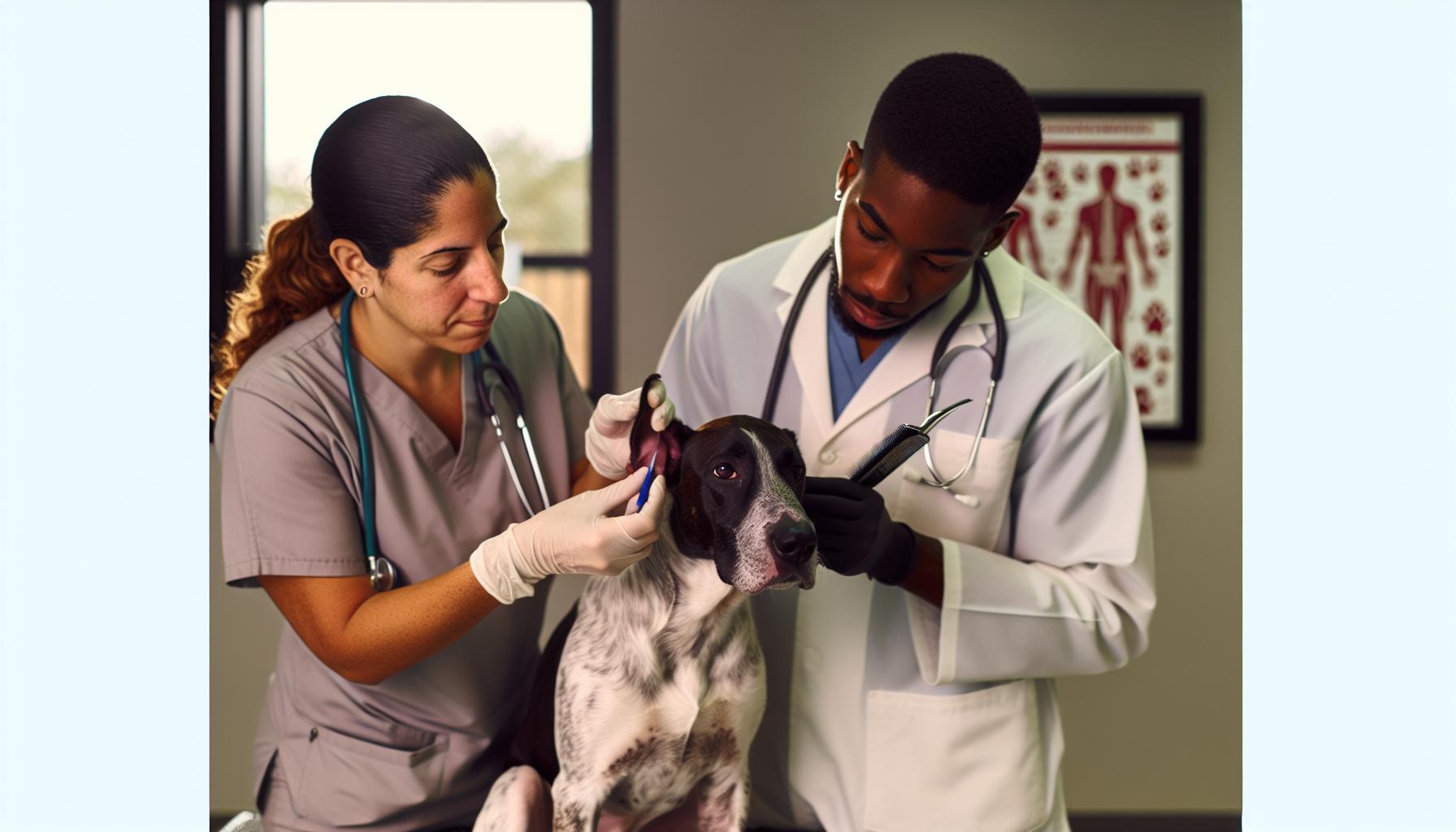
Veterinary Insights on Ear Health and Grooming Safety
It’s a little-known fact that a dog’s ears are among the most delicate and sensitive parts of their anatomy, easily impacted by environmental factors – including grooming routines. Veterinarians emphasize that while blow drying is a necessary part of grooming, extra care around the ears is crucial to prevent common issues like irritation, infections, and stress-related behaviors. The practice of covering a dog’s ears during blow drying isn’t just about noise reduction or keeping the ear hair tidy: it’s fundamentally about protecting the ear canal’s sensitive skin and maintaining overall ear health.
Understanding Ear Sensitivity and Common Risks
Dogs with floppy ears (like Cocker Spaniels, Basset Hounds, and Goldens) or those with thick ear hair are particularly vulnerable. The ear canal skin is thin and prone to dryness, which can be worsened by the hot air from a dryer. This dryness may lead to itching,cracking,or even secondary infections. Dogs with a history of ear infections or allergies require even more attentive care. Some breeds are genetically predisposed to produce more earwax or have narrower canals, increasing infection risk if moisture or irritants get trapped during grooming.
Veterinary Recommendations for Safe grooming Practices
Veterinary advice aligns closely with professional groomers’ approaches, advocating for a gentle technique that protects ear tissue from excessive heat and noise. Recommended best practices include:
- Use of ear covers: Soft, breathable ear wraps or padded earmuffs help shield the ear canal from hot air and dry winds generated by grooming dryers. These tools reduce irritation and prevent direct airflow that dries out or inflames the ear lining.
- Monitoring moisture build-up: Ears should be dried carefully but not oversaturated. Veterinarians advise periodic checking during drying for trapped moisture, which can become a breeding ground for bacteria.
- Noise sensitivity: loud blow dryers can cause stress-related behaviors or even vestibular (balance) disturbances in sensitive dogs. Ear covers that dampen sound help reduce stress, leading to a calmer grooming experience.
Practical Tips from a Vet and Groomer Viewpoint
For dog owners grooming at home, here’s a simple step-by-step to support ear health during drying:
- before drying, gently pat ears with a soft towel to remove surface moisture.
- Fit a loosely secured,vet-approved dog ear cover made of lightweight,breathable fabric designed to protect ears during drying.
- Use the blow dryer on a low heat and low speed setting, pointing the airflow away from the ear openings whenever possible.
- Keep sessions short and take breaks to watch for signs of discomfort such as ear shaking or pawing at the ears.
For dogs prone to chronic ear issues, veterinarians recommend consulting about specialized ear cleaners and protective gear, and possibly leaving grooming to professionals equipped with advanced ear protection tailored for canine anatomy.Remember, the goal is always to balance cleanliness with comfort and safety.
Vet insights reassure that prioritizing ear health during grooming isn’t just about preventing infections – it’s about fostering trust and calmness in every grooming session, which in turn promotes better long-term cooperation and wellbeing. When in doubt, seek your vet’s guidance on ear-friendly grooming products and methods to keep your dog’s ears-and their whole self-happy and healthy.
Troubleshooting Ear Discomfort During Blow Drying
It’s common for dogs to show signs of ear discomfort during blow drying, and understanding the root cause can make a huge difference in how you approach drying while maintaining your dog’s calm and comfort. Whether your pup is a floppy-eared Cocker Spaniel or a fluffy-coated Golden Retriever, their ear sensitivity can lead to behaviors like pawing, shaking their head, or backing away-all clear messages that something isn’t feeling right around their ears.
Identifying the Source of Ear Discomfort
One of the first things to check is whether the blow dryer’s heat or airflow is too intense near the ears. Dogs’ ear canals have very delicate skin that can easily become dry or irritated, especially if direct hot air is blown inside. For example, a Basset Hound with narrow ear canals may be more prone to irritation. You can try redirecting the air to avoid the ear openings or using a cooler, gentler airflow setting. If your dog has thick ear hair, moisture trapped underneath can also cause discomfort during drying-this is why ear covers that allow air circulation yet protect from direct blasts are invaluable.
Practical Steps to Soothe and Prevent Discomfort
- Pause and Reassess: At the first sign of ear-related fussiness, stop and give your dog a break. Use this time to gently pat around the ears with a soft towel, checking for moisture buildup or redness.
- Ear Cover Adaptations: Not all dogs tolerate ear covers immediately.Introduce these tools gradually, pairing them with positive reinforcement like treats or calm praise so your dog associates them with comfort rather than restriction.
- Check for Underlying Conditions: If discomfort persists beyond drying-like ongoing scratching or persistent redness-it’s wise to consult your veterinarian. Sometimes blow drying can expose or exacerbate undiagnosed ear infections or allergies that need professional treatment.
- Use Low Noise Options: Some dogs are sound sensitive, and the noise from dryers may heighten ear discomfort indirectly by causing stress. A dryer with quieter settings or specialized dog earmuffs designed to muffle noise can help tremendously.
When DIY Meets Professional Care
for owners grooming at home, remember that patience and observation are your best tools. If your dog’s ears are particularly sensitive or prone to issues,scheduling professional grooming with specialists trained in ear-friendly practices can provide both relief and peace of mind. Groomers experienced in ear protection will use industry-approved ear covers and techniques to prevent discomfort-something DIY methods may miss without proper guidance.Real-world example: A groomer once shared about a Golden Retriever with thick ear fur that constantly showed discomfort during drying.Switching to a soft, breathable ear wrap and using a low-heat dryer setting near the ears completely changed the dog’s behavior. Calm was restored, and grooming sessions became something the dog looked forward to rather than braced for.
Remember, your dog’s welfare is the priority. Approaching ear drying with empathy, mindful tools, and a gentle technique ensures each session is safe and soothing-not just for a lovely coat, but for the happiest ears too.
For additional protection ideas, using padded earmuffs or ear wraps designed specifically for dogs can be beneficial-they help shield from both noise and direct airflow, creating a buffer that prevents irritation and stress [[1]](https://www.reddit.com/r/service_dogs/comments/177cq9i/recommendations_for_dog_ear_protection/), [[3]](https://www.whole-dog-journal.com/lifestyle/dog-ear-muffs-provide-hearing-protection/).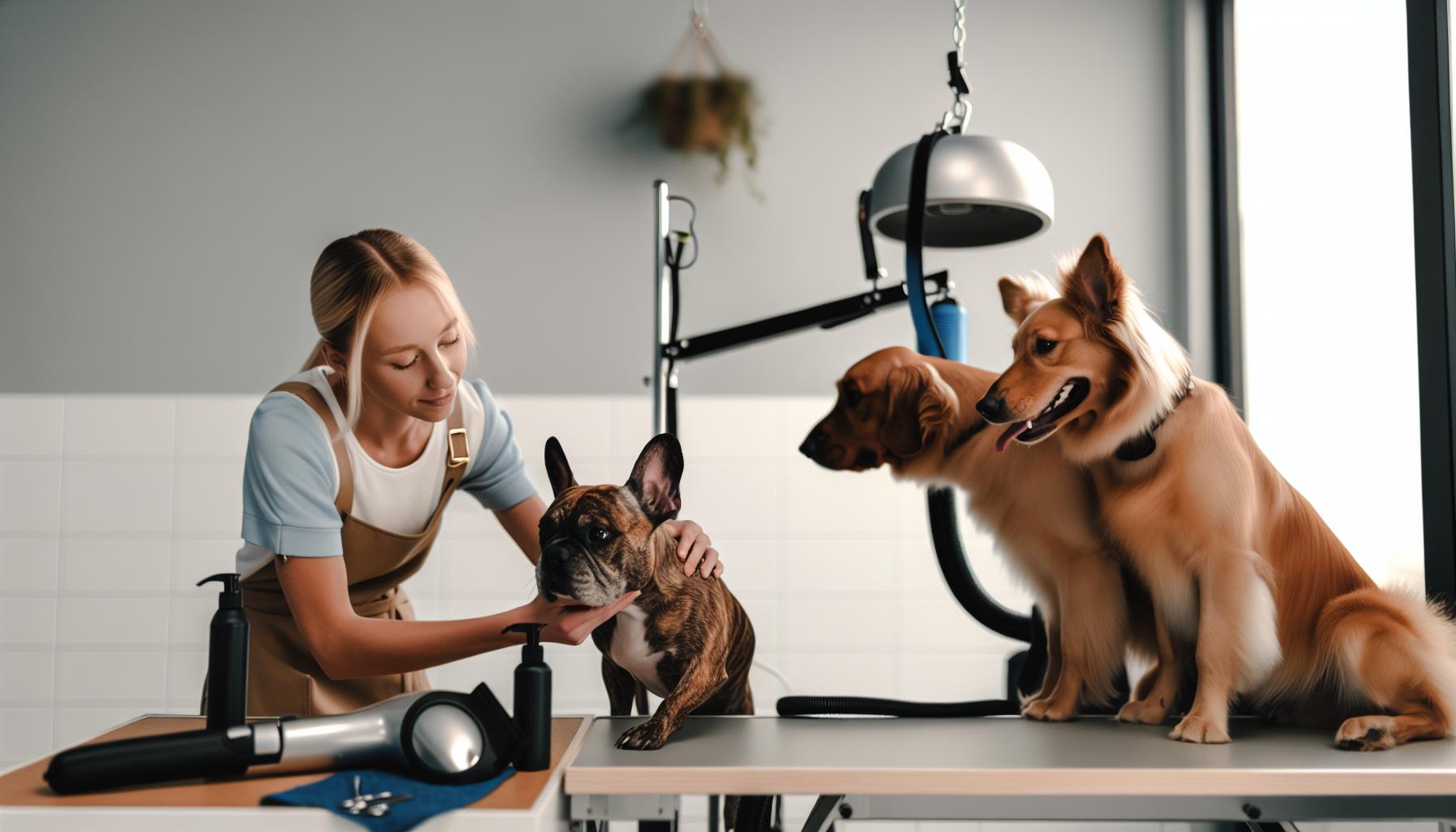
Calming Anxious Dogs While Drying Their Coat and Ears
Dogs frequently enough pick up on the subtle vibrations and sounds of blow dryers, which can be startling or even frightening for many of them. Especially for breeds with sensitive temperaments, like Shih Tzus or Maltese, the combination of loud noise, warm air, and unfamiliar sensations near their ears can cause stress that impacts the entire grooming session. Groomers who cover a dog’s ears during drying understand that this protective barrier dose more than guard against heat and moisture-it also helps to dull harsh sounds, creating a cocoon of calm around a dog’s most vulnerable areas.
Creating a Soothing sensory Environment
Covering ears with soft, breathable wraps or earmuffs cuts down on the overwhelming noise from dryers. This simple step can mean the difference between a dog who grows tense and one who remains relaxed. For example, a nervous spaniel with floppy ears may resist the drying process initially, but using gentle ear covers combined with a lower airflow setting quickly promotes a more trusting and peaceful experience. Pair this with soothing talk and gentle petting to reinforce positive associations.
Step-by-Step Tips to Ease Anxiety
- Introduce Ear Protection gradually: Let your dog sniff and explore ear covers before placing them on. Reward calm behavior with treats or soft praise to build acceptance overtime.
- Start with Short Drying sessions: Use bursts of warm air away from the ears, gradually moving closer as your dog relaxes. Keep sessions brief initially, especially for dogs new to grooming tools.
- Use Calm, Soothing Voice: Your tone matters. Speak softly and reassuringly to distract and comfort your dog throughout the drying process.
- Incorporate Breaks: If signs of distress appear-like trembling or restless pawing-pause, remove ear covers gently, and offer water or a quiet moment to regroup.
When to Seek Professional Support
Sometimes, anxious behaviors linked to grooming require more than ear covers and gentle handling. Dogs with extreme noise sensitivities or past traumatic experiences may benefit from consulting a professional groomer who specializes in fear-free techniques or a veterinary behaviorist.These experts can recommend calming aids, behavior modification plans, or even suggest safe, vet-approved supplements to help nervous pets stay centered.By prioritizing emotional comfort alongside physical protection, groomers and owners help dogs form happy grooming memories. The right ear covers are just one tool in a compassionate approach that honors each dog’s unique needs and personality-turning drying time into a moment of care, not stress. With patience, positive reinforcement, and careful technique, even the most anxious dogs can learn that grooming means kindness and safety.
For owners interested in specific products, padded dog ear covers designed to protect from noise and airflow create a gentle barrier that is both protective and comforting [[1]](https://www.amazon.com/dog-ear-protection-water/s?k=dog+ear+protection+from+water), [[3]](https://www.etsy.com/market/dog_bath_ear_covers).
Frequently Asked Questions
Q: How do ear covers help reduce the risk of ear infections during dog blow drying?
A: Ear covers help prevent water and debris from entering the ear canal during blow drying, reducing the risk of infections caused by moisture buildup.Using breathable, waterproof ear wraps can protect sensitive ear tissue while keeping ears dry and safe. Learn how to choose the right ear covers in the Choosing the Right Ear Covers section.Q: When is the best time to place ear covers on a dog during grooming?
A: the best time to apply ear covers is immediately after washing and rinsing your dog’s ears, before starting the blow dryer. This timing ensures ears stay dry and protected throughout drying, minimizing irritation and discomfort. For a step-by-step approach, see Step-by-Step guide to Safely Covering Ears Before Drying.Q: Can covering a dog’s ears during blow drying help calm anxious pets?
A: Yes, covering a dog’s ears can help
reduce stressful noise from the blow dryer, creating a comforting barrier that can soothe anxious dogs.Using soft, noise-dampening ear wraps paired with calm handling boosts relaxation during grooming. More calming techniques are discussed in calming Anxious Dogs While Drying Their Coat and Ears. Q: What materials are safest for dog ear covers when using a blow dryer?
A: the best time to apply ear covers is immediately after washing and rinsing your dog’s ears, before starting the blow dryer. This timing ensures ears stay dry and protected throughout drying, minimizing irritation and discomfort. For a step-by-step approach, see Step-by-Step guide to Safely Covering Ears Before Drying.
Q: Can covering a dog’s ears during blow drying help calm anxious pets?
A: Yes, covering a dog’s ears can help
reduce stressful noise from the blow dryer, creating a comforting barrier that can soothe anxious dogs.Using soft, noise-dampening ear wraps paired with calm handling boosts relaxation during grooming. More calming techniques are discussed in calming Anxious Dogs While Drying Their Coat and Ears. Q: What materials are safest for dog ear covers when using a blow dryer?
A: Yes, covering a dog’s ears can help
A: The safest ear covers are made from soft,breathable,water-resistant fabrics that shield ears from heat and moisture without causing irritation. Avoid stiff or abrasive materials. Look for adjustable wraps designed specifically for dogs to ensure proper fit and comfort, as outlined in Choosing the Right Ear Covers for different Coat Types.
Q: How do ear covers improve grooming efficiency and safety during blow drying?A: Ear covers protect ears from high heat and moisture, allowing groomers to dry coats faster without worrying about ear damage. This protection helps prevent accidental burns or water intrusion,
enhancing grooming safety and efficiency-a key point covered under Protecting sensitive Ear Tissue During blow Drying.Q: Are there certain dog breeds or ear types that need more protection when blow drying?
A: Dogs with floppy or long ears, like Cocker Spaniels or Basset Hounds, typically need extra ear protection because their ears trap moisture easily, increasing infection risk. Breeds with thin or delicate ear tissue also benefit from padded ear covers. See Signs Your Dog Needs Extra ear Protection When Groomed for breed-specific advice.
Q: How can pet owners safely replicate ear protection techniques used by professional groomers at home?A: Pet owners can use
DIY ear covers like soft cotton or fleece wraps, following a careful step-by-step method to ensure a snug but gentle fit. Always choose materials that protect without overheating, and monitor your dog for discomfort. Detailed DIY tips are explored in Comparing Ear Protection: DIY vs. Professional Groomers.Q: What should I do if my dog shows signs of ear discomfort during blow drying, even with ear covers?
A: If your dog seems restless or tries to remove ear covers, pause the drying process and check for irritation, overheating, or improper fit. use a lower heat setting,give frequent breaks,and consult your groomer or veterinarian if discomfort continues. Troubleshooting tips are available in Troubleshooting Ear Discomfort During Blow Drying.
For more guidance on safely drying your dog and protecting sensitive ears,explore the detailed sections in the main article and feel free to reach out with any questions. Your pet’s comfort and safety always come first!
To Conclude
Protecting your dog’s ears during blow drying is a simple yet essential step to ensure their comfort and safety. Whether you have a long-haired breed needing careful drying or a sensitive pup unfamiliar with grooming tools, covering the ears helps prevent irritation and keeps water and heat out of delicate areas. Remember, using the right tools and gentle techniques tailored to your dog’s coat type and temperament makes all the difference. curious about how to create a full grooming routine that prioritizes your pet’s welfare? Explore our guides on bath time essentials and nail care to build your confidence and ensure every session is stress-free.
If you want to dive deeper into professional tips or consider the best products to use-like ear covers or pet-safe dryers-check out our recommended tools page and follow us for updates on grooming transformations and expert advice. Don’t hesitate to join our newsletter for regular insights that keep your furry friend happy between visits. Have questions or stories about your own grooming experiences? share them below to connect with fellow dog lovers who know that safety and comfort come first. Keeping those ears protected isn’t just grooming-it’s caring, and with every gentle dry, you’re strengthening your bond while supporting your dog’s health.
Get our latest guides, news, and insights highlighted in your Google Search & AI Overviews.
Keep reading about the same coat and cut.




Popular grooming guides
Bath vs clip, first grooms, and salon how-tos.