Why Do Dog Groomers Take So Long? Process Explained

Did you ever wonder why a simple dog grooming appointment can sometimes take several hours? Grooming is much more than a quick bath and haircut-it’s a thorough process tailored to your dog’s breed, coat type, and individual needs. From gentle brushing and de-matting to carefully cleaning ears and trimming nails, every step takes time and care to ensure your pet stays cozy and safe throughout.Understanding why groomers take their time helps ease any worries and highlights the true value behind the process. whether your dog has a thick,curly coat or sensitive skin,professional grooming isn’t just about looks-it’s about health and happiness. Stick with us as we break down each step, share helpful tips, and explain what goes on behind the scenes so you feel confident and calm next time your dog heads to the groomer. After all, patient care is what makes all the difference for both you and your furry friend.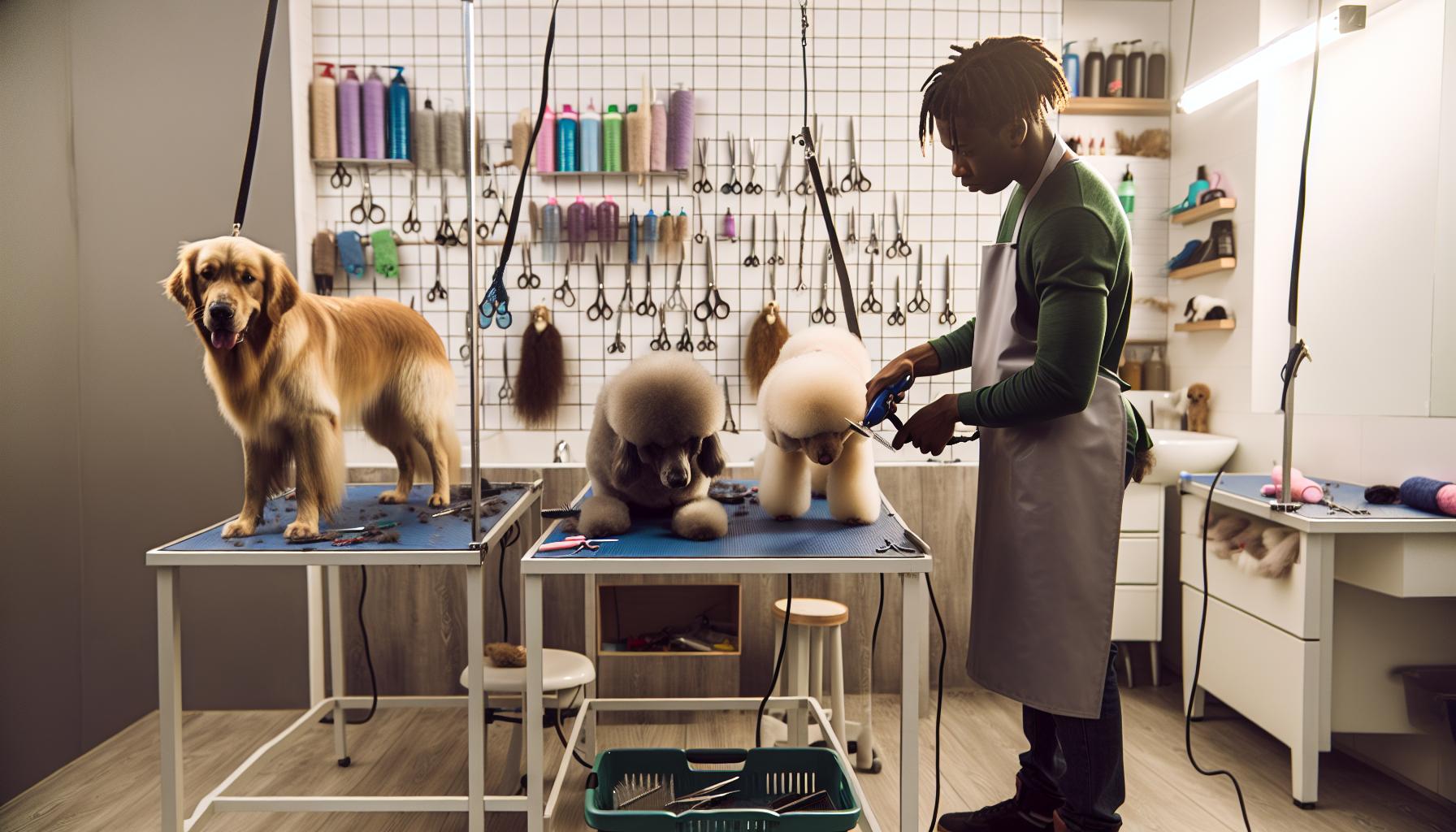
Why Dog Grooming Takes More Time Than You Expect
Table of Contents
- 1 Why Dog Grooming Takes More Time Than You Expect
- 2 Step-by-Step Breakdown of the Grooming Process
- 3 How Coat Type & Breed Affect Grooming Duration
- 4 Essential Tools and Why They Matter
- 5 Handling Anxious or Difficult Dogs with Care
- 6 Why Baths and Drying Are Time-Consuming
- 7 Trimming, Clipping, and Styling Explained
- 8 Nail Care: Why It Can Slow Things Down
- 9 The Role of ear Cleaning and Health Checks
- 10 How Groomers Work with Vet Recommendations
- 11 Common Challenges that Extend grooming Time
- 12 Tips to Prepare Your Dog for a Faster Visit
- 13 Faq
- 13.1 Q: How do a dog’s age and health affect grooming time?
- 13.2 Q: Why does coat matting and tangling significantly increase grooming time?
- 13.3 Q: Can grooming complexity vary based on seasonal coat changes?
- 13.4 Q: how does a dog’s behavior during grooming influence the overall time?
- 13.5 Q: What role does grooming equipment quality play in session length?
- 13.6 Q: How do individualized grooming requests affect the duration of the grooming session?
- 13.7 Q: Why might some dogs need extra vet-recommended care during grooming?
- 13.8 Q: How can owners help reduce grooming time without sacrificing quality?
- 14 To Wrap It Up
Sometimes, dog grooming takes longer than pet owners expect because it’s much more than just a quick wash or a simple haircut. Every dog is unique, with different coat types, temperaments, health needs, and grooming requirements that influence how much time is needed. For example, a calm, short-haired dog with a straightforward coat may breeze through their session, while a nervous dog with a thick, matted coat requires patience, extra care, and special handling, all adding to the overall time.
Groomers work carefully and thoughtfully, focusing first on your dog’s comfort and well-being rather than speed. This means frequent breaks, gentle brushing to detangle without hurting, and constantly monitoring your dog’s stress levels. Rushing can cause anxiety or injury, so taking the necessary time ensures a stress-free experience. Additionally, the grooming process isn’t just about aesthetics-it involves checking ears, trimming nails safely, examining skin for issues, and sometimes working around medical recommendations from vets.
- Coat condition: Mats and tangles need slow, gentle untangling or trimming, wich can easily extend the appointment.
- Behavior and anxiety: Dogs who are nervous or fidgety require more time to build trust and complete the session calmly.
- Multiple grooming tasks: Bathing,rinsing,drying,brushing,clipping,styling,nail trimming,and ear cleaning all add layers of time depending on your dog’s needs.
For example, a long-haired breed like a Shih Tzu or Poodle frequently enough takes more than twice provided that a short-coated dog as drying alone can take 30 to 60 minutes. Bath time requires careful attention to avoid irritation, and nail trims must be done gently to prevent bleeding or pain. Groomers also include health checks during appointments, scanning for skin infections, parasites, or lumps, which are essential for your dog’s wellness but do take time.
Ultimately, grooming is a loving, detailed process tailored to each dog. Understanding these factors can help owners appreciate why the chair time might be longer than anticipated-and why this thorough,compassionate care is so important for their furry family member’s comfort and health [[1]](https://www.primpedpooches.com/how-long-does-dog-grooming-take), [[2]](https://www.doggroomingstudio.net/blog/how-long-does-dog-grooming-take), [[3]](https://www.fieldstoneanimalinn.com/how-long-does-dog-grooming-take/).
Step-by-Step Breakdown of the Grooming Process
Grooming a dog is much more than a quick wash or trim-it’s a carefully choreographed process designed to keep your furry friend comfortable, clean, and healthy. Every step requires attention, patience, and a gentle touch, especially when working with different breeds and temperaments. Realistically, the time spent correlates with the dog’s coat type, behavior, and the specific care routines needed to ensure their well-being.
Starting With Brushing and Detangling
The process frequently enough begins with a thorough brush-out. This isn’t just for show-it helps remove loose hairs, dirt, and minor mats before the bath. For dogs with long or curly coats, this step can be lengthy because mats need gentle teasing apart to avoid discomfort or skin damage. For example, a Poodle’s tight curls require slow, patient brushing with specialized combs, while a short-haired breed like a Beagle might only need a quick slicker brush pass. Skipping or rushing this step can lead to painful mat pulling later on, so groomers prioritize patience here.
The Bath: A Soothing But Involved Step
Onc prepped, the dog receives a lukewarm bath using shampoos suited to their skin and coat type. This is a careful process-massaging shampoo in thoroughly and rinsing out all residue to prevent irritation. Conditioner may be applied next for coats prone to dryness or tangling.bathing can be tricky with anxious dogs, so groomers might use calming techniques or offer breaks. Wet fur also highlights mats and skin issues, guiding the groomer’s next steps.
Drying and Styling
After bathing, drying is far from a quick blow-shave. Long-haired dogs, like Shih Tzus, frequently enough require 30-60 minutes of blow-drying and gentle brushing to fully dry the undercoat and prevent new mats from forming. Drying is done carefully to avoid overheating or stressing the dog. For short coats, drying can be quicker but still involves brushing out damp fur to smooth the coat. Once dry, trimming or clipping begins-this includes shaping the coat, thinning thick areas, or scissoring to enhance the dog’s natural look. Each breed has specific grooming standards,and skilled groomers adapt styles based on your preferences and the dog’s comfort.
Nail and ear Care: Small Tasks That Take Extra Time
Nail trimming is handled with extra care to avoid causing pain or bleeding, especially in dogs with dark nails where the quick can be hard to see. Groomers often slow down here, sometimes splitting sessions, if a dog is nervous or if nails are overdue for a trim. Ear cleaning follows, helping prevent infections by gently wiping away wax and debris. Some dogs tolerate this well; others might need calm reassurance, adding to the session’s length. these health checks are vital and underscore why grooming is not just cosmetic.
- Each phase is adjusted to the dog’s temperament and condition.
- If a dog shows signs of stress, frequent pauses are taken to ensure safety and trust.
- Groomers watch for skin irritations, lumps, or other health concerns and may communicate these to owners or vets.
Every dog’s session varies, but the process focuses on kindness and safety above all. The groomer is not just styling your dog-they’re providing essential care that supports your dog’s health and happiness. Knowing this step-by-step routine helps owners appreciate why good grooming takes time and why rushing the process does neither dog nor groomer any favors. Patience and understanding make all the difference for a positive, stress-free experience.
Sources confirm that thorough brushing, bathing, drying, and health checks add layers of time but are necessary for proper grooming[[1]](https://services.petsmart.com/content/grooming-process), [[2]](https://www.gingrapp.com/blog/dog-grooming-101-essential-steps-and-tools), [[3]](https://www.doglyness.com/blogs/news/what-is-dog-grooming-a-step-by-step-guide-to-grooming-your-dog?srsltid=AfmBOopiAmse-ZtPTW5Hbw_vzB0dCMcUxn5_m1rlWt7LKicyYUQ7j__E).
How Coat Type & Breed Affect Grooming Duration
Dogs’ unique coat types and breed-specific grooming needs have a remarkable impact on how long a grooming session takes. Some coats require meticulous care and time because of their texture, length, or density, while others are relatively low-maintenance. Understanding these differences can definitely help pet owners feel more confident and patient when they see their dog spending extra time in the grooming chair.
Different Coats, Different Demands
Coats fall broadly into categories such as short, double, curly, or long, and each one comes with its own time requirements. For example, a short-haired dog like a Beagle or Boxer typically needs less brushing and drying time. A quick slicker brush and careful bath might suffice, and drying is often a swift hand towel rub or low-heat blow dry. On the other hand, breeds like Poodles or Bichon Frises have dense, curly coats that require slow, gentle brushing to avoid painful tangles and mats. Groomers use specialized combs and take extra care to separate curls without pulling the dog’s skin.
Breed-Specific Grooming Styles and Challenges
Certain breeds are known for grooming styles that can extend the appointment. Take the Shih Tzu or Maltese, for instance-these silky, flowing coats need long, patient drying sessions (often 30-60 minutes) and frequent dematting with careful trimming. These steps ensure the coat stays healthy and free of knots that can irritate the skin. Similarly, double-coated breeds like Huskies shed heavily seasonally, requiring undercoat removal that adds significant brushing time, sometimes even a dedicated deshedding bath.
Practical Tips for Owners
- Regular grooming reduces overall time: Regular brushing at home for long or double coats prevents mats and reduces stress during professional grooming.
- Know your breed’s coat needs: Research breed standards or talk to your groomer about what typical care your dog might need to avoid surprises.
- Be patient with anxious dogs or complex coats: Your groomer’s calm approach and extra time spent are essential for your dog’s comfort and safety.
It’s important to remember that even within the same breed, individual dogs can vary tremendously in coat condition and temperament, which further influences grooming time. When in doubt,professional groomers combine their skilled knowledge with a tender approach to ensure a positive experience without rushing-because your dog’s well-being is always the priority.If you’re ever unsure about what’s best for your pet, don’t hesitate to ask your groomer for advice or consult your vet about any skin or coat concerns that might affect grooming routines.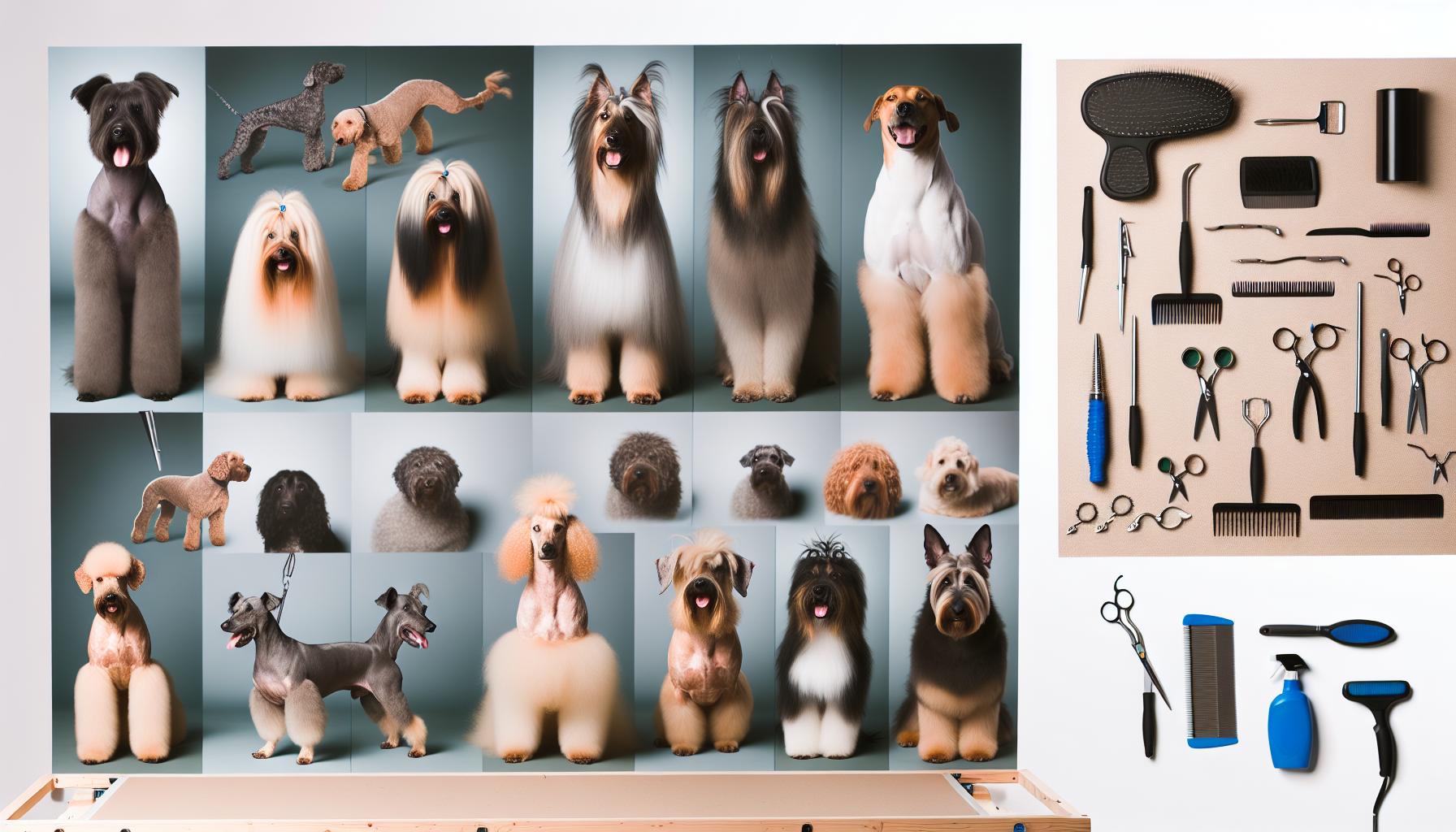
Essential Tools and Why They Matter
Grooming a dog is as much an art as it is indeed a science, and having the right tools makes all the difference-not just in the outcome but also in how much time the process takes. Imagine trying to gently detangle a curly Poodle coat using a comb designed for short-haired dogs-this mismatch can turn a simple brush-out into a frustrating ordeal for both dog and groomer. Professional groomers rely on carefully selected tools tailored to the dog’s breed, coat type, and temperament. These tools aren’t just shiny gadgets; they are extensions of the groomer’s hands and care, designed to make each step of grooming comfortable and efficient.
Why Specialized Brushes and Combs Are game-Changers
Different coat types demand specific brushes and combs.For example, slicker brushes with fine, bent wire bristles work wonders on removing tangles and mats in dense or curly coats without pulling skin painfully. For double-coated breeds like Huskies, deshedding tools target the undercoat specifically, preventing unnecessary hair breakage and reducing blow-drying time. Fine-toothed combs are used for precision, especially around sensitive areas like the face and paws, helping catch small mats before they worsen.
The Building Blocks: From Bath to Finish
- Bathing Supplies: A gentle,pH-balanced dog shampoo tailored to coat type prevents dryness and irritation,which can add grooming time if not addressed early. Specialized ear cleansers also help keep infections at bay, crucial as ear care is frequently enough overlooked but essential for overall health.
- Clippers and Scissors: High-quality,sharp blades reduce the risk of pulling hairs or uneven cuts,speeding up trimming and styling. Safety guards on clippers protect the dog’s skin and give groomers peace of mind.
- Nail Care Tools: Whether it’s a grinder or a clipper, the right tool can ease nail trimming anxiety. Slow or hesitant dogs require gentle handling paired with quiet, efficient tools that reduce stress-induced movement and potential injury.
Tools That Prioritize Comfort and Safety
Equipment like ergonomic nail grinders with low noise and vibration cater specifically to anxious dogs, making nail care less daunting. Groomers also favor tools such as dematting combs and slow applicators for conditioning treatments (like the Aquapaw Slow Treater) that allow for careful, unrushed request-a crucial step for sensitive coats prone to tangling or skin irritation. These thoughtful tools provide time to work gently without sacrificing thoroughness.
In short, understanding why grooming takes time isn’t just about patience-it’s about respecting the right tools and techniques. The best grooming tools give professionals the ability to move at a pace that suits each dog’s needs, ensuring safety, comfort, and ultimately, a healthier, happier pet. Investing in quality tools and using them thoughtfully can also empower pet owners doing at-home grooming, helping reduce stress for everyone involved and making each session a positive experience rather than a race against the clock.

Handling Anxious or Difficult Dogs with Care
Many dogs experience grooming as a stressful event, turning what should be a routine self-care session into an anxiety-filled ordeal. The truth is, when a dog is nervous or resistant, every step of grooming-from bathing to nail trimming-takes longer as patience and care must lead the process.Understanding that a dog’s fear or discomfort is genuine helps groomers prioritize safety and comfort over speed, ensuring the experience builds trust rather than trauma.
Reading signals and Easing Anxiety
Dogs often communicate their fears through subtle body language-whining, trembling, lip licking, or avoiding eye contact. recognizing these signs early is key. For example, a poodle with a dense, curly coat might already be overwhelmed by a noisy clipper; combining that with clear signs of stress signals a need to slow down and offer calming breaks. Groomers use gentle voices, soft touch, and even calming pheromone sprays to create a soothing atmosphere.This approach not only helps reduce struggling but prevents injuries caused by sudden movements.
Step-by-Step Handling for Sensitive Tasks
- Bathing: Use lukewarm water and a non-irritating shampoo suited for the dog’s coat and skin sensitivity. Speak calmly and avoid splashing water into sensitive areas like eyes or ears.
- Brushing: Start with the least sensitive parts, slowly working toward areas like the belly or tail, using detangling sprays to ease mats without pulling harshly.
- nail Care: Anxious dogs often fear nail trims, so groomers may break the process into mini sessions. Using quiet, low-vibration grinders instead of loud clippers helps reduce panic.
- Ear Cleaning: Proceed gently, wiping only visible areas first, and watching for signs of pain or discomfort that might warrant a vet consult instead.
When Groomers and Vets Team up
Sometimes anxiety is linked to medical issues such as skin infections, painful arthritis, or ear problems. Groomers who notice persistent resistance or discomfort frequently enough recommend a vet visit before continuing. This cooperation ensures the dog’s health issues are addressed appropriately and grooming can proceed safely. It also educates owners on when DIY grooming should pause and professional care take precedence.
In practice, working slowly with an anxious dog means breaks for treats and praise to associate grooming with positive experiences. For example, an older Labrador with sensitive joints may need extra padding and frequent rest during drying. A groomer who respects these limits ultimately gains a calmer, more cooperative client, which shortens future visits despite the initially longer session. Compassion, clear communication with owners, and tailored tools make all the difference in turning grooming into a moment of care and connection rather than a race against the clock.[1] [2]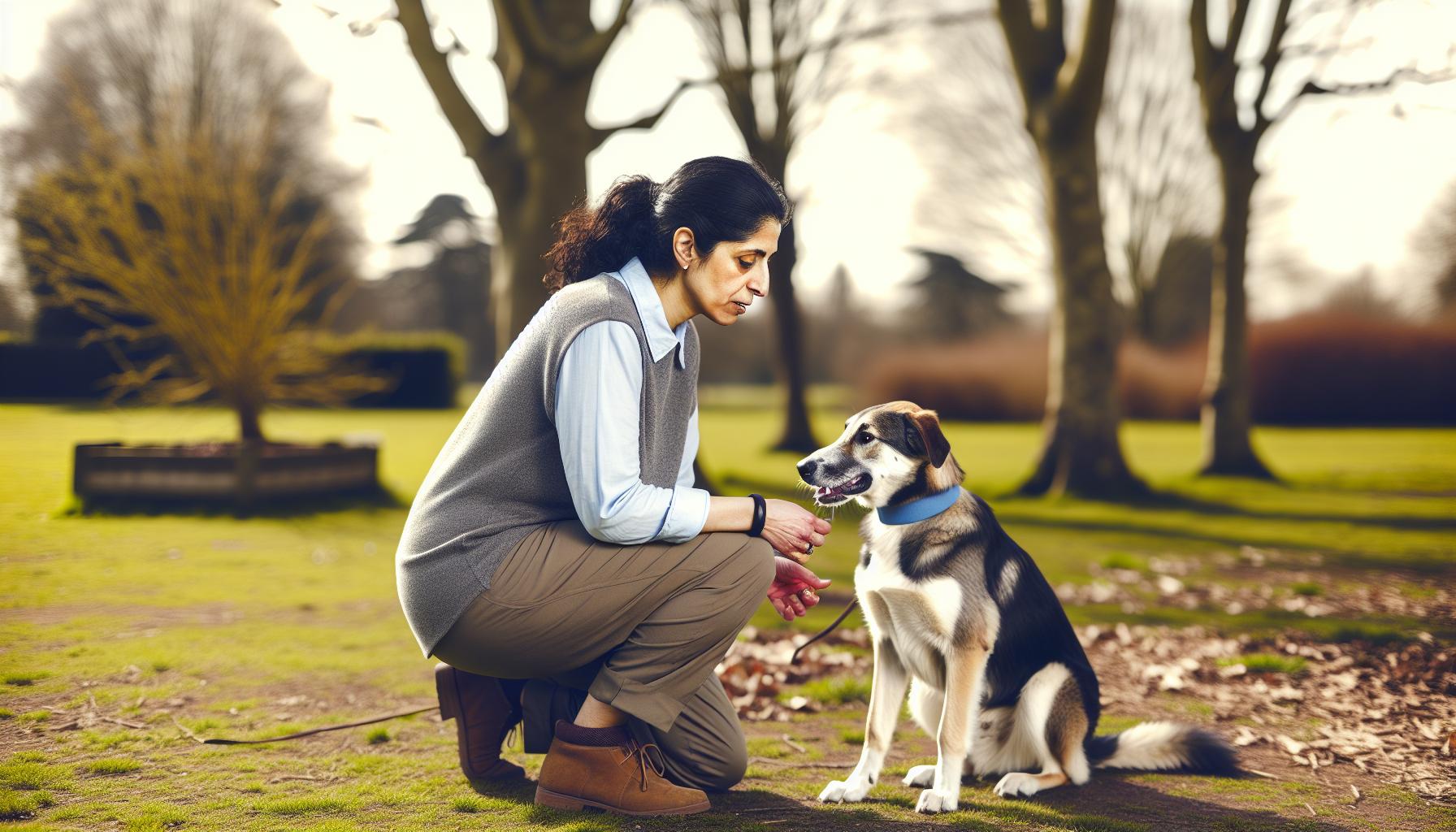
Why Baths and Drying Are Time-Consuming
Dogs don’t just walk out of the bath looking fresh-they go through a careful process that takes far more time than you might expect. Bathing is not mere rinsing; it’s about ensuring every inch of your dog’s coat and skin is properly cleansed without causing discomfort or stress. For many breeds, especially those with thick, double coats like Golden Retrievers or long, dense fur like Poodles, this step requires patience and precision. The water temperature must be just right-warm but never hot-and the shampoo chosen based on your dog’s skin sensitivity and coat type. Overly hot water or harsh products can easily irritate fragile skin or exacerbate allergies, so groomers work slowly and thoughtfully here.
bathing with Compassion and Care
During bathing, groomers avoid splashing water into sensitive areas such as the eyes, ears, and nose, which can quickly turn the experience into a fearful ordeal for an anxious dog. Calm and quiet encouragement accompanies gentle lathering to soothe nerves. For example, for a senior dog with arthritis or an anxious rescue dog wary of tubs, breaks and gentle handling become essential. Groomers might even use specialized shampoos that provide relief for skin conditions or add calming scents. The goal is not just cleanliness but to foster trust,making the dog feel safe and cared for throughout the bath.
The Art and Science of Drying
Once the bath is complete, drying begins-a process that often takes longer than the bath itself. Many factors extend drying time, starting with coat thickness and length. water trapped deep inside a double coat can take a long time to extract thoroughly. Groomers rely on a combination of gentle towel drying and high-velocity dryers designed to blow water away from the skin without causing discomfort. These dryers are quieter and less threatening than household machines,but still require patience-especially with dogs sensitive to noise or air blasts. Drying also helps prevent skin irritations and hotspots, which can develop if moisture remains trapped.
- Thin-coated breeds like Boxers usually dry quickly and might only need a brief towel and air dry.
- Double-coated or thick-furred dogs like Huskies require careful blow drying to avoid dampness beneath their undercoat.
- Curly or dense coats such as Poodles and Bichons benefit from blow drying to keep curls fluffy and avoid matting.
Safety and Comfort Always Come First
During drying, it’s not uncommon for groomers to pause and provide reassuring praise or handle sensitive areas with extra care, especially around joints or older dogs prone to stiffness.Overheating or rushing can stress dogs and risk burns or respiratory distress. Skilled groomers balance air temperature, noise, and duration with real-time observation of the dog’s comfort level. This methodical pace may seem slow to watchers but is crucial in creating a positive grooming experience for dogs, preventing struggle and shortening future appointments.
Taking the time to thoroughly bathe and dry a dog ensures their comfort, coat health, and overall wellbeing. It’s a cornerstone of professional grooming that blends science and heart-always respecting the individual dog’s needs above speed or surface perfection.
Trimming, Clipping, and Styling Explained
Few parts of the grooming process require as much patience and skill as trimming, clipping, and styling. these steps aren’t just about achieving a polished look; they’re essential for your dog’s comfort and coat health, adapting to each breed’s unique needs and temperament. whether shaping the curly coat of a Poodle or tidying the thick undercoat of a Labrador,groomers proceed slowly to ensure the dog feels safe and to avoid any accidental nicks or stress.
Understanding breed and Coat Influences
Different coat types demand very different approaches. For example, dogs with curly or dense coats like Bichons and Poodles need careful clipping to prevent future matting and maintain the coat’s natural bounce. On the other hand, double-coated breeds such as Huskies require clipping only in specific areas-or not at all-since shaving can interfere with their natural insulation and lead to discomfort. Groomers spend extra time selecting blade sizes and clipper guards while continually checking the dog’s reaction and body language.
Tools of the Trade and Technique Matter
Professional groomers frequently enough use a variety of scissors, clippers, and thinning shears, tailoring their choices to coat texture and desired style. For instance, blunt-tipped scissors add safety around sensitive spots like the face and paws. Clippers with quieter motors and sharp blades make the experience less frightening and more efficient, but still take time when navigating tricky spots or stubborn mats. Groomers work in gentle, small strokes, frequently pausing to brush away loose hair or soothe the dog, rather than rushing through and risking anxiety or injury.
more Than Just looks: Comfort and Confidence
Trimming around sensitive areas such as the ears, paws, or sanitary zones requires extra care-and often the longest time. Groomers understand that this is where many dogs feel moast vulnerable. They prioritize slow, purposeful movement and positive reinforcement. For anxious dogs, breaks or extra hands-on comfort might be part of the session. This compassionate pace not only protects your dog’s physical safety but fosters trust, making future trims easier and less stressful.
- Curly coats: require regular trimming every 4-6 weeks to prevent matting and keep style fresh.
- Double coats: usually need only occasional light trimming to remove excess fur, avoiding full shaving.
- Sensitive areas: paws, face, and ears may be trimmed last and most carefully.
When considering a DIY trim, remember that professional groomers have the training and tools to handle challenging areas safely. If your dog has skin issues, lumps, or health concerns, your vet and groomer should communicate to ensure the grooming plan supports overall wellbeing. By appreciating the time and tailored care that goes into trimming and styling, you can better understand why each session requires balance between art, science, and above all, compassion.
Nail Care: Why It Can Slow Things Down
It’s surprising how something as small as a dog’s nails can add significant time to a grooming appointment.Nail care isn’t just about a quick clip; it’s a delicate task requiring focused attention, patience, and the right tools to keep your dog safe and comfortable. Dogs have sensitive nail beds with blood vessels and nerves close to the surface – especially in breeds with dark nails where the “quick” isn’t visible. one wrong move can cause pain and bleeding, so groomers approach this part of the process very cautiously.
Factors That Influence Nail Trimming Time
- Breed and Nail Color: Dark nails need extra care, often trimmed a little at a time to avoid hitting the quick. Light-colored nails show the quick clearly but can be just as tricky if your dog is wiggly or anxious.
- Dog’s Temperament and Experience: Nervous or fidgety dogs need slower, gentler handling. Some dogs tolerate nail trims well, while others may require breaks and calming techniques to reduce stress.
- Tools Used: Professional groomers often rely on a combination of nail clippers (guillotine or scissor types), grinders, and styptic powder for quick stopping. Grinders can smooth and shorten nails gradually but take longer per paw than clippers.
Why Patience Is Key
For many dogs, nail trimming is a sensitive moment. Groomers frequently pause between nails to soothe and reassure pets, preventing panic and making it a more positive experience. Trimming too fast or attempting all nails at once can cause discomfort or lead to an accident, setting back future visits. This gentle pace is compassionate-it builds your dog’s trust and reduces anxiety over time.
Pro Tips for Nail Care Success
- Familiarize your dog with touch: Gently massage paws regularly outside grooming sessions to reduce sensitivity.
- Use appropriate tools: Clippers and grinders should be sharp and suitable for your dog’s nail thickness and size.
- Monitor signs of distress: If your dog pulls away or widens eyes, pause and offer comfort.
- Consider a vet consult for complications: Dogs with thickened nails, infections, or injuries may need vet intervention before grooming.
- Regular trims prevent overgrowth: Keeping nails short helps avoid painful splits and increases comfort during walks.
It’s worth noting that nail trims are sometimes included in full grooming packages but can also be booked as a separate service because of the specialized care required. When done right, nail care protects your dog’s wellbeing and mobility and is an essential part of a thorough grooming session-not just a rapid fix [[1]](https://www.petco.com/c/dog-nail-trimming-services?srsltid=AfmBOoorvsafrXrkitms-Ud86dhGFQmW258VyrUL3P28zX1-po3L_AFg).
By understanding why nail care requires this much focus and patience, owners can better appreciate the time groomers dedicate to keeping their pups comfortable and safe. If you’re ever hesitant about trimming nails yourself,professional groomers have the experience and tools to handle even the most anxious dogs gently,making the process less stressful all around [[2]](https://www.petedge.com/dog-grooming/grooming-tools/dog-nail-care?srsltid=AfmBOorLMyT9nTblAnIsSVvHdjaC_-EQ5G43z31N5k2oihmRuSs37JWR).
For hands-on guidance, your groomer or vet can also demonstrate safe techniques, so you feel confident and calm when managing routine nail trims at home [[3]](https://www.petmd.com/dog/general-health/how-to-trim-dog-nails). Remember, prioritizing safety and your dog’s emotional wellbeing comes before speed or perfection every time.
The Role of ear Cleaning and Health Checks
You might be surprised to learn that ear care is one of the most delicate and time-consuming parts of a grooming session. Many dogs naturally produce wax, shed hair in their ears, or live in environments where dirt and allergens can accumulate, like dusty areas or humid climates. This makes regular ear cleaning and careful inspection essential-not just for their comfort but for preventing painful infections or other health issues. Groomers take their time during this step because rushing risks missing early signs of trouble or causing discomfort to your pet.
Why Ear Cleaning Takes Extra Care and Time
Each dog’s ears are unique. Breeds with floppy ears, like Cocker Spaniels or Basset Hounds, tend to trap moisture and debris, increasing the risk of infections, while dogs with upright ears might still collect dirt or ticks that need removal. Groomers start by gently lifting the ear flap and visually inspecting the canal for redness, swelling, odor, or excessive wax buildup. If the ear looks irritated or infected, many groomers will advise a vet visit rather than proceeding, since treatment might be needed before cleaning. When the ear is healthy, they carefully apply a vet-approved solution to loosen debris, massage the base of the ear to distribute it, then wipe gently with cotton or gauze.
Trimming Ear Hair: Why It’s Not just Cosmetic
Some dogs grow hair inside their ears or at the edges, which can trap moisture and debris. Groomers delicately trim this hair with special scissors or clippers, reducing the chance of matting and infection. But trimming inside the ears requires a steady hand and calm dog, so rushing is never an option. For example,breeds like Poodles or Schnauzers often need this extra attention,adding minutes to the grooming time. If your dog is anxious or sensitive around their ears, a groomer may take breaks or use calming techniques to keep your dog comfortable and trusting throughout this process.
Spotting Health Issues Early
Part of ear care isn’t just cleaning-it’s acting as your dog’s first line of defense. Groomers are trained to recognize early warning signs such as unpleasant smells, redness, swelling, or discharge. These signs can indicate infections, allergies, mites, or even growths that require veterinary care. Sharing these observations with you ensures your dog gets timely medical attention,preventing more serious complications. Groomers work collaboratively with vets but know their boundaries-if something looks concerning, they’ll recommend a professional exam rather than trying to treat it themselves.
- Signs of ear problems groomers watch for: redness, foul odor, black or yellow discharge, excessive scratching, or head shaking.
- Tools used during ear cleaning: ear cleaning solutions (veterinary-grade), cotton balls or gauze pads, blunt-end scissors or specialized clippers for hair trimming.
- Breed-specific challenges: floppy ears need more frequent cleaning and gentle handling; long-haired breeds may require careful hair trimming inside ears to prevent mats and infections.
By understanding the care and patience required during ear cleaning and health checks, you can appreciate why groomers take time during this crucial phase.It’s not just about looking neat-it’s about your dog’s comfort, health, and happiness. When groomers slow down to do this step right, they’re protecting your pup from future pain and vet visits. If you’re ever unsure about your dog’s ears, ask your groomer for a simple demonstration or advice on safe maintenance at home-it’s a small routine that pays big dividends in your dog’s wellbeing [[1]](https://thehairydog.net/the-essential-guide-to-dog-ear-care-keeping-your-pets-ears-clean-and-trimmed/) [[3]](https://www.crittercreekvet.com/site/blog/2024/07/31/dog-ear-flush).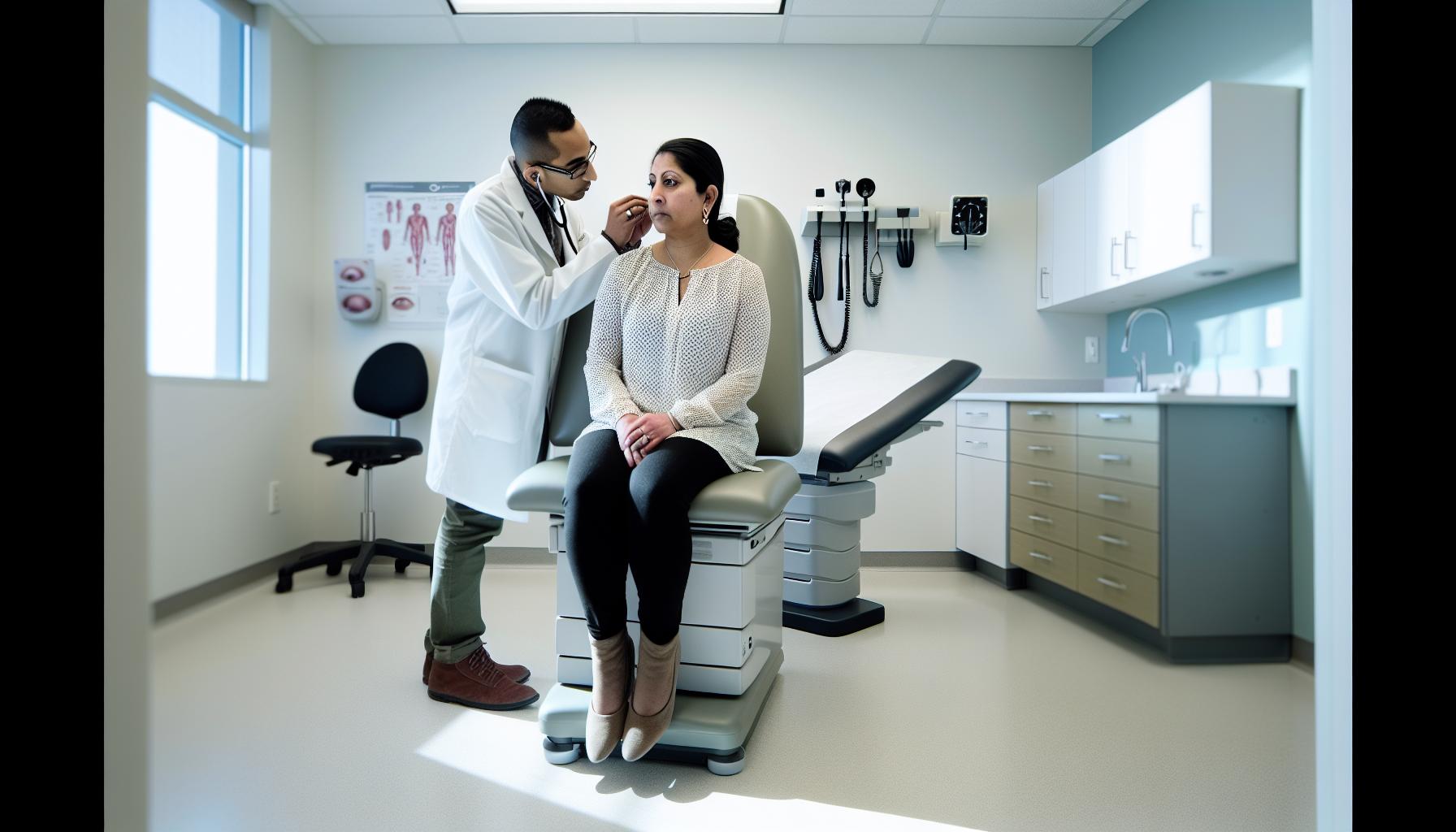
How Groomers Work with Vet Recommendations
Dogs frequently enough come to grooming sessions with hidden health needs that only a trained groomer can detect during their careful work. Because grooming is not just about aesthetics but also about well-being, professional groomers maintain a close partnership with veterinarians to ensure every pet receives the best possible care. This collaboration helps explain why grooming takes longer than you might expect-frequently enough as groomers are working within critically important health guidelines and adjusting their methods based on vet advice.
Groomers routinely observe subtle signs in your dog’s coat, skin, ears, and nails that may indicate underlying issues. When they spot red flags-like skin irritations, lumps, infections, or behavioral signs of discomfort-they document these findings and often recommend a vet checkup before continuing certain grooming tasks. For example, if a dog’s skin shows signs of rash or hotspots, a groomer won’t proceed with clipping or full bathing until the cause is evaluated by a vet. Similarly, sensitive ears flagged during cleaning might mean pausing grooming until a vet rules out infections. This cautious approach ensures grooming is safe, prevents further irritation, and supports your dog’s health.
Working Within Boundaries: What Groomers Can and Can’t Do
It’s critically important to understand the clear lines between grooming and veterinary care. Groomers are experts in handling coats, nails, and basic hygiene, but they are not licensed to diagnose or treat medical conditions. Their role is to provide essential preventative care and alert owners to issues requiring professional treatment. When a groomer senses a problem, they communicate their observations compassionately, helping owners make informed decisions about seeking vet care. This teamwork avoids risks like worsening infections and ensures that grooming procedures adapt to the pet’s current health status.
Practical Examples of Vet-Groomer Collaboration
– A dog with arthritis struggling to stand during grooming might have their appointments shortened or modified after a vet’s suggestions on handling and pain management.
– Dogs with skin allergies prescribed medicated shampoos by vets need groomers to follow specific bathing protocols, extending grooming time due to soaking and rinsing requirements.
– In cases of fragile or overgrown nails where trimming risks bleeding,groomers might seek vet guidance on safer trimming intervals,sometimes opting for frequent gentle filing instead.
This extra care, involving vet guidance, explains why grooming sessions can sometimes feel longer but provide a far better, safer experience.
- Groomers rely on vet-approved products such as medicated shampoos and ear cleansers tailored for sensitive or infected areas.
- They maintain communication by sharing photos or notes on suspicious findings to ensure timely veterinary attention.
- Adjusting techniques based on a dog’s health condition-like avoiding hot dryers for dogs with respiratory issues,or using special calming protocols for anxious pets as advised by vets.
Being open with your groomer about past veterinary diagnoses or treatment plans helps them adapt all steps-from bathing to clipping-to protect your dog’s comfort and safety. when groomers and vets work hand-in-hand,grooming becomes not just a beauty routine but a meaningful part of your dog’s ongoing health care.
By appreciating this partnership, you’ll understand why grooming sometimes takes extra time-it’s about doing things right, respecting your dog’s unique needs, and safeguarding their happiness and wellness every step of the way.
Common Challenges that Extend grooming Time
Many factors quietly prolong grooming sessions beyond what a casual glance might suggest. What appears as “just brushing” or “simple trimming” often involves nuanced care and adaptability that ensures your dog’s safety and comfort. From tangled coats hidden beneath shiny fur to the nervous shivers of an anxious pup, these challenges require not only skill but a lot of patience and compassion, making grooming days longer but significantly better for your furry friend.
coat Conditions That Demand Extra Attention
Sometimes your dog’s coat tells a story of more than routine upkeep. Dense mats or severe tangles, especially common in long or curly coats like Poodles or Maltese, need delicate detangling before any clipping or bathing. Rushing through mats risks skin irritation or even injury. Groomers frequently enough use a combination of dematting tools and gentle fingers, breaking the process into gradual steps to keep dogs comfortable throughout. Dogs with double coats, like Huskies or Golden Retrievers, need careful blow-drying and brushing to avoid trapping moisture-which can cause skin problems-and this takes time and technique.
Behavioral Hurdles That Slow the Process
Not every dog greets grooming with enthusiasm; fear or anxiety can turn simple tasks into trial by fire. Groomers trained in low-stress handling techniques might spend extra time offering soothing breaks, treats, and calming touch. For example, a dog fearful of nail trims frequently enough requires slow desensitization-touching paws gently first, then trimming tiny bits of nail incrementally over several sessions-to prevent panic or injury. Sometimes, grooming time extends as the dog needs to settle into the surroundings or is recovering from prior grooming trauma.
Dogs arriving with skin conditions, ear infections, or sensitive areas pose a challenge.A groomer must work around these safely, avoiding taxing baths or clippers on irritated skin and instead using vet-recommended products or adjusted grooming techniques. Grooming cannot proceed as usual if hotspots, rashes, or wounds appear. This caution protects your dog from further discomfort and humanely respects the healing process. tasks like ear cleaning take longer when infections or wax buildup exist because these require gentle, targeted care without rushing.
- Extra grooming time often results when thick coats are severely matted; removing mats in layers is essential for skin health and comfort.
- dogs with anxiety sometimes need incremental grooming sessions; patience and calm communication make future visits easier and safer.
- Skin allergies or infections prompt tweaked grooming routines; medicated shampoos and extra rinsing add time but support healing.
- Nail trims may slow down if your dog’s nails are overgrown or fragile; gradually filing or seeking vet advice keeps nails safe and prevents bleeding.
These real-world grooming hurdles highlight why efficiency sometimes takes a back seat to kindness and thoroughness. A warm, understanding groomer knows that spending extra minutes means protecting your dog’s well-being-not just their looks. Accepting this helps set realistic expectations and builds trust that your pet’s best interests are always first.
Tips to Prepare Your Dog for a Faster Visit
grooming can be smoother and quicker when your dog arrives ready and relaxed. Building this foundation starts at home, where small, thoughtful steps can set the tone for a stress-free session. Just like us, dogs feel calmer when routines feel familiar and positive-a simple reward-based approach before and after grooming helps form these good associations.
Daily Brushing and Early Familiarization
Getting your dog comfortable with regular brushing is invaluable. even a quick 5-10 minute session a few times a week can prevent tough mats and reduce grooming time drastically. Introduce brushing by pairing it with praise or small treats, focusing on gentle strokes rather than the perfect coat. for breeds prone to tangles, such as shih Tzus or Poodles, consistent at-home maintenance keeps their fur detangled and easier to clean at the groomer’s. This planning minimizes the need for time-consuming dematting during the appointment.
practice Handling Key Areas
Spend time gently handling paws, ears, and teeth at home. this practice lowers anxiety during nail trims, ear cleaning, and teeth brushing at the groomer. Such as, touching paws, massaging pads, and extending nails while offering treats can make nail trims a less daunting experience. If your dog is sensitive to ears, gently rubbing around the outer ear regularly familiarizes them with that sensation. Small, consistent sessions build trust and reduce resistance, ultimately speeding up these often tricky parts of grooming.
Set Up Calm Pre-Groom Prep
The day before the appointment, avoid overfeeding or high-energy play that might cause restlessness. Instead, aim for calm walks and mental stimulation activities like puzzle toys to ease nervous energy.On grooming day, arrive with a clean, dry dog if possible, and ensure they have had a chance to relieve themselves. A relaxed dog arriving ready to be cared for helps the groomer focus fully on grooming tasks rather than calming anxiety.
- Communicate health concerns or previous grooming difficulties with your groomer ahead of time so they can prepare appropriate tools or techniques.
- Bring familiar items like a favorite toy or blanket to comfort your dog during waiting or grooming.
- Use calming pheromone sprays or collars if recommended by your vet or groomer for highly anxious pets.
- Allow your dog to explore the grooming area before starting if possible, reducing fear of new environments.
By embracing these steps, you empower yourself and your dog for calmer, safer grooming visits where less time is spent managing stress, and more is devoted to gentle, effective care. Remember, grooming professionals appreciate when owners arrive proactive and patient-it creates the perfect partnership for your dog’s well-being and beauty.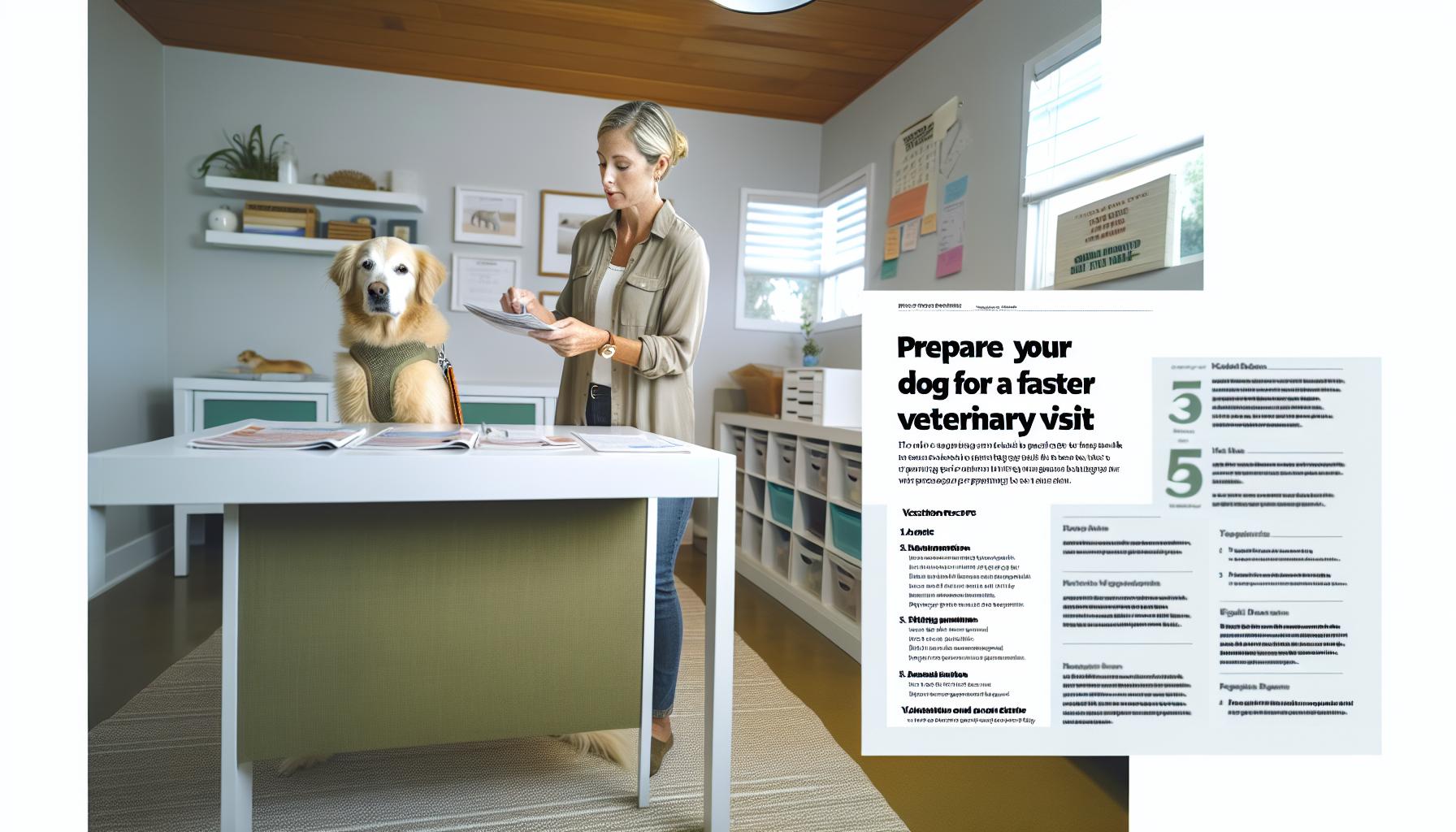
Faq
Q: How do a dog’s age and health affect grooming time?
A: Older dogs or those with health issues often require gentler handling and more frequent breaks during grooming, which can extend the session. Groomers adapt their approach to prioritize *comfort and safety*, sometimes coordinating with your vet for best care. This ensures a *stress-free experience* for sensitive pets and may lengthen grooming duration.For tips, see handling anxious or difficult dogs in the main article.
Q: Why does coat matting and tangling significantly increase grooming time?
A: Matted or tangled fur needs careful detangling or even clipping to prevent pain and skin damage, which is time-consuming. Groomers must work *slowly and patiently* to gently remove mats, often extending the grooming session by 30 to 60 minutes or more, depending on severity. Regular brushing at home can definitely help reduce this extra time.
Q: Can grooming complexity vary based on seasonal coat changes?
A: Yes, during shedding seasons, dogs shed *more fur*, requiring additional deshedding treatments and longer brushing to manage loose hair and prevent matting. This makes grooming take longer as groomers include *specialized tools and techniques* to address seasonal coat issues. planning grooming around these times can optimize session length.
Q: how does a dog’s behavior during grooming influence the overall time?
A: Dogs that are anxious, scared, or uncooperative require a *calm, patient approach*, which often means more time for breaks, reassurance, and slower handling. Groomers focus on *stress reduction and safety*, which naturally extends grooming time but leads to better outcomes and positive future visits.
Q: What role does grooming equipment quality play in session length?
A: High-quality, well-maintained grooming tools allow groomers to work faster and more efficiently, reducing grooming time and improving comfort. Dull clippers or brushes can cause discomfort and slow progress, especially on thick or curly coats. Investing in *professional-grade equipment* speeds up the process and enhances results.
Q: How do individualized grooming requests affect the duration of the grooming session?
A: Custom requests like creative trimming, specific breed cuts, or added treatments (e.g., skin therapy) extend groom time because they require precision, specialty tools, and sometimes extra steps. Clear communication with your groomer about desired services helps set appropriate expectations on timing and costs.
Q: Why might some dogs need extra vet-recommended care during grooming?
A: Dogs with allergies, infections, or skin conditions may require *specialized cleaning* or treatments during grooming, which adds time for careful application and observation. Groomers often collaborate with vets to safely manage these needs, ensuring your dog’s *health and comfort* come first, which influences session length.
Q: How can owners help reduce grooming time without sacrificing quality?
A: Owners can prepare by regularly brushing their dog’s coat, scheduling grooming before mats form, and calming anxious pets before visits. Providing accurate health info and following groomer tips from the “Tips to Prepare Your Dog for a Faster Visit” section supports a *smoother, quicker grooming process* without cutting corners on care or comfort.
—
*explore these answers alongside our detailed article sections for a complete understanding of dog grooming duration.Your dog’s well-being and positive grooming experience are always the priority!*
To Wrap It Up
Understanding why dog groomers take time helps you appreciate the care behind each bath, brush, nail trim, and ear clean-especially when working with different breeds and coat types. Every step prioritizes your pet’s comfort and safety,whether it’s detangling a thick coat or gently soothing a nervous pup. If you’re curious about how specific tools or techniques make a difference, be sure to check out our detailed guides on [dog Grooming Tools Essentials] and [How to Prepare Your Dog for Grooming].
Ready to give your furry friend the expert care they deserve? Explore further tips on [DIY Grooming vs. Professional Grooming] to find the best approach for your pet’s unique needs. Don’t forget to subscribe to our newsletter for timely reminders and insider advice that make scheduling your next grooming session easier than ever. Have questions or want to share your grooming stories? Drop a comment below-we love hearing from devoted pet parents like you. Together, let’s make every grooming experience safe, soothing, and stress-free for every tail-wagging companion.
Get our latest guides, news, and insights highlighted in your Google Search & AI Overviews.
Keep reading about the same coat and cut.



Popular grooming guides
Bath vs clip, first grooms, and salon how-tos.