Why Are Dog Groomers So Expensive? Cost Breakdown
Did you know that grooming your dog professionally can range anywhere from $40 to over $300 per visit? It’s a question many loving pet owners ask: why do dog groomers charge so much? Understanding the “why” behind these costs can definitely help ease the stress of finding the best care without feeling overwhelmed. Grooming isn’t just about making your dog look good-it involves expert handling tailored to your dog’s unique breed and coat type, careful attention to sensitive tasks like nail trimming and ear cleaning, and ensuring a calm, safe experience for pets who might be nervous or squirmy. Behind the price tag are skilled professionals using specialized tools, plus the time and patience needed to keep your furry freind comfortable and healthy. In this article, we’ll break down these costs step-by-step, so you’ll know exactly what you’re paying for, and how to choose or even supplement grooming safely at home. Whether your dog has a fluffy coat that mats easily or short hair needing just a tidy-up, understanding this helps you make the best decisions for your pet’s well-being-and peace of mind for you. Let’s dive in gently, with care and clarity.
What Factors Drive Dog Grooming Prices?
Table of Contents
- 1 What Factors Drive Dog Grooming Prices?
- 2 How coat Type and Breed Impact costs
- 3 essential Grooming Services Explained
- 4 tools and Products Behind the Price Tag
- 5 How Groomer Experience Affects Your Bill
- 6 Hidden Costs: Add-Ons and special Requests
- 7 Why Location and Salon Quality Matter
- 8 The True Cost of DIY Dog Grooming
- 9 Comparing Vet vs. Professional Groomer Services
- 10 Tips to Save Money Without Skipping Care
- 11 Signs Your Dog Needs More Frequent Grooming
- 12 Understanding Grooming Frequency and Pet health
- 13 Frequently asked questions
- 13.1 Q: How does a dog’s behavior affect the cost of grooming?
- 13.2 Q: Why do luxury dog grooming salons charge more than regular groomers?
- 13.3 Q: Can grooming expensive breeds less frequently help reduce grooming costs?
- 13.4 Q: How do emergency or last-minute grooming appointments impact pricing?
- 13.5 Q: What role does breed health history play in grooming costs?
- 13.6 Q: How do seasonal changes influence dog grooming prices?
- 13.7 Q: Why is nail trimming sometimes charged separately by groomers?
- 13.8 Q: How can pet owners justify the expense of professional grooming?
- 14 Final Thoughts
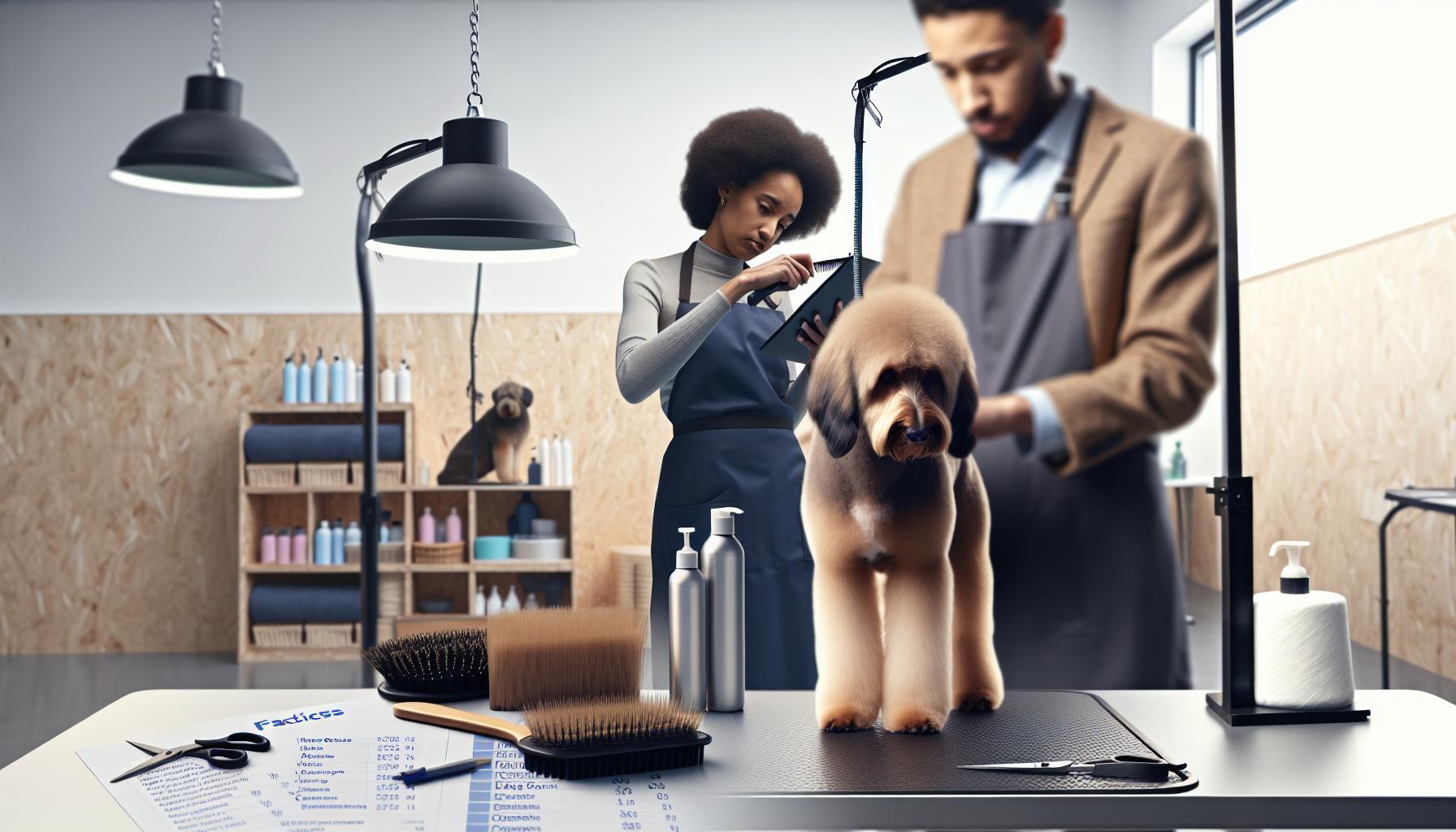
Dogs come in all shapes, sizes, and coat types, and each of these differences plays a meaningful role in determining the cost of grooming.When you bring your furry friend in for a grooming appointment, the price you pay reflects much more than just a simple bath or haircut-it encompasses the time, skill, tools, and care required to keep your dog safe, comfortable, and looking their best. Understanding these factors can help ease any worries about grooming expenses and empower you to make informed choices for your pet’s well-being.
Size and Coat Type: More Than meets the Eye
A tiny Chihuahua with a short coat usually requires less time to groom and fewer specialized products than a large, double-coated breed like a Siberian Husky or a curly-coated Poodle. Dogs with thick, long, or matted fur often need extra attention: thorough brushing, detangling, and sometimes even dematting treatments. This careful handling is essential to avoid discomfort or injuries, but it also means the groomer invests more time and effort, wich naturally adds to the cost. For example, a simple bath for a small dog can start around $24, whereas full-service grooming on medium to large, complex-coated dogs can run much higher [[1]](https://www.petco.com/s/dog-grooming?srsltid=AfmBOooR3XTpk5Z-fVeSwfRSyFnfj2EgXS1dXNrsZp46EiJ39TJazXHW).
The Skill and Tools Behind Quality Grooming
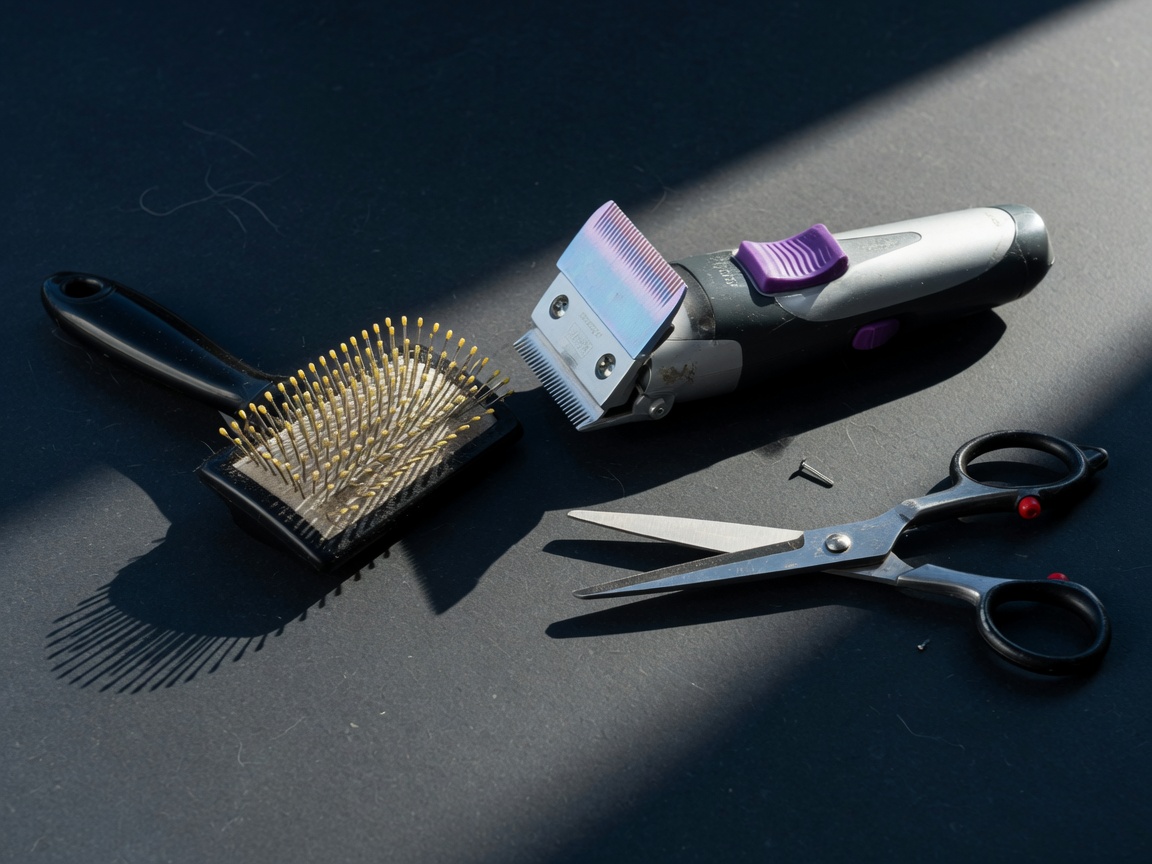
Grooming is a skilled craft that blends patience, animal handling expertise, and the right equipment. Tools like specialized clippers, scissors, de-matting combs, and gentle shampoos adapted for sensitive skin or coat type contribute to the overall price. For instance,grooming a dense or curly coat often requires different blade sizes and more frequent blade changes to prevent tugging or irritation. Groomers also factor in the cost of nail trimmers, ear cleaners, and pet-safe drying equipment. These investments in quality tools and products protect your dog’s health and comfort and boost the final grooming experience.
Time, Temperament, and Extra Services
It’s important to remember grooming isn’t just mechanical work-it’s a time-intensive process that can vary widely depending on your dog’s temperament and needs. An anxious or fearful dog may require extra patience, breaks, and even sedation in certain specific cases, which increases labor costs and the groomer’s responsibility to ensure safety. Groomers also offer add-on services such as nail grinding, teeth brushing, anal gland expression, or flea treatments. Each of these can add to the bill but can make a real difference in your pet’s overall health and comfort. For example, a professional grooming session including these extras could cost hundreds of dollars in high-demand areas [[2]](https://www.reddit.com/r/dogs/comments/1b997yt/how_much_do_you_pay_for_a_regular_grooming_service/).
Location and Salon standards
Like any service industry,grooming prices are influenced by were you live and the quality of the salon. Groomers in metropolitan areas or upscale neighborhoods often charge more due to higher rent, wages, and the demand for premium services. A salon that employs experienced certified professionals, has excellent sanitation protocols, and uses top-tier products will cost more-but this often translates into a safer, tailored, and more comfortable experience for your dog [[3]](https://www.campbowwow.com/tulsa/services-pricing/dog-grooming/).
Ultimately, the price tag you see reflects a blend of your dog’s unique needs, the groomer’s expertise, and the commitment to care that keeps your pet happy and healthy.Knowing these factors helps you choose the right grooming option that fits both your budget and your dog’s specific requirements-as true grooming is about kindness, patience, and safeguarding your companion’s well-being every step of the way.
How coat Type and Breed Impact costs
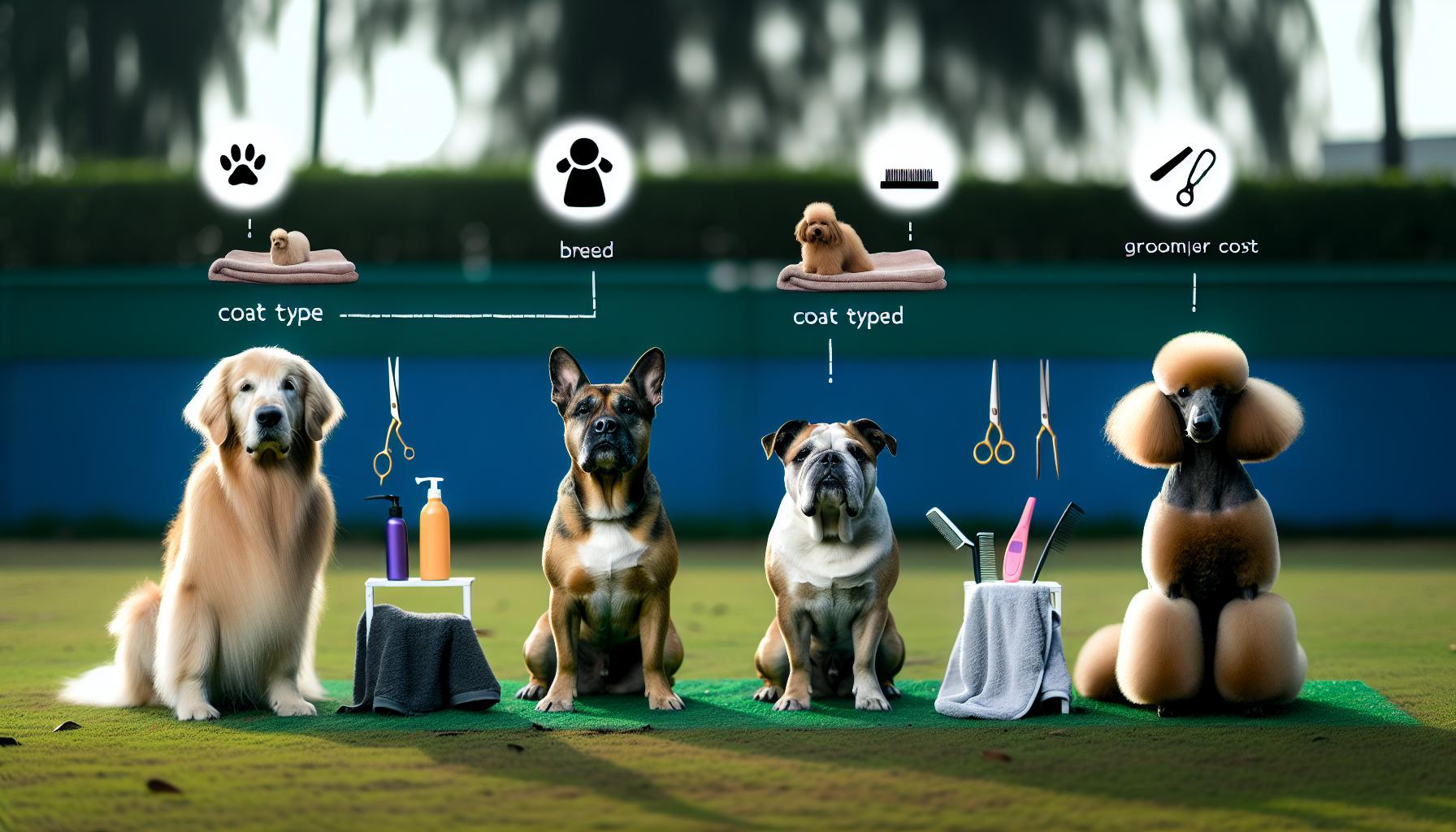
Every dog’s coat tells a unique story, and that story plays a big role in what you’ll pay at the groomer. Think of coat type and breed as the blueprint that guides every step of grooming-from washing to brushing, drying, and trimming. Such as, a short-haired pup like a Beagle frequently enough breezes through a bath and basic brush, while a long-haired Afghan Hound may require gentle detangling sessions and extra patience to avoid painful mats. These differences affect both the time and specialized tools your groomer needs to use, naturally influencing the final cost.
Coat Thickness, Texture, and Length
The thicker and longer your dog‘s coat, the more work it takes to keep it healthy and mat-free. Dogs with double coats, such as Siberian Huskies, have a soft undercoat beneath a coarse topcoat that needs careful handling-brushing to remove loose fur without damaging the protective outer layer. Curly or woolly breeds like Poodles demand routine detangling and specialized scissoring. Without proper care, knots and mats develop, which can slow grooming dramatically.When mats need professional removal, groomers often charge extra because dematting is time-consuming and must be done with gentle precision to prevent discomfort or skin injury.
Breed-Specific Grooming Needs
Beyond coat type, breed traits impact grooming complexity. Some breeds have specific styling requirements-think the iconic lion cut on a Pomeranian or the smooth, sleek finish of a Doberman.These breeds require more advanced grooming techniques and steady hands, increasing labor during your visit. Similarly, breeds prone to skin sensitivities or allergies might need hypoallergenic shampoos or special treatments, which also add to the overall price.
- Small short-haired breeds usually need less time and fewer products-baths, nail trims, ear cleanings are often straightforward.
- Medium to large double-coated dogs require thorough brush-outs and frequent deshedding treatments to prevent matting and skin issues.
- Long-haired or curly-coated breeds need extra detangling,trimming,and sometimes frequent clipping appointments to keep their coat manageable.
practical Grooming Tips for Owners
Keeping your pup’s coat clean and brushed between visits can save time and money. Regular brushing prevents tangles and mats, making baths quicker and more effective. If your dog tends to get matted fur easily, scheduling grooming every 4-6 weeks helps maintain healthy skin and hair, reducing the risk of expensive dematting sessions. For dogs with sensitive skin or allergies,communicate these needs to your groomer so they can prepare gentle,suitable products-this saves unneeded irritation and follow-up costs.
While it’s tempting to tackle some grooming tasks at home, such as nail trims or simple baths, remember the groomer’s skill and equipment play a key role in safely handling tricky areas like ears or heavily matted fur.Professional groomers also know when to recommend a vet visit for skin or coat problems beyond the scope of cleaning and styling.
Understanding how breed and coat type factor into price helps you set realistic expectations and choose the right grooming schedule and services-helping your furry friend stay healthy, comfortable, and confident between visits.
essential Grooming Services Explained
Dogs don’t just get clean and look nice after a visit to the groomer – they go through a thoughtful process tailored to their unique needs. Each grooming session involves several foundational steps, each with its own challenges depending on your dog’s breed, coat, and temperament. Understanding what’s involved can definitely help you appreciate why professional grooming costs what it does and how it benefits your furry friend beyond aesthetics.
Bathing and Conditioning
This is usually the first step and more complex than a simple rinse. Groomers select shampoos and conditioners based on your dog’s skin sensitivity, coat type, and any special needs – like hypoallergenic formulas for allergy-prone pups or medicated shampoos for certain skin conditions. Proper bathing includes careful water temperature control, gentle request, and thorough rinsing to avoid irritation. For long or thick coats, conditioners help detangle fur and soften the hair, making the next steps easier and more comfortable.
Brushing and Dematting
Once clean, brushing removes loose hair and prevents tangles from forming mats, which can trap dirt and cause skin discomfort.This task varies dramatically in time and difficulty. for example, a short-haired Labrador is brushed quickly with minimal tools, while a Poodle requires multiple brushes and combs, plus careful attention to curls to avoid painful knots. Groomers also perform special dematting when necessary – a slow, gentle process to break up mats without pulling skin, which requires patience and experience.
Nail trimming and Paw Care
Clipping nails is more than a cosmetic detail; overgrown nails can cause pain or walking difficulties. Groomers carefully trim nails while avoiding speedy cuts that cause bleeding or distress, often using clippers and grinders for smooth edges. Paw pads are checked and cleaned, and sometimes fur is trimmed around toes to prevent debris buildup or slipping.
Ear Cleaning and Eye Care
Ears can accumulate wax and debris, increasing the risk of infection if left untreated. Professional groomers use safe cleaning solutions and gentle techniques tailored for sensitive ear canals. Similarly, groomers wipe away tear stains and trims around the eyes are done cautiously to improve vision and comfort without startling sensitive pets.
Styling, Trimming, and Special Requests
Some dogs require breed-specific cuts or creative trims, adding to grooming time and complexity. These advanced services demand steady hands, artistic skills, and often specialized scissors or clippers. Groomers also accommodate requests like sanitary trims, flea treatments, or deodorizing sprays, each contributing incrementally to the price.
- example: A Maltese getting a full “puppy cut” with face and paw trims will take longer and require finer scissoring skills than a quick bath and nail trim for a short-haired Beagle.
- Example: Mats on a Golden Retriever require extra time and careful dematting tools, sometimes an additional fee, as untreated mats can cause pain and skin damage.
Boundaries of Grooming vs. Veterinary Care
While groomers are skilled at maintaining cleanliness and general coat health, they are not veterinarians. If skin infections, parasites, or unusual lumps are noticed, a groomer will recommend a vet referral rather than treating these issues. This distinction ensures your dog’s health is prioritized safely, without risking complications from at-home or salon treatments alone.
In every step, your groomer’s goal is your dog’s comfort and safety, not just a picture-perfect look. Whether it’s a routine bath or a full styling session, these services are designed to keep your dog feeling happy and healthy from nose to tail.
tools and Products Behind the Price Tag
Dogs might seem to simply get bathed and brushed at a grooming appointment, but behind the scenes, a carefully curated selection of tools and products ensures that every step is done safely, gently, and effectively.these quality items not only protect your dog’s delicate skin and coat but also require investment on the groomer’s part-an important reason why grooming costs add up beyond just the labor involved.
Bathing Essentials: More Than Just Water and Soap
A professional groomer’s bathing routine involves specialized shampoos and conditioners tailored to your dog’s coat type and skin sensitivities. Such as, hypoallergenic shampoos are used for pups with allergies, while medicated or anti-fungal shampoos help manage specific skin conditions. these are often pricier than regular pet shampoos but critical to avoiding irritation or flare-ups. Additionally, conditioners designed to detangle long or thick fur make grooming afterward smoother and more comfortable for your dog. Groomers also invest in adjustable tubs, professional showerheads, and temperature controls to ensure each bath is as calming and thorough as possible.
Brushing and Dematting Tools
The coat variety greatly influences the selection of brushes and combs. For instance, a short-haired breed like a Beagle may only need a bristle brush, while curly-coated or double-coated breeds such as Poodles or Golden Retrievers require several types: slicker brushes for gently loosening tangles, dematting tools for stubborn mats, and specialized combs for finishing. Many of these tools have been designed to minimize pulling and skin irritation, made with soft tips or ergonomic handles for the groomer’s comfort during lengthy sessions. Maintaining these tools also adds to ongoing costs because blunt or dirty brushes can harm a dog’s coat and skin.
Nail and Paw Care Instruments
Trimming nails safely takes more than just a clipper. Groomers often use grinders to smooth rough edges, reducing the chance of cracked nails that could lead to pain or infection. Reliable nail tools-often stainless steel for durability-require regular maintenance and replacement. Paw pads might potentially be cleaned silently with specialized sprays or balms to soothe and protect sensitive areas, ensuring that your pet steps comfortably long after the grooming session ends.
Specialized Products and Styling equipment
Professional groomers may also use breed-specific scissors,clippers,and thinning shears tailored for precision and safety,especially for intricate trims like “puppy cuts” on small breeds or breed standard styles. Deodorizing sprays, flea treatments, and calming sprays can be part of the grooming process when requested, each contributing to the overall cost. High-quality products are chosen not for vanity but because they prioritize your dog’s skin health and minimize stress from grooming.
- Example: Dematting a Golden Retriever with matted fur requires slow,gentle work with specialized tools to break apart knots without hurting your dog,which can take extra time and wear on grooming tools.
- Example: A French Bulldog with sensitive skin benefits from hypoallergenic shampoos and soft brushes to avoid irritation, highlighting the need for a wider range of products on hand.
Ultimately, the cost of grooming reflects the investment in premium tools and products that ensure your dog’s safety and comfort. These aren’t inexpensive “extras” but foundational to compassionate grooming care, which differs greatly from the basic, and sometimes risky, approaches used in DIY attempts. caring for your dog’s unique coat and needs with the right supplies is part of what makes professional grooming well worth the price.
for those interested in DIY grooming at home, investing in quality core tools like a slicker brush, nail grinder, and breed-appropriate shampoo can help replicate elements of professional care-but always remember that techniques and experience matter just as much as products and tools. When in doubt, your groomer’s expertise and the specialized equipment they use are valuable partners in your dog’s health and happiness.[1], [2], [3]
How Groomer Experience Affects Your Bill
Experience truly shapes every aspect of a groomer’s work-from how they handle different coat types to the subtle ways they calm an anxious dog. When you pay for a seasoned professional,you’re investing not just in the time spent washing or trimming but also in the gentle confidence that comes with years of practice. This expertise can make a surprisingly big difference in your dog’s comfort, safety, and even the overall outcome.
Why Skill Level Matters
Veteran groomers possess a deep knowledge of breed-specific needs, essential for tailoring care. A Poodle’s curly coat demands very different tools and trimming techniques compared to a Labrador’s short, dense fur. Skilled groomers quickly identify mats, skin sensitivities, or behavioral cues signaling stress or discomfort. they move efficiently but patiently, reducing the chance of nail nicks, skin irritations, or fearful reactions that can complicate future grooming visits. This reduces your dog’s anxiety and need for extra time in the grooming chair-factors that ultimately affect cost.
The Role of Specialized Training
Professional training ensures groomers are versed in safe handling techniques, correct tool usage, and emergency procedures. For example, nail trimming sounds simple, but trimming too close to the quick causes bleeding and discomfort-something an experienced groomer avoids with finesse. Groomers who have earned certifications usually charge more because they bring proven skills that protect your dog’s health. They’re also more adept at managing challenging situations, such as grooming dogs with thick mats or sensitive skin, without rushing or causing harm.
Experience Saves Time-and Stress
From bathing to styling,an experienced groomer’s workflow is smoother and more predictable. A dog with a tangled coat may need extra time to detangle properly. Less experienced groomers may struggle, increasing session length-and your bill-without the same quality outcome. Conversely, a skilled professional will know exactly which brushes, conditioners, and scissors to bring out, saving time and keeping your pet calm. This efficiency not only benefits your wallet but also provides a gentler experience for your furry friend.
- Example: Grooming a senior dog often requires subtle modifications and extra patience. Experienced groomers recognize when to pause or adjust techniques to accommodate arthritis or fragile skin.
- Example: A nervous small breed like a Yorkshire Terrier benefits from a groomer who understands how to handle stress triggers and uses calming methods during nail trims or ear cleaning.
At the heart of the price is the invaluable peace of mind knowing your dog is in capable, caring hands. While less experienced groomers or DIY approaches might appear cheaper, the risk of accidents or discomfort can cost more in the long run, both emotionally and financially. By choosing a groomer with strong experience, you invest in a safer, happier grooming experience that supports your dog’s well-being beyond just a fresh haircut.
Hidden Costs: Add-Ons and special Requests

It’s easy to assume grooming is a simple wash-and-cut process, but many little extras quietly add up-and that’s where you start to notice those hidden costs. Specialty treatments, last-minute requests, or dealing with a notably fidgety pup all require extra time, tools, and attention, which naturally influence the final bill. Plus, groomers frequently enough customize services to suit your dog’s unique coat type or temperament, so these add-ons aren’t just about aesthetics-they’re about your pet’s comfort and health.
Common Add-Ons That Influence the Price
- Dematting and Detangling: Dogs with thick, curly, or long coats-like Poodles or Shih Tzus-frequently enough develop mats that need careful, time-consuming removal. This process requires special combs and patience to avoid painful tugging or skin irritation, adding to the overall grooming time and cost.
- medical or Sensitive Skin Baths: If your dog has allergies, skin infections, or sensitivities, groomers may use medicated shampoos or conditioners tailored to your vet’s recommendations. These products can be pricier than regular shampoos and might require a longer soak or gentle handling.
- Nail Grinding or Special Nail care: Some breeds or anxious dogs need extra delicate handling for nail trims, often coupled with grinding to smooth sharp edges. This can be more time-intensive and requires precise tools and experience.
- Teeth Brushing or Ear Cleaning: While often offered as add-ons, these services contribute to your dog’s overall health but do require more patience and attention, especially with shy or nervous pets.
- Express or Same-Day Appointments: Last-minute scheduling or expedited grooming can result in surcharge fees to accommodate your needs while balancing the salon’s workflow.
When Special Requests Become Special care
Every dog is unique, and sometimes owners ask for detailed trims or specific styling, like breed-standard cuts or creative designs. While these elevate your dog’s appearance, they take extra time and skill-just like a professional haircut for a person. Groomers may also charge more for handling especially nervous or reactive pets who need breaks, calming techniques, or two groomers working together for safety. This extra attention isn’t just about making your pup look good; it’s about creating a low-stress experience that prioritizes their well-being.
Practical Tips to Manage Hidden Fees
- Discuss your dog’s coat condition ahead of time: Let your groomer know about mats, skin issues, or behavioral quirks so they can prepare and quote accordingly.
- Book regular grooming sessions: Frequent trims can prevent mats and reduce the need for costly dematting services.
- Ask about package deals or bundled services: Many salons offer discounted rates when you combine basic grooming with extras like ear cleaning or nail care.
- Be flexible on timing: Non-express appointments rarely have surcharges and allow groomers the space they need to care for your dog patiently.
By understanding these factors and communicating openly, you’ll not only avoid surprise charges but also support a grooming experience that truly respects and protects your pet’s health and happiness. After all, gentle, compassionate care sometimes takes a little extra time-and that means a bit more investment, but priceless peace of mind.
Why Location and Salon Quality Matter
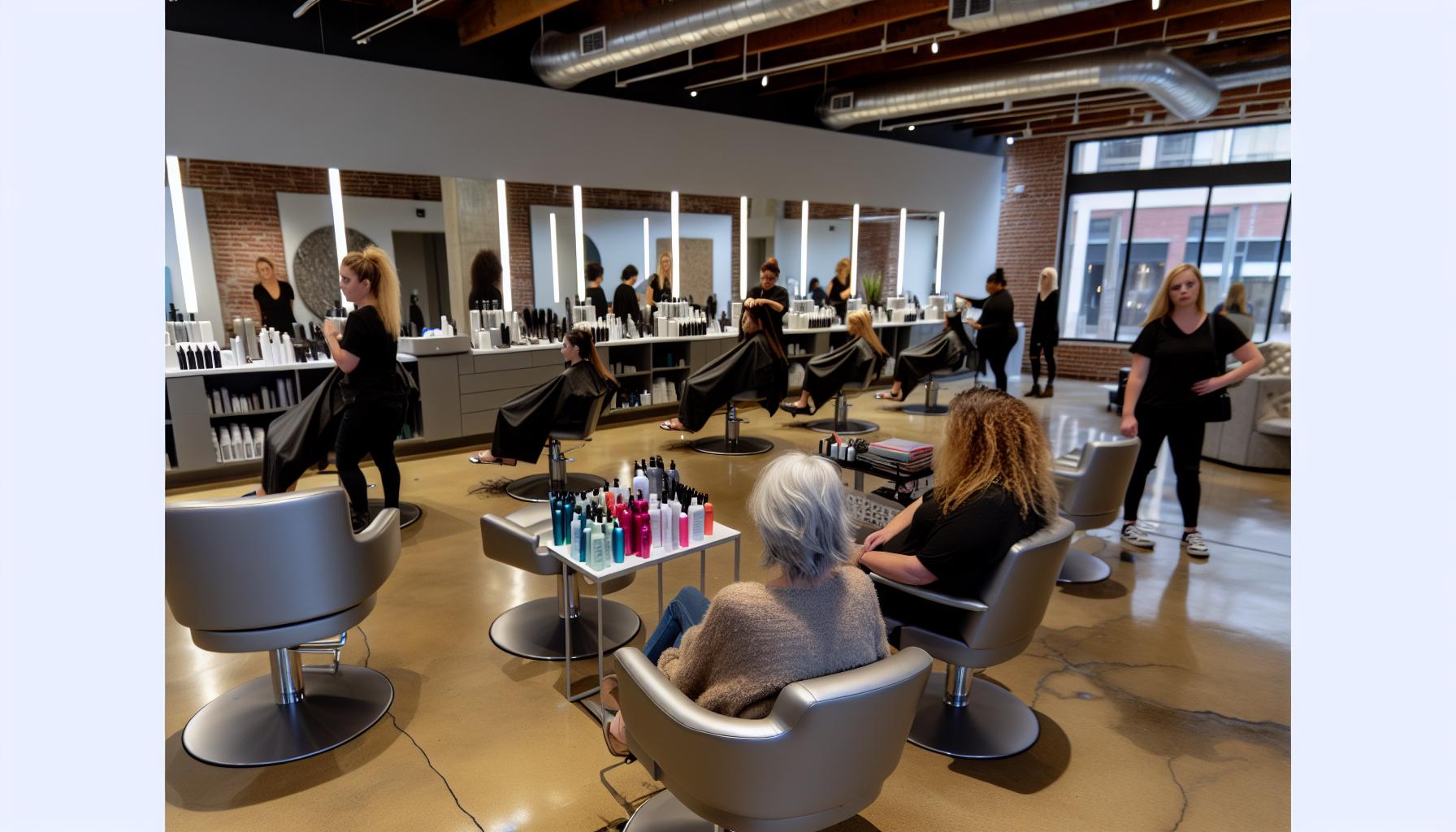
One of the frequently enough overlooked factors influencing grooming prices is where you take your dog and the quality of the salon you choose.Just like any specialized service, location plays a big role: urban areas with higher rental costs and demand for premium services usually mean higher grooming fees. Additionally,salons that prioritize a calm,clean environment stocked with top-notch tools naturally incur greater expenses,which they pass on to clients. This doesn’t just affect your wallet-it directly impacts your dog’s comfort and safety during the grooming session.
When selecting a salon, look beyond just price and focus on the atmosphere and staff expertise. A high-quality salon often features certified groomers who understand breed-specific coat types, temperaments, and health considerations.For example, a salon experienced with double-coated breeds like Huskies will approach bathing and drying with techniques that preserve the coat’s natural oils and prevent irritation, whereas less specialized places might miss these subtle needs, putting your dog at risk.Investing a little more upfront in such expertise can save on stress,skin problems,or coat damage down the line.
- Clean, well-maintained facilities: Grooming requires hygiene to avoid infections or cross-contamination.Salons that allocate budget for regular deep cleaning, fresh equipment, and quality products signal a commitment to pet health.
- Specialized equipment: Tools like quiet dryers, ergonomic grooming tables, and breed-specific clippers help reduce your dog’s anxiety and improve results. These investments add to the salon’s costs but also create a more gentle experience.
- Trainer-level patience and know-how: Groomers skilled in handling nervous or reactive dogs provide breaks,use calming techniques,or even work with two groomers when needed. This attentive care takes time, which reflects on the price but means your pup feels safer.
Choosing a salon in a quieter neighborhood might lower prices slightly, but it’s essential to ensure that reduced fees don’t come at the expense of your dog’s well-being. Sometimes, paying a premium for a reputable place close to you makes for a less stressful trip and a happier dog overall.
Practical Tips for Evaluating Salons
- Visit beforehand: Take a quick tour, observe cleanliness, and meet staff to gauge their passion and patience.
- Ask about breed experience: make sure they’ve handled dogs like yours and know specific grooming challenges.
- Inquire about safety protocols: Learn how they avoid stress, handle accidents, and sanitize tools between pets.
- Check reviews and referrals: Look for feedback on how the salon handles anxious or special-needs dogs.
By thoughtfully selecting your grooming location and salon quality, you’re investing not just in your dog’s appearance but in their comfort, health, and emotional well-being.The right place balances skilled care with a stress-free experience-priceless factors that often justify the higher price tag.
The True Cost of DIY Dog Grooming
Grooming your dog at home can seem like an appealing way to save money, but it’s critically important to understand the time, effort, and investment involved before diving in. While grooming tasks like brushing and nail trimming are manageable for many pet parents, more complex steps-such as coat trimming for certain breeds or safely cleaning ears-require skill, patience, and the right tools to avoid injury or discomfort.
Key considerations: Breed, Coat Type & Tools
Different breeds and coat types demand different care techniques. For example, a Poodle’s dense, curly fur needs regular trimming and detangling, while a Labrador’s short coat primarily benefits from consistent brushing to manage shedding.Without using breed-specific tools-like a slicker brush for thick coats or thinning shears for layered trimming-DIY grooming can quickly become frustrating or even harmful. Investing in quality equipment like clippers, scissors, nail trimmers, and shampoos can add up, so be prepared for initial costs that mirror a few professional groomings upfront [[1]](https://earthbath.com/blogs/earthbath-blog/diy-dog-grooming?srsltid=AfmBOorSuHVNfefijONZiUy36ripIPpCpaLJLOmQdUZxxtQu9zZIEimY).
Step-by-Step Routine Tasks at Home
- Brushing: Essential for detangling loose hair and reducing mats, especially before baths. Brushing daily or several times weekly supports healthy skin and coat.
- Bathing: Use gentle, pet-safe shampoos and ensure thorough rinsing. Overbathing can dry out skin,so frequency shoudl match your dog’s coat and activity level.
- Nail Care: Regular nail trims prevent discomfort and mobility issues. Trim small amounts carefully to avoid hitting the quick.
- Ear Cleaning: Use vet-recommended solutions and cotton balls, never inserting objects deep into the ear canal.
Patience is crucial-many dogs are not instantly comfortable with grooming routines. Approaching sessions with calm, soothing voices, treats for positive reinforcement, and frequent breaks makes the experience safer and more enjoyable for your pet.
Know Your Limits & When to seek Help
Certain grooming tasks pose risks best left to professionals or veterinarians. for instance, complex haircuts requiring breed-specific styles, handling severe mats, or medical-related grooming (like post-surgery shaving or treating skin conditions) require expert care. DIY grooming does not replace the specialized knowledge and equipment of professional groomers or the medical expertise of vets-both have their place in a dog’s wellness.
By understanding these boundaries, you protect your dog’s comfort and safety, while gaining confidence in managing routine upkeep yourself.
Balancing Costs: Tools vs. Time vs. stress
| Cost Factor | DIY grooming | Professional Grooming |
|---|---|---|
| Initial Tools & Products | $100-$300 (brushes, clippers, shampoos) | N/A |
| Ongoing Supplies (shampoo, treats) | Moderate | Included in price |
| Time Investment | 1-3 hours per session | Minimal owner time |
| Stress for Dog & Owner | Variable depending on training and temperament | Professional handlers reduce stress |
| Risk of Injury or Poor Results | Higher if inexperienced | Lower with trained groomers |
many owners find a hybrid approach works best-regular brushing and nail trims at home, with periodic professional grooming to address more demanding tasks safely. This balance helps manage costs without compromising your dog’s health and happiness.
For those ready to take on DIY grooming, start small, educate yourself with reputable resources, and prioritize your dog’s comfort. A little patience and love go a long way in making grooming a positive bonding experience for both of you [[2]](https://www.instructables.com/DIY-Dog-Grooming-Save-500YR/) [[3]](https://blog.homesalive.ca/dog-blog/diy-dog-grooming).
Comparing Vet vs. Professional Groomer Services
Few things are as critically important to your dog’s comfort and well-being as regular grooming-but deciding between a veterinary hospital or a professional groomer can be confusing for many pet parents. Both provide valuable services, yet they serve different needs and involve unique approaches.Understanding these differences helps you choose the best care for your furry friend while making sense of the pricing.At your veterinary clinic, grooming is often special-tailored for pets with medical considerations-like skin conditions, allergies, or post-surgical care. Vets and their trained staff are equipped to handle anxious or fragile dogs gently and safely. Their grooming sessions usually focus on hygiene essentials such as baths with medicated shampoos, nail trims, ear cleanings, and coat maintenance that supports healing and comfort. A vet appointment can catch health issues like lumps, infections, or parasites while grooming, making it a valuable preventative step. However, due to the medical oversight and specialized handling, vet clinics generally charge more compared to a typical groomer for similar basic services.professional groomers, conversely, excel in breed-specific styling and thorough coat care.A groomer’s expertise shines with breeds needing intricate haircuts, trimming, or de-matting, plus customized shampoo choices and nail care adapted to your dog’s breed and coat type. Grooming salons invest heavily in specialized tools-clippers, dryers, grooming tables suited for nervous dogs-allowing them to work efficiently and safely. Experienced groomers often create a trusting, calm environment that many dogs find enjoyable. Skilled groomers also provide add-ons like teeth brushing or flea treatments, which contribute to overall health beyond aesthetics. Their prices reflect this specialized service,the time needed for perfecting looks,and their role in enhancing pet comfort.
Where Boundaries Lie: when To Seek The Vet or The Groomer
- Vet grooming: Ideal for dogs with health struggles, mobility challenges, or sensitive skin issues. Perfect after surgical procedures or when your dog needs medical-grade shampoos and treatments.
- Professional groomers: Best for regular coat maintenance, breed-specific cuts, and managing difficult coat types like thick, curly, or double coats that mat easily.
Attempting complex grooming tasks at home is rewarding but challenging-especially for breeds needing regular trimming or those prone to skin irritations. When you schedule a vet grooming appointment, you gain peace of mind that health issues are monitored, but services may be limited to basics and priced accordingly.Conversely, investing in a reputable groomer offers specialized beauty and hygiene standards that support your dog’s confidence and well-being.
| Service Aspect | Veterinary Grooming | Professional Groomer |
|---|---|---|
| Focus | Health & medical care integration | Breed-specific styling & thorough coat care |
| Tools & Equipment | Medicated products, gentle handling | Varied grooming tools, advanced styling tools |
| Price Range | Moderate to high (medical oversight) | Variable, frequently enough higher for styling complexity |
| Best For | Pets with health issues or recovery needs | Regular maintenance and breed-specific grooming |
When considering costs, remember this: paying a bit more for vet services means investing in your pet’s health safety. Choosing a professional groomer means investing in your dog’s comfort, appearance, and stress reduction during grooming.Some owners find a hybrid approach works best-routine upkeep with a groomer for appearance and periodic vet grooming when health concerns arise.
No matter the choice, the key is clear communication with your care provider. Share your dog’s breed, coat type, temperament, and any health concerns before booking.This allows them to tailor their approach to your dog’s unique needs,making each session a positive experience.With patience and the right expertise, grooming becomes less stressful-for both your dog and your wallet.
For ongoing tips and help understanding grooming best practices, many local veterinary hospitals and salons offer FAQs and consultations-offering peace of mind as you decide what’s best to keep your best friend happy, healthy, and looking their very best [[1]](https://www.meadowvistavet.com/site/veterinary-services-meadow-vista/bathing-grooming) [[2]](https://www.bearcreekvetonline.com/site/veterinary-services-stockton/bathing-grooming) [[3]](https://www.bixbyah.com/pet-grooming).
Tips to Save Money Without Skipping Care

Many pet parents worry that regular grooming will break the bank, but with thoughtful planning, you can keep your dog looking and feeling great without overspending.The secret lies in balancing professional care with at-home maintenance – a combination that saves money while prioritizing your dog’s comfort and health. Knowing your dog’s breed, coat type, and temperament helps you decide which grooming tasks you can confidently handle and where it’s best to call in the pros.
Simple at-Home Grooming Routines
regular brushing is the easiest, most cost-effective way to keep your dog’s coat healthy between professional visits. For example,a dog with a curly or double coat like a Poodle or a Golden Retriever will benefit from daily brushing to prevent matting and minimize salon detangling charges. Using the right tools – such as a slicker brush for thick coats or a bristle brush for smooth coats – makes a big difference. Try to establish a calm, gentle routine with plenty of praise, turning grooming time into bonding time instead of stress.
Bathing your dog at home using a mild, breed-appropriate shampoo can also stretch the period between salon baths. However, avoid over-bathing as it can dry out your pet’s skin. For dogs with sensitive skin or allergies, consult with your vet about products safe for home use.
Targeted Nail and Ear Care
Nail trims and ear cleanings are two services that you can learn to perform safely at home with proper guidance. Frequent nail trims prevent costly nail dremel sessions at the groomer and keep your dog comfortable. Use a nail clipper designed for dogs and remember to trim little by little to avoid cutting the quick. For anxious dogs, start slow and use treats and calm reassurance to ease the process.
Ear cleanings can often be done with gentle wipes or vet-approved solutions, reducing the risk of infections and expensive vet visits. Always watch for signs of discomfort or unusual discharge, guiding you to seek professional help without delay.
When to Choose Professional Help
While the DIY approach saves money on routine maintenance, certain grooming needs always benefit from professional skills. Complex cuts, de-matting for thick or curly coats, and health-related grooming like medicated baths are best left to experienced groomers or vets. Don’t hesitate to schedule quarterly professional appointments for these services. Many groomers offer package deals or loyalty programs to reduce costs.
Consider spreading out services, such as doing home baths and brushes weekly and reserving nail trims or haircuts for the groomer. Communication with your groomer about your budget can also lead to customized grooming plans, focusing on essentials and avoiding unnecessary add-ons.
- Ask your groomer for a demonstration of home grooming techniques suited to your dog’s coat and temperament.
- Invest in a few quality tools like a de-matting rake,nail clippers,and shampoo recommended by professionals.
- Keep grooming sessions short and positive for nervous pets to build trust and reduce anxiety.
- Monitor your dog’s skin and coat regularly to catch issues early before they become costly problems.
Combining gentle, consistent home care with selective professional grooming not only saves money but also nurtures your dog’s wellness and trust. Think of grooming as an ongoing partnership between you and the experts – a way to keep your best friend happy, healthy, and looking their best without unnecessary expense. Always prioritize your pet’s comfort and never sacrifice safety for savings; when in doubt, reach out to your groomer or vet for guidance.
Signs Your Dog Needs More Frequent Grooming
Many dog owners don’t realize how subtle signs of neglected grooming can quickly affect their pet’s comfort and health-prompting a need for more frequent visits to the groomer. If your dog’s coat feels coarse or starts matting even with regular brushing, it often signals that the natural oils and moisture balance are off. This is especially common in breeds with thick double coats like siberian Huskies or curly-coated dogs like Poodles, whose fur can trap dirt, debris, and tangles more easily. Delaying professional dematting or trimming may lead to discomfort, skin irritations, or even infections that require extra time-and cost-at the groomer.
Watching the Coat and Skin
A good early indicator is the loss of that healthy shine or softness in your dog’s fur. You may notice flakes of dry skin or hotspots that suggest bathing intervals are too long, or maybe the shampoo used isn’t right for your dog’s skin type. for sensitive-skinned breeds like Bulldogs or Maltese, proper medicated baths may be necessary sooner than expected to avoid itching or inflammation. When DIY baths start feeling ineffective or your dog begins to scratch more than usual, it’s time to book a professional groomer who can assess and treat the skin adequately.
Nail Length and Paw Care
Nail trims are a small step often overlooked between grooming visits. When nails grow too long, your dog might change the way they walk, leading to joint strain or even injury. For breeds with thick pads, such as Newfoundlands, frequent nail monitoring is critically important as overgrown nails can cause painful snagging or cracking. If clipping becomes challenging or stressful for your dog at home, more frequent professional trims will ensure comfort without anxiety. Remember, a calm environment and skilled groomers help make this routine much easier for nervous pets.
Ear Health and Cleanliness
ears are another sensitive area. Breeds like Cocker Spaniels or Basset Hounds with floppy ears tend to trap moisture and dirt, raising the risk of infections if not cleaned regularly.If you notice your dog shaking the head excessively, scratching around the ears, or detect an unpleasant odor, these are clear signs that ear care has been delayed.Frequent professional ear cleaning might potentially be necessary to prevent complications, especially if your dog is prone to allergies or chronic ear issues.
- Excessive shedding or dull coat often signals a grooming interval that’s too long.
- Matted fur or hard tangles require immediate professional attention to avoid skin pain.
- Persistent odors or flaky skin mean baths and treatments need to be scheduled more frequently.
- Long, curling nails causing discomfort suggest adding nail trims between grooming visits.
- Signs of ear irritation indicate professional cleaning should be more regular.
Understanding these signs helps you create a balanced grooming schedule that fits your dog’s unique coat and health needs-thus avoiding emergency grooming sessions that often come with higher costs. When in doubt,consulting with an experienced groomer can provide insight tailored to your pet’s breed and temperament,ensuring sessions stay comfortable and cost-effective. Regular, attentive care is not just about keeping your dog looking good-it’s about supporting their overall happiness and well-being.
Understanding Grooming Frequency and Pet health
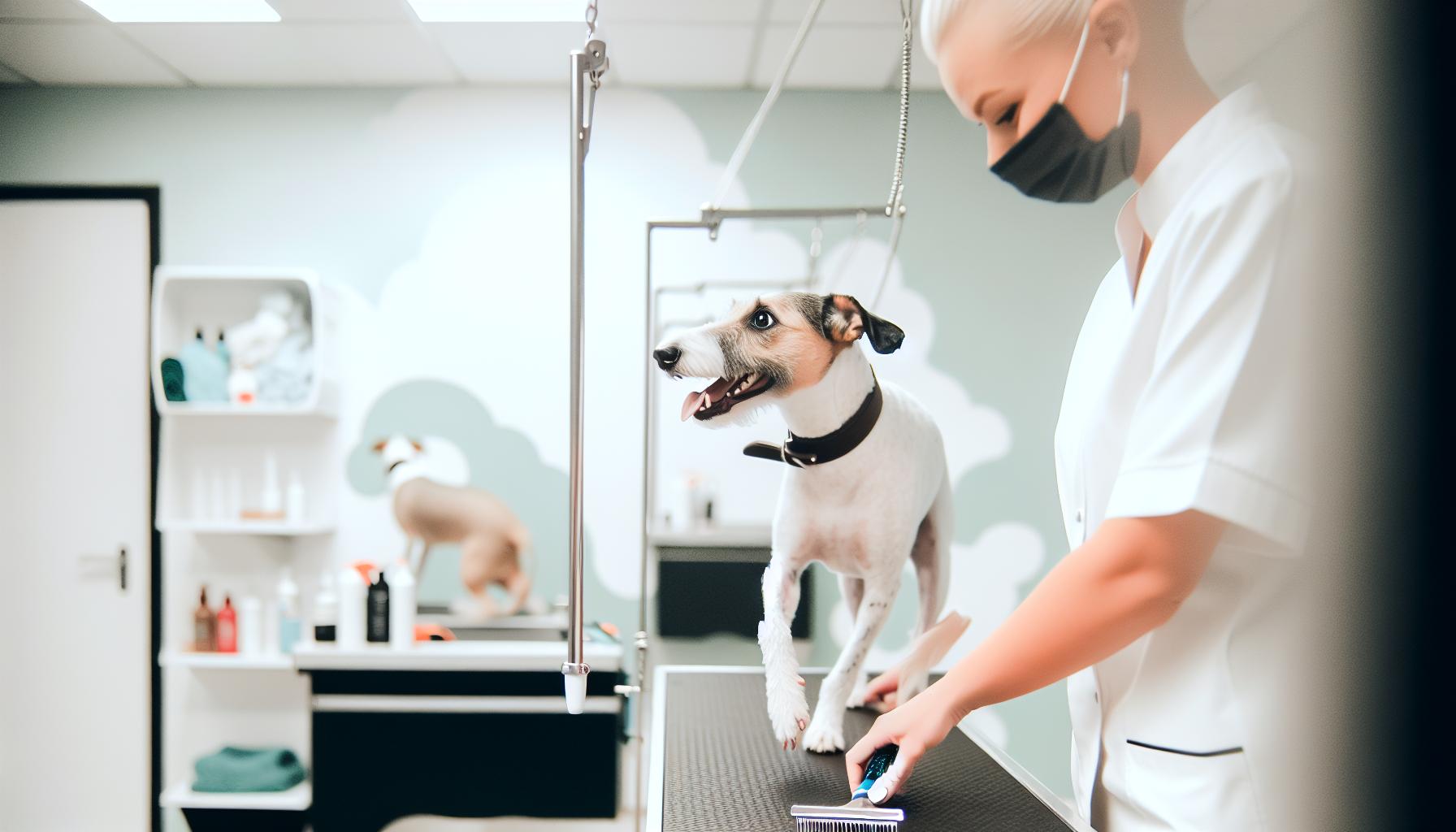
Every dog’s grooming needs are as unique as their personality and coat. While many dogs fall into a general grooming range of every 4 to 8 weeks, understanding how your pet’s breed, coat type, and health influences this frequency can save you frustration-and extra expense-down the line. For example, a short-haired Beagle may thrive with a monthly brush and occasional bath, whereas a curly-coated Poodle demands more consistent attention to prevent mats and skin issues. When grooming schedules are tailored thoughtfully, you support your dog’s comfort, skin health, and overall happiness.
Bathing and Brushing: Foundations of a Healthy Coat
Bathing frequency depends on factors like activity level, coat type, and skin sensitivity. Active dogs or those with oily coats may need baths every 3-4 weeks, while less active pups with dry skin might do better with gentle baths every 6-8 weeks. Overbathing risks stripping natural oils, leading to dryness and irritation-common causes of scratching or flaky skin. brushing is equally crucial, often done more frequently than baths. Regular grooming at home prevents tangles and distributes skin oils, extending the time between professional sessions. As a notable example,thick double-coated breeds like Huskies benefit from more frequent brushing to manage shed fur and avoid painful mats.
Nail Care and Ear cleaning: Small Steps with Big Impact
Nail trimming isn’t just cosmetic; overgrown nails can alter gait and strain joints, leading to costly health problems. For large breeds like Newfoundlands,monthly nail checks and trims are often needed,sometimes requiring professional attention because anxious dogs may resist clipping at home. Similarly, ear hygiene plays a critical role in preventing infections, especially in floppy-ear breeds prone to moisture build-up such as Cocker Spaniels. Signs of discomfort-head shaking,redness,or odor-mean it’s time for a professional cleaning,which can be incorporated into regular grooming visits to enhance comfort and reduce infection risk.
Balancing DIY grooming and professional Care
Many dog owners enjoy grooming tasks at home to bond with their pets and save money. Yet, some tasks-like deshedding thick undercoats or dematting dense fur-require specialized tools and skills only professional groomers possess. neglecting these needs can force emergency grooming visits that are more costly and stressful. Knowing when to call a groomer versus managing care at home empowers you to budget effectively and keep your dog happy. Regular dental care, for example, is frequently enough needed 2-3 times a week and can be done at home, while complex skin treatments or medicated baths might potentially be best left to experts.
- Breed and coat type: Determine brushing tools, bath frequency, and grooming complexity.
- Activity level and environment: Dogs that play outdoors need more frequent baths and coat checks.
- Health considerations: Skin conditions, allergies, or arthritis influence how grooming is handled.
- Behavior and tolerance: Nervous or sensitive dogs benefit from shorter, gentler sessions spaced appropriately.
By observing your pet’s behavior and coat condition, you can customize a grooming timeline that balances comfort and cost. When in doubt, your groomer is a resource: their experience with various breeds and coat types means they can recommend personalized intervals that maintain health without overspending. This proactive approach avoids surprises in grooming bills and helps your dog feel relaxed and cared for every visit.
References suggest that most dogs benefit from grooming every 4-8 weeks, but tailoring the schedule to breed and coat nuances prevents skin irritations and stress, ultimately saving money and enhancing your dog’s well-being[[1]](https://doggiesalon.co/blog/how-frequently enough-should-you-groom-your-dog–a-grooming-schedule-for-all-breeds)[[3]](https://backyardpetservices.com/2025/11/07/grooming-frequency-by-breed-a-quick-guide/).
Frequently asked questions
Q: How does a dog’s behavior affect the cost of grooming?
A: Dog behavior can *significantly increase grooming costs* if your pet is anxious or aggressive. Groomers may need extra time, safety equipment, or even assistance to manage tough behavior. Preparing your dog with training or calm visits can help reduce fees. See our section on *hidden costs and special requests* for more tips.
Q: Why do luxury dog grooming salons charge more than regular groomers?
A: luxury salons charge more due to *premium services,high-end products,and personalized care*. These include specialty shampoos, spa treatments, and extended one-on-one time. If you want to pamper your pet, expect a higher bill, but basic grooming remains effective and affordable. Learn more in *why location and salon quality matter*.
Q: Can grooming expensive breeds less frequently help reduce grooming costs?
A: Yes, grooming *less frequently for expensive-to-groom breeds* like Poodles or Shih Tzus can lower overall expenses.Though, skipping routine care risks matting and skin issues, which can raise vet or emergency groomer fees later. Balance frequency with your dog’s coat needs, as explained in *understanding grooming frequency and pet health*.
Q: How do emergency or last-minute grooming appointments impact pricing?
A: Emergency or same-day grooming usually costs more due to *scheduling prioritization and rushed service*. Groomers may charge premium fees to accommodate urgent bookings. planning regular appointments ahead helps avoid these extra charges and ensures consistent care.
Q: What role does breed health history play in grooming costs?
A: Dogs with specific health issues like sensitive skin or allergies often need *special shampoos, extra care, or slower grooming sessions*, increasing cost. Always inform your groomer about your dog’s health history to get safer, tailored grooming. This ties into *tools and products behind the price tag* for specialized needs.
Q: How do seasonal changes influence dog grooming prices?
A: Seasonal changes affect grooming costs as dogs may require *more frequent baths, de-shedding treatments, or paw care* in extreme weather.Groomers may also be busier, slightly raising prices. Adjust grooming schedules to your dog’s seasonal coat needs for cost efficiency.
Q: Why is nail trimming sometimes charged separately by groomers?
A: Nail trimming is often charged separately as it requires *different tools, skill, and time*, especially if nails are overgrown. Some salons list it as an add-on service. Regular nail care reduces long-term costs and discomfort, as detailed in *essential grooming services explained*.
Q: How can pet owners justify the expense of professional grooming?
A: Professional grooming goes beyond aesthetics-*it maintains your dog’s health, prevents infections, and enhances comfort.* Groomers detect skin problems early and care for coat and nails safely,making it a valuable investment. Check out *tips to save money without skipping care* for smart budgeting.—
For a deeper dive into these topics, explore the linked sections in our main article.This FAQ aims to clarify grooming costs while keeping your pet’s health and happiness front and center!
Final Thoughts
Understanding why dog grooming costs what it does helps you appreciate the skill, care, and safety involved-especially for breeds with complex coats or sensitive needs. Whether it’s a bath, a thorough brush-out, nail trim, or ear cleaning, professional groomers use specialized tools and knowledge to keep your pup comfortable and healthy.If you’re curious about how to start DIY grooming safely or want tips for choosing the right groomer,check out our guides on [DIY Dog Grooming Basics] and [Finding Trusted Pet Groomers Near You].
Ready to give your dog the best care while managing costs wisely? Explore our expert tips and trusted resources to make informed choices that suit your pet’s unique coat type and personality. Don’t forget to subscribe to our newsletter for ongoing advice, special offers, and grooming insights tailored for every dog owner. Have questions or personal experiences with grooming costs? Share them below-we love hearing from fellow pet parents! For more on optimizing your pet’s grooming journey,dive into our articles on [Local Pet Grooming SEO] and [Pet Groomer Marketing Strategies] to discover how professionals grow and serve the pet community better.
Keeping your dog’s grooming routine safe, compassionate, and stress-free is the key-and now, you’re better equipped to navigate the costs with confidence and care. Remember, investing in quality grooming means more than looks; it’s about your dog’s health and happiness year-round.
Get our latest guides, news, and insights highlighted in your Google Search & AI Overviews.
Keep reading about the same coat and cut.



Popular grooming guides
Bath vs clip, first grooms, and salon how-tos.