Who Regulates Dog Groomers? Oversight & Standards
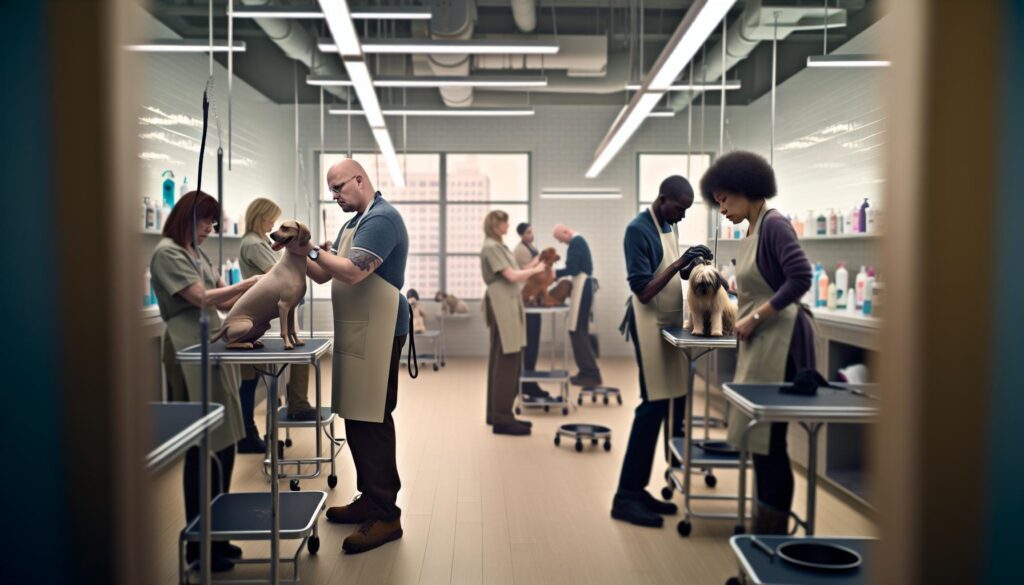
Did you know that, surprisingly, dog grooming is largely unregulated across manny areas, with no formal licensing required in most states? Understanding who oversees dog groomers and what standards guide their care is essential for any pet owner wanting peace of mind. After all,grooming isn’t just about making your dog look good-it’s about their health,comfort,and safety. Whether you’re seeking a professional groomer or considering DIY grooming at home, knowing the industry’s oversight, or lack thereof, helps you make confident, informed choices that protect your furry friend. In this article, we’ll explore the current landscape of grooming regulations, the standards that responsible groomers follow, and practical tips to ensure your pet’s well-being during every bath, brush, nail trim, and ear clean. Let’s take a closer look at how you can advocate for your pet’s care with calm confidence and compassion.
Who Oversees Dog Grooming Professionally?
Table of Contents
- 1 Who Oversees Dog Grooming Professionally?
- 2 Key Regulatory Bodies and Agencies Explained
- 3 Understanding Licensing Requirements for Dog Groomers
- 4 Industry Standards: What Makes a Groomer Qualified?
- 5 How Pet Safety Laws Impact Dog Grooming Practices
- 6 Voluntary Certification Programs: Are They Worth It?
- 7 What Training and Education Does a Groomer Need?
- 8 Recognizing and Reporting Unprofessional Grooming
- 9 Differences Between Veterinary Oversight and Grooming Regulation
- 10 How Local vs. National Rules Shape Grooming Standards
- 11 Protecting Your Dog: What Owners Should Demand
- 12 Emerging Trends in Grooming Regulations and Safety
- 13 FAQ
- 13.1 Q: How can pet owners verify if a dog groomer is properly regulated?
- 13.2 Q: Why do dog grooming regulations vary by state or city?
- 13.3 Q: What role do consumer protection laws play in overseeing dog groomers?
- 13.4 Q: How do voluntary grooming certification programs support regulation efforts?
- 13.5 Q: What are the risks if a dog groomer operates without regulation or certification?
- 13.6 Q: Where can dog groomers find updates on changing grooming regulations and standards?
- 13.7 Q: How does veterinary oversight differ from dog grooming regulation in protecting pet health?
- 13.8 Q: What specific safety standards should be mandatory in professional dog grooming?
- 14 In Conclusion
Though it might seem like dog grooming is a purely local profession, the oversight behind it is a blend of various players, each playing a role in ensuring our furry friends receive safe, compassionate care. Unlike many health-related fields, dog grooming doesn’t have a singular national regulatory body. Instead, the supervision and regulation come from a combination of local government agencies, professional organizations, and sometimes voluntary industry standards that groomers choose to follow. This mix means that as a pet owner, you can focus on finding groomers who prioritize your dog’s comfort and safety – while also meeting the standards expected within your community.
In most areas, grooming establishments must comply with local licensing and permit requirements. These are often overseen by municipal or county health departments or business licensing offices.Such as, a groomer’s workspace must meet sanitation and safety guidelines designed to protect both pets and groomers, from proper disposal of waste to safe electrical installations. These requirements help create a baseline for professional standards, but they vary widely from one place to another and usually do not extend to individual skill assessments or training verification.
Role of Professional associations
Because there is no unified national licensing for groomers,professional organizations step in to fill the gap by setting educational standards and offering certifications. One notable example is the American Kennel Club’s national Core Professional Dog Grooming Educational Standards.These standards emphasize not only grooming techniques but also critical elements like pet safety, sanitation procedures, and professional ethics. They provide groomers with evidence-based guidelines to follow, helping boost confidence for pet owners who want reassurance that their dog is in capable hands.
Other bodies, like the Professional Pet Groomers and stylists Alliance, also create voluntary certification programs. While these certifications are not legally required, they reflect a groomer’s commitment to ongoing education and humane practices, which can be a reassuring signal for pet parents. look for groomers who voluntarily pursue such credentials as it typically means they are dedicated to maintaining industry best practices beyond just the minimum legal requirements.
What This Means for You and Your Dog
- Ask about local licensing: Check that your groomer is properly licensed as mandated by your city or county. This ensures their premises meet necesary health and safety standards.
- Seek professional affiliations: Groomers attached to reputable organizations are often better equipped with updated training and techniques focused on pet comfort.
- Consider certification: While optional, certifications let you know the groomer has gone above and beyond basic requirements and cares deeply about animal welfare.
- Trust your instincts: Beyond documents and certifications,how a groomer interacts with your dog – their patience,gentleness,and attentiveness – often tells you everything you need to know.
Understanding who oversees dog grooming is part of empowering yourself to advocate for your pet’s well-being. The next time you book a grooming appointment, take a moment to speak with your groomer about their training, standards they follow, and how they prioritize safety and comfort. A groomer who welcomes your questions and takes time to explain their practices usually reflects a deep respect for your dog’s needs – and that’s the best oversight anyone can ask for.
Key Regulatory Bodies and Agencies Explained
Did you know that despite the growing demand for professional dog grooming, there isn’t a single national government agency directly overseeing the trade? Instead, the world of dog grooming is shaped by a patchwork of local authorities, professional groups, and voluntary programs-all working together to protect our pets in their own way. This means your dog’s grooming experience depends largely on where you live and the standards your groomer chooses to uphold.
Local government agencies typically play the primary role in regulating grooming facilities. These could be your city’s health department, county licensing office, or a consumer protection division. Their focus is usually on ensuring that salons maintain clean, safe environments that meet specific sanitation codes. For example, they’ll inspect water quality in bathing stations, proper waste disposal, and electrical safety to prevent accidents.While these rules are essential for your dog’s physical safety, they rarely extend to evaluating a groomer’s individual skill or knowledge.
Professional Associations Fill the Gap
Because formal government oversight stops short of certifying individual groomers’ skills, professional organizations step in as trusted advocates for quality and animal welfare. Groups like the National Dog Groomers Association of America (NDGAA) and the American Kennel Club (AKC) offer educational resources, workshops, and certification exams designed to raise the bar within the industry.
As an example, the AKC’s National Core Professional Dog Grooming Educational Standards provide groomers with a solid foundation in topics like breed-specific grooming techniques, handling nervous pets, safety protocols, and sanitation. While voluntary, these certifications send a clear message: your groomer is committed to continuing education and prioritizing your dog’s comfort and health.
What This Means for You
- Ask about local licensing: Confirm that the grooming facility holds the proper permits mandated by your local government. this helps ensure a clean, safe habitat for your dog.
- Look for memberships or certifications: Groomers affiliated with established professional bodies tend to stay updated on best practices and carry themselves with a professional ethos centered on animal welfare.
- Understand the limits: Licensing usually covers facility standards, while certifications reflect individual skill and knowledge. Both matter when choosing a trustworthy groomer.
In a world without a single regulatory overseer, it’s comforting to see a community of professionals and dedicated organizations championing safe, humane, and skilled dog grooming. By knowing who’s involved behind the scenes,you can choose a groomer who truly respects your dog’s needs and treats them with the gentleness and care they deserve.
Understanding Licensing Requirements for Dog Groomers
Believe it or not, the rules governing dog groomers vary widely depending on where you live. In many places, there is no formal government-issued license specifically for individual groomers. Instead, local governments focus more on ensuring that grooming salons operate under safe, sanitary conditions rather than testing a groomer’s skill or knowledge.This means that when you walk into a grooming facility, the licenses you see usually cover the business itself-not the person handling your dog’s delicate coat and wellbeing.
As requirements differ by city and county, it’s a great idea to ask your groomer directly about their compliance with local regulations. For example, some areas may require a permit that confirms compliance with public health codes, like maintaining clean bathing stations, safe electrical setups, proper disposal of hair and waste, and adherence to water quality standards. These details aren’t glamorous, but they create the foundation for your pet’s safety and comfort during their grooming visit.
what Does Licensing Typically cover?
- Facility sanitation and safety: Ensures the grooming environment is regularly cleaned,disinfected,and equipped to avoid accidents.
- Business permits: Legitimate operation under local laws, often including zoning and tax requirements.
- Waste management: Proper disposal of dog hair, nail clippings, and wastewater to protect the environment.
- Compliance inspections: Periodic checks by health or consumer agencies to maintain standards.
What you usually won’t find in licensing requirements is a mandate for groomers to pass exams on handling specific breeds, dog behaviour, or coat types. That’s where voluntary certification and professional advancement come into play-and why they’re so critically important for responsible groomers.
How to Use Licensing Info to Choose Wisely
If you visit a grooming salon, don’t hesitate to ask to see proof of their licenses or permits. It’s a good sign that they’re following the rules meant to protect your dog’s environment. However, local licensing alone isn’t a guarantee of expertise in trimming a double coat, safely expressing anal glands, or helping anxious dogs through the process.
One common stumbling block many owners face: DIY grooming tools and techniques don’t always match the specialized needs of particular breeds.Such as, a thick-coated Newfoundland requires longer, gentler drying methods than a short-haired Chihuahua-and improper handling can lead to stress or even injury. Licensed facilities that meet cleanliness and safety regulations at least ensure your dog won’t be exposed to unsanitary conditions or hazardous equipment.
Ultimately, licensing is a baseline-a promise that the place where your dog is groomed meets local health and safety standards. When paired with certifications or memberships in respected grooming associations, it can give you the confidence that both the environment and the groomer are prioritizing your pet’s well-being.
Remember, the boundaries between what a groomer can safely do and what requires your vet’s care are clear: while groomers handle coat care and comfort-focused services, veterinary oversight is essential for any medical or skin conditions discovered during grooming.
So next time you book an appointment, think of licensing as the essential foundation that keeps your dog’s grooming safe, while certifications and experience build on that foundation to provide the compassionate, informed care your pet deserves.
Industry Standards: What Makes a Groomer Qualified?
Few things matter more to your dog’s wellbeing than being in the hands of a groomer who truly understands the unique needs of their breed,coat type,and personality. A qualified groomer isn’t just someone wielding clippers-they are compassionate professionals who combine skill, safety, and empathy to keep your dog pleasant throughout every snip, scrub, and dry. Their expertise ensures grooming feels more like a spa day than a stressful chore,especially for anxious or fidgety pets.
Groomers earn their qualifications through a blend of formal training, hands-on experience, and ongoing education. many have completed specialized courses that cover anatomy, breed-specific cuts, skin and coat health, and safe animal handling techniques. This knowledge lets them adapt to everything from a curly-coated Poodle needing gentle dematting to a double-coated Husky requiring careful hand stripping or brushing to avoid damage. For example, understanding that a Newfoundland’s dense undercoat needs using a slow, low-heat dryer instead of high-speed blowers shows the kind of care that sets pros apart from beginners.
Key Competencies That Define a Skilled Groomer
- Breed & Coat Knowledge: Knowing which tools and techniques fit each coat type is vital. Wire-haired breeds often require stripping, while long-haired breeds need frequent detangling baths.
- Animal Handling & Behavior: A qualified groomer recognizes signs of stress or discomfort and uses calm, patient approaches to create trust-even with nervous pets.
- sanitation & Safety Practices: Proper cleaning between pets, sanitized tools, and safe restraint methods prevent disease transmission and injuries.
- First Aid & Health Awareness: Groomers can often spot skin irritations, infections, or other issues early, knowing when to recommend vet care rather than proceeding with grooming.
- Continuous Learning: Trends and best practices evolve. Good groomers stay current through workshops, certifications, or association memberships.
Balancing Style With Comfort & Function
Expert groomers always prioritize your dog’s comfort over “perfect looks.” For instance, trimming around the eyes and paws is done with precision but gently, avoiding any roughness that could cause pain. Experienced groomers tailor styles to lifestyle and health-for an older dog prone to arthritis, shorter hair near joints can help prevent mats, but aggressive clipping is avoided. Equally, they know when to modify or pause a session if a dog is too stressed or fatigued, ensuring positive, stress-free experiences.
If you’re exploring groomers, don’t hesitate to ask about their experience with your dog’s breed and coat type. Trusted professionals will gladly explain their process-for example, how they prep the coat for a bath, which brushes they use for detangling, and how they keep nails trimmed without causing discomfort. this transparency reflects their confidence and commitment to animal welfare.
Remember,grooming is not just a beauty routine; it’s an critically important part of your pet’s health and happiness.A truly qualified groomer combines technical skill with genuine care-helping your dog look and feel their best every time.
How Pet Safety Laws Impact Dog Grooming Practices
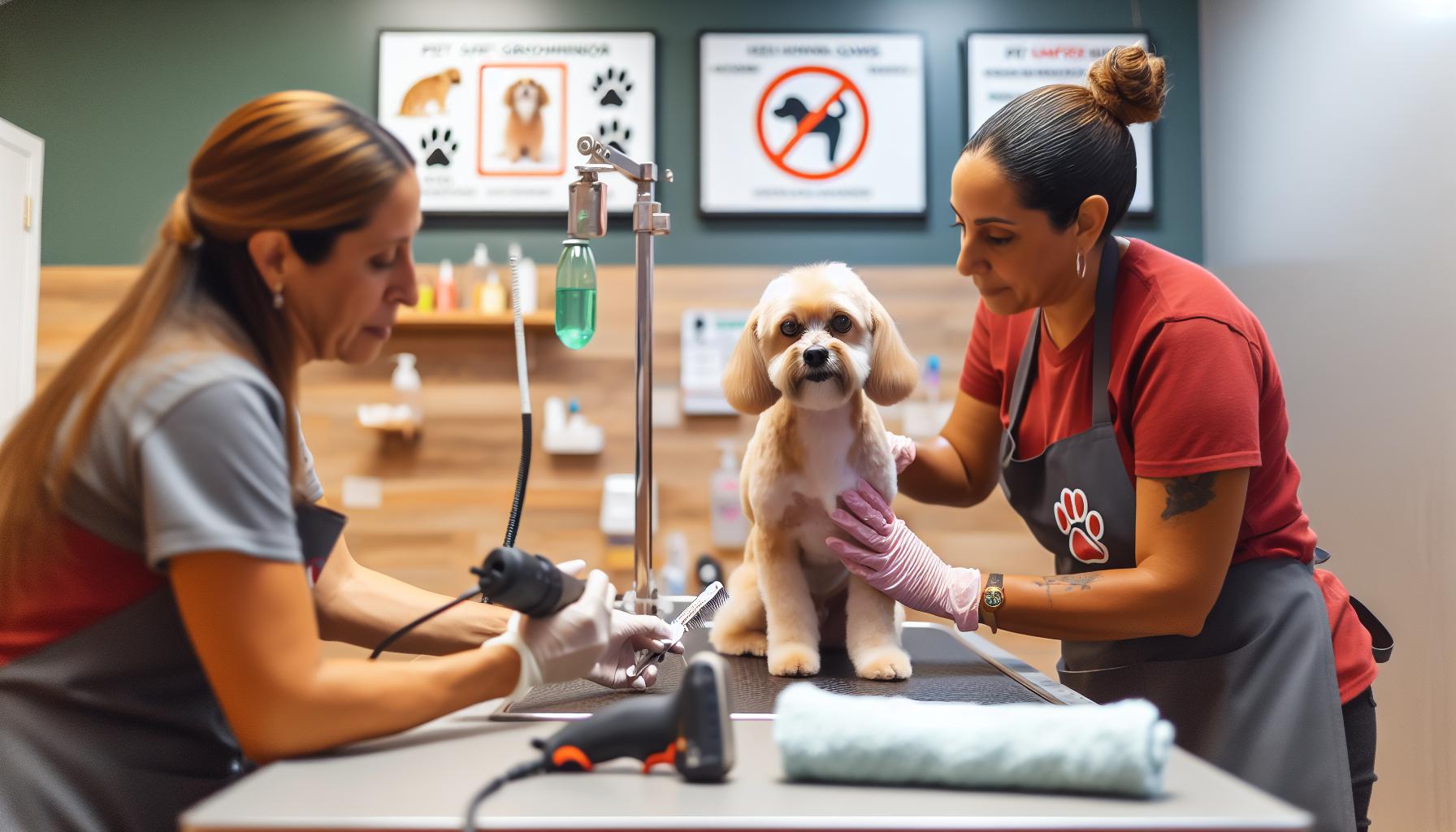
In the world of dog grooming, pet safety laws serve as essential guardrails that protect your furry friend from harm and ensure every grooming session prioritizes their health and comfort. These laws influence not only how groomers handle dogs but also the cleanliness of the environment, equipment standards, and emergency preparedness. When you bring your dog in for a bath, brush, nail trim, or haircut, you should feel confident that the groomer is operating within rules designed to safeguard your pet’s wellbeing.
Many pet safety regulations require groomers to maintain a sanitary workspace to prevent infections or cross-contamination. For example, tools like clippers and scissors must be properly sterilized between clients, and tubs and dryers regularly cleaned to avoid skin irritations or the spread of parasites. Groomers must also follow protocols on safely restraining dogs to minimize stress and prevent accidental injuries. If your dog has a specific coat type-say a thick double coat like a Siberian Husky-laws encouraging gentle drying methods and discouraging high heat help prevent burns or overheating, which is especially important in sensitive breeds.
Emergency readiness is another legal focus: groomers are often required to have first aid knowledge and readily accessible kits for handling cuts, scratches, or sudden allergic reactions during grooming. Many regions mandate clear policies about when a groomer must stop grooming and refer a pet to a veterinarian, reinforcing the boundary between grooming care and medical treatment. This helps protect dogs from additional distress and ensures potential health issues don’t go unnoticed or untreated.
What This means for Dog Owners
- Ask About Safety Protocols: Don’t hesitate to inquire how your groomer complies with local pet safety laws-questions about sanitation, handling nervous pets, and emergency procedures are not only welcome but show you care deeply about your dog’s comfort.
- Look for Clean and Calm Environments: A groomer abiding by pet safety laws will maintain a tidy space and create a soothing atmosphere, essential for dogs prone to anxiety.
- Know When to Say No: If a groomer rushes, uses harsh restraint, or ignores signs of your dog’s distress, speak up or consider another professional. Laws emphasize patience and compassion, which should always come first.
Every dog and coat presents unique challenges, so transparency and a groomer’s adherence to safety practices backed by law give you peace of mind. When grooming meets regulated standards,your dog enjoys care focused on their individual needs-whether that means gentle dematting for a Poodle or careful nail trimming for an older dog with arthritis. Ultimately,these laws create a culture of kindness and responsibility where grooming is more than appearance-it’s an essential part of your dog’s health journey.
Voluntary Certification Programs: Are They Worth It?

Many dog groomers choose to pursue voluntary certification as a way to deepen their knowledge, sharpen their skills, and stand out in a competitive field. While these certifications are not legally required in most places, they offer groomers the chance to demonstrate a commitment to professional standards that go beyond the minimum legal requirements. For pet owners, knowing that a groomer has earned voluntary credentials can provide an extra layer of reassurance that their dog will be treated with care and expertise.
Why Consider Certification?
Certification programs-like those offered by the National Dog Groomers Association of America (NDGAA) or the International Professional Groomers, inc. (IPG)-typically include thorough training on breed-specific grooming, coat care, handling techniques, and pet safety. These programs often test practical skills as well as knowledge of animal anatomy, behavior, and first aid. For example, a groomer certified in handling double-coated breeds like Malamutes or Huskies will know how to avoid damaging their unique fur or causing heat stress during drying. This specialized expertise can be especially comforting if your dog has a tricky coat type or sensitive disposition.
Practical benefits for Pets and Owners
Pet safety and comfort are at the heart of what certification promotes. Certified groomers tend to emphasize gentle handling,stress reduction,and recognizing when a dog might need a break or veterinary referral.If your dog is nervous or has health quirks, a certified groomer is more likely to spot signs of discomfort early and adapt their techniques accordingly. Additionally, these programs update groomers on industry advancements and best practices-like improved sanitization protocols or safer nail trimming approaches-helping protect your dog’s health during every grooming visit.
- Certified groomers often have first aid training, enabling rapid response to cuts or allergic reactions.
- They can confidently identify skin conditions that require a vet’s attention, preventing grooming from causing unintended harm.
- The rigorous testing means trusted skills that benefit common grooming tasks such as dematting thick coats or grooming elderly dogs with fragile skin.
Are Voluntary Certifications Always Necessary?
While certification can be a helpful indicator of skill and professionalism, it isn’t the only measure of a good groomer. Many talented and experienced professionals gain knowledge through years of hands-on work, mentorship, or continuing education without formal certifications. As a dog owner, it’s just as important to gauge your groomer by how kindly they handle your dog, their cleanliness, dialog style, and willingness to respect your pet’s needs.
If you have a high-maintenance breed like a Poodle with a complex coat or a senior dog requiring extra caution, certifications can be a valuable bonus when selecting a groomer.But even for everyday breeds, a groomer’s empathy, patience, and respect for your dog’s comfort often speak louder than credentials alone.
Tips for Owners when Considering Certified Groomers
- Ask about the groomer’s certifications: Which programs have they completed? What practical skills were tested?
- Inquire how those certifications influence their grooming approach, especially regarding your dog’s breed and personality.
- Observe how the groomer interacts with your dog during consultations: gentle handling and clear communication matter greatly.
Voluntary certification programs show a groomer’s dedication to maintaining a high standard of care, but the true measure is always in the comfort and safety they deliver to your dog. When certification meets compassion and expertise, it creates a confident, supportive grooming experience tailored to your pet’s individual needs.
What Training and Education Does a Groomer Need?
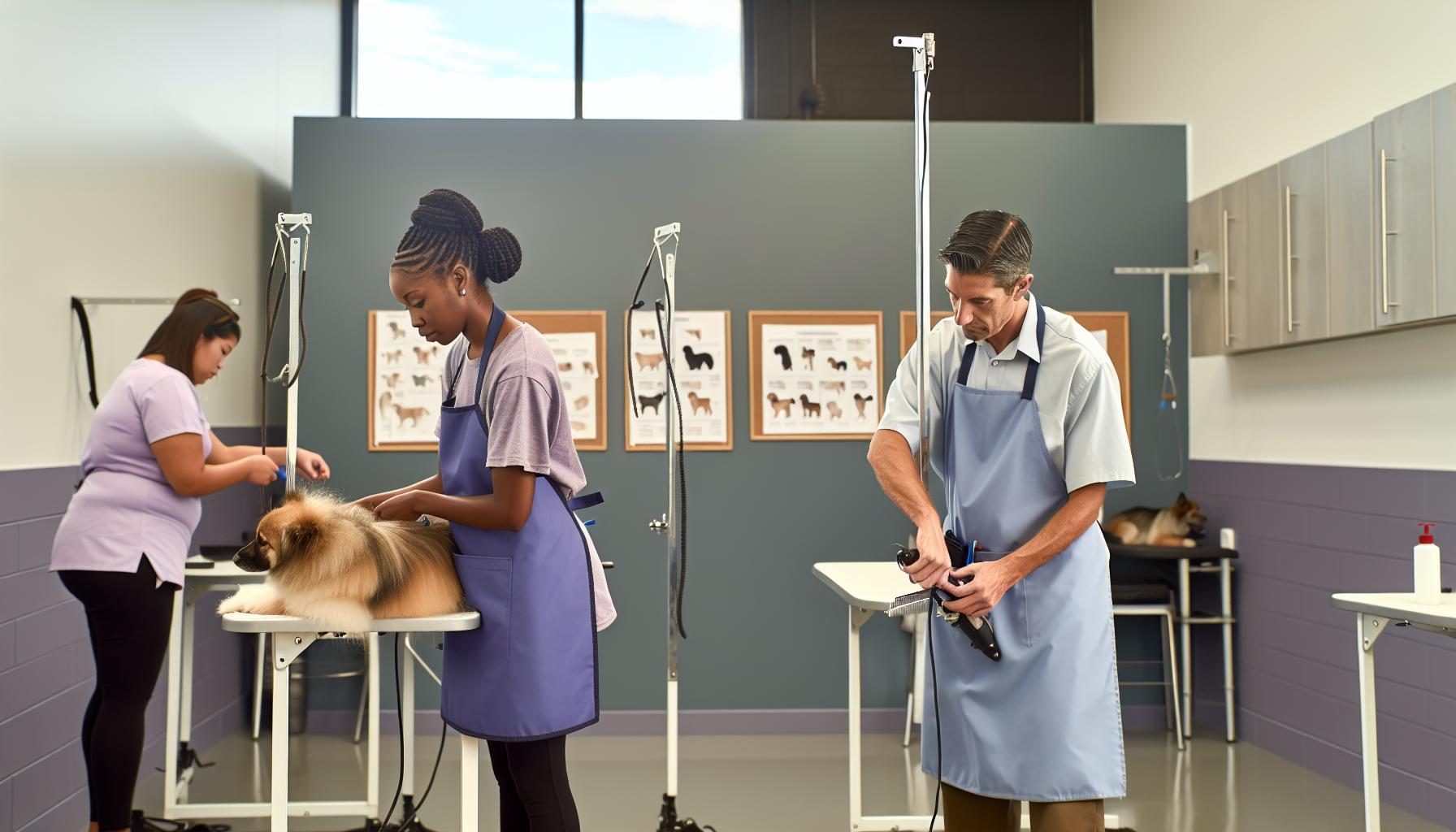
Few experiences affect a dog’s well-being as much as grooming done with skill and kindness. Behind every confident groomer lies a foundation built on solid training and education, balancing practical know-how with compassion for each unique pet. Knowing what a professional groomer learns helps owners feel secure that their dog is in caring, capable hands, especially when dealing with sensitive breeds or anxious personalities.
Grooming education often begins with mastering the basics: understanding diffrent coat types-from silky Poodles to dense double coats like Malamutes-and choosing the right tools. For example, a slicker brush works wonders on curly fur but can irritate sensitive skin if used roughly. Learning to bathe dogs properly means using gentle, dog-specific shampoos and rinsing thoroughly to avoid residue that can cause itchiness or allergies. nail trimming requires steady hands and knowledge to prevent cutting into the quick, which is painful and leads to bleeding. Groomers develop these foundational skills through hands-on courses, apprenticeships, or vocational schools, focusing on safety above all.
Handling and Safety: The Heart of Groomer Training
Skillful grooming isn’t just about looks-it’s about reading a dog’s body language, recognizing signs of stress, and adapting methods accordingly. Training programs emphasize gentle handling techniques that calm even the most nervous pups, such as slow movements, breaks between tasks, and positive reinforcement. For instance, if a dog flinches during ear cleaning, a trained groomer knows to pause, soothe, and maybe try wiping with a soft cloth instead. Many groomers also receive basic first aid education, preparing them to manage minor cuts or allergic reactions on the spot or recognize when a pet needs prompt veterinary care.
Specialized knowledge for Diverse Needs
Professional training frequently enough includes modules on breed-specific grooming standards, coat health, and common challenges like dematting or trimming older dogs with fragile skin. Take, for example, a groomer working with a senior Golden Retriever: They’ll choose softer tools, avoid stressful positions, and monitor skin closely for signs of irritation. They also learn to respect their boundaries with medical issues-knowing that deep skin infections, persistent lumps, or ear problems belong to a vet’s expertise. This collaboration between groomer and veterinarian safeguards the dog’s overall health.
- Bathing: Use lukewarm water and breed-appropriate shampoo; rinse thoroughly to avoid residue.
- Brushing: Match brush type to coat; gentle strokes prevent skin damage.
- Nail trimming: Identify the quick to avoid pain and bleeding; clip small amounts gradually.
- Ear cleaning: Use vet-approved solutions; be gentle to prevent injury or infections.
For owners considering a groomer, asking about their training background can reveal much about their approach to pet care. Experienced groomers blend formal education with ongoing practice and empathy, ensuring each grooming session prioritizes your dog’s comfort and safety. It’s this thoughtful education-not just the finished haircut-that creates a positive experience your dog can trust.
Recognizing and Reporting Unprofessional Grooming

Few things affect a dog’s well-being more deeply than a grooming experience that lacks care or skill. Recognizing when grooming falls short of basic safety and compassion is the first step to protecting your dog’s health and comfort. Unprofessional grooming isn’t just about a bad haircut-it can lead to stress, injury, skin irritation, or infections if a groomer skips careful handling or proper techniques. As a loving owner, knowing what to look for empowers you to stand up for your pup when their needs aren’t being met.
Spotting Warning Signs: What to Watch For
- Rough handling or signs of stress: Does your dog seem fearful,tense,or flinch excessively during grooming? Groomers trained in gentle techniques will read your dog’s body language and adjust accordingly-not push through discomfort.
- Poor hygiene or tools: Dirty equipment, matted fur left untreated, or improper use of grooming tools like scissors or clippers can harm delicate skin and coat health.
- Cutting nails too short or causing bleeding: This is painful and avoidable with knowledge of the nail quick. Multiple small trims are safer than a rushed one.
- Skipping breed or coat-specific care: For instance, working on a double-coated dog with inappropriate tools can cause damage or heat stress.
- Lack of basic safety protocols: Handling aggressive or anxious dogs without calming strategies or failing to check for health issues that require a vet’s attention.
When To Speak Up and How To Report
If something feels off, trust your instincts and act calmly and firmly. Start by discussing your concerns directly with the groomer-it may be an honest mistake or a chance to clarify your dog’s special needs. If safety isn’t improved or the groomer dismisses your worries, documenting your observations with photos or notes is wise. Then, reach out to local licensing boards, pet industry regulatory bodies, or professional certification organizations if applicable in your area. These agencies often have complaint processes designed to investigate grooming businesses or individuals who neglect animal welfare.
Supporting Your Dog’s Safety with Knowledge and Compassion
Remember, grooming isn’t just about a polished look-comfort and kindness come first. Unprofessional care harms trust between dogs and groomers, but vigilant owners can help set higher standards by recognizing poor practices early. A groomer who truly cares understands dogs require patience, breed-aware methods, and a willingness to pause or adjust when a pet shows stress signals. Empower yourself with learning about proper grooming so you can advocate confidently, ensuring each visit leaves your dog feeling safe and cared for-not anxious or harmed.
- Vet vs. Groomer boundaries: Serious skin infections, unusual lumps, or ear problems always require veterinary diagnosis and treatment. Groomers should never attempt medical care but rather encourage vet visits if problems arise.
- Know your local rules: Licensing and oversight can vary widely by location; some groomers undergo formal certification while others operate without official regulation. This makes owner vigilance even more crucial.
- Choose compassion first: Prioritize groomers who demonstrate empathy, ongoing education, and respect for your dog’s unique needs over those promising fast or flashy results.
Differences Between Veterinary Oversight and Grooming Regulation
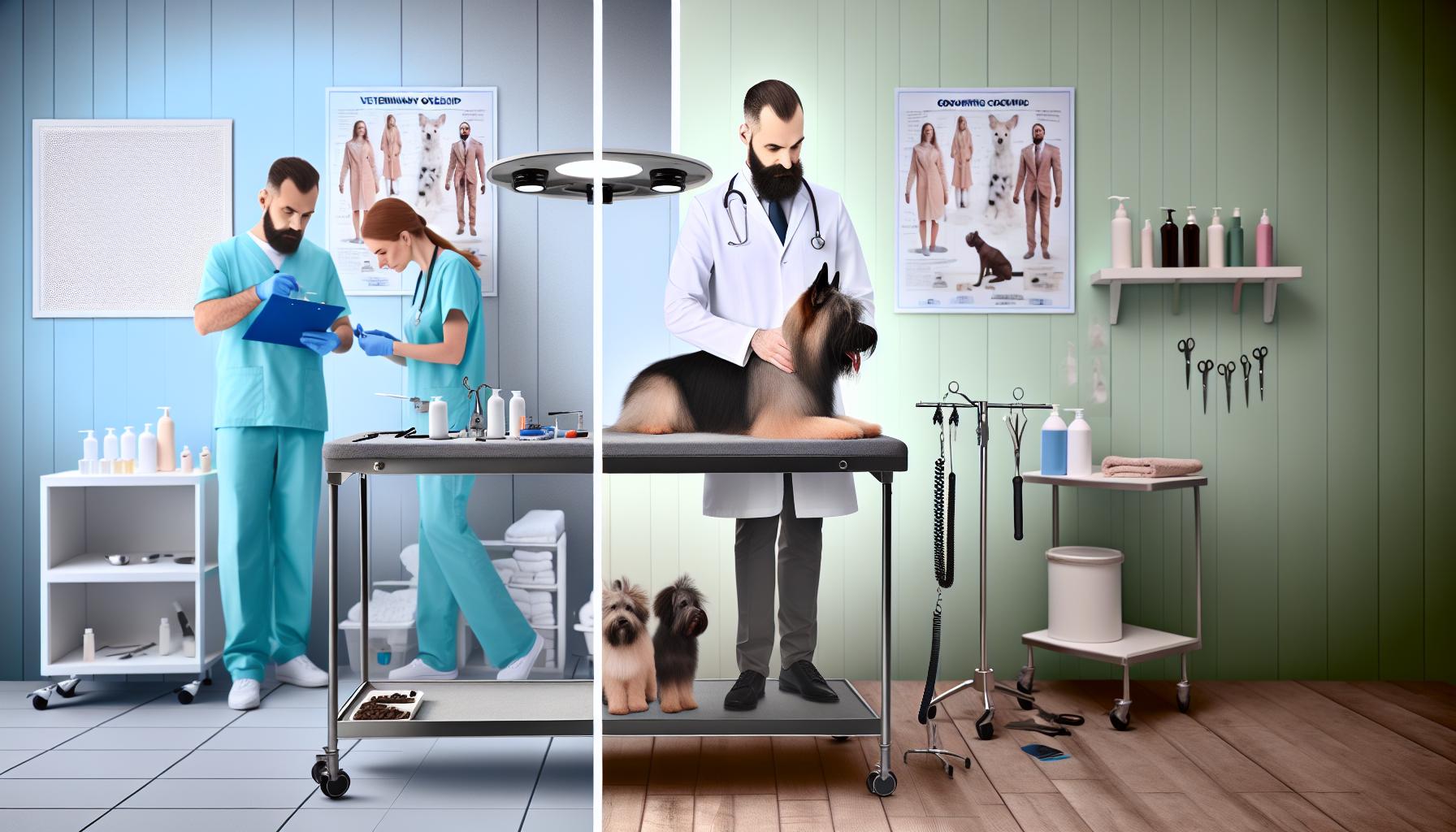
It’s critically important to understand that while both veterinarians and groomers care deeply about your dog’s well-being, their roles, training, and regulatory oversight differ quite a bit-and knowing these differences helps you advocate best for your furry friend. Veterinary oversight focuses on diagnosing and treating medical conditions, which requires a professional license backed by rigorous education and state regulation. Grooming regulation,though,tends to revolve around maintaining hygiene,comfort,and safe handling during non-medical care-though this area can be less formally controlled and varies widely depending on where you live.
Such as, when a groomer is bathing, brushing, trimming nails, or shaping coats according to breed-specific needs, they’re working within a scope of practice centered on aesthetics and comfort, not health diagnoses. If during grooming the professional notices something unusual-say, a suspicious lump, skin infection, or excessive ear discharge-the ethical and safest step is to suggest a veterinary exam rather than attempt any treatment themselves. Groomers are trained to recognize warning signs but are not equipped to treat or prescribe medication.
Clear Boundaries Keep Your dog Safe
- Medical intervention is a vet’s domain: Only veterinarians can diagnose illnesses, perform surgeries, or prescribe medications. Groomers should never attempt actions like treating wounds, removing ticks, or using medicated shampoos meant as veterinary treatment unless specifically trained and licensed.
- Grooming is specialized, but not medical: Groomers focus on breed-appropriate coat care, gentle handling to reduce stress, and basic hygiene that supports overall health-think proper nail trims, sensitive ear cleaning, or dematting without skin injury.
- Know when to step back: If your dog shows signs of illness during grooming-lethargy, open wounds, unusual lumps, persistent scratching-a responsible groomer will pause work and strongly advise a vet consultation.
Practical Tips for Owners
- Share health history upfront: Inform your groomer about any ongoing medical issues or medications your dog is on. This helps them tailor their care and watch carefully for complications.
- Ask about training and certifications: While vets must be licensed,groomers may hold certifications from recognized organizations that emphasize safe and breed-specific grooming techniques.
- Maintain regular vet check-ups: Grooming supports wellness but cannot replace professional health screenings or urgent care from a vet.
Keeping this distinction clear allows your groomer to focus on making your dog feel comfortable and look their best, while your veterinarian keeps them healthy from the inside out. Both professions work hand-in-hand with you as a caring owner to ensure your dog enjoys stress-free grooming visits and strong, ongoing health.
How Local vs. National Rules Shape Grooming Standards

Dog grooming standards across the country can feel like a patchwork quilt-colorful and varied depending on where you live and work. This makes understanding how local and national rules shape grooming practices crucial for pet owners seeking consistent, safe care for their furry friends. Unlike veterinarians, whose licensing and professional requirements are fairly uniform through state veterinary boards and national accreditation, groomers face a landscape where regulation is often less centralized and more varied by region.
In many cities and states, local governments are the primary enforcers of grooming standards. They may require specific business licenses, health permits, or compliance with animal welfare codes that directly influence day-to-day grooming operations. For example,a groomer in a large metropolitan area might need to follow strict sanitation rules,adhere to local noise ordinances,or maintain detailed client records as part of licensing. Meanwhile, a groomer just across state lines might operate under lighter regulations or different licensing frameworks. this local control allows communities to tailor rules to reflect regional concerns-such as climate-related coat care or common dog breeds-but it also means the quality of regulation isn’t always consistent.
National Influence and Voluntary Standards
On the national level, while there frequently enough aren’t strict licensing laws for groomers, influential industry groups and voluntary certification programs help raise the bar. Organizations like the National Dog Groomers Association of America (NDGAA) offer certifications that many professional groomers pursue to demonstrate skill and commitment beyond local mandates. These certifications focus on best practices involving breed-specific cuts, animal handling, and safety protocols-helping bridge regulation gaps by setting industry-wide benchmarks.
- Example: A groomer certified by NDGAA applies breed-appropriate grooming techniques and can spot potential health concerns early, encouraging collaboration with veterinarians when needed.
- Practical tip: Ask your groomer if they hold national certifications or memberships to ensure they stay current with grooming innovations and safety updates.
How These Layers Affect your Dog’s Experience
The blend of local laws and national recommendations means your dog’s grooming visit might vary significantly depending on your location. in areas with rigorous local regulations,you can expect regulated sanitation standards,clear protocols for handling difficult pets,and mandatory reporting for suspected neglect or injury.Conversely, in places with fewer local rules, it’s even more critically important that groomers voluntarily adhere to best practices and certifications.
| Aspect | Local Rules | National Programs |
|---|---|---|
| Licensing & Permits | Often mandatory; varies by city/state | Not typically required |
| Health & Safety Standards | May include sanitation, recordkeeping | Guidelines and certification protocols |
| Enforcement | Local animal control or business regulators | Voluntary compliance by groomers |
| Professional Development | Optional local training | National certification and workshops |
Empowering Owners with Awareness
Knowing this layered approach creates space for pet owners to advocate for their pet’s safety and comfort.Before booking an appointment, ask groomers about their familiarity with local licensing and their participation in voluntary national programs. Don’t hesitate to inquire about how they manage safety during grooming tasks like nail trims or ear cleaning-these routine procedures can be stressful or risky if done improperly. And remember, a groomer’s patience and empathy often reflect their professionalism just as much as certifications do.
By understanding the balance of local rules shaping immediate compliance alongside the broader national standards encouraging excellence, you’re better equipped to choose a groomer who treats your pet gently and skillfully no matter where you live. This knowledge supports safer, happier grooming experiences for your dog-and peace of mind for you.
Protecting Your Dog: What Owners Should Demand
Dogs rely on us to be their champions, especially during grooming – a time that can be both soothing and stressful for them. as a loving owner, knowing what to expect and demand from your groomer ensures your dog’s comfort and safety throughout the process.It’s not just about a shiny coat or a cute haircut; it’s about compassion, patience, and vigilance every step of the way. When looking for a groomer, seek out professionals who prioritize your dog’s well-being over speed or appearance, and who tailor their approach based on your dog’s breed, coat type, age, and temperament.
What to Ask Before Booking Grooming Services
- Licensing and Certifications: confirm that your groomer holds any required local licenses and has voluntary certifications from respected bodies like the National Dog Groomers Association of America (NDGAA). These credentials frequently enough reflect ongoing education in safety, handling, and breed-specific grooming techniques.
- Experience with Your Dog’s Needs: Provide details about your dog’s coat type (e.g., curly, double coat, fine) and any behavioral concerns. A groomer familiar with your dog‘s unique needs will use the right tools – from appropriate brushes to gentle clippers – and adjust the process accordingly.
- Safety Protocols: Inquire about their sanitation practices, how they manage stress or anxiety in pets, and protocols during riskier procedures like nail trims or ear cleanings. For example, does the groomer use special tools to avoid clipping too close, or take breaks if your dog shows signs of distress?
During the Grooming Visit: Observations and Owner’s Role
Watching how a groomer handles your dog can tell you a lot. Gentle, calm interactions often indicate true compassion, while quick or rough handling can increase anxiety or risk injury. If possible, stay nearby – some salons welcome owners during the process – and don’t hesitate to ask questions about what’s happening. For nervous dogs, breaks during brushing or drying may be needed, and a skilled groomer knows when to pause rather than push.
Aftercare and Communication
A dedicated groomer won’t just finish the job and send you on your way. Expect feedback on how your dog behaved, any skin issues or unusual findings (like lumps or wounds), and simple home care recommendations to keep your dog comfortable between visits. If your dog needs a vet’s attention at any point, a responsible groomer will encourage or even facilitate that connection.
| Grooming Task | Owner’s Key Demand | Why It Matters |
|---|---|---|
| Bathing | Use of gentle, breed-appropriate shampoos and water temperature checks | Protects skin health and prevents discomfort or allergic reactions |
| Brushing | Attention to detangling without pulling and removal of loose undercoat | Prevents matting, skin irritation, and promotes healthy fur growth |
| Nail Trimming | Cautious clipping with visual guides to avoid cutting quick | Prevents pain and bleeding, reduces fear of nails being trimmed |
| Ear Cleaning | Use of safe, vet-approved solutions and gentle technique | Reduces infections and discomfort from improper cleaning |
Remember, grooming is a collaboration between you, your dog, and the professional. When you insist on a groomer who communicates openly, handles your dog with kindness, and follows clear safety standards, you’re protecting more than just your dog’s appearance – you’re safeguarding their health and happiness. This trust can transform grooming visits into positive experiences that your dog looks forward to, not dreads.
Emerging Trends in Grooming Regulations and Safety
Grooming regulations are evolving, steadily shifting towards stronger protections that keep pets safe while encouraging groomers to raise their expertise. Across many regions, there’s growing recognition that dog grooming is not just a beauty service but a vital aspect of animal welfare. This means more focus on scientific understanding of stress signals in dogs,breed-specific care,and injury prevention during routine tasks.
One notable trend is the increased emphasis on comprehensive training requirements before licensure or certification. For example, groomers now often engage in hands-on learning with real dogs under supervision, combined with courses covering anatomy, behavior, and emergency first aid. This foundation helps groomers recognize when a coat type demands extra gentle handling, or when a dog’s body language signals the need for a break.
Integrating Technology to Elevate Standards
Technology is making a subtle yet meaningful impact on grooming safety. Some grooming salons are adopting digital checklists that remind groomers of key safety steps during bathing, brushing, and nail trimming. Others use apps to track a dog’s grooming history,noting sensitivities or previous issues-helping tailor future visits precisely and kindly.For anxious pets, tools like noise-reducing dryers and low-stress handling aids are becoming commonplace, reflecting a shift towards comfort-first grooming. This aligns with emerging regulations encouraging or requiring grooming environments to reduce sensory overload, promoting calmness throughout.
Community-Led oversight and Reporting
In addition to formal regulations,many pet owners and groomers are benefiting from growing networks of peer support and community reporting forums. These platforms provide a venue to share experiences-both positive and cautionary-and allow swift action when unprofessional or unsafe practices arise. this grassroots involvement strengthens overall transparency and accountability in the grooming world.
Practical Advice for Owners
- Ask about ongoing education: Responsible groomers often participate in workshops on new safety protocols and breed-specific care challenges.
- Notice facility improvements: Look for calming environments and modern grooming tools designed to minimize discomfort.
- Request open communication: Your groomer should welcome questions and provide clear updates on your dog’s condition before,during,and after each session.
- Stay informed about local laws: Regulations can change! Being aware helps you advocate for your dog’s well-being.
In an era where compassion meets advancing knowledge, these progressive trends are transforming grooming from a mere service into a trusted partnership centered on your dog’s health, happiness, and dignity. By trusting groomers who embrace these innovations and regulations, you ensure an experience where safety and kindness always come first.
FAQ
Q: How can pet owners verify if a dog groomer is properly regulated?
A: Pet owners can verify a dog groomer’s regulation status by checking with local business licensing offices or state cosmetology boards if applicable. Requesting proof of certification or membership in professional grooming associations also helps. For detailed guidance, see our section on *recognizing and Reporting Unprofessional Grooming* for practical tips to ensure your groomer follows proper standards.
Q: Why do dog grooming regulations vary by state or city?
A: Dog grooming regulations vary because local governments set laws based on community needs, pet welfare priorities, and business practices. Some states require licensing, while others rely on voluntary certification.Understanding the *How Local vs. National Rules Shape Grooming Standards* section in our main article offers a clear look at these important geographic differences.
Q: What role do consumer protection laws play in overseeing dog groomers?
A: Consumer protection laws ensure dog groomers provide safe and obvious services, holding them accountable for negligence or abuse. These laws often work alongside licensing requirements to protect pets and owners. Visit our section on *How Pet Safety Laws Impact Dog Grooming Practices* for ways to identify trustworthy groomers and safeguard your dog’s wellbeing.
Q: How do voluntary grooming certification programs support regulation efforts?
A: Voluntary certification programs raise grooming standards by validating skills and ethical practices beyond legal requirements. Certified groomers often follow stricter safety protocols and ongoing education. For insights on why certifications matter, review the *Voluntary Certification Programs: Are They Worth It?* segment which helps owners distinguish qualified professionals.
Q: What are the risks if a dog groomer operates without regulation or certification?
A: groomers without regulation or certification may lack proper training, increasing risks of injury, stress, or poor hygiene for your dog. Owners should prioritize groomers who meet industry standards to avoid such issues. Our sections on *Protecting Your Dog* and *Recognizing and Reporting Unprofessional Grooming* guide how to *choose safe, qualified groomers* and what to watch out for.
Q: Where can dog groomers find updates on changing grooming regulations and standards?
A: Groomers should stay informed through professional associations, state grooming boards, and pet industry trade groups that share updates on regulations and best practices. Our *Emerging Trends in Grooming Regulations and Safety* section highlights resources groomers can use to maintain compliance and improve care quality.
Q: How does veterinary oversight differ from dog grooming regulation in protecting pet health?
A: Veterinary oversight focuses on medical care, while dog grooming regulation ensures safe handling and cosmetic care. Both are crucial,but grooming standards primarily protect the dog during routine care like bathing and trimming. For more detailed distinctions, explore our *Differences Between Veterinary Oversight and Grooming Regulation* section.
Q: What specific safety standards should be mandatory in professional dog grooming?
A: Mandatory safety standards include proper handling techniques, sanitized tools, emergency preparedness, and knowledge of breed-specific grooming needs. Such standards prevent injury and stress, emphasizing pet comfort. Learn all essential care protocols in our *Industry Standards: What Makes a Groomer Qualified?* section to advocate for your dog’s safety.
—
For more detailed insights and actionable advice, explore the linked sections within our full article to empower your decisions and ensure your dog receives the best grooming care. Remember, prioritizing safety and professional standards benefits every pet and owner alike.
In Conclusion
understanding who regulates dog groomers is key to ensuring your pet’s safety and well-being. Knowing the oversight and standards behind professional grooming helps you choose trusted experts and avoid common pitfalls. If you’re wondering about grooming tools, coat care tips, or when to consult a vet versus a groomer, explore our detailed guides on dog breeds and grooming essentials to deepen your knowledge.
Ready to take confident steps toward the best care for your furry friend? Check out our resources on grooming techniques, health considerations, and training methods designed to protect and pamper your dog. Don’t hesitate to subscribe to our newsletter for expert advice delivered straight to your inbox or connect with our community in the comments to share your grooming questions and experiences. Your dog deserves the best care, and staying informed is the first step in making that happen.
For more insights on maintaining your pet’s health and appearance, explore our articles on breed-specific grooming and dog training. Together, we can create a safer, happier grooming experience – one that prioritizes comfort, compassion, and trust every time.
Get our latest guides, news, and insights highlighted in your Google Search & AI Overviews.
Keep reading about the same coat and cut.




Popular grooming guides
Bath vs clip, first grooms, and salon how-tos.