When Can Puppies Go to the Groomers? Vaccination Timeline

Did you know that taking your puppy to the groomer too early can put their health at risk? Understanding when puppies are ready for grooming-and how their vaccination schedule impacts this-is essential for keeping them safe and comfortable. This guide will walk you through the typical vaccination timeline and explain the best time to introduce your furry friend to professional grooming, helping you avoid common worries while ensuring their wellbeing. Whether your pup has a fluffy coat that needs regular trimming or just needs nail care and ear cleaning, knowing the right timing sets a strong foundation for stress-free grooming experiences. Let’s explore when your puppy can first visit the groomers, what signs to watch for, and how to prepare both of you for thes crucial sessions with care and confidence-all while keeping safety and comfort front and center.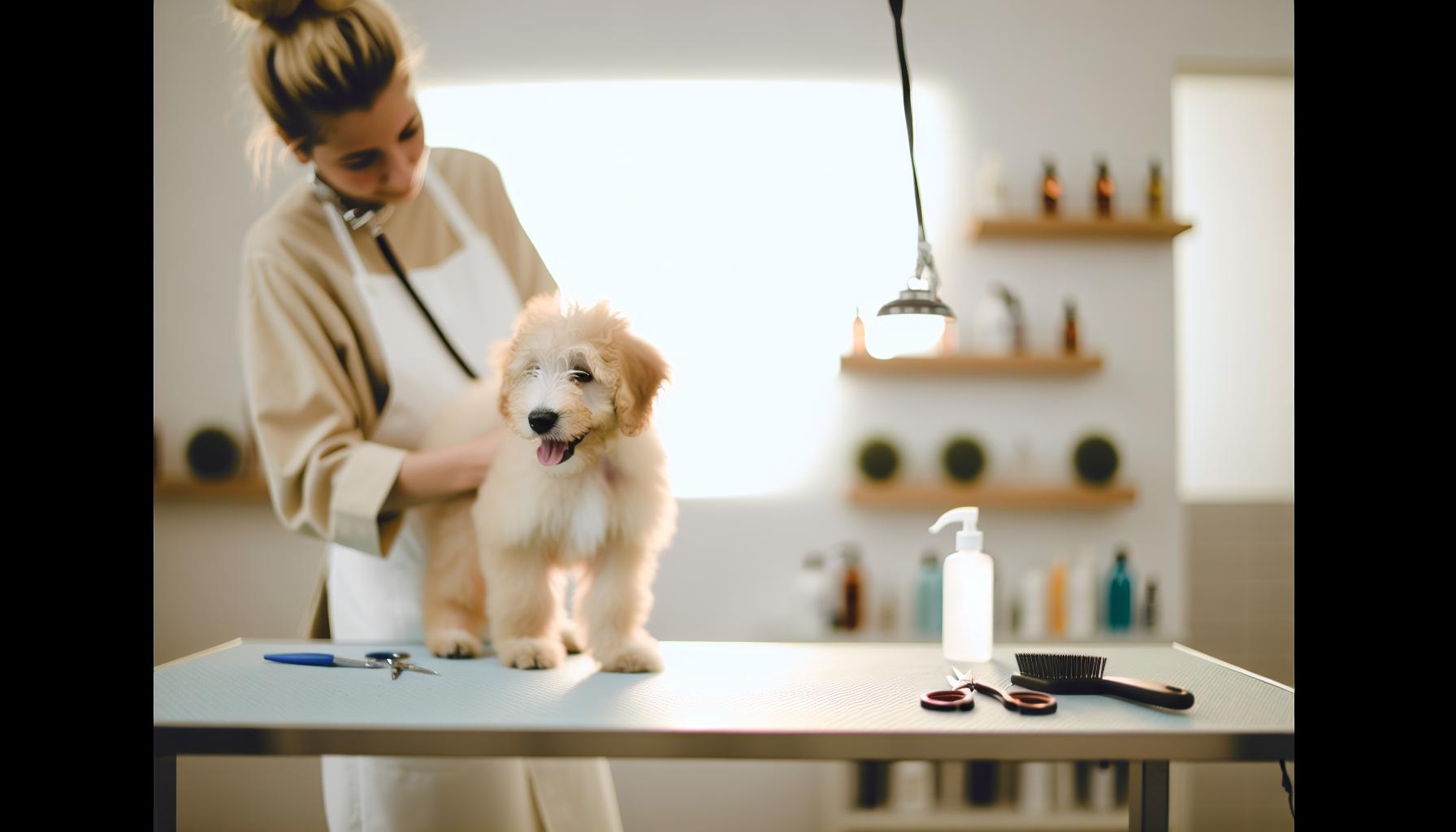
Understanding Puppy Vaccination Milestones for Grooming Safety
Table of Contents
- 1 Understanding Puppy Vaccination Milestones for Grooming Safety
- 2 Why Timing Matters Before Your Puppy’s First Grooming Visit
- 3 essential Vaccines Required Before Groomer Visits
- 4 How Different Breeds and Coat Types Affect Groomer Readiness
- 5 Preparing Your Puppy for Their First Grooming Experience
- 6 Signs Your Puppy Is Ready for Professional grooming
- 7 Choosing the Right Groomer: Puppy-Friendly Practices and Policies
- 8 DIY Grooming Tips While Waiting on Vaccinations
- 9 Handling Common Puppy Grooming Challenges Safely
- 10 Veterinarian vs. groomer: When to Seek Professional Help
- 11 Building Calm and Confidence for Stress-Free Grooming
- 12 Post-Grooming Care: Keeping Your Puppy Happy and Healthy
- 13 Frequently Asked Questions
- 13.1 Q: How soon after my puppy’s final vaccination can I take them to a groomer?
- 13.2 Q: Can certain breeds or coat types require a different vaccination timeline before grooming?
- 13.3 Q: What grooming services are safe to do at home while waiting for my puppy’s vaccinations?
- 13.4 Q: Why is it critically important to choose a groomer who understands vaccination timelines for puppies?
- 13.5 Q: How can I tell if my puppy is healthy enough for grooming based on their vaccination status?
- 13.6 Q: Can puppies get vaccinated sooner to start grooming earlier?
- 13.7 Q: What precautions should groomers take when handling puppies who are still completing their vaccination series?
- 13.8 Q: How does delaying grooming impact my puppy’s coat and behavior?
- 14 Future outlook
Puppies are bundles of energy, curiosity, and joy, but their developing immune systems require careful protection-especially when exposing them to new environments like a grooming salon.Understanding the key vaccination milestones helps ensure your puppy is shielded against contagious diseases before facing the sights, sounds, and scents of a busy grooming setting.This awareness lays the groundwork for happy, safe grooming experiences that build confidence rather than stress.
From the moment your puppy is born, they recieve some immunity from their mother’s milk, but this fades over time.Typically, initial vaccinations begin at 6 to 8 weeks of age, with follow-up boosters every 3-4 weeks until about 16 weeks.By the time your puppy completes this core vaccine series, they will have developed sufficient protection to safely visit the groomer without an elevated risk of contracting illnesses like parvovirus or distemper.Here’s why timing matters: puppies arriving for grooming too early may be vulnerable in environments shared by other animals, while waiting too long can delay socialization and coat care benefits. Balancing safety and social progress through proper vaccination timing empowers owners to introduce grooming gradually and confidently.
Critical Vaccines to Track Before Groomer Visits
- Distemper, Adenovirus, Parvovirus, Parainfluenza (DAP or DHPP): The core combo series that forms the cornerstone of your puppy’s protection, usually started at 6-8 weeks.
- Bordetella (Kennel Cough): Often recommended before grooming visits because the salon environment can expose puppies to respiratory infections.
- Rabies: Required by law in many areas and typically administered at 12-16 weeks, after initial series completion.
Before the final booster, many groomers will request proof that your puppy has at least completed two rounds of core vaccines, reducing risk. Communicating clearly with your veterinarian and groomer helps schedule visits at the safest and most effective times.
Watching Your Puppy’s Readiness Beyond Vaccines
Vaccinations are essential, but so is assessing how your puppy handles new environments. Some breeds with dense or high-maintenance coats-like Poodles or Shih Tzus-may require earlier gentle exposure to grooming tools, balanced with strict hygiene protocols. Smaller breeds or those with thinner coats might be more sensitive to stress, making a calm, vaccine-verified introduction critical.
If your puppy is anxious or shy,start grooming basics at home while keeping vaccines on track: soft brushing,gentle nail trimming,and ear cleaning build trust and acclimate them to touch. This foundation prepares them psychologically for professional grooming once vaccinations are up to date, supporting a smooth transition.
By following vaccination milestones thoughtfully and partnering closely with your vet and groomer, you’re not just maintaining your puppy’s health-you’re nurturing a positive attitude toward grooming. This approach creates a loving, safe start that encourages lifelong wellness and enjoyment of grooming sessions.
Why Timing Matters Before Your Puppy’s First Grooming Visit
Puppies are naturally curious, eager to explore, and full of wiggles, but their young immune systems are delicate and need careful guarding-especially when stepping into new, bustling places like grooming salons. Starting grooming sessions too early, before key vaccination milestones are met, can inadvertently expose your pup to contagious illnesses. Timing your puppy’s first grooming visit thoughtfully isn’t just a checklist task; it’s about protecting their health while easing them comfortably into an important routine.Vaccinations aren’t merely paperwork-they are your puppy’s armor against viruses such as parvovirus, distemper, and kennel cough, which can lurk in shared spaces. Most groomers prefer pups to have completed at least two rounds of the core vaccine series (usually by 12 weeks), striking a balance between health safety and socialization. This timing ensures a stronger immune shield so that your puppy can confidently meet new sights, sounds, and smells without compromising wellness.Rushing the process risks illness; waiting too long can delay your pup’s positive exposure to grooming, which is essential for coat health and stress management.Understanding your puppy’s breed and coat type further influences when to start groomer visits. Such as, breeds like Poodles or Shih Tzus, with thick, curly, or long coats, benefit from earlier, gentle handling-even before full vaccinations-to prevent matting and teach them calmness with grooming tools. However, this early exposure must be done softly at home or in very controlled settings to avoid infections. Conversely, thin-coated breeds might tolerate grooming delays better but can be more sensitive to cold or stress, so gradual introduction aligned with vaccination progress is key.
Practical Tips to prepare While Waiting
- Establish a grooming routine at home: Gently brush your pup’s fur, trim nails, and clean ears to build positive associations and ease touch sensitivity.
- Use toy or treat distractions: During these sessions, reward calmness to foster trust, making official grooming smoother later.
- Communicate with your veterinarian and groomer: Confirm vaccine timing and any breed-specific grooming needs, ensuring everyone’s on the same protective page.
Remember, your goal isn’t perfection on the first visit-it’s building a foundation of safety, comfort, and collaboration that will serve your puppy for years to come. Being patient and attentive now nurtures a confident, happy pup who enjoys grooming as much as you enjoy their shiny, clean coat.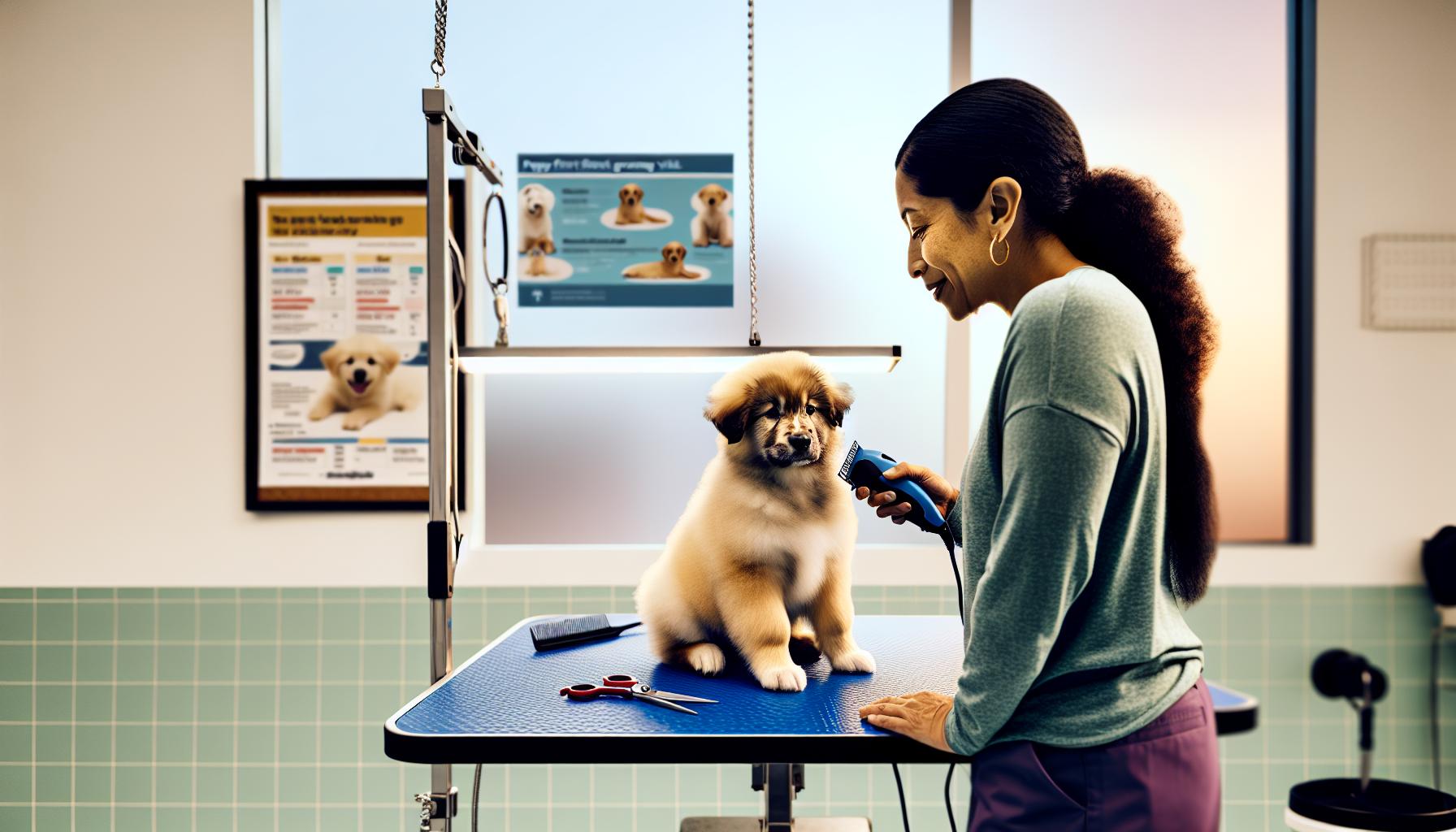
essential Vaccines Required Before Groomer Visits
Puppies rely on a carefully timed series of vaccinations to build a protective defense against common but serious diseases they might encounter in busy environments like grooming salons. Before stepping into the grooming routine, it’s essential that your puppy has received at least the core vaccines that shield them from illnesses such as parvovirus, distemper, adenovirus, and kennel cough. These vaccines aren’t just a formality-they are the first line of protection that ensures your little one can meet new experiences with resilience and ease.
Most veterinarians recommend completing at least two rounds of the core vaccine series before the puppy’s first professional grooming visit, which generally happens around 10 to 12 weeks of age. This timing strikes a good balance-your pup’s immune system has started to respond strongly, providing a safer window to be in social, sometimes crowded spaces. Without this protection, exposing your puppy to other animals, shared grooming tools, or salon surfaces could risk contagious infections that are tough on a puppy’s developing body.
Core Vaccines Explained
- Distemper: Protects against a highly contagious virus that affects the respiratory and nervous systems.
- Parvovirus: Guards against a severe, often fatal gastrointestinal virus commonly spread in public areas.
- Adenovirus (Canine Hepatitis): Shields against liver infections.
- Kennel Cough (Bordetella): Important for grooming settings sence it’s a respiratory illness spread via inhalation.
Depending on your vet’s advice and the local disease risk, they may also recommend leptospirosis or rabies vaccines, though these typically come later. Ask your veterinarian about your pup’s specific needs based on breed,location,and lifestyle.
Vaccination Timing & Groomer Interaction
Always share your puppy’s vaccination records with your groomer well before the first appointment. This transparent communication allows groomers to tailor the grooming experience-such as avoiding group settings or handling areas prone to infection risk-until your puppy’s vaccine protection is solid. Some groomers might also request a recent Bordetella vaccine because kennel cough spreads easily in salons. If your pup has a coat type requiring frequent trims (like Poodles or Shih Tzus), early gentle grooming practice at home is encouraged, but professional salon visits should respect full vaccine coverage for safety.
Safe DIY Grooming While Waiting
if your puppy isn’t quite vaccinated yet, you can keep up their coat care with gentle at-home brushing, nail trimming, and cleaning. Using soft brushes and appropriate nail clippers, reward calm behavior with treats to build confidence. But leave baths and harsh grooming tools for the pros until vaccinations are completed.Remember, protecting your puppy’s health is the best foundation for a lifetime of relaxed and enjoyable grooming experiences.
vaccinations are more than shots-they are your puppy’s shield in the world beyond home. Prioritizing these essential vaccines before grooming visits means fewer health risks, less stress, and a happier pup ready for all the sparkle grooming brings.
How Different Breeds and Coat Types Affect Groomer Readiness
Puppies come in all shapes, sizes, and coat types, and these differences play a big role in when and how they’re ready for their first grooming appointment. For example, a puppy with a short, smooth coat-like a Beagle or Boxer-often requires less frequent grooming and is generally easier to handle during early groomer visits. On the other hand, breeds with dense, curly, or long coats such as Poodles, Shih Tzus, or Bichon Frises need more attentive, frequent grooming to prevent mats and tangles, making their first sessions more involved. Understanding your pup’s unique coat and breed-related needs helps set realistic expectations and allows both owner and groomer to work together smoothly.
Coat types and Grooming Tools
- Smooth Coats: Easy to maintain with soft bristle brushes and occasional baths; nail trimming and ear cleaning generally are enough before the first groomer visit.
- Curly or Wavy Coats: Require combs and slicker brushes to gently detangle; early gentle trimming sessions can be started after the puppy’s vaccination window opens.
- Double Coats: Benefit from undercoat rakes to remove loose fur and prevent mats; introduce these tools gradually to avoid overwhelming anxious puppies.
- Long Coats: Need consistent at-home brushing to prevent painful knots; professional grooming may include trimming and sanitary cuts once health safety is assured.
Breed Considerations and Readiness Tips
For puppies with particularly thick or high-maintenance coats, avoid rushing the first full grooming session before vaccinations are complete. Instead, focus on gentle home care-brushing, ear wipes, and nail trims-to prepare them. As an example,a young Shih Tzu might find a first professional bath overwhelming without prior short at-home sessions. Conversely, breeds with minimal grooming needs (e.g., French Bulldogs) can usually start with a simple grooming visit sooner, focusing on nails, ears, and a gentle bath if needed.
Tips for Owners
- Start short, positive interactions with grooming tools early-soft brushes, nail clippers-but keep sessions brief and rewarding.
- Observe your puppy’s reactions closely; some may be sensitive and need slower introductions, especially if their coats are complex.
- Communicate breed and coat specifics with your groomer ahead of time so they can plan the safest, most comfortable approach.
Remember that every puppy is unique, and breed or coat type isn’t the only factor-personality and past experiences matter greatly too. By tailoring grooming readiness to your pup’s specific breed coat and temperament, you build a foundation of trust that leads to a calm, prosperous first groom and many happy returns.Prioritizing vaccination safety alongside breed-specific care ensures your puppy’s health and comfort always come first.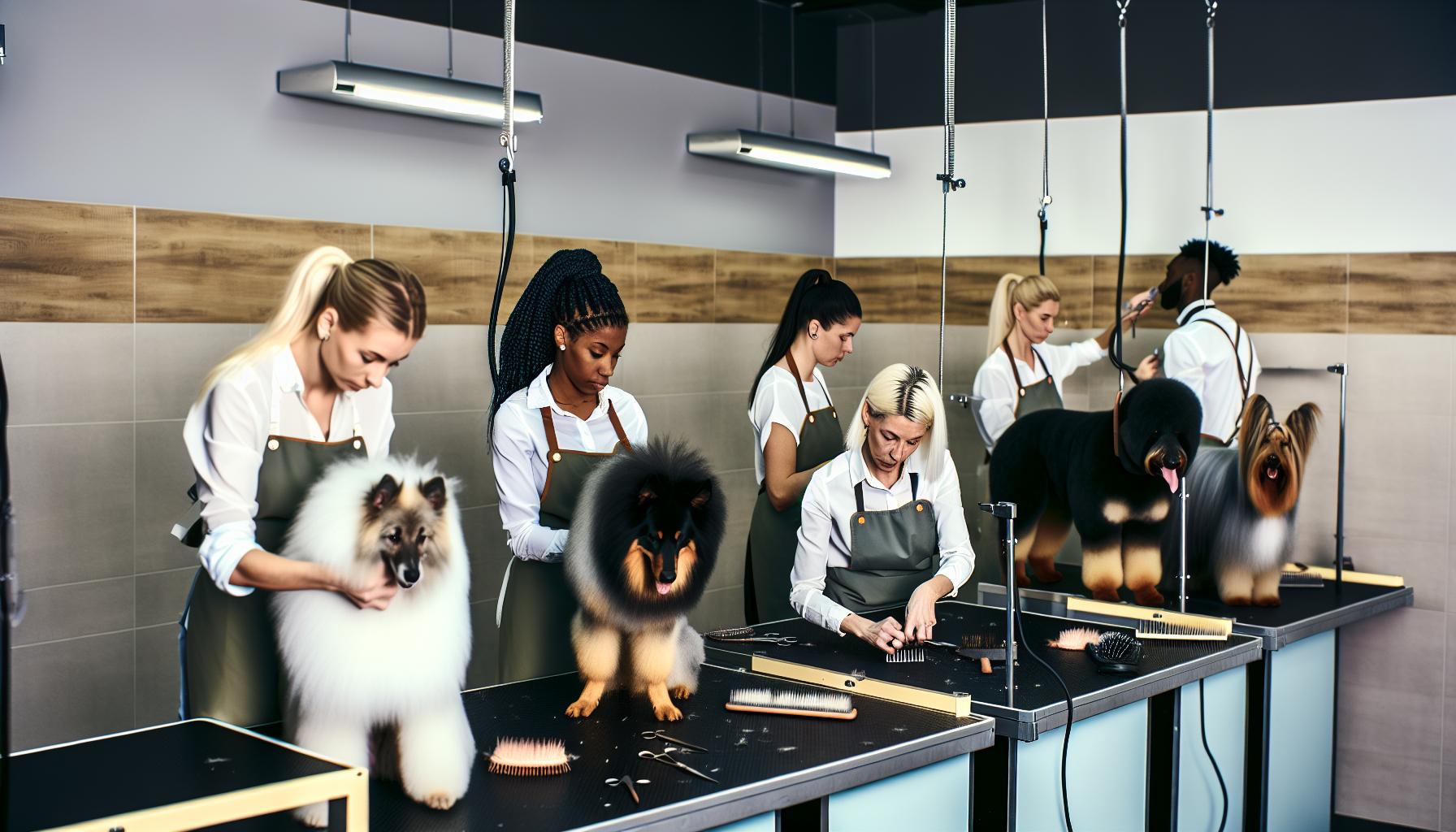
Preparing Your Puppy for Their First Grooming Experience
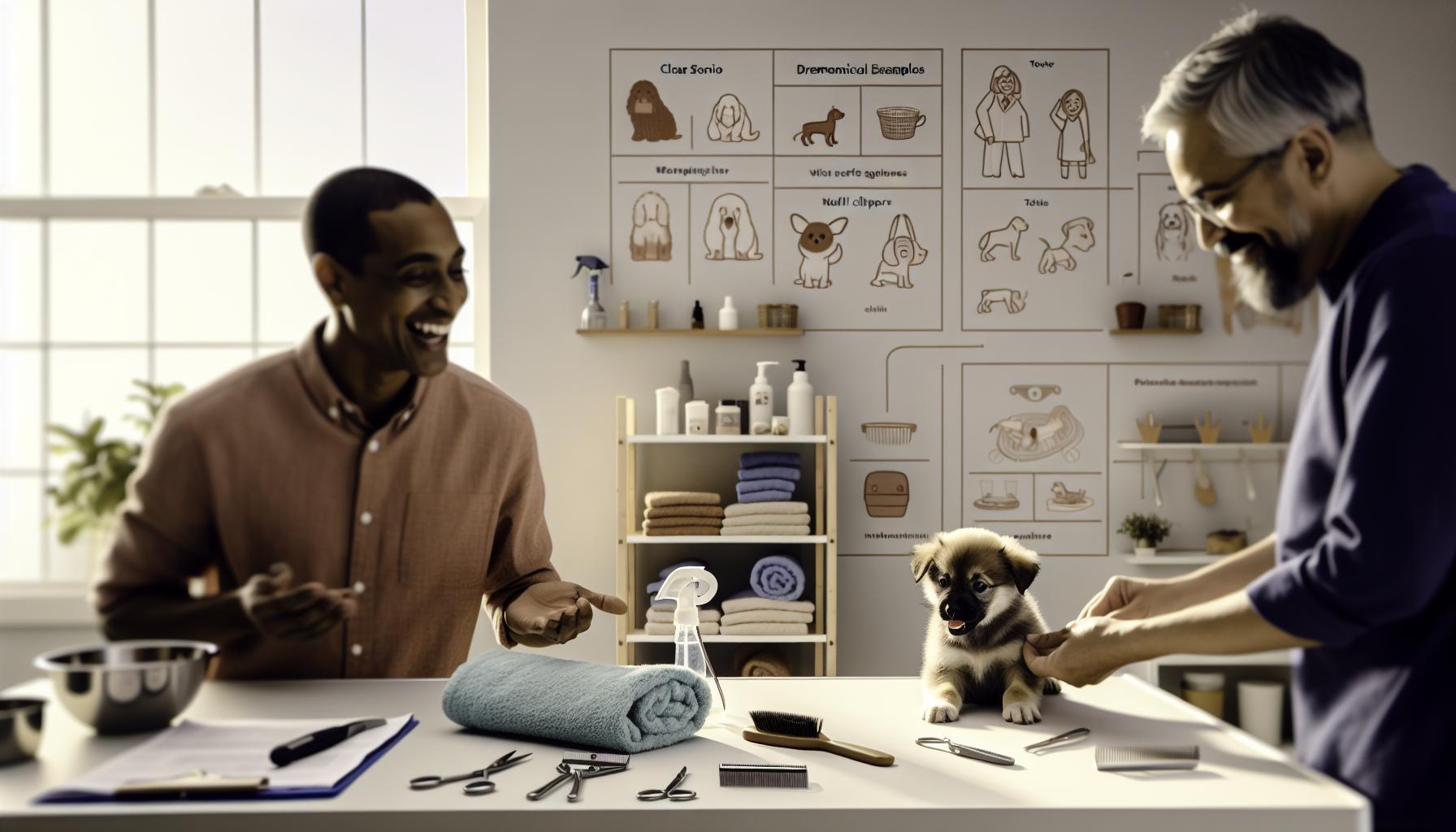
Introducing your puppy to grooming is an exciting milestone, but it’s critically important to approach it gently and thoughtfully. Puppies vary widely in breed, coat type, and personality, so preparing them well before a professional grooming visit lays a solid foundation for a relaxed and positive experience. early, low-pressure exposure to grooming tools at home-like soft brushes, nail clippers, and gentle ear wipes-helps your pup build confidence and trust. This gradual introduction is especially crucial for breeds with thick, curly, or long coats that require more involved care, such as Poodles or Shih Tzus. starting with short, pleasant sessions allows puppies to get used to being handled without stress.
Essential Home practice: Bathing, Brushing, and Beyond
Bath time doesn’t have to wait until after vaccinations, but keep it calm and brief using puppy-safe shampoos. This not only keeps your pup clean but also familiarizes them with water, a vital step for breeds prone to matting. Regular brushing tailored to your puppy’s coat type eases shedding and tangles. For example:
- Smooth coats: Use a soft bristle brush to gently remove loose hair.
- Curly or wavy coats: introduce a slicker brush and wide-tooth comb gradually to prevent pulling.
- Double coats: Start light brushing with an undercoat rake to manage shedding without overwhelming your pup.
- Long coats: Daily gentle brushing helps prevent painful knots from forming early on.
by incorporating these tasks into your puppy’s daily routine, you build their comfort level and ease the transition to professional care.
Handling Nails and Ears with Care
Many puppies find nail trimming and ear cleaning unfamiliar, so approach these tasks with patience and plenty of treats.Use sharp, well-maintained tools and keep sessions short to avoid overwhelming your puppy. if your pup resists, break up grooming into multiple mini-sessions instead of one long one. building positive associations here prevents fear and makes future grooming visits safer and less stressful.
Knowing When to Wait and When to Visit
While hands-on preparation at home is invaluable, remember that puppies should complete their core vaccination series-typically around 12 to 16 weeks old-before full grooming appointments involving bathing and close contact. This timeline varies slightly based on your vet’s advice, breed, and local disease risks. Use this waiting period to master gentle grooming basics yourself.Keep in touch with your chosen groomer to understand their health and safety policies, especially regarding vaccinations. when your puppy is ready, you’ll both step into the groomer’s care with confidence, helping your furry friend feel safe and cherished.
Signs Your Puppy Is Ready for Professional grooming
Determining when your puppy is truly ready for professional grooming goes beyond just finishing vaccinations-it’s about their comfort, behavior, and overall confidence around grooming tools and touch. Puppies that show calmness during brushing, nail trimming, and gentle handling are often ready to benefit from a groomer’s expert care. After all, a relaxed pup translates into a safer and more enjoyable grooming experience, reducing stress for both the dog and the groomer.
Look for signs such as your puppy voluntarily tolerating brushing sessions without constant wriggling or resistance, willingly allowing you to inspect and gently clean their ears, and accepting nail trims or light paw handling with minimal fuss.Some puppies may initially struggle, but consistent, positive reinforcement turns these moments into bonding experiences and builds trust. For breeds with dense or curly coats-like Poodles or Bichon Frises-it’s especially important to establish this foundation early, as matting can develop quickly and complicate grooming.
Key Behavioral Indicators to watch For
- Steady attention span: Puppies who can focus for short grooming sessions (5-10 minutes) show readiness for longer professional appointments.
- Calm response to touch: Willingness to be handled around sensitive areas like paws, ears, and under the chin.
- Reduced anxiety cues: Less whining, struggling, or hiding when approached with grooming tools.
- Positive food or affection motivation: Responding well to treats or praise during grooming.
why Breed and Coat Type Influence Readiness
Coat complexity affects how soon professional grooming is necessary and how well your puppy adapts to it. Short-haired breeds like Beagles or Boxers might have easier grooming needs, requiring fewer and shorter grooming visits. In contrast, long-coated or double-coated breeds often need more frequent brushing and professional trims, making early socialization with grooming crucial.
Building Confidence Through Practice and Patience
Even if your puppy ticks many readiness boxes, remember that the first groom visit should be a gentle introduction, not a full spa day. Groomers trained in puppy-pleasant handling techniques will prioritize your pup’s comfort, offering breaks or adjusting the session length according to their tolerance. Occasionally, a trial or “puppy’s first groom” appointment can set a positive tone and reveal if your pup needs more home desensitization before regular visits.
Ultimately, ensuring your puppy is both medically ready and behaviorally prepared creates a partnership between you, your puppy, and your groomer that fosters safety, confidence, and happiness-turning grooming from a chore into a cherished routine.
Choosing the Right Groomer: Puppy-Friendly Practices and Policies
Finding a groomer who truly understands the unique needs of puppies can make all the difference in turning early grooming visits into positive experiences. Puppies are delicate and often nervous with new sensations-from the sound of clippers to unfamiliar handling-so seeking out a groomer who emphasizes patience,gentle touch,and puppy-friendly behavior management is essential for your pup’s safety and emotional comfort.Look for salons or professionals who openly communicate their practices around puppy grooming.Do they offer ”first-time puppy” sessions that focus on brief, low-stress introductions instead of full groomings? Are breaks built into the schedule to let your pup relax and reset? Groomers who prioritize gradual acclimation, rather than rushing through services, help build your puppy’s confidence without overwhelming them.
What to Look for in Puppy-Friendly Grooming Services
- Experience with young dogs: Ask if they have specific training for handling puppies and if they’ve worked with your breed or coat type before.For example, curly-coated breeds like Poodles need not only clipping skills but also extra care to avoid painful mat pulling.
- Clean,calm environment: A quiet grooming space with minimal distractions reduces anxiety. Some groomers separate puppy appointments to minimize exposure to adult dogs.
- Flexible appointment lengths: Puppies often require shorter sessions.If your groomer adjusts timing based on your puppy’s tolerance, it shows attentiveness to welfare over speed.
- Clear health policies: Your groomer should require proof of vaccinations that protect against contagious diseases. Some may also ask about flea/tick prevention to maintain a safe space for all pets.
Scheduling a meet-and-greet or a trial grooming session can be the best way to gauge how your puppy reacts to a groomer’s handling style and environment. Observe how staff interact with your puppy-do they use positive reinforcement such as treats and gentle praise? Are they patient if your puppy resists or needs extra time to relax? This warm, supportive approach often reduces fear while building trust quickly.
Remember, a skilled groomer works closely with you-not just to achieve a neat haircut but to support your puppy’s overall well-being during these formative experiences. This means they respect your input, explain what’s happening throughout the process, and prioritize comfort over ”perfect” aesthetics. When you feel confident in the groomer’s compassion and expertise, you empower yourself to make grooming a stress-free and even enjoyable routine for your growing dog.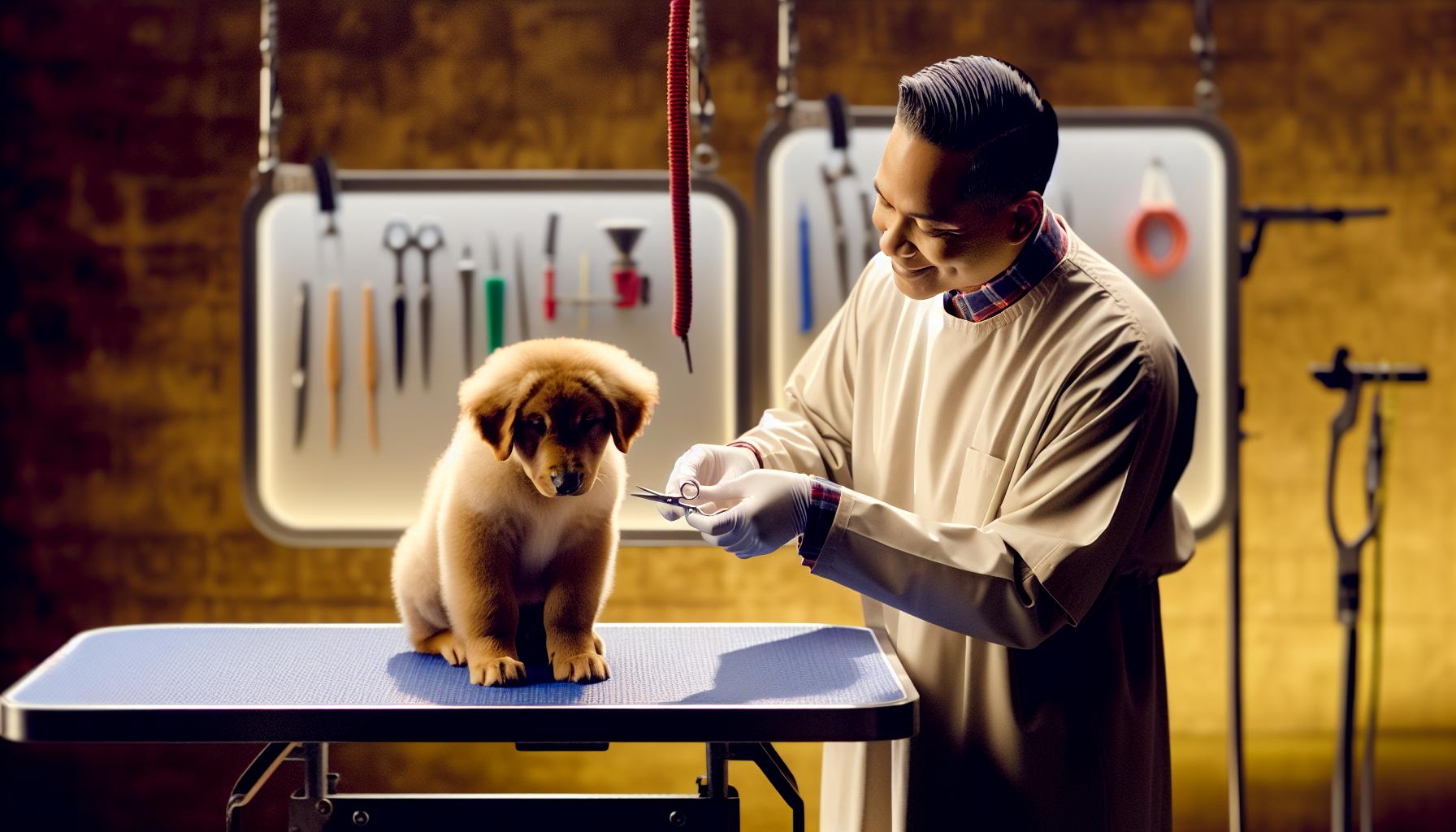
DIY Grooming Tips While Waiting on Vaccinations
Puppies may not be ready for the groomer until they’ve completed key vaccinations, but that doesn’t mean grooming care has to wait. In fact, gently introducing basic grooming routines at home can build your puppy’s comfort with handling while keeping their coat and skin healthy. focusing on calm,positive experiences now lays a strong foundation for stress-free professional grooming later.
Brushing and Coat Care
Regular brushing tailored to your puppy’s coat type is a simple way to prevent mats and tangles. For example, short-haired breeds often need just a gentle weekly brush, while curly or double-coated breeds require more frequent attention to stay mat-free. Use a soft-bristle brush or a rubber grooming mitt and let your pup sniff it before starting. Make brushing a soothing session-hold the brush lightly, use slow strokes, and offer treats or gentle praise to create an enjoyable routine.
Bathing Basics
When giving a bath at home, keep it quick and warm, using a mild, puppy-safe shampoo recommended by your vet. Avoid baths too close to vaccination dates to reduce stress. Use a non-slip mat in the tub or sink to keep your puppy stable. Speak softly and massage shampoo gently to avoid startling. After rinsing thoroughly, towel-dry and keep your pup warm while they air-dry to prevent chills.
Nail Trimming and Paw care
Getting your puppy used to paw handling is key for future nail trims. Start by softly stroking their paws during quiet moments. When comfortable, use a special puppy nail trimmer, and trim only tiny amounts at the tips. Always have styptic powder nearby in case of slips. Trim nails every couple of weeks to prevent overgrowth, and reward calm behavior enthusiastically.
Ear Cleaning and Eye Care
Regularly check your puppy’s ears for dirt or odor, especially in breeds prone to ear infections. Use a vet-approved ear cleaner, applying it sparingly to a cotton ball-never directly into the ear canal. Wipe gently and only if your puppy is cooperative. For eye care, wipe away discharge with a soft, damp cloth, using separate areas for each eye to avoid spreading irritation.
Keeping Safety and Comfort Front and Center
While DIY grooming is valuable, know when professional help or veterinary advice is necessary: if you notice skin redness, persistent matting, unusual lumps, or signs of pain. Avoid trimming coats too short or attempting nail clipping if your puppy resists fiercely-these tasks can be safely handled by experienced groomers. Always prioritize your pup’s comfort and take breaks if they become anxious.
By making home grooming a gentle, positive journey, you help your puppy develop trust and ease with handling-turning the wait for vaccinations into a proactive time for bonding and care. This approach not only promotes your puppy’s wellness but also ensures their first visit to a professional groomer is a joyful, confident step in their growth.
Handling Common Puppy Grooming Challenges Safely
Puppy grooming can feel like uncharted territory, especially before they’ve completed their full vaccination series. Challenges like fidgetiness, fear of handling, or sensitivity to new textures can quickly turn grooming time into a stressful experience-for both you and your furry friend. Yet, with gentle patience and thoughtful techniques, many common hurdles can be safely managed at home, building your puppy’s confidence and comfort well before their first professional grooming visit.
Managing Bath Time Woes
Bathing a puppy who’s new to water, shampoos, and the sensation of being wet often leads to squirming or distress.To ease this, start by introducing your pup to warm water slowly-let them explore a damp washcloth or a shallow basin with treats nearby. Use a mild,vet-approved puppy shampoo and keep showers brief and calm. Talking softly and using slow, circular motions while massaging the shampoo can turn the bath into a soothing massage rather than a scary splash session. For puppies sensitive to standing in tubs, adding a non-slip mat provides security and reduces slipping fears.
Brushing Without Battles
Different coat types mean different tools and approaches. For example, slender-coated dogs like Beagles thrive with a soft bristle brush, while curly-coated pups like Poodles need specialized grooming combs to gently detangle curls without pull. When your puppy resists, break brushing into short, frequent sessions paired with treats. Let the puppy sniff and investigate the brush first, then start with slow, gentle strokes on less sensitive areas such as the back. Celebrate small moments of calm and gradually extend to more ticklish spots like ears and tail.
Nail Trimming Troubles
Many puppies dislike nail trimming, often because it’s unfamiliar or uncomfortable. Begin by simply handling the paws during relaxed moments, rewarding calm behavior generously. Use sharp, puppy-sized trimmers to avoid crushing nails, and only trim tiny bits at a time to reduce the risk of bleeding. keep styptic powder on hand for minor slips. If your puppy fusses or pulls away, pause and try again later; rushing can create negative associations. Sometimes, it’s helpful to have a helper gently hold the pup while you trim or save this task for your groomer if stress levels are too high.
Ear and Eye Cleaning Made Gentle
Cleaning ears and eyes can trigger anxiety if done abruptly. Start by wiping around your puppy’s eyes with a soft damp cloth, using a different corner of the cloth for each eye to prevent irritation spread. For ears, only clean visible dirt with a vet-approved solution applied to a cotton ball-not directly inside the canal. Praise your puppy throughout and stop if they become uncomfortable. If you notice persistent odor, redness, or discharge, consult your veterinarian rather than attempting deeper cleaning.
- Key Tips to Remember:
- Keep sessions short and positive with lots of treats and praise.
- Use breed-appropriate tools to avoid discomfort or pulling.
- Recognise when stress signals appear (whining, shaking, freezing) and take breaks.
- Know your limits-some tasks require professional groomer or veterinary intervention.
By approaching these challenges calmly and compassionately, you’re not only ensuring your puppy’s immediate safety and comfort but also setting a positive tone for all future grooming experiences.remember, every puppy is unique-progress in small steps and celebrate every little success along the way.
Veterinarian vs. groomer: When to Seek Professional Help
Sometimes, the line between when to tackle a grooming challenge at home, visit a professional groomer, or seek veterinary care can feel blurred-but knowing the difference ensures your puppy stays safe and stress-free. While groomers are skilled in handling routine care like baths, brushing, and nail trimming, veterinarians are your go-to experts when health issues arise that require medical attention. Understanding these boundaries empowers you to act confidently and keep your puppy’s welfare front and center.
Common Grooming Tasks Best Left to Groomers
Professional groomers are trained to work with various breed coat types and temperaments, making them ideal for tasks like thorough brushing, trimming matted fur, clipping nails carefully, and cleaning ears properly. For example, a curly-coated Poodle puppy needs gentle detangling with special tools to avoid painful pulls-something an experienced groomer handles effortlessly while maintaining your pup’s comfort. If your puppy has completed its vaccination milestones, a groomer also understands how to read fear signals and create a calm environment tailored to nervous pups. When you notice your puppy easily overwhelmed by DIY grooming, or if you’re unsure about technique and tools, it’s smart to schedule a visit with a groomer who can demonstrate safe methods or perform treatments professionally.
When to Consult a Veterinarian Instead
Veterinarians step in when grooming challenges involve health concerns beyond cosmetic care.watch for signs like persistent redness in ears, unusual discharge from eyes, sores on the skin, swelling, or signs of pain during handling.For instance, if your puppy’s ears emit a foul odor and shaking their head frequently, this may indicate an infection needing medical treatment.Similarly, if nail trimming causes unexpected bleeding or your puppy shows sudden lethargy, a vet’s exam is vital. Never attempt to clean potential infections deeply or medicate without veterinary guidance. your vet can also advise about appropriate timing for grooming visits in relation to vaccination status, helping strike a balance between safety and socialization.
Balancing DIY Grooming with Professional Support
In the early weeks before full vaccination, gentle DIY grooming is often safest. Simple tasks like light brushing with puppy-friendly tools,wiping eyes and ears gently,and rewarding calm behavior prepare your pup for future professional grooming. But if you face persistent resistance, visible injury, or notice behavioral changes that make home grooming unsafe-such as, your puppy panics during nail trims or skin becomes raw from scratching-reach out to your groomer for advice or a vet for evaluation. Remember, your goal is to build positive experiences without pushing your puppy too far too soon.
- Key Indicators to Seek Veterinary Help: signs of infection, ongoing pain, skin abnormalities, or adverse reactions after grooming.
- When to Trust Your Groomer: coat maintenance, safe handling, and scheduling grooming sessions consistent with vaccination timing.
- DIY Tasks to Practice: light brushing, gentle baths, ear wiping, and positive reinforcement for handling.
By clearly understanding these roles,you ensure every grooming moment-whether at home,at the salon,or the vet’s office-is a step toward your puppy’s health,happiness,and confidence. Always prioritize gentle handling and safety above aesthetics, and never hesitate to ask professionals when in doubt. Your puppy’s thriving comfort is the best reward you can give.
Building Calm and Confidence for Stress-Free Grooming
Puppies are incredibly sensitive to new experiences, and a calm, confident approach to grooming can set the tone for a lifetime of positive encounters. building trust during grooming begins long before the first professional session – especially when vaccine protection is still underway. Taking the time to gently acclimate your pup to sounds, touch, and handling can dramatically reduce stress and fear.For example, if your puppy has a thick or curly coat, such as a Poodle or Bichon Frise, starting short, frequent brushing sessions at home with soft-bristle brushes can definitely help them associate grooming with gentle, enjoyable attention rather of discomfort or restraint.
Start Small: Touch and Handling Exercises
Begin by familiarizing your puppy with having their paws, ears, tail, and muzzle handled without immediate grooming tools. Use calm voices and slow movements to stroke each area, pairing the experience with tasty treats or a favorite toy.This ”touch game” builds positive associations and lays a restful foundation, especially for puppies who will later need nail trims or ear cleaning. Practice a few minutes per day, keeping sessions light and enjoyable to avoid overload.
Introduce Tools Gradually
Once your puppy is comfortable with hands-on touch, gently introduce grooming tools like combs, brushes, or nail files. Let your pup sniff and investigate these items first.Then, lightly run the brush through the coat or softly touch paw pads with a nail file – rewarding calm behavior every time. For double-coated breeds like Siberian Huskies, use detangling sprays and wide-tooth combs with extra care, ensuring you don’t tug too harshly, which can cause negative reactions easily. This gradual desensitization helps puppies understand that grooming implements aren’t threatening.
Creating a Calm Environment
The surroundings during grooming should promote relaxation. Choose a quiet, non-slip surface were your puppy feels secure. Playing soft music or white noise can mute scary sounds like clippers or dryers. Use slow, confident motions and speak soothingly throughout each step. If your puppy shows signs of stress - yawning, lip licking, or shifting away – pause to soothe and offer a treat before continuing. For anxious pups,short,frequent sessions are more effective than long,intense ones.
- Bath Time Tips: Use lukewarm water and puppy-specific shampoos. Introduce water slowly, perhaps with a damp washcloth first, rewarding calm to reduce fear of baths.
- Brushing: Start with a gentle slicker brush or soft bristle, working in the direction of hair growth to avoid pulling.Early and consistent brushing prevents mats that can become painful later.
- Nail Care: Practice handling paws daily without trimming,then use a nail file or grinder for minimal contact before progressing to clippers when the puppy is fully comfortable.
- Ear Cleaning: use a damp cotton ball or vet-recommended cleaner, gently wiping the outer ear without probing deeply. Praise often to connect this care with positive feelings.
Remember, your role as an owner is to be patient and compassionate – not perfect. Puppies are individuals; some adapt quickly, others need extra time and reassurance. If any grooming step causes distress that you cannot manage safely, consulting a professional groomer experienced with puppies can provide tailored guidance. Likewise, if you suspect discomfort from health issues, your veterinarian should be your first call. By prioritizing comfort and building calm confidence early, you ensure grooming is an experience your puppy looks forward to, rather than anxiously endures. This foundation benefits both your pup’s welfare and your peace of mind as they grow.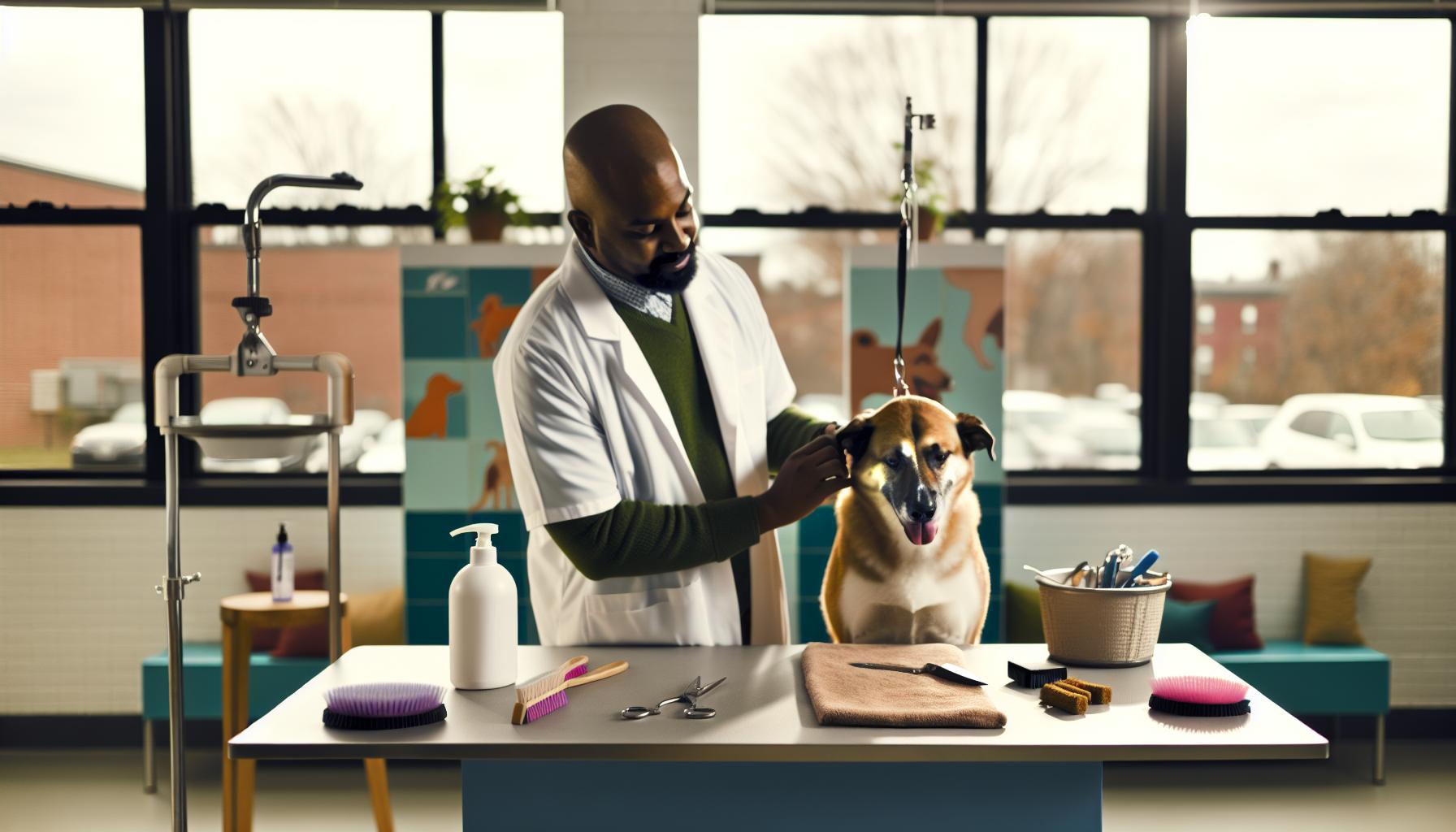
Post-Grooming Care: Keeping Your Puppy Happy and Healthy
Puppies often leave their first grooming sessions feeling relieved and refreshed, but their care doesn’t end once the groomer’s table is behind them. Just as you prepared your pup for this milestone, the days following grooming are equally important to keep your new friend comfortable, healthy, and happy. A gentle, consistent post-grooming routine helps soothe any residual stress, prevents skin irritation, and reinforces positive experiences for next time.
cooling Down and Comfort
After a bath or a clipping session, your puppy’s skin may feel sensitive or a little exposed, especially for breeds with thick, curly, or dense coats like Poodles or Bichon Frises. Avoid taking your pup outside immediately if temperatures are cold or windy, since damp fur can lead to chills.Instead, bring your puppy indoors to a cozy space and offer cuddles or a favorite toy to relax them. A soft towel rub and gentle brushing help distribute natural oils across the skin, maintaining moisture. If you notice any redness, scratching, or flaky patches, consult your vet before the next grooming appointment.
Maintaining Coat Health at Home
Keeping up with daily or every-other-day brushing is key to preventing mats and tangles that can cause discomfort. For double-coated or thick-coated breeds, be mindful of how brushing frequency may vary-some breeds require more frequent brushing after professional grooming to maintain their coats’ protective qualities.Use the same gently designed brushes introduced before grooming, and always brush in the direction of hair growth to avoid pulling.
- Check for Loose Hair and Debris: Groomers do a fantastic job, but after your session, look for stray hairs or dirt around ears, paws, and under the collar where mats like to form.
- Skin Inspection: Take advantage of a quiet moment to lightly check your puppy’s skin for any irritation or hotspots, especially if new products were used during grooming.
Safe Nail and Ear Care at Home
Post-grooming is a great window to gently continue nail handling without trimming, especially if nails were filed or trimmed professionally. If your pup seemed nervous during nail care, keep sessions brief and positive, using treats to reward calm behavior. Similarly, ears might feel tender after cleaning or clipping; avoid deep poking and only wipe the outer ear with vet-approved solutions until the next scheduled trim.
when to Contact Your Vet or groomer
It’s normal for puppies to feel a bit unsettled after grooming, but watch closely for signs that point to discomfort or infection: persistent redness, swelling, unusual odor, or excessive scratching.If any of these occur, reach out to your veterinarian promptly.Similarly, if your puppy seems unusually fearful or stressed related to grooming cues-like hearing clippers or being touched in certain areas-a chat with your groomer about handling techniques and scheduling shorter, gentler appointments can make a huge difference.
By embracing post-grooming care as part of your puppy’s overall wellness, you help build resilience and trust that turn grooming from a chore into a nurturing ritual.The goal isn’t flawless looks but a comfortable, confident pup whose health and happiness shine luminous every day. With patience, gentle touch, and thoughtful observation, you’ll empower your puppy to greet each grooming session with wagging tail and calm spirit.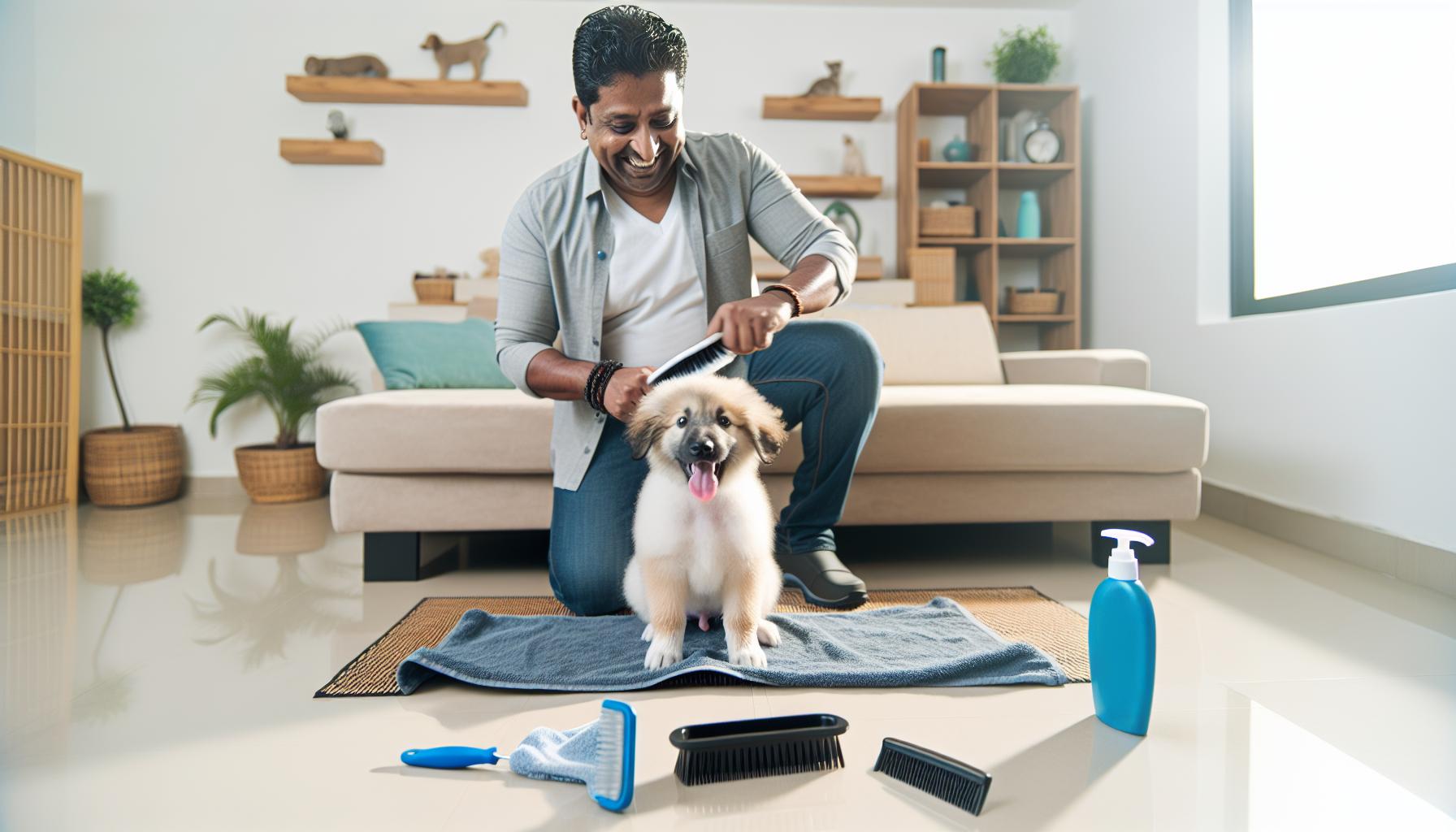
Frequently Asked Questions
Q: How soon after my puppy’s final vaccination can I take them to a groomer?
A: You can typically take your puppy to a groomer about one to two weeks after their final vaccination, once the immune protection has developed. This reduces health risks and ensures your puppy is safe in a social grooming environment.Check with your vet for vaccine-specific timing and always choose puppy-friendly groomers for a smooth experience. for detailed timing, see Understanding Puppy Vaccination Milestones for Grooming Safety in the main article.
Q: Can certain breeds or coat types require a different vaccination timeline before grooming?
A: Yes, breeds with thick or hypoallergenic coats may need extra precautions and sometimes delayed grooming until full vaccination because of increased risk of infections. Discuss breed-specific needs with your vet and groomer to tailor the vaccination timeline and grooming schedule. Refer to How different Breeds and coat Types Affect Groomer Readiness for tailored advice.
Q: What grooming services are safe to do at home while waiting for my puppy’s vaccinations?
A: While waiting on vaccinations, you can safely perform basic grooming like brushing, nail trimming, and gentle cleaning of ears and teeth at home. Avoid baths or grooming salons until vaccinations are complete to protect your puppy’s health.Our article’s DIY Grooming tips While Waiting on Vaccinations offers step-by-step guidance to keep your puppy comfortable and clean.
Q: Why is it critically important to choose a groomer who understands vaccination timelines for puppies?
A: A groomer knowledgeable about vaccination timelines helps ensure your puppy’s health and stress-free grooming. They will follow strict hygiene,use gentle handling,and schedule visits post-vaccination for safety.Selecting a professional familiar with puppy care reduces anxiety and risk-see Choosing the Right Groomer: Puppy-Friendly Practices and Policies for choosing wisely.
Q: How can I tell if my puppy is healthy enough for grooming based on their vaccination status?
A: Your puppy is healthy enough when all scheduled core vaccinations are completed and they show no signs of illness like lethargy or cough. Confirm with your vet, then schedule grooming. Look for signs of readiness and wellness as outlined in Signs Your Puppy Is Ready for Professional Grooming.
Q: Can puppies get vaccinated sooner to start grooming earlier?
A: While some vets may offer an accelerated vaccine schedule, it’s crucial to follow recommended protocols to ensure full immunity and avoid risks. Early grooming without complete vaccination increases exposure threats. Consult your vet for the safest options and refer to Why Timing Matters Before Your Puppy’s First Grooming Visit for context.
Q: What precautions should groomers take when handling puppies who are still completing their vaccination series?
A: Groomers should use disposable tools, sanitize thoroughly, limit contact with other animals, and offer quiet, low-stress environments when caring for puppies awaiting full vaccination. This minimizes infection risks and promotes a calm experience. See puppy-Friendly Practices and Policies for groomer safety protocols.
Q: How does delaying grooming impact my puppy’s coat and behavior?
A: Delaying grooming can lead to matting, skin issues, and increased anxiety during the first grooming session. To minimize this, practice home care routines and gradually acclimate your puppy to handling. Review Handling Common Puppy Grooming Challenges Safely and Building Calm and Confidence for Stress-Free grooming for helpful techniques.
For more personalized advice, always consult your veterinarian and trusted groomer. Exploring our sections on prepping puppies and choosing groomers helps you confidently schedule and enjoy every grooming milestone together.
Future outlook
Knowing when your puppy is ready for the groomer is key to keeping them happy and healthy. By following a proper vaccination timeline, you ensure their safety during early grooming sessions, tailored to their breed, coat type, and temperament. remember, starting with gentle baths and nail care at home can build confidence before visiting a professional groomer, helping reduce stress for both you and your pup. If you have questions about grooming tools or vet versus groomer care,our guides on [Puppy Nail Care Basics] and [Vet Visits vs. Grooming Sessions] offer practical tips that can ease you through every step.
Ready to take the next step? Explore our detailed [Puppy Grooming Supplies Checklist] to find exactly what you need for DIY comfort between visits. Don’t miss out on signing up for our newsletter to get expert advice and special offers delivered right to your inbox. if you’re still unsure about the best time for professional grooming or have concerns about vaccinations, leave a comment or reach out-our community and experts are here to support you and your furry friend every step of the way. Together, we’ll make your puppy’s grooming journey safe, smooth, and joyful.
Get our latest guides, news, and insights highlighted in your Google Search & AI Overviews.
Keep reading about the same coat and cut.



Popular grooming guides
Bath vs clip, first grooms, and salon how-tos.