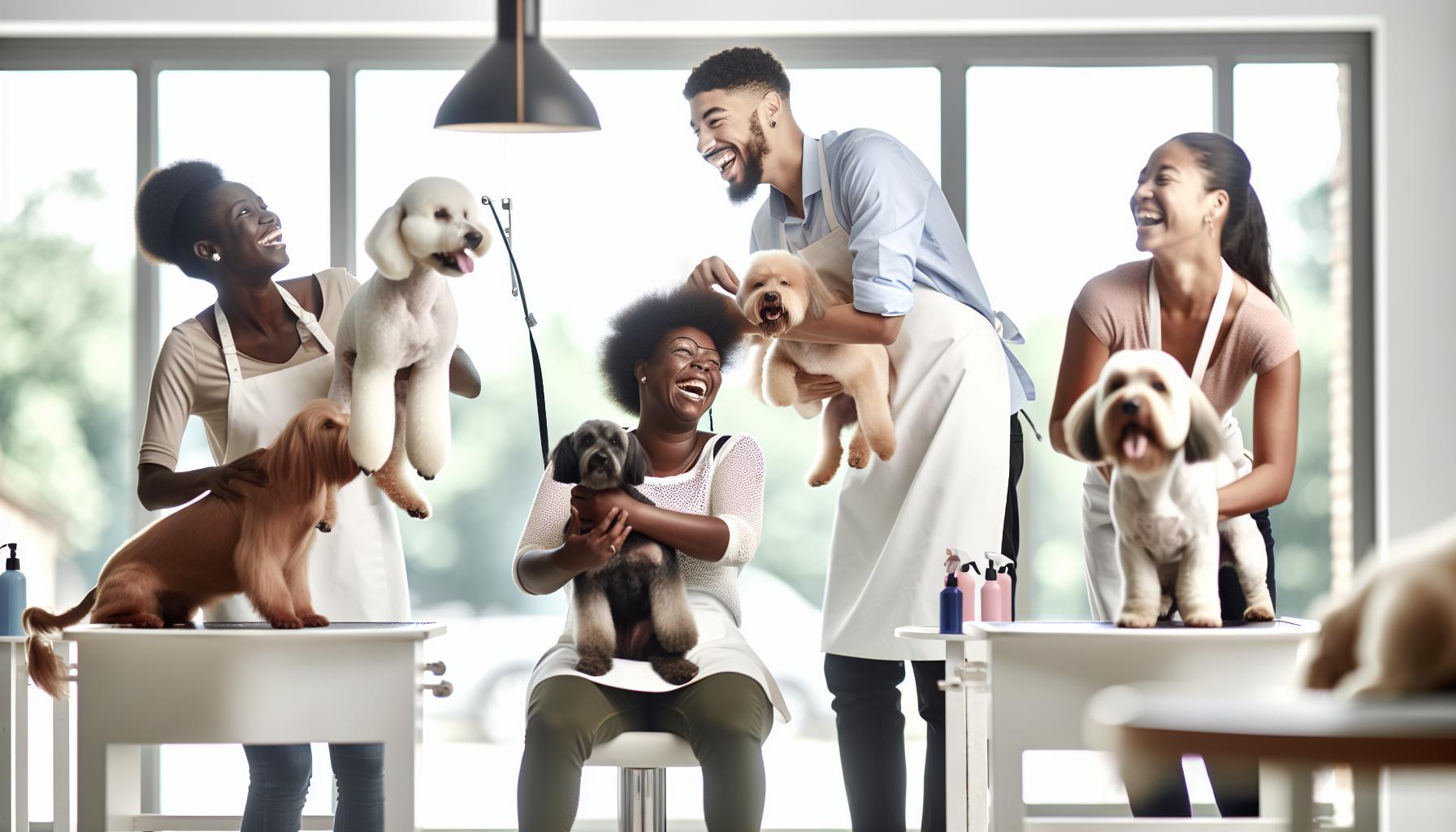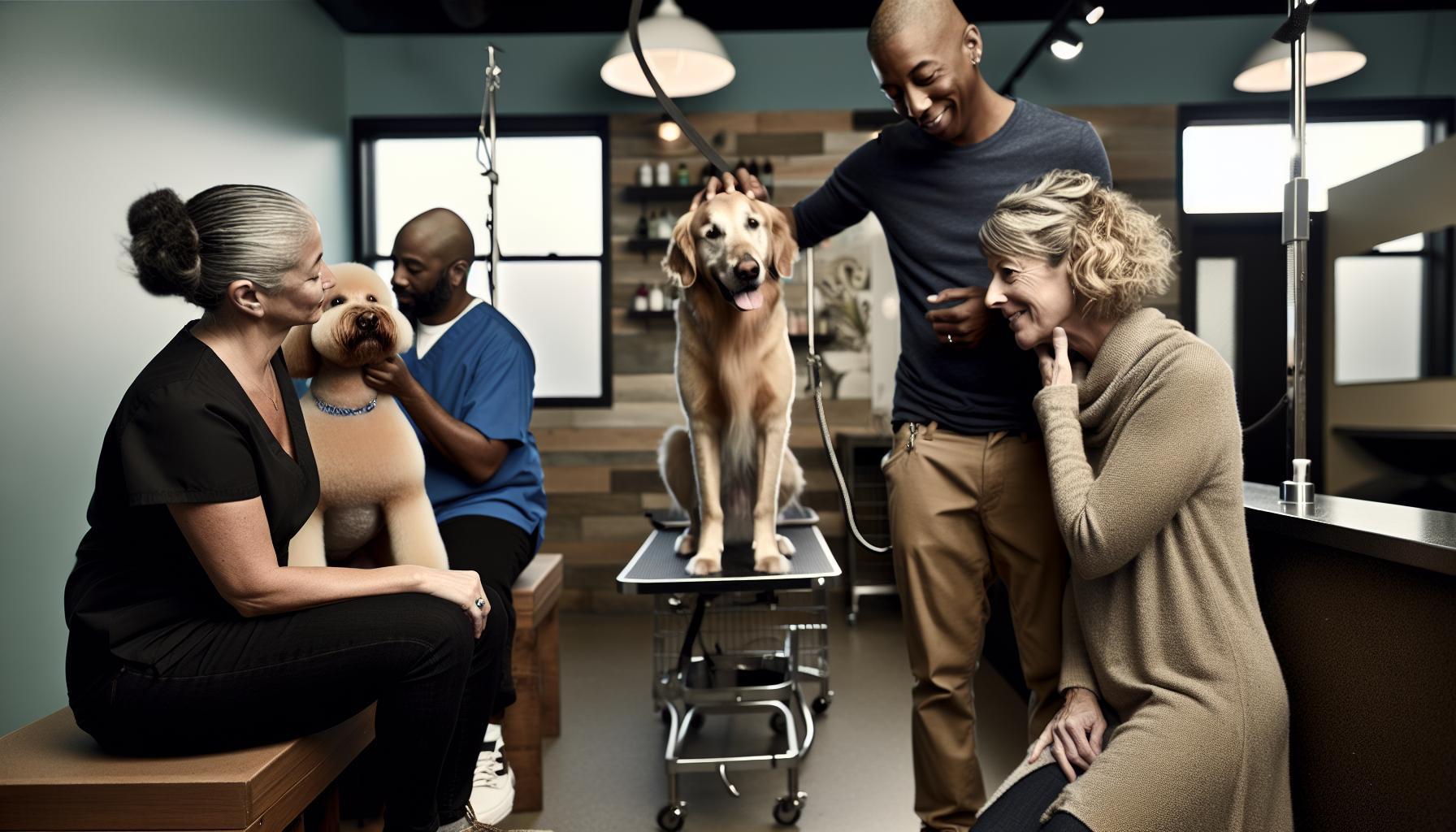
Did you know clear dialog with your dog groomer can make all the difference between a smooth experience and a stressful one-for both you and your furry friend? Whether your dog has a thick double coat or a sleek short-haired style, knowing exactly what to ask about their bath, brushing, nail care, and ear cleaning helps ensure their comfort and safety. This checklist will guide you through the key questions to cover before, during, and after grooming. It’s designed to ease worries, empower you with practical knowledge, and build a trusting partnership with your groomer. From discussing your dog’s specific coat type and temperament to clarifying services and special needs, this thoughtful approach supports your pet’s well-being while avoiding surprises. ready to gain calm confidence and make each grooming visit a positive one? Let’s explore what to ask so your dog’s health and happiness come first every time.
Understanding Your dog’s Grooming Needs and Preferences
Table of Contents
- 1 Understanding Your dog’s Grooming Needs and Preferences
- 2 Essential Questions to Ask Before Booking a Grooming Appointment
- 3 Communicating Coat Types, Styles, and Specialized Cuts Clearly
- 4 Discussing Health and Safety Concerns with Your groomer
- 5 Clarifying Bathing Options, Products, and Skin Sensitivities
- 6 Nail Care and Paw Health: What to Specify
- 7 ear Cleaning and Dental Care Requests to Mention
- 8 Setting Expectations for Behavior Management and Stress Reduction
- 9 Inquiring About Groomer Experience with Specific Breeds
- 10 Requesting Aftercare Advice and At-Home Maintenance Tips
- 11 Handling Pricing, Packages, and Additional Services Transparently
- 12 Building a Trusting Relationship with Your Groomer Through Communication
- 13 Frequently Asked Questions
- 13.1 Q: How can I tell if a dog groomer is experienced with my dog’s specific breed?
- 13.2 Q: What questions should I ask about handling my dog’s anxiety during grooming?
- 13.3 Q: When is the best time to schedule grooming appointments to fit my dog’s routine?
- 13.4 Q: What should I clarify about grooming products if my dog has allergies?
- 13.5 Q: How do I ensure the groomer will communicate with me during and after the grooming session?
- 13.6 Q: What should I discuss regarding grooming appointments for senior dogs or those with special needs?
- 13.7 Q: How can I confirm what nail trimming methods the groomer uses?
- 13.8 Q: Why is it important to discuss at-home grooming routines with my professional groomer?
- 14 Key Takeaways
Dogs, like people, have unique grooming needs that reflect their breed, coat type, lifestyle, and even personality. understanding these individual preferences is key to ensuring grooming sessions are not only effective but also comforting and stress-free. For example, a high-energy Labrador with a dense double coat will require different tools and care than a delicate Maltese with long, silky hair prone to tangling. Recognizing how your dog responds to brushing, bathing, and nail trimming helps tailor each step, making the experience more enjoyable and less frightening for your furry friend.
Know your Dog’s Coat and skin
The foundation of good grooming is knowing your dog’s coat type: whether it’s short, long, curly, wiry, or double-layered. Some coats need more frequent brushing to prevent mats and distribute natural oils, while others might shed heavily and require regular de-shedding tools.Dogs with sensitive skin or allergies might benefit from hypoallergenic shampoos or conditioners formulated to soothe irritation. Sharing this data with your groomer upfront helps them select the right brushes, tools, and bath products, which promotes a healthy, shiny coat without discomfort.
Such as:
- Short-haired breeds like Boxers or Beagles often enjoy rubber grooming gloves that efficiently remove loose hair and stimulate the skin.
- Long-haired breeds such as Shih Tzus need gentle, patient brushing that targets tangles and prevents painful mats.
- Double-coated breeds like Siberian Huskies require strategic brushing to remove the undercoat, especially during shedding season.
Behavior and Comfort Matter
Every dog’s personality shapes how they handle grooming. Some may remain calm and curious, while others might feel anxious, fearful, or restless around grooming tools and noises. Communicating your dog’s temperament allows the groomer to prepare with calming techniques or take breaks when needed. As an example, a nervous dog might appreciate gradual introduction to nail trimming, possibly using a quiet grinder rather than noisy clippers.Describing your dog’s reactions to past grooming helps groomers anticipate needs and reduce stress, resulting in a safer and more positive experience.
Grooming Beyond Appearance
Grooming is not just about looks-it’s essential for your dog’s health and comfort. Regular brushing removes dead hair and helps spot skin issues early; bathing keeps the coat clean and skin healthy; nail care supports proper paw function and comfort. Sharing your dog’s lifestyle details-such as activity level, swimming habits, or environments they frequent-enables groomers to customize their approach. For instance,active dogs that frequently play outdoors may need more frequent paw balm applications to prevent dryness and cracking.
By openly discussing your dog’s coat type, skin sensitivities, behavior patterns, and day-to-day experiences, you empower your groomer to provide personalized care prioritizing your dog’s happiness and well-being. This understanding builds trust and sets the stage for a grooming relationship where your dog feels safe,comfortable,and valued at every visit.
Essential Questions to Ask Before Booking a Grooming Appointment
Booking a grooming appointment for your dog is more than just picking a date - it’s the first step toward ensuring your dog’s experience is safe, comfortable, and tailored to their unique needs. Just like people, every dog has different grooming requirements, so asking the right questions beforehand can make all the difference. This proactive communication empowers you to select a groomer who understands your dog’s coat,personality,and health concerns,setting the stage for a successful visit where your pup feels valued and cared for.
Before your appointment, it’s essential to discuss your dog’s breed and coat type with the groomer, as this affects everything from tools used to whether specialized cuts are available. Such as, a curly-coated Poodle will need different scissors and drying techniques than a short-haired Boxer. Don’t hesitate to ask what experience the groomer has with your dog’s specific breed or coat texture – knowing they have the right skills can provide peace of mind. Also,clarify if they offer breed-specific cuts or customized trimming,especially if you want a particular style or need to maintain a show coat or therapeutic trim.
Consider these questions when booking:
- Does the groomer have experience with my dog’s breed,coat,and temperament?
- What grooming services are included,and what costs extra (e.g., nail grinding, anal gland expression)?
- Which grooming products do you use, and are they suitable for dogs with sensitive skin or allergies?
- How do you handle dogs that get anxious or stressed during grooming?
- Can I provide special instructions about my dog’s behavior, health conditions, or preferred handling?
- What protocols do you follow for emergencies or if my dog shows signs of discomfort or pain?
- How do you communicate with owners post-appointment about any findings or aftercare recommendations?
Asking about behavior and stress management techniques is especially critically important if your dog is shy or fearful.A gentle groomer will appreciate knowing if your dog reacts poorly to certain noises or handling, allowing them to adjust their approach-maybe breaking up the session into shorter phases or using quieter equipment helps your dog feel more secure. If your dog has had a difficult grooming experience before, sharing those details can definitely help avoid repeats and ensure safety for both your dog and the groomer.
Lastly, clarify logistical details such as appointment length, available dates, cancellation policies, and whether the groomer offers pickup/drop-off services or multiple-pet discounts. Being upfront about your dog’s needs and your expectations creates a partnership where the groomer can deliver compassionate care without surprises. Remember, the goal is not perfection in one visit but building a trusting, positive experience that encourages your dog to look forward to grooming time as a moment of comfort and well-being.

Communicating Coat Types, Styles, and Specialized Cuts Clearly
It’s amazing how much a dog’s coat can tell us about their grooming needs-and getting those details right can make all the difference in ensuring a calm, comfortable experience for your furry friend. Whether your dog has a fluffy double coat, wiry fur, or soft curls, clear communication about coat type sets the foundation for a successful groom.This helps your groomer choose the right tools, techniques, and time required to care for your pet safely and beautifully.
Before your appointment, take a moment to observe and describe your dog’s coat texture, density, and growth patterns. Such as, dense double coats, common in breeds like Huskies or German Shepherds, require careful deshedding and avoid clipping too short to prevent skin irritation. On the other hand, curly coats like Poodles demand specialized scissoring and gentle drying techniques to prevent matting and maintain their signature style.Sharing details about past grooming challenges-whether your dog’s coat tends to mat easily or if it’s sensitive to certain brushes-can definitely help the groomer prepare and adapt their approach.
Styles and Cuts: Finding What Fits Your Dog’s Needs
if you’re seeking a particular style or cut, don’t hesitate to bring pictures or describe exactly what you want in detail. Words like “puppy cut,” “sanitary trim,” or “breed-specific clip” can mean different things to different people. As an example, a “puppy cut” for a Shih Tzu usually means a uniform trim all over, but the length can vary widely. Mention whether your dog’s look is purely cosmetic or if there are practical reasons behind the cut, such as reducing mats, easing heat in summer, or maintaining a show coat. This upfront clarity saves time and ensures you and your groomer are on the same page.
Specialized Grooming Techniques and Tools
Different coat types need different equipment. Understanding this helps you appreciate why a groomer might use scissors over clippers, or a slicker brush instead of a comb. For example, soft-coated breeds often benefit from conditioning baths and wide-tooth combs to avoid breakage. Wire-haired dogs usually need hand stripping to remove dead hair, a technique not everyone offers or your dog may find uncomfortable.Asking your groomer about the tools and methods they use-and explaining what your dog tolerates well-empowers the groomer to build a gentler, more effective routine.
Here are some helpful points to mention when discussing coat type and style preferences:
- Breed and Coat description: Share if your dog has a single or double coat, curly, wiry, or silky fur.
- Current Length and Desired Style: Clarify how short or long you want your dog’s coat,and if you want a particular pattern or trim.
- Matting Issues: Mention if mats are a concern and any past experience with clipping or detangling.
- Allergies or Skin Sensitivities: Note any sensitivity that may affect product choice or grooming techniques.
- Past grooming Experiences: Highlight what worked or didn’t work to avoid repeats.
By providing these details in a relaxed and honest manner, you help the groomer tailor their work to fit your dog’s unique coat and temperament. This not only honors your dog’s comfort but also leaves you confident the grooming session will yield the best possible result-functional, beatiful, and stress-free. Remember,excellent grooming is about loving care,patient technique,and clear communication as much as it is indeed about looks.
Discussing Health and Safety Concerns with Your groomer
It’s surprising how much a dog’s health and safety depend on open, clear communication with their groomer before and during every session. Grooming isn’t just about looks-it’s about keeping your pet comfortable, safe, and healthy. To achieve that, sharing critically important health details upfront allows your groomer to adjust their methods thoughtfully, minimizing stress and preventing avoidable complications.
Start by letting your groomer know if your dog has any medical conditions, allergies, or skin sensitivities. For example, a pup prone to hot spots or eczema might need hypoallergenic shampoos and gentler brushing techniques.Older dogs or those with arthritis may require extra patience and slower handling during bathing, drying, or nail trimming.If your dog has had reactions to certain grooming products or past experiences that caused discomfort, don’t hesitate to mention these. Clear disclosure helps your groomer select the right products and tools,such as using quieter clippers around an anxious dog or avoiding scissors if your pet is nervous near sharp objects.
Bathing and Skin Care Precautions
Understanding your dog’s skin type and sensitivities influences the grooming products and water temperature used. Ask about shampoos and conditioners specifically formulated for your dog’s needs-oatmeal baths soothe dry skin, while medicated shampoos can aid skin infections but might be used only occasionally under vet guidance. Groomers should rinse thoroughly to avoid residue buildup that irritates the skin. Discussing signs of discomfort during the bath lets the groomer pause or adjust techniques, keeping your dog calm and safe.
Nail Trimming and Ear Cleaning: Safety First
Nail care might seem straightforward, but some dogs have thick, dark nails that are tricky to trim safely without causing bleeding or pain. Inform your groomer if your dog resists nail work or has required special care before.Many groomers now use nail grinders that reduce the risk of cutting too close to the quick.Similarly, ear cleaning must be handled delicately to prevent irritation or infection. Share if your dog has a history of ear issues or sensitivities. A skilled groomer will adapt by using gentle products and only cleaning as recommended, leaving any suspicious redness or discharge for your vet to evaluate.
When to Turn to Your Veterinarian
While groomers are trained in animal care, some situations require veterinary attention rather than grooming interventions. As an example, if your dog has open wounds, severe matting causing skin damage, or signs of infection, these should be addressed by a vet first. it’s vital to communicate these boundaries clearly with your groomer-encouraging them to alert you immediately about issues beyond their scope. This partnership ensures your dog’s safety and wellbeing both in and out of the grooming salon.
- Be clear about any medication or special treatments your dog is receiving.
- Mention behavioral triggers that could affect safety during grooming.
- Discuss any pain, stiffness, or mobility issues that require gentle handling.
Remember, your groomer’s kindness and skill shine brightest when backed by your proactive sharing of health and safety concerns. This teamwork builds confidence, turning grooming from a stressful chore into a caring routine that preserves your dog’s health and happiness.
Clarifying Bathing Options, Products, and Skin Sensitivities
Few experiences rival the relief a dog feels after a soothing bath, especially when done with gentle care tailored to their unique skin needs.Dogs with sensitive skin or allergies require more than a quick wash; they need a bathing routine that respects their comfort and health. If your dog is prone to dryness, redness, or irritation, discussing the right shampoo and water temperature before their appointment can make all the difference. Hypoallergenic shampoos with oatmeal or aloe vera are often ideal for calming inflamed skin, while medicated shampoos might be necessary under veterinary guidance for more serious conditions. Always ask your groomer what products they plan to use and whether they have experience handling sensitive or allergy-prone coats.
Choosing the Right Products
Every coat is different, and that means one-size-fits-all shampoo usually isn’t the best choice. For example, thick double coats trap dirt differently than fine, silky fur, influencing product selection and rinse thoroughness.A responsible groomer will avoid detergents with harsh chemicals, artificial fragrances, or dyes that could worsen sensitivities. sometimes, bringing your dog’s preferred cleanser or vet-recommended formula is a great way to ensure compatibility and minimize flare-ups.
- Confirm if the shampoo is free of parabens, sulfates, and other common irritants.
- Ask if conditioners or leave-in sprays used are designed for sensitive skin.
- Discuss the frequency of medicated treatments to avoid overuse.
Bathing Technique and Comfort
Water temperature can affect a dog’s relaxation and the effectiveness of the bath. Lukewarm water is usually best: too hot can dry out skin, and cold water can cause distress. Together with your groomer, decide what temperature proves most comfortable for your dog, especially if they’re elderly or anxious. Slow, calming motions during wetting, soaping, and rinsing help prevent stress. groomers trained in sensitive skin care watch for signs like paw licking, scratching, or vocalizing discomfort and adjust accordingly.
When to Hold Off on Grooming Baths
It’s important to recognize when bathing should wait for veterinary evaluation. If your dog has open sores, rashy patches, or infections, shampooing could worsen the problem. Groomers rely on you to disclose any such issues so they can handle your pet gently or refer you to your vet. This collaboration protects your dog’s health and fosters more effective treatment regimens between grooming visits.
Offering your groomer clear, detailed information about your dog’s skin sensitivities ensures each bath cleanses without harm and keeps your furry friend comfy long after they towel dry.These careful considerations turn grooming time into a nurturing ritual, not just a task, creating trust and calm in every step of your dog’s care routine.[[[[[1]][[[[[2]]
Nail Care and Paw Health: What to Specify
Nail care is about much more than just keeping your dog’s paws looking tidy-it’s essential for their comfort, mobility, and overall health. Many owners worry about nail trimming, especially if their dog is nervous or if there’s a history of painful experiences like cutting into the quick. This is why being clear with your groomer about your dog’s nail care needs and preferences is key to ensuring a positive, stress-free experience. When you communicate openly, your groomer can tailor their approach to suit your dog’s temperament and paw health, minimizing anxiety and the risk of injury.
Sharing Your Dog’s Nail Care History and Preferences
If your dog is sensitive or fearful around nail trims, let the groomer know right away. Some dogs do better with customary clippers, while others prefer a quieter nail grinder or even a gentle filing session. Such as, dogs who flinch at the snap of clippers often find nail grinders less stressful because they smooth edges gradually without sharp snaps or pressure. If you’ve discovered your dog tolerates one method better, specify this to your groomer to help build trust. Likewise, mention any previous “quicking” incidents so your groomer can be especially cautious.
Discussing Frequency and Desired Nail Length
Nail growth rates vary by breed, activity level, and individual health, so scheduling trims every few weeks might be necessary to prevent overgrowth, splitting, or discomfort. Talk with your groomer about how often your dog’s nails tend to need trimming and whether you want a gentle trim just to keep length manageable or a more thorough shaping. This can be especially important for breeds with thick or dark nails, where the quick is harder to see and trimming is naturally more challenging. Your groomer’s experience with your dog’s breed can make a big difference here.
Ensuring Paw Health Beyond Nail Trims
Healthy paws are about more than nails-they need to be clean, moisturized, and inspected for issues like cracked pads, infections, or foreign debris. Ask your groomer to check your dog’s paw pads during grooming and gently clean between toes if needed. For dogs with dry or cracked pads, you can specify the use of pet-safe balms or treatments to soothe and protect the skin. This kind of holistic care can prevent discomfort and infections, keeping your dog happy on all walks.
- Request a slow,calm handling of paws to reduce your dog’s anxiety.
- Confirm your groomer knows to stop trimming if your dog shows pain signals.
- ask about using grinders vs. clippers based on your dog’s comfort level.
- Discuss post-trim paw treatments or balms to maintain softness and health.
Nail Care: Groomer, Vet, or Owner?
Some dogs need sedation for nail trims, especially if they’re highly reactive or have painful conditions. Have an honest conversation with your groomer about when professional vet intervention is preferable. While gentle grooming professionals can manage many dogs’ nails well, complex cases-such as dogs with nail infections, injuries, or extreme fear-often require veterinary handling. Knowing these boundaries helps keep your dog safe and comfortable, while also empowering you to maintain paw health at home between sessions.
By opening the dialogue about your dog’s nail care routine, sensitivity, and any special needs, you and your groomer form a partnership that prioritizes your furry friend’s well-being. This shared knowledge creates a calm, compassionate grooming environment where nail care supports your dog’s happiness and health without fear or fuss. Remember,patience and consistency are the real heroes in building trust and maintaining healthy paws.
For more detailed advice on dealing with nail trimming stress, methods that work for sensitive dogs, and how to progress step-by-step, reputable resources like the American Kennel Club and veterinary hospitals offer helpful tips to complement your groomer’s work[1], [2].
ear Cleaning and Dental Care Requests to Mention
Taking care of your dog’s ears and teeth during grooming is about much more than just cleanliness-it’s a vital step in preventing discomfort and more serious health issues. Many dogs can be sensitive around these areas, so sharing detailed information about your dog’s specific needs and past experiences helps your groomer provide gentle, effective care tailored just for them. Ear infections, buildup of wax or debris, and dental tartar are common hidden troubles that can easily be missed without careful attention.
Understanding Your dog’s Ear Care Needs
Different breeds have different ear shapes and sensitivities. dogs with floppy ears, like Cocker Spaniels or Basset Hounds, tend to accumulate more moisture and wax, increasing the risk of infections. if your dog has known ear issues, such as recurring infections, allergies, or sensitive skin inside the ears, let your groomer know upfront. This allows them to use the right gentle, hypoallergenic ear cleaners, avoid over-cleaning, and monitor for redness, odor, or swelling.
When discussing ear care, be clear about whether you want a thorough cleaning or just a routine wipe-down. For anxious dogs, a slow, gentle approach is key-ask your groomer to proceed carefully and tell them if your dog flinches or shows distress. Some pets tolerate cotton balls better than swabs, which can be harsh if used improperly. If your dog has heavy ear hair, requesting that your groomer pluck or trim it carefully can improve airflow and reduce irritation-but always confirm that this is comfortable for your dog, as it can be sensitive.
Getting the Most From Dental Care at grooming
While not all groomers provide comprehensive dental cleaning,many offer helpful options like brushing,scaling,or applying dental sprays and gels that reduce plaque buildup. If your dog resists oral care, share what methods have worked at home or with your vet-some dogs prefer flavored toothpaste or softer brushes.
You might want to specify if you want your groomer to perform a quick dental check-to identify bad breath, tartar, or gum redness-and gently clean teeth during the session.For dogs with advanced dental disease or sensitive mouths, your groomer can recommend a veterinary dental exam or professional cleaning under anesthesia.
- Request that your groomer uses only pet-safe ear and dental products.
- Communicate any known allergies or sensitivities to avoid reactions.
- Ask for a gentle introduction to ear cleaning tools and dental brushes for anxious dogs.
- Discuss preferred frequency for ear and dental care during grooming visits.
Knowing When to Involve Your Veterinarian
Some ear and dental conditions are beyond the groomer’s scope. If you notice persistent odor, discharge, redness, swelling, or if your dog shows pain when ears or mouth are touched, a vet should evaluate these signs promptly. groomers complement veterinary care with regular maintenance but must avoid procedures that could worsen untreated infections or injuries.
Opening a dialogue about your dog’s ear and dental history empowers your groomer to respect your pet’s needs and limits while supporting holistic health. This partnership ensures grooming sessions focus on comfort and wellbeing, building trust for happier, healthier visits.
By clearly specifying what your dog prefers, tolerates, and needs, you enable your groomer to provide tailored, compassionate ear and dental care – making these sometimes tricky tasks a comfortable part of your dog’s grooming routine.
Setting Expectations for Behavior Management and Stress Reduction
Grooming can be a source of anxiety for many dogs, even those who usually seem calm at home. Recognizing and setting realistic expectations about your dog’s behavior during grooming helps create a gentler, more positive experience for everyone involved. Every dog’s personality and previous grooming history shape how they react; some might potentially be nervous about handling or new surroundings, while others could become restless or fearful. sharing these insights with your groomer in advance enables them to prepare patience and techniques tailored specifically to your dog’s needs.
Small adjustments can make a big difference-for example, a timid Labrador with a thick double coat may benefit from slower brushing breaks and a quieter environment, while an energetic terrier might need more consistent physical reassurance and brief, engaging pauses to reduce stress. If your dog has shown signs of fear or defensive behavior in the past, letting your groomer know can prompt the use of gentle touch, treats for positive reinforcement, and extra time for gradual acclimation to tools like clippers and scissors. Groomers trained in low-stress handling understand that safety and calmness come before speed or perfect looks.
- Discuss the specific handling techniques that work best for your dog. As an example, some dogs prefer to be groomed on the floor rather than a grooming table, or calm hand-holding can replace restraint.
- Request frequent breaks during the session. This helps reduce overwhelm, especially during nail trims or ear cleaning, which can be sensitive areas.
- Ask if the groomer offers desensitization programs. These are gradual introductions over multiple visits, ideal for dogs easily stressed or fearful.
- Clarify what signs of stress you want the groomer to monitor. Restlessness, panting, whining, or avoidance can be cues to slow down or switch tasks.
Realistic Approaches to Challenging Grooming Tasks
Some breeds and coat types-like the thick,double-coated German Shepherd or the curly-coated Poodle-require more time and specialized tools. Communicate openly about any difficulties your dog has experienced before, such as matting, coat sensitivity, or reactions to nail clipping.This transparency allows groomers to plan accordingly, using tools like dematting combs or nail grinders instead of clippers, which can cause less discomfort.Knowing your dog struggles with bath time because of noise sensitivity? Your groomer can apply soothing shampoos and use quieter blow-dryers or even opt for hand drying when appropriate.
Understanding Professional Limits and When to seek Veterinary Help
While experts in animal care, groomers do not replace veterinarians, especially when behavior is linked to pain or medical issues. If your dog reacts aggressively or is highly fearful, it’s important to discuss this honestly so your groomer can handle tasks safely or refer you to a vet behavioral specialist. Certain behaviors, like severe licking or chewing, might indicate skin problems or anxiety needing medical treatment beyond grooming. Remember, your groomer’s first priority is your pet’s wellbeing, and working in tandem with your veterinarian ensures your dog receives comprehensive care.
By proactively communicating about behavior and stress, you foster a collaborative environment where your dog feels secure, and grooming sessions become opportunities for confidence-building rather than fear. This compassionate approach not only improves your pet’s experience but also strengthens the trust between owner, dog, and groomer-turning grooming appointments into an enjoyable, stress-free routine for everyone involved.
- Keep a behavior diary for your groomer to review before appointments, noting any changes or improvements.
- Provide favorite treats or toys to be used throughout the grooming session as positive reinforcement.
- Discuss emergency protocols so everyone knows how to respond if your dog becomes overwhelmed during grooming.

Inquiring About Groomer Experience with Specific Breeds
Few things reassure a dog owner more than knowing their groomer truly understands the unique grooming needs of their dog’s breed. Every breed carries distinct coat types, skin characteristics, and temperament traits that influence the grooming approach. For example, a Shih Tzu’s long, fine coat requires delicate detangling and frequent trimming to prevent mats, while a Labrador Retriever’s dense double coat benefits from seasonal de-shedding and a bath regimen that maintains natural oils. Asking about a groomer’s experience with your specific breed helps ensure they know these nuances, so they can tailor techniques and tools to keep your dog comfortable and looking healthy.
Experience with a breed frequently enough means familiarity with breed-specific tools and styles.For instance,curly-coated breeds like Poodles and Bichon Frises need specialized scissors for shaping curls without damaging hair,plus knowledge of dematting combs appropriate for their dense coats. Working with terriers frequently enough involves using clipper blades suited to their wiry fur and understanding their sometimes spirited behavior to keep grooming calm and safe. When speaking with your groomer, ask if they have handled your breed regularly and what challenges they typically encounter. This dialogue helps you understand their proficiency and how they will prioritize your pet’s comfort over speed or aesthetics.
- Bathing: Some breeds need hypoallergenic or medicated shampoos due to sensitive skin. Verify if your groomer knows this and uses breed-appropriate products.
- Brushing and Dematting: Thick or double coats require patience and proper tools to minimize pain. Confirm the groomer’s approach to mat removal and if they can recognize coat health issues early.
- Nail Trimming and Ear Care: Certain breeds are prone to nail overgrowth or ear infections. Experienced groomers monitor these carefully and advise on regular maintenance routines.
Sharing any breed-specific quirks or past grooming difficulties empowers your groomer to adapt. For example, if your Golden Retriever tends to become restless during ruff drying, a groomer familiar with the breed might use quieter blow dryers or more frequent breaks. If your dog is a breed known to suffer skin allergies,discussing this upfront means the groomer can avoid harsh chemicals and alert you to any unusual skin findings.This open communication builds trust and ensures your dog’s welfare is front and center.
when to Trust the Groomer and When to Consult Your Vet
While groomers are skilled in handling breed-specific grooming challenges, it’s important to recognize their scope. If your groomer observes behavior changes or skin conditions unusual for your dog’s breed-such as excessive licking or hair loss-they should recommend a veterinary evaluation rather than attempting treatments themselves. partnering with your groomer and vet creates a strong safety net, ensuring that any breed-related health concerns are addressed promptly, and grooming stays a positive experience.
Ultimately, choosing a groomer with solid experience in your dog’s breed reduces stress for everyone involved. it brings peace of mind and helps your dog enjoy grooming sessions tailored with patience, kindness, and expert care.Don’t hesitate to ask detailed questions and share your own insights-this collaboration nurtures your dog’s comfort and well-being at every visit.
Requesting Aftercare Advice and At-Home Maintenance Tips
Few things can extend the benefits of a professional grooming session quite like thoughtful, tailored aftercare at home. Once your dog leaves the salon, a simple routine guided by your groomer’s advice can keep their coat healthy, skin calm, and nails comfortably trimmed between visits. The right aftercare isn’t just about looks-it supports your dog’s long-term wellbeing and helps avoid common problems like matting,infections,or irritations.
Bathing and Brushing at home
Ask your groomer which shampoos and conditioners coordinate best with your dog’s skin type and coat texture.Such as, sensitive-skinned breeds like West Highland Terriers often need gentle, hypoallergenic formulas to avoid dryness or itching. Your groomer can also suggest brushing frequencies and the ideal tools, such as slicker brushes for curly coats or pin brushes for longer hair.They may advise specific techniques for dematting or preventing mats-critical for dense or long coats-to avoid discomfort or skin damage.
- Tip: If your dog tends to resist brushing, try shorter, calm sessions with plenty of treats. This builds positive associations,making grooming more enjoyable over time.
- Warning: Never force out mats harshly; ask your groomer how to safely loosen tangles or when professional help is necessary.
Nail Care and Paw Maintenance
Nail trimming can be tricky and stressful for many pets. Your groomer can show you how to identify the quick-the sensitive part of the nail to avoid cutting-and recommend suitable trimmers or grinders for home use. Paw pads also deserve attention; your groomer might suggest moisturizing balms or protective balms if your dog spends a lot of time on rough surfaces or in extreme weather conditions. Keeping nails and paws healthy not only improves comfort but can prevent mobility issues.
Ear and Dental Hygiene
Some breeds are prone to ear infections, especially those with floppy ears or heavy hair around the canal.Your groomer can demonstrate gentle ear cleaning at home, recommending safe solutions and warning about signs of infection that require veterinary care. Likewise, daily or frequent teeth brushing makes a huge difference but can be daunting. Groomers often share tips on choosing toothbrushes and pastes designed for dogs, along with patience-building tricks to ease reluctant pups into this habit.
Knowing When to Call the Vet
Aftercare includes watching for anything unusual your groomer may have flagged-redness, bumps, persistent scratching, or behavioral changes. Your groomer should emphasize the boundaries between grooming and medical care, reassuring you that while they can spot concerns, diagnosis and treatment fall under your veterinarian’s expertise. This collaboration ensures your dog stays safe, comfortable, and healthy long after their haircut.
By taking the time to ask for and follow personalized aftercare advice, you become a key partner in your dog’s grooming journey. Small daily efforts-like brushing a silky coat every other day or checking nails weekly-build up to big rewards: a happy, pain-free pup who looks and feels their best until the next visit. Your groomer’s expert guidance turns a one-time pampering session into a lifelong routine of care and comfort.
Handling Pricing, Packages, and Additional Services Transparently
It’s important to remember that grooming costs can vary widely, influenced not just by your dog’s size or breed, but also by the complexity of their coat and the specific services they need.Transparency about pricing upfront helps you avoid surprises and ensures you can plan appropriately for your dog’s care. Many salons break down costs by breed size or coat type, so asking for a clear pricing structure tailored to your dog is the first step in making informed decisions.
when you inquire about grooming fees, don’t hesitate to ask which services are included in the base price and which might be considered extras. Such as, a “full groom” often covers bath, haircut, nail trim, ear cleaning, and sometimes gland expression. Additional treatments like flea baths, de-matting, teeth brushing, or specialty cuts can come at an extra charge. Understanding this helps you balance your dog’s needs with your budget and avoid last-minute fees.
Comparing Pricing and Packages
Some groomers offer packages or memberships that combine regular grooming sessions with perks such as discounts on add-ons or priority booking. These can be especially cost-effective if your dog requires frequent maintenance. For instance, small dogs’ grooming typically ranges from around $40 to $90, while larger dogs may start closer to $130 and increase with coat difficulty or breed specifics[[[[[1]](https://tryfurgo.com/blogs/pet-care-grooming/dog-grooming-costs-nyc?srsltid=AfmBOoorBXQ84PZ26hu93UJyBK1rPikL6Np3pqnIjgKreUVCQiJwCzoi)[[[[[3]](https://www.nycpetservices.org/grooming.html). Discuss whether prepaying for packages suits your schedule and your dog’s needs or if pay-as-you-go offers more flexibility.
Sometimes your dog might need special care extra to the regular groom-maybe a medicated bath for skin conditions, a gentle de-matting session for stubborn tangles, or a calm approach for anxiety-prone pets requiring more time. Ask your groomer how these services affect pricing and request an estimate beforehand. This openness also gives your groomer a chance to explain why certain extras are beneficial, focusing on your dog’s comfort and health rather than cosmetic perfection.
- Example: A Poodle with a dense curly coat might require more time for detangling and coat styling than a short-haired breed,which can increase costs accordingly.
- Tip: If your dog is anxious or shows stress during grooming, discuss behavior management fees early. Some places include this in pricing; others charge more for the extra time and care.
Ultimately, clear communication about pricing fosters trust and gives you confidence that you’re investing in your dog’s wellbeing sensibly. When you know what’s included, what’s added, and why, it puts you in control and makes the entire experience calmer and more positive for both you and your furry friend.
Building a Trusting Relationship with Your Groomer Through Communication
Connecting with your groomer on a foundation of trust transforms every grooming session into a positive, stress-free experience for both you and your dog. At the heart of this bond lies open, honest communication-an exchange that goes beyond styles and services to include your pet’s personality, preferences, and health. When groomers feel trusted, they’re empowered to tailor their approach with gentleness and patience, ensuring your dog’s comfort and safety every step of the way.
Start by sharing detailed insights about your dog’s breed, coat type, and any sensitivities or anxiety triggers. For example, a rescue dog new to grooming might benefit from slow, reassuring handling and familiarization time before the trim begins. Explaining past grooming experiences or specific dislikes helps the groomer create a calm environment that respects your dog’s unique needs. Likewise, clarifying what ”short” means on different body areas or showing photos sets clear expectations and prevents surprises later. Remember, describing the exact cut style-even pointing to where you want a little more or less fur-builds clarity that benefits everyone[[[[[3]](https://www.jodimurphy.net/blog/2020/1/1/communication-is-key-for-dog-groomers-their-clients).
Practical Tips for Ongoing Collaboration
- Be upfront about health considerations: Inform your groomer about allergies, skin conditions, medications, or any mobility issues. This allows them to select suitable products and adapt handling techniques for comfort and safety.
- Share behavioral history: if your dog gets nervous or reactive during nail trimming or ear cleaning, describe which calming methods worked before. Groomers frequently enough have tricks like bite-proof wraps or gentle voice tones tailored for anxious pets.
- Establish follow-up routines: Ask your groomer for aftercare advice specific to your dog’s coat and skin type.simple steps like recommended brushing frequency,skin moisturizers,or ear checks between appointments reduce issues and extend the benefits of grooming.
Understanding Roles: Vet, Groomer, and You
It’s important to know where groomers’ expertise ends and a veterinarian’s care begins. Groomers handle cosmetic and hygiene tasks-cleaning ears, trimming nails, de-matting, and skin-pleasant baths. But if you notice persistent redness, swelling, or unusual lumps during grooming, communicate immediately and seek veterinary advice. Sharing this awareness openly with your groomer builds confidence in their observations and keeps your dog’s health front and center.
By approaching communication as a two-way street-where you listen as much as you share-you cultivate a nurturing partnership. Trust grows when expectations are clear, questions are welcomed, and love for your dog shines through every conversation. This way, grooming becomes less of a chore and more of a cherished wellness ritual, supporting your dog’s happiness, hygiene, and heart.
- Example: One long-time client with a high-energy Border Collie taught us to time grooming sessions right after morning playtime when he was calmest. This simple schedule tweak made all the difference.
- Tip: Don’t hesitate to book an introductory meet-and-greet with your groomer to build rapport, especially if your dog is sensitive or it’s your first time visiting.
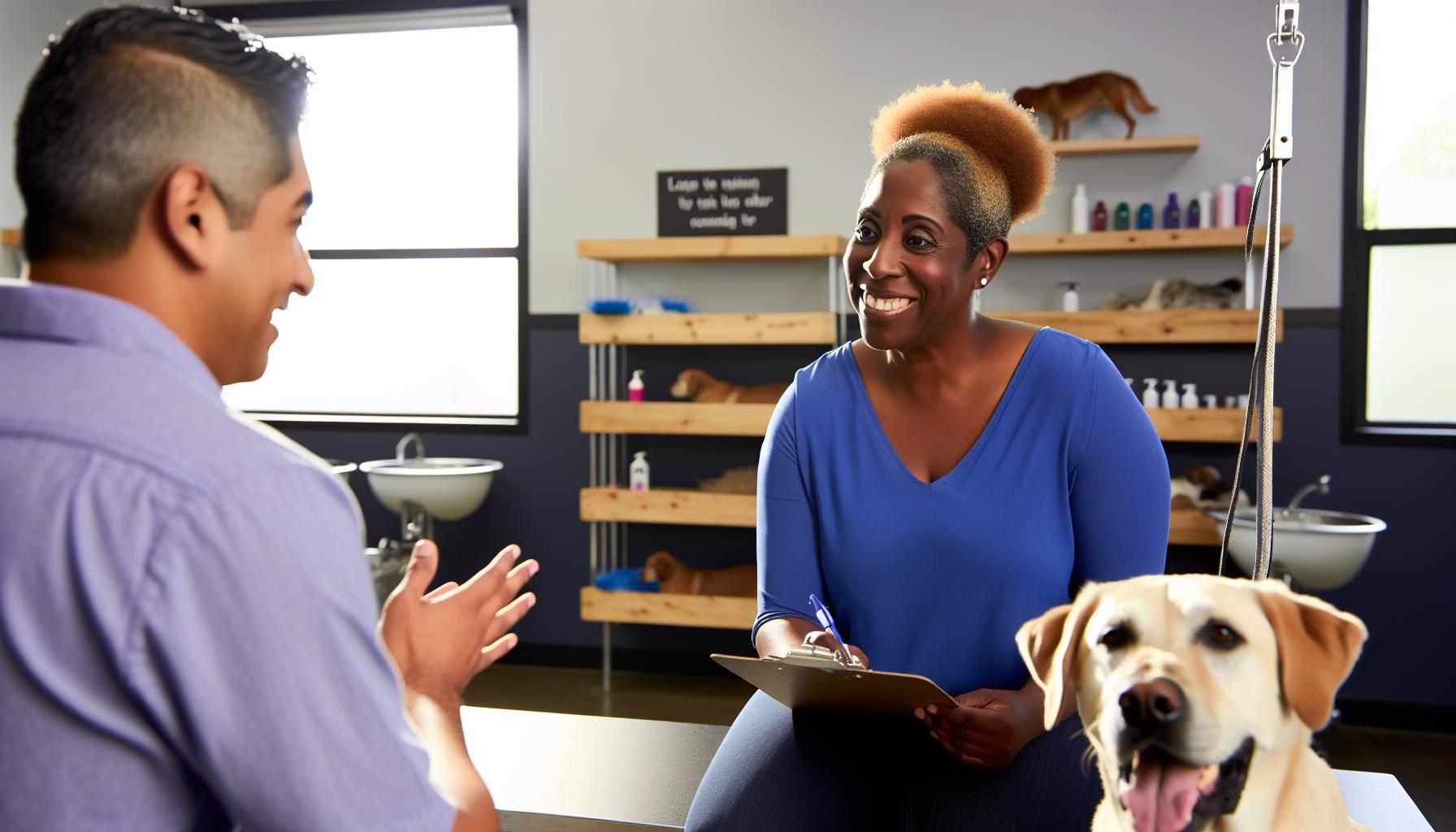
Frequently Asked Questions
Q: How can I tell if a dog groomer is experienced with my dog’s specific breed?
A: To confirm if a groomer is experienced with your dog’s breed,ask about their training,past clients,and familiarity with breed-specific cuts and coat types. experienced groomers will discuss tools and techniques suitable for your dog’s coat and temperament. This builds trust and ensures tailored care (see Inquiring About Groomer Experience with Specific Breeds).
Q: What questions should I ask about handling my dog’s anxiety during grooming?
A: Ask your groomer about their methods for stress reduction and behavior management, including calming techniques and breaks during grooming. Discuss your dog’s triggers and preferred handling to ensure a gentle, patient experience that prioritizes your dog’s comfort. See Setting Expectations for Behavior Management and Stress Reduction for tips.
Q: When is the best time to schedule grooming appointments to fit my dog’s routine?
A: The best grooming appointment time aligns with your dog’s energy levels and feeding schedule to minimize stress. Ask if the salon offers flexible times, like quieter hours, to help your dog feel calm and cooperative. This small detail enhances the grooming experience without disrupting your dog’s routine.
Q: What should I clarify about grooming products if my dog has allergies?
A: Clearly state your dog’s allergies or skin sensitivities and ask about hypoallergenic or natural grooming products used. Confirm the groomer’s willingness to accommodate product preferences or bring your own for safety and comfort (see Clarifying Bathing options, Products, and Skin Sensitivities).
Q: How do I ensure the groomer will communicate with me during and after the grooming session?
A: Ask if the groomer provides progress updates or photos,especially for longer appointments or new clients. Effective communication keeps you informed about your dog’s well-being and any concerns.This openness fosters a trusting relationship as described in Building a Trusting relationship with Your Groomer through Communication.
Q: What should I discuss regarding grooming appointments for senior dogs or those with special needs?
A: Talk about your dog’s health conditions, mobility limitations, or sensitivities upfront. Ask if the groomer has experience with older or special needs dogs and if they offer customized grooming plans that prioritize safety and comfort. This ensures your pet’s unique needs are met compassionately.
Q: How can I confirm what nail trimming methods the groomer uses?
A: Ask about the tools and techniques used for nail care (e.g., clippers vs. grinders) and how the groomer handles dogs uncomfortable with nail trimming. Clear communication helps avoid stress and injury-important points covered under Nail care and Paw Health: What to Specify.
Q: Why is it important to discuss at-home grooming routines with my professional groomer?
A: Discussing your home grooming routine helps the groomer tailor advice on maintenance and product recommendations between appointments. Sharing information supports consistent care, reduces matting, and extends the benefits of each professional session (refer to Requesting Aftercare Advice and At-Home Maintenance Tips).
Feel free to explore these practical questions before your next appointment to ensure a smooth, stress-free grooming experience for your furry friend! For step-by-step communication tips, see our full guide sections on Understanding Your dog’s Grooming Needs and Communicating Coat Types and Styles included in the main article.
Key Takeaways
Taking the time to ask the right questions at your dog groomer ensures your pet’s unique needs-whether breed, coat type, or temperament-are fully understood and respected. Remember,clear communication about bath preferences,brushing routines,nail care,and ear cleaning not only guarantees safety and comfort but also helps prevent common grooming concerns. If you’re wondering about the best tools or whether some tasks are better handled by a vet or at home, exploring our [Complete Dog Grooming Guide] and [DIY Grooming Tips] can empower you with practical, pet-first solutions.
Don’t wait to make your next grooming appointment a positive experience-start your checklist today and feel confident every step of the way. For more expert advice, personalized consultations, or to subscribe to our newsletter filled with grooming insights and troubleshooting tips, visit our [Contact Page] or [Newsletter Signup]. Share your grooming stories or questions in the comments below-we love hearing from fellow pet lovers committed to compassionate, safe care. Together, we can keep tails wagging and coats shining!