What Shots Do Dogs Need to Go to the Groomers? Requirements
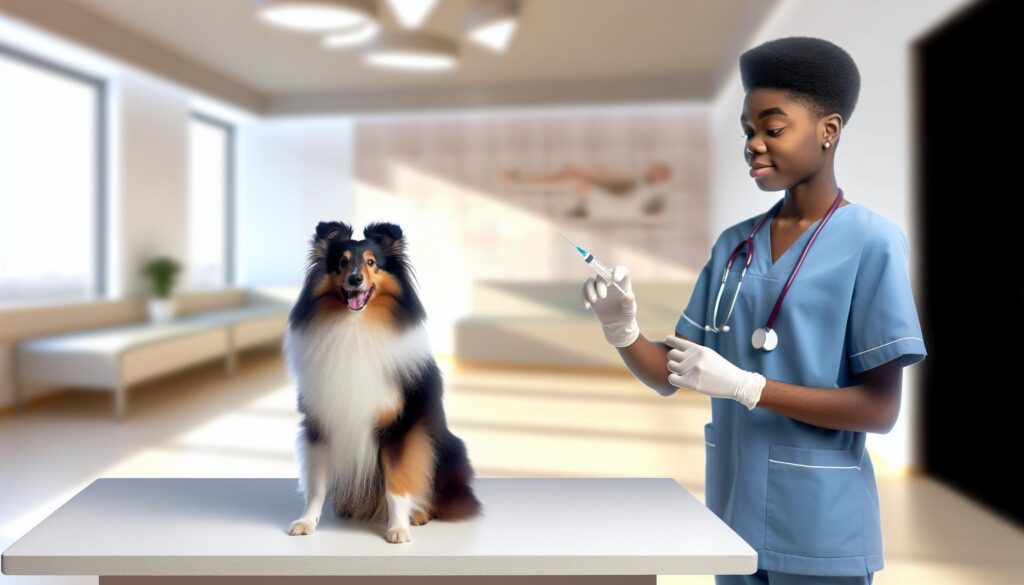
Did you know that keeping your dog’s vaccinations up to date isn’t just about health-it’s a key step to ensuring a safe, stress-free grooming experience? Before your furry friend steps into the groomer’s care, certain shots are required to protect them and others from contagious diseases. Vaccinations like distemper, parvovirus, and especially Bordetella (kennel cough) help create a safe habitat where every pet feels comfortable and cared for. As a loving owner, understanding these vaccine requirements means you can confidently book grooming appointments without worry. Plus, knowing what shots your dog needs helps prevent avoidable health risks, keeping their coat shiny and their tail wagging happily. Ready to learn exactly which vaccines are essential, why timing matters, and how to prepare your dog for the groomer’s visit? Let’s walk through it together, ensuring your pup’s wellness and peace of mind every step of the way.
Essential Vaccinations Required Before Grooming Visits
Table of Contents
- 1 Essential Vaccinations Required Before Grooming Visits
- 2 Why Groomers Require Up-to-Date dog Shots
- 3 Common Vaccine Myths Dog Owners Should Know
- 4 How Different Shots Protect Your Dog’s Health at the Groomer
- 5 Understanding Kennel Cough and Bordetella Vaccines
- 6 Rabies Vaccine: What Groomers Need to Know
- 7 distinguishing Core Versus Non-Core Vaccines for Grooming
- 8 Tips for Scheduling Vaccinations Before Your grooming Appointment
- 9 Handling Dogs with Incomplete or Expired Vaccine Records
- 10 Health and Safety Protocols Groomers Follow Around Shots
- 11 What to Expect When Bringing a Puppy to the Groomer
- 12 How Vaccinations Affect Dogs with Special Health Needs
- 13 Frequently asked questions
- 13.1 Q: How soon before a grooming appointment should my dog receive vaccinations?
- 13.2 Q: Can puppies go to the groomer if they haven’t completed all their shots?
- 13.3 Q: Are there specific vaccines that groomers require for dogs with skin or allergy problems?
- 13.4 Q: Why do some groomers require the Bordetella vaccine even if my dog doesn’t go to daycare or boarding?
- 13.5 Q: What can I do if my dog’s vaccine records are missing or expired before a grooming visit?
- 13.6 Q: How do groomers verify my dog’s vaccination status before grooming?
- 13.7 Q: Are non-core vaccines ever necessary for grooming, and how do I know if my dog needs them?
- 13.8 Q: What should I do if my dog shows a reaction after receiving grooming-required vaccines?
- 14 In Conclusion
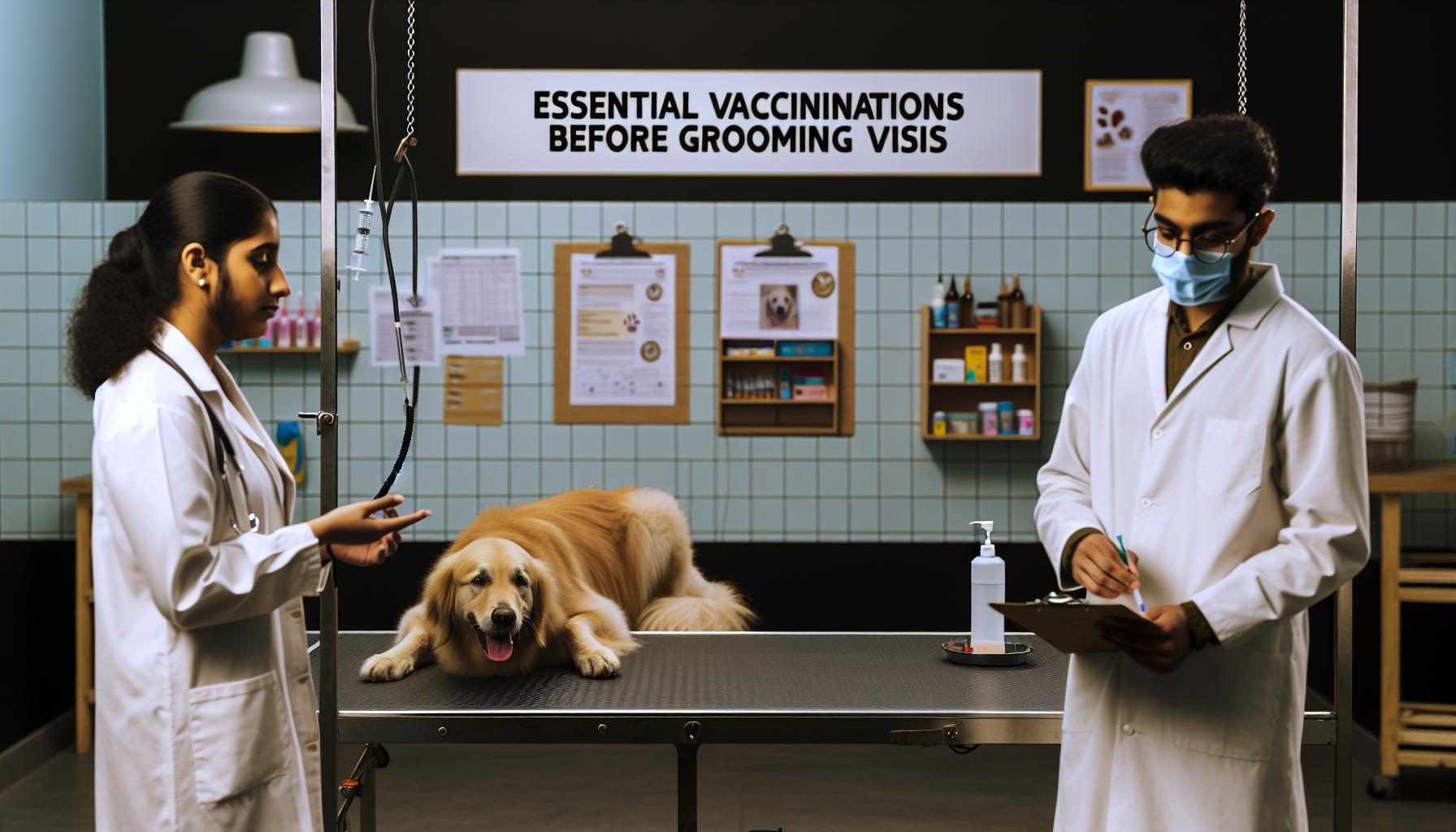
Every grooming visit is an opportunity to pamper your dog while keeping them safe and healthy. Vaccinations play a crucial role here-not just for your pup, but for every pet that salon staff care for daily. Because grooming often takes place in shared spaces where dogs interact closely, up-to-date inoculations form the frontline defense against contagious diseases. This protects sensitive skin,prevents stress-related infections,and promotes overall wellness during and after their spa day.
Most groomers require a few core vaccines before accepting appointments.These commonly include:
- Rabies: A must-have for legal and health reasons, protecting against a fatal viral disease.
- Distemper/Parvovirus (often combined as DHPP): vital to shield against serious viral infections that affect the respiratory and digestive systems.
- Bordetella (Kennel Cough): Especially crucial since grooming involves close proximity to other dogs and shared equipment.
think of these vaccines as a shield forming a safe bubble around your dog while groomers handle everything from baths to nail trims. Many salons also recommend canine influenza virus vaccines, especially if daycare or boarding services are offered alongside grooming.Giving them a little time-usually at least 24-48 hours post-vaccination-ensures your dog’s immune system is ready and helps avoid side effects during grooming.
Practical tips for Preparing Your Dog
Before your appointment, take a moment to check vaccination records and chat with your vet about any upcoming shots. if your dog is shy or nervous, sharing this info helps the groomer tailor their handling approach for comfort and calm. Remember, vaccinations protect not just against diseases-but also the stress that comes with them. When everyone does their part, it creates a worry-free environment that lets your dog sparkle from tip to tail with confidence.
Why Groomers Require Up-to-Date dog Shots
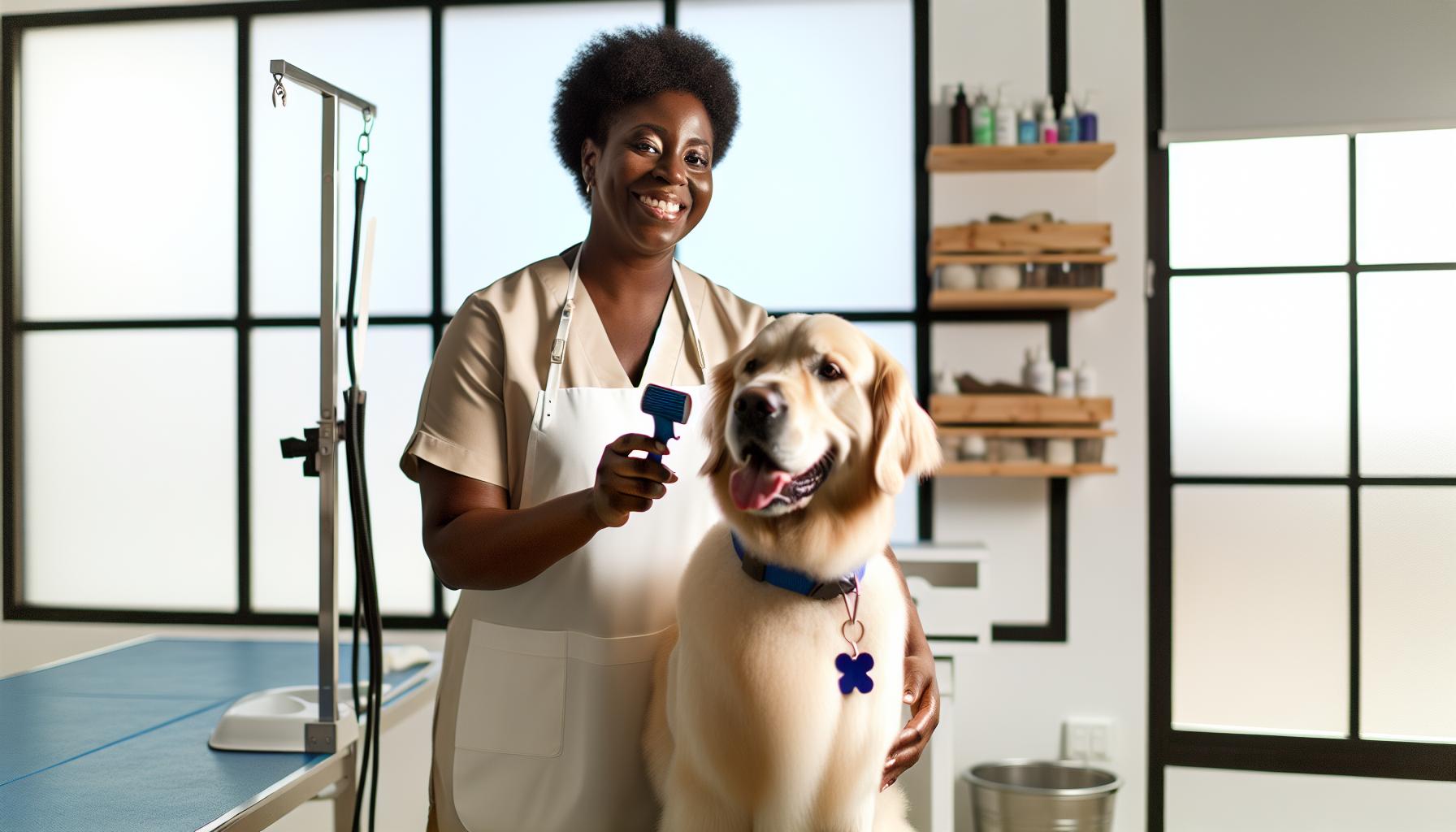
When your dog visits a grooming salon, they’re stepping into a busy world filled with all kinds of furry friends, shared tools, and close interactions. This lively environment is exactly why keeping vaccinations current isn’t just a formality-it’s a crucial step to protect your dog and every other pet in the salon. Up-to-date shots create a protective barrier that helps prevent the spread of contagious illnesses that can thrive in these close quarters, where excitement and anxiety can lower pets’ resistance to infections.
Imagine a scenario where several dogs, each from different homes, share the same grooming tub, brushes, or drying space. Without proper immunization, diseases like kennel cough (Bordetella) or distemper can spread rapidly. This isn’t about blame; it’s about creating a community safety net that keeps every pup healthy and comfortable throughout the grooming process. As groomers, our goal is to deliver a calm, soothing experience-from gentle bathing to stress-free nail trims-without the added worry of preventable illnesses.
Real-Life Reasoning Behind Vaccine Rules
- Shared environments are hotspots: Grooming salons bring many dogs together, frequently enough in small spaces, making diseases like Bordetella highly contagious.
- Protecting vulnerable pets: Puppies,senior dogs,and those with underlying conditions are more at risk if exposed to infections.
- minimizing veterinary emergencies: A simple grooming session shouldn’t turn into an unexpected vet visit due to an avoidable illness.
We also know that some shots can cause mild side effects for a day or two, so scheduling vaccinations well ahead (about 48 hours before grooming) supports your dog’s comfort and reduces stress.When pet parents bring fully vaccinated pets, it allows groomers to focus on what really matters: nurturing a trusting bond, delivering top-notch care, and making each dog feel like the star of the day.
Ultimately, vaccines aren’t about just checking a box-they’re about peace of mind. Knowing your dog is protected allows you, and us as groomers, to provide a safe, joyful experience that supports their health and happiness well beyond the salon’s doors.
Common Vaccine Myths Dog Owners Should Know
It’s easy to get caught up in misinformation about dog vaccinations,especially when you just want your furry friend to have a comfortable,safe grooming experience. One of the most common misunderstandings is that indoor dogs don’t need vaccines, but even pups who rarely leave the house can be exposed to viruses brought in on shoes, clothing, or other pets. Similarly, some owners worry vaccinations might cause long-term harm, but modern vaccines are thoroughly tested and designed with safety as the top priority.
Another myth that often comes up is that titer testing-blood tests measuring immunity-can fully replace vaccines. While titers can help decide if a booster shot is necessary, they don’t eliminate the need for routine vaccinations altogether. Think of it like this: a titer is a helpful snapshot of your dog’s current immunity, but it doesn’t provide the full picture, especially when your dog is about to enter a busy grooming environment where contagious diseases can spread quickly.
Clearing Up key Misconceptions
- Vaccines can cause severe illness: Side effects are typically mild and short-lived, like a little soreness or fatigue. Serious reactions are extremely rare, and vaccines protect more lives than any risk they pose.
- All dogs need the exact same vaccines: Core vaccines like distemper and rabies are important for all dogs, but non-core vaccines such as Bordetella are recommended based on your dog’s lifestyle, especially when visiting grooming salons where the risk of exposure is higher.
- A 9-way vaccine is better for every dog: While broader protection is helpful for some dogs, small breeds or those with sensitivities may not tolerate certain vaccines well. Always discuss vaccine types with your vet to find the safest, most effective plan.
- Vaccinations instantly cause stress and illness: It’s advisable to schedule vaccines at least 48 hours before a grooming appointment. This timing allows any mild side effects to settle, ensuring your dog’s grooming session is calm and comfortable.
Remember, keeping vaccine myths in check isn’t just about following rules-it’s about building a community where every dog feels safe and cared for.When you trust in the proven science behind vaccinations,it empowers you to make confident decisions that protect your dog’s health every time they visit the groomer.
If questions or worries arise, don’t hesitate to chat openly with your vet and your groomer. We’re all here with one goal-to keep your dog happy, healthy, and looking their best, while ensuring every grooming visit feels like a positive experience free from unnecessary risks.
How Different Shots Protect Your Dog’s Health at the Groomer
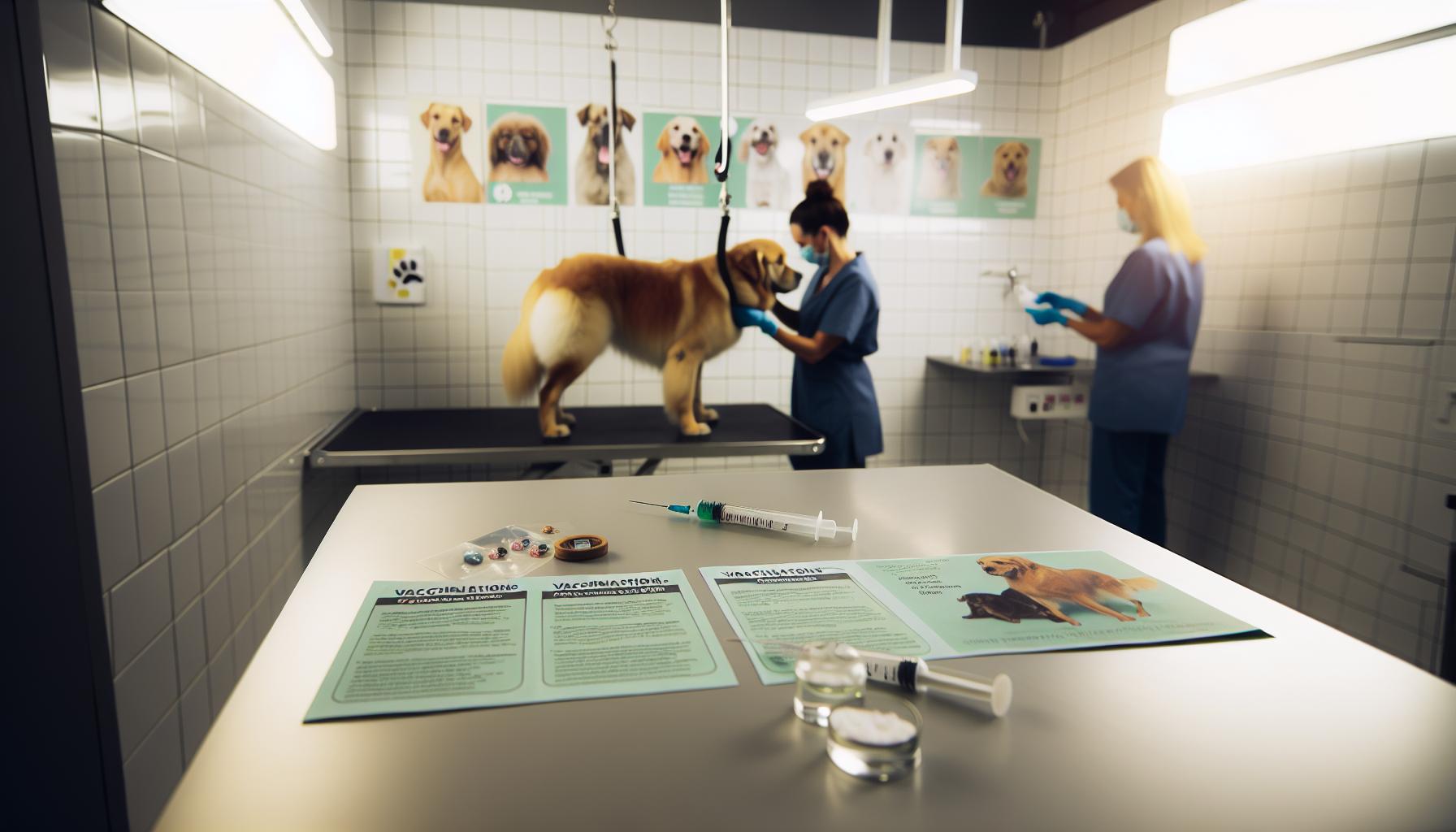
Dogs visiting groomers step into a bustling environment full of kind paws, wagging tails, and a variety of scents-making it both an exciting and potentially risky place health-wise. This is exactly why vaccines play such a crucial role. They act like a protective shield, guarding your dog against contagious illnesses that may spread in these shared spaces. Each vaccine targets specific threats, ensuring your furry friend stays safe and comfortable during their pampering session.Core vaccines like distemper, parvovirus, and adenovirus are the foundations of this protection. Think of these as broad-spectrum shields against serious, often deadly diseases that spread easily in environments where dogs gather.Such as, distemper affects the respiratory and nervous systems, and parvovirus causes severe gastrointestinal upset that can be fatal, especially to younger dogs. These vaccines reduce the chance that your dog will carry or contract illnesses that could disrupt not just their grooming visit but their overall health.
Beyond the core series, the Bordetella vaccine-which many groomers strongly recommend-targets kennel cough, a highly contagious respiratory infection. Because grooming often involves close contact with other dogs, including in waiting areas or during daycare or boarding services linked to salons, this vaccine is like a smart guard helping prevent that pesky cough from turning your dog’s day at the groomer into an uncomfortable ordeal. Even dogs who seem healthy may carry and spread this infection,so the shot is an investment in both your dog’s health and the peace of mind of everyone visiting the salon.
How Vaccinations Complement Grooming Care
- Prevention of Contagion: Vaccines minimize the risk of your dog contracting or spreading infectious diseases common in group settings.
- peace of Mind: Knowing your dog is protected helps you relax,making the entire grooming experience stress-free for both of you.
- Safer Handling: Healthy, vaccinated dogs are easier to care for. We can focus on a gentle bath, a thorough brush-out, and careful nail trims without distraction.
From a practical groomer’s perspective, vaccinated dogs mean less risk of shutting down services due to outbreaks.It also means your dog is more likely to enjoy the session, from soothing ear cleans to coat conditioning. If your dog has sensitive skin or reacts to grooming tools, the last thing either of you needs is added stress from illness. Vaccines help keep the focus on comfort and care, reinforcing your dog’s trust in this essential part of their wellness routine.
If your dog has a unique health situation-such as allergies or immune sensitivities-discuss vaccine timing and options with your vet. Sometimes spacing out vaccines or selecting specific types helps balance protection with comfort, ensuring a positive grooming day without unnecessary worry. Remember, the goal is always your dog’s wellness, so every vaccine administered is a step toward a happier, healthier pampering experience.
Understanding Kennel Cough and Bordetella Vaccines
Dogs frequenting groomers share close spaces with many furry friends, making respiratory infections like kennel cough a common concern. This contagious condition isn’t caused by just one bug; instead, it’s a mix of bacteria and viruses including *Bordetella bronchiseptica*, canine parainfluenza virus, adenovirus, and others. Imagine it as a cough that spreads easily in environments where dogs mingle-like daycare,boarding,or grooming salons-turning an enjoyable visit into an uncomfortable ordeal if left unchecked.
That’s why the Bordetella vaccine is often a key requirement for dogs before their grooming visits. It acts like a frontline shield against one of the main players-*Bordetella bronchiseptica*-reducing the risk of catching or passing along kennel cough. Since dogs can carry and spread this infection even when they seem perfectly healthy,vaccinating not only protects your dog but also helps keep the entire grooming environment safe and pleasant for everyone.
Practical Tips for Kennel Cough Prevention at the Groomer
- Timing matters: The Bordetella vaccine is usually administered a few days before a grooming appointment to allow your pup’s immune system to build strong protection.
- Speak with your vet: Because kennel cough can involve multiple pathogens (not just *Bordetella*), your veterinarian may recommend additional vaccines like canine parainfluenza or adenovirus shots based on your dog’s health, lifestyle, and exposure risk[[[[[1]](https://palmcityanimalclinic.com/kennel-cough-its-not-just-bordetella/).
- Monitor your dog: Even vaccinated dogs can occasionally catch a mild form of kennel cough, so watch for signs like persistent coughing, gagging, or nasal discharge following grooming visits.
Many groomers appreciate when owners are proactive about these vaccinations as it creates a calmer, safer atmosphere where dogs can enjoy relaxing baths, gentle brush-outs, and nail trims without added health worries. remember, while groomers provide expert care on the outside, defending your dog’s health starts with vaccinations guided by your vet’s advice. This teamwork makes every visit an opportunity for wellness and comfort-not just grooming[[[[[2]](https://www.vet.cornell.edu/departments-centers-and-institutes/riney-canine-health-center/canine-health-topics/risks-kennel-cough).
the Bordetella vaccine is an essential part of helping your dog breeze through grooming visits happily, avoiding unpleasant respiratory sniffles.Regular vaccination and smart timing are your best tools for peace of mind-so your pup can strut out,tail wagging,healthy and refreshed.
Rabies Vaccine: What Groomers Need to Know
Rabies vaccination isn’t just a legal requirement in many places; it’s a critical safeguard that protects your dog, the grooming staff, and the wider community.As rabies is a fatal disease that can be transmitted to humans and animals,groomers take this vaccine very seriously as part of their health protocols. Many salons won’t accept dogs without current rabies shots on file-this helps maintain a safe environment where every pet can be cared for without worry.
It’s important to remember that rabies vaccines typically have a specific renewal schedule, often every one to three years depending on your vet’s recommendations and local regulations. When booking your grooming appointment, double-check your dog’s rabies status and bring updated documentation. Groomers appreciate when owners come prepared with proof of vaccination, as it streamlines the check-in process and helps avoid last-minute surprises.
- Why Rabies Matters in Grooming Settings: Dogs visiting a groomer are often in close quarters with other animals and humans. A vaccinated dog reduces the extremely low but serious risk of rabies transmission, especially if an unexpected encounter with wildlife or an unvaccinated pet occurs.
- Handling Dogs Without Proof: Some groomers may accept dogs under special circumstances with signed waivers or temporary measures, but this can delay service or limit access until the vaccine is confirmed. Being proactive is the best way to ensure a smooth, stress-free visit.
- Comfort and Safety First: Rabies vaccination is just one part of your dog’s overall health picture. Groomers will always prioritize your pet’s comfort, using gentle handling techniques and carefully monitoring for any stress or reaction, especially after vaccinations.
Approaching grooming visits with up-to-date rabies vaccination helps build trust between you and your groomer. It allows them to focus fully on pampering and caring for your dog-bath,brush,nail trim-without added concerns. Plus, it gives you confidence that your dog’s health is safeguarded every step of the way, inside and out. If you ever have questions about timing or vaccine specifics, your vet is your best partner in ensuring your dog’s grooming experience is as safe and enjoyable as possible.
distinguishing Core Versus Non-Core Vaccines for Grooming
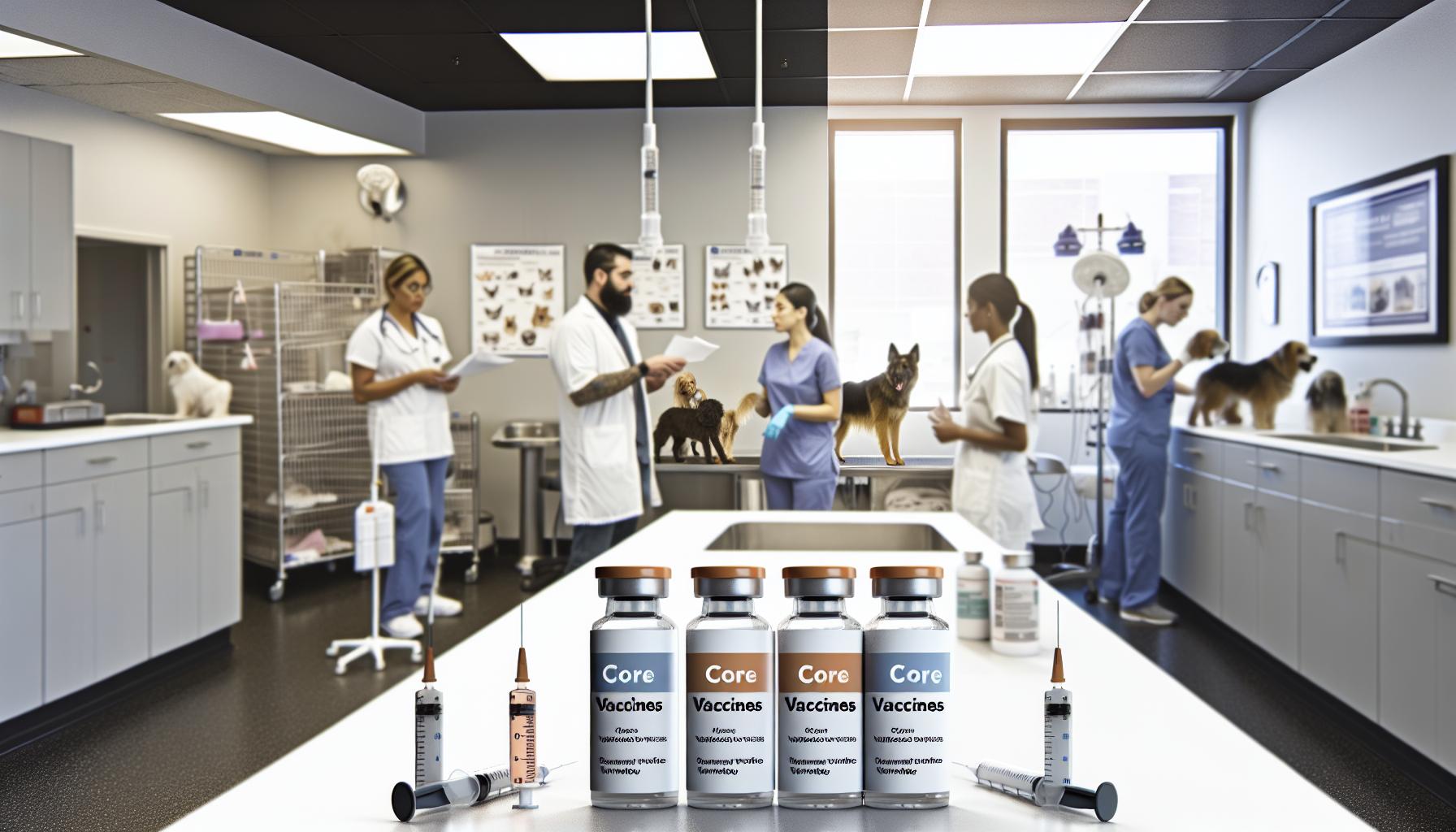
Vaccination requirements at grooming salons frequently enough focus on a balance between necessary protection and practical health management. Not every vaccine is treated equally, and understanding which shots are universally required versus those considered optional can definitely help you prepare your dog for a stress-free grooming visit. Think of it this way: core vaccines act as the essential shield against highly contagious, serious diseases, while non-core vaccines provide extra layers of protection depending on your dog’s lifestyle, environment, and grooming circumstances.
Core vaccines, including the rabies shot and the DHP vaccine (which protects against distemper, hepatitis, and parvovirus), form the baseline that nearly every professional groomer will insist upon. These vaccines are critical because they prevent illnesses that can spread rapidly in places where many dogs come into close contact. For example, a dog without an up-to-date DHP vaccine risks exposing others to parvovirus, which is highly contagious and can be deadly. Similarly, rabies vaccination is legally mandated in most regions and crucial for public safety-especially within a bustling grooming salon where multiple furry friends mingle[1][2].
On the other hand, non-core vaccines like Bordetella (kennel cough), leptospirosis, and Lyme disease vaccines may be required or recommended based on specific risk factors. If your groomer also offers daycare or boarding, or if your dog spends time outdoors or socializes frequently, these shots become more relevant. Bordetella, in particular, helps prevent kennel cough, which can quickly spread in enclosed spaces such as grooming salons or boarding facilities[3]. Non-core vaccines are more situational and often tailored by your vet to suit your dog’s particular life and local disease risks.
Practical Tips for Owners
- Check groomer policies early: Some salons have strict requirements for core vaccines, while others might request proof of Bordetella, especially if dogs spend time in group settings.
- Keep records handy: Always bring updated vaccine certificates.Many groomers won’t proceed without proper documentation.
- Consult your vet: Your vet is the best resource to determine which vaccines your dog specifically needs before a groom, based on health and lifestyle.
In essence, while core vaccines are the non-negotiable foundation that protect not just your dog but the whole grooming community, non-core vaccines offer added security where risk factors exist. Prioritizing these appropriately helps keep grooming visits safe, lowers the stress of last-minute surprises, and ensures your dog stays happy, healthy, and ready for their spa day.
Tips for Scheduling Vaccinations Before Your grooming Appointment
Scheduling your dog’s vaccinations before a grooming appointment might feel overwhelming, but a little planning goes a long way toward a smooth, stress-free experience for both you and your furry friend. One crucial point to keep in mind is that vaccines don’t provide instant immunity-they often require a waiting period of about 7 to 14 days after the shot to reach full effectiveness. This means that booking vaccinations well in advance of your grooming visit is essential to ensure your dog is properly protected and accepted by the salon.
Begin by reviewing your groomer’s vaccine requirements early-many salons insist on up-to-date core shots like rabies and DHP (distemper, hepatitis, parvovirus), and some also require or recommend Bordetella to prevent kennel cough. To avoid last-minute headaches, call ahead or check their website to confirm exactly which vaccines they require. This also gives you time to schedule your vet visit accordingly and smoothly coordinate the vaccine series based on your dog’s age,health,and any prior shots they’ve had.
- Create a vaccine timeline: If your dog needs multiple doses, such as a puppy starting a vaccine series, work with your vet to line up appointments so shots are completed before grooming day.
- Plan for recovery: Some dogs may feel a little tired or sore after vaccination. Allow at least a day or two post-vaccine for rest before your dog’s spa day-this helps avoid unnecessary stress or discomfort during grooming.
- Keep vaccination records handy: Bring a current copy of your dog’s vaccine certificate or digital records to the groomer. This reassures staff and speeds up check-in.
Think of vaccinations as a key step in your dog’s wellness routine, just like routine baths or nail trims. Scheduling proactively gives you confidence that your pup is safe at the groomer’s and helps the salon maintain a healthy environment for all pets. Remember, if your dog is new to grooming or has special health needs, your vet can frequently enough offer personalized guidance on timing and vaccine selection. With a calm, thoughtful approach, you’re setting your dog up for success-as a happy, healthy pet is a joy to pamper!
Handling Dogs with Incomplete or Expired Vaccine Records
It’s a common scenario: you arrive at the groomer with your beloved dog, only to realize their vaccine records aren’t quite up to date or you don’t have them on hand. While this can feel stressful, especially when your pup needs grooming soon, many groomers approach these situations with understanding and careful attention to keep all pets safe and comfortable.
clear Dialog is Key
The first step is to be honest and upfront with your groomer about your dog’s vaccination status. Many salons have policies for handling incomplete or expired records, which may include requesting a recent vet check or proof of upcoming vaccinations. This helps the groomer assess the risk-not just for your dog, but for all furry clients under their care. In some cases, groomers may require a temporary waiver or suggest delaying the appointment until your dog’s vaccines are caught up, especially for contagious illnesses like kennel cough or parvovirus.
Practical Steps to Prepare for Your Next Visit
If your dog has missed or expired vaccines, scheduling a vet visit well before grooming is best.Though, in a pinch, some salons may allow a groom with enhanced safety precautions such as separate scheduling times, limited contact with other dogs, or the use of sanitized equipment specifically for your pet. Here are some tips to streamline the process:
- Obtain and organize vaccine records: Contact your vet for copies if you don’t have them. Digital records are often accepted and easily shared.
- Discuss your dog’s health history: some dogs may have medical reasons for vaccine delays. Bringing a signed note from your vet explaining this can help groomers accommodate your pet.
- Be patient and flexible: Some salons may ask for you to bring your dog at less busy times or even suggest a gentle at-home grooming until vaccines are current.
Why Groomers Prioritize Vaccine Compliance
Grooming salons are shared environments with many dogs coming and going. A missing vaccine can increase the risk of spreading viruses or respiratory infections,which not only affects your dog but also others who might be young,elderly,or immunocompromised. Having up-to-date vaccines is a kindness to the entire pet community, and groomers have a duty to maintain safety standards that protect every animal in their care.
To illustrate, a groomer once worked with a client whose dog’s bordetella vaccine had expired. Instead of turning the dog away, they arranged a private appointment with thorough sanitation measures and gently explained how to catch up on vaccines with the vet. This approach showed compassion while keeping health front and center.
when in Doubt,Collaborate
If you ever feel uncertain about what to do,don’t hesitate to ask your groomer or vet for guidance. They understand how important grooming is for your dog’s well-being and appearance,and most want to work with you to find a safe,workable solution. Remember, vaccinations are there to protect your dog first and foremost-helping ensure happy, stress-free grooming sessions now and into the future.
—
By embracing open communication, planning ahead with your vet, and approaching gaps in vaccine history with patience and understanding, you can keep your pup safe and comfortable on their grooming days-even if their shots aren’t perfectly current. This teamwork between owner,groomer,and vet makes all the difference in your pet’s health and happiness.
Health and Safety Protocols Groomers Follow Around Shots
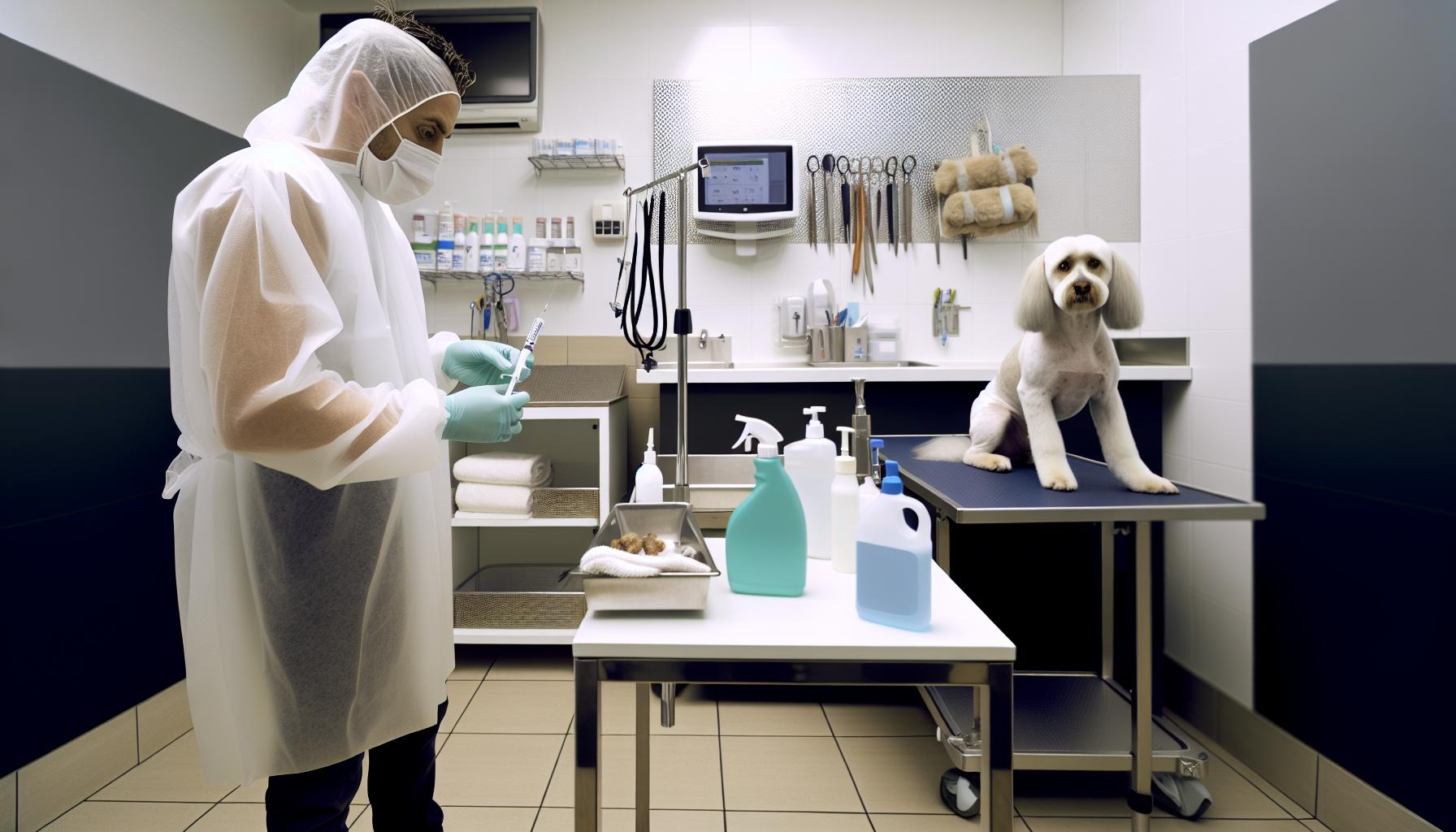
Walking into a grooming salon is like entering a bustling hub where dogs from all walks of life come together. It may surprise some pet parents to know that behind the scenes, groomers follow carefully crafted health and safety protocols revolving around vaccination records and pet wellness. These measures protect every dog in the facility, ensuring grooming sessions are as safe and stress-free as possible for everyone involved.
Before your dog ever steps onto the grooming table, the salon team typically reviews vaccination documentation to confirm that essential shots-like rabies, distemper, parvovirus, and Bordetella-are current. This isn’t just bureaucracy; it’s a protective shield against contagious diseases that spread easily where dogs breed trust (and sometimes sniff each other’s behinds!). Groomers understand that some medical exceptions exist, and many salons work closely with veterinarians and pet owners to accommodate these, often requiring a vet’s note or a timed waiver to safely proceed.
sanitization, Scheduling & Separate Spaces
When a dog’s vaccine status is incomplete or just catching up, groomers employ smart strategies to minimize risk:
- Thorough cleaning: Equipment, grooming stations, and common areas receive deep sanitization before and after each visit, using pet-safe disinfectants.
- Appointment timing: Pets with recent vaccinations or uncertain immunity may be scheduled during quieter hours, avoiding peak times when many dogs are present.
- Isolated grooming: In some salons, special sessions are held in separate rooms or with dedicated tools to create a controlled environment tailored for sensitive or unvaccinated pups.
These practical steps demonstrate how groomers balance compassion and caution,making grooming accessible without compromising the health of the whole pack.
Communicating About Reactions and Recovery
it’s normal for dogs to occasionally show mild reactions post-vaccination-like lethargy or slight soreness. Groomers are trained to notice subtle changes in behavior and coat condition, and they collaborate with owners and vets when needed. If a dog is freshly vaccinated, the groomer may suggest waiting a day or two to avoid stressing the immune system, or they might offer gentler services like brushing or nail trims instead of a full groom.
Realistic expectations and clear communication empower owners to make informed decisions. an example from a seasoned groomer: “A stunning Golden Retriever came in right after her bordetella shot and seemed a bit tired. We kept the session low-key-bath, light brush, no blow-dry-and she bounced back happily the next day.”
Empathy and Expertise in Every Snip
Grooming isn’t just about trims and baths; it’s about ensuring every dog feels safe and cared for. By maintaining strict health protocols around vaccinations, groomers act as frontline protectors in keeping contagious illnesses at bay. They respect each pet’s unique health story, adapt when needed, and always prioritize comfort over speed or style. Whether it’s a nervous senior Chihuahua or an exuberant puppy,knowing your groomer handles vaccines and safety can bring real peace of mind.
In essence, effective health and safety routines around shots create a harmonious space where dogs can shine-not just in their coats, but in their well-being too. It’s teamwork between you, your vet, and your groomer, all focused on one goal: happy, healthy pups leaving the salon feeling their very best.
What to Expect When Bringing a Puppy to the Groomer
Puppies stepping into the grooming world for the very first time can feel a bit like beginning a new adventure-for both you and your furry friend. Their delicate coats and curious nature mean that a gentle, patient approach is the key to turning grooming from a scary chore into a positive experience. Before that first appointment, it’s crucial to ensure your puppy has completed the core vaccinations required by most groomers, including distemper, parvovirus, and Bordetella (kennel cough), typically starting around 6 to 8 weeks of age and continuing through a series of boosters[[[[[1]](https://goldenpawps.com/what-vaccines-do-dogs-need-for-grooming/). This protects your pup and all the other dogs that share the salon space.
Building Trust: The first Steps in Grooming
Introducing your puppy to the grooming environment slowly helps them feel safe and secure.Many groomers encourage a pre-groom “meet and greet” appointment to familiarize your pup with the sounds, smells, and peopel they will encounter. For breeds with thick or curly coats-like Poodles or Goldendoodles-frequent gentle brushing at home ahead of the groom can prevent painful mats and tangles during the appointment. If it’s your puppy’s first bath,expect a calm,soothing process using puppy-specific,tear-free shampoos. Groomers may start with short sessions that focus on just brushing or nail trims before attempting a full bath and haircut, which helps build confidence.
Step-by-Step Care Tailored to Puppies
- Bath: Warm water and gentle handling to avoid chilling; experienced groomers look for any skin irritation or signs of sensitivity.
- Brushing: Use soft bristles or combs, especially on fine puppy hair, to prevent pulling or discomfort.
- Nail trimming: Typically done carefully with puppy-sized tools, watching closely for quick sensitivity.
- Ear cleaning: only if the puppy tolerates it well, and never aggressively, to avoid irritation.
Your groomer will always prioritize your puppy’s comfort over speed; some puppies may sit still calmly, while others may need breaks and lots of gentle reassurance.It’s wholly normal for little ones to wiggle or even fuss, and skilled groomers expect this gentle learning curve.
Keep in mind that many grooming salons require dogs to have completed certain vaccines at least 24-48 hours before the appointment, to ensure the immune system has had time to respond and reduce any post-vaccination vulnerabilities[[[[[1]](https://goldenpawps.com/what-vaccines-do-dogs-need-for-grooming/). If your puppy is in between shots but needs grooming, ask your groomer about special accommodations, like isolated appointment times or gentle services, so their safety is never compromised.Remember,your veterinarian is the best partner for deciding when it’s safe for your pup to visit the groomer after vaccinations.
A real-life example: A joyful Cavalier King Charles Spaniel puppy came in with only her first round of vaccines. The groomer performed a quick bath and nail trim without blow-drying to keep the experience positive. After that gentle intro, she was eager to return for more comprehensive grooming once fully vaccinated.
By understanding your puppy’s unique coat type, timing vaccinations thoughtfully, and working with a compassionate groomer, the path to happy grooming days becomes a joyful journey rather than a stressful hurdle. This early foundation not only keeps your puppy healthy but also fosters confidence and trust that will last a lifetime.
How Vaccinations Affect Dogs with Special Health Needs
It’s critically important to recognise that dogs with special health needs require extra care and consideration when it comes to vaccinations and grooming visits. These pets often have delicate or compromised immune systems due to age,chronic illness,allergies,or medications that can affect how their bodies respond to vaccines. while up-to-date shots remain crucial to protect them from contagious diseases in busy grooming environments, timing, type of vaccine, and post-vaccine care must be tailored sensitively to their specific health profiles.
Vaccination Timing and Monitoring
For dogs with health concerns, such as autoimmune disorders or ongoing treatments like steroids, vaccinating too close to a grooming appointment can heighten risks of side effects or stress.Owners should work closely with their veterinarian to space out vaccinations appropriately and select vaccine formulations best suited to their pet. Many groomers request vaccines be administered at least 24 to 48 hours before visits to ensure any immediate reactions can be observed at home, where the dog feels safest. For sensitive dogs, extra rest days post-vaccine may also be wise, helping them stay calm and comfortable before facing the stimuli of a grooming salon [[[[[1]](https://goldenpawps.com/what-vaccines-do-dogs-need-for-grooming/).
Customized Grooming Approaches for Vulnerable Pets
Once vaccines are confirmed safe and current, grooming plans should adapt to the dog’s general health and coat needs.Here’s what can make a difference:
- Bath: Use hypoallergenic, fragrance-free shampoos to avoid irritating sensitive skin or allergic reactions. Warm water and gentle pressure minimize stress and discomfort.
- Brushing: pets with fragile coats or skin benefit from soft-bristle brushes or wide-tooth combs to prevent unnecessary pulling or scraping.
- Nail trimming: Extra caution around quick sensitivity is essential. Frequent, gentle trims can reduce anxiety and avoid painful overcuts.
- Ear cleaning: Should be performed only if the pet tolerates it, using vet-approved, gentle solutions to protect sensitive membranes without irritation.
Small adjustments like shorter grooming sessions,plenty of breaks,and a quieter environment help the groomer attend compassionately to dogs who might tire easily or get overwhelmed.
The Balance Between Vet and Groomer Roles
Owners should understand that some aspects-especially vaccine decisions-are firmly in the veterinarian’s domain, while groomers excel in monitoring physical comfort and coat maintenance. for example, if a dog’s health condition limits certain vaccines or requires delayed immunization, groomers can use caution during group interactions and focus on supportive handling. Open communication among you, your vet, and groomer is key to crafting an individualized plan that prioritizes safety above all else.
One real-world example involved a senior Golden Retriever on an immunosuppressant drug needing grooming. The veterinarian advised delaying the Bordetella vaccine due to immune concerns; meanwhile, the groomer scheduled private appointment times to avoid contact with other dogs, used milder products, and focused on gentle brushing and nail care.this teamwork ensured the dog remained protected and stress-free during salon visits.
In these cases, patience and compassion are your best allies. By acknowledging your pet’s unique needs, vaccinating thoughtfully, and creating a calm grooming experience, you’re giving your furry companion the kindness and protection they deserve-making every salon visit a positive step in their wellness journey.
Frequently asked questions
Q: How soon before a grooming appointment should my dog receive vaccinations?
A: Most groomers require vaccines to be administered at least 24 to 48 hours before the appointment to ensure your dog is protected and to monitor any post-vaccination reactions. Puppies or dogs starting a new vaccine series may need longer waiting times. See our section on Tips for Scheduling Vaccinations Before Your Grooming Appointment for details.
Q: Can puppies go to the groomer if they haven’t completed all their shots?
A: Puppies can visit groomers with some precautions,but most professionals require at least the initial core vaccines (like DHPP) before grooming. Some groomers offer special puppy grooming sessions with extra care. Refer to What to Expect When Bringing a Puppy to the Groomer for safe guidelines.
Q: Are there specific vaccines that groomers require for dogs with skin or allergy problems?
A: Dogs with skin or allergy issues still need core vaccines, but groomers may ask for updated Bordetella or kennel cough shots to avoid respiratory risks during grooming. Always inform your groomer about health conditions so they can tailor care. See How Vaccinations Affect Dogs with Special Health Needs for more.
Q: Why do some groomers require the Bordetella vaccine even if my dog doesn’t go to daycare or boarding?
A: Bordetella is highly contagious and spreads easily in public places like groomers. Many groomers require this vaccine to help prevent kennel cough outbreaks, protecting all dogs in their care-even those not exposed to daycare or boarding environments. For more, read Understanding Kennel cough and Bordetella Vaccines.
Q: What can I do if my dog’s vaccine records are missing or expired before a grooming visit?
A: If records are missing or expired,contact your vet for updated vaccinations and ask your groomer for possible temporary exceptions or rescheduled appointments. Staying transparent helps maintain safety for all pets.See Handling Dogs with Incomplete or Expired Vaccine Records for step-by-step advice.
Q: How do groomers verify my dog’s vaccination status before grooming?
A: Groomers usually require official vaccine records or certificates from your veterinarian prior to the appointment. Some may ask to see physical records upon arrival or accept digital copies.Keeping records handy ensures smooth check-in and safeguards all pets, as detailed in Health and Safety Protocols Groomers Follow Around Shots.
Q: Are non-core vaccines ever necessary for grooming, and how do I know if my dog needs them?
A: Non-core vaccines like Leptospirosis or Lyme disease are not typically required for grooming but might potentially be recommended if your dog’s lifestyle or location increases risk.Discuss with your vet if additional vaccines would benefit your pet and inform your groomer about any extras administered. See Distinguishing Core Versus Non-Core Vaccines for Grooming for clarity.
Q: What should I do if my dog shows a reaction after receiving grooming-required vaccines?
A: If your dog shows any adverse signs like lethargy or swelling within 24 hours of vaccination, contact your veterinarian immediately* and inform your groomer about the reaction before the appointment. Allow recovery time before grooming. Check Why Groomers Require Up-to-Date Dog Shots* for prevention tips and safety guidelines.
In Conclusion
Ensuring your dog’s vaccinations are up to date before heading to the groomer is a crucial step in keeping them safe, healthy, and comfortable during their visit. Every breed and coat type may have different needs, so consulting your vet about core and optional shots will give you confidence in preparing for bath, brushing, nail trims, and ear care. Remember, clear communication with your groomer about your pet’s medical history helps create a smooth, stress-free grooming experience tailored to your dog’s unique needs.If you want to learn more about routine pet care techniques or how to choose the right groomer for your furry friend, check out our guides on [DIY dog Grooming Tips] and [Choosing a Professional Groomer]. Ready to take the next step? Sign up for our newsletter to receive expert advice,grooming checklists,and special offers that keep your pup looking and feeling their best. Have questions or want to share your grooming stories? Drop a comment below – we love hearing from fellow pet parents dedicated to compassionate, safe grooming practices.
Get our latest guides, news, and insights highlighted in your Google Search & AI Overviews.
Keep reading about the same coat and cut.




Popular grooming guides
Bath vs clip, first grooms, and salon how-tos.