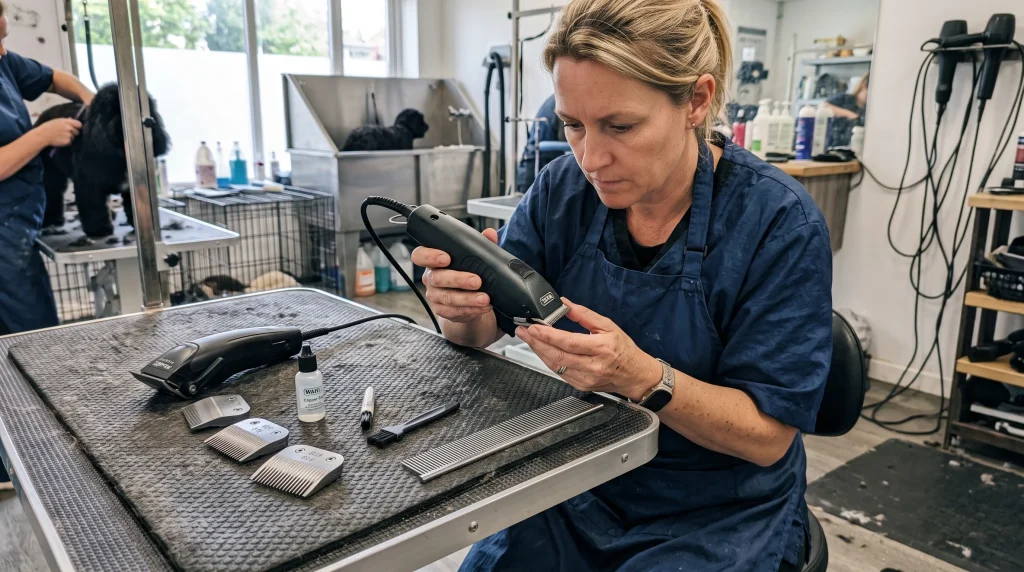
What Shampoo Do Dog Groomers Use: Professional Products Revealed

Did you know the shampoo a dog groomer chooses can make all the difference in your pup’s comfort and coat health? Professional groomers don’t just pick any shampoo-they rely on carefully formulated products tailored to different breeds, coat types, and skin sensitivities. Whether your dog has a thick double coat, a delicate skin condition, or simply needs a fresh, clean shine, understanding what shampoos pros use can definitely help you make safe, confident choices at home. In this article, we’ll reveal the trusted shampoos used by experienced groomers, explain why they pick specific formulas, and offer practical tips to keep your furry friend cozy and looking their best.From moisturizing and hypoallergenic options to flea-control and whitening shampoos, you’ll learn how to match the right product to your pet’s unique needs. Let’s take the mystery out of the grooming bath and give your dog the gentle, effective care they deserve.
What Makes Professional Dog Shampoos Different
Table of Contents
- 1 What Makes Professional Dog Shampoos Different
- 2 Top Ingredients in Groomers’ Favorite Shampoos
- 3 Choosing the Best Shampoo for your Dog’s Coat Type
- 4 How Groomers Select Shampoos for Sensitive Skin and Allergies
- 5 Step-by-Step Guide to Using Professional Dog Shampoo at Home
- 6 Comparing Groomer-Grade Shampoos vs. Store-Bought Brands
- 7 Specialty Shampoos: Whitening, Deodorizing, and Flea control
- 8 Tips for Safe and Comfortable Bathing with Professional Shampoos
- 9 How Groomers Maintain Coat Health Beyond Shampooing
- 10 When to Consult a Vet vs. Choosing Groomer Products
- 11 Cost and Value: Are Professional Shampoos worth It?
- 12 FAQ
- 12.1 Q: How do professional groomers choose shampoos for different dog coat textures?
- 12.2 Q: Where can I buy the same professional dog grooming shampoos used by groomers?
- 12.3 Q: Why do groomers prefer certain shampoo brands over mass-market dog shampoos?
- 12.4 Q: How frequently enough should professional shampoos be used compared to regular dog shampoos?
- 12.5 Q: Can professional dog shampoos help with common skin issues like dandruff or dryness?
- 12.6 Q: What are the best professional shampoos for dogs with odor problems?
- 12.7 Q: How do professional shampoos affect the grooming process beyond cleaning?
- 12.8 Q: When is it necessary to switch to a veterinary-recommended medicated shampoo instead of a professional grooming shampoo?
- 13 The Conclusion
Few things impact a dog’s comfort and coat health quite like the shampoo used during grooming. Professional dog shampoos differ from everyday store-bought products in ways that make a real difference, especially when handling sensitive skin, unique coat types, or stubborn odors.These shampoos are carefully formulated with high-quality ingredients that balance gentle cleansing with advanced conditioning, making coats not only look good but feel healthy and strong after each wash.
Unlike typical pet shampoos, professional-grade formulas often feature a precise pH balance tailored specifically for a dog’s skin, which is more delicate than human skin and prone to dryness if the wrong products are used. This thoughtful design helps prevent irritation, itching, and flaking-common issues worried owners might witness when trying standard shampoos at home. For example, brands like chris Christensen or Nature’s Specialties, favored by groomers, offer blends that add softness and shine without stripping natural oils or causing discomfort[[1]](https://www.reddit.com/r/doggrooming/comments/zy7s3c/whats_the_best_shampoo_for_professional_use/)[[2]](https://chrischristensen.com/collections/shampoos-and-conditioners-professional-grooming?srsltid=AfmBOooxEfmshYolTYPuEWgKTgHVy5O7MF6O-Dxc5oUZf-NvOiqViT2E).
Why the Focus on Functional Ingredients Matters
Professional shampoos often include ingredients with specific roles that go beyond cleansing, such as hydrating agents, anti-inflammatory botanicals, or protein blends that aid coat repair. These carefully picked components help tackle real-life needs like managing shedding, reducing static, or enhancing texture to make grooming smoother and more effective. As an example,some formulas incorporate oatmeal or aloe vera for calming sensitive skin,while others feature vitamin-enriched complexes that promote coat strength and elasticity.
- Balanced pH for skin safety: Protects skin integrity to prevent moisture loss and irritation.
- Targeted moisturizing ingredients: Essential for dry or brittle coats, adding softness and reducing breakage.
- Coat-enhancing proteins: Support healthier hair growth and resilience after grooming.
- natural botanicals or extracts: Soothe and refresh without harsh chemicals, great for allergy-prone pups.
designed for the Professional Groomer’s Workflow
Another key difference is how these shampoos perform in real grooming scenarios. High-quality professional shampoos tend to have better foaming action and rinsability, which helps busy groomers work efficiently without stressing the dog by lingering shampoo residue. They are often concentrated, meaning only small amounts are needed per wash-an important factor for grooming businesses aiming to maximize value while maintaining top care standards. Plus, professional lines frequently enough address specific coat types: heavy undercoats, curly fur, or fine, silky coats all require different formulations to clean and condition without damage.
If your furry friend has special needs like odor control, allergies, or flea prevention, you’ll find dedicated solutions within professional ranges that combine gentle cleansing with these extra benefits-something generic shampoos might lack or deliver too harshly. This careful, thoughtful approach helps explain why most groomers choose to invest in professional-grade products despite their higher price point.
choosing a professional-grade shampoo supports your dog’s comfort and overall coat health by offering a blend of safety, efficacy, and ease of use. For anxious dogs or those with delicate skin,these products can make bath time less stressful and improve grooming outcomes,building a happier routine you’ll both enjoy.
Top Ingredients in Groomers’ Favorite Shampoos
A well-formulated dog shampoo dose more than just clean-it nourishes, soothes, and protects a dog’s unique skin and coat needs. Professional groomers know that each ingredient plays a vital role, chosen carefully to enhance coat health, improve grooming ease, and ensure the dog’s comfort from frist lather to final rinse.Unlike many store-bought options, professional shampoos often feature a blend of gentle cleansing agents, moisturizing elements, and natural botanicals that work harmoniously to maintain the natural balance of the skin and coat.
Among the most favored ingredients are mild surfactants like Sodium Laureth Sulfate (SLES) and Cocamidopropyl Betaine, which provide effective yet gentle cleansing without stripping away essential oils. These ingredients help create a luxurious foam that quickly lifts dirt and oils while rinsing out cleanly, a feature groomers value highly to reduce residue that might irritate sensitive skin or cause mattinggentle plant-based cleansers derived from coconut, which maintain a soft, conditioned coat and reduce dryness-perfect for dogs with delicate skin or fine fur
Choosing the Best Shampoo for your Dog’s Coat Type
dogs come in a stunning array of coat types-from silky and fine to thick, curly, or wiry-and each one has unique needs when it comes to shampoo.Using the right product helps maintain both skin health and coat beauty, avoiding dryness, irritation, or heavy matting that can arise from the wrong shampoo choice. When selecting a shampoo, think of it as customizing care just for your dog’s natural makeup, balancing cleansing with nourishment to keep their coat soft and resilient.
Understanding Your dog’s Coat Type
Before reaching for any bottle, start by identifying your dog’s coat characteristics. Does your dog have a double coat like a Golden Retriever, which traps dirt near the skin and needs deep cleansing? Or a single, fine coat like a Maltese, which benefits from lightweight moisturizing? For example, thick-coated breeds often require shampoos that can ”cut through” oils and dirt all the way to the skin without damaging the natural oils that keep the coat shiny. Meanwhile, dogs with curly or wiry coats need shampoos that support coat texture, preventing tangles and promoting healthy hair growth.
- Thick or Double Coats: Look for shampoos with deep-cleansing yet gentle surfactants to remove trapped dirt without stripping essential oils.
- Fine or silky Coats: Choose moisturizing formulas with light conditioners to prevent hair from becoming limp or greasy.
- Curly or Coarse Coats: Shampoos containing natural botanicals and protein complexes help maintain curl definition and reduce frizz.
- Short Coats: Simple cleansing formulas that soothe skin and keep coats sleek work best.
Matching Shampoo Ingredients to Coat Needs
Professional groomers favor shampoos formulated with plant-derived gentle cleansers like Lauryl Glucoside and Coco Glucoside. These ingredients clean deeply but softly, preserving the natural oils that protect skin and coat. For dogs prone to dryness or itchiness, hydrating agents such as aloe vera, oatmeal, and glycerin are vital-they calm irritation and restore moisture without adding residue. protein-enriched shampoos boost coat strength and elasticity, which is especially useful for long-haired breeds where hair breakage is a concern.
practical Tips for Selection and Use
It’s inspiring to see how a simple shift in shampoo choice can transform bath time from a stressful chore into a soothing ritual for your dog. As an example, when working with a skittish small breed with sensitive skin, I recommend starting with a mild, oatmeal-based shampoo-these calm the skin and reduce anxiety caused by irritation. For shedding-heavy breeds like Huskies,look for shampoos designed to nourish skin and loosen dead hair,making brushing easier between baths.
If your dog has a coat prone to matting, pairing the right shampoo with a detangling conditioner or a leave-in spray also helps maintain softness and manageability. remember always to wet the coat thoroughly, massage shampoo gently into the skin, and rinse fully to avoid leftover residue that might cause discomfort.
Choosing the ideal shampoo is a balance of understanding your dog’s unique coat and skin needs, and using quality ingredients that treat them with kindness and care. Groomers often select shampoos crafted with naturally derived ingredients and odor-neutralizing botanicals, like those found in trusted lines such as TropiClean, which not only cleanse but also protect and nourish delicate skin and varying coat textures [[1]](https://tropiclean.com/blogs/dog-grooming/types-of-dog-shampoos-and-which-one-is-best-for-your-dog?srsltid=AfmBOooUGTxbTWhUlYAxxhY5e2guxMUOQ4Bm_7yIpneGij2AkS69FcT5).By tailoring shampoo choices thoughtfully, you create a grooming experience that keeps your dog healthy and happy-as their comfort always comes first.
How Groomers Select Shampoos for Sensitive Skin and Allergies
Professional dog groomers approach sensitive skin and allergies with a gentle, highly thoughtful method-because they know that a harsh shampoo can do more harm than good. When a dog has sensitive skin or a history of allergies, the first rule of thumb is to avoid anything with artificial fragrances, harsh detergents, or parabens.Instead, groomers look for shampoos formulated with soothing, hypoallergenic ingredients that calm irritation while cleansing thoroughly. These products frequently enough contain natural botanicals like oatmeal,aloe vera,or chamomile,which have anti-inflammatory properties and help to restore the protective moisture barrier on a dog’s skin.
Understanding the specific sensitivities or allergy triggers for each dog is key. For example, some dogs react to certain plant extracts, others to chemical preservatives, so professional groomers frequently choose shampoos that are free from common allergens and preservatives such as sulfates or dyes. If a dog has recurring skin issues or severe reactions, groomers work closely with pet parents to switch to veterinary-recommended medicated shampoos or treatments, but for mild to moderate sensitivities, gentle, plant-based shampoos are often sufficient.
Key Considerations for Choosing a Sensitive Skin Shampoo
- pH Balanced Formula: Dog skin has a different pH than human skin, typically between 6.2 and 7.4; choosing a shampoo balanced to this helps maintain healthy skin and prevents dryness or irritation.
- Fragrance-Free or Mildly Scented: Strong fragrances can aggravate allergic reactions, so subtle, natural scents or fragrance-free options are preferred.
- Free of Harsh Chemicals: Avoidance of sulfates like sodium lauryl sulfate (SLS), parabens, and artificial dyes is critical for sensitive skin health.
- Soothing Botanical Extracts: Ingredients like oatmeal, chamomile, aloe vera, and calendula help calm itching and redness.
Practical Tips from Groomers
When bathing a sensitive or allergy-prone dog, groomers emphasize patience and a gentle touch. Before you start, brush the coat carefully to remove loose hair and dirt-this reduces the amount of shampoo needed and avoids extra skin irritation. Use lukewarm water to keep the dog comfortable and wet the coat thoroughly to allow even application of the shampoo. Apply the shampoo gently, massaging it into the skin to achieve a deep clean without scrubbing harshly. Rinse exhaustively-any leftover shampoo residue can cause itching or a flare-up.
For dogs with especially delicate skin,groomers recommend performing a patch test of any new shampoo on a small area to watch for reactions before a full bath. And remember, frequent bathing should be avoided unless prescribed; over-washing strips natural oils and worsens sensitivity.
When To Seek Veterinary Advice
While groomers can definitely help manage mild sensitivities, persistent symptoms such as open sores, extreme itching, hair loss, or chronic redness warrant a vet visit. Allergic reactions might also stem from food allergies or parasites,requiring professional diagnosis and treatment beyond topical shampoos. In such cases, vets may recommend medicated shampoos containing antifungal, antibacterial, or corticosteroid agents, which groomers will then use with care under veterinary guidance.
By selecting shampoos designed to be gentle and supportive rather than harsh or deceptive, groomers create a calm, healing bath experience that respects your dog’s vulnerability. This thoughtful approach helps maintain skin’s health and comfort, encouraging even the most anxious or sensitive pups to approach bath time with less stress and more trust.
Step-by-Step Guide to Using Professional Dog Shampoo at Home
Sometimes, giving your dog a professional-level bath at home can feel like a big task, but with the right approach and products, it becomes a reassuring, bonding experience that leaves your pup comfortable and fresh. Professional groomers frequently enough use shampoos that are gentle yet effective, crafted to meet specific coat and skin needs – and you can replicate their success by following a few thoughtful steps designed to keep your dog relaxed and clean without stress.
Preparing Your Dog and Tools
Start by gathering everything you need: a suitable professional-grade shampoo chosen for your dog’s coat type and skin sensitivities, a slicker or bristle brush, a non-slip mat (for tubs or sinks), towels, and a cup or sprayer for rinsing. If your dog has long or thick fur, detangle gently before the bath with a wide-tooth comb to prevent mats tightening when wet. For nervous dogs, a calm presence goes a long way – speak softly and reassure them through the process.
Wetting and Applying Shampoo
Use lukewarm water,as water that’s too hot or cold can cause discomfort or stress. Thoroughly wet your dog’s coat to open pores and help the shampoo work deeply. Apply a moderate amount of professional shampoo - remember,these formulas are concentrated,so a little goes a long way. massage the shampoo gently into the coat and skin using your fingertips, not your nails, to stimulate the skin without irritation. Pay close attention to commonly dirty or smelly areas like paws, underarms, and the rear, but avoid the eyes and inside ears.
Rinsing and Drying with Care
Rinsing is just as important as washing – leftover shampoo residues can cause itchiness or flakiness,especially for sensitive skin. Take your time rinsing until the water runs clear, and gently squeeze excess water from the fur. For drying, pat your dog with a soft towel instead of rubbing, which can tangle hair or irritate skin. If your pup tolerates it, a dryer on the lowest, coolest setting can help finish the job, but always keep it moving to avoid heat spots.
Extra steps for Comfort and Coat Health
After the bath,you might consider using a professional-grade conditioner or leave-in spray recommended by groomers to restore moisture and add shine,particularly for dry or long coats. Brush again once your dog is mostly dry to keep the fur smooth and tangle-free. Remember to check and clean ears gently with vet-approved solutions if needed, and trim nails carefully if you’re comfortable doing so, or schedule a professional if not.
- Tip for anxious dogs: Break the bath into smaller steps across days if needed, e.g., get them used to water on paws first, then progress.
- Patch test new shampoos: Apply a small amount to a hidden spot 24 hours before a full bath to check for reactions.
- Frequency: Follow groomer advice tailored to breed and skin type - over-bathing can cause dryness and discomfort.
By approaching at-home washing with the same patience and products professionals trust, you’re not just cleaning coat and skin – you’re nurturing trust, easing anxiety, and contributing to your dog’s overall wellbeing. If recurring skin issues or reactions appear after bathing, don’t hesitate to consult your vet to explore medicated or specialized treatments.
This methodical, gentle routine helps even the most nervous dogs gain confidence with bath time, leaving both of you feeling proud and connected-because a happy bath is about more than appearance; it’s about care and comfort from nose to tail.
Comparing Groomer-Grade Shampoos vs. Store-Bought Brands
Professional groomer shampoos stand apart mostly because they’re carefully formulated to balance effectiveness with gentleness, addressing the unique needs of dogs’ skin and coat more precisely than many store-bought options.While popular retail shampoos can be convenient and budget-amiable, they often contain stronger detergents, synthetic fragrances, and fillers that may irritate sensitive skin or strip natural oils, especially in breeds with delicate coats or allergies. In contrast, groomer-grade shampoos prioritize high-quality, often natural ingredients with pH levels suited for canine skin, ensuring a thorough cleanse without dryness or discomfort.
Why Quality Ingredients matter
Top professional shampoos commonly include soothing botanicals, oatmeal, aloe vera, and vitamins that support skin health while enhancing the coat’s appearance and texture. As a notable example, brands favored by groomers-such as Nature’s Specialties or Espree-use these nourishing ingredients which help maintain a silky, manageable coat long after the bath [[2]] [[3]]. While a mass-market shampoo might leave your pup’s hair feeling clean, professional formulations work on a deeper level to nourish and protect, making them worth considering for dogs prone to skin sensitivities or those needing more targeted care.
Concentrated Formulas Don’t Mean More Shampoo
One practical tip: professional shampoos are frequently enough concentrated, meaning a little goes a long way.this reduces waste and helps maintain coat balance without overdrying. Store-bought shampoos, while easier to find, may require more product for similar results and sometimes need follow-up conditioners to counteract harshness. For example, groomers often use a two-step system – shampoo plus conditioner – optimized for the dog’s coat type.Home owners aiming to mimic this can look for groomer-recommended combos to keep baths efficient and results salon-worthy.
Real-World Groomer Wisdom
From experience, I’ve seen how certain store brands can be problematic, especially for sensitive or allergy-prone pets. A client’s Cavalier King Charles Spaniel developing itchy, flaky skin after frequent home baths with a generic shampoo was resolved quickly by switching to a professional-grade hypoallergenic shampoo designed to soothe and restore moisture. This illustrates the difference in formulation focus: professional products balance cleansing power with skin barrier protection, whereas many store shampoos prioritize scent and cost over skin health.
- Professional shampoos: Tailored for coat type, dermatologically tested, often with gentle, hypoallergenic ingredients.
- store-bought shampoos: More general formulas, convenience-driven, higher likelihood of synthetic additives and fragrances.
- Cost-effectiveness: Although pricier upfront, professional shampoos often require less product and reduce skin issues, saving vet visits long-term.
Using groomer-grade shampoo at home doesn’t have to feel intimidating. Begin with a small bottle of a well-reviewed product suited for your dog’s coat and skin type, and always patch test first. This approach gives your dog the comfort of professional care in familiar surroundings-as a calm, loving bath experience is just as valuable as the shampoo itself. when in doubt, chat with your groomer about their favorites or your dog’s specific needs-they’re often happy to recommend products that empower you to maintain coat health safely and gently.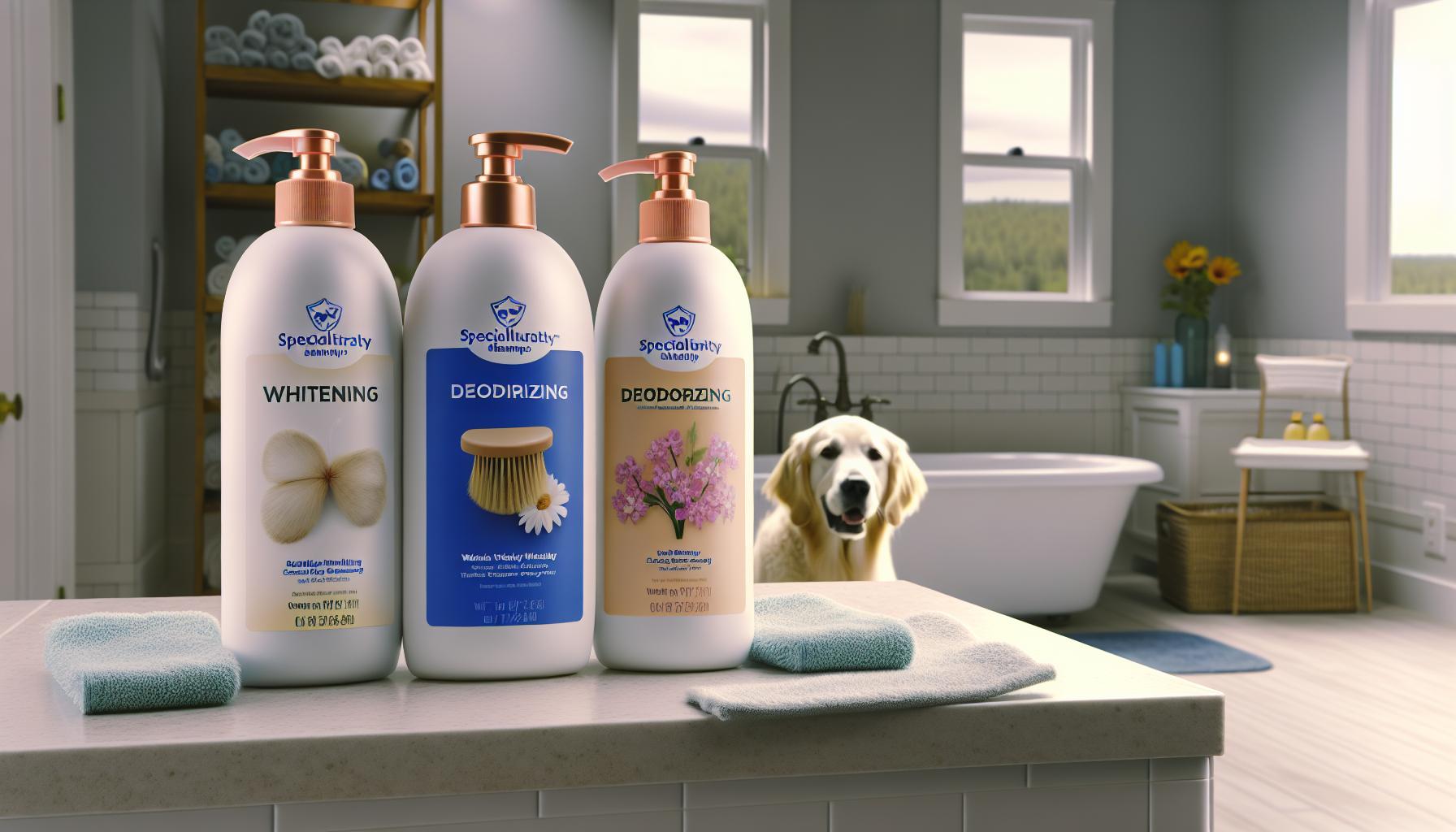
Specialty Shampoos: Whitening, Deodorizing, and Flea control
Sometimes, a dog’s bath needs go beyond just getting clean-whether it’s brightening dull whites, neutralizing stubborn odors, or dealing with pesky fleas and ticks. Professional groomers rely on specialty shampoos crafted to safely and effectively tackle these extra challenges, while keeping your dog’s comfort and skin health front and center. Choosing the right specialty shampoo means understanding your dog’s coat type and specific issues, plus following gentle, step-by-step methods that prevent irritation or stress.
Whitening Shampoos: Bringing Out the Shine Without Harshness
For dogs with white or light-colored coats, maintaining brightness can feel like a full-time job. Professional whitening shampoos contain gentle optical brighteners and natural enzymes that lift stains caused by saliva, tear stains, or dirt. unlike some harsh “bleaching” products,these formulas nourish with moisturizing botanicals like oatmeal and aloe,reducing dryness or cracking around sensitive areas like paws or faces. Plan to shampoo twice a week if stains persist, and always rinse thoroughly to avoid buildup-which can dull rather than brighten the coat. For example, breeds like West Highland Terriers or Maltese benefit most from shampoos designed specifically for whitening to keep their coats crisp without irritation.
deodorizing Solutions: Beyond Just Masking Smells
A dog’s natural oils and outdoor adventures can sometimes leave an odor that a regular shampoo won’t fully eliminate. Groomers turn to deodorizing shampoos formulated with activated charcoal,baking soda,or botanical extracts to neutralize odors at the source rather than simply covering them up with fragrance. These shampoos also support skin balance and reduce bacteria buildup, making them safe for sensitive noses. If your pooch struggles with lingering smells due to skin folds or allergies, look for gentle deodorizing options labeled ”hypoallergenic” and avoid shampoos heavy with synthetic perfumes which can cause discomfort.
Flea and Tick Control: Shampooing as a Complement, Not a Cure
When it comes to fleas and ticks, shampoos provide an important but often temporary aid. Many professional flea shampoos contain safe insecticidal ingredients like pyrethrins combined with soothing agents to cleanse the coat while reducing irritation from bites. However, shampooing alone won’t eradicate an infestation-these treatments should always be paired with your vet-recommended parasite control products and thorough home cleaning. Remember,over-frequent flea shampoos can dry out skin and disrupt the natural coat barrier,so use them only as directed and observe your dog for any signs of sensitivity.
- Tip: Always perform a patch test with specialty products on a small skin area before full application, especially for dogs with sensitive skin or known allergies.
- bathing frequency: Whitening and deodorizing shampoos are generally safe for weekly use, whereas flea shampoos should be limited to vet guidance.
- Aftercare: Follow specialty shampoo baths with conditioning sprays or leave-in treatments designed to soothe and restore moisture.
Recognizing when a specialty shampoo suits your dog will make bath time more effective and less stressful. If your dog has chronic skin issues, persistent odors, or flea concerns, consulting your groomer or veterinarian first can definitely help you choose the safest, most comfortable product.This joint approach ensures that treatments support your dog’s overall health, keeping bath time a calm, nurturing experience rather than a battleground.
Tips for Safe and Comfortable Bathing with Professional Shampoos
Bath time can be a moment of bonding, but it can also be stressful for dogs and their owners if not handled with care. Using professional shampoos offers a gentle, effective way to keep your dog clean and comfortable, but how you apply them makes all the difference. Start by preparing the surroundings: choose a warm room with non-slip mats to prevent slipping and reduce anxiety. Gather all your tools-professional shampoo suited to your dog’s coat type, a soft brush, towels, and a handheld sprayer or cup for rinsing-to keep the process smooth and focused.
Prepare and Calm Your Dog Before Bathing
Before wetting your dog,brush through their coat thoroughly to remove tangles and loose fur. This helps the shampoo to penetrate evenly and prevents mats from tightening. Take time to speak softly and offer gentle pets, especially around the ears and paws, to reassure nervous pets. for dogs with sensitive skin, consider wiping down their face with a damp cloth rather of rinsing shampoo near their eyes. If your dog shows signs of stress-panting, trembling, or trying to escape-pause and give them a moment to relax. Frequent short sessions build trust better than a rushed, stressful bath.
Applying Professional Shampoo: Less Is More
Professional grooming shampoos contain concentrated ingredients designed to cleanse deeply without stripping natural oils, so a little goes a long way. Use lukewarm water-not hot or cold-to wet your dog’s coat thoroughly before applying shampoo. Focus on difficult areas like under the legs, belly, and tail base but avoid pouring shampoo directly on the head. Instead, lather gently with your hands, keeping shampoo away from eyes and ears. Let the shampoo sit just long enough to work-usually a couple of minutes-not longer, to prevent irritation. Rinse completely to ensure no residue remains,which can cause itchiness or dullness.
Post-Bath Care for Comfort and Coat health
After rinsing, wrap your dog in a soft towel and gently squeeze out excess water. Some dogs appreciate a blow-dry on a cool setting,which helps prevent chills and speeds drying,but use it cautiously for noise-sensitive pets. Follow up with a moisturizing spray or conditioner recommended by groomers to restore softness and protect the coat barrier. Don’t forget to check ears for water accumulation and dry them with a clean cotton ball to avoid infections. Offering treats and praise throughout and after the bath helps your dog associate grooming with positive experiences, making future baths easier.
- Tip for long-haired breeds: Use a detangling spray before bathing to reduce matting and breakage.
- keep calm and consistent: Calm energy is contagious-speak in a soothing tone and keep movements slow.
- know when to seek help: If your dog is highly anxious or has skin conditions,consulting a professional groomer or vet before home bathing is best.
By focusing on comfort, gentle handling, and effective use of professional shampoos, you transform bath time from a chore into a caring ritual.Remember, patience and kindness make all the difference-your dog will thank you with a happier, healthier coat and a wagging tail.
How Groomers Maintain Coat Health Beyond Shampooing
Keeping your dog’s coat healthy involves much more than just the right shampoo. Professional groomers emphasize a holistic approach that nurtures skin and fur through regular maintenance, mindful handling, and attentive care. This multi-step process not only preserves the natural oils and shine but also prevents common problems like matting, irritation, and infections, all while strengthening the bond you share with your furry friend.
Brushing and Dematting
Brushing is an essential daily or weekly ritual depending on your dog’s breed and coat type. Regular grooming removes loose hair and dirt, stimulates natural oil production, and helps distribute these oils evenly over the coat for a healthy sheen. For long-haired or curly breeds-like Collies, Maltese, or Poodles-using a wide-tooth comb or a slicker brush prevents painful mats that can trap moisture and cause skin infections.Short-haired dogs benefit from a bristle brush to clear loose fur naturally and grasp any underlying skin issues early.
- Tip: Always brush gently in the direction of hair growth. Start with less sensitive areas, gradually moving to more delicate spots like behind ears and under legs.
- For mat removal: Use a dematting tool or wide-tooth comb, going slowly to avoid discomfort. If mats are severe, consult a professional rather than risk hurting your dog.
Routine Ear and Nail Care
coat health is intimately tied to overall cleanliness and comfort. Groomers know that ears and nails require focused attention to avoid secondary issues that affect coat quality.Weekly ear checks and gentle cleanings help prevent wax buildup,infections,or parasites that may cause excessive scratching and hair loss. Trimming nails regularly ensures your dog walks comfortably, which supports healthy posture and coat condition by reducing stress on joints and muscles.
Targeted Hydration and protection
Even the best shampoos cannot single-handedly maintain moisture balance. Groomers frequently enough use leave-in conditioners or moisturizing sprays specially formulated for dogs, especially those with dry or brittle coats. These products create a protective barrier, locking in hydration while smoothing the hair cuticle to reduce frizz and static. For double-coated breeds like Siberian Huskies or golden Retrievers, seasons play a big role-lighter coats in summer may need UV protection, while winter calls for richer conditioning to combat dryness.
Knowing When to Seek Veterinary Advice
Professional groomers recognize their role has limits. persistent skin issues, unexplained hair thinning, redness, or itching warrant a vet visit to rule out allergies, infections, or hormonal imbalances. Groomers can assist by monitoring these signs during routine appointments,offering recommendations and collaborating with your vet to adjust grooming routines accordingly. Remember, a groomer’s goal is to support your dog’s skin and coat health-not replace veterinary care.
| Task | Frequency | Tools/Products | Notes |
|---|---|---|---|
| Brushing | Daily to weekly (breed-dependent) | Bristle brush, slicker brush, dematting comb | Gentle strokes; frequent for long-haired breeds |
| Ears cleaning | weekly | Dog ear cleaner, cotton balls | Avoid deep probing; monitor for redness or odor |
| Nail trimming | Every 3-4 weeks | dog nail clippers, file | Trim cautiously; seek groomer help if unsure |
| Conditioning | After bathing or weekly for dry coats | Leave-in conditioner, moisturizing sprays | Choose vet/groomer recommended for safety |
In essence, maintaining your dog’s coat health is a continuous care process that combines professional-grade shampoos with consistent grooming habits. Coupled with observation and compassion, these steps create a nurturing routine that keeps your pup comfortable, confident, and looking their best-inside and out.
When to Consult a Vet vs. Choosing Groomer Products
Sometimes, despite our best efforts with professional grooming products, a dog’s skin or coat issues signal something deeper than routine care can handle. recognizing when it’s time to consult a veterinarian rather than relying solely on groomer-grade shampoos is crucial for your pup’s wellbeing.Sensitive skin, recurring dryness, unexplained hair loss, or persistent redness are all signs that your dog may need expert medical evaluation alongside or instead of topical grooming solutions.
Professional shampoos chosen by groomers are meticulously formulated to support healthy skin and fur under normal conditions.They include gentle cleansers, conditioners, and soothing botanicals designed to maintain the natural moisture barrier and reduce irritation. However, these products are not intended to diagnose or treat underlying infections, allergies, or hormonal imbalances. Such as, a mild itch may respond well to a medicated shampoo recommended by a groomer, but if that itch worsens or is accompanied by swelling or open sores, it’s a clear signal to seek veterinary care promptly.
Signs that Warrant Veterinary Attention
- Persistent itching or scratching: When a dog is constantly uncomfortable despite regular baths with hypoallergenic or medicated shampoos, an underlying allergy, parasite, or infection could be the root cause.
- Excessive redness, swelling, or oozing: These symptoms frequently enough indicate bacterial or fungal infections that require prescription treatments beyond over-the-counter options.
- Hair thinning or bald patches: Sudden or patchy hair loss might suggest hormonal disorders like hypothyroidism or autoimmune issues needing a vet’s diagnosis.
- bad odor that doesn’t improve: A strong, persistent smell despite using deodorizing shampoos could reveal ear infections or deeper skin problems.
The groomer’s Role and Product Limits
Think of groomers as your dog’s first responders in skin and coat health-not substitute doctors. Our expertise lies in selecting the right professional shampoos tailored to coat types, sensitivities, and common concerns such as dryness or mild irritation. We carefully monitor your pet’s reactions during baths and grooming sessions and provide recommendations for changes or vet consultations when needed. As a notable example, if a dog reacts poorly to a soothing shampoo or ongoing baths don’t improve coat dullness, we’ll advise a veterinary check for allergies or skin disorders.
- Groomer-recommended shampoos work best for: Routine maintenance, mild skin sensitivity, flea prevention, and coat conditioning.
- Veterinary-grade shampoos and treatments are necessary for: Diagnosed infections, chronic allergies, and medical skin conditions.
If you notice early signs of skin trouble, start by switching to a gentle, vet-approved shampoo designed for sensitive or allergy-prone skin, like veterinary formulas with antiseptic or antifungal properties. Observe your dog’s response over one to two weeks.Maintain consistent grooming habits-brushing, cleaning ears gently, and monitoring nails-to support overall health. If symptoms persist or worsen, promptly schedule a vet appointment.
| Observation | Recommended Action | Tools/Products | Notes |
|---|---|---|---|
| Minor itch or dry coat | Use professional hypoallergenic shampoo; monitor | Hypoallergenic or moisturizing shampoo | ideal for sensitive skin breeds (e.g., Bulldogs, Boxers) |
| Persistent redness or hair loss | Consult vet for diagnosis and prescription shampoo | Veterinary formula medicated shampoo | May require antifungal or antibiotic treatments |
| Strong odor despite shampooing | Vet visit to check for infections or ear issues | Deep cleaning ear solution, prescription meds | Smell can indicate yeast or bacterial infections |
Staying responsive to your dog’s reactions and knowing the boundaries between grooming care and medical needs strengthens your ability to keep them comfortable and healthy. Remember, no shampoo-no matter how professional-can replace the specialized advice and treatments a vet provides when serious skin conditions arise. Working closely with your groomer and vet creates the best outcome: a happy, healthy companion with a shiny, comfortable coat.
Cost and Value: Are Professional Shampoos worth It?
Choosing the right shampoo for your dog is more than just picking a pretty bottle on the shelf – it’s an investment in their comfort and coat health. Professional dog shampoos often come with a higher price tag compared to everyday store brands, which naturally leads many pet owners to wonder: are they really worth the extra cost? The short answer is yes, especially when you consider the quality, safety, and tailored benefits these products provide.
Professional shampoos are formulated with high-grade ingredients that are gentle yet effective. Unlike many over-the-counter shampoos that may contain harsh chemicals or fillers, groomer-grade products focus on maintaining the natural moisture balance of your pup’s skin and coat. For example, dogs with sensitive skin or specific coat types-like long-haired breeds such as Shih Tzus or double-coated breeds like Golden Retrievers-benefit from formulas designed to reduce irritation and support healthy fur from root to tip. these shampoos frequently enough include soothing botanicals, pH-balanced cleansers, and conditioning agents that store brands can’t always guarantee. This means fewer bath-time dramas, less scratching afterward, and a coat that stays healthier between grooming sessions.
balancing Cost with Long-Term Value
While the upfront cost of professional shampoos might feel steep, consider this a bit like choosing a high-quality meal over fast food. You’re paying for thoughtful ingredients and superior results. Many pet owners find that a small amount goes a long way due to concentrated formulas. This can translate to fewer baths needed or less frequent grooming appointments, which saves money and stress in the long run.
- Example: A 16-ounce bottle of professional hypoallergenic shampoo may last for 10-12 baths, depending on your dog’s size and coat length.
- Pro tip: Using the right shampoo reduces the risk of flare-ups in skin conditions, potentially preventing costly vet visits.
An added bonus is that these shampoos often come recommended by veterinarians and seasoned groomers because they meet strict safety and efficacy standards. This peace of mind alone can justify the investment, especially if your dog has underlying sensitivities or allergies.
When Professional Shampoos Shine: Real-World Benefits
If your dog has a particular need-like deodorizing a stubborn odor, whitening a light coat, or tackling mild flea issues-specialty professional shampoos offer targeted solutions with proven results. For instance, deodorizing shampoos used by groomers frequently contain natural ingredients like oatmeal or aloe vera that soothe the skin while neutralizing smells, creating a calm, pleasant experience for your pet.
Moreover, professional brands frequently enough avoid common irritants such as parabens, sulfates, and artificial fragrances. This factor alone makes them worth considering if your dog has ever experienced redness or dryness after bathing. I’ve personally seen more anxious dogs relax during baths simply because the shampoo didn’t sting their eyes or dry out their skin-a small comfort that keeps grooming a positive ritual.
Making the Best Choice for Your Budget and Beloved Dog
If budget is a concern, start by focusing on your dog’s specific needs and coat type. For example, a thick-coated working breed like a Siberian Husky benefits most from shampoos that facilitate coat release and moisture retention, while a short-haired breed like a Beagle might be perfectly comfortable with a milder, all-purpose professional shampoo used less frequently.
| Breed / Coat Type | Recommended Shampoo Focus | Estimated Cost Range |
|---|---|---|
| Long, silky (e.g., Maltese, Shih Tzu) | Moisturizing and detangling | $15 - $30 / bottle |
| Double-coated (e.g., Golden retriever, Husky) | De-shedding and pH balanced | $20 – $35 / bottle |
| Sensitive skin breeds (e.g., Bulldog, Greyhound) | Hypoallergenic, fragrance-free | $20 – $40 / bottle |
| Short-haired, low-maintenance (e.g., Beagle, Boxer) | gentle cleansing, mild conditioning | $12 – $25 / bottle |
Ultimately, investing in a quality professional shampoo isn’t about vanity or chasing the perfect coat shine-it’s a way to provide consistent, comforting care that respects your dog’s unique skin chemistry and coat needs. When paired with gentle handling and proper grooming techniques, these shampoos support your dog’s wellbeing just as much as their appearance, helping every bath feel safe, clean, and stress-free.
Remember, if you’re ever unsure which shampoo suits your pup best, reach out to your groomer or veterinarian. They understand that every dog is different and can guide you toward products that offer the best value for your dog’s specific health, coat type, and lifestyle needs.Your dog’s comfort and happiness are worth every penny spent thoughtfully.
FAQ
Q: How do professional groomers choose shampoos for different dog coat textures?
A: Professional groomers select shampoos based on a dog’s coat texture by matching formulas designed for specific hair types-such as moisturizing shampoos for curly coats and clarifying shampoos for oily or wiry fur. This approach ensures optimal cleaning and conditioning tailored to each breed’s needs. For more, see our section on *Choosing the Best Shampoo for Your dog’s Coat Type*.
Q: Where can I buy the same professional dog grooming shampoos used by groomers?
A: You can buy professional dog grooming shampoos at specialty pet supply stores, through licensed grooming salons, or reputable online retailers. Purchasing from trusted sources guarantees authentic, high-quality products similar to those groomers rely on for expert results [[1]](https://helmetslab.com/professional-dog-grooming-shampoo/).
Q: Why do groomers prefer certain shampoo brands over mass-market dog shampoos?
A: Groomers prefer professional-grade shampoos because they contain higher-quality ingredients, offer better cleansing and conditioning, and are formulated for specific coat and skin needs.These shampoos also minimize irritation and provide long-lasting coat health, which mass-market brands often lack.
Q: How frequently enough should professional shampoos be used compared to regular dog shampoos?
A: Professional shampoos can usually be used more frequently as they are gentler and enriched with skin-soothing ingredients. However, frequency depends on your dog’s skin sensitivity and lifestyle. Always follow recommendations in *Tips for Safe and Comfortable Bathing with Professional Shampoos* to maintain coat health.
Q: Can professional dog shampoos help with common skin issues like dandruff or dryness?
A: Yes, many professional shampoos include nourishing and hydrating ingredients specifically formulated to relieve dryness, dandruff, and minor irritations. Consult the section on *How Groomers Select Shampoos for Sensitive Skin and Allergies* for product suggestions suitable for dogs with these challenges.
Q: What are the best professional shampoos for dogs with odor problems?
A: Professional deodorizing shampoos with antibacterial and deodorant properties effectively neutralize odors and maintain fresh-smelling coats. Groomers frequently enough recommend formulas with natural enzymes or soothing botanicals to gently eliminate odor-causing bacteria without harsh chemicals.
Q: How do professional shampoos affect the grooming process beyond cleaning?
A: Beyond cleaning, professional shampoos enhance coat manageability, reduce tangles, and prepare the fur for easier drying and styling. They also support skin health, reduce static, and improve overall coat shine, making the grooming process smoother for both pet and groomer.
Q: When is it necessary to switch to a veterinary-recommended medicated shampoo instead of a professional grooming shampoo?
A: Switch to a veterinary-recommended medicated shampoo when your dog has specific skin conditions like infections, severe allergies, or parasites that require targeted treatment. Groomers can maintain routine coat health, but a vet’s advice is vital for managing medical issues-see *When to Consult a Vet vs. Choosing Groomer Products* for guidance.
—
For more expert tips and detailed guidance on using professional dog shampoos effectively, explore our full article sections. Keeping your dog comfortable and healthy during grooming starts with choosing the right products and techniques.
The Conclusion
Choosing the right shampoo is a vital step in caring for your dog’s coat and skin health, just as professional groomers do every day. Whether your pup has a sensitive skin, needs odor control, or a deep clean, using groomer-recommended shampoos tailored for specific coat types can make all the difference. Remember, a gentle bath paired with proper brushing, nail care, and ear cleaning keeps your dog comfortable and happy-always prioritize their safety and ease throughout the grooming process.
Ready to elevate your grooming routine? Explore our detailed guides on dog grooming essentials, choosing the best brushes for your dog’s coat, and safe nail trimming techniques to build confidence and skills at home.Don’t forget to sign up for our newsletter to receive expert tips,product recommendations,and exclusive offers that keep tails wagging. If you have any questions or want to share your grooming wins, drop a comment below-let’s create a supportive pet-loving community together.
By using professional-grade shampoos and following trusted grooming steps, you’re investing in your dog’s wellbeing while ensuring a shiny, healthy coat. Keep exploring, stay curious, and always put your furry friend’s comfort first-because when it comes to pet care, expert advice and compassionate handling go paw in paw.
Get our latest guides, news, and insights highlighted in your Google Search & AI Overviews.
Keep reading about the same coat and cut.


Popular grooming guides
Bath vs clip, first grooms, and salon how-tos.