What Is the Common Tip Amount for Dog Groomers? Standards

Did you know that tipping your dog groomer is more than just a gesture of thanks-it’s a way to support a skilled professional who cares deeply for your pet’s comfort and well-being? Understanding the common tip amount helps ensure your groomer feels appreciated for their careful work, from handling nervous pups to mastering breed-specific coat care. Whether your furry friend is a low-maintenance Chihuahua or a thick-coated Akita, tipping guidelines give you a clear, respectful way to show gratitude. If you’ve ever wondered how much to tip or why it matters, keep reading. We’ll break down practical tipping standards so you can confidently reward the gentle hands that make your dog look-and feel-their best.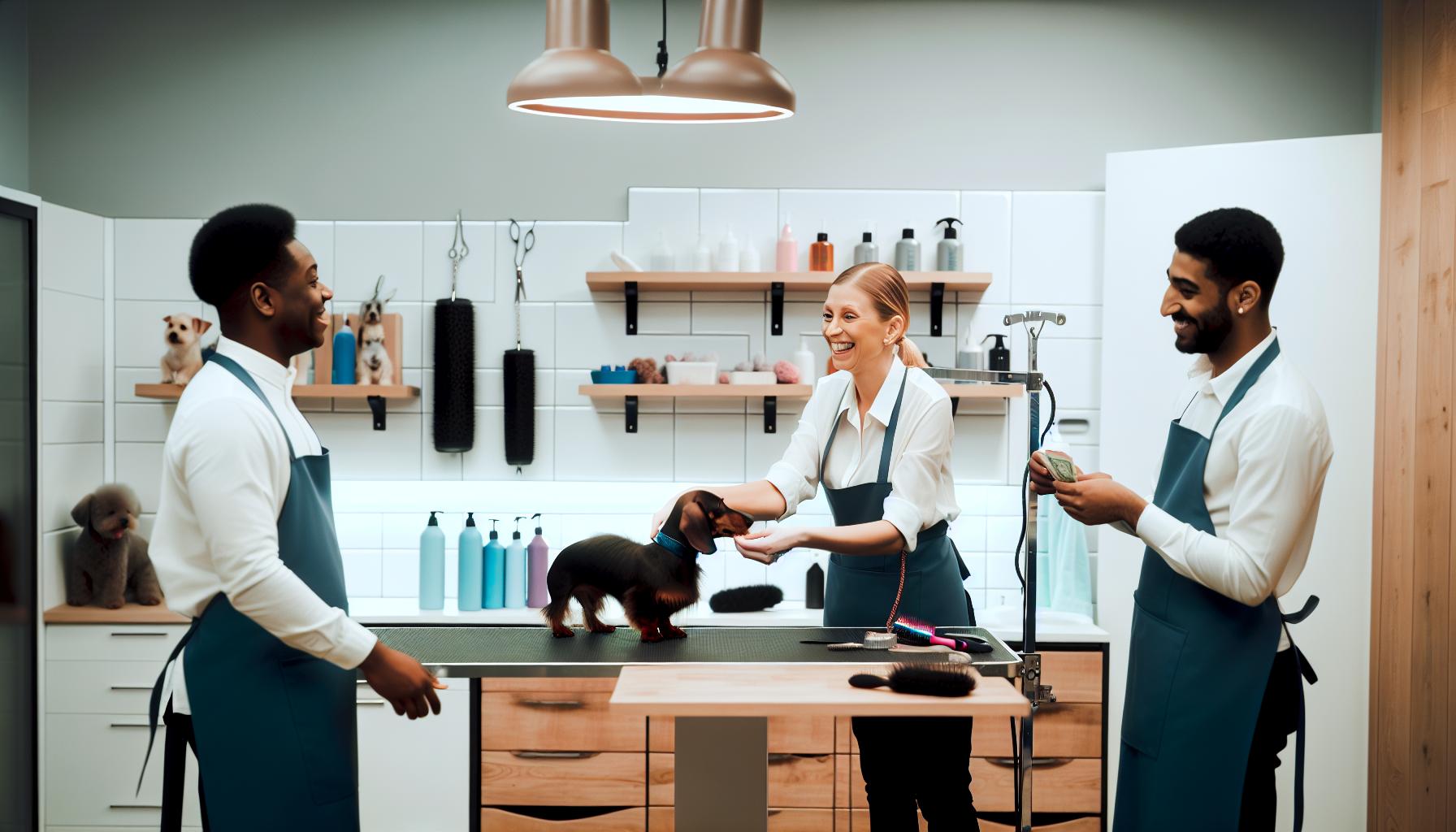
Common Dog Grooming Tip Rates Explained Simply
Table of Contents
- 1 Common Dog Grooming Tip Rates Explained Simply
- 2 Factors Influencing How Much to tip Groomers
- 3 Tipping etiquette: When and How to Show Appreciation
- 4 How Groomer Experience and Location Affect Tips
- 5 Understanding Additional Charges vs.Tips
- 6 Tips for Tipping on Special Services or Difficult Dogs
- 7 How to Calculate Fair Tips for different Grooming Tasks
- 8 What to do When You Can’t Tip in Cash
- 9 Real Owner Stories: Tipping Experiences and Expectations
- 10 How Groomers Feel About Tips and Why They Matter
- 11 Frequently Asked Questions
- 11.1 Q: How can I tip a dog groomer if the salon doesn’t accept cash?
- 11.2 Q: When is it appropriate to tip less or not at all to a dog groomer?
- 11.3 Q: What percentage of the grooming bill is commonly given as a tip to dog groomers?
- 11.4 Q: How does tipping differ for routine baths versus full grooming sessions?
- 11.5 Q: Can I tip more for groomers who handle anxious or aggressive dogs?
- 11.6 Q: how often should I tip my dog groomer if I have regular appointments?
- 11.7 Q: Why do some groomers prefer tips over higher base prices?
- 11.8 Q: Are there any cultural differences in dog grooming tip amounts I should be aware of?
- 12 Key Takeaways
A helpful rule of thumb for tipping your dog groomer is to consider about 15% to 20% of the grooming bill as a standard starting point. This range reflects both gratitude for the careful, patient work your groomer does and the varying complexity involved depending on your pup’s size, breed, and coat condition. For example, a small, smooth-coated dog like a Beagle will typically require less time and fewer specialized tools than a long-coated breed such as a Pomeranian or a dog with a double coat like a Husky, which often translates into diffrent tipping expectations.
Grooming involves many distinct tasks-bathing, brushing, nail trimming, ear cleaning, and sometimes even hand-stripping or dematting-and each can influence how much you might choose to tip. Owners often find it helpful to think of the tip in layers. A straightforward bath and brush for a short-haired dog might warrant closer to 15%, while a more involved cut and style for a curly-coated or double-coated dog could justify tipping toward 20% or even a bit more. Groomers appreciate recognition of the extra time and effort it takes to safely and gently handle arduous coats or anxious pets.
Practical Examples for Tipping Based on Services
- Bath & Brush Only: For a 30-pound mixed breed with a smooth coat, a tip of 15% on a $40 service ($6) is kind and customary.
- Full Groom & Cut: For a 12-pound Poodle needing a detailed cut,20% on a $60 price ($12) reflects the extra precision and time.
- Extra Services: Nail grinding or teeth cleaning usually earns an additional tip of $3 to $5, acknowledging the added care.
Keep in mind that some pets require significantly more patience due to anxiety or medical issues. If your dog is especially nervous or has special needs, it’s thoughtful to tip a bit higher or leave a personal note thanking the groomer for their compassion and care.Small gestures like these build trust and show you see the value beyond just the end result.
remember that while tipping is customary and deeply appreciated, your groomer’s primary focus is your dog’s safety and comfort-not perfection. The tip is a way to encourage their continued dedication and kindness, especially when grooming isn’t simply about looks but about helping your pet feel calm, clean, and cared for.
Factors Influencing How Much to tip Groomers
Grooming is as much about patience and care as it is about technique, which is why the amount you tip often reflects more than just the final look. Many factors play into how much a groomer deserves for their thoughtful work, so understanding these can help you tip fairly and confidently. The breed and coat type of your dog are primary influencers. Breeds with short, smooth coats typically require less time and effort-think of a Labrador or Beagle-while curly, long, or double-coated breeds like Poodles, Pomeranians, or Huskies demand extra tools and specialized care to avoid matting and skin irritation. This increased complexity often means a groomer invests more time and gentle handling, warranting a higher tip.
Another key consideration is the specific grooming tasks performed. Bathing and brushing are routine but still take skill to make your dog cozy. Nail trimming and ear cleaning involve careful precision, especially with anxious pets. Some dogs may need additional services such as teeth cleaning, dematting, or even hand-stripping, which are time-intensive and require specialized equipment and steady hands. These should be recognized with an added tip to show your appreciation for the groomer’s extra efforts.
The temperament and physical condition of your dog also impact tipping. An energetic or nervous pup requires more time, calming techniques, and patience. Dogs with health concerns or arthritis may need gentle handling and extra care to avoid stress or discomfort. Noticing this and tipping a bit more acknowledges the groomer’s dedication beyond mere cosmetic touch-ups. Groomers understand that your dog’s welfare is the priority-so rewarding their kindness helps encourage ongoing compassionate care.
Key Tips for Considering How Much to Tip
- Breed & Coat Complexity: Longer,thicker,or curly coats usually warrant 20% or more.
- Task Specifics: Basic baths might be tipped around 15%, while full grooms and specialty treatments deserve higher tips.
- Behavior & Health: extra patience for nervous or special-needs pets should be met with extra appreciation.
- Time & Tools: More elaborate grooming requiring additional tools or longer appointments signals tipping generously.
Being mindful of these factors ensures your tip reflects the true value of your groomer’s hard work and compassion. It also builds a trusting relationship that benefits your dog’s comfort for every future visit.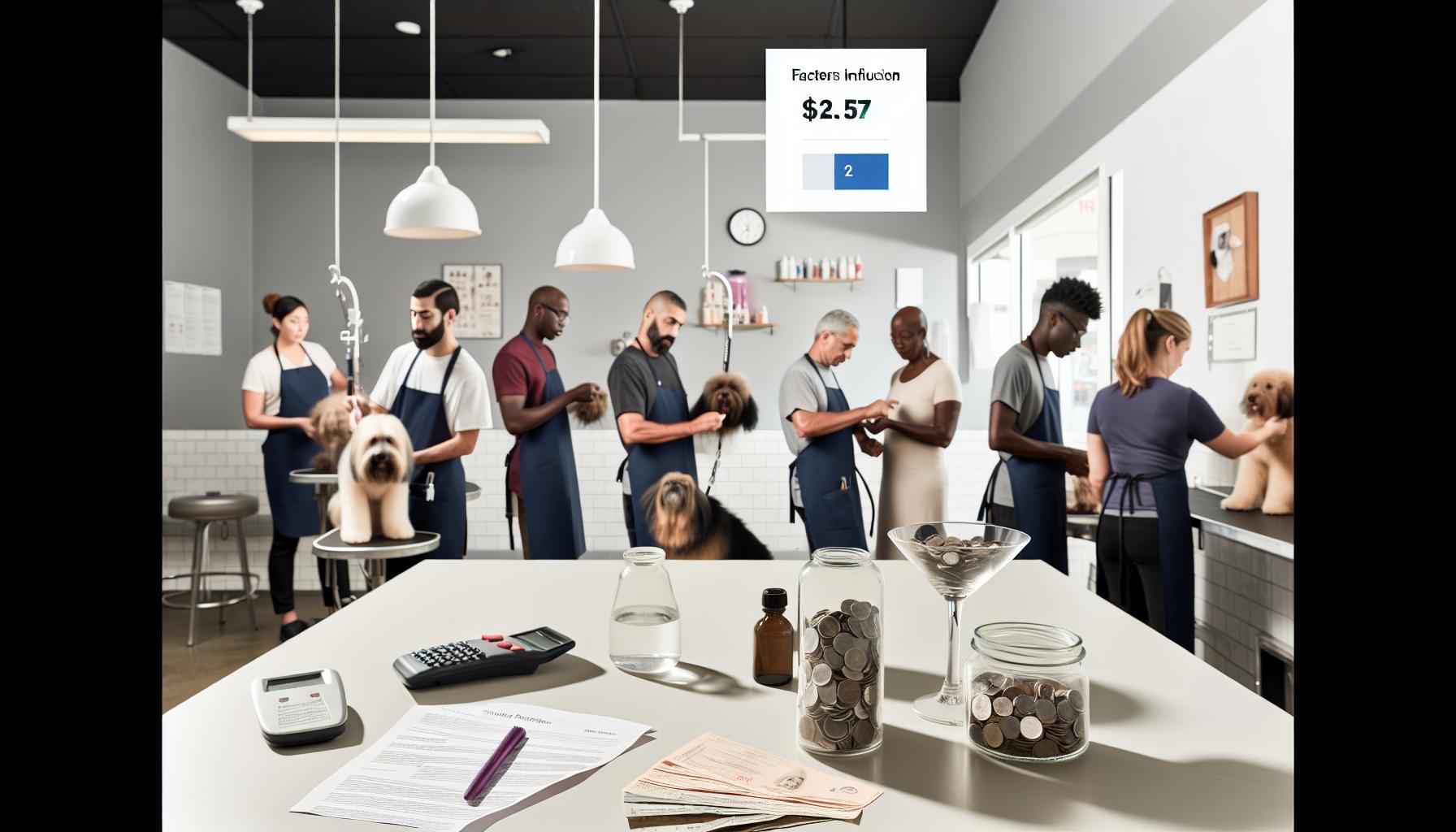
Tipping etiquette: When and How to Show Appreciation
Few gestures speak louder than a well-timed tip after your dog’s grooming session.Tipping is not just about money-it’s about acknowledging the patience, care, and skill your groomer invested in making your furry friend comfortable and looking their best. Because grooming often involves handling sensitive tasks-like calming a nervous pup during a nail trim or carefully detangling mats from a double-coated breed-showing appreciation becomes a kind, unspoken way to encourage that same attentive care in the future.Understanding when to tip and how much starts with recognizing the full scope of a groomer’s work. Routine services like a simple bath or brush generally call for a modest tip, roughly around 15%, acknowledging the effort and tools used without overstating the service. But when your dog requires more specialized attention-a thorough dematting, teeth cleaning, or gentle handling of a skittish or elderly dog-that’s the moment to reflect that extra care in your tip, often nudging it closer to 20% or more. Keep in mind, tipping is always a personal choice based on your satisfaction and how demanding the grooming process felt.
- Tip promptly and personally: Whenever possible, hand the tip directly to your groomer at the end of the appointment. It reinforces your gratitude and builds rapport.
- Consider your dog’s unique needs: if your pet required extra patience, multiple breaks, or special handling, leaving a little extra shows you notice and value that kindness.
- Be clear on what the tip covers: Tips reward service quality, not mandatory fees or extra charges listed on your bill.
- cash is king-but if that’s tricky, a warm thank-you note or online review also brightens a groomer’s day.
for pet parents who juggle busy schedules, it’s perfectly fine to ask your groomer about their tipping preferences or policies when you book the appointment.Some stylists might have clear recommendations or even include gratuity in package pricing. Remember, tipping is a heartfelt “thank you” that goes beyond appearance-it honors your dog’s comfort and the groomer’s gentle touch behind the scenes.
When in doubt, think about what you would appreciate if you were in their shoes: thoughtful, compassionate care that takes time and skill deserves recognition. A fair tip not only reflects your respect for the groomer’s craft but also helps nurture a relationship that benefits your dog’s well-being visit after visit.
How Groomer Experience and Location Affect Tips
It’s no secret that a groomer’s experience plays a major role in the quality of care your dog receives-and that naturally influences how you might approach tipping. An experienced groomer has usually encountered a wide variety of breeds, coat types, and temperaments.Thay skillfully handle everything from delicate dental cleanings to dematting stubborn double coats, often with an empathetic touch that eases even the most anxious pets. When a groomer’s expertise shines through, tipping a bit more becomes a meaningful way to acknowledge not just the final look but the gentle patience behind the scenes.
Location also significantly impacts tipping norms. In bustling urban centers where rent and wages tend to be higher, grooming prices reflect those costs, and so tipping percentages might be slightly elevated to match. For example, a groom in New York City or San Francisco might expect a tip on the upper end of the typical 15-20% range, whereas a groomer in a smaller town may have different standards shaped by local pricing and community culture. Understanding regional tipping customs can help you feel confident making your gesture of appreciation without worry.
How Experience Enhances the Value of Your Tip
- Handling challenging coats: Older groomers or those with specialty training frequently enough manage breeds like Maltese or Pomeranians, which have delicate fine hair requiring a gentle but precise technique. If your groomer skillfully detangles mats or safely trims around sensitive areas, consider tipping closer to 20% as recognition of that finesse.
- Working with anxious or special-needs dogs: Grooming nervous pups or senior dogs takes extra time, patience, and sometimes, specialized tools to keep them calm and safe. An experienced groomer’s ability to navigate these challenges smoothly is priceless-acknowledging this with a thoughtful tip helps keep their compassionate care coming.
- Continuing education and certifications: Groomers invested in their craft often take courses to stay current on techniques and animal welfare best practices. Expressing appreciation through your tip encourages their professional growth and ongoing commitment to quality care.
Location Matters: adjusting your Tip with Context
- High-cost urban areas: Expect grooming sessions to be lengthier and pricier, reflecting overhead and demand. Tipping 20% or a bit more here honors the skilled labor and competitive habitat groomers navigate daily.
- Suburban or rural communities: While prices might be lower, the personalized attention and strong community ties often mean groomers rely on tips as a significant part of their income. In these settings, a 15% tip is generally appreciated but feel free to adjust upward if your dog required extra TLC.
- Mobile or at-home groomers: Those who come to your home bring convenience and flexibility-often handling all conditions from various coat types and behavioral challenges. A 15-20% tip acknowledges this unique service and the extra effort involved in traveling and setting up on-site.
| Groomer Experience Level | Typical Tip Range | Example Scenarios |
|---|---|---|
| Entry-Level / New Groomer | 10-15% | Routine bath & brush for a calm, well-behaved dog |
| Experienced Groomer | 15-20% | Handling mats, skittish dog, elderly pet care |
| Specialist / certified Groomer | 20%+ | Breed-specific styling, dental care, multiple services |
By understanding the interplay between a groomer’s experience and your local area’s costs, you can tip with confidence, knowing you are honoring the specialized skills and dedication involved in each grooming session.Remember, tipping is your way of saying “thank you” for the tender care and time invested in your beloved dog’s well-being-not just the look they take home.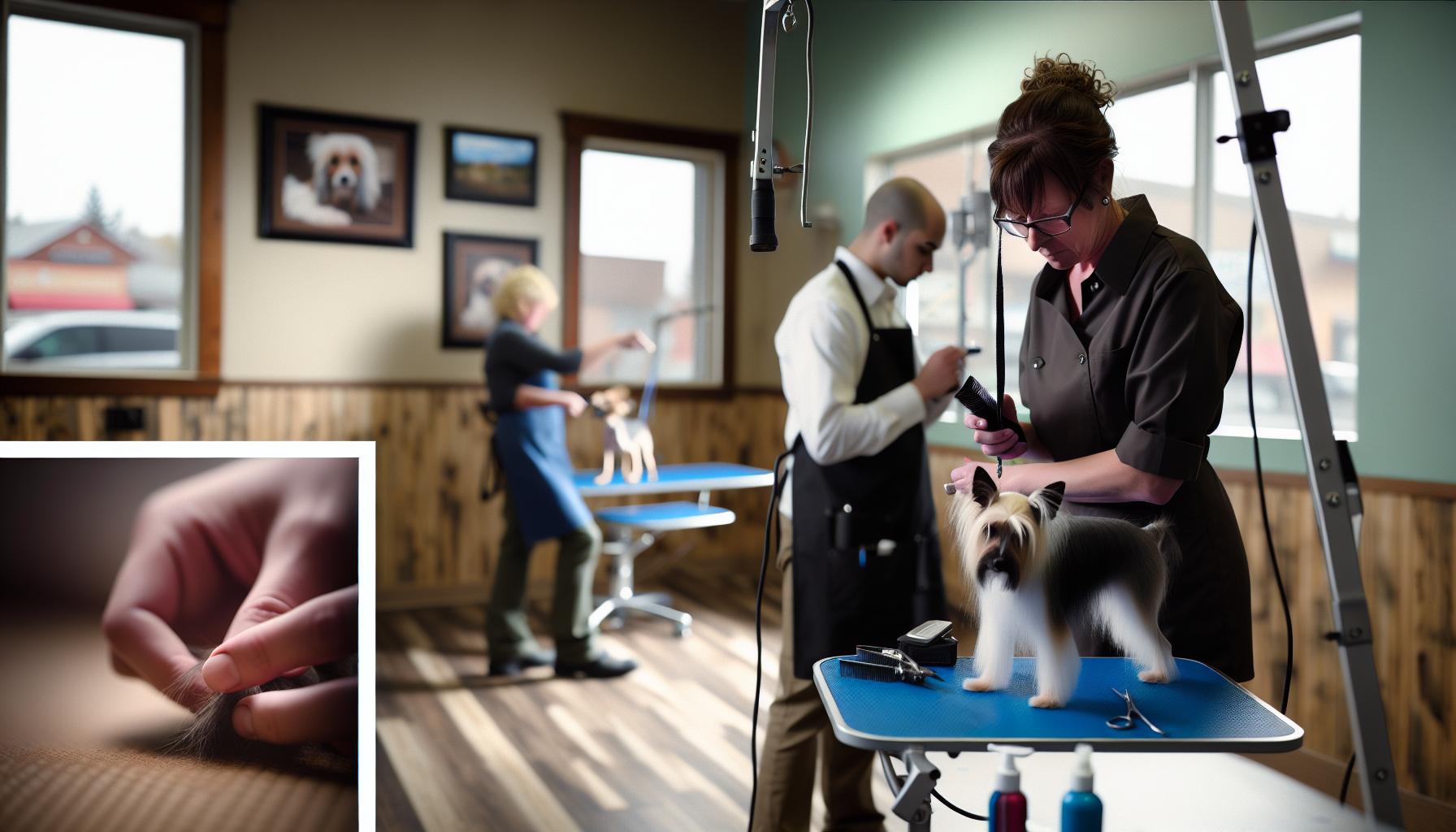
Understanding Additional Charges vs.Tips
Sometimes it can be confusing to tell where the grooming bill ends and your tip begins - especially when extra charges pop up alongside your pet’s usual pampering.understanding the difference between additional fees and gratuities helps you tip fairly and avoid surprises. Think of extra charges as costs for specific services, while tips are your way of thanking the groomer for their care, patience, and skill.
Certain services require specialized tools, time, or attention that go beyond a regular bath and brush. Such as, dematting a thick double coat or cleaning ears with sensitivity when your dog is nervous may incur an extra fee on your invoice. These fees cover the groomer’s materials and extra labor needed to safely handle tricky tasks. Similarly, nail grinding or teeth brushing frequently enough appear as separate line items as they demand distinct equipment and technique.these are not tips but legitimate service charges that keep the grooming salon running smoothly.
- Extra Services vs.Tips: when you see charges for “deep conditioning” or ”sanitary trim,” these are standard fees that reflect time and product use. Tipping on top of these costs shows appreciation for the groomer’s dedication but should not replace paying the full service amount first.
- Challenging Behavior Fees: If your dog is especially anxious, uncooperative, or requires sedation protocols (which some groomers coordinate with vets), you might see an “anxiety fee” or “special handling” charge. These fees acknowledge the extra stress and care involved-but tipping remains a separate gesture for kindness and professionalism.
- Travel or Mobile grooming Add-ons: Groomers who visit your home often include travel costs in their pricing. This is part of the bill, not the tip. Your gratuity would be based on the grooming quality and their pleasant service, above the quoted price.
Why Knowing the Difference Matters
When you mix up additional charges with tipping,you risk either overpaying or unintentionally shortchanging the groomer. Remember: fees cover tangible services, while tips reward intangible qualities-gentleness, patience, and personalized care. If your groomer goes the extra mile to soothe your skittish pup or tackle heavy mats, tipping beyond the basic percentage is a marvelous way to say thanks, but always start by paying the full service charges promptly.
Practical Example
Imagine your Poodle gets a routine bath and haircut ($60). The groomer notices mats requiring special removal tools and charges an additional $15 for dematting. Your subtotal is $75. A fair tip of 15-20% would be calculated on the full $75, reflecting gratitude for both the routine and extra care. So, a $11-$15 tip on top of the $75 bill fairly acknowledges everything without confusion.
By staying mindful of what you’re paying for and why, you make tipping straightforward and heartfelt. This clarity builds trust and helps your groomer feel truly appreciated for the compassion and skill that make every grooming visit a positive experience for your furry friend.
Tips for Tipping on Special Services or Difficult Dogs
Dogs with special needs-whether due to temperament, coat type, or health issues-often require an extra layer of care, patience, and skill from groomers. When your furry friend is nervous, reactive, or simply harder to handle, tipping reflects your gratitude for not just the standard grooming but the extra time and calm attention invested. Such as, a large, double-coated breed like an Akita needing extensive dematting, or a small but anxious Chihuahua requiring gentle ear cleaning, both present unique challenges that go beyond typical appointments.
- Bathing and Brushing: Thick, matted, or sensitive coats need special tools and slower, more careful work.Groomers may spend significantly longer detangling, which requires patience to avoid distressing the dog. Tipping above the customary 15-20% acknowledges their extra effort and love.
- Nail Care: For dogs that resist nail trims or have brittle nails prone to splitting, groomers often proceed cautiously, pausing as needed to keep your dog comfortable. If a groomer expertly calms your pup during this stressful task, a higher tip is a thoughtful way to say thanks.
- Handling Nervous or Reactive Dogs: Groomers skilled in reading subtle body language safely manage anxious pets, sometimes adjusting their routine to include frequent breaks or using special handling techniques. While some salons add “anxiety fees” or “special handling” charges to cover this, your tip remains an entirely separate token of appreciation for their kindness.
Practical Tips for Fair and Compassionate Tipping
If your dog has particularly challenging needs, start by considering the base price plus any extra fees-such as those for dematting or sedation protocols-then add a tip that reflects the groomer’s dedication. for instance, if a standard bath and trim costs $50, an added $20 dematting fee applies, and your pooch is fidgety or fearful, consider tipping 20-25% on the full $70 to fairly appreciate the groomer’s skill and empathy. This approach promotes a positive partnership focused on your dog’s welfare rather than just aesthetics.
Being aware of what falls under service fees versus tipping helps prevent confusion. Remember, the groomer’s efforts to soothe your pet, their patience with difficult behavior, and commitment to safety are what your tip rewards-not the cost of the products or equipment used. If your dog requires sedation handled through a vet, tipping the groomer generously for their coordination and care is always welcomed but never expected.
Above all, trust your groomer’s expertise and feel confident that your thoughtful tip will go a long way in encouraging compassionate care. When you share stories like “my Collie was terrified, but the groomer stayed calm and helped him relax,” you highlight why these extra tips matter-not just as money, but as appreciation for the patience and heart that make challenging grooming days a success for everyone involved.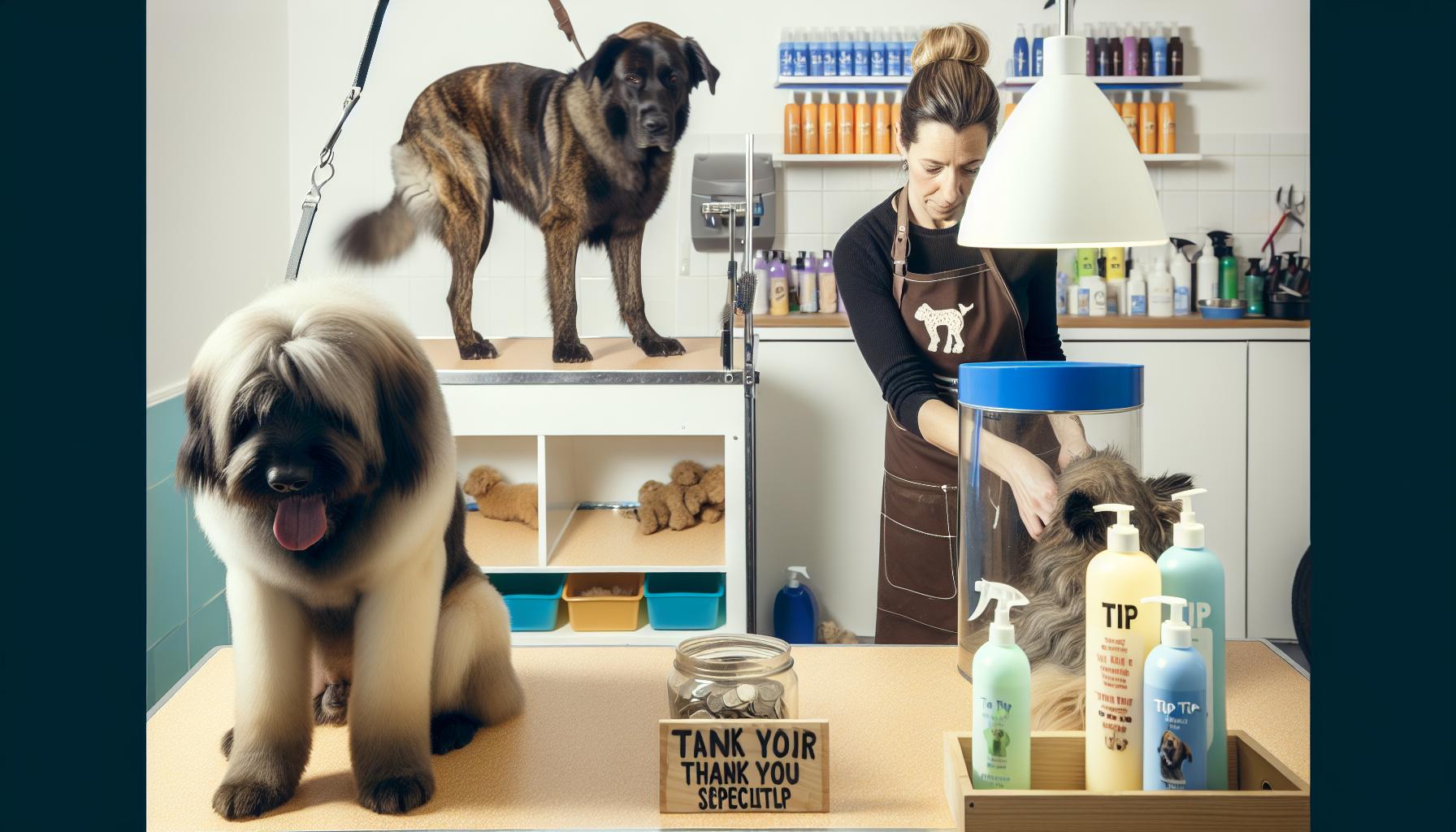
How to Calculate Fair Tips for different Grooming Tasks
Few things please a groomer more than clear, kind appreciation that matches the effort put into caring for your dog. Calculating a fair tip isn’t just about the price tag-it reflects your recognition of the unique challenges posed by your dog’s breed, coat, and behavior during each grooming task. Every dog is different, so tipping thoughtfully can really bolster your groomer’s motivation and the quality of care they provide.
Bathing and Brushing
This is frequently enough the most time-intensive part when dealing with thick, curly, or matted coats. Such as, a Golden Retriever with a dense undercoat or a Poodle needing careful detangling demands patience, specialty conditioners, and sometimes extra hours to complete a gentle, thorough bath. If the groomer spends double the usual time or uses special tools just to keep your dog comfortable, aim for a 20-25% tip on this portion of the job. For dogs with sensitive skin or allergies requiring hypoallergenic products, the extra care alone deserves recognition beyond the standard tip.
Nail Trimming and Paw Care
Many pups find nail clipping stressful, especially small breeds like Yorkies or anxious rescues. Groomers frequently enough need to stop and soothe your dog, take breaks, or trim nails across several short sessions to avoid causing pain or fright.Because this task demands steady hands, calm reassurance, and sometimes even advanced trimming techniques for brittle or fast-growing nails, consider tipping around 15-20% extra on a nail-only service-or adding a few dollars if it’s part of a full groom. if your dog has special foot care needs, such as cracked pads or infections requiring medicated treatments, boost your tip accordingly.
Ear Cleaning and Sanitary Trims
While seemingly small tasks, they require delicate handling, especially for floppy-eared breeds like Cocker Spaniels prone to infections or tiny dogs with narrow ear canals. A groomer may need to work slowly and carefully to avoid discomfort or agitation. If your dog is nervous or resists, a 10-15% tip on these tasks shows appreciation for the patience and gentleness involved.
Handling Challenging Dogs
Sometimes the easiest way to think about tipping is to add a little extra for the groomer’s time and skill with behaviorally difficult clients. Large, strong breeds like Akitas or nervous mixes who require breaks, calming techniques, or multiple handlers deserve recognition. If your groomer applies “special handling” fees, your tip should still reflect kindness beyond that. Adding 5-10% over the final bill for such cases is a meaningful way to say, “Thank you for caring for my pup with respect and calm.”
| Grooming Task | Typical tip Range | Factors to Consider |
|---|---|---|
| Bath and Brush | 15-25% | Coat thickness, matting, sensitivity |
| nail Trimming | 10-20% | Dog’s stress level, nail condition |
| Ear Cleaning | 10-15% | Dog’s comfort, breed ear type |
| Special Handling | 5-10% on total | Behavioral challenges, anxiety |
Remember, grooming is a tactile, patient art requiring respect for your dog’s comfort and safety first. It’s perfectly okay to ask your groomer how they prefer tips or what part of the service you should focus your appreciation on. Your thoughtful approach not only encourages kindness in care but builds an honest, trusting relationship for your pet’s grooming future.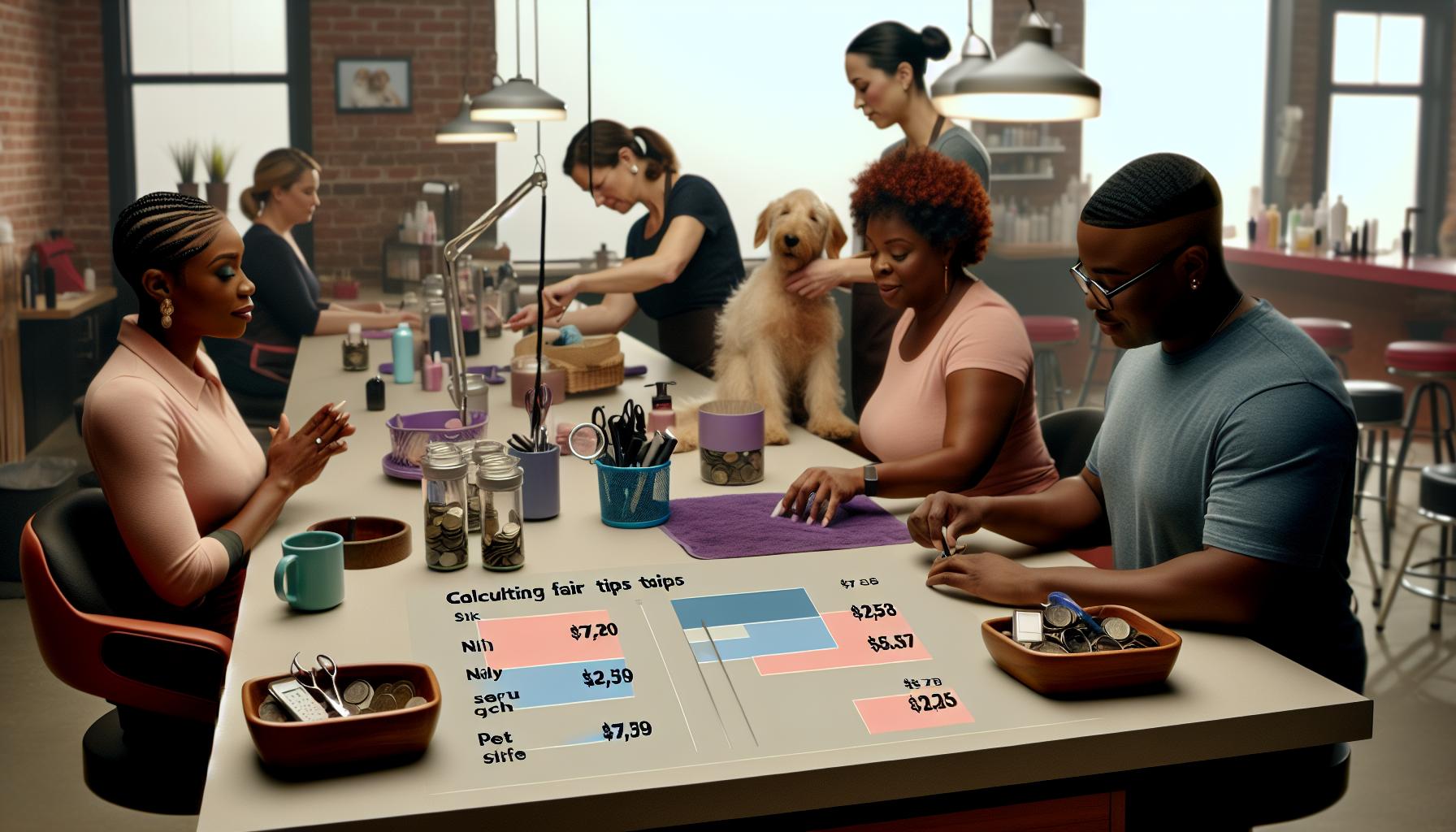
What to do When You Can’t Tip in Cash
Sometimes, you might find yourself without cash on hand right after your pup’s grooming session, and that’s completely okay. Many groomers understand that tipping isn’t always possible in cash form, especially with the rise of card payments and contactless transactions. the critically important thing is to still convey your appreciation in a way that feels comfortable and genuine for both you and your groomer.
Choice Ways to Express Your Thanks
If cash isn’t an option, consider tipping through the payment method you’re using. Many grooming salons now allow you to add a tip when paying by credit or debit card. This way, you can ensure your groomer receives the thoughtful recognition they deserve without the need for physical money. If you’re scheduling your appointment online, check if there’s a tipping option during checkout-frequently enough, there is one discreetly included.
If digital tips aren’t possible, a heartfelt note or verbal compliment can also mean a lot.Groomers often treasure genuine feedback because it boosts morale and encourages them to give that extra care, especially with difficult coats or anxious pups.You might say something like, “Thank you for your patience with Max’s sensitive skin-he looked so comfortable in your care.”
Small Acts beyond Money
For difficult tasks like detangling a matted coat or calming a nervous dog, additional appreciation can be shown with small, thoughtful gestures such as:
- Bringing treats or toys specifically approved by your groomer to reward your dog during or after grooming.
- Recommending their salon or services to friends or on social media, which helps them grow their client base.
- Scheduling regular appointments and being a reliable client, showing your trust and ongoing support.
many groomers view these ongoing relationships and kind words as invaluable-sometimes even more than a tip.
Communicating Your Intentions
If you feel uncertain or embarrassed about not tipping in cash, don’t hesitate to ask your groomer how they prefer to receive tips or thanks. Open interaction is a pet-parent’s best tool. Some groomers might accept electronic transfers,while others may be happy with a warm smile and praise.
Remember, the spirit of tipping is rooted in gratitude. Whether it’s a rapid “thank you,” a flattering comment on your dog’s coat after a long, careful bath, or a digital tip added in your payment, your kindness nurtures a compassionate environment where your pet feels safe and well cared for. This ensures every grooming session goes not just smoothly, but happily for everyone involved.
Real Owner Stories: Tipping Experiences and Expectations
Many pet owners find that tipping their dog groomer can initially feel a bit tricky-especially when they’re uncertain about what’s customary or how much to give. Take Jenna and her long-haired Golden Retriever, Daisy, for example. Daisy’s thick double coat requires extra brushing and detangling, sometimes turning what would be a simple bath and clip into a more time-consuming affair. Jenna started tipping around 15-20% of the service cost, but after a couple of visits when Daisy’s coat was especially matted, she increased it, recognizing the extra patience and skill involved. “It made me feel good to know I was valuing the groomer’s effort,” Jenna shared, highlighting how tipping reinforced a trusting bond that also helped Daisy feel more comfortable during grooming.
Different Dogs, Different Needs, Different Tips
When you have a breed with a complex coat-like a Poodle with dense curls or a Maltese prone to tangling-owners frequently enough find that simply tipping based on price isn’t enough to express appreciation. Grooming tasks like careful ear cleaning, nail trims, or handling anxious pups require additional attention and finesse. For example, Brian, who owns a shy Shih Tzu named Lulu, says, “My groomer goes out of her way to soothe Lulu when she’s nervous – so I always add a little extra tip or bring a favorite toy.” These gestures acknowledge emotional labor as well as technical skill, showing that tips aren’t just about the bottom line, but honoring care and patience.
When Expectations and Reality Meet
Sometimes,owners hesitate to tip when the service feels “just okay.” Emily, who has a high-maintenance Cocker Spaniel, recalls a time when she felt the grooming took longer than expected, and the coat was uneven. She chose to reduce her tip but still left a small amount in recognition of the groomer’s hard work. “Tipping doesn’t have to be all or nothing,” Emily advises. ”If you’re unsure, it’s okay to adjust based on your experience-just always be polite and clear if you have concerns.” Transparency can open helpful dialog and improve future visits, benefiting both pet and owner.
Practical Tips From Real Owners
- Start with the base service price: Most owners tip 15-20%, but feel free to go higher for extra care.
- Consider the dog’s temperament: Nervous or high-strung dogs often require more calming time, deserving a bit more appreciation.
- Adjust for coat condition and breed: Dense or matted coats mean more work; extra tip says ”thank you” for the extra effort.
- Tip in a way that’s comfortable for you and your groomer: Cash, digital payment, or even a heartfelt thank-you note goes a long way.
Remember, every groomer appreciates kindness over perfection. Tips aren’t about rewarding a “perfect look” but recognizing the genuine care that fosters a calm,safe,and happy grooming experience for your beloved dog. By sharing your gratitude thoughtfully,you help strengthen the human-animal bond and support the people who work tirelessly behind the scenes.
How Groomers Feel About Tips and Why They Matter
Few things brighten a groomer’s day like genuine appreciation expressed through tipping. Grooming isn’t just about clipping nails or trimming coats – it’s a hands-on, compassionate craft that requires patience, skill, and a calm touch, especially when working with nervous or high-maintenance dogs. For many groomers, tips aren’t simply a bonus; they’re a meaningful acknowledgment of the care and dedication poured into each appointment.
Grooming tasks vary widely, from bathing and blow-drying to meticulous detangling of a thick double coat or soothing a fearful pup. For example, a groomer managing a Poodle’s dense curls or a maltese prone to mats uses specialized tools and techniques, often taking extra time to make the experience positive and stress-free. When owners recognize this effort with a thoughtful tip, it boosts the groomer’s morale and affirms that their attentive approach matters beyond the visible results.
Many groomers also emphasize that tips help balance the realities of their work – long hours on their feet,the physical demands of handling dogs of all sizes and temperaments,and sometimes accommodating unexpected challenges like removing stubborn mats or calming an anxious dog mid-session. while the service price covers basics, tips often reflect gratitude for the emotional labor involved, such as extra soothing or tailored care that isn’t itemized on a bill.
- Emotional connection: Tips show groomers that their gentle handling of a shy or stressed dog hasn’t gone unnoticed.
- Validation of skill: Extra care for dense coats,ear cleaning,or nail trimming is often above-and-beyond work deserving recognition.
- Confidence and consistency: Regular tipping fosters trust and ensures groomers feel valued, encouraging them to maintain patient, quality service.
It’s worth remembering that while a tip is never mandatory, it forms part of a positive feedback loop – it affirms the groomer’s expertise and compassion, and it helps owners feel connected to a professional who prioritizes their pet’s wellbeing. if cash isn’t easy, a sincere thank-you note or a small gift can also brighten a groomer’s day, reinforcing that kindness and recognition mean much more than perfect grooming outcomes.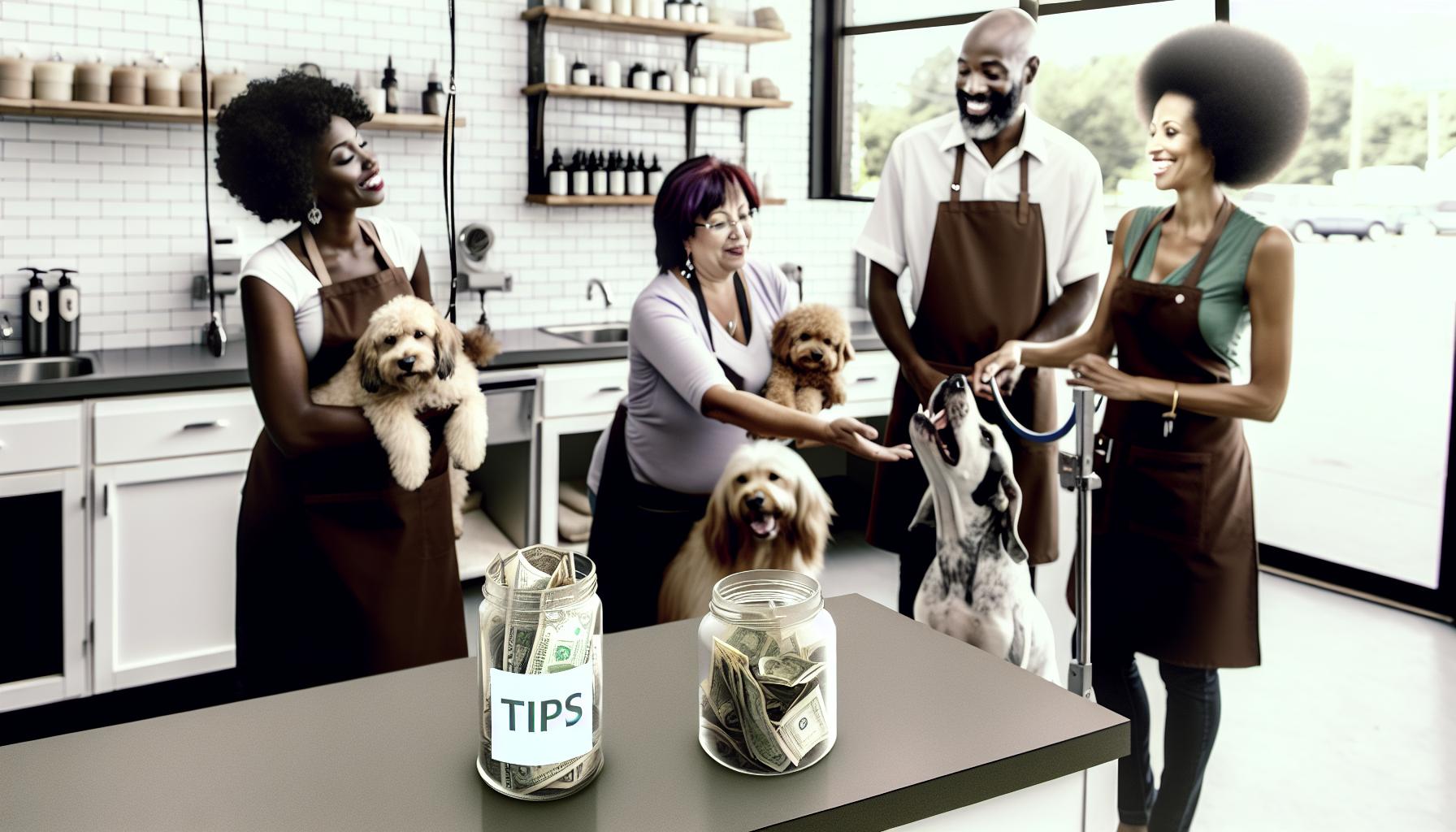
Frequently Asked Questions
Q: How can I tip a dog groomer if the salon doesn’t accept cash?
A: if cash tips aren’t accepted,ask the salon if you can add a tip to your credit card payment or use a mobile payment app. Some groomers appreciate gift cards or small thoughtful gifts too. Always confirm the salon’s tipping policy beforehand to avoid confusion.For more guidance, see our tips on non-cash tipping options.
Q: When is it appropriate to tip less or not at all to a dog groomer?
A: It’s acceptable to tip less or skip tipping if the service was poor or rushed. However, communicate concerns politely with the groomer or salon management first.Tipping standards assume satisfactory care, so withholding tips should be a last resort after feedback.Learn more about tipping etiquette in our dedicated section.
Q: What percentage of the grooming bill is commonly given as a tip to dog groomers?
A: The usual tip for dog groomers ranges from 15% to 20% of the total grooming cost. For exceptional service or complex jobs, tipping slightly more shows appreciation. This percentage is a widely accepted standard but should reflect your satisfaction and budget. Refer to our ”Common Dog Grooming Tip Rates” for examples.
Q: How does tipping differ for routine baths versus full grooming sessions?
A: Tips for routine baths are generally lower, around 10-15% of the bath price, while full grooming sessions typically receive 15-20% tips due to greater effort and time. Adjust tips based on service complexity and the dog’s behavior to match groomer effort fairly. Check our article section on fair tip calculation for details.
Q: Can I tip more for groomers who handle anxious or aggressive dogs?
A: Absolutely. Groomers managing anxious or aggressive dogs deserve extra tips for patience and specialized care. Consider adding an additional 5-10% on top of the usual tip to acknowledge the difficulty and extra attention. our “Tips for Special Services or Difficult dogs” section covers this topic in depth.
Q: how often should I tip my dog groomer if I have regular appointments?
A: It’s best to tip at every appointment, preferably at 15-20% per visit. For regular clients, consistent tipping encourages excellent service and builds rapport. occasionally,you might increase the tip to show extra appreciation during holidays or special occasions. See our “Tipping Etiquette” for ongoing client tips.
Q: Why do some groomers prefer tips over higher base prices?
A: Many groomers rely on tips as a significant part of their income because base grooming fees often don’t reflect their full effort or skill, especially with challenging dogs. Tips motivate quality work and cover additional time or care.Understanding this helps owners tip fairly; learn more in our section on groomer perspectives.
Q: Are there any cultural differences in dog grooming tip amounts I should be aware of?
A: Yes, tipping customs vary by region and country. In the U.S., 15-20% is standard, but some places have different expectations or tipping may be less common. When traveling, research local norms or ask the salon about customary tip amounts to ensure respectful appreciation. For related advice, check out grooming tip influences by location.
For more practical advice on how to assess and calculate your tips,explore our detailed tips on fair tipping practices and etiquette within the main guide. Your thoughtful tipping reinforces the compassionate care your pet deserves!
Key Takeaways
Understanding the common tip amount for dog groomers helps you appreciate the care, skill, and patience involved in keeping your furry friend happy and healthy.Whether your dog has a short coat or requires specialized grooming tools and techniques, tipping is a meaningful way to support groomers who prioritize safety, comfort, and your pet’s wellbeing.If you’re wondering about next steps, explore our detailed guides on grooming essentials and at-home pet care routines to deepen your confidence and knowledge.
Ready to show your groomer some extra appreciation? Consider signing up for our newsletter for expert tips and updates on pet care. For personalized advice tailored to your dog’s breed or coat type, don’t hesitate to book a consultation with our trusted grooming specialists.If you found this helpful, share your thoughts below or check out related topics like “How to Choose the Right Grooming Service” and “DIY Dog Grooming Basics” to keep your pet pampered between appointments. Your pet’s comfort and happiness always come first,and we’re here to guide you every step of the way.
Get our latest guides, news, and insights highlighted in your Google Search & AI Overviews.
Keep reading about the same coat and cut.



Popular grooming guides
Bath vs clip, first grooms, and salon how-tos.